Amboise · Centre-Val de Loire · Castle
Royal Château of Amboise
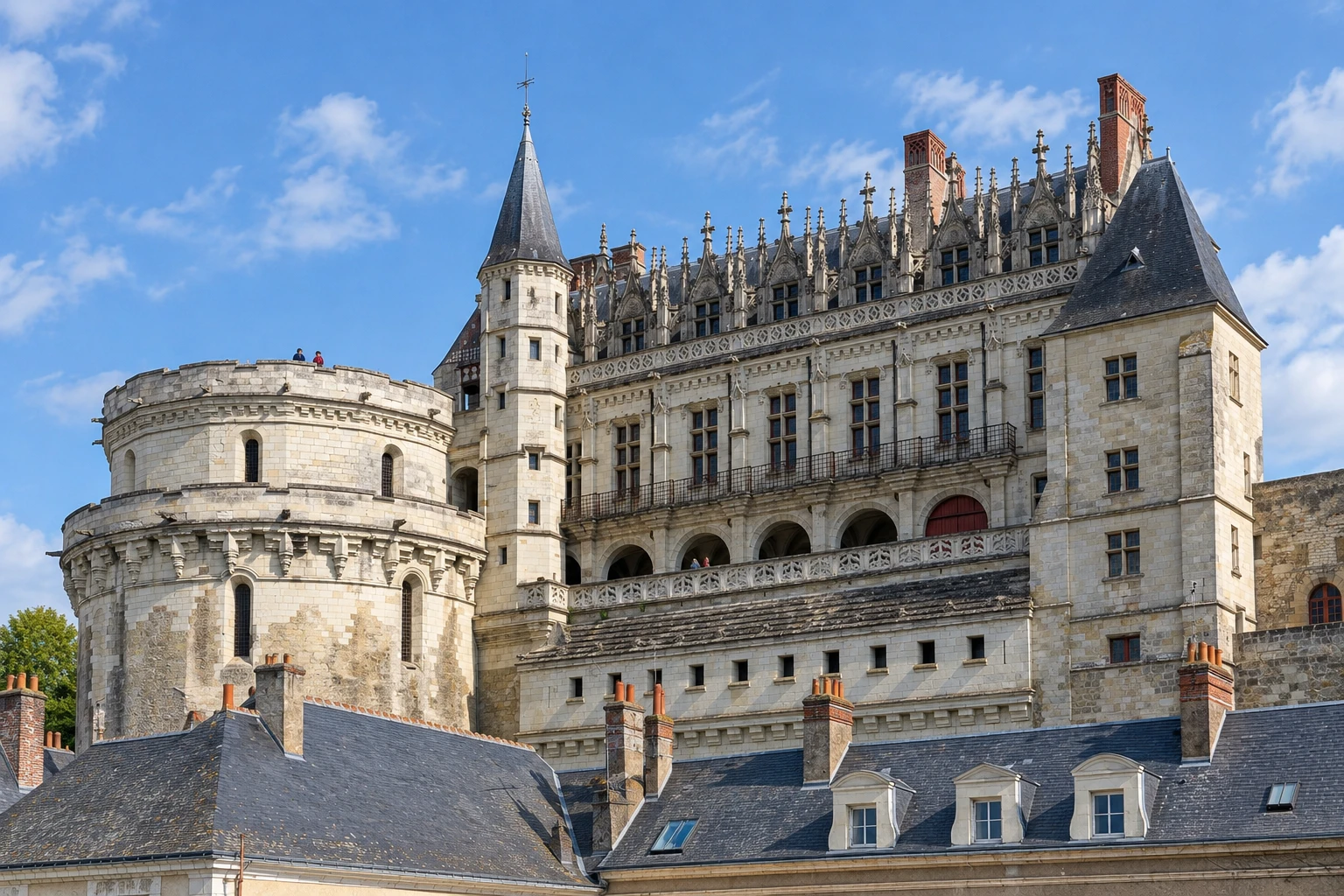
Residence of the kings of France during the Renaissance, on a rocky promontory above the Loire, with the Saint-Hubert chapel where Leonardo da Vinci’s tomb is located.

 Search
 Brazil
 Antarctica
 Argentina
 Bolivia
 Chile
 Colombia
 Ecuador
 Falkland Islands (Malvinas)
 French Guiana
 Guyana
 Paraguay
 Peru
 Suriname
 Uruguay
 Venezuela
 Austria
 Belgium
 Croatia
 Denmark
 FinlandFrance
 Germany
 Greece
 Hungary
 Iceland
 Ireland
 Italy
 Luxembourg
 Norway
 Poland
 Portugal
 Slovakia
 Slovenia
 Spain
 Sweden
 Switzerland
 the Czech Republic
 the Netherlands
 the United Kingdom
 Turkey
 Bermuda
 Canada
 Greenland
 Mexico
 Saint Pierre and Miquelon
 the United States
 the Dominican Republic
 JapanTurkey
 Egypt
 South Africa
 Australia
 Fiji
 New Zealand
 Papua New Guinea
Centre-Val de Loire
19 places to visit and 15 tours, chosen by the Cidade Turismo guide.
Updated
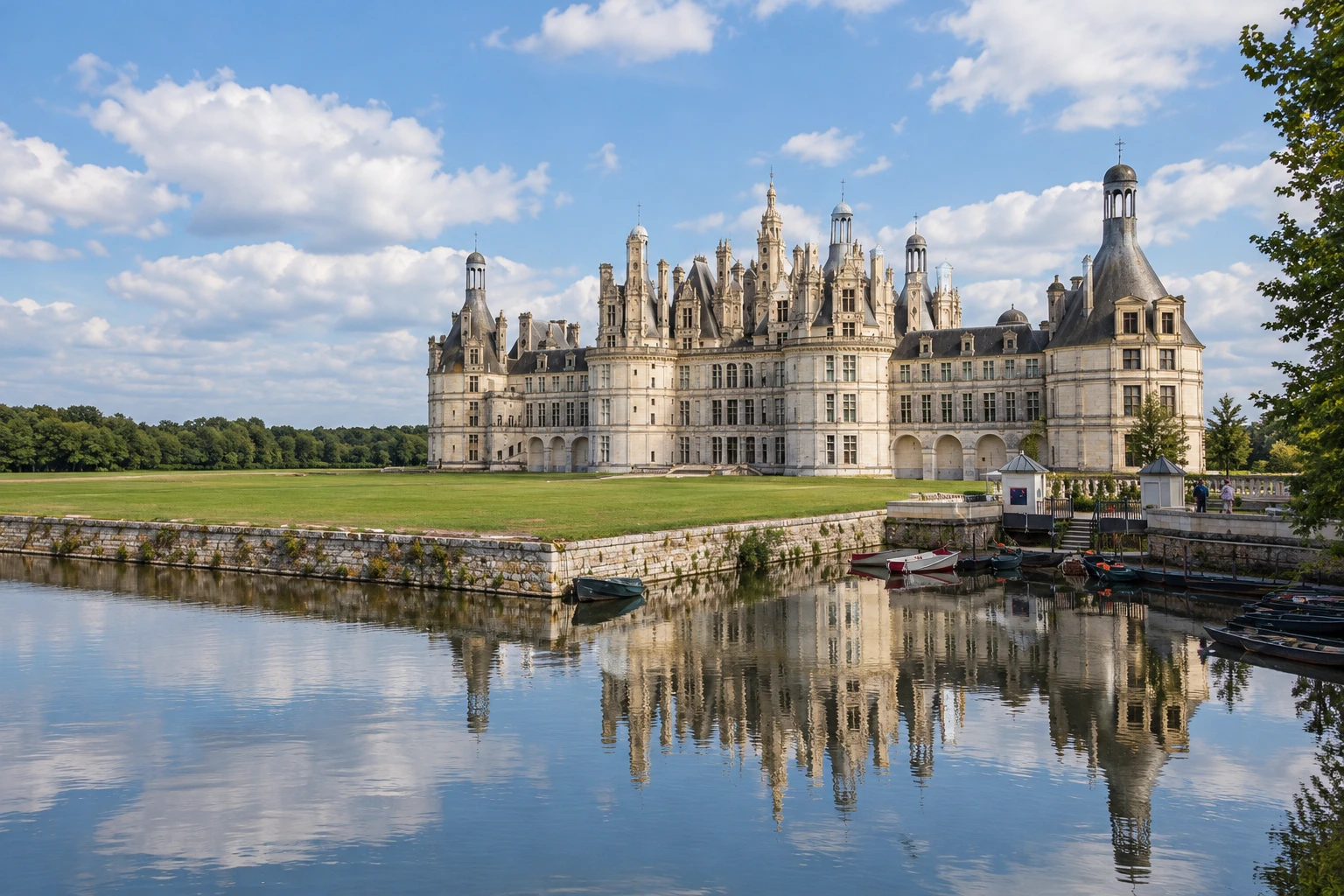
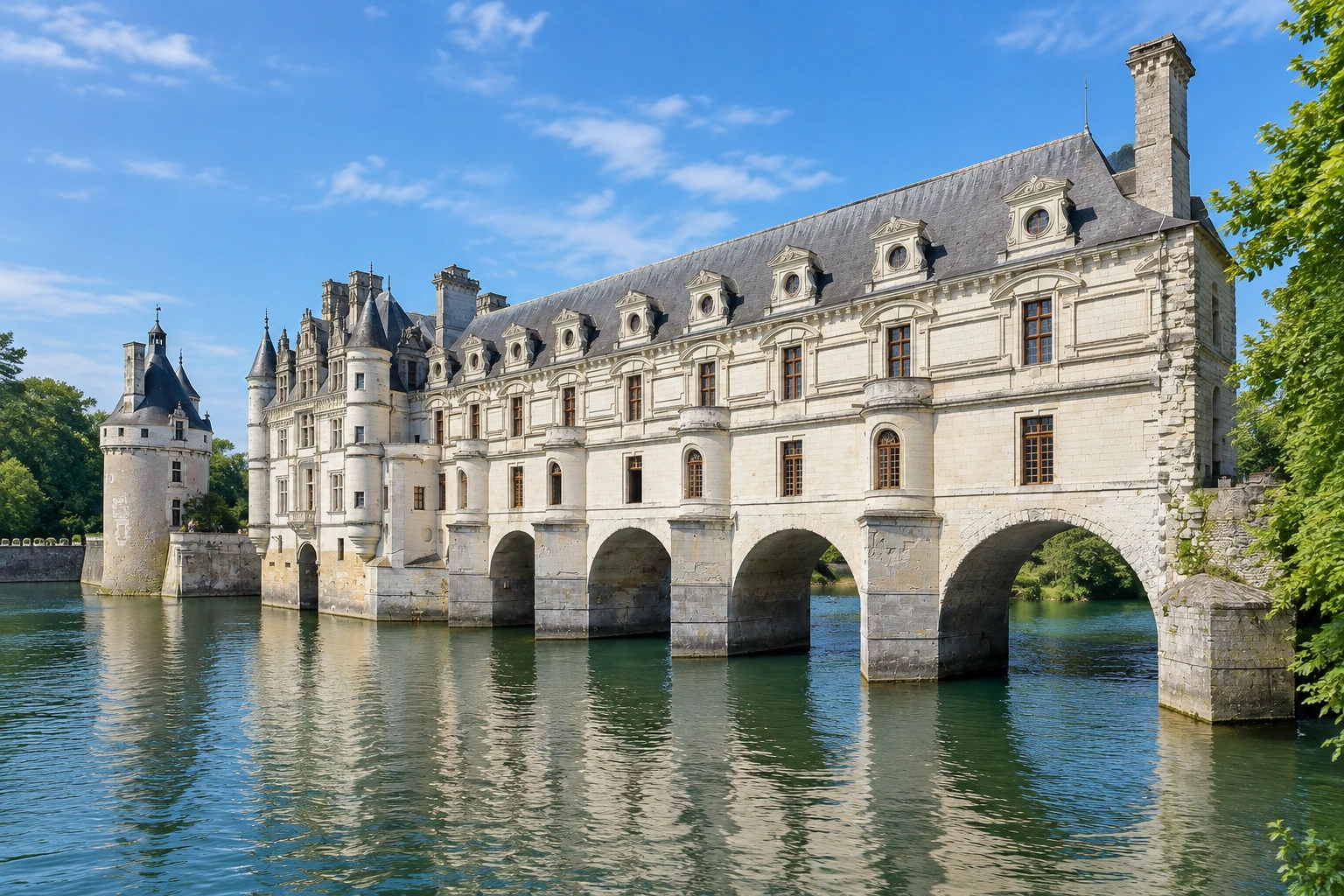
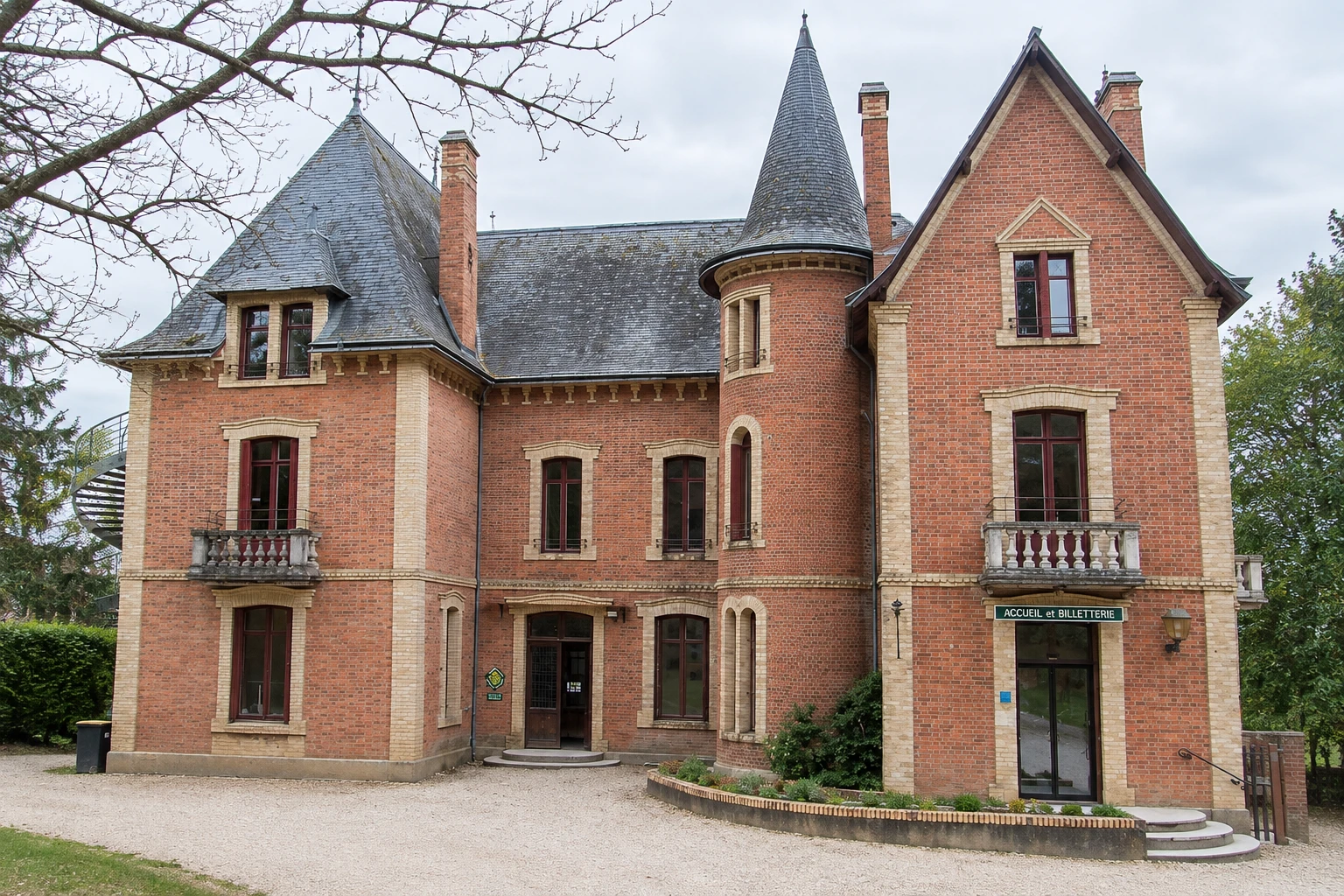
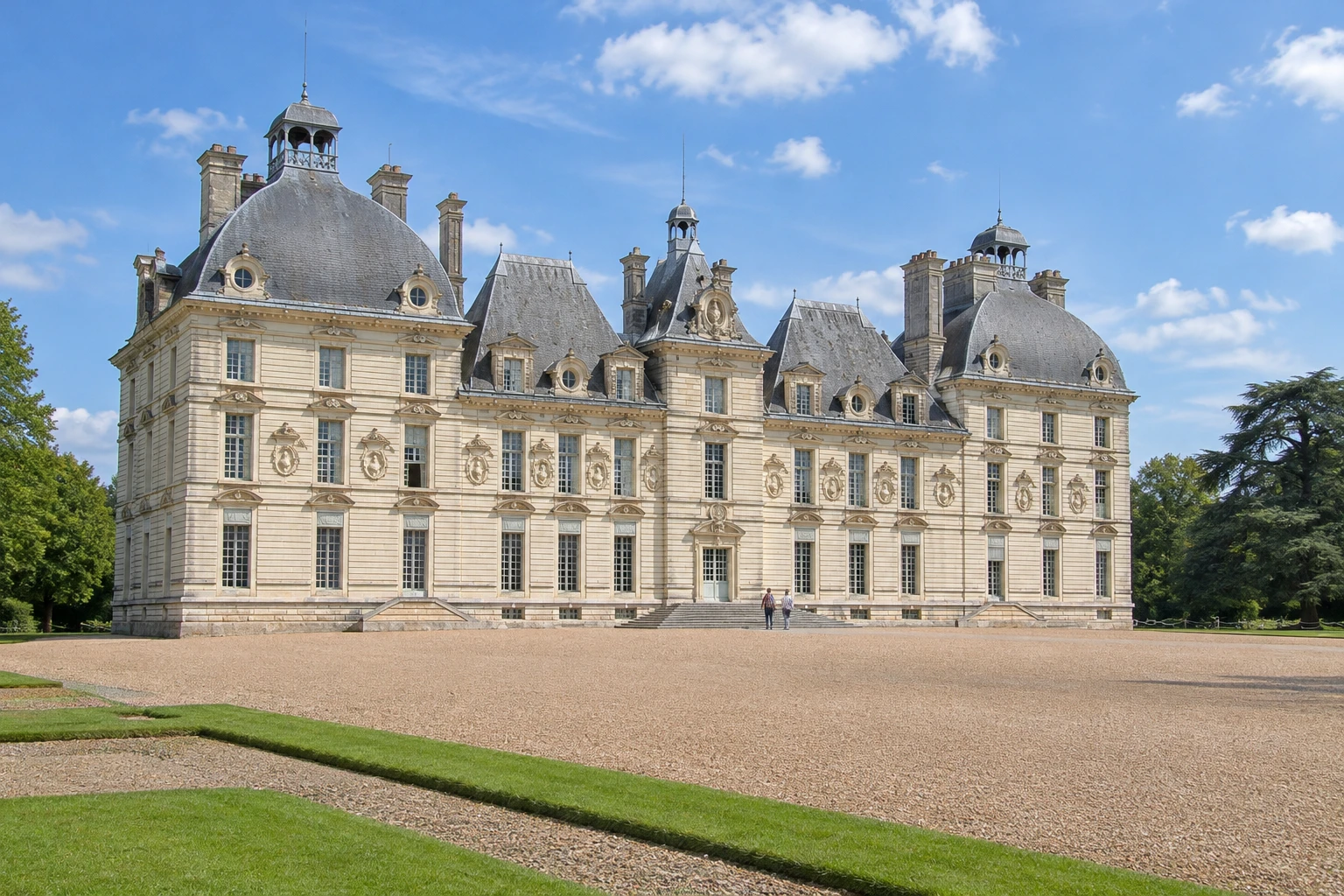
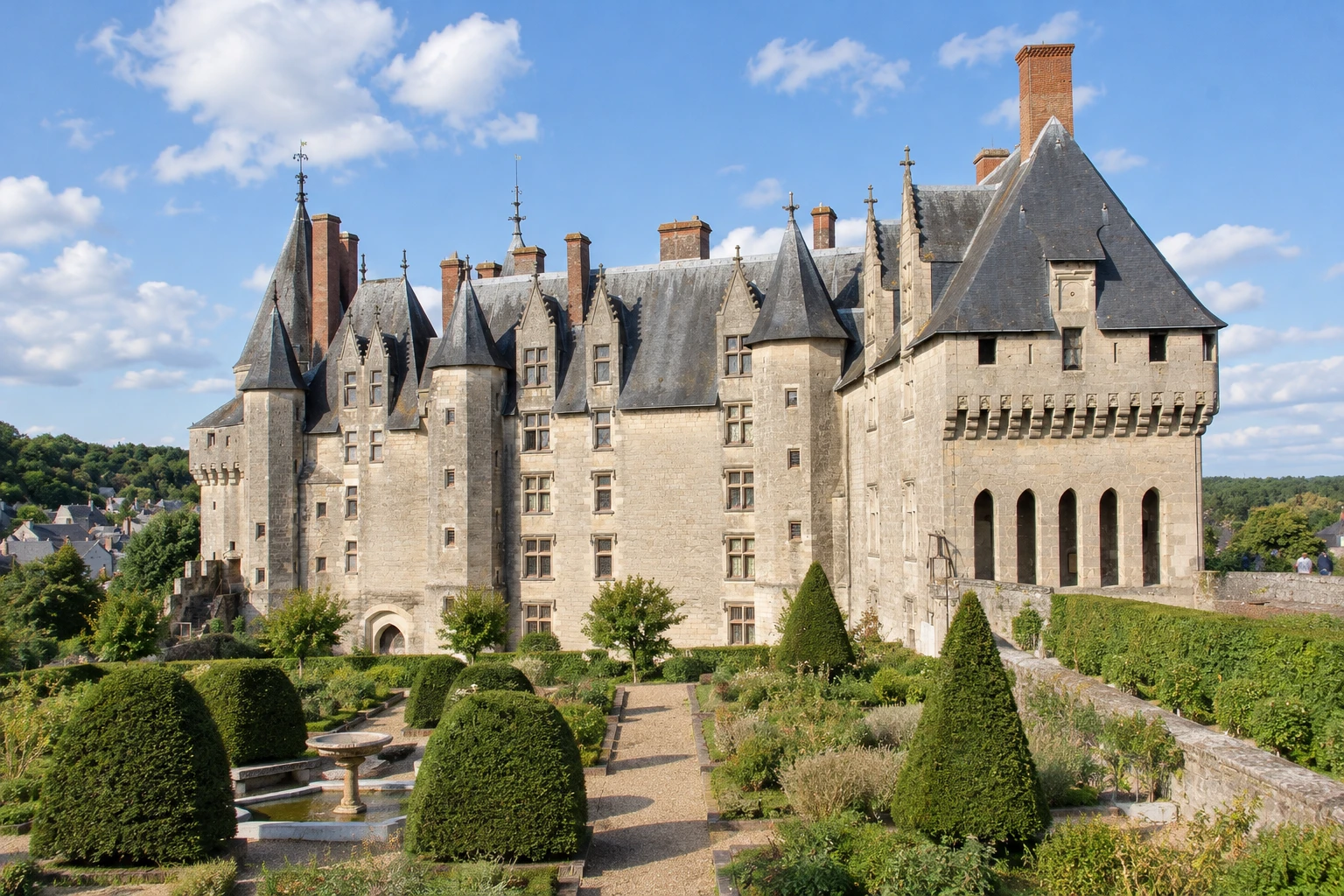
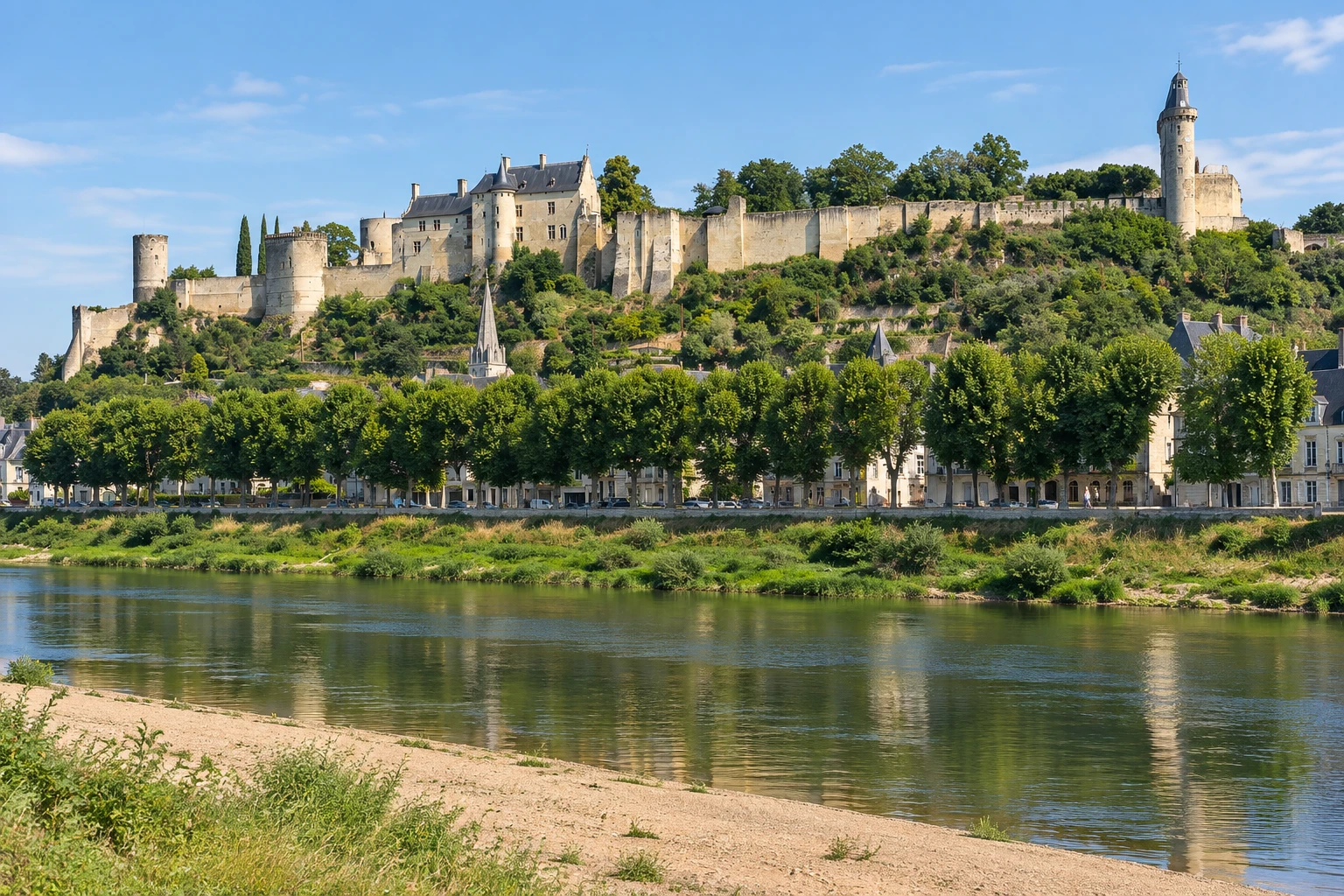
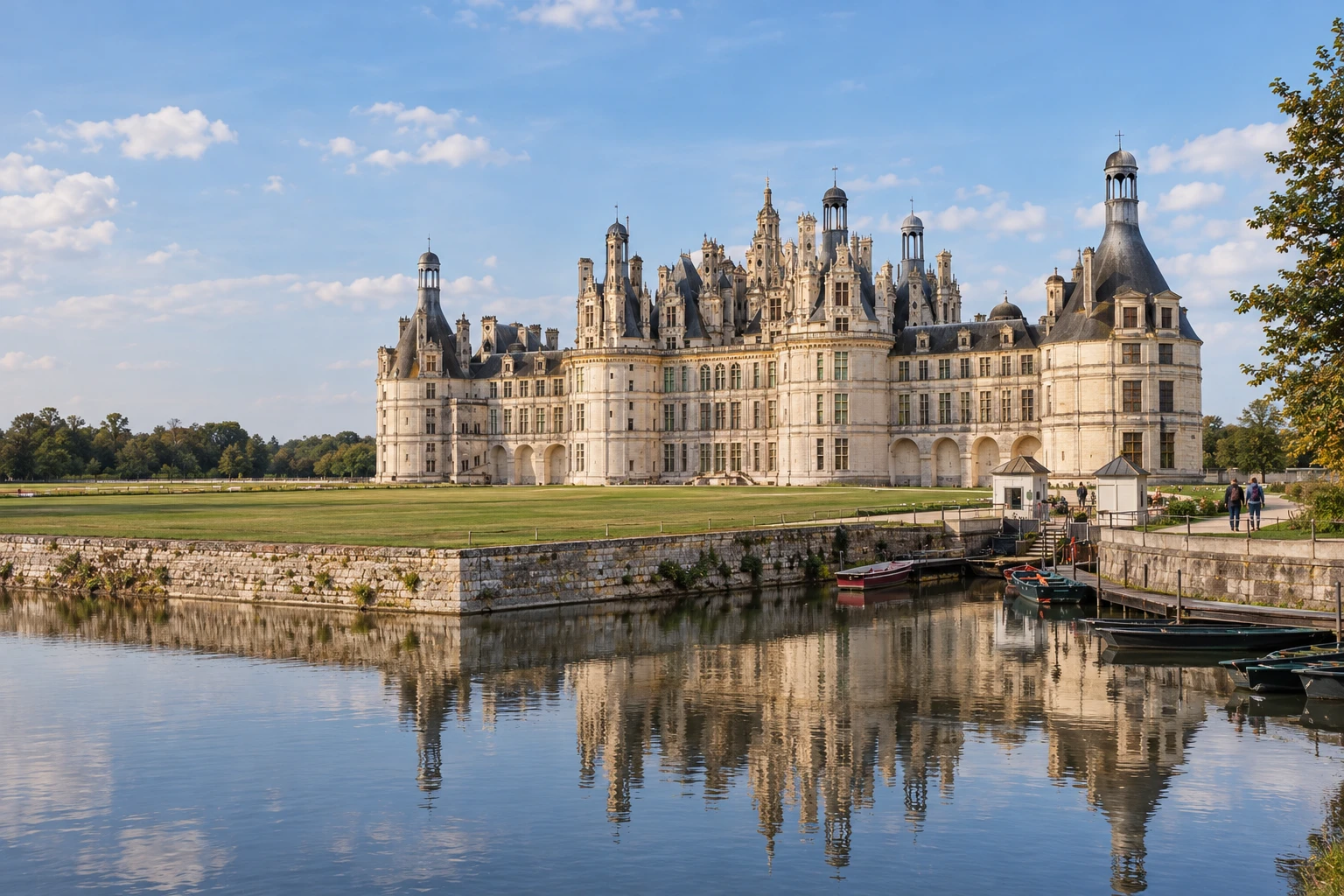
Illustrative images. The pictures in this guide are illustrations based on the real place, not photographs, and may differ from it.
To start
One by one
Residence of the kings of France during the Renaissance, on a rocky promontory above the Loire, with the Saint-Hubert chapel where Leonardo da Vinci’s tomb is located.
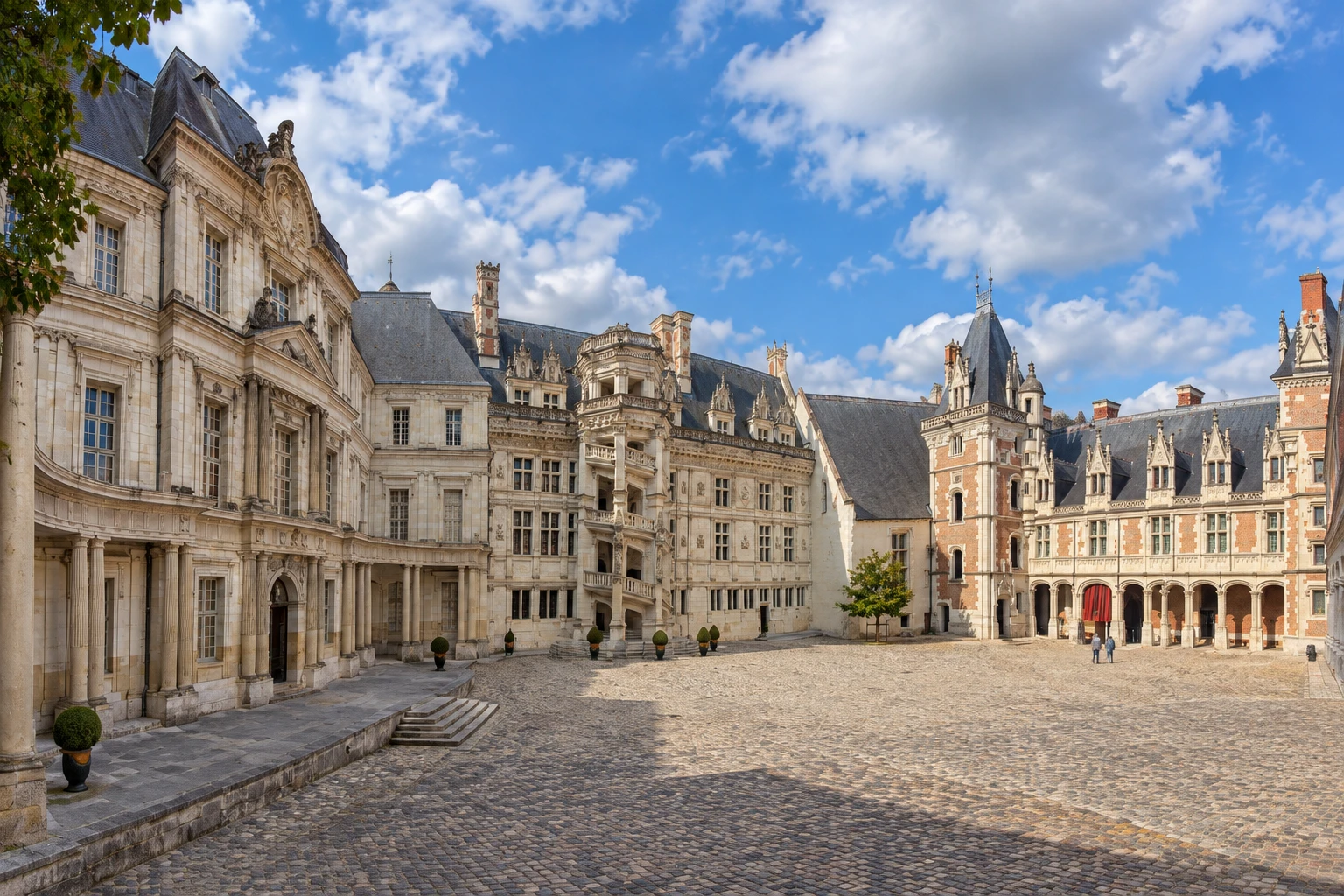
The preferred residence of the kings of France in the Renaissance, with four wings from different periods around a single courtyard and the spiral staircase of the François I wing.
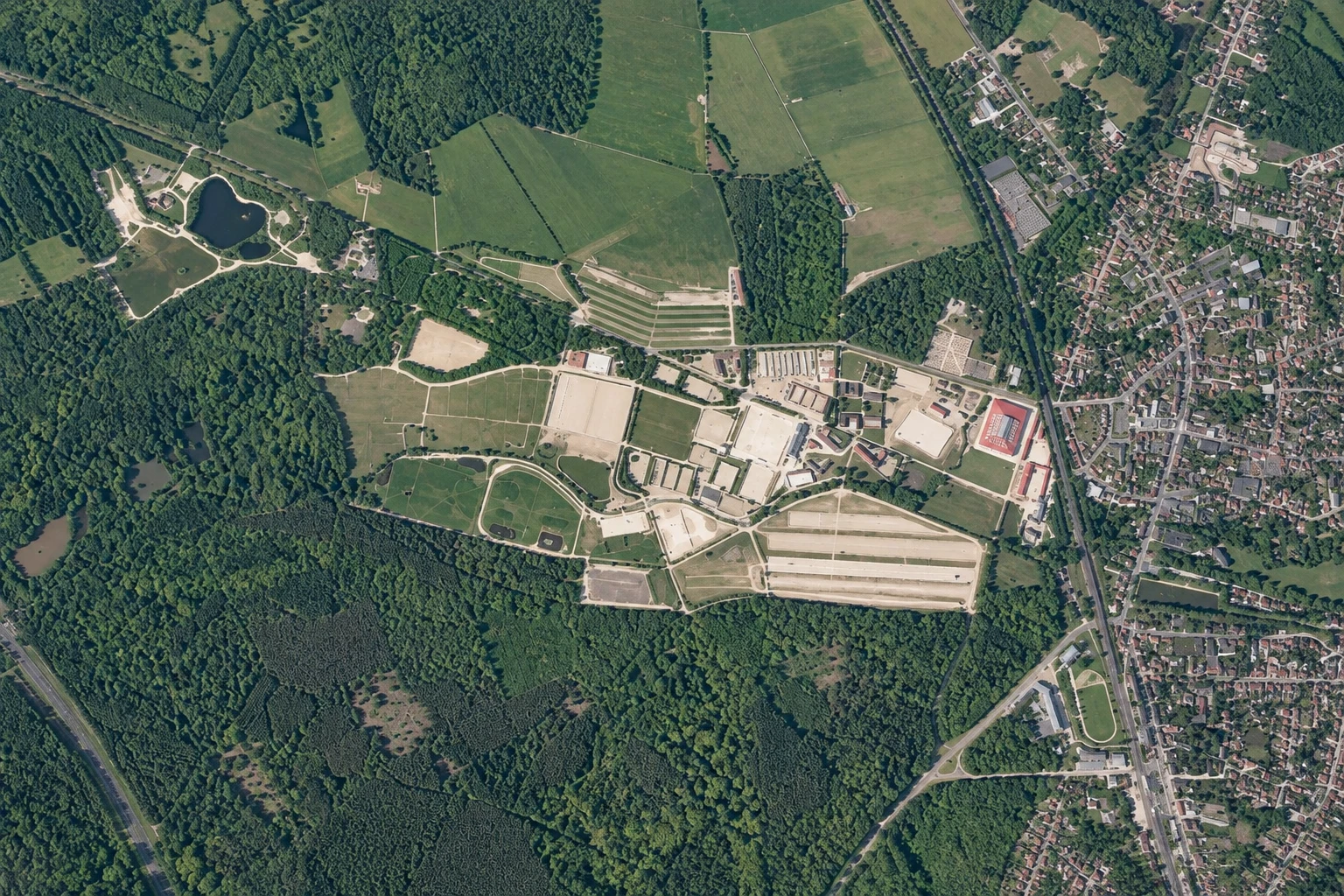
Complex of roughly 400 hectares owned by the French Equestrian Federation, at the exit of Lamotte-Beuvron, with arenas, show-jumping courses, cross-country tracks and stables. Every summer it hosts the French championships for ponies and clubs.
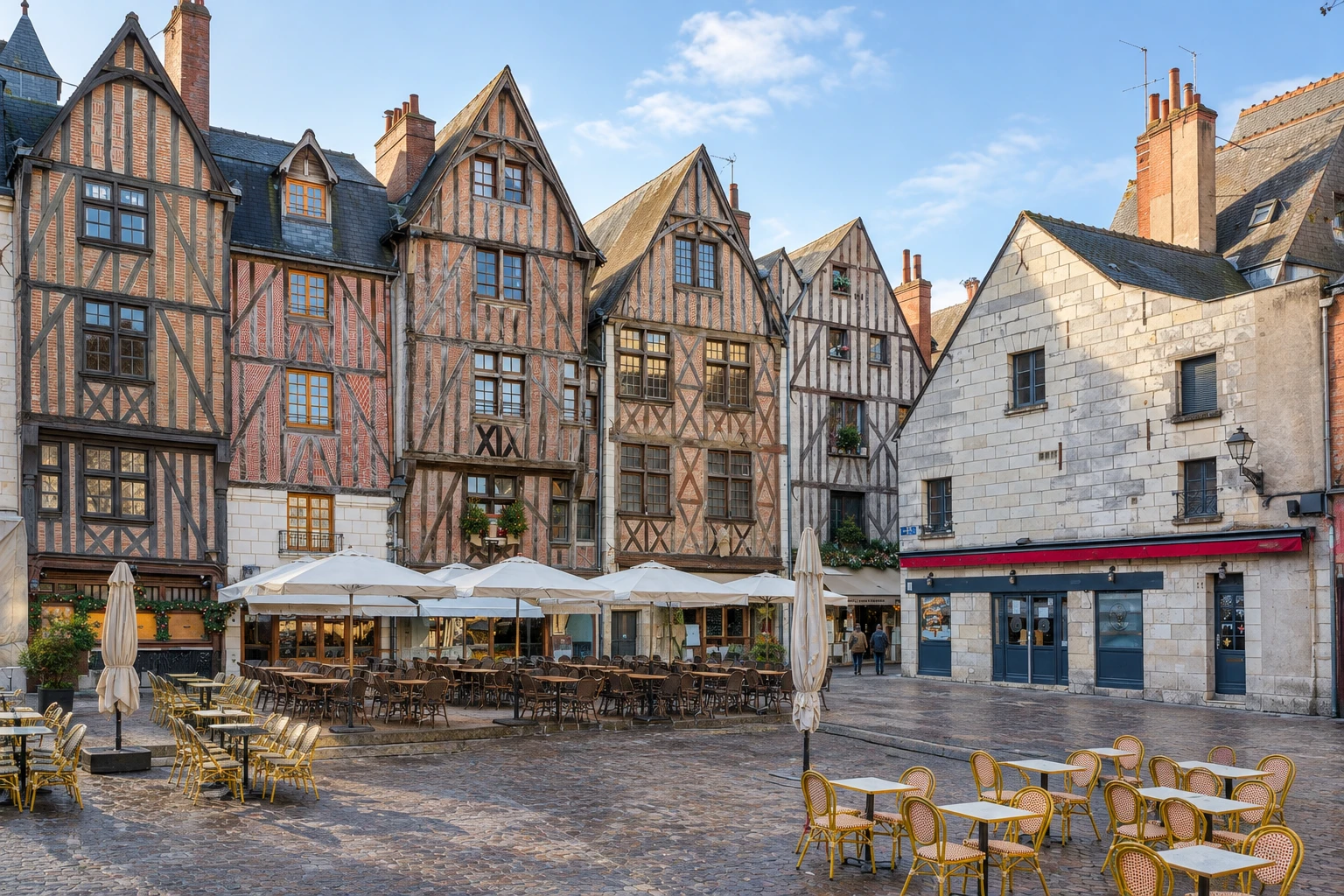
Historic centre of Tours, with half-timbered houses from the 15th and 16th centuries around Place Plumereau, the square of cafés and restaurants.
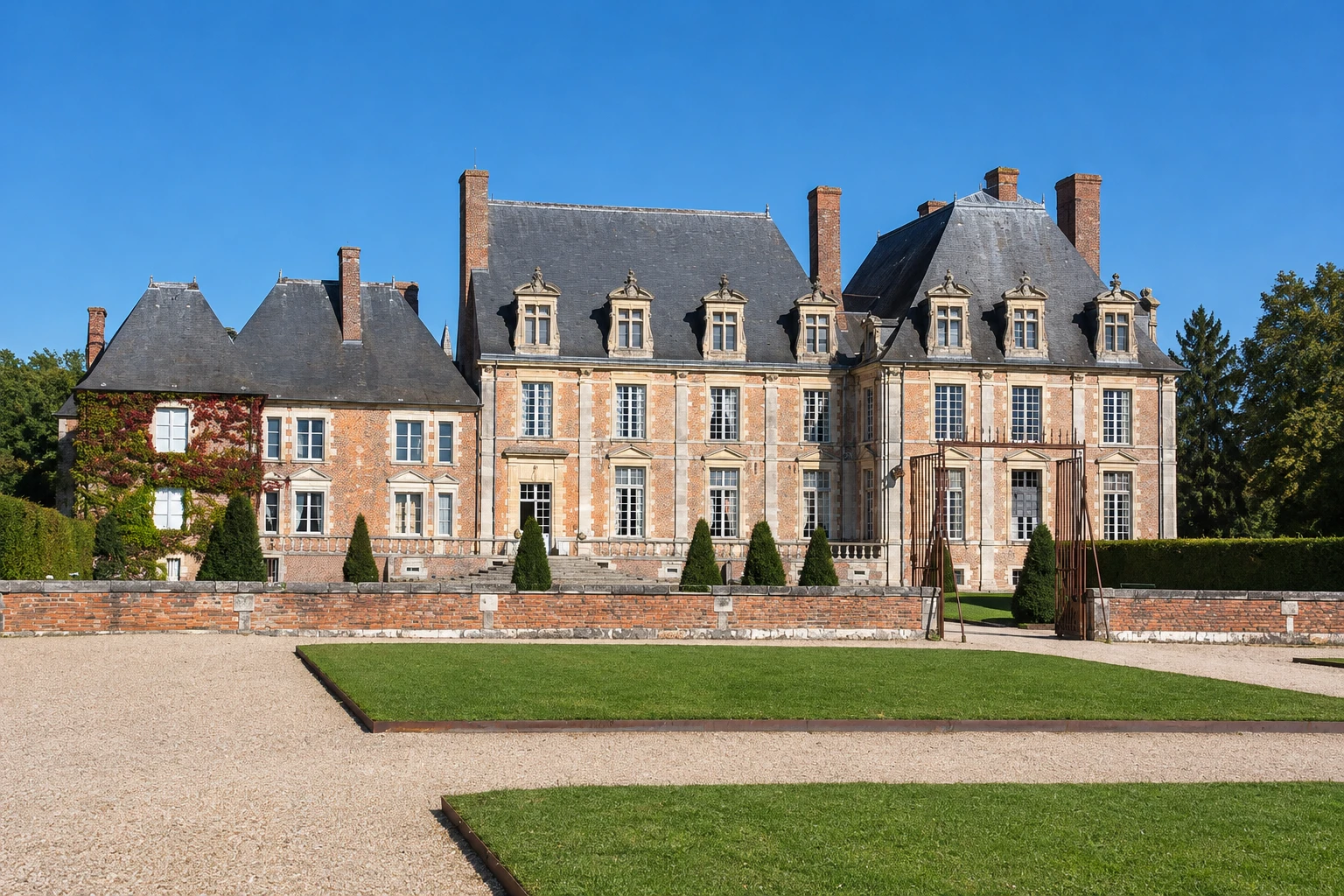
17th-century brick and stone château, surrounded by water-filled moats, on the banks of the Cosson River, about 15 km north of Lamotte-Beuvron. Open to visitors, with furnished reception rooms, kitchens and a 40-hectare park.
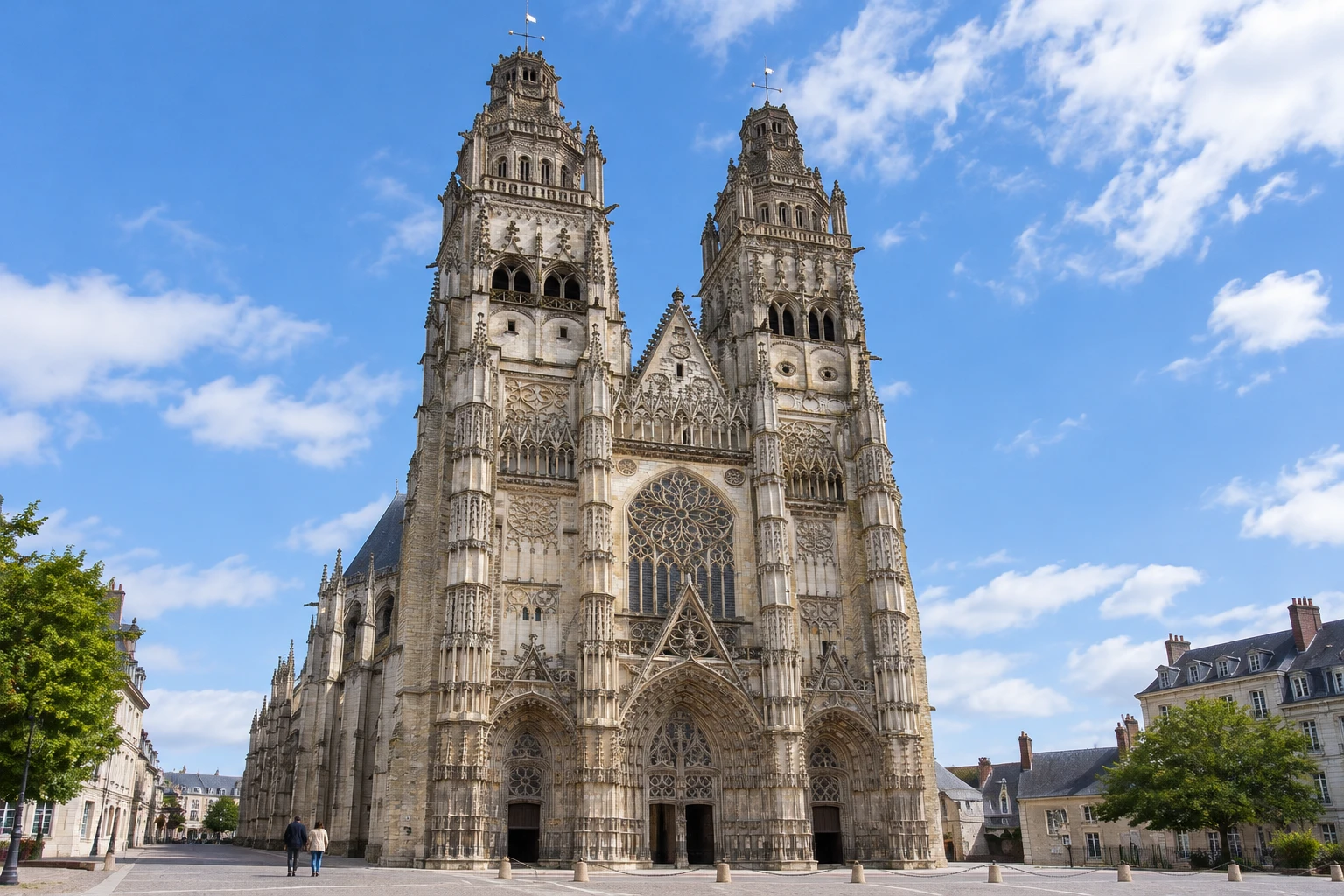
Gothic cathedral of Tours, dedicated to São Gaciano, the city's first bishop, featuring a set of 13th-century stained glass windows and the Psalette cloister beside it.
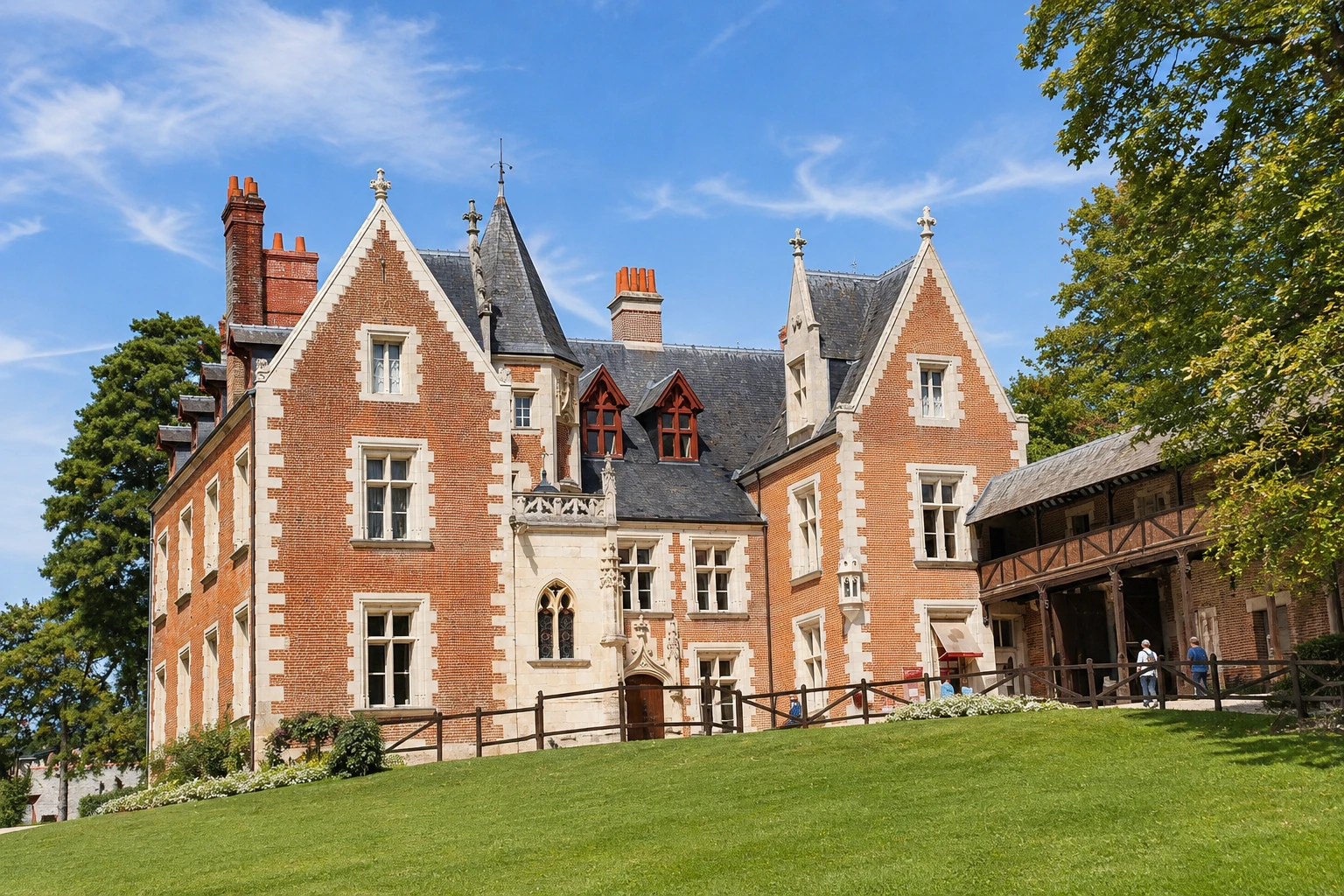
House where Leonardo da Vinci lived from 1516 until his death in 1519, with a bedroom, studio and a park with models of the machines he designed.
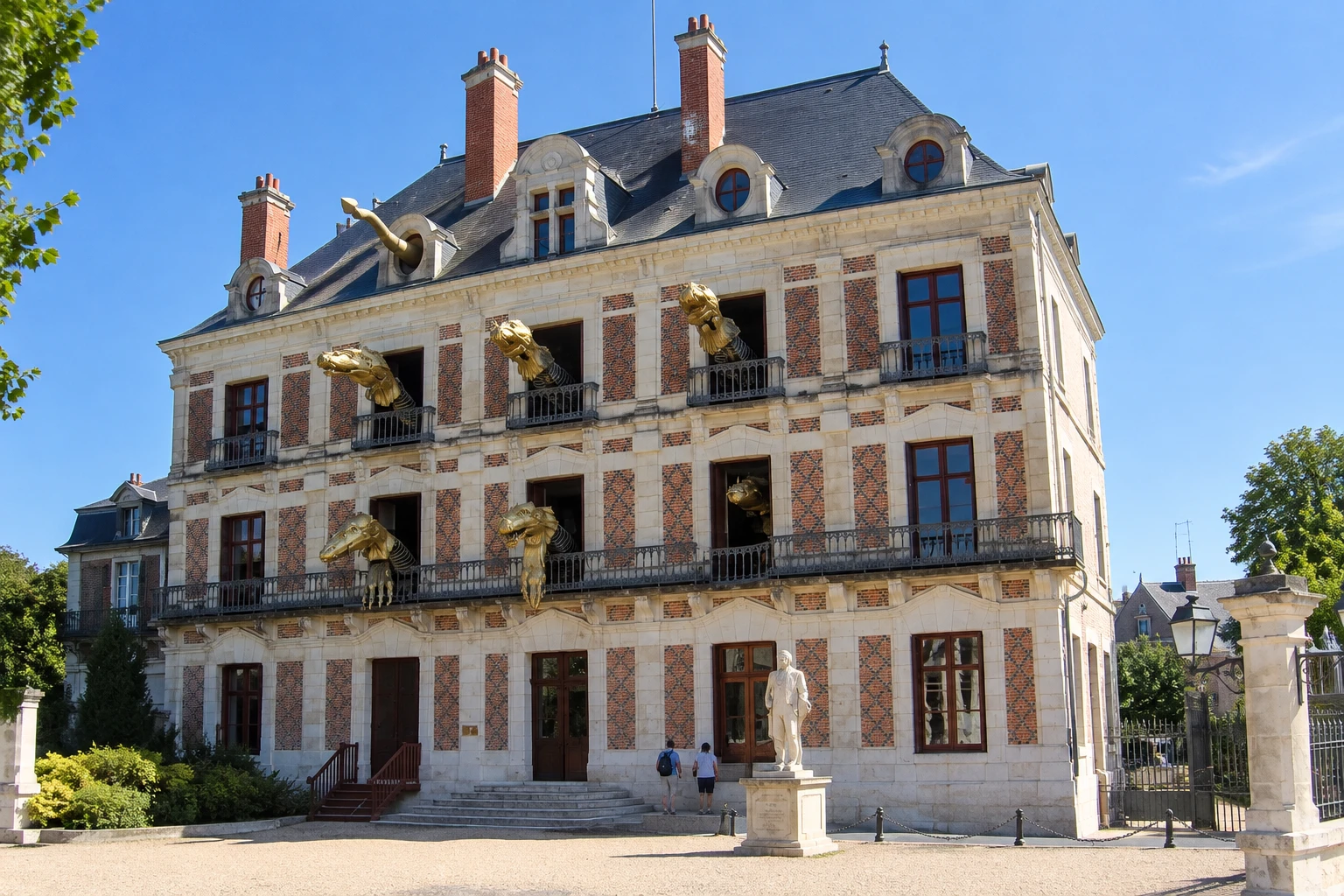
Museum of magic opposite the castle of Blois, dedicated to Jean-Eugène Robert-Houdin, with optical illusions, a collection of objects and a theatre show.
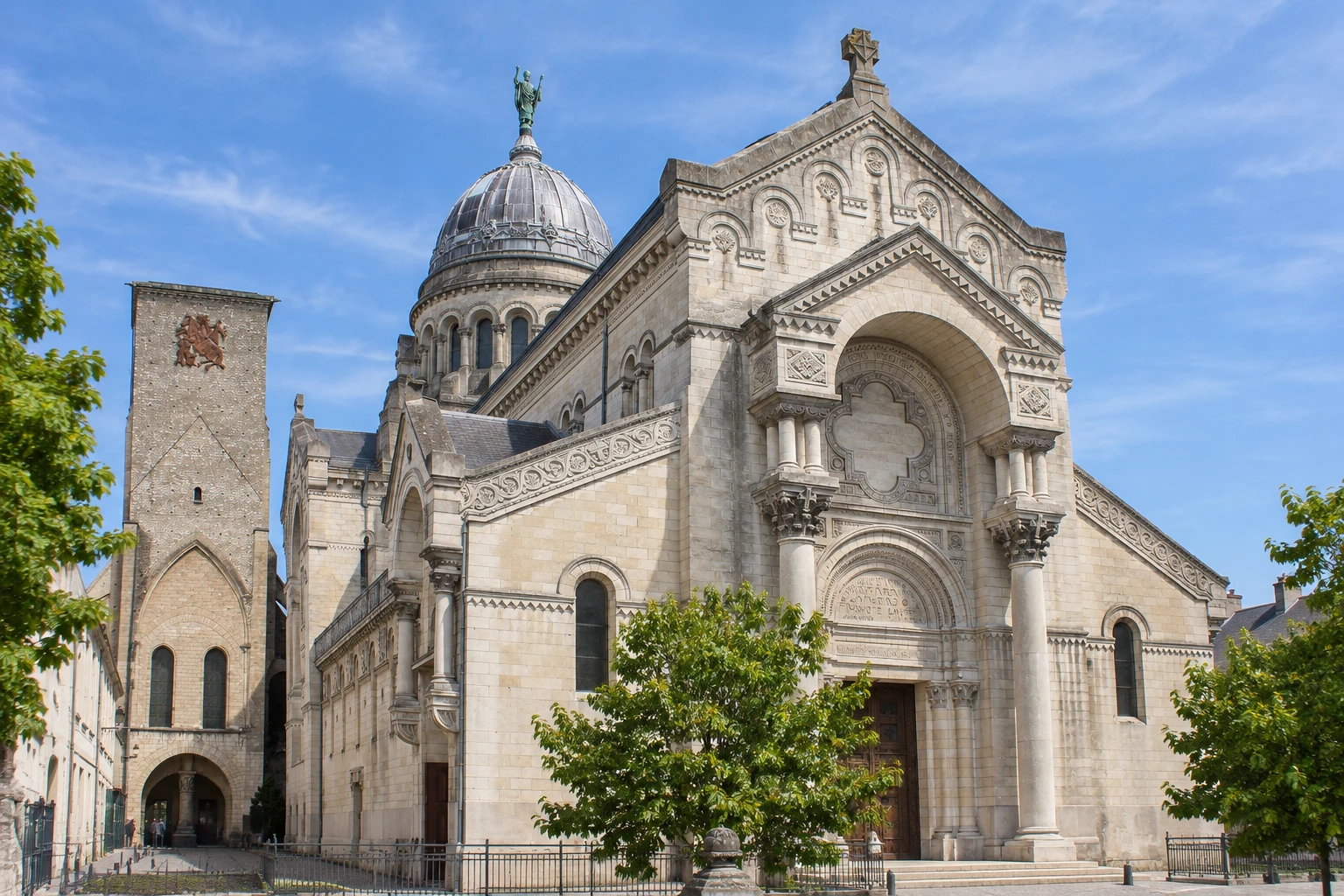
Neo-Byzantine basilica from the late 19th century, built over the tomb of São Martinho de Tours, one of France's most popular saints.
The largest of the Loire castles, built by François I from 1519, with the double-helix staircase and a walled park of about 50 km².
16th-century castle built over the Cher River, with a two-storey gallery on a bridge, known as the Ladies' Castle.
An estate of about 300 hectares in Ménestreau-en-Villette, serving as a conservatory for Sologne wildlife, with trails through woodlands, heaths, meadows and ponds, animal observatories and a small museum.
A 17th-century classical château, still home to the same family, with furnished interiors and an exhibition about Tintin, since it inspired the château of Moulinsart.
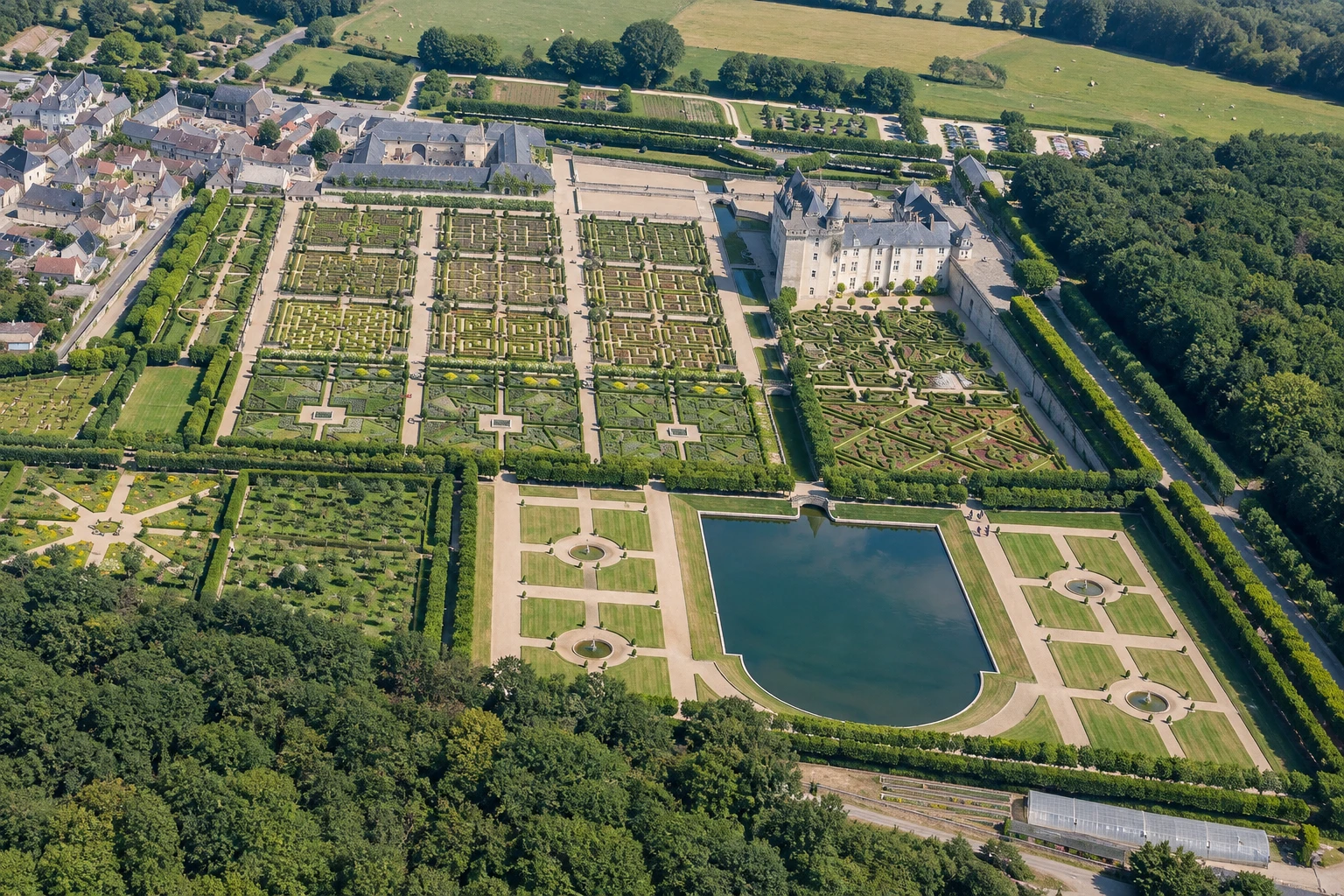
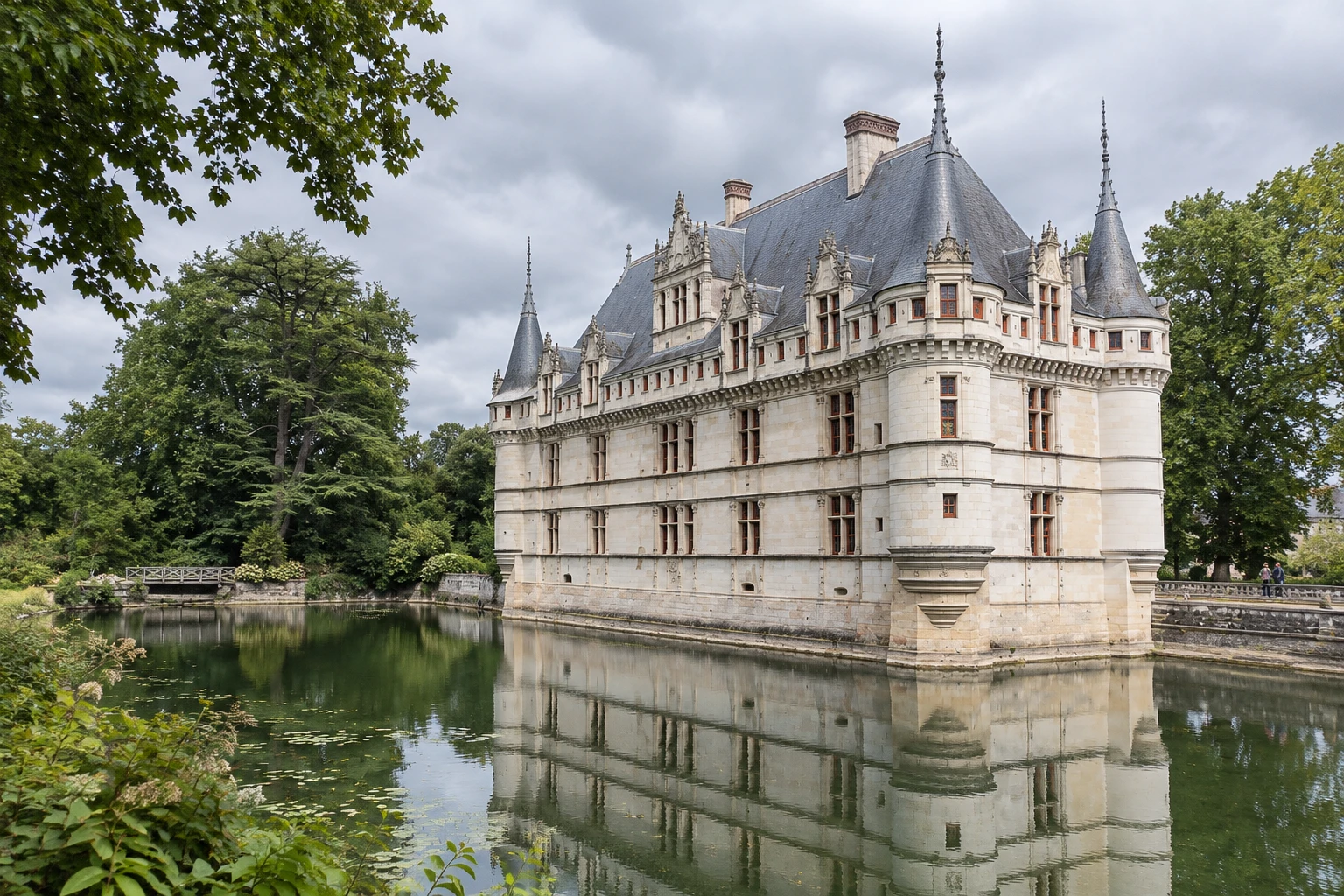
The last of the great Renaissance châteaux built on the banks of the Loire, known for its terraced gardens, including an ornamental potager, water garden and maze.
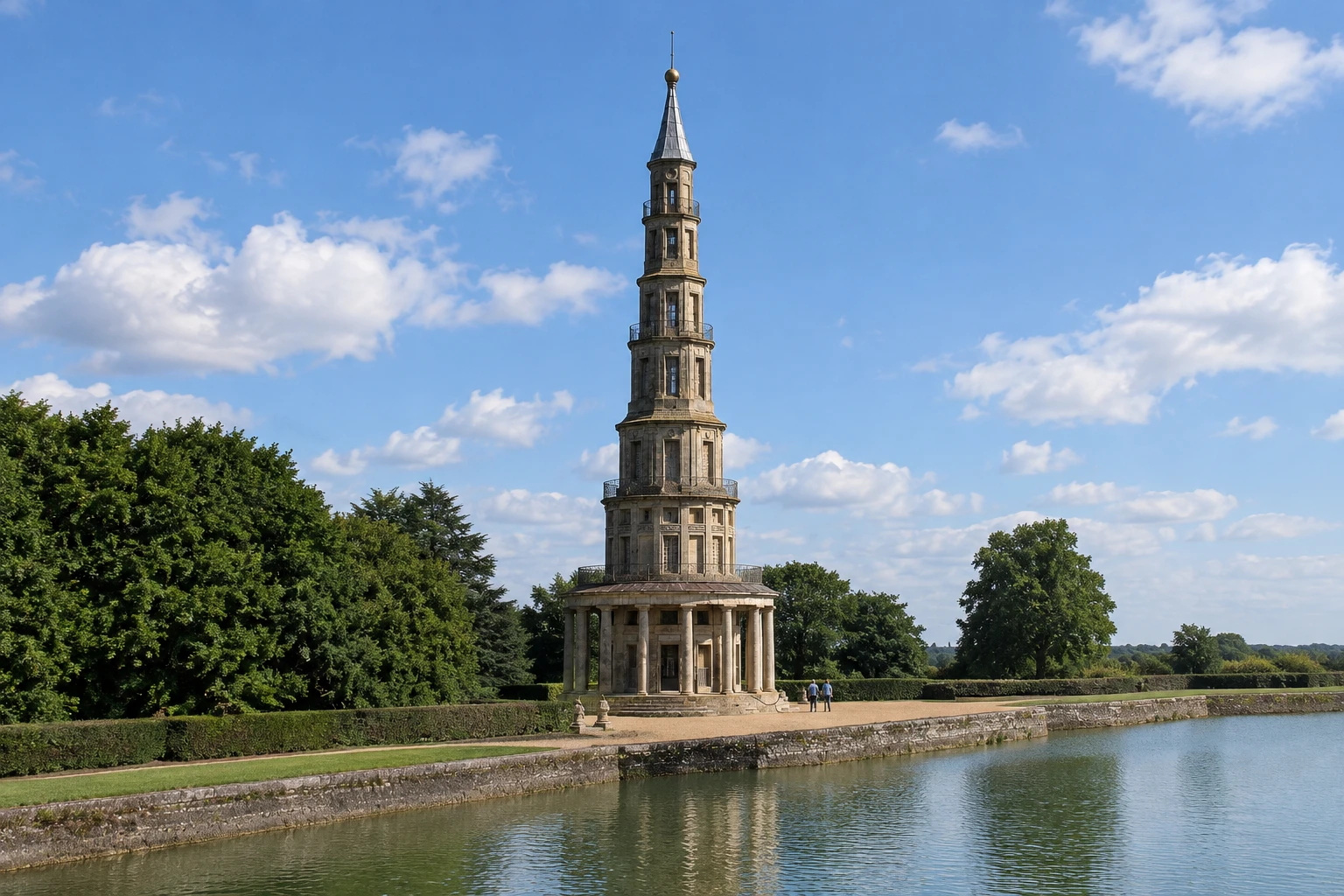
Pagoda of about 40 meters built in 1775 by the Duke of Choiseul, the last remnant of the Château de Chanteloup, offering panoramic views over the forest and the Loire Valley.
Renaissance castle built between 1518 and 1524 on the Indre river, with part of the structure supported on piles in the water.
A château above the Loire with a historic park, stables and the International Garden Festival, which each year brings together gardens created by landscape designers from various countries.
Castle built by Louis XI in 1465, where Charles VIII married Anne of Brittany in 1491, with rooms furnished in the medieval style.
Medieval fortress made up of three castles on a hill above the Vienne river, where Joan of Arc met King Charles VII in 1429.
To choose before you go
The details of each tour (where it leaves from, what it includes, the best time) are in the complete guide.
Get your questions answered
The guide's itineraries cover 2, 3 and 5 days: in 2 days, Amboise, Chenonceau and Chambord; Loire Valley in 3 days based in Tours; in 5 days, castles, gardens and cycling.
Paris, Amboise and Clos Lucé. For those arriving from Brazil: the overnight flight arrives in the morning at Charles de Gaulle airport. There are a few direct TGVs per day from the airport to Saint-Pierre-des-Corps; if the schedule doesn't fit, go to Paris-Montparnasse and take the TGV to Tours, about a 1-hour trip. From Tours, the TER reaches Amboise in about 20 minutes. In the afternoon, visit Amboise: the Château royal d'Amboise, with Leonardo da Vinci's tomb in the Chapelle Saint-Hubert, and the Château du Clos Lucé, with the Parc Léonard de Vinci. Overnight in Amboise. If you prefer to arrive well rested, sleep the first night in Paris and start the itinerary the next day.
It generally rains less from June to September. The rainiest months are usually from November to January. The guide covers each month, with the weather and what changes on the tours.
To plan