Épernay · Grand Est · Street
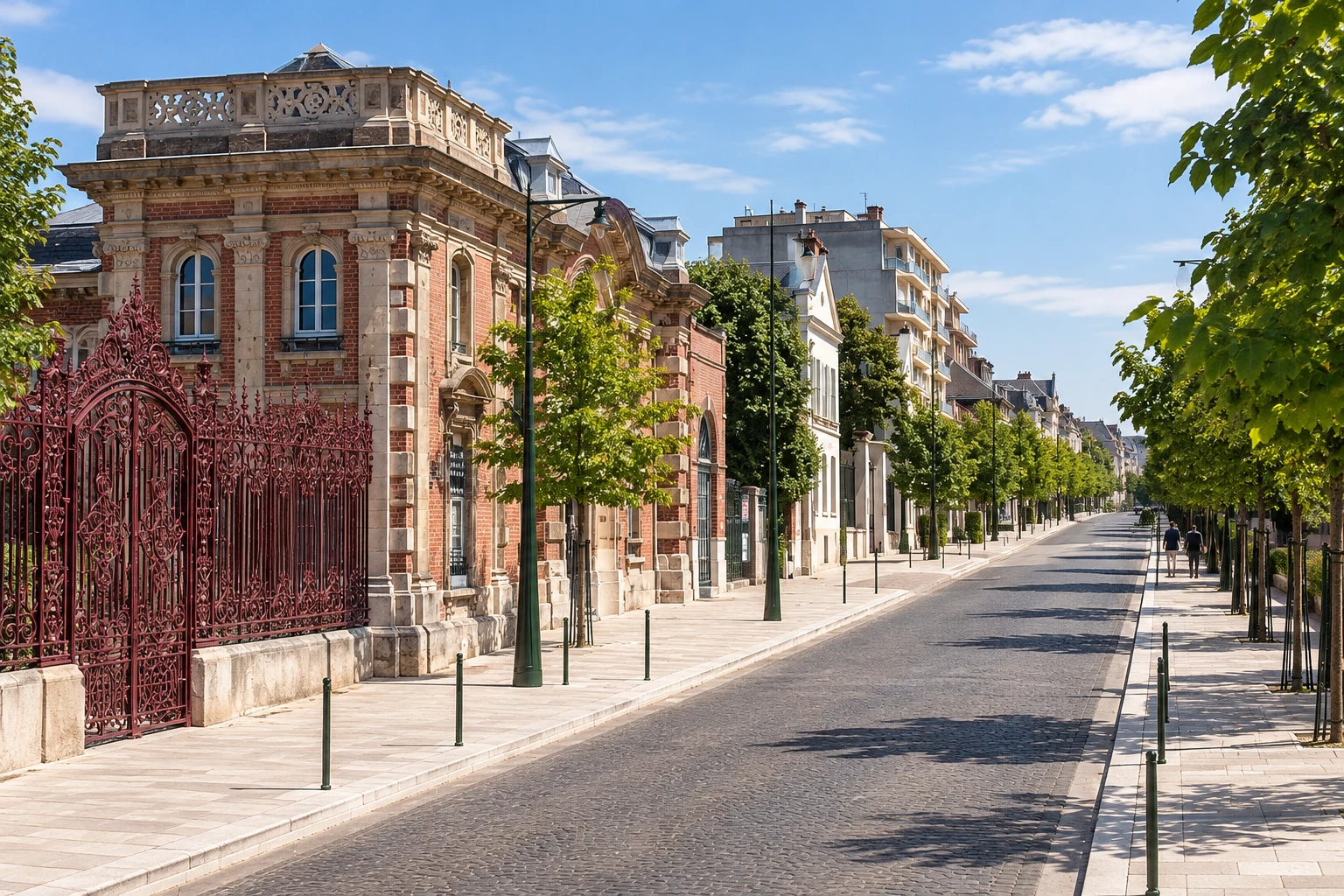
Avenue de Champagne
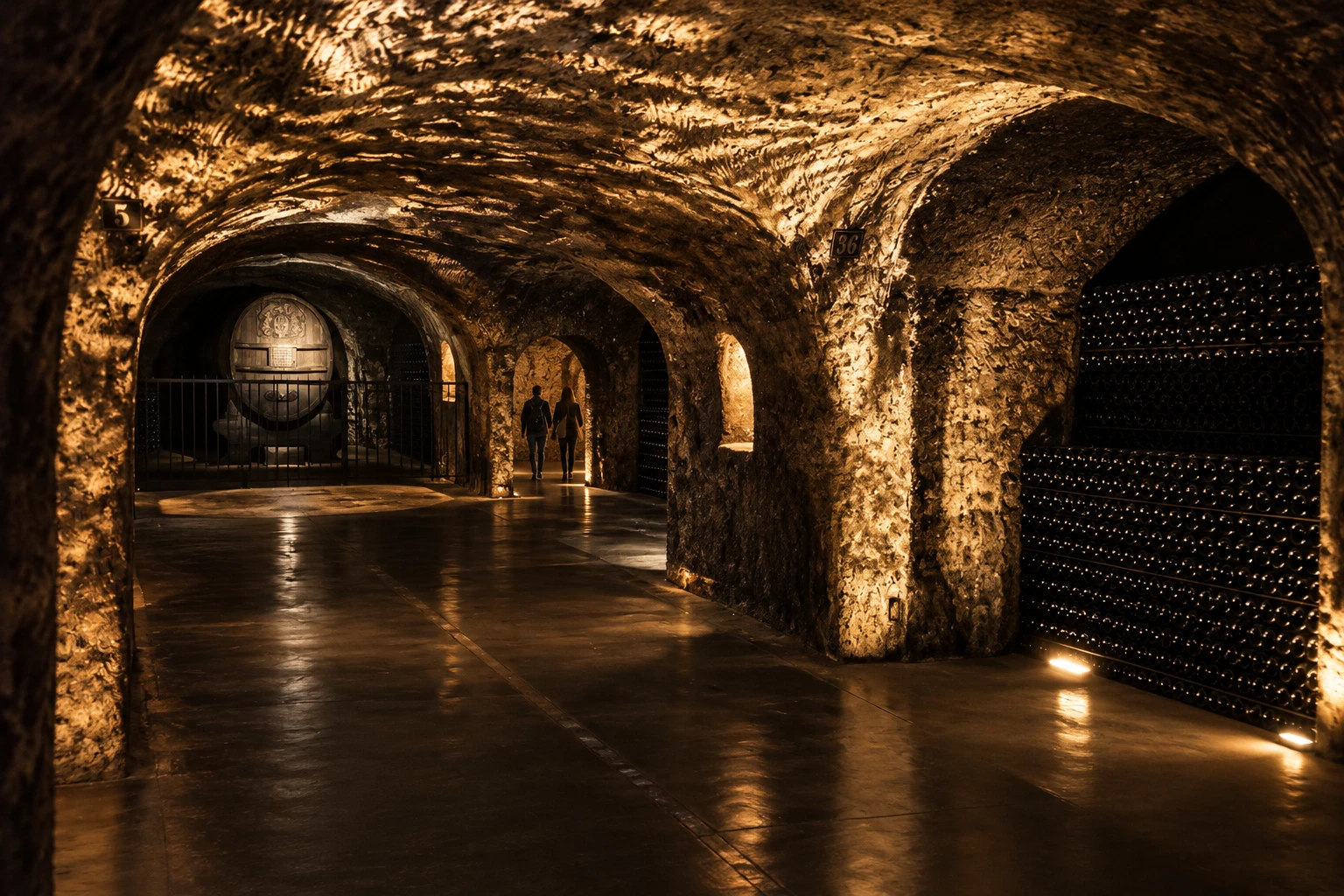
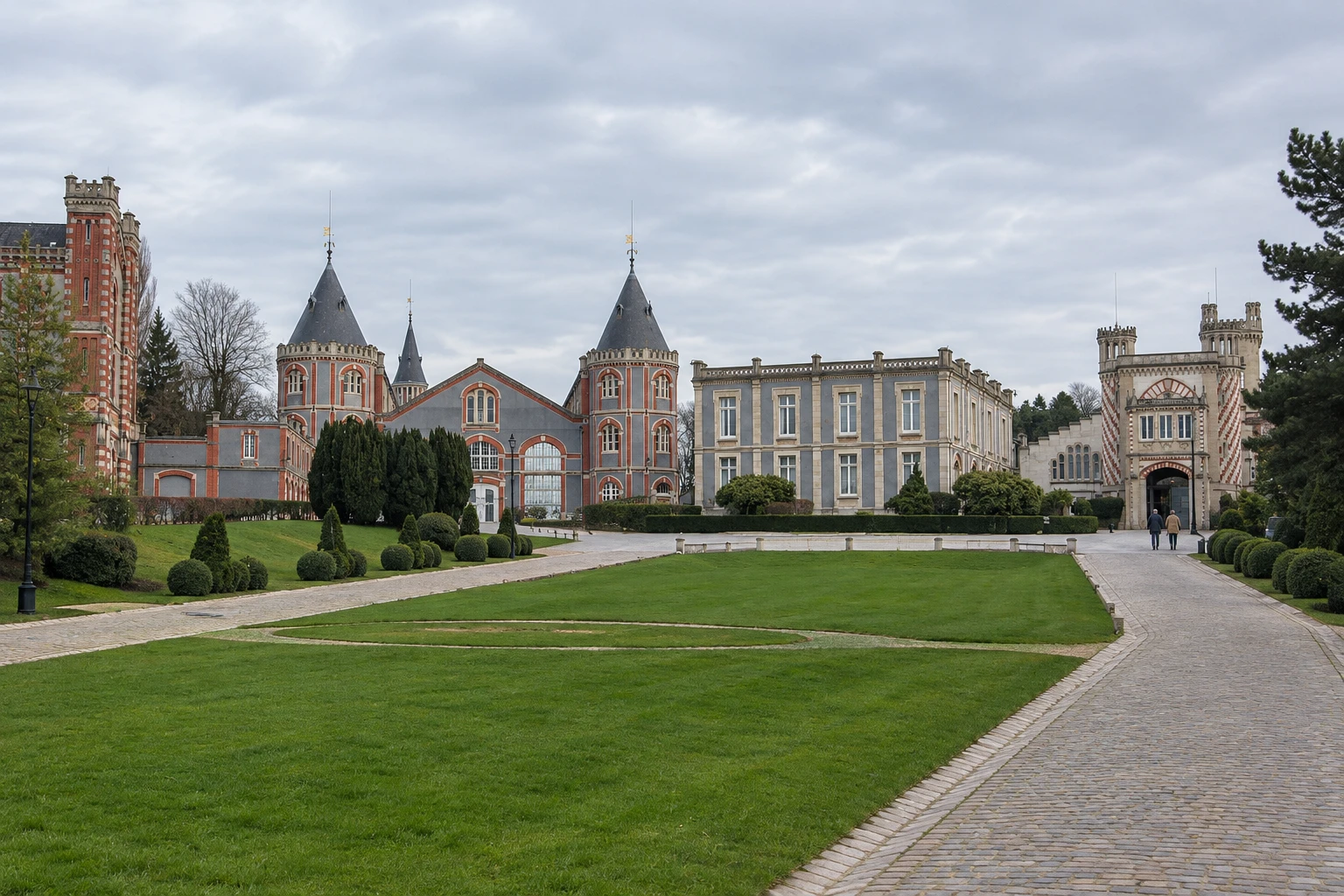
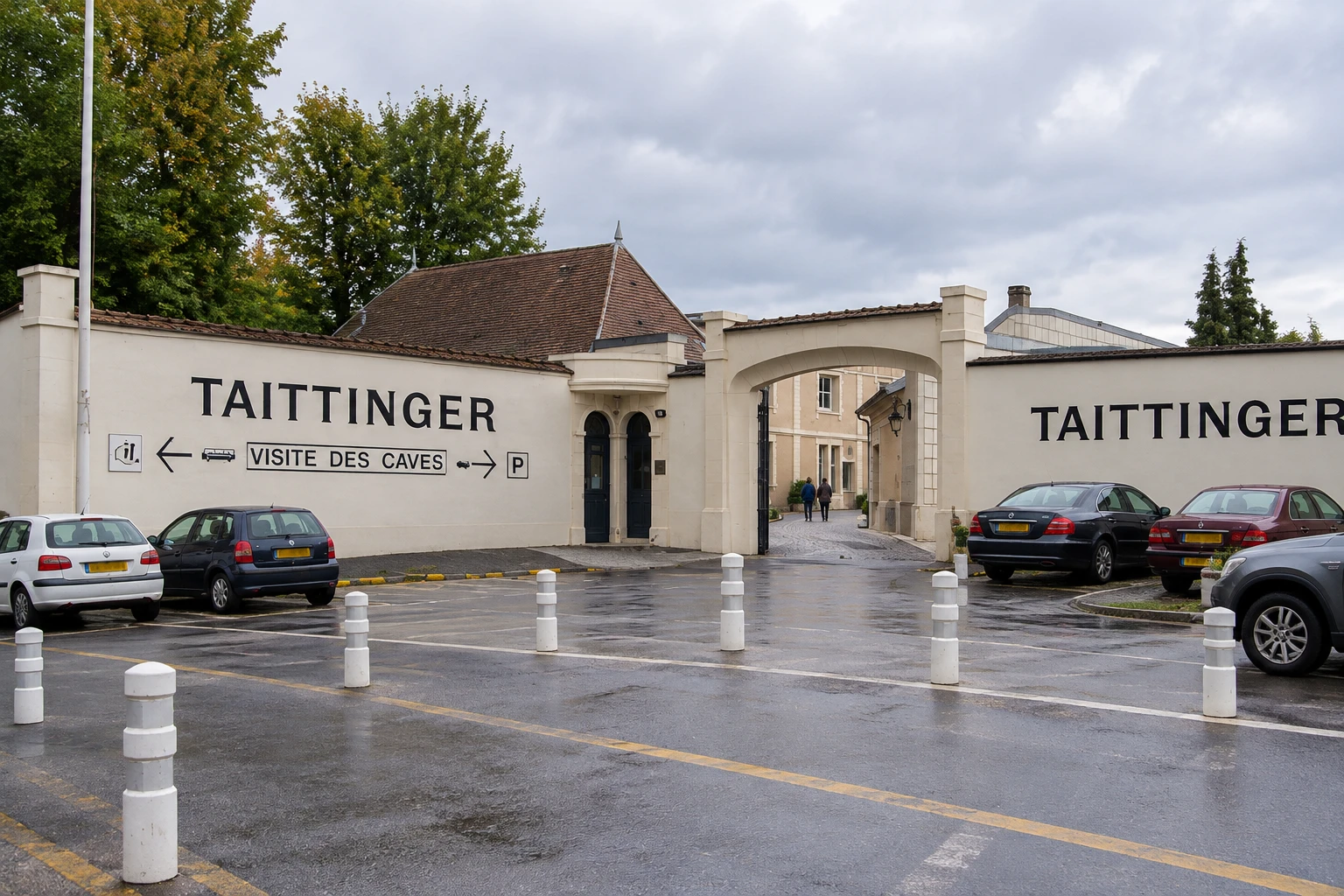
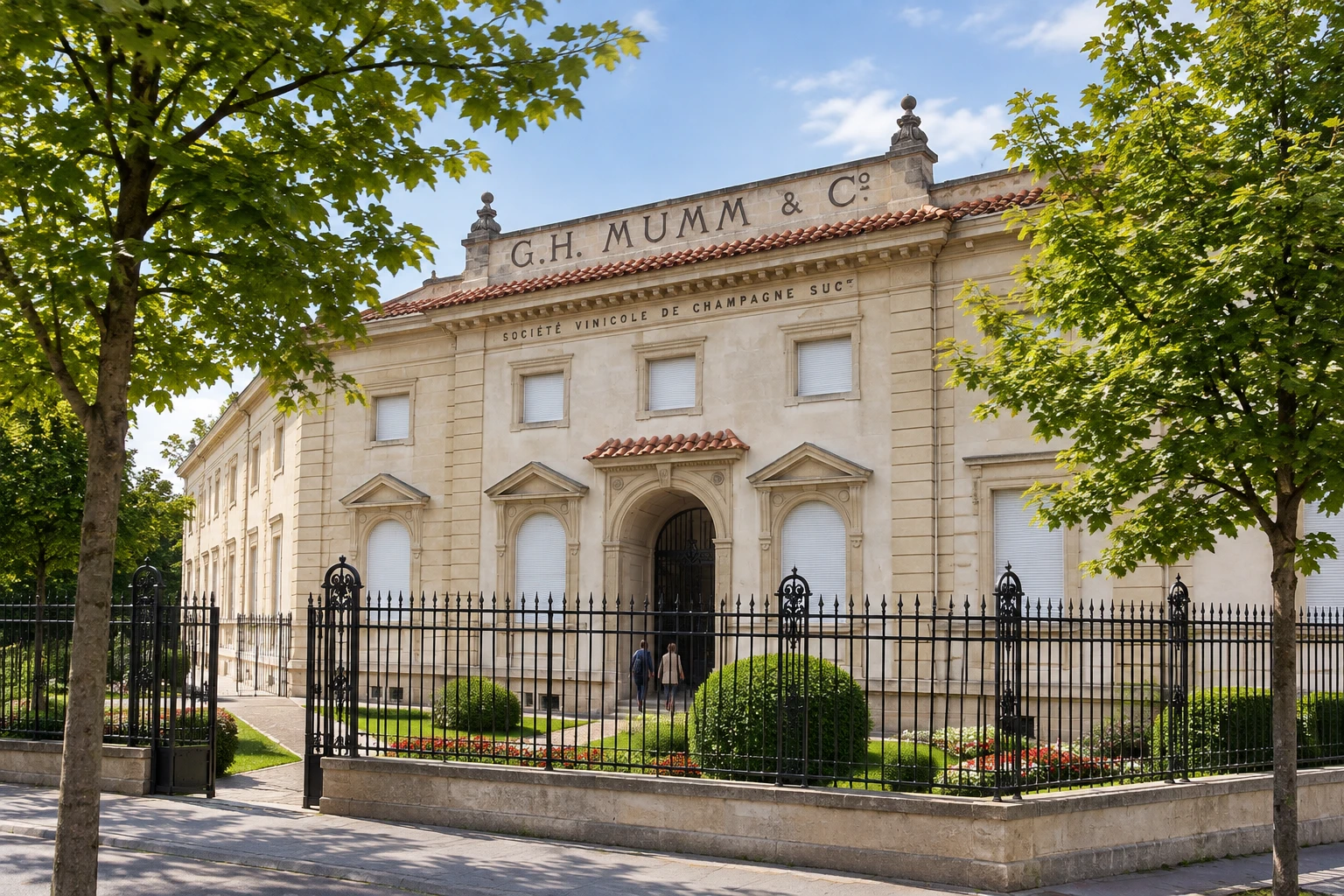
Avenue of about 1.5 km with the headquarters of the major champagne houses in 19th-century mansions. Underground, galleries hold millions of bottles. UNESCO World Heritage.

 Search
 Brazil
 Antarctica
 Argentina
 Bolivia
 Chile
 Colombia
 Ecuador
 Falkland Islands (Malvinas)
 French Guiana
 Guyana
 Paraguay
 Peru
 Suriname
 Uruguay
 Venezuela
 Austria
 Belgium
 Croatia
 Denmark
 FinlandFrance
 Germany
 Greece
 Hungary
 Iceland
 Ireland
 Italy
 Luxembourg
 Norway
 Poland
 Portugal
 Slovakia
 Slovenia
 Spain
 Sweden
 Switzerland
 the Czech Republic
 the Netherlands
 the United Kingdom
 Turkey
 Bermuda
 Canada
 Greenland
 Mexico
 Saint Pierre and Miquelon
 the United States
 the Dominican Republic
 JapanTurkey
 Egypt
 South Africa
 Australia
 Fiji
 New Zealand
 Papua New Guinea
Grand Est
13 places to visit and 12 tours, chosen by the Cidade Turismo guide.
Updated
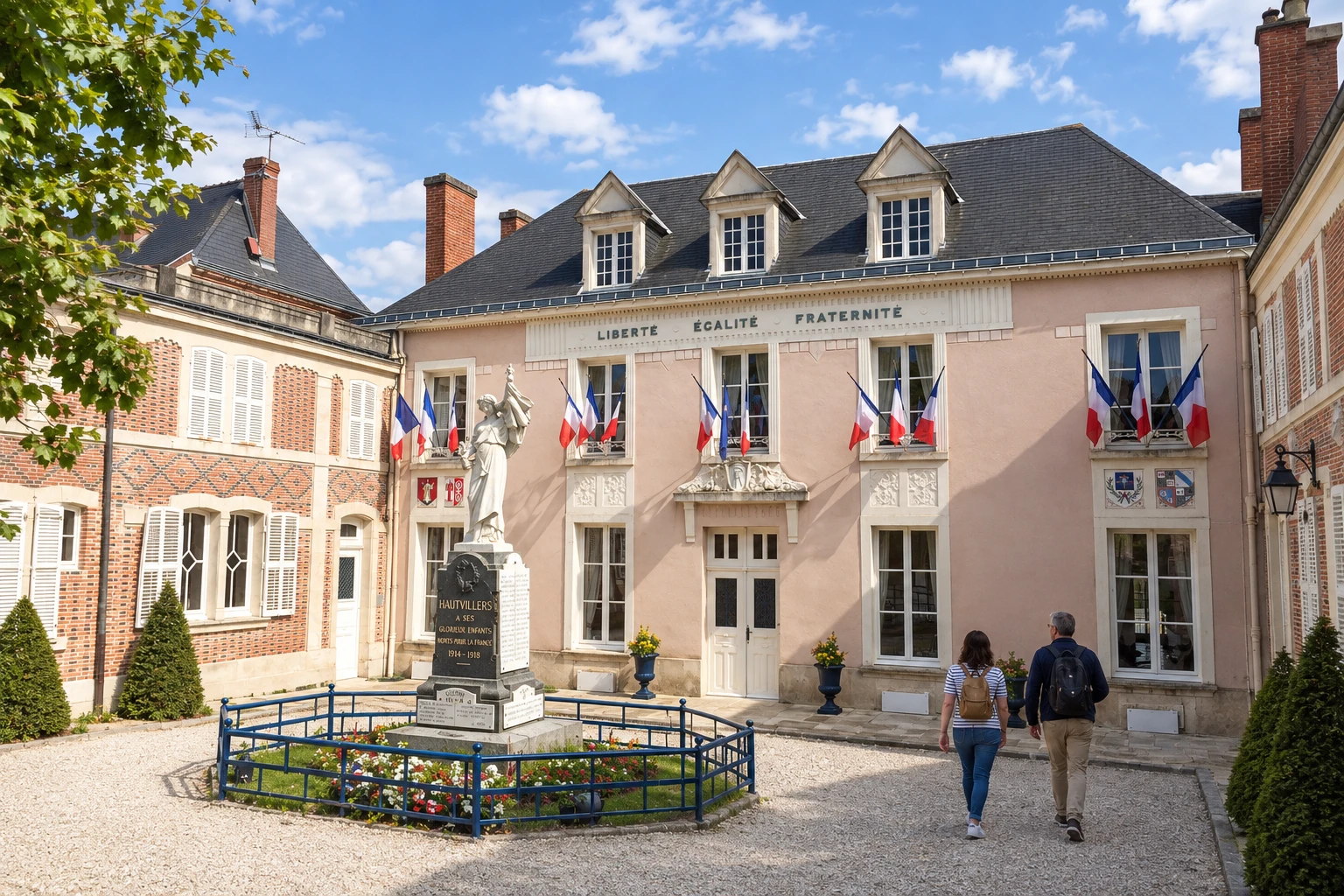
Illustrative images. The pictures in this guide are illustrations based on the real place, not photographs, and may differ from it.
To start
One by one
Avenue of about 1.5 km with the headquarters of the major champagne houses in 19th-century mansions. Underground, galleries hold millions of bottles. UNESCO World Heritage.
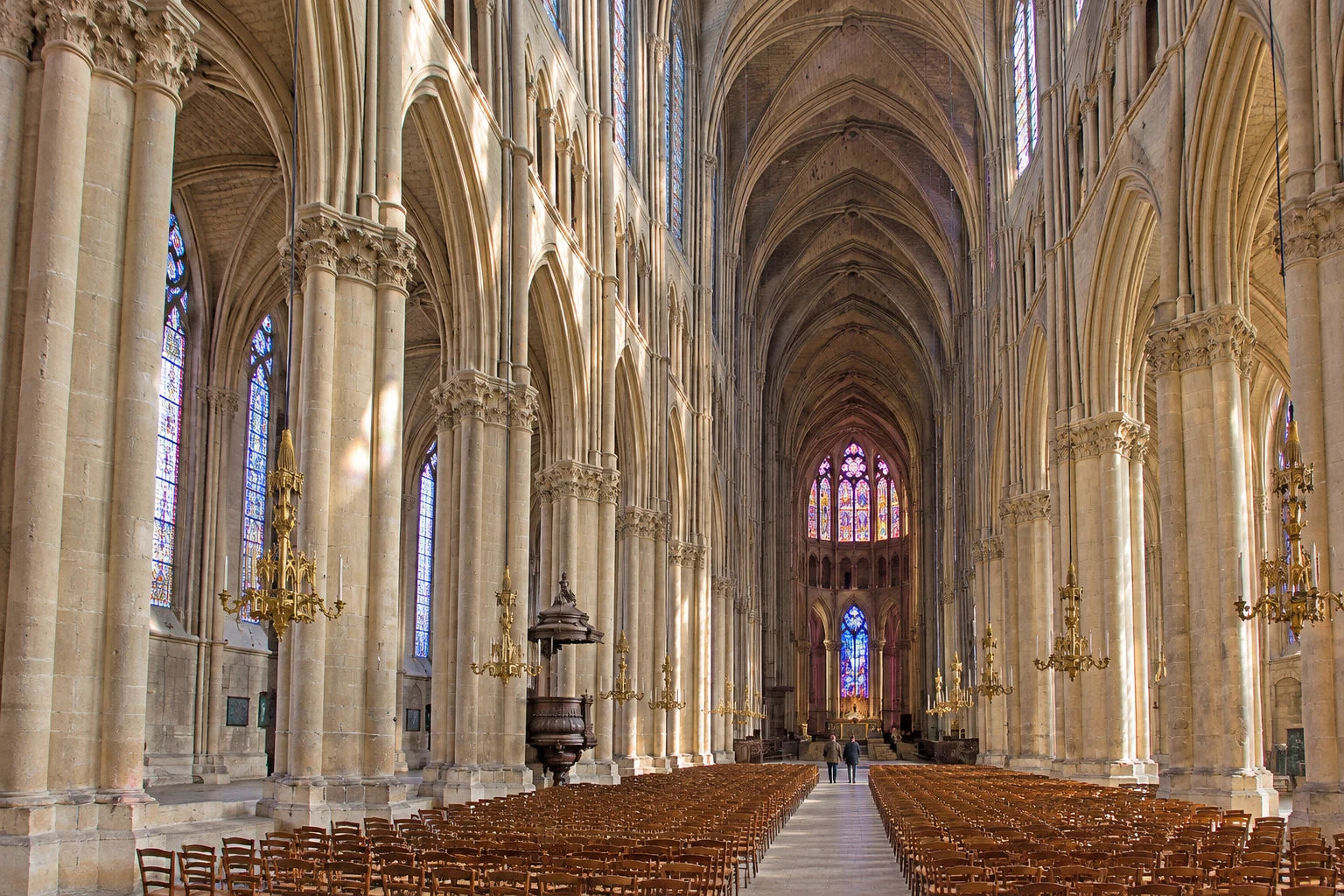
Gothic 13th-century cathedral where nearly all the kings of France were crowned. It has more than 2,300 statues, including the Anjo Sorridente, and stained glass by Marc Chagall. A UNESCO World Heritage site.
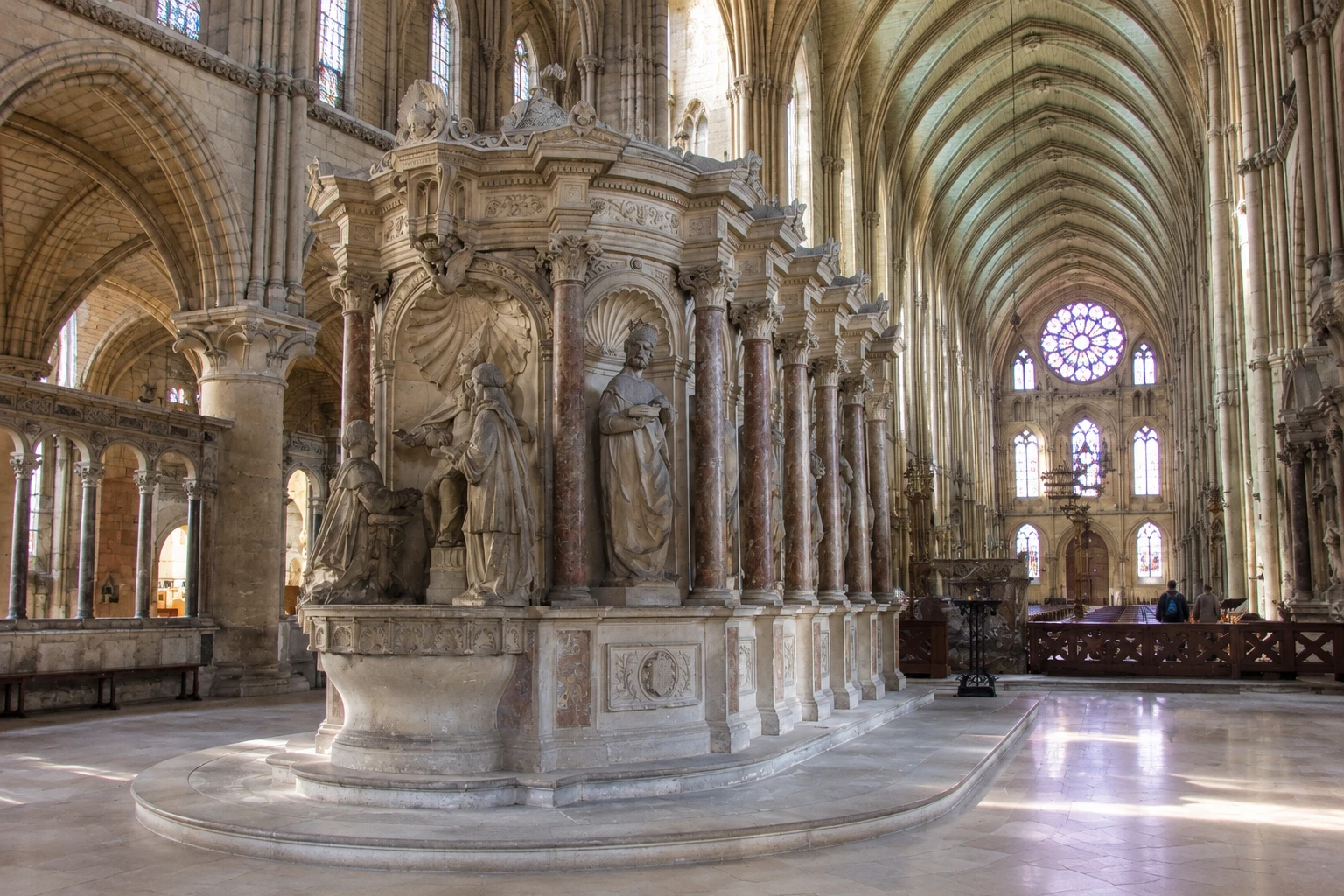
Romanesque and Gothic basilica from the 11th century that houses the tomb of Saint Remi, the bishop who baptised Clovis. Next door, the Musée Saint-Remi occupies the former abbey. UNESCO World Heritage.
Champagne house founded in 1743 on the Avenue de Champagne. The guided visit goes through part of the caves dug into the chalk, 10 to 30 meters below ground. By reservation.
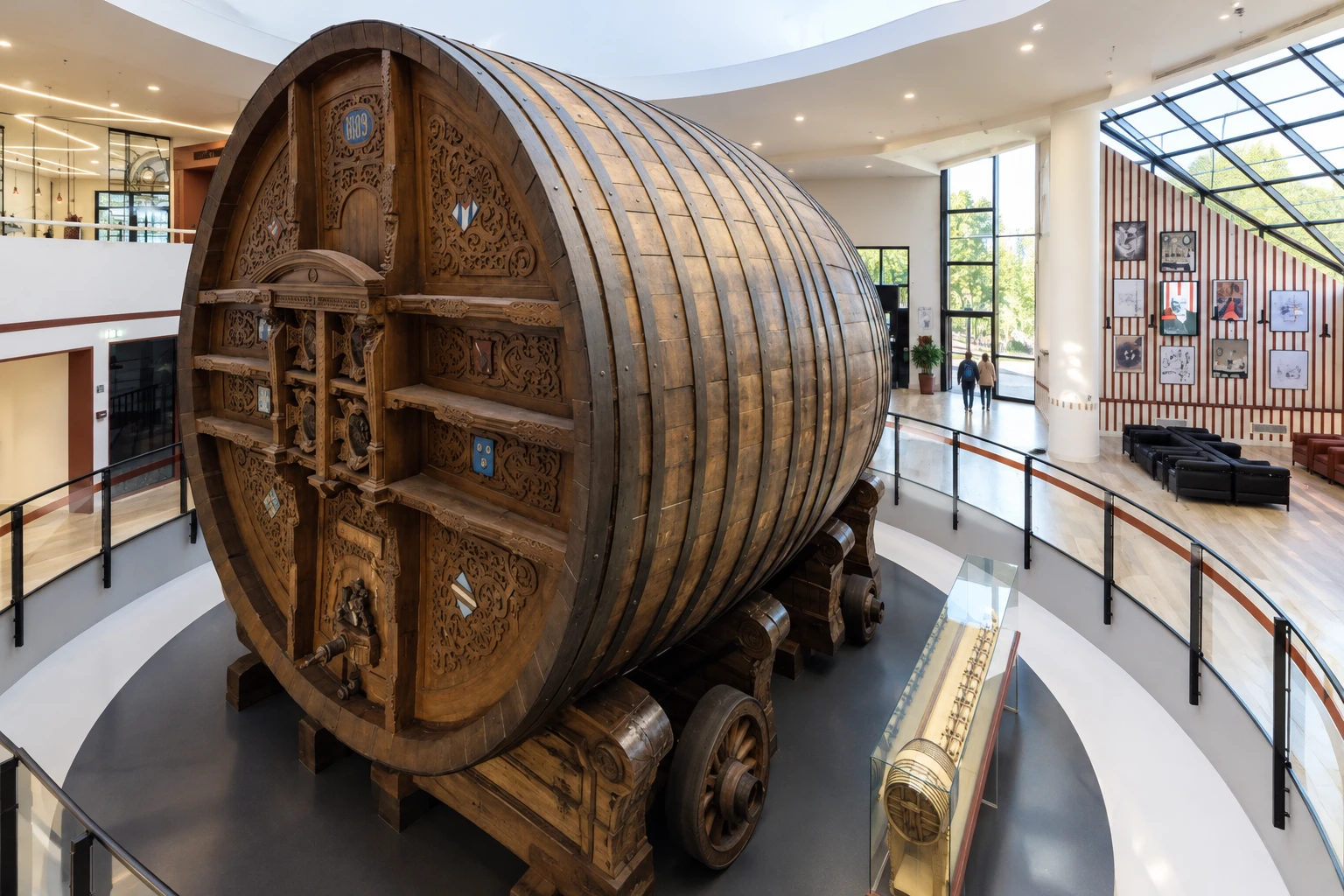
Champagne house founded in 1858 by Eugène Mercier at the end of the Avenue de Champagne. Panoramic elevators descend about 30 meters and a little train runs through part of the 18 km of galleries. Visits by reservation.
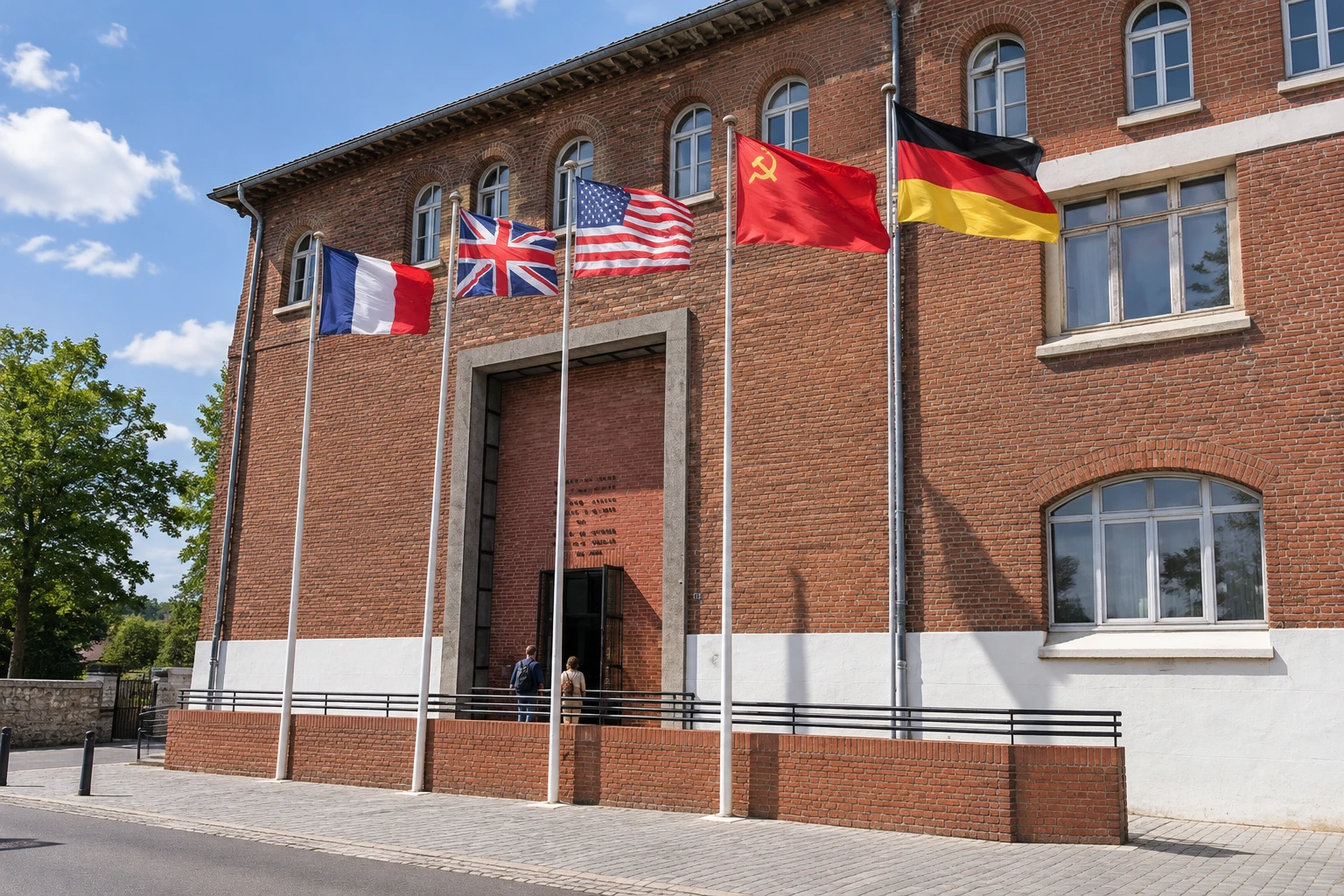
Museum set up in the room where, on 7 May 1945, Germany signed the unconditional surrender that ended World War II in Europe. The map room has been preserved.
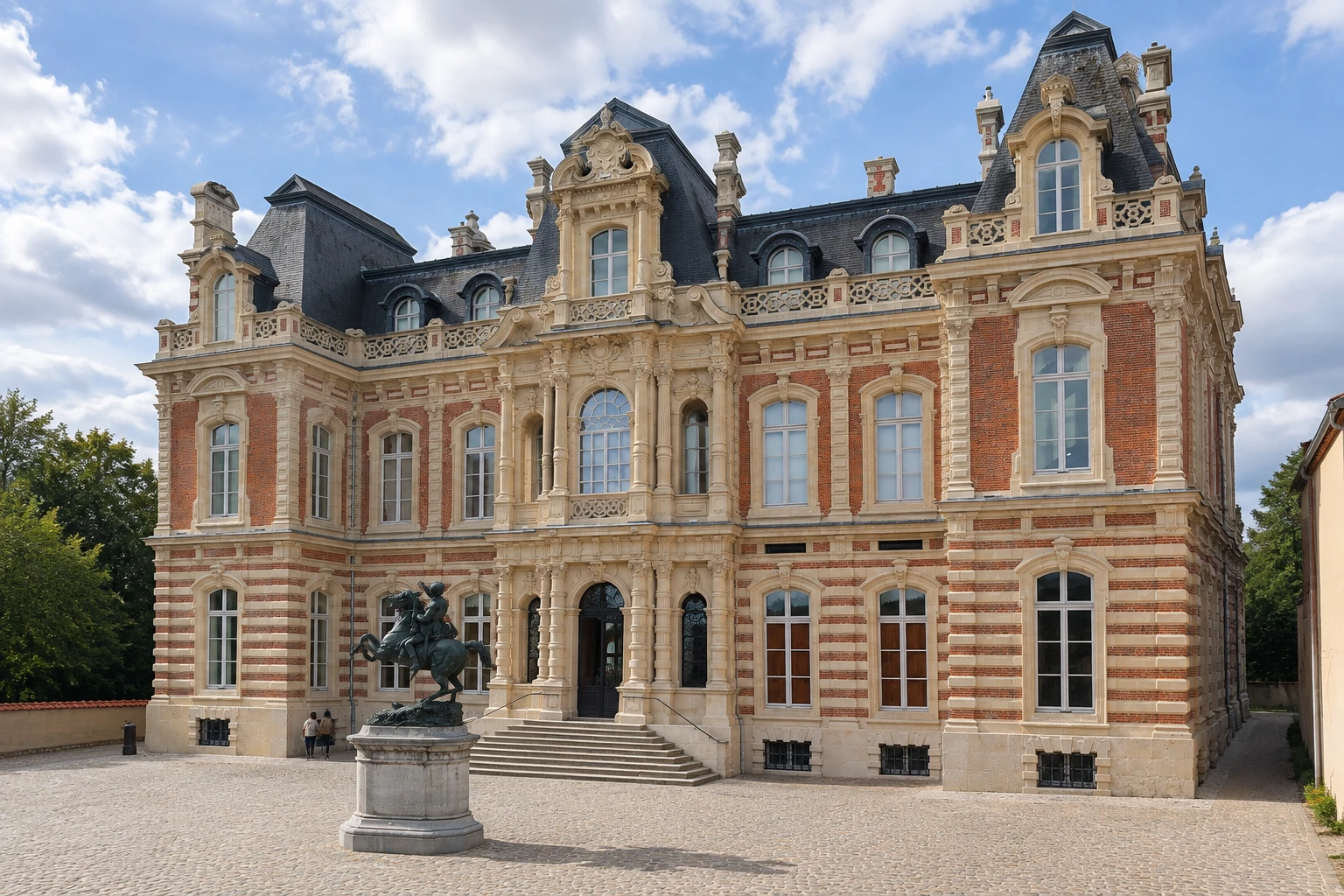
Museum in the Château Perrier, a 19th-century mansion on the Avenue de Champagne, which tells the story of the region from geology to champagne, with about 2,000 objects and interactive exhibits.
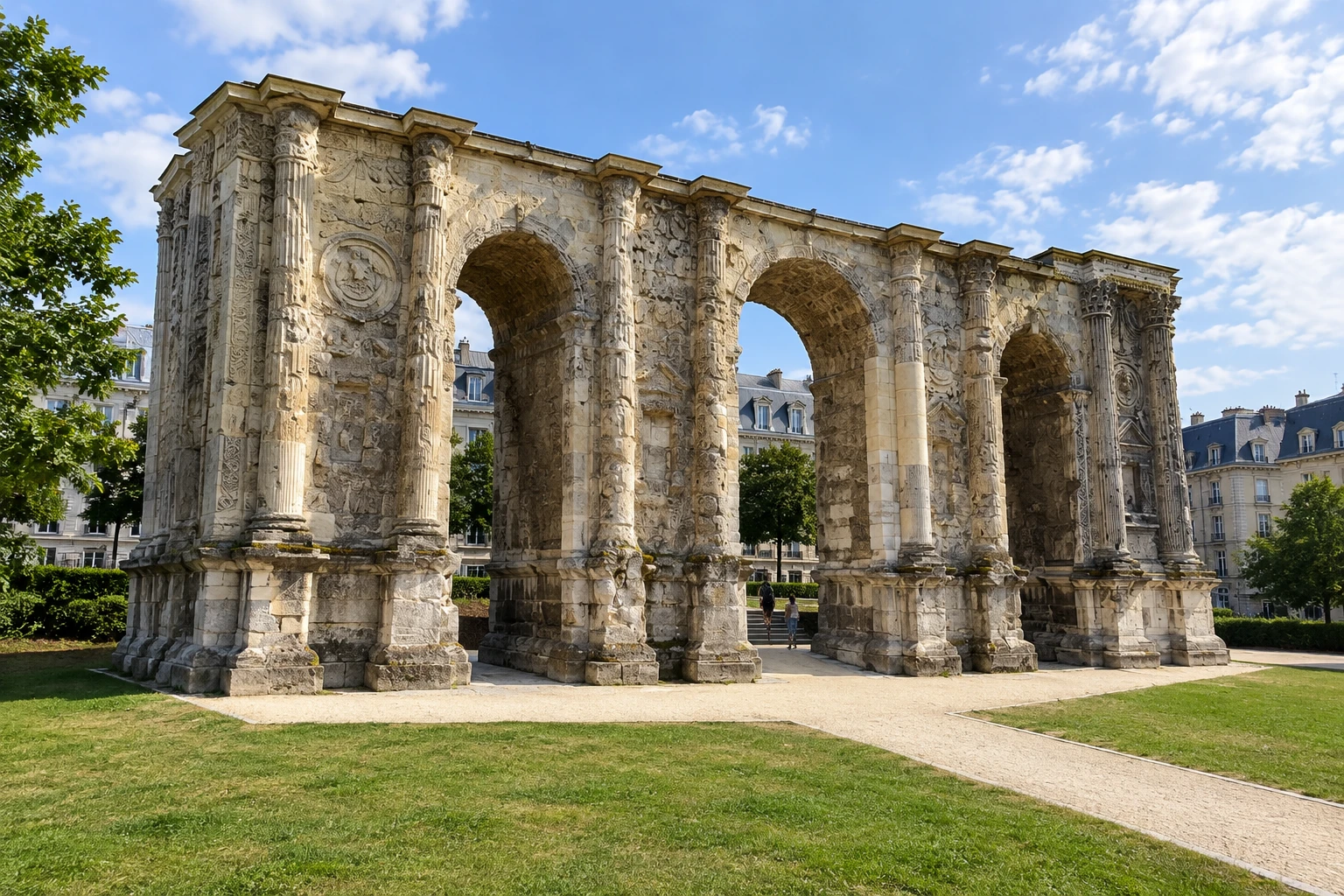
Roman arch from the late 2nd or early 3rd century, about 32 meters wide: the widest arch in the Roman world. It was one of the gates of Durocortorum, ancient Reims.
Village on the heights of the slopes above the Marne valley, about 6 km from Épernay, where the monk Dom Pérignon lived and is buried. It has more than 140 wrought-iron plaques on the façades.
Champagne house on the Saint-Nicaise hills, with 19th-century Elizabethan-style buildings and cellars set in ancient chalk quarries from the Gallo-Roman period. Guided tours by reservation.
Champagne house on the Place Saint-Nicaise, with cellars in Gallo-Roman crayères and galleries beneath the site of the former Abbey of Saint-Nicaise, which was destroyed during the Revolution. Guided tours by reservation.
Champagne house founded in Reims in 1827, near the Porte de Mars and a few minutes from the station. The guided tour goes through cool cellars dug in chalk. By reservation.
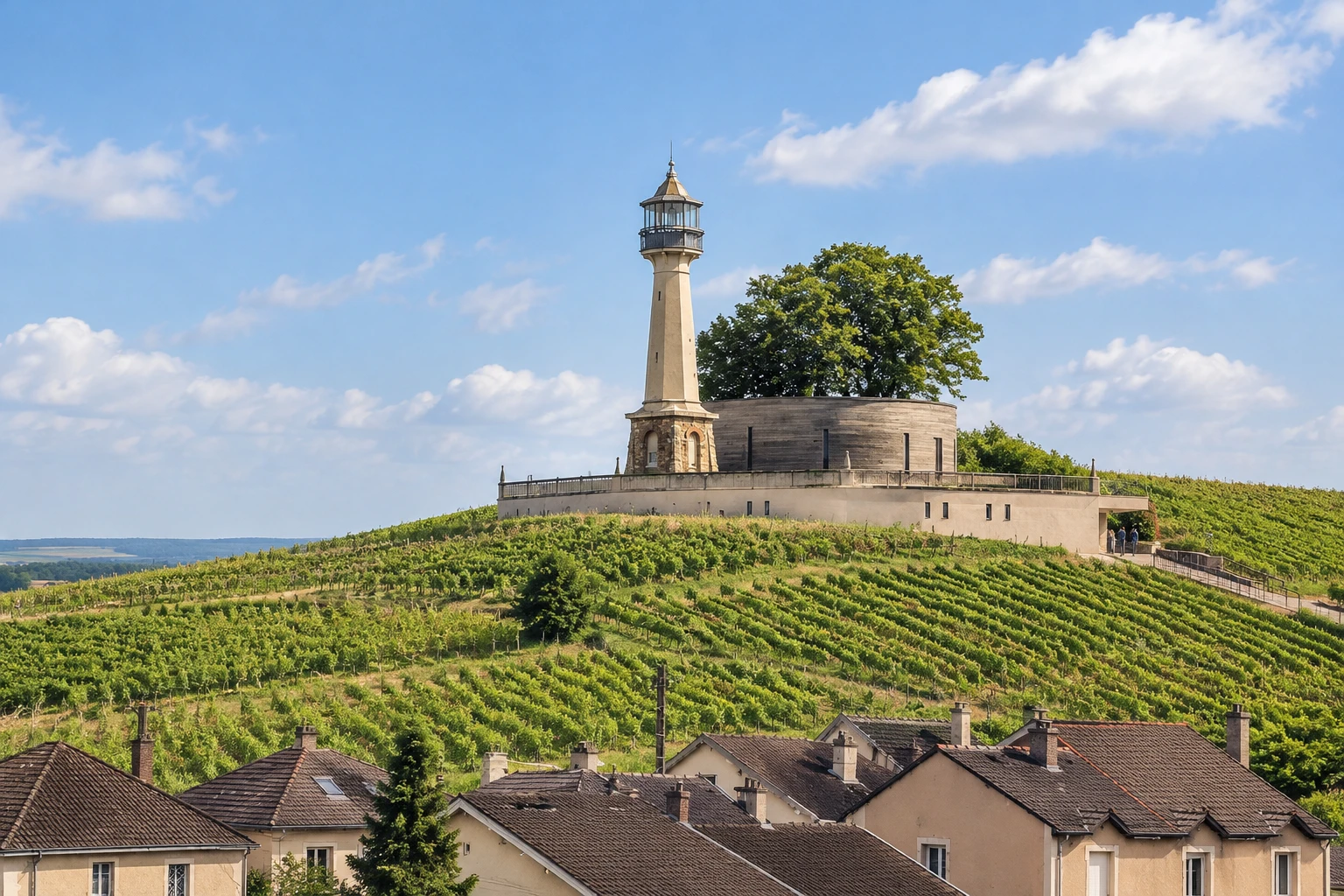
Lighthouse built in the early 20th century in the middle of the vineyards of the Montagne de Reims, with a 360-degree viewing platform reached by 101 steps and the Musée de la Vigne, about work in the vineyards.
To choose before you go
The details of each tour (where it leaves from, what it includes, the best time) are in the complete guide.
Get your questions answered
The guide's itineraries cover 1, 2 and 3 days: Reims in 1 day, as a return trip from Paris; Reims and Épernay in 2 days; in 3 days, Reims, Épernay and the Montagne de Reims.
Reims cathedral, town centre and cellars. If you arrive from Brazil in the morning at Charles de Gaulle airport you will usually spend the first night in Paris and make this day trip on another day. Catch an early TGV from Gare de l'Est; in about 45 minutes you’ll be in Reims. Walk from the station to the Porte de Mars and head to the Cathédrale Notre-Dame de Reims. Have lunch near Place Drouet-d'Erlon. In the afternoon, take the prebooked tour of the cellars on the Saint-Nicaise hill and, if you have time, visit the Basilique Saint-Remi nearby. Return to Paris in the late afternoon. If you prefer recent history, swap the basilica for the Musée de la Reddition next to the station.
It generally rains less in April and from August to October. The rainiest months are usually from December to January. The guide covers each month, with the weather and what changes on the tours.
To plan