Palma · Spain · Cathedral
Palma Cathedral (La Seu)
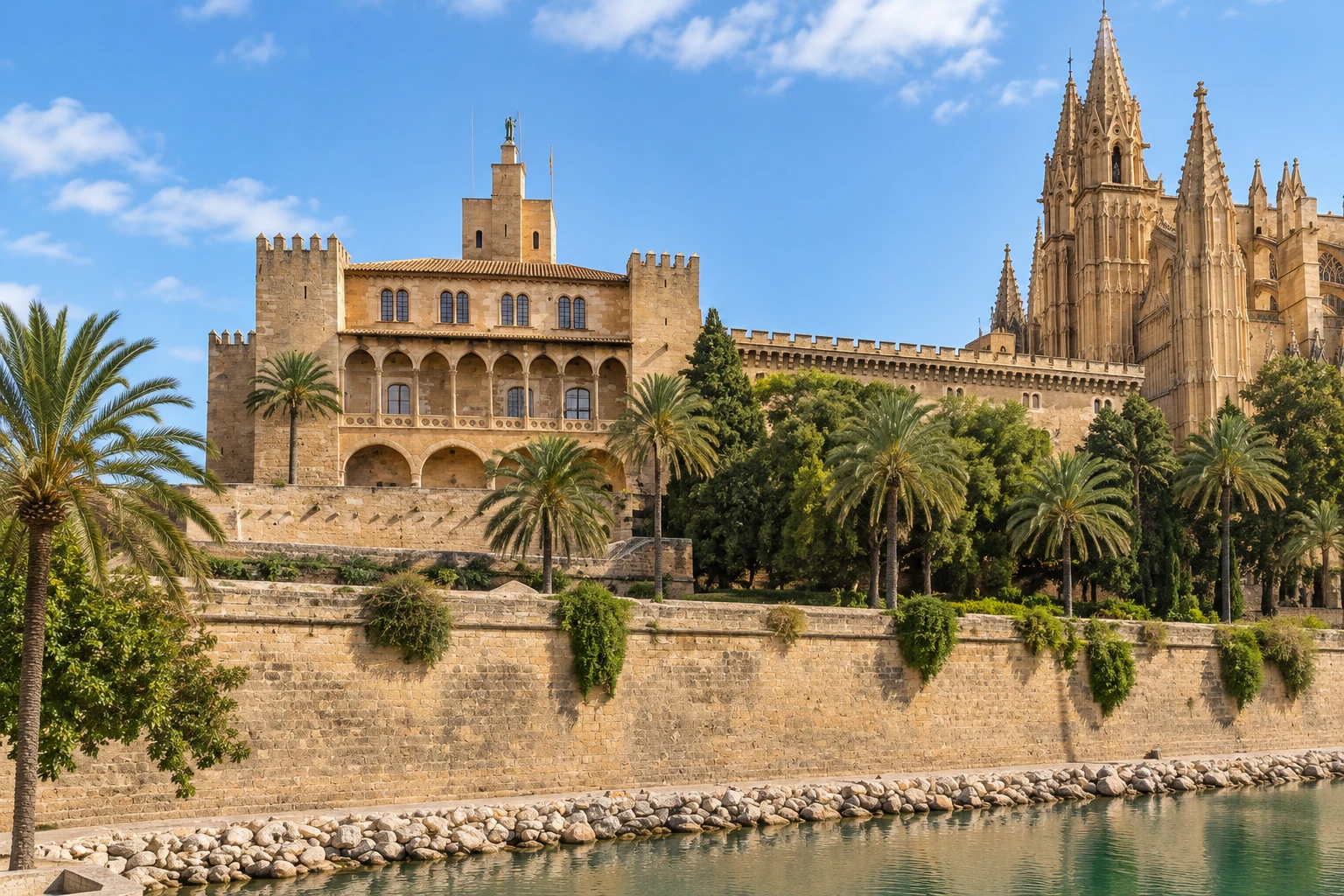
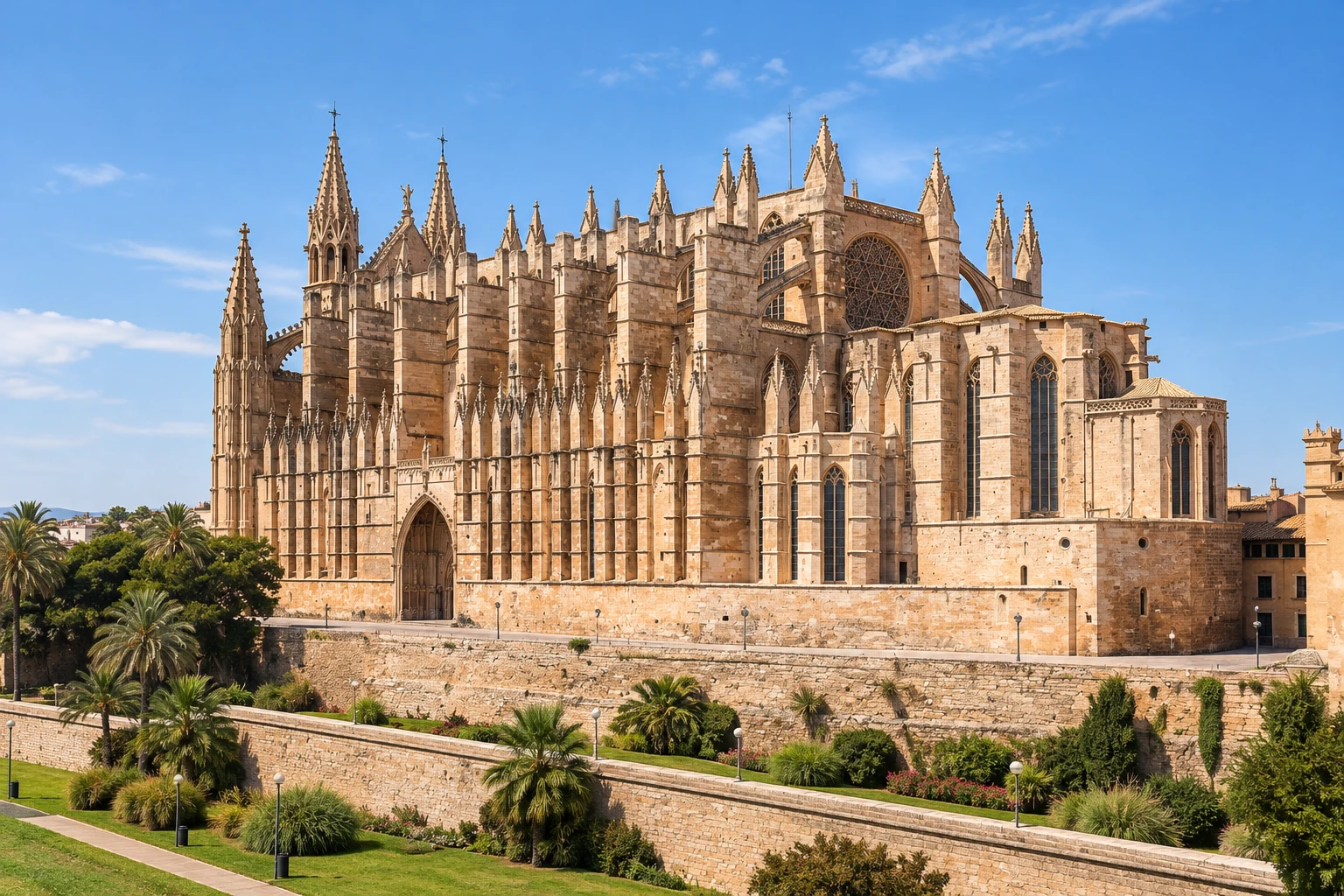
Gothic cathedral begun in 1229 on the wall by the bay, with the large Gothic rose window, Gaudí's baldachin and Miquel Barceló's ceramic chapel.

 Search
 Brazil
 Antarctica
 Argentina
 Bolivia
 Chile
 Colombia
 Ecuador
 Falkland Islands (Malvinas)
 French Guiana
 Guyana
 Paraguay
 Peru
 Suriname
 Uruguay
 Venezuela
 Austria
 Belgium
 Croatia
 Denmark
 Finland
 France
 Germany
 Greece
 Hungary
 Iceland
 Ireland
 Italy
 Luxembourg
 Norway
 Poland
 Portugal
 Slovakia
 SloveniaSpain
 Sweden
 Switzerland
 the Czech Republic
 the Netherlands
 the United Kingdom
 Turkey
 Bermuda
 Canada
 Greenland
 Mexico
 Saint Pierre and Miquelon
 the United States
 the Dominican Republic
 JapanTurkey
 Egypt
 South Africa
 Australia
 Fiji
 New Zealand
 Papua New Guinea
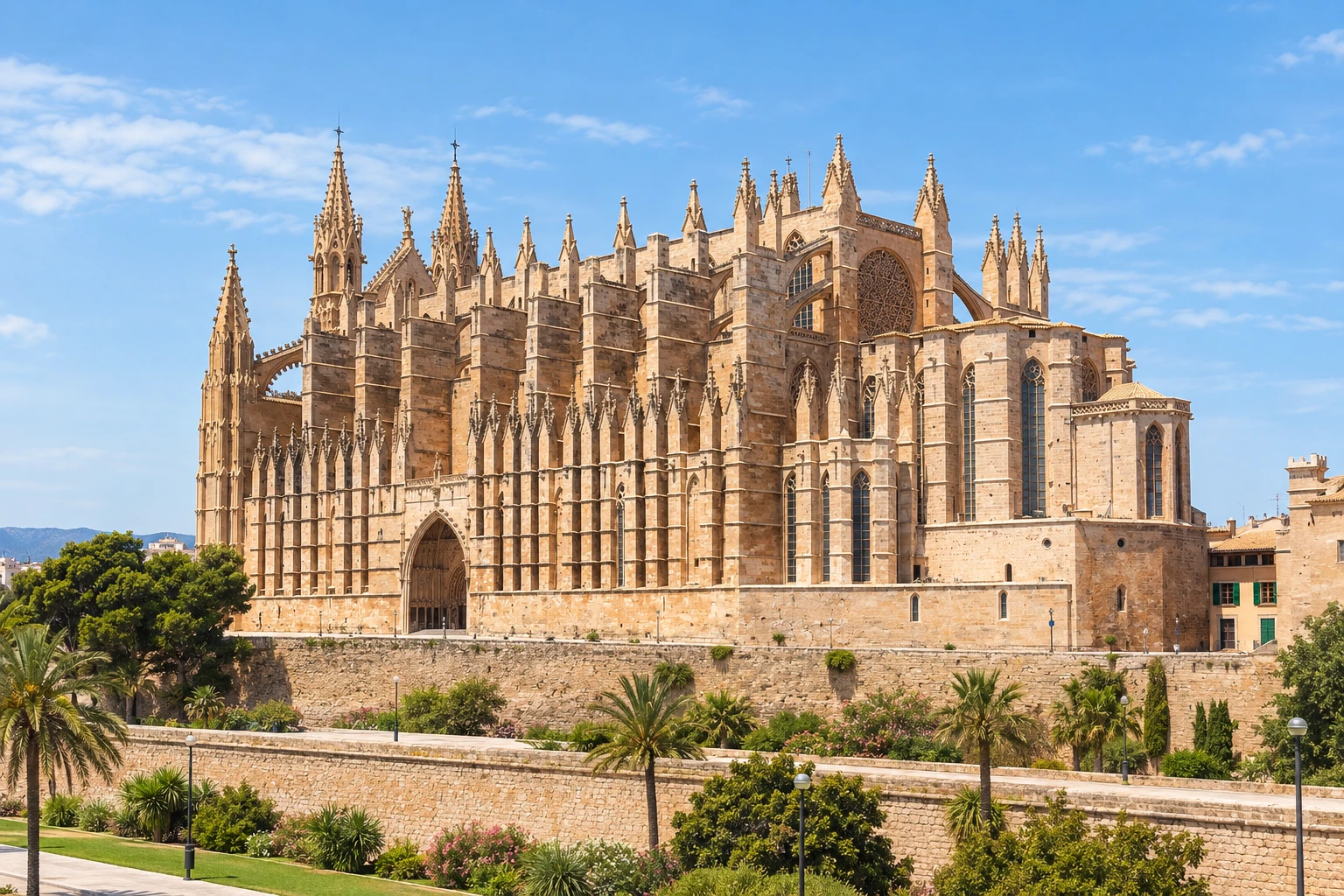
In the photo: Catedral de Mallorca, Palma
Illustrative images. The pictures in this guide are illustrations based on the real place, not photographs, and may differ from it.

The city
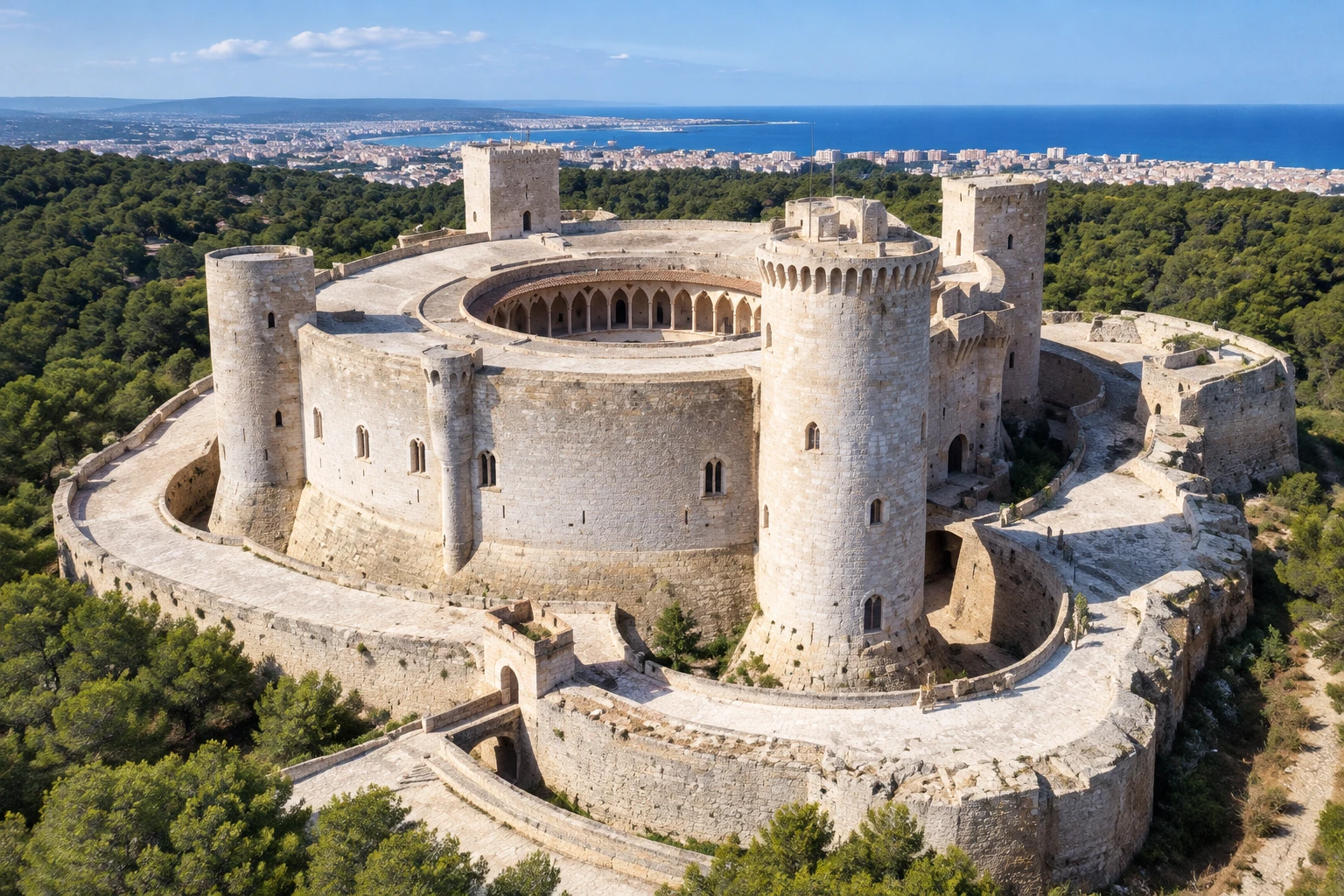
Palma is the capital of the Balearic Islands and the gateway to Maiorca. The Gothic cathedral, the Seu, rises above the wall on the bay, next to the Almudaina palace. The historic center has palatial courtyards, Arab baths and markets, and the Castell de Bellver dominates the city. From the center the wooden train departs for Sóller in the Tramuntana mountains.
There's no accommodation in the guide yet in Palma.
Tem hotel, pousada ou casa de temporada aqui? Cadastre a suaThere are no restaurants in the guide yet in Palma.
Know a good one? Recommend it to usHotéis e restaurantes da cidade no mapa.
how to get there · how many days · itinerary · questions
The local experience
Gothic cathedral begun in 1229 on the wall by the bay, with the large Gothic rose window, Gaudí's baldachin and Miquel Barceló's ceramic chapel.
Royal palace beside the cathedral, of Arab origin and rebuilt by the kings of Mallorca in the 14th century, with Gothic halls, the chapel of Santa Ana and tapestries.
14th-century circular Gothic castle on a pine-covered hill 3 km from the center, with a detached keep, the Museum of the History of Palma and views of the bay.
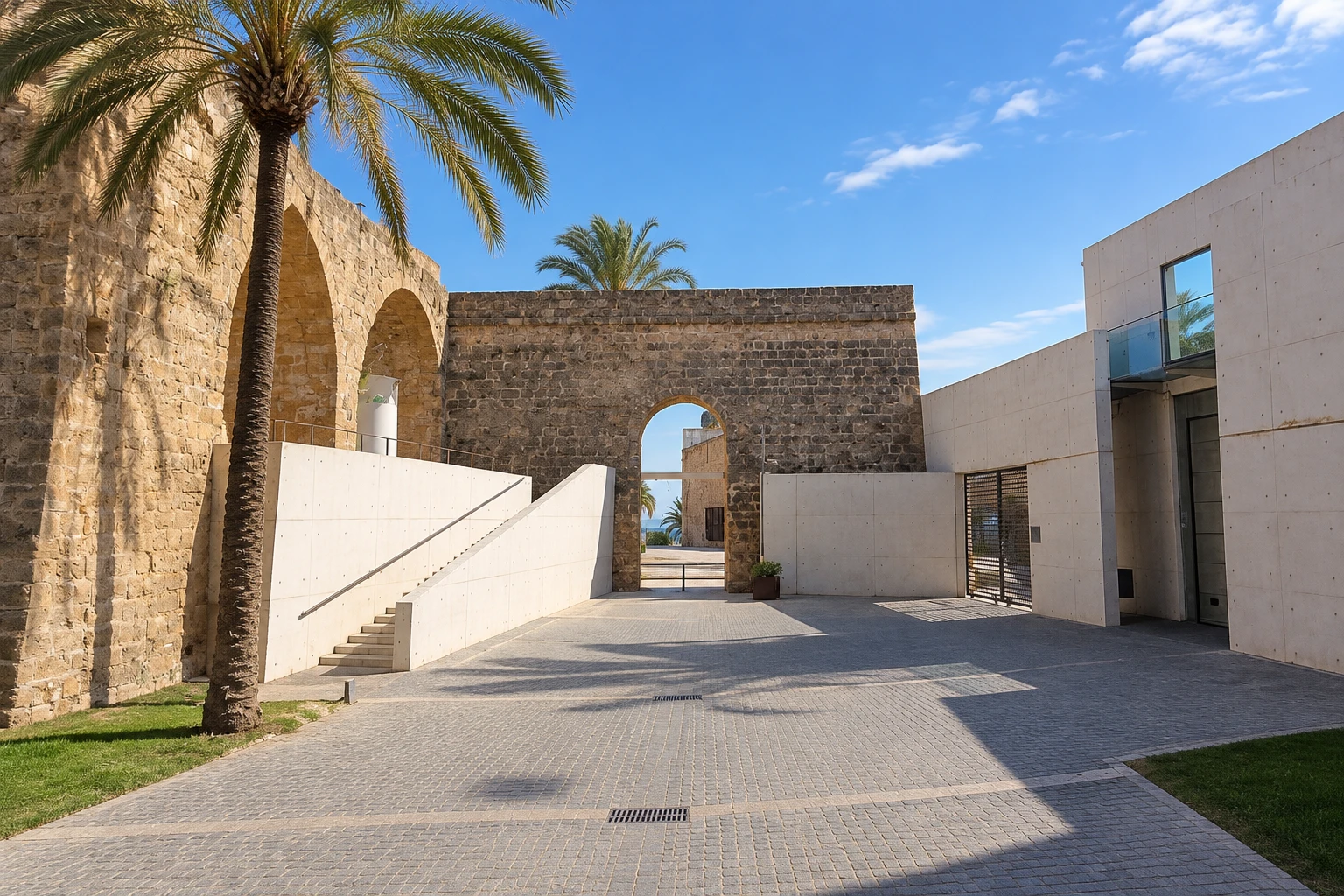
Museum of modern and contemporary art housed in the Renaissance bastion of Sant Pere, with works by Miró, Picasso and Barceló and terraces overlooking the wall and the bay.
Before you go
Palma – Spain Capital
Approximate distances. Check flights and bus, train or boat schedules before you travel.
Connections from Brazil are usually via another city. Check before buying. Palma airport is 8 km from the center, with a bus in about 20 minutes. From Barcelona, the flight takes about 50 minutes and the ferry 7 to 8 hours. There are also ferries from Valencia and Dénia and sea connections to Ibiza and Menorca.
Two days for the cathedral, the Almudaina, the historic center, Es Baluard and the Castell de Bellver. The third day is for the Sóller train and Valldemossa, and with more time you can include the Drach caves and the beaches.
From May to June and from September to October the weather is usually best, with good sea conditions and fewer people. July and August are hot and crowded. The winter is mild and quiet, with the city functioning, and from February to March the almond trees usually bloom inland.
The seasons shown are the most usual ones; nature doesn't always follow the calendar.
Not for Palma: the center is walkable, and city buses go to the airport, Bellver and the beaches. The Sóller train and buses link the capital to the mountain villages. A car helps for the calas and the Tramuntana roads.
Suggested itinerary
Built with the places on this page. No rush: it's paced so you have time to see them.
Start with the cathedral, the Seu, with the Miquel Barceló chapel and Gaudí's baldachin.
Almudaina palace next door and lunch in the historic center.
Walk the streets of the old quarter, looking at the courtyards, up to the Banys Àrabs and Sant Francesc.
End the day at Passeig des Born and have a tapas dinner in La Lonja.
Day 1
Cathedral at the opening, with the stained glass and rose window lit by the morning sun.
Almudaina palace and lunch near the Born.
Banys Àrabs, Sant Francesc and the courtyards of the old streets.
Tapas in La Lonja and a walk along the waterfront with the cathedral lit up.
Day 2
Coffee and fruit at the Mercat de l'Olivar and a walk to Plaza Mayor.
Es Baluard museum, with a terrace overlooking the bay.
Bus or walk to the Castell de Bellver for the bay view at late afternoon.
Dinner in the Santa Catalina neighbourhood.
Day 1
Cathedral at the opening, with the morning light in the stained glass.
Palácio da Almudaina and lunch near the Passeig des Born.
Banys Àrabs, Sant Francesc and the courtyards of the noble houses.
Tapas dinner in La Lonja.
Day 2
Wooden train from Palma to Sóller, along the serra de Tramuntana.
Lunch in Sóller and tram to the Port de Sóller.
On the way back, by bus or car, the Carthusian monastery of Valldemossa.
Return to Palma and dinner in Santa Catalina.
Day 3
Mercat de l'Olivar in the morning and Es Baluard.
Fundació Pilar i Joan Miró, with the painter's studio.
Castell de Bellver at sunset.
Last night on the waterfront, with the cathedral lit up.
Check before you go. Opening hours and days change, and places may close for renovations, holidays or events. This itinerary is a suggestion from Cidade Turismo, not a commitment: plan yours by checking directly with each place you intend to visit.
Before you go
The A1 bus connects the airport with the center and the port in about 20 minutes, with frequent departures. Taxis are at the terminal exit.
Yes. Ca'n Pere Antoni is close to the cathedral, and the Playa de Palma, which is longer, begins about 10 km away, near the airport. The most popular coves are outside the city.
The ensaïmada, a spiral sweet made from light dough; sobrasada, a cured pork sausage with paprika; tumbet, a vegetable dish; and pa amb oli, bread with tomato, olive oil and cold cuts.
Yes, by plane in about 30 minutes, or by ferry in a few hours. Check schedules.
In La Lonja and Santa Catalina, with bars and restaurants, and on the Paseo Marítimo, with nightclubs.