16 places to visit, chosen by the Cidade Turismo guide.
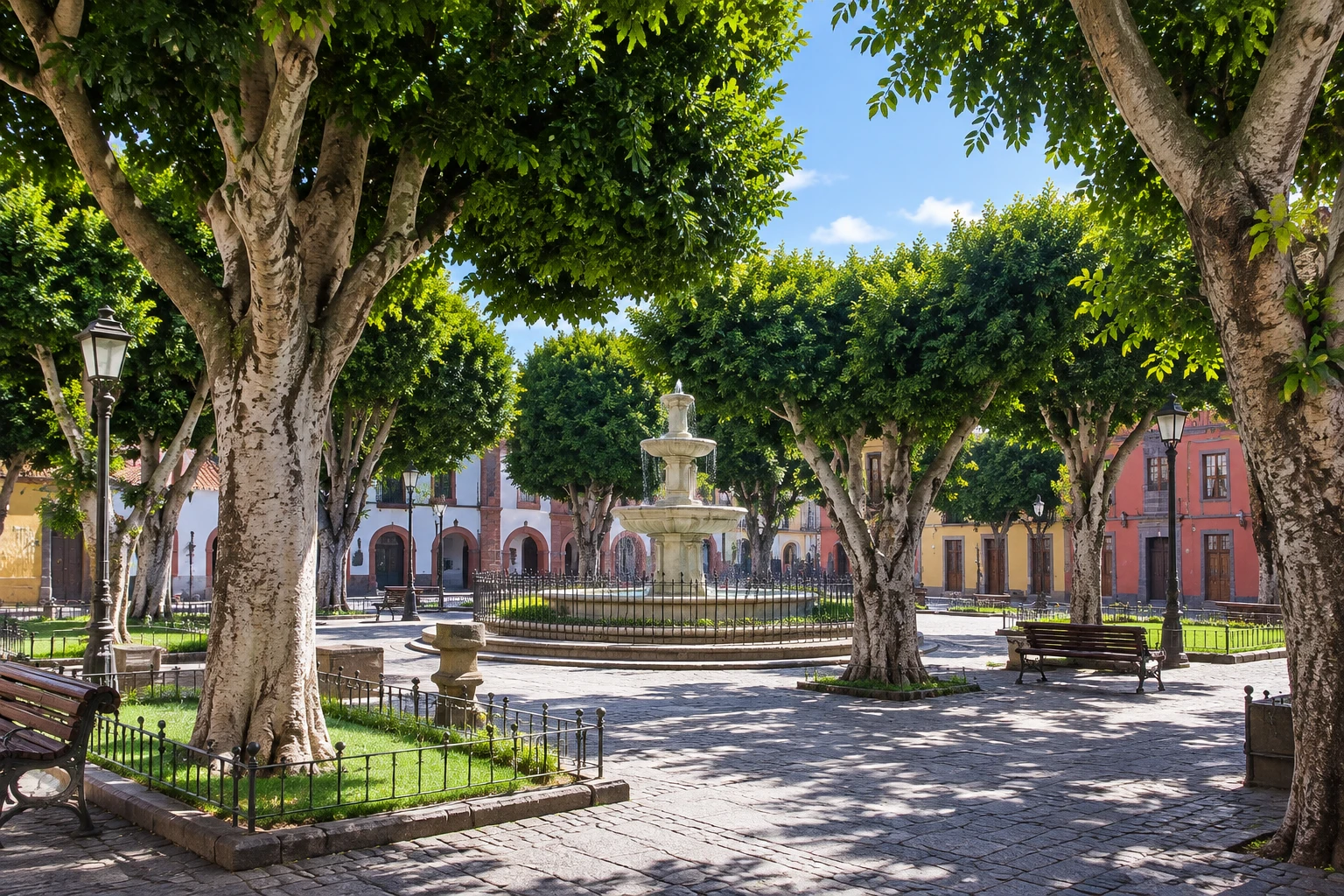
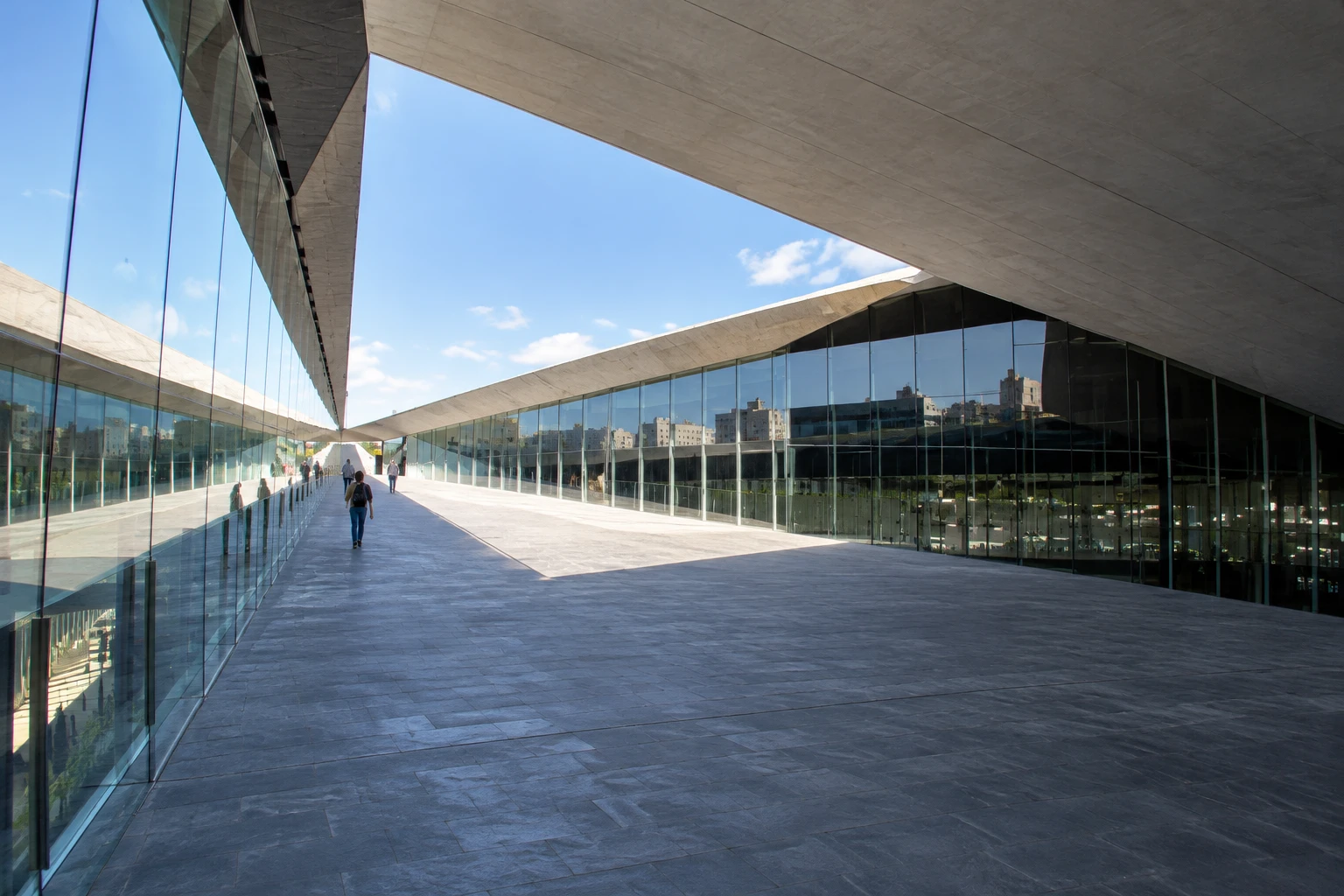
Illustrative images. The pictures in this guide are illustrations based on the real place, not photographs, and may differ from it.
To start
The 10 main places Tenerife
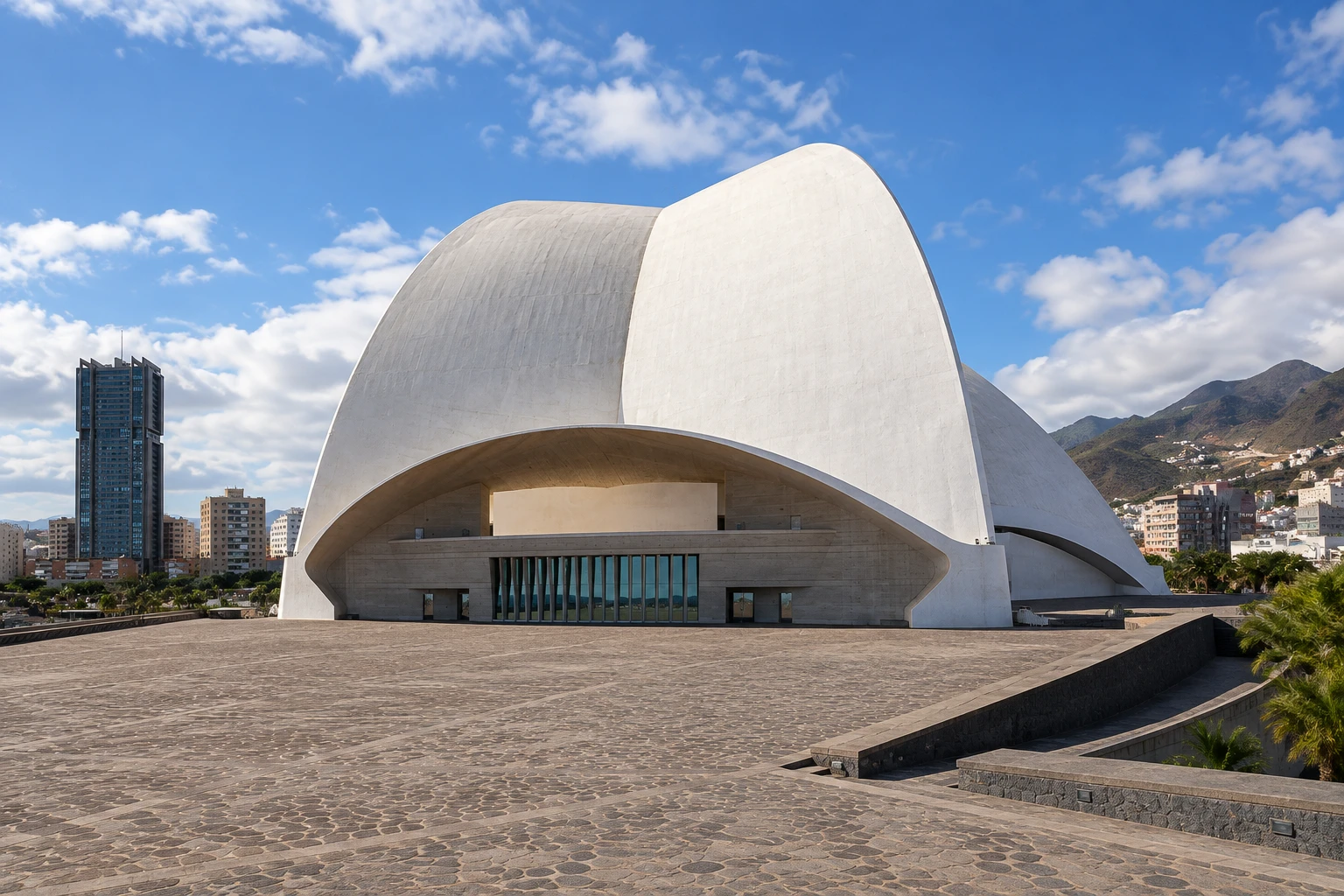
Auditorio de Tenerife Adán Martín · Santa Cruz de TenerifeThe Auditorio de Santiago Calatrava opened in 2003 by the sea, with a curved white roof about 60 meters long that resembles a wave, and is home to the island's symphony orchestra.
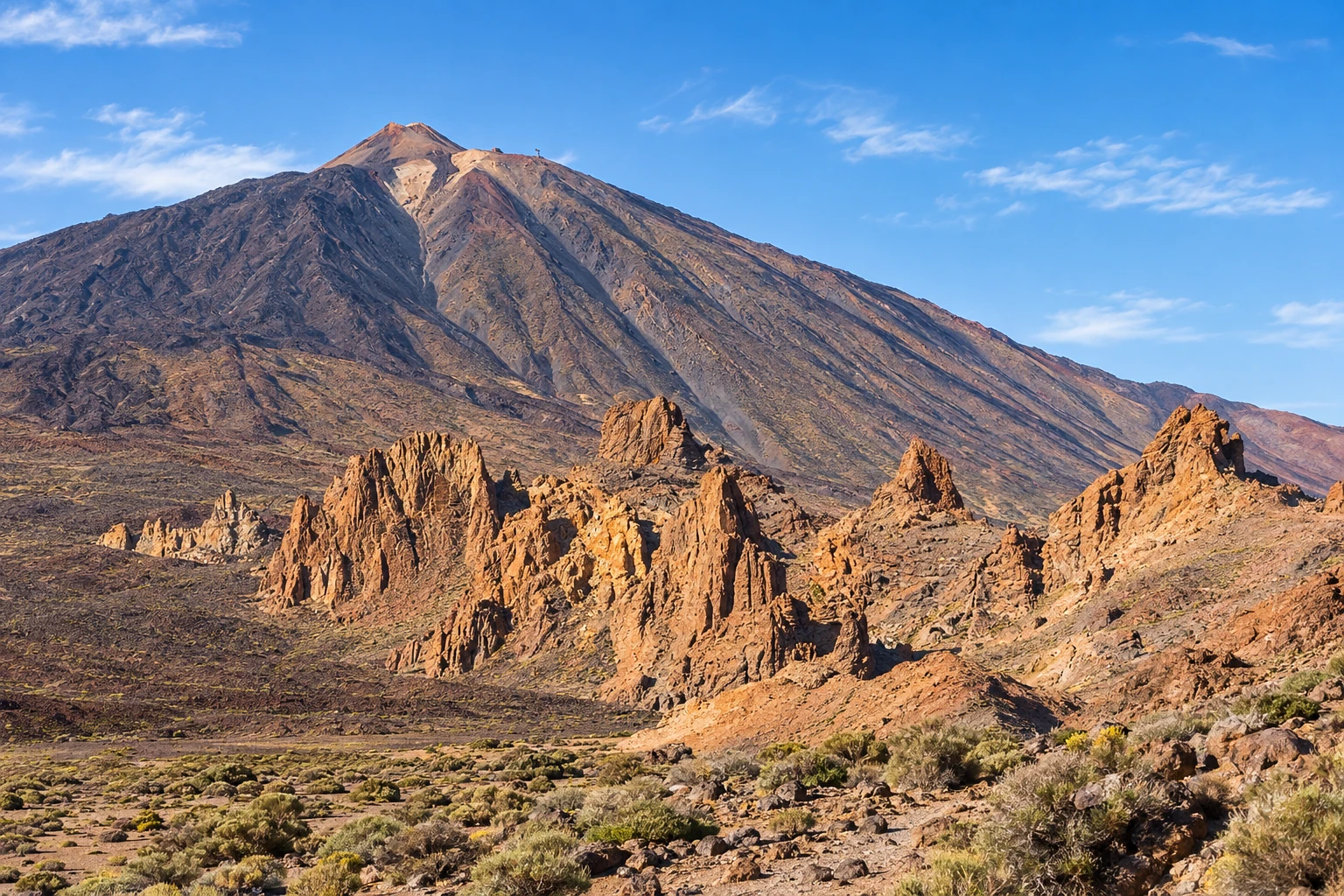
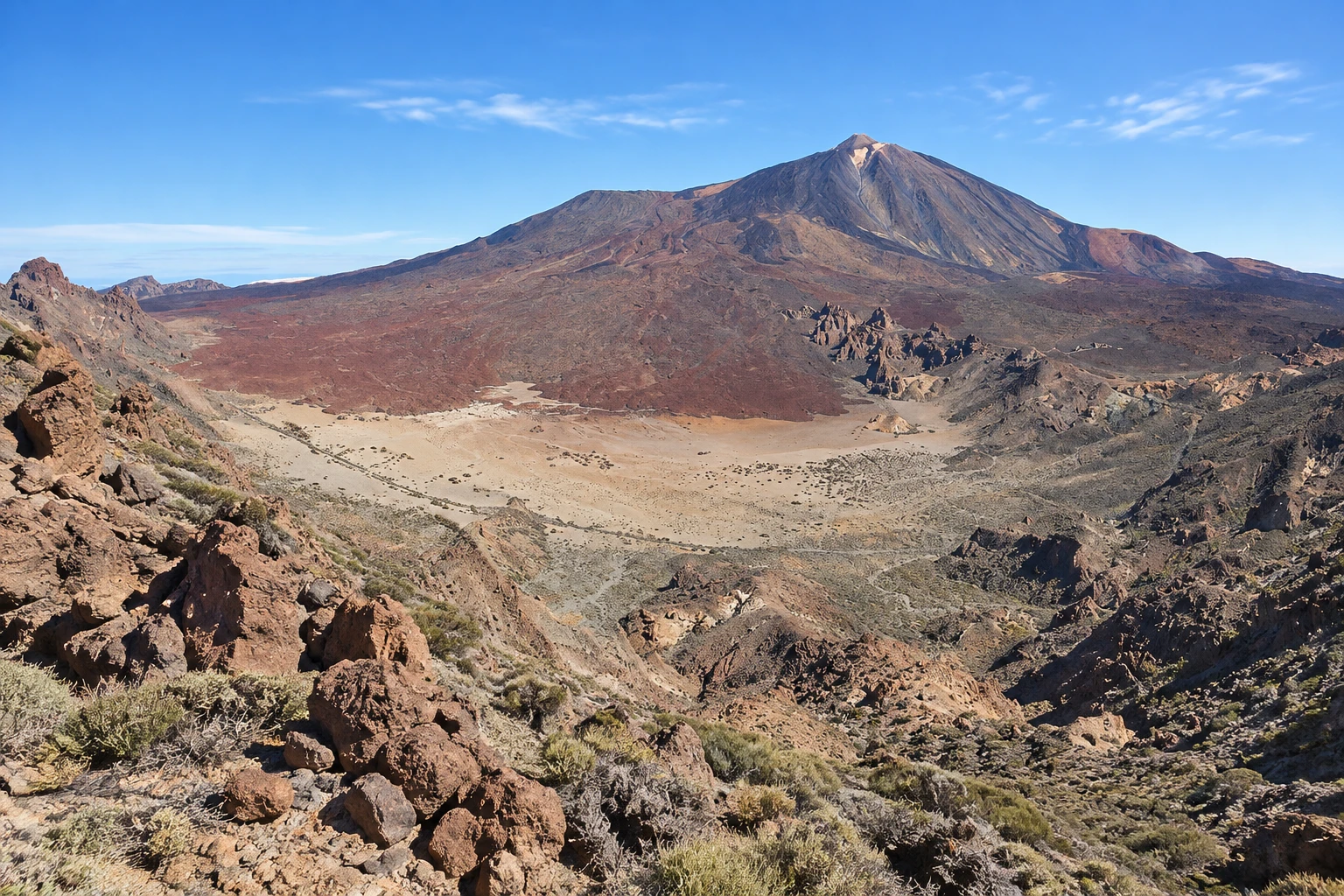
Teide National Park · Puerto de la CruzNational park in the center of Tenerife, with the Teide volcano at 3,715 meters, the highest point in Spain, lava fields, the Roques de García and a cable car.
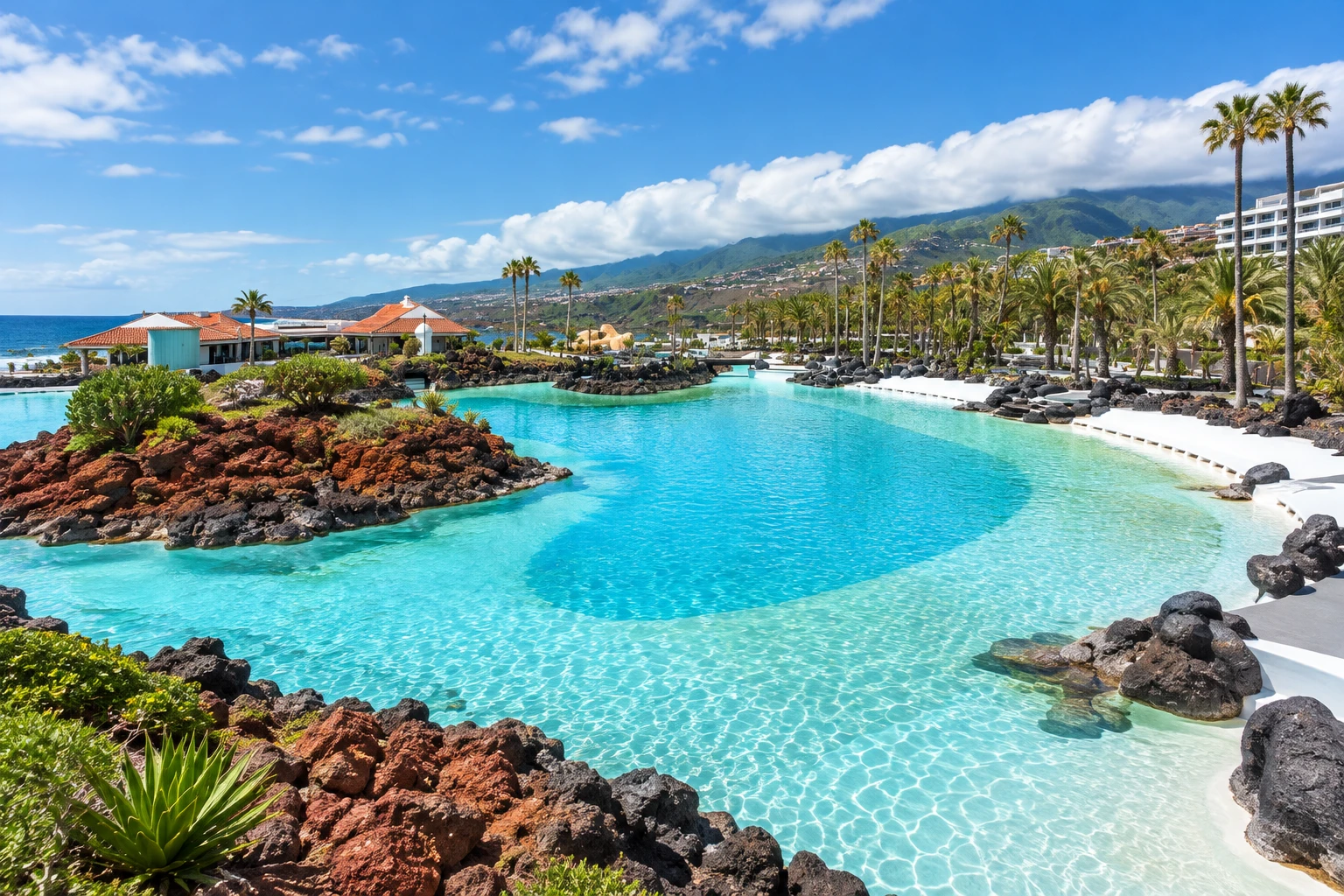
Lago Martiánez · Puerto de la CruzSeawater pool complex on the waterfront of Puerto de la Cruz, designed by César Manrique and opened in 1977, with a central lake, lava islets, palm trees and sculptures.
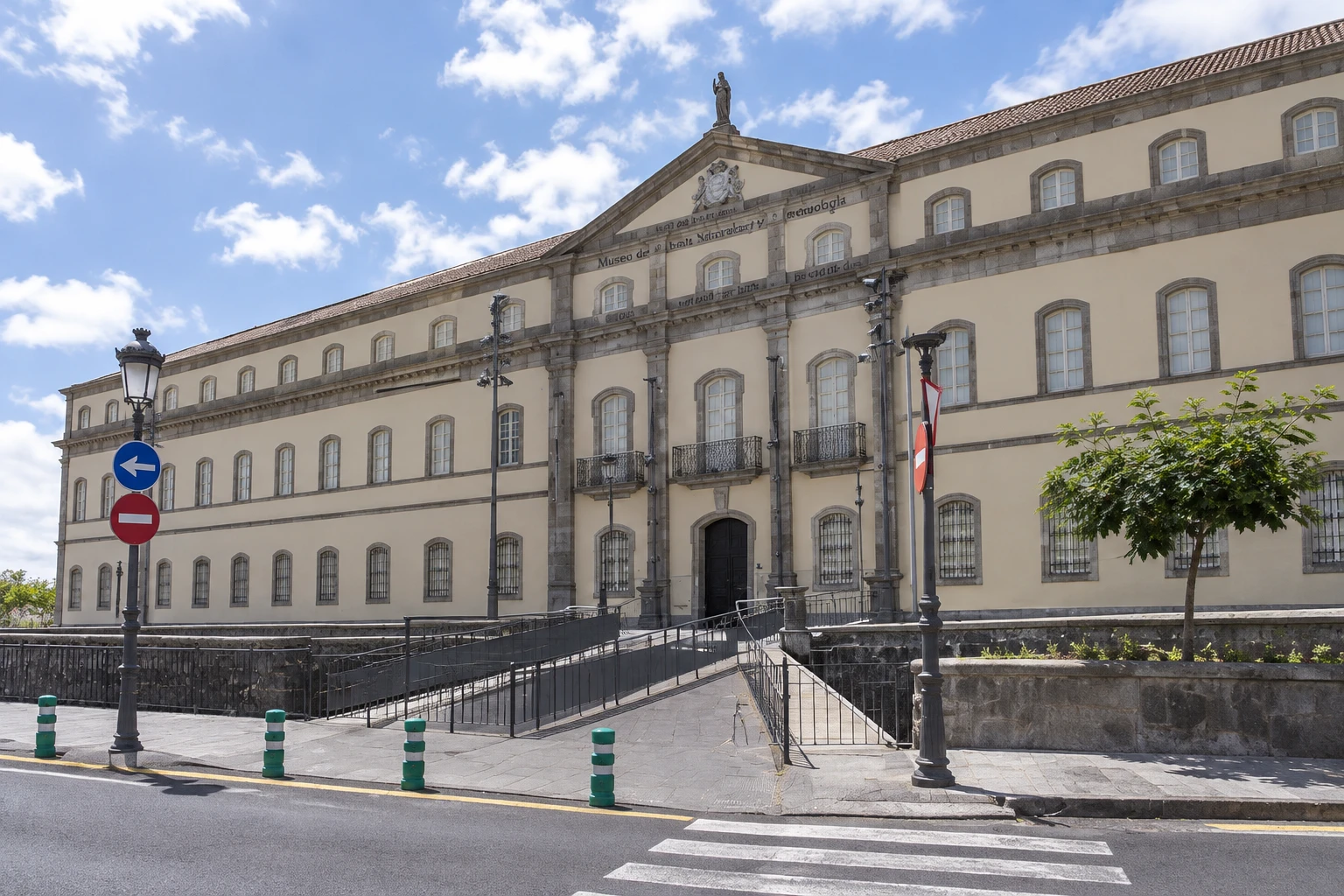
Museum of Nature and Archaeology · Santa Cruz de TenerifeMuseum in the old civil hospital, dating from 1745, with the volcanic nature of the Canaries, fossils and the collection on the guanches, the island's first inhabitants, includi...
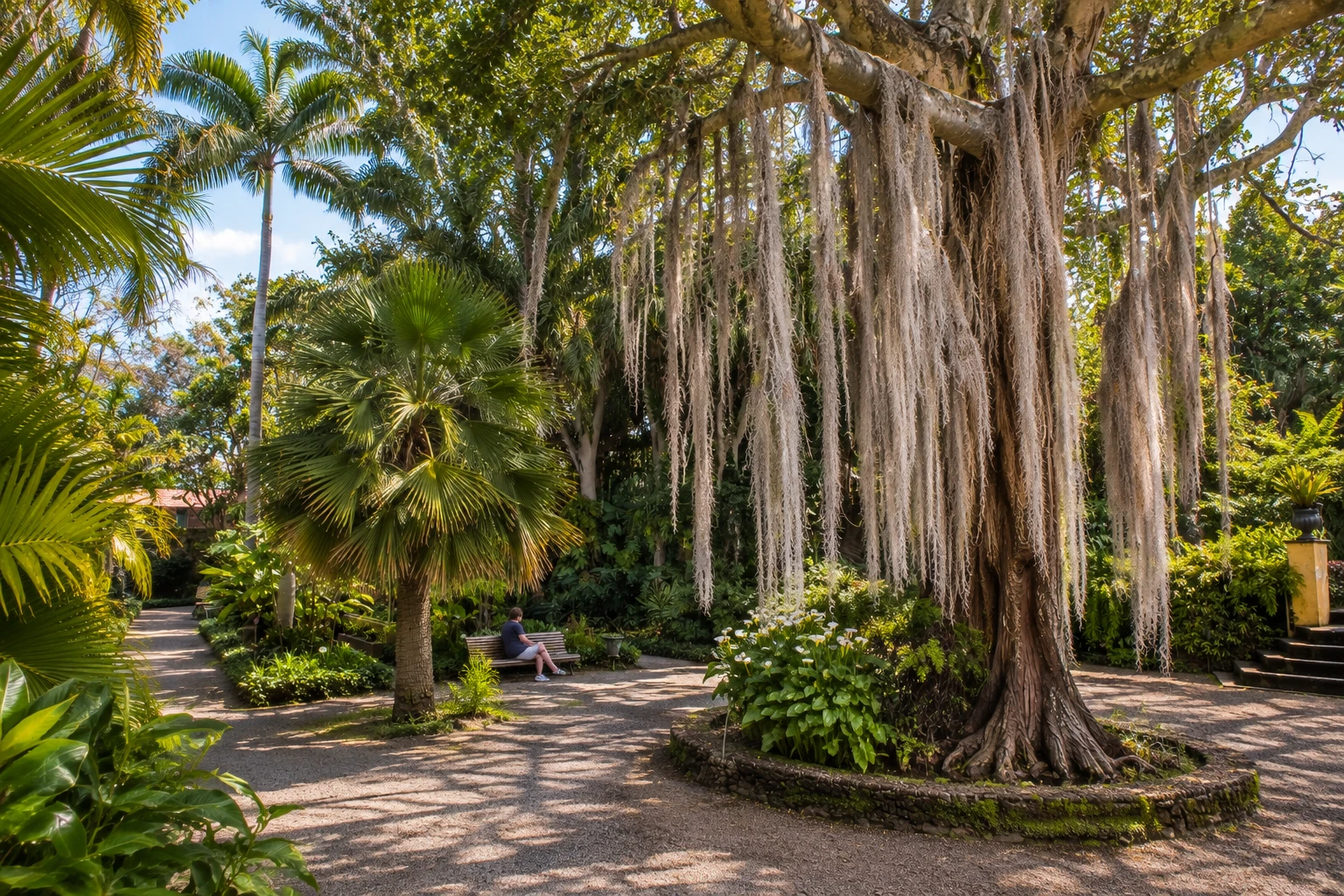
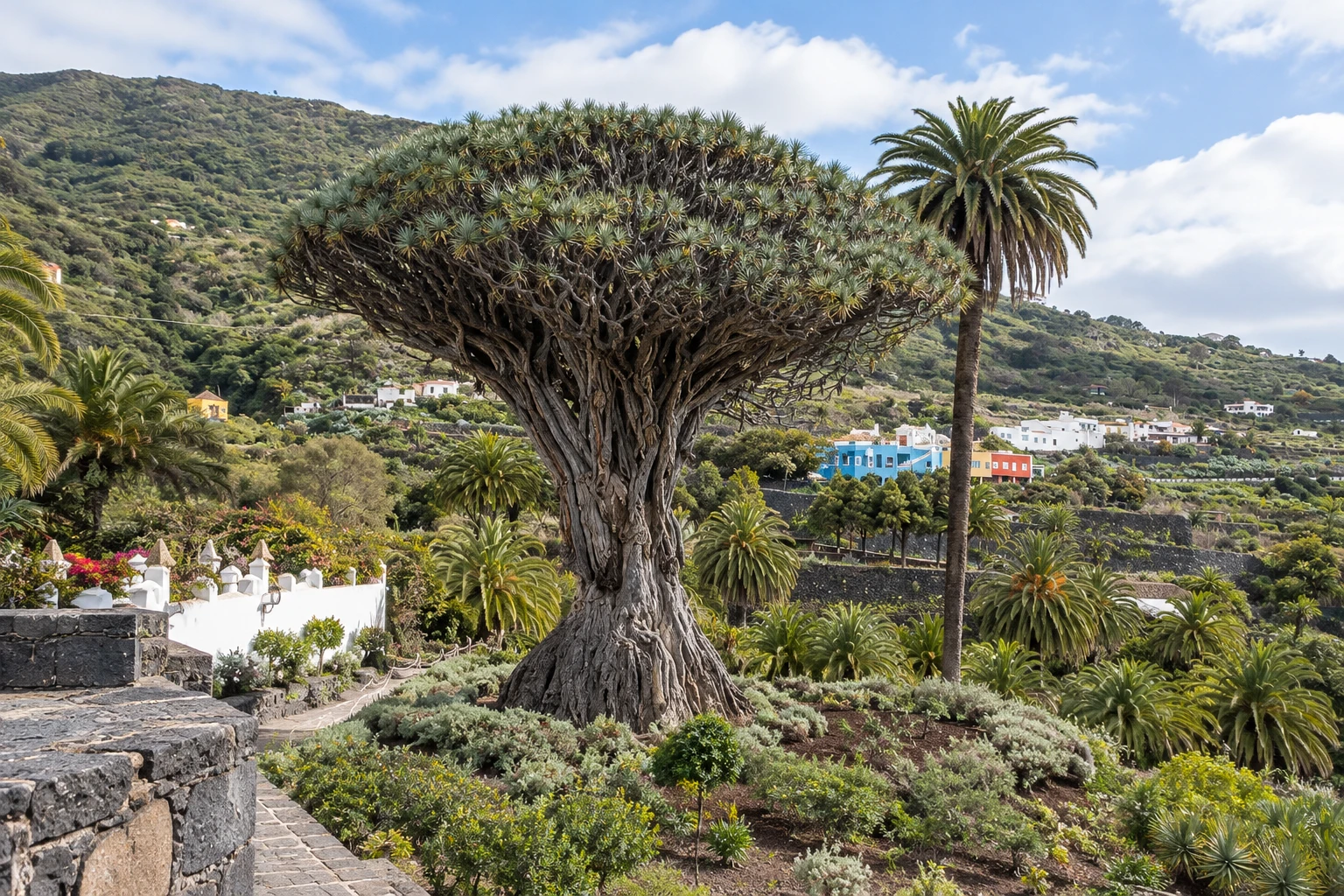
Puerto de la Cruz Botanical Garden · Puerto de la CruzBotanical garden created in 1788 by order of King Carlos III to acclimatize tropical plants brought from the colonies, with a giant fig tree and century-old palm trees.
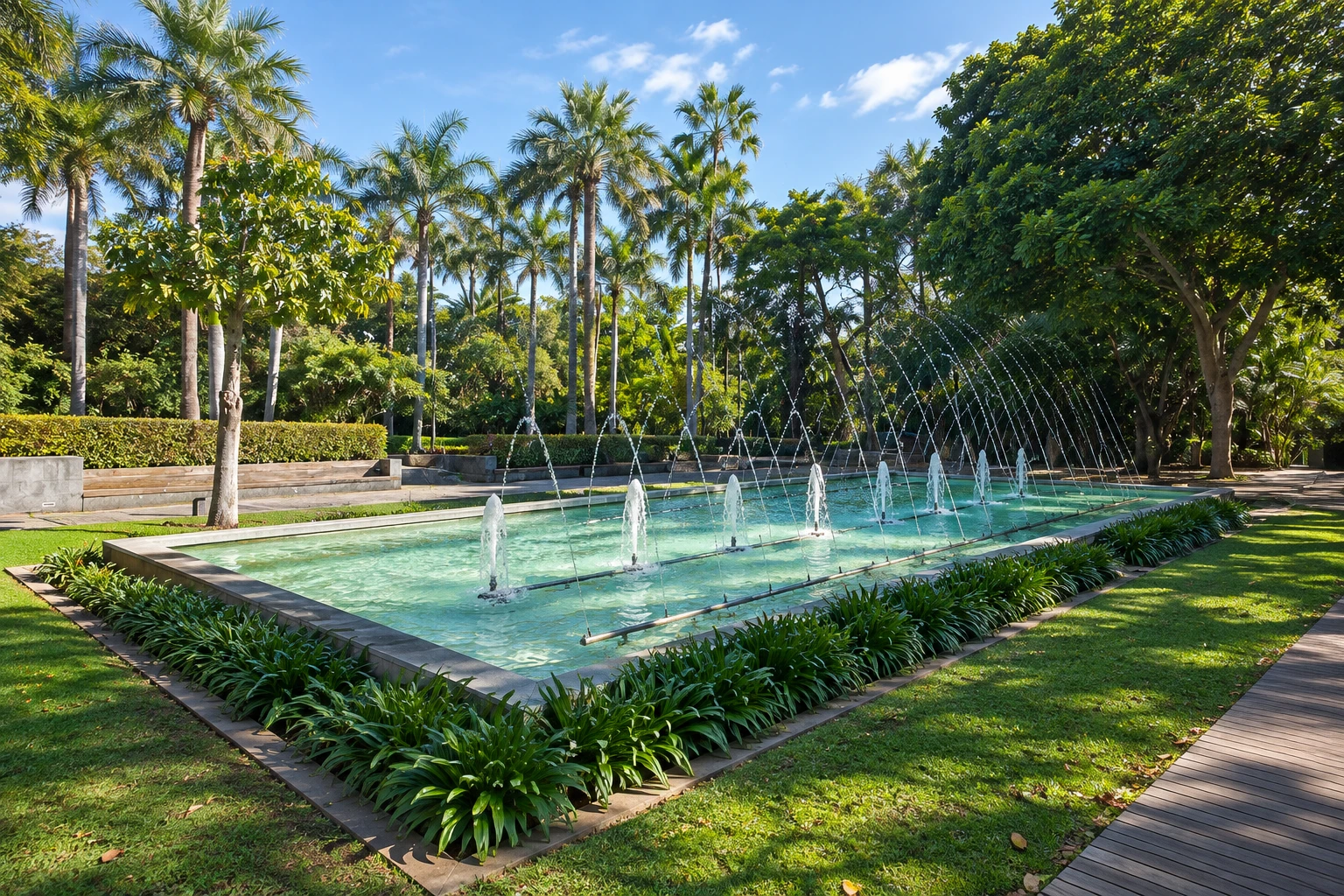
García Sanabria Park · Santa Cruz de TenerifeUrban park from 1926 in the center of Santa Cruz, with tropical and Canarian plants, fountains, a flower clock and sculptures from an open‑air international exhibition of 1973.
Loro Parque · Puerto de la CruzPrivate zoological park opened in 1972 as a parrot park, a few minutes from the center, with a large collection of birds, a penguin enclosure, dolphins and other animals.
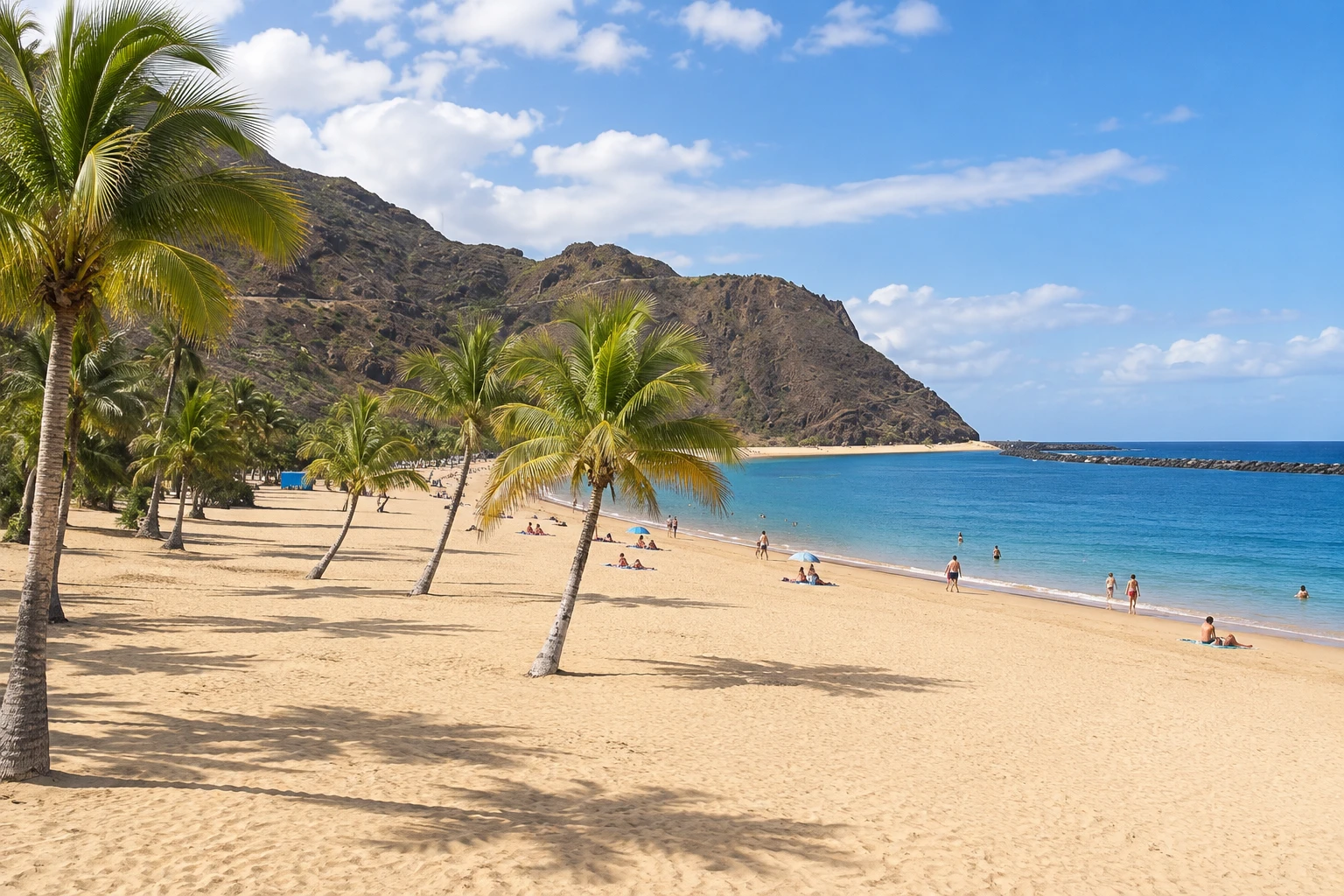
Las Teresitas Beach · Santa Cruz de TenerifeAbout a 1.3 km beach in San Andrés, 8 km from Santa Cruz, with light sand brought from the Sahara, a breakwater that calms the water and the Anaga mountains behind.
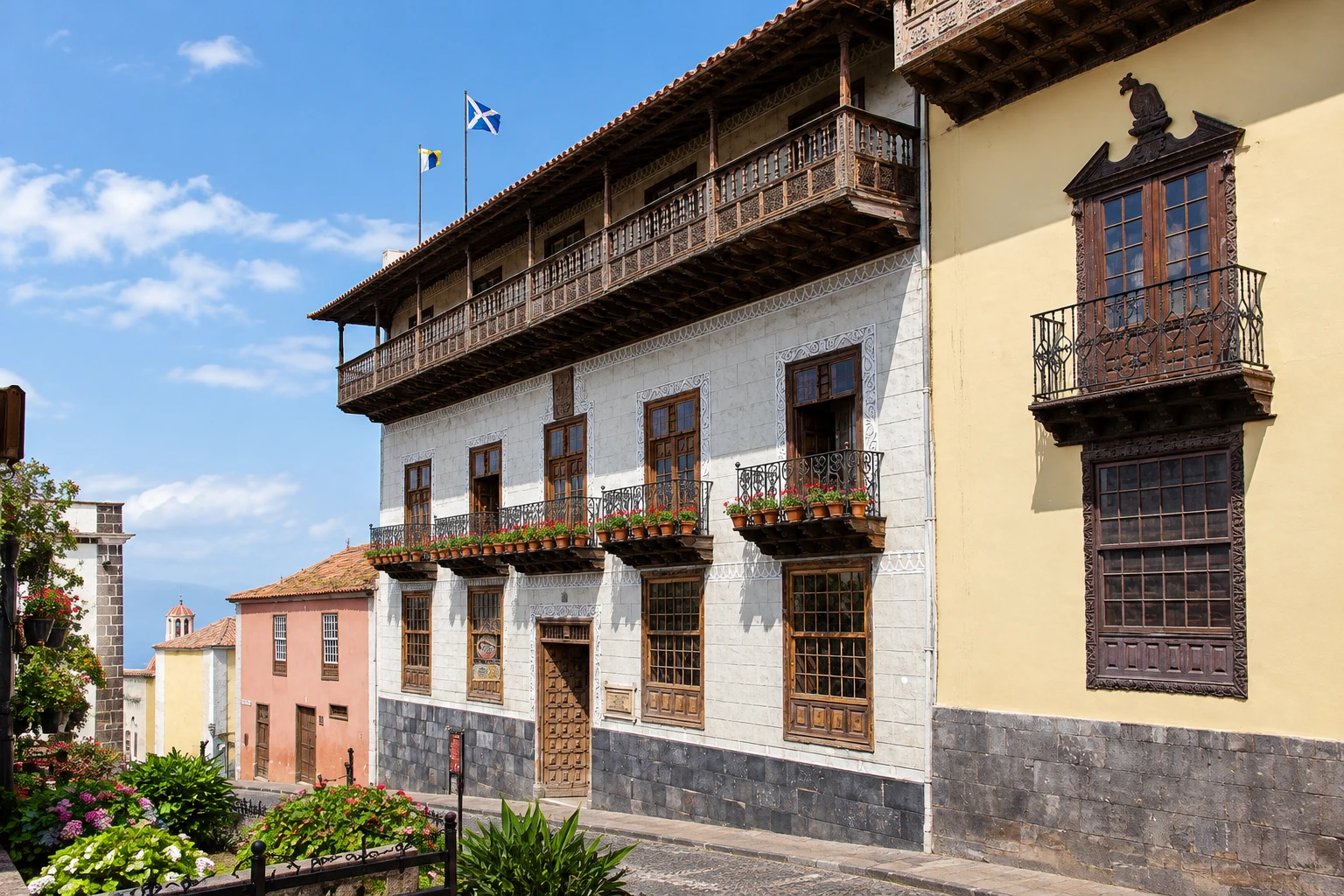
La Orotava · Puerto de la CruzColonial town perched above the valley, 6 km from Puerto de la Cruz, with houses featuring wooden balconies, the Casa de los Balcones, baroque churches and carpets of flowers an...
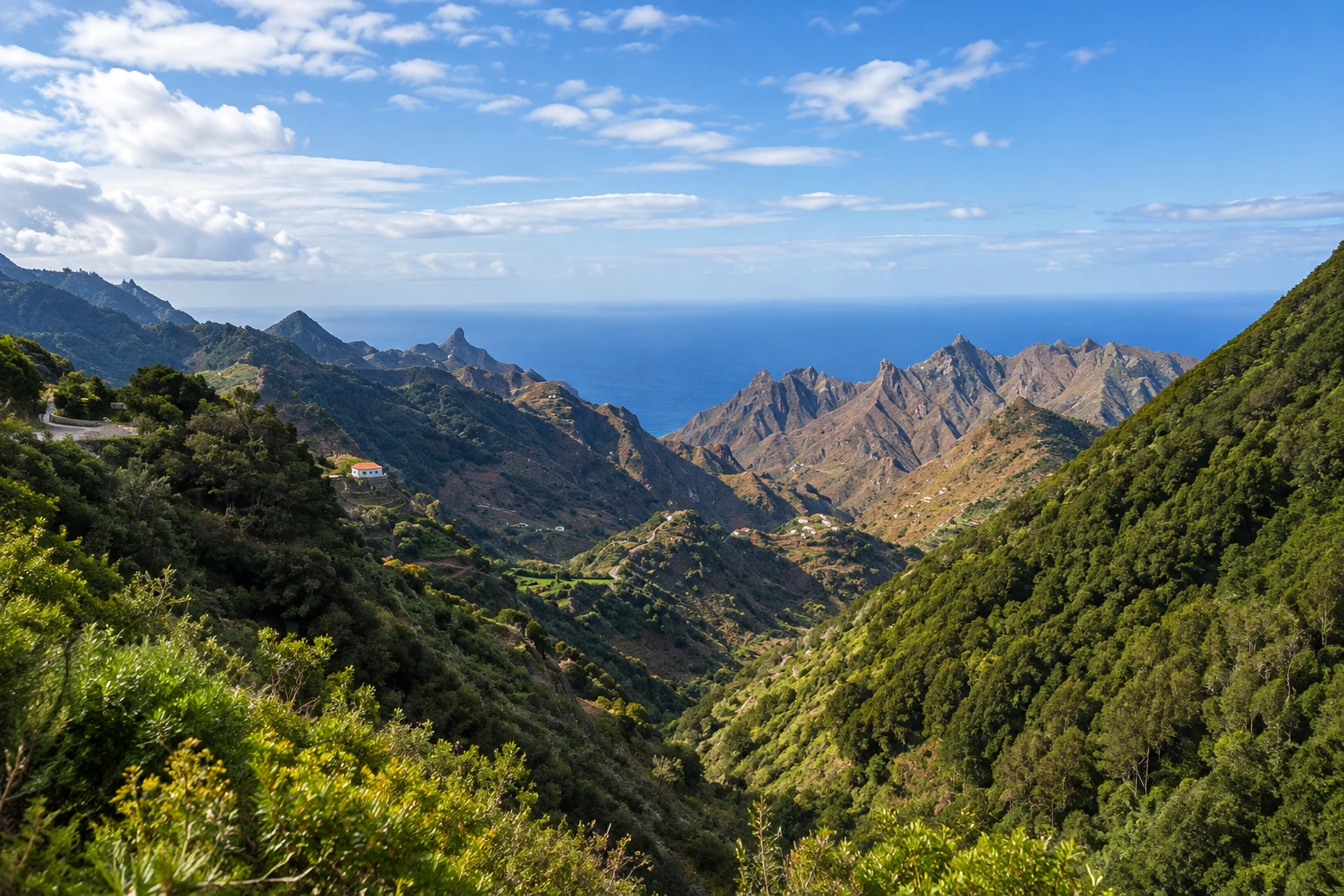
Anaga Rural Park · Santa Cruz de TenerifeMountain massif in the northeast of the island, a Biosphere Reserve, with laurel forest (laurisilva) draped in moss, trails, viewpoints and isolated villages like Taganana.
One by one
All the places, with photos
Santa Cruz de Tenerife · Canary Islands · Concert hall
The Auditorio de Santiago Calatrava opened in 2003 by the sea, with a curved white roof about 60 meters long that resembles a wave, and is home to the island's symphony orchestra.
National park in the center of Tenerife, with the Teide volcano at 3,715 meters, the highest point in Spain, lava fields, the Roques de García and a cable car. UNESCO World Heritage Site.
Seawater pool complex on the waterfront of Puerto de la Cruz, designed by César Manrique and opened in 1977, with a central lake, lava islets, palm trees and sculptures.
Museum in the old civil hospital, dating from 1745, with the volcanic nature of the Canaries, fossils and the collection on the guanches, the island's first inhabitants, including mummies.
Botanical garden created in 1788 by order of King Carlos III to acclimatize tropical plants brought from the colonies, with a giant fig tree and century-old palm trees.
Urban park from 1926 in the center of Santa Cruz, with tropical and Canarian plants, fountains, a flower clock and sculptures from an open‑air international exhibition of 1973.
Private zoological park opened in 1972 as a parrot park, a few minutes from the center, with a large collection of birds, a penguin enclosure, dolphins and other animals.
About a 1.3 km beach in San Andrés, 8 km from Santa Cruz, with light sand brought from the Sahara, a breakwater that calms the water and the Anaga mountains behind.
Colonial town perched above the valley, 6 km from Puerto de la Cruz, with houses featuring wooden balconies, the Casa de los Balcones, baroque churches and carpets of flowers and colored earth for Corpus Christi.
Mountain massif in the northeast of the island, a Biosphere Reserve, with laurel forest (laurisilva) draped in moss, trails, viewpoints and isolated villages like Taganana.
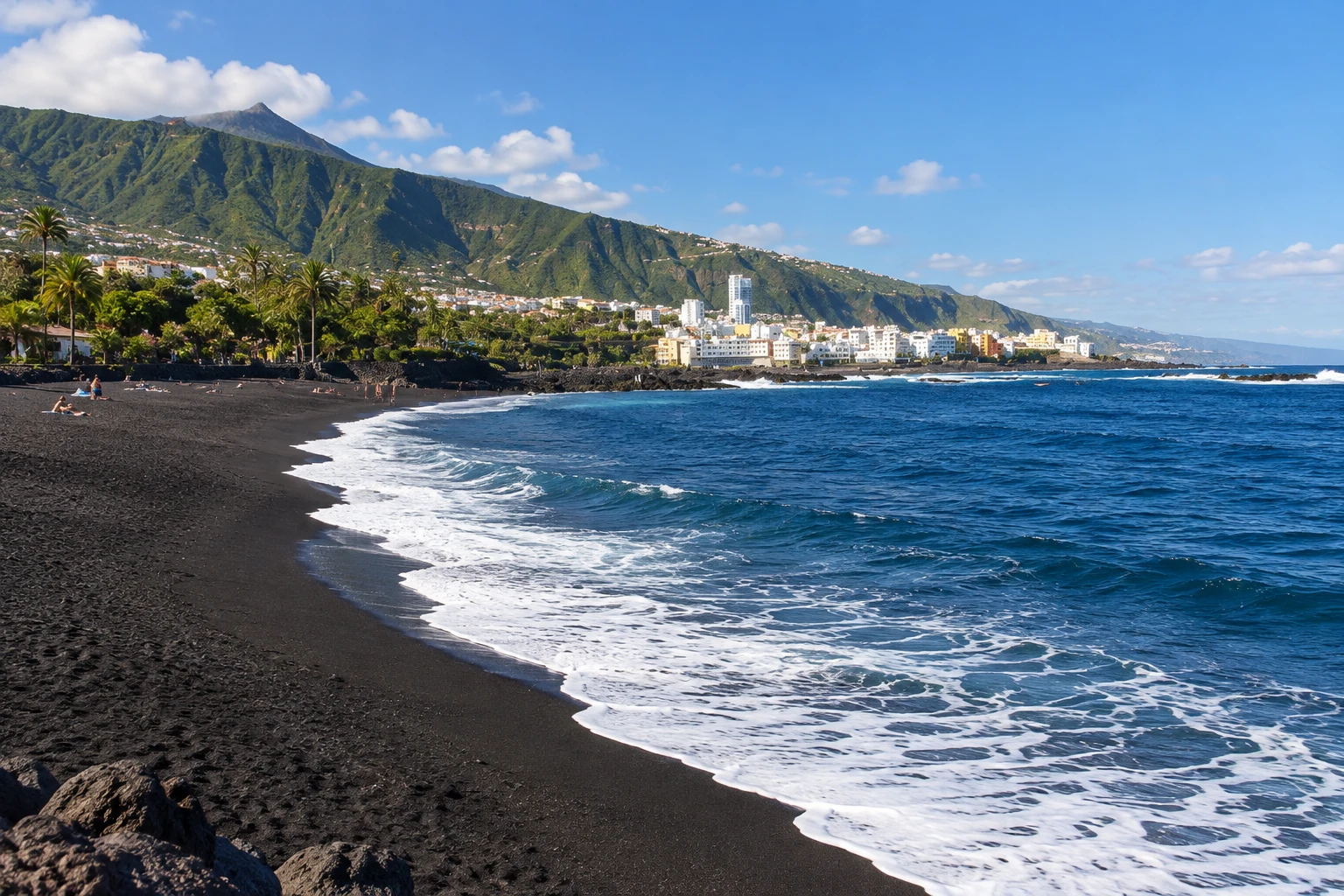
Beach of black volcanic sand on the west side of Puerto de la Cruz, with gardens, palm trees and waterfalls designed by the studio of César Manrique, next to the Castillo de San Felipe.
Former capital of Tenerife, 10 km from Santa Cruz, with a late‑15th‑century centre laid out on a grid plan — a model for colonial cities in the Americas. UNESCO World Heritage.
Herzog & de Meuron art center from 2008, on the edge of the Barranco de Santos, with contemporary art exhibitions, the Óscar Domínguez collection, and a library open 24 hours part of the year.
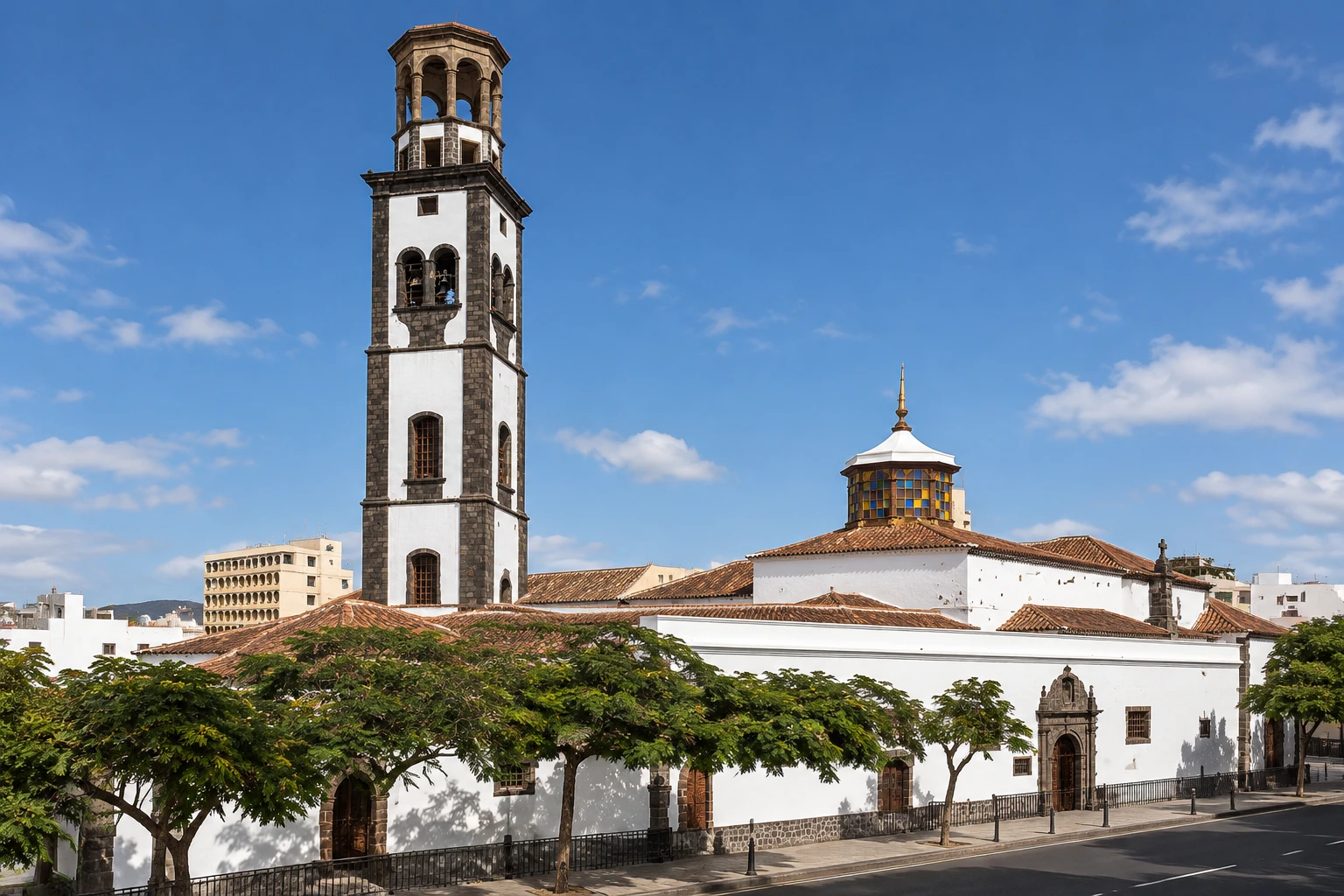
Santa Cruz’s main church, dating from the 16th century and rebuilt in the 17th, with a five‑storey tower and the Cross of the Conquest, raised by the Castilians in 1494.
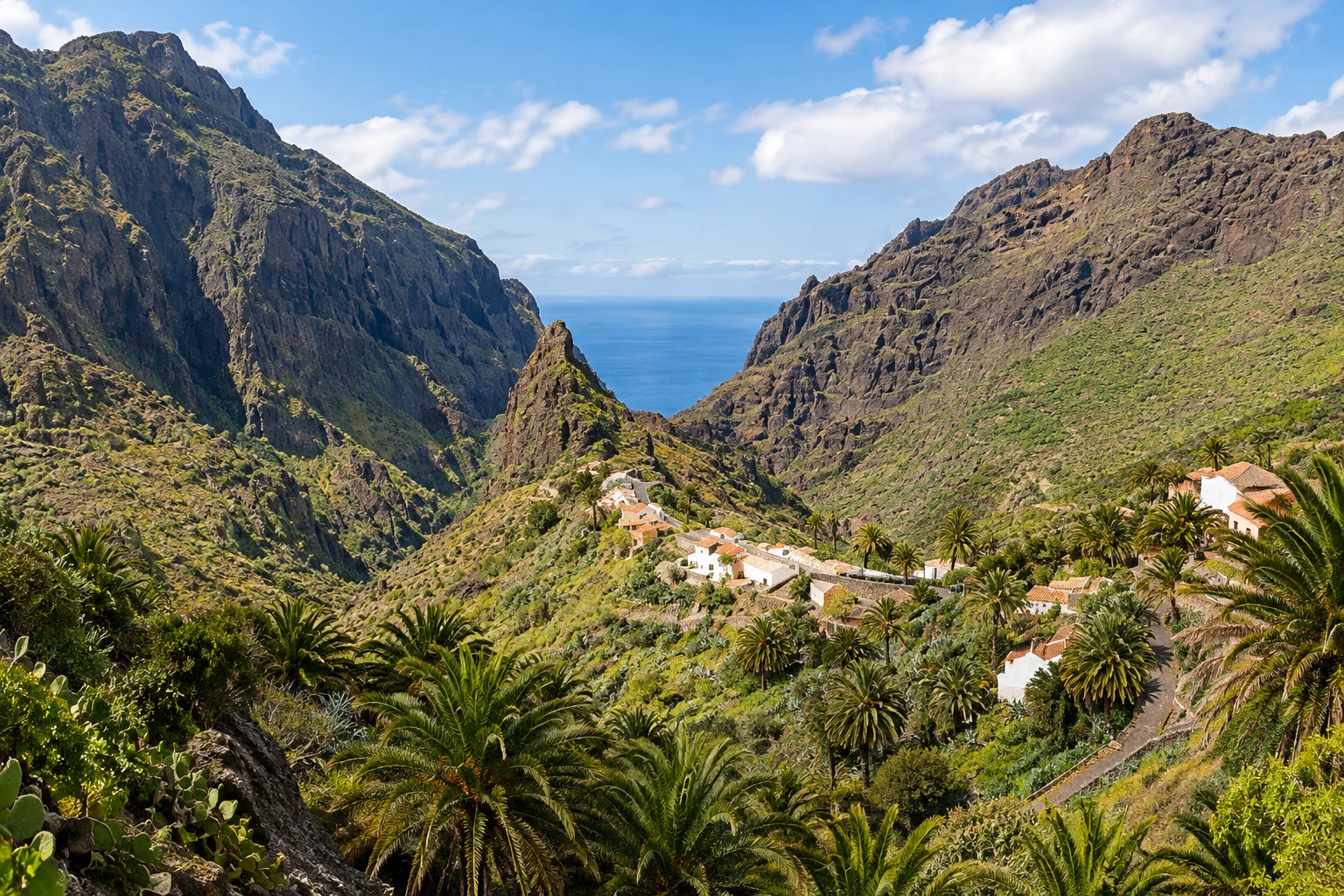
Remote village in the Teno mountains, in the northwest of the island, squeezed between cliffs and a deep ravine that descends to the sea, reached by a road with tight bends.


 Brazil
 Antarctica
 Argentina
 Bolivia
 Chile
 Colombia
 Ecuador
 Falkland Islands (Malvinas)
 French Guiana
 Guyana
 Paraguay
 Peru
 Suriname
 Uruguay
 Venezuela
 Austria
 Belgium
 Croatia
 Denmark
 Finland
 France
 Germany
 Greece
 Hungary
 Iceland
 Ireland
 Italy
 Luxembourg
 Norway
 Poland
 Portugal
 Slovakia
 Slovenia
 Sweden
 Switzerland
 the Czech Republic
 the Netherlands
 the United Kingdom
 Turkey
 Bermuda
 Canada
 Greenland
 Mexico
 Saint Pierre and Miquelon
 the United States
 the Dominican Republic
 Japan
 Egypt
 South Africa
 Australia
 Fiji
 New Zealand
 Papua New Guinea