8 places to visit, chosen by the Cidade Turismo guide.
Illustrative images. The pictures in this guide are illustrations based on the real place, not photographs, and may differ from it.
To start
The 8 main places Tarragona and the Costa Daurada
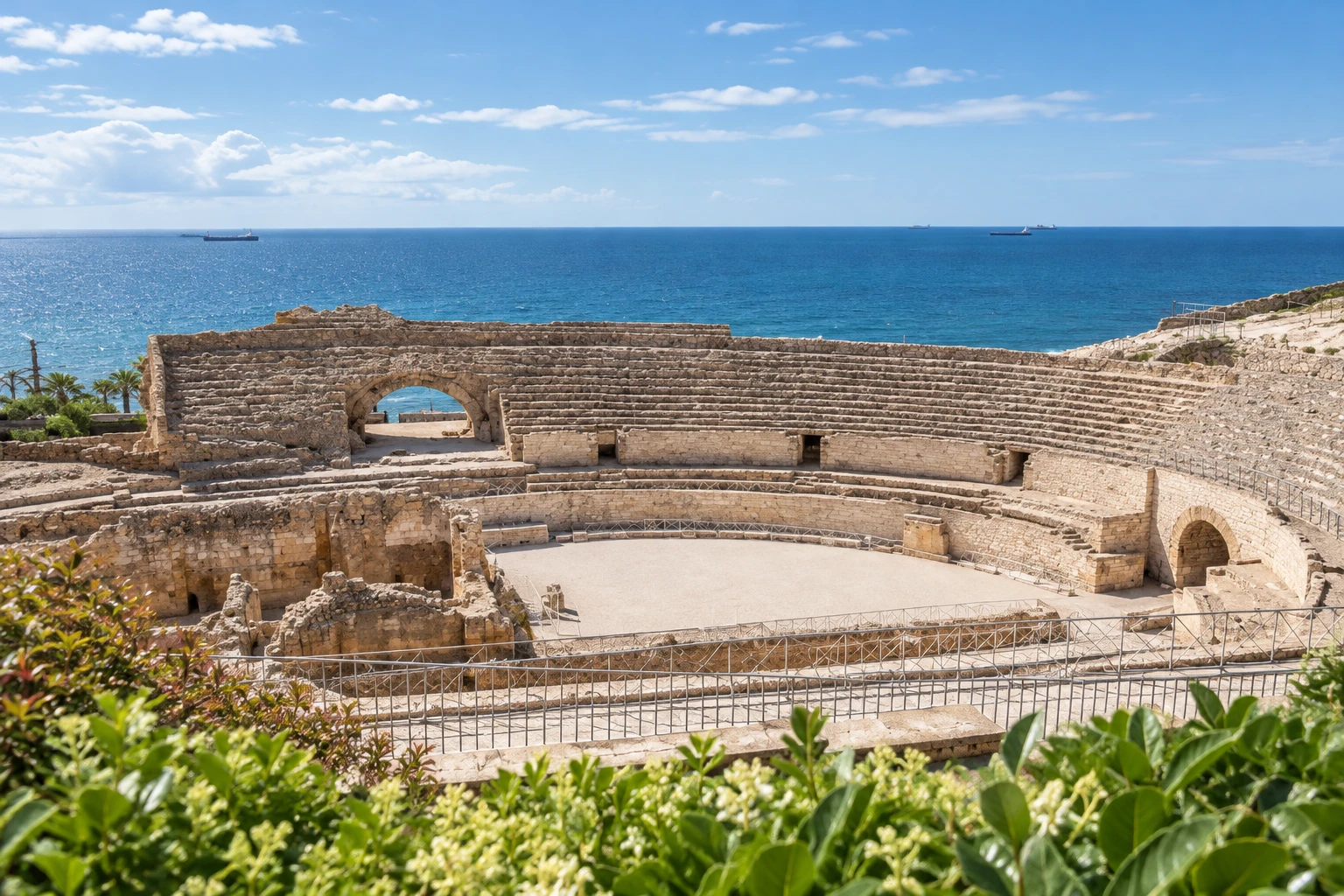
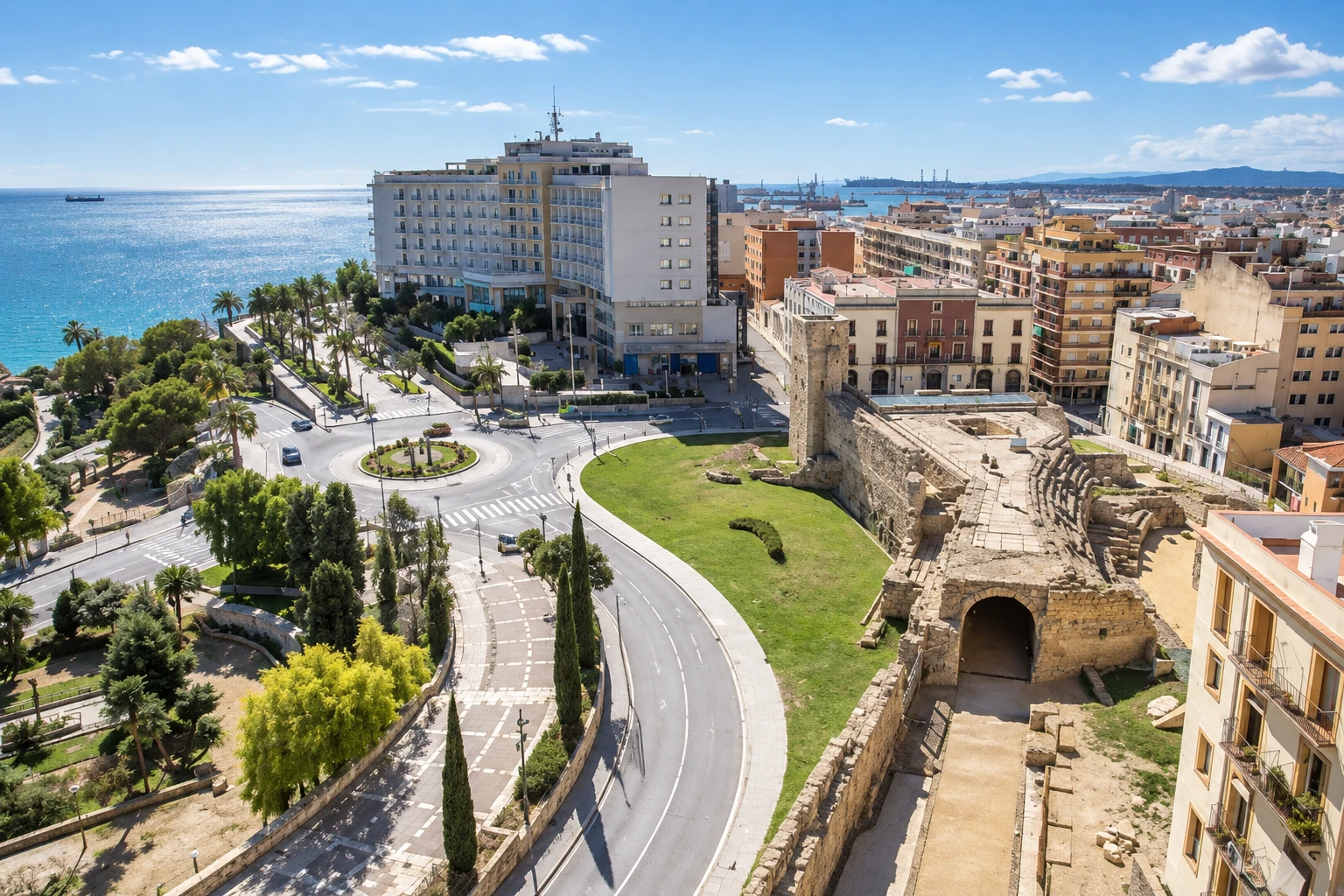
Tarragona Amphitheatre · Tarragona2nd-century amphitheater by the sea, where gladiator combats and animal shows took place.
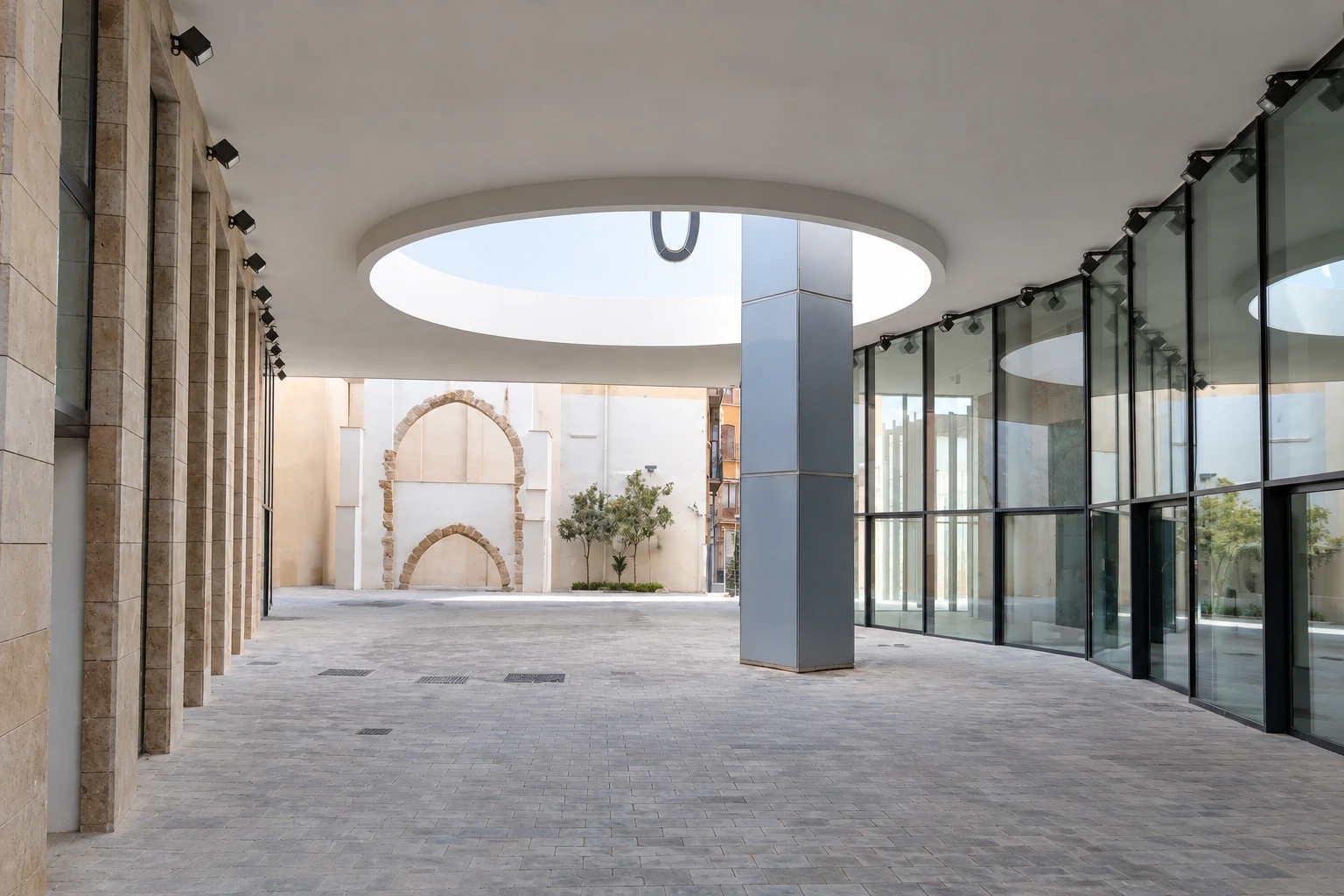
Casteller Museum of Catalonia · VallsMuseum dedicated to the castells, the Catalan human towers recognized by UNESCO as intangible heritage, next to the Plaça del Blat.
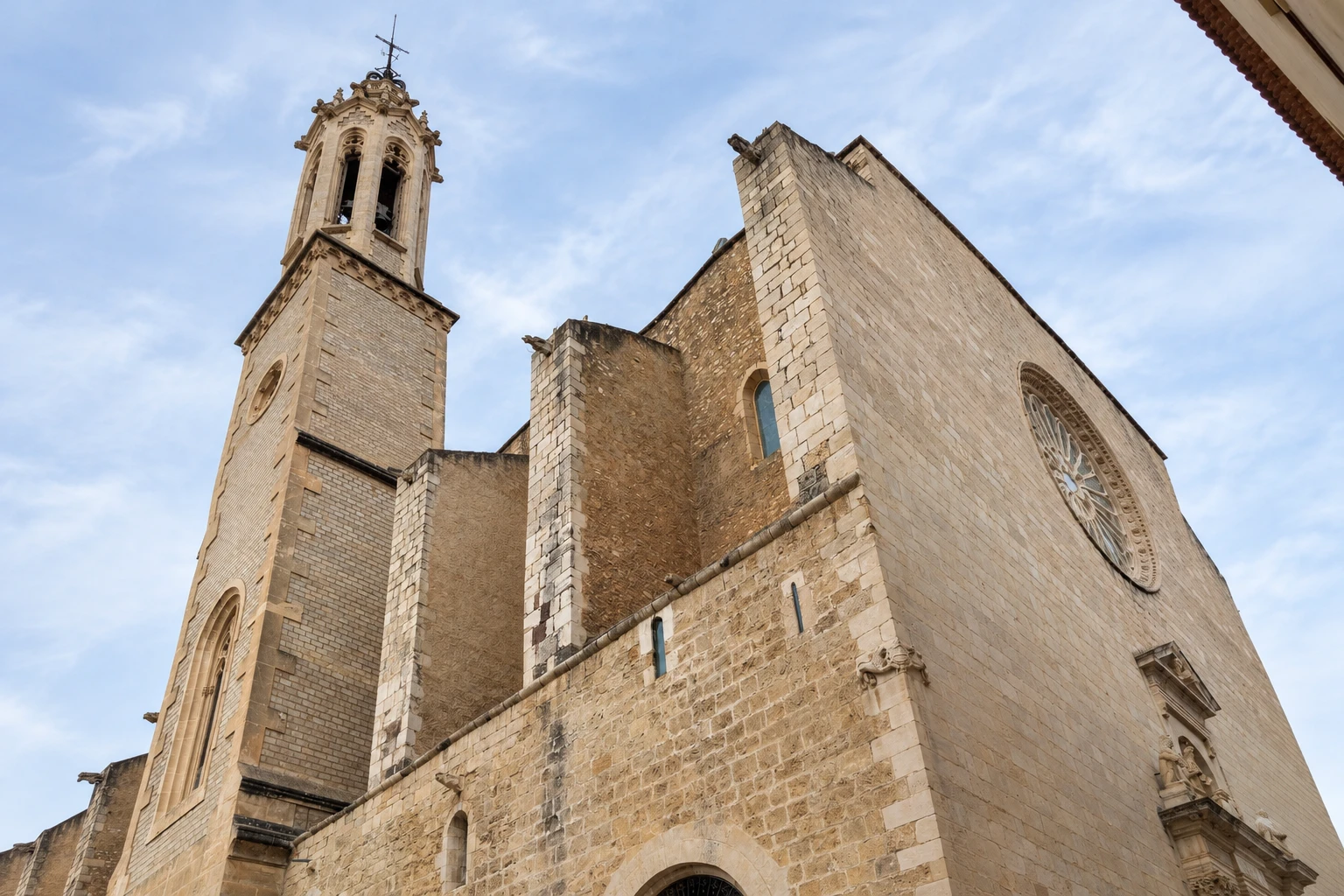
Church of Saint John the Baptist of Valls · VallsMain church of Valls, built in the 16th century in Gothic style, with a Renaissance façade and the tallest bell tower in Catalonia.
Pretorio and Roman Circus · TarragonaRoman tower at the top of the city, connected to the vaulted galleries of the 1st-century circus where chariot races ran.
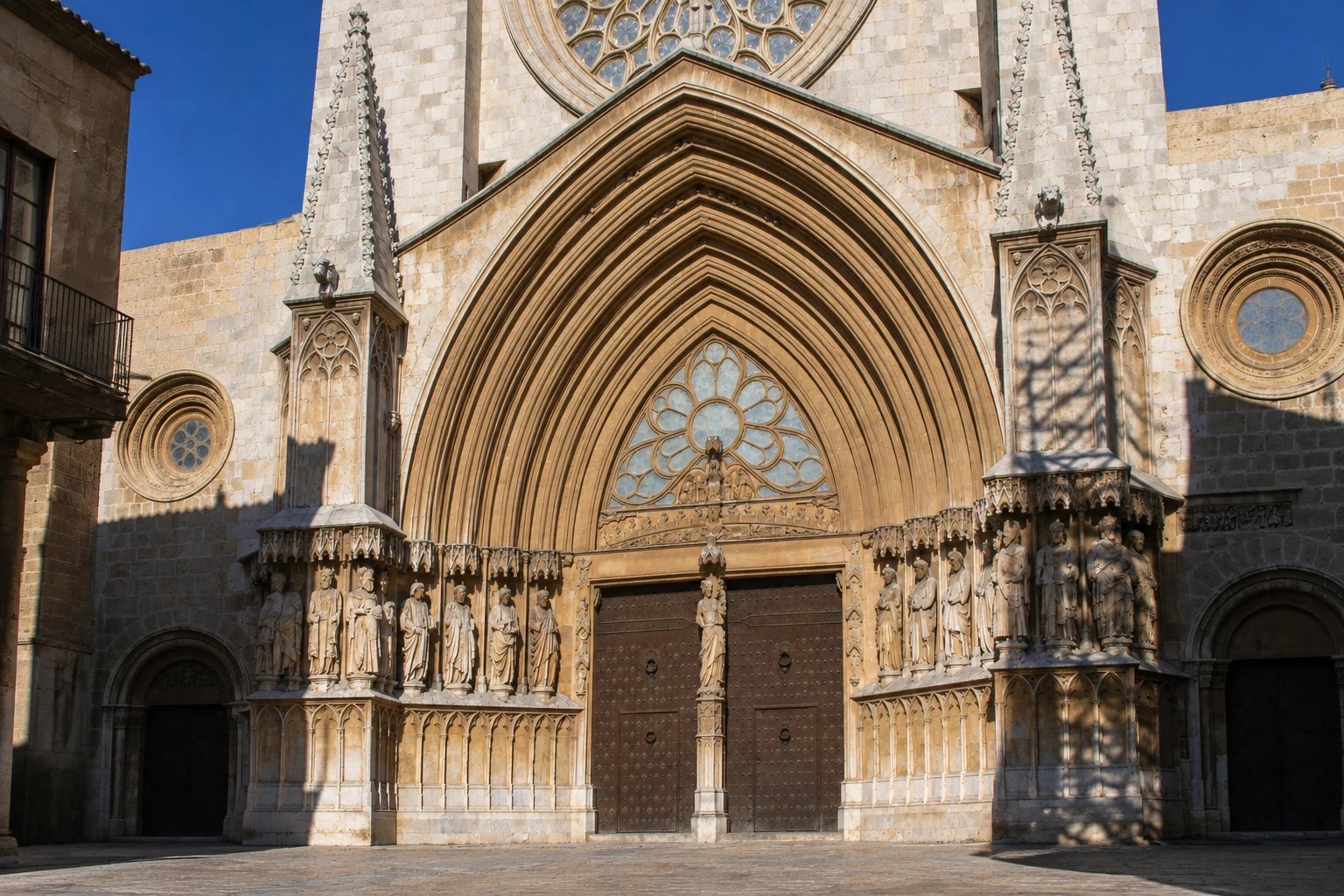
Tarragona Cathedral · TarragonaCathedral of Saint Tecla, at the highest point of the Part Alta, built from the 12th century on the site of an old Roman temple.
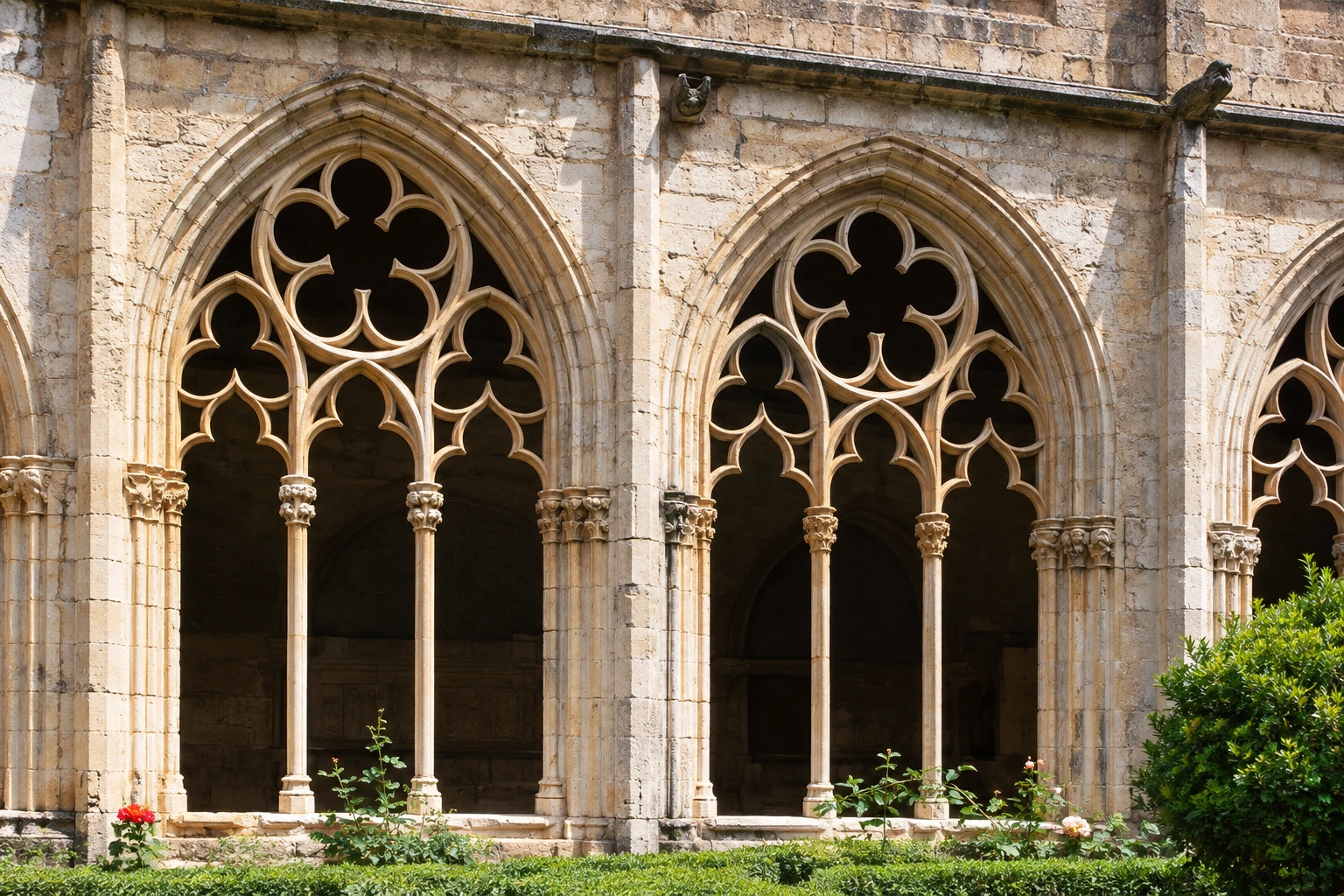
Royal Monastery of Santes Creus · VallsCistercian monastery founded in the 12th century, about 18 km from Valls, with a Gothic cloister, a church of Romanesque-Gothic transition and the tombs of kings of Aragon.
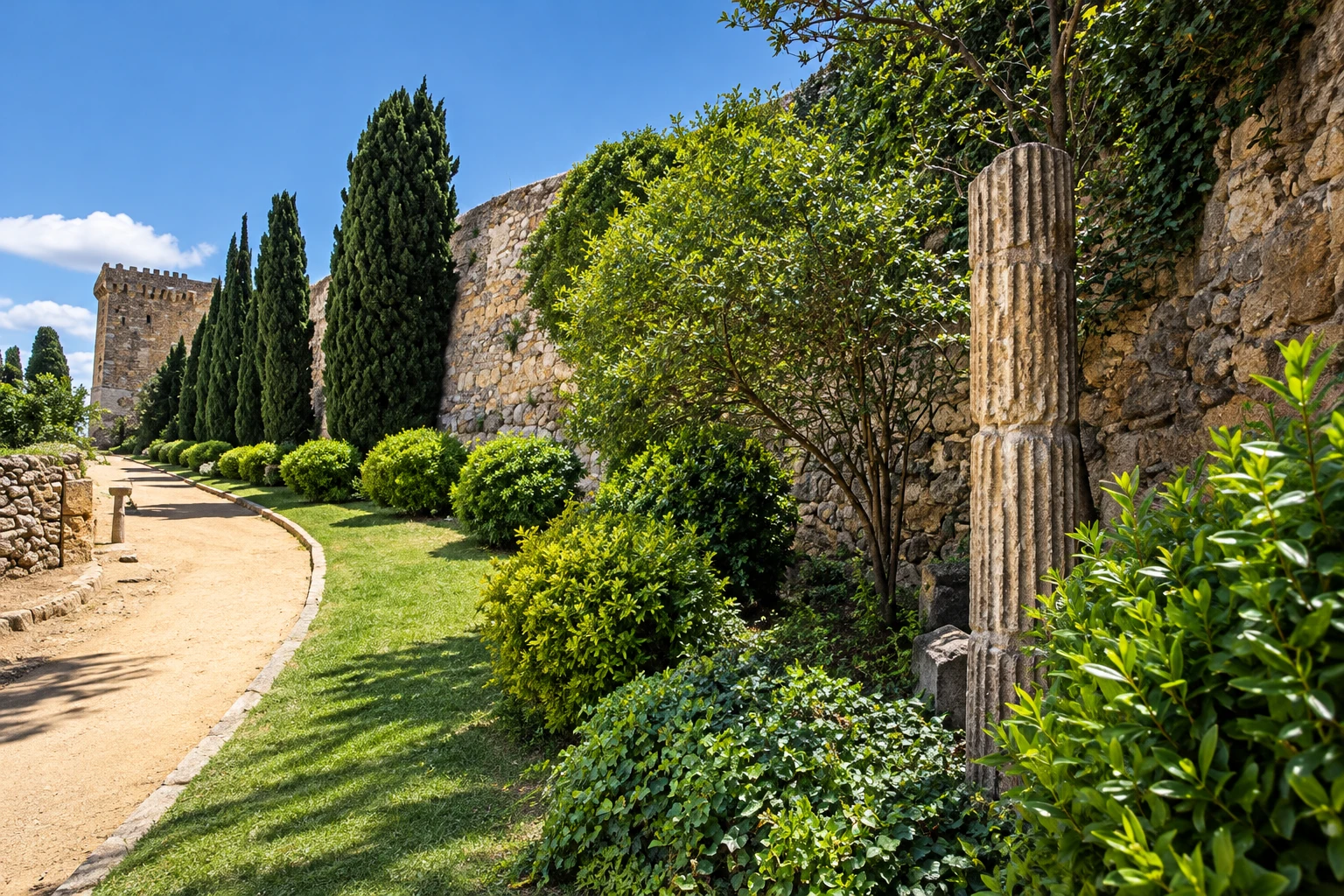
Archaeological Walk (Passeig Arqueològic) · TarragonaA landscaped walk that skirts part of the Part Alta between the Roman wall of the 2nd century BC and the fortifications built in the 18th century.
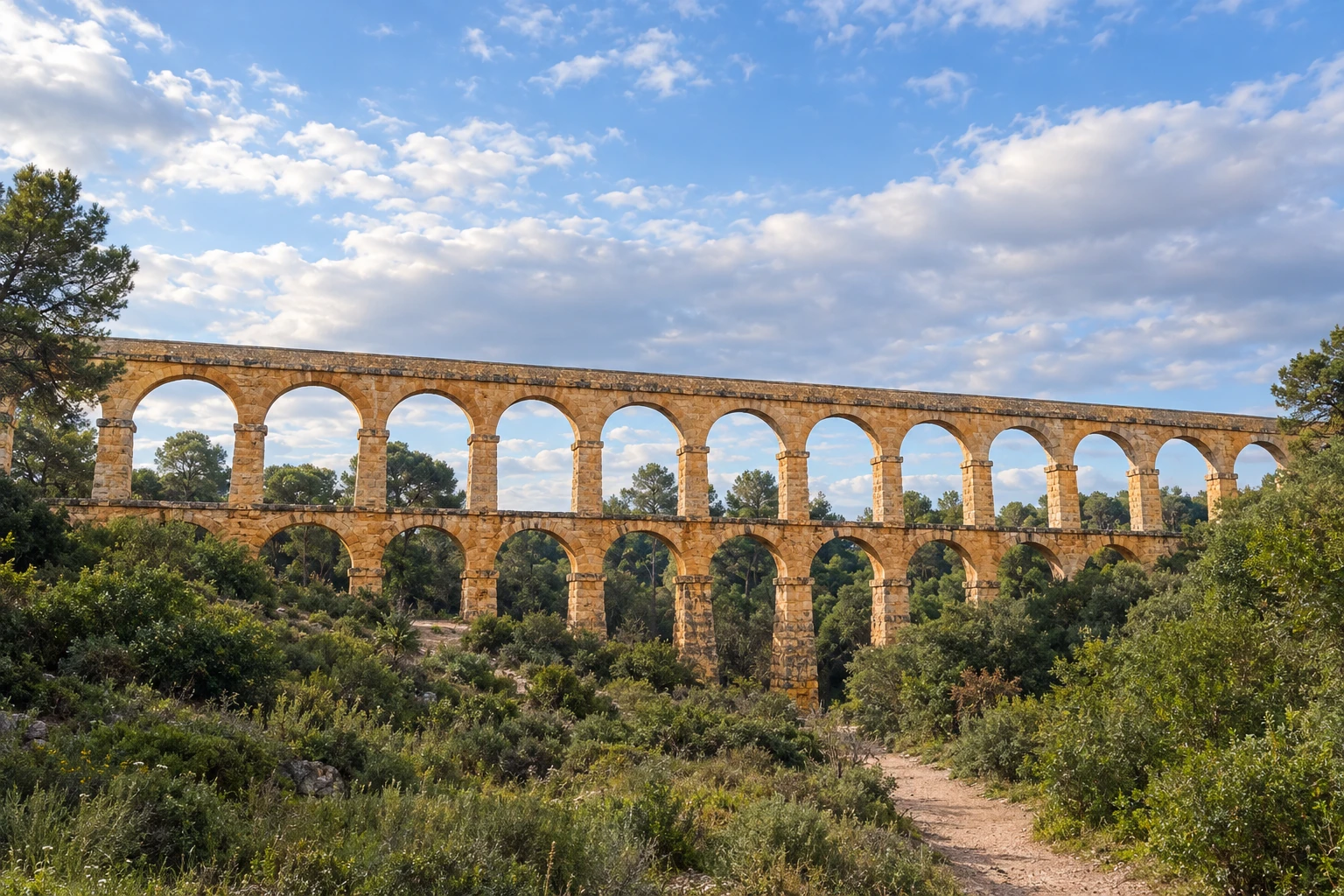
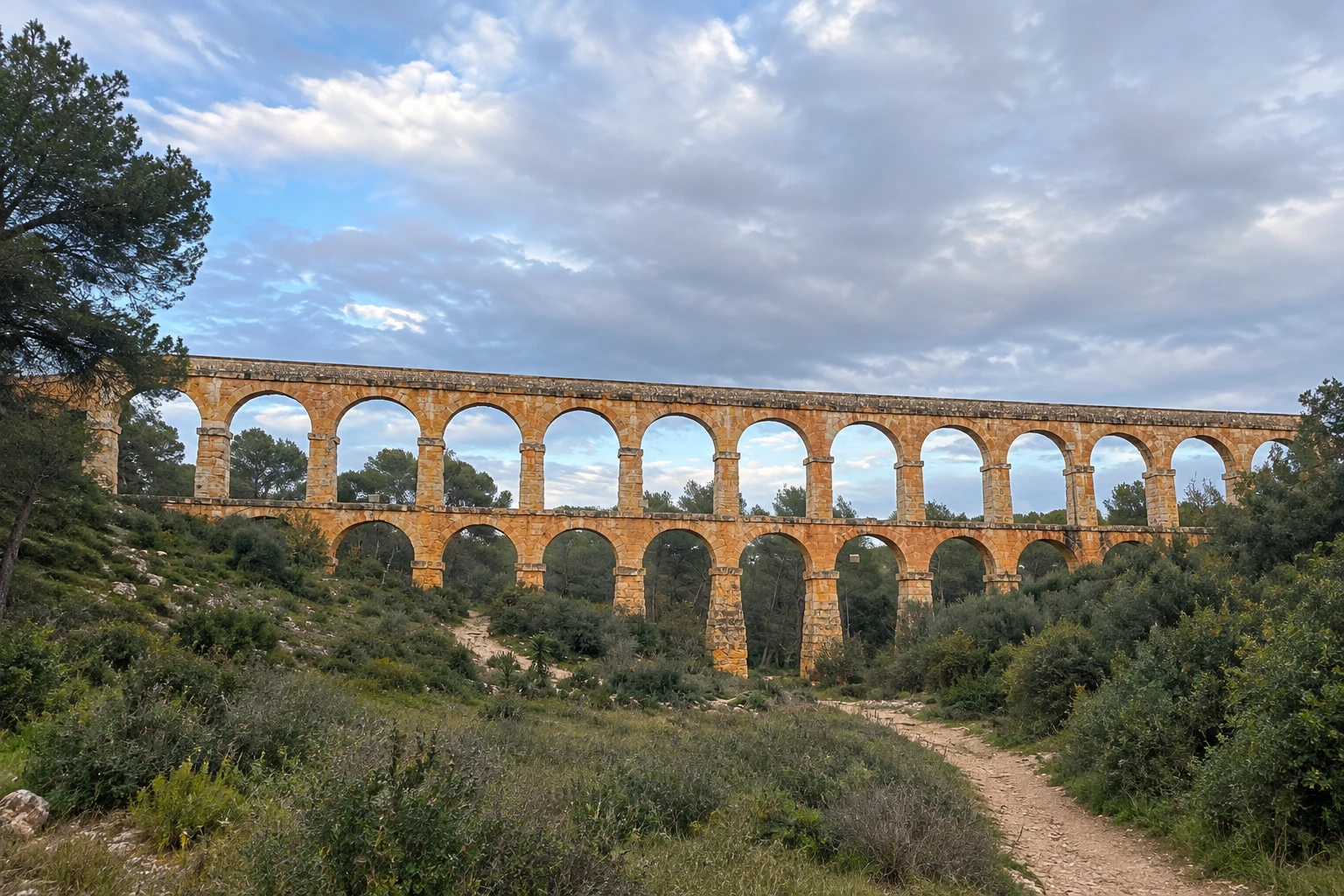
Ferreres Aqueduct (Pont del Diable) · TarragonaSection of the Ferreres Roman aqueduct, about 4 km from the center, with two rows of arches over a tree-filled valley.
2nd-century amphitheater by the sea, where gladiator combats and animal shows took place. It is part of the Tarraco ensemble, a World Heritage Site, and the arena preserves the remains of a Visigothic basilica and a medieval church.
Museum dedicated to the castells, the Catalan human towers recognized by UNESCO as intangible heritage, next to the Plaça del Blat. The route explains the technique, history and values of the colles.
Main church of Valls, built in the 16th century in Gothic style, with a Renaissance façade and the tallest bell tower in Catalonia. The bell tower visit is done on guided tours organized by the tourist office.
Roman tower at the top of the city, connected to the vaulted galleries of the 1st-century circus where chariot races ran. From the tower terrace you can see the Part Alta, the port and the sea.
Cathedral of Saint Tecla, at the highest point of the Part Alta, built from the 12th century on the site of an old Roman temple. It blends Romanesque and Gothic styles and has a large cloister, with the Diocesan Museum beside it.
Cistercian monastery founded in the 12th century, about 18 km from Valls, with a Gothic cloister, a church of Romanesque-Gothic transition and the tombs of kings of Aragon. It is part of the Cistercian Route.
A landscaped walk that skirts part of the Part Alta between the Roman wall of the 2nd century BC and the fortifications built in the 18th century. It shows the different phases of the wall and offers views of the Camp de Tarragona.
Section of the Ferreres Roman aqueduct, about 4 km from the center, with two rows of arches over a tree-filled valley. It carried water from the Francolí River to Tarraco and can be crossed on foot along the upper channel.


 Brazil
 Antarctica
 Argentina
 Bolivia
 Chile
 Colombia
 Ecuador
 Falkland Islands (Malvinas)
 French Guiana
 Guyana
 Paraguay
 Peru
 Suriname
 Uruguay
 Venezuela
 Austria
 Belgium
 Croatia
 Denmark
 Finland
 France
 Germany
 Greece
 Hungary
 Iceland
 Ireland
 Italy
 Luxembourg
 Norway
 Poland
 Portugal
 Slovakia
 Slovenia
 Sweden
 Switzerland
 the Czech Republic
 the Netherlands
 the United Kingdom
 Turkey
 Bermuda
 Canada
 Greenland
 Mexico
 Saint Pierre and Miquelon
 the United States
 the Dominican Republic
 Japan
 Egypt
 South Africa
 Australia
 Fiji
 New Zealand
 Papua New Guinea