Málaga · Andalusia · Fortress
Alcazaba of Málaga
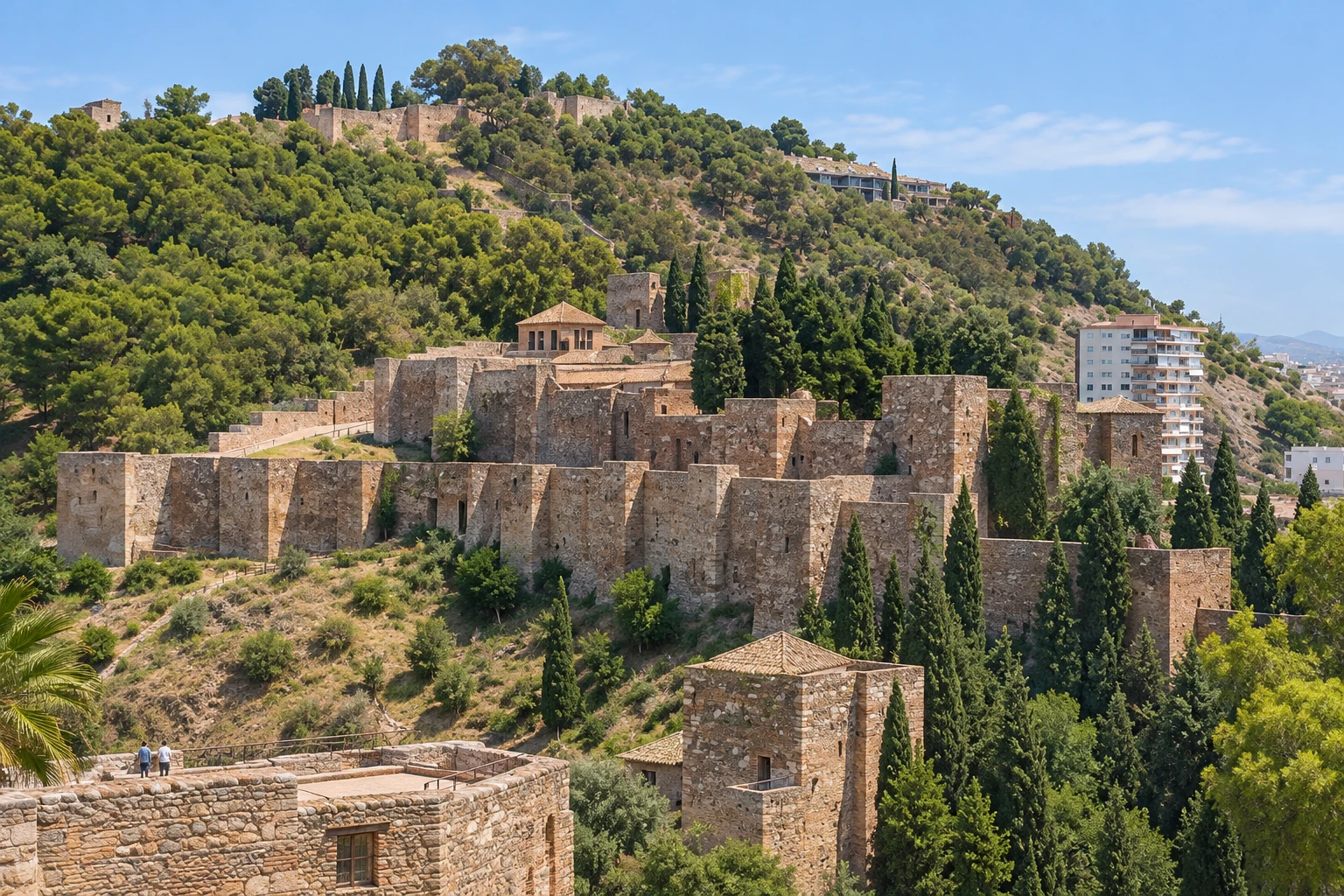
Islamic palace-fortress from the 11th century on the slope of Monte Gibralfaro, with double walls, courtyards, gardens and fountains, next to the Teatro Romano.

 Search
 Brazil
 Antarctica
 Argentina
 Bolivia
 Chile
 Colombia
 Ecuador
 Falkland Islands (Malvinas)
 French Guiana
 Guyana
 Paraguay
 Peru
 Suriname
 Uruguay
 Venezuela
 Austria
 Belgium
 Croatia
 Denmark
 Finland
 France
 Germany
 Greece
 Hungary
 Iceland
 Ireland
 Italy
 Luxembourg
 Norway
 Poland
 Portugal
 Slovakia
 SloveniaSpain
 Sweden
 Switzerland
 the Czech Republic
 the Netherlands
 the United Kingdom
 Turkey
 Bermuda
 Canada
 Greenland
 Mexico
 Saint Pierre and Miquelon
 the United States
 the Dominican Republic
 JapanTurkey
 Egypt
 South Africa
 Australia
 Fiji
 New Zealand
 Papua New Guinea
Andalusia
33 places to visit and 17 tours, chosen by the Cidade Turismo guide.
Updated
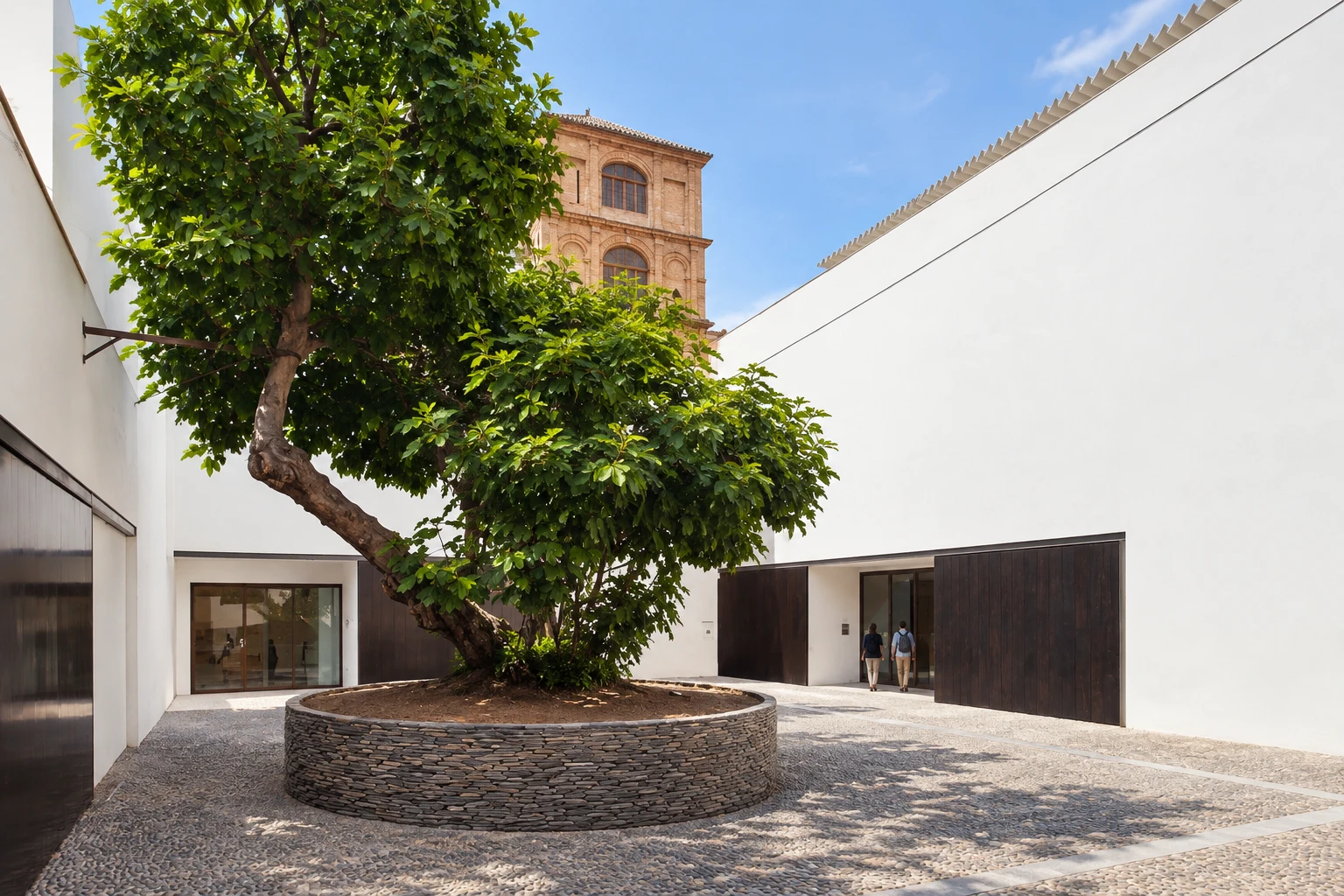
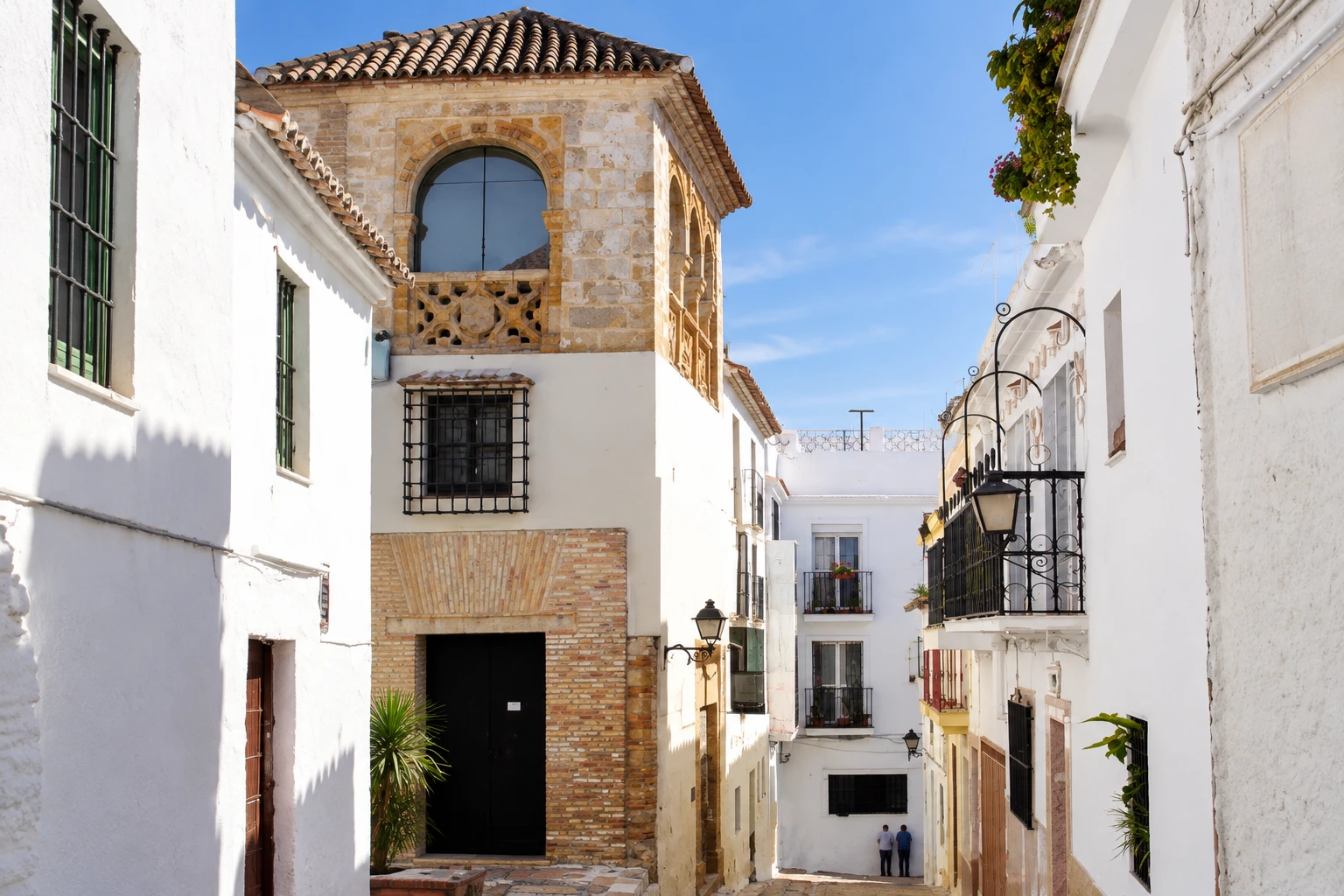
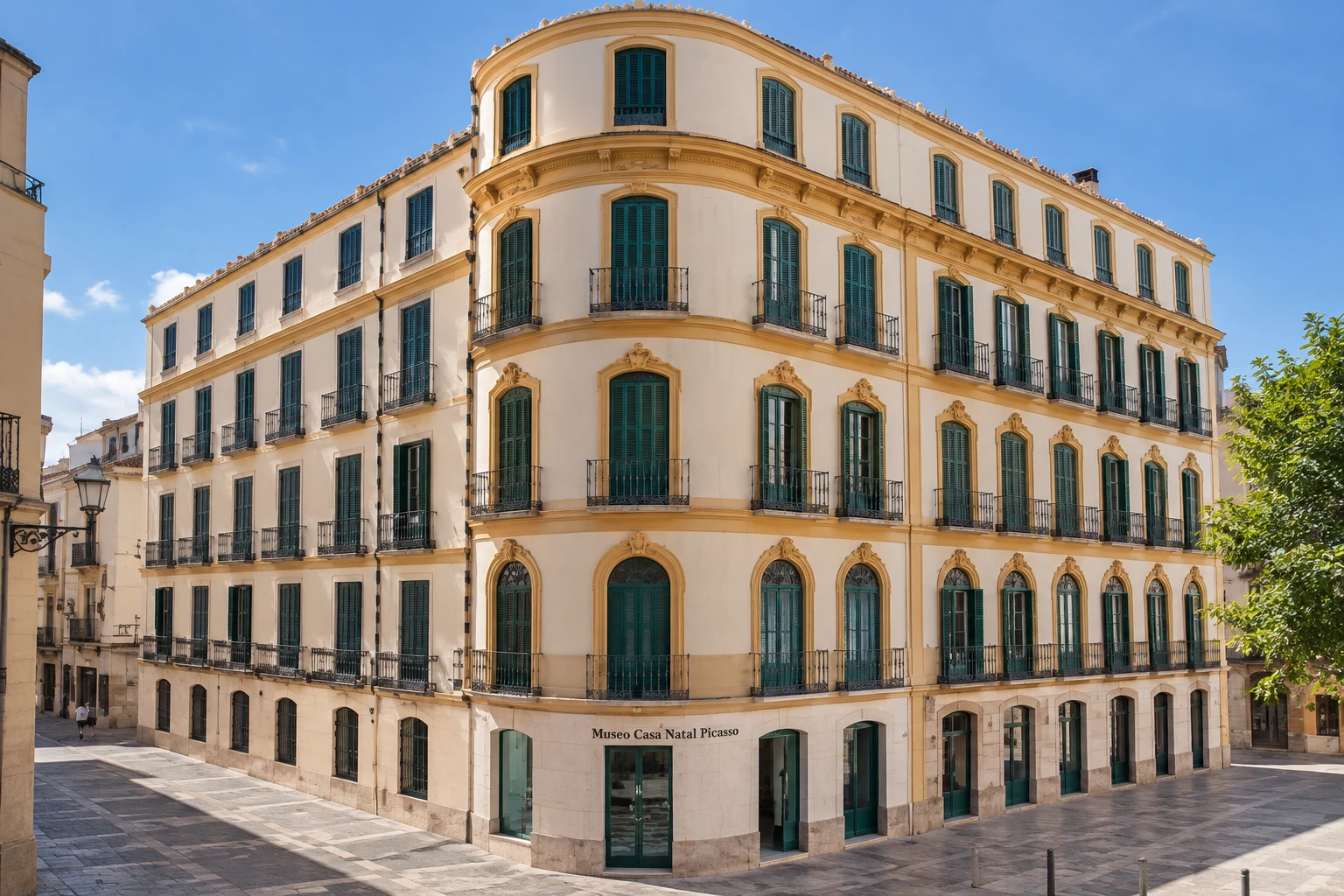
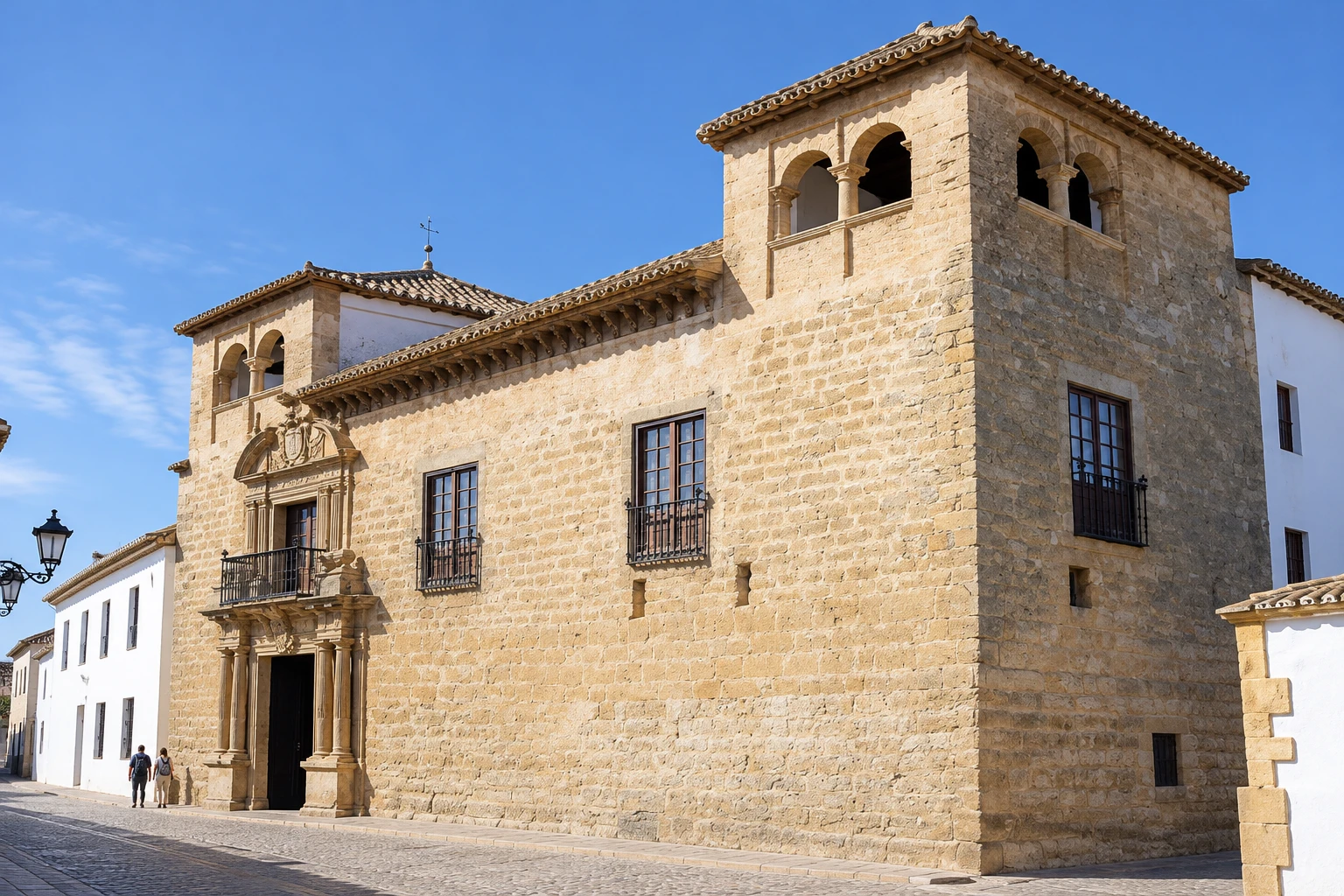
Illustrative images. The pictures in this guide are illustrations based on the real place, not photographs, and may differ from it.
To start
One by one
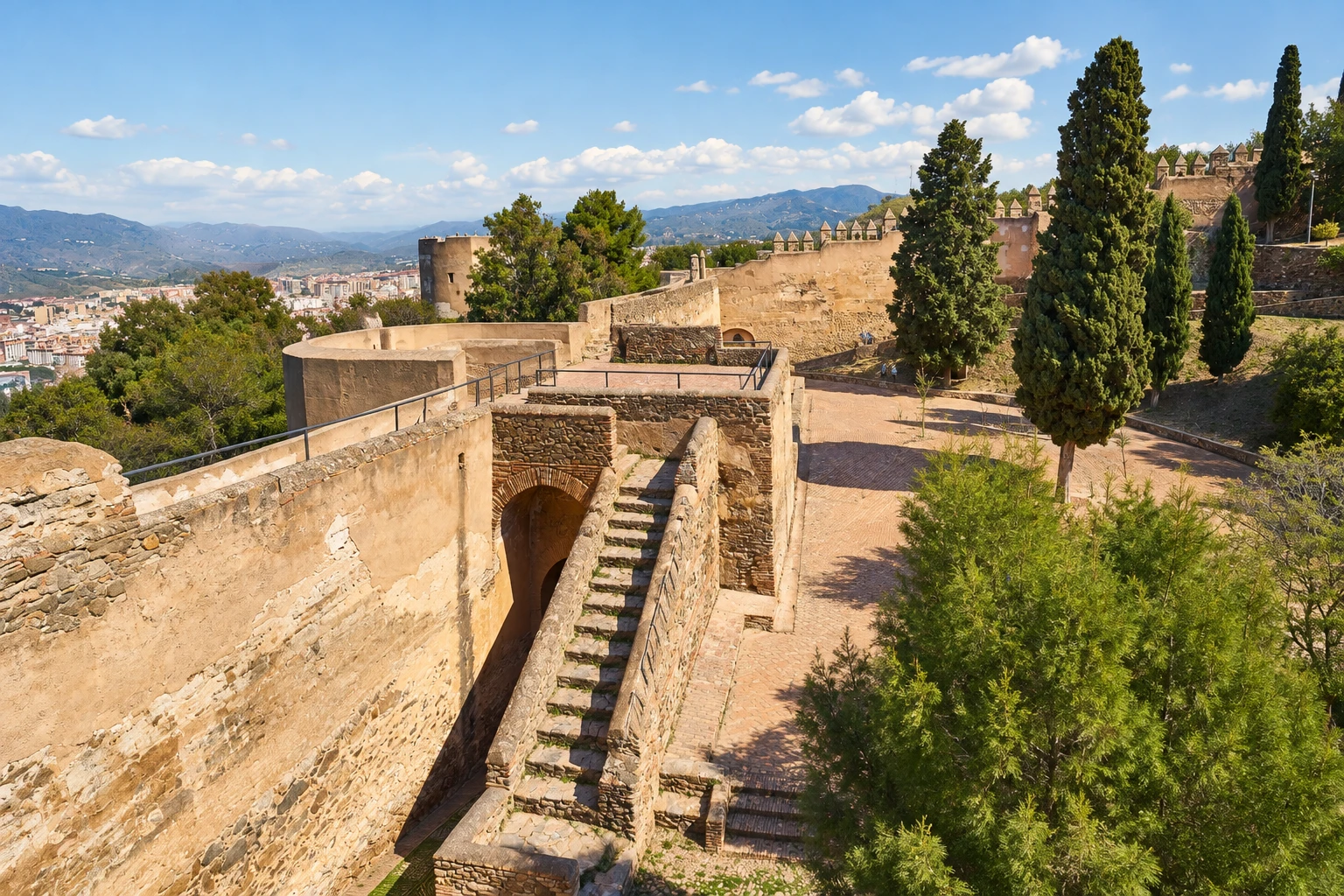
Islamic palace-fortress from the 11th century on the slope of Monte Gibralfaro, with double walls, courtyards, gardens and fountains, next to the Teatro Romano.
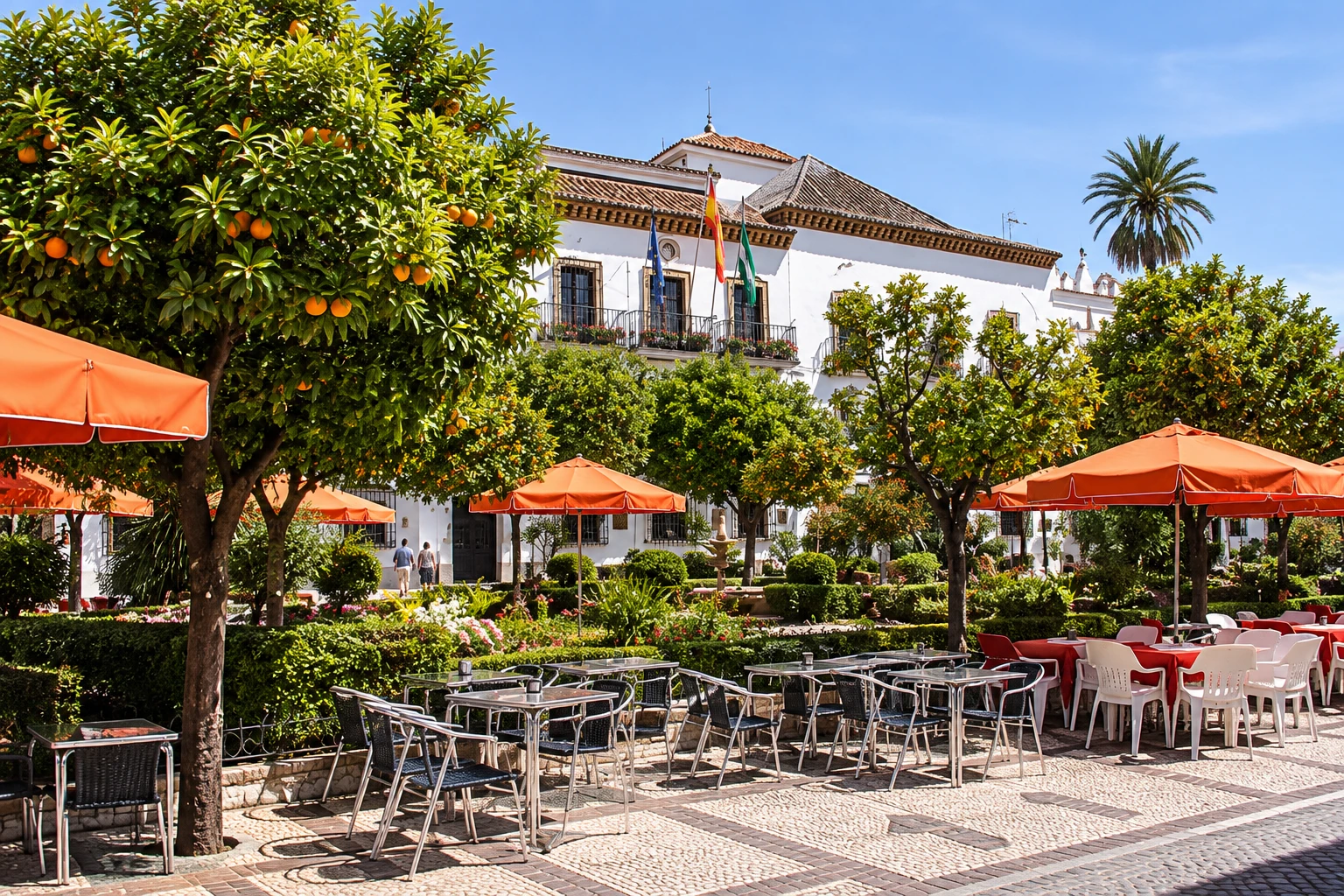
Marbella's old town, within the layout of the former Arab wall, with white, flower-filled streets, the Plaza de los Naranjos, the Iglesia de la Encarnación and the remains of the 10th-century castle.
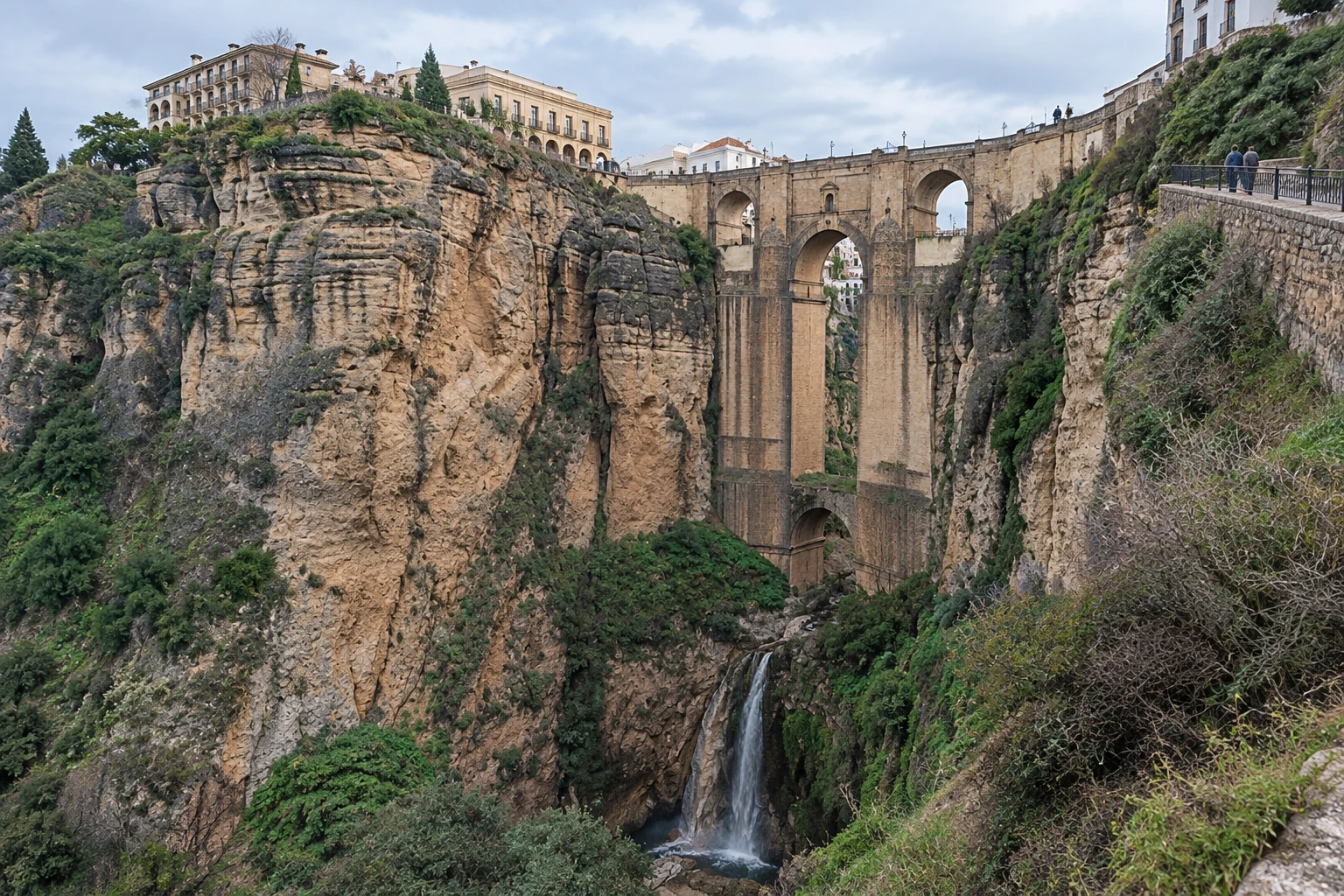
The stone bridge, 98 meters high, completed in 1793, spans the Tajo de Ronda and links the old town to the Mercadillo neighbourhood. An interpretation center operates inside it.
Pedestrian promenade between the old town and the beach, with gardens, fountains and a collection of ten bronze sculptures by Salvador Dalí displayed outdoors.
14th-century Nasrid castle atop Mount Gibralfaro, with walkable ramparts and views over the port, the Malagueta and, on clear days, the mountains of Africa.
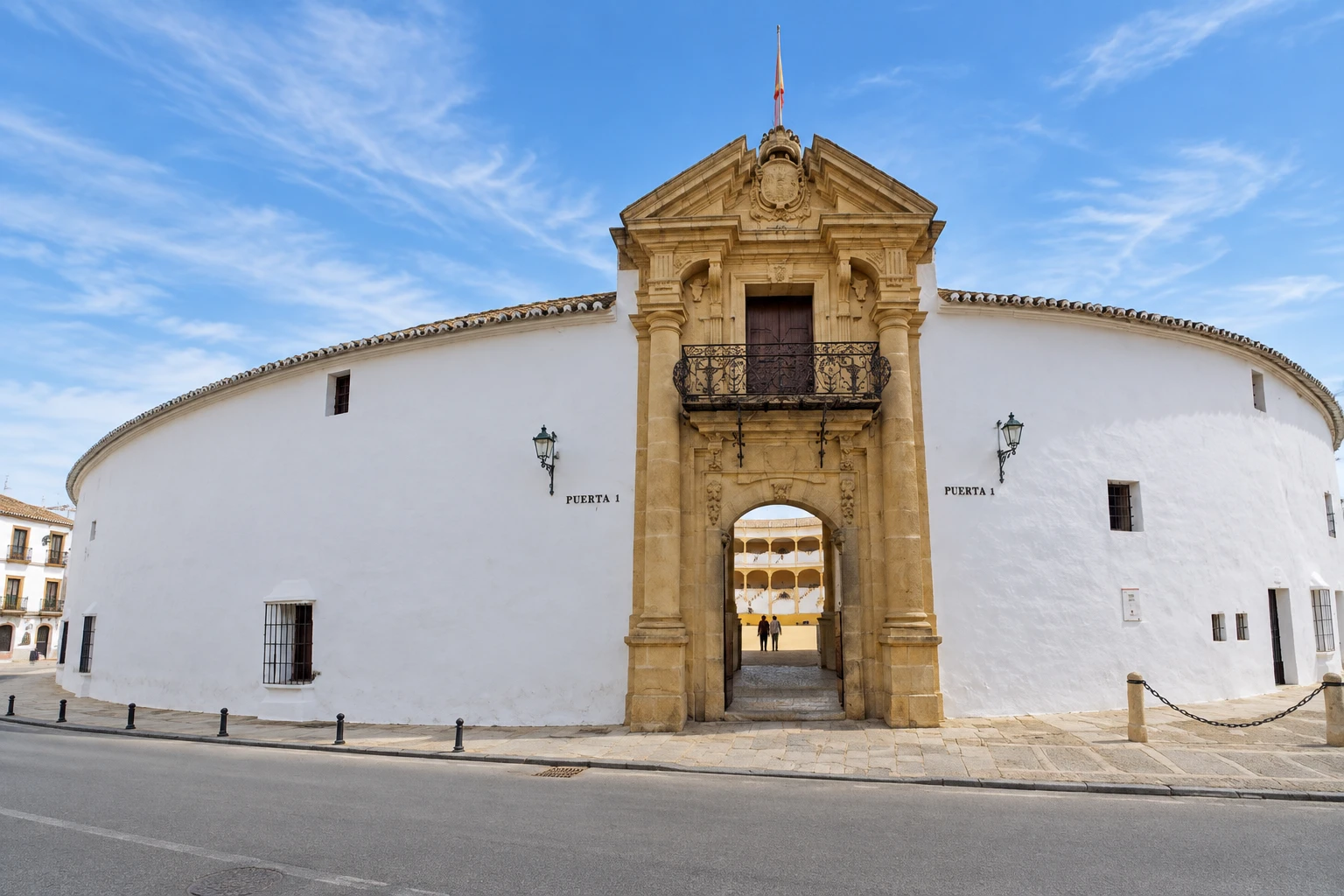
Stone bullring inaugurated in 1785, one of the oldest in Spain, with a 66-meter arena, galleries of Tuscan arches and museums of the Real Maestranza on horsemanship and bullfighting.
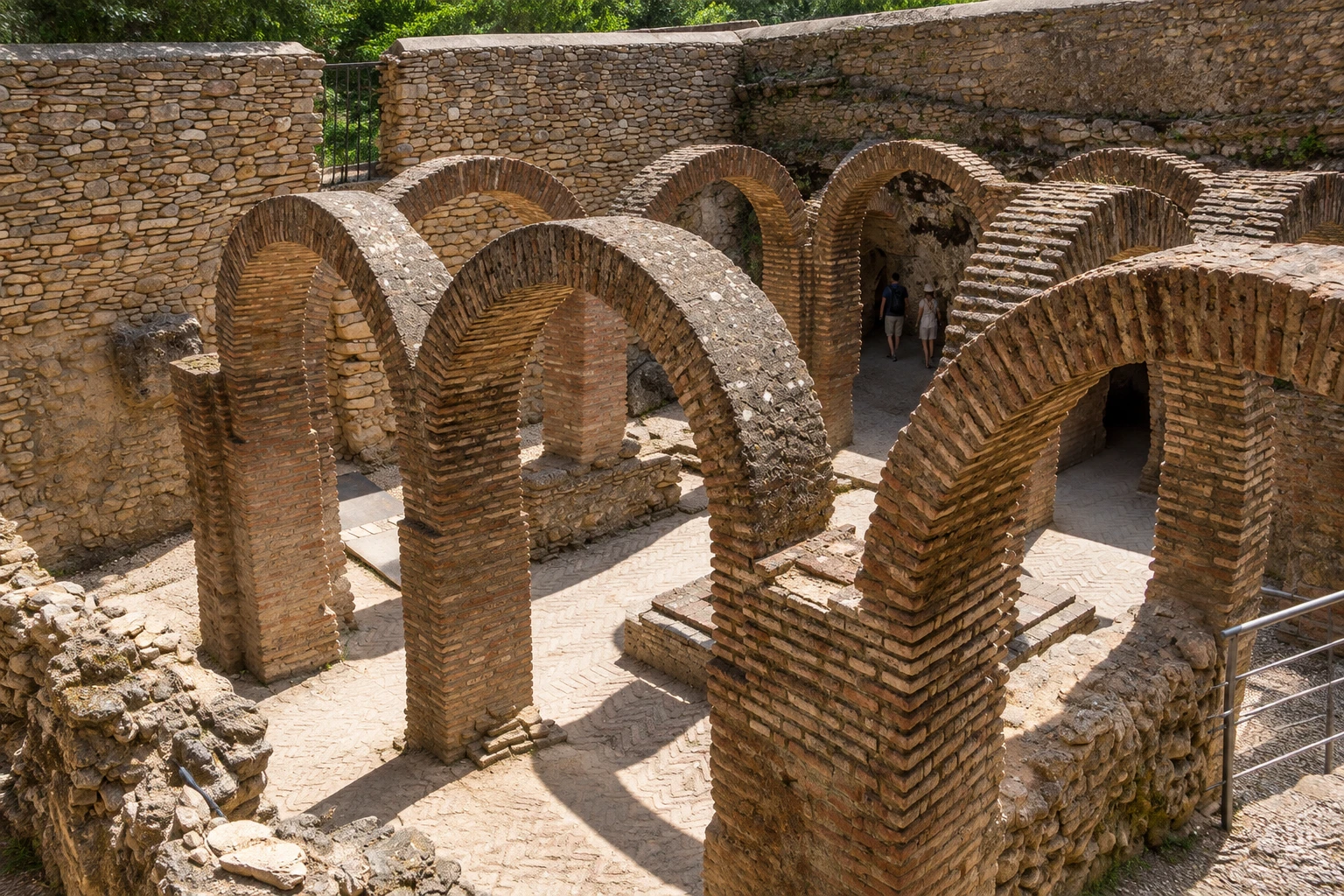
Muslim public baths from the 13th and 14th centuries, among the best preserved on the Iberian Peninsula, with vaulted rooms and star-shaped skylights, beside the river at the bottom of the town.
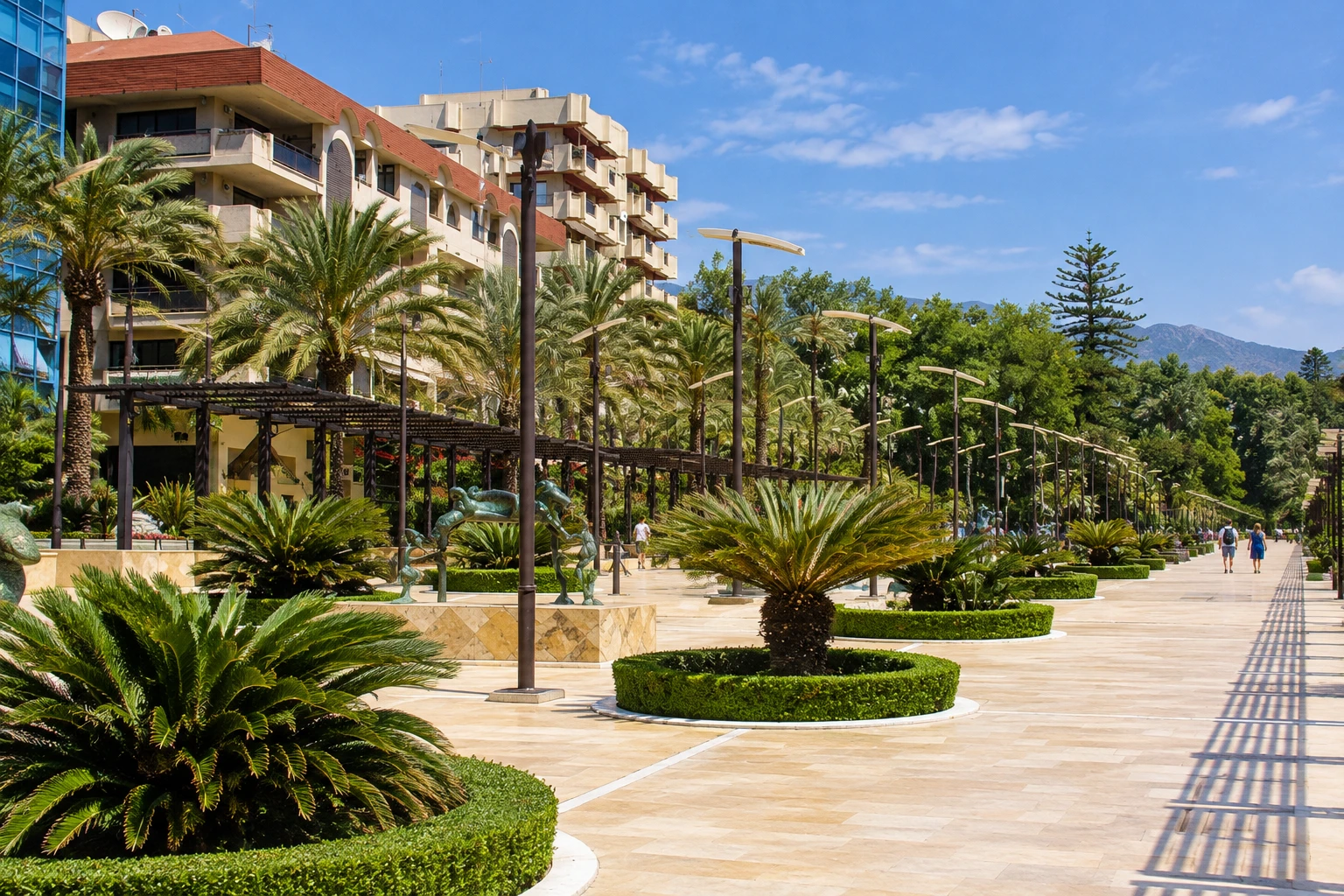
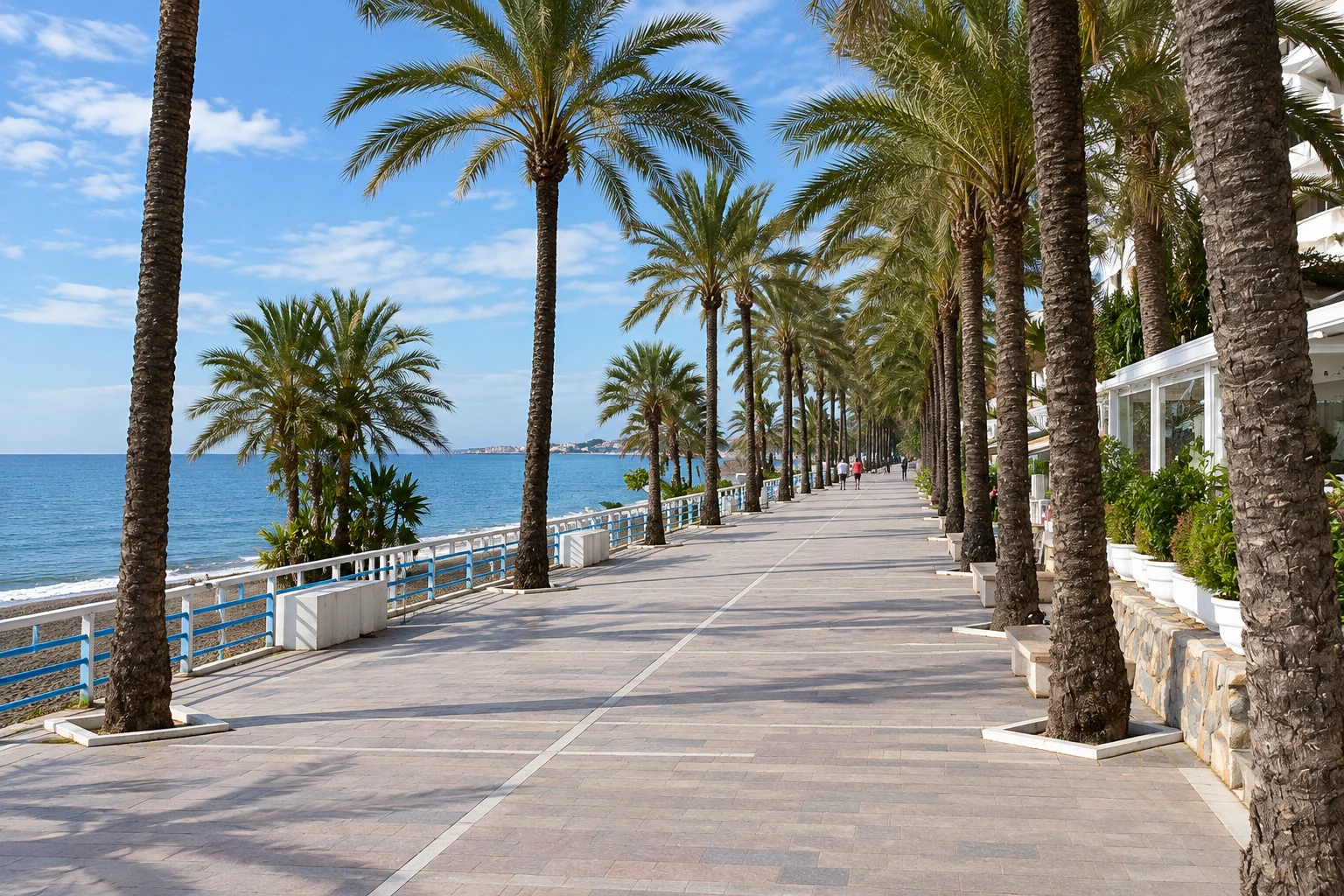
Seafront promenade along the Mediterranean that follows Marbella's central beaches, such as La Venus, El Faro and La Fontanilla, and continues west for several kilometres towards Puerto Banús.
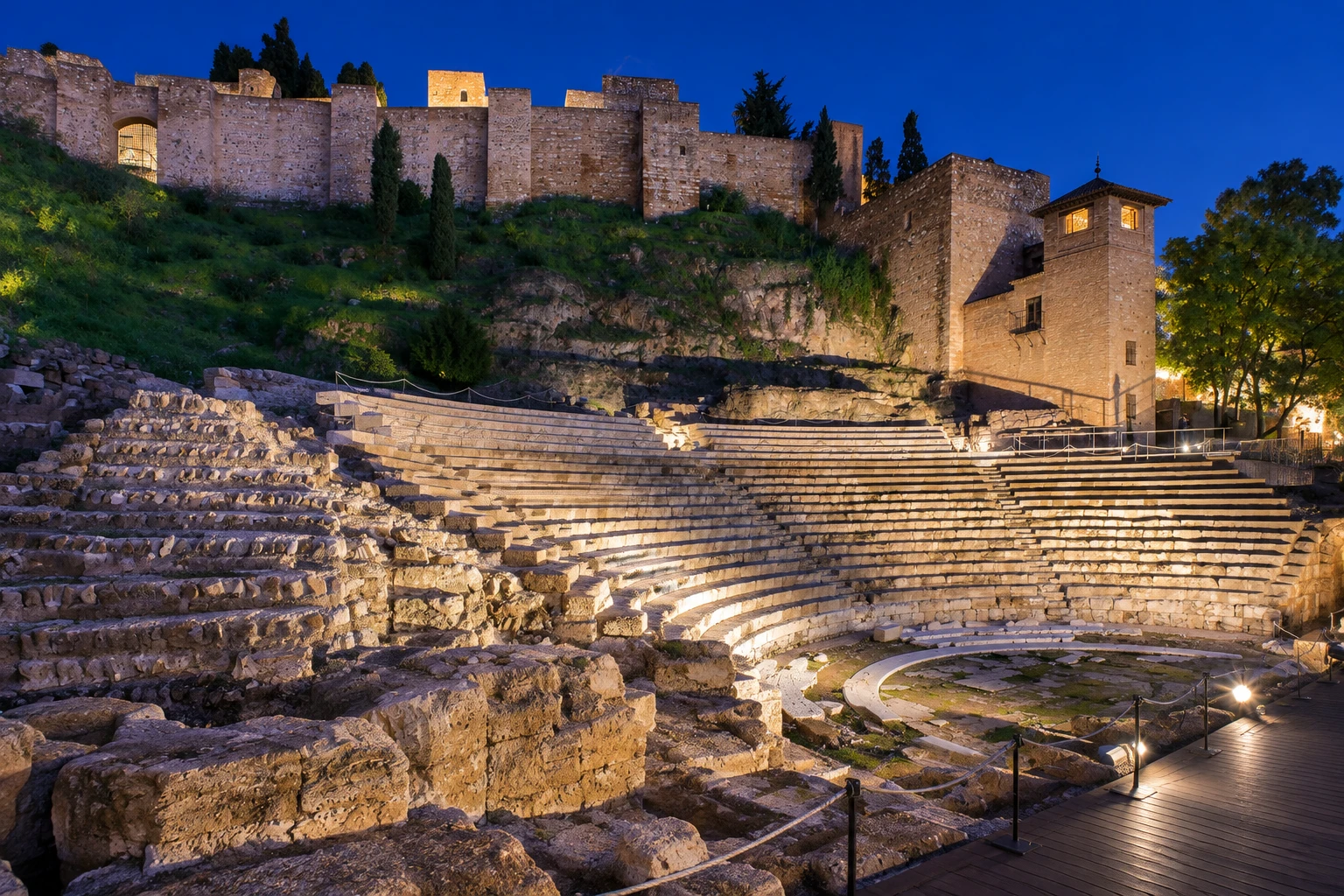
Ruins of the Roman Malaca theatre, from the early years of the Empire, at the foot of the Alcazaba, with seating, orchestra area and wooden walkways.
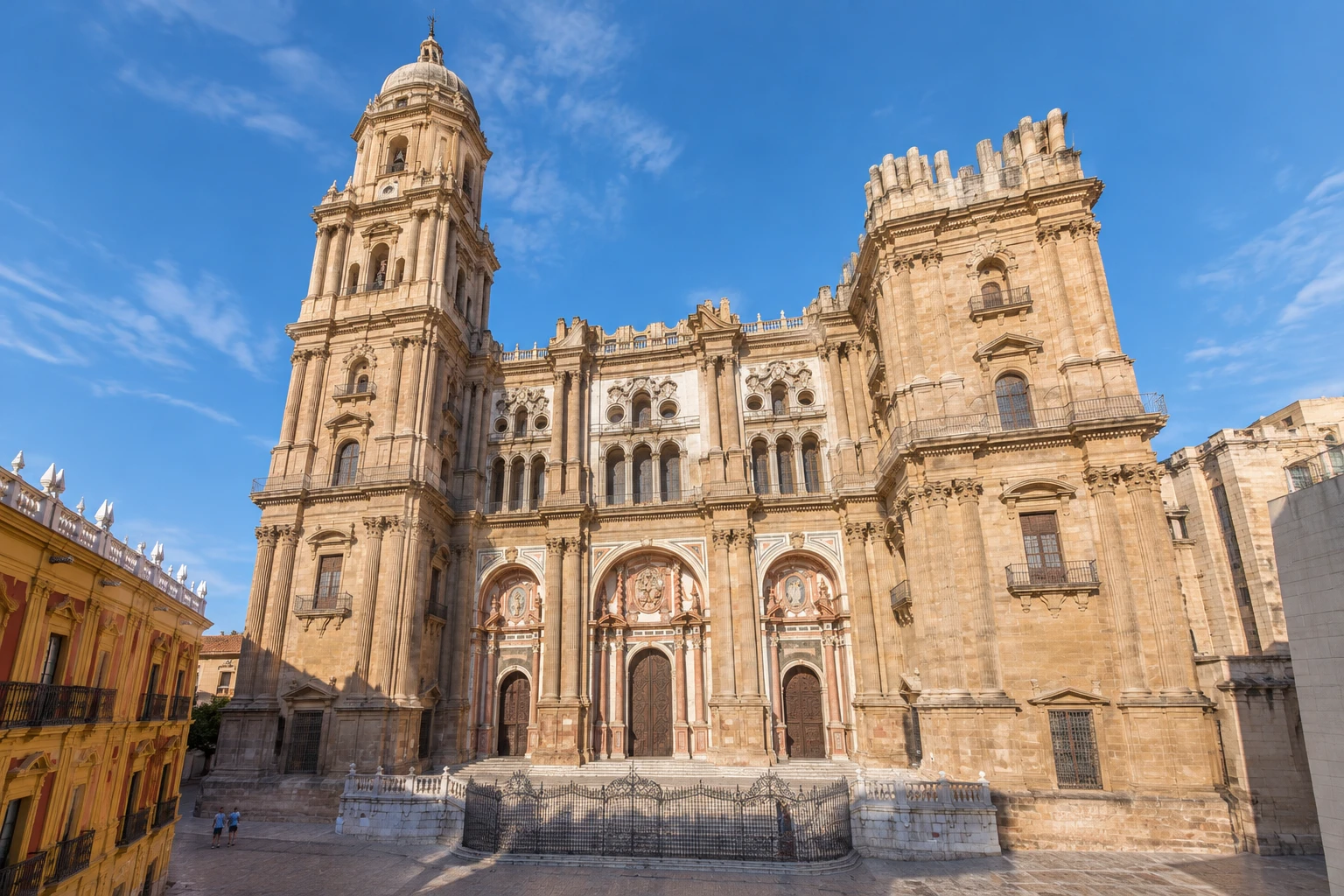
Renaissance cathedral, Catedral da Encarnação, built from 1528 to 1782 and never finished: it has only one tower, 84 meters high, and is therefore called La Manquita.
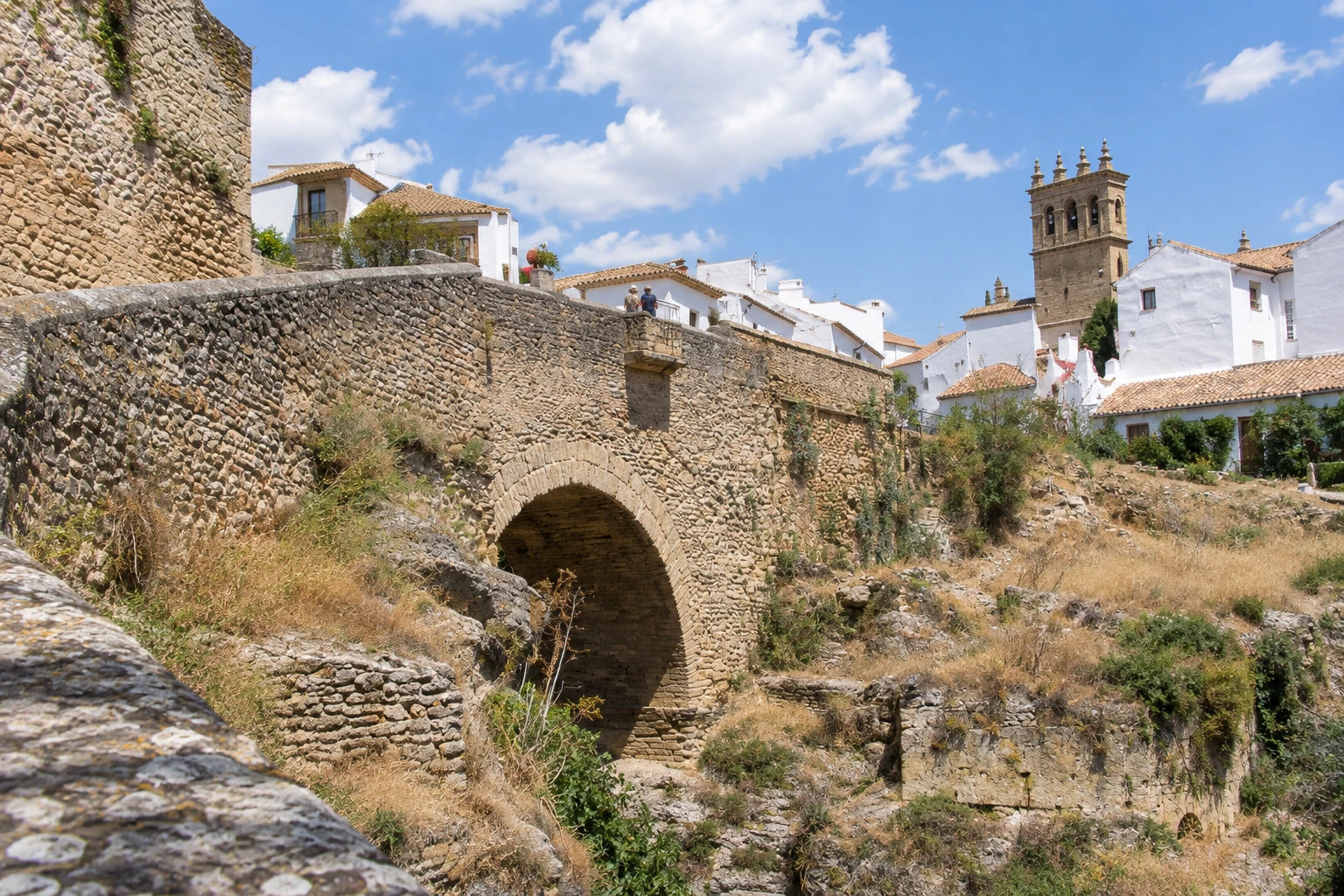
Single-arched bridge over the Guadalevín, 31 metres above the river, rebuilt after 1616, beside the Arco de Felipe V, the old entrance gate of La Ciudad.
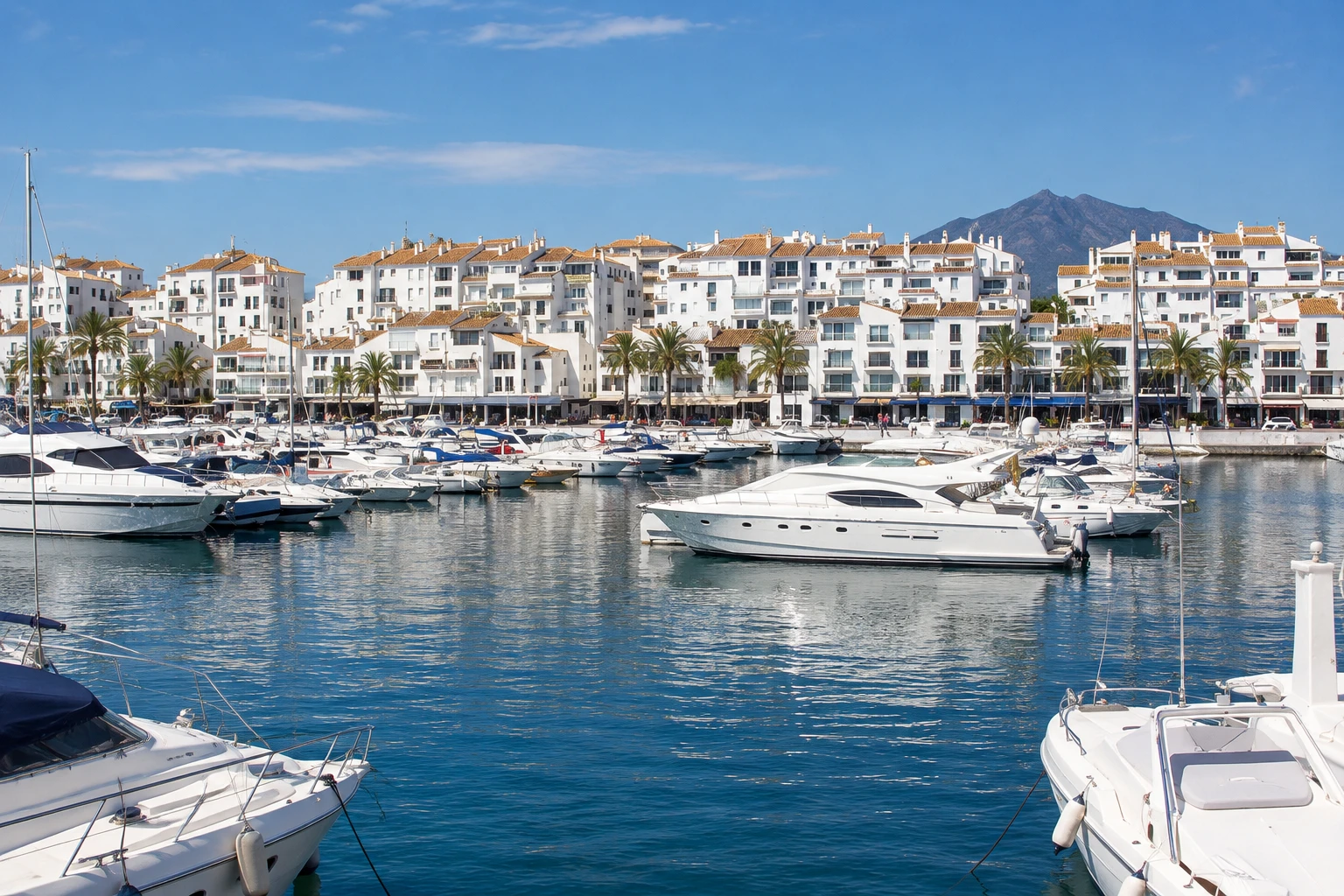
Marina opened in 1970, built like an Andalusian village of white houses, with about 900 berths for boats, large yachts, designer shops, restaurants and nightlife.
Complex on the edge of the Tajo including the 14th-century Mina de Agua, a stairway excavated in the rock down to the river, and the garden designed in 1912 by Jean-Claude Nicolas Forestier.
Museum dedicated to Picasso in the city where he was born, housed in the Palacio de Buenavista from the 16th century, with works from all phases of the painter donated by his family.
Museum devoted to Spanish printmaking, with works by Picasso, Miró, Dalí, Tàpies and Chillida, housed in the former Hospital Bazán, a 16th-century Renaissance building in the old town.
Building on Plaza de la Merced where Picasso was born in 1881, now a museum with family objects, prints, drawings and ceramics by the painter.
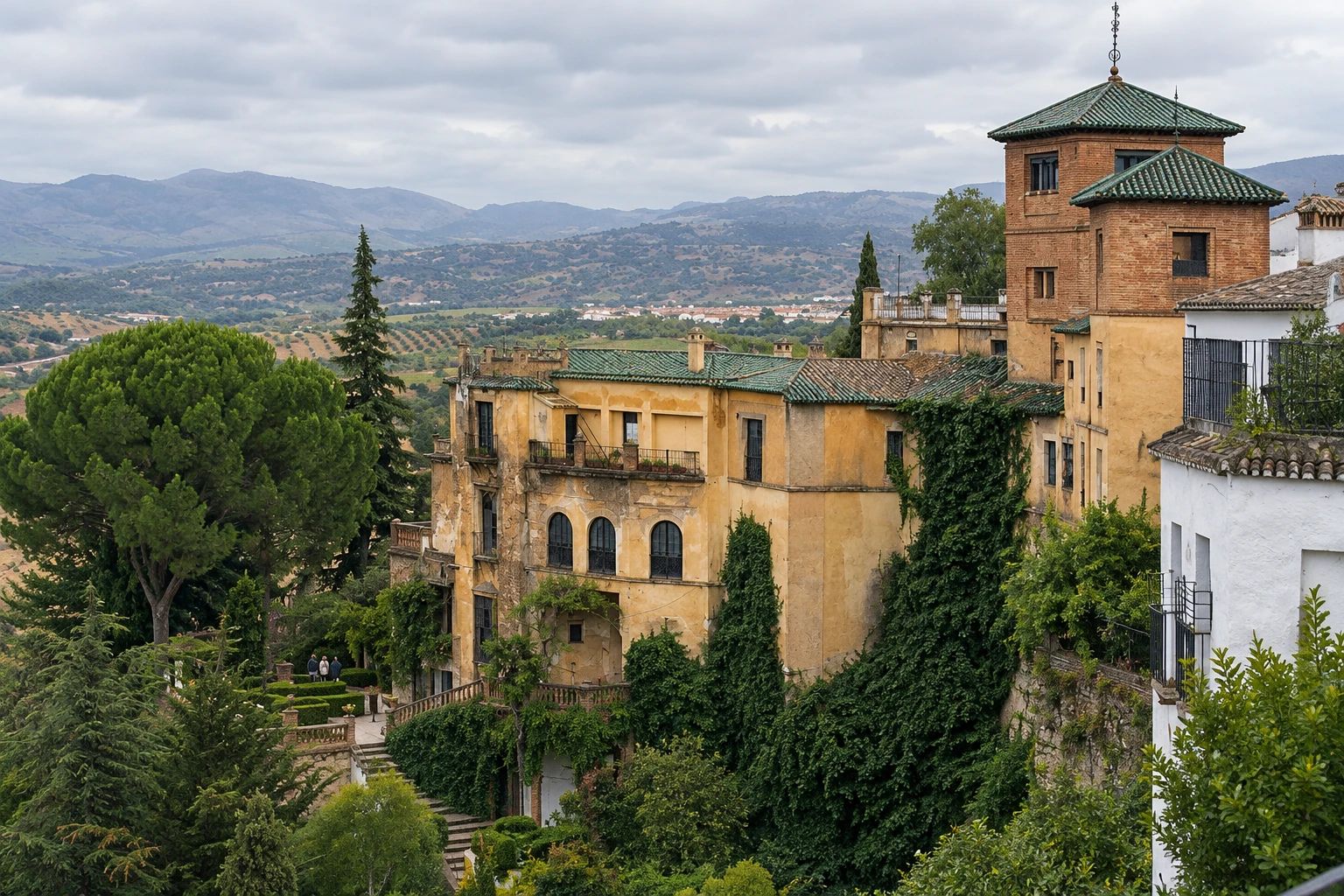
Palace of Muslim origin, remodeled after 1485, with a Mudéjar courtyard and a garden on the cliff edge. It houses the Museo Municipal de Ronda, covering the period from prehistory to the expulsion of the Moriscos.
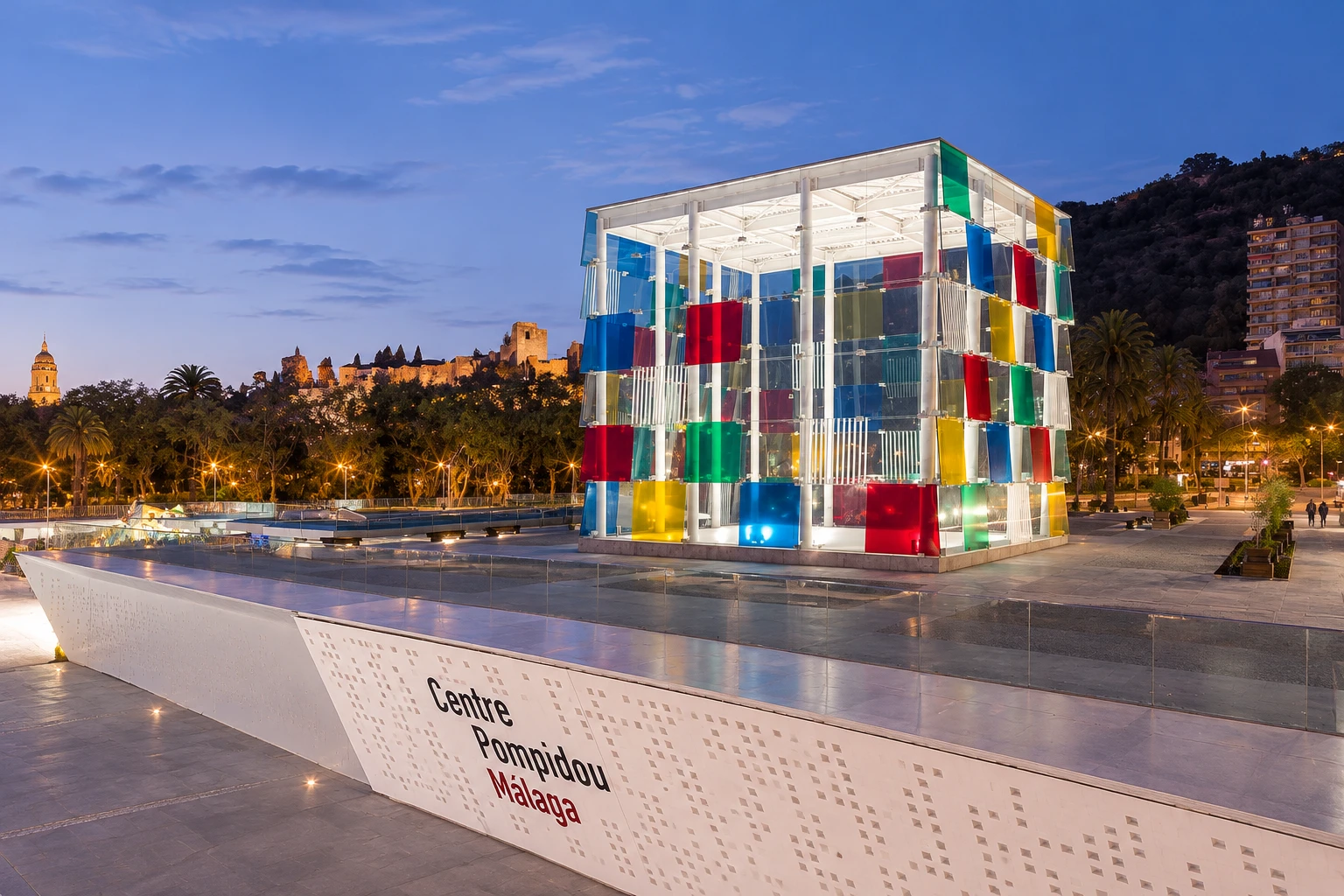
Branch of the Centre Pompidou of Paris at the port, housed in the building El Cubo, with art from the 20th and 21st centuries and Daniel Buren's colourful cube on the roof.
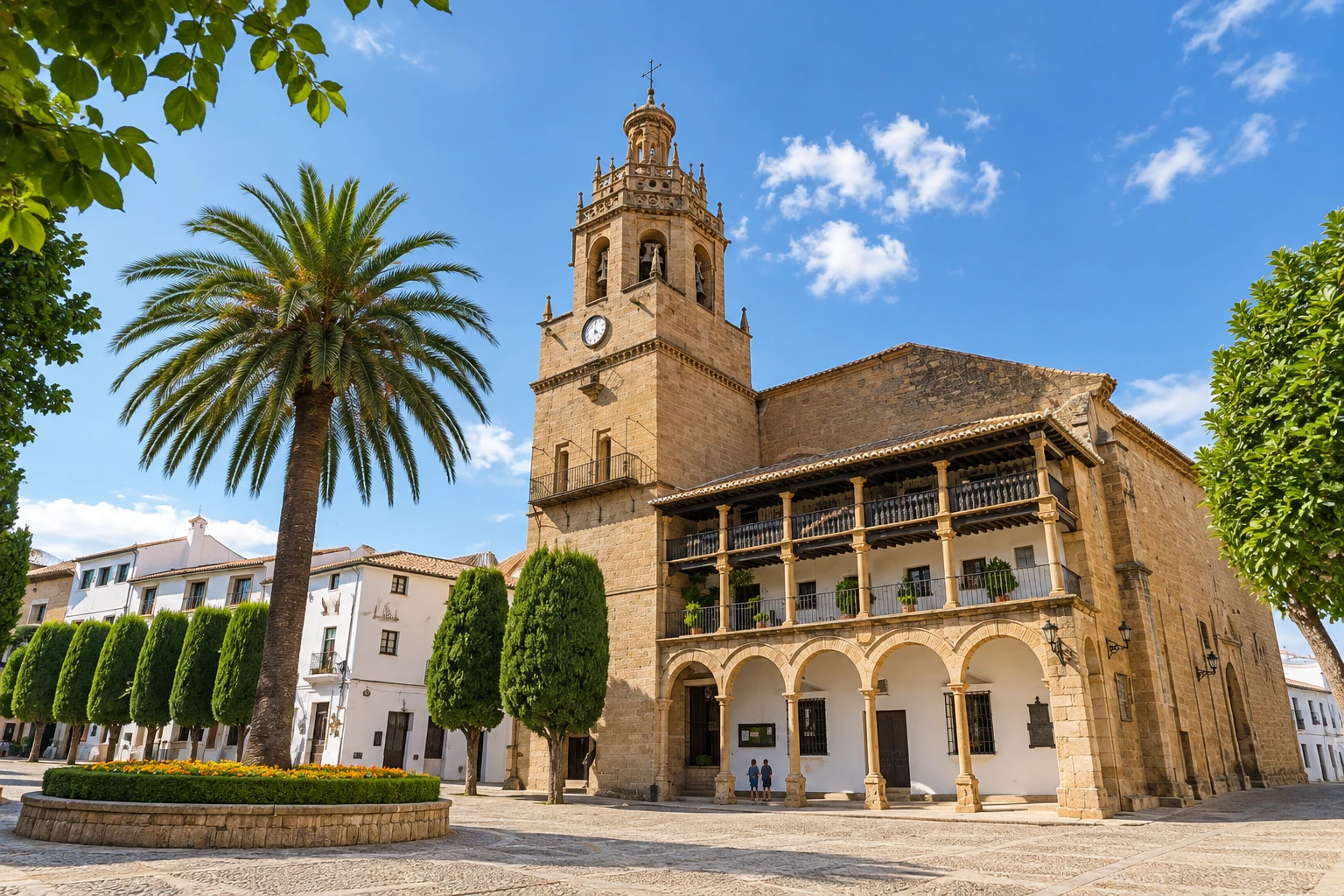
Ronda's main church, built from 1485 on top of the city's main mosque, with Gothic naves, a Mannerist chancel, a tower atop the former minaret and a gallery facing the square.
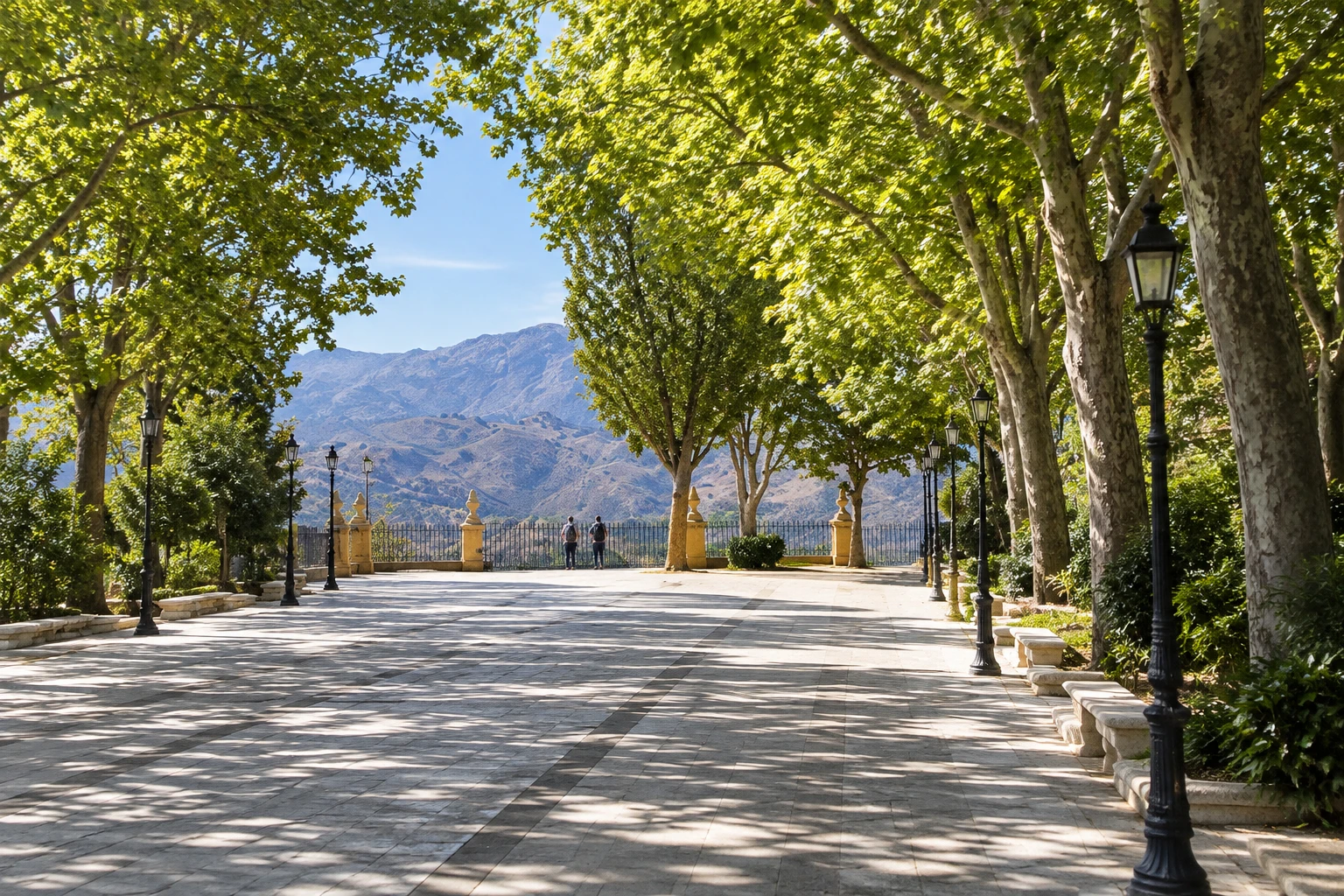
Tree-lined park from the early 19th century next to the bullring, with a viewpoint of balconies over the abyss and views of the Serranía de Ronda.
Museum of 19th and early 20th-century Spanish and Andalusian painting, in the 16th-century Palacio de Villalón, with works by Sorolla, Fortuny, Romero de Torres and Zurbarán.
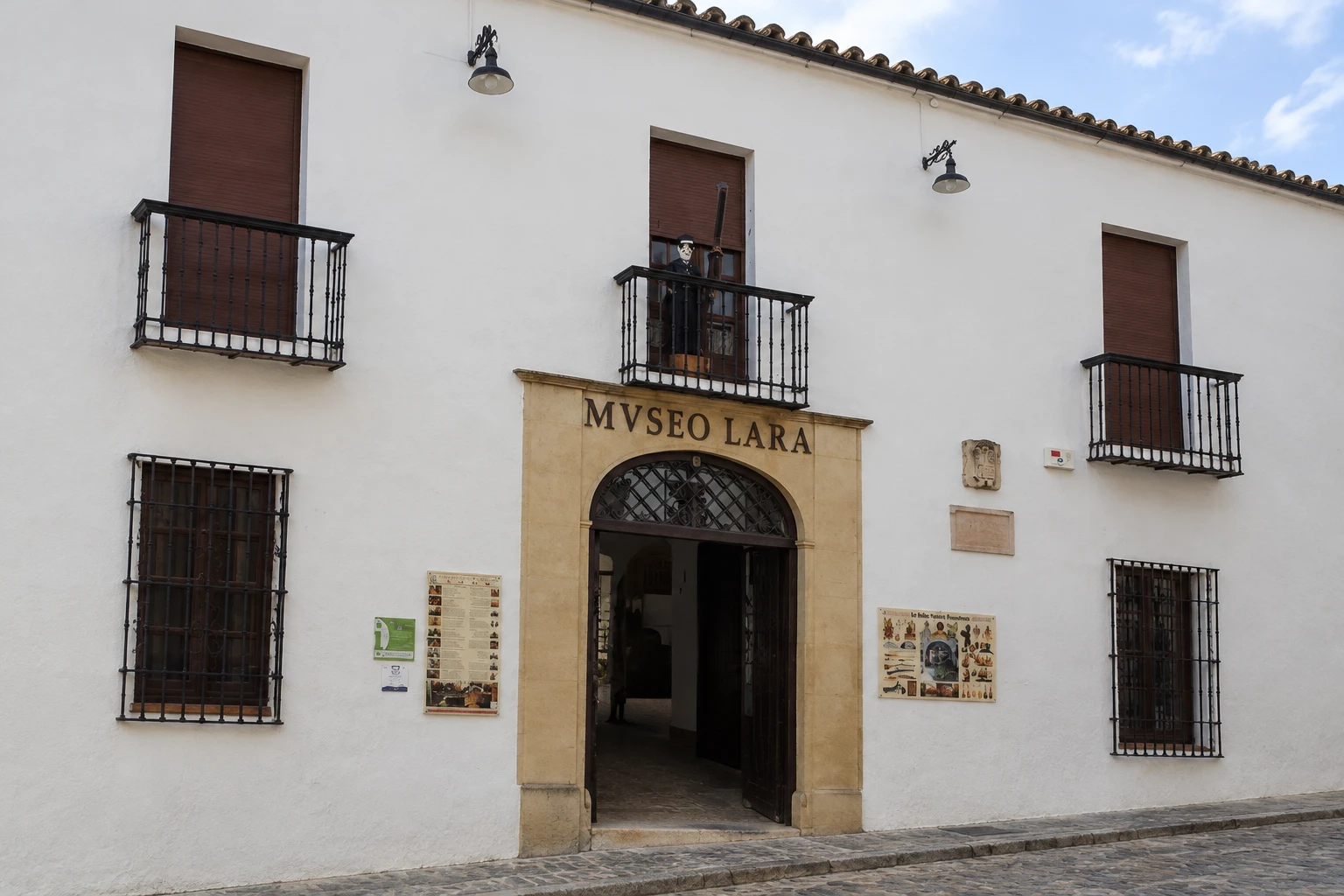
Private museum in an 18th-century palace in the old town, with collections of clocks, weapons, scientific instruments, cinema and photography, and exhibitions on the Inquisition and witchcraft.
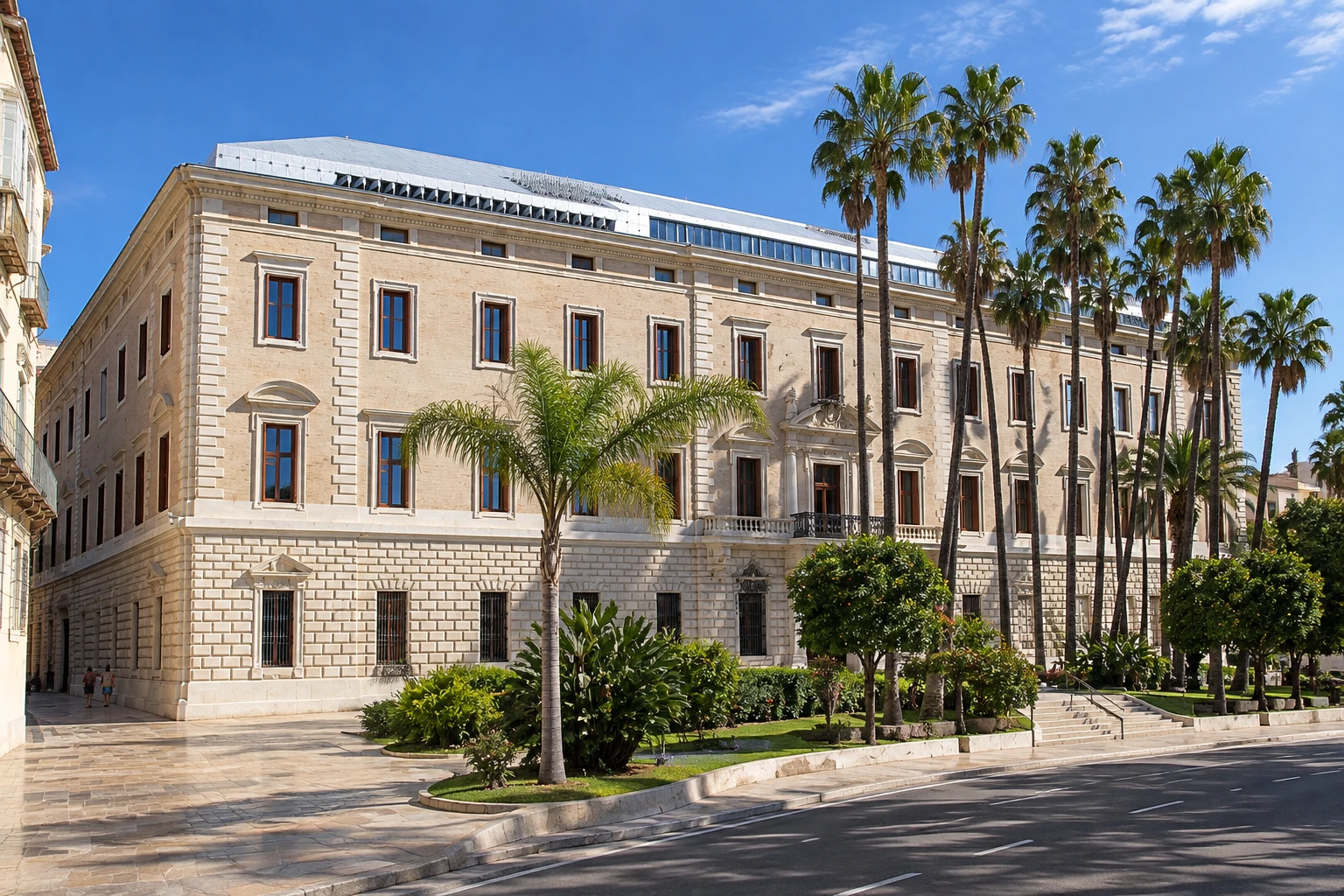
Large museum of fine arts and archaeology in the Palacio de la Aduana, a neoclassical building by the park, with pieces from prehistory to the Islamic period and 19th-century painting.
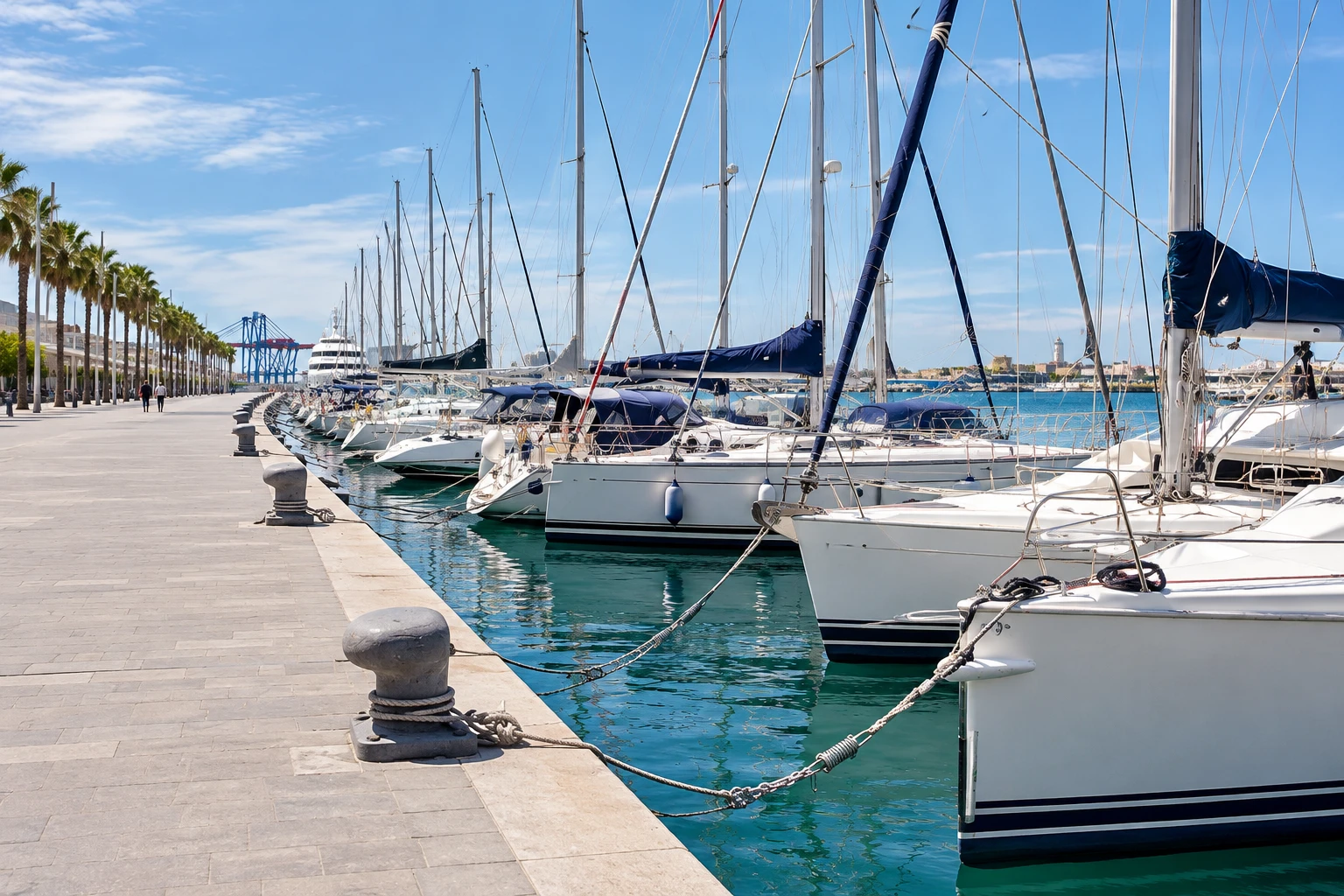
Open-air commercial promenade in the port of Málaga, with shops, restaurants, a yacht marina and the Centre Pompidou, between the centre and La Malagueta.
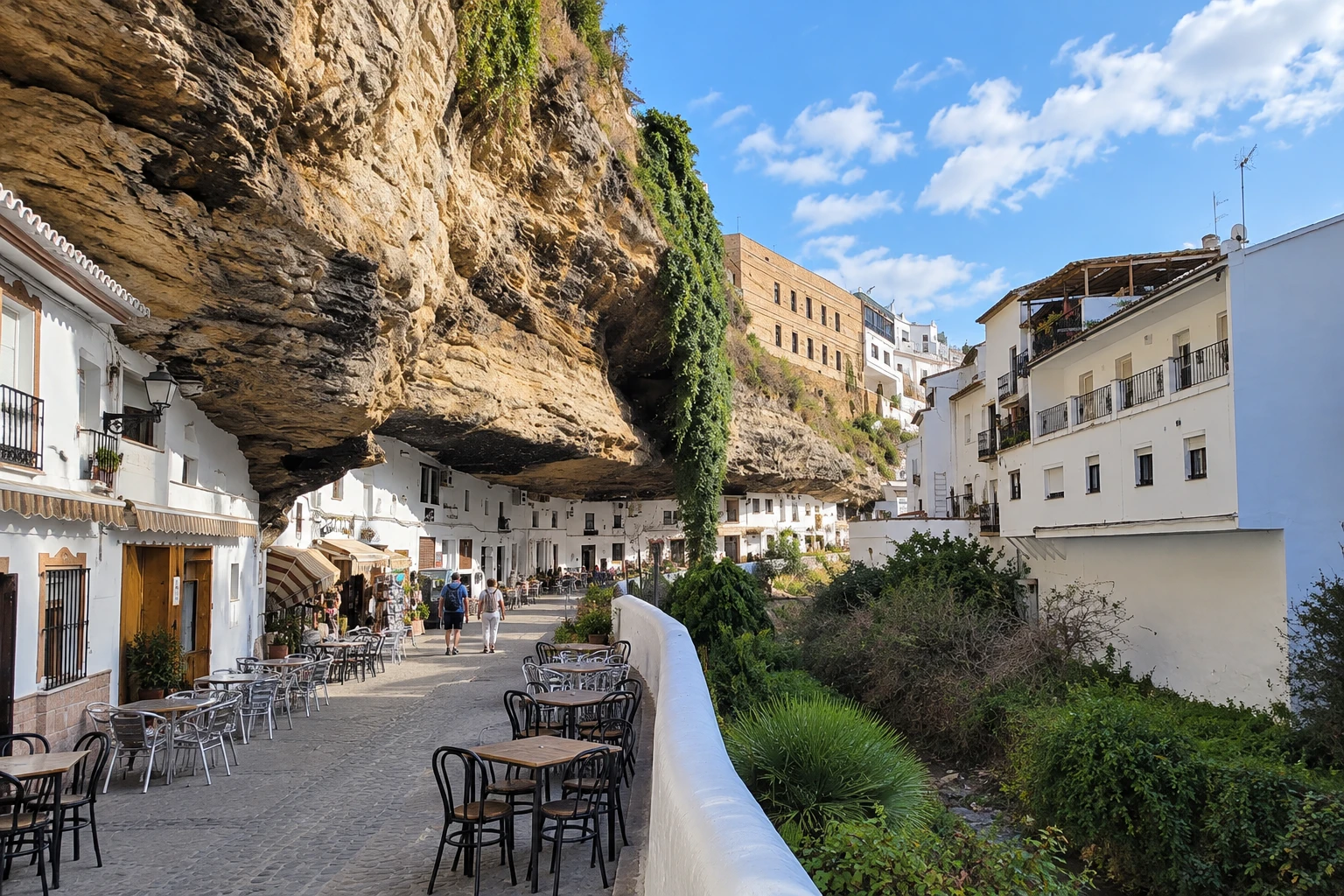
White village in the province of Cádiz, about 19 km from Ronda, with houses built beneath the rocks of the Guadalporcún river gorge and a Nazarid castle on the hill.
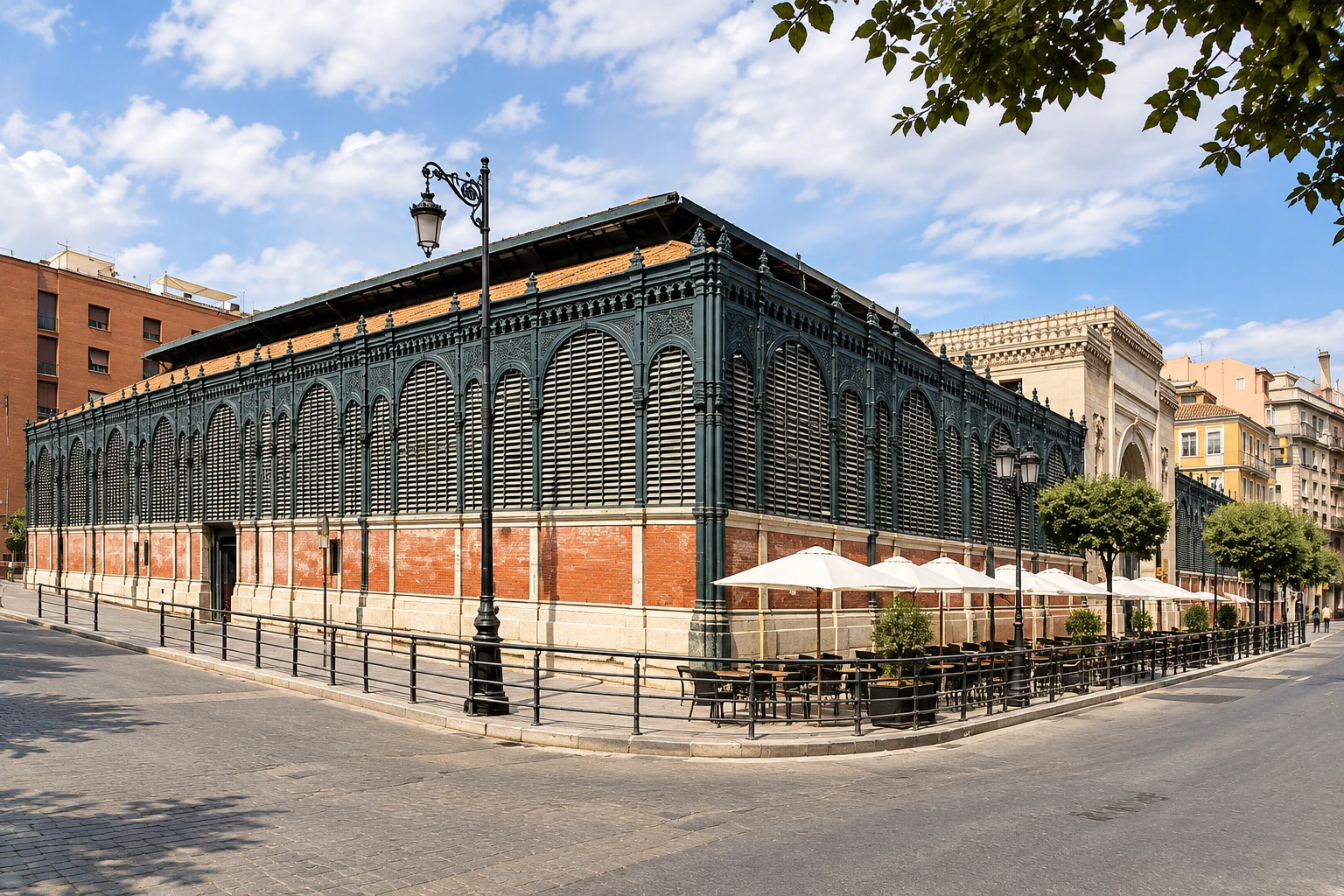
19th-century municipal market of iron and glass, with a 14th‑century nazari marble gate, a colorful stained‑glass window and stalls selling fish, fruit, cured meats and tapas.
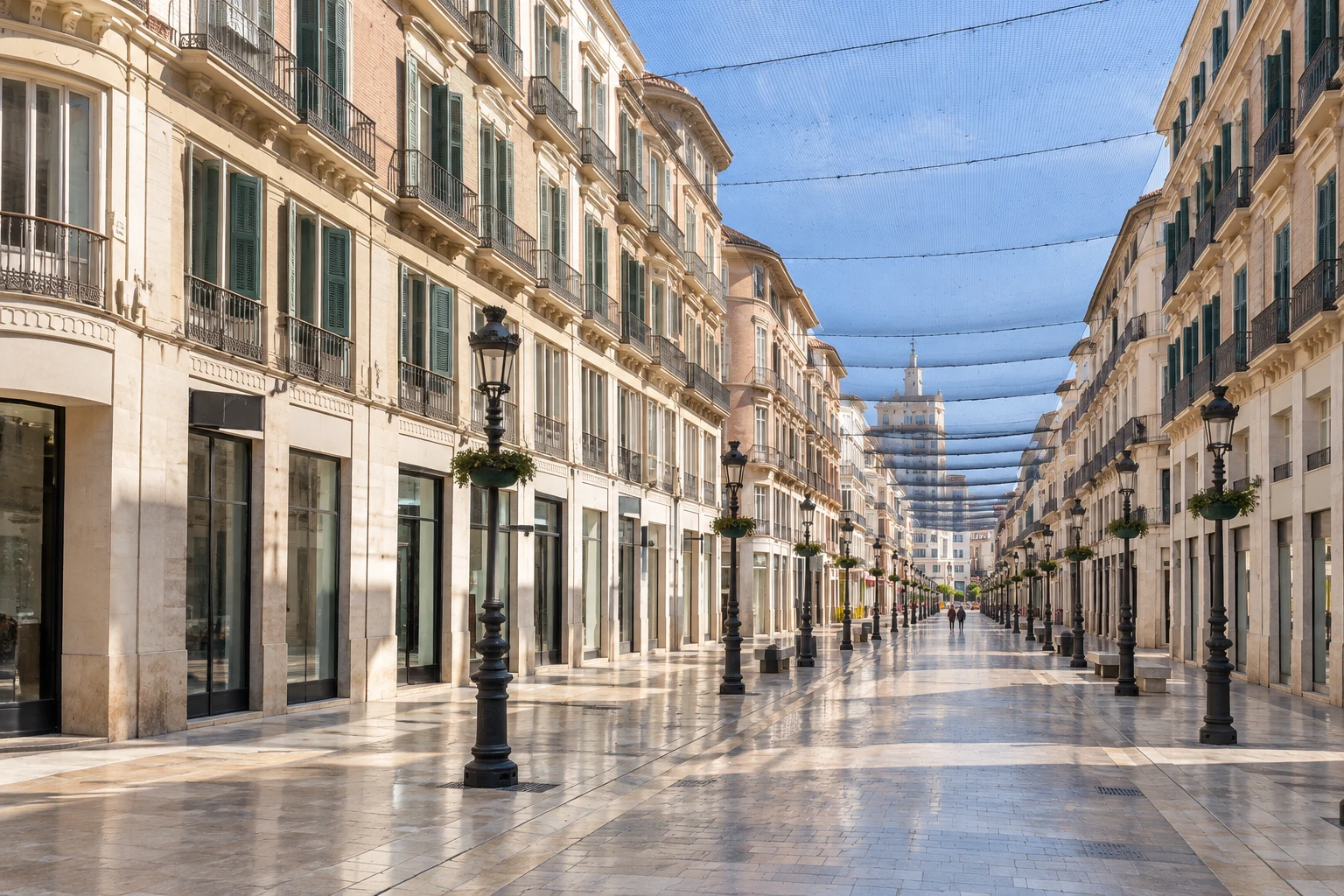
Málaga's main pedestrian street, with late‑19th‑century buildings, shops and cafés, linking the Alameda Principal to the Plaza de la Constitución.
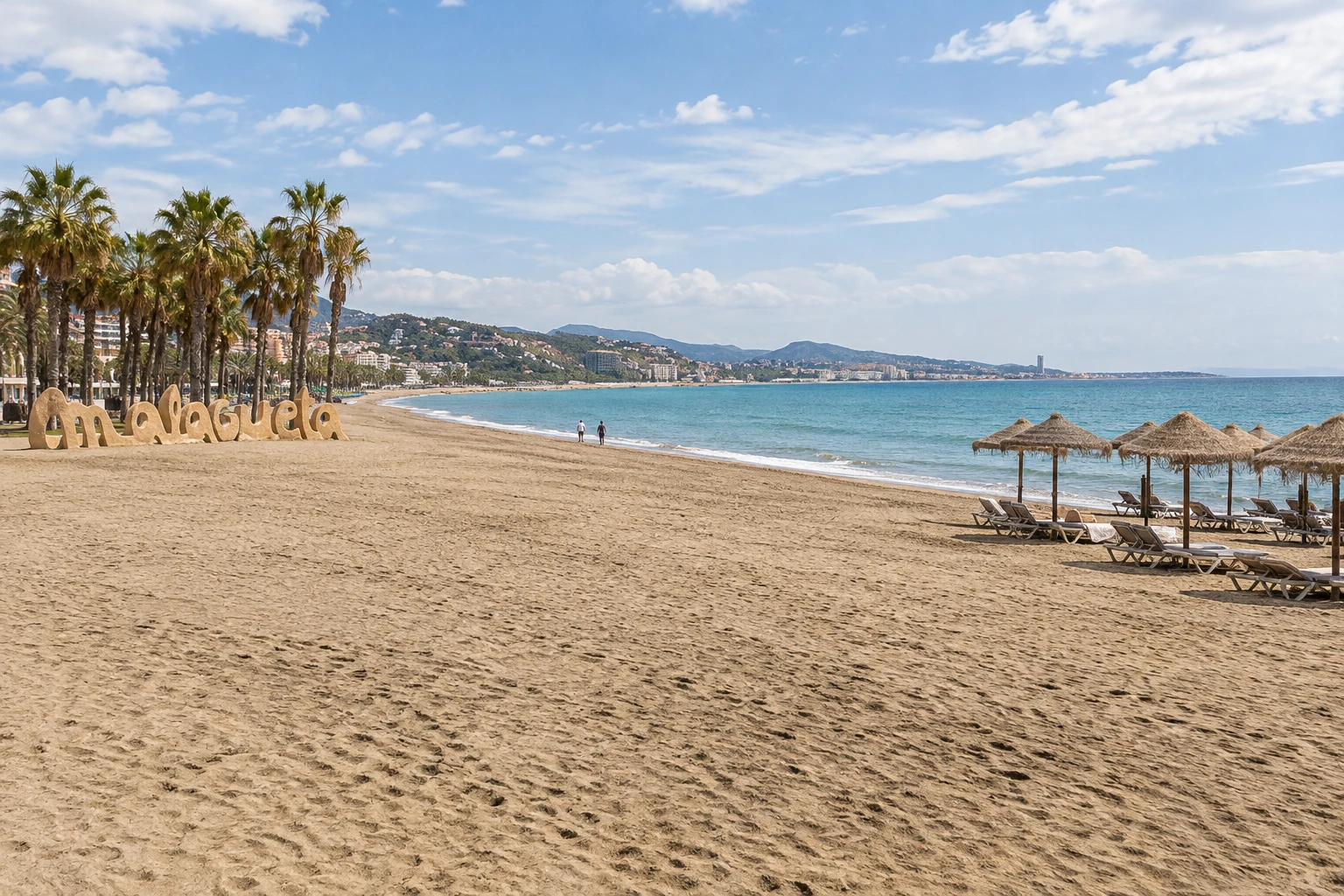
Urban beach of dark sand next to the port and the centre, about 1.2 km long, with fish kiosks, a promenade and the bullring just behind.
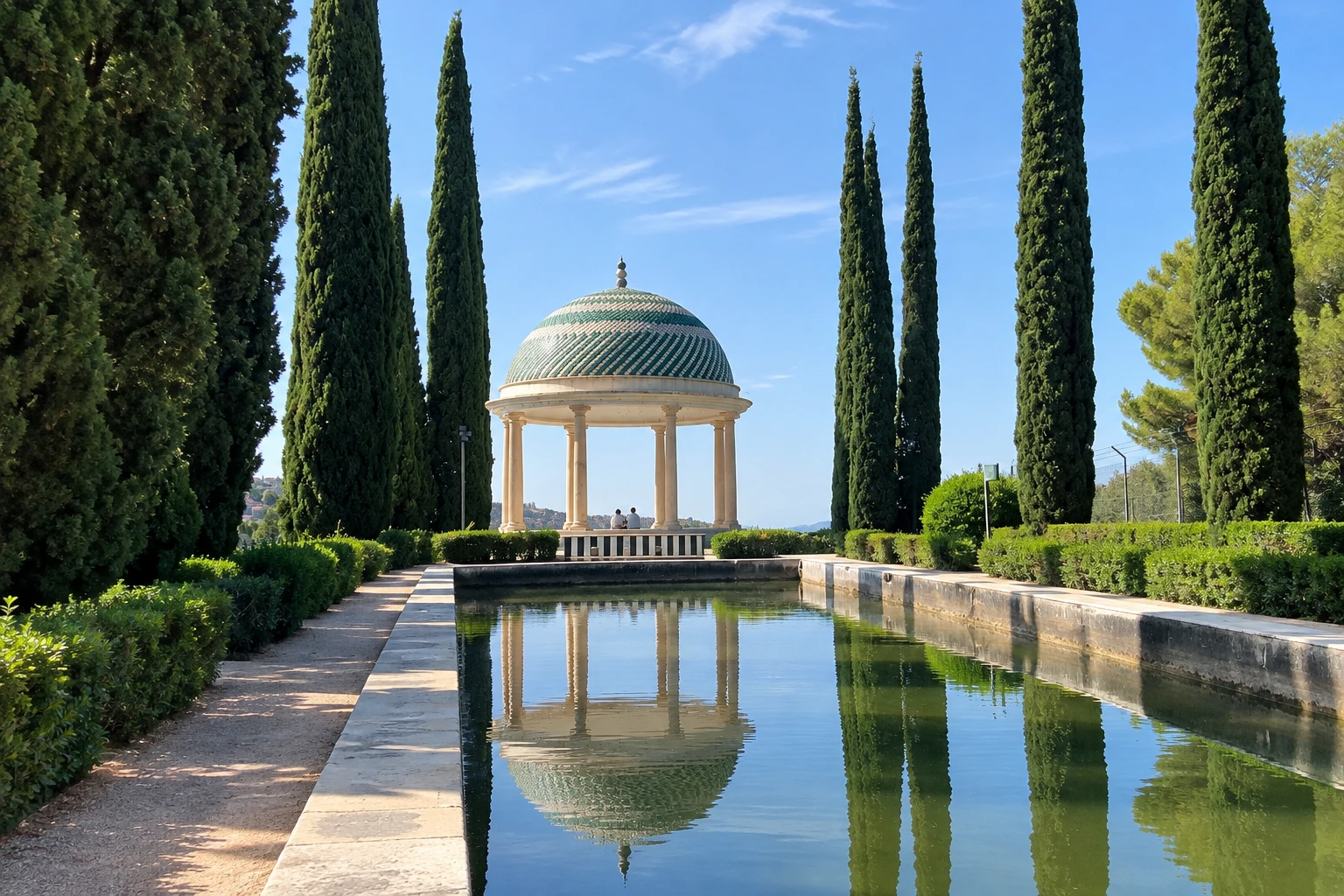
English‑style botanical garden created around 1855 in the north of Málaga, with more than 2,000 species, palm trees, lakes, waterfalls and a wisteria pergola.
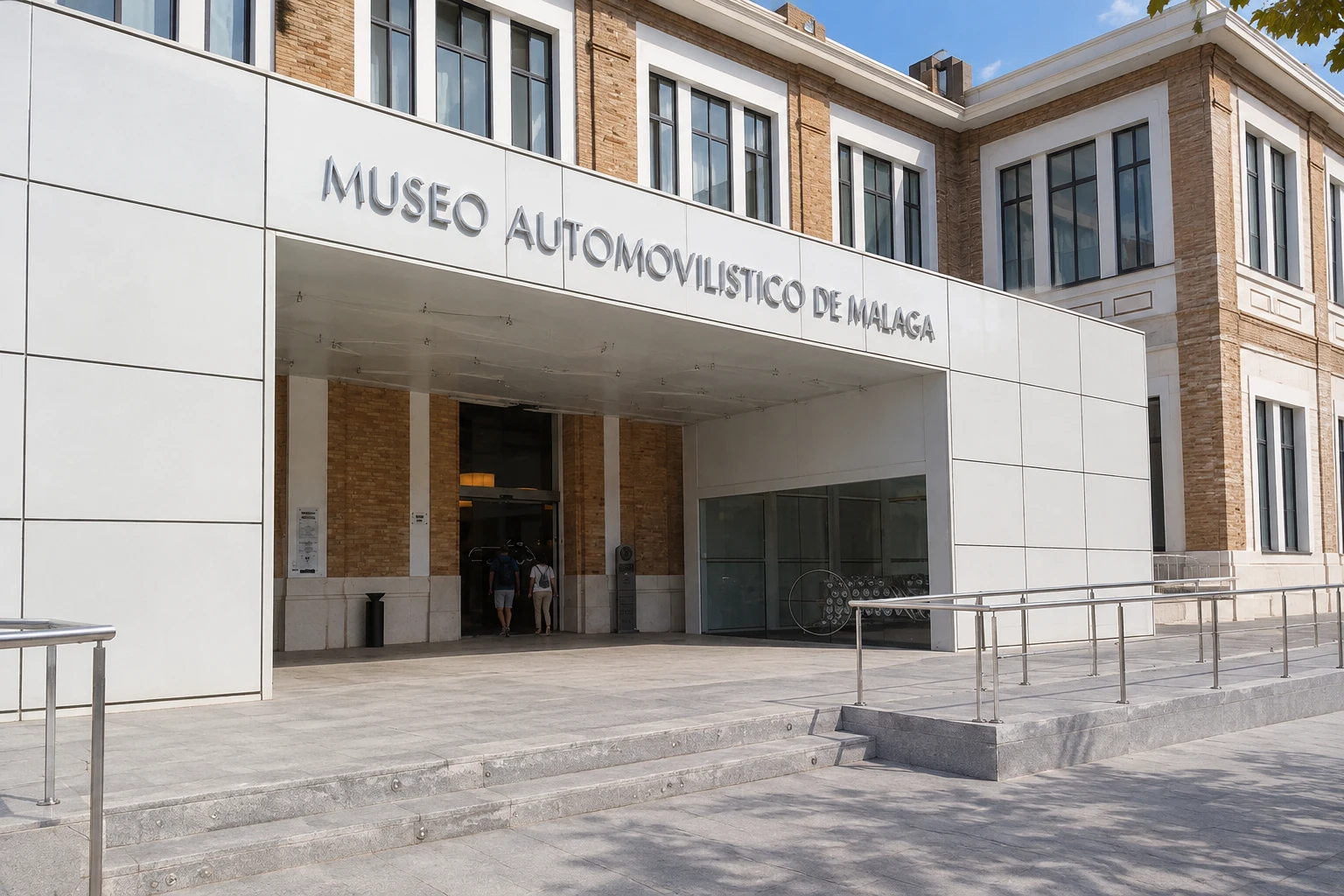
Museum with about 90 vintage and luxury cars on display and a fashion collection of haute-couture hats, housed in Málaga’s former tobacco factory.
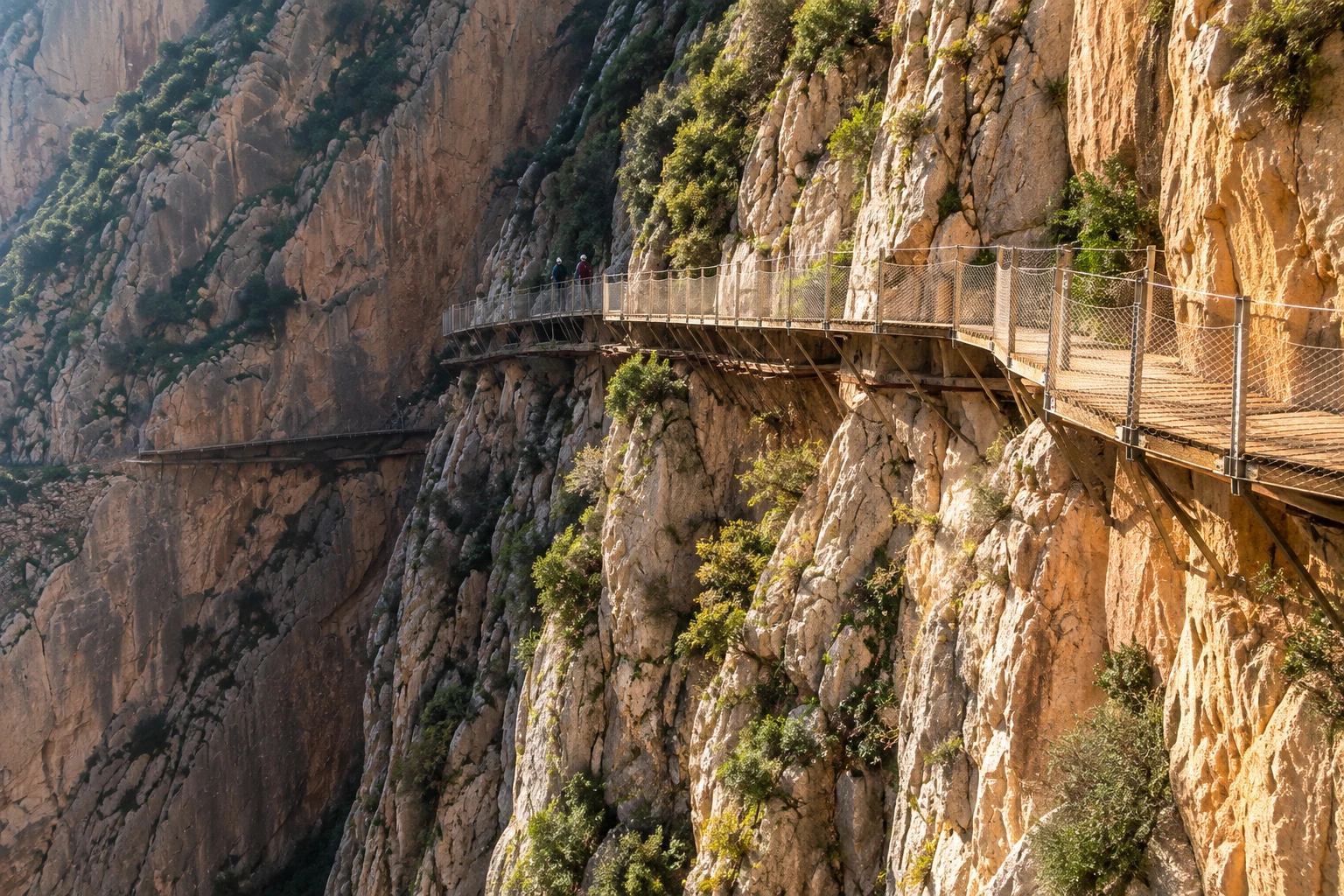
Walkway of more than 3 km fixed to the walls of the desfiladeiro de los Gaitanes, up to 105 metres above the river, about an hour from Málaga. Reservation required.
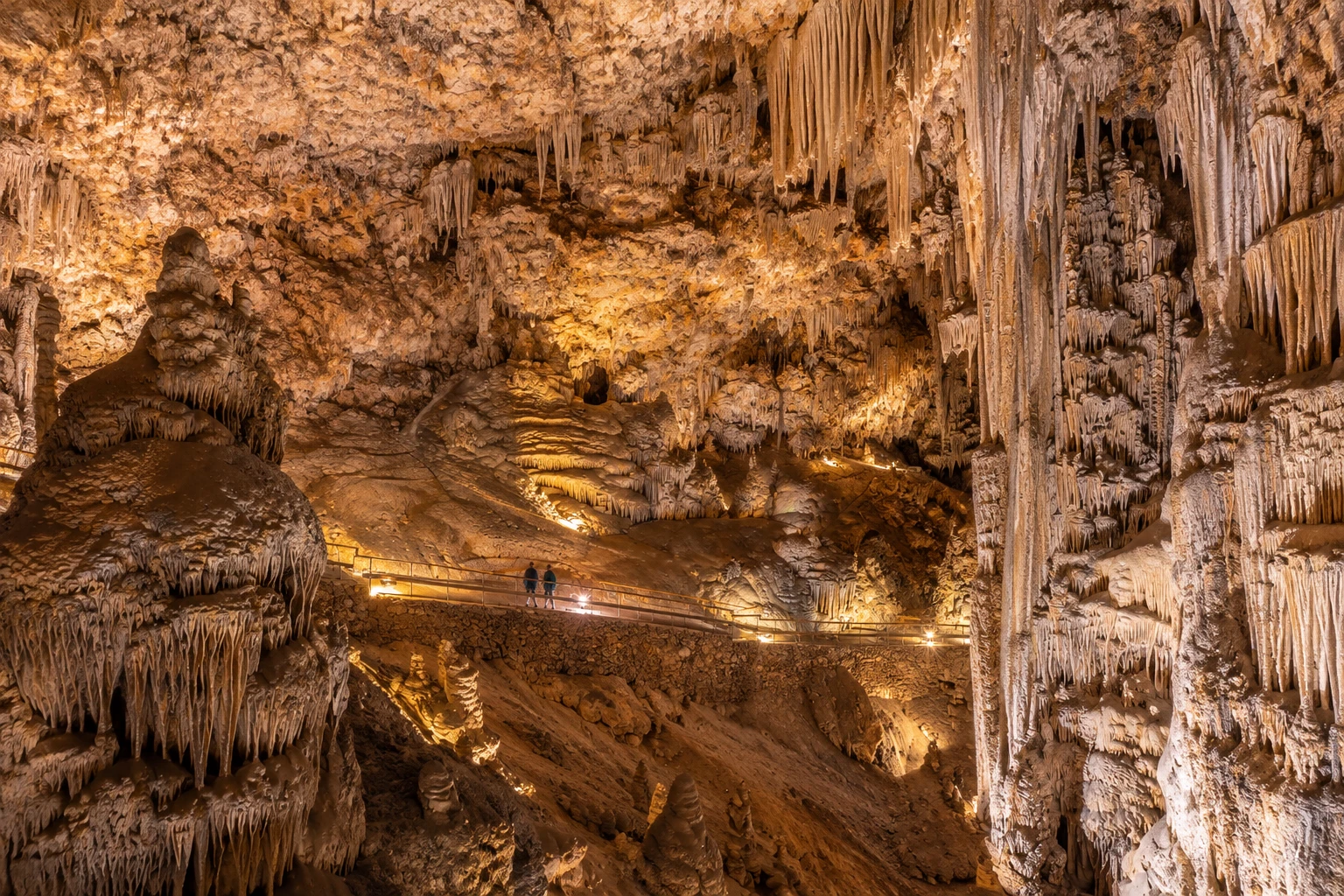
Cave discovered in 1959 in Maro, near Nerja, about 55 km from Málaga, with huge chambers of stalactites and stalagmites and prehistoric remains.
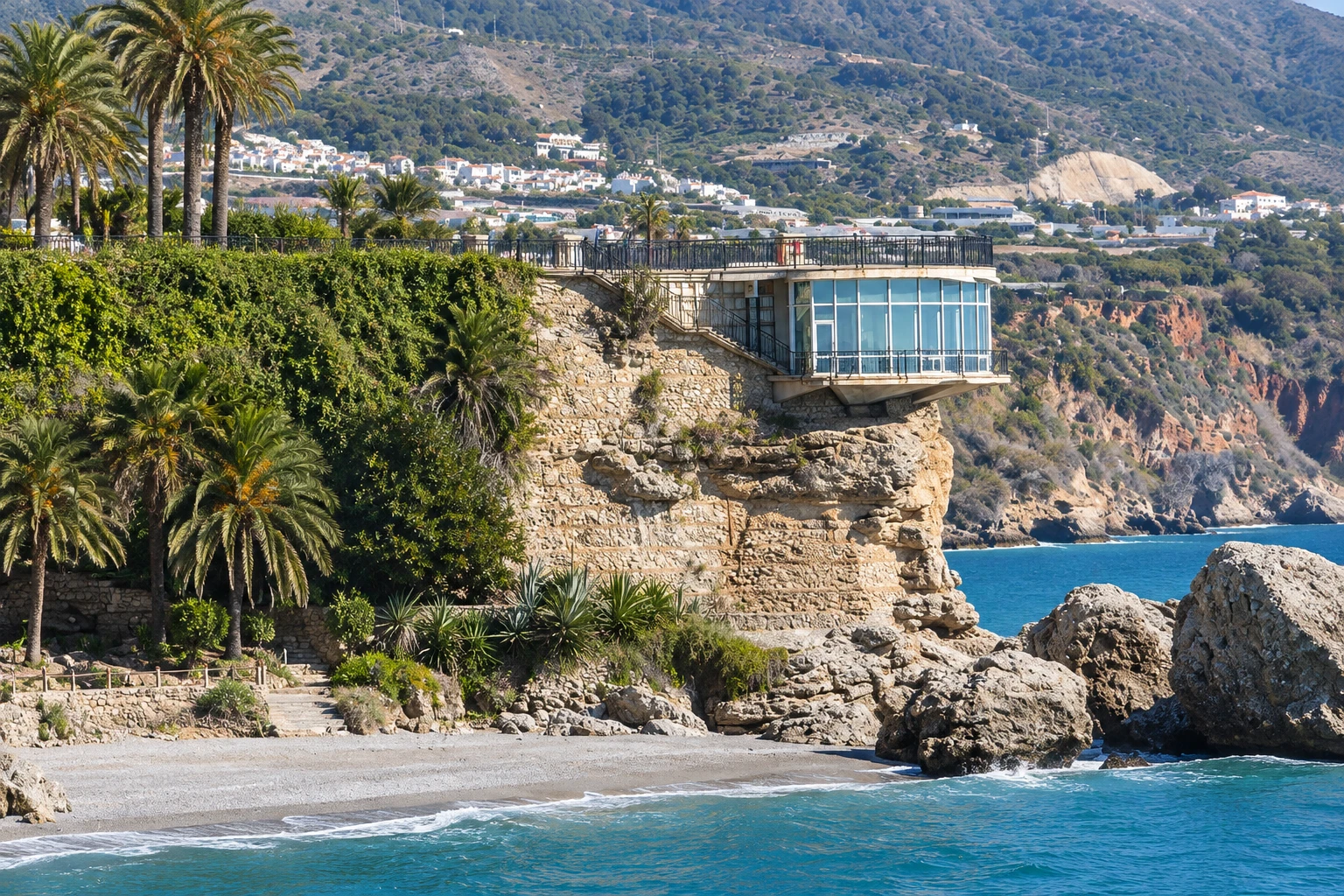
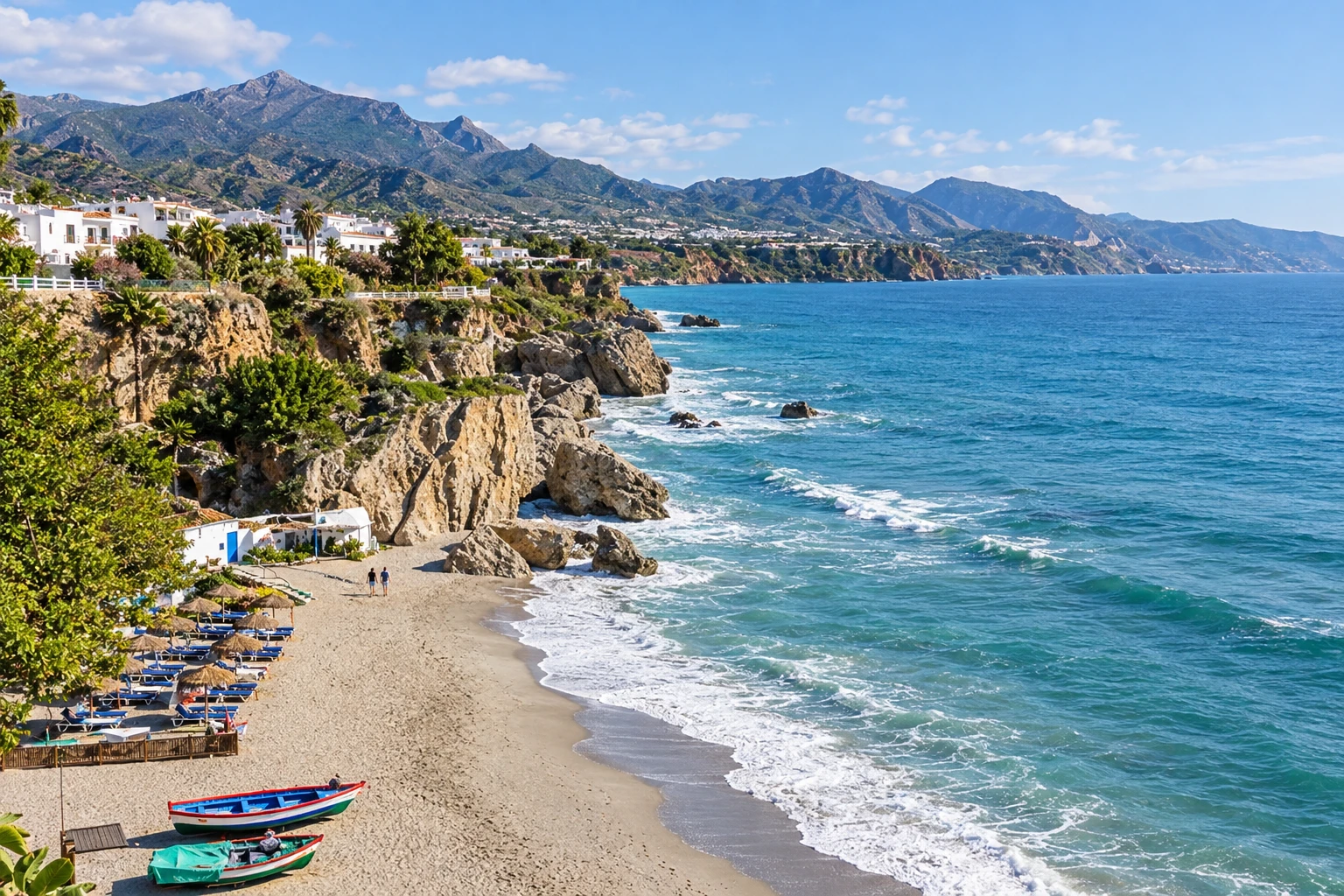
Seafront viewpoint in the center of Nerja, on the site of an old watchtower, with views over the coves, the cliffs and the Sierra de Almijara.
To choose before you go
The details of each tour (where it leaves from, what it includes, the best time) are in the complete guide.
Get your questions answered
The guide's itineraries cover 3, 5 and 7 days: Málaga and Ronda in 3 days; Costa del Sol and mountains in 5 days; Costa del Sol, Ronda and day trips in 7 days.
Arrival and Málaga city center. Arriving in the morning, drop your bags and start at the Atarazanas Market, Calle Larios and the historic center, with lunch of tapas. In the afternoon, Málaga Cathedral and a walk on the roofs, if open, then the Alcazaba and Málaga Roman Theatre. At the end of the day, climb to the Castillo de Gibralfaro to watch the sunset over the port. If you arrive in the afternoon, reverse the order: Gibralfaro today, Alcazaba early tomorrow.
It generally rains less from April to September. The rainiest months are usually from November to December. The guide covers each month, with the weather and what changes on the tours.
To plan