Church
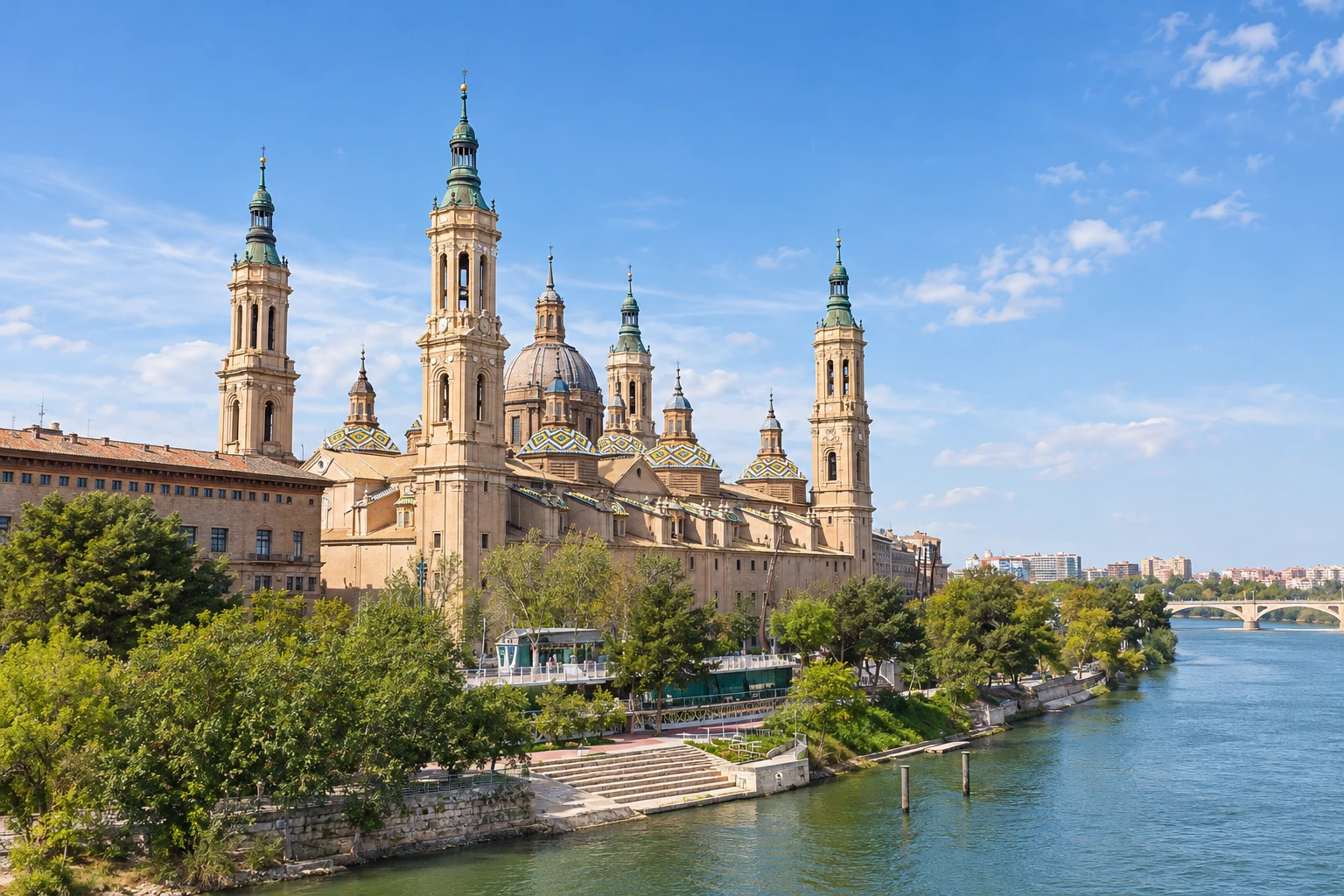
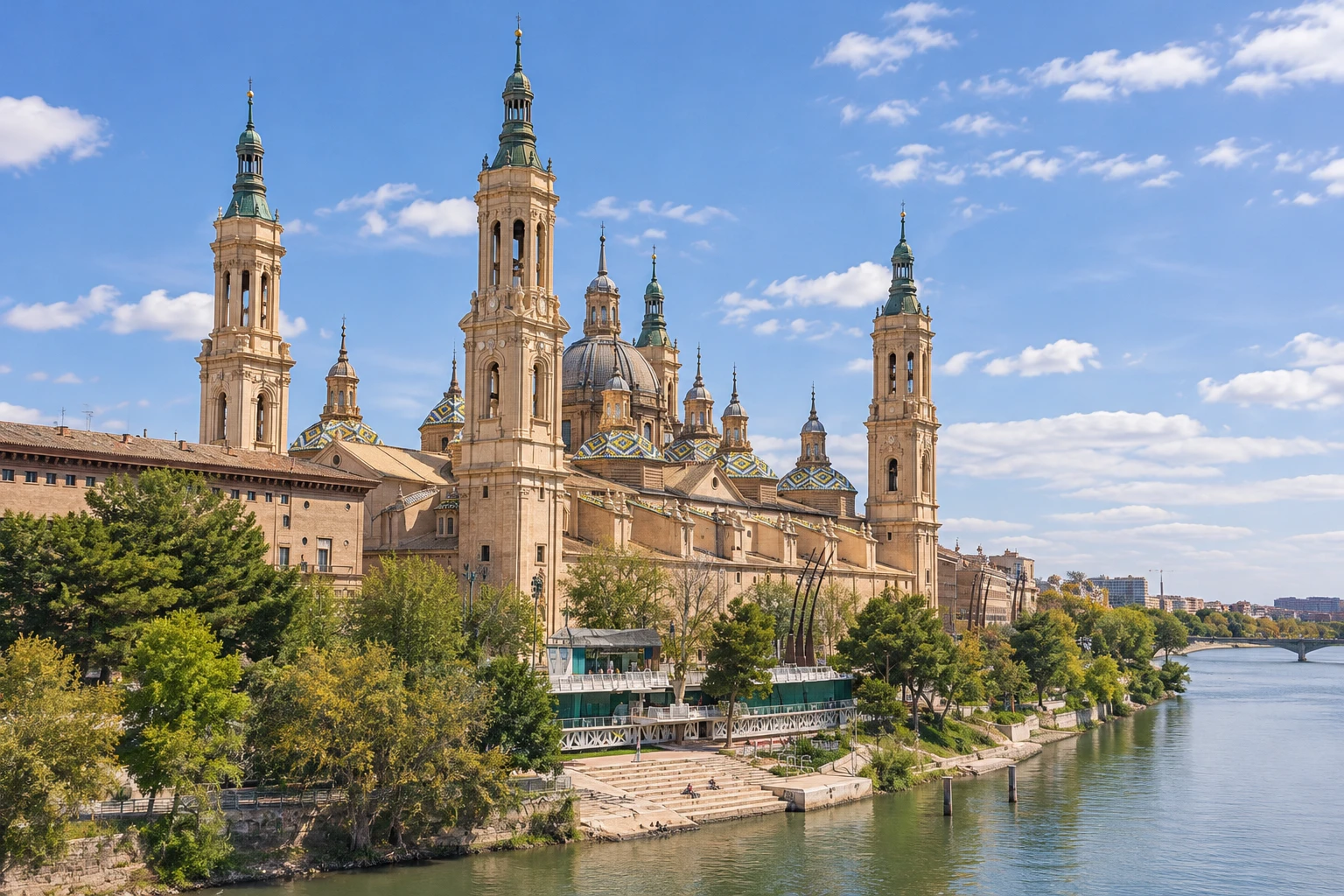
Basilica of Our Lady of the Pillar
Baroque basilica on the banks of the Ebro, with eleven domes covered in coloured tiles and four towers, which houses the jasper column of the Virgem do Pilar and frescoes by Goya.

 Search
 Brazil
 Antarctica
 Argentina
 Bolivia
 Chile
 Colombia
 Ecuador
 Falkland Islands (Malvinas)
 French Guiana
 Guyana
 Paraguay
 Peru
 Suriname
 Uruguay
 Venezuela
 Austria
 Belgium
 Croatia
 Denmark
 Finland
 France
 Germany
 Greece
 Hungary
 Iceland
 Ireland
 Italy
 Luxembourg
 Norway
 Poland
 Portugal
 Slovakia
 SloveniaSpain
 Sweden
 Switzerland
 the Czech Republic
 the Netherlands
 the United Kingdom
 Turkey
 Bermuda
 Canada
 Greenland
 Mexico
 Saint Pierre and Miquelon
 the United States
 the Dominican Republic
 JapanTurkey
 Egypt
 South Africa
 Australia
 Fiji
 New Zealand
 Papua New Guinea
Aragon
10 places to visit Zaragoza (Spain), chosen by the Cidade Turismo guide.
Illustrative images. The pictures in this guide are illustrations based on the real place, not photographs, and may differ from it.
To start
One by one
Baroque basilica on the banks of the Ebro, with eleven domes covered in coloured tiles and four towers, which houses the jasper column of the Virgem do Pilar and frescoes by Goya.
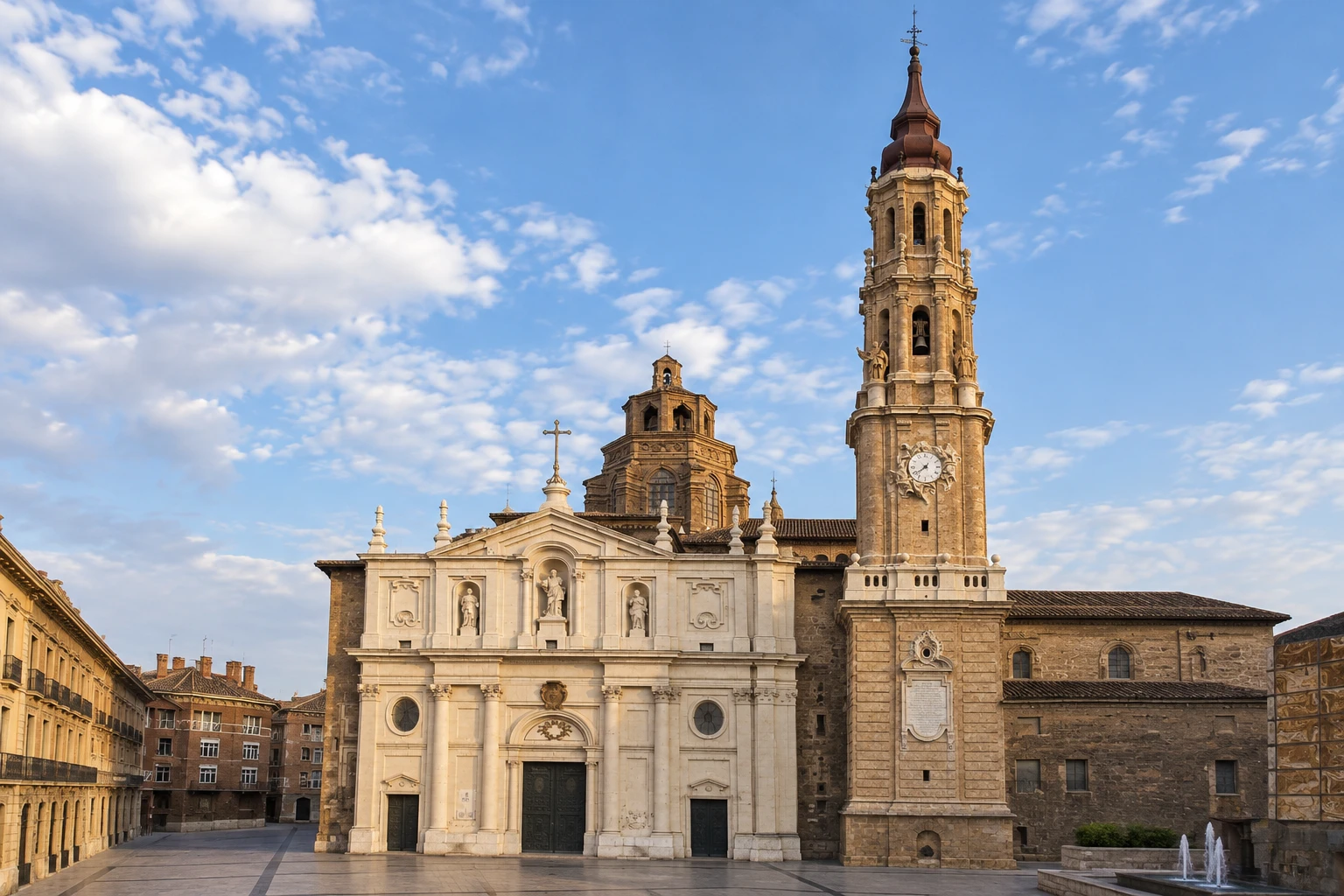
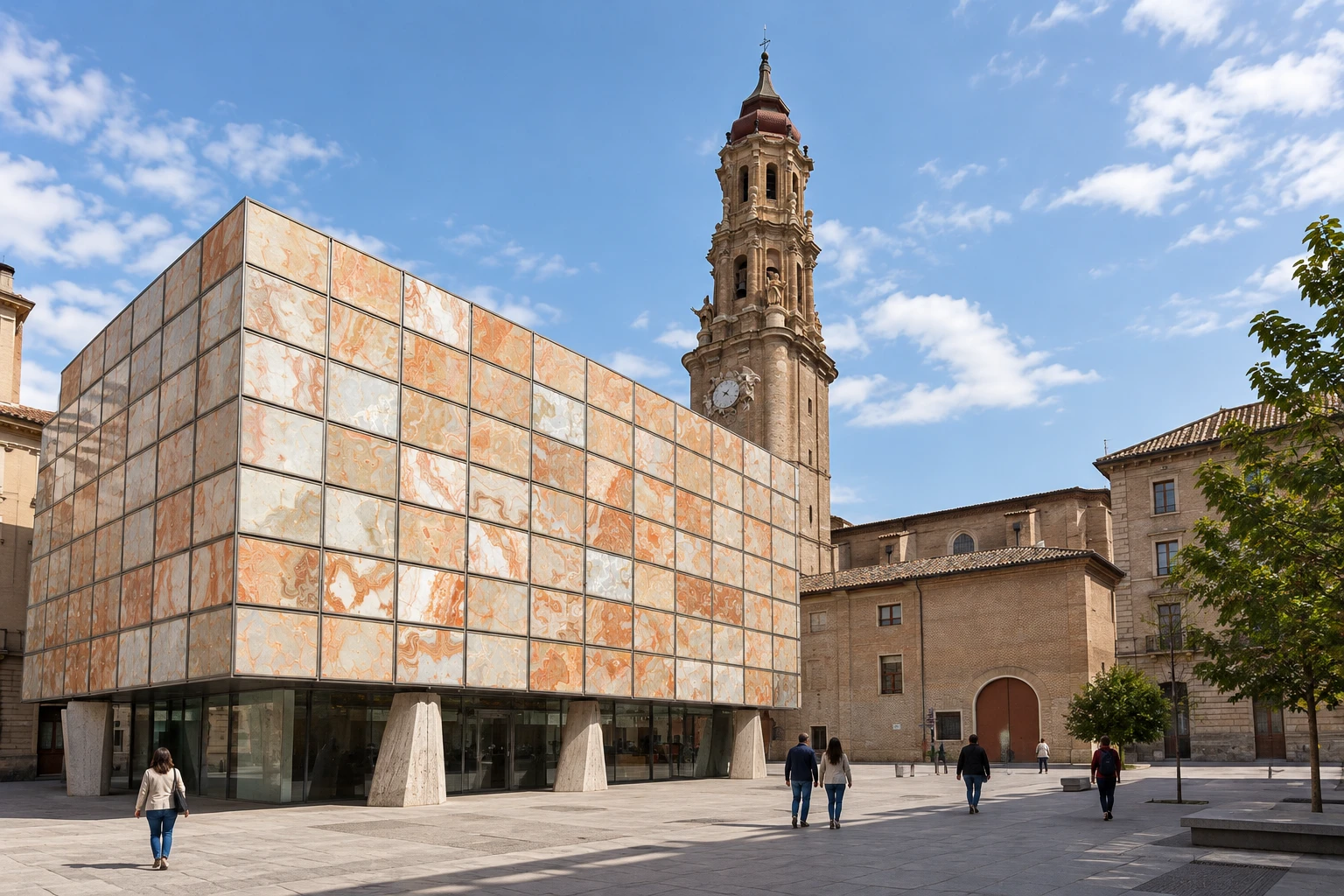
Cathedral of Saragoça, built over the former mosque, featuring styles from Romanesque to Baroque, the mudéjar ceramic wall of the Parroquieta, and a museum of Flemish tapestries.
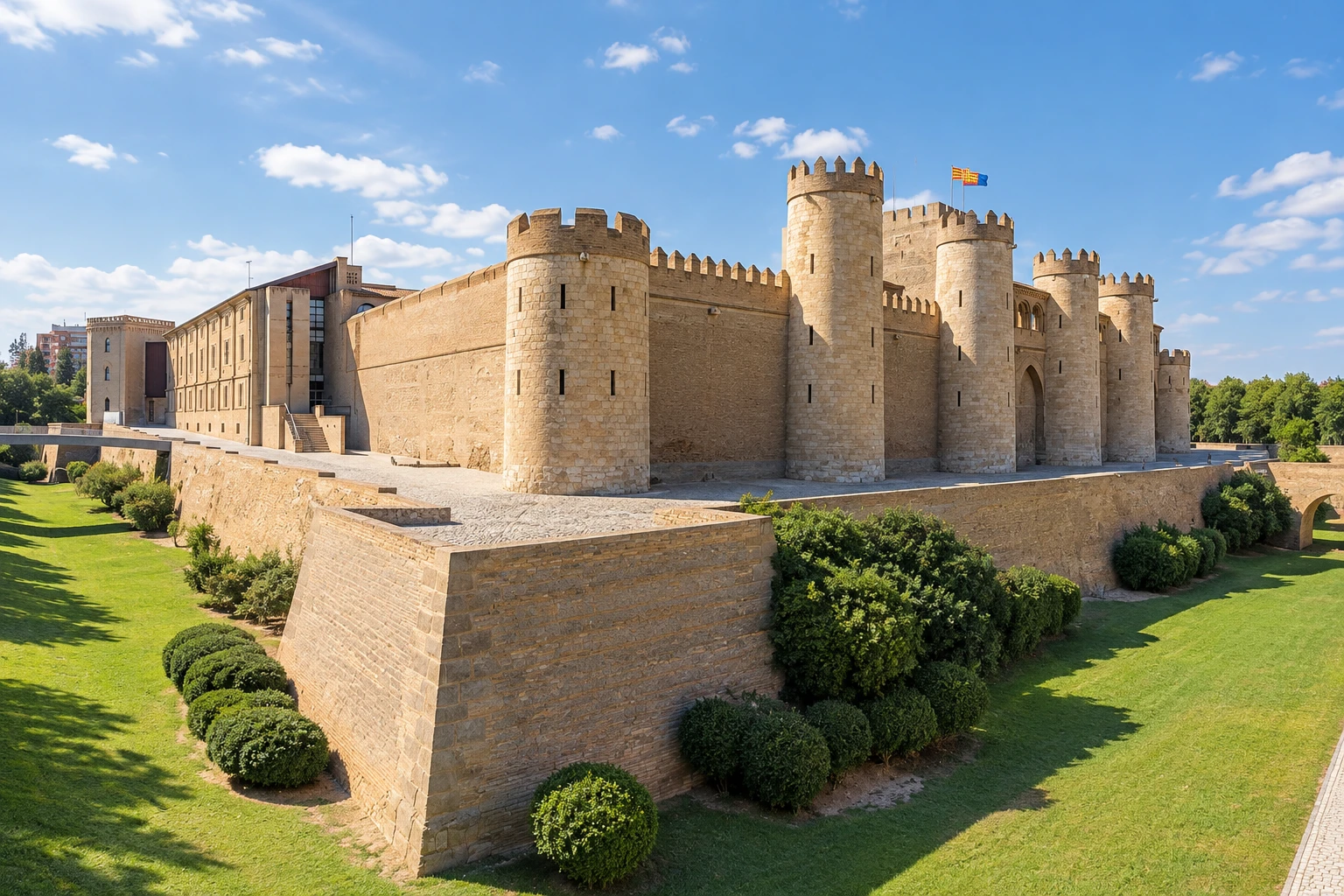
11th-century Islamic palace, built by the taifa kings of Saraqusta, with a courtyard of interlaced arches, an oratory and halls of the Reyes Católicos, now the seat of the Cortes de Aragón.
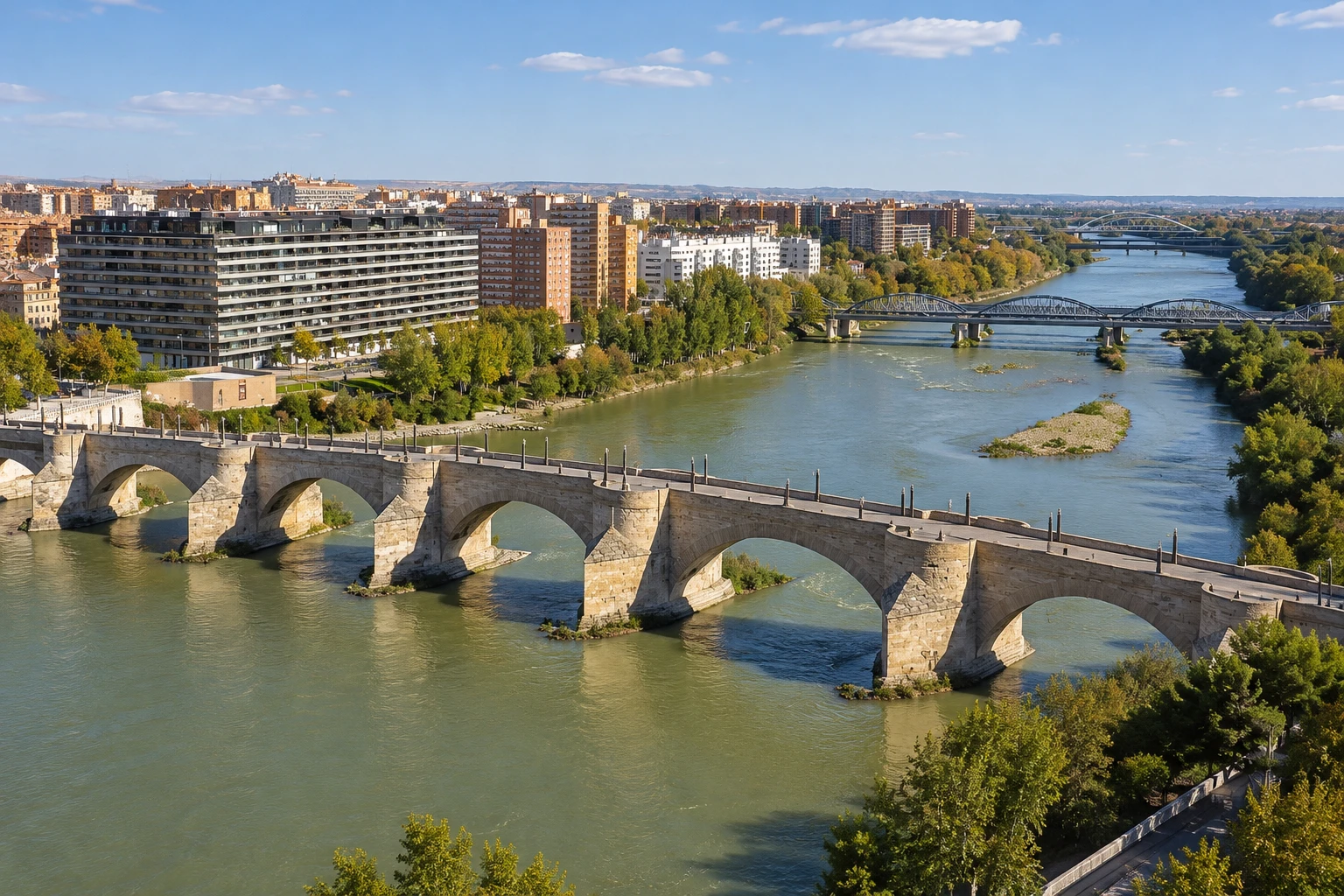
15th-century bridge over the Ebro, with bronze lions at the ends, from where you get the classic view of the Basílica del Pilar reflected in the river.
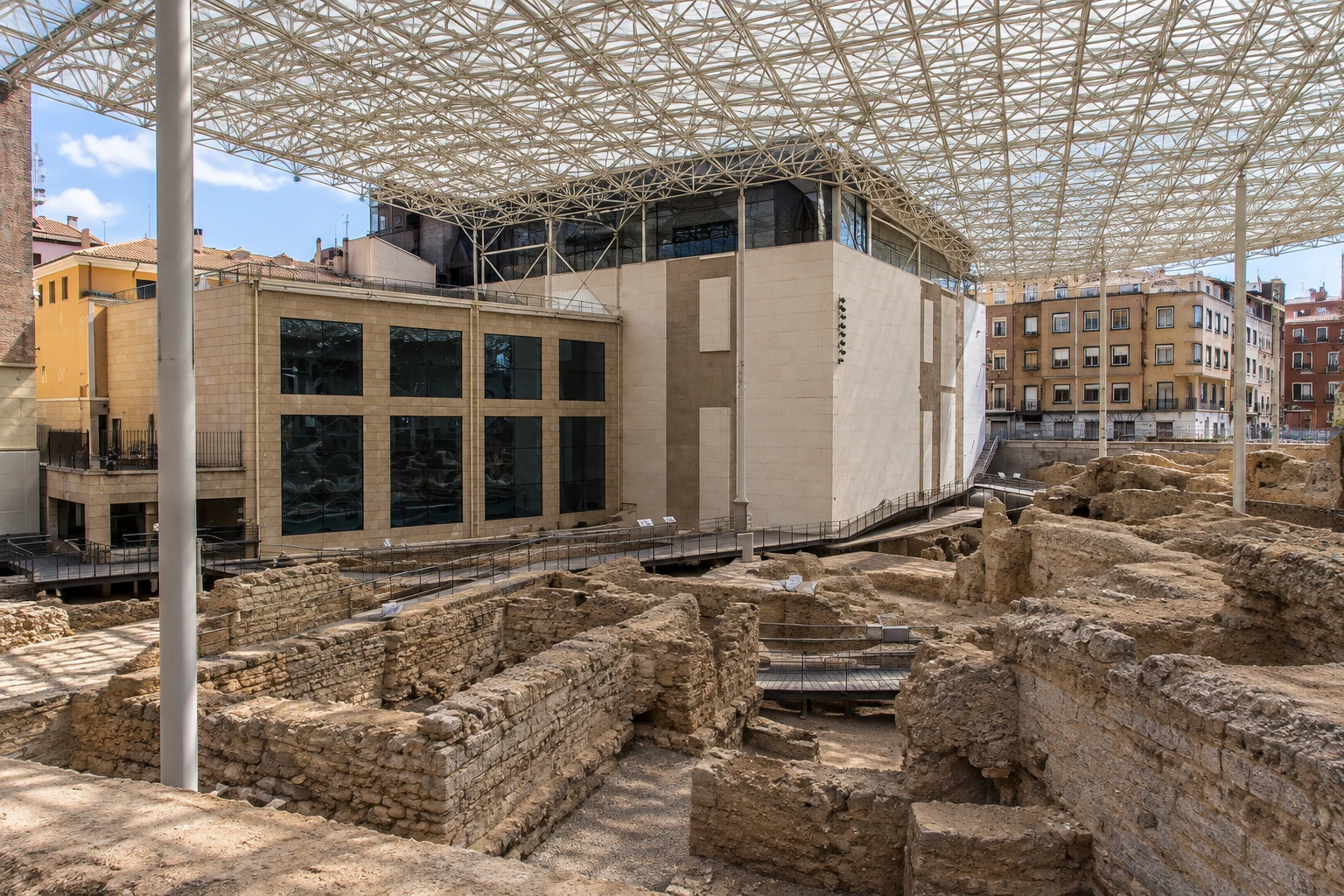
Museum built over the ruins of a 1st-century Roman theatre, with a capacity of about 6,000 people, covered by a structure that protects the seating and the orchestra.
Underground museum beneath the Plaza de la Seo, with the remains of the Roman city's forum, shops, the large cloaca and the market, which show what Saragoça was like in the time of Augustus.
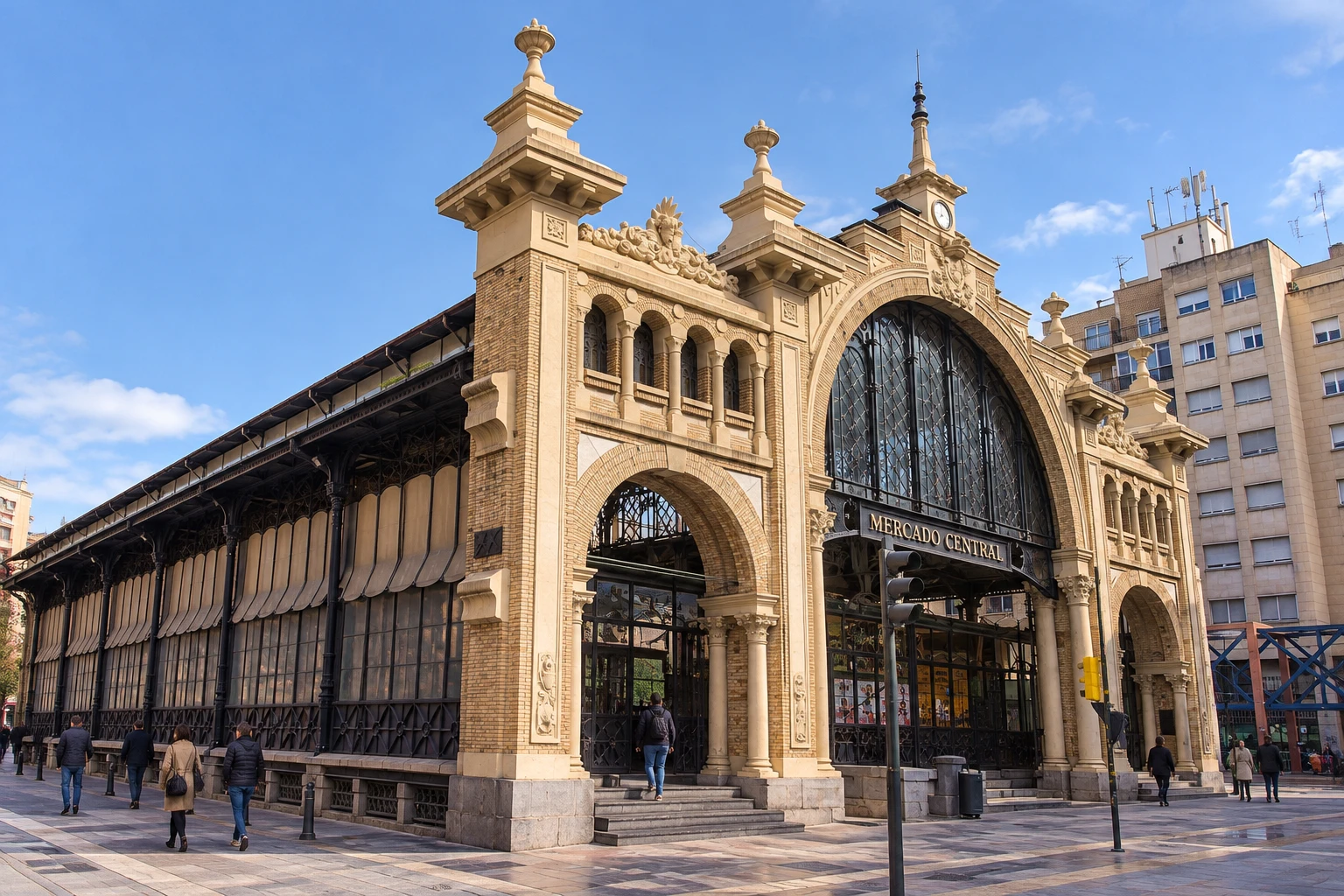
Modernist market dating from 1903, of iron and glass, on the former Plaza del Mercado, with stalls selling fruit, meat, fish and products from Aragón and counters for eating.
Museum in a Renaissance palace in the centre, with paintings by Goya and his four series of engravings, as well as works by other painters from the 15th to the 20th century.
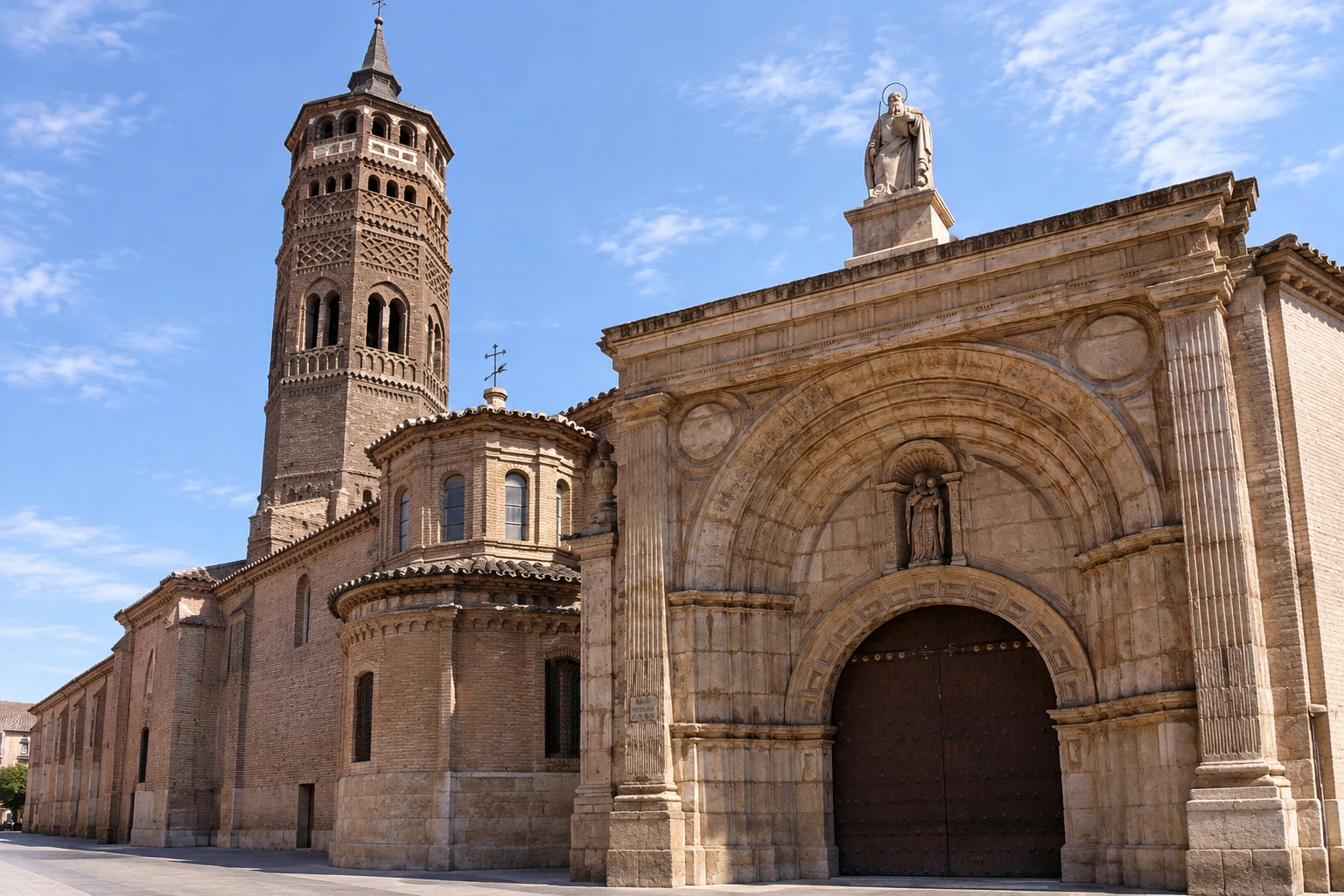
14th-century Gothic and Mudejar church in the San Pablo neighborhood, with an octagonal brick and ceramic tower and an altarpiece by Damián Forment. UNESCO World Heritage.
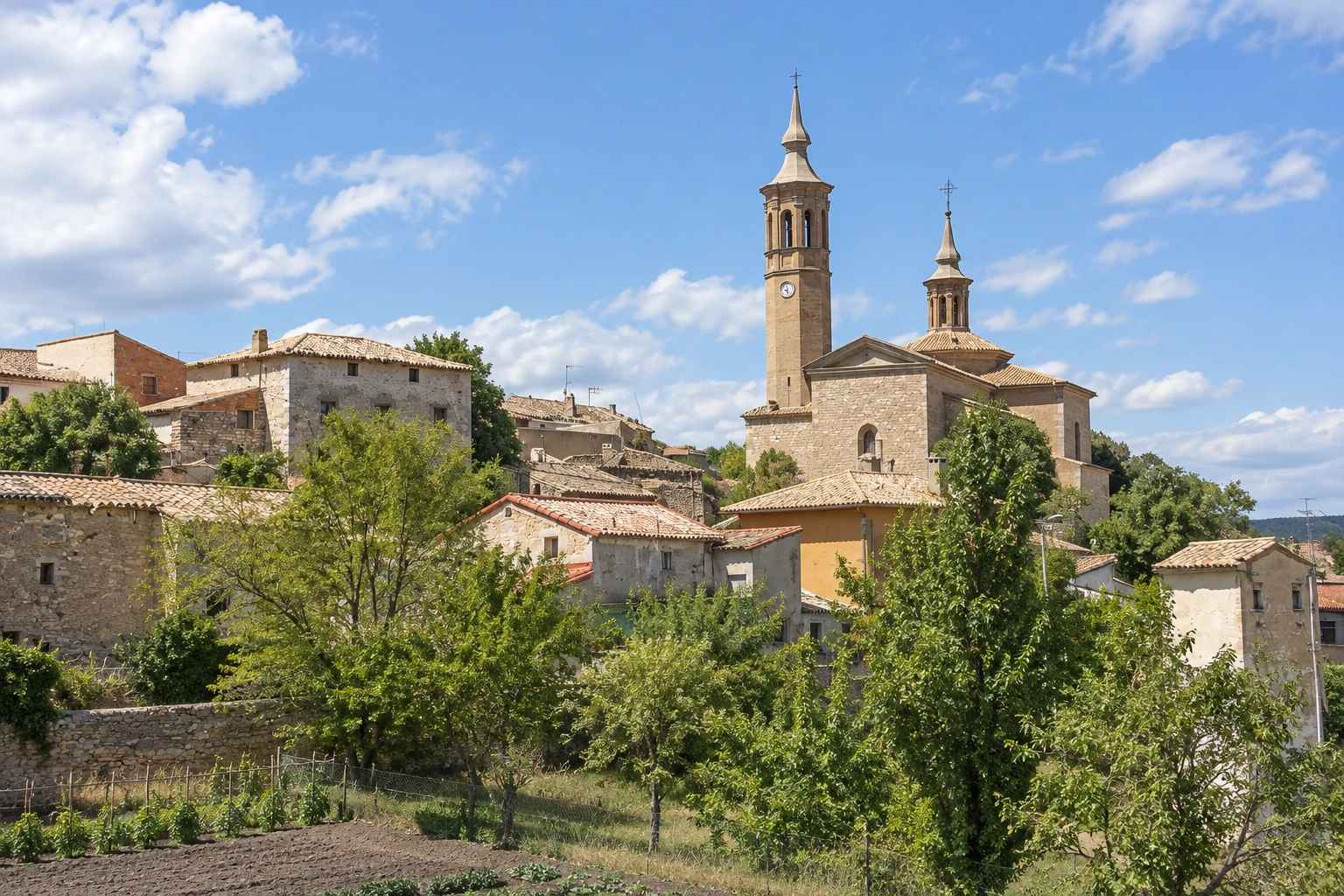
Small village 45 km from Zaragoza where Francisco de Goya was born in 1746, with his furnished birthplace and a museum of the painter’s prints.
To plan