Žilina
Orava
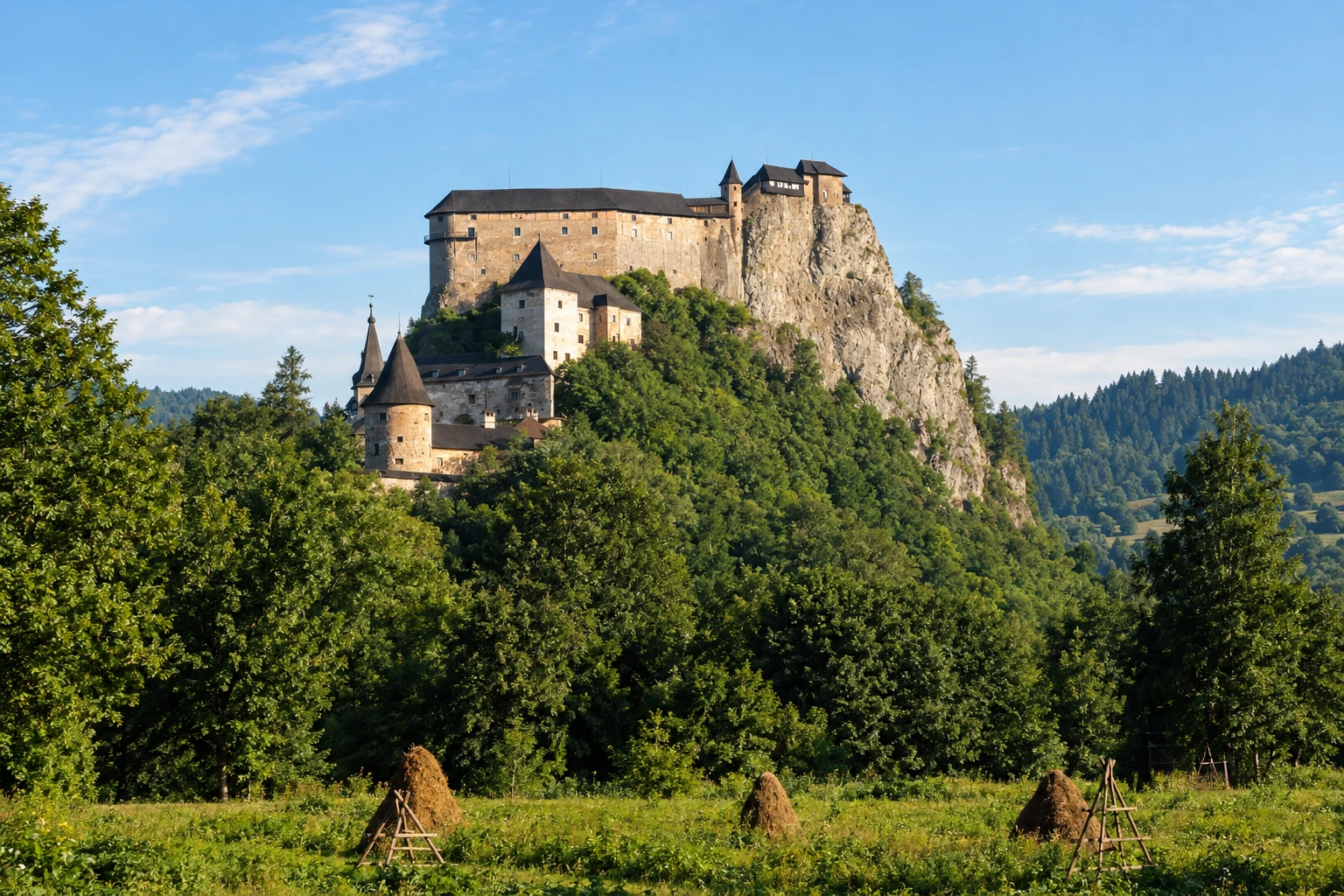
Orava river region in northern Slovakia: the castle on the rock at Oravský Podzámok, the open-air museum in Zuberec, the Roháče lakes and Slanica Island.

 Search
 Brazil
 Antarctica
 Argentina
 Bolivia
 Chile
 Colombia
 Ecuador
 Falkland Islands (Malvinas)
 French Guiana
 Guyana
 Paraguay
 Peru
 Suriname
 Uruguay
 Venezuela
 Austria
 Belgium
 Croatia
 Denmark
 Finland
 France
 Germany
 Greece
 Hungary
 Iceland
 Ireland
 Italy
 Luxembourg
 Norway
 Poland
 PortugalSlovakia
 Slovenia
 Spain
 Sweden
 Switzerland
 the Czech Republic
 the Netherlands
 the United Kingdom
 Turkey
 Bermuda
 Canada
 Greenland
 Mexico
 Saint Pierre and Miquelon
 the United States
 the Dominican Republic
 JapanTurkey
 Egypt
 South Africa
 Australia
 Fiji
 New Zealand
 Papua New Guinea
Slovakia travel guide
What to do, when to go and how to get there, destination by destination.
18 destinations · 31 citiesin Slovakia
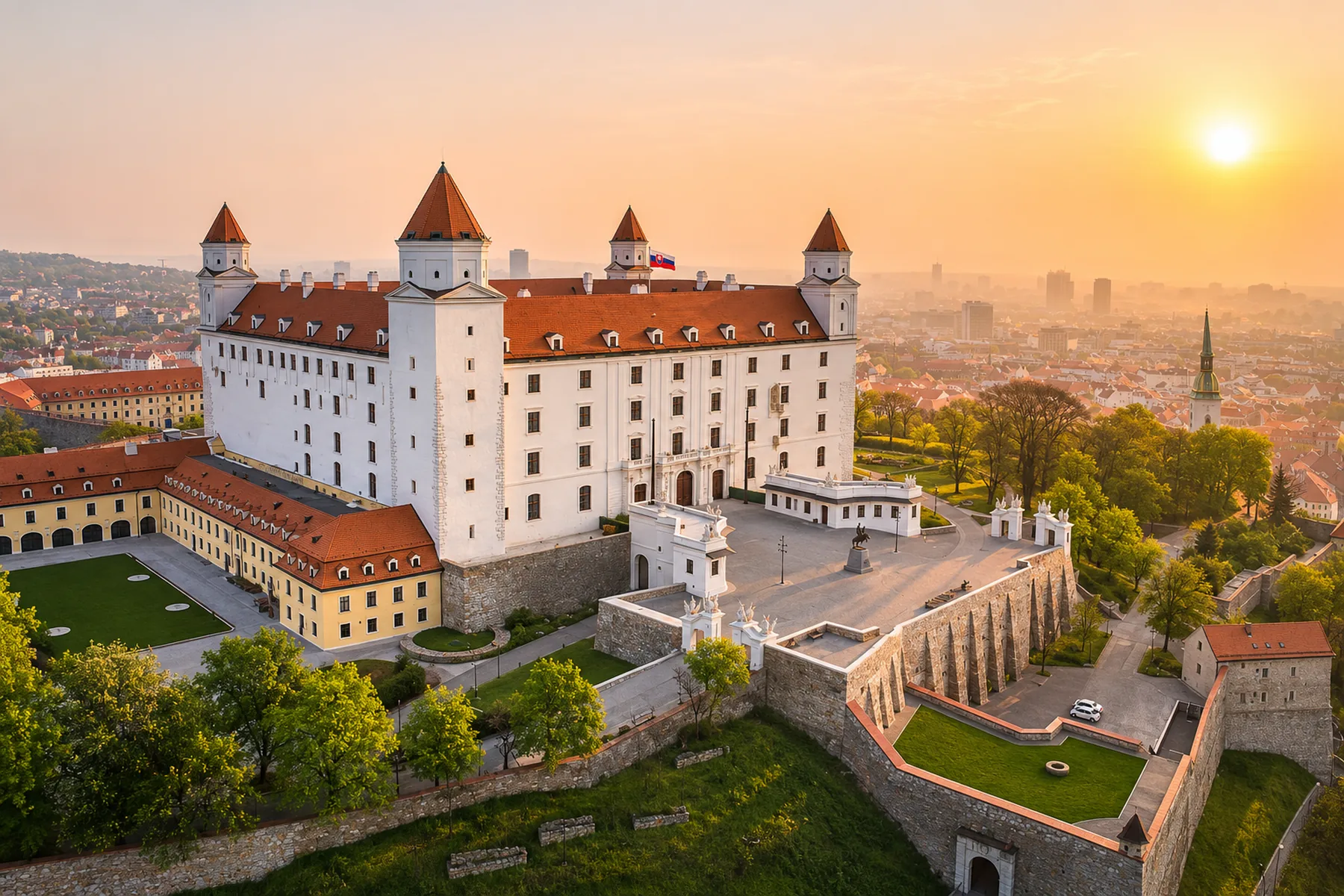
In the photo: Bratislava Castle — Bratislava
Illustrative images. The pictures in this guide are illustrations based on the real place, not photographs, and may differ from it.

A destination is a region you visit as a single trip: it can bring together several cities or be a large city with everything it offers. Each destination has the tours, the itineraries, the best time to go month by month and how to get there.
The guide currently has 18 destinations, with 35 cities in 8 regions.
Today's highlights
A destination is more than a city: it's everything you can experience there.
Orava river region in northern Slovakia: the castle on the rock at Oravský Podzámok, the open-air museum in Zuberec, the Roháče lakes and Slanica Island.
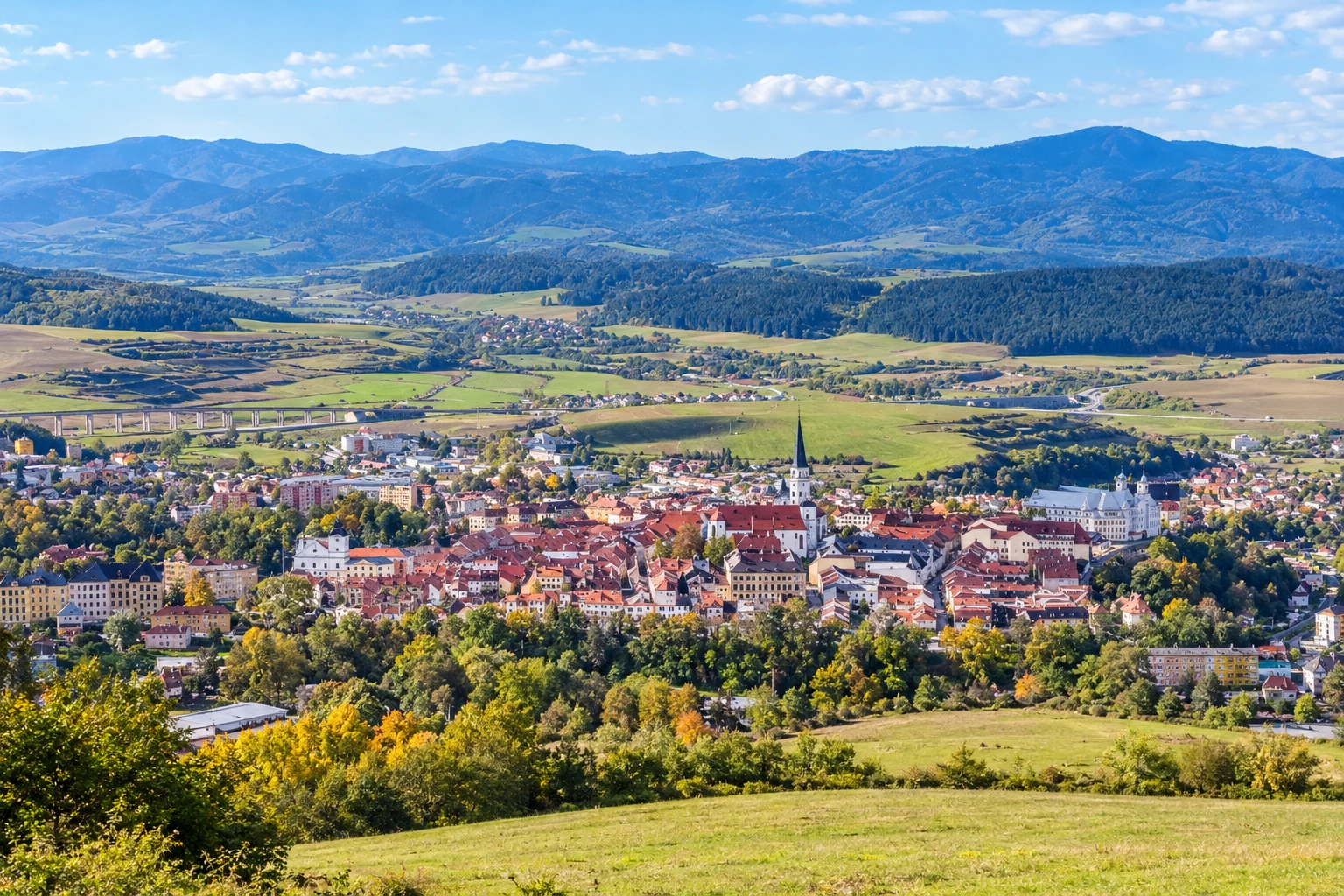
The historical heart of Spiš: Master Paul’s Gothic altar in Levoča, the ruins of Spiš Castle, the ecclesiastical town of Spišská Kapitula and the wooden church of Kežmarok.
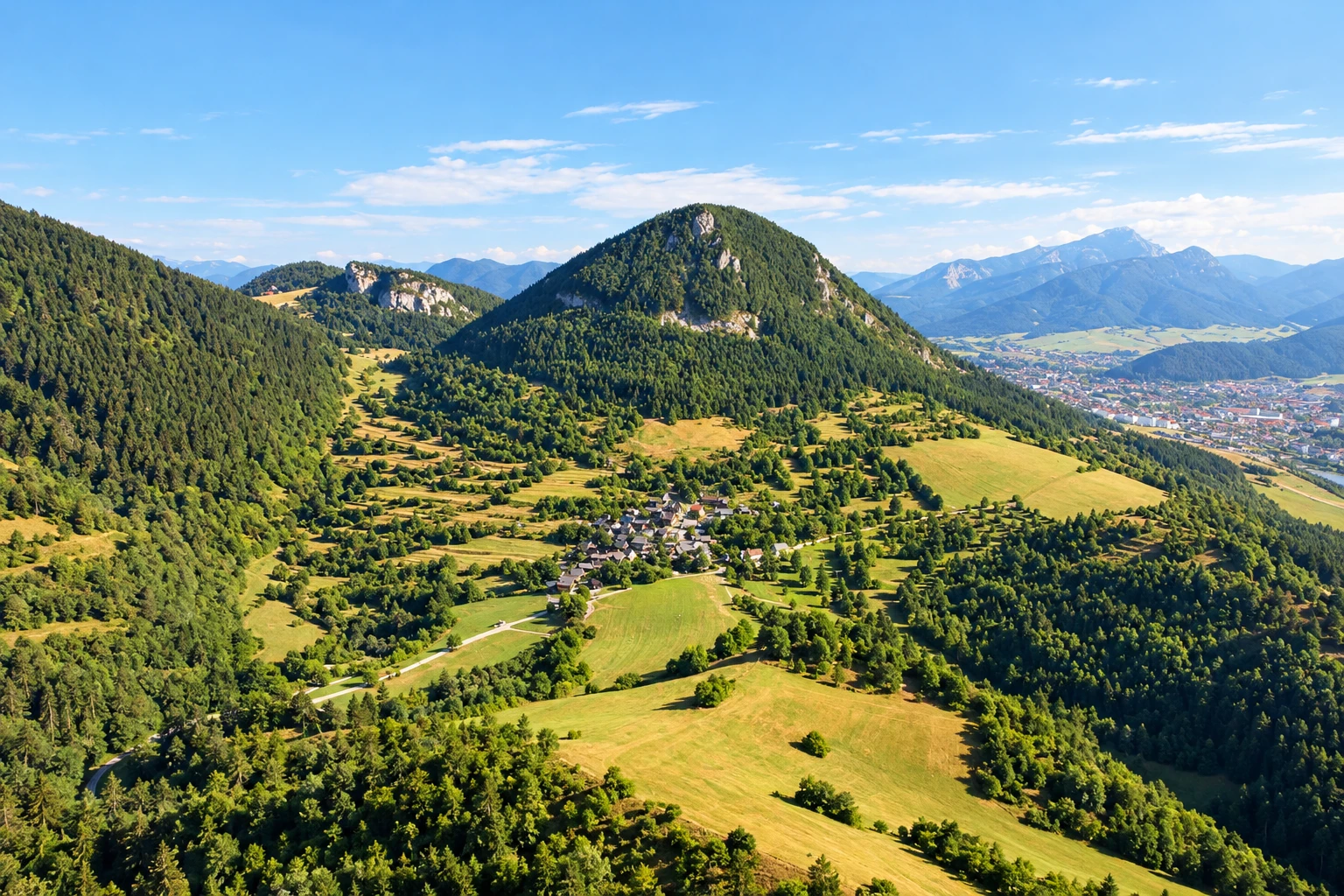
Vale of the Váh River between the Low Tatras and the Western Tatras: the Demänová caves, Chopok, the village of Vlkolínec and open-air museums.
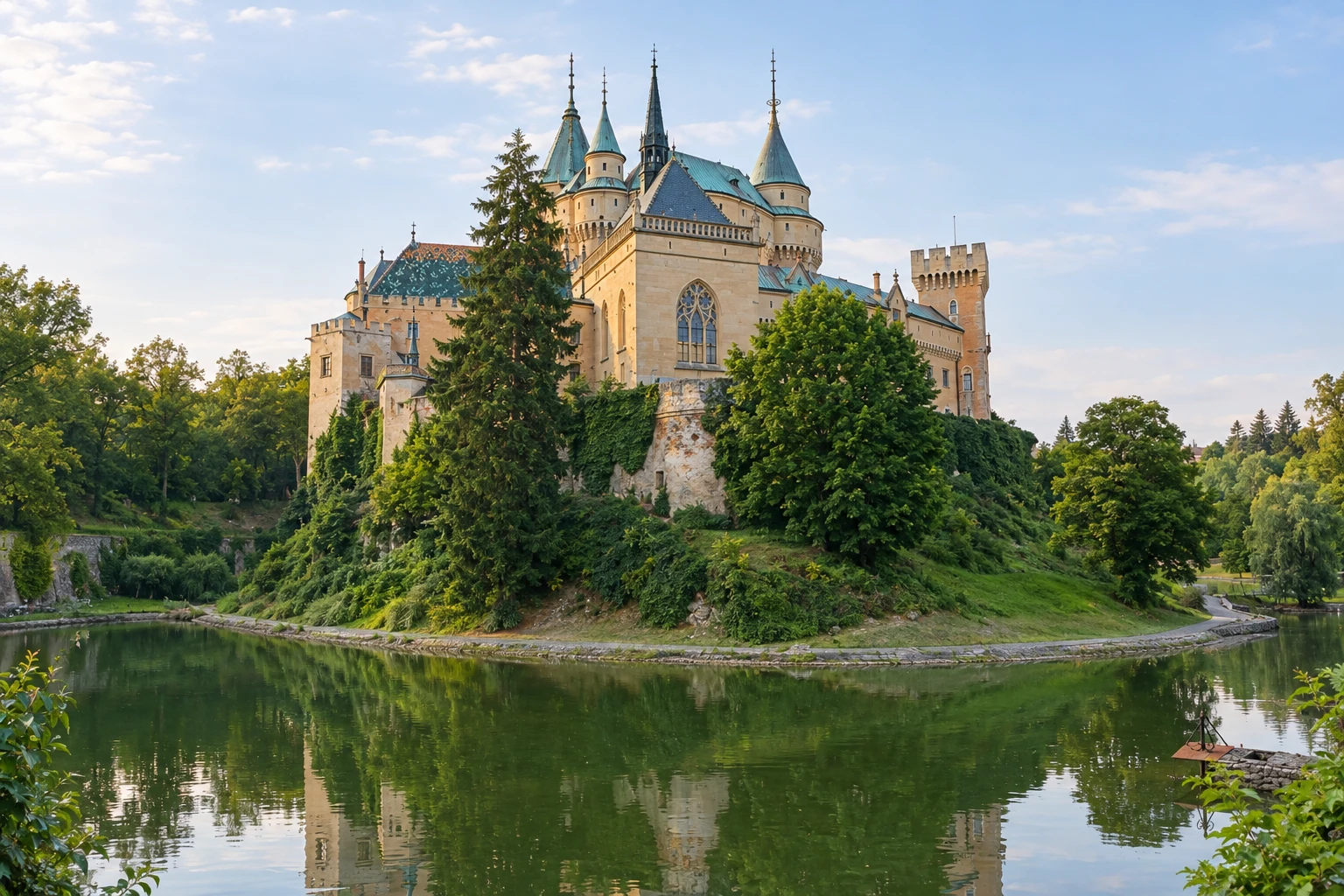
Thermal town in the upper Nitra valley with Slovakia’s most-visited romantic castle, the country’s oldest zoo, and a historic park surrounding them.
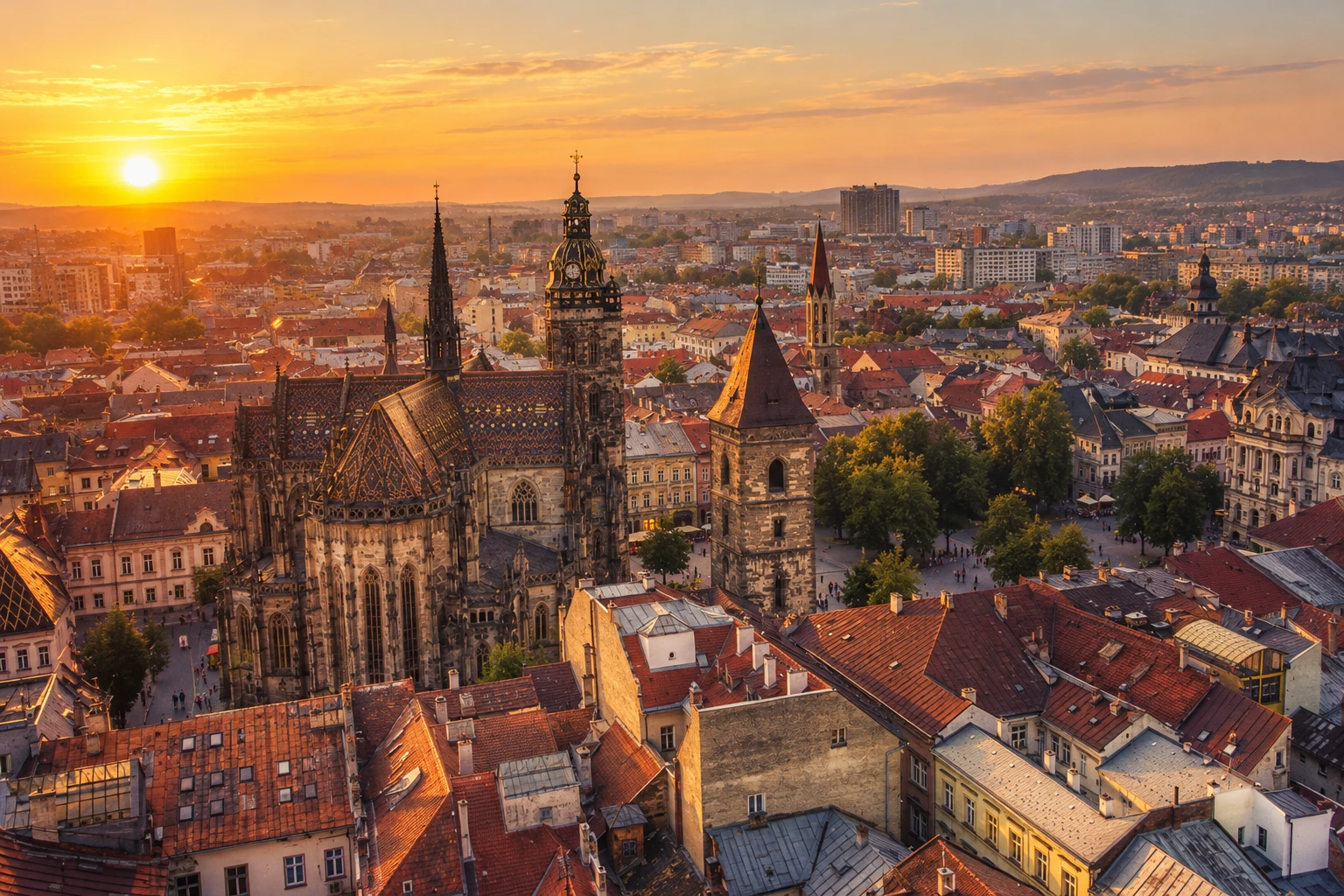
The second city of Slovakia: St. Elizabeth Cathedral, the easternmost of the great Gothic cathedrals in Europe, Hlavná Street with the Fountain that Sings, and a historic center protected from end to end.
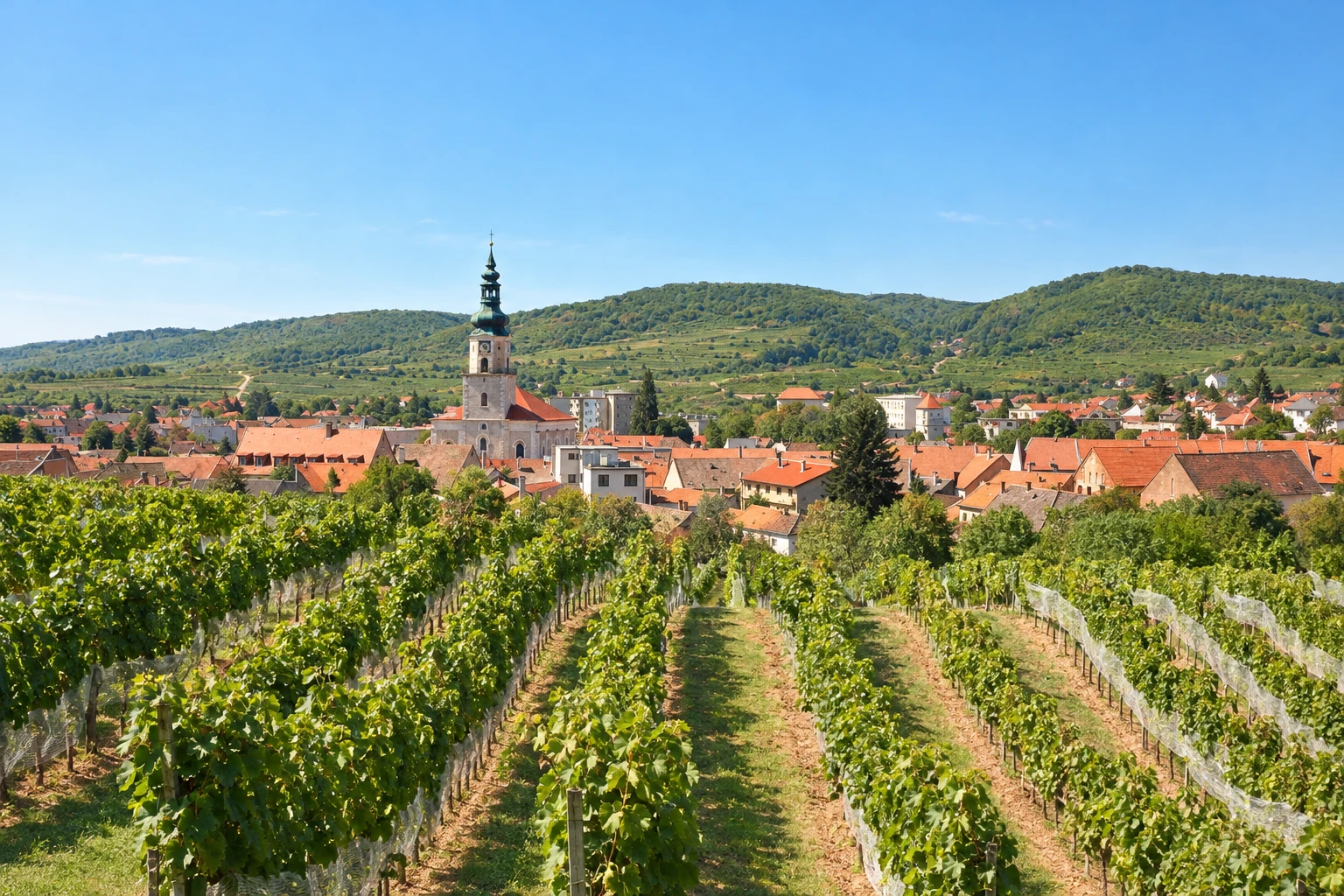
The wine route just north of Bratislava: Pezinok and its wine museum, pottery and the memory of Ľudovít Štúr in Modra, and Červený Kameň Castle in the hills.
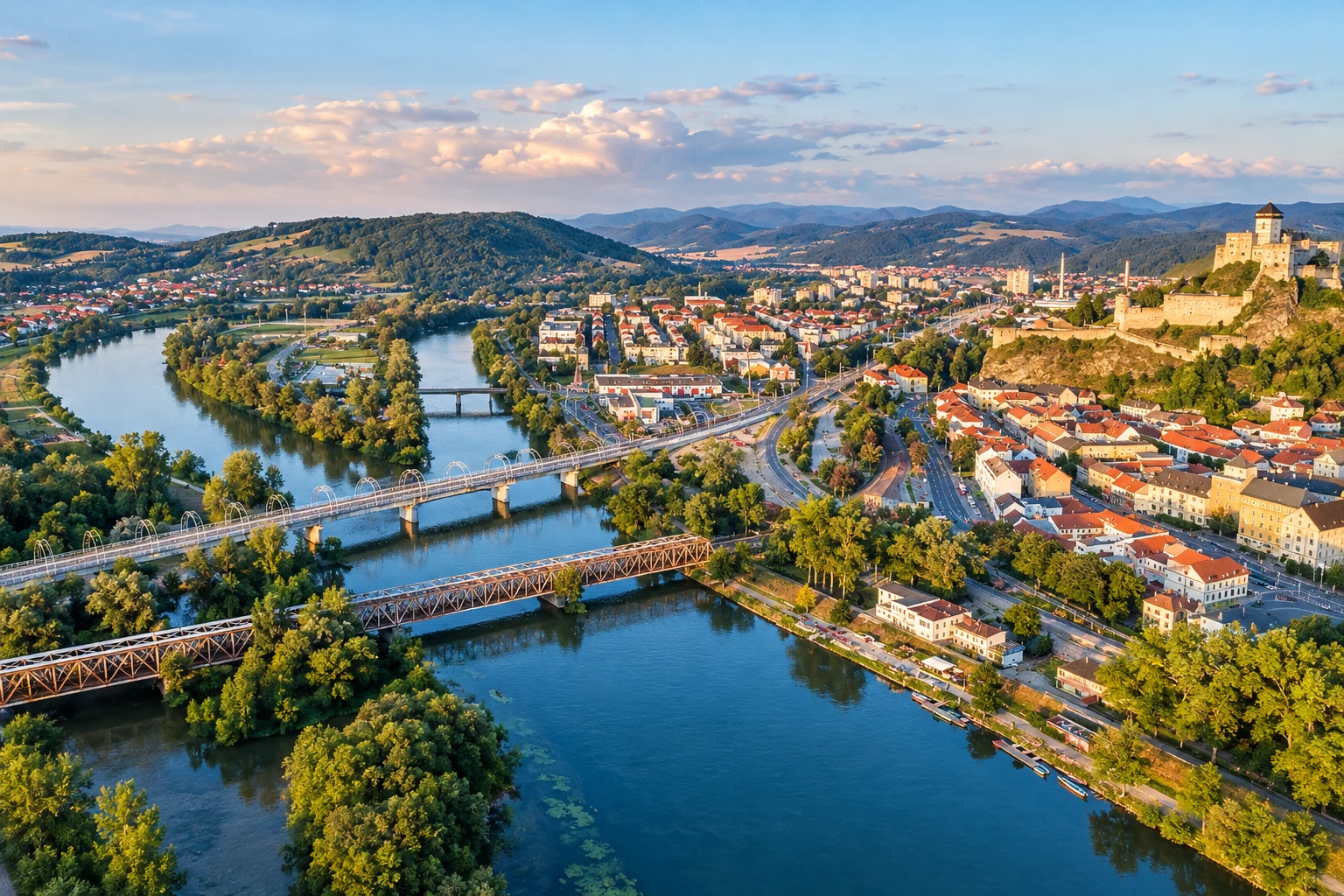
Castle above the Váh River, a Baroque square at the foot of the rock and the Roman inscription of 179, with the spa town Trenčianske Teplice a few kilometers away.
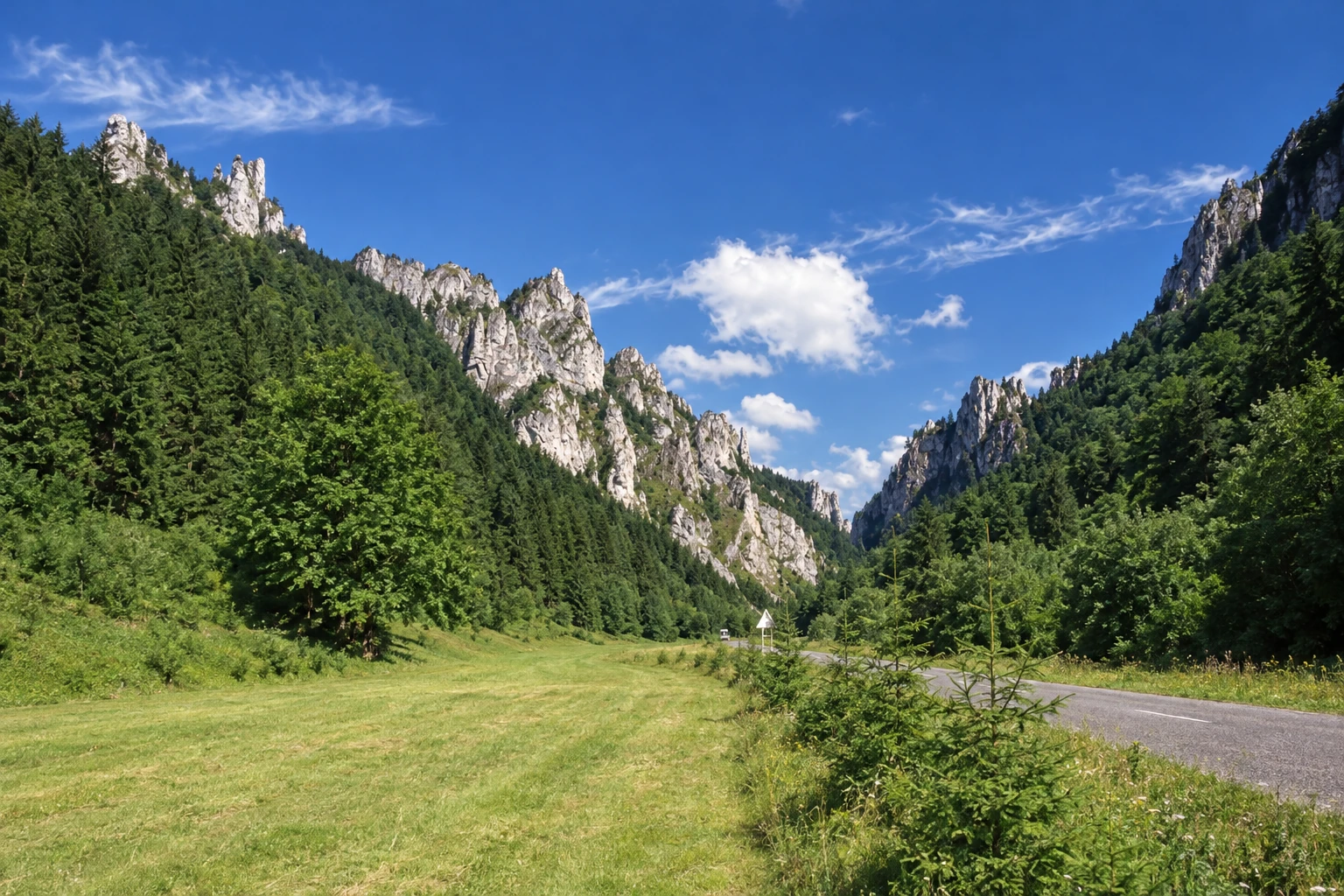
Žilina, the capital of the northwest, and the Malá Fatra mountains: the Vrátna valley, the Jánošíkove diery gorges, Rozsutec and Strečno Castle above the Váh.
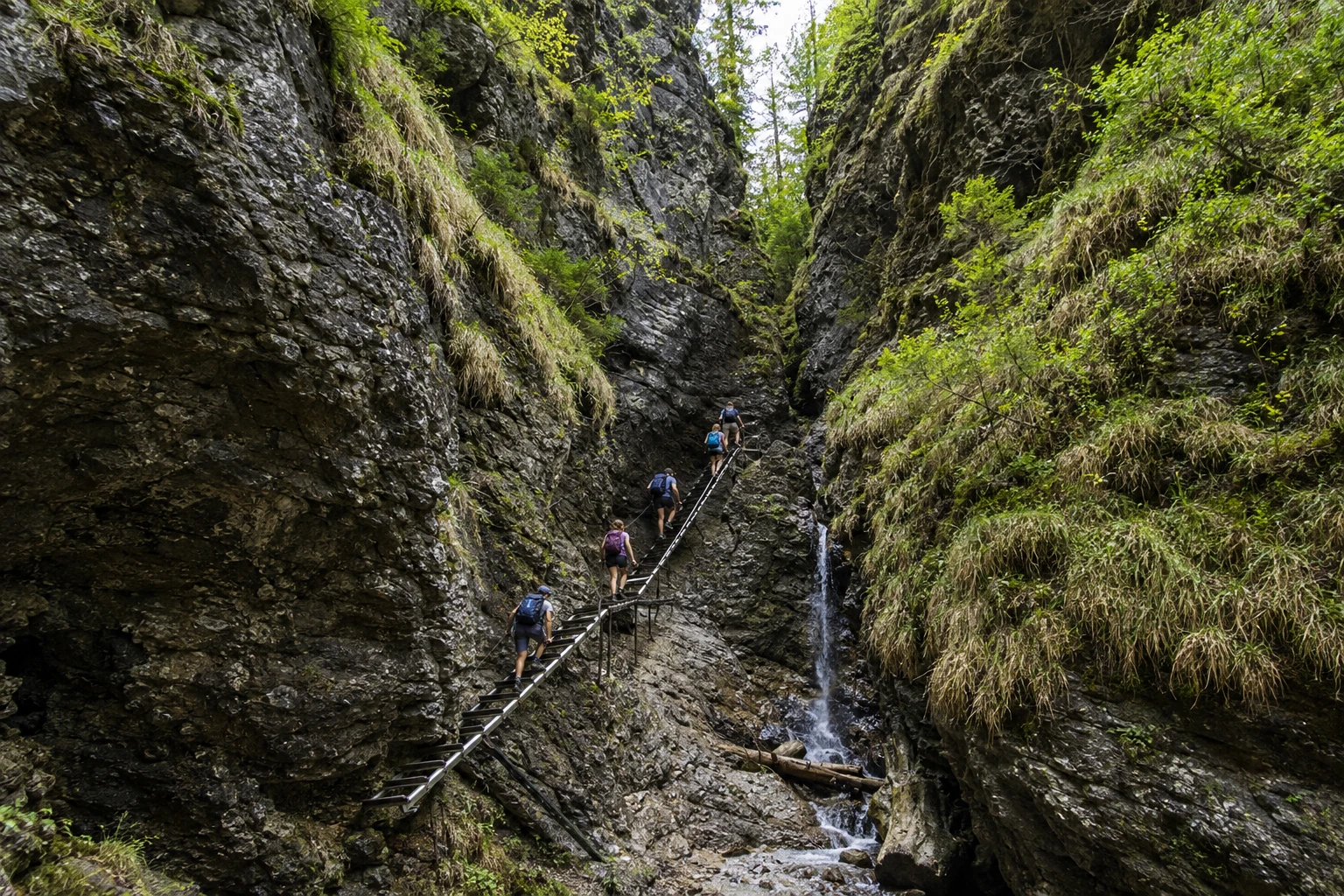
National park of limestone gorges crossed by ladders, chains and walkways, featuring the Hornád canyon, viewpoints over the forest and the Dobšiná Ice Cave.
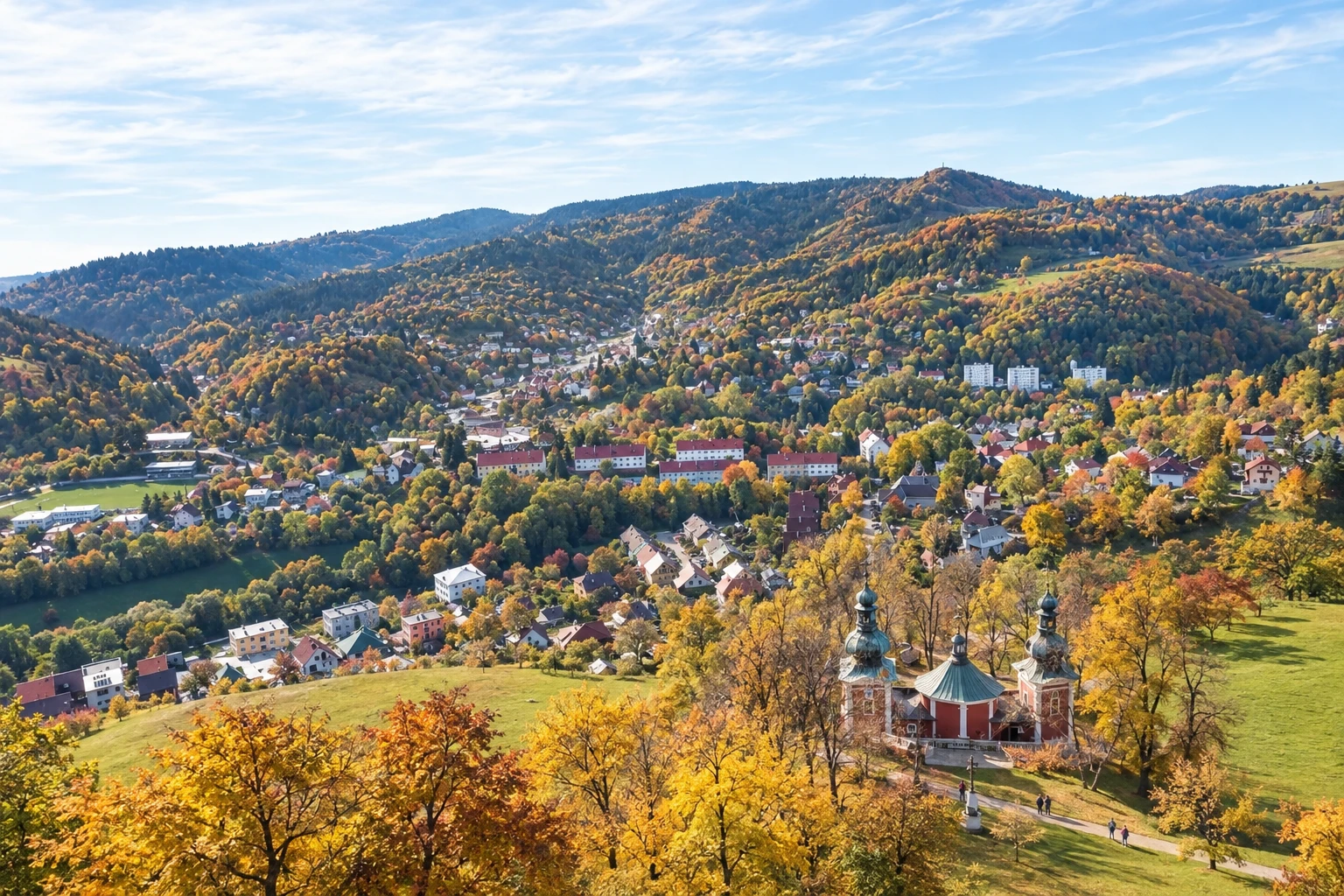
The silver town at the center of an ancient volcano: two castles facing each other, miners’ houses on the slopes, a Baroque calvary at the top of the hill and lakes built for the mines.
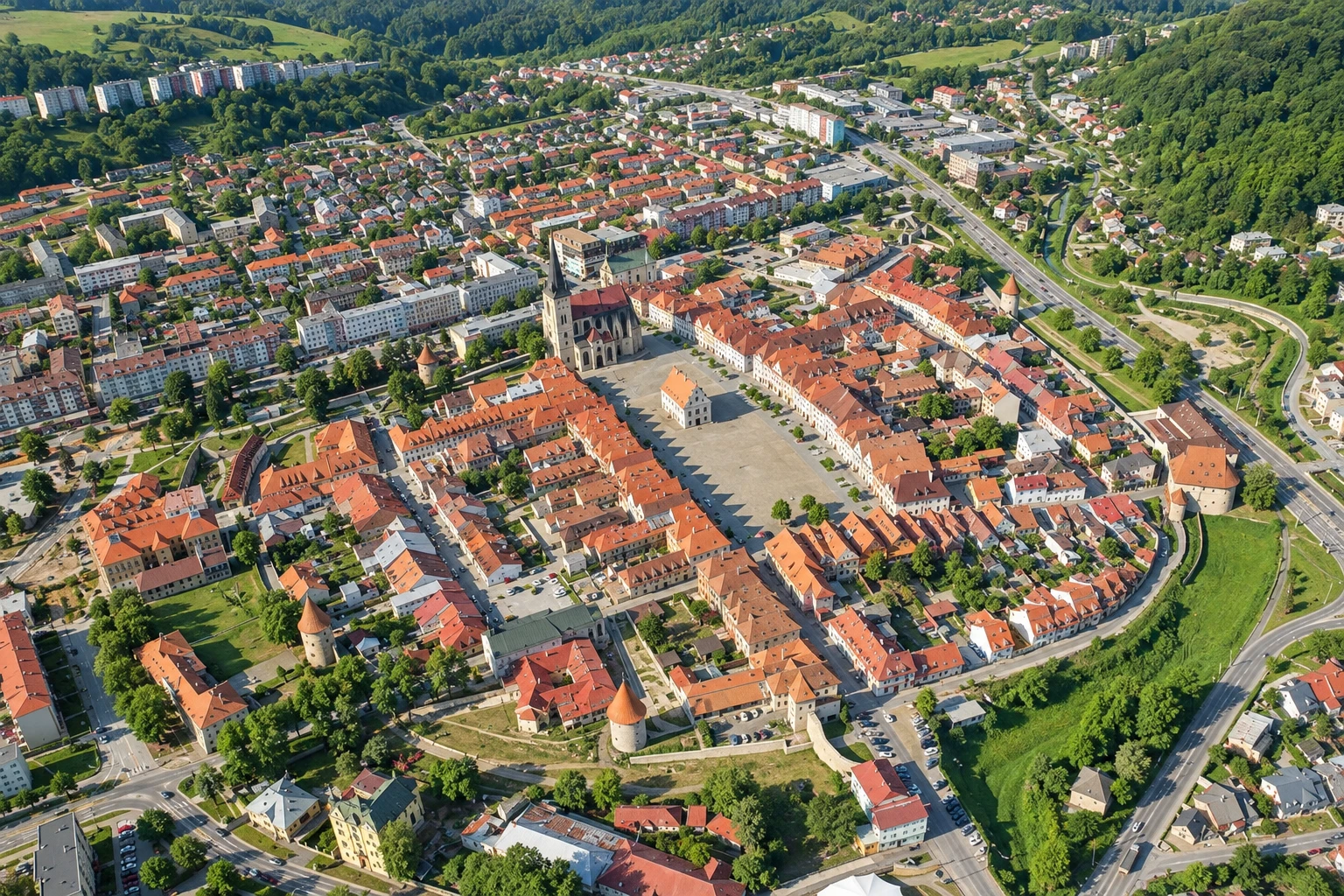
Gothic town in northeastern Slovakia, World Heritage Site: the town hall square, the Basilica of St. Giles, the Jewish suburb, the spa and the wooden churches of the Carpathians.
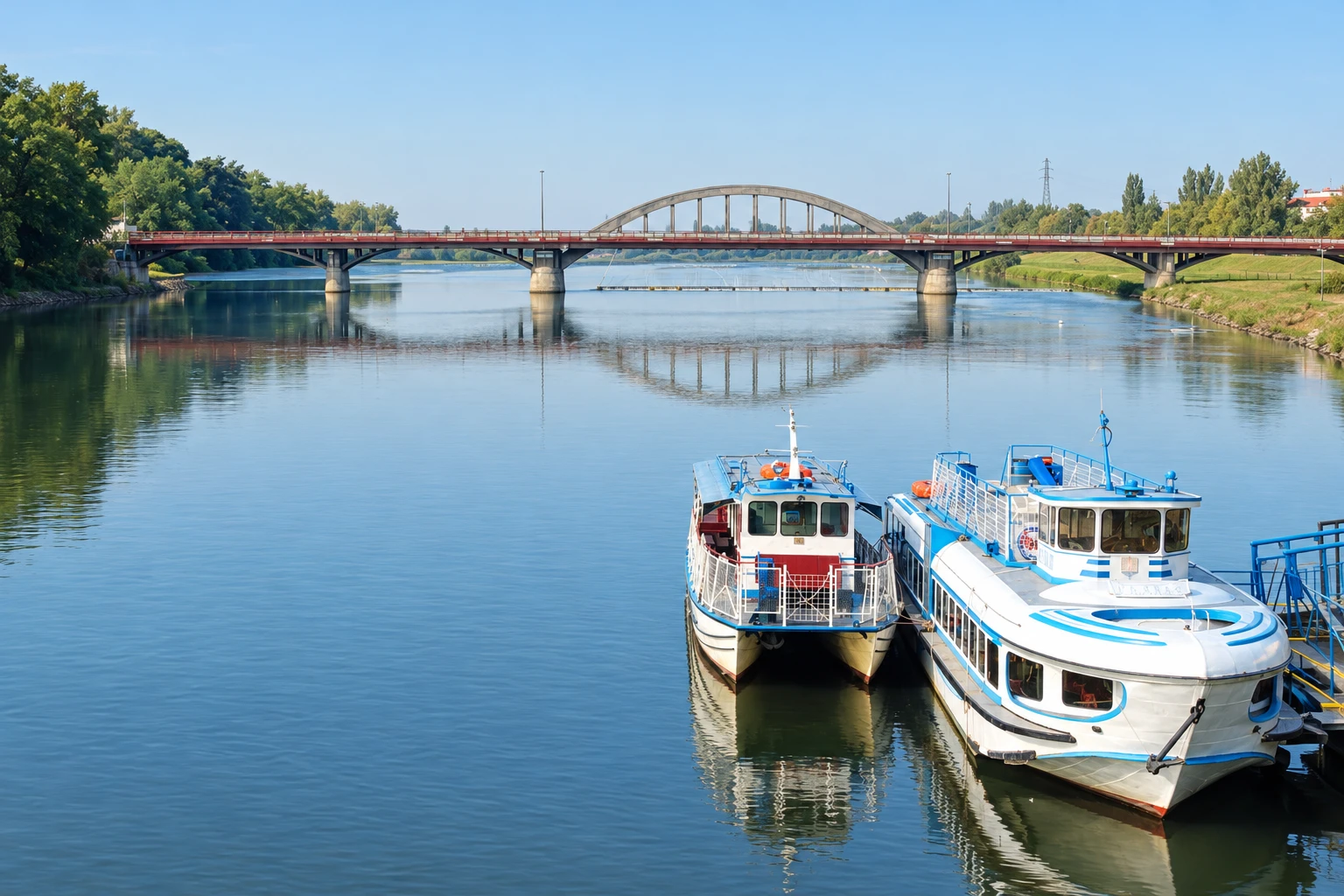
The Little Rome of churches and medieval walls and, 30 km away, Piešťany, the thermal spa on the Váh River with its covered bridge and the Spa Island.
Cities to start with
Each city has a page with what to do there.
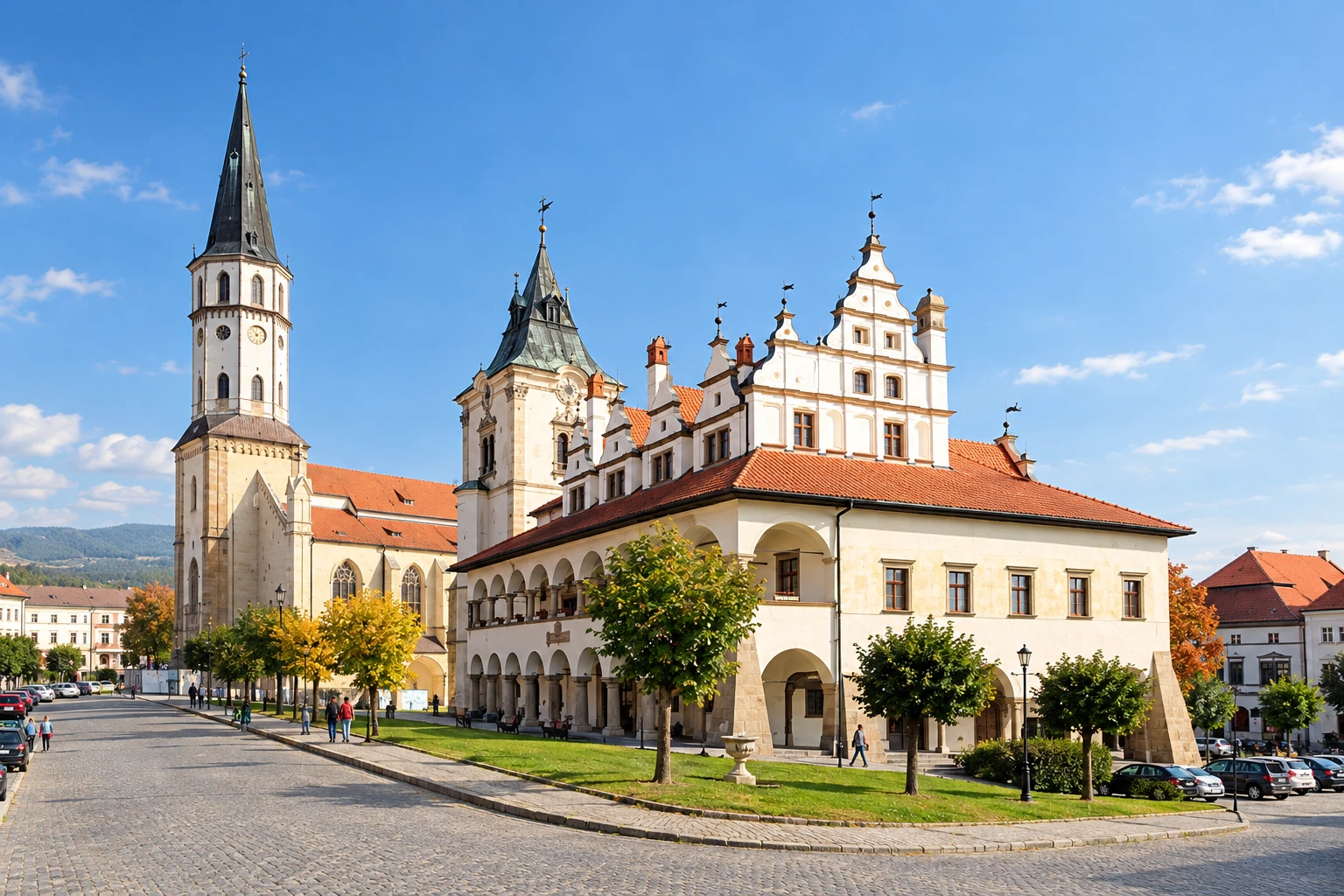
Former capital of Spiš, with a walled center and a rectangular square of Gothic and Renaissance houses. In its middle stand the Basilica of St. James, which houses the large carved altar by Master Paul, and the Old Town Hall with arcades. On the hill to the north, the Mariánska hora basilica hosts the country’s largest pilgrimage in July.
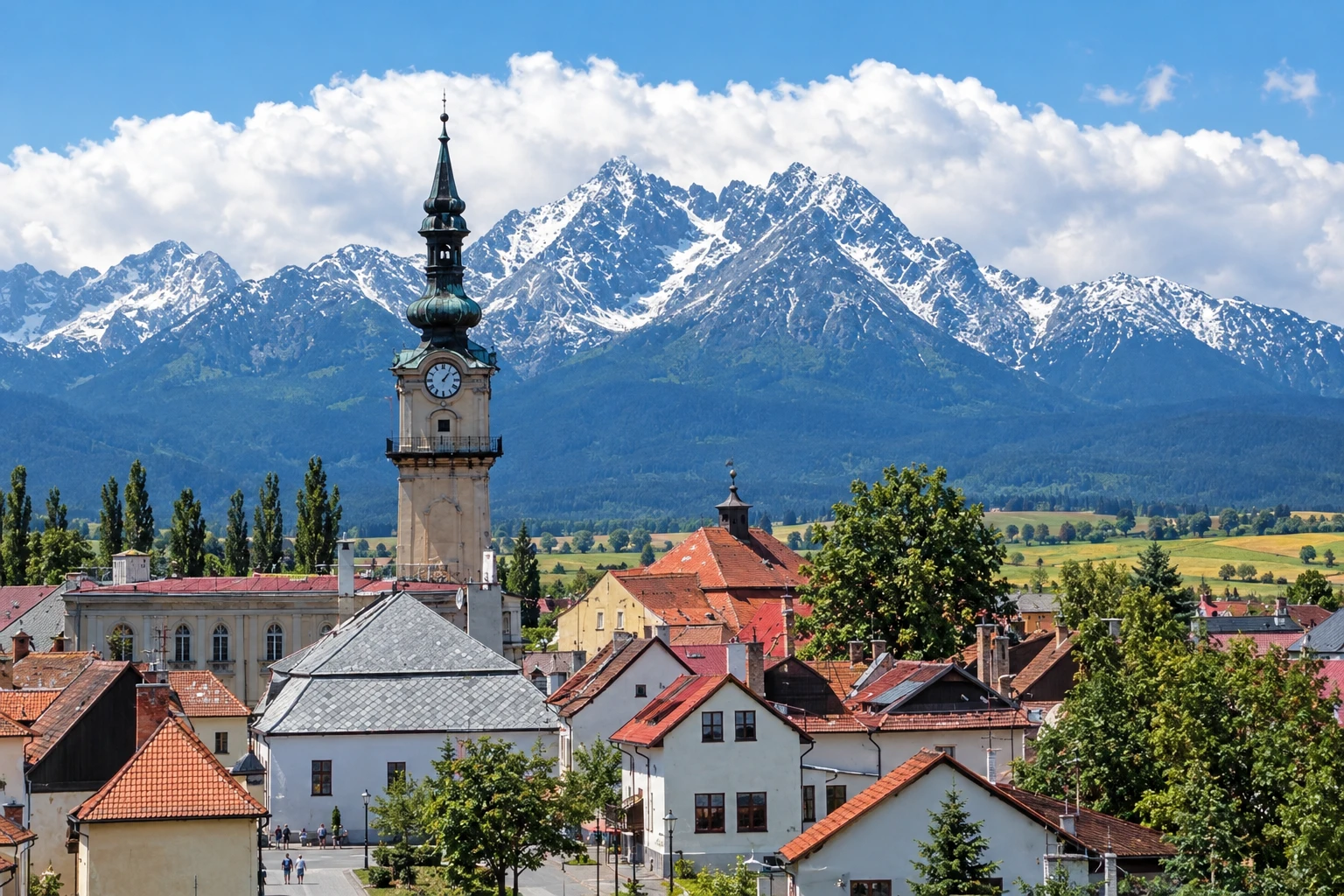
Former free royal town of Spiš, at the foot of the High Tatras, with a historic centre of merchant houses, a Renaissance castle housing the town museum and the Wooden Articular Church, Lutheran, from 1717, a UNESCO World Heritage Site. In July, it hosts a European folk craft festival.
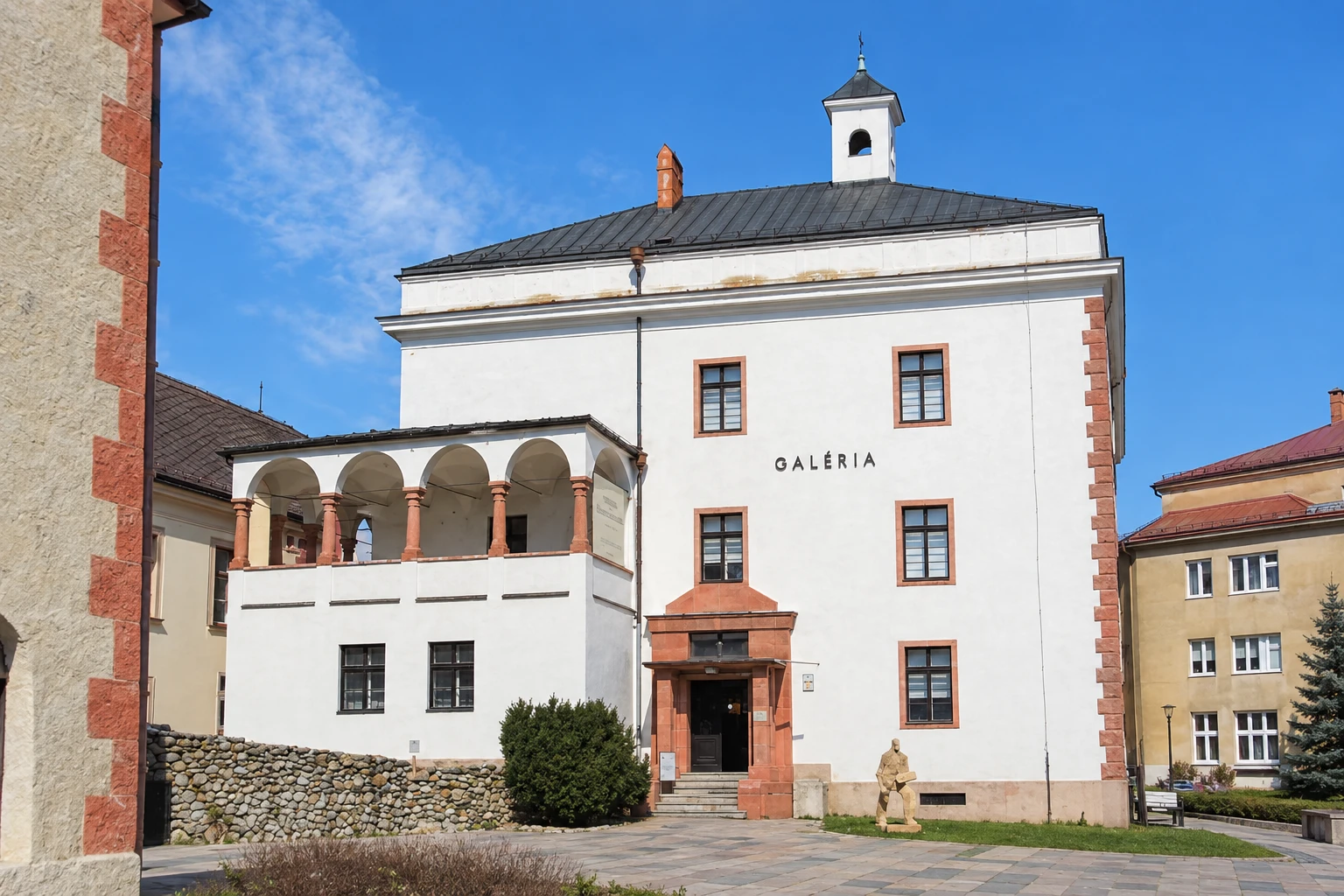
Capital of the Banská Bystrica region, in the Hron valley, enriched by copper and silver mining. The SNP square has the leaning clock tower from 1552 and merchant houses; beside it stands the town castle with churches and Matej’s house. A memorial museum tells the story of the 1944 antifascist uprising. To the north lies the mining village of Špania Dolina.
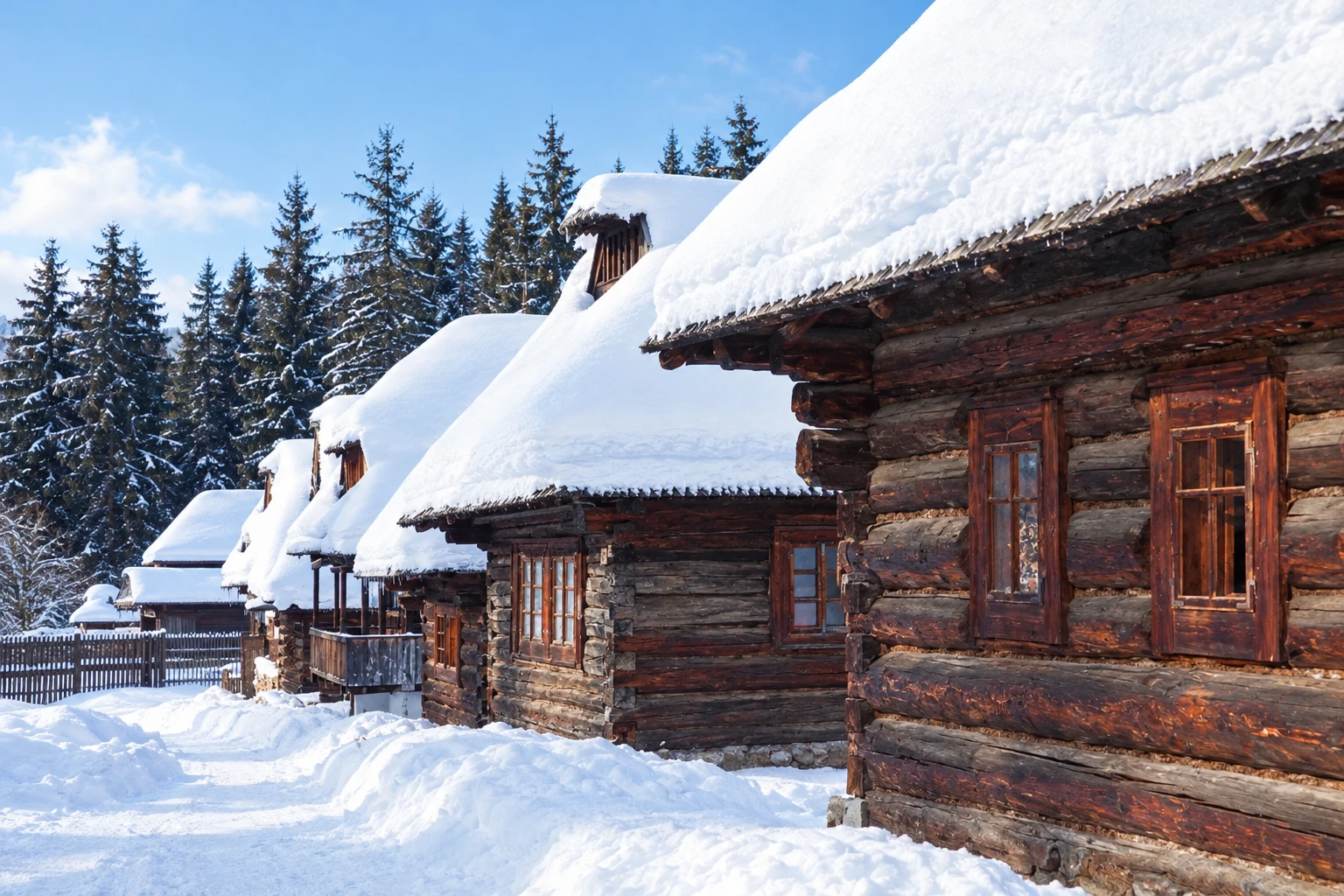
A village of about 2,000 inhabitants in the eastern Orava region, at the foot of the Roháče, the local name for the Western Tatras on this side. Nearby is the Orava Village Museum in Brestová, and the road continues to Zverovka, the starting point for hikes to the Roháče lakes and ridges. In winter, the slopes of Spálená and Zverovka have ski runs.
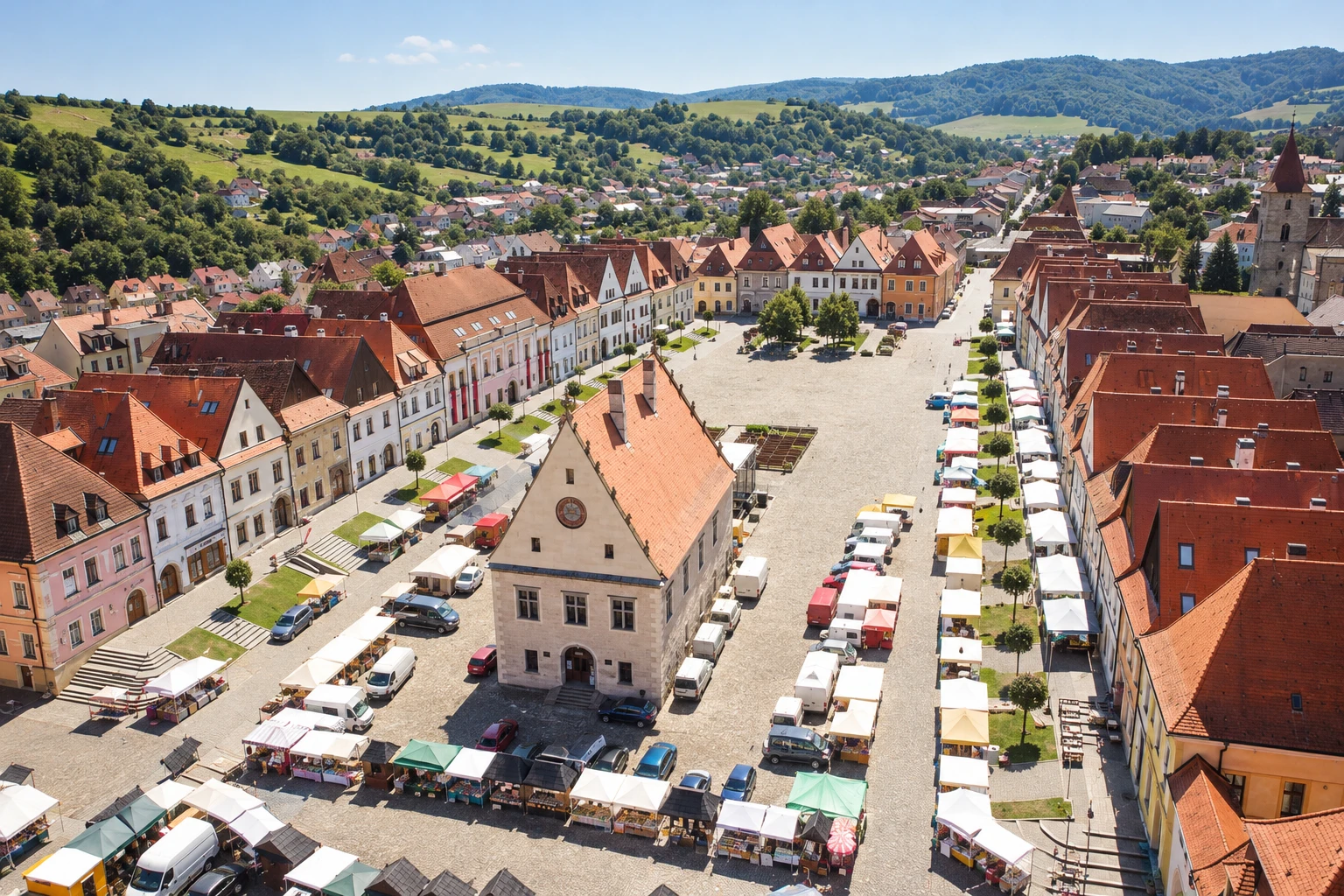
Town in the Šariš region, in northeastern Slovakia, with one of the best-preserved medieval centres in Central Europe. Radničné námestie features burgher houses with tall gables, the old town hall, now a museum, and the Gothic Basilica of St. Giles. The walls surround the centre, and the Jewish suburb lies just outside them. The spa of Bardejovské Kúpele is to the north, and the wooden church of Hervartov to the south.
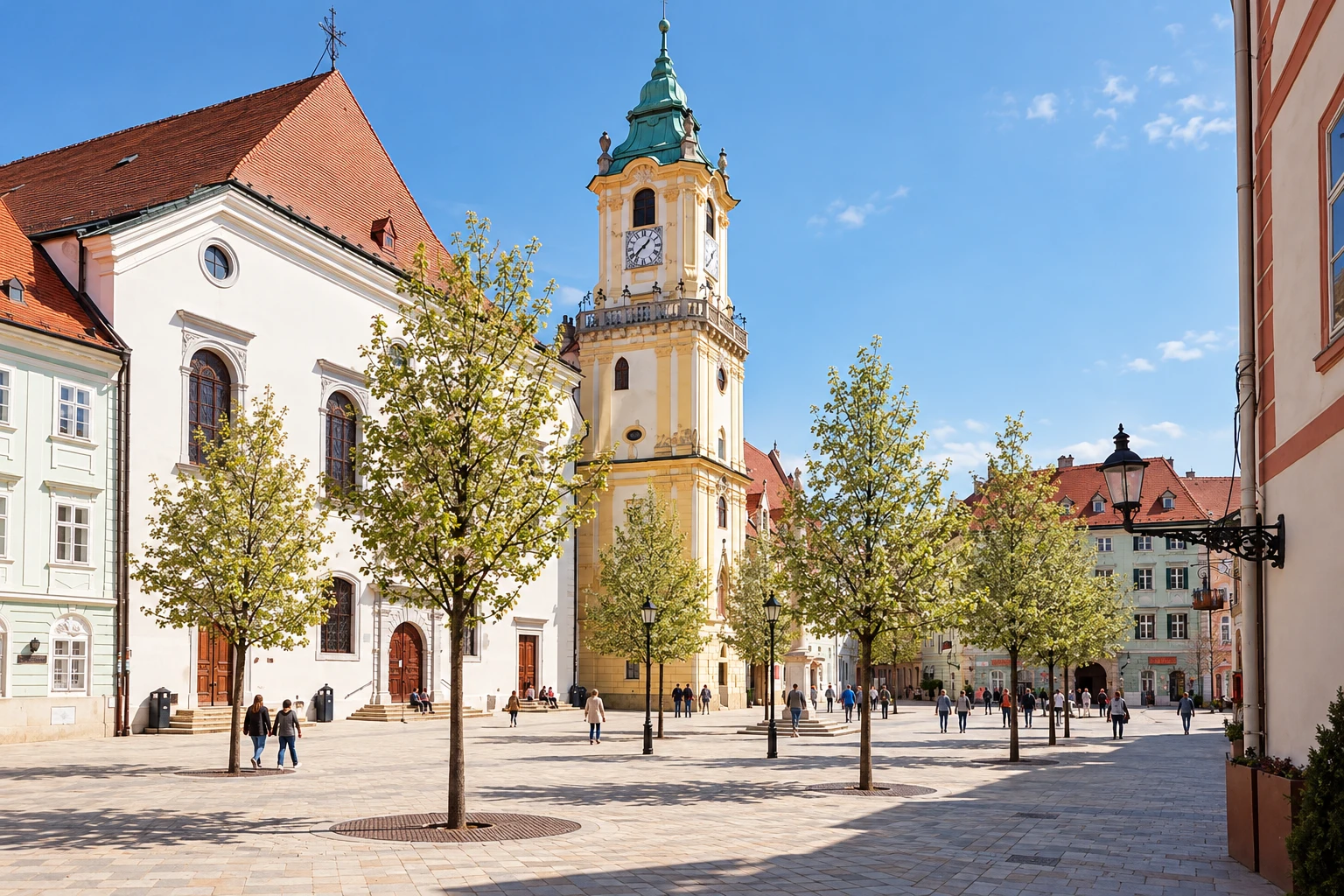
Capital of Slovakia on the Danube, near the borders of Austria and Hungary. The historic center has the Main Square and Old Town Hall, St. Michael’s Gate, the Primatial Palace and St. Martin’s Cathedral at the foot of the four-towered castle. Outside the old core are the Blue Church and the SNP Bridge; in the surroundings are Devín Castle and the Danubiana museum.
The map
Tap a region to see the names. Use two fingers to zoom in.
Boundaries: geoBoundaries (dados do OpenStreetMap, license ODbL). Adapted by Cidade Turismo.
Slovakia
Another way into the same trip
Choose the region and the city to find your place in the guide.
Beyond the guide


