Caracas

Distrito Capital · Venezuela Capital

Caracas

In the destination Caracas and El Ávila.

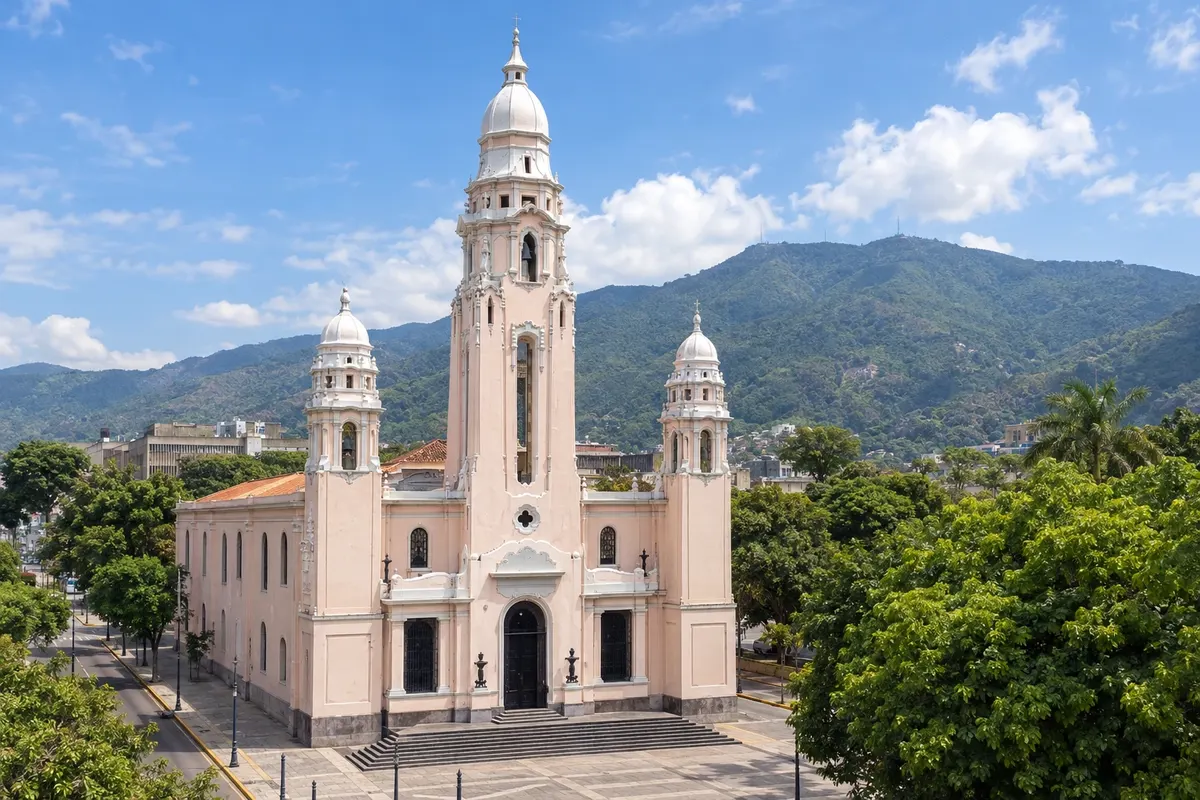
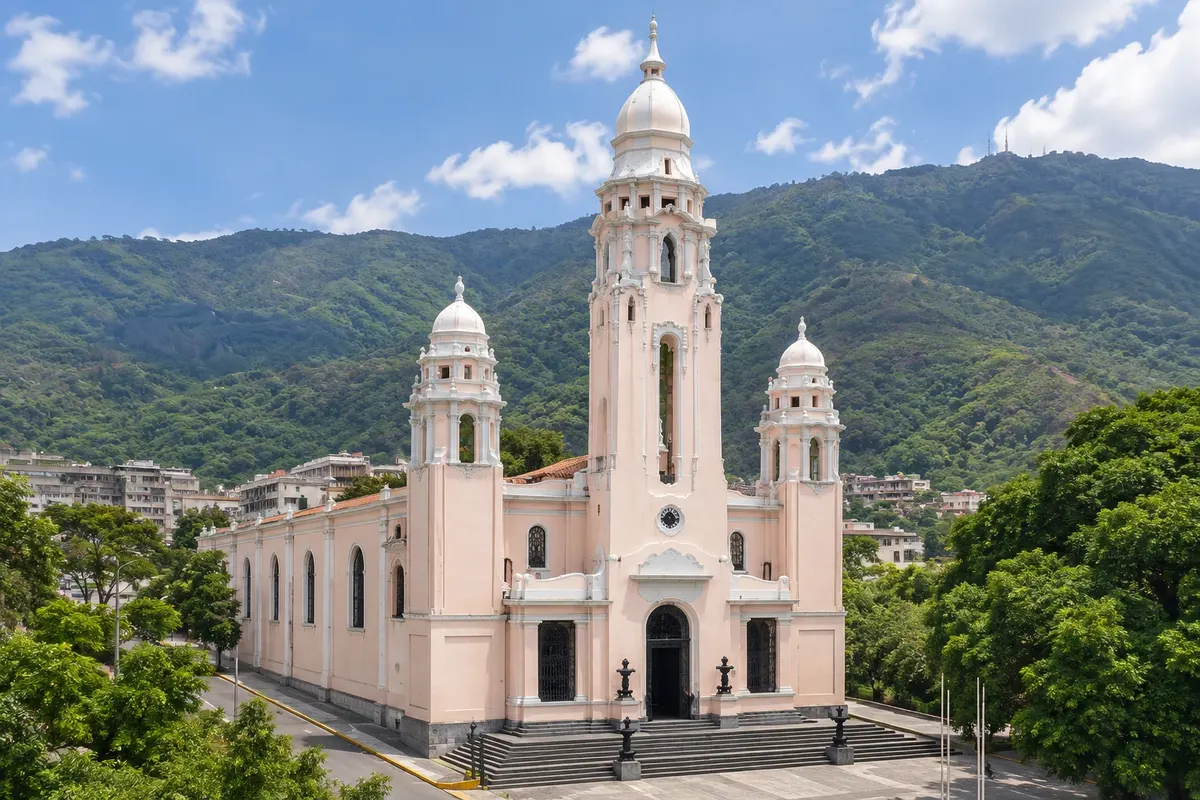
In the photo: Panteón Nacional de Venezuela

Illustrative images. The pictures in this guide are illustrations based on the real place, not photographs, and may differ from it.

Get it on Google Play Send your photos

The city

What to expect from Caracas.

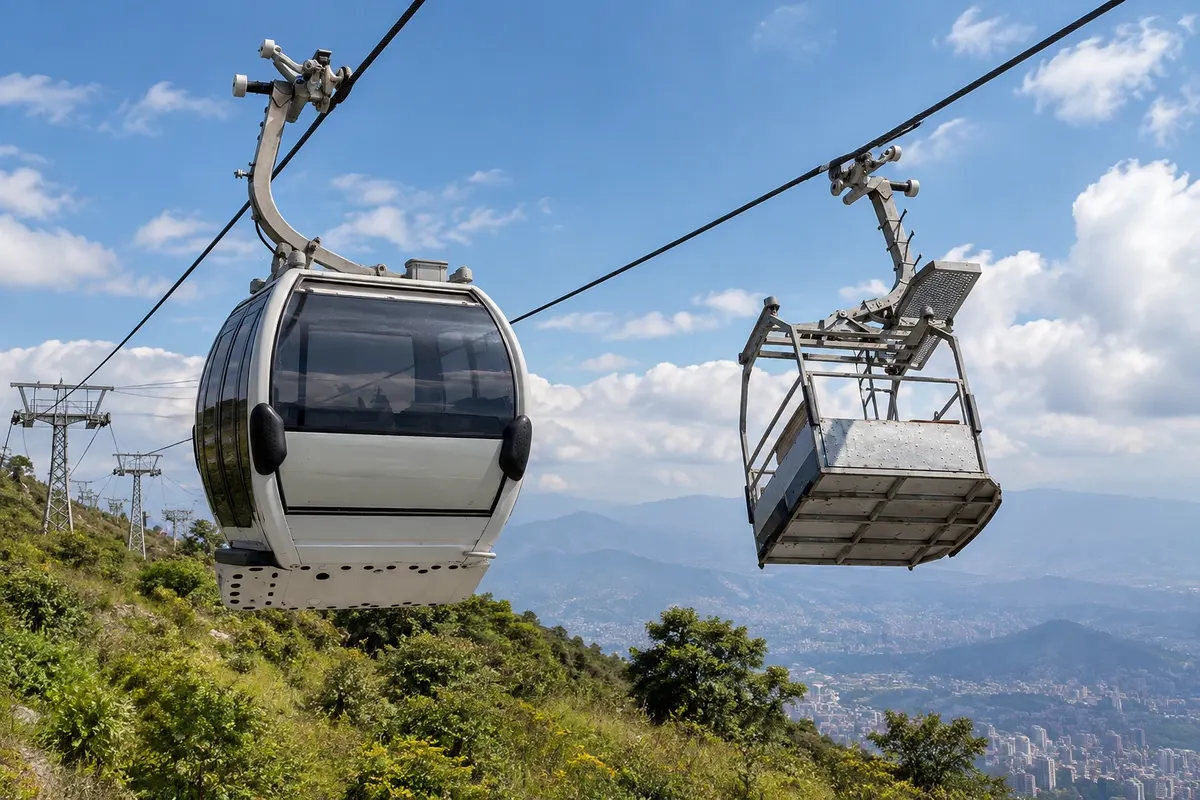
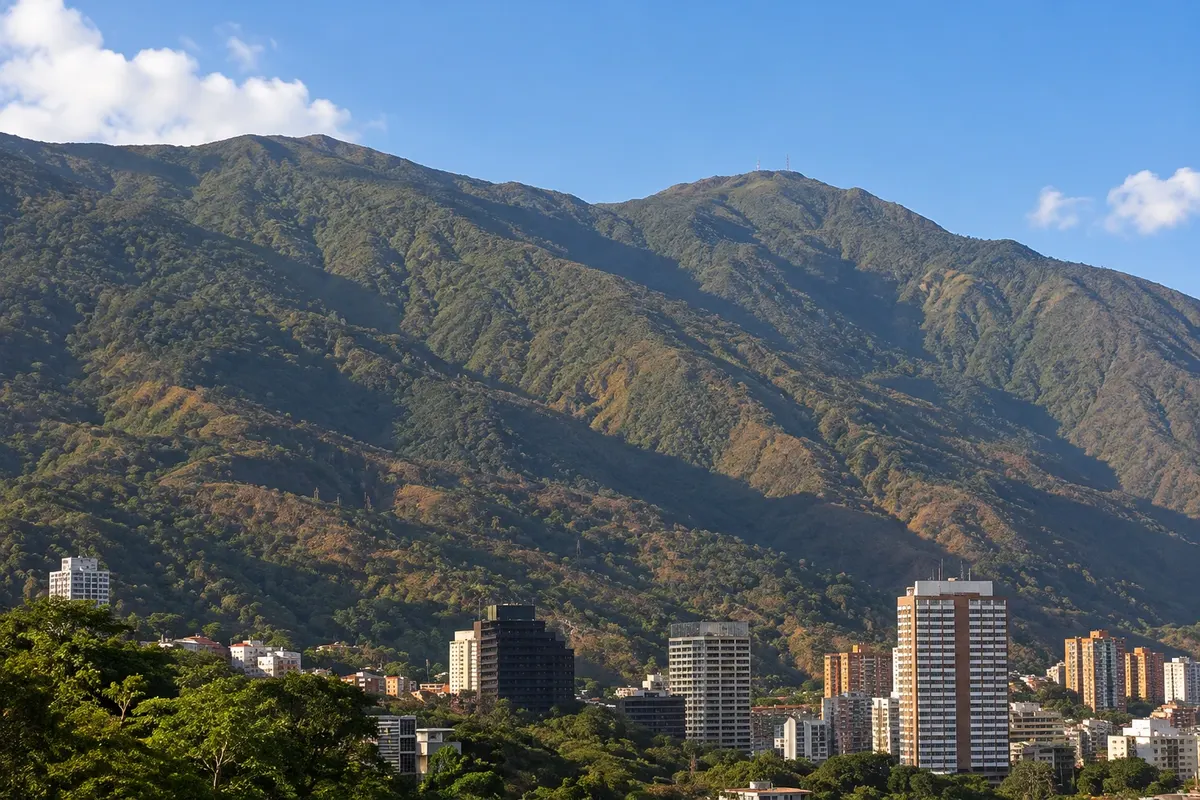
Caracas, the capital of Venezuela, stretches across a valley about 900 meters high at the foot of the Ávila mountain. The colonial center revolves around Plaza Bolívar, with the Cathedral, the Libertador’s Birthplace and the Panteón Nacional. To the east are the Ciudad Universitaria de Villanueva, a World Heritage Site, the Plaza de los Museos and the neighborhoods of hotels and restaurants. The Warairarepano cable car climbs to the top of the Ávila, over 2,000 meters high.

Share: WhatsApp

Where to stay

There's no accommodation in the guide yet in Caracas.

Where to eat

There are no restaurants in the guide yet in Caracas.

Know a good one? Recommend it to us

Your trip

how to get there · how many days · itinerary · questions

The local experience

What to see in Caracas

Plaza Bolívar de Caracas
Plaza

Plaza Bolívar de Caracas

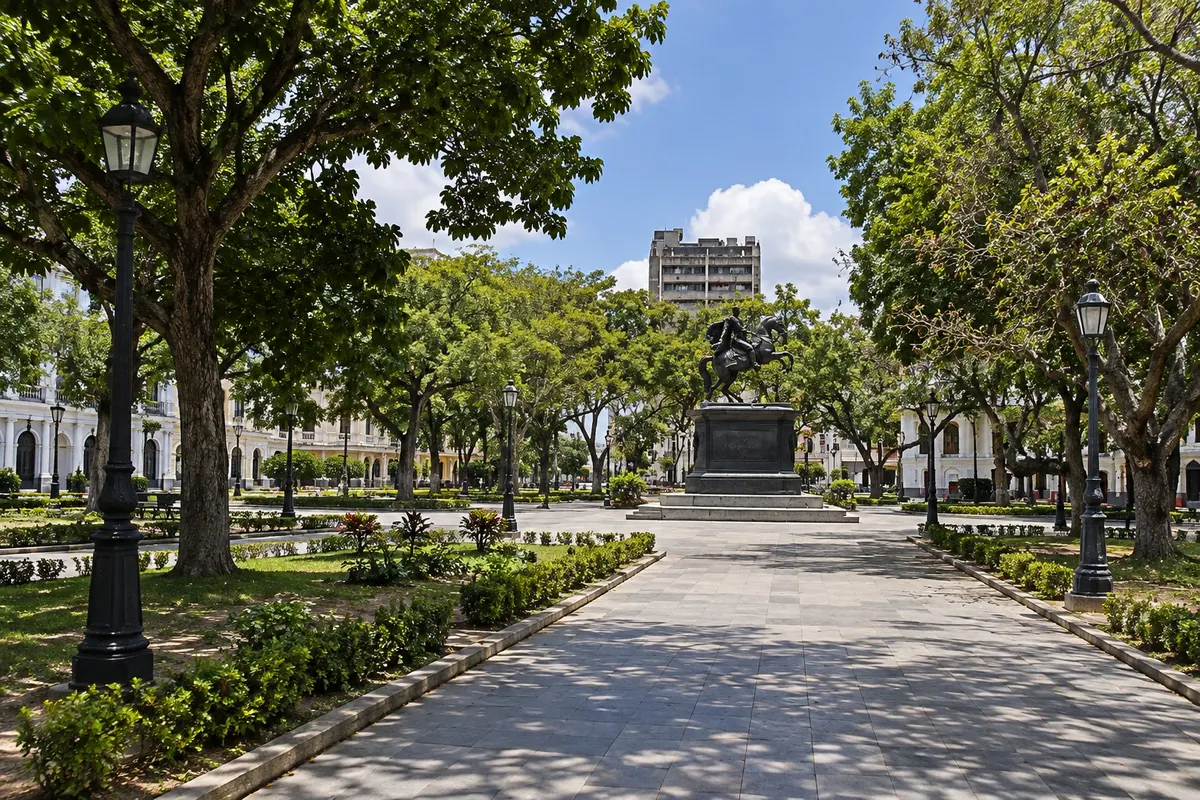
The main square of Caracas since its founding in 1567, featuring Bolívar's equestrian statue from 1874 and the Cathedral, where the Liberator's parents and wife are buried. Around it are the Capilla de Santa Rosa de Lima and the Palacio Municipal.

Casa Natal del Libertador
Museum

Casa Natal del Libertador

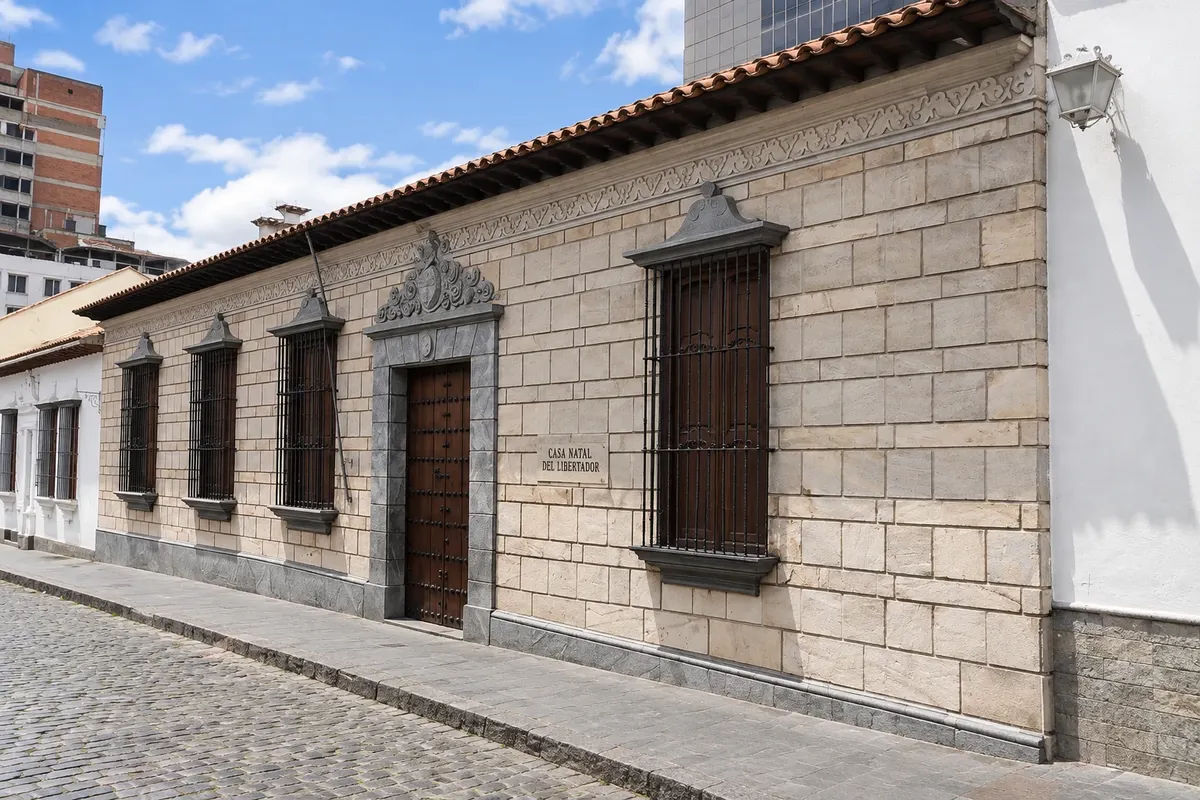
The colonial house where Simón Bolívar was born on July 24, 1783, between the intersections of San Jacinto and Traposos. The courtyards and rooms have murals by Tito Salas depicting the life of the Liberator and family objects.

Panteón Nacional de Venezuela
Monument

Panteón Nacional de Venezuela

The former church of the Santísima Trinidad, converted into a pantheon in 1874, houses Simón Bolívar's bronze sarcophagus in the central nave, a ceiling painted with scenes from his life, and the tombs and cenotaphs of other figures in Venezuelan history.

Teleférico Warairarepano
Cable car

Teleférico Warairarepano

The cable car that rises from the Maripérez neighborhood to the top of the Ávila, over 2,000 meters high, with views of the Caracas valley on one side and the Caribbean Sea on the other. At the top are viewpoints, the Hotel Humboldt and the path to the village of Galipán.

See 3 more places in Caracas
Parque Nacional Waraira Repano (El Ávila)
National park

Parque Nacional Waraira Repano (El Ávila)

The green mountain range that separates Caracas from the sea, protected as a national park since 1958. Trails start at the northern edge of the city, such as the Sabas Nieves trail, and climb to peaks over 2,000 meters, like the Silla de Caracas.
Ciudad Universitaria de Caracas
Architectural heritage

Ciudad Universitaria de Caracas

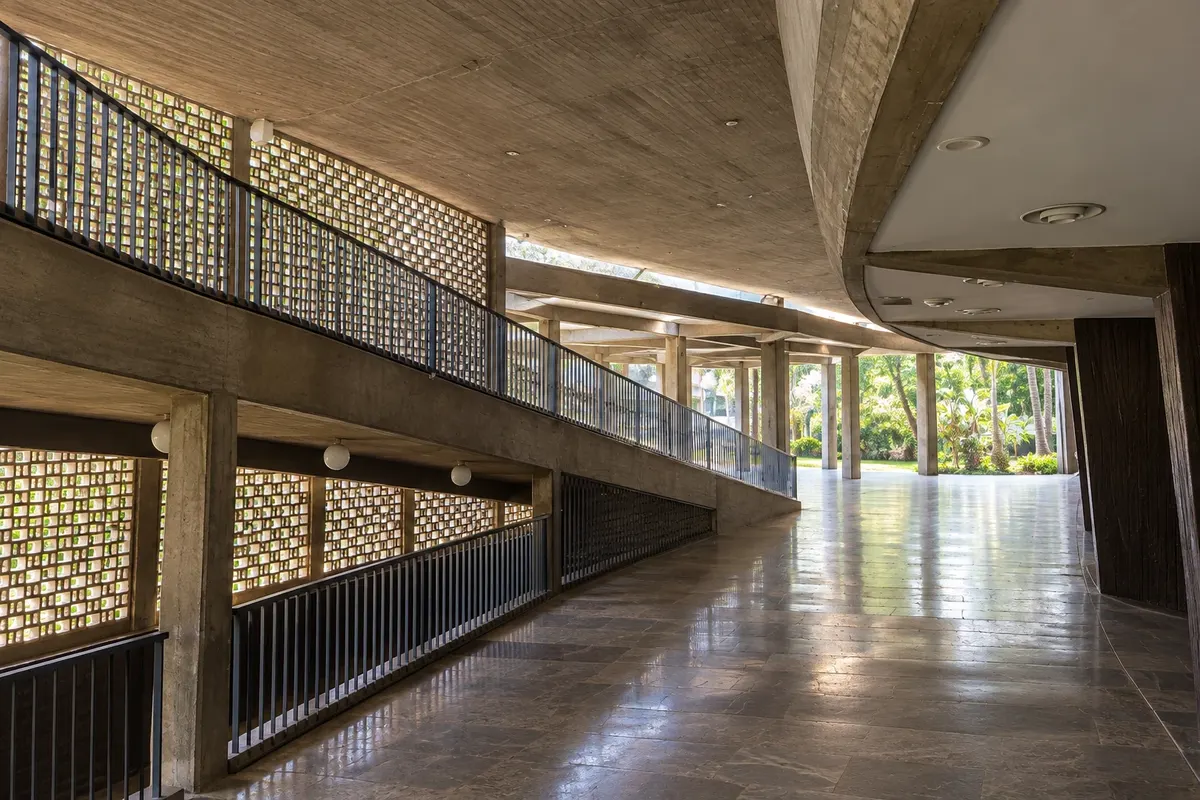
The campus of the Universidad Central de Venezuela, designed by Carlos Raúl Villanueva and a UNESCO World Heritage Site since 2000, combines modern architecture and art: Alexander Calder's Clouds in the Aula Magna, stained glass by Fernand Léger and works by Vasarely, Arp and Pevsner.
Museo de Bellas Artes de Caracas
Museum

Museo de Bellas Artes de Caracas

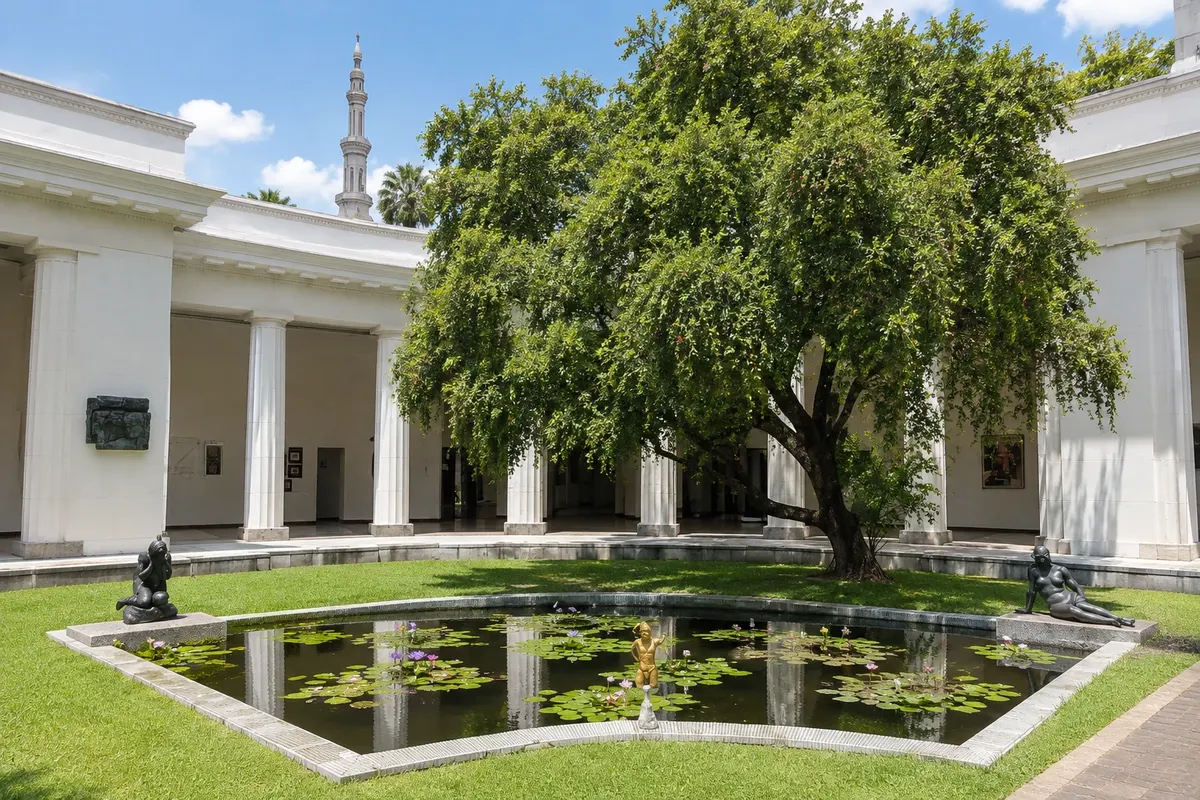
The oldest art museum in Venezuela, founded in 1917, housed in two buildings by Carlos Raúl Villanueva in the Plaza de los Museos, in Los Caobos park: ancient Egyptian art, ceramics, European and Latin American painting, and a sculpture garden.


Traveler, share your experiences through photos Up to 5 photos of each place you visited.
See the destination Caracas and El Ávila Find another city
Back