Caracas and El Ávila

Distrito Capital · Aragua · Venezuela

Caracas and El Ávila

The capital of Venezuela in a green valley at the foot of the Ávila: the historic Bolívar center, the Ciudad Universitaria de Villanueva, the cable car up to the mountain ridge and the German village of Colonia Tovar.

Caracas e Centro

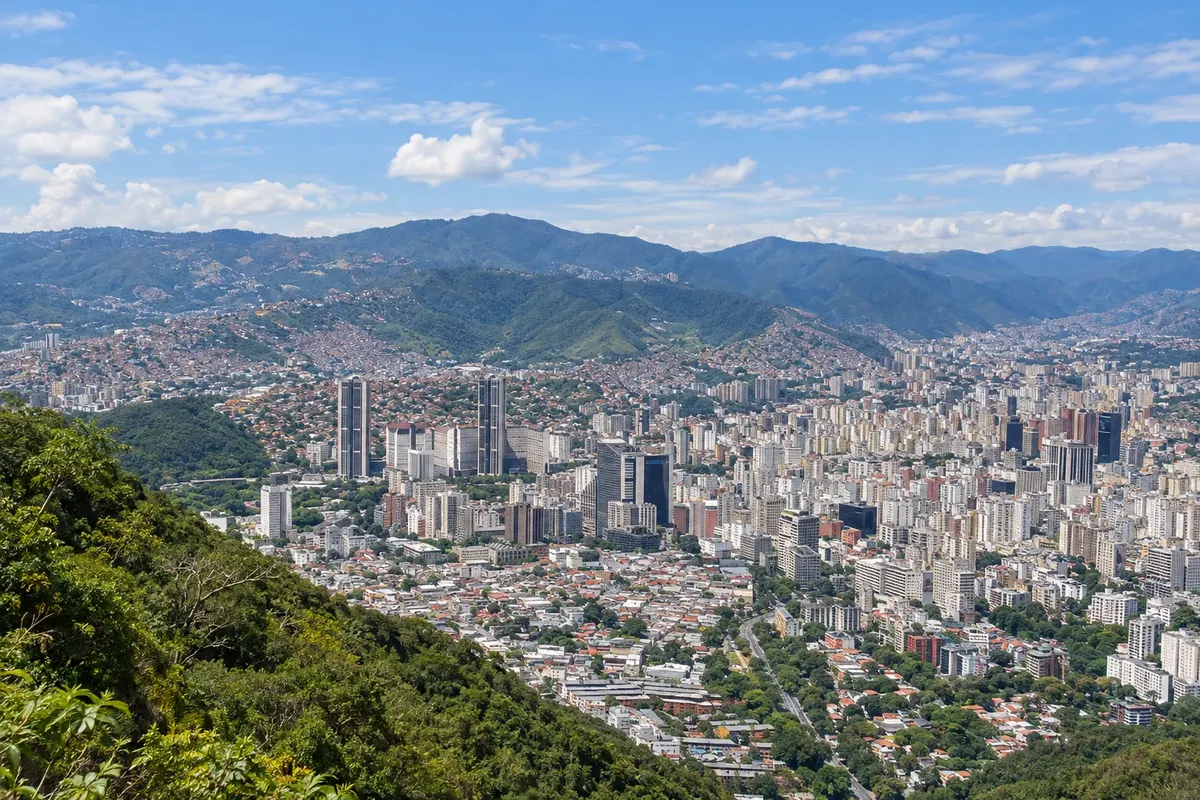
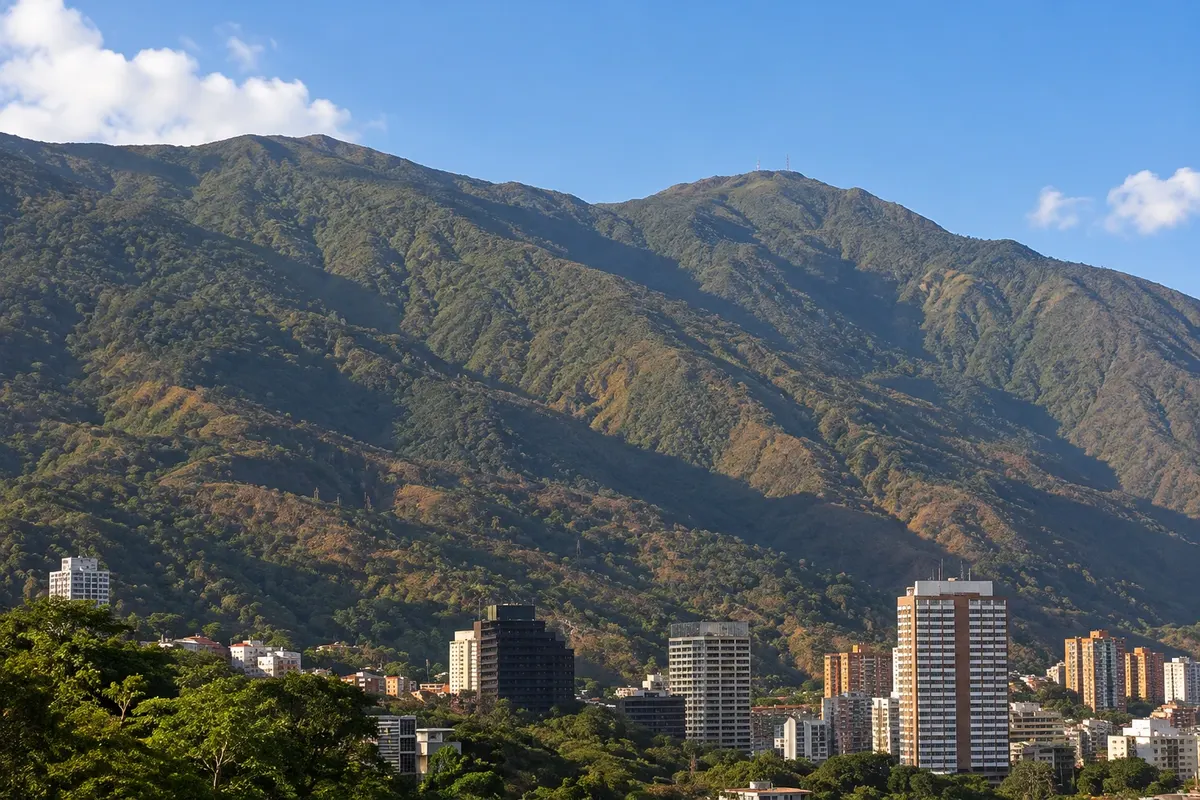
In the photo: Caracas seen from El Ávila

Illustrative images. The pictures in this guide are illustrations based on the real place, not photographs, and may differ from it.

Get it on Google Play Send your photos

Get to know the place

A region to enjoy
at your own pace.

Caracas sits in a narrow valley about 900 meters above sea level, separated from the Caribbean Sea by a single mountain range: the Ávila, which locals also call Waraira Repano. The green mountain, over 2,000 meters high, appears at the end of almost every street and gives the city a springlike climate year-round, with warm days and cool nights. Founded in 1567 by Diego de Losada as Santiago de León de Caracas, the city grew from the colonial grid around Plaza Bolívar until it filled the whole valley from east to west.

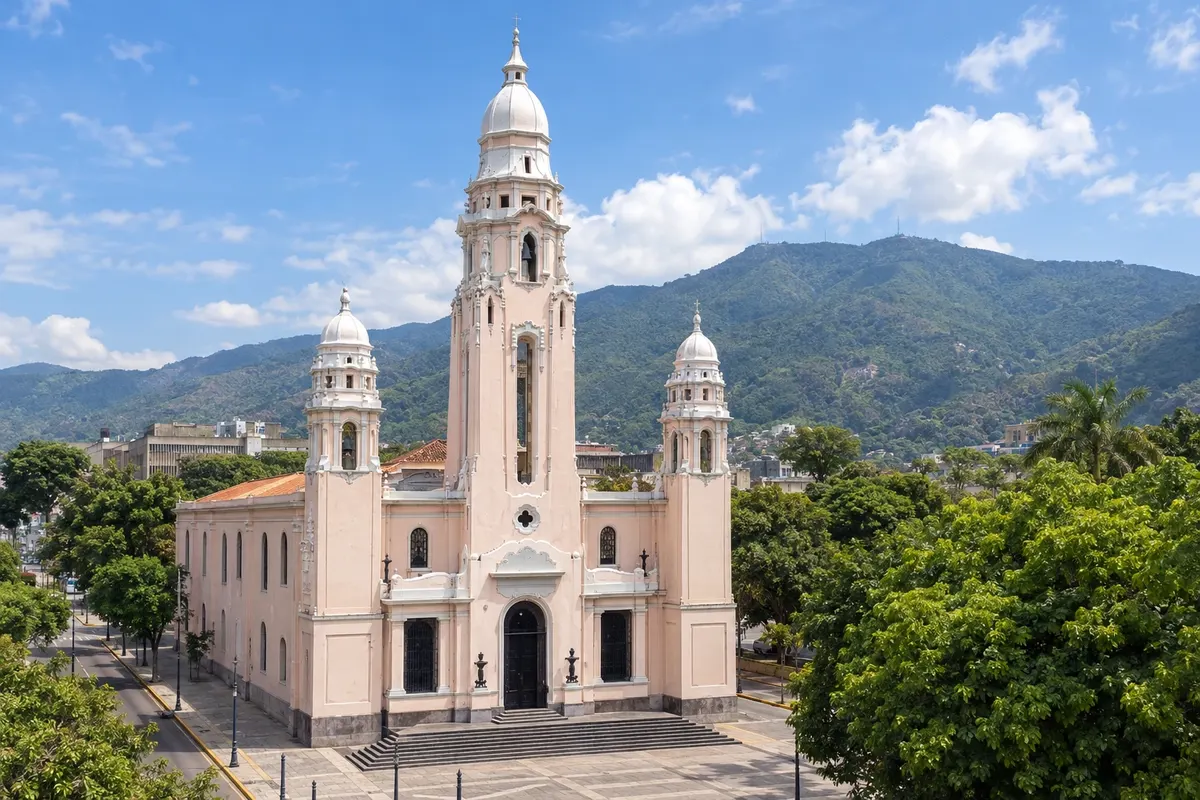
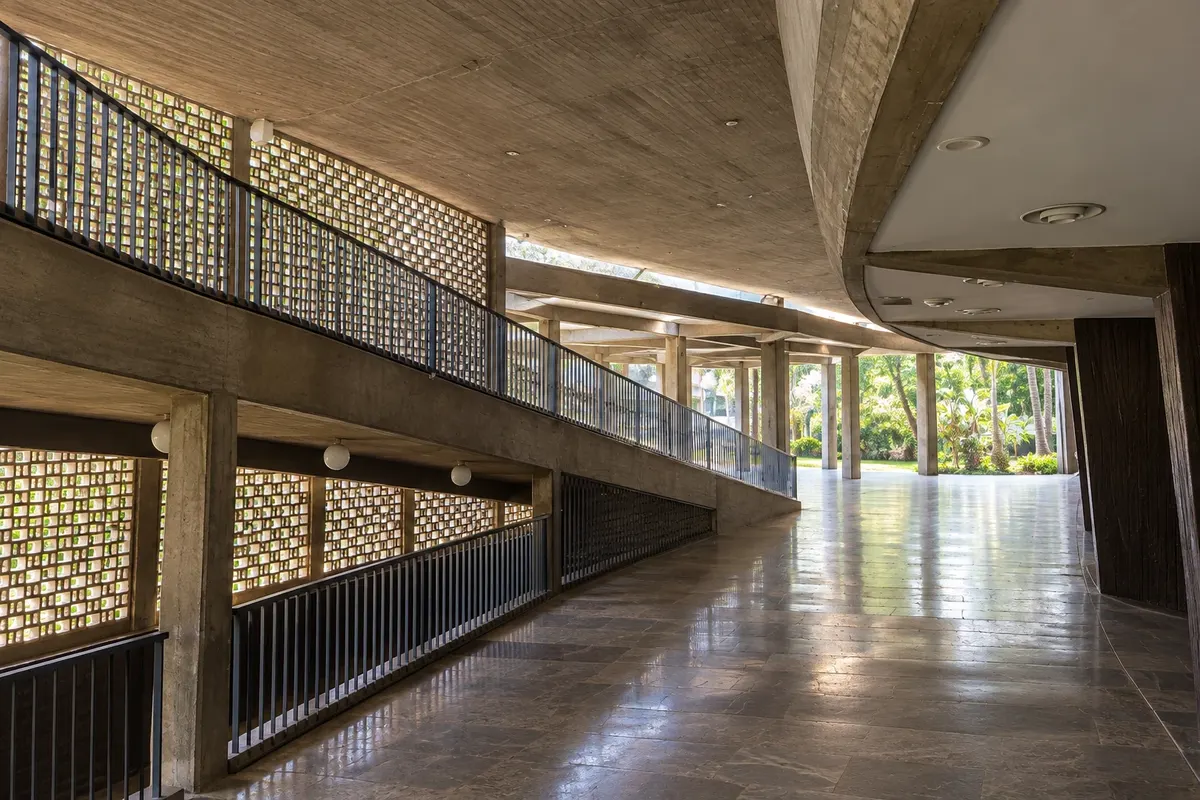
The historic center preserves the story of independence: Plaza Bolívar with the Liberator’s equestrian statue and the Cathedral, the house where Simón Bolívar was born in 1783, and the Panteón Nacional, where his remains and those of other national figures lie. East of the center is 20th-century modern Caracas, with the Ciudad Universitaria, a UNESCO World Heritage Site designed by Carlos Raúl Villanueva with works by Calder, Léger and Vasarely, and the Plaza de los Museos in Los Caobos park, home to the Museo de Bellas Artes.

El Ávila is the city’s backyard. El Parque Nacional El Ávila, created in 1958, has trails that start on the northern edge of the neighborhoods, and the Warairarepano cable car rises from the Maripérez neighborhood to the ridge, over 2,000 meters high, from where you can see the valley on one side and the sea on the other. Up there is the village of Galipán, known for its flowers, strawberries and mountain restaurants.

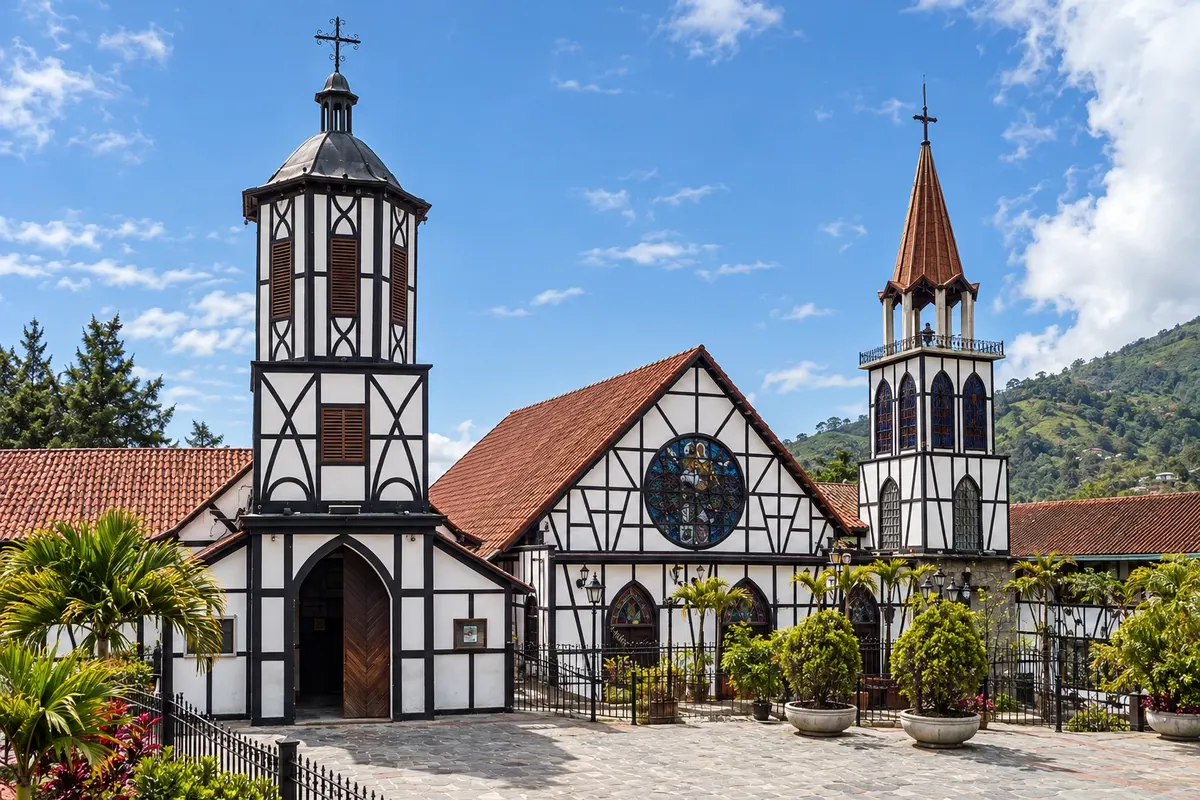
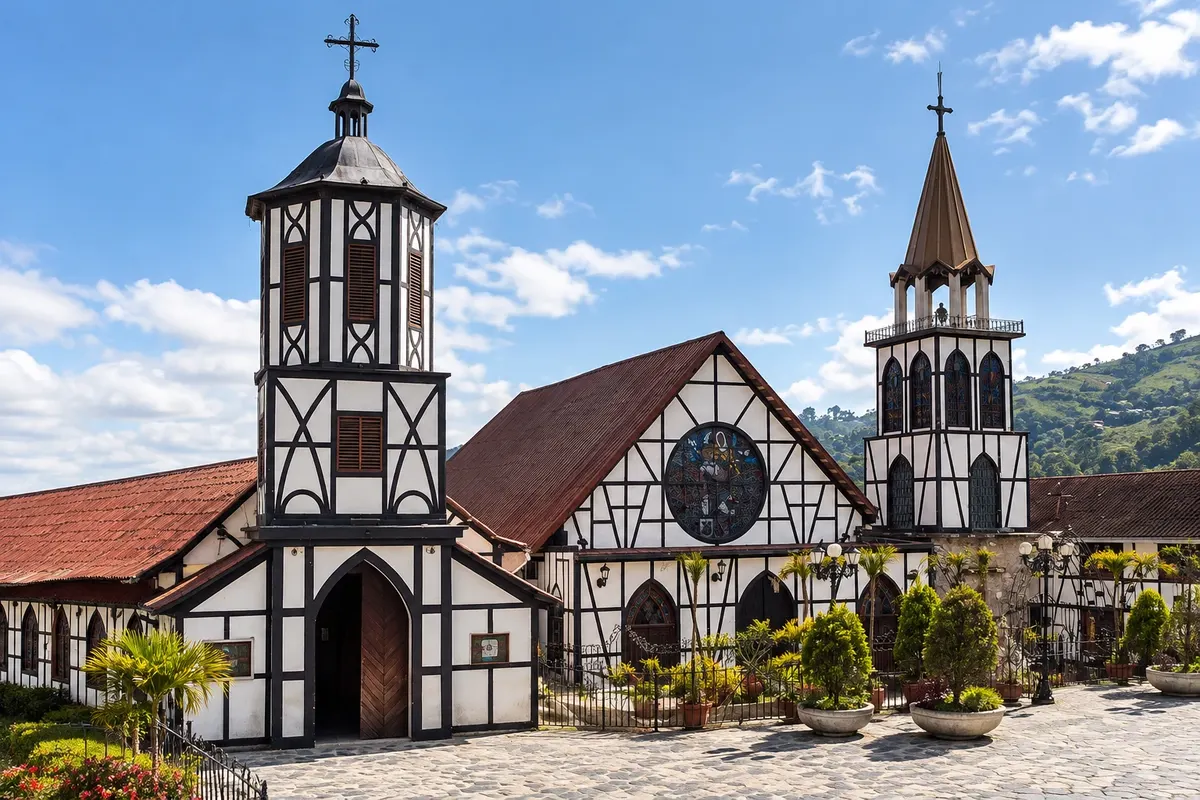
About an hour and a half by road, on the western mountainside, Colonia Tovar is a village founded in 1843 by German immigrants from the Kaiserstuhl region, with half-timbered houses, the church of San Martín de Tours, sausages, beer and strawberries with cream.

This destination brings together 2 cities: Caracas, Colonia Tovar.

Share: WhatsApp
Traveler, share your experiences through photos Up to 5 photos of each place you visited.

One destination, many paths

The cities on this trip

Start with one city or combine several in your itinerary.

Where Caracas and El Ávila is
CaracasColonia Tovar

Contornos: INE da Venezuela e OCHA, via geoBoundaries (CC BY 3.0 IGO). Adaptação do Cidade Turismo.

How to get there: Caracas and El Ávila

✈ Aeropuerto Internacional Simón Bolívar (CCS), in Maiquetía · 30 km to Caracas

Check before buying. Simón Bolívar International Airport is in Maiquetía on the coast, about 30 km from the center via the highway that crosses the mountain through tunnels. Entry rules for Venezuela can change: confirm with the consulate before traveling.

Suggested arrival point: Caracas

The local experience

Things to do in Caracas and El Ávila

Iglesia San Martín de Tours
Colonia Tovar · Aragua · Church

Iglesia San Martín de Tours

The church of Colonia Tovar, in the village center, was built by the colonists in homage to the church of Endingen in Germany, from which some of them came. Around it are the history museum, the half-timbered houses and Codazzi street, with craft and sweet shops.

Plaza Bolívar de Caracas
Caracas · Distrito Capital · Plaza

Plaza Bolívar de Caracas

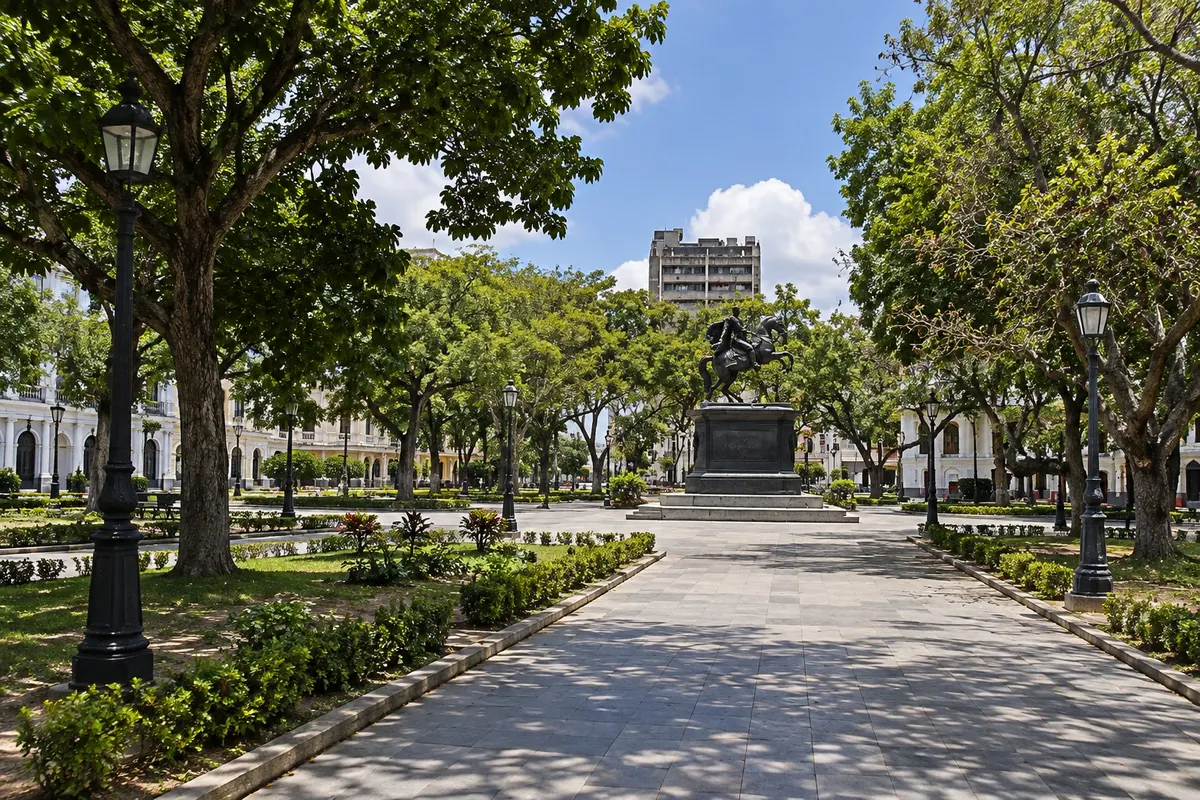
The main square of Caracas since its founding in 1567, featuring Bolívar's equestrian statue from 1874 and the Cathedral, where the Liberator's parents and wife are buried. Around it are the Capilla de Santa Rosa de Lima and the Palacio Municipal.

Casa Natal del Libertador
Caracas · Distrito Capital · Museum

Casa Natal del Libertador

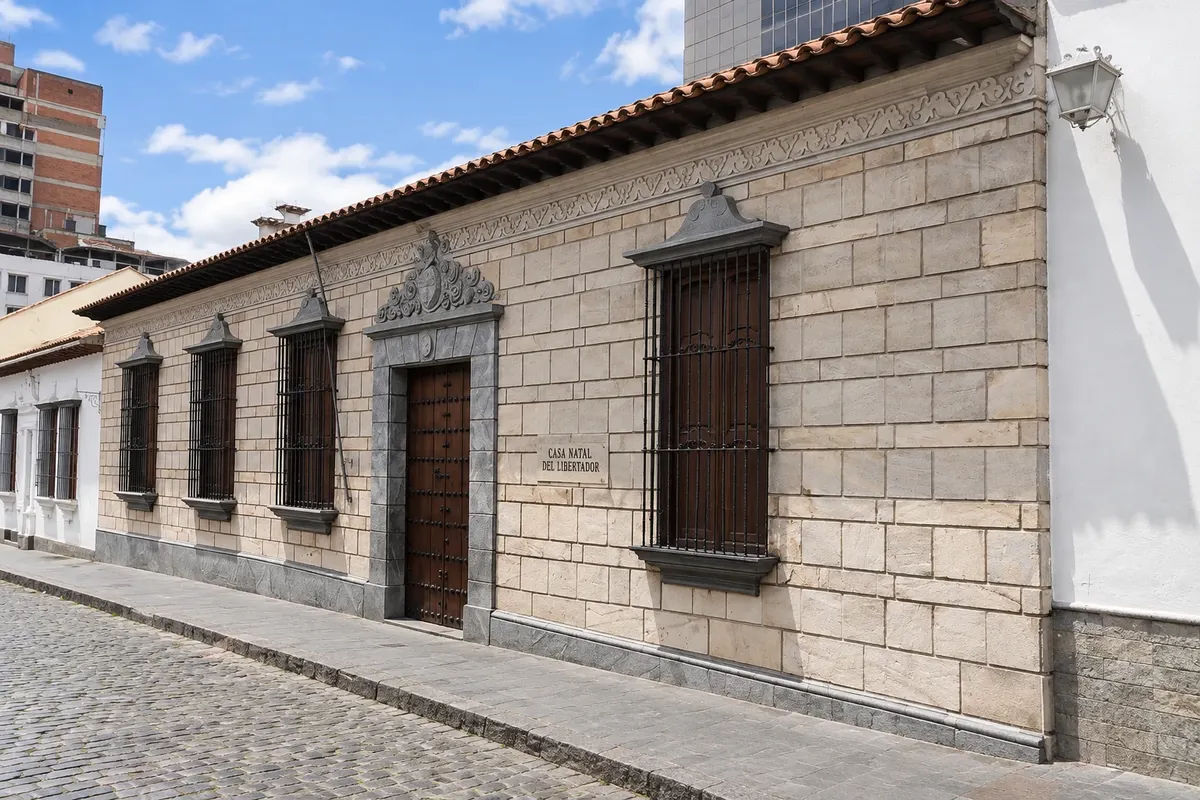
The colonial house where Simón Bolívar was born on July 24, 1783, between the intersections of San Jacinto and Traposos. The courtyards and rooms have murals by Tito Salas depicting the life of the Liberator and family objects.

Panteón Nacional de Venezuela
Caracas · Distrito Capital · Monument

Panteón Nacional de Venezuela

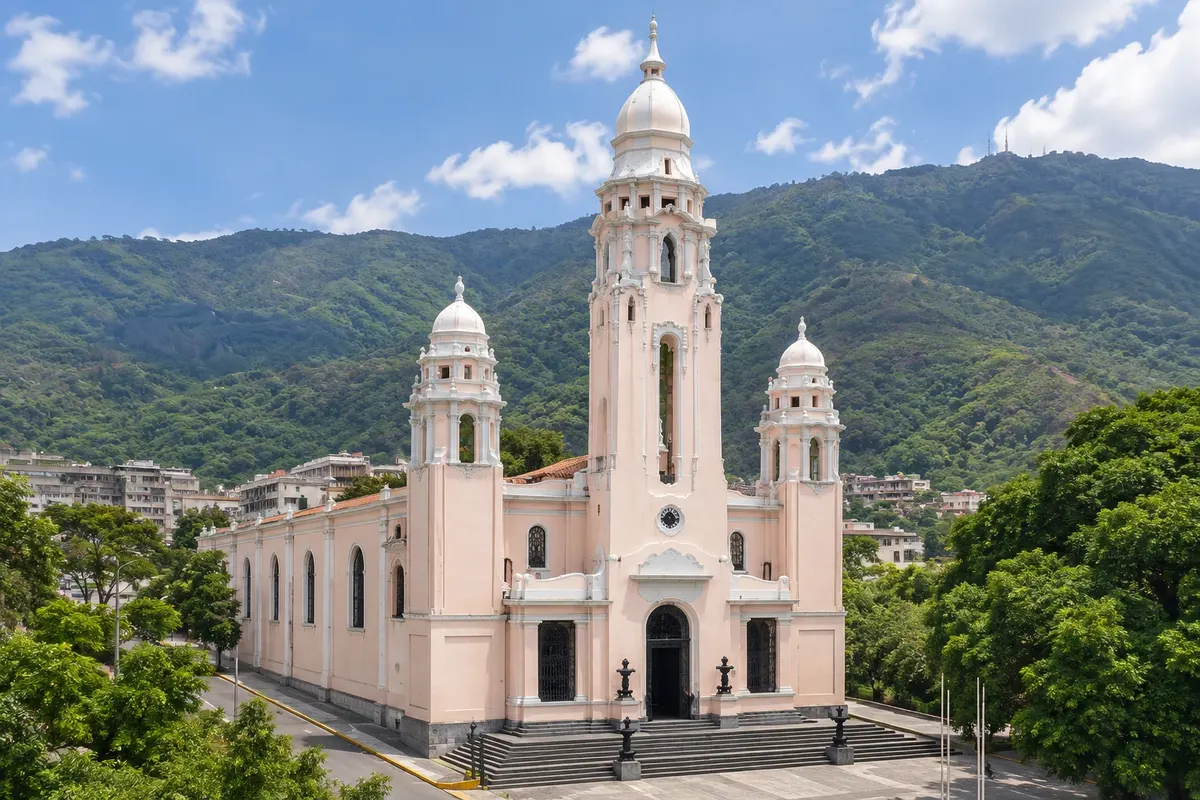
The former church of the Santísima Trinidad, converted into a pantheon in 1874, houses Simón Bolívar's bronze sarcophagus in the central nave, a ceiling painted with scenes from his life, and the tombs and cenotaphs of other figures in Venezuelan history.

See 4 more places in Caracas and El Ávila
Teleférico Warairarepano
Caracas · Distrito Capital · Cable car

Teleférico Warairarepano

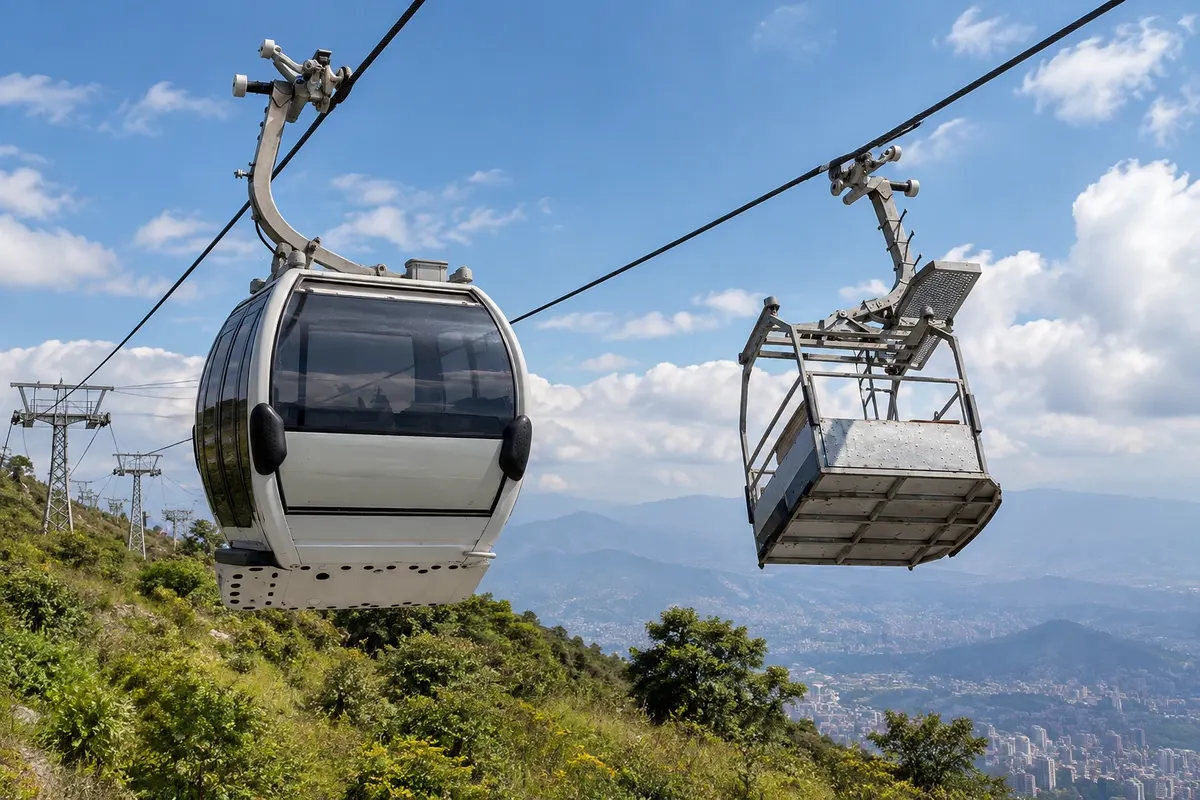
The cable car that rises from the Maripérez neighborhood to the top of the Ávila, over 2,000 meters high, with views of the Caracas valley on one side and the Caribbean Sea on the other. At the top are viewpoints, the Hotel Humboldt and the path to the village of Galipán.

Parque Nacional Waraira Repano (El Ávila)
Caracas · Distrito Capital · National park

Parque Nacional Waraira Repano (El Ávila)

The green mountain range that separates Caracas from the sea, protected as a national park since 1958. Trails start at the northern edge of the city, such as the Sabas Nieves trail, and climb to peaks over 2,000 meters, like the Silla de Caracas.

Ciudad Universitaria de Caracas
Caracas · Distrito Capital · Architectural heritage

Ciudad Universitaria de Caracas

The campus of the Universidad Central de Venezuela, designed by Carlos Raúl Villanueva and a UNESCO World Heritage Site since 2000, combines modern architecture and art: Alexander Calder's Clouds in the Aula Magna, stained glass by Fernand Léger and works by Vasarely, Arp and Pevsner.

Museo de Bellas Artes de Caracas
Caracas · Distrito Capital · Museum

Museo de Bellas Artes de Caracas

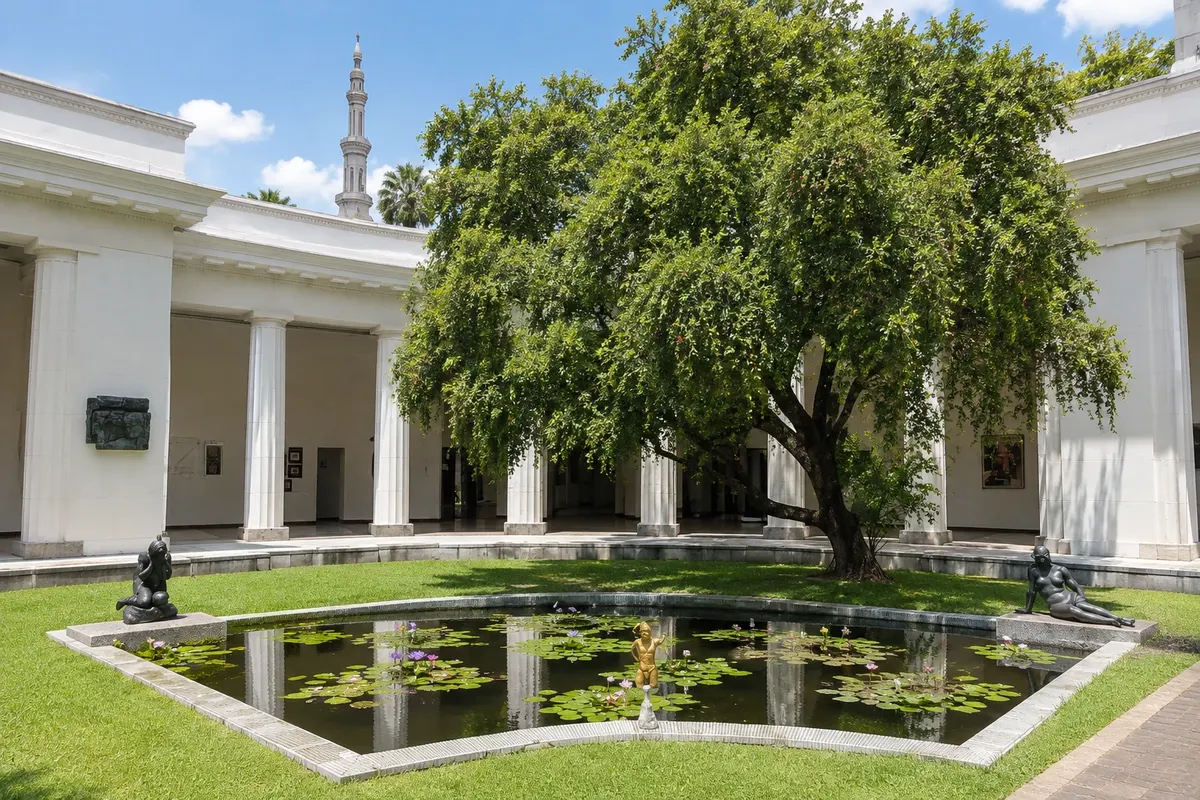
The oldest art museum in Venezuela, founded in 1917, housed in two buildings by Carlos Raúl Villanueva in the Plaza de los Museos, in Los Caobos park: ancient Egyptian art, ceramics, European and Latin American painting, and a sculpture garden.

Before you go

Practical information

A little planning leaves more time to enjoy the journey.

When to go

Caracas has mild weather year-round, with highs generally between 25 °C and 28 °C. The dry season runs from December to April, with clearer skies for the cable car and Ávila trails. From May to November there is more rain, usually in afternoon showers, and the mountain often becomes cloud-covered. In Colonia Tovar, at 1,800 meters, nights are cold in any month.

The seasons shown are the most usual ones; nature doesn't always follow the calendar.

How many days to stay

Two days are enough for the historic center, the Panteón, the Ciudad Universitaria and the cable car up the Ávila. With three days you can fit a morning hike in the park and a full day to Colonia Tovar. Because Caracas is the base for domestic flights, many people split their time here: one or two days on arrival and another on their return.

Which city to stay in

The eastern neighborhoods, such as Altamira, Los Palos Grandes, Chacao, El Rosal and Las Mercedes, concentrate hotels, restaurants and nightlife, and are close to the Ávila trailheads and metro stations. Sabana Grande and Bello Monte lie between the center and the east. For those spending just one night before a domestic flight, there are hotels on the Maiquetía and Catia La Mar coast near the airport. In Colonia Tovar, guesthouses are in the village itself and on the surrounding mountain roads.

Respect the place

Take your trash with you, follow the signs and support local businesses. In natural areas, follow the visiting guidelines.

Get your questions answered

Frequently asked questions about Caracas and El Ávila

How many days should I plan for Caracas?

Two days for the historic center, the Ciudad Universitaria, the museums and the Warairarepano cable car. A third day allows for a hike on the Ávila or a trip to Colonia Tovar. Since flights to Canaima, Los Roques, Margarita and Mérida depart from Maiquetía, it's worth splitting the days between arrival and return.

Is the airport far from the city?

It is in Maiquetía on the coast, about 30 km from the center. The highway crosses the mountain via viaducts and tunnels and takes from 40 minutes to over an hour, depending on traffic. For those arriving at night and leaving early on a domestic flight, staying on the coast near the airport is an option.

What is the best time to visit Caracas?

From December to April, the dry season, the skies are usually clearer for the cable car and the Ávila trails. In the other months the temperature is the same, but afternoon rains and clouds on the mountain are more frequent.

Can you visit Colonia Tovar as a day trip from Caracas?

Yes. It’s about 60 km via the El Junquito road, which climbs the mountain in curves, taking about an hour and a half to two hours. On weekends the village fills with visitors from Caracas; it’s quieter during the week.

What language is spoken and what is the currency?

Spanish is spoken, with the Caracas accent—fast and full of local expressions. The official currency is the bolívar.

Explore other destinations Search by state and city
Back