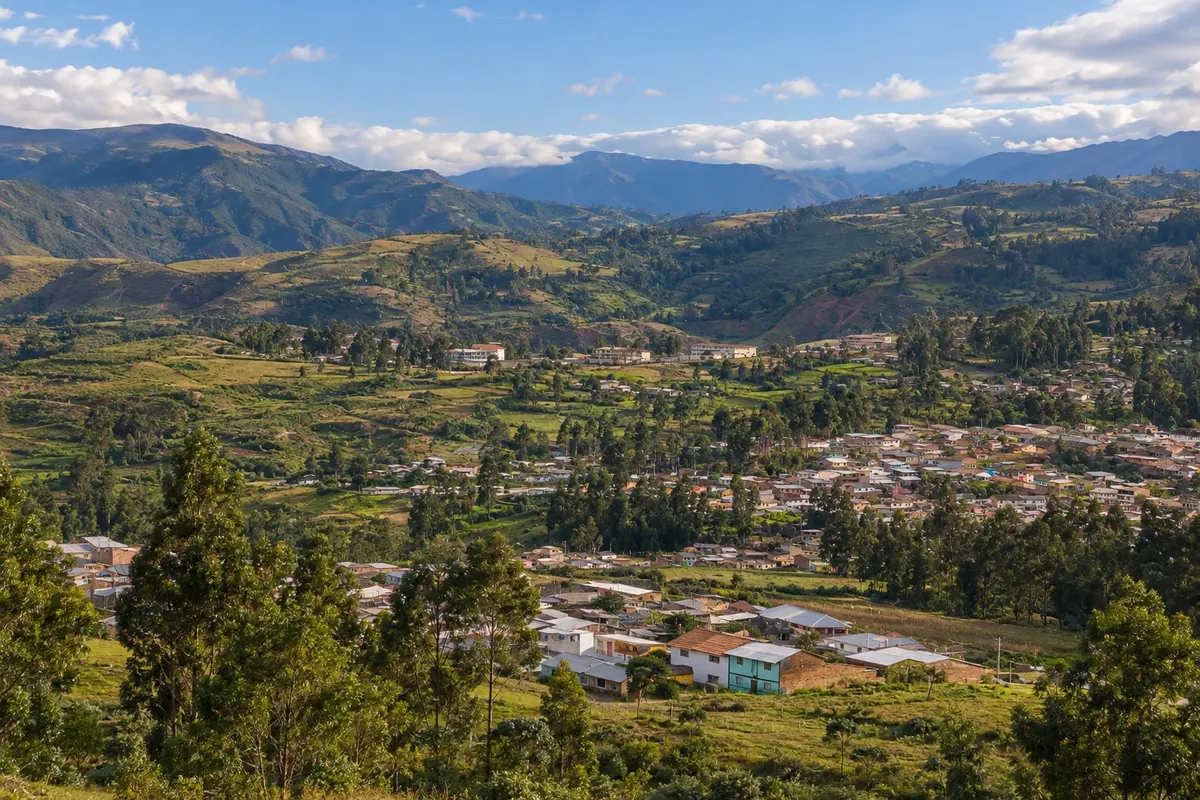
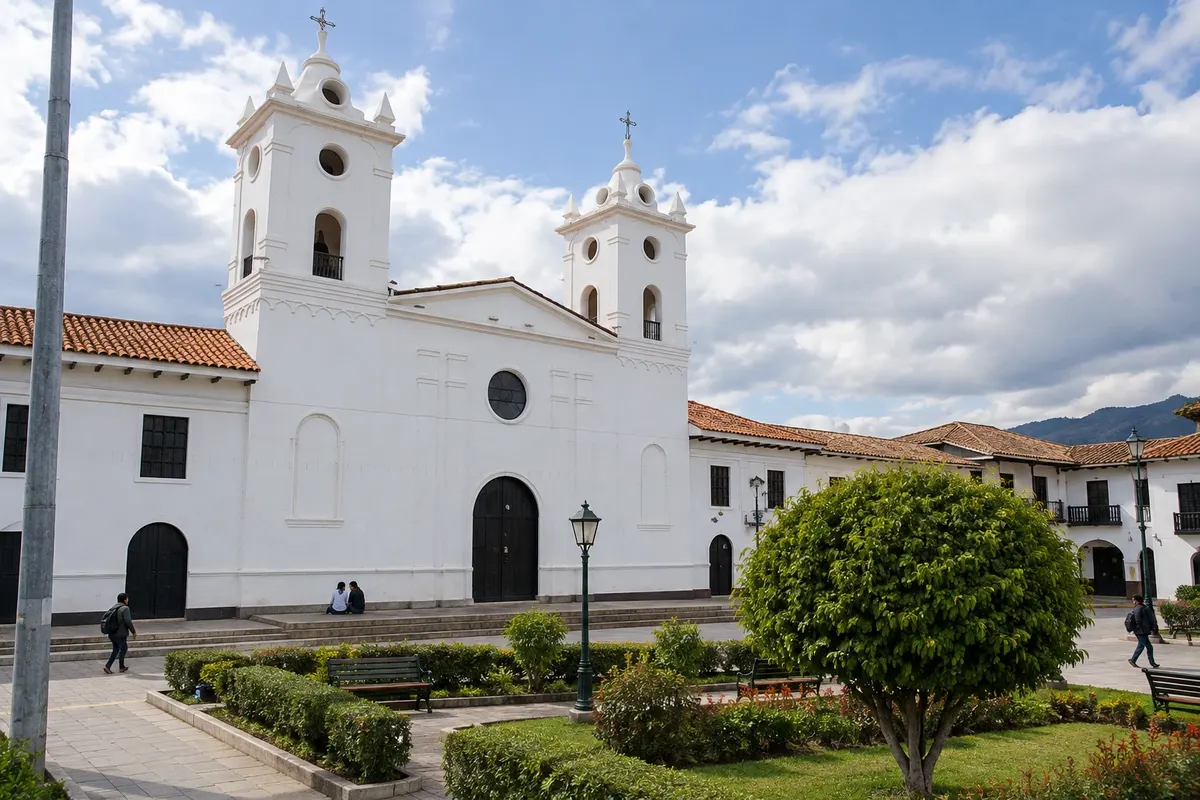
Chachapoyas is about 2,300 metres above sea level, on the eastern slope of the Andes, in northern Peru, between the highlands and the forest. Founded by the Spanish in 1538, it is the capital of the Amazonas department and preserves a historic centre of white colonial houses with wooden balconies, interior courtyards and stone streets around the Plaza de Armas. The name is often linked to the mist that covers the hills of the region.
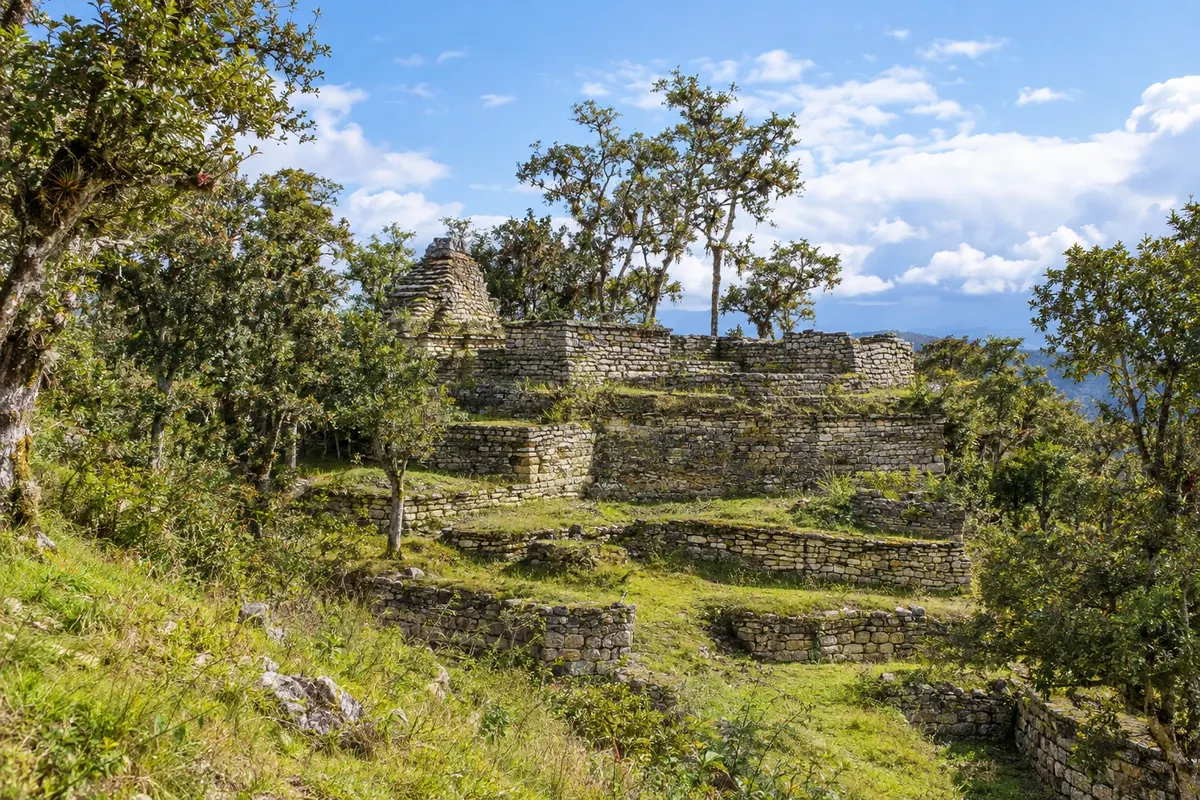
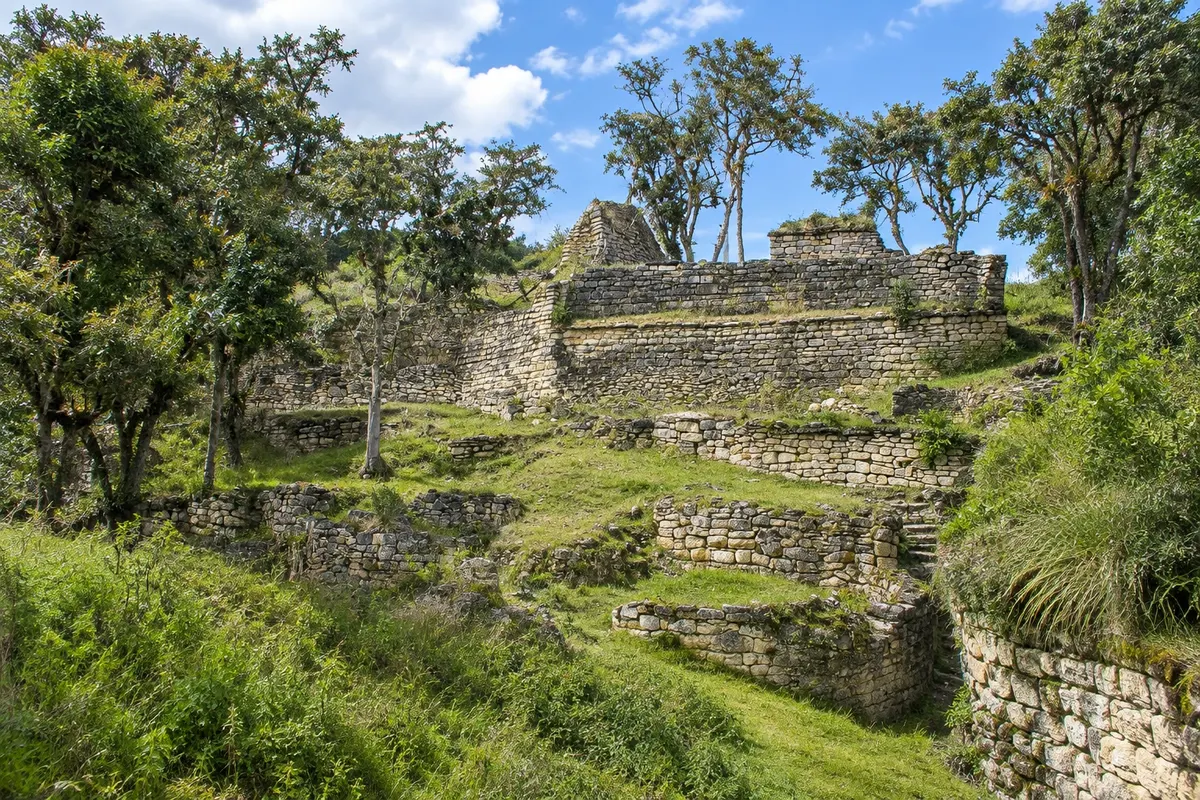
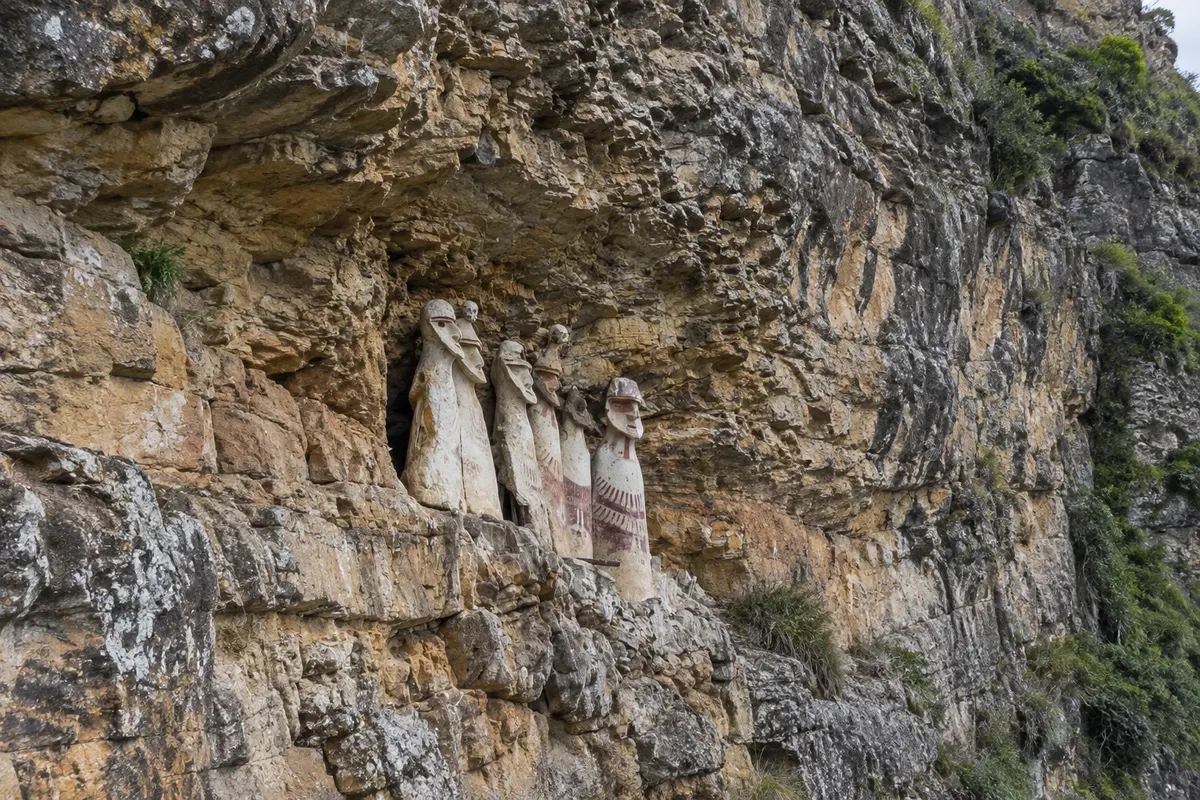
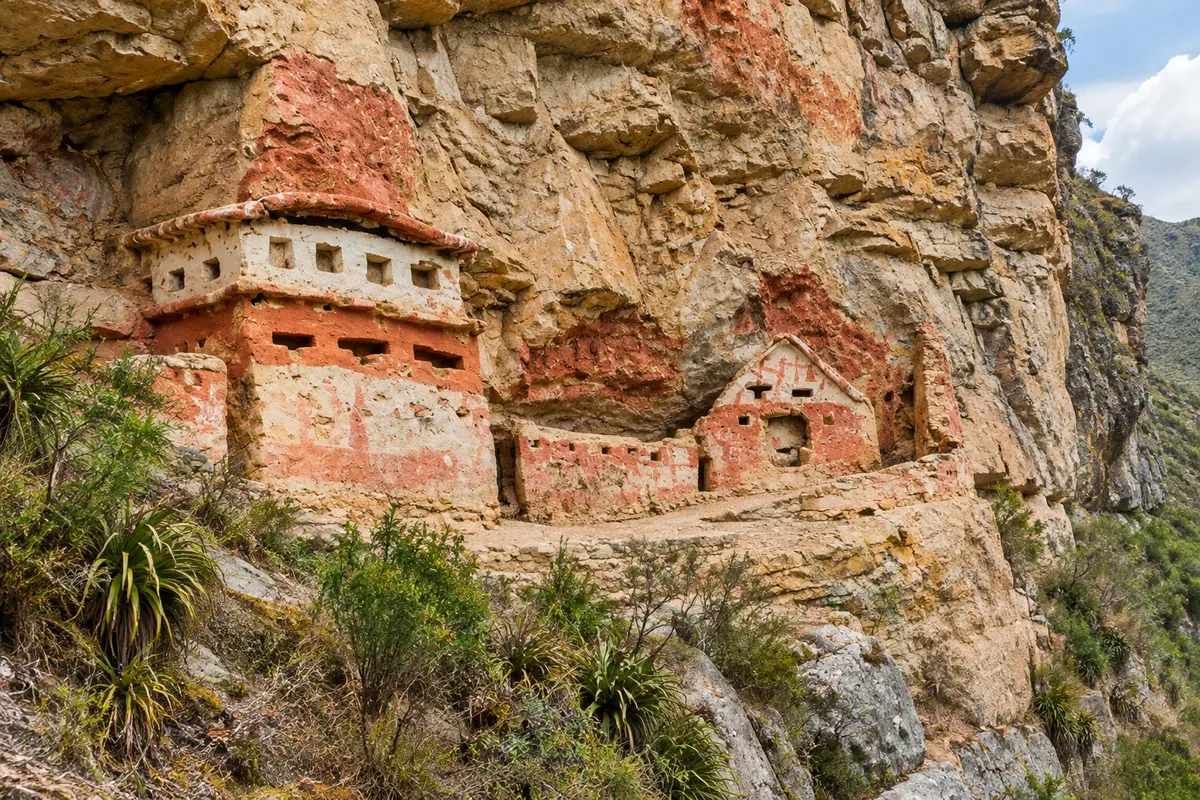
Before the Incas, the region was territory of the chachapoya culture, known as the people of the clouds, who built stone cities on top of the hills and buried their dead in cliffs. The best-known site is Kuélap, a walled citadel atop a ridge at about 3,000 metres, with hundreds of circular houses. On the valley cliffs are the Karajía sarcophagi, clay figures up to 2.5 metres tall, and the Revash mausoleums, which look like little houses fitted into the rock. In Leymebamba, a museum holds the mummies found at the Laguna de los Cóndores.
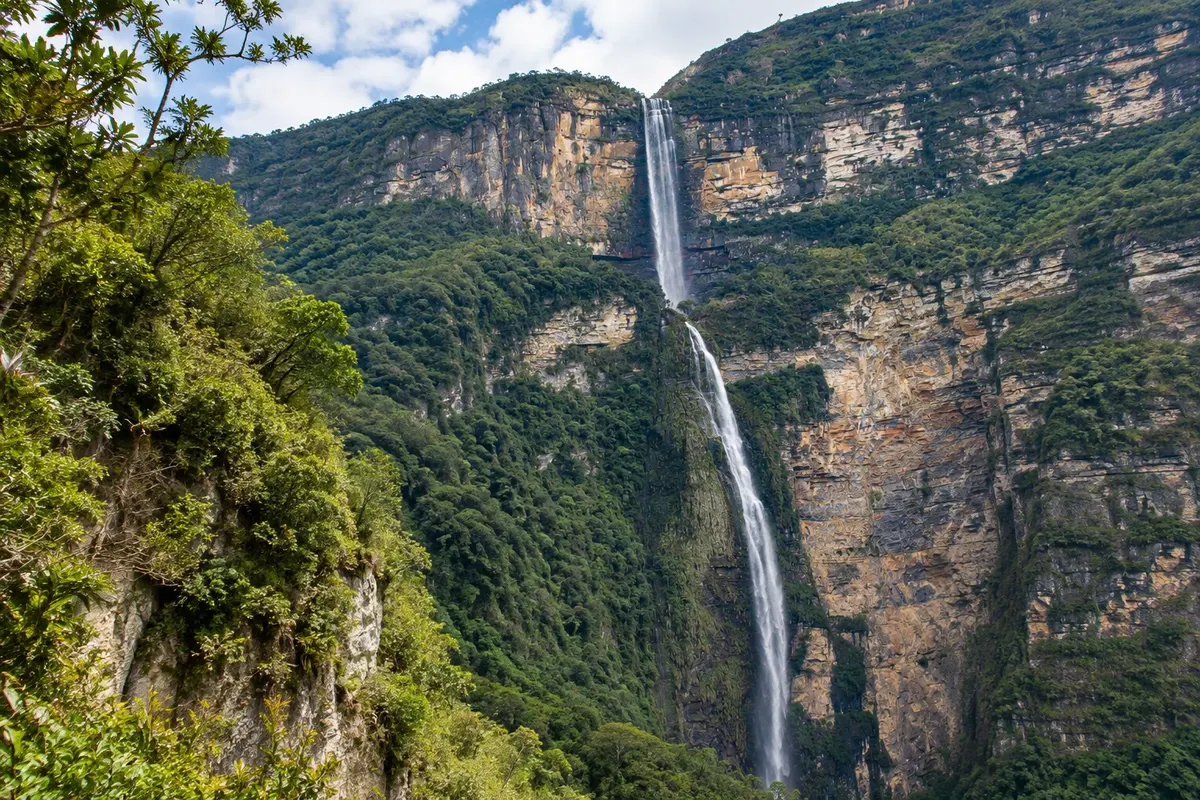
Nature is the other half of the trip: the Gocta waterfall drops 771 metres in two cascades, in a forested valley about an hour from Chachapoyas, and the region has orchids, hummingbirds and, in the valleys, the cock-of-the-rock.
Many travellers feel the altitude during the first days, more so up at Kuélap.
This destination brings together 1 city: Chachapoyas.


 Brazil
 Argentina
 Bolivia
 Chile
Chile Colombia
 Ecuador
 Guyana
 French Guiana
 Falkland Islands (Malvinas)
 Paraguay
 Suriname
 Uruguay
 Venezuela
 Germany
 Belgium
 Spain
Spain France
 Greece
 the Netherlands
 Ireland
 Italy
Italy Luxembourg
 Portugal
 the United Kingdom
 Switzerland