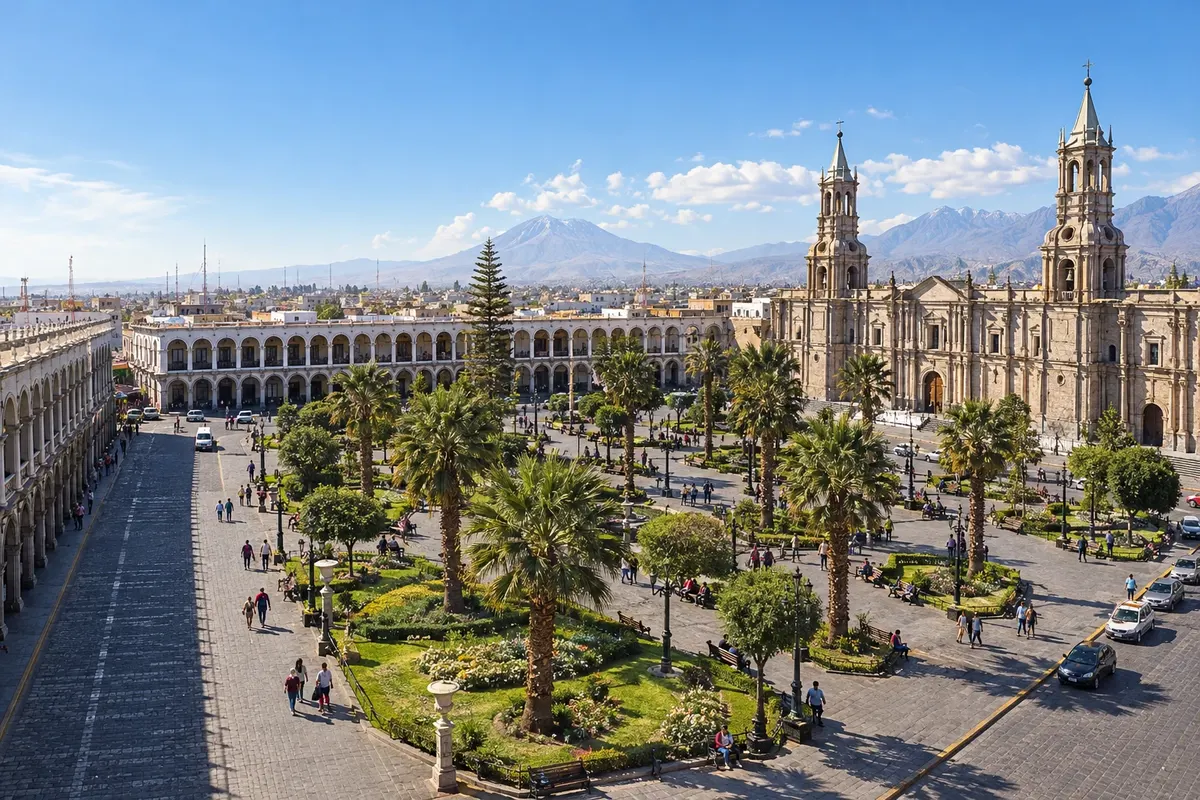
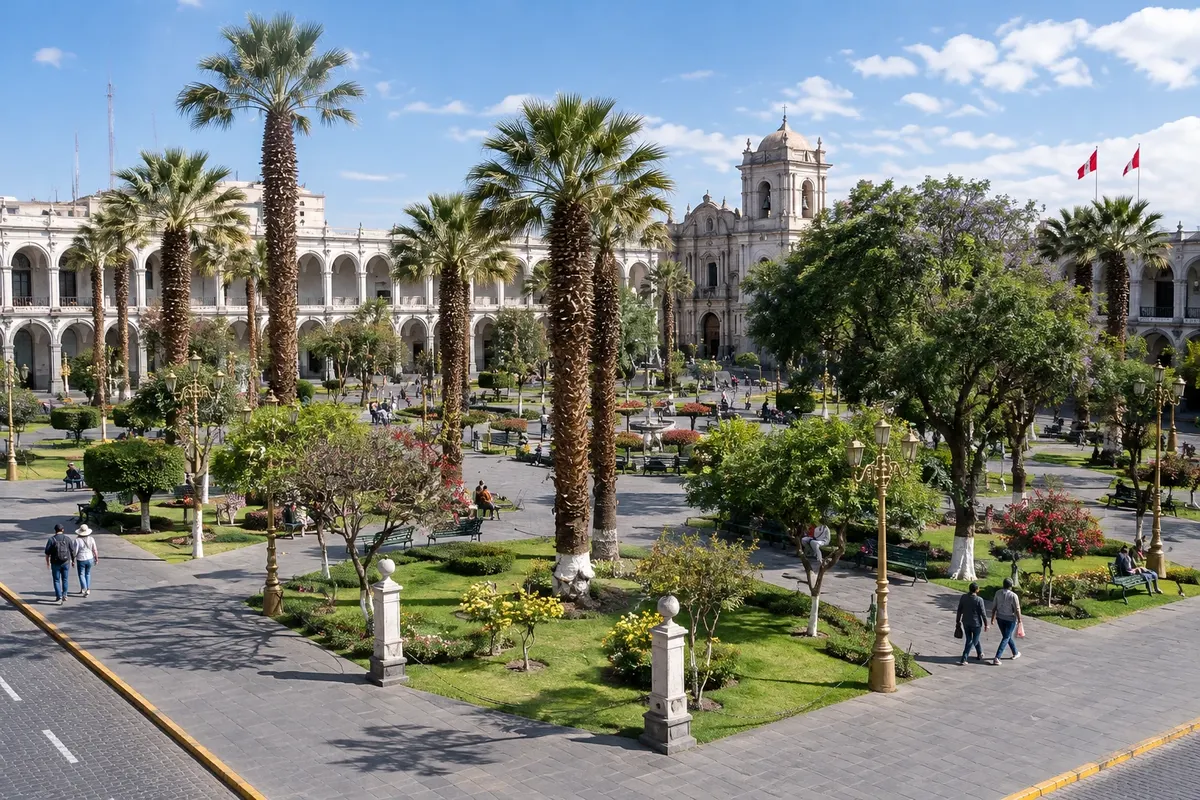
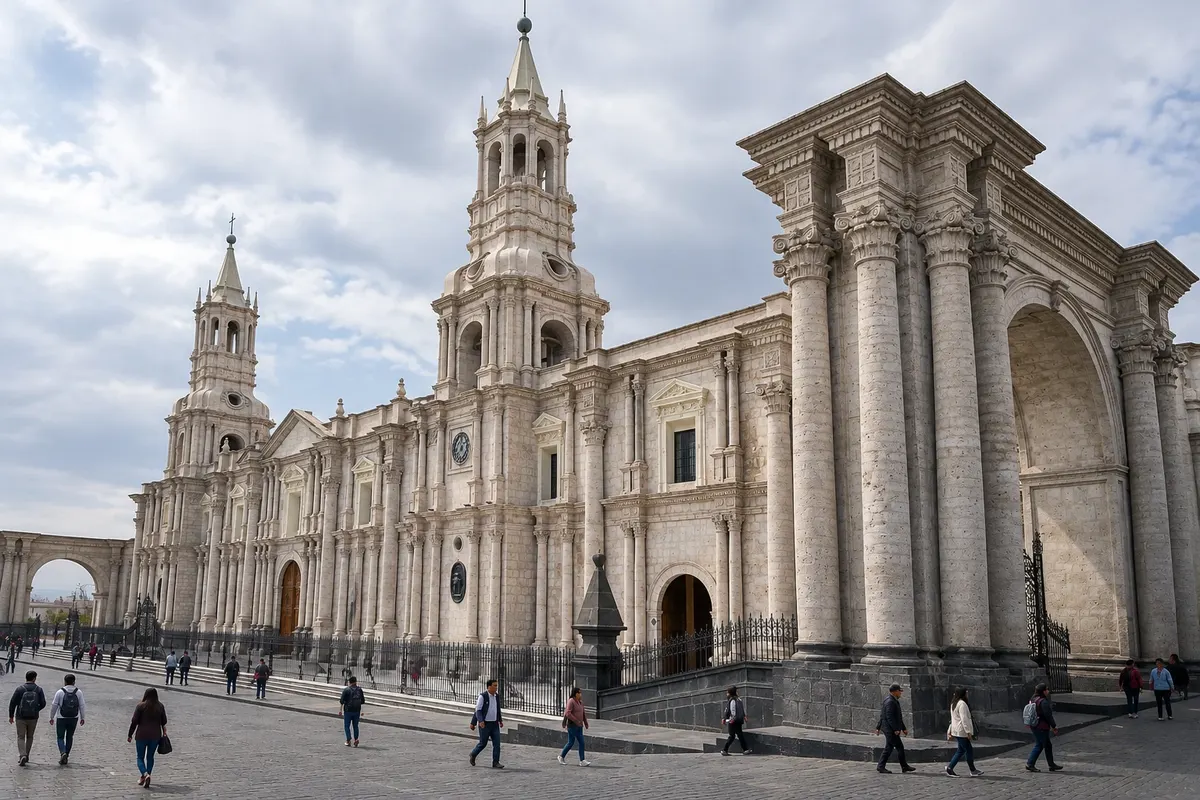
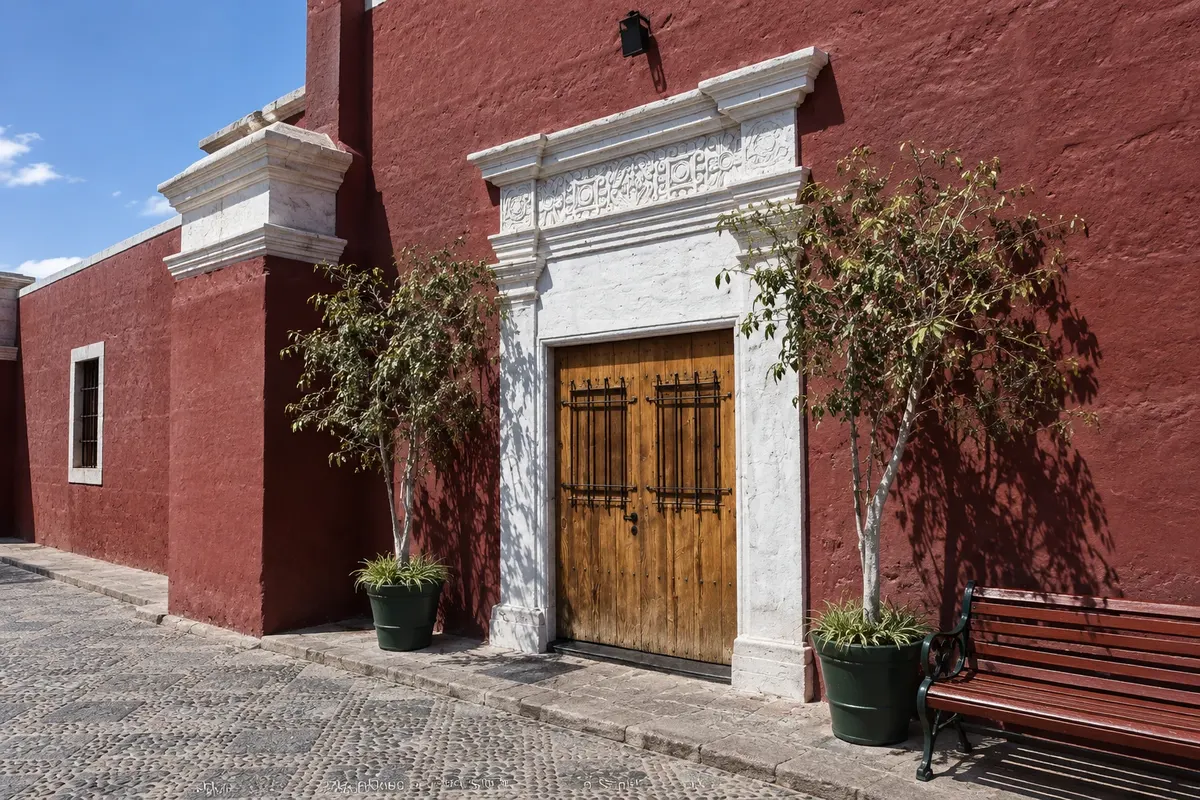
Arequipa is in southern Peru, at about 2,330 meters above sea level, in a fertile valley surrounded by three volcanoes: Misti, Chachani and Pichu Pichu. Founded by the Spanish in 1540, it is the country’s second city and earned the nickname White City because of sillar, the light volcanic stone used in the churches and mansions of the historic center, a UNESCO World Heritage Site since 2000.
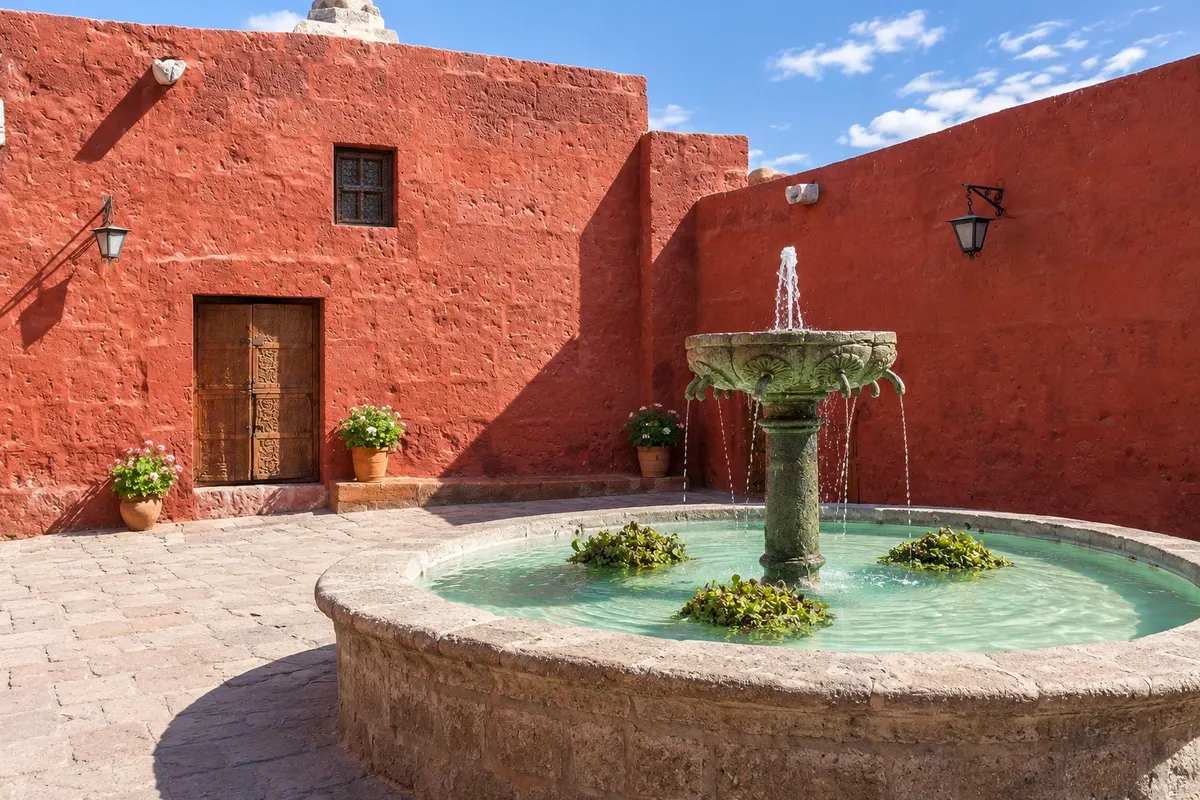
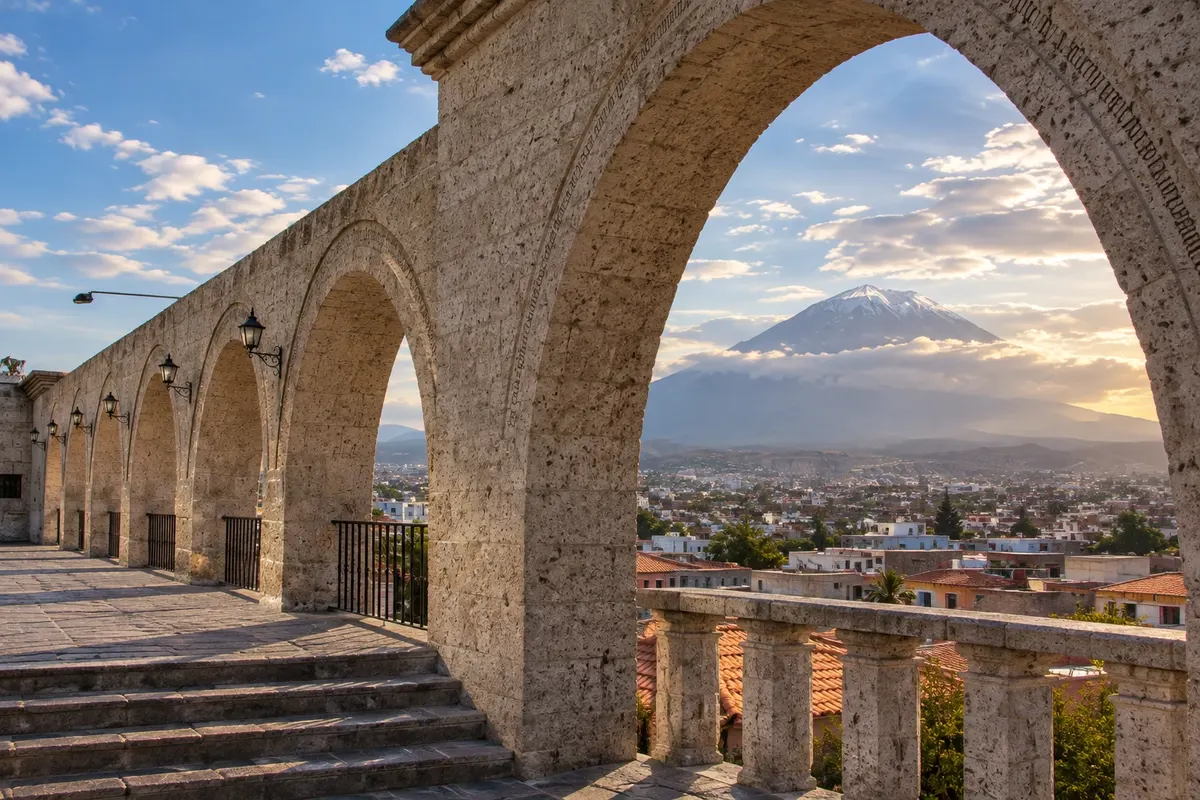
The center revolves around the Plaza de Armas, with arcades on three sides and the Cathedral occupying the fourth. A few blocks away is the Monasterio de Santa Catalina, a walled city of streets, courtyards and cells painted blue and ochre, where nuns lived in isolation for centuries. The Museo Santuarios Andinos houses Juanita, the Inca girl found frozen on the Ampato volcano, and the Yanahuara neighborhood has the sillar-arched viewpoint with Misti in the background. Arequipeña cuisine, with rocoto relleno and chupe de camarones, is famous throughout Peru.
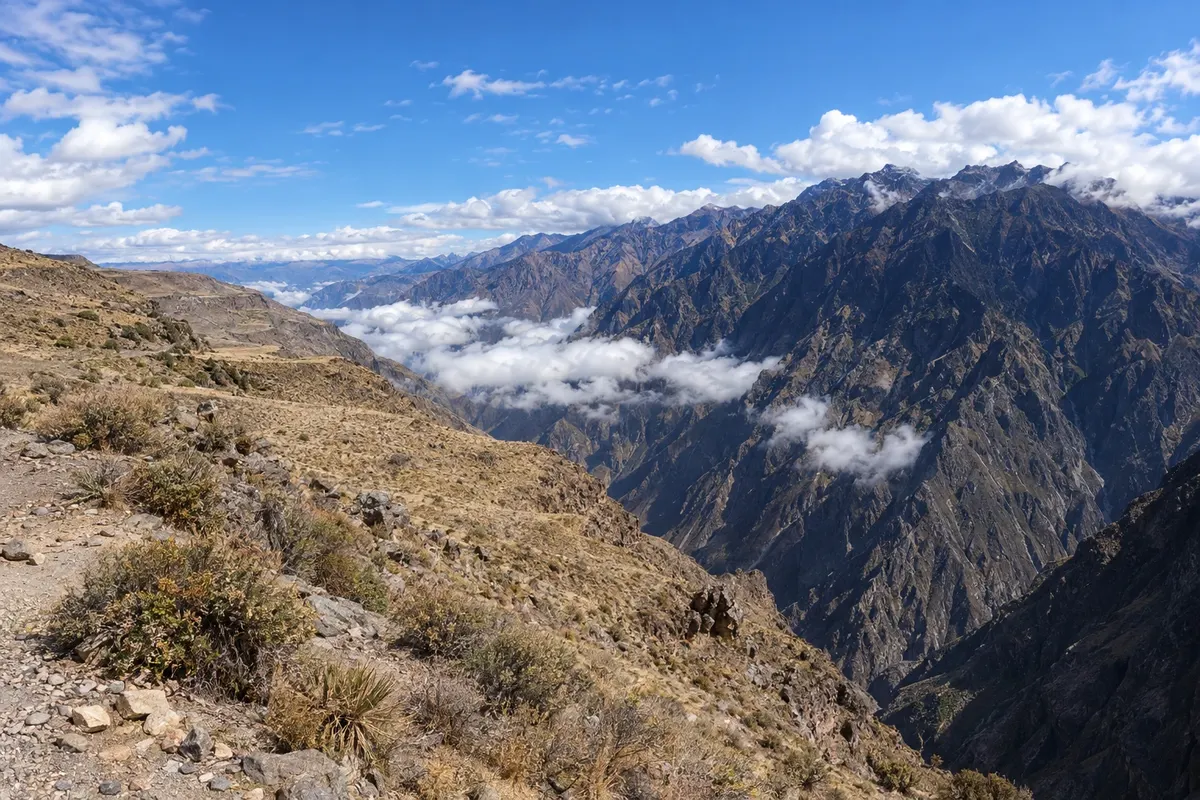
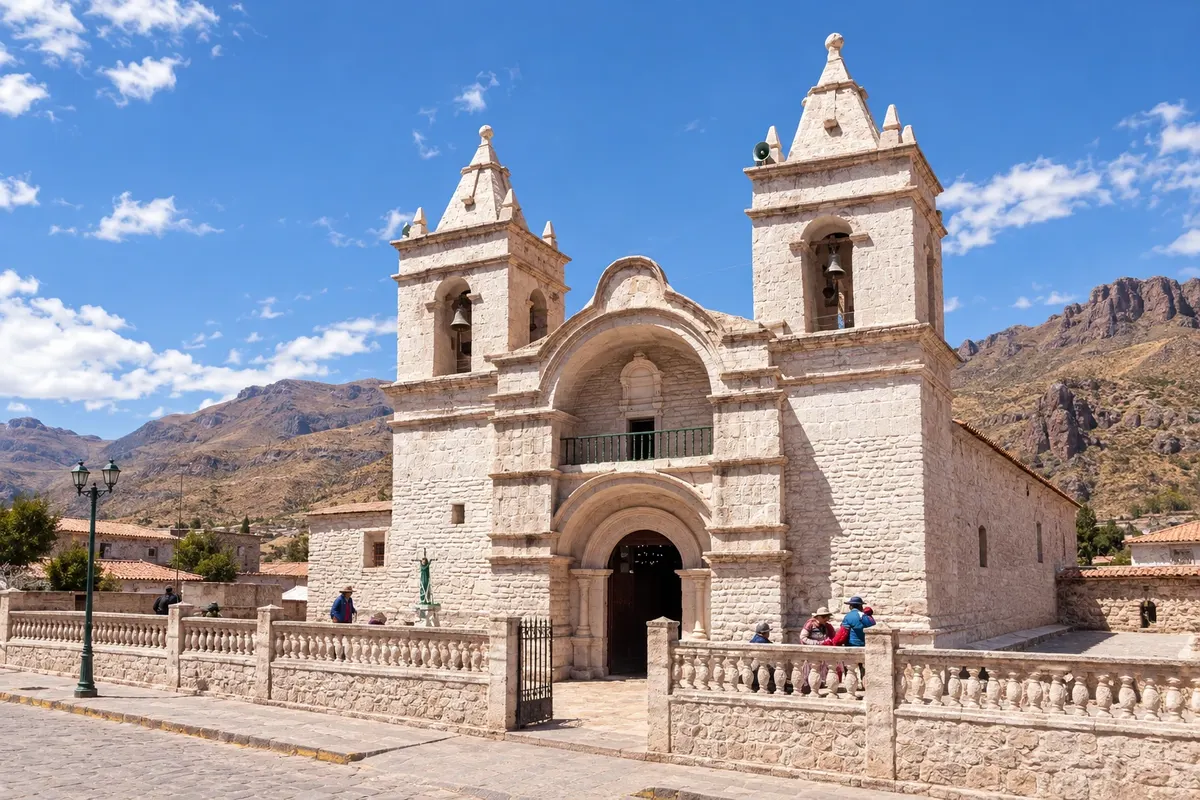
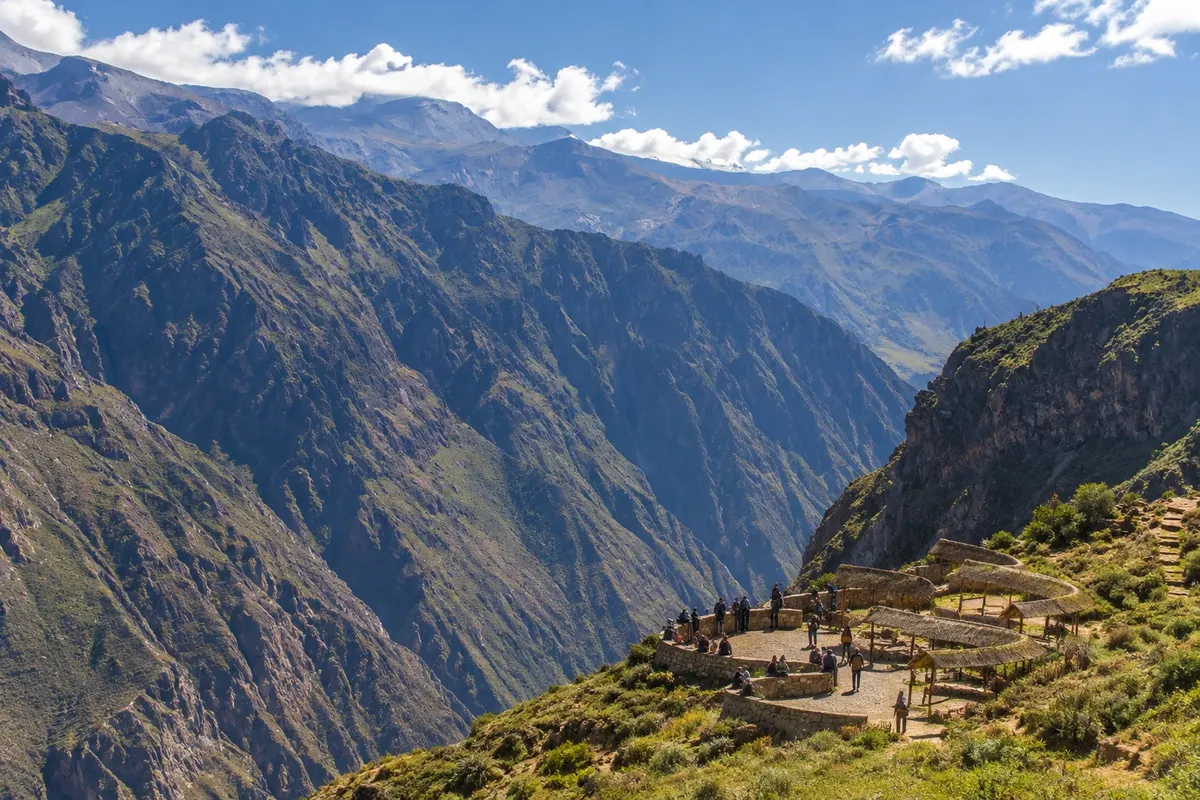
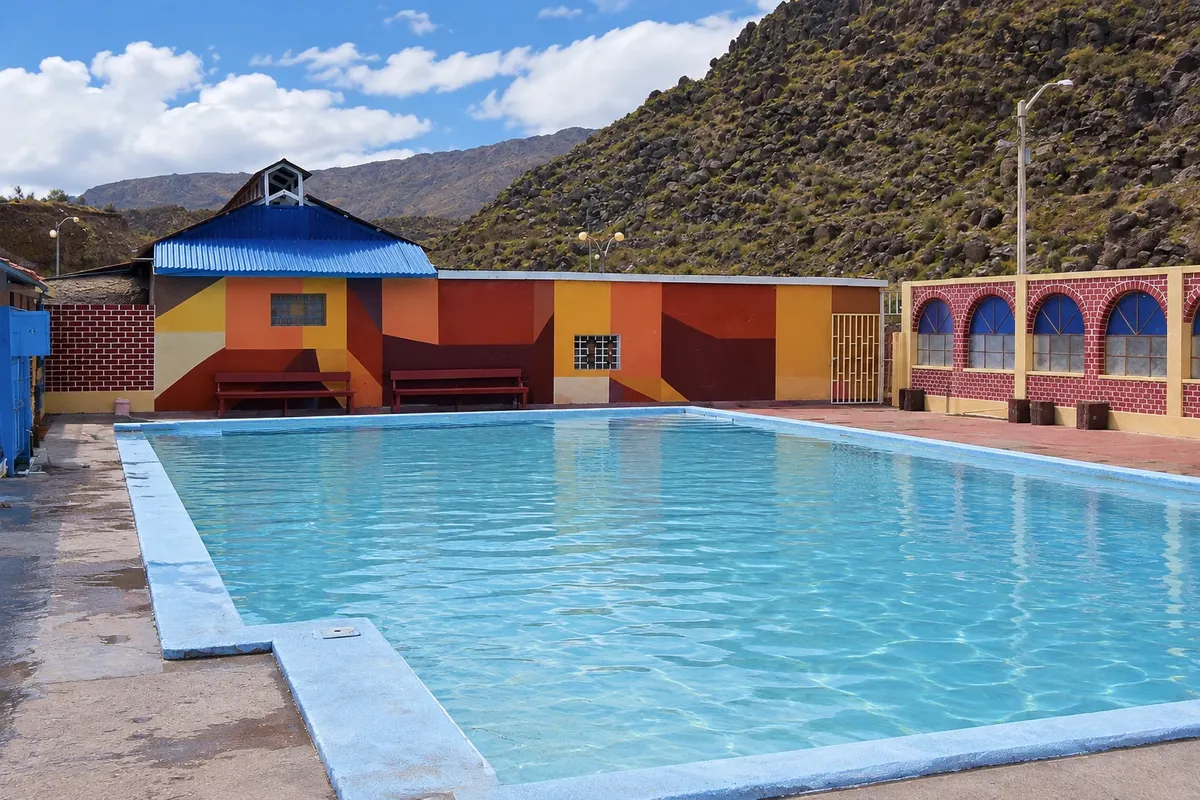
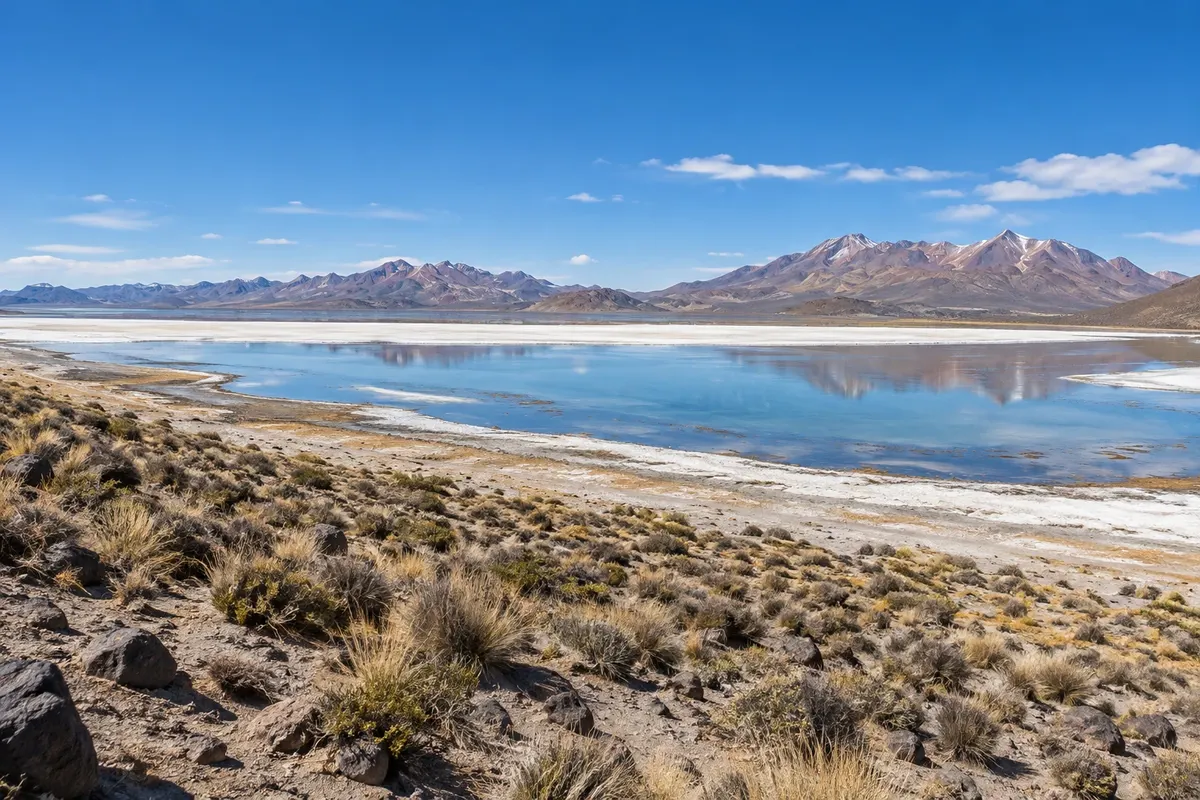
About 160 km to the north, after a road that passes through vicuña plateaus and a viewpoint at nearly 4,900 meters, lies the Colca valley. Chivay, the main village, is at about 3,600 meters. The Colca River runs through a canyon more than 3,000 meters deep, with slopes covered in pre-Inca terraces and villages with colonial churches, such as Yanque, Maca and Cabanaconde. At the Cruz del Cóndor viewpoint, Andean condors often glide near the rim in the morning.
The Colca, higher up, requires taking it easy on the first day.
This destination brings together 2 cities: Arequipa, Chivay.


 Brazil
 Argentina
 Bolivia
 Chile
Chile Colombia
 Ecuador
 Guyana
 French Guiana
 Falkland Islands (Malvinas)
 Paraguay
 Suriname
 Uruguay
 Venezuela
 Germany
 Belgium
 Spain
Spain France
 Greece
 the Netherlands
 Ireland
 Italy
Italy Luxembourg
 Portugal
 the United Kingdom
 Switzerland