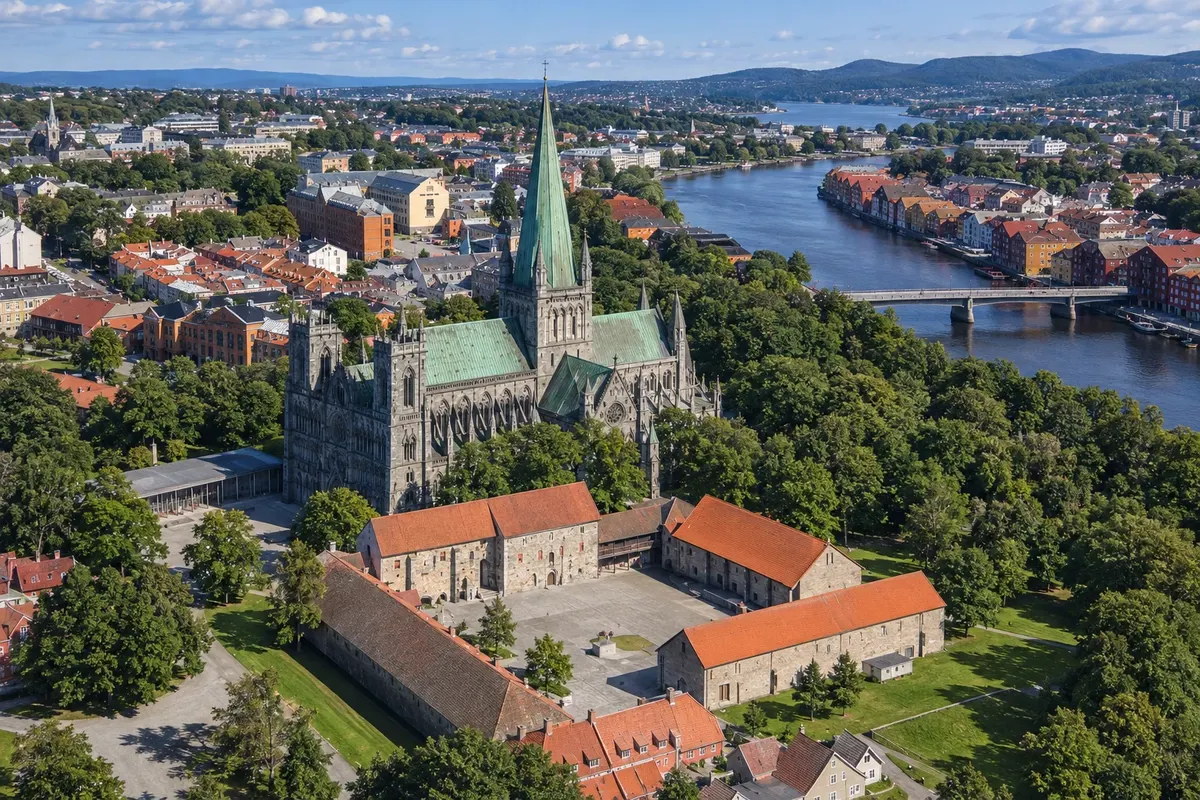
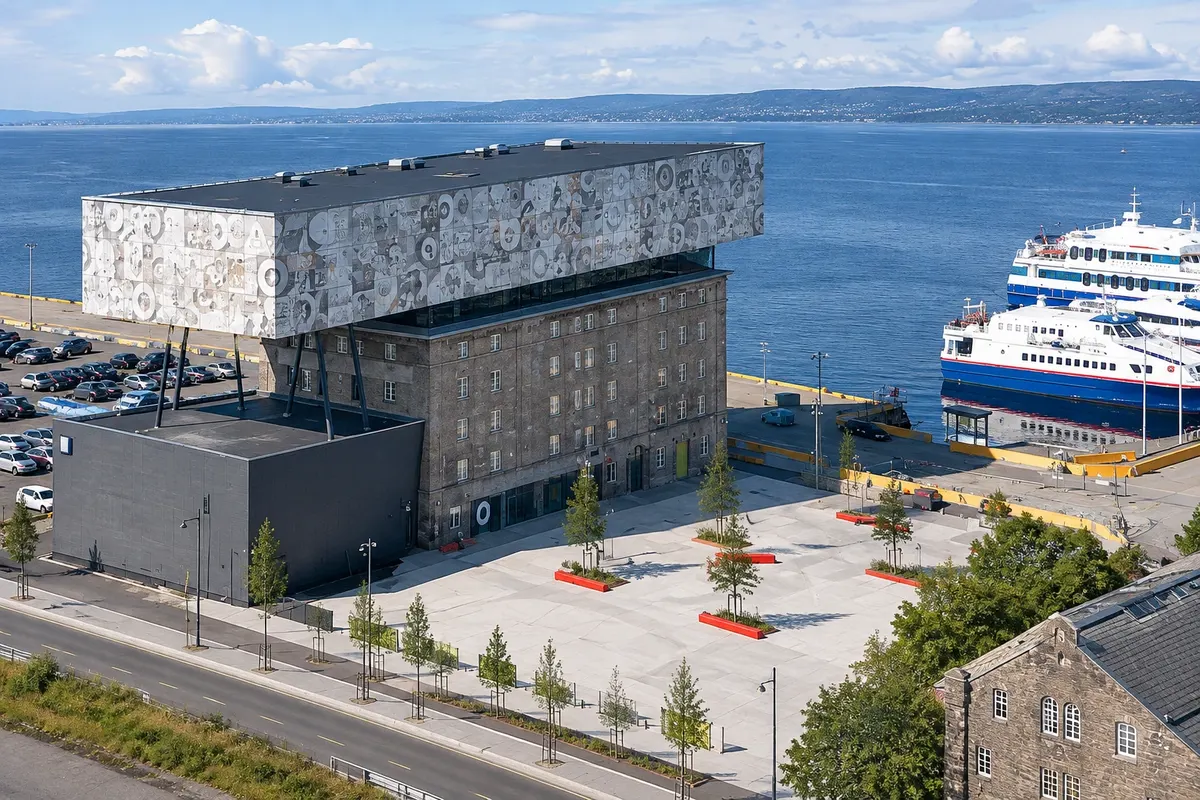
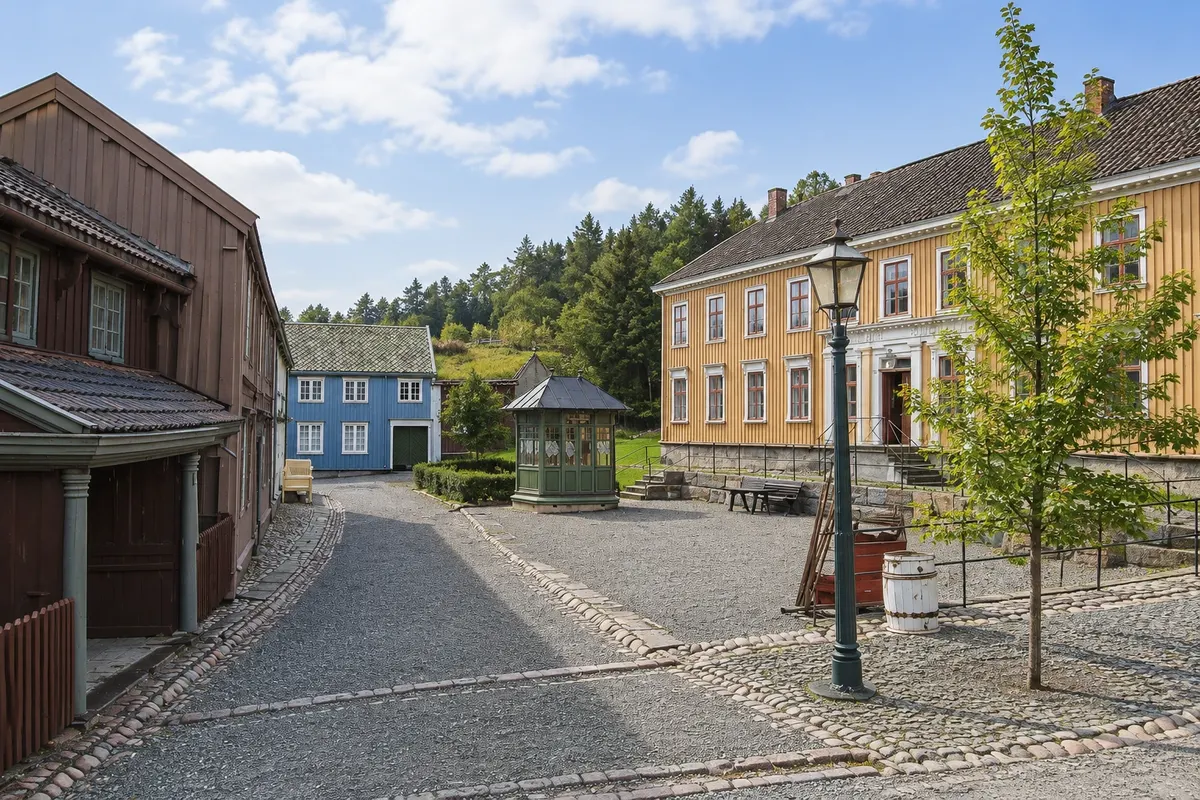
Trondheim lies in central Norway, at the mouth of the Nidelva river, on the Trondheimsfjord. It was founded at the end of the 10th century as Nidaros and was the country’s capital during the Viking age and the early Middle Ages. It is the country’s third city, home to the main technical university and a compact center ringed by the river.
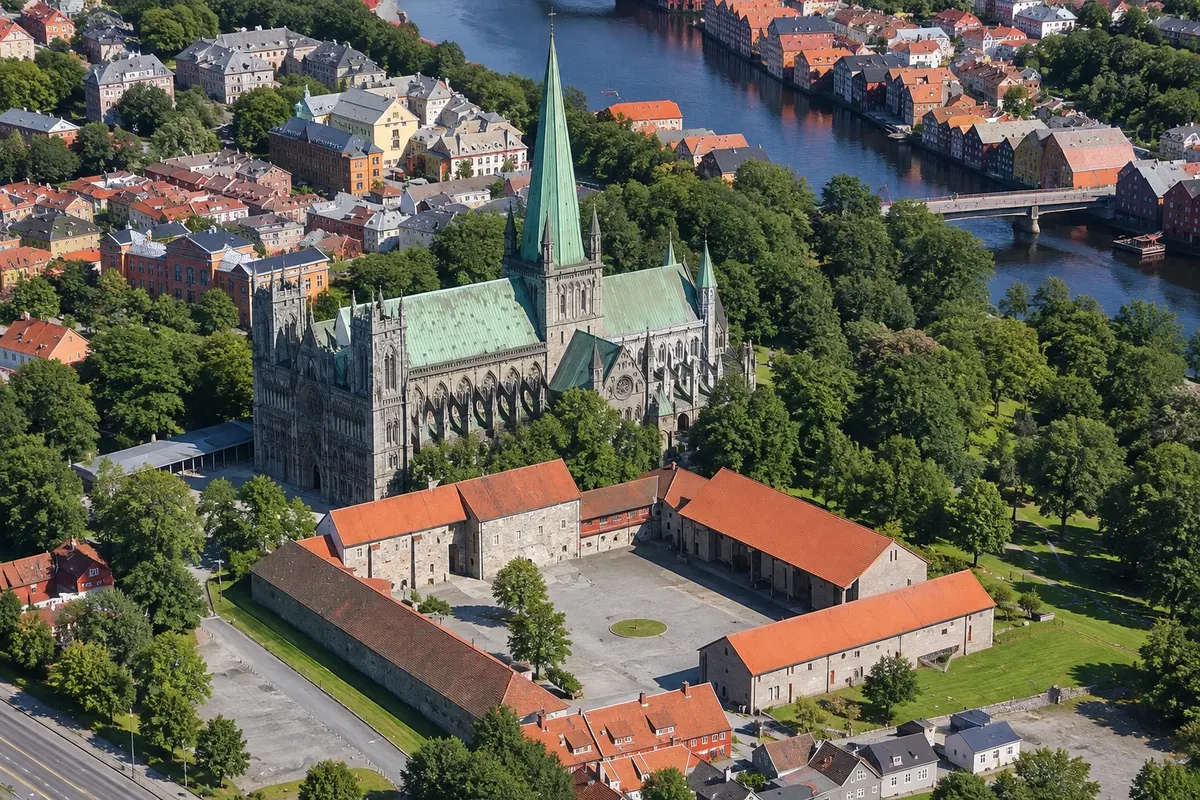
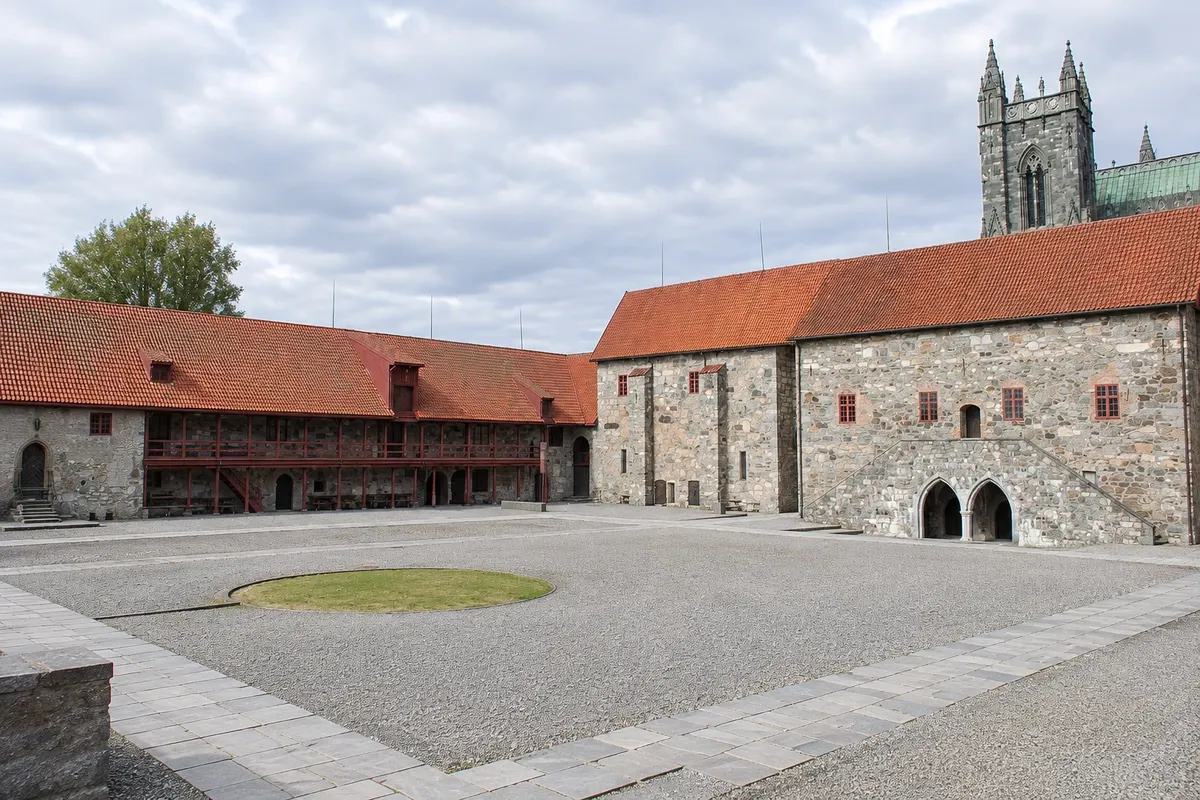
The town grew around the tomb of Olav II, the king who Christianized Norway, killed in battle in 1030 and soon declared a saint. The Catedral de Nidaros was built over the tomb — the largest medieval church in Scandinavia and the endpoint of the Caminho de Santo Olavo, a pilgrimage route that has been revived. Beside it, the Palácio do Arcebispo houses the Norwegian crown jewels.
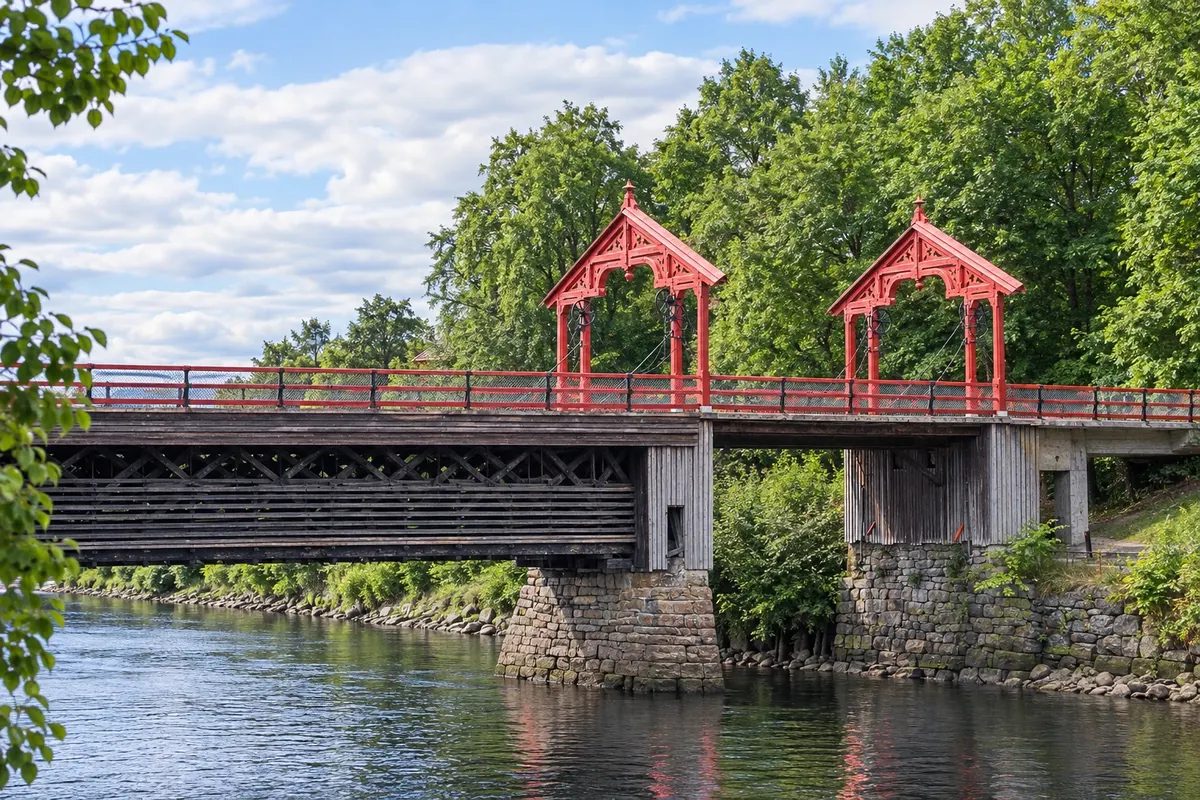
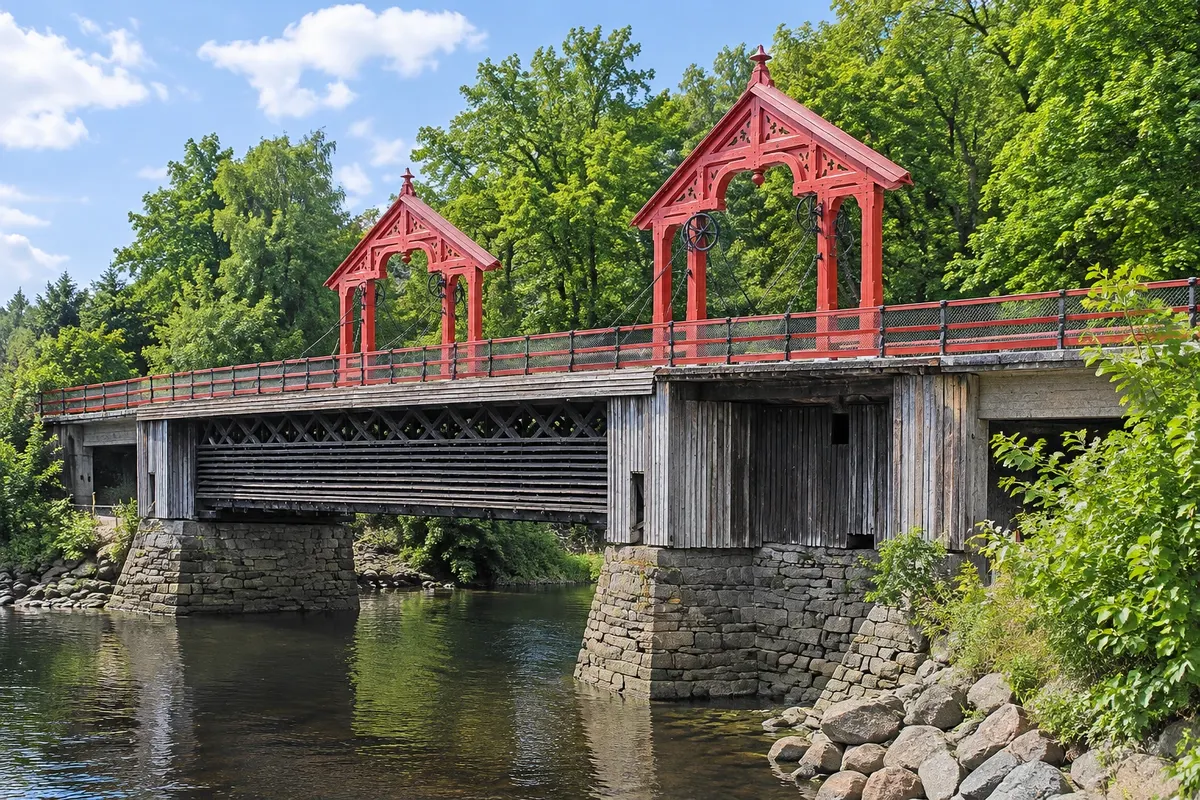
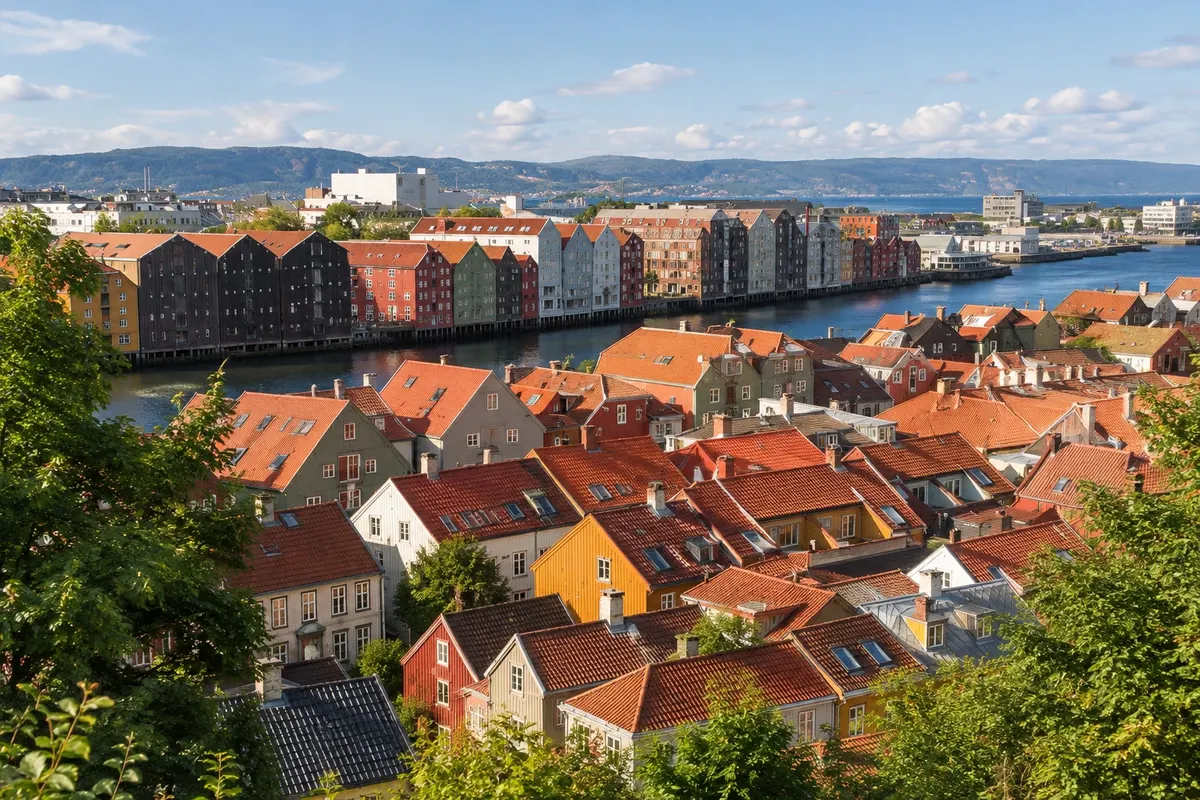
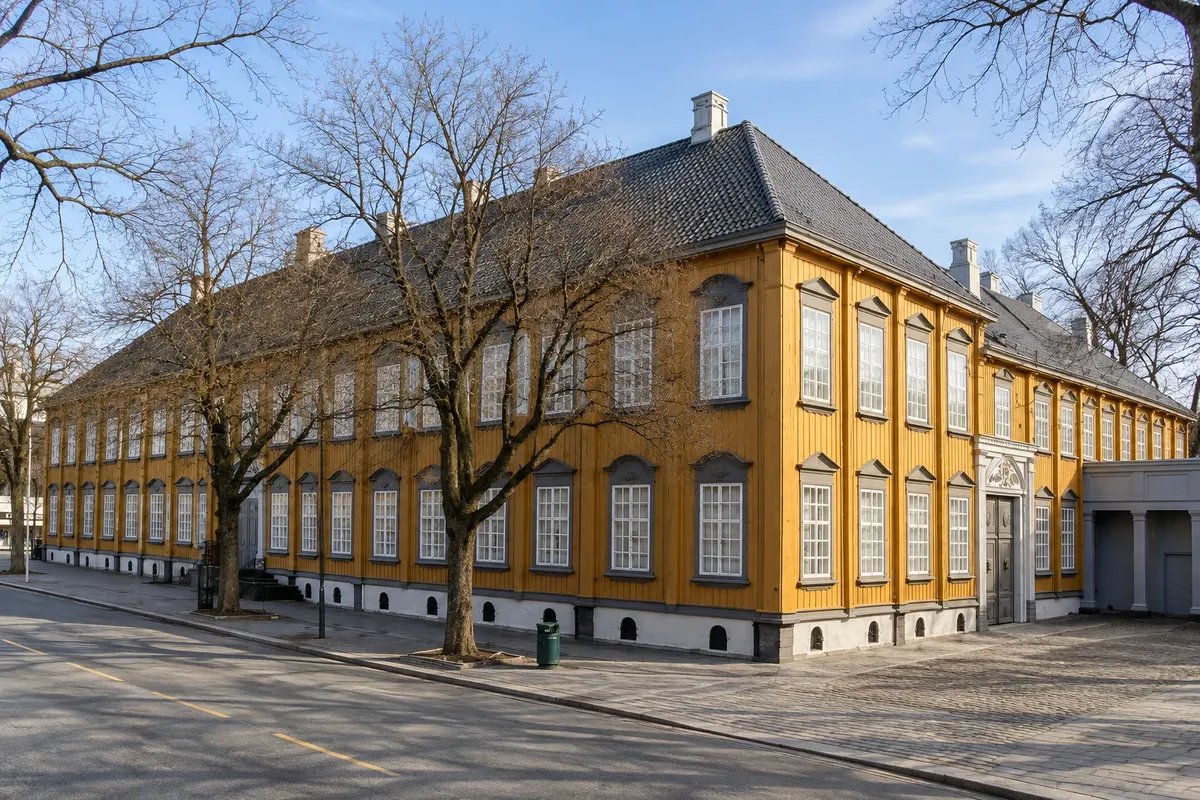
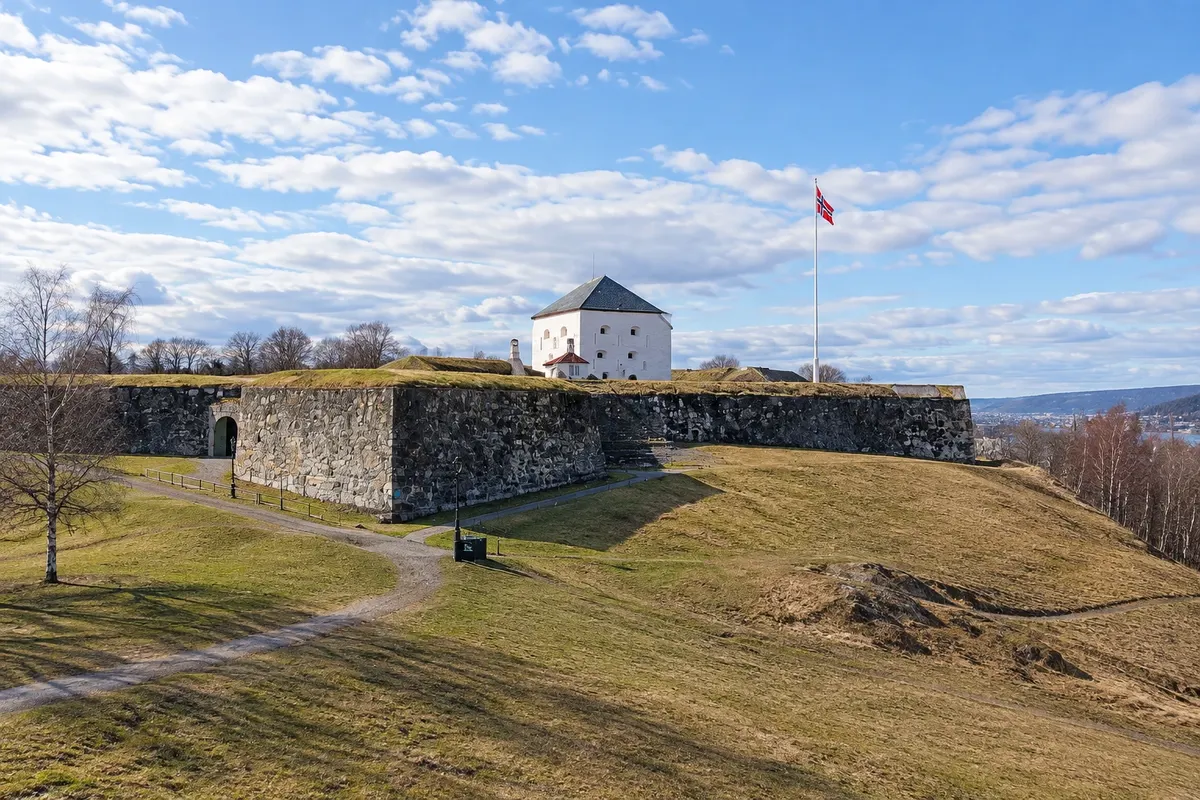
On the other side of the river, the Gamle Bybro — the old wooden bridge with a red portal — leads to Bakklandet, a neighborhood of colorful wooden houses, cafés and cobbled streets, with a bicycle elevator on the slope. Along the Nidelva, the old stilted warehouses painted yellow, red and ochre form the city’s best-known image. In the center, the Stiftsgården, an 18th-century wooden palace, is a royal residence; above it, Kristiansten fortress overlooks everything.
Summers are usually mild with very long days; winters are cold, snowy, with around five hours of daylight in December.
This destination brings together 1 city: Trondheim.


 Brazil
 Argentina
 Bolivia
 Chile
Chile Colombia
 Ecuador
 Guyana
 French Guiana
 Falkland Islands (Malvinas)
 Paraguay
 Peru
Peru Suriname
 Uruguay
 Venezuela
 Germany
 Belgium
 Denmark
 Spain
Spain France
 Greece
 the Netherlands
 Ireland
 Italy
Italy Luxembourg
 Portugal
 the United Kingdom
 Sweden
 Switzerland