Bergen lies on Norway's west coast, between seven hills and the sea, and is the country's second city. It was the kingdom's capital in the Middle Ages and, for four centuries, one of the ports of the Hanseatic League, the network of German merchants that dominated North Sea trade. Dried cod from the north was shipped from here to Europe, and the wealth from that trade is still visible in the historic centre.
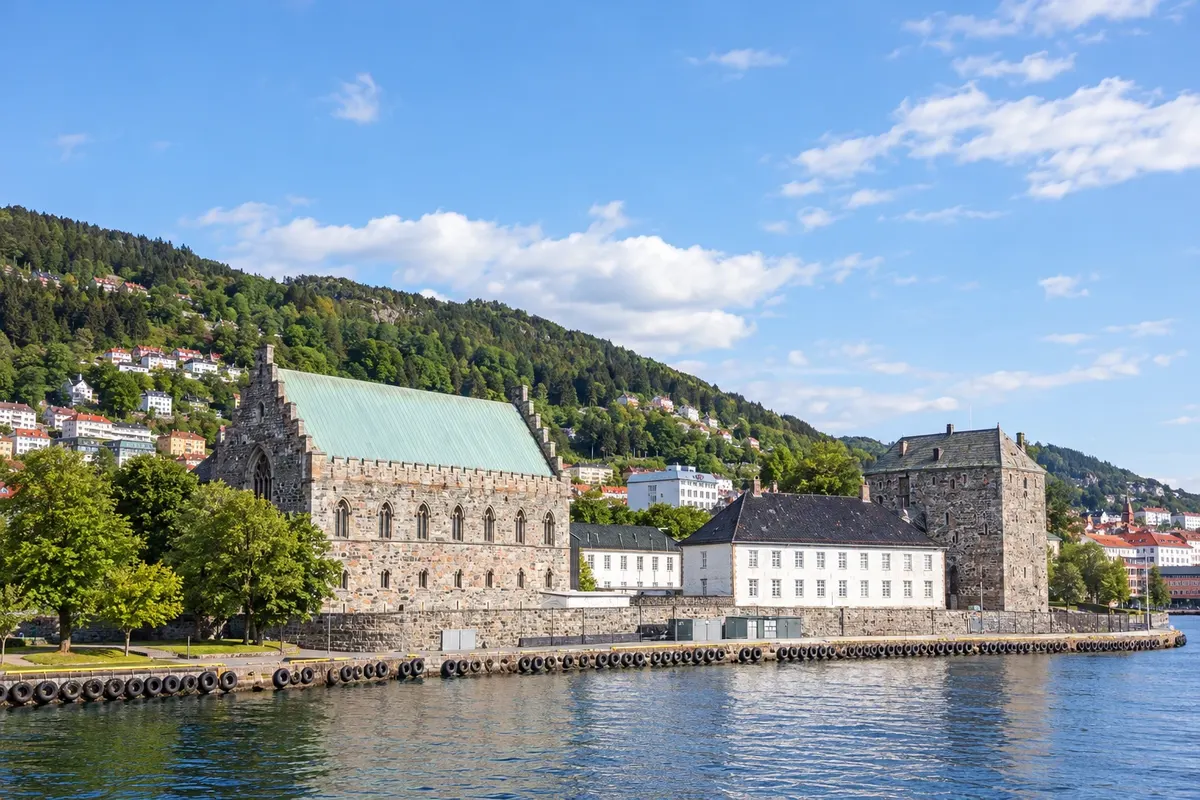
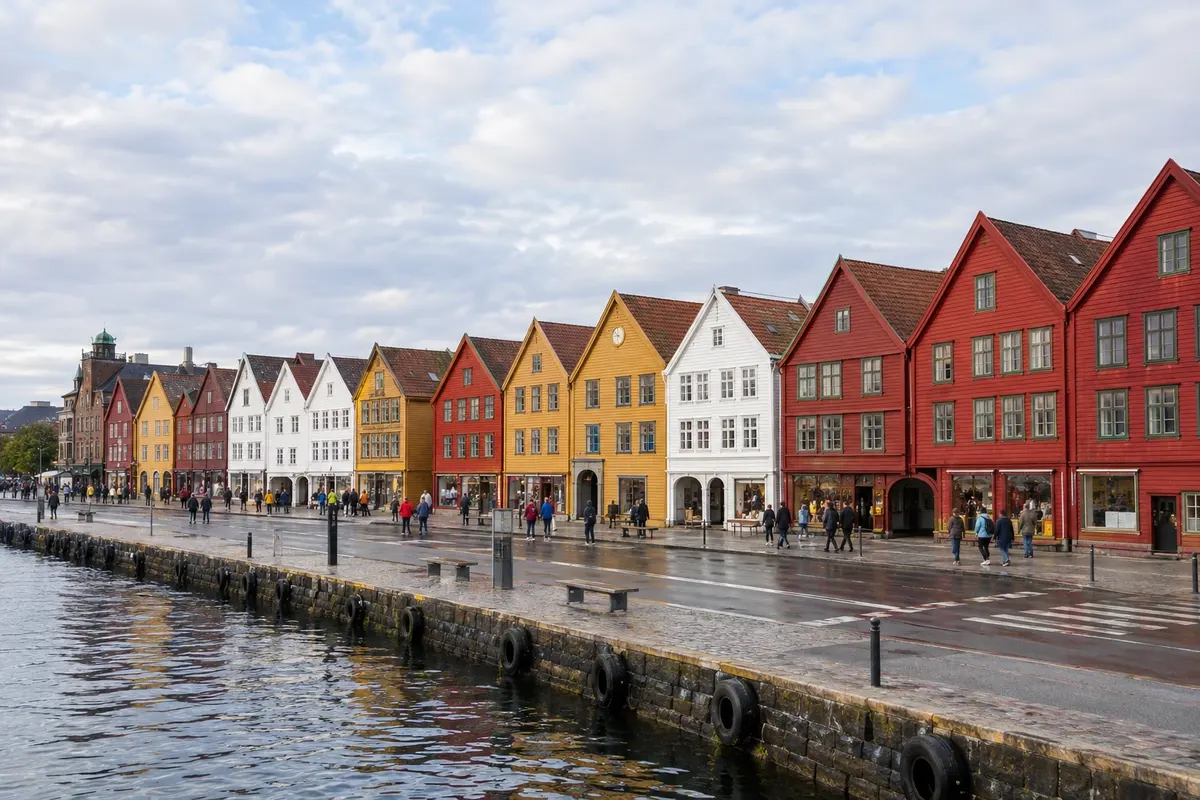
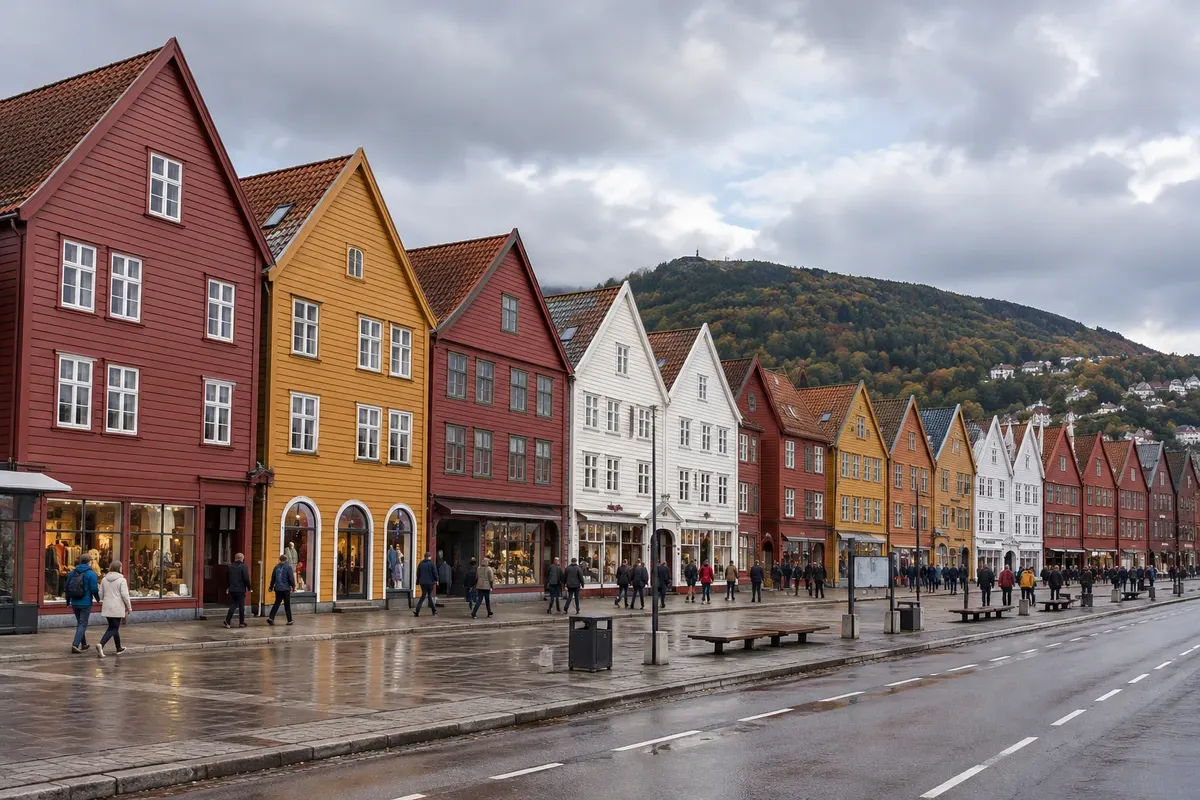
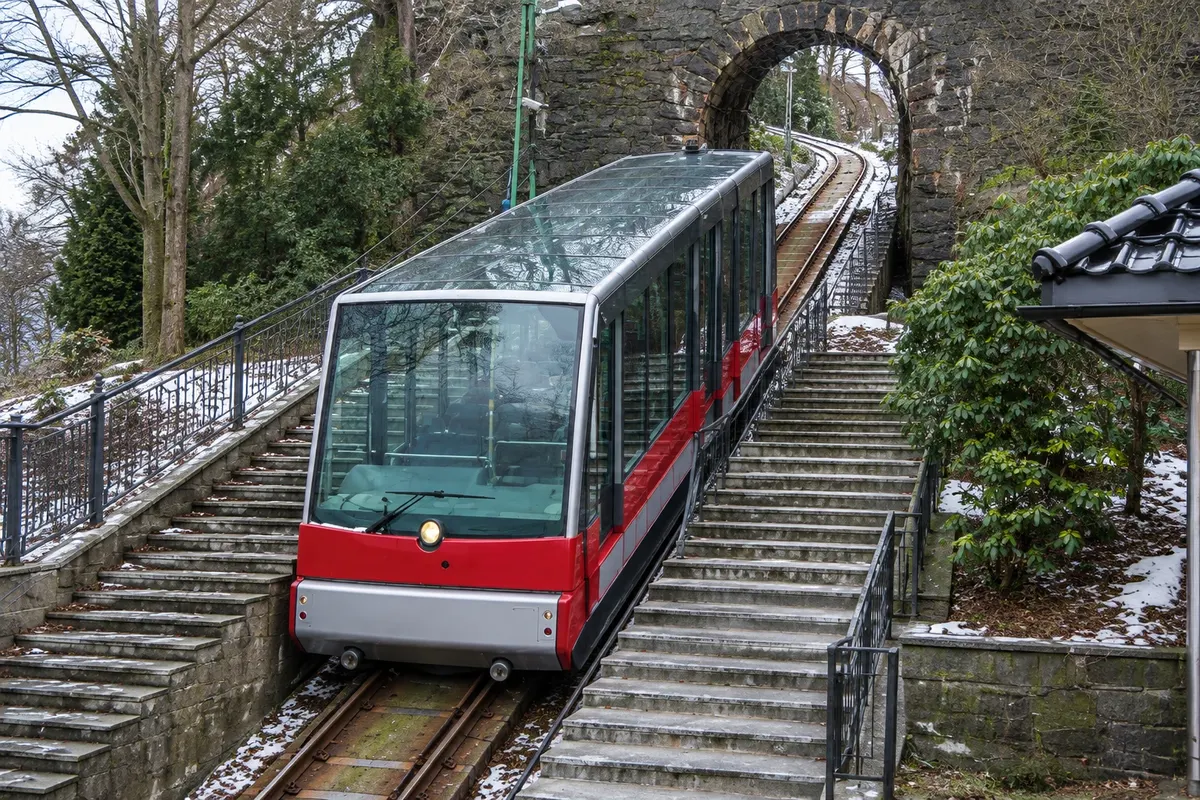
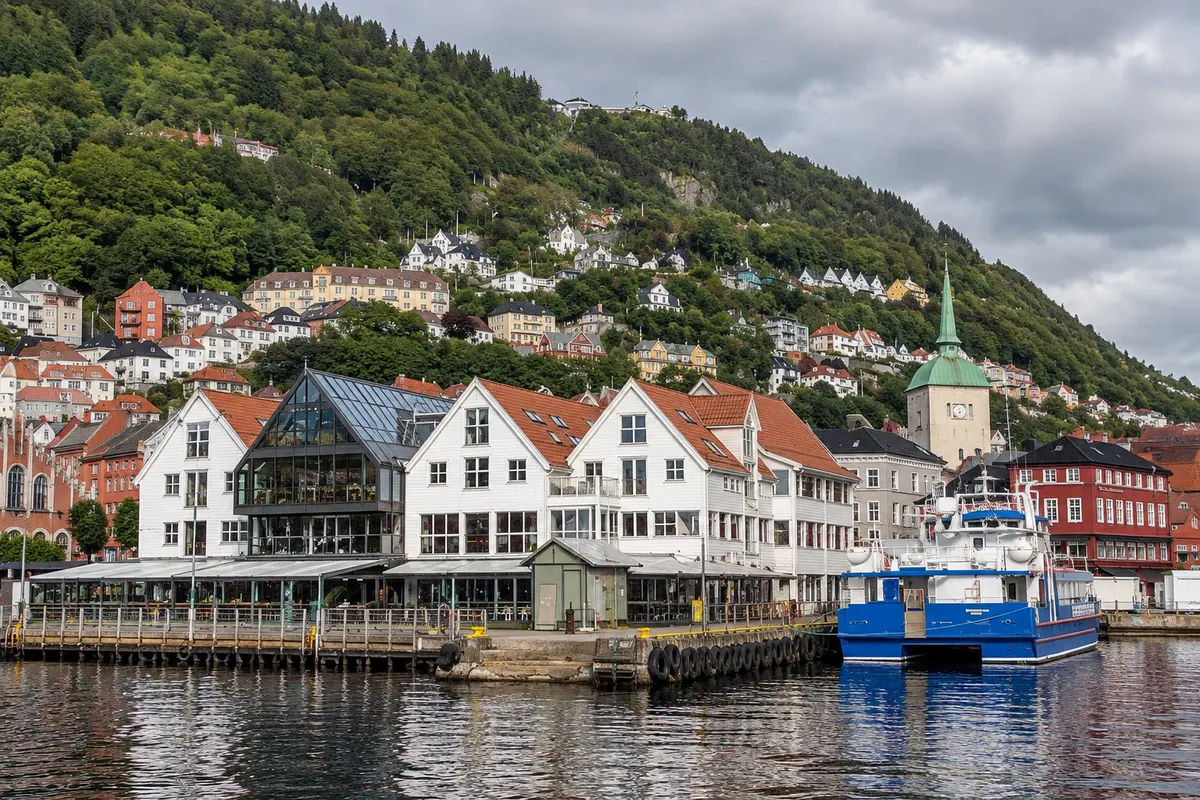
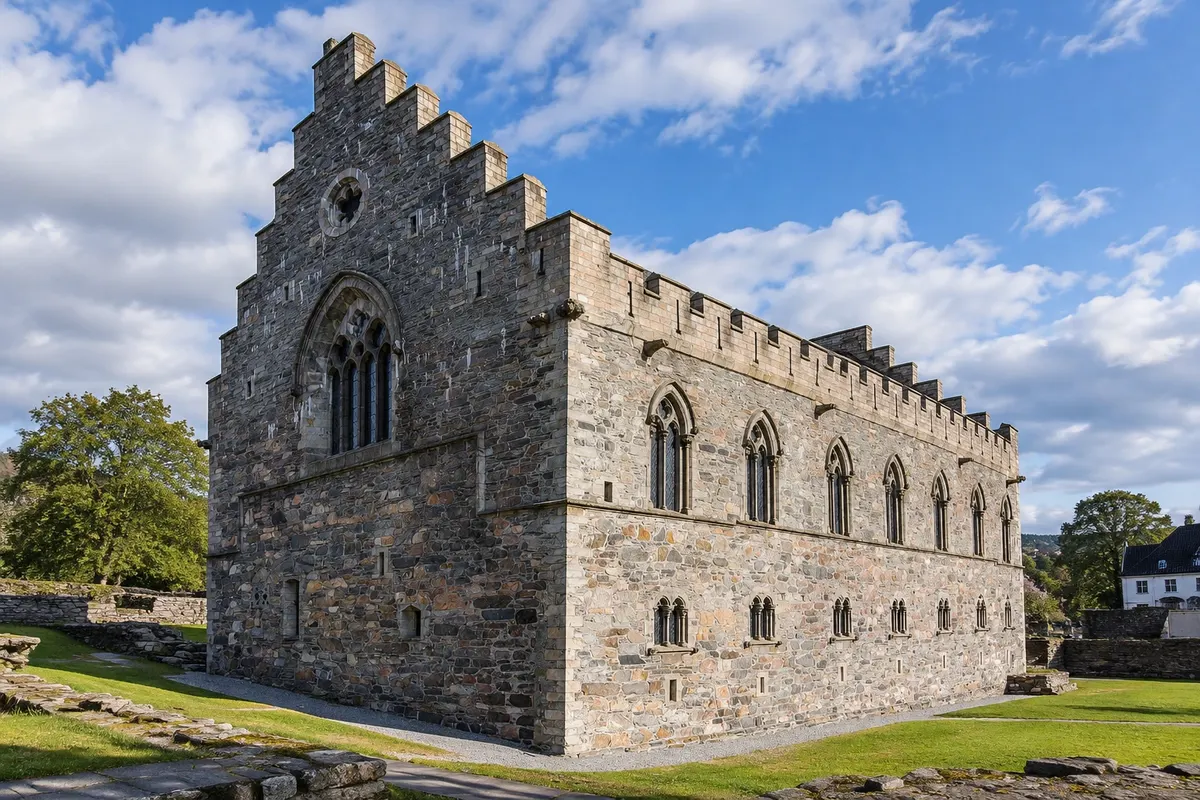
The postcard image is Bryggen, the row of colorful wooden houses on the quay, a UNESCO World Heritage site, with inner alleys, workshops and galleries. On the other side of Vågen bay are the fish market and the commercial centre, and at the tip of the harbour is Bergenhus fortress, with the medieval hall Håkonshallen. A few steps from the quay, the Fløibanen funicular climbs Mount Fløyen, offering views over the whole city; the Ulriken cable car takes you to the highest hill.
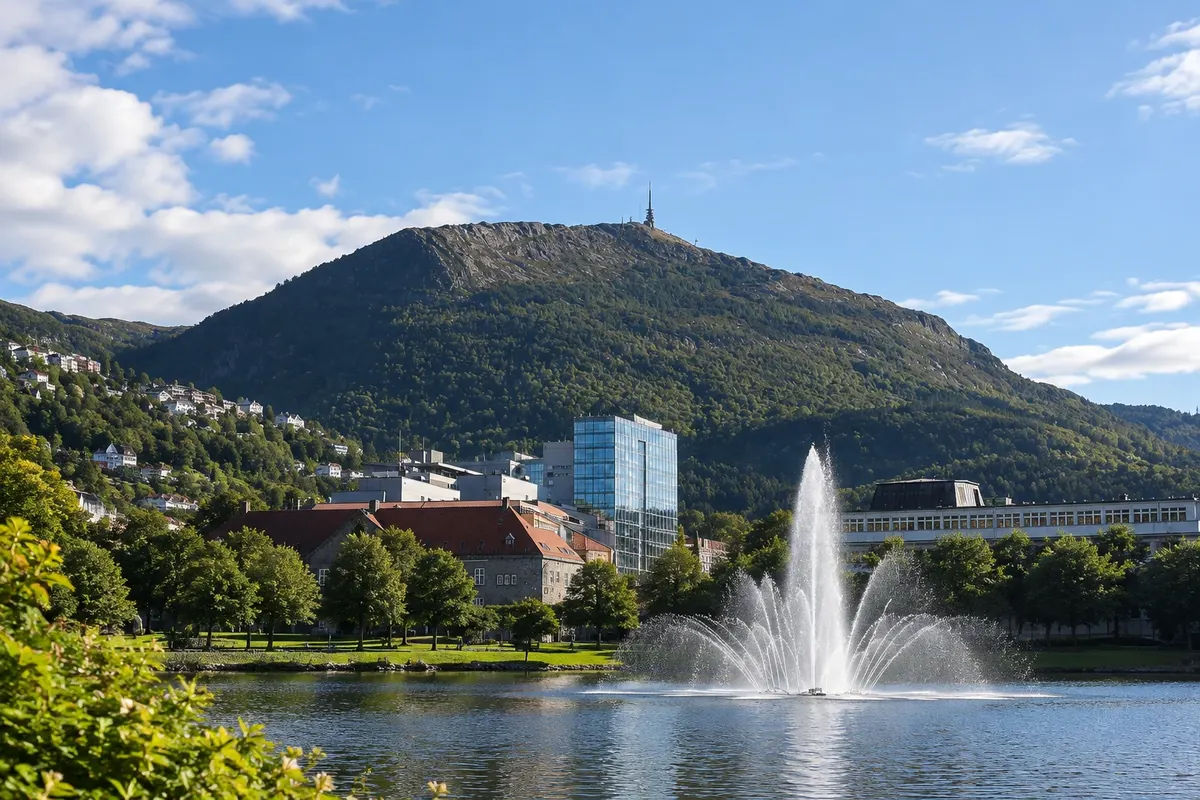
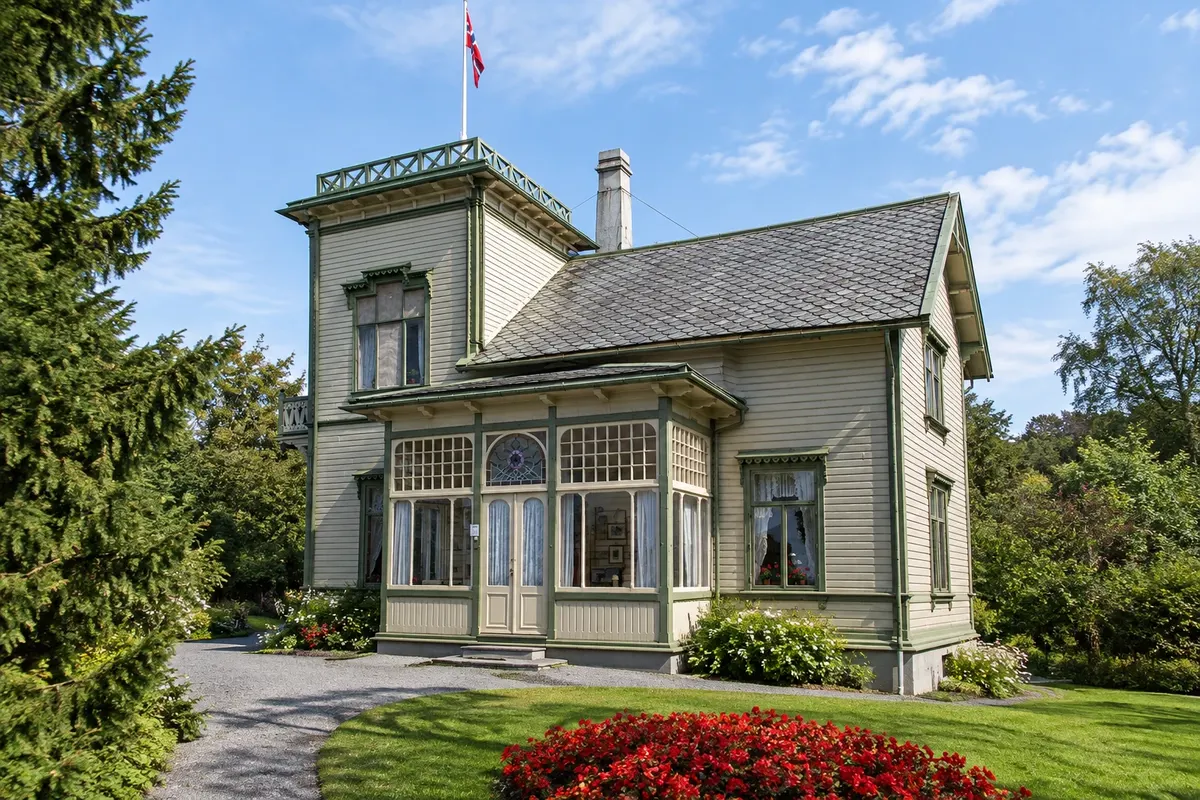
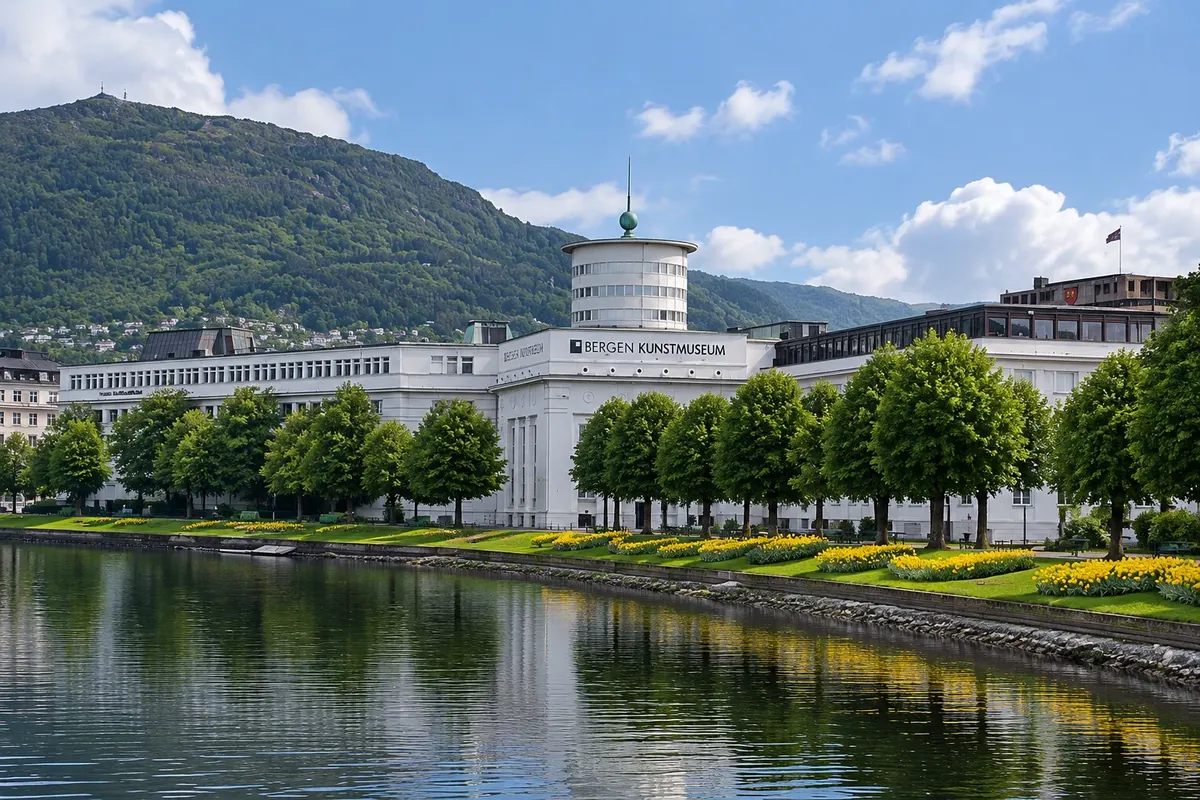
The city has a strong cultural life: the KODE museums gather Norwegian art and works by Munch around the lake Lille Lungegårdsvann, and Troldhaugen, the home of composer Edvard Grieg, hosts concerts by a lakeside south of the centre. Streets of white wooden houses, like those in Nordnes and Sandviken, climb the slopes.
It rains a lot year-round; bring a raincoat and waterproof footwear.
This destination brings together 1 city: Bergen.


 Brazil
 Argentina
 Bolivia
 Chile
Chile Colombia
 Ecuador
 Guyana
 French Guiana
 Falkland Islands (Malvinas)
 Paraguay
 Peru
Peru Suriname
 Uruguay
 Venezuela
 Germany
 Belgium
 Denmark
 Spain
Spain France
 Greece
 the Netherlands
 Ireland
 Italy
Italy Luxembourg
 Portugal
 the United Kingdom
 Sweden
 Switzerland