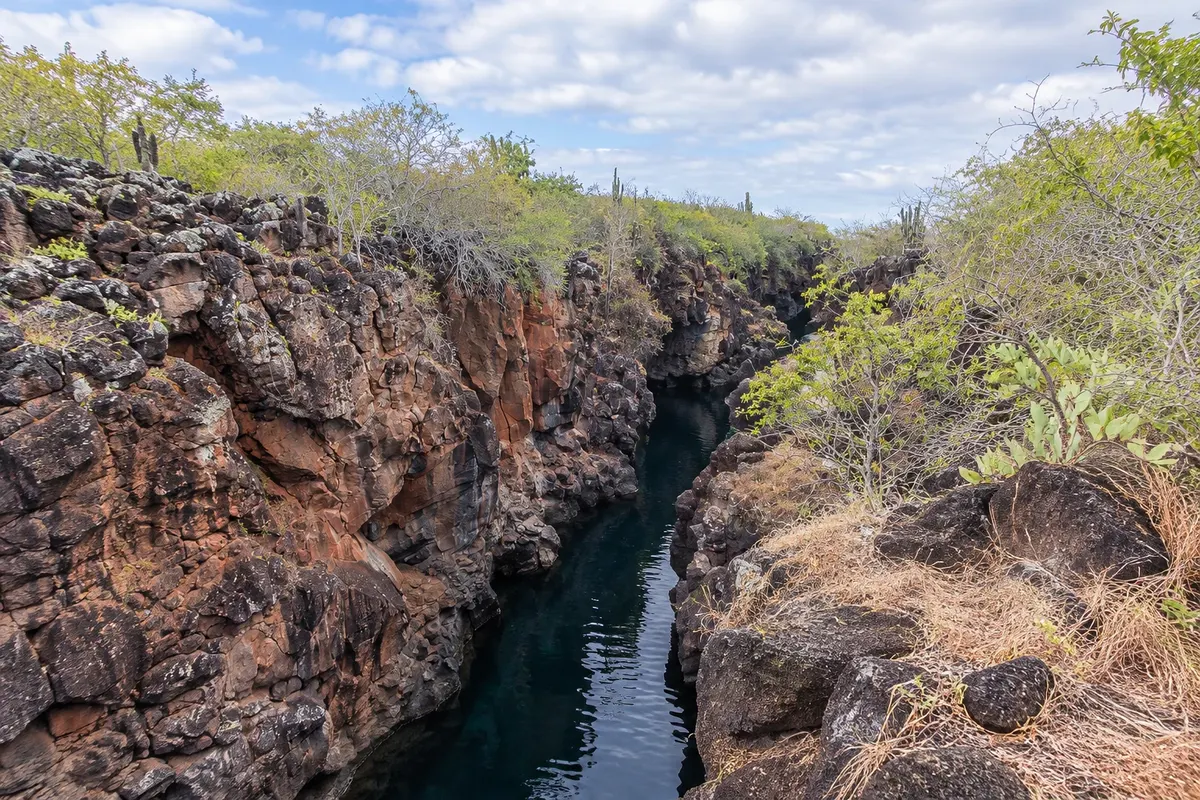
The Galápagos Islands are in the Pacific Ocean, about a thousand kilometers off the coast of Ecuador, on the equator. They are relatively young volcanic islands, never connected to the continent, where species that arrived by sea and air evolved in isolation. Charles Darwin passed through in 1835, and what he saw helped shape the theory of evolution by natural selection. The archipelago has been a national park since 1959 and was one of the first places declared a UNESCO World Heritage Site, in 1978, with a marine reserve around it.
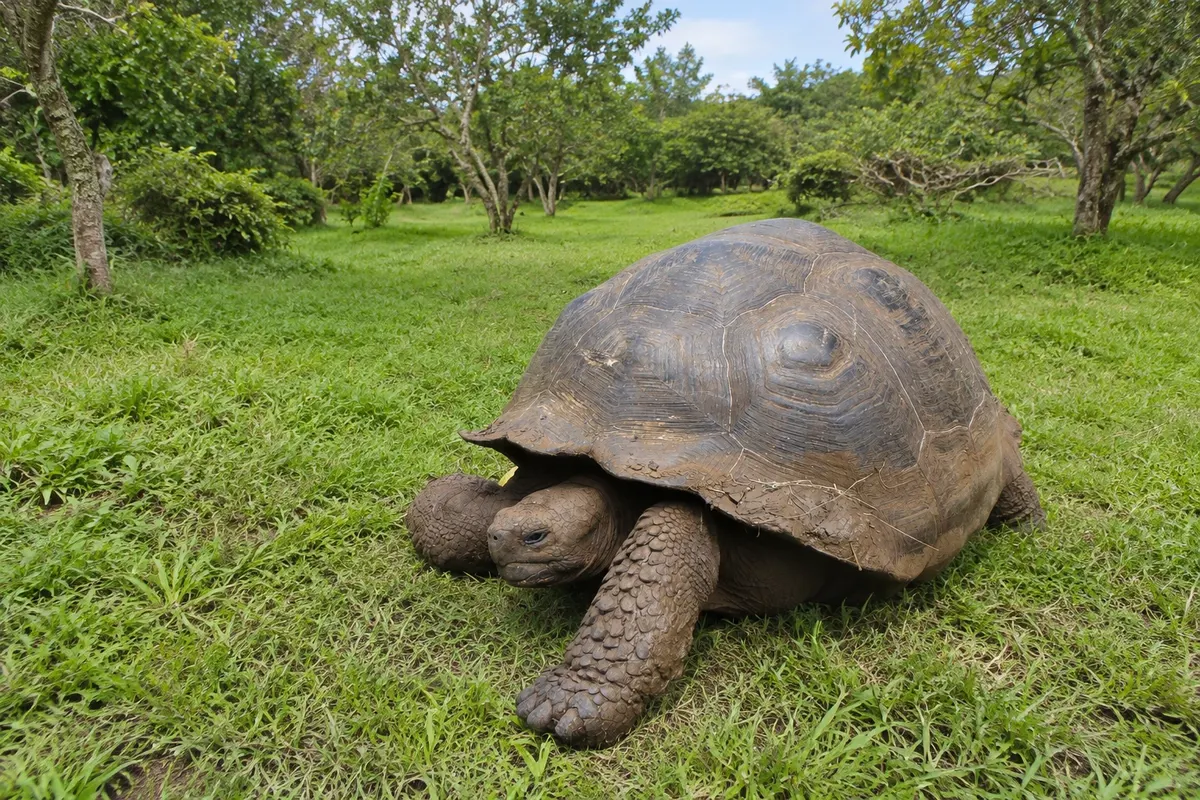
What is most striking is how close the animals are, and that they do not flee from people: giant tortoises in the highlands, marine iguanas sunning on the rocks, sea lions on the beaches and at town docks, blue-footed boobies, frigatebirds, penguins and finches. In the sea, snorkeling typically reveals sea turtles, rays, reef sharks and shoals of fish.
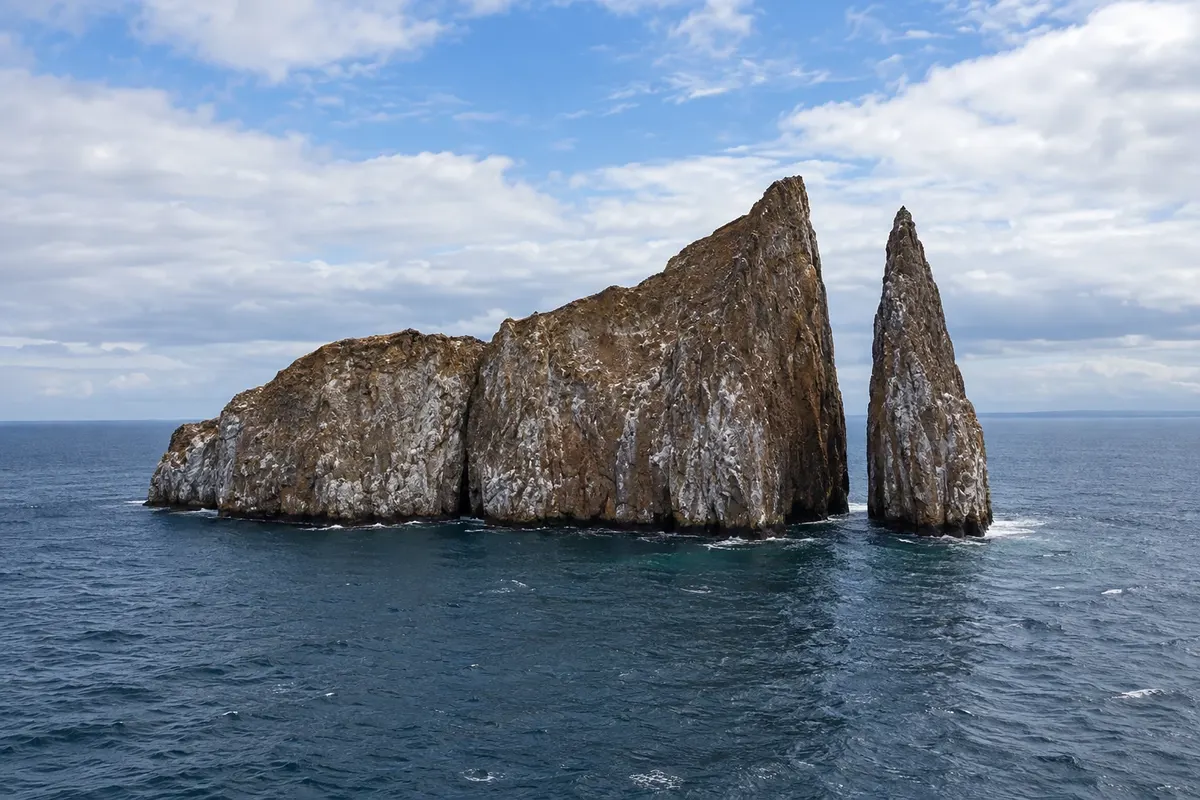
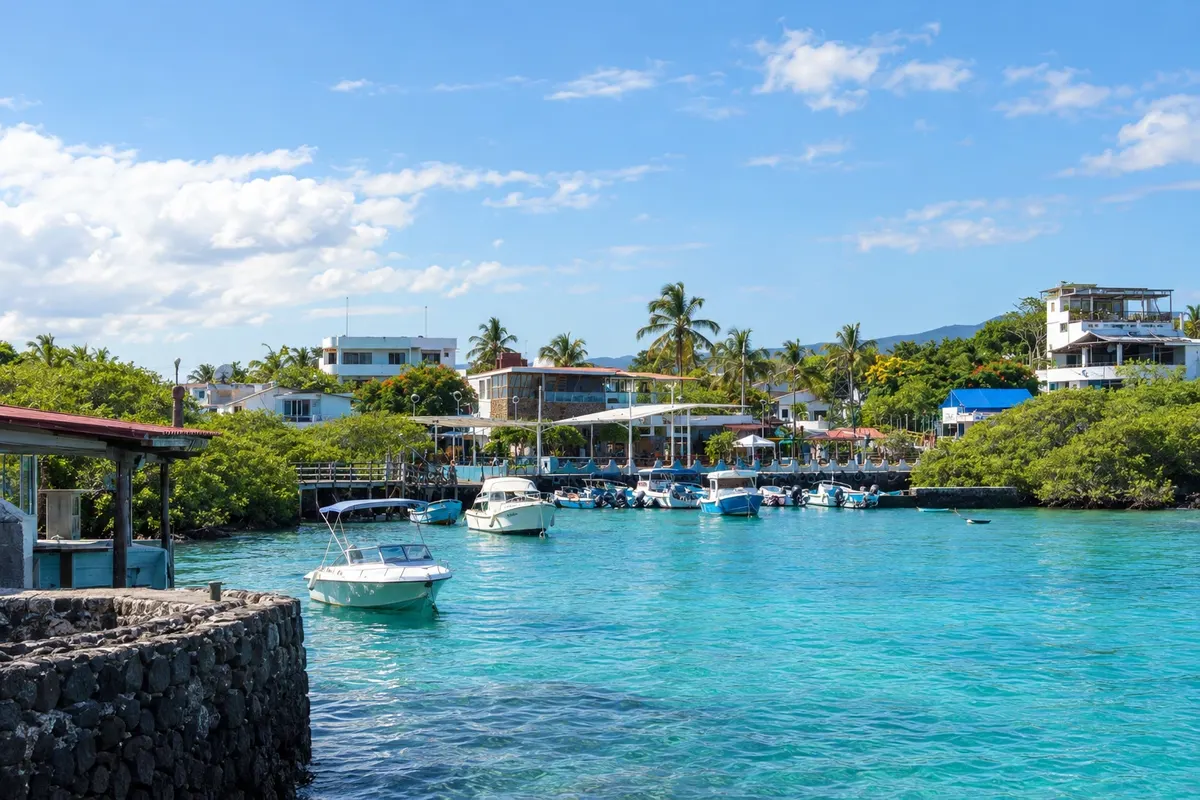
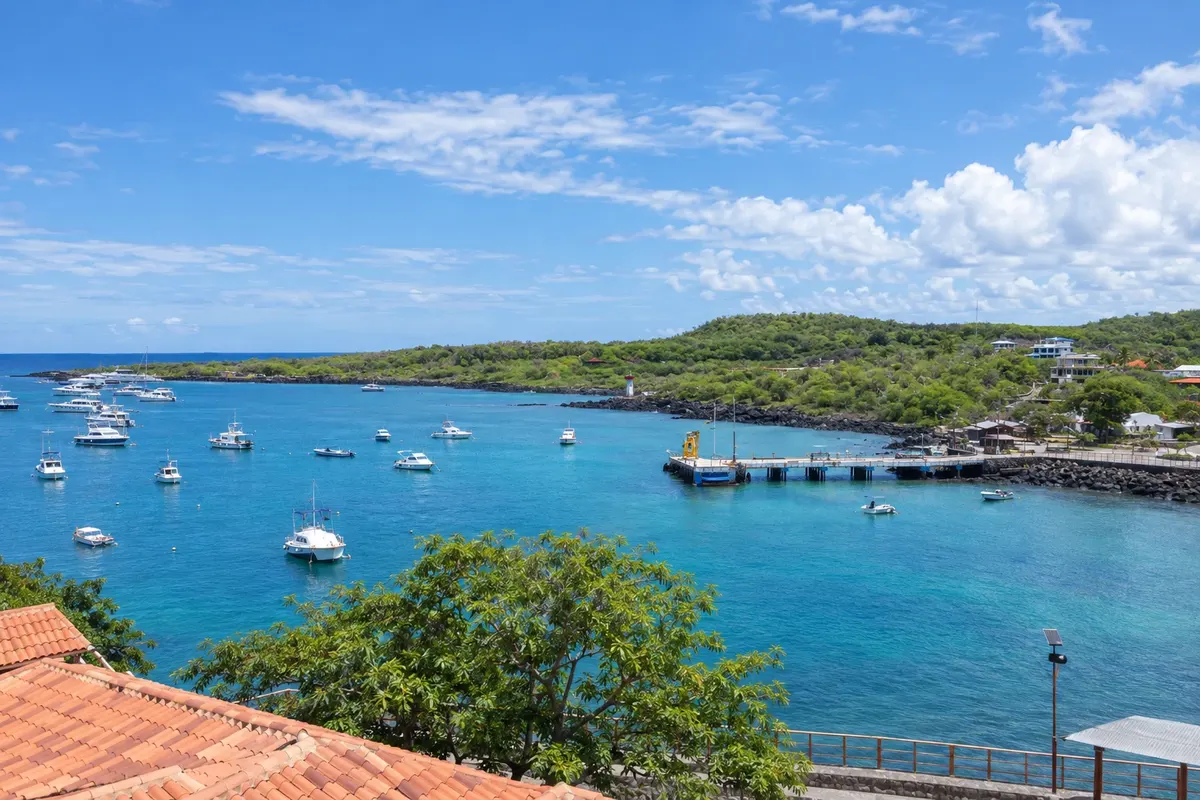
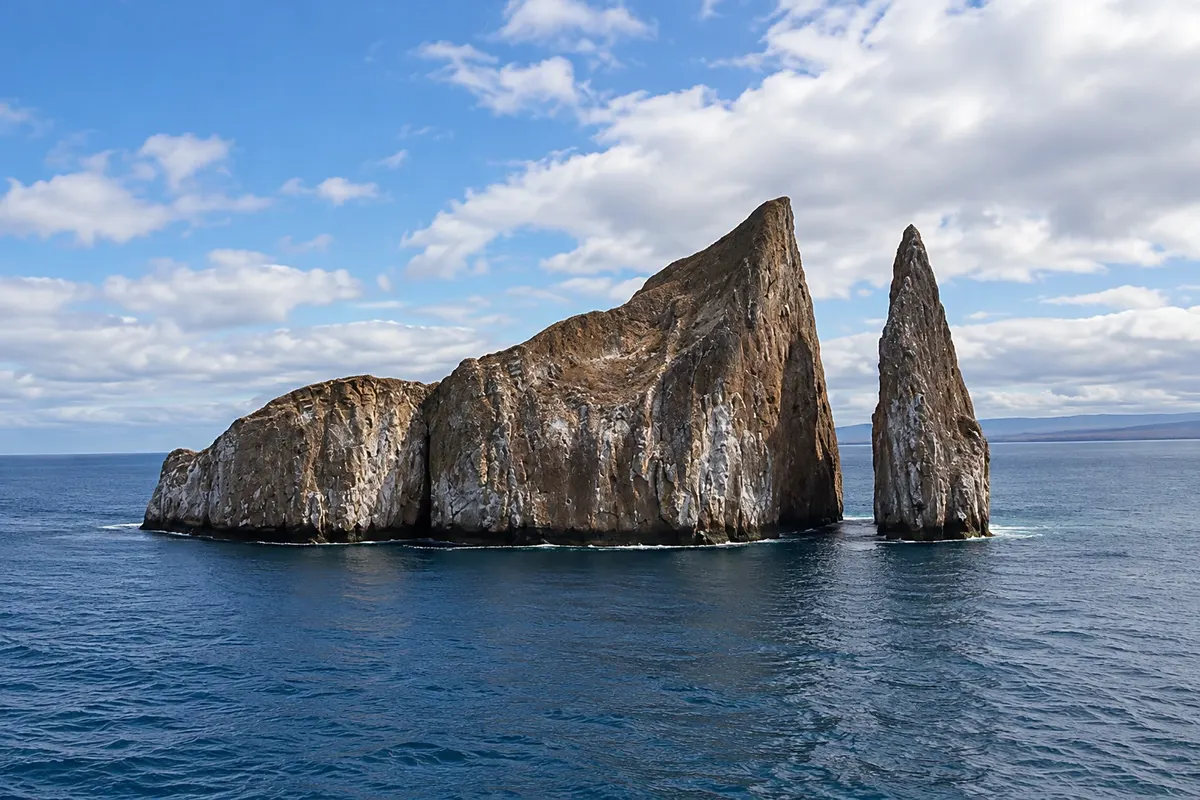
Four islands are inhabited. Santa Cruz, in the center, has Puerto Ayora, the largest town, with the Charles Darwin Research Station, Tortuga Bay and the tortoise highlands. San Cristóbal, to the east, has Puerto Baquerizo Moreno, the provincial capital, with the interpretation center, sea lion beaches and the Kicker Rock promontory at sea. Fast boats connect the islands in a few hours.
Visits to park areas are usually with accredited guides and along marked trails; you must not touch or feed the animals and should keep a distance. There are biosecurity checks when leaving the mainland and when arriving on the islands, and a national park entrance fee; check the rules before you go.
This destination brings together 2 cities: Puerto Ayora, Puerto Baquerizo Moreno.


 Brazil
 Argentina
 Bolivia
 Chile
Chile Colombia
 Guyana
 French Guiana
 Falkland Islands (Malvinas)
 Paraguay
 Peru
Peru Suriname
 Uruguay
 Venezuela
 Germany
 Belgium
 Spain
Spain France
 Greece
 the Netherlands
 Ireland
 Italy
Italy Luxembourg
 Portugal
 the United Kingdom
 Switzerland