The North Jutland region is the northernmost part of mainland Denmark, a landscape of dunes, pine plantations, wide beaches and fishing villages. Aalborg, the country’s fourth-largest city, sits on the banks of the Limfjord, the water channel that crosses Jutland from one sea to the other, and is the gateway to the area, with an airport and trains from Aarhus and Copenhagen.
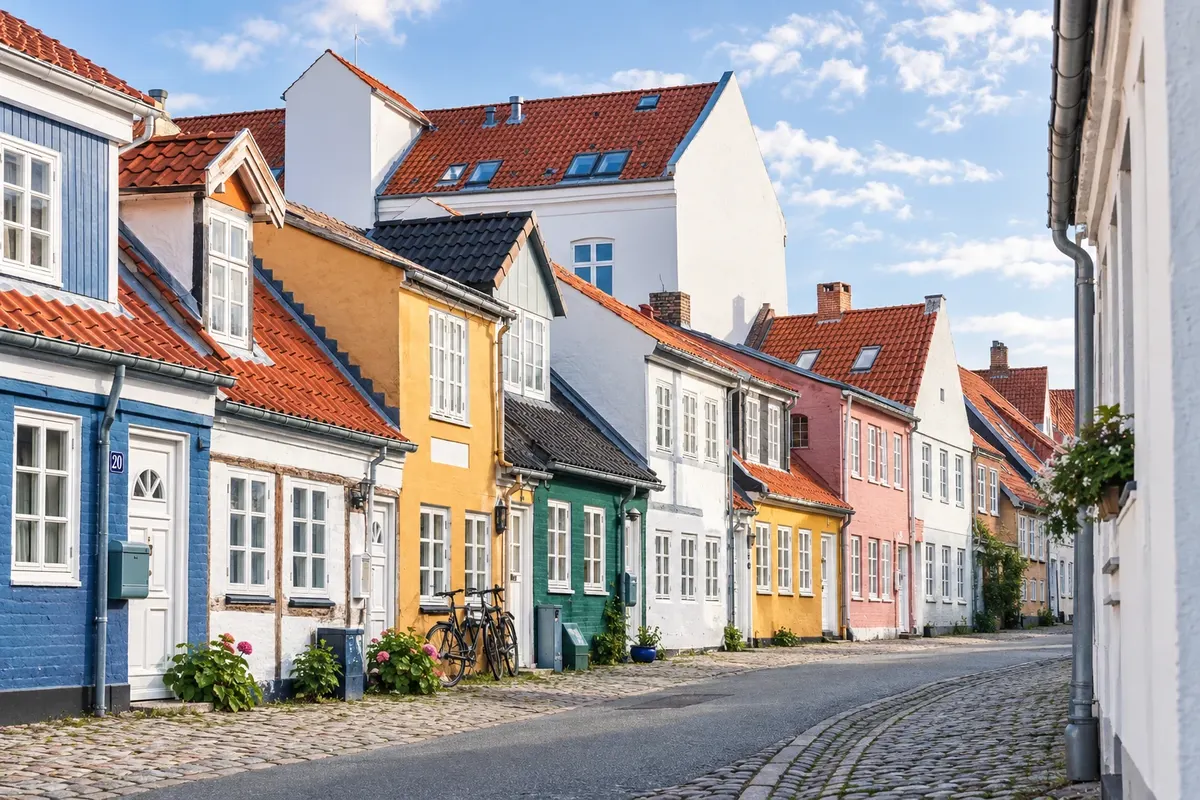
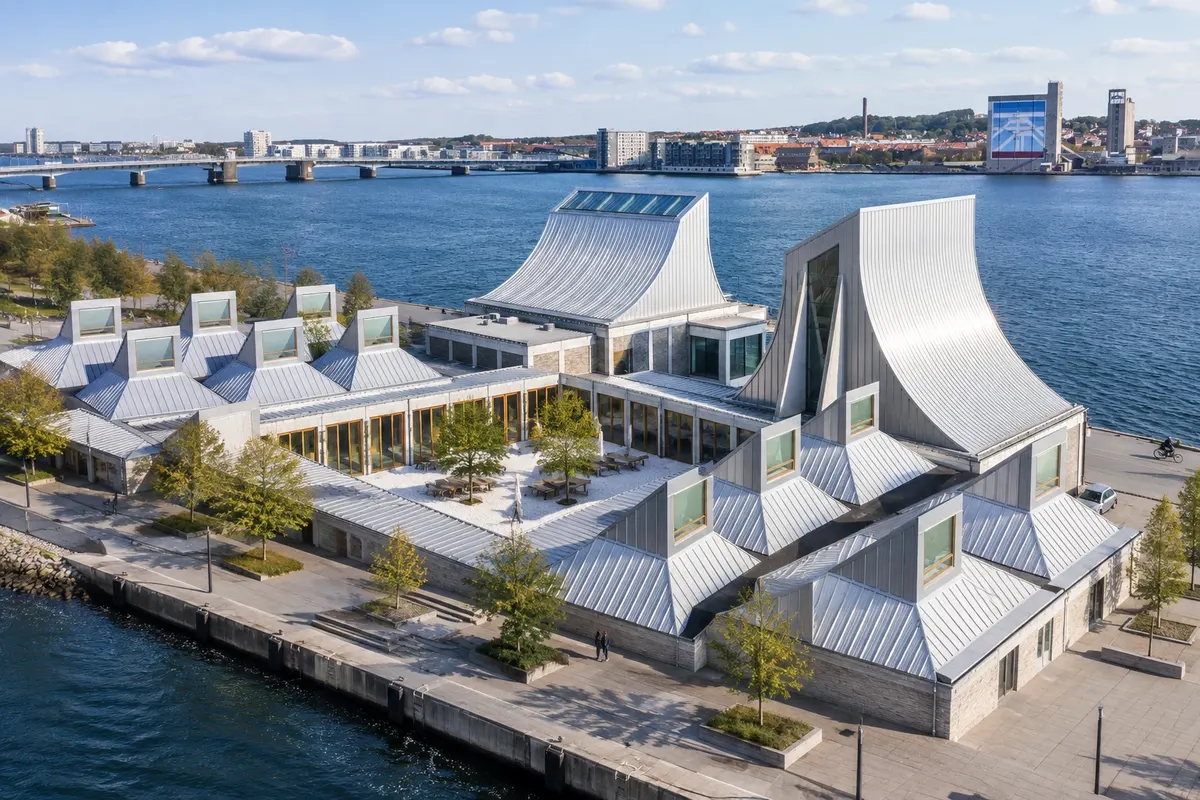
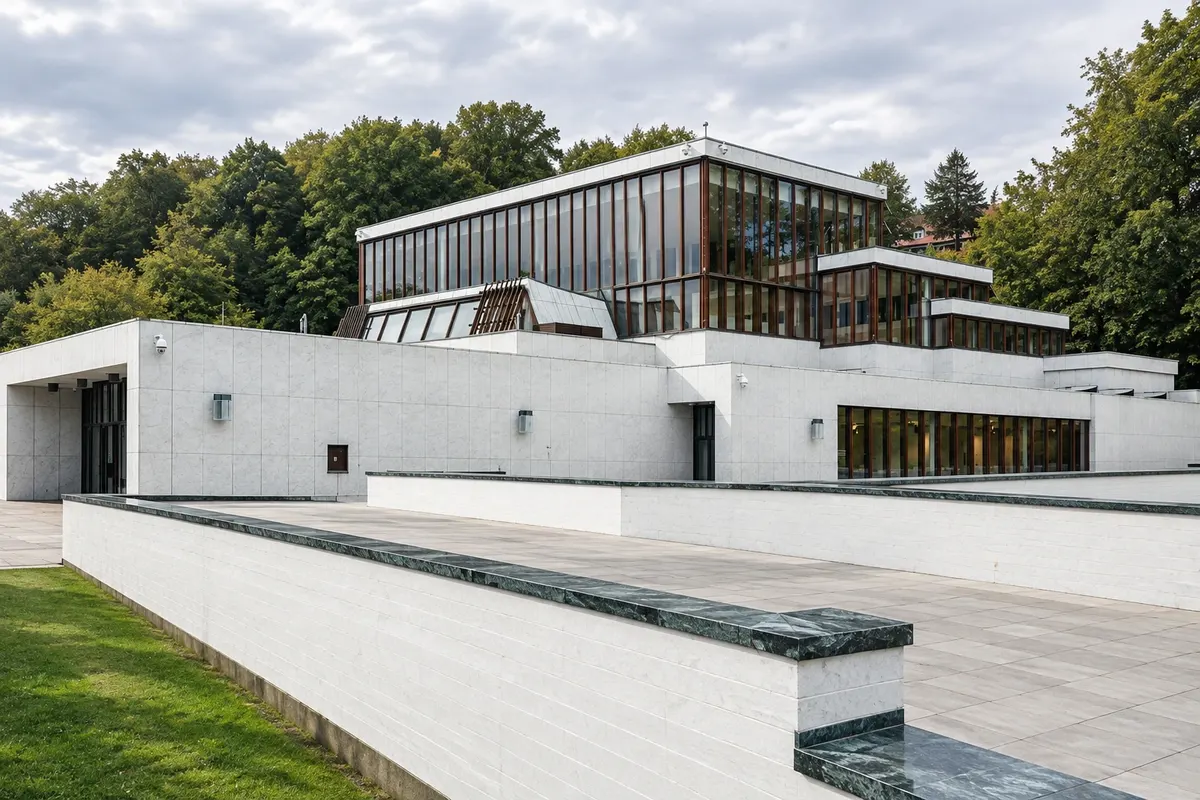
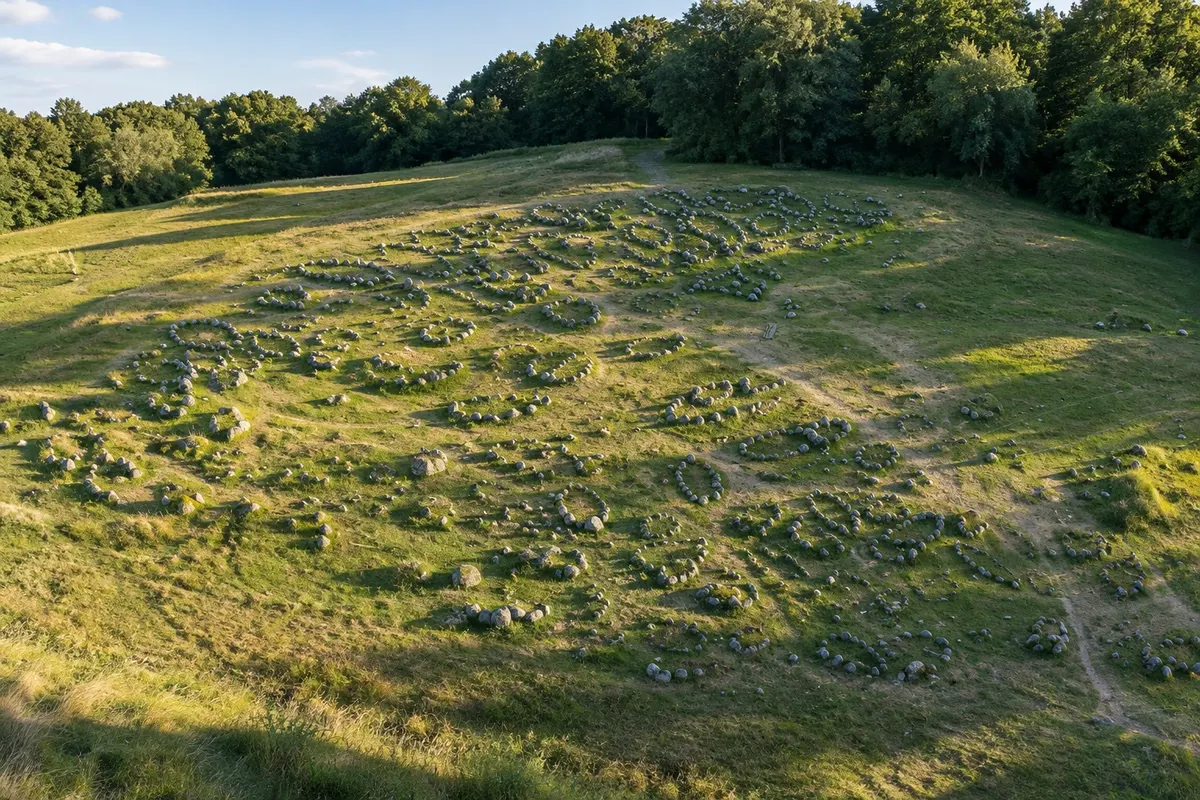
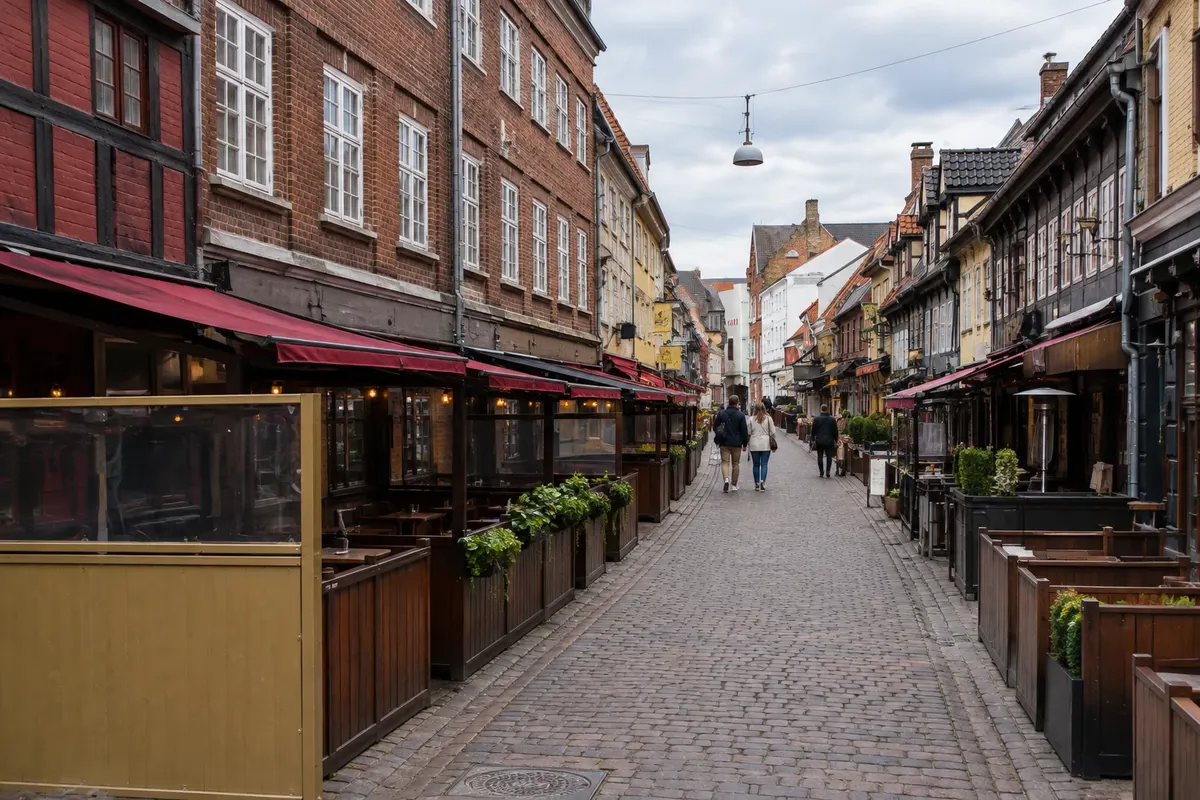
In Aalborg, the fjordside has been redeveloped as a promenade, featuring the Utzon Center, the last building designed by Jørn Utzon, the Sydney Opera House architect who grew up in the city. Kunsten, the museum of modern art designed by Alvar Aalto, lies in a park south of the centre. The old town has the São Budolfo Cathedral, the half-timbered Aalborghus castle and the bar-lined street Jomfru Ane Gade. On the other side of the fjord, in Nørresundby, Lindholm Høje is one of the largest Viking Age cemeteries in Scandinavia, with hundreds of burial mounds marked by ship-shaped stones.
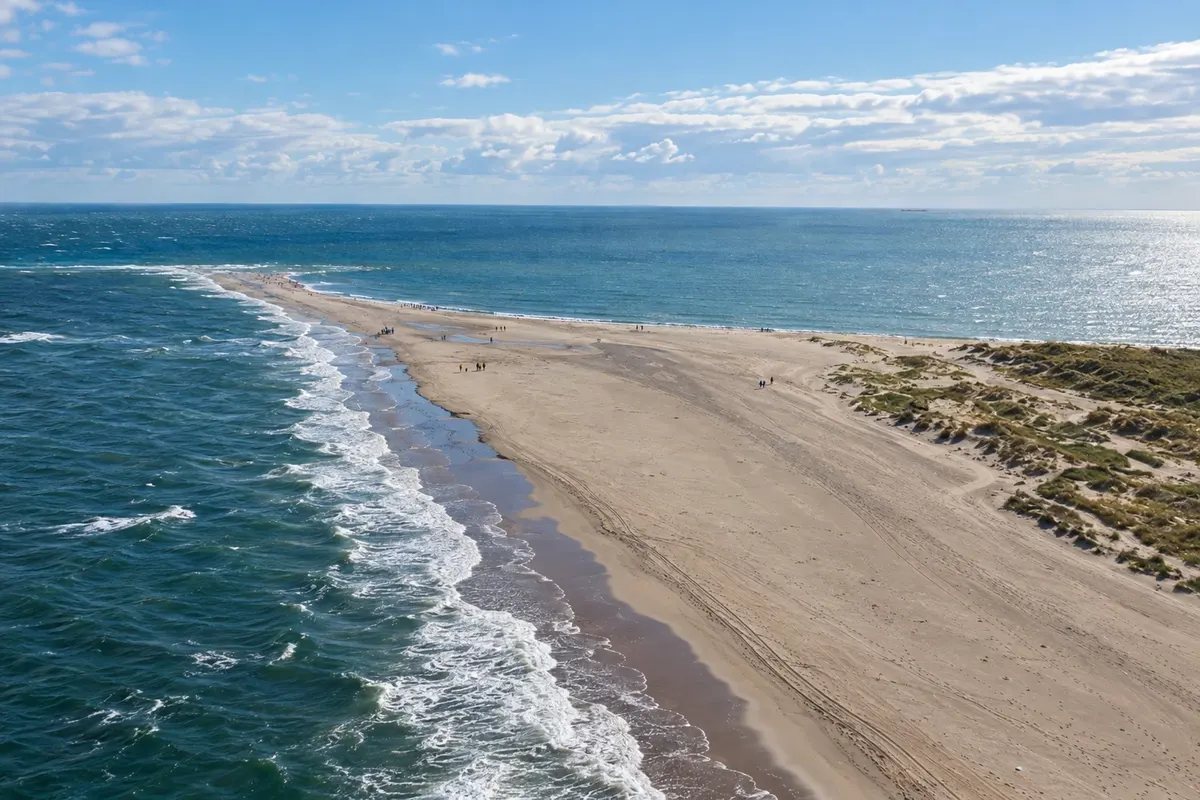
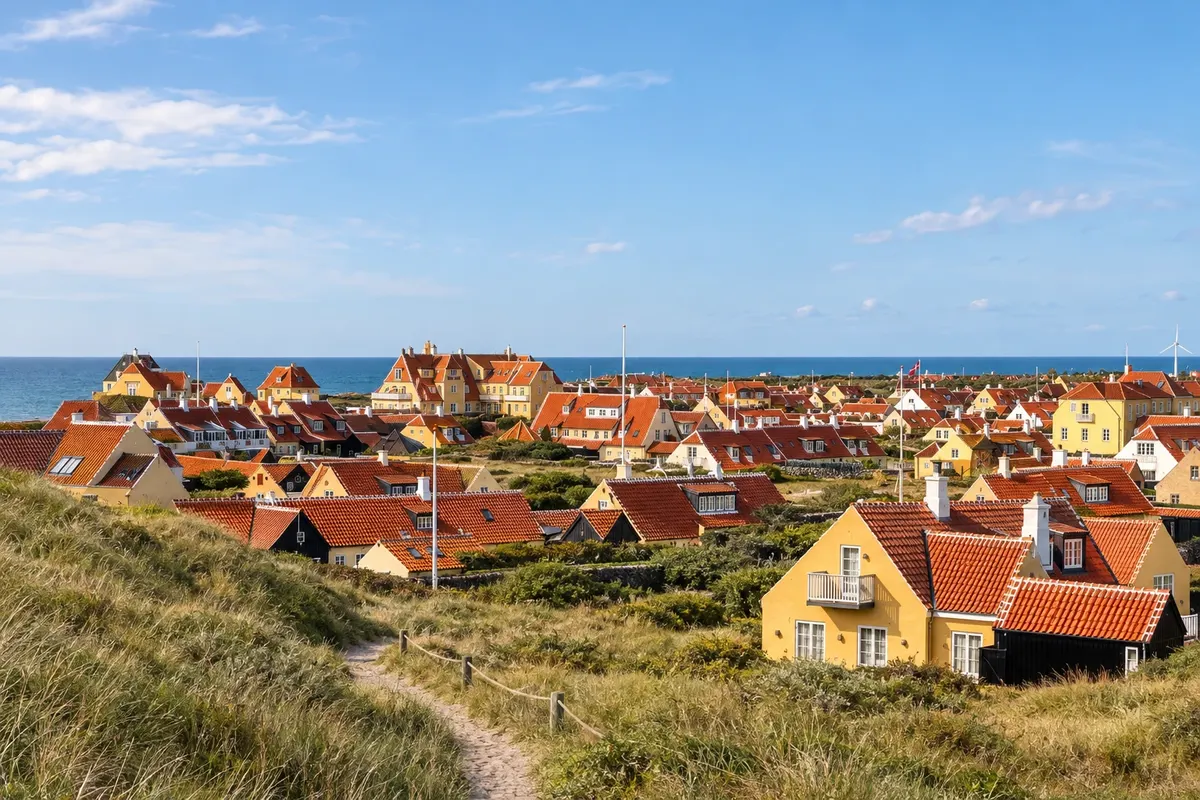
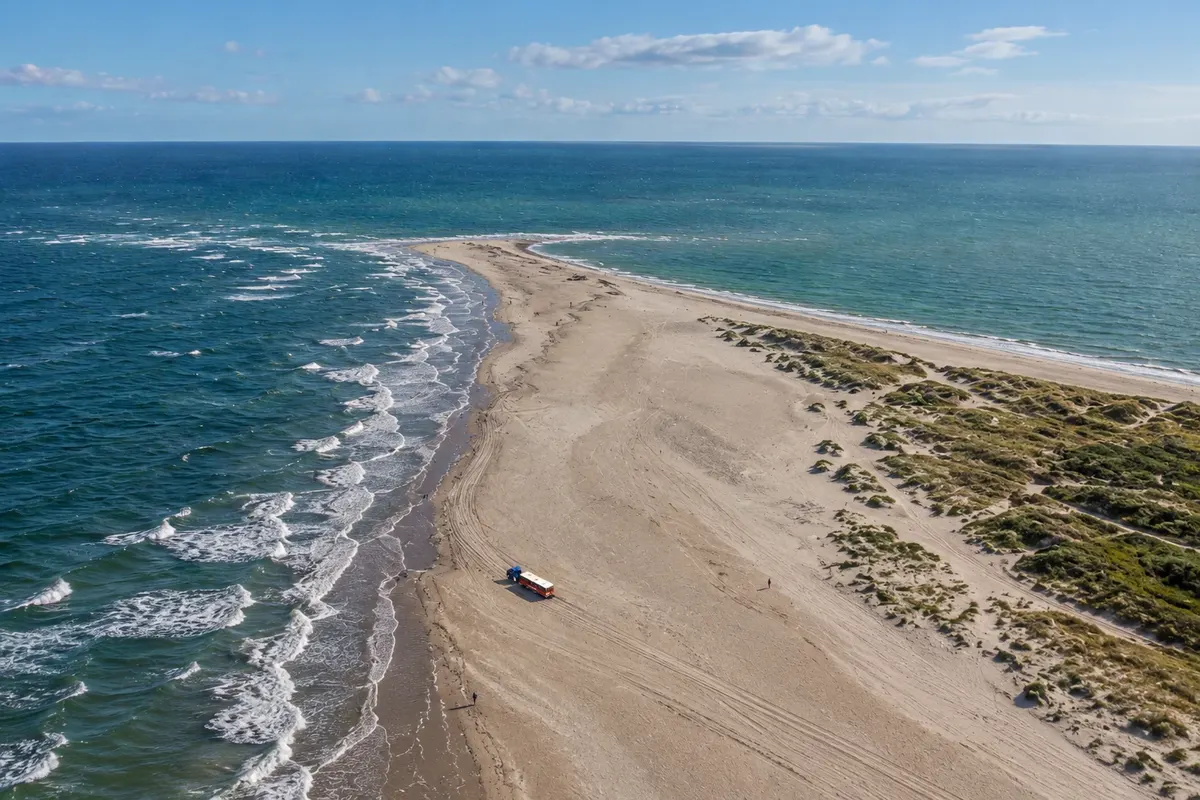
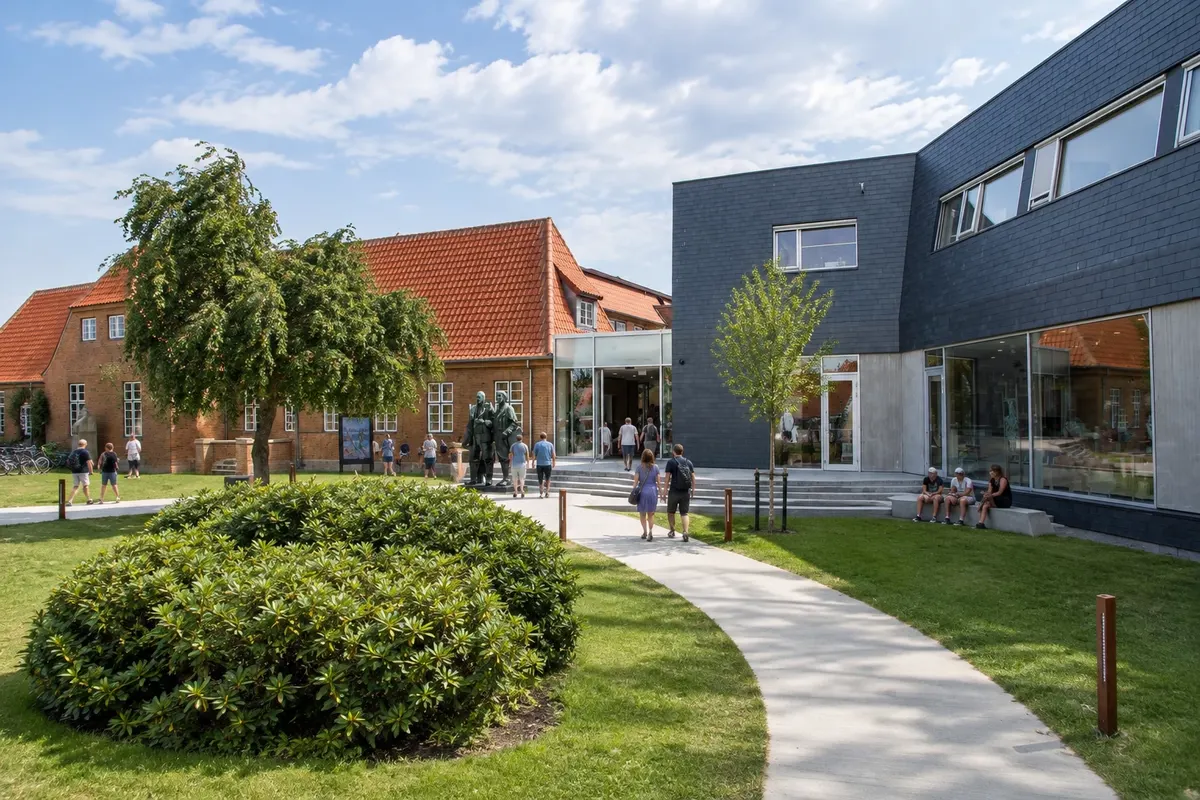
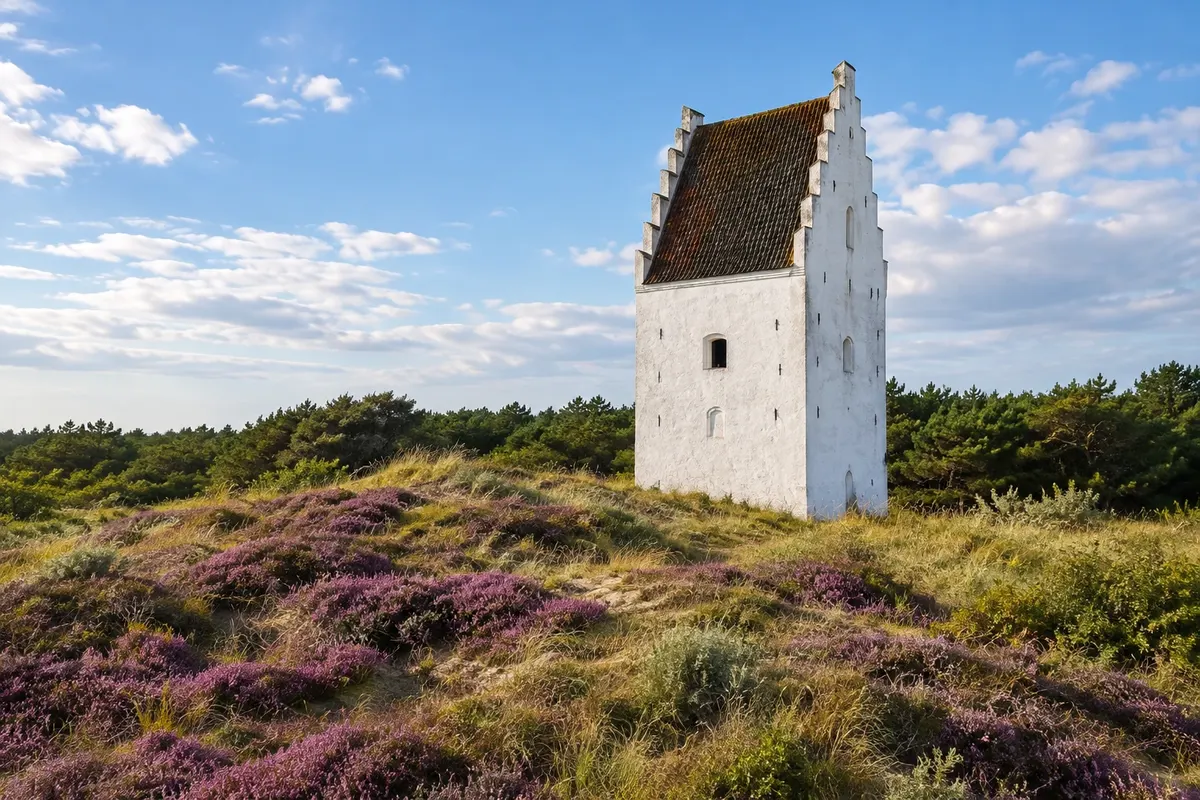
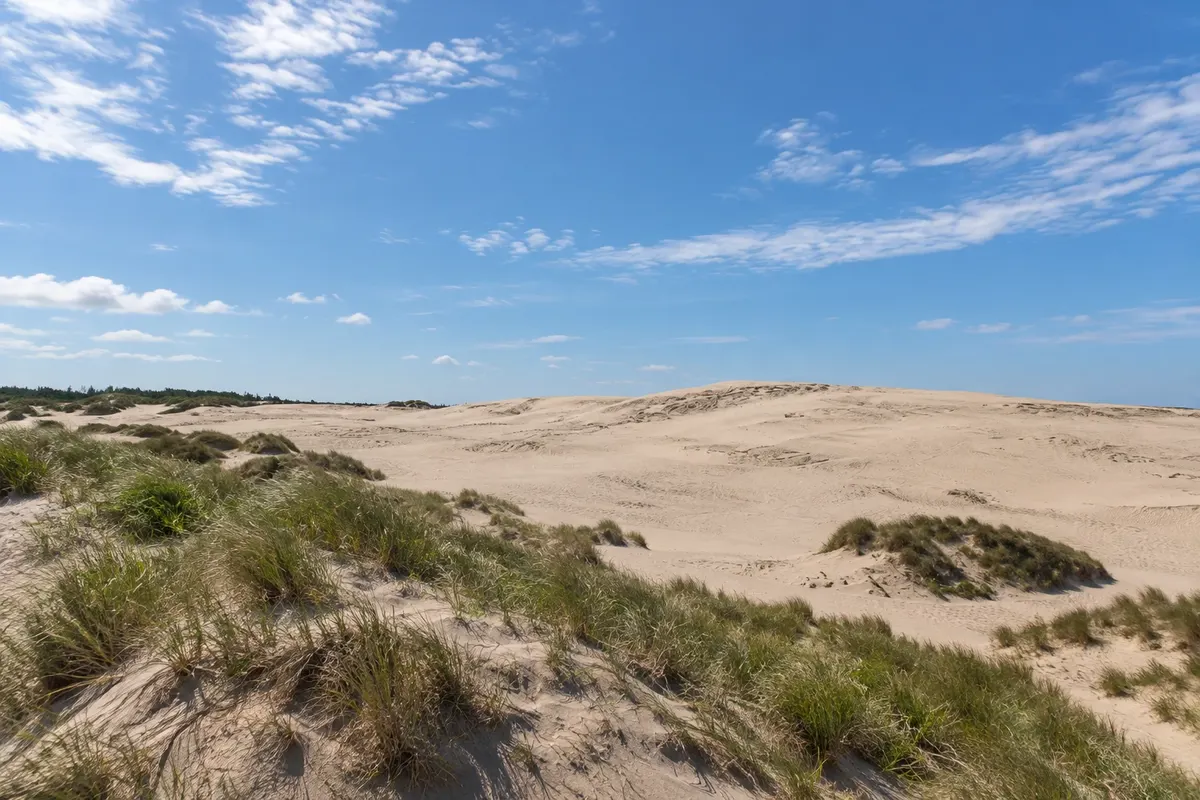
About 100 km to the north, Skagen occupies the tip of the peninsula where Denmark ends. At Grenen, a sand spit, the Skagerrak and Kattegat seas meet and waves collide head-on. The town has yellow houses with red roofs and an active fishing harbour, and in the late 19th century it attracted the Skagen Painters such as P. S. Krøyer and Michael and Anna Ancher, whose works are in the Museu de Skagen. Around it, the migrating dune Råbjerg Mile advances a few metres a year, and the church buried by sand shows only its tower above the dunes.
By train, Aalborg connects to Frederikshavn and from there a local railway runs to Skagen.
This destination brings together 2 cities: Aalborg, Skagen.


 Brazil
 Argentina
 Bolivia
 Chile
Chile Colombia
 Ecuador
 Guyana
 French Guiana
 Falkland Islands (Malvinas)
 Paraguay
 Peru
Peru Suriname
 Uruguay
 Venezuela
 Germany
 Belgium
 Spain
Spain France
 Greece
 the Netherlands
 Ireland
 Italy
Italy Luxembourg
 Norway
 Portugal
 the United Kingdom
 Sweden
 Switzerland