

 Brazil
 Antarctica
 Argentina
 Bolivia
 Chile
 Colombia
 Ecuador
 Falkland Islands (Malvinas)
 French Guiana
 Guyana
 Paraguay
 Peru
 Suriname
 Uruguay
 Venezuela
 Albania
 Austria
 Belgium
 Denmark
 Finland
 France
 Germany
 Greece
 Hungary
 Iceland
 Ireland
 Italy
 Luxembourg
 Norway
 Poland
 Portugal
 Slovakia
 Slovenia
 Spain
 Sweden
 Switzerland
 the Czech Republic
 the Netherlands
 the United Kingdom
 Turkey
 Bermuda
 Canada
 Greenland
 Mexico
 Saint Pierre and Miquelon
 the United States
 the Dominican Republic
 Japan
 Egypt
 South Africa
 Australia
 Fiji
 New Zealand
 Papua New Guinea
Nature
Adventure travel in Croatia
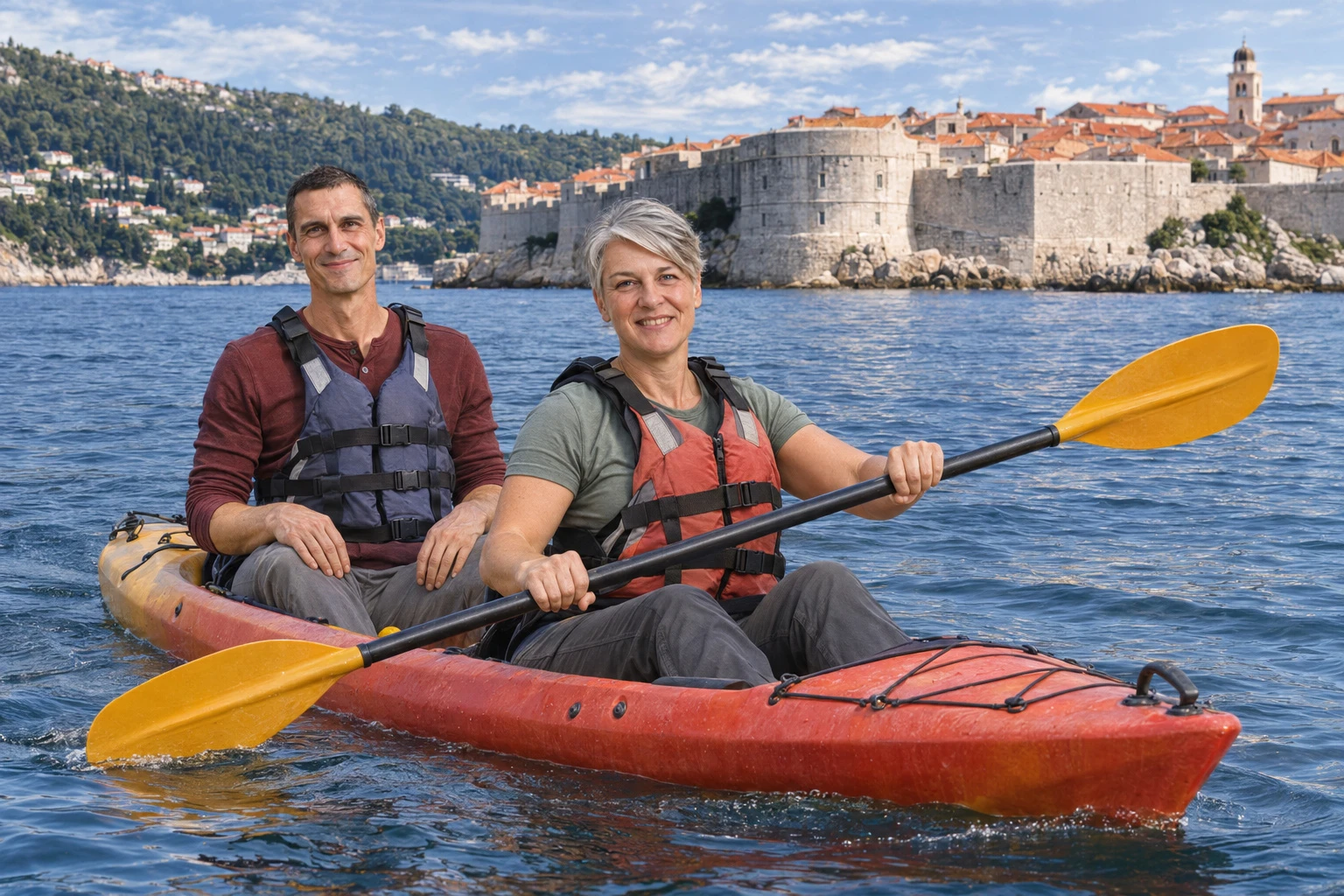
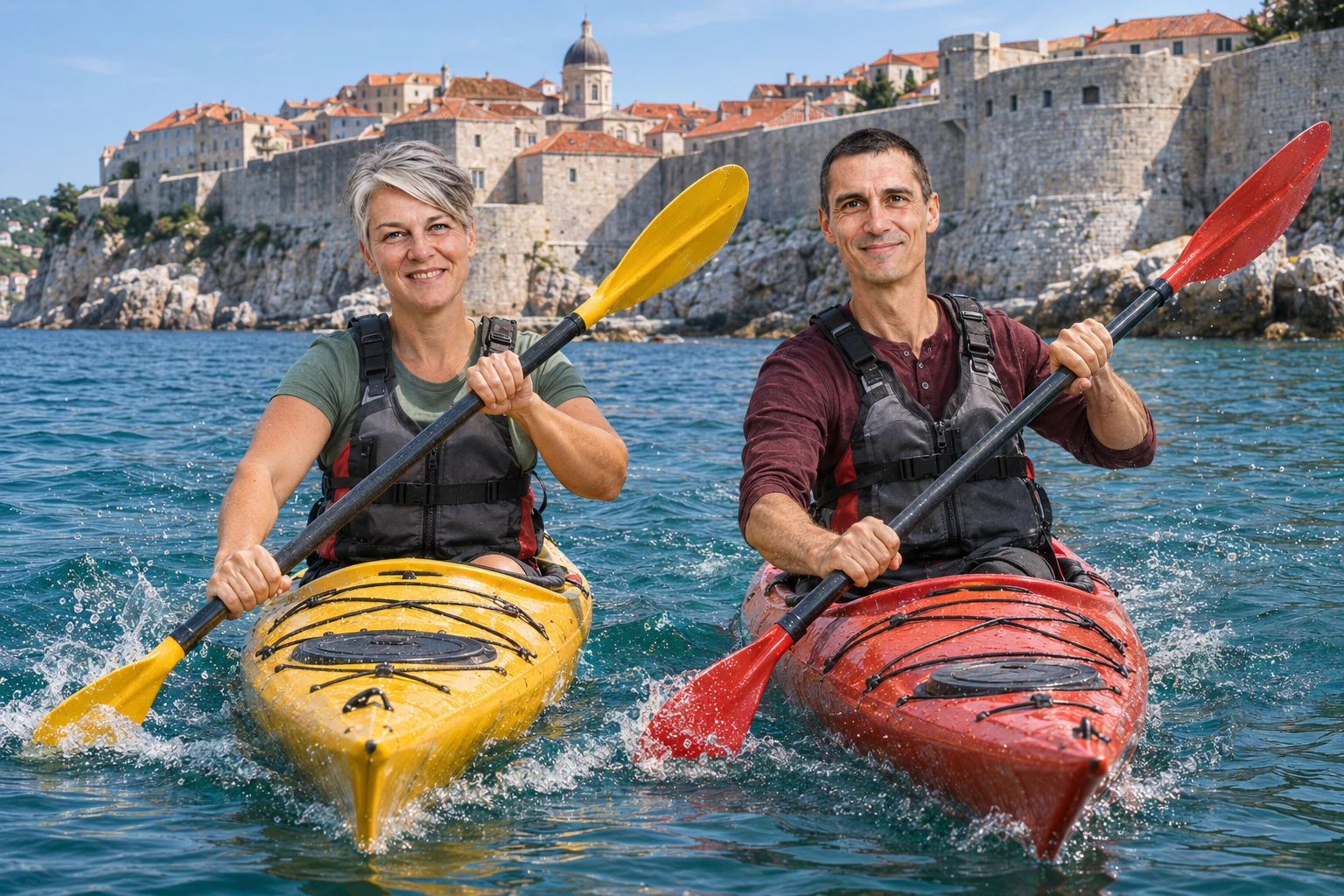
Paddle at the foot of Dubrovnik’s city walls, follow the current on the rivers of Slunj, or find your first holds on the rock faces of Marjan in Split.
From a kayak, Dubrovnik’s city walls seem to rise straight out of the water. As you paddle alongside them, you see the city from below. As you paddle away, you get a sense of the stretch of sea between the city and Lokrum. On Marjan Hill in Split, the perspective is reversed. Between climbing attempts, you can look out over the Adriatic from the hillside.
Where to go in Brazil
Pick a region or type what you are looking for to see the cities and who offers each activity.
- Slunj KA
- Dubrovnik DN
- Korčula DN
- Hvar ST
- Split ST
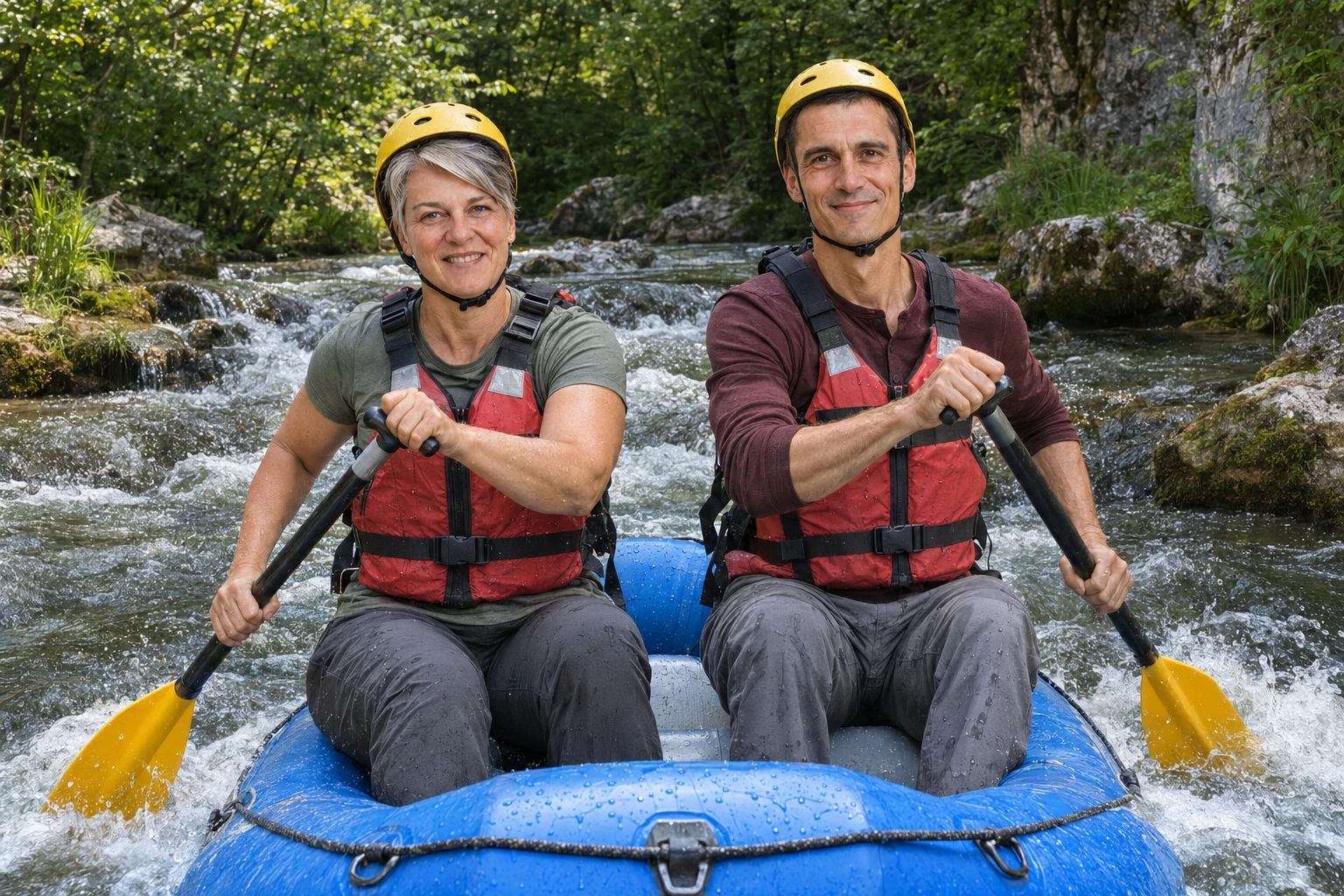
In inland Croatia, adventure takes on a different rhythm in Slunj. On a rafting trip, several people paddle the same raft downriver under a guide’s direction. You can plan your trip around one of these experiences or try two of them during your stay. Split, for example, offers both coastal kayaking and rock climbing.
Kayaking between the city walls and the islands
Dubrovnik is a good choice if you have a particular view in mind: the city walls stretching out before you at sea level. Some trips also pass near Lokrum. When you read the itinerary, check whether you’ll paddle past the island, go all the way around it, or stop ashore. Each option involves a different amount of paddling time.
In Hvar and Korčula, the draw is the coastline of the Dalmatian islands. Ask your guide to show you the route on a map. Following the curve of a bay keeps you close to shore. Crossing a stretch of open water may mean paddling for longer without a break and crossing paths with other boats.
If you’re already in Split, you can paddle along the city’s own coastline. For your first outing, ask how much of the trip you’ll spend paddling. If the two of you want to stop and enjoy the scenery, you may prefer a short coastal route to a crossing where you need to keep up with the group.
Rafting from Slunj
In Slunj, many visitors first see the water at Rastoke, where it flows between houses and old mills. A walk here pairs well with a day of rafting in the area. The viewpoints overlooking the falls and the river sections used for rafting have different access points. Check the team’s designated meeting place before heading to the river.
The Korana has stretches of rapids. Getting the raft downstream is a team effort: the guide picks a path, and the paddlers follow commands, each paddling on their own side. Between rapids, the pace changes and there’s time to take in the riverbanks. The water level affects both the strength of the current and which paths are open between the rocks.
When choosing a rafting trip, tell the team who will be paddling. A family of first-time rafters and a group with river experience may both look for trips in Slunj but end up on very different stretches of river. Ask about the planned route, what travel on land is involved, and what alternative the team offers if the river flow changes.
The rock faces of Marjan in Split
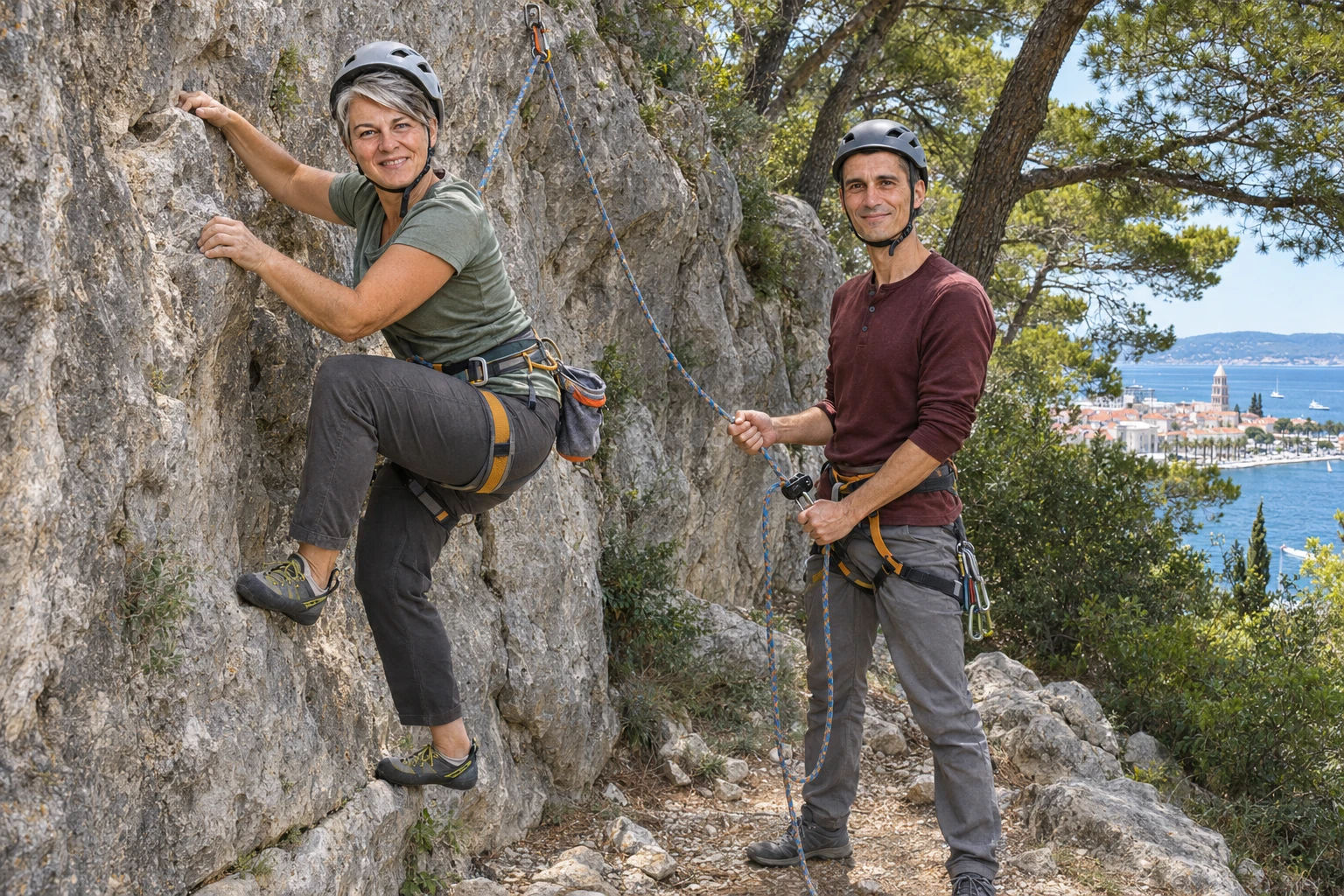
On the southern slope of Marjan Hill, the rock faces offer places to learn your first moves or practice more demanding routes. A climbing route is a line you follow up the rock. A single face can have several routes, and sometimes the difference between them is the size of the holds or how far apart they are.
A beginner lesson gives you time to get a feel for your climbing shoes on the rock, look for a foothold, and try again after a rest. When you climb with the rope already set up overhead, the guide manages the rope and can coach you from the ground. If several people are sharing a lesson, ask how you’ll take turns.
Bring one pair of shoes for the walk to the base of the rock face and another for climbing. Climbing shoes fit snugly so you can place your feet precisely. For the walk, choose a comfortable pair. If you’re going along just to watch, check in advance where you can wait and what the walk there is like.
How to choose an adventure for your group
In a kayak, it’s often the repetition you feel most. A stretch that feels easy for the first few minutes can be tiring when you still have the whole return trip ahead of you. In a raft, the harder paddling tends to come in the rapids. When climbing, you can make short attempts and rest between them. Think about the kind of effort each person enjoys.
If you’re traveling with children, tell the team each child’s age and size when you ask about a trip. At sea, it helps to know whether your child will share a tandem kayak and whether they’ll need to paddle. On the river, consider the conditions on that stretch and whether a life jacket and helmet are available that fit each child well. In Marjan, also ask about the walk in and how long children may spend waiting at the base.
The language used for instructions matters in all three activities. Before booking, make sure everyone will understand the commands on the water or on the rock face. If someone needs help getting into a boat, feels uneasy in the water, or is afraid of heights, talking through the specific route can help you choose an experience they can enjoy.
Wind on the coast and water levels in the rivers
Even on a sunny day in Dubrovnik, the wind can make the return trip by kayak difficult. Even on a short outing, the direction you paddle affects how much effort it takes to get back. In Hvar or Korčula, ask whether there’s a more sheltered option if the planned route is exposed to the wind.
For rafting, it matters what’s been happening on the river even before you arrive in Slunj. Rain can change the water level, and the guide assesses whether a stretch is suitable for your group. In Marjan, the condition of the rock and how much sun the rock face gets help the guide decide where and when to climb.
If the activity is the reason for your trip, schedule it early enough to leave some flexibility in your stay. That way, you may still be able to fit it in if it’s postponed. If plans change, confirm the new meeting point: switching to another side of the coast or a different climbing area can also change the route you take on land.
Frequently asked questions
Where can I try adventure activities in Croatia while staying on the coast?
Split offers both sea kayaking and climbing in Marjan. In Dubrovnik, you can paddle alongside the city walls, while Hvar and Korčula offer kayak trips along the islands’ shores.
What’s the difference between rafting in Slunj and kayaking on the Adriatic?
In Slunj, the current carries the raft downstream while the group paddles under the guide’s direction. At sea, you paddle the kayak along the coast, either on your own or with a partner, and you need to allow for the effort of the return trip.
Can I climb in Split if I have no experience?
Marjan has climbing areas for beginners. Look for a guided lesson and tell the guide about your experience so they can choose a route and bring gear that fits you.
Can I see Lokrum on a kayak trip in Dubrovnik?
Yes. Some routes pass close to the island. Check the description to see how much of the trip follows the city walls and whether the route includes a crossing toward Lokrum.
What should I confirm when booking an adventure activity?
Ask where to meet, how long the activity takes including the time it takes to reach the site, and what equipment and transportation are included. Also check what happens to your booking if the team needs to change the route or postpone the trip.
Beyond the guide


