Empanadas de pipián
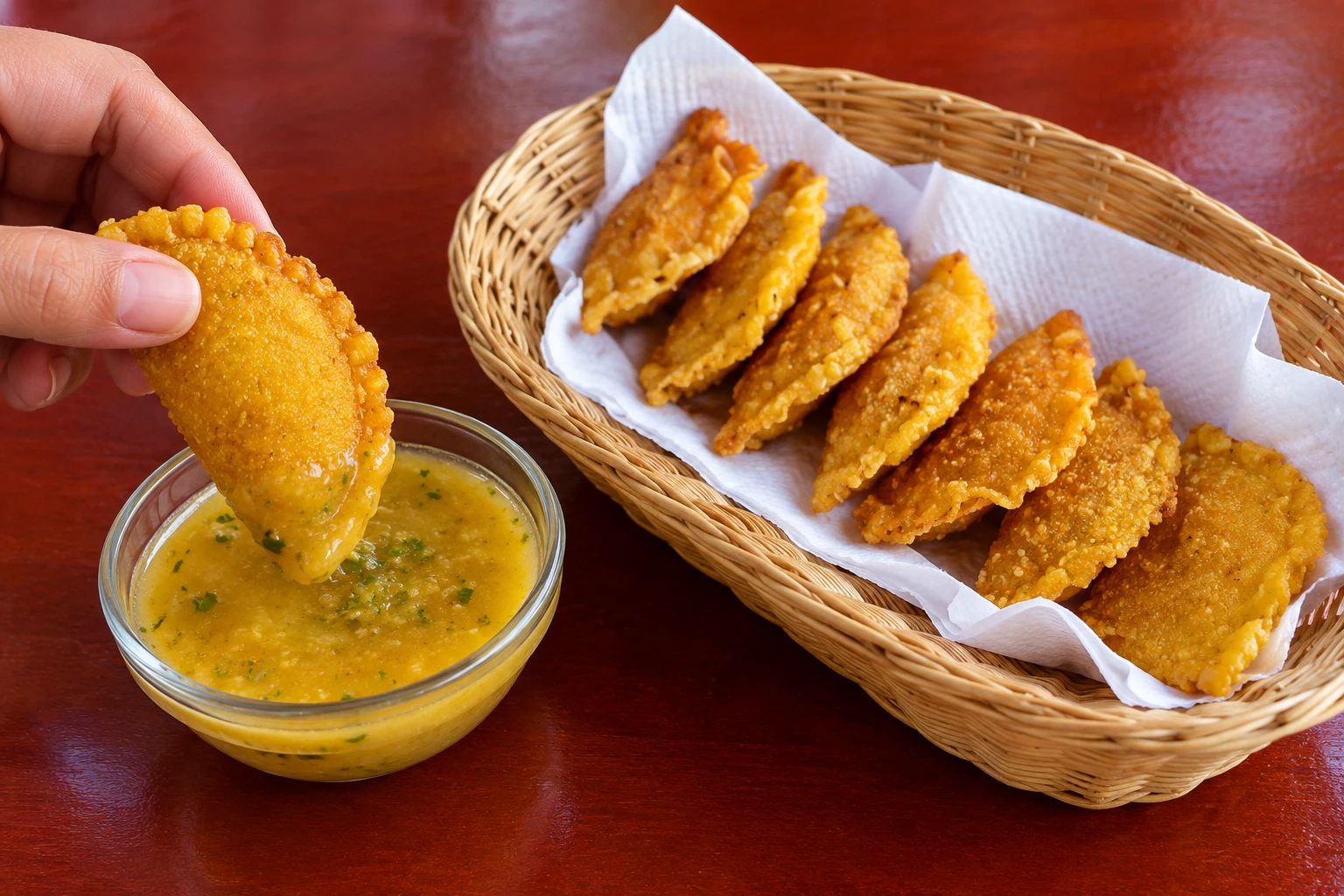
Small fried corn masa empanadas filled with pipián, a purée of red potato with roasted peanuts and annatto. Served with peanut sauce, they are the snack most associated with Popayán.
Antarctica
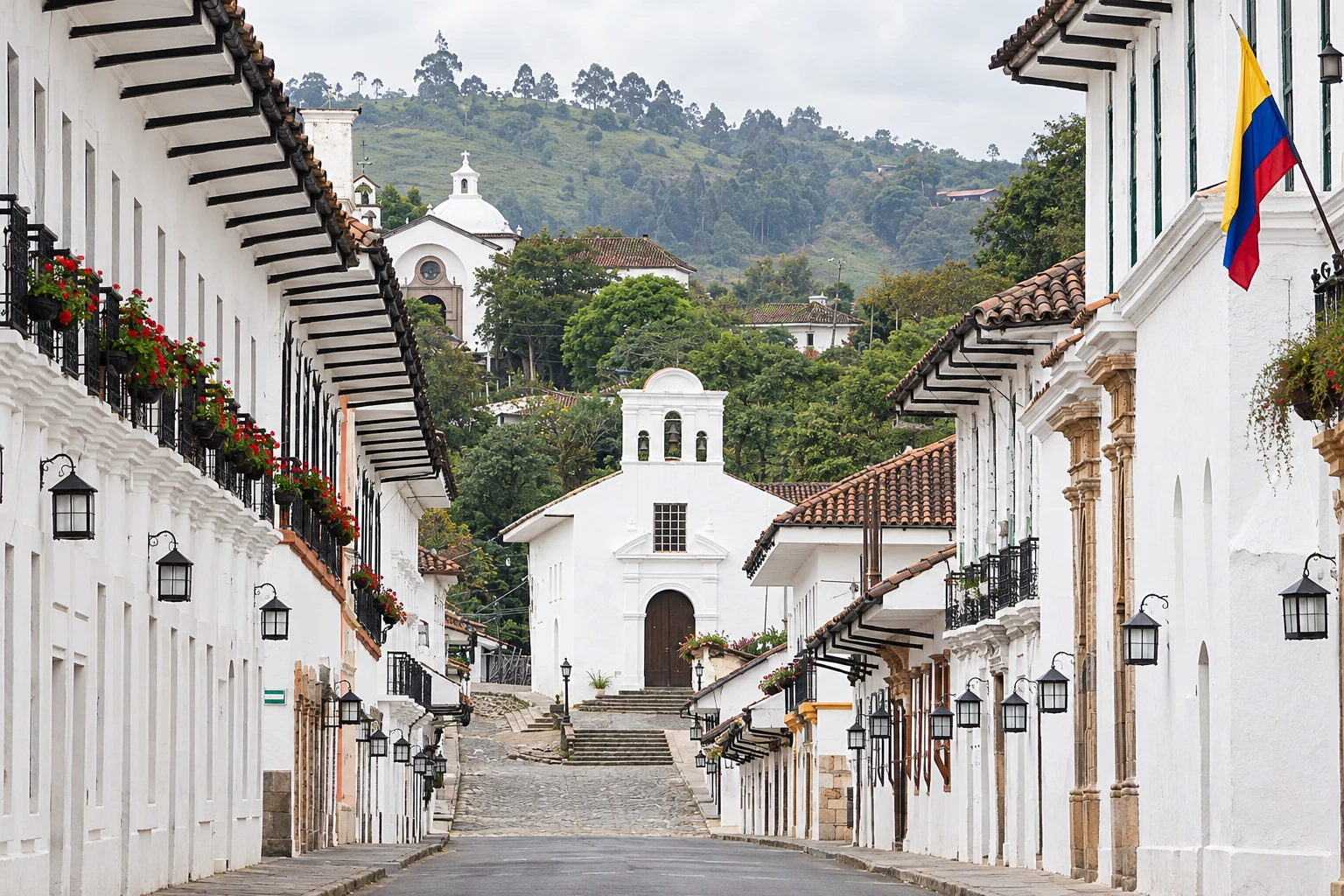
In the photo: Popayán — Calle 5 and La Ermita church in the background.
Illustrative images. The pictures in this guide are illustrations based on the real place, not photographs, and may differ from it.
The city
Capital of Cauca, founded in 1537, known as the White City for the whitewashed facades of the historic center. Near Parque Caldas are the cathedral, the Torre del Reloj and the Iglesia de San Francisco; to the north, the Puente del Humilladero, the Casa Museo Mosquera and Morro de Tulcán, a pre-Hispanic earth pyramid. It is the city of pipián empanadas and Holy Week processions.
There's no accommodation in the guide yet in Popayán.
Tem hotel, pousada ou casa de temporada aqui? Cadastre a suaThere are no restaurants in the guide yet in Popayán.
Know a good one? Recommend it to usHotéis e restaurantes da cidade no mapa.
how to get there · how many days · itinerary · questions
Flavors of Colombia
The local experience
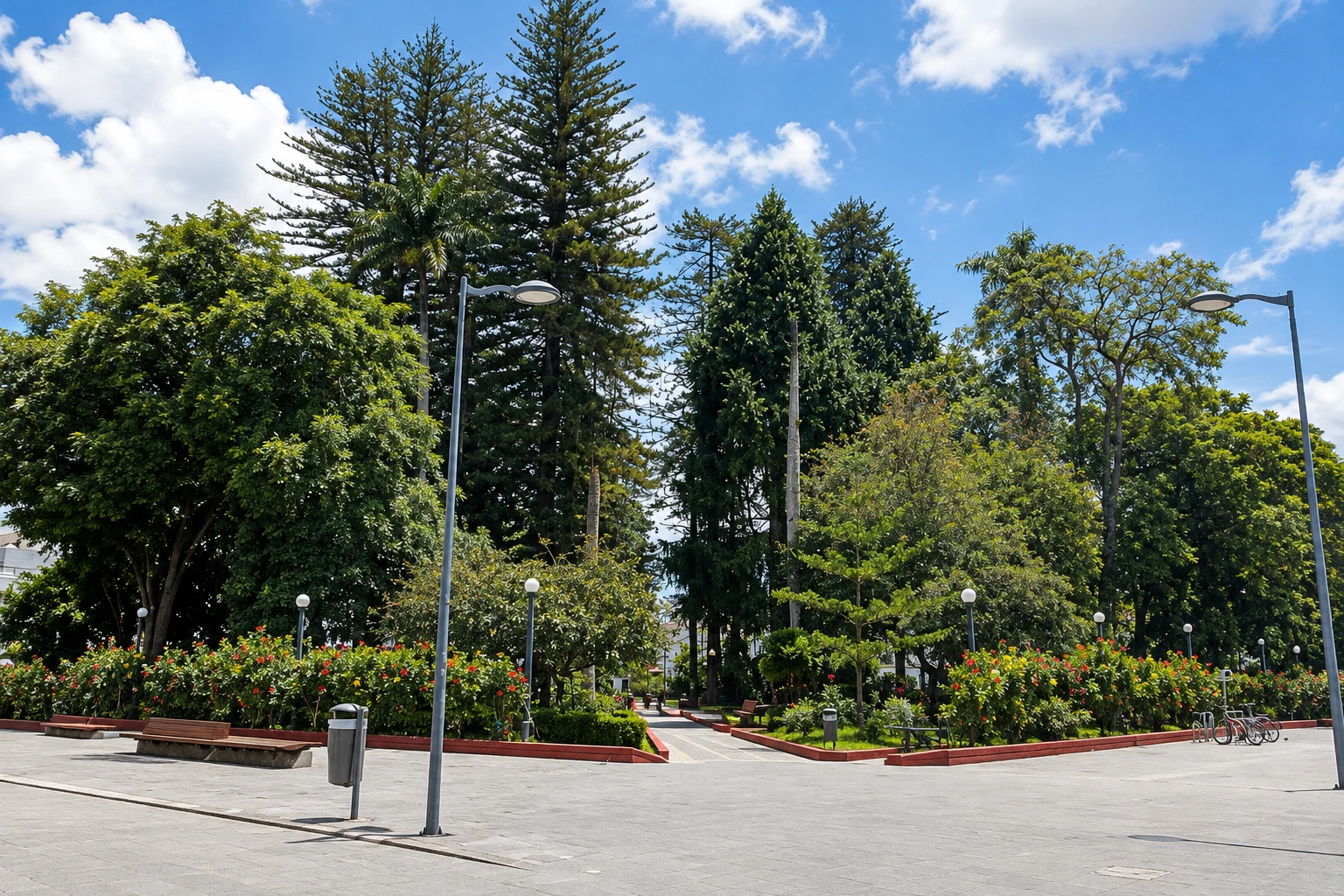
Popayán’s main square, laid out at the city's founding in 1537. It has trees, the statue of Francisco José de Caldas in the center, and around it the cathedral, the Torre del Reloj, and whitewashed colonial buildings.
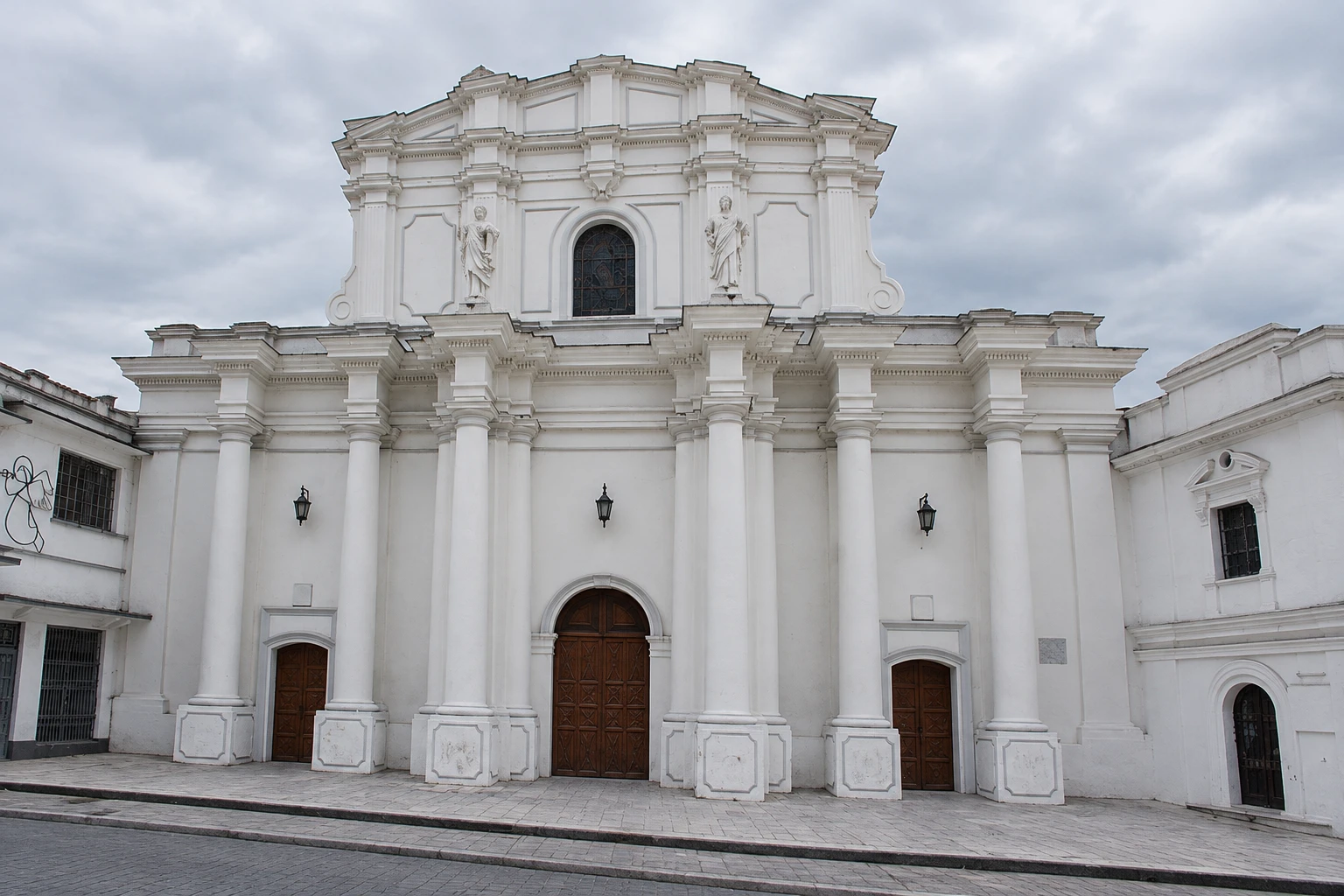
Popayán’s cathedral, with a neoclassical façade and a dome about 40 meters high, opposite Parque Caldas. The current building was completed in 1906 on the site of earlier temples destroyed by earthquakes.
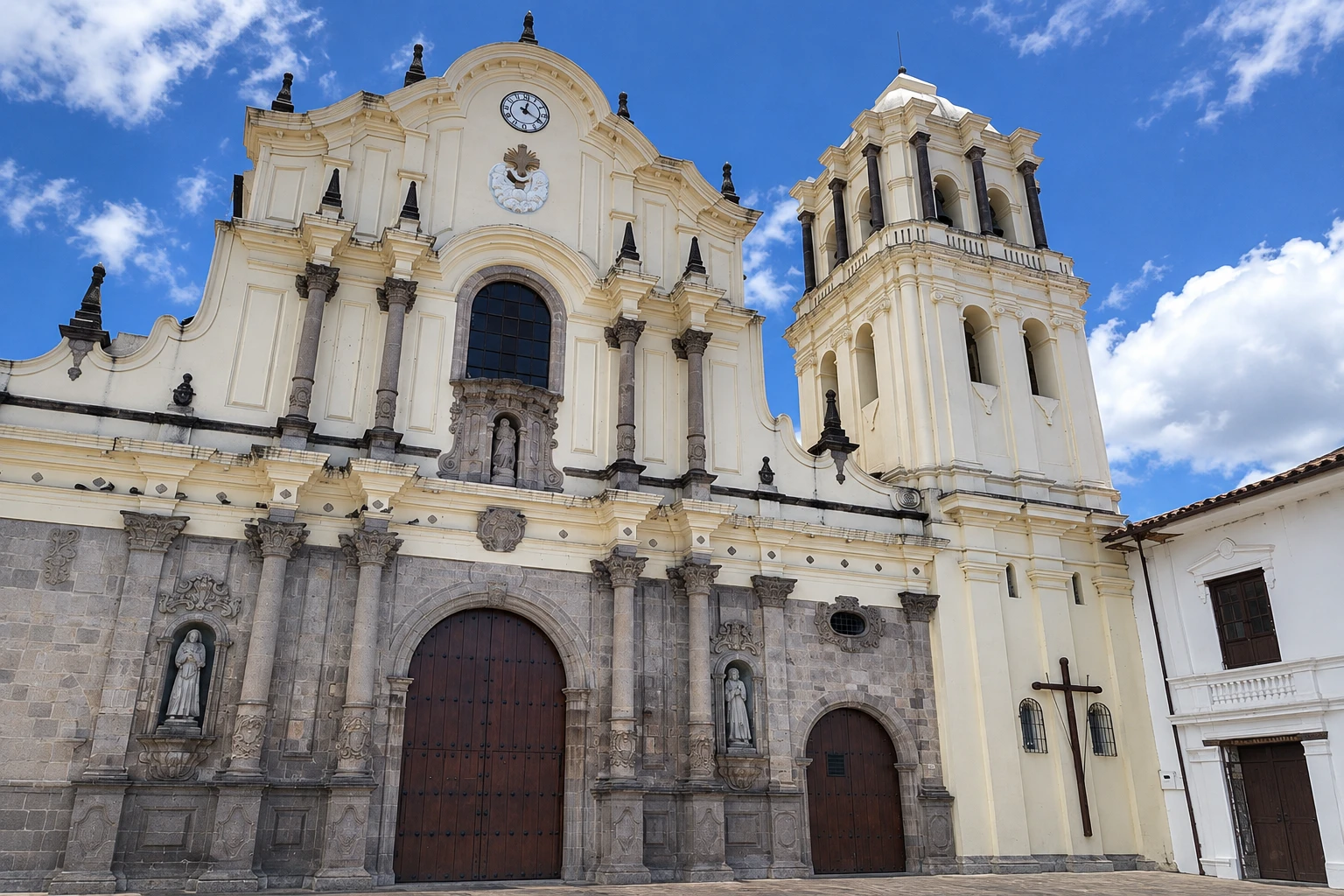
The largest colonial church in Popayán and one of the works of late Baroque in Colombia, built between 1765 and 1788. It has a main altar and carved side altars and a small plaza in front.
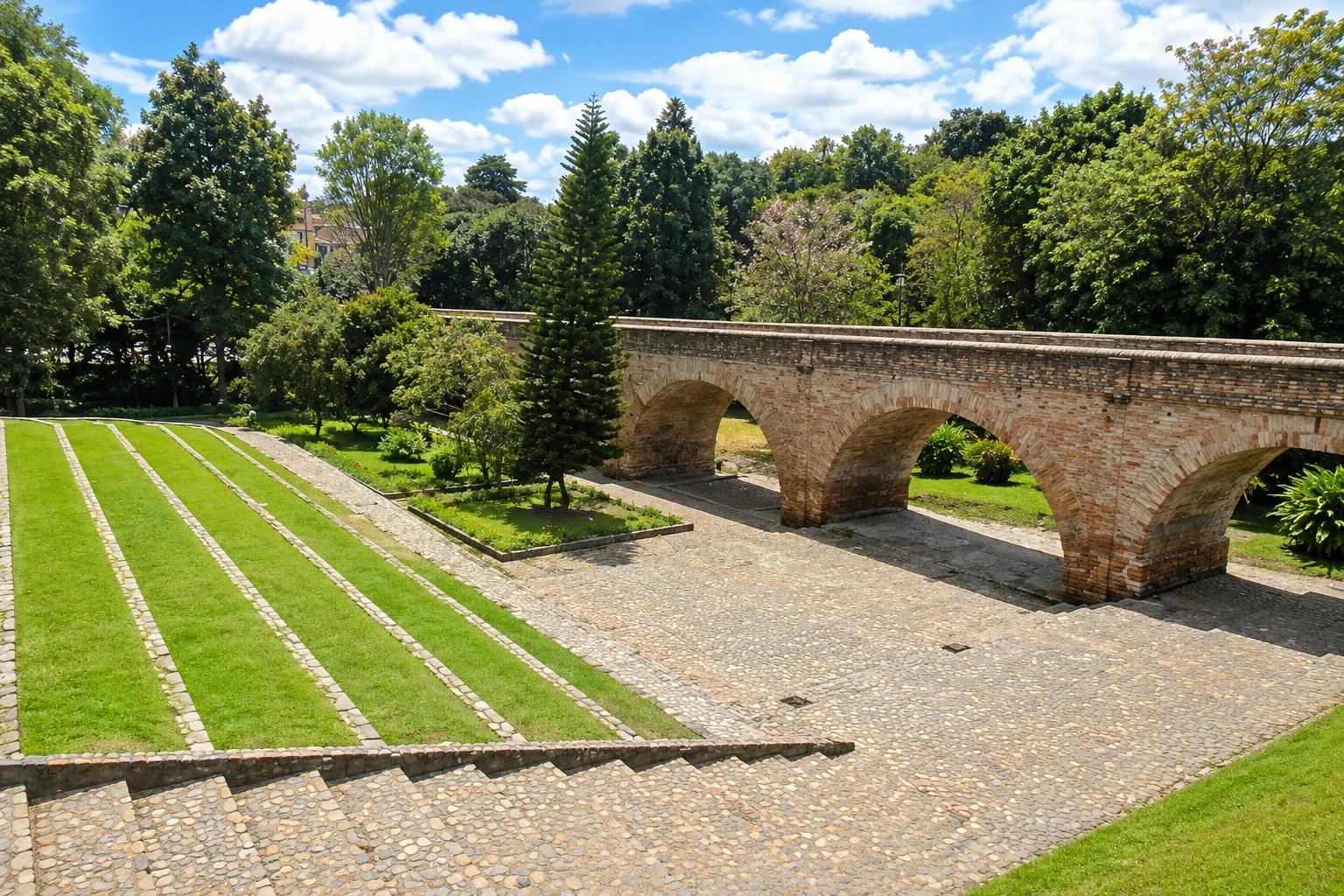
Brick bridge 240 meters long, with a series of arches over the Molino River, inaugurated in 1873. It connected the center to the northern neighborhoods and is one of Popayán’s symbols.
Before you go
Popayán – Colombia Capital
Approximate distances. Check flights and bus, train or boat schedules before you travel.
Guillermo León Valencia Airport (PPN) is about 2 km from the center and handles domestic flights, mainly from Bogotá. The bus terminal is next to the airport, with buses to Cali—about three hours via the Pan-American highway—and to other cities in the country’s south. From the airport or terminal to Parque Caldas it’s a few minutes by taxi.
One day covers the essentials of the center: Parque Caldas, the cathedral, the Iglesia de San Francisco, the Casa Museo Mosquera and the Puente del Humilladero, with Morro de Tulcán at late afternoon. With two days you can take your time inside churches and museums and sample traditional cuisine at the markets.
The climate is mild year-round, with averages around 18 °C, warm days and cool nights. In July and August there is little rain; from October to December, and from March to April, there is more rain. During Holy Week, between March and April, the city fills up because of the nighttime processions.
The seasons shown are the most usual ones; nature doesn't always follow the calendar.
Not needed within the city: the historic center is flat and compact, and everything is done on foot. Taxis connect the center with the airport and the terminal. For excursions around Cauca, local agencies organize departures; confirm road conditions before you go.
Suggested itinerary
Built with the places on this page. No rush: it's paced so you have time to see them.
Start at Parque Caldas, the square laid out at the city’s founding. See the Torre del Reloj, from 1673 to 1682, and enter the cathedral, completed in 1906, with a dome by Adolfo Dueñas. Walk the whitewashed streets around the square.
Walk two blocks to the Iglesia de San Francisco, the city’s largest colonial church, with carved altars. Then visit the Casa Museo Mosquera, an 18th-century mansion of the Mosquera family, with colonial art and period furniture.
Cross the Puente del Humilladero, from 1873, and view the lower arches beside the Molino River. Continue on foot to the Morro de Tulcán and climb up to watch the sunset over the white city center.
Return to the center and try the pipián empanadas, served with peanut sauce, at a traditional café. At night, the square and the churches are often lit up.
Check before you go. Opening hours and days change, and places may close for renovations, holidays or events. This itinerary is a suggestion from Cidade Turismo, not a commitment: plan yours by checking directly with each place you intend to visit.
Before you go
Walk through Parque Caldas, visit the cathedral and the Torre del Reloj, enter the Iglesia de San Francisco and the Casa Museo Mosquera, cross the Puente del Humilladero, and climb the Morro de Tulcán at sunset.
Yes, Guillermo León Valencia Airport (PPN), about 2 km from the center, with domestic flights, mainly from Bogotá.
About three hours by bus or car via the Pan-American Highway. Buses depart from Cali's bus terminal and arrive at Popayán's terminal, next to the airport.
Mild year-round, with averages around 18 °C. July and August are usually drier; October to December and March to April are rainier.
During Holy Week, between March and April, at night on several days. They were inscribed by UNESCO in 2009 as Intangible Cultural Heritage of Humanity.