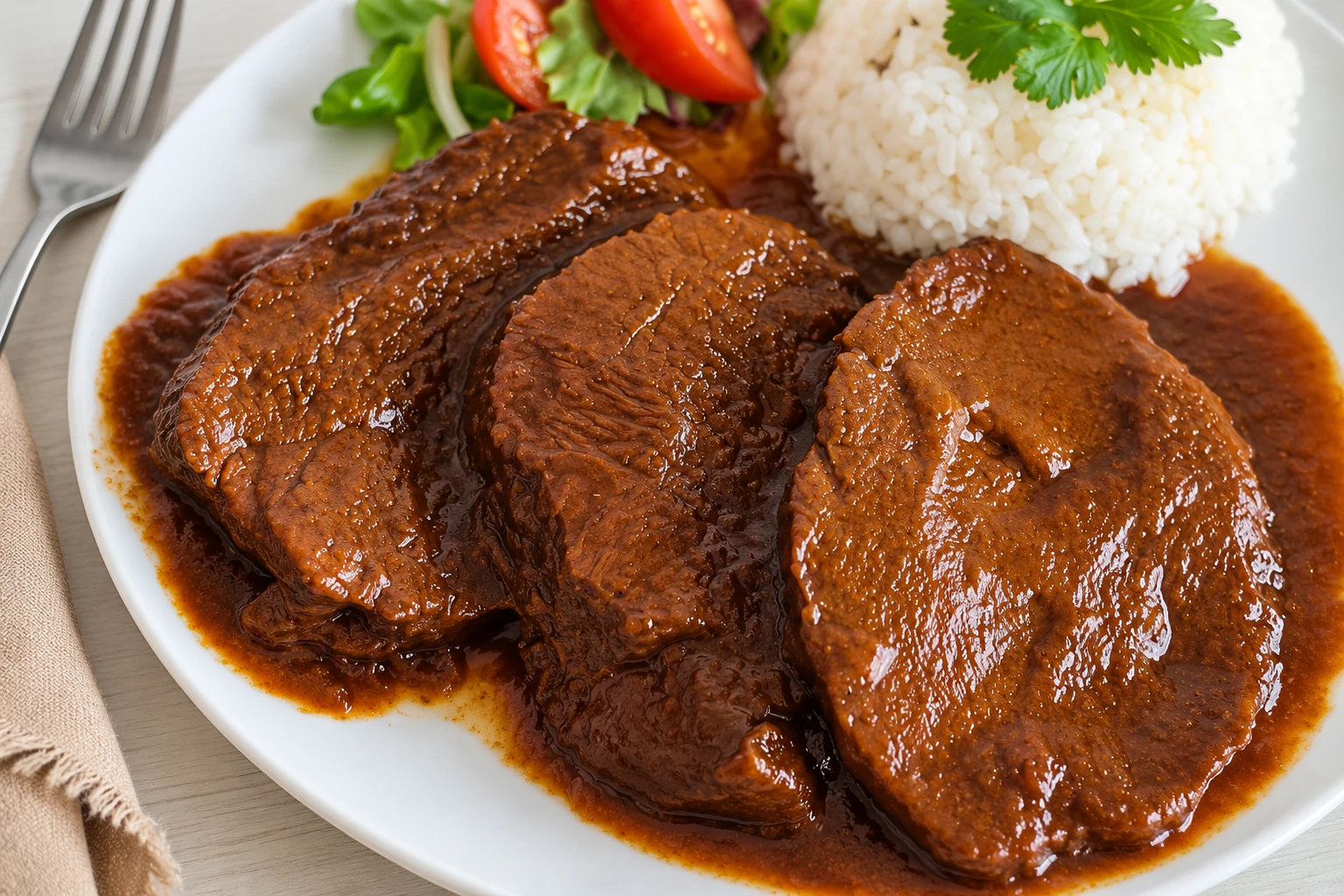
Posta negra cartagenera
Beef slowly cooked in a dark, slightly sweet sauce with spices and a mild heat. Cartagena’s press calls it an emblematic flavor of the city; it comes with coconut rice and patacones.
Antarctica
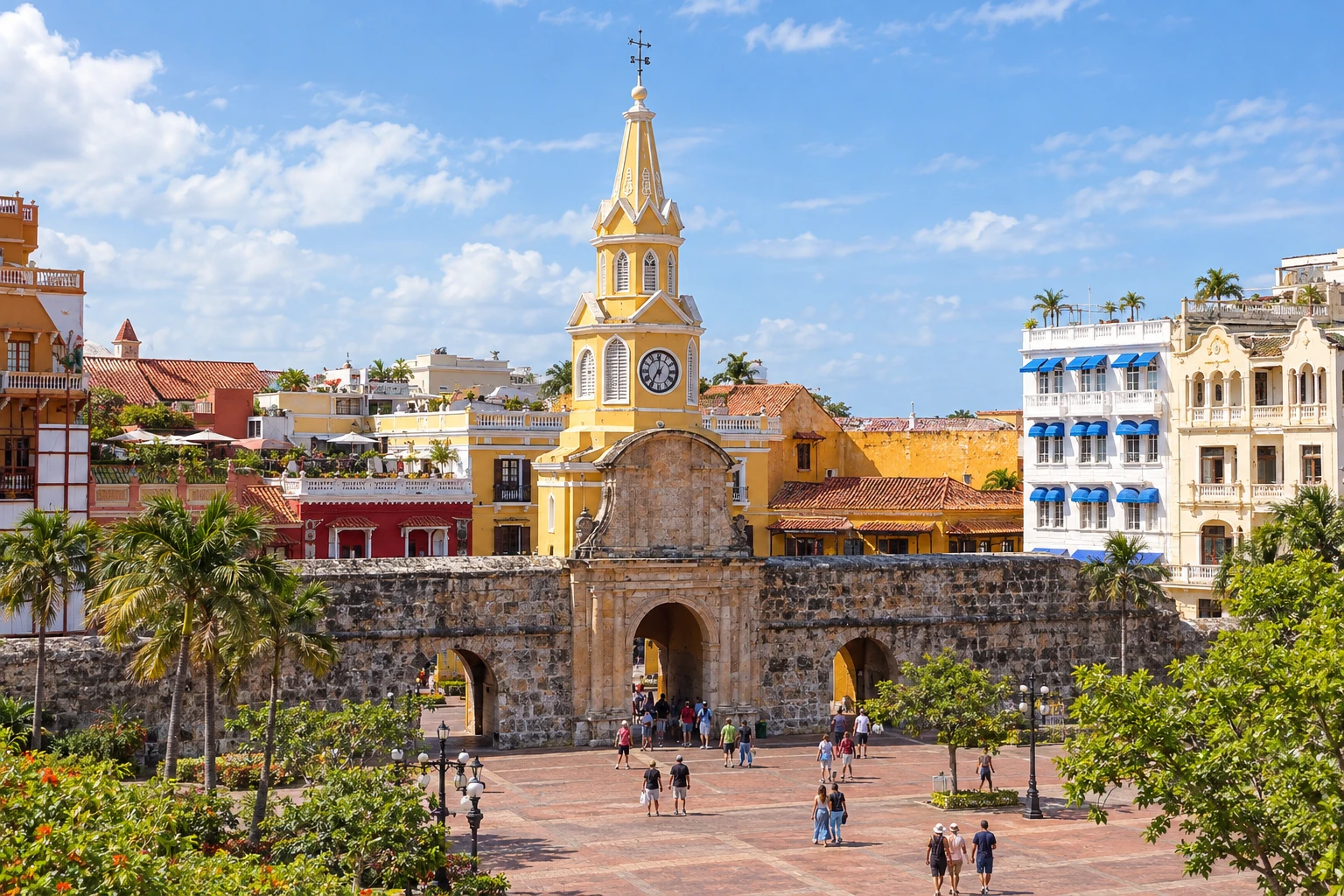
In the photo: Torre del Reloj
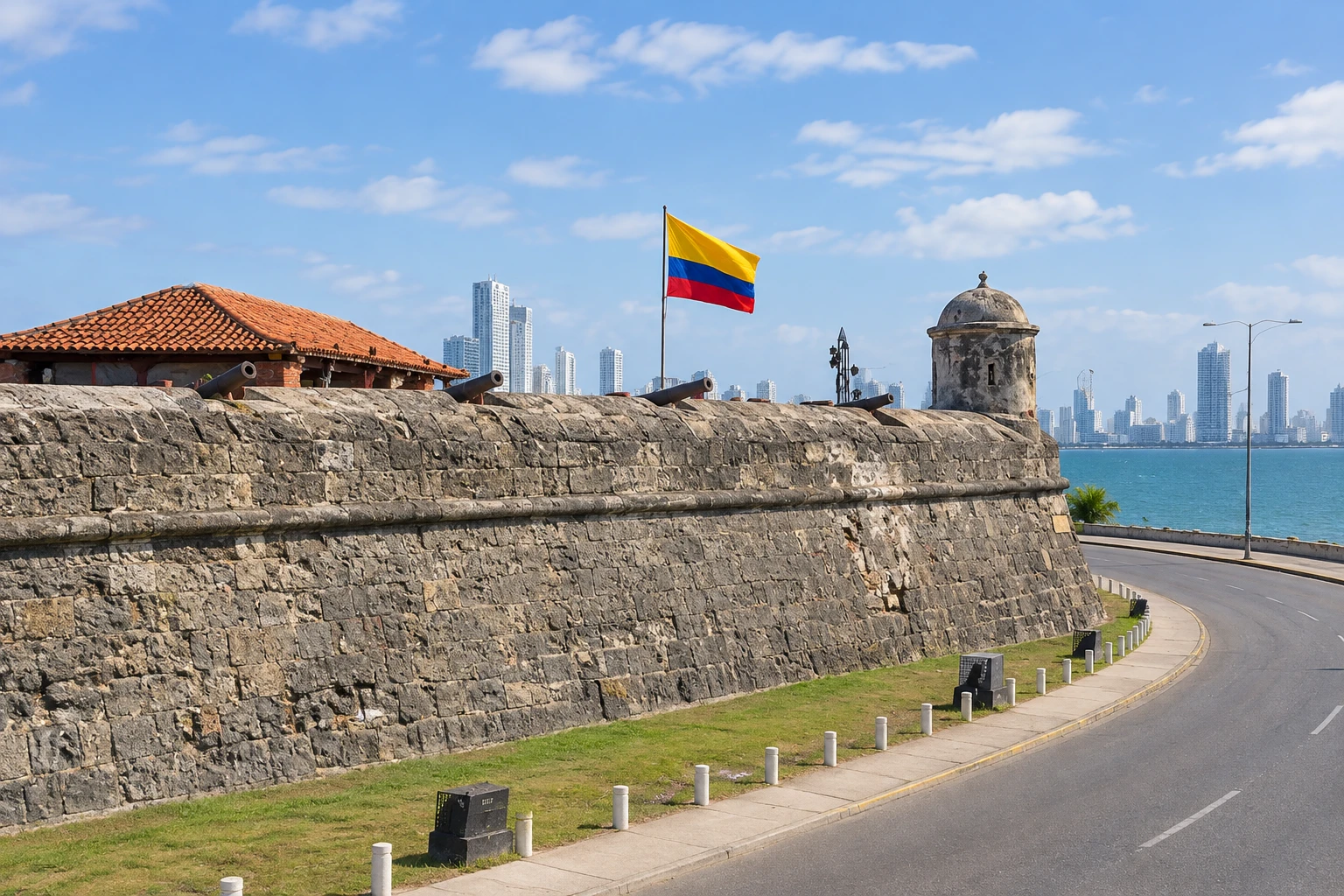
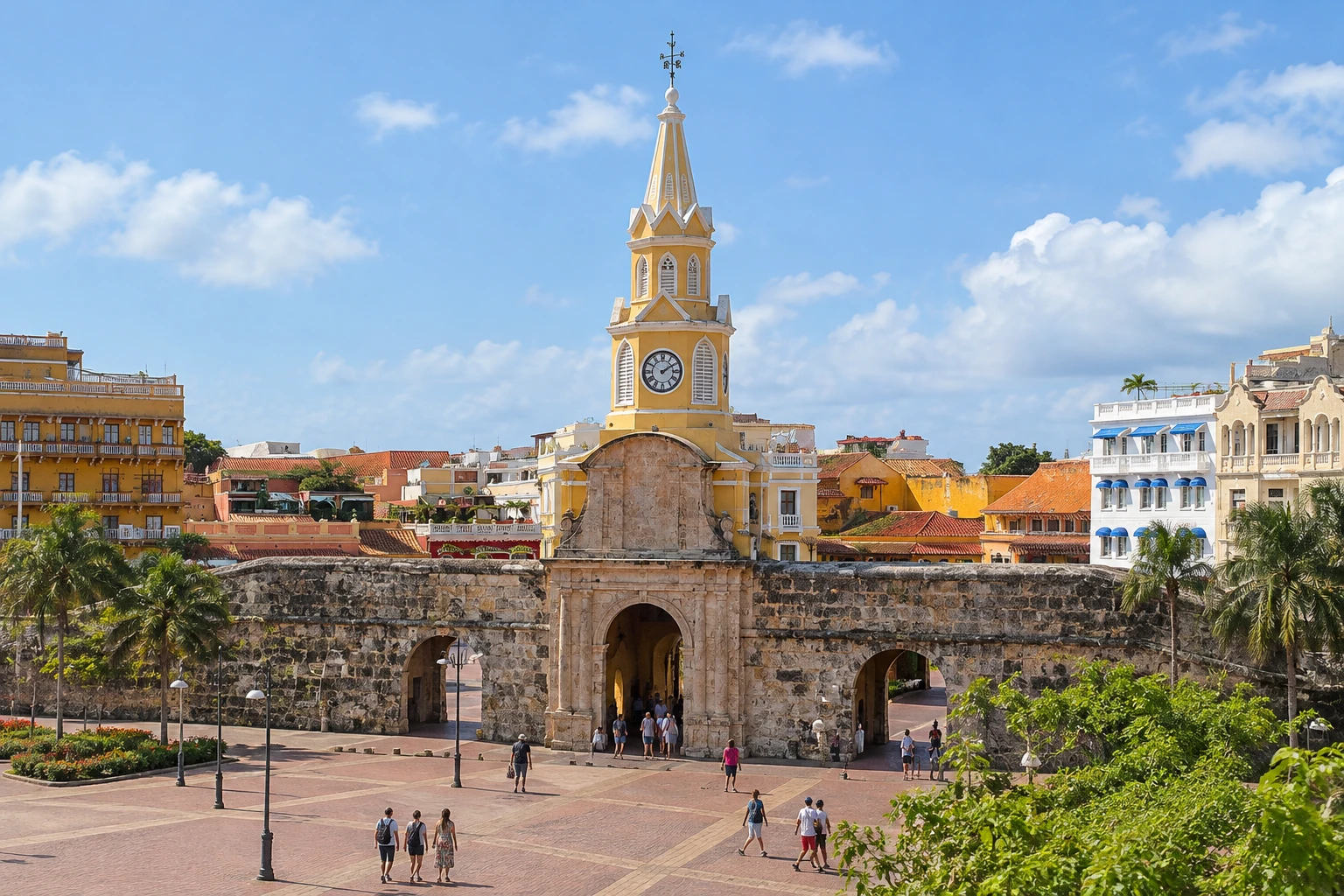
Illustrative images. The pictures in this guide are illustrations based on the real place, not photographs, and may differ from it.
The city
Cartagena de Indias is the capital of the Bolívar department on the Colombian Caribbean coast. The walled city, founded in 1533 and a UNESCO World Heritage Site, brings together squares, churches and colorful colonial houses; outside the walls are Getsemaní, the Castillo San Felipe and the Cerro de la Popa. To the south, Bocagrande has buildings and urban beaches, and by boat you can reach Islas del Rosario. The climate is warm and humid year‑round.
There's no accommodation in the guide yet in Cartagena.
Tem hotel, pousada ou casa de temporada aqui? Cadastre a suaThere are no restaurants in the guide yet in Cartagena.
Know a good one? Recommend it to usHotéis e restaurantes da cidade no mapa.
how to get there · how many days · itinerary · questions
Flavors of Colombia
The local experience
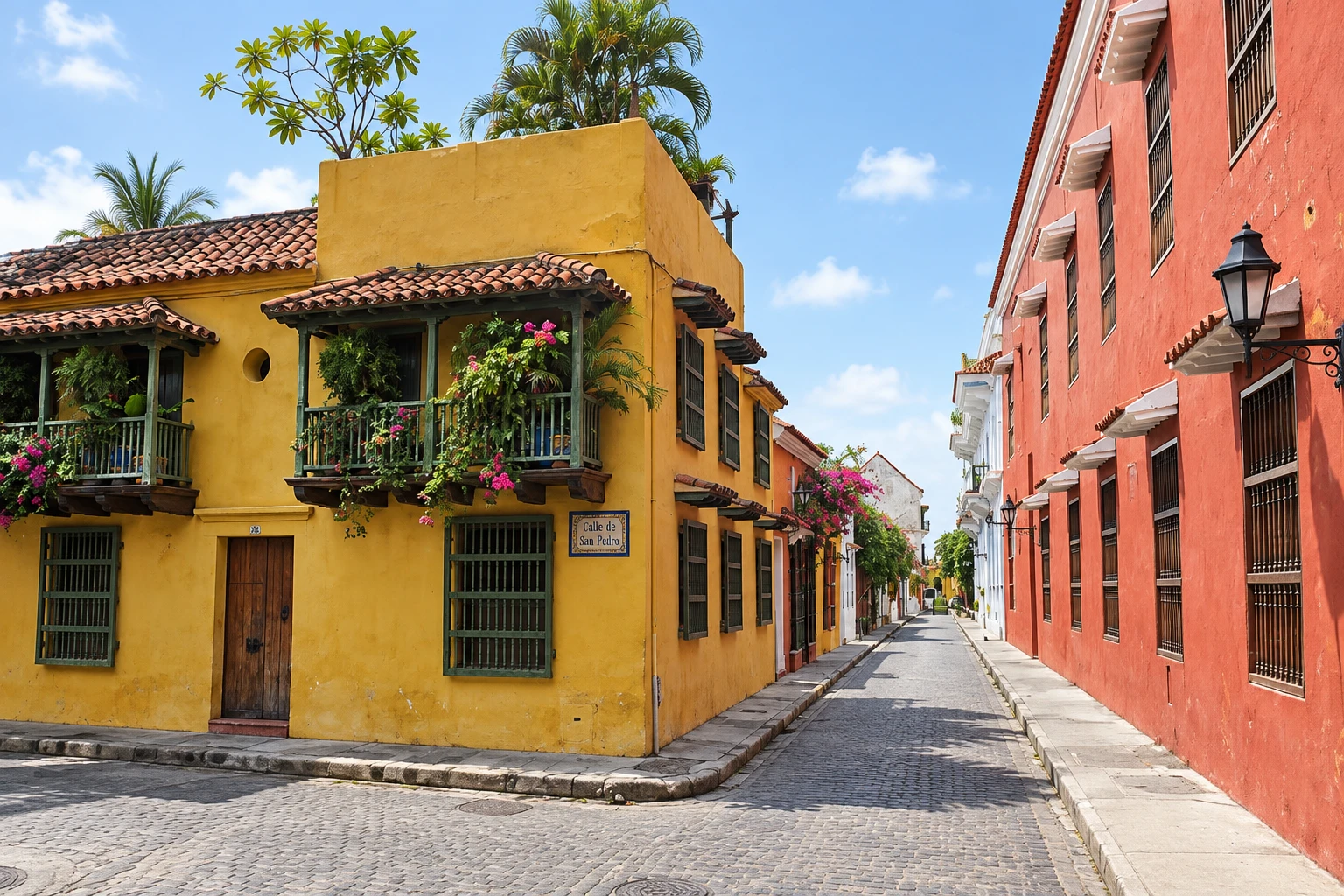
The city within the walls: squares, churches, convents and colorful colonial mansions with wooden balconies and flowers, in an area you explore on foot. UNESCO World Heritage Site.
About 11 km of coral stone walls with bastions, built between the 16th and 18th centuries to protect the port. You can walk on top of them, with views of the sea and the city center.
The main entrance to the walled city: a three-arched gateway in the wall, with the clock tower added at the end of the 19th century. On one side is the Plaza de los Coches; on the other, the route to Getsemaní.
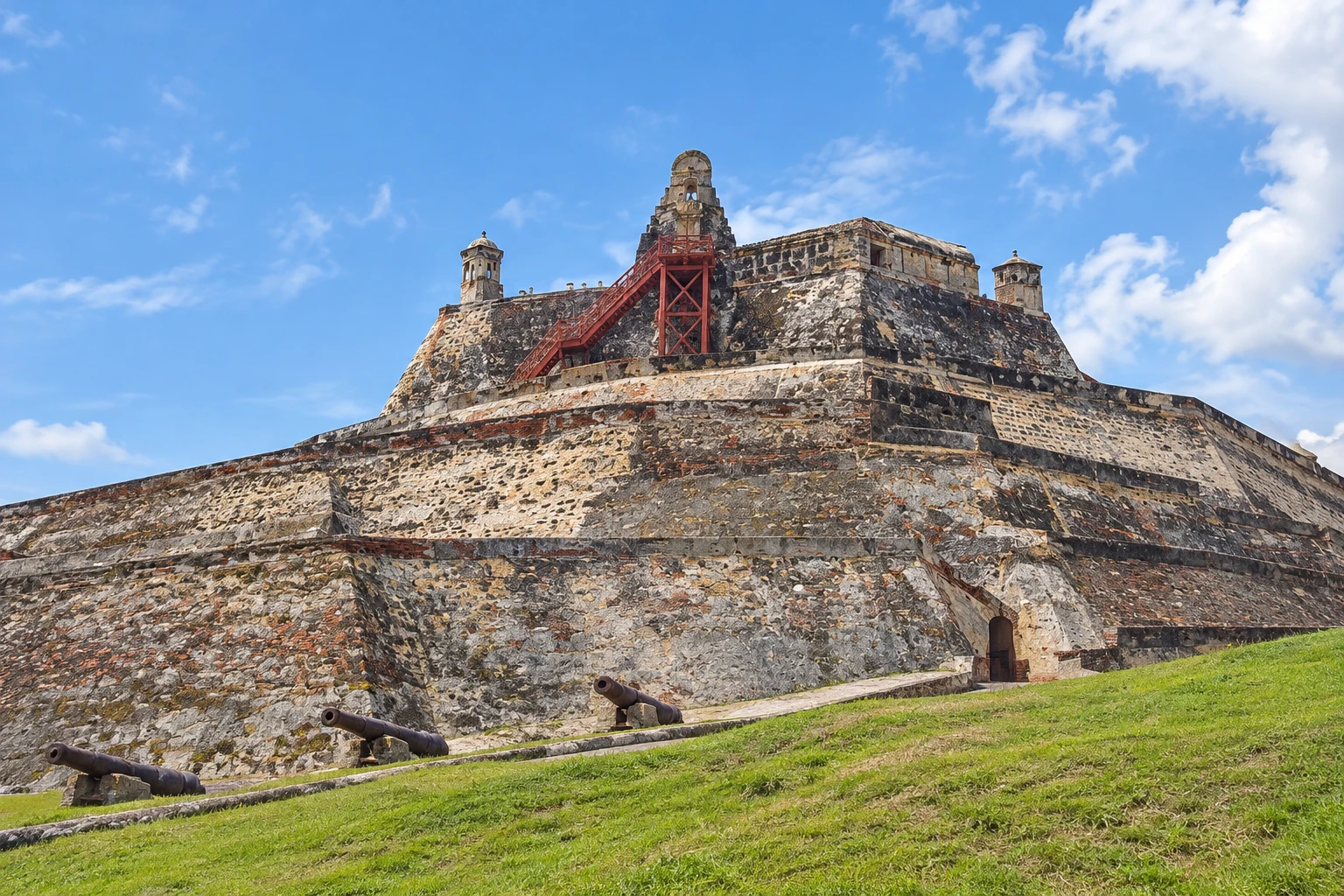
The large Spanish fortress on the hill of San Lázaro, with ramps, bastions and tunnels, built from 1639 to protect Cartagena by land. Views of the city and the bay.
Before you go
Cartagena – Colombia Capital
Approximate distances. Check flights and bus, train or boat schedules before you travel.
Connections with Brazil can be direct flights or with a stopover, depending on the season and airline. Check before booking. The Aeropuerto Internacional Rafael Núñez is about 3 km from the historic center; a taxi takes 10 to 20 minutes. From Bogotá and Medellín the flight takes between one hour and one and a half hours. Santa Marta is about 230 km by road via Barranquilla, with buses and shared vans.
Three days cover the historic center, Getsemaní, the Castillo San Felipe and a day by boat to the islands. With four or five days you can include the Cerro de la Popa, an afternoon in Bocagrande and more beach days.
The heat is constant, around 30 °C. From December to April it usually rains less and it is windier, with rougher seas on the trip to the islands; this is the busiest season. From May to November there are more showers, stronger from September to November, and the sea is usually calmer.
The seasons shown are the most usual ones; nature doesn't always follow the calendar.
No. The historic center and Getsemaní are walkable; taxis cover the Castillo San Felipe, La Popa, Bocagrande and the airport. The islands are visited by boat, and Playa Blanca by boat, van or taxi. Driving in the center is difficult, with narrow streets and little parking.
Suggested itinerary
Built with the places on this page. No rush: it's paced so you have time to see them.
Enter through the Torre del Reloj and walk through the plazas of la Aduana, San Pedro Claver, Bolívar and Santo Domingo, stopping at the Palacio de la Inquisición.
After lunch and a break from the heat, take a taxi to Castillo San Felipe near closing time, when the sun is lower.
Return to the center and go up to the Baluarte de Santo Domingo to watch the sun set over the Caribbean.
Have dinner in the center or in Getsemaní and finish at Plaza de la Trinidad, with street food and music.
Day 1
Torre del Reloj, Portal de los Dulces, Iglesia de San Pedro Claver and the central squares.
Palacio de la Inquisición and Museo del Oro Zenú during the heat of the day; later, Plaza de San Diego and Las Bóvedas.
Walk along the wall from the Baluarte de Santo Domingo to San Francisco Javier in the late afternoon.
Plaza de la Trinidad and salsa and champeta bars.
Day 2
Depart from Muelle de La Bodeguita for the boat trip to the islands, with swimming and snorkeling.
Lunch of fried fish and coconut rice and an afternoon at Playa Blanca, in Barú, if it's on your itinerary.
Return by boat to the pier and rest at the hotel.
Outdoor dinner at Plaza de Santo Domingo, with the church lit up.
Check before you go. Opening hours and days change, and places may close for renovations, holidays or events. This itinerary is a suggestion from Cidade Turismo, not a commitment: plan yours by checking directly with each place you intend to visit.
Before you go
By taxi, from the rank at the terminal exit. It's about 3 km and 10 to 20 minutes.
Arepa de huevo, carimañolas, fried fish with coconut rice and patacones, posta negra cartagenera, shrimp ceviche, coconut lemonade and the sweets from Portal de los Dulces.
From December to April it rains less, but it's high season and the sea is rougher on the route to the islands. From May to November there are more showers and fewer crowds.
In the historic center, to be within walking distance; in Getsemaní, for bars and guesthouses; in Bocagrande, for a beach hotel, a few minutes from the center.
Yes, to get the clear-water sea that the city doesn't have. It's a full day by boat, with stops for swimming and snorkeling.