Lulada
Iced lulo refresher made with chopped and mashed lulo, lime, sugar, water and ice. The Cali city government calls it the city’s emblematic drink; it’s served with fried snacks from the Valle del Cauca.
Antarctica
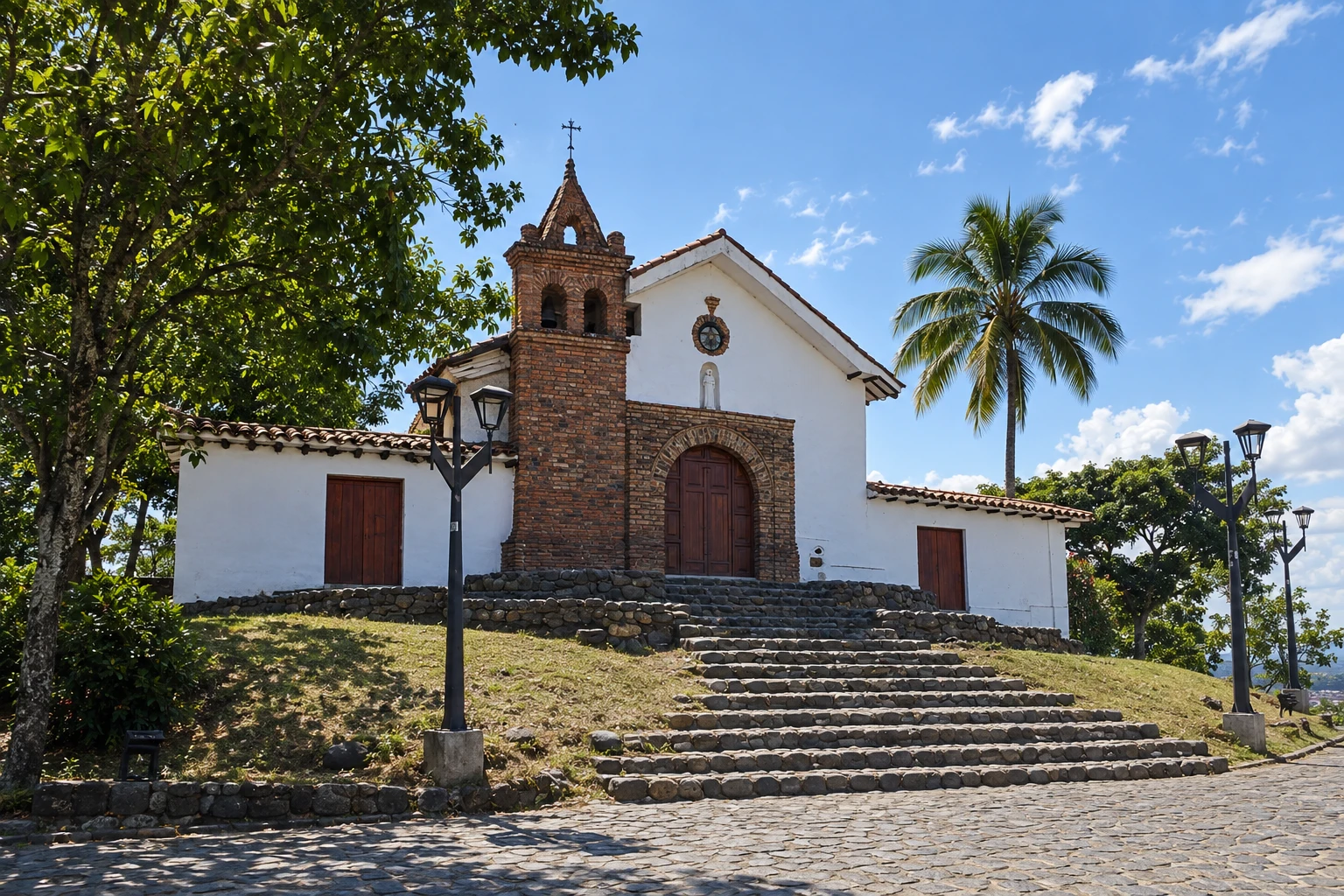
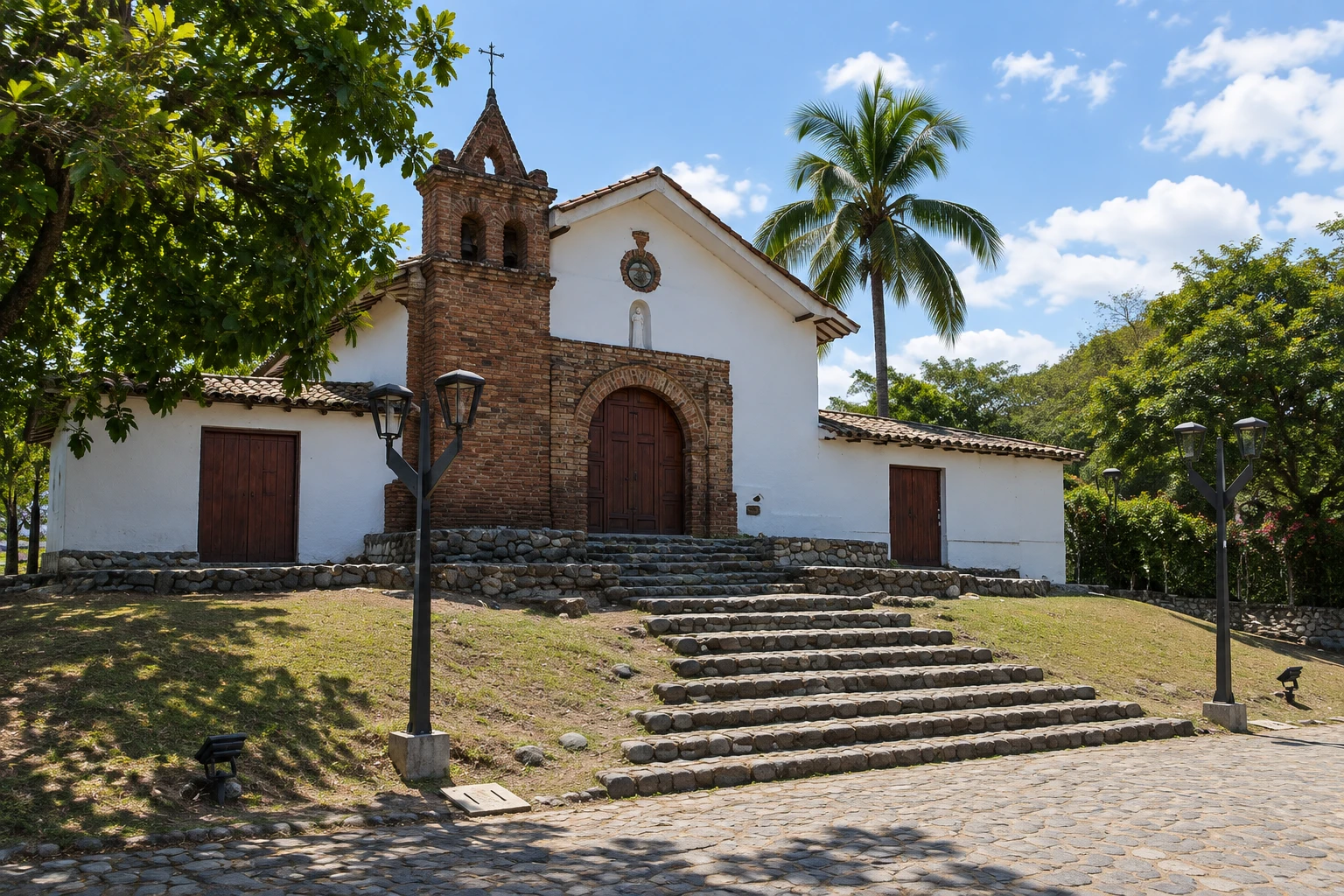
In the photo: Iglesia de San Antonio
Illustrative images. The pictures in this guide are illustrations based on the real place, not photographs, and may differ from it.
The city
Cali, founded in 1536, is the capital of Valle del Cauca and the third-largest city in Colombia, at about 1,000 meters altitude, with warm weather year-round. It is known as the world capital of salsa, with dance schools and the Feria de Cali from December 25 to 30. The center has the church of La Merced, the neo-Gothic La Ermita and the Bulevar del Río; on the San Antonio hill is the colonial neighborhood. On the hills to the west are the Cristo Rey and the Tres Cruces, and on the riverbank are the zoo, the Gato del Río and the museum La Tertulia.
There's no accommodation in the guide yet in Cali.
Tem hotel, pousada ou casa de temporada aqui? Cadastre a suaHotéis e restaurantes da cidade no mapa.
how to get there · how many days · itinerary · questions
Flavors of Colombia
The local experience
The colonial neighborhood of Cali, on a hill above the center, with low light-colored houses, the chapel of San Antonio from 1747, and a park with city views at sunset.
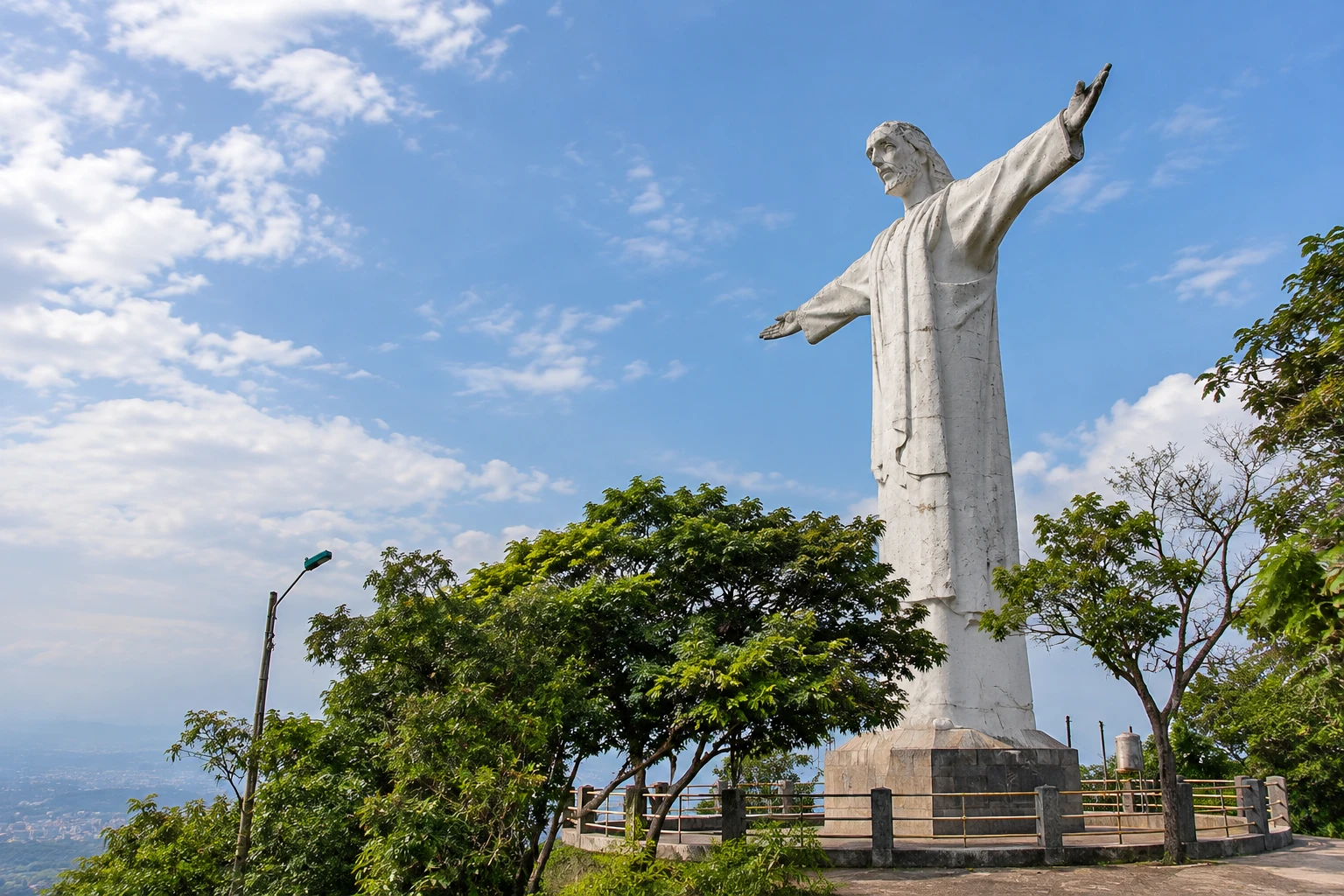
The 26-meter statue on Cerro Los Cristales, at about 1,440 meters altitude, inaugurated in 1953, with viewpoints over Cali, the Cauca valley and the Farallones.
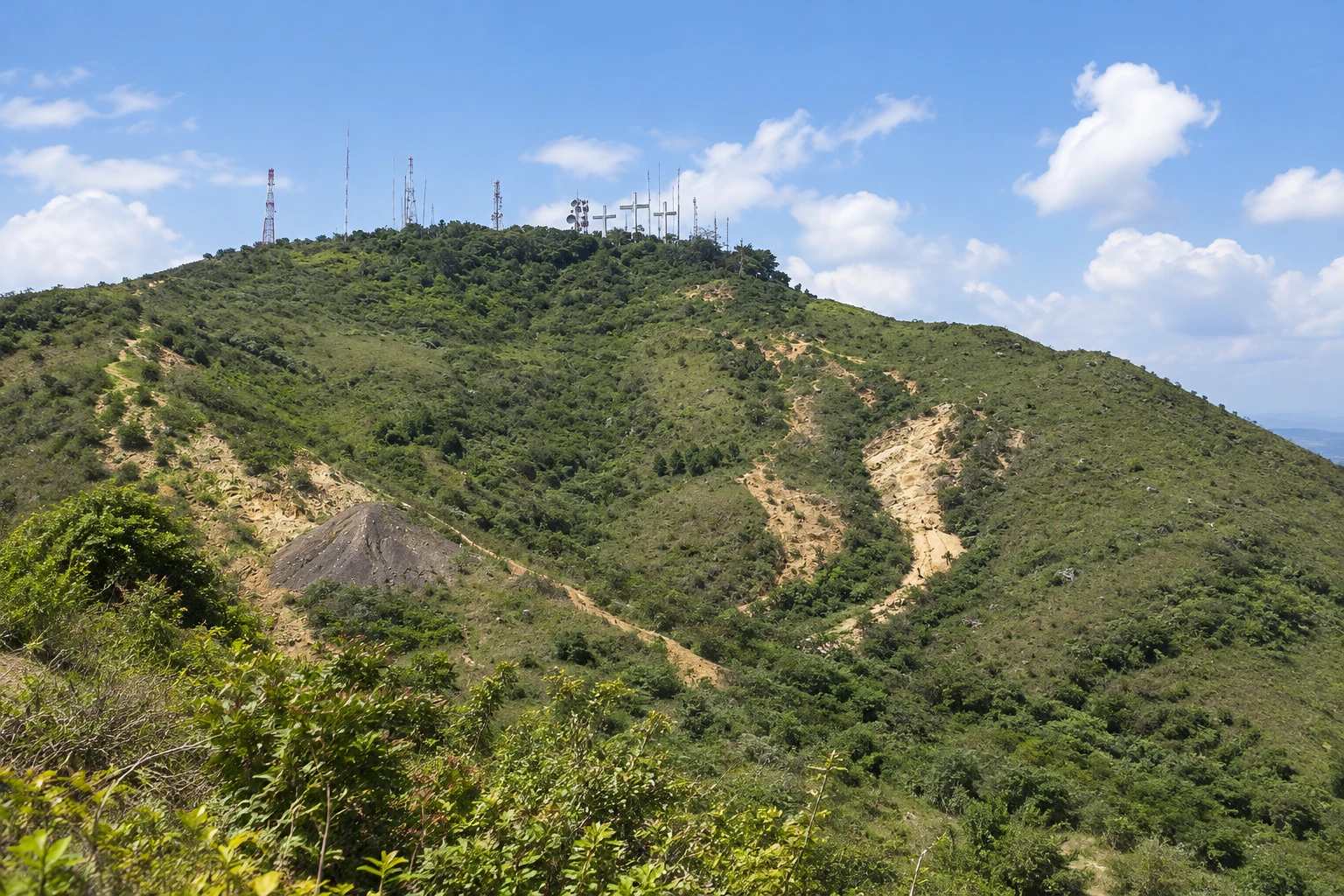
The hill with three large concrete crosses, dating from 1938, at about 1,465 meters altitude, climbed on foot by caleños as both a hike and an act of devotion.
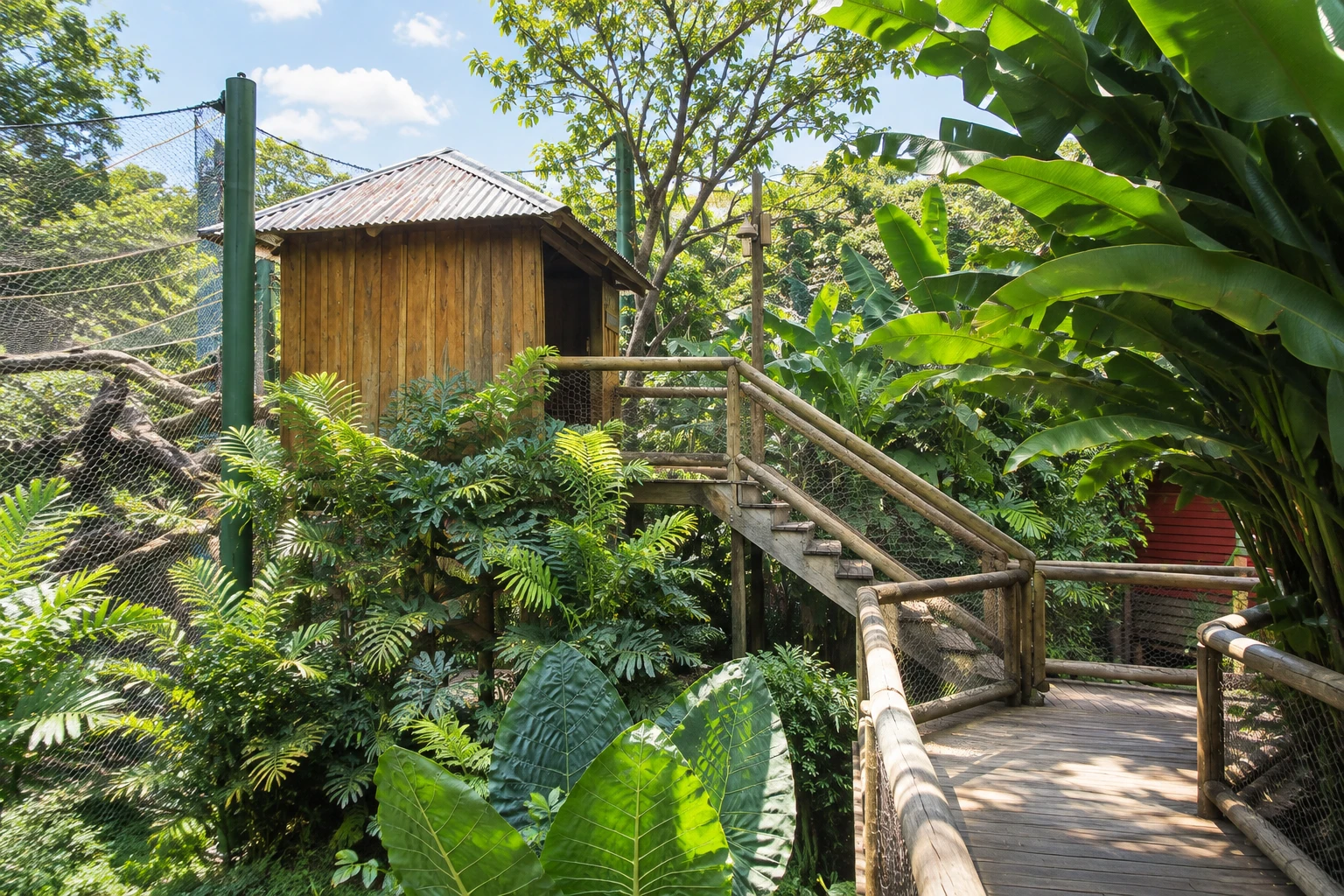
The zoo, founded in 1969 on the banks of the rio Cali, inside the municipal park, with about 2,500 animals from more than 200 species, many of them from Colombian fauna.
Before you go
Cali – Colombia Capital
Approximate distances. Check flights and bus, train or boat schedules before you travel.
Connections with Brazil can be direct or with a stopover, depending on the season and the airline. Confirm before purchasing. The Alfonso Bonilla Aragón airport is in Palmira, about 20 km from the center; the taxi or bus ride takes 30 to 45 minutes depending on traffic. The bus terminal is about 2 km from the center. Brasília is two hours ahead.
Two days: the first for the center, La Merced, La Ermita, the Bulevar del Río and San Antonio; the second for the Cristo Rey, the zoo and a night of salsa. With three days, include the Tres Cruces, the museum La Tertulia and a dance lesson.
Year-round, averaging around 24°C. From December to February and from June to August it usually rains less. The Feria de Cali, from December 25 to 30, is the liveliest and most crowded time. In the wet seasons, rains typically come in the afternoon as downpours.
The seasons shown are the most usual ones; nature doesn't always follow the calendar.
No. The center, the Bulevar del Río and San Antonio are walkable, and there are taxis, ride-hailing apps and the MIO, the city's bus system. For the Cristo Rey and the Tres Cruces, use a taxi or a ride-hailing app to the access point.
Suggested itinerary
Built with the places on this page. No rush: it's paced so you have time to see them.
Start at the church of La Merced and the archaeological museum next door, continue to the Plaza de Caycedo, the main square, and walk down to the river.
Walk along the Bulevar del Río to the church La Ermita and continue along the río Cali to the Gato del Río and the museum La Tertulia.
Go up to the San Antonio neighborhood to watch the sunset from the top of the hill, beside the 1747 chapel, with the city at your feet.
Have dinner in San Antonio and end the night at a salsa venue to watch locals dancing or to try your first steps.
Day 1
Church of La Merced, archaeological museum and Plaza de Caycedo.
Bulevar del Río, La Ermita, Gato del Río and the La Tertulia museum.
Sunset on the San Antonio hill.
Dinner in San Antonio and a night of salsa.
Day 2
Climb early to Cristo Rey, at about 1,440 meters, for the view of the Cauca valley and the Farallones; check the visiting rules in advance.
Go down to the zoo on the banks of the Cali River, and allow at least two hours for the visit.
Take a salsa class at one of the city's schools, learning the basic steps of the caleño style.
Taste the cuisine of Valle del Cauca, such as sancocho de gallina, aborrajados and lulada, the drink made from lulo.
Check before you go. Opening hours and days change, and places may close for renovations, holidays or events. This itinerary is a suggestion from Cidade Turismo, not a commitment: plan yours by checking directly with each place you intend to visit.
Before you go
Alfonso Bonilla Aragón airport is in Palmira, about 20 km away. There are official taxis and buses to the transport terminal; the trip takes 30 to 45 minutes depending on traffic.
Because of the strength of salsa in city life: dance schools, orchestras, radio stations and the Feria de Cali, which opens with the Salsódromo. The local dance style, caleño, is known for its quick steps.
About 1,000 meters. The climate is warm year-round, with an average of around 24 degrees Celsius.
Chicken sancocho, aborrajados (ripe plantain stuffed with cheese and fried), pandebono, champús and lulada, made with lulo, an acidic regional fruit.
The Pacific lies on the other side of the Western Cordillera. Buenaventura, the country's main port, is about 114 km by road.