Kuchen
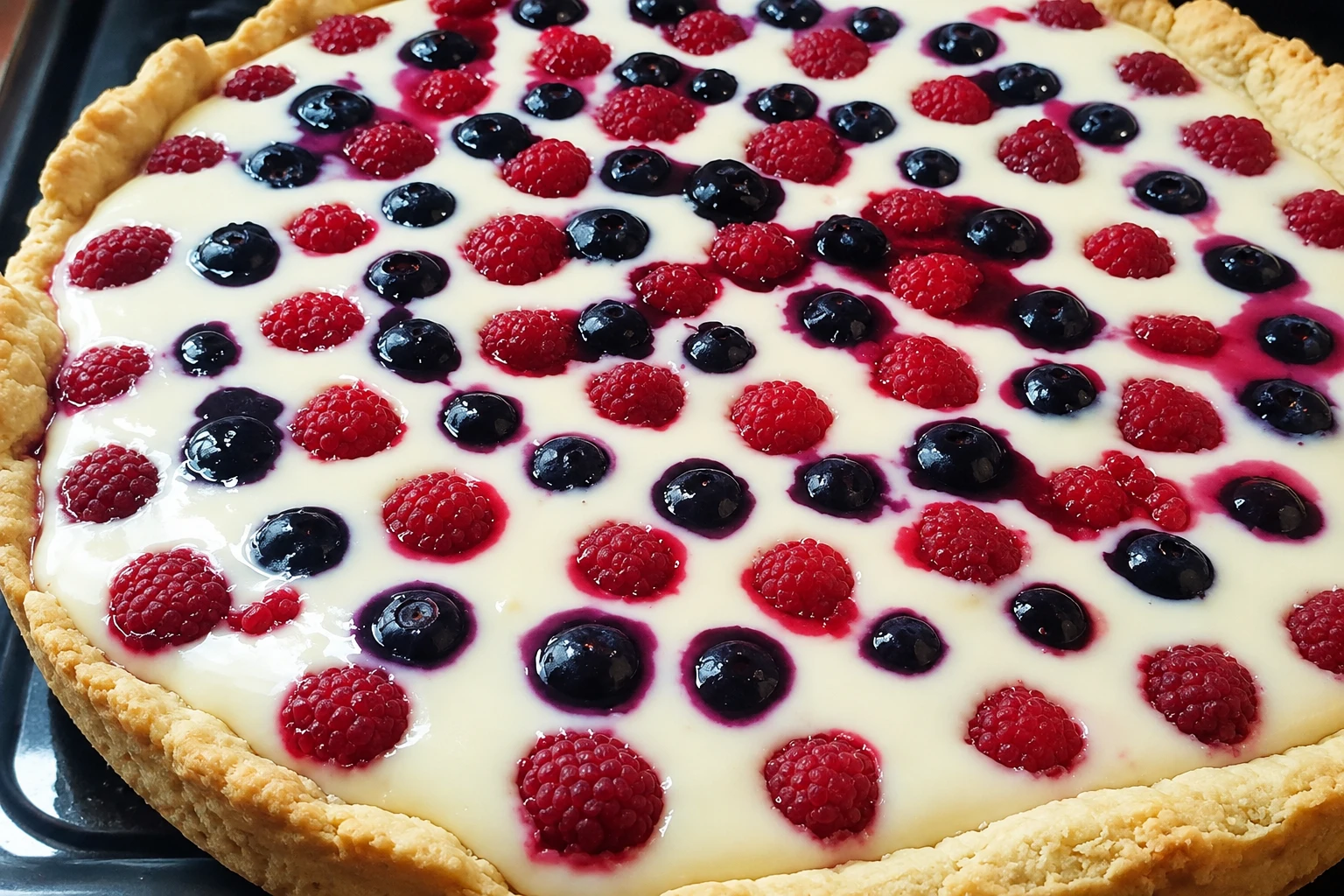
Sweet shortcrust tart topped with seasonal fruits such as raspberry, strawberry, murta and currant, inherited from the German settlers of southern Chile. In Frutillar, it is the pastry served in the tea houses.
Antarctica
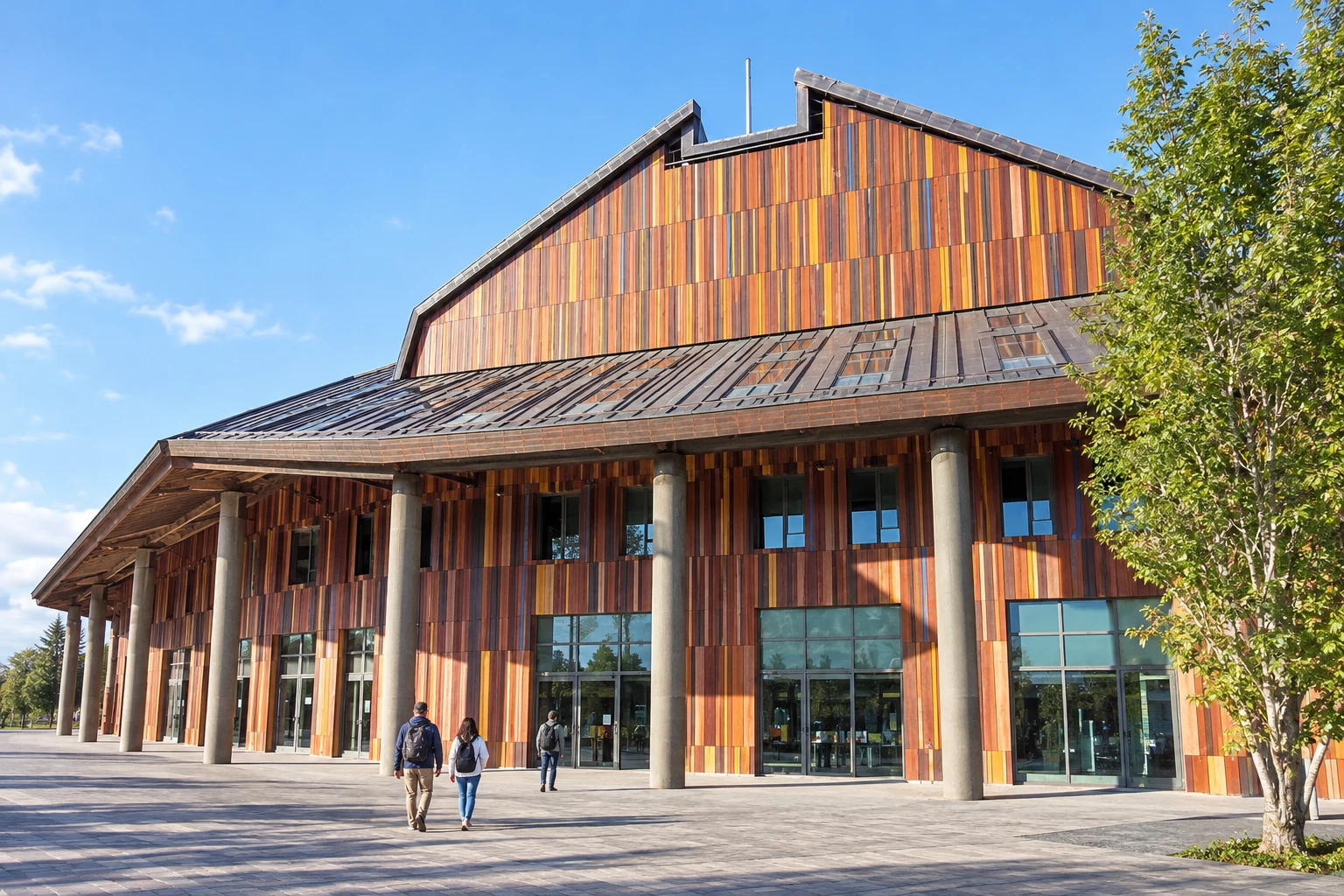
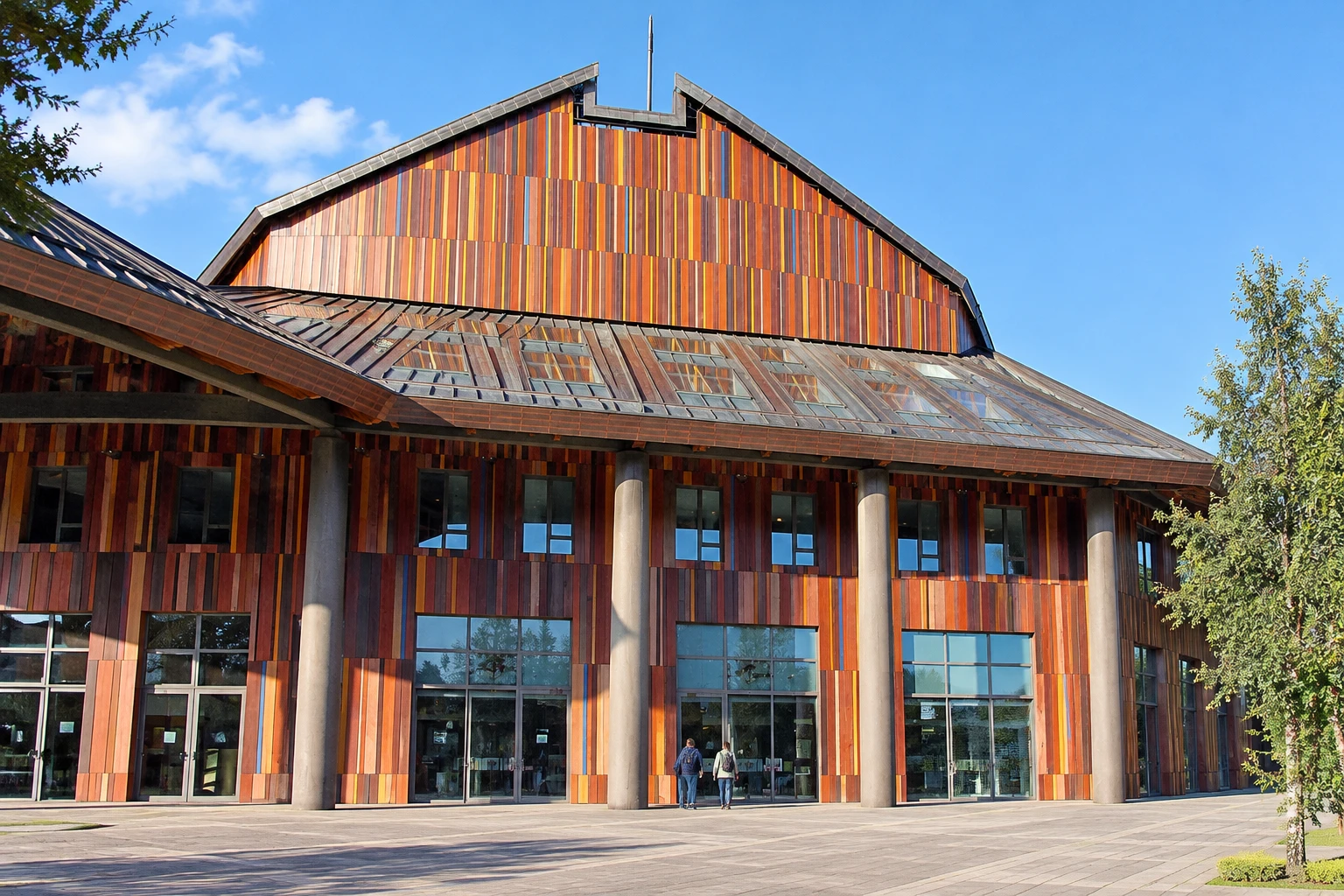
In the photo: Facade of the Teatro del Lago, Frutillar
Illustrative images. The pictures in this guide are illustrations based on the real place, not photographs, and may differ from it.
The city
Frutillar is a small town on the western shore of Lago Llanquihue, founded by German settlers in 1856 and known for music. In Frutillar Bajo, by the bay, are the Teatro del Lago, host of the Semanas Musicales, the Museo Colonial Alemán de Frutillar and the Costanera de Frutillar, with wooden houses, kuchen cafés and views of four volcanoes.
There's no accommodation in the guide yet in Frutillar.
Tem hotel, pousada ou casa de temporada aqui? Cadastre a suaThere are no restaurants in the guide yet in Frutillar.
Know a good one? Recommend it to usHotéis e restaurantes da cidade no mapa.
how to get there · how many days · itinerary · questions
Flavors of Chile
The local experience
Arts center on the shore of Lago Llanquihue, with a main hall for about 1,200 people, a wooden façade and a program of classical music, opera and dance.
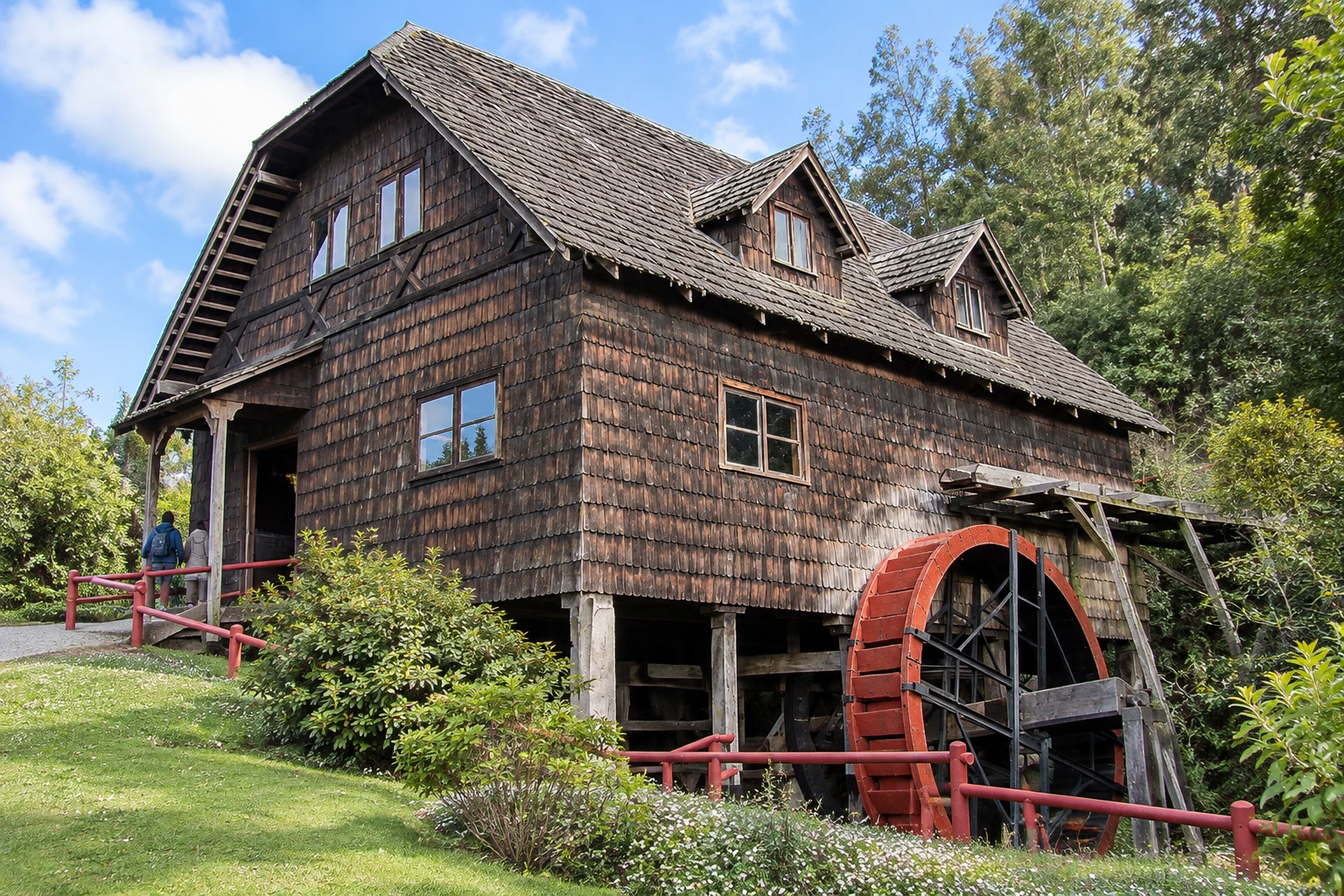
Open-air museum about the German colonization of Llanquihue, with a water mill, smithy, a circular machine shed and a settler's house from 1889, set in a three-hectare garden.
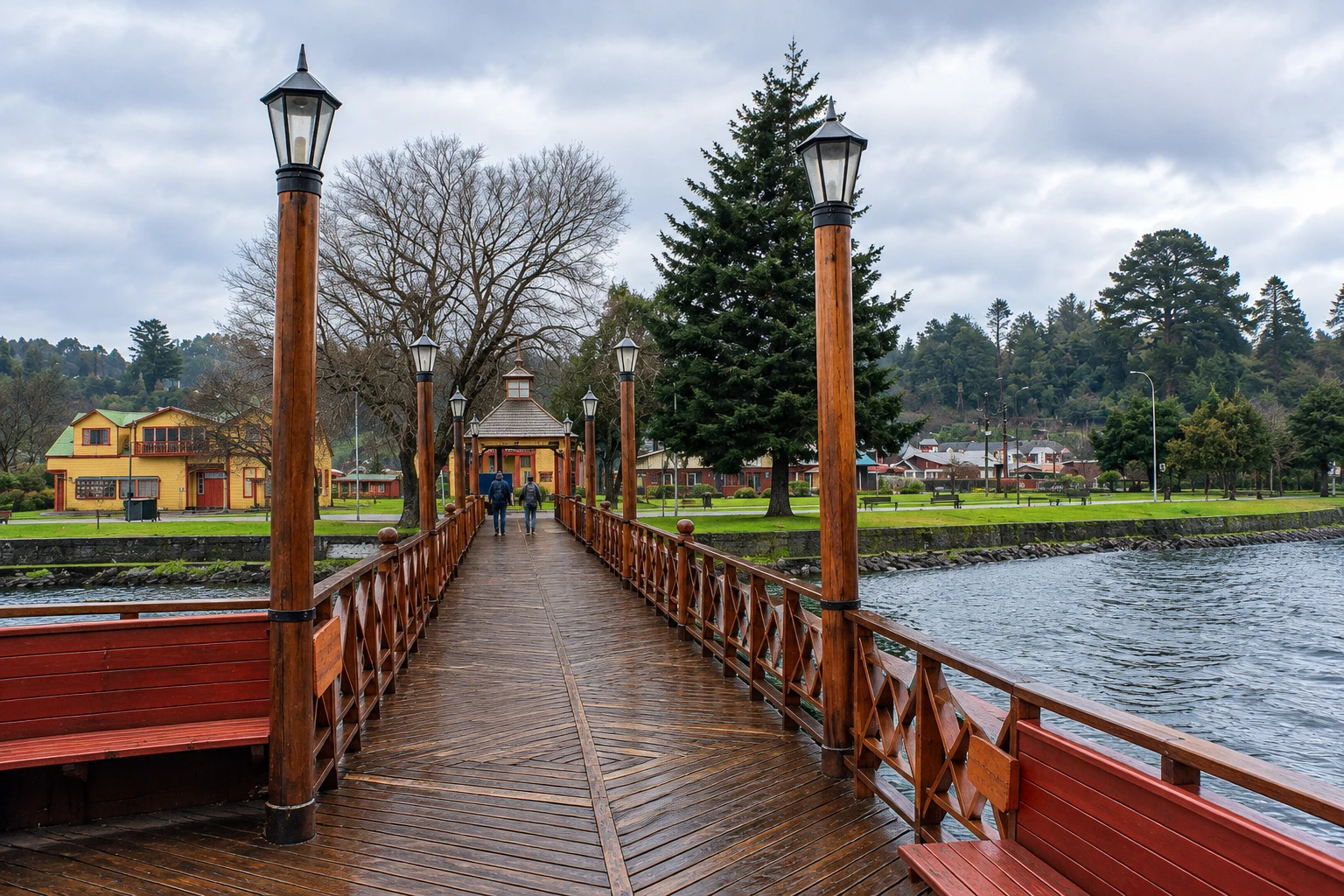
Promenade on the edge of the Bahía de Frutillar, with a beach, a pier and wooden houses from the settlers' era, facing the volcanoes Osorno, Calbuco, Puntiagudo and Tronador.
Before you go
Frutillar – Chile Destination Lakes and Volcanoes about 48 km from Puerto Montt
Approximate distances. Check flights and bus, train or boat schedules before you travel.
It is about 45 km from El Tepual airport and 30 km from Puerto Varas via Ruta 5. Micros depart frequently from Puerto Montt and Puerto Varas and stop at the Frutillar Alto terminal; from there you descend to the waterfront by shared taxi. Long-distance buses also stop in town.
Half a day or a full day is enough for the museum, the waterfront and the theater when leaving from Puerto Varas. If you go for a concert you can sleep in Frutillar Bajo and enjoy the next morning at the beach.
Summer, from December to March, brings long days and a crowded beach. At the end of January and beginning of February the Semanas Musicales fill the theater and the accommodations. In winter the town becomes quiet and rainy.
The seasons shown are the most usual ones; nature doesn't always follow the calendar.
Not necessary. Frutillar Bajo can be explored on foot, and buses connect the town with Puerto Varas and Puerto Montt. A car is useful if you want to combine Frutillar with other points around the lake in the same day.
Suggested itinerary
Built with the places on this page. No rush: it's paced so you have time to see them.
Start with the open-air museum, passing the mill, the smithy and the settler's house, with a view of the lake.
Walk down the Costanera de Frutillar, pass the Lutheran church and the pier, and have lunch at one of the avenue's restaurants.
Take the guided tour of the theater or just admire the wooden façade, and try a raspberry kuchen while looking at the Osorno.
If there's a performance, stay for the concert. If not, return to Puerto Varas via Ruta 5 before it gets dark.
Check before you go. Opening hours and days change, and places may close for renovations, holidays or events. This itinerary is a suggestion from Cidade Turismo, not a commitment: plan yours by checking directly with each place you intend to visit.
Before you go
By car it's about 30 km via Ruta 5, roughly half an hour. Buses run the route throughout the day; check whether the bus goes down to Frutillar Bajo.
One day is enough for the museum, the theater and the waterfront. Those who come for a concert can spend the night.
Generally at the end of January and the beginning of February. Dates change each edition: check before you go.
The town was founded in 1856 by settlers from Germany, brought by the Chilean government to occupy the shores of the Llanquihue. The heritage appears in the houses, the churches and the cuisine.