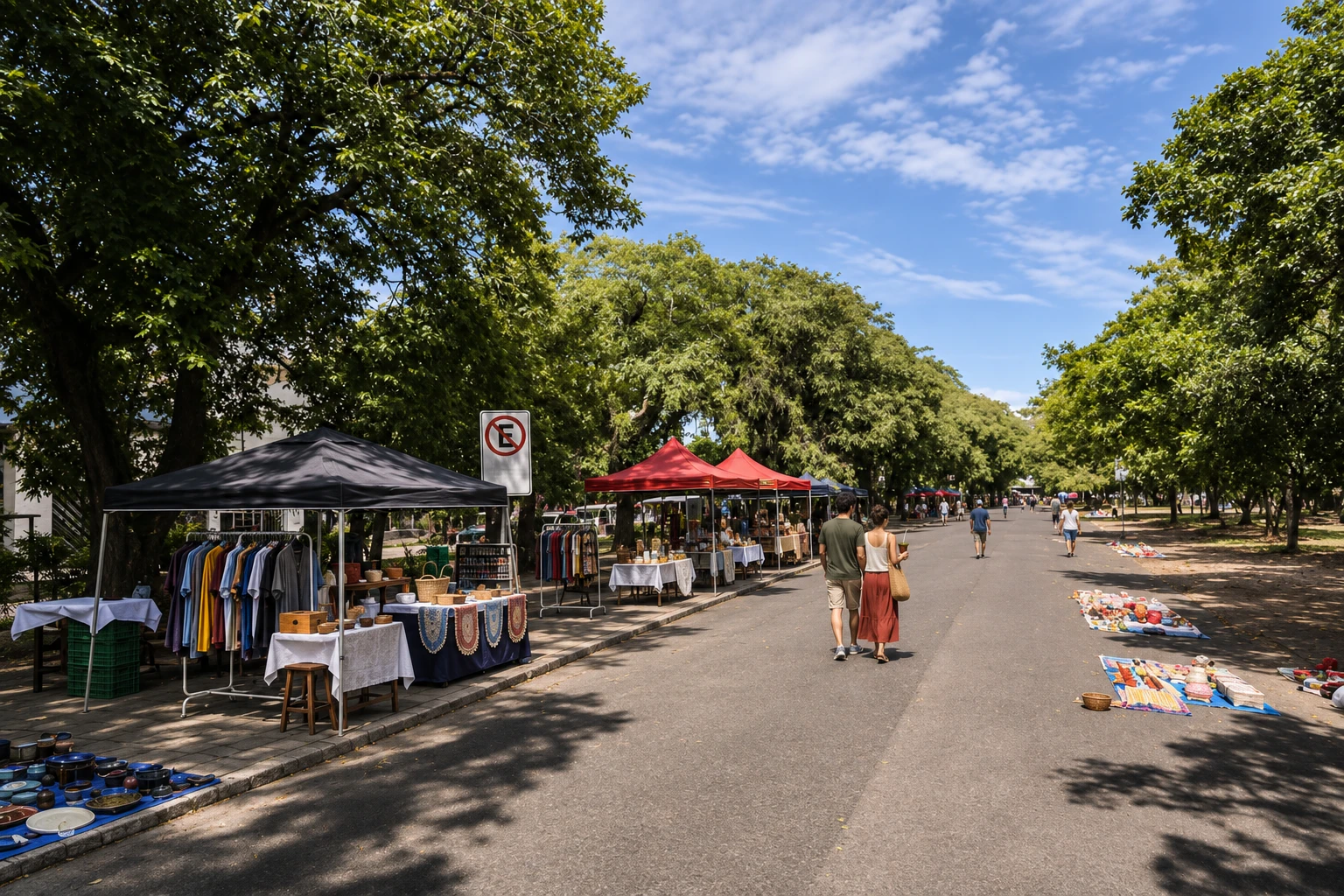
12 lugares para conhecer Porto Alegre (RS), escolhidos pelo guia Cidade Turismo.
Illustrative images. The pictures in this guide are illustrations based on the real place, not photographs, and may differ from it.
Para começar
Os 10 principais lugares Porto Alegre
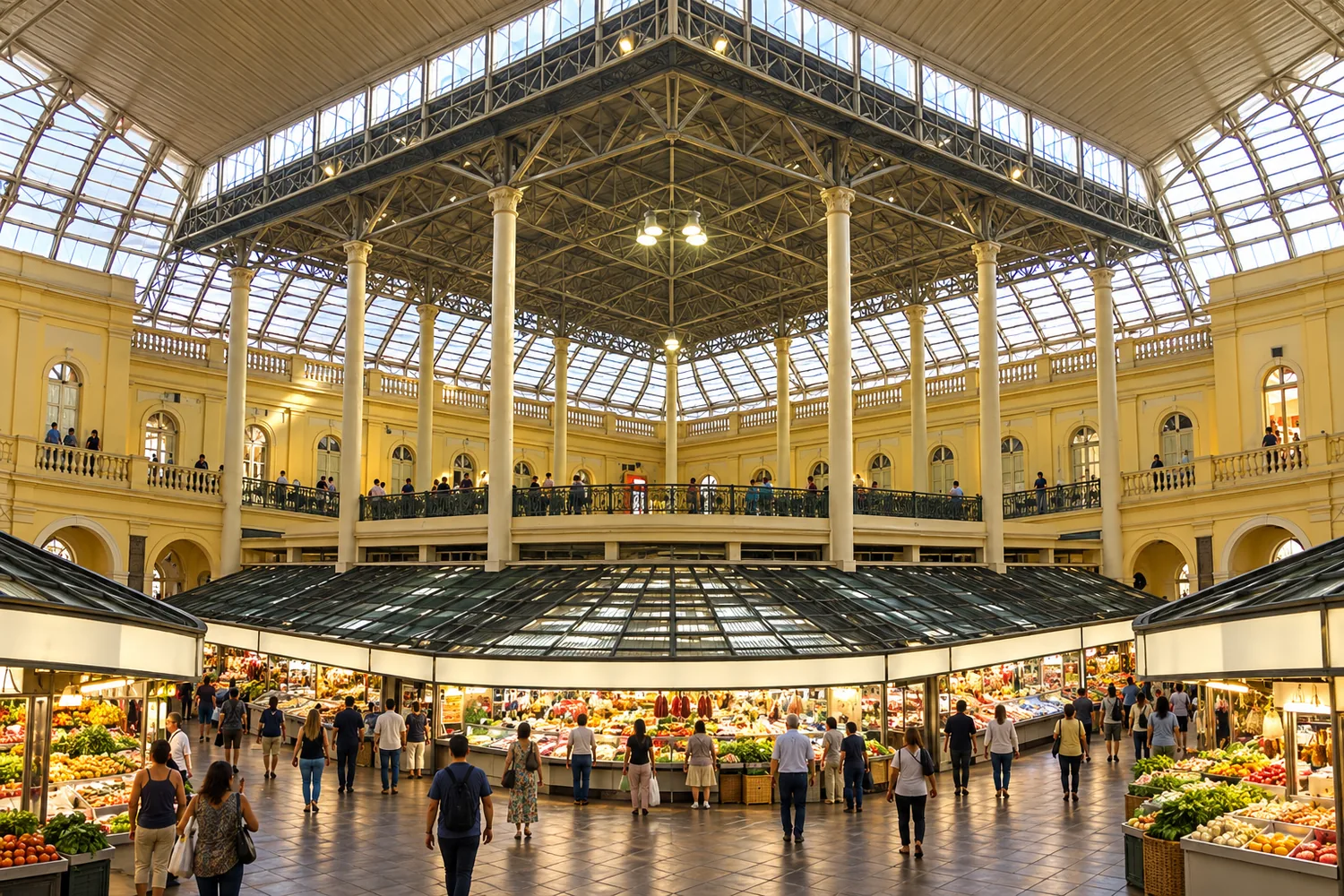
Mercado PúblicoOpened in 1869 in the historic center, the eclectic building with neoclassical influence houses more than a hundred shops selling food, herbs and assorted goods.
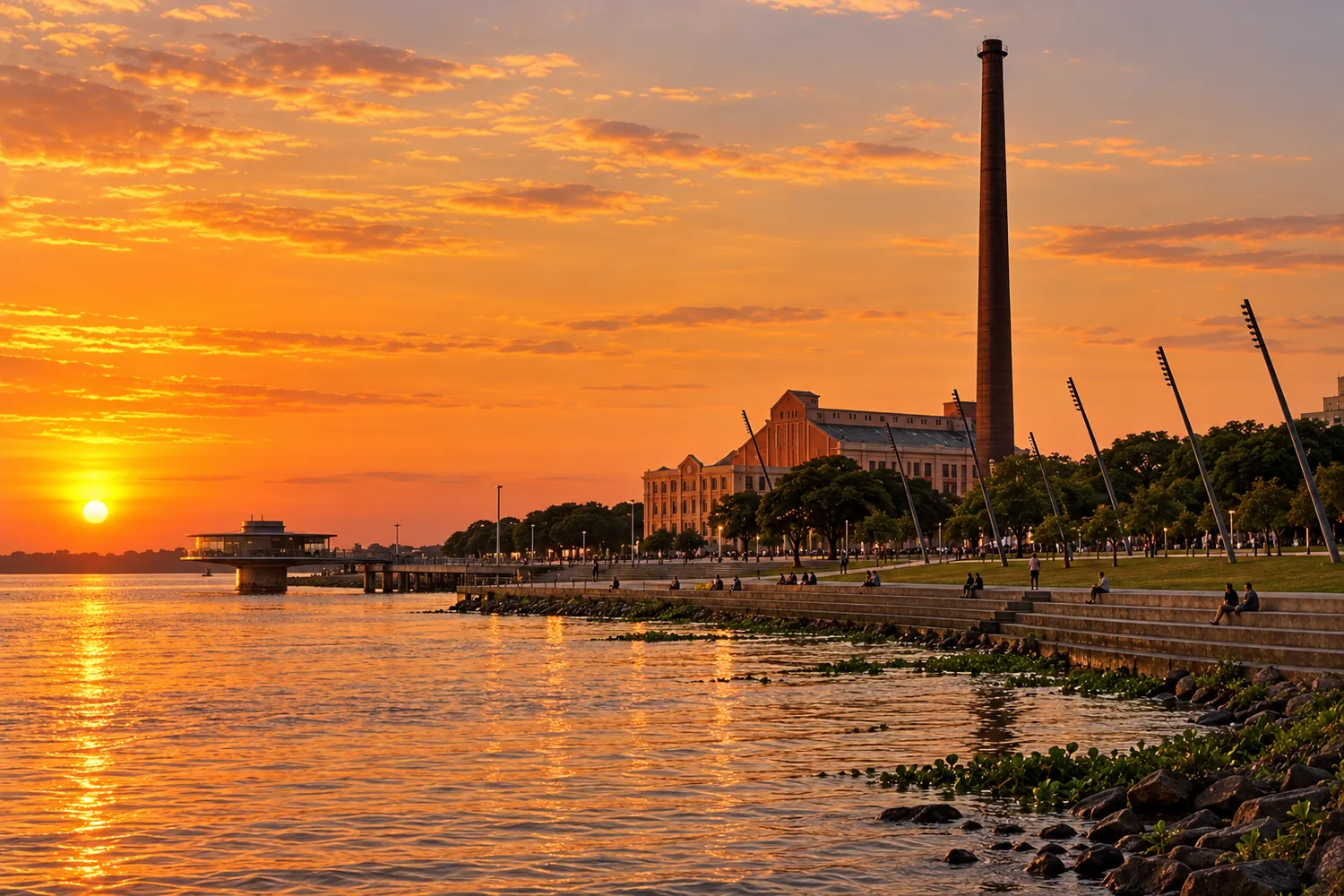
Usina do GasômetroA former thermoelectric power plant opened in 1928 and shut down in 1974, the building on the shore of the Guaíba became a cultural center in 1991.
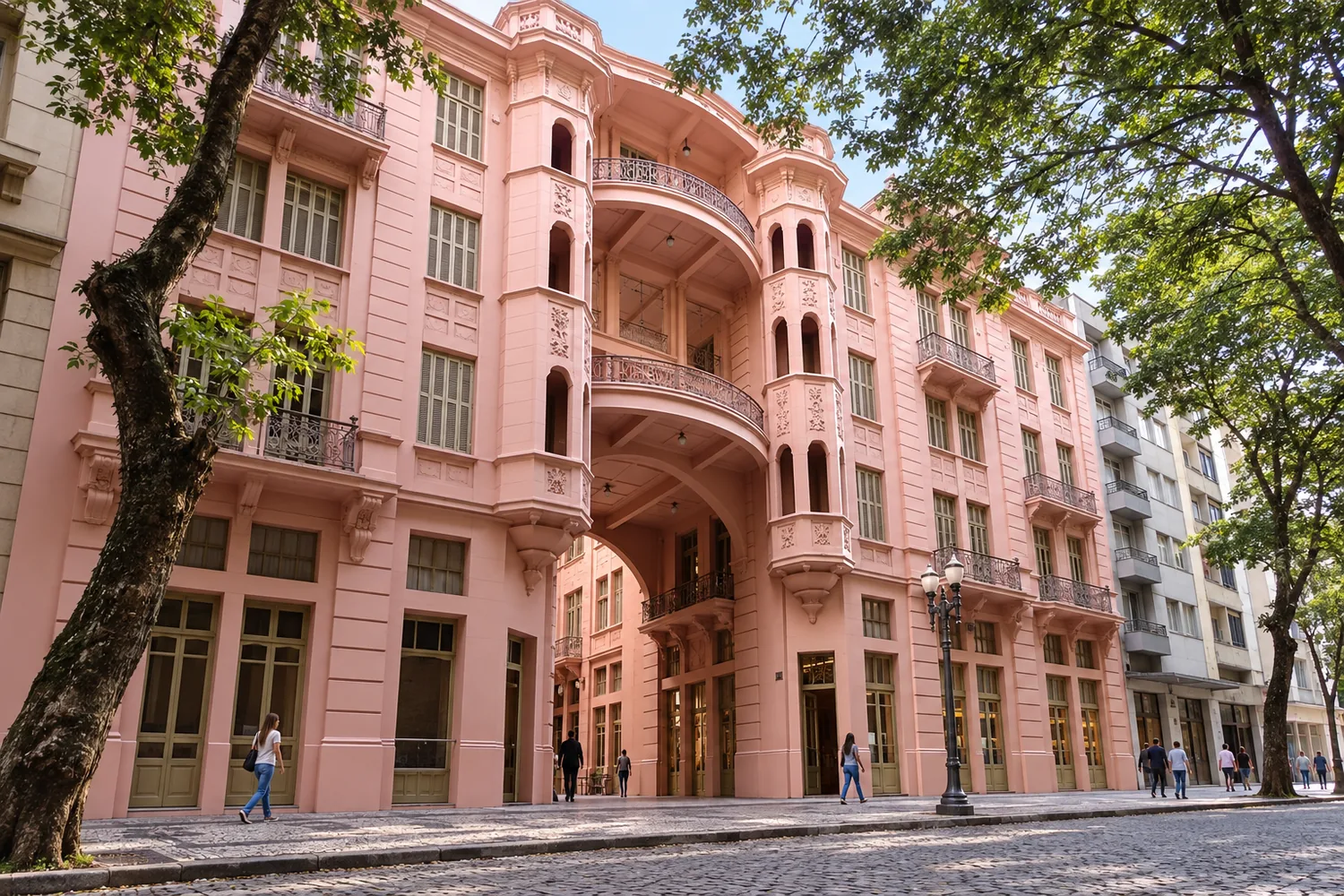
Casa de Cultura Mario QuintanaIt occupies the former Hotel Majestic, designed by Theodor Wiederspahn, where poet Mario Quintana lived from 1968 to 1980.
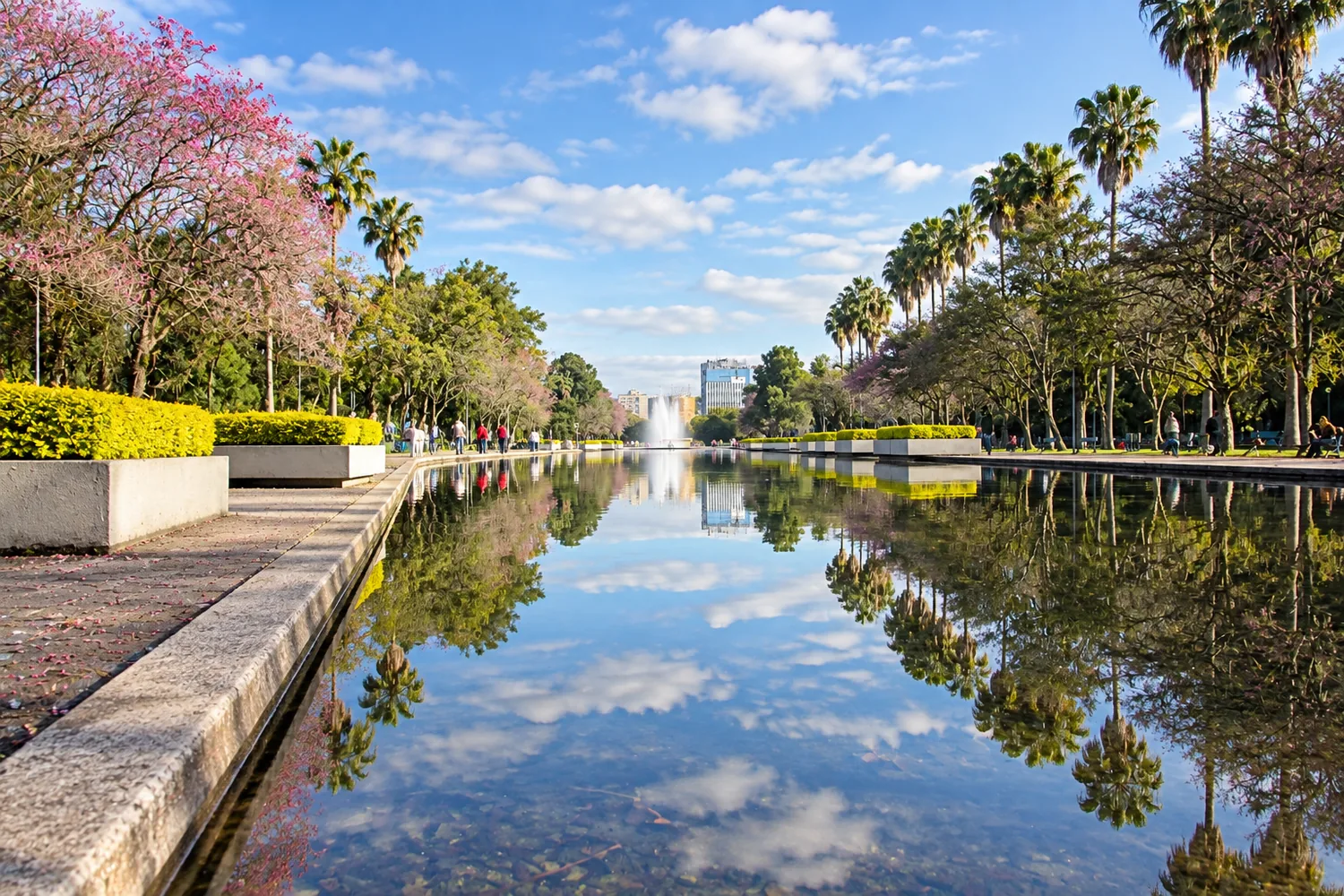
Parque Farroupilha (Redenção)Known as Redenção (Redemption), a name adopted in 1884 in reference to the freeing of the district's enslaved people, it covers about 37 hectares in the Bom Fim neighborhood.
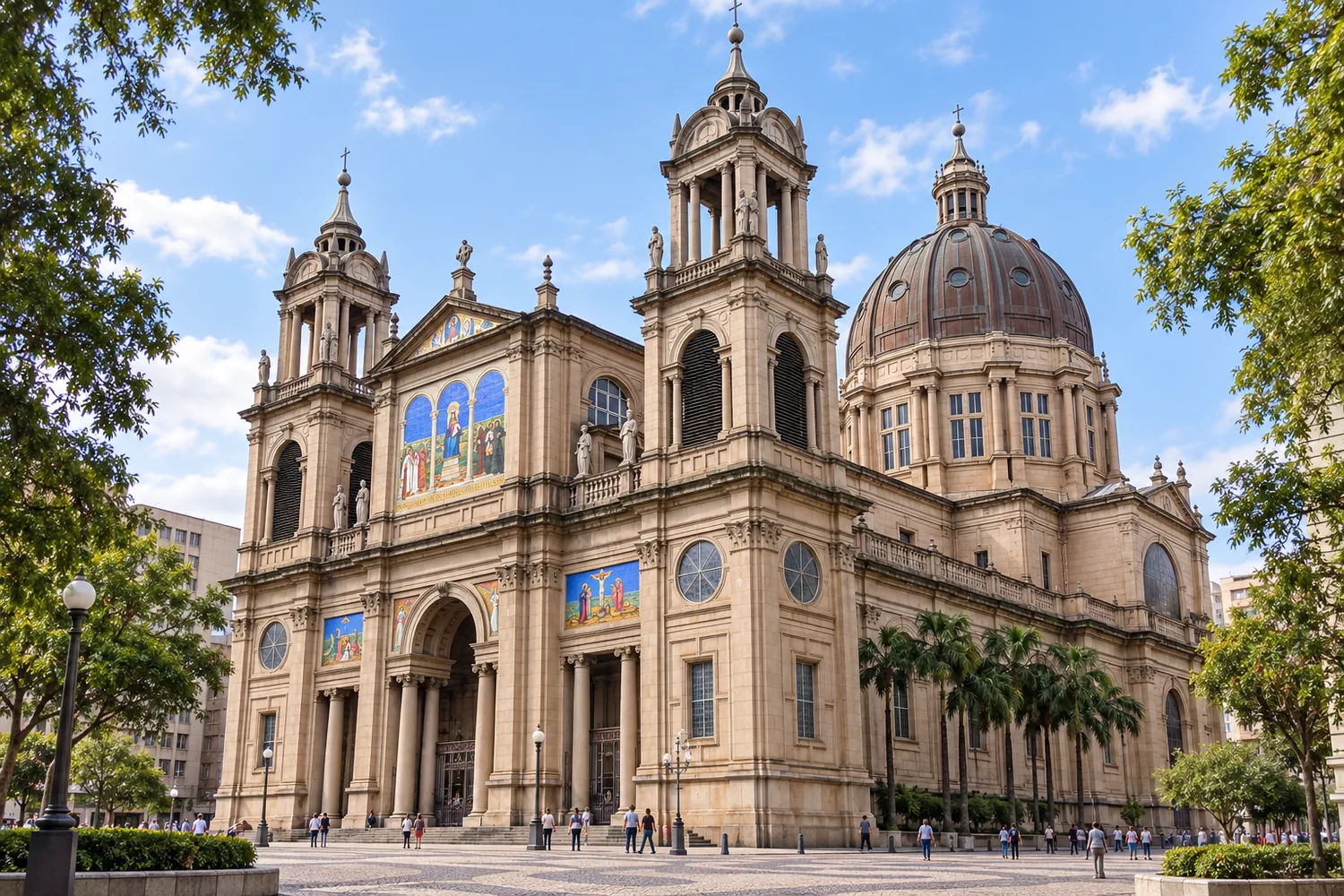
Mexico City Metropolitan CathedralWith its cornerstone laid in 1921 and consecrated in 1986, it stands on Praça da Matriz and has Renaissance-inspired lines.
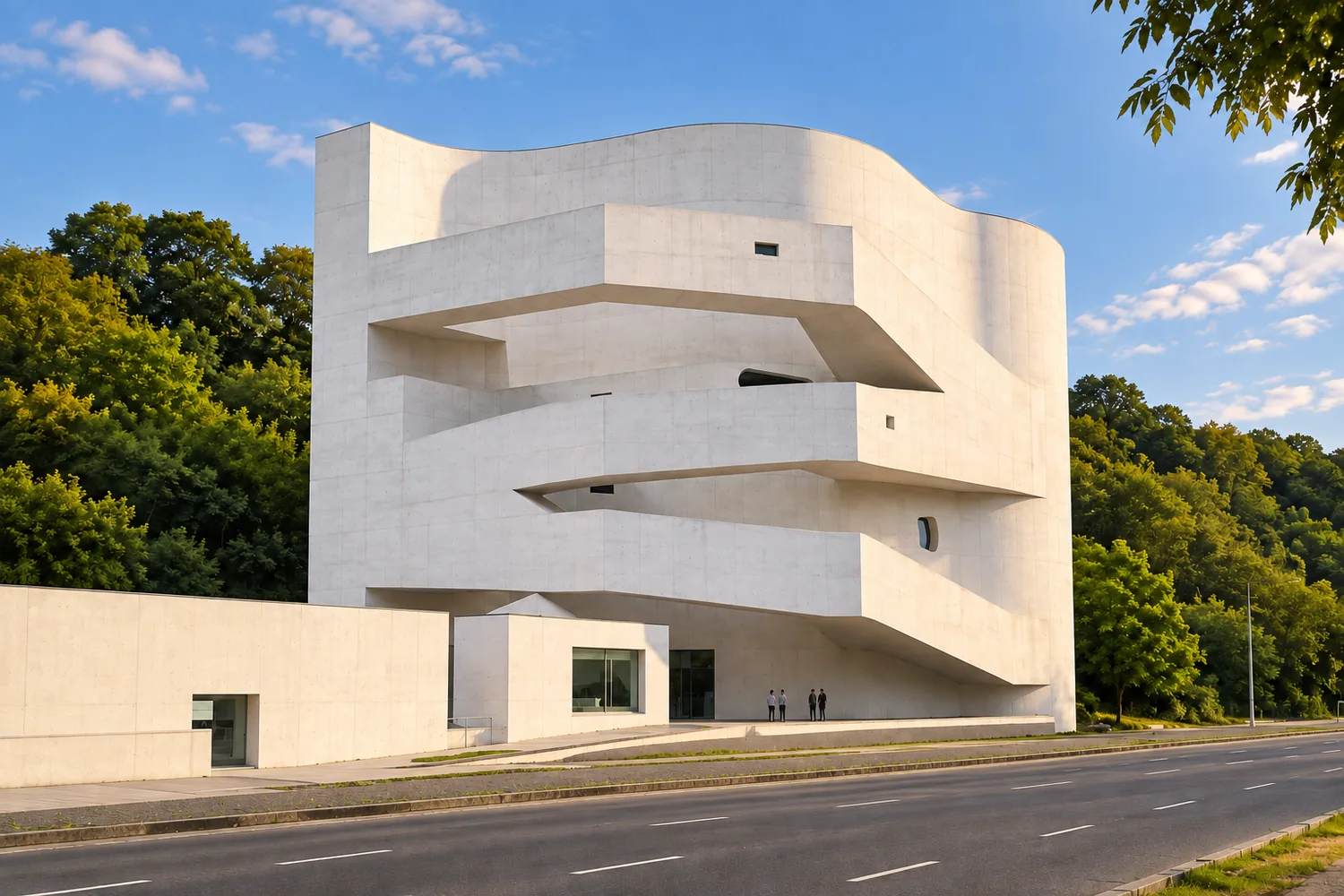
Fundação Iberê CamargoDesigned by Portuguese architect Álvaro Siza and opened in 2008 on the shore of the Guaíba, the building won the Golden Lion at the 2002 Venice Architecture Biennale.
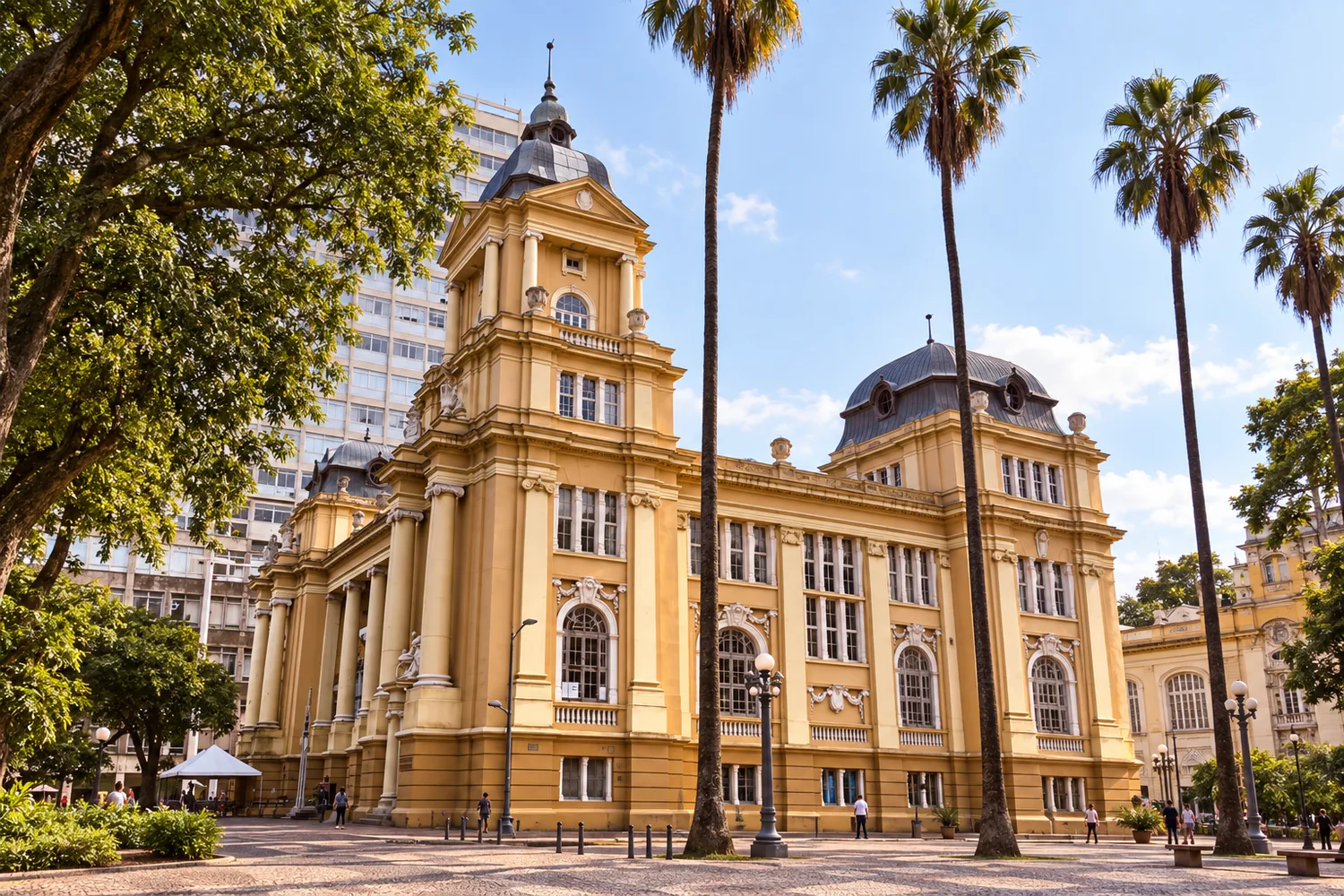
Museu de Arte do Rio Grande do Sul (MARGS)Founded in 1954, it has occupied since 1978 the former Delegacia Fiscal (Treasury office) building, built between 1913 and 1914 to a design by Theodor Wiederspahn.
Parque Moinhos de Vento (Parcão)Opened in 1972 in the neighborhood of the same name, the Parcão covers about 11 hectares and has more than 1,500 trees of 117 species.
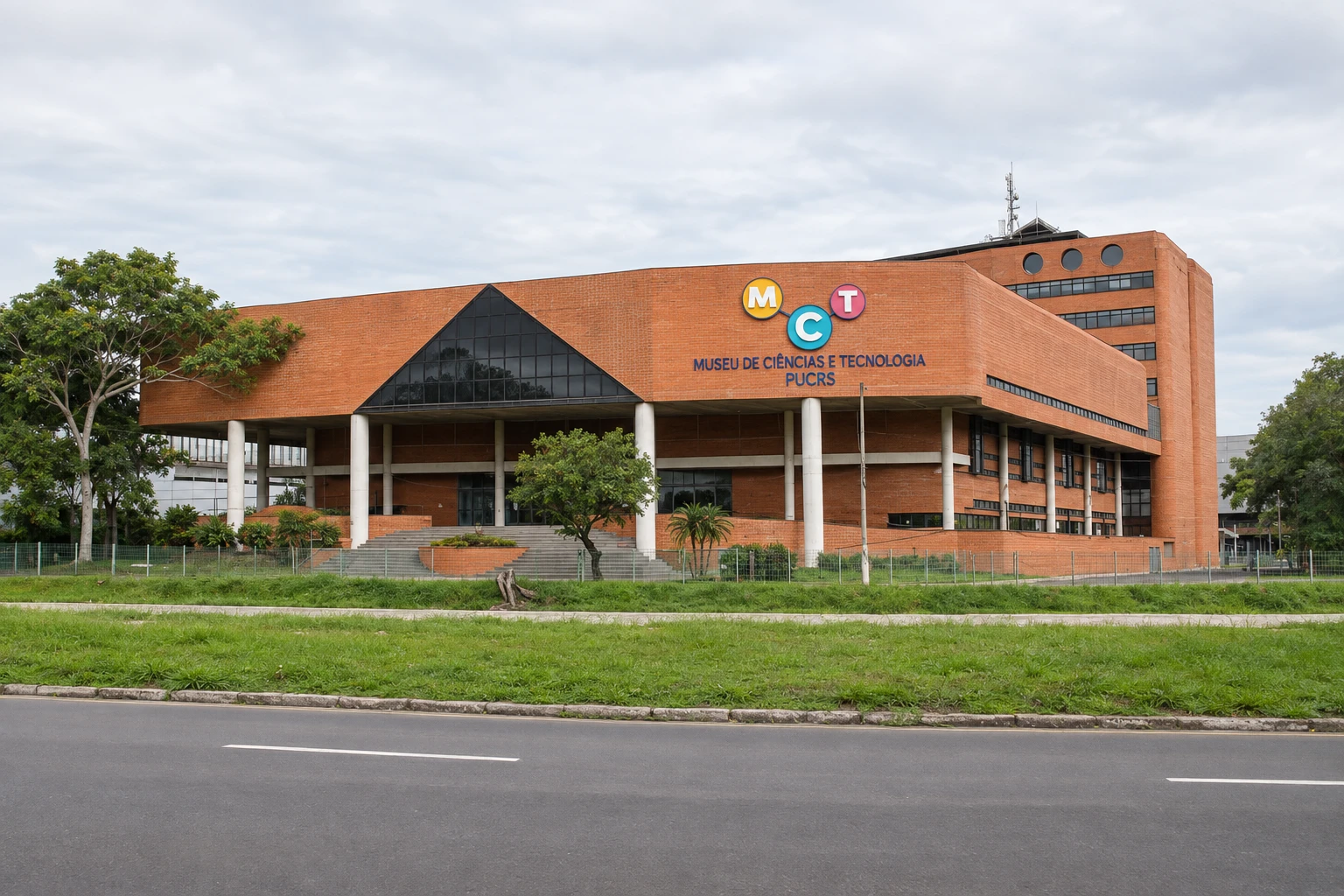
PUCRS Museum of Science and TechnologyInteractive science museum on the PUCRS campus, on Avenida Ipiranga, with hundreds of hands-on experiments to touch and try and collections of paleontology, zoology, botany, min...
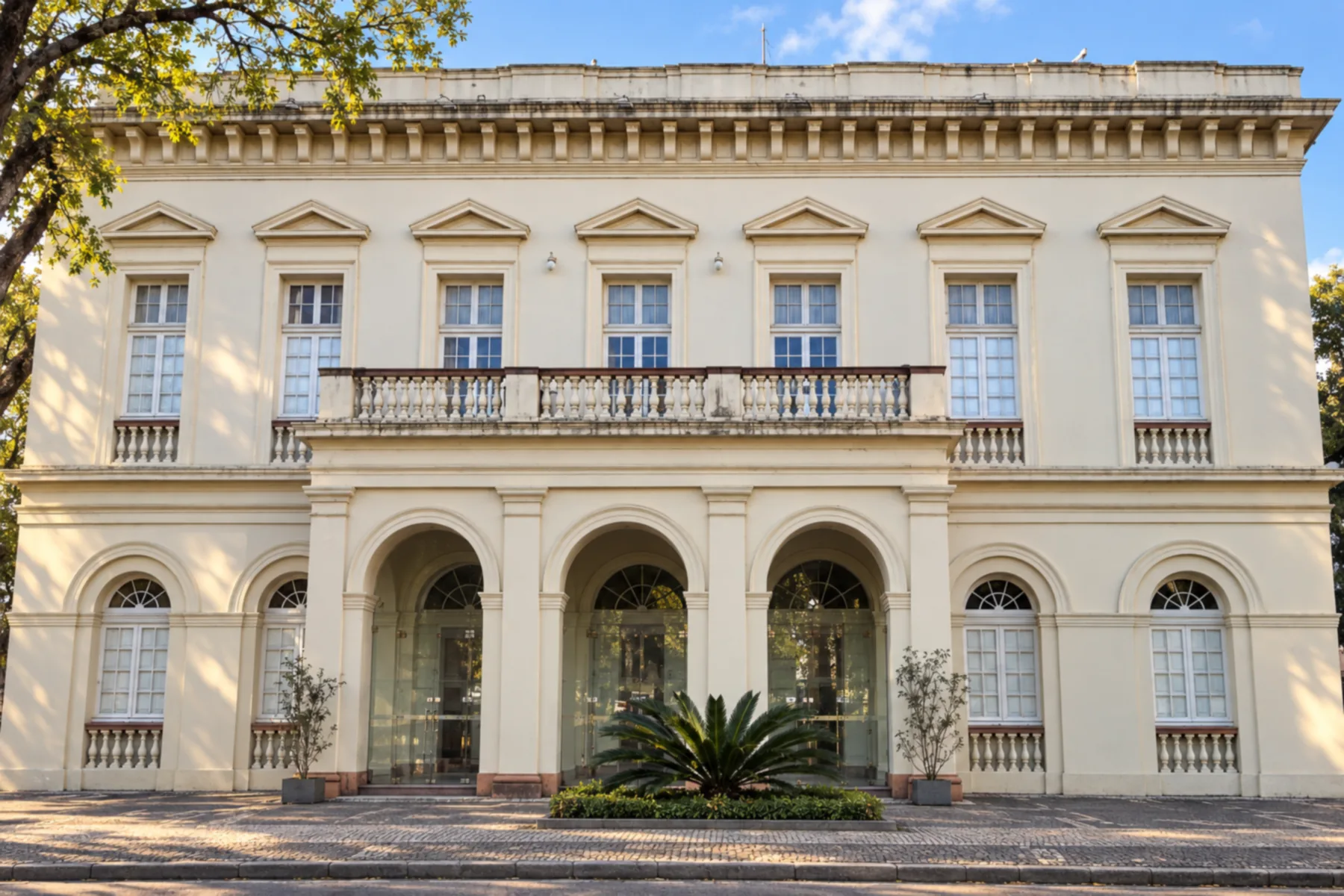
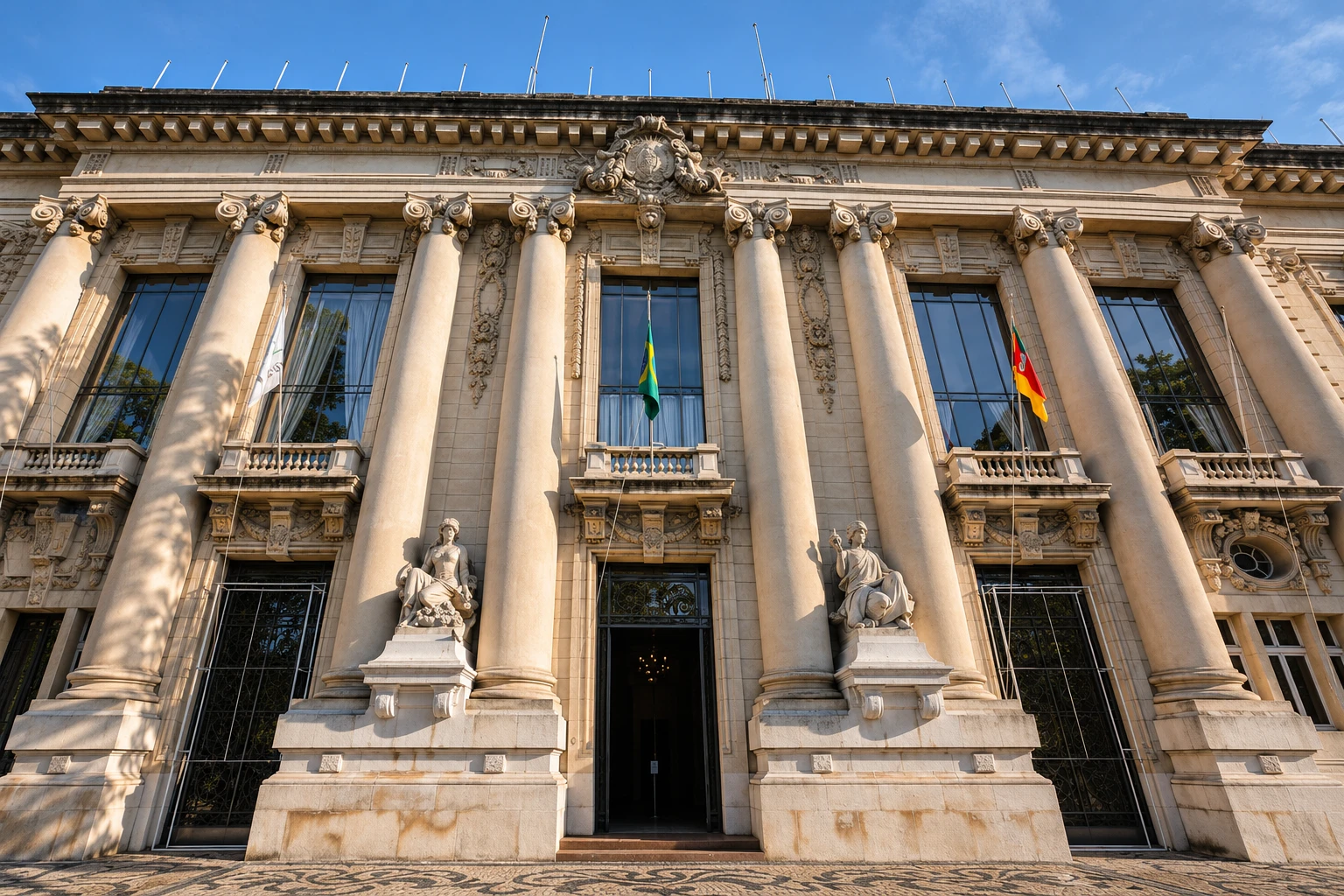
Piratini PalaceSeat of the government of Rio Grande do Sul, on Praça da Matriz in Porto Alegre’s Historic Center.
Opened in 1869 in the historic center, the eclectic building with neoclassical influence houses more than a hundred shops selling food, herbs and assorted goods. Listed in 1979, it survived four fires and reopened after being flooded in the 2024 flood.
A former thermoelectric power plant opened in 1928 and shut down in 1974, the building on the shore of the Guaíba became a cultural center in 1991. After a complete restoration, it reopened in August 2025, with spaces for exhibitions and events by the waterfront.
It occupies the former Hotel Majestic, designed by Theodor Wiederspahn, where poet Mario Quintana lived from 1968 to 1980. It brings together theaters, movie theaters, galleries and libraries, and in 2025 it completed repairs of the damage from the 2024 flood.
Known as Redenção (Redemption), a name adopted in 1884 in reference to the freeing of the district's enslaved people, it covers about 37 hectares in the Bom Fim neighborhood. It has themed gardens, such as the Recanto Oriental and the Recanto Europeu, plus an amusement park and an organic market.
With its cornerstone laid in 1921 and consecrated in 1986, it stands on Praça da Matriz and has Renaissance-inspired lines. The dome reaches 65 meters high, and the facade mosaics were made by the Vatican Mosaic Studio.
Designed by Portuguese architect Álvaro Siza and opened in 2008 on the shore of the Guaíba, the building won the Golden Lion at the 2002 Venice Architecture Biennale. It preserves and displays the work of Rio Grande do Sul painter Iberê Camargo and hosts contemporary art exhibitions.
Founded in 1954, it has occupied since 1978 the former Delegacia Fiscal (Treasury office) building, built between 1913 and 1914 to a design by Theodor Wiederspahn. The collection has more than 2,600 works, and the museum reopened in December 2024 after the flood.
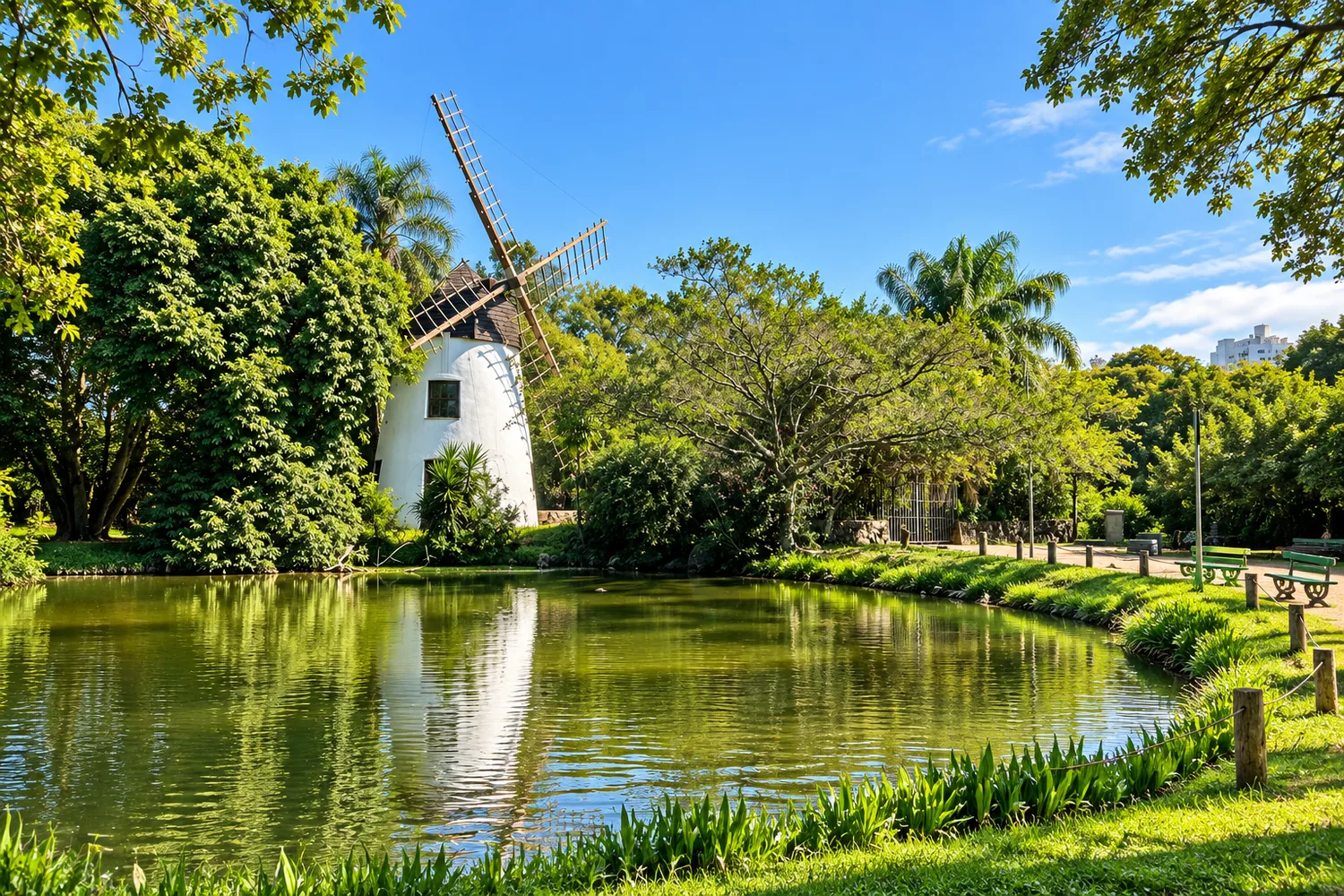
Opened in 1972 in the neighborhood of the same name, the Parcão covers about 11 hectares and has more than 1,500 trees of 117 species. A replica of an Azorean-style windmill recalls the mill that gave the area its name in the 18th century.
Interactive science museum on the PUCRS campus, on Avenida Ipiranga, with hundreds of hands-on experiments to touch and try and collections of paleontology, zoology, botany, mineralogy and archaeology. It’s one of the most visited attractions by families in Porto Alegre.
Seat of the government of Rio Grande do Sul, on Praça da Matriz in Porto Alegre’s Historic Center. The neoclassical palace, inaugurated in 1921, offers guided visits to the state rooms, featuring murals by Aldo Locatelli and sculptures by Paul Landowski.
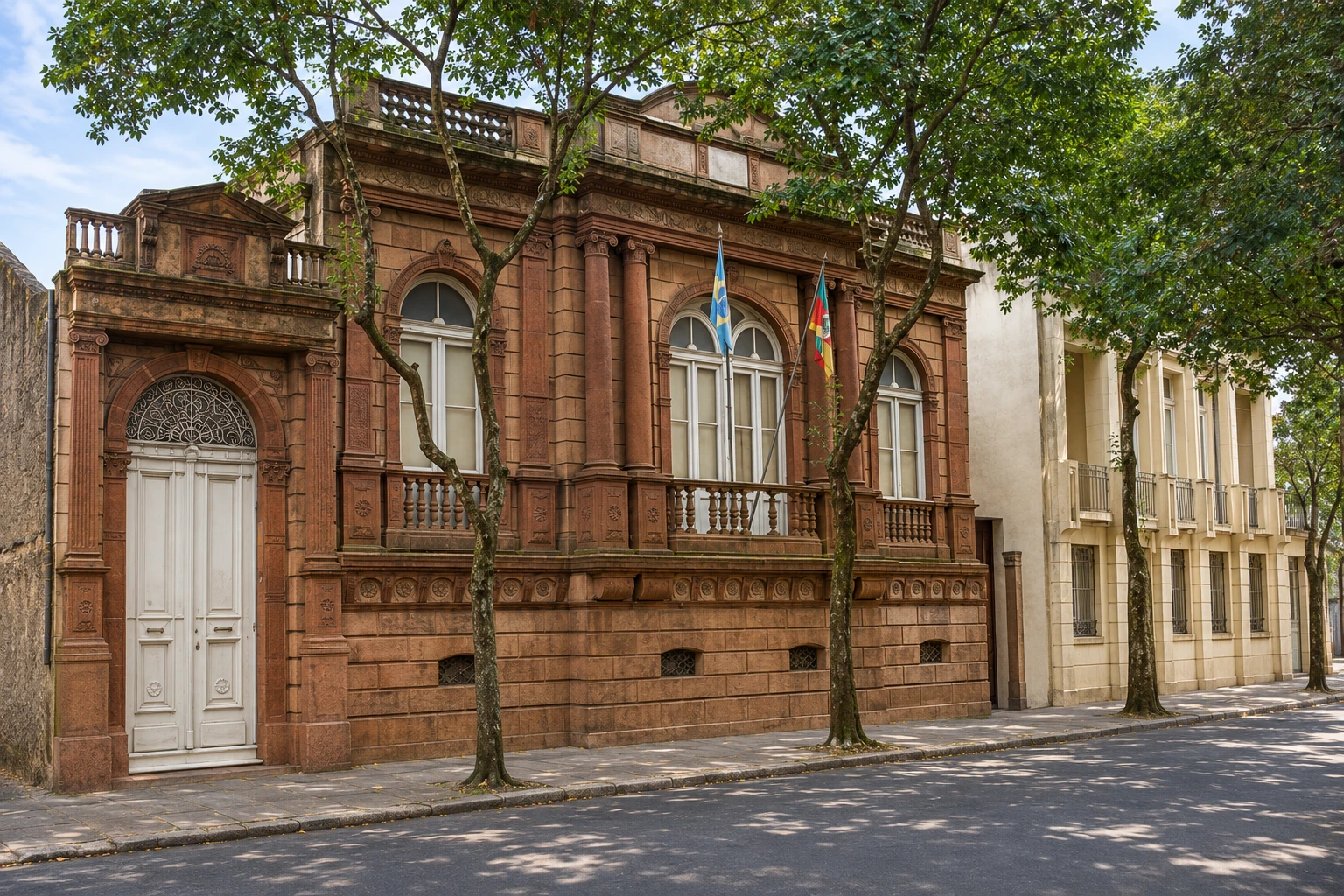
The oldest museum in Rio Grande do Sul, founded in 1903, in the house where Governor Júlio de Castilhos lived, on Rua Duque de Caxias, near Praça da Matriz. The collection, about 10,000 items, tells the history of the state.
Sunday market on Avenida José Bonifácio, next to Parque Farroupilha, with hundreds of stalls selling handicrafts, antiques, fine art and food. Founded in 1978, it is a cultural heritage site of Rio Grande do Sul.


 Antarctica
 Argentina
 Bolivia
 Chile
 Colombia
 Ecuador
 Falkland Islands (Malvinas)
 French Guiana
 Guyana
 Paraguay
 Peru
 Suriname
 Uruguay
 Venezuela
 Austria
 Belgium
 Croatia
 Denmark
 Finland
 France
 Germany
 Greece
 Hungary
 Iceland
 Ireland
 Italy
 Luxembourg
 Norway
 Poland
 Portugal
 Slovakia
 Slovenia
 Spain
 Sweden
 Switzerland
 the Czech Republic
 the Netherlands
 the United Kingdom
 Turkey
 Bermuda
 Canada
 Greenland
 Mexico
 Saint Pierre and Miquelon
 the United States
 the Dominican Republic
 Japan
 Egypt
 South Africa
 Australia
 Fiji
 New Zealand
 Papua New Guinea