

 Antarctica
 Argentina
 Bolivia
 Chile
 Colombia
 Ecuador
 Falkland Islands (Malvinas)
 French Guiana
 Guyana
 Paraguay
 Peru
 Suriname
 Uruguay
 Venezuela
 Austria
 Belgium
 Croatia
 Denmark
 Finland
 France
 Germany
 Greece
 Hungary
 Iceland
 Ireland
 Italy
 Luxembourg
 Norway
 Poland
 Portugal
 Slovakia
 Slovenia
 Spain
 Sweden
 Switzerland
 the Czech Republic
 the Netherlands
 the United Kingdom
 Turkey
 Bermuda
 Canada
 Greenland
 Mexico
 Saint Pierre and Miquelon
 the United States
 the Dominican Republic
 Japan
 Egypt
 South Africa
 Australia
 Fiji
 New Zealand
 Papua New Guinea
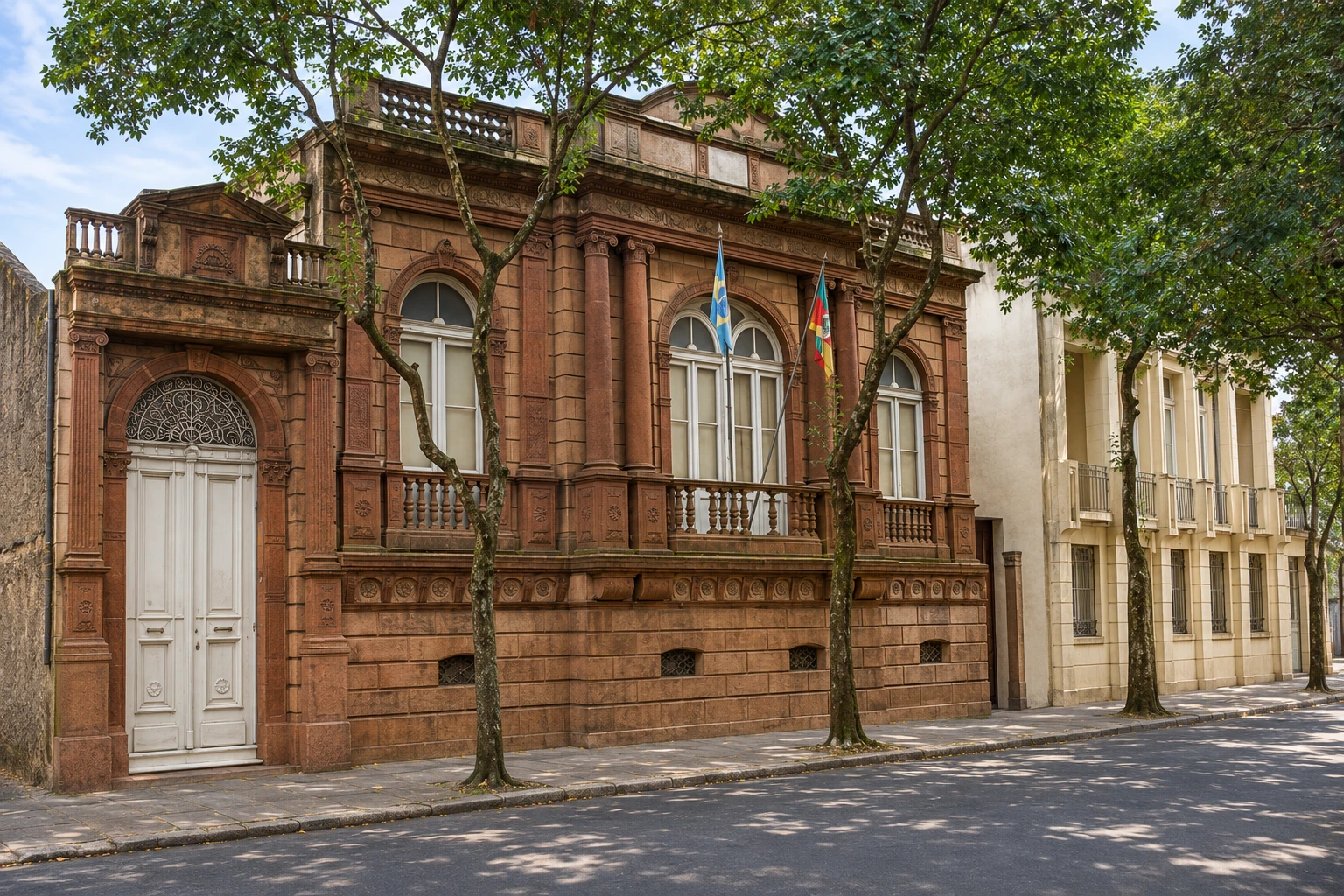
museum · Porto Alegre, RS
Júlio de Castilhos Museum
The oldest museum in Rio Grande do Sul, founded in 1903, in the house where Governor Júlio de Castilhos lived, on Rua Duque de Caxias, near Praça da Matriz. The collection, about 10,000 items, tells the history of the state.
In the photo: Historic manor of the Museu Júlio de Castilhos on Rua Duque de Caxias.
Illustrative images. The pictures in this guide are illustrations based on the real place, not photographs, and may differ from it.


A look at the place
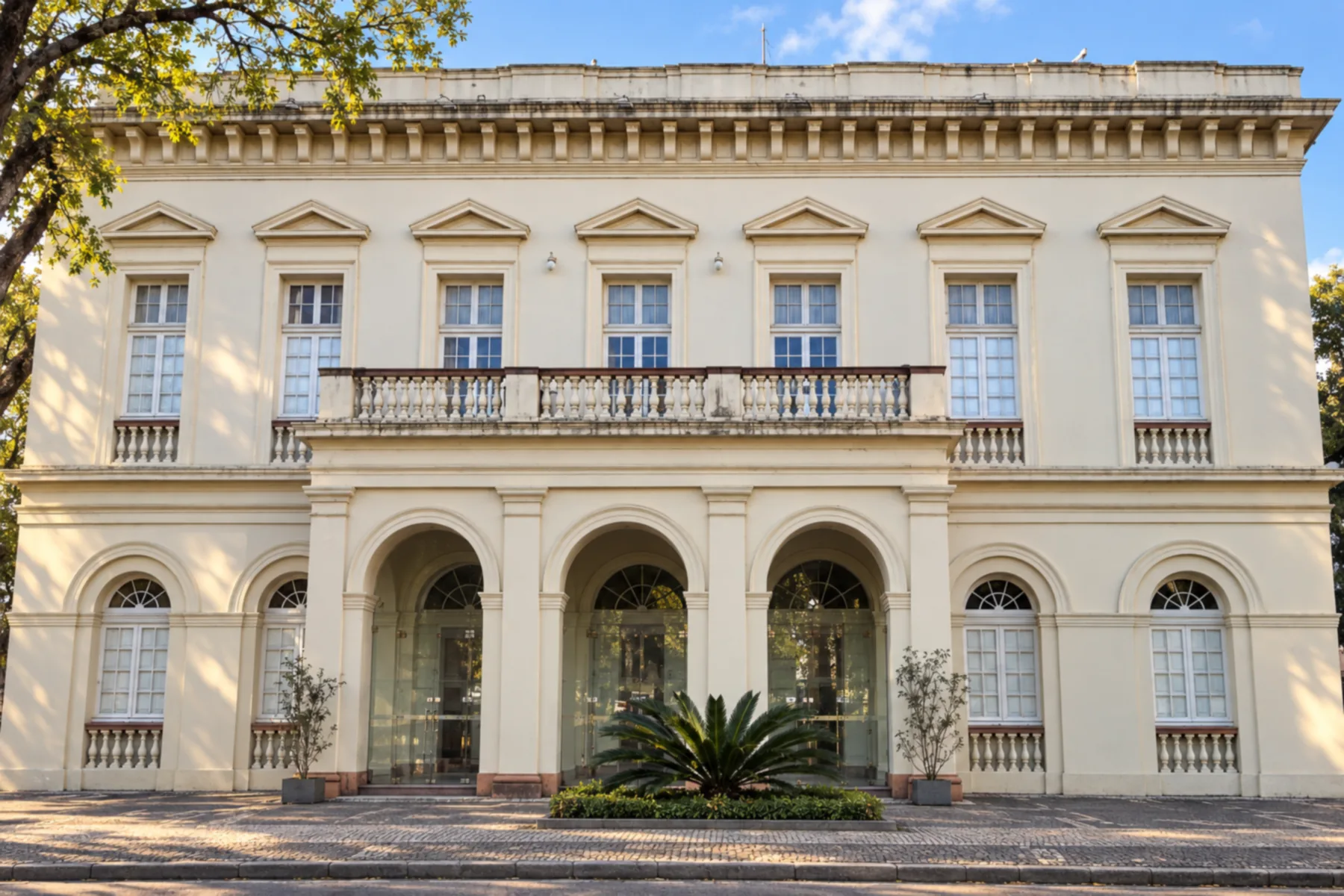
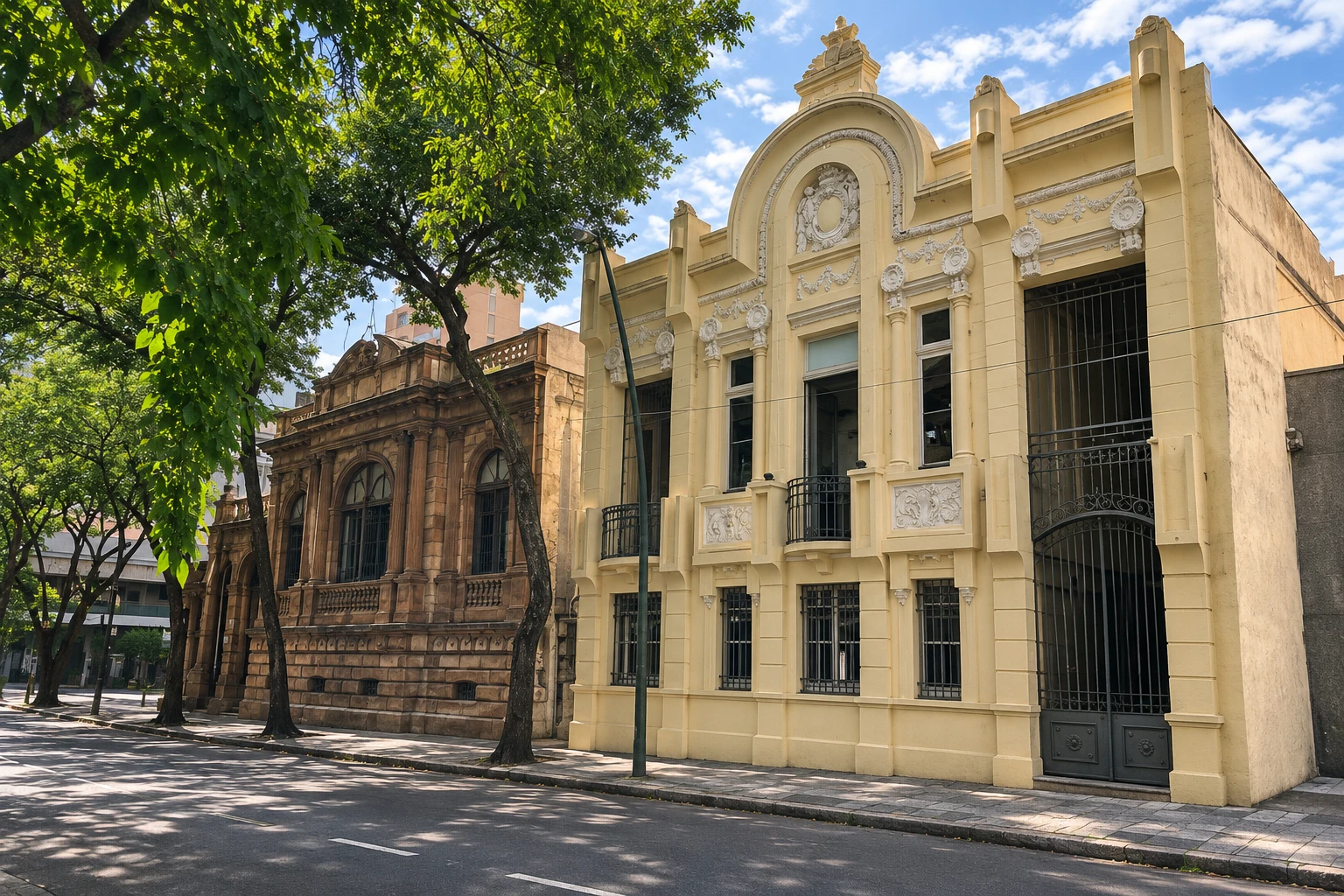
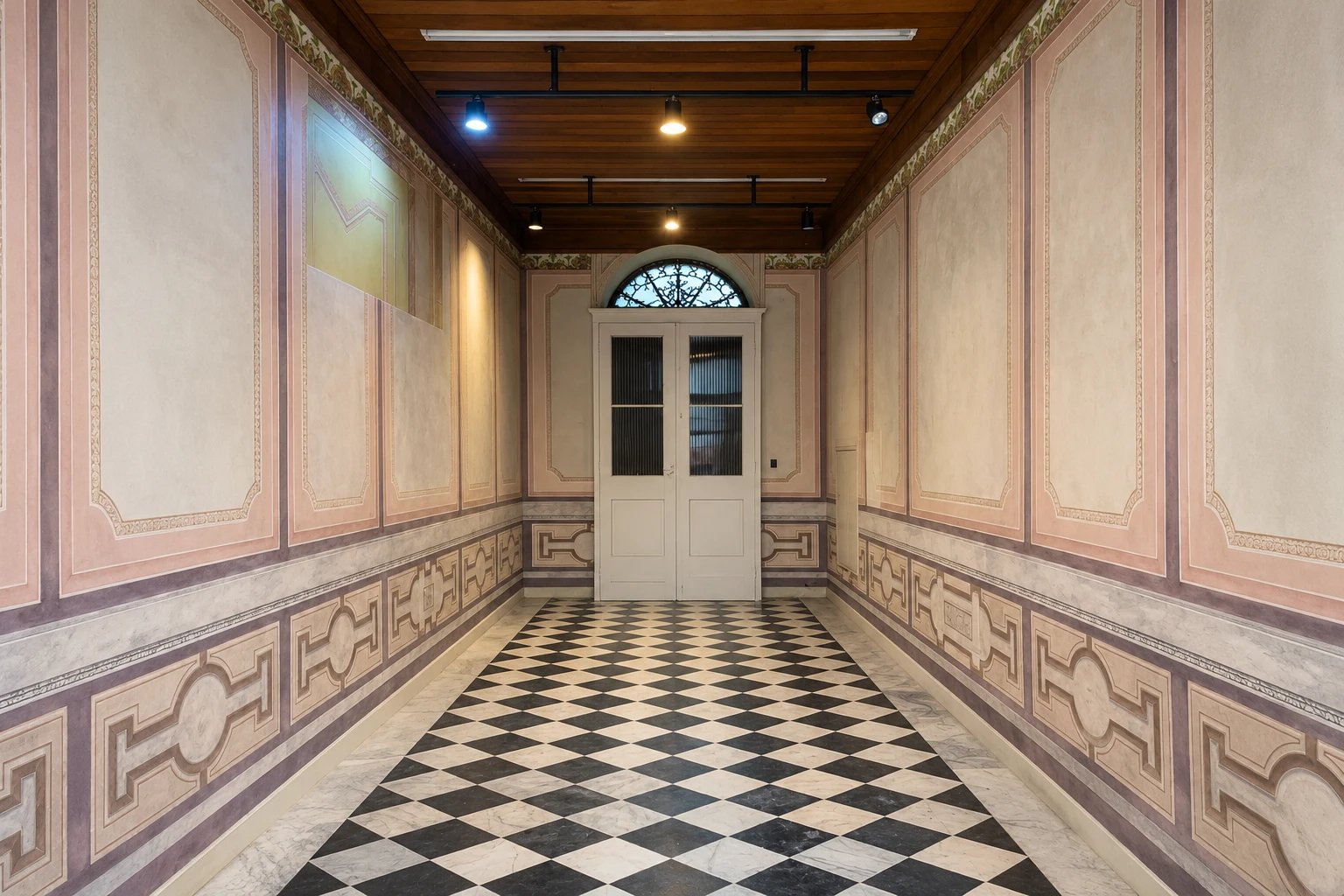
Júlio de Castilhos Museum in pictures
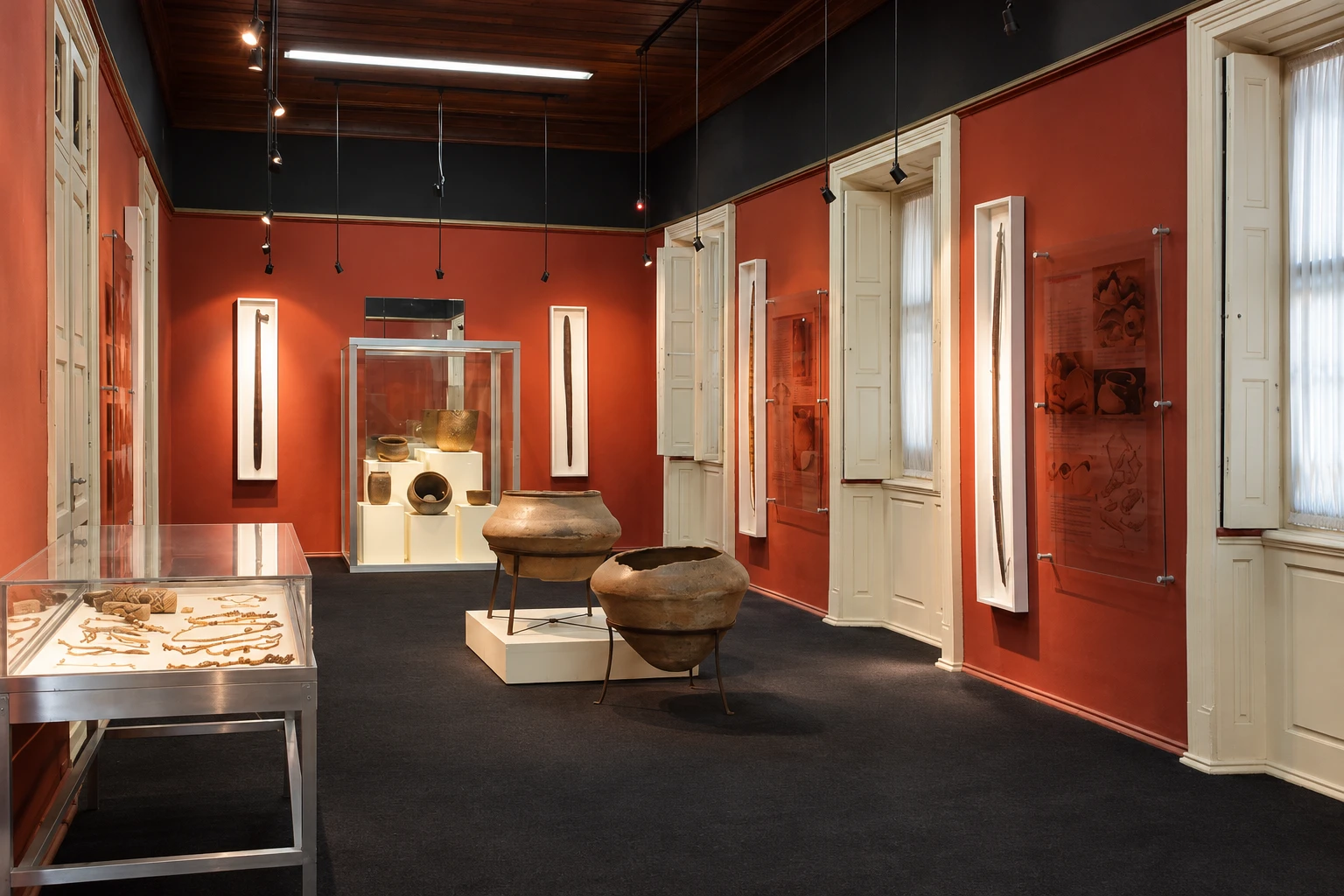
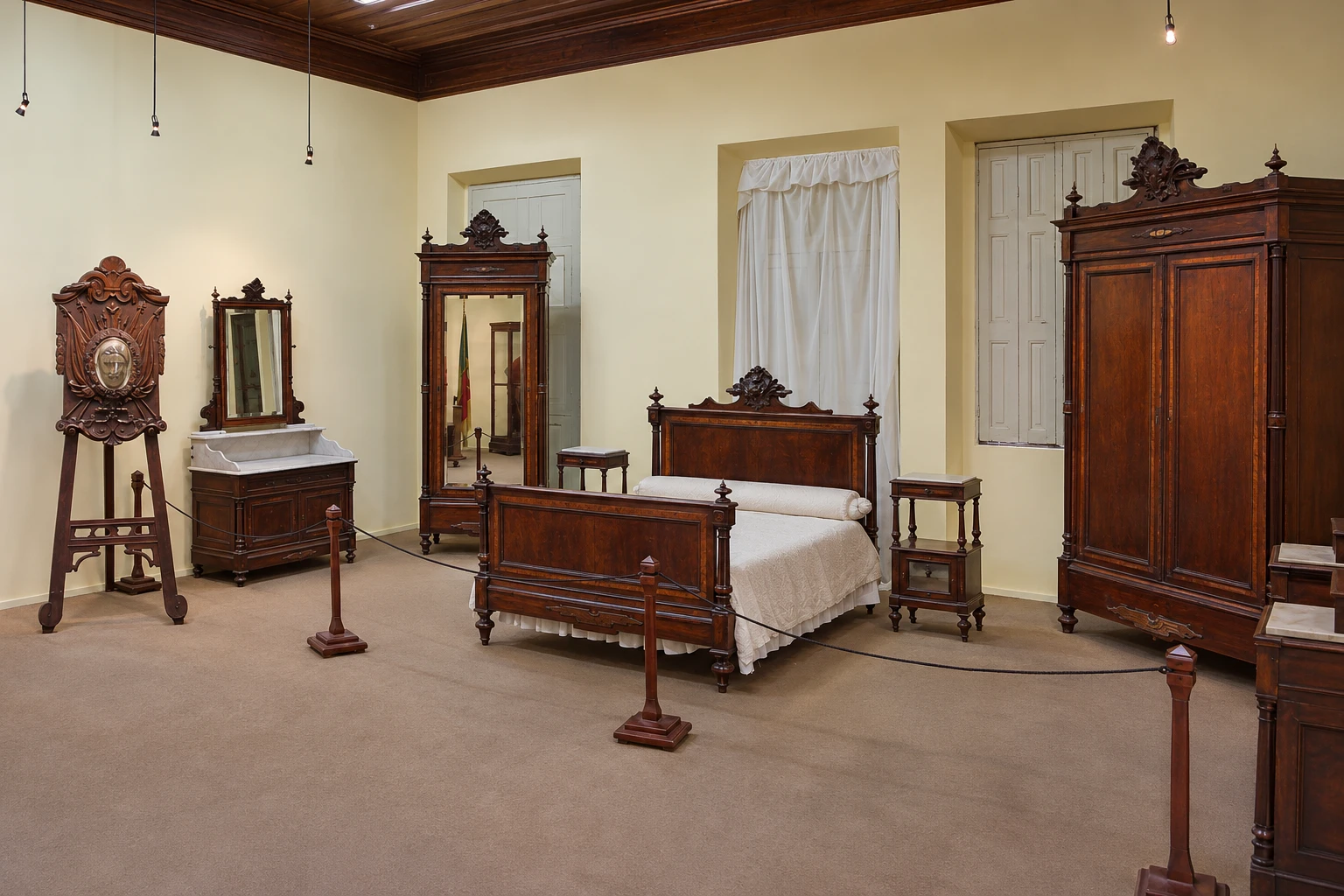
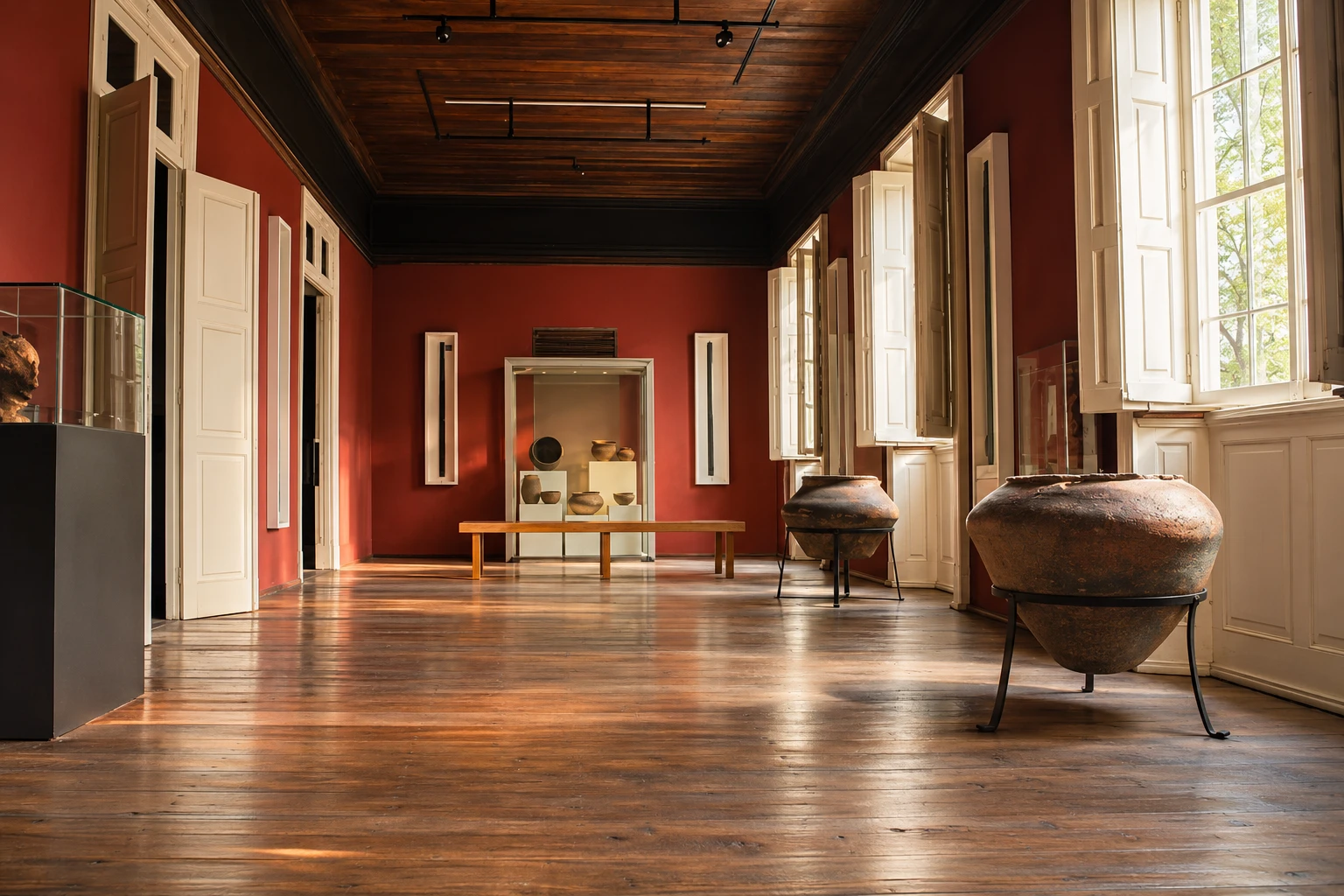
These pictures are illustrations based on the real place, not photographs. They may differ from the place.
Click the picture to enlarge it.
Discover
About Júlio de Castilhos Museum
The Museu Júlio de Castilhos is the oldest museum in Rio Grande do Sul. It was founded in 1903 by decree of the state government, originally named Museu do Estado, to preserve historical and scientific objects assembled since the start of the century. In 1907 it was renamed to honor Júlio de Castilhos, governor and central figure in Gaúcho politics at the end of the 19th century.
The headquarters is the house where Júlio de Castilhos lived with his family, on Rua Duque de Caxias in Porto Alegre’s Historic Center, one block from Praça da Matriz. The government bought the property in 1905, and the museum occupies the house and an adjacent building.
The collection holds about 10,000 items on the history of Rio Grande do Sul: weapons and objects from the wars and revolutions that marked the state, furniture, portraits, documents, everyday life objects and items from Indigenous peoples. Long-term exhibitions change from time to time; among them are shows on Indigenous memory and resistance in the state and on the participation of women in Gaúcho history.
The visit goes through the rooms of the old Castilhos residence and the annex rooms, which gives the museum the feel of a home rather than a gallery. The museum also hosts temporary exhibitions, conducts research and runs educational activities with schools.
The museum is on the walking route of the Historic Center: a few steps away are Palácio Piratini, the Metropolitan Cathedral and Praça da Matriz, and, down the street, Casa de Cultura Mario Quintana and the Mercado Público.
Before you go
Practical information
Cidade Turismo reviews its information regularly, but something may have changed. Check with the place before planning your trip.
How much time to set aside
From 45 minutes to 1 hour 30 minutes.
Best time
All year round, during daytime. Coordinate with guided tours of Palácio Piratini on weekdays to visit Praça da Matriz in the same period.
How to get there
The museum is on Rua Duque de Caxias in Porto Alegre’s Historic Center, one block from Praça da Matriz and Palácio Piratini. From Mercado Público it’s about a 15-minute walk uphill.
Tip
Do the Praça da Matriz route in the same morning or afternoon: Museu Júlio de Castilhos, Palácio Piratini and the Metropolitan Cathedral are just a few steps from each other.
Your questions
Frequently asked questions about Júlio de Castilhos Museum
What is the oldest museum in Rio Grande do Sul?
Museu Júlio de Castilhos, founded in 1903 as Museu do Estado, in Porto Alegre.
What is in the Museu Júlio de Castilhos?
About 10,000 items on the history of Rio Grande do Sul, such as weapons, furniture, portraits, documents, everyday objects and items from Indigenous peoples, in long-term and temporary exhibitions.
Was the Museu Júlio de Castilhos the house of Júlio de Castilhos?
Yes. The museum occupies the house where the governor lived with his family, on Rua Duque de Caxias, bought by the state government in 1905, and an adjacent building.
Where is the Museu Júlio de Castilhos located?
On Rua Duque de Caxias in Porto Alegre’s Historic Center, one block from Praça da Matriz and Palácio Piratini.