9 places to visit Guarujá (SP), chosen by the Cidade Turismo guide.
Illustrative images. The pictures in this guide are illustrations based on the real place, not photographs, and may differ from it.
To start
The 9 main places Guarujá
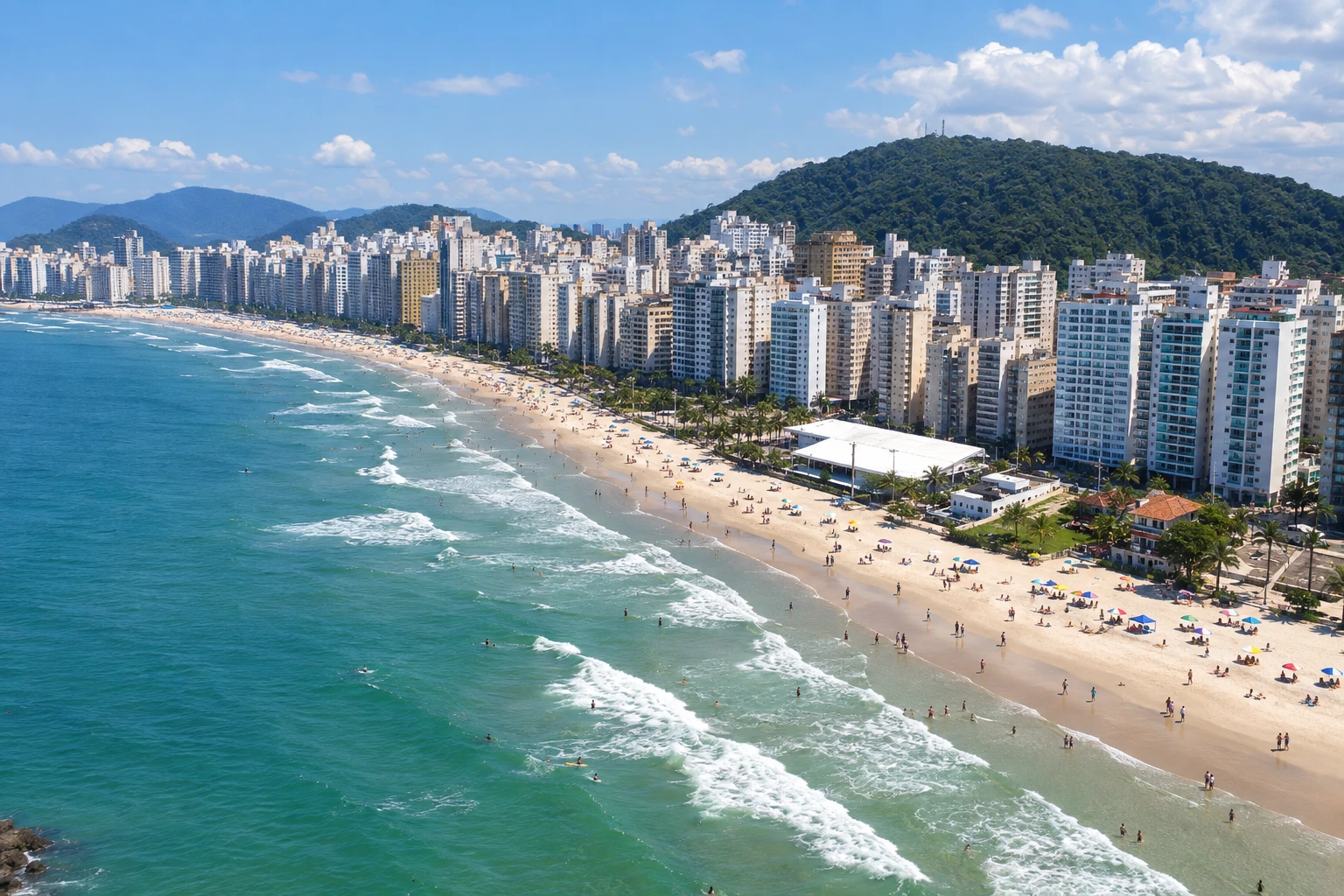
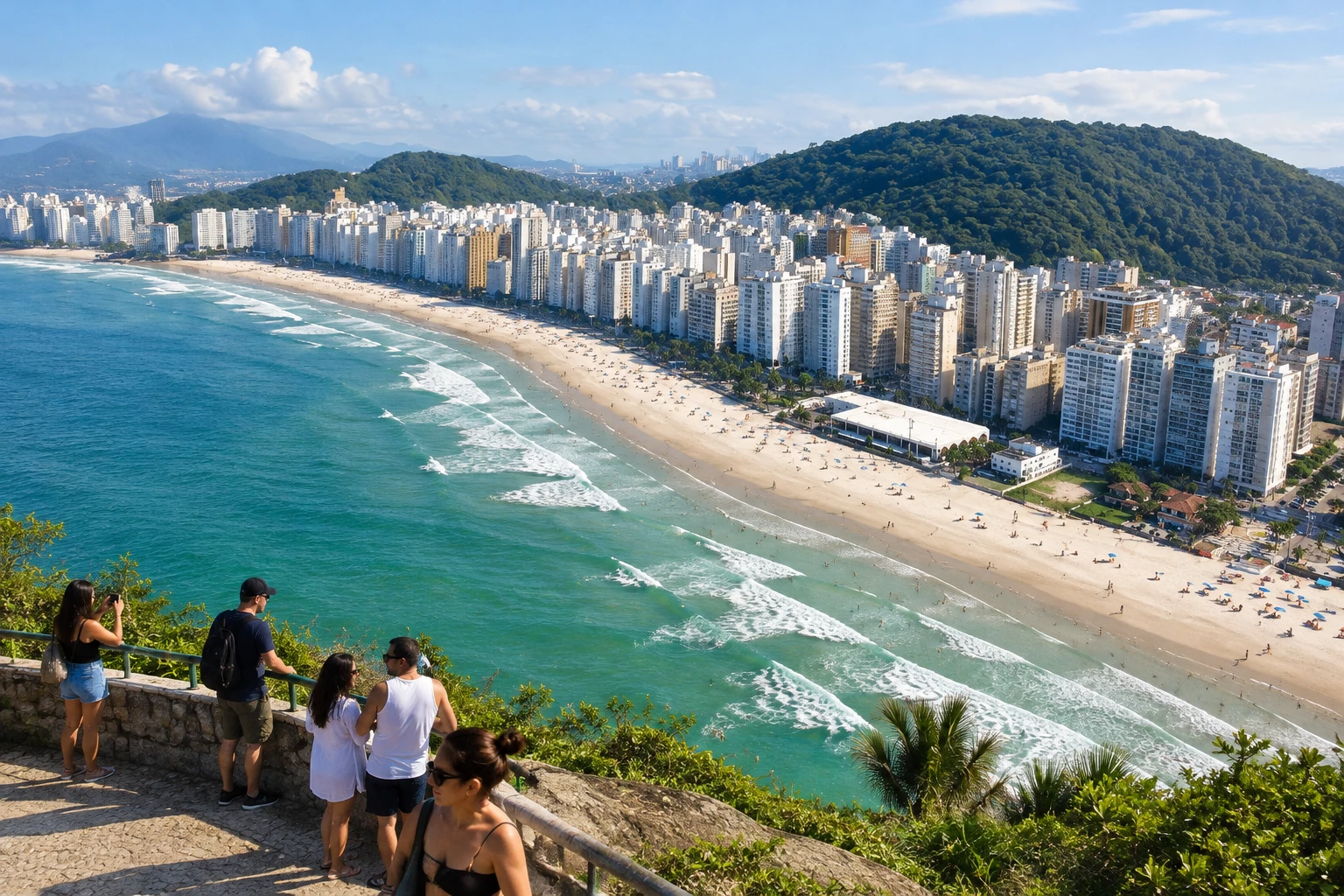
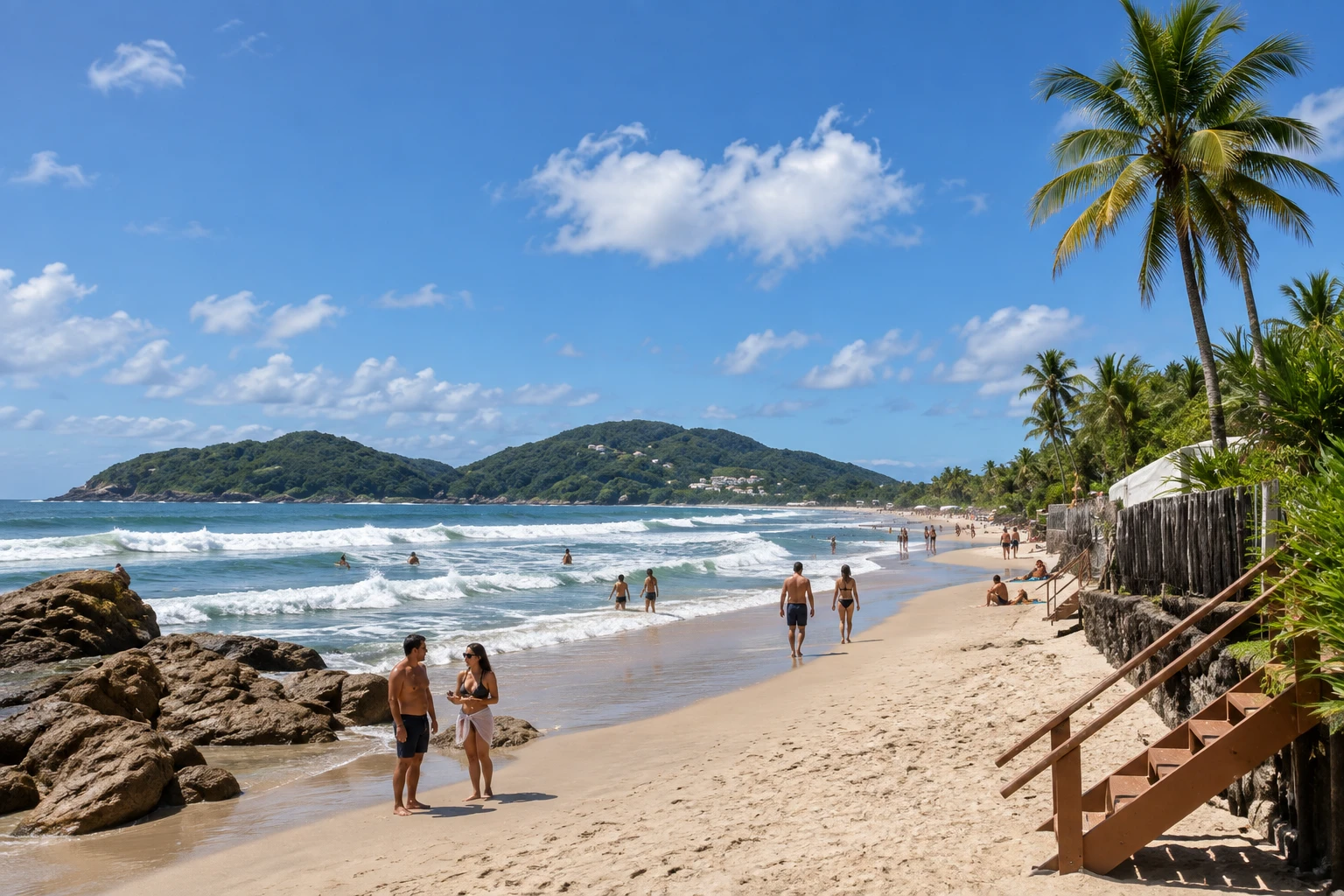
Praia das PitangueirasPraia das Pitangueiras is located in Guarujá's central area and combines beach and urban activity.
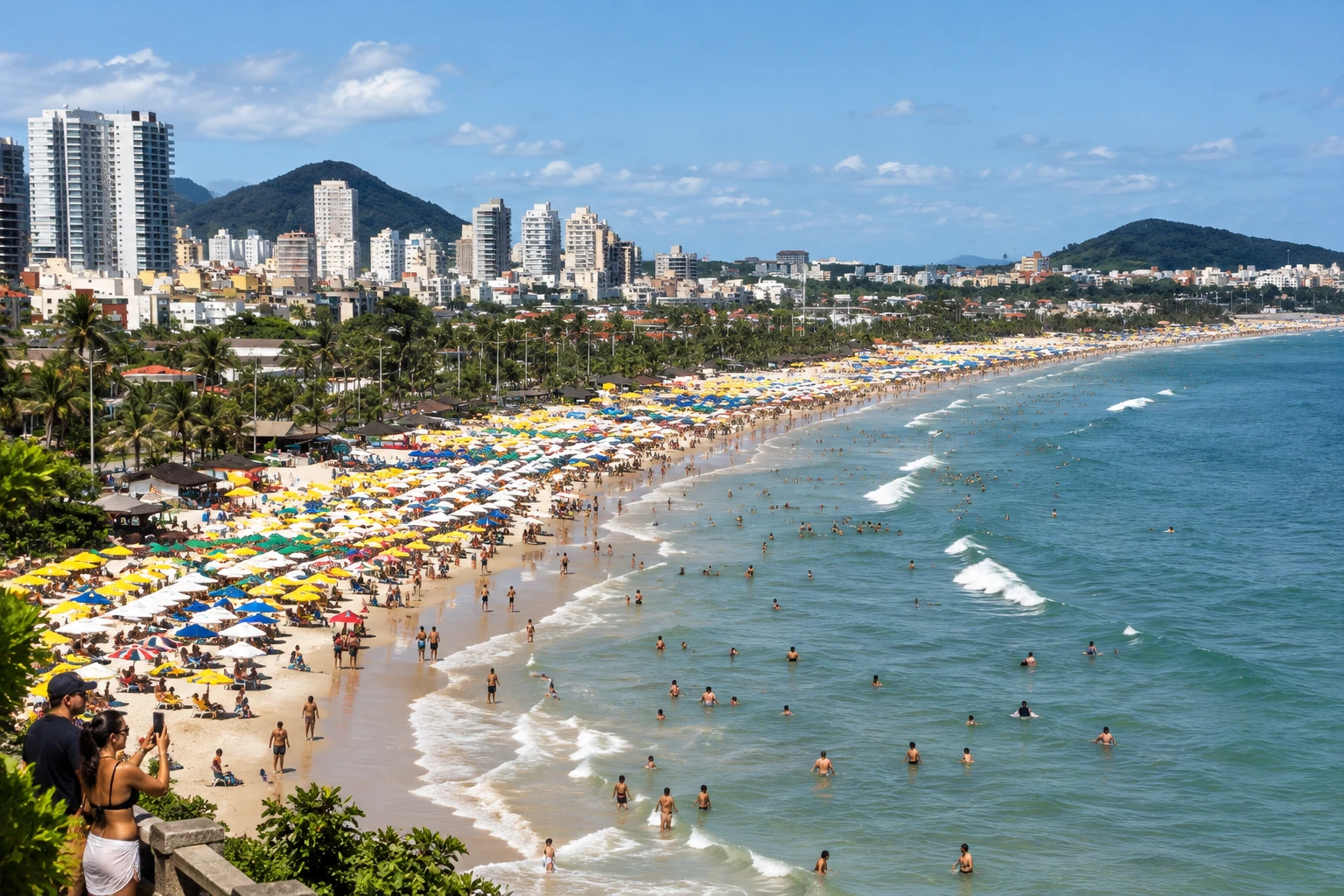
Enseada BeachPraia da Enseada has an extensive stretch of sand in Guarujá and is popular for leisure and sports activities.
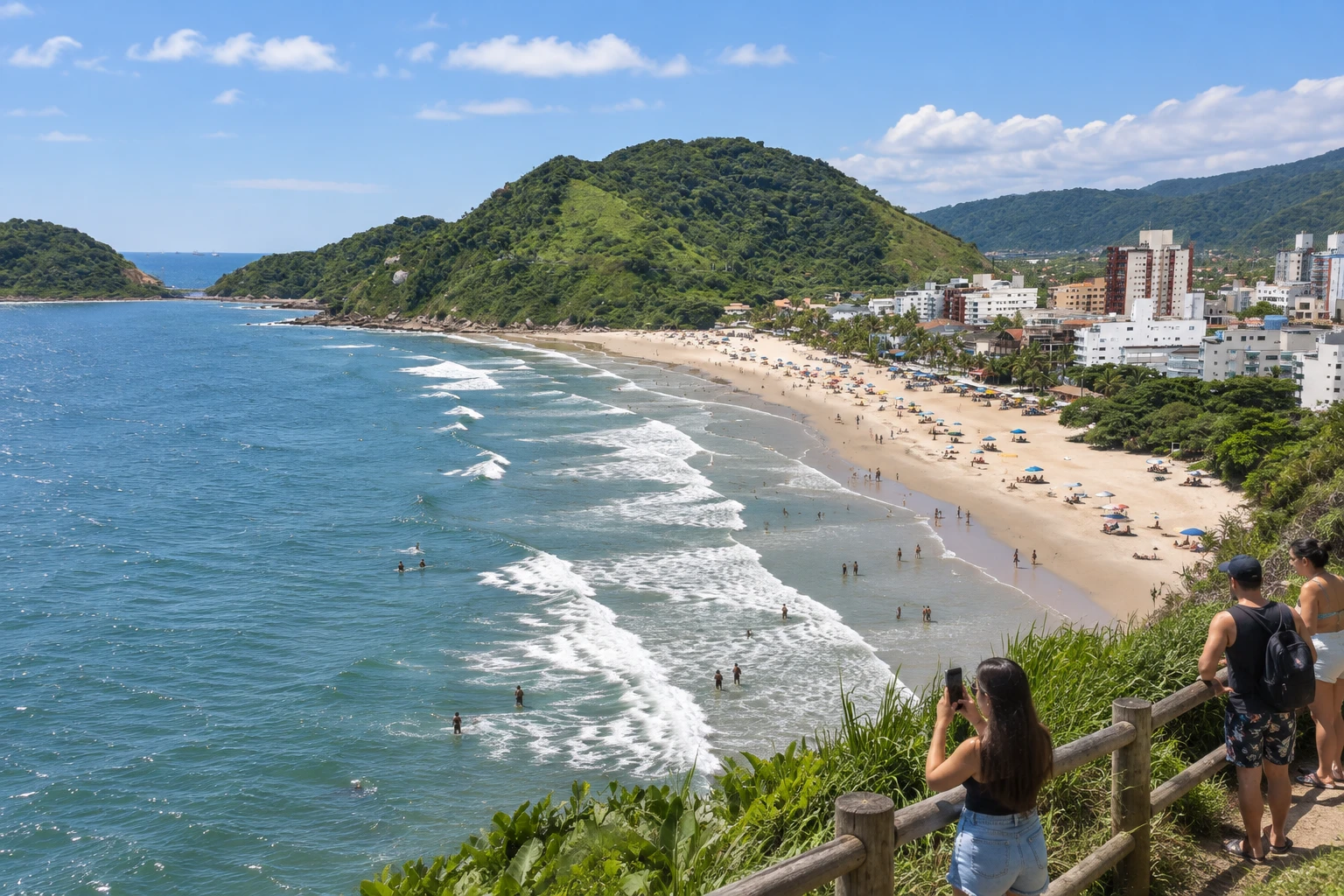
Praia do TomboPraia do Tombo is known for surfing and is part of Guarujá's beach route.
Praia de PernambucoPraia de Pernambuco extends Guarujá's itinerary to another stretch of the coast.
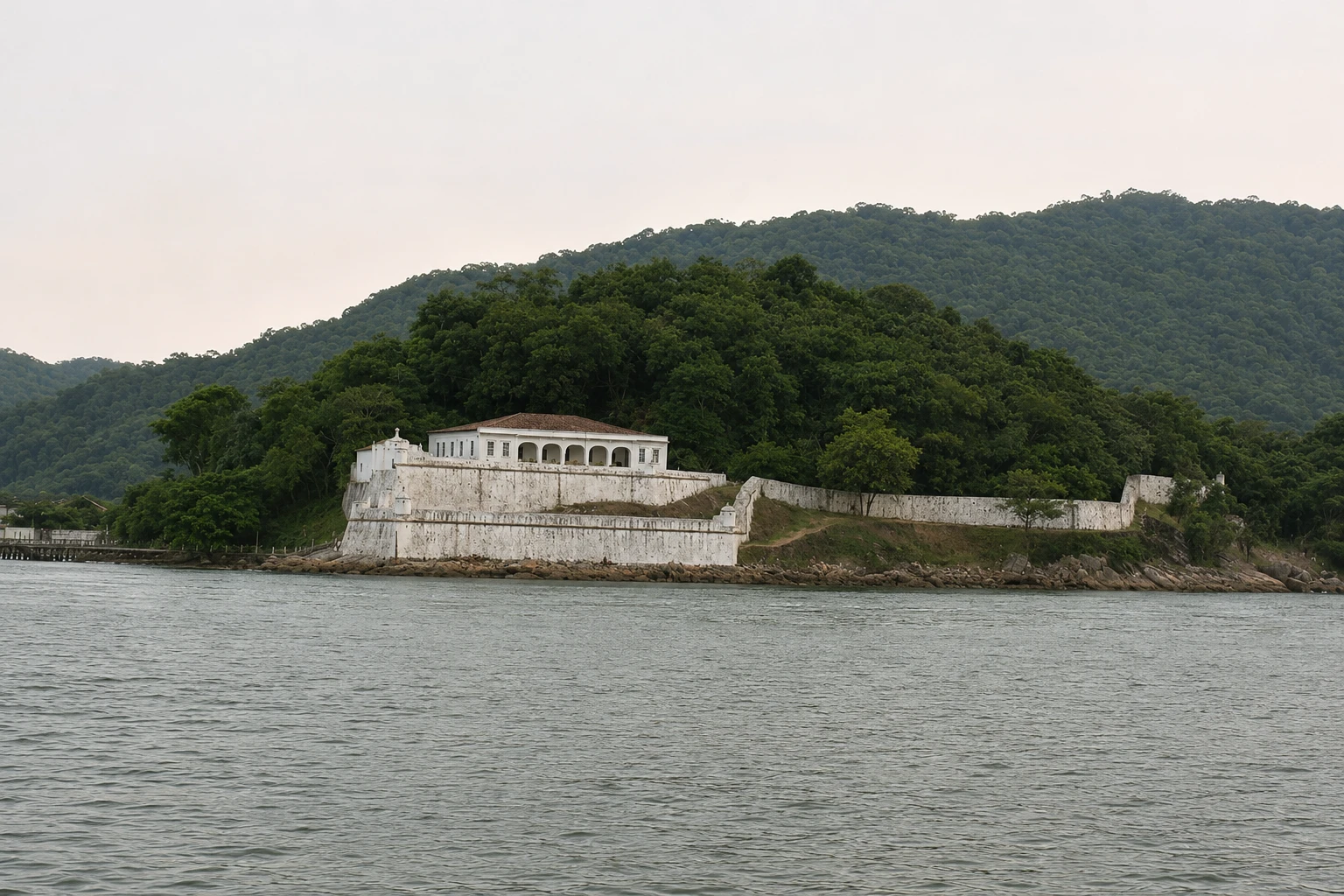
Fortress of Santo Amaro da Barra GrandeA late-16th-century fort at the entrance of the Santos estuary, in the Santa Cruz dos Navegantes neighborhood of Guarujá.
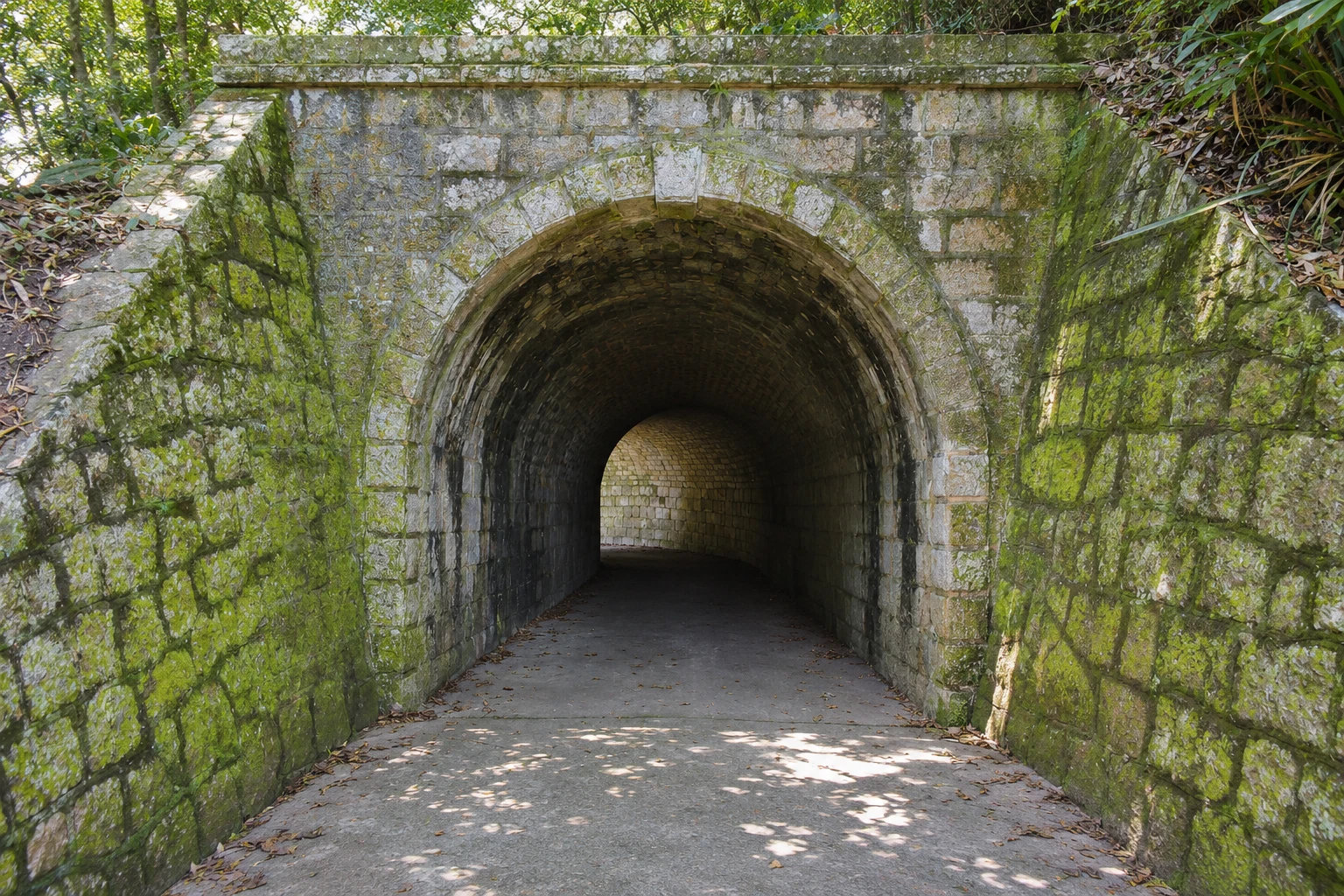
Fort of the AndradasArmy fort on Morro do Monduba, in the southern part of Guarujá, inaugurated in 1942 to defend the Port of Santos.
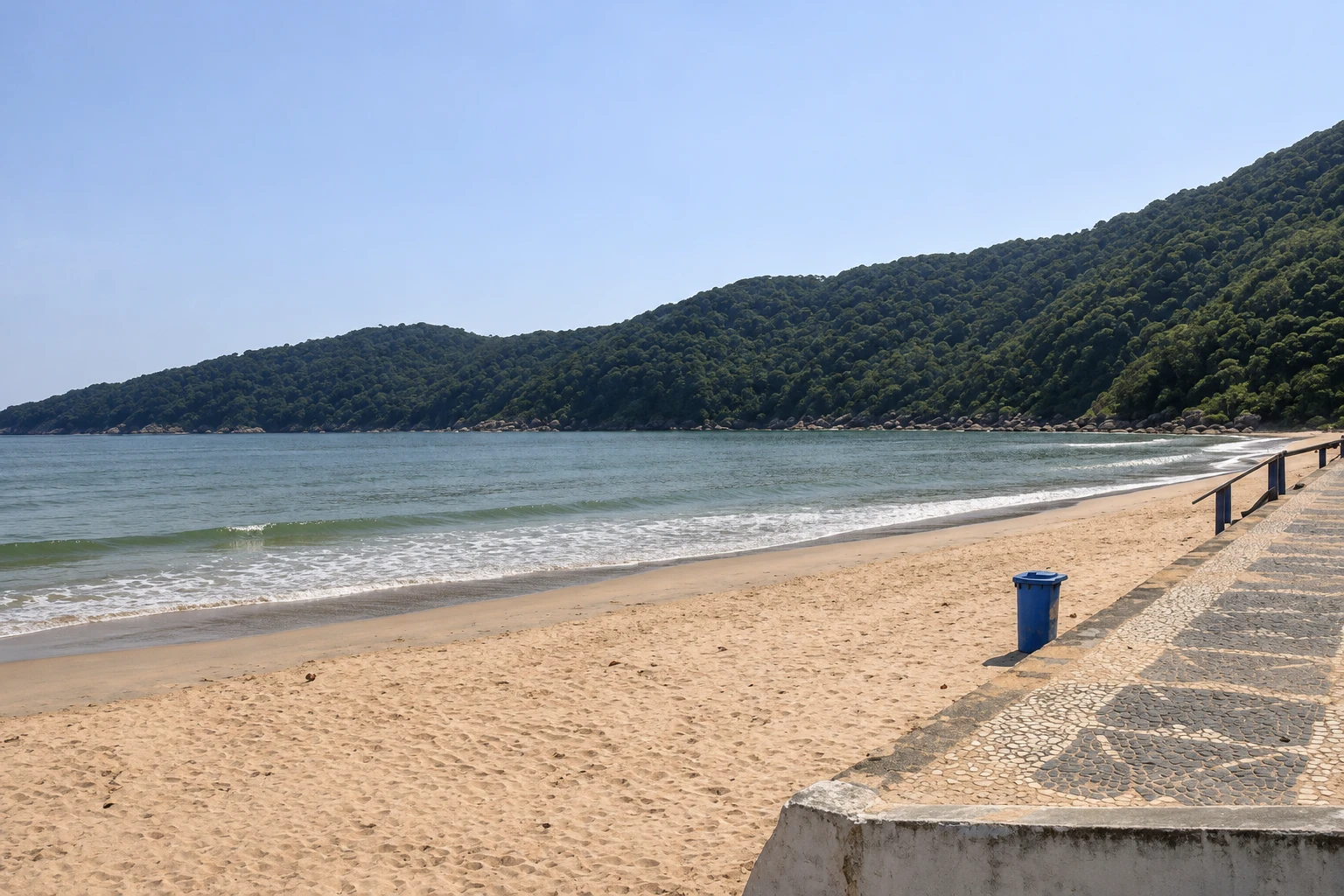
Guaiuba BeachSmall cove on the south side of Guarujá, surrounded by hills covered in Atlantic Forest, with yellowish sand and usually calm, clear sea.
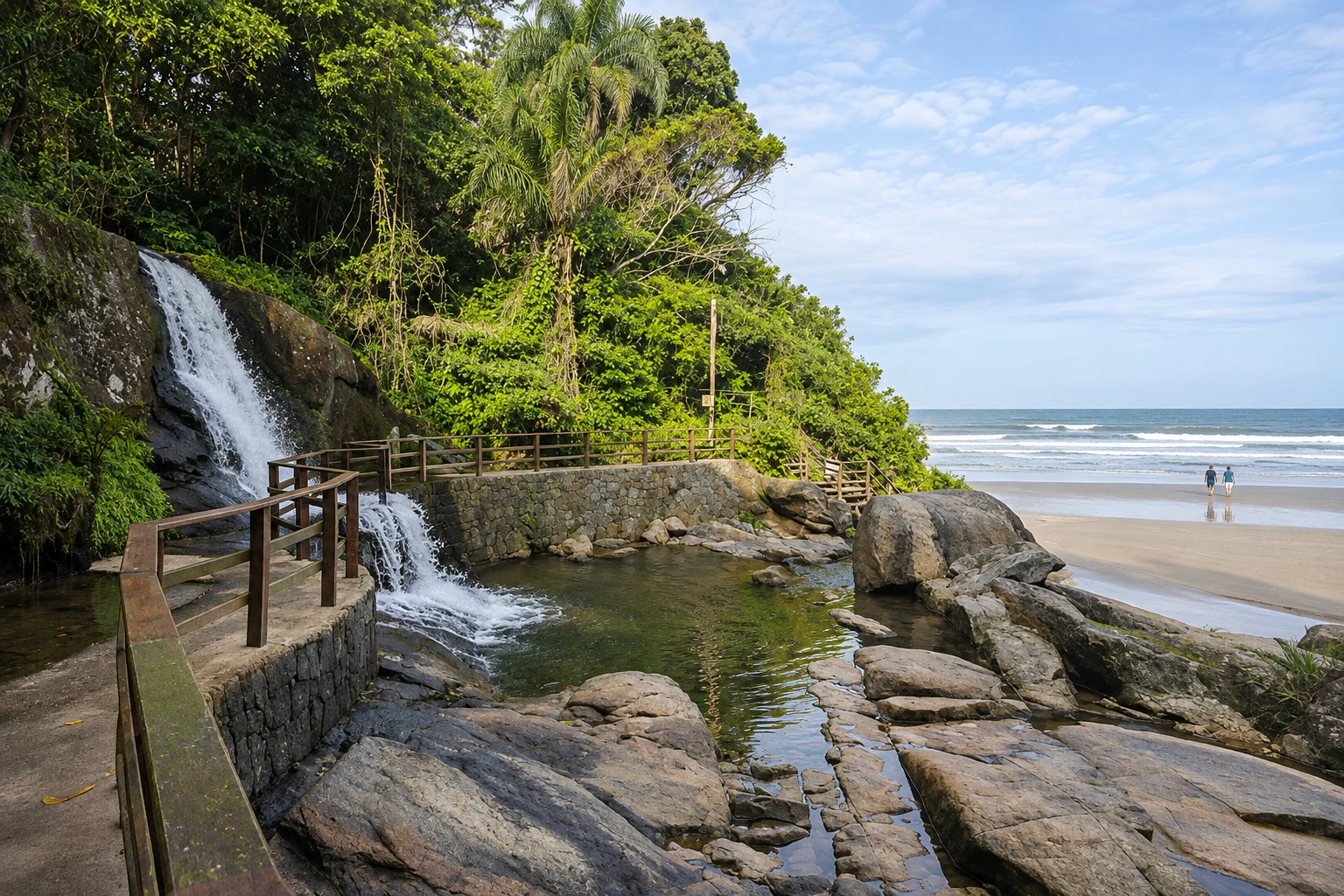
Iporanga BeachBeach surrounded by forest in the north of Guarujá, inside a gated condominium with controlled access on the Guarujá–Bertioga Highway.
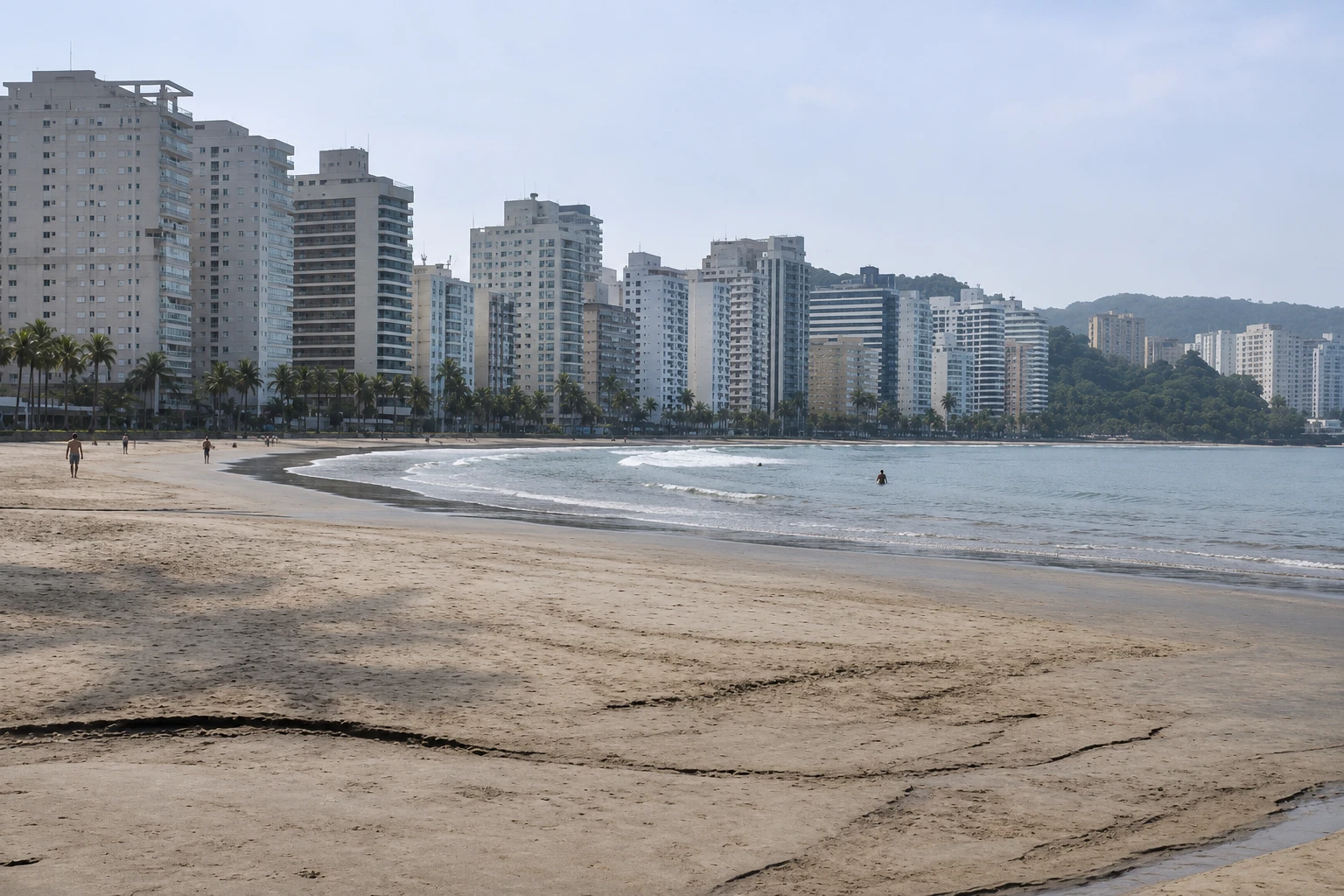
Asturias BeachUrban beach about 1.1 km long between Pitangueiras and Tombo, in central Guarujá, with a shoreline of buildings, fishing boats at one corner and a craft fair.
Praia das Pitangueiras is located in Guarujá's central area and combines beach and urban activity. It is an option for walking on the sand or along the waterfront, taking breaks, and getting to know the daily life of the town center.
Praia da Enseada has an extensive stretch of sand in Guarujá and is popular for leisure and sports activities. The visit allows you to choose between walking, resting, and taking in the scenery.
Praia do Tombo is known for surfing and is part of Guarujá's beach route. The scenery and the activity of surfers can also be enjoyed from the sand, without needing to enter the water.
Praia de Pernambuco extends Guarujá's itinerary to another stretch of the coast. The setting allows a visit with a walk along the sand and time set aside to enjoy the scenery, depending on sea conditions.
A late-16th-century fort at the entrance of the Santos estuary, in the Santa Cruz dos Navegantes neighborhood of Guarujá. Built in 1584 to defend the town of Santos, it still preserves walls, batteries and waterfront quarters and is open to visitors.
Army fort on Morro do Monduba, in the southern part of Guarujá, inaugurated in 1942 to defend the Port of Santos. It contains tunnels and casemates carved into the rock and large coastal guns, seen on guided visits supervised by military personnel, by prior appointment.
Small cove on the south side of Guarujá, surrounded by hills covered in Atlantic Forest, with yellowish sand and usually calm, clear sea. It has a shaded promenade and kiosks, and sits next to the area of Forte dos Andradas.
Beach surrounded by forest in the north of Guarujá, inside a gated condominium with controlled access on the Guarujá–Bertioga Highway. It has about 800 meters of sand, a sea with variable waves and a waterfall that descends at the left corner and forms a natural pool next to the sand.
Urban beach about 1.1 km long between Pitangueiras and Tombo, in central Guarujá, with a shoreline of buildings, fishing boats at one corner and a craft fair. Morro das Galhetas, with a lookout, closes one side.


 Antarctica
 Argentina
 Bolivia
 Chile
 Colombia
 Ecuador
 Falkland Islands (Malvinas)
 French Guiana
 Guyana
 Paraguay
 Peru
 Suriname
 Uruguay
 Venezuela
 Albania
 Austria
 Belgium
 Croatia
 Denmark
 Finland
 France
 Germany
 Greece
 Hungary
 Iceland
 Ireland
 Italy
 Luxembourg
 Norway
 Poland
 Portugal
 Slovakia
 Slovenia
 Spain
 Sweden
 Switzerland
 the Czech Republic
 the Netherlands
 the United Kingdom
 Turkey
 Bermuda
 Canada
 Greenland
 Mexico
 Saint Pierre and Miquelon
 the United States
 the Dominican Republic
 Japan
 Egypt
 South Africa
 Australia
 Fiji
 New Zealand
 Papua New Guinea