

 Antarctica
 Argentina
 Bolivia
 Chile
 Colombia
 Ecuador
 Falkland Islands (Malvinas)
 French Guiana
 Guyana
 Paraguay
 Peru
 Suriname
 Uruguay
 Venezuela
 Austria
 Belgium
 Croatia
 Denmark
 Finland
 France
 Germany
 Greece
 Hungary
 Iceland
 Ireland
 Italy
 Luxembourg
 Norway
 Poland
 Portugal
 Slovakia
 Slovenia
 Spain
 Sweden
 Switzerland
 the Czech Republic
 the Netherlands
 the United Kingdom
 Turkey
 Bermuda
 Canada
 Greenland
 Mexico
 Saint Pierre and Miquelon
 the United States
 the Dominican Republic
 Japan
 Egypt
 South Africa
 Australia
 Fiji
 New Zealand
 Papua New Guinea
Museum · Campos do Jordão, SP
Museum House of Xylography
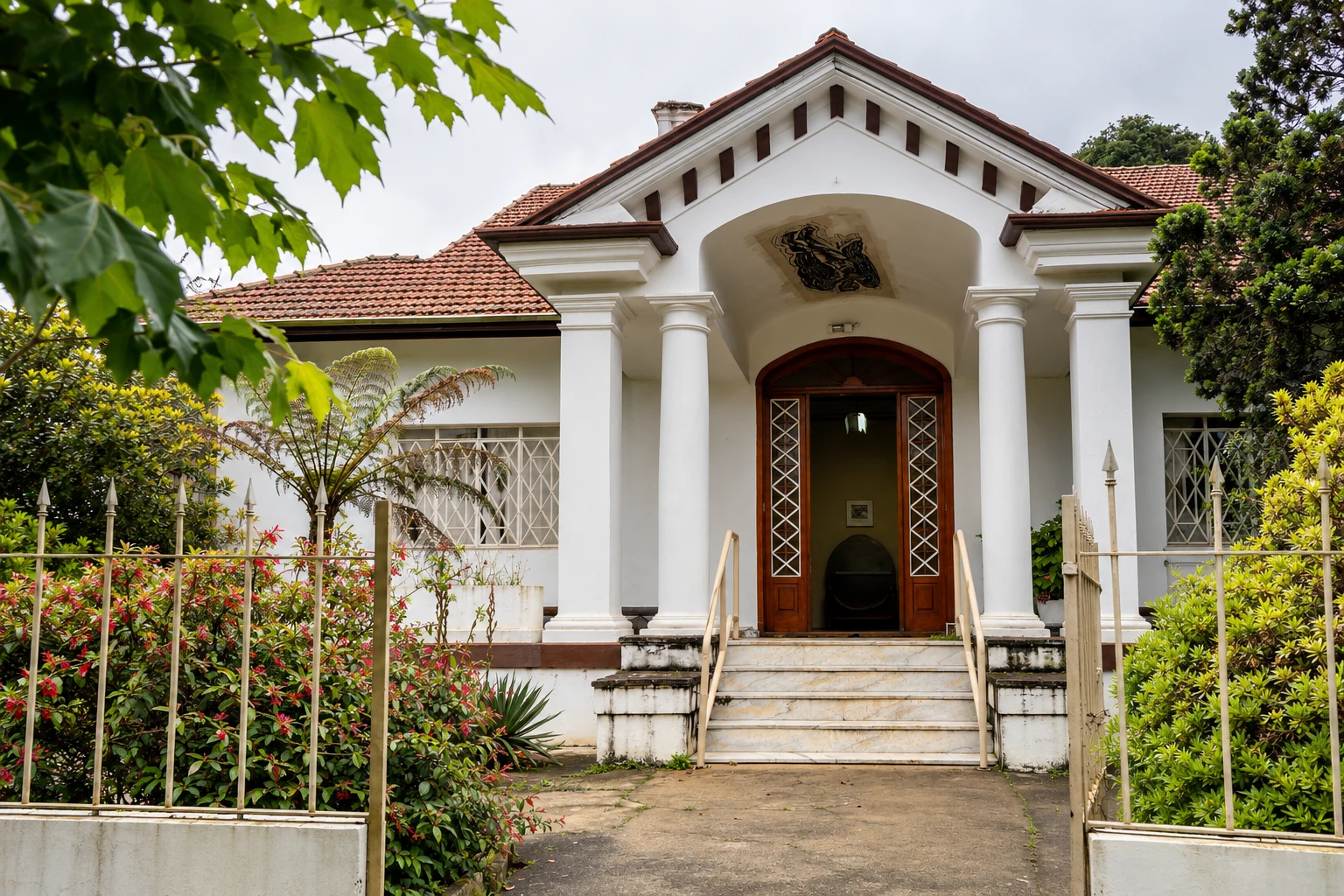
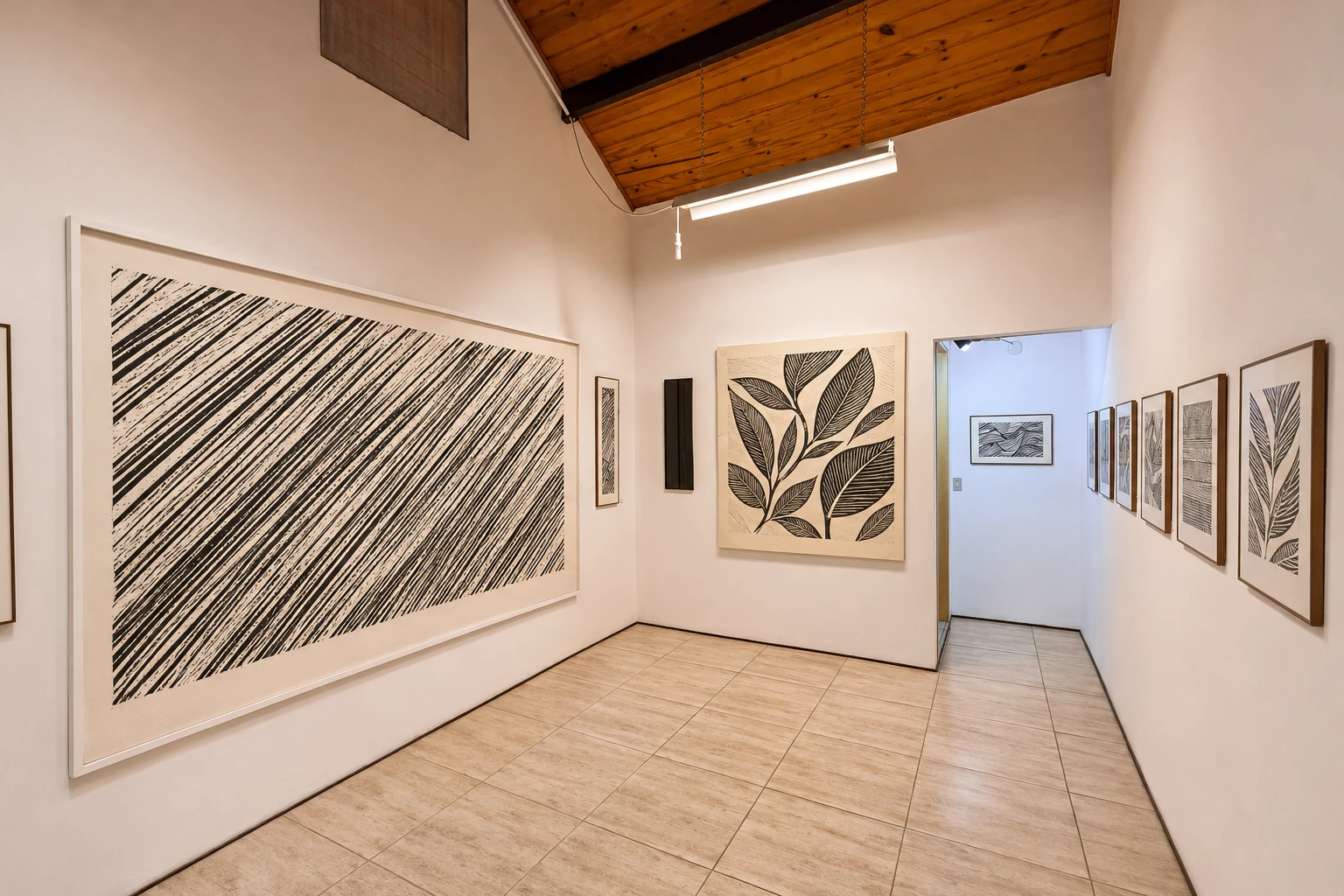
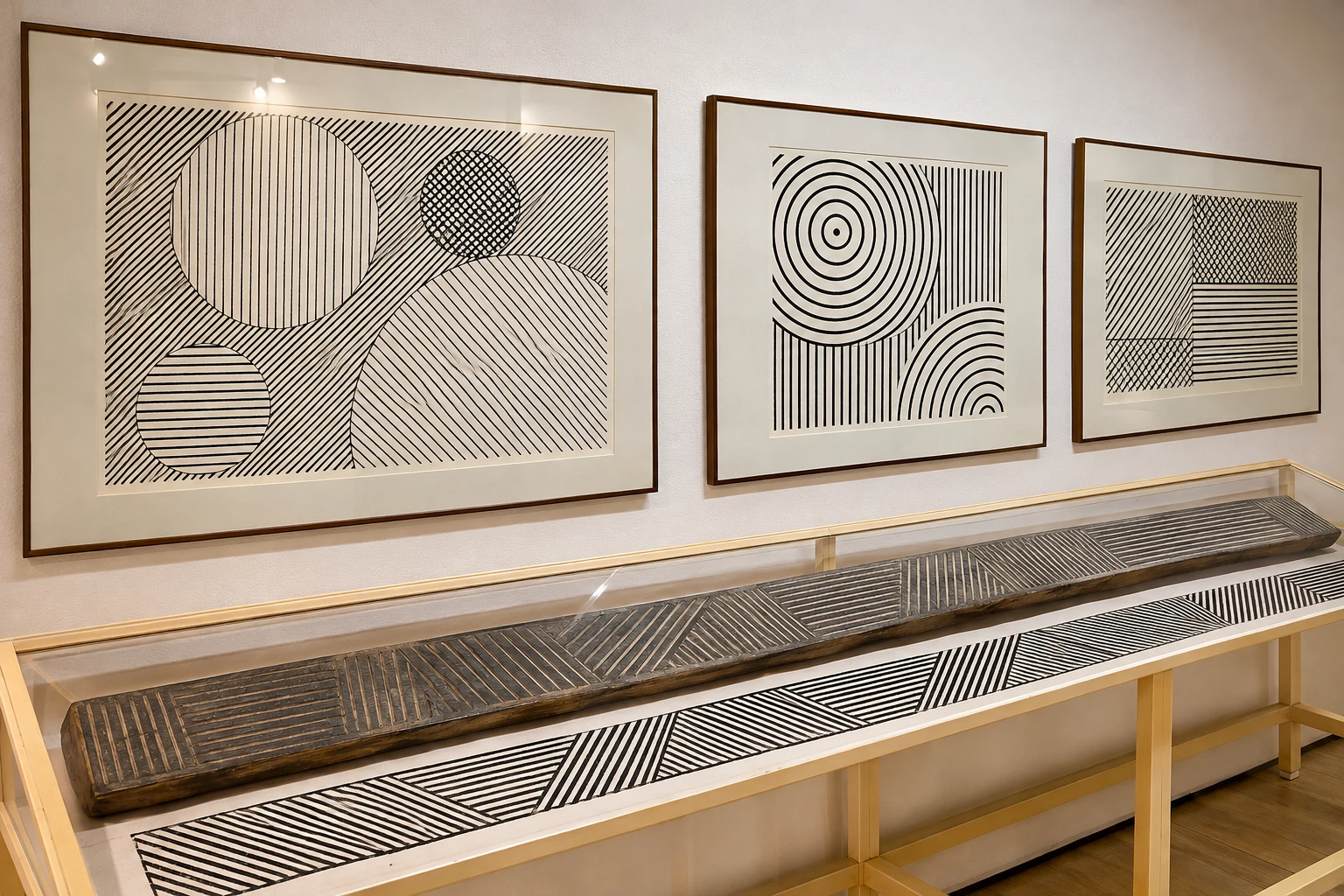
A private museum dedicated to woodcut printmaking — printing from a carved wooden matrix. It is located in the Jaguaribe neighborhood, in a 1928 house that once belonged to the nuns of the Monastery of São João, and it houses works by Brazilian and foreign artists.
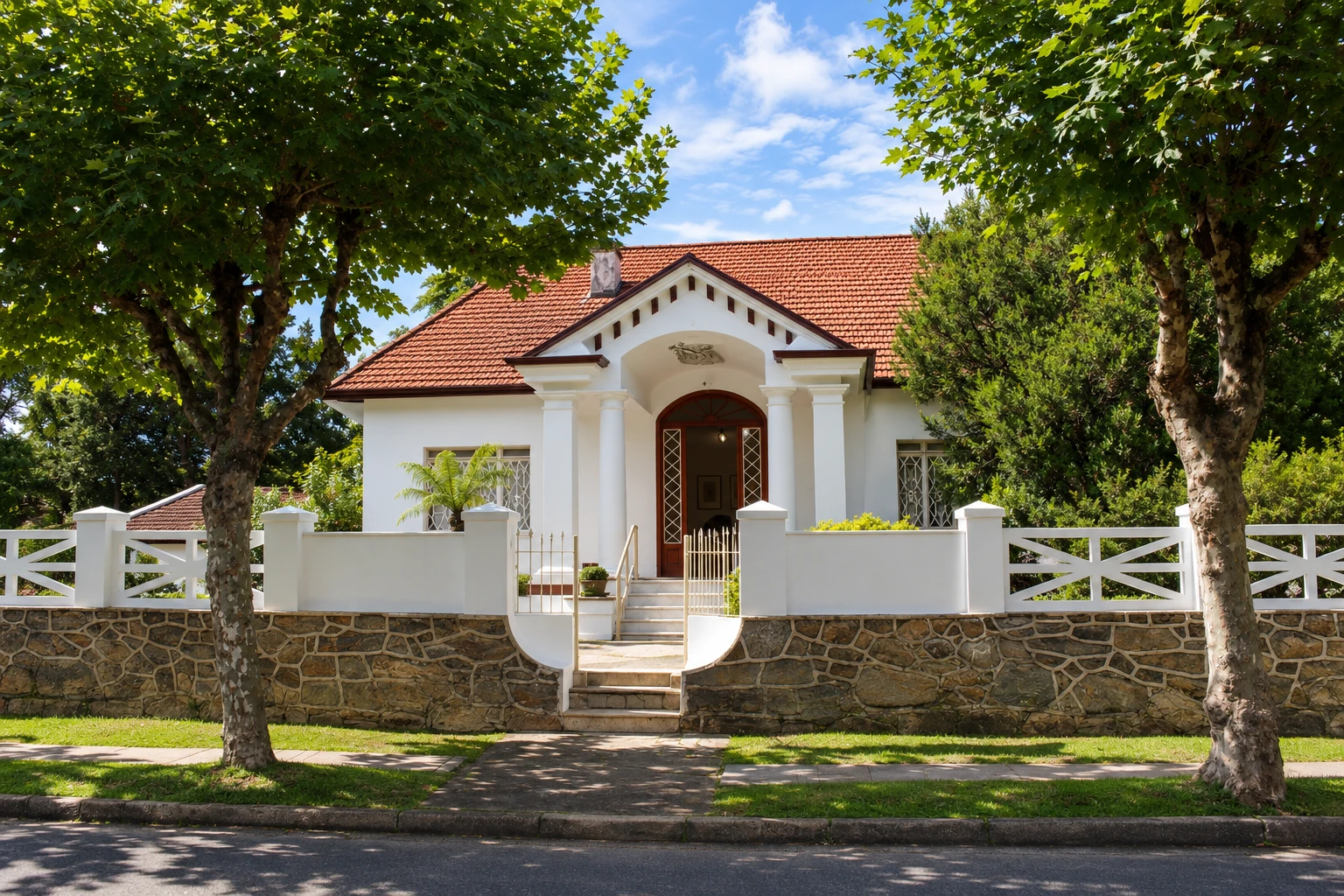
In the photo: Entrance to the Museum Casa da Xilogravura.
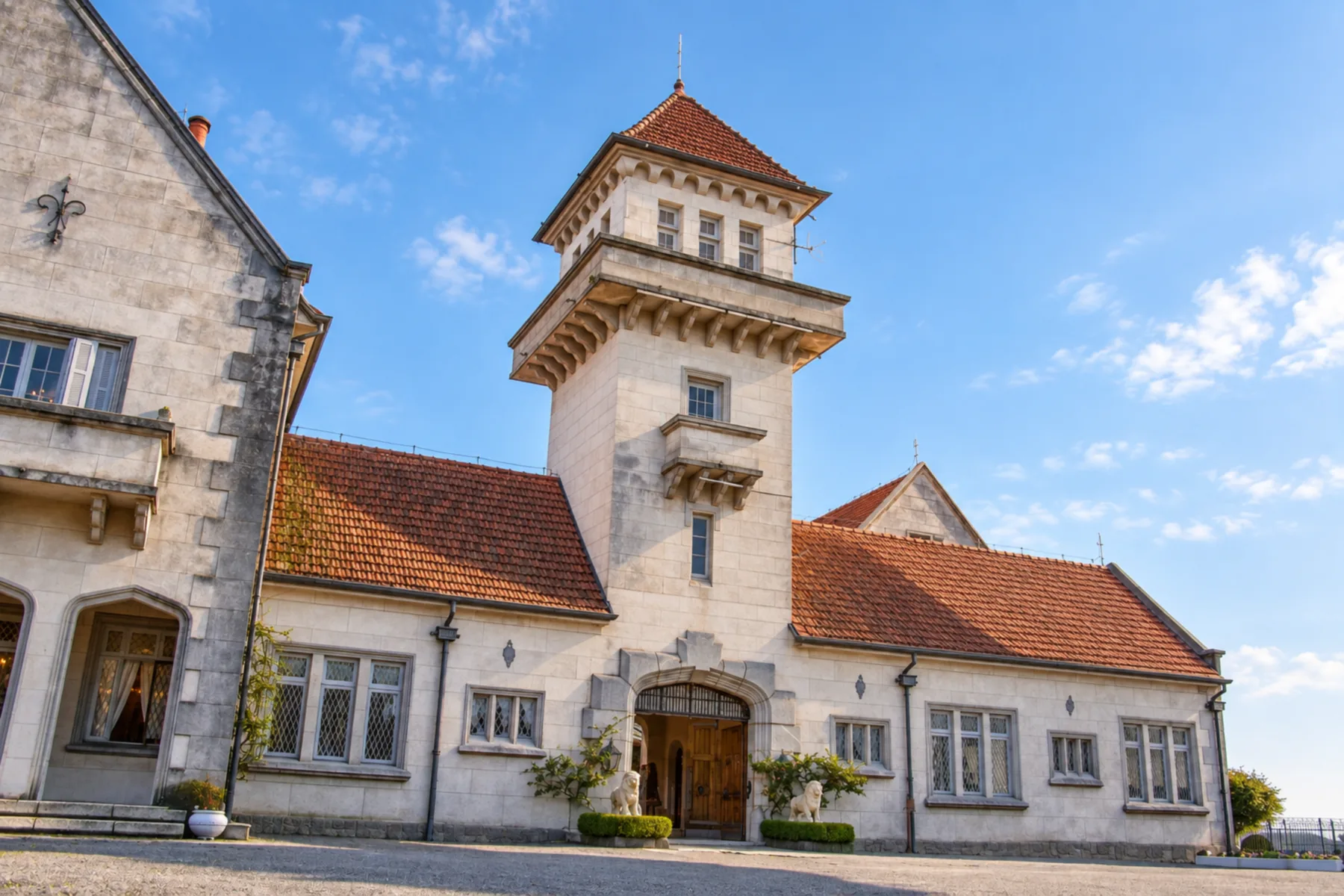
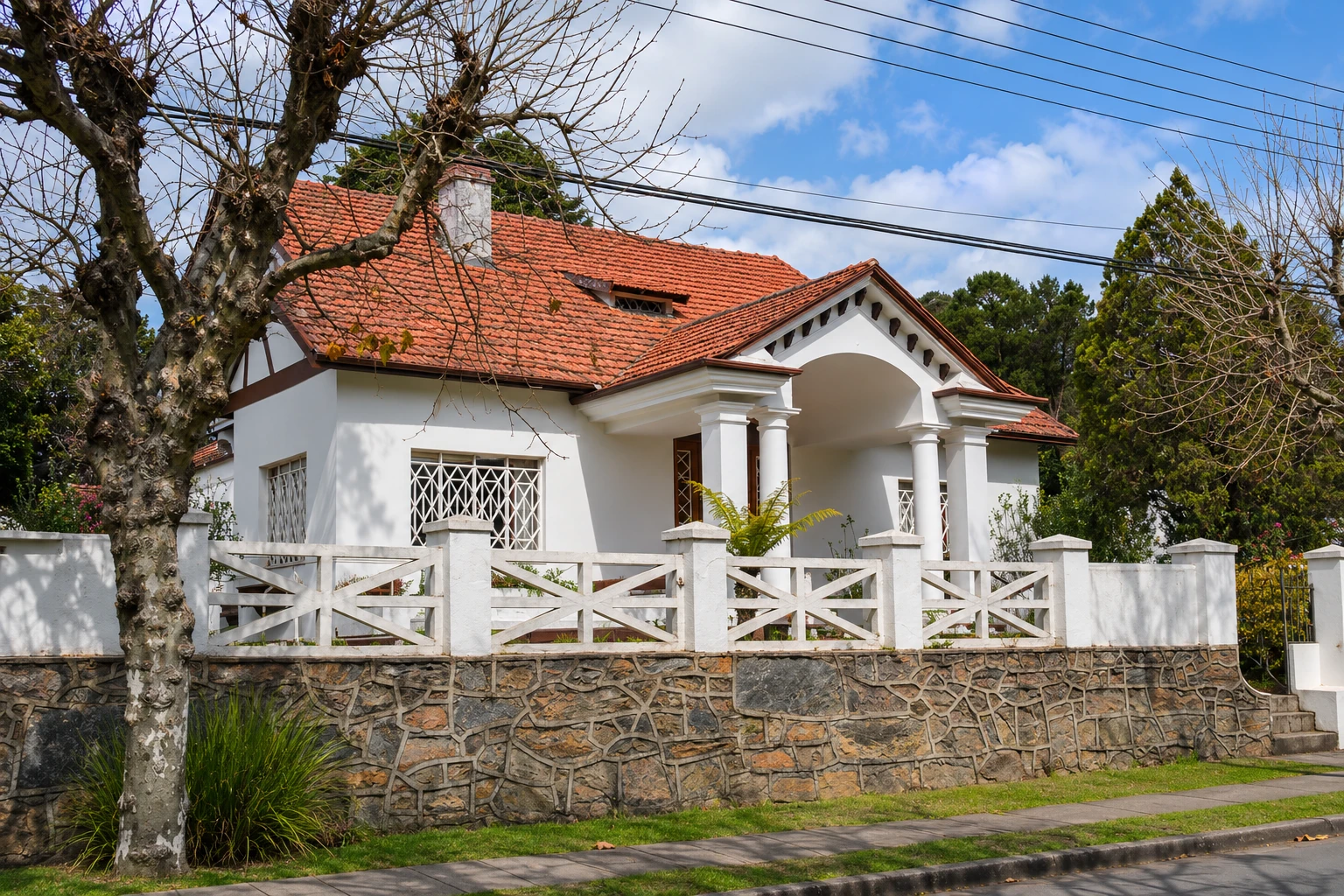
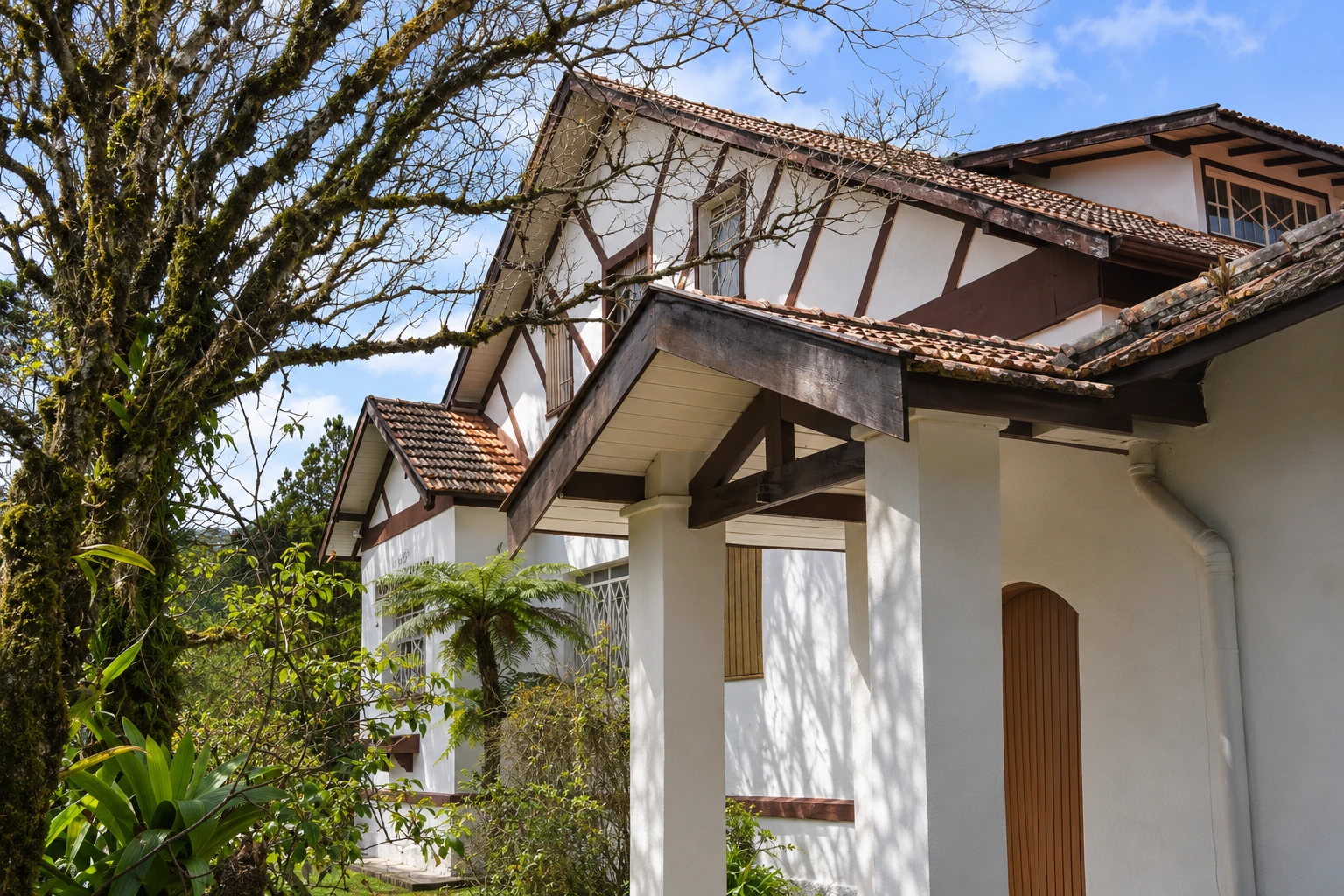
Illustrative images. The pictures in this guide are illustrations based on the real place, not photographs, and may differ from it.


A look at the place
Museum House of Xylography in pictures
These pictures are illustrations based on the real place, not photographs. They may differ from the place.
Click the picture to enlarge it.
Discover
About Museum House of Xylography
The Museum Casa da Xilogravura is in the Jaguaribe neighborhood, one of the oldest areas of Campos do Jordão, about 4 km from Vila Capivari. It is a private, non‑profit museum devoted entirely to woodcut printmaking: the technique of carving a design into wood, applying ink to the matrix, and printing it on paper or another material.
The house has its own history. It was built in 1928 to host the Monastery of São João, of the Benedictine nuns, who later moved to the road to Palácio Boa Vista. The sisters sold the property in 1977, and the museum opened ten years later at the initiative of professor, lawyer, and woodcut artist Antonio Fernando Costella. The interior was restored and adapted for exhibitions.
The collection brings together works by more than a thousand artists, Brazilian and foreign, as well as wooden matrices and pieces that show historical uses of the technique. For centuries woodcut was used to print books, illustrate newspapers, make playing and tarot cards, and reproduce religious images; the route tells that story with texts next to the pieces.
The visit begins with a video that explains the technique and continues as a self‑guided tour through the rooms. It’s a calm visit, good for those interested in art, the history of the book and the press, or who want a break away from the activity in Capivari.
Jaguaribe was one of the first settlement cores of Campos do Jordão, and the visit can continue along the neighborhood’s streets, which are quieter than those of Capivari.
Before you go
Practical information
Cidade Turismo reviews its information regularly, but something may have changed. Check with the place before planning your trip.
How much time to set aside
From 1 hour to 1 hour and a half, including the introductory video and the rooms.
Best time
All year round, especially on cold or rainy days, when an indoor visit suits the mountain. Outside of July there are fewer visitors.
How to get there
It is on Avenida Eduardo Moreira da Cruz, in the Jaguaribe neighborhood, about 4 km from Vila Capivari. By car or taxi, the route is short along the city’s main avenue.
Tip
The museum is not open every day of the week: check the visiting days and hours beforehand. It’s worth asking at the entrance for explanations about the technique before starting the route.
Official website
Your questions
Frequently asked questions about Museum House of Xylography
What is woodcut printmaking?
It is the technique of carving a design into a wooden matrix, inking the surface, and printing it on paper or another material. The museum explains the process and displays works and matrices.
Where is the Museum Casa da Xilogravura located?
In the Jaguaribe neighborhood, on Avenida Eduardo Moreira da Cruz, about 4 km from Vila Capivari, in a 1928 house that belonged to the Monastery of São João.
What is the visit to the Museum Casa da Xilogravura like?
It starts with a video about the technique and continues as a self‑guided tour through the rooms, with texts next to the works. It generally takes from 1 hour to 1 hour and a half.
Who created the Museum Casa da Xilogravura?
Professor, lawyer, and woodcut artist Antonio Fernando Costella, who opened the museum in 1987 in the former house of the Benedictine nuns.