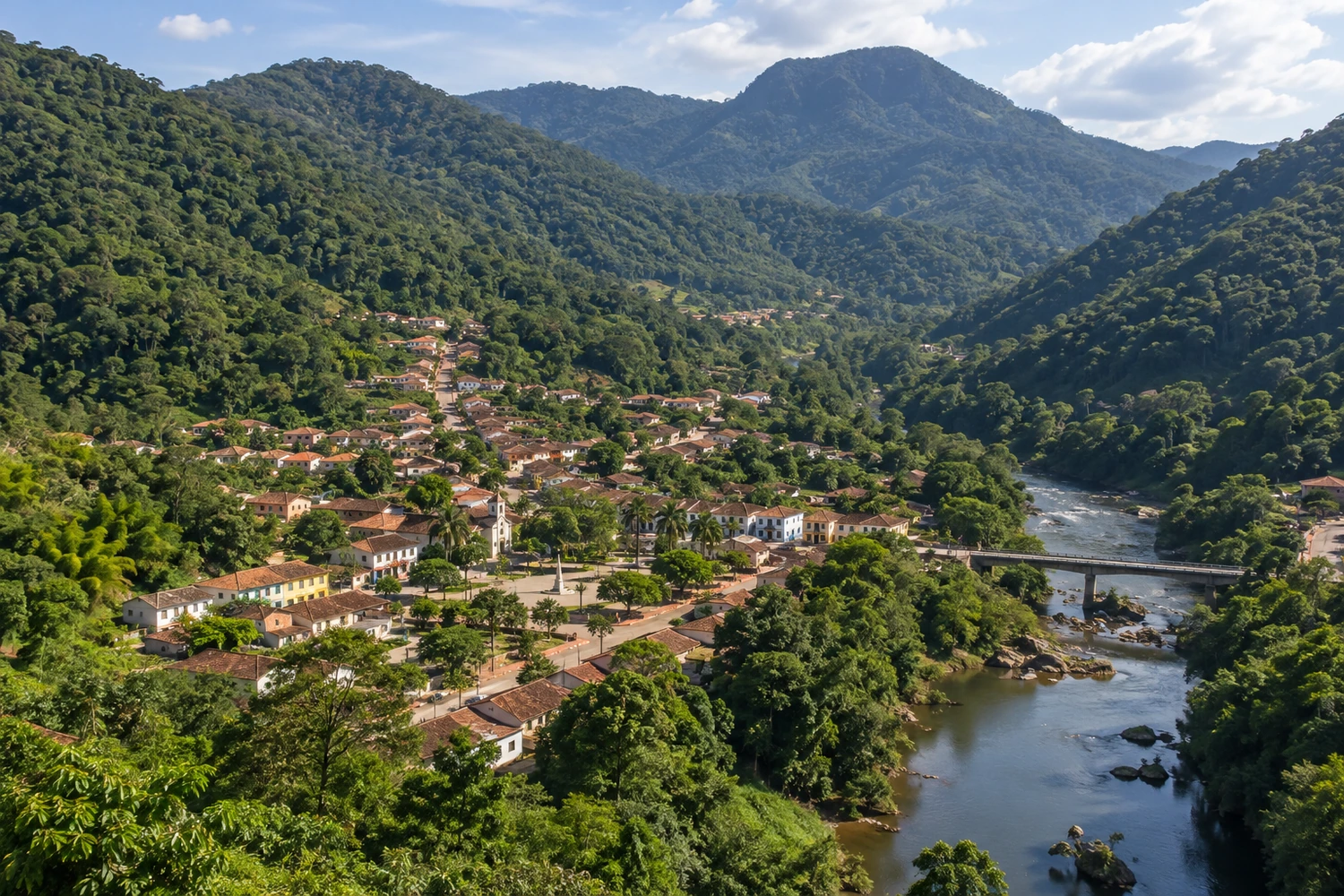
Rio Claro occupies a region of mountains, rivers and rural landscapes in inland Rio de Janeiro state. Outings around the municipality bring you close to nature and to the memory of the old town of São João Marcos.
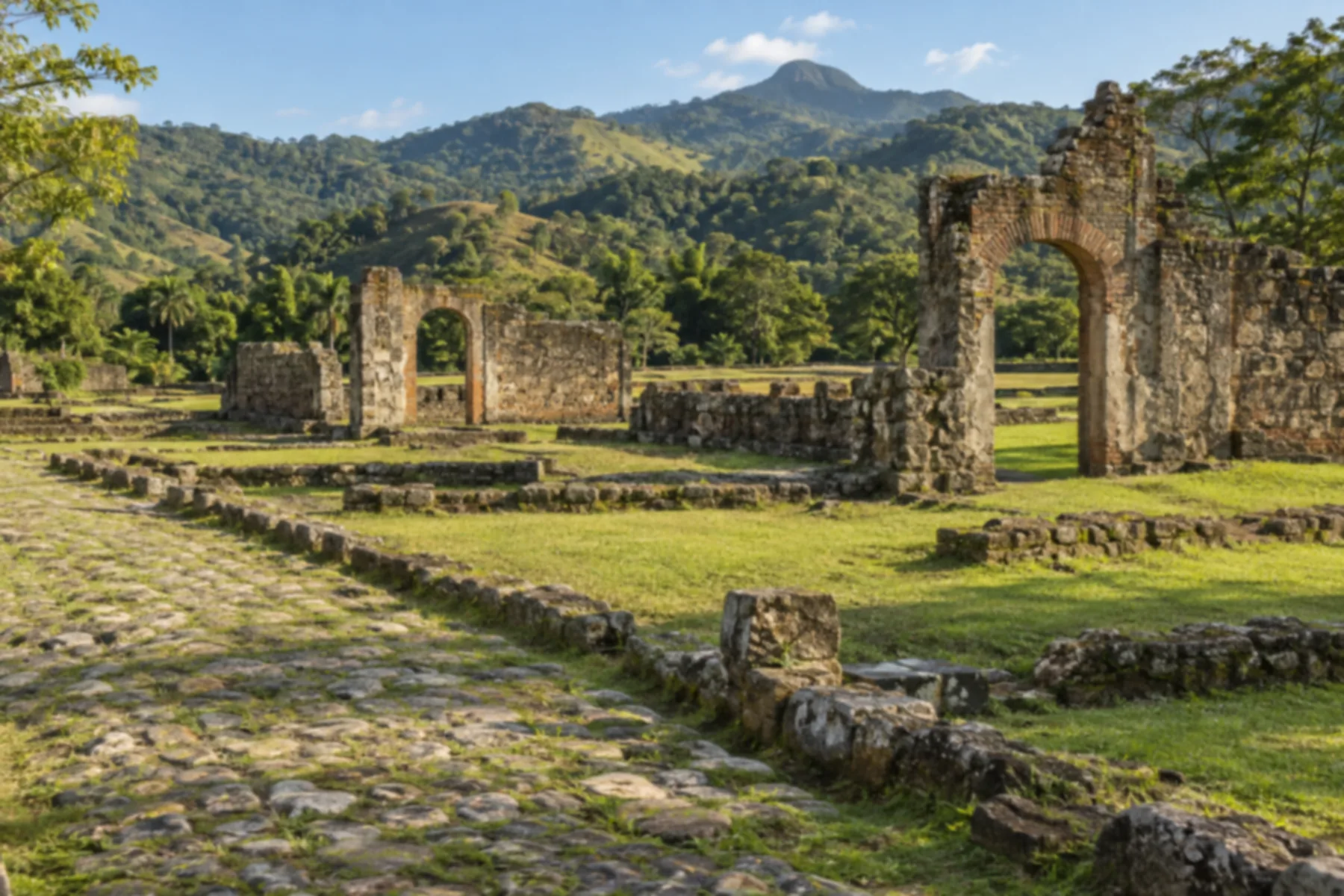
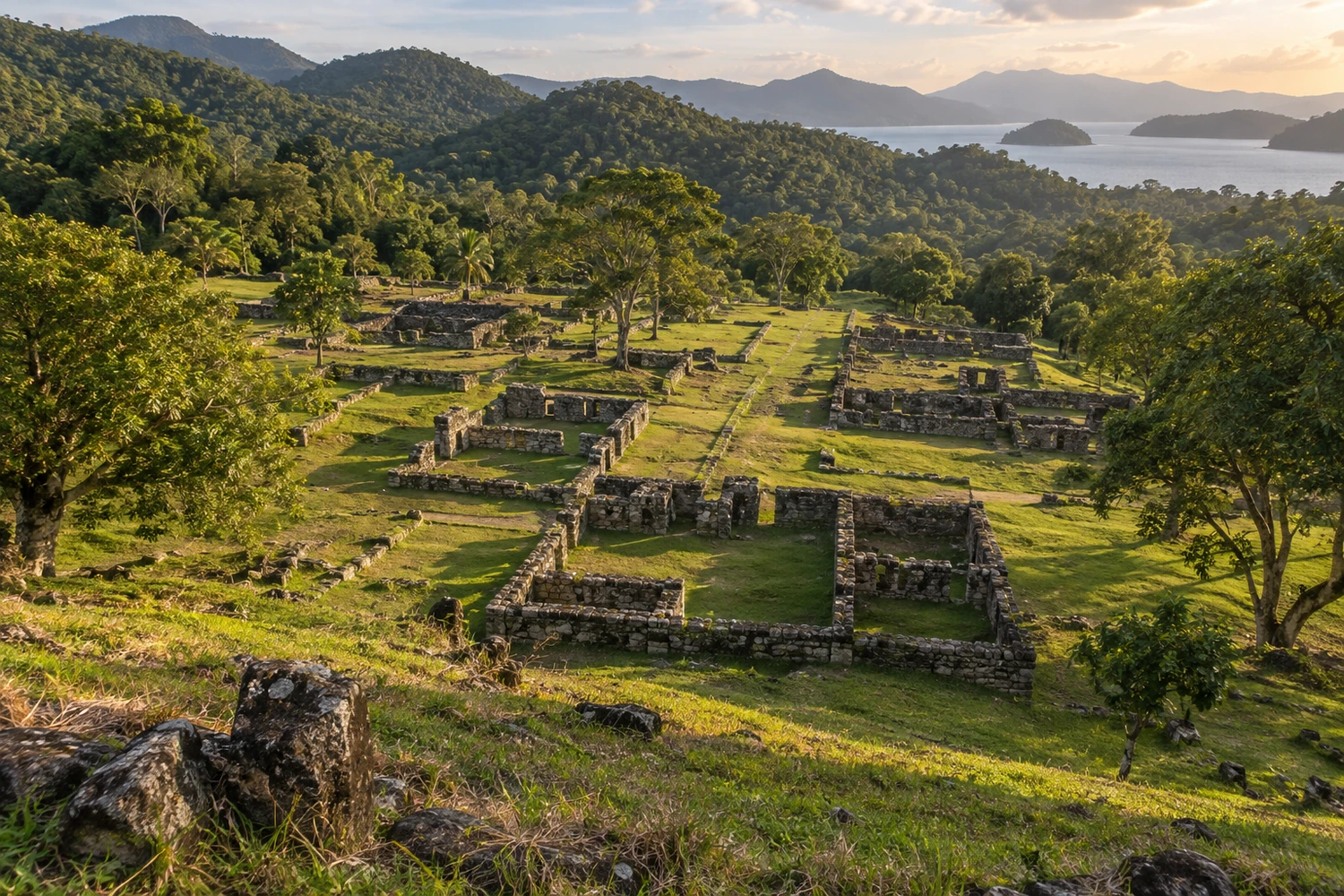
It preserves the ruins of the old town of São João Marcos, demolished in the 1940s to expand a reservoir, and is considered the country's first urban archaeological site. It has a Caminho Imperial trail and a memory center.
A mountain district named in 1944 in honor of the Czech village destroyed by the Nazis during World War II. A Phoenix statue symbolizes rebirth, and the surroundings have dozens of waterfalls and pools.
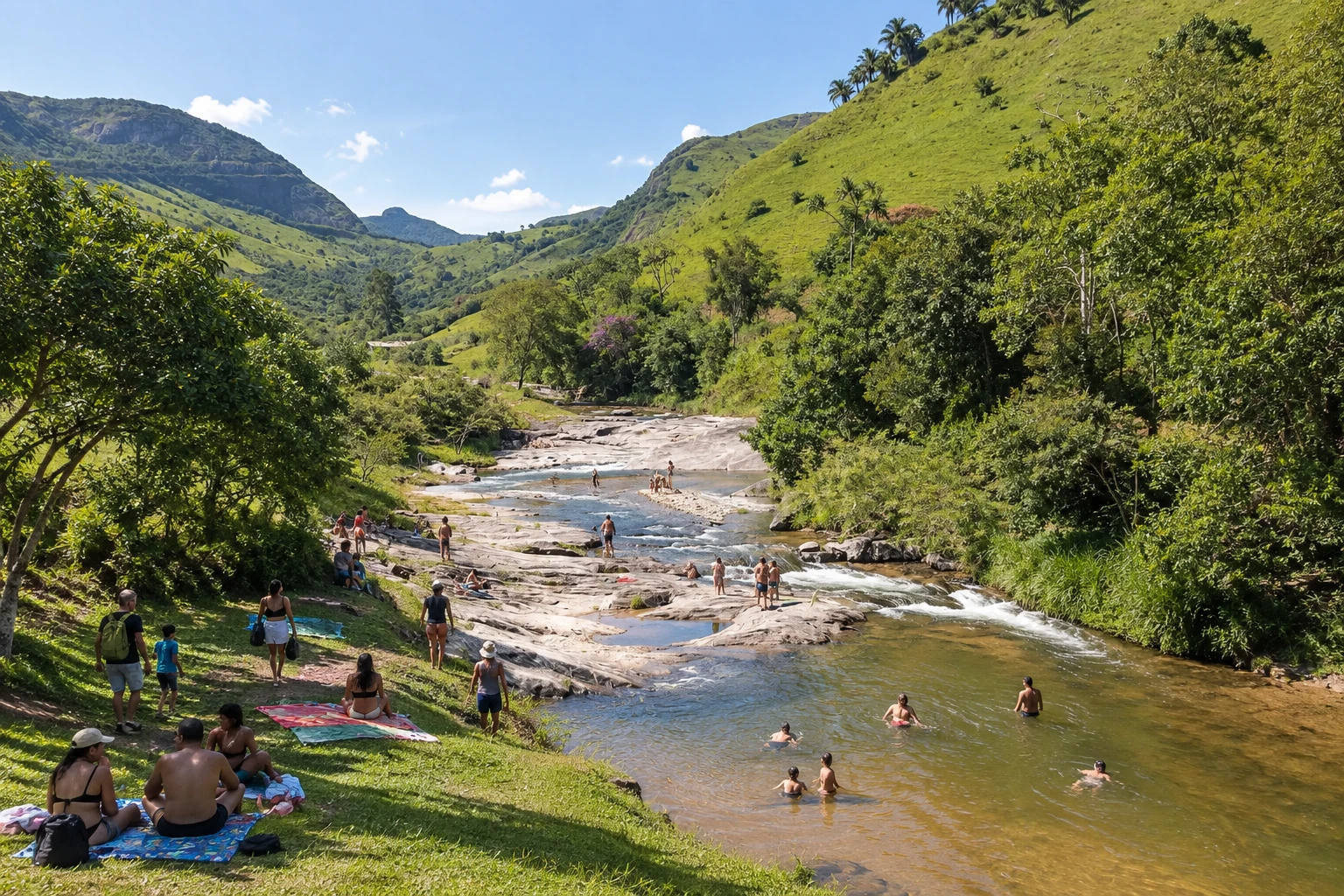
Located about 5 kilometers from Lídice, it's easy to reach and has a lawn on the riverbank. It's one of the most popular waterfalls with families in the region.
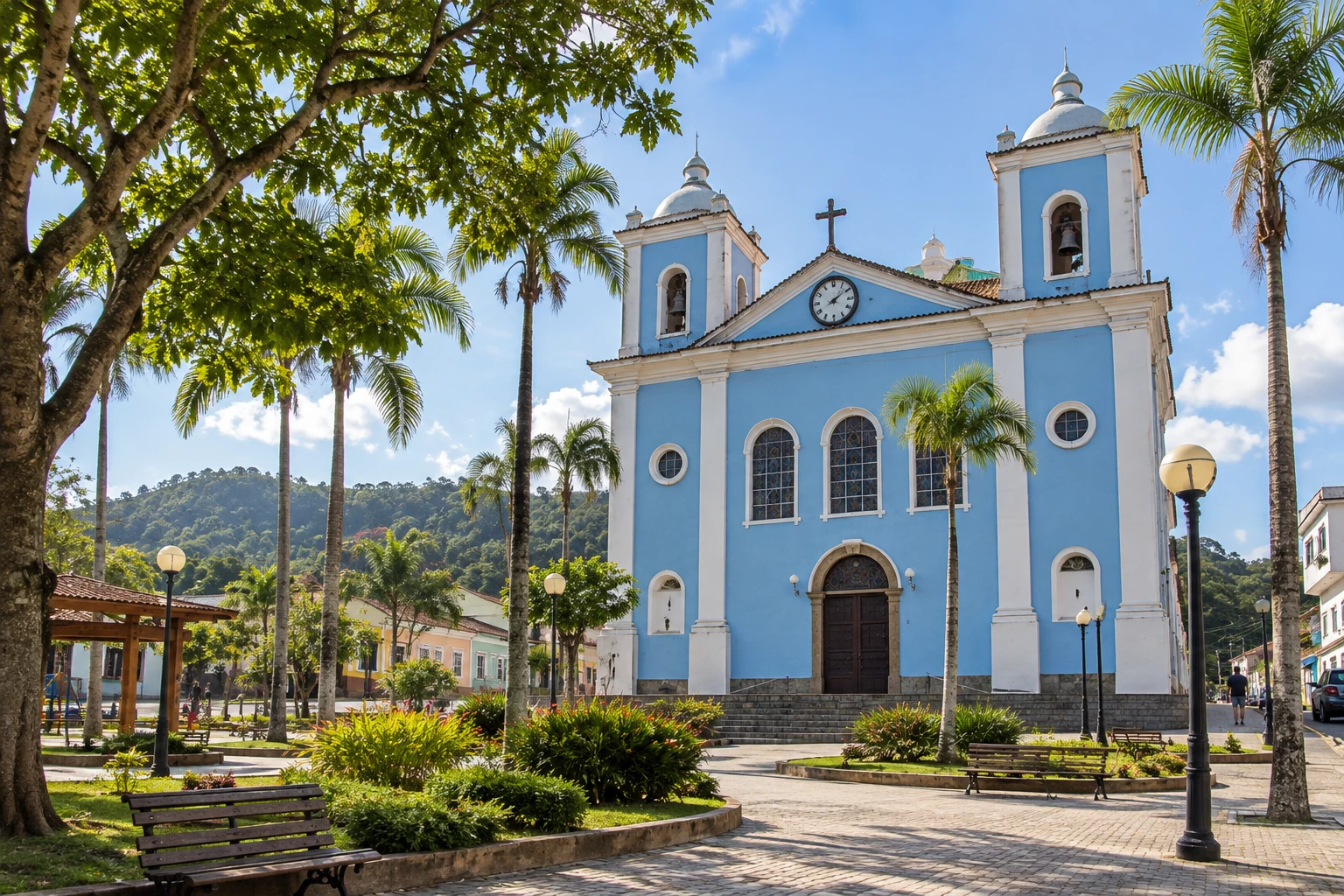
Built between the late 18th and early 19th centuries by enslaved labor, it houses the statue of the municipality's patron saint. It's on Praça Fagundes Varela, downtown.
Rio Claro – RJDestination Costa Verdeabout 132 km from Rio de Janeiro
How to get there
Aeroporto Internacional do Galeão (GIG)Rio de Janeiro
Aeroporto Santos Dumont (SDU)Rio de Janeiro
Terminal Rodoviário de Rio Claro
Approximate distances. Check flights and bus, train or boat schedules before you travel.
Rio Claro is 132 km from Rio de Janeiro, on the Dutra highway to Piraí and then the RJ-145, about two hours by car. There's no direct bus from Rio: change in Piraí, Volta Redonda or Barra Mansa. From Angra there's a line to the town via Lídice. The nearest airport is Galeão.
How many days
A day by car covers the ruins of São João Marcos, the church in town and the waterfalls of Lídice. Stay overnight in Lídice if you want more time at the district's pools and waterfalls.
When to go
Year-round; the waterfalls are fuller in summer, the rainy season. Lídice holds the Festa da Paz in June, on the district's anniversary, and the town center celebrates Nossa Senhora da Piedade in September.
The seasons shown are the most usual ones; nature doesn't always follow the calendar.
Do you need a car?
Yes. The attractions are far from one another, and São João Marcos is on the Serra do Piloto road, with dirt and stone stretches. The bus is for getting there, not for getting around.
Suggested itinerary
An order that works
Built with the places on this page. No rush: it's paced so you have time to see them.
One day in Rio Claro
Manhã
Parque Arqueológico e Ambiental de São João Marcos
The ruins of the town demolished in the 1940s for a reservoir. The park isn't open every day: check before you go.
Tarde
Igreja de Nossa Senhora da Piedade
On the main square in town, built by enslaved labor between the 18th and 19th centuries.
Tarde
Lídice
The mountain district named after the Czech village destroyed in World War II, and the Phoenix statue.
Fim de tarde
Cachoeira Sebastião Marinho
Near Lídice, paved up to the entrance and with a lawn by the river. Good for families.
Check before you go. Opening hours and days change, and places may close for renovations, holidays or events. This itinerary is a suggestion from Cidade Turismo, not a commitment: plan yours by checking directly with each place you intend to visit.
Before you go
Frequently asked questions
Is the São João Marcos park open every day?
No. The park opens only on some days of the week, and sources disagree on which. Check the park's website before you go. Admission and parking are free.
Can I go without a car?
You can get there, with a bus change. Getting around, no: São João Marcos, the town center and Lídice are far apart, and there's no transportation between the attractions.
Can I combine it with Angra dos Reis?
Yes. The road linking Barra Mansa to Angra passes through Lídice, and there are buses from Angra to Rio Claro on that route. It's a mountain detour for those heading down to the coast.
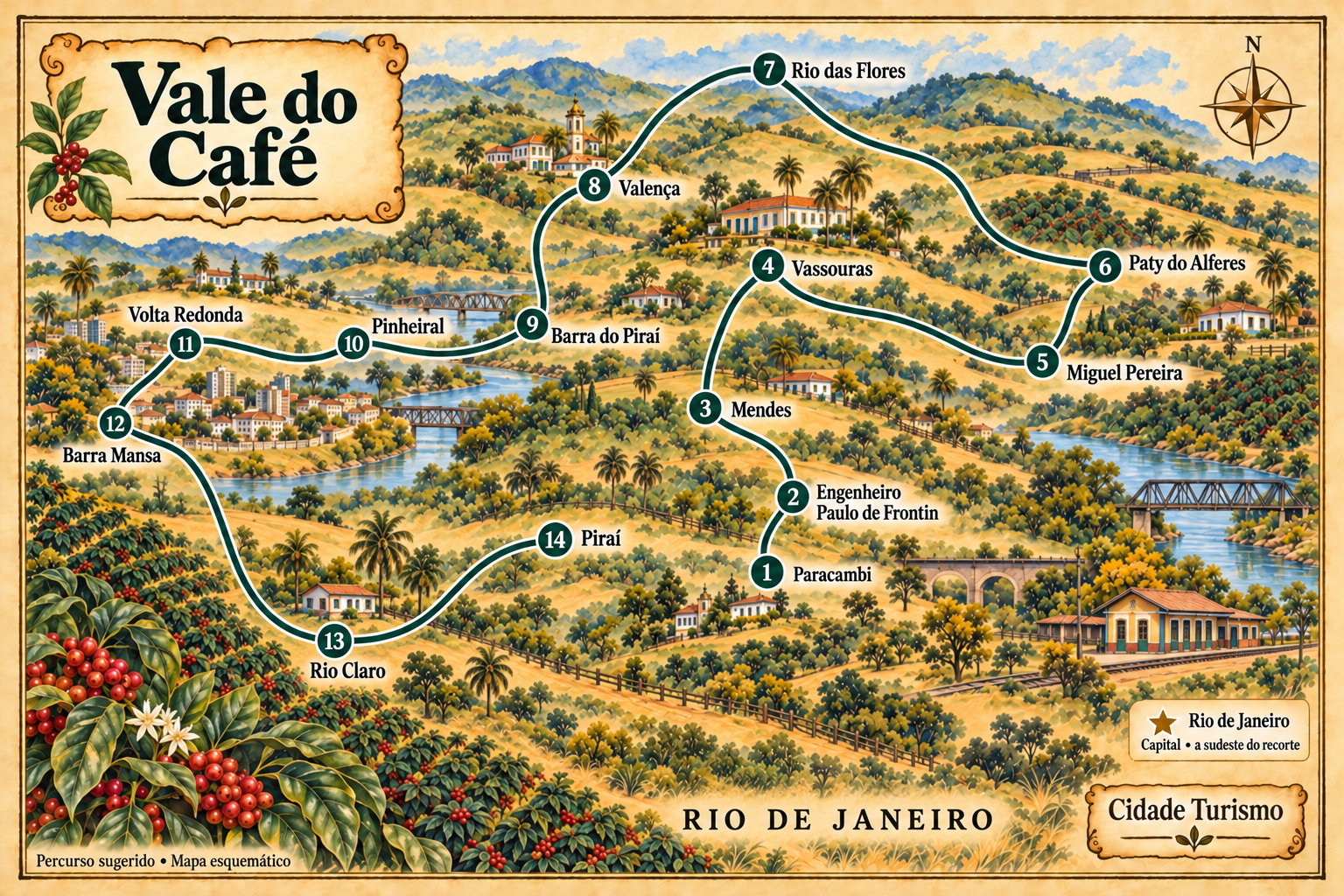
A route through 14 municipalities in the state of Rio de Janeiro, among historic farms, museums, memories of the railways and the heritage of the towns of the Médio Paraíba.
Illustrative map, not to scale. Tap a city to open its page.


 Antarctica
 Argentina
 Bolivia
 Chile
 Colombia
 Ecuador
 Falkland Islands (Malvinas)
 French Guiana
 Guyana
 Paraguay
 Peru
 Suriname
 Uruguay
 Venezuela
 Austria
 Belgium
 Croatia
 Denmark
 Finland
 France
 Germany
 Greece
 Hungary
 Iceland
 Ireland
 Italy
 Luxembourg
 Norway
 Poland
 Portugal
 Slovakia
 Slovenia
 Spain
 Sweden
 Switzerland
 the Czech Republic
 the Netherlands
 the United Kingdom
 Turkey
 Bermuda
 Canada
 Greenland
 Mexico
 Saint Pierre and Miquelon
 the United States
 the Dominican Republic
 Japan
 Egypt
 South Africa
 Australia
 Fiji
 New Zealand
 Papua New Guinea