13 lugares para conhecer São Luís (MA), escolhidos pelo guia Cidade Turismo.
Illustrative images. The pictures in this guide are illustrations based on the real place, not photographs, and may differ from it.
Para começar
Os 10 principais lugares São Luís
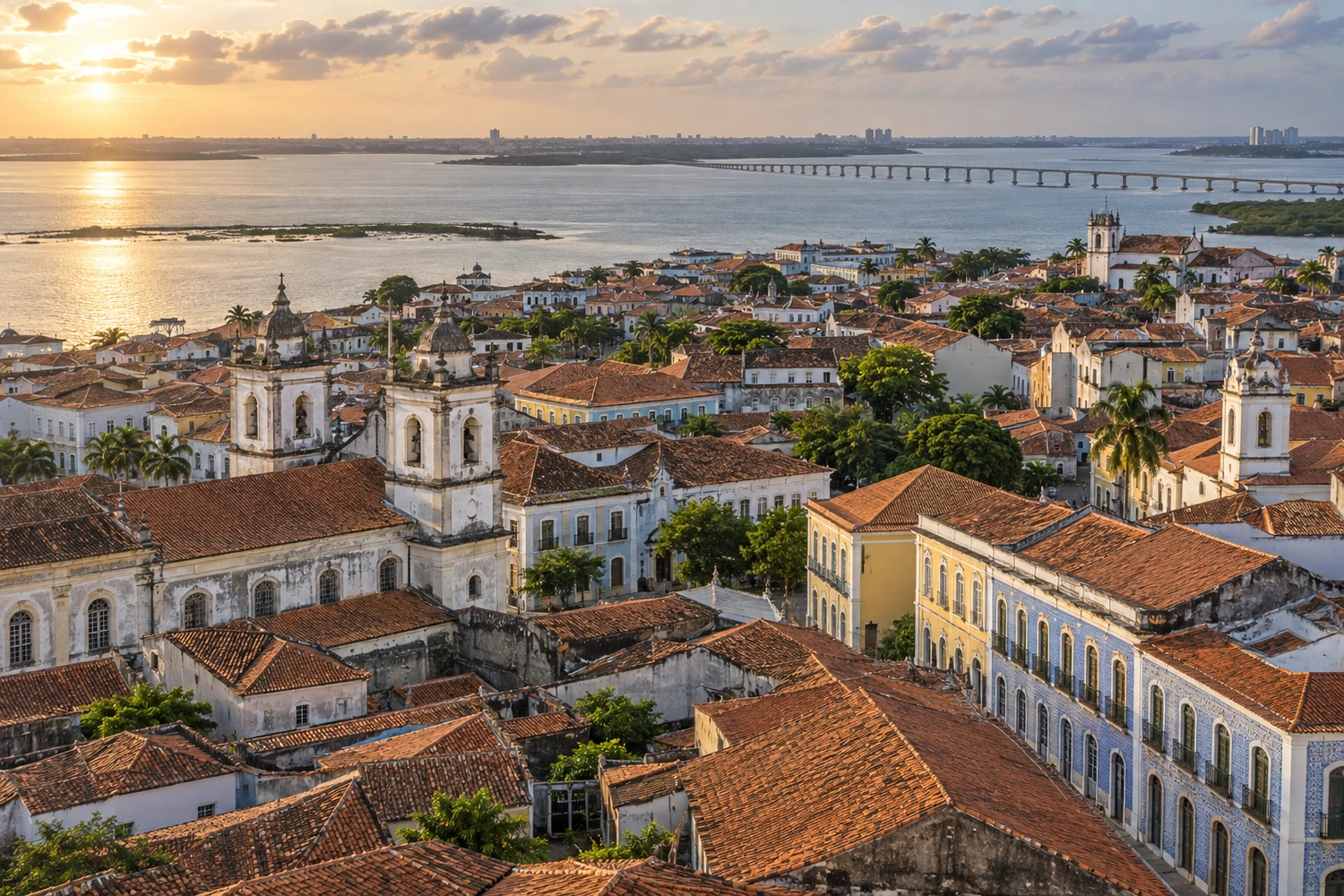
Centro HistóricoDeclared a UNESCO World Heritage Site in 1997, it brings together thousands of Portuguese colonial mansions across about 220 hectares.
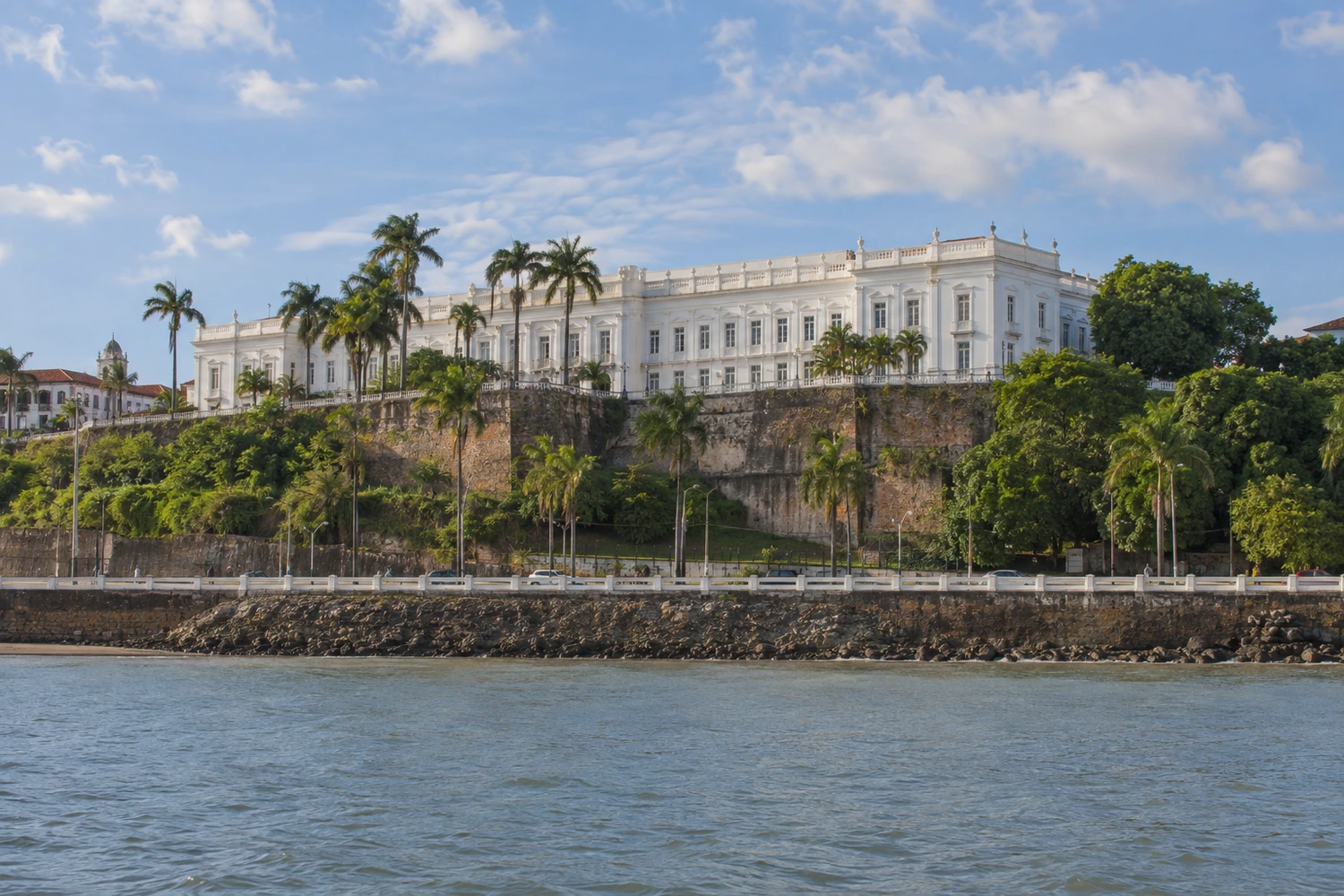
Palácio dos LeõesIt stands on the site of the fort built by the French in 1612, when the city was founded, and is the seat of the state government.
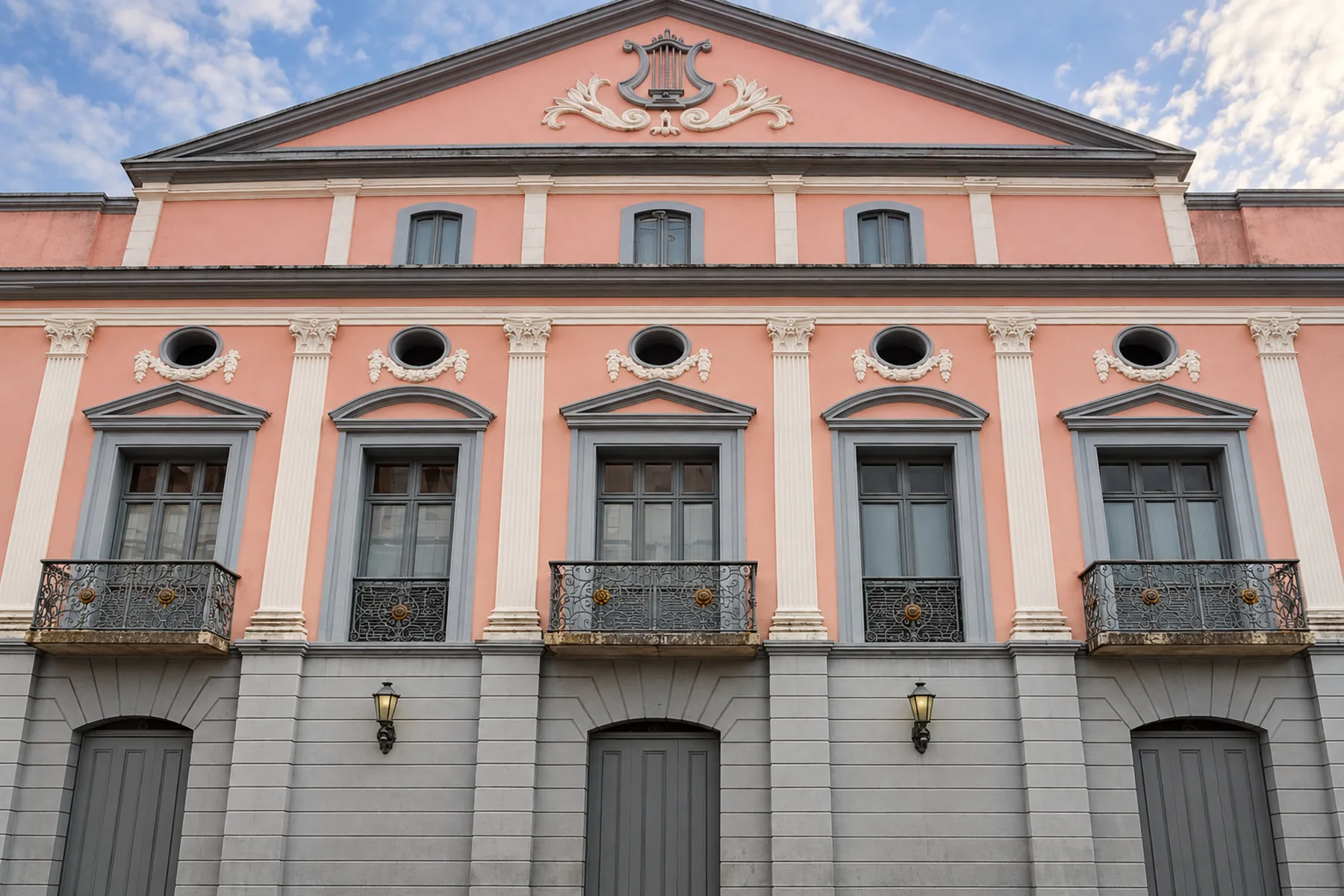
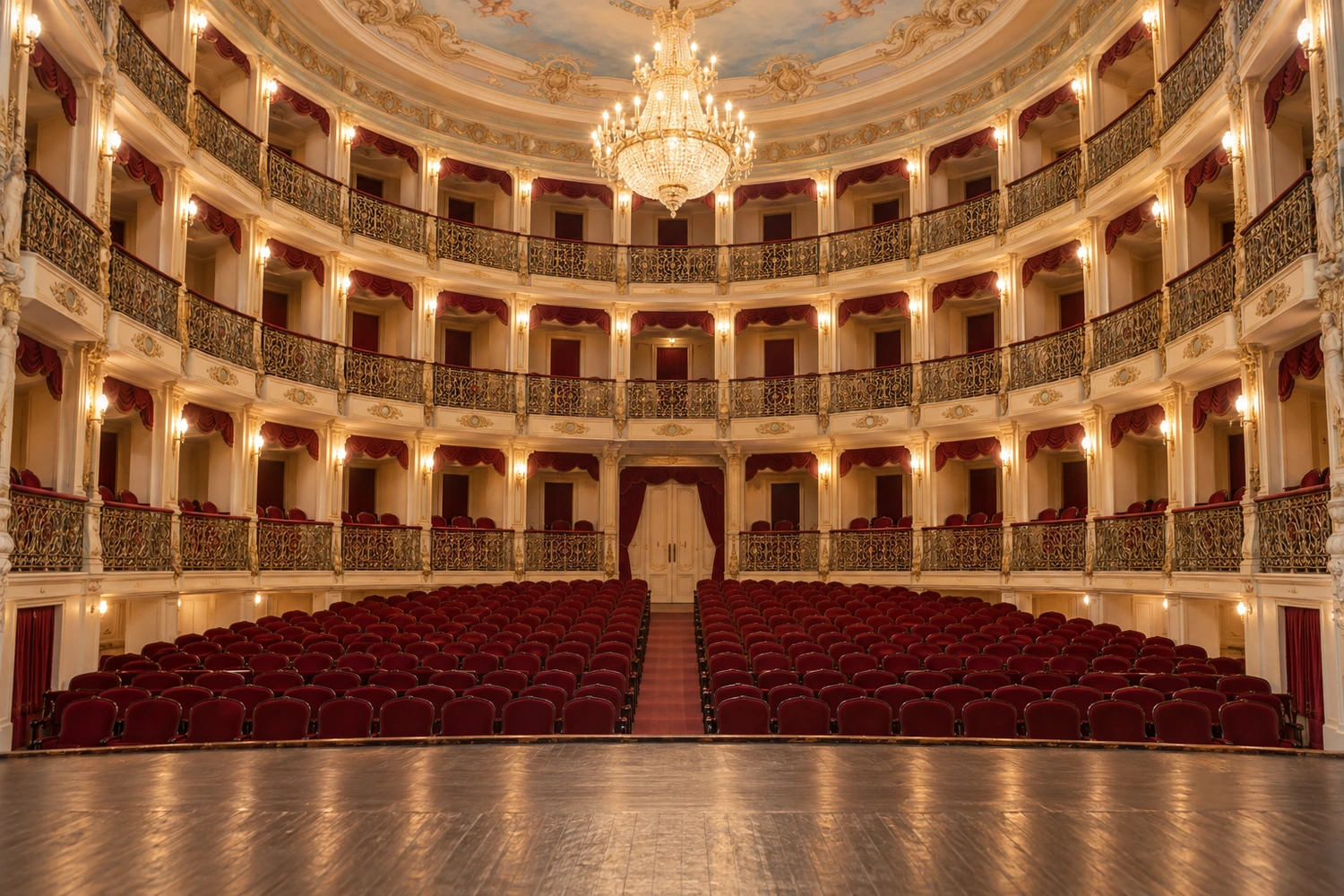
Teatro Arthur AzevedoFounded in 1817 and part of the historic center's heritage, it's one of the oldest theaters in Brazil.
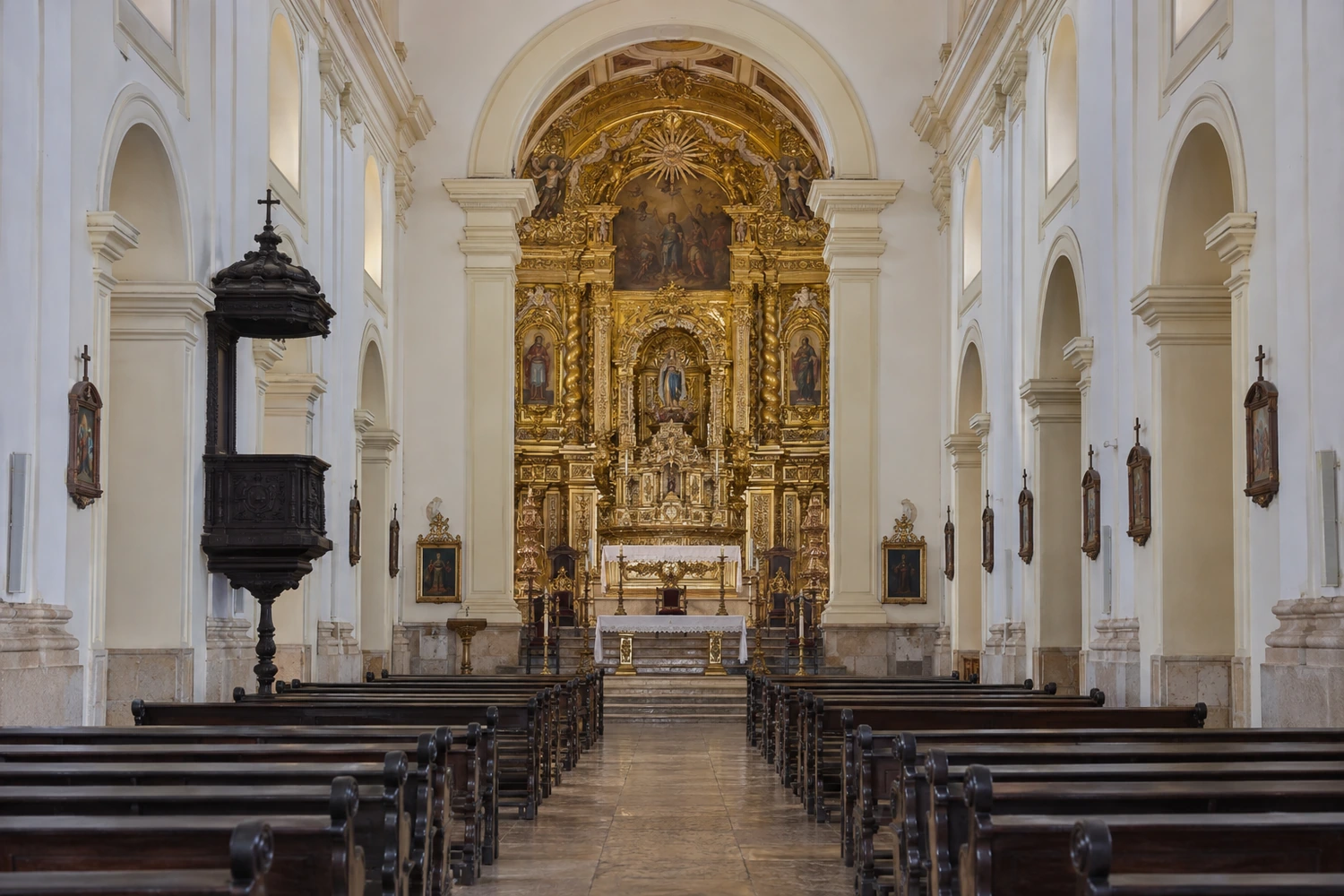
Catedral da SéBuilt by the Jesuits in the late 17th century and made a cathedral in the 18th century, it got its two towers in the early 20th century.
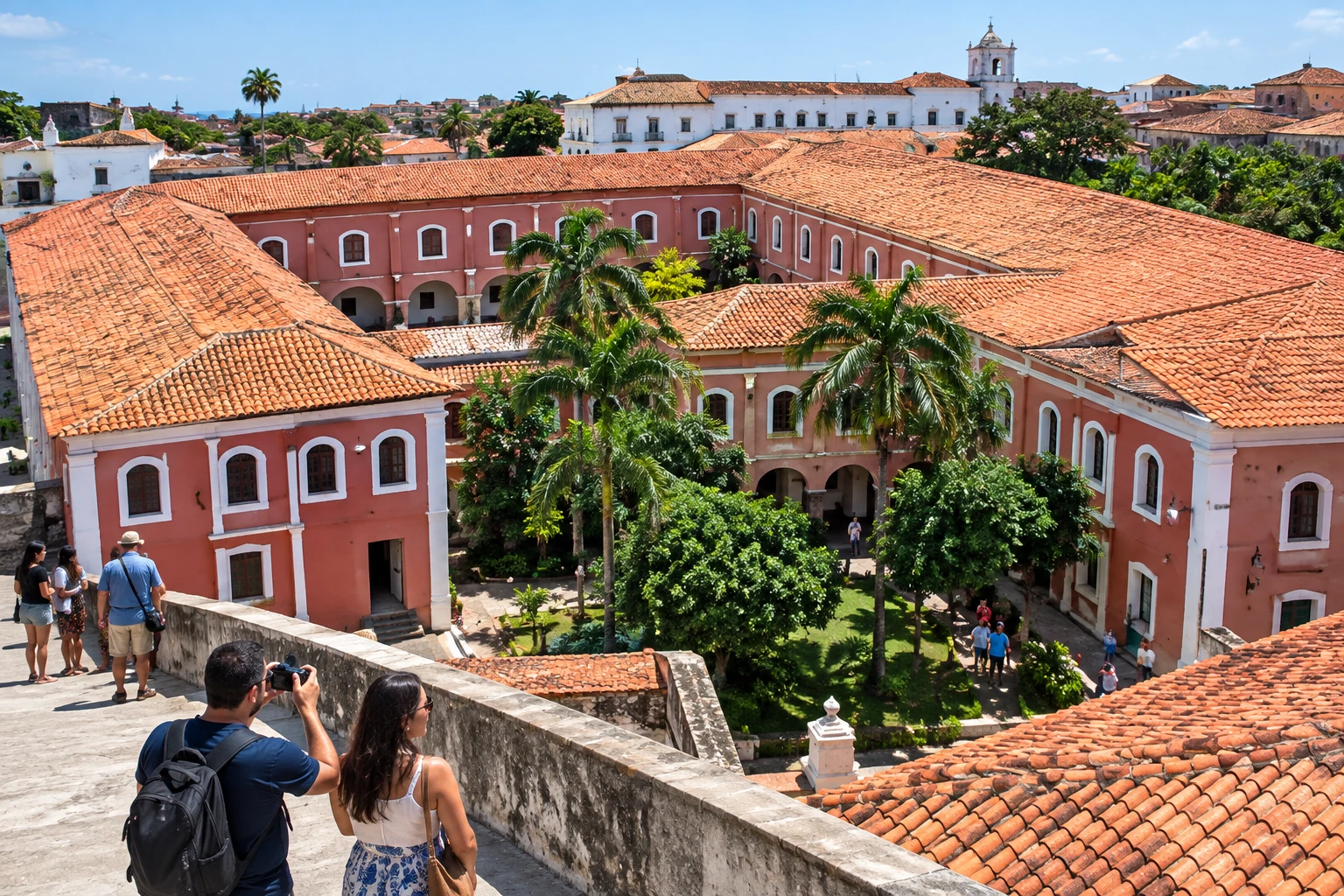
Convento das MercêsBegun in 1654 by Mercedarian friars and inaugurated by Father Antônio Vieira, it has been the seat of the Fundação da Memória Republicana Brasileira since 2011.
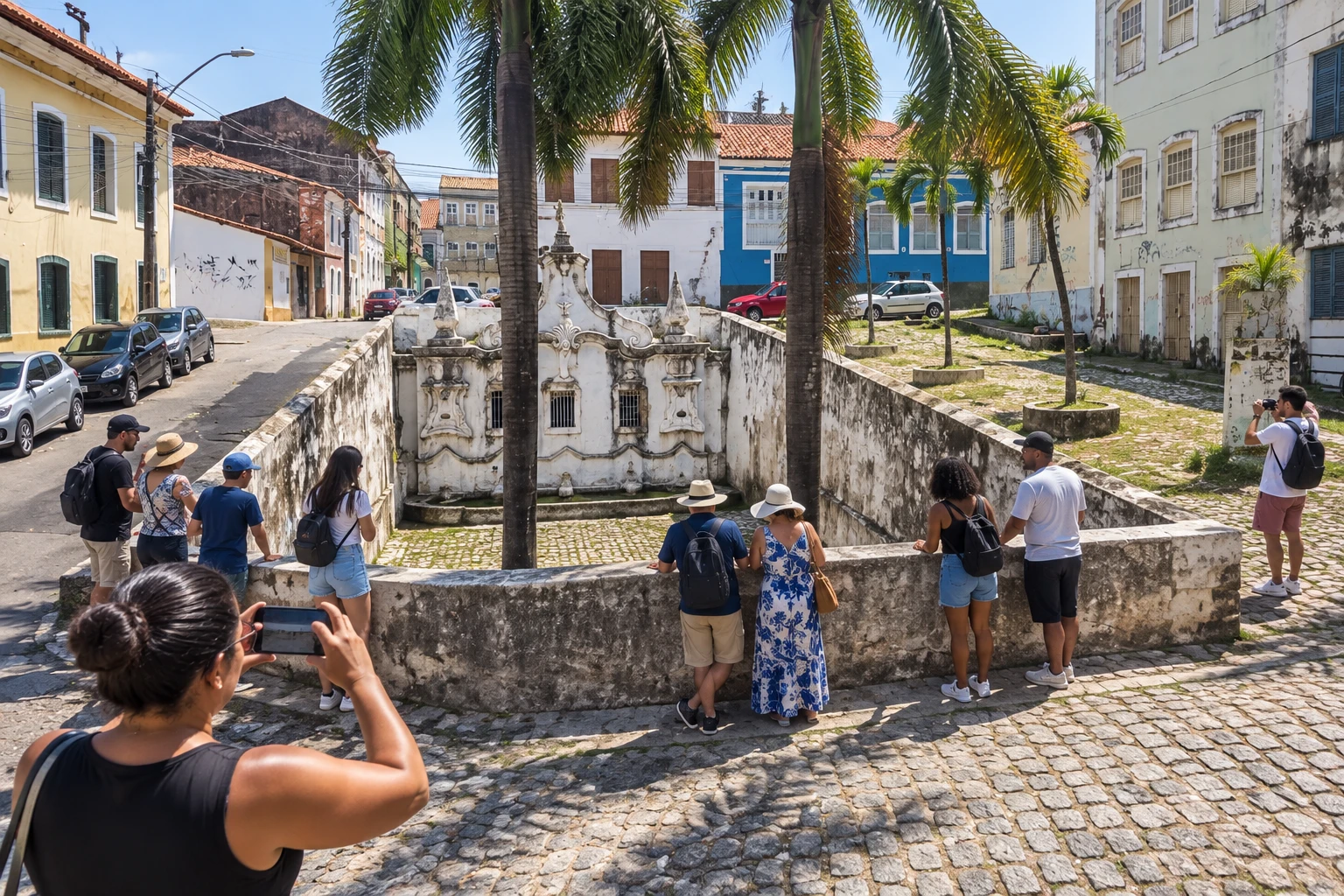
Fonte do RibeirãoBuilt in 1796, it has five stone carved heads with bronze spouts and windows leading to underground galleries.
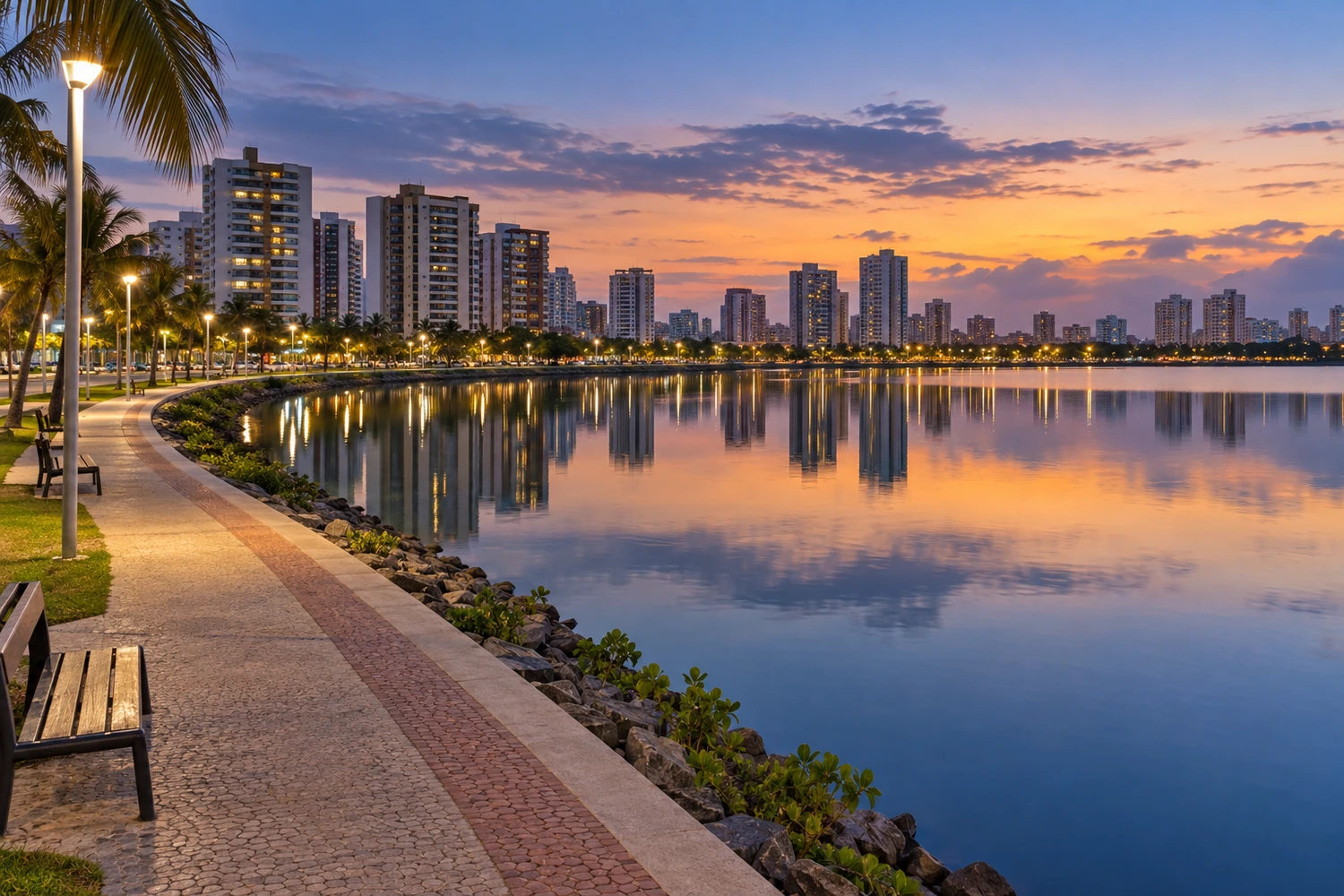
Lagoa da JansenFormed in the 1970s when an igarapé (small creek) was dammed during the area's development, it became an ecological park in 1988.
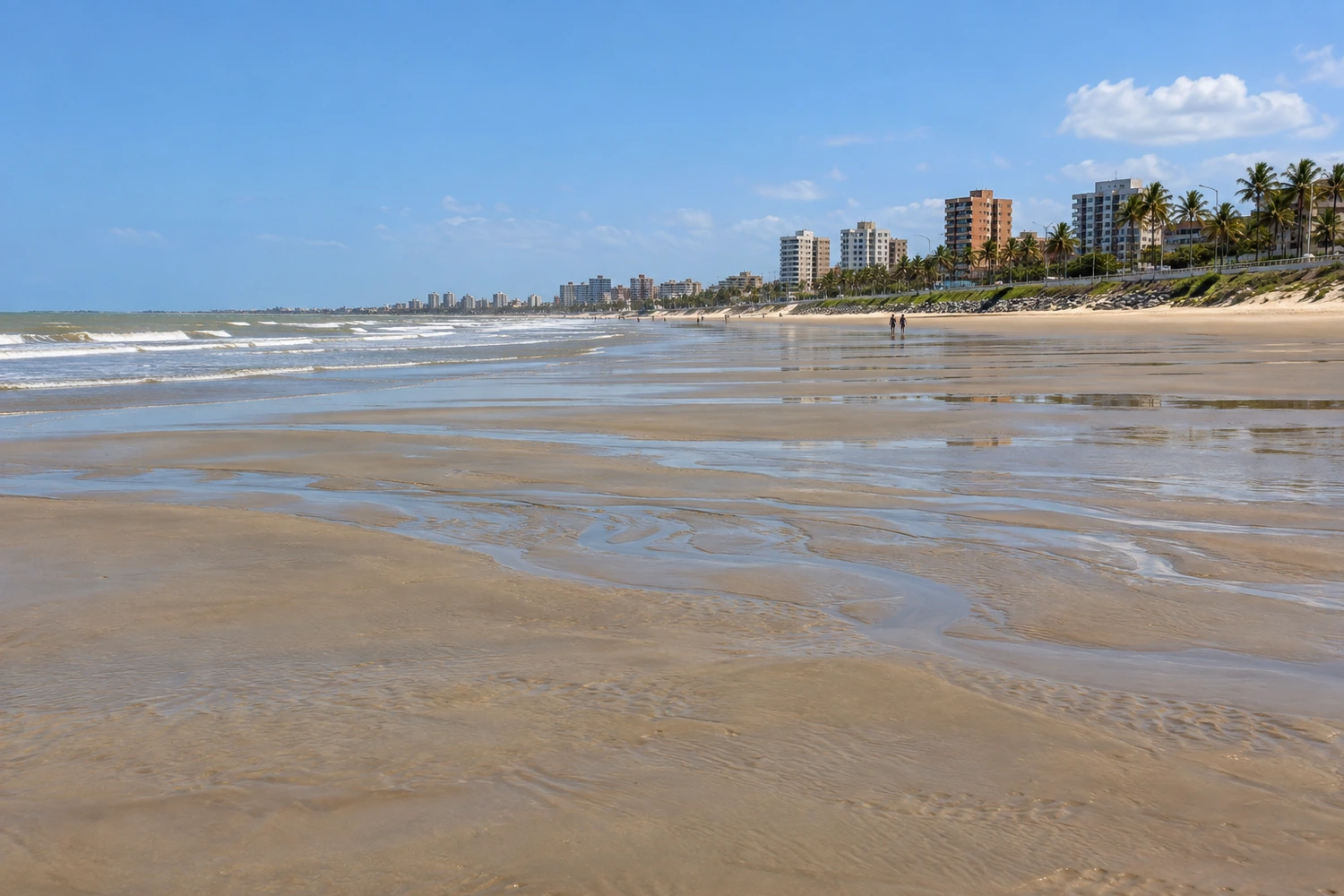
Praia do CalhauIt stretches along Avenida Litorânea, with a promenade, kiosks and seafood restaurants.
Declared a UNESCO World Heritage Site in 1997, it brings together thousands of Portuguese colonial mansions across about 220 hectares. Many facades are covered in tiles, used to protect the rammed-earth walls from heat and humidity.
It stands on the site of the fort built by the French in 1612, when the city was founded, and is the seat of the state government. It houses a museum with furniture, porcelain, prints and paintings by artists such as Victor Meirelles and Antônio Parreiras.
Founded in 1817 and part of the historic center's heritage, it's one of the oldest theaters in Brazil. It underwent its biggest renovation in 30 years, with improvements to climate control, lighting and accessibility, and resumed guided tours in 2026.
Built by the Jesuits in the late 17th century and made a cathedral in the 18th century, it got its two towers in the early 20th century. It holds a Baroque altarpiece of gilded wood, listed by Iphan in 1954.
Begun in 1654 by Mercedarian friars and inaugurated by Father Antônio Vieira, it has been the seat of the Fundação da Memória Republicana Brasileira since 2011. It houses a museum, an art gallery and a library with rare works by Vieira.
Built in 1796, it has five stone carved heads with bronze spouts and windows leading to underground galleries. According to popular tradition, the tunnels served as a secret passage between churches or as an escape route.
Formed in the 1970s when an igarapé (small creek) was dammed during the area's development, it became an ecological park in 1988. It has a bike path, sports courts, a viewpoint and bars along its shores, surrounded by neighborhoods such as Renascença and Ponta d'Areia.
It stretches along Avenida Litorânea, with a promenade, kiosks and seafood restaurants. It offers kitesurfing lessons and, on weekends, live music on the waterfront.
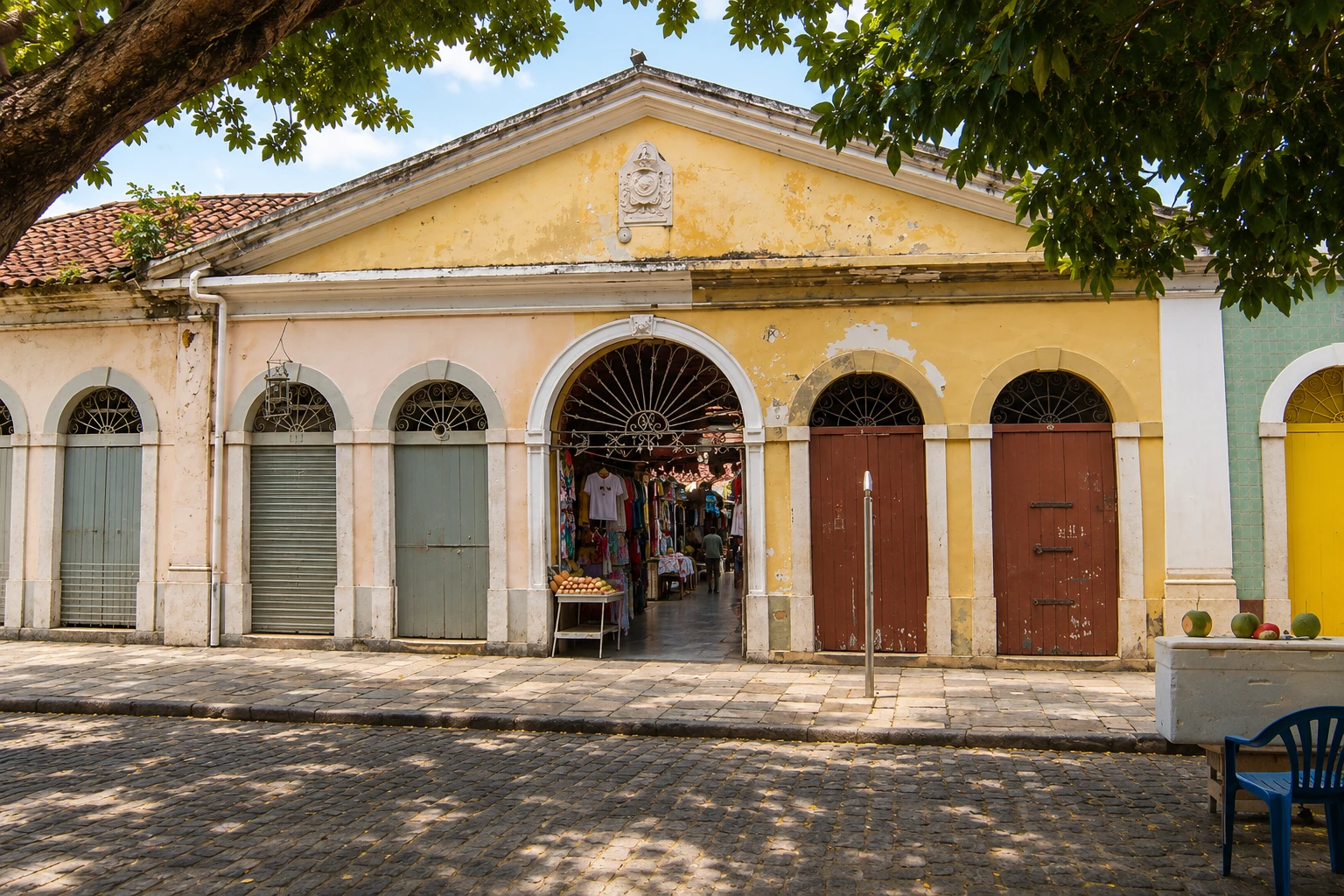
A 19th-century market in the heart of Praia Grande, the historic center of São Luís. In stalls around an inner courtyard, it sells dried shrimp, dried fish, farinha, nuts, sweets, liqueurs, regional drinks and Maranhão handicrafts.
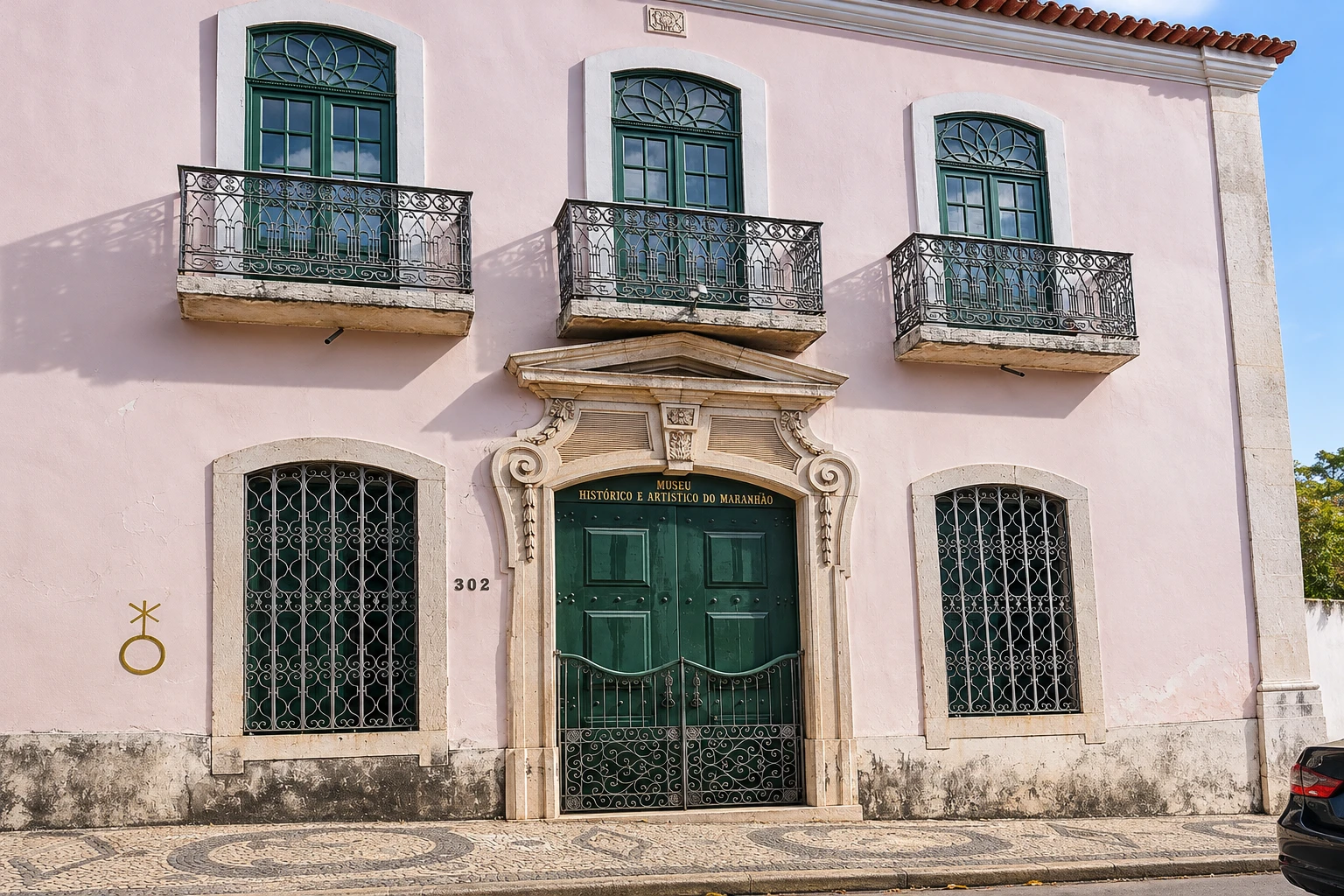
Museum in an 1836 townhouse on Rua do Sol, in downtown São Luís. It recreates the home of a wealthy 19th-century family, with hardwood furniture, china, crystal, paintings and everyday objects.
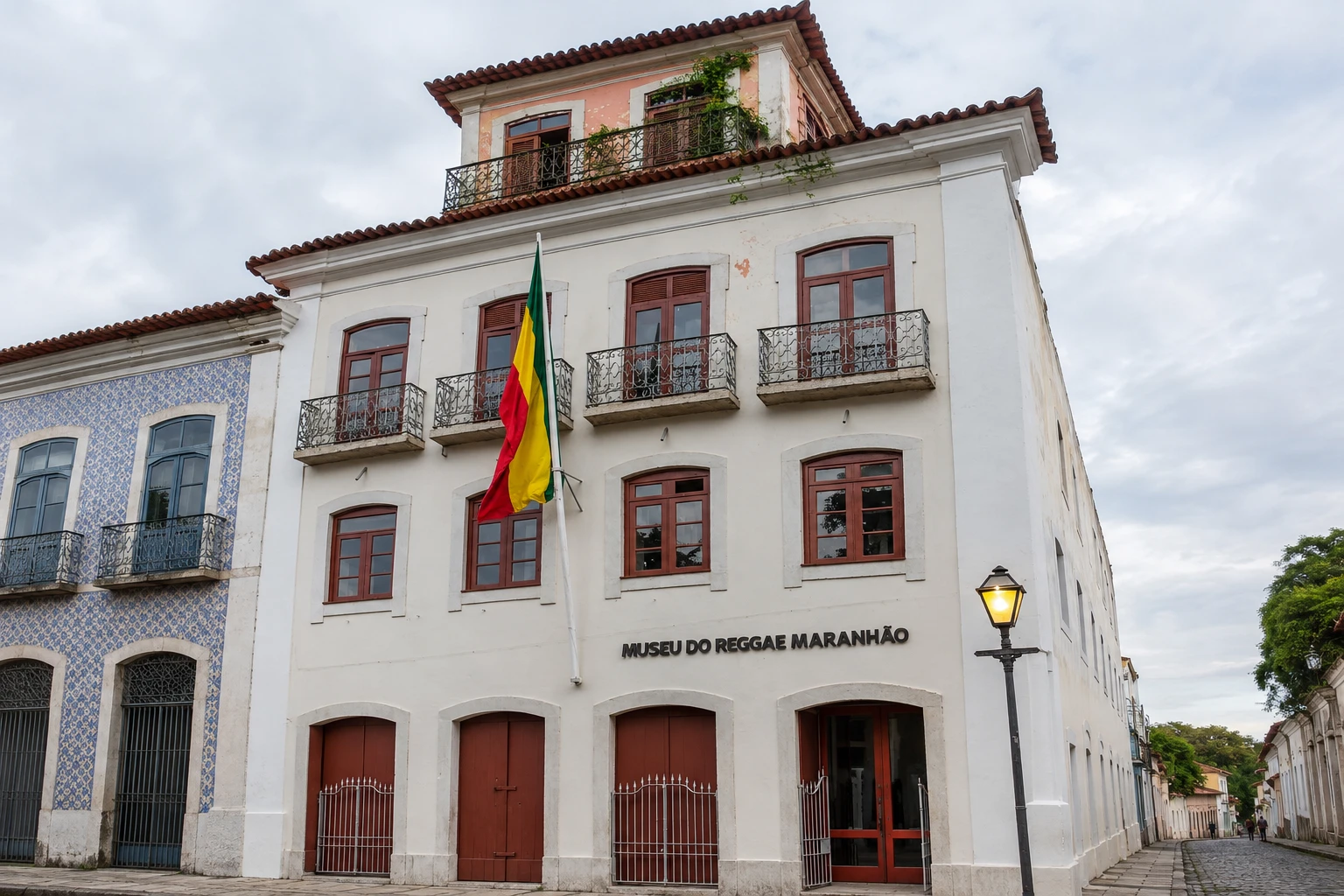
Museum on Rua da Estrela, in Praia Grande, dedicated to the history of reggae in São Luís, the city known as the Brazilian Jamaica. It brings together rare records, sound systems, instruments, photos and videos from the clubs and Maranhão bands.
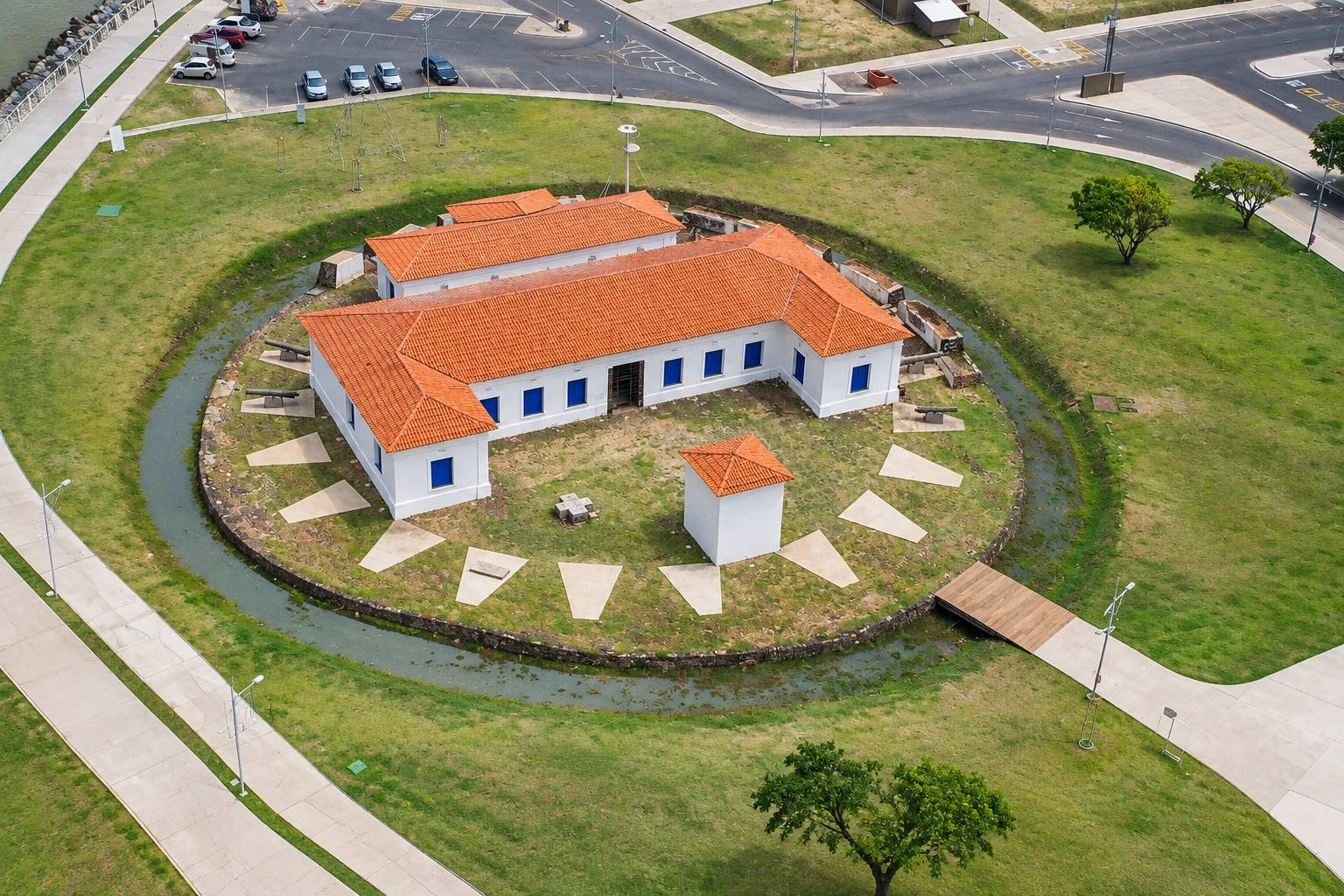
Seventeenth-century fortification on Ponta d'Areia, at the entrance to Baía de São Marcos, built to defend São Luís from attacks by sea. Restored, it overlooks the bay and the historic center and hosts sunset events.
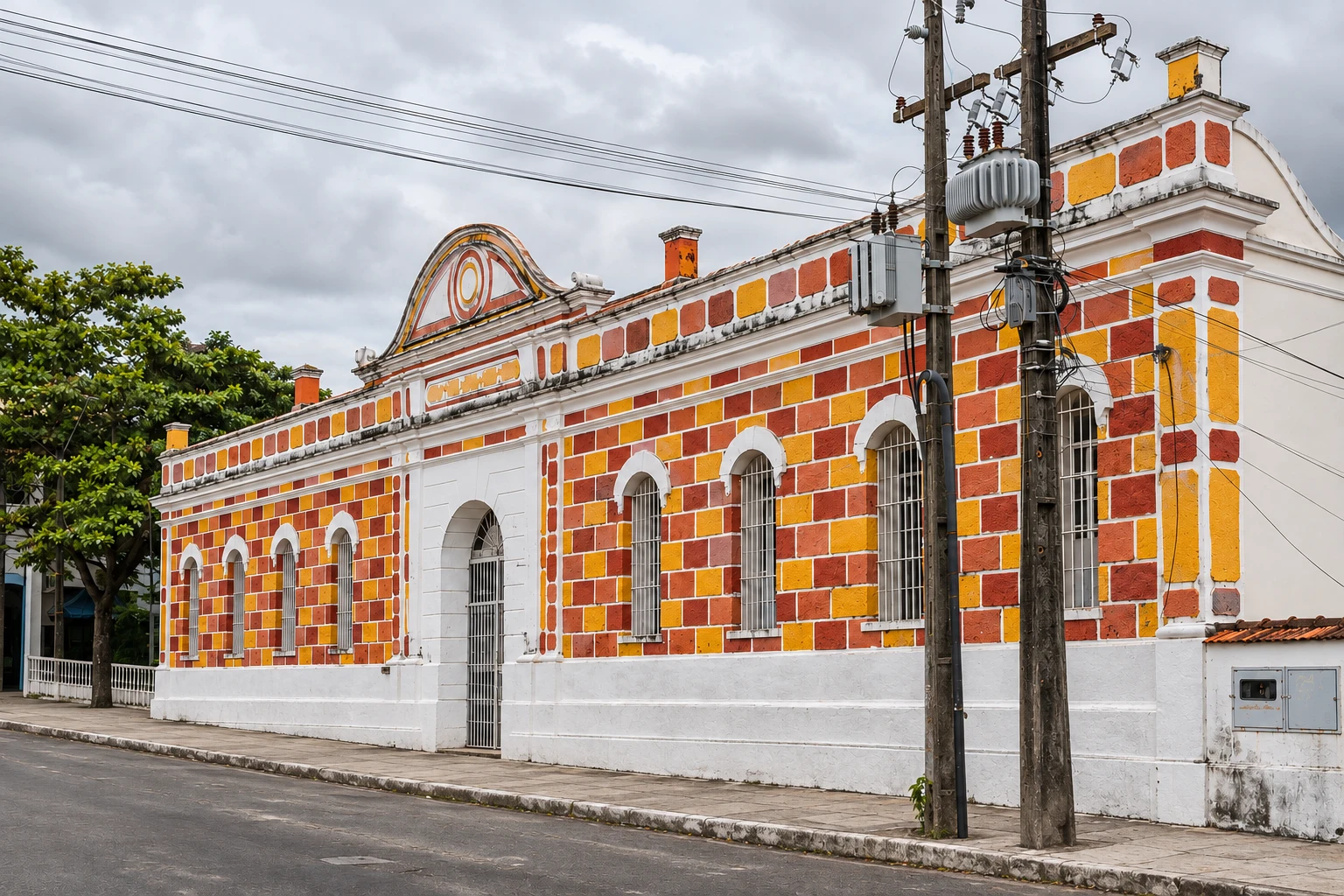
The Maranhão government craft center installed in an old textile factory in the Madre Deus neighborhood. Artisans from across the state display and sell bobbin lace, ceramics, embroidery, buriti and wooden pieces. In June, it hosts June festival celebrations.


 Antarctica
 Argentina
 Bolivia
 Chile
 Colombia
 Ecuador
 Falkland Islands (Malvinas)
 French Guiana
 Guyana
 Paraguay
 Peru
 Suriname
 Uruguay
 Venezuela
 Austria
 Belgium
 Croatia
 Denmark
 Finland
 France
 Germany
 Greece
 Hungary
 Iceland
 Ireland
 Italy
 Luxembourg
 Norway
 Poland
 Portugal
 Slovakia
 Slovenia
 Spain
 Sweden
 Switzerland
 the Czech Republic
 the Netherlands
 the United Kingdom
 Turkey
 Bermuda
 Canada
 Greenland
 Mexico
 Saint Pierre and Miquelon
 the United States
 the Dominican Republic
 Japan
 Egypt
 South Africa
 Australia
 Fiji
 New Zealand
 Papua New Guinea