

 Antarctica
 Argentina
 Bolivia
 Chile
 Colombia
 Ecuador
 Falkland Islands (Malvinas)
 French Guiana
 Guyana
 Paraguay
 Peru
 Suriname
 Uruguay
 Venezuela
 Austria
 Belgium
 Croatia
 Denmark
 Finland
 France
 Germany
 Greece
 Hungary
 Iceland
 Ireland
 Italy
 Luxembourg
 Norway
 Poland
 Portugal
 Slovakia
 Slovenia
 Spain
 Sweden
 Switzerland
 the Czech Republic
 the Netherlands
 the United Kingdom
 Turkey
 Bermuda
 Canada
 Greenland
 Mexico
 Saint Pierre and Miquelon
 the United States
 the Dominican Republic
 Japan
 Egypt
 South Africa
 Australia
 Fiji
 New Zealand
 Papua New Guinea
Craft center · São Luís, MA
Ceprama
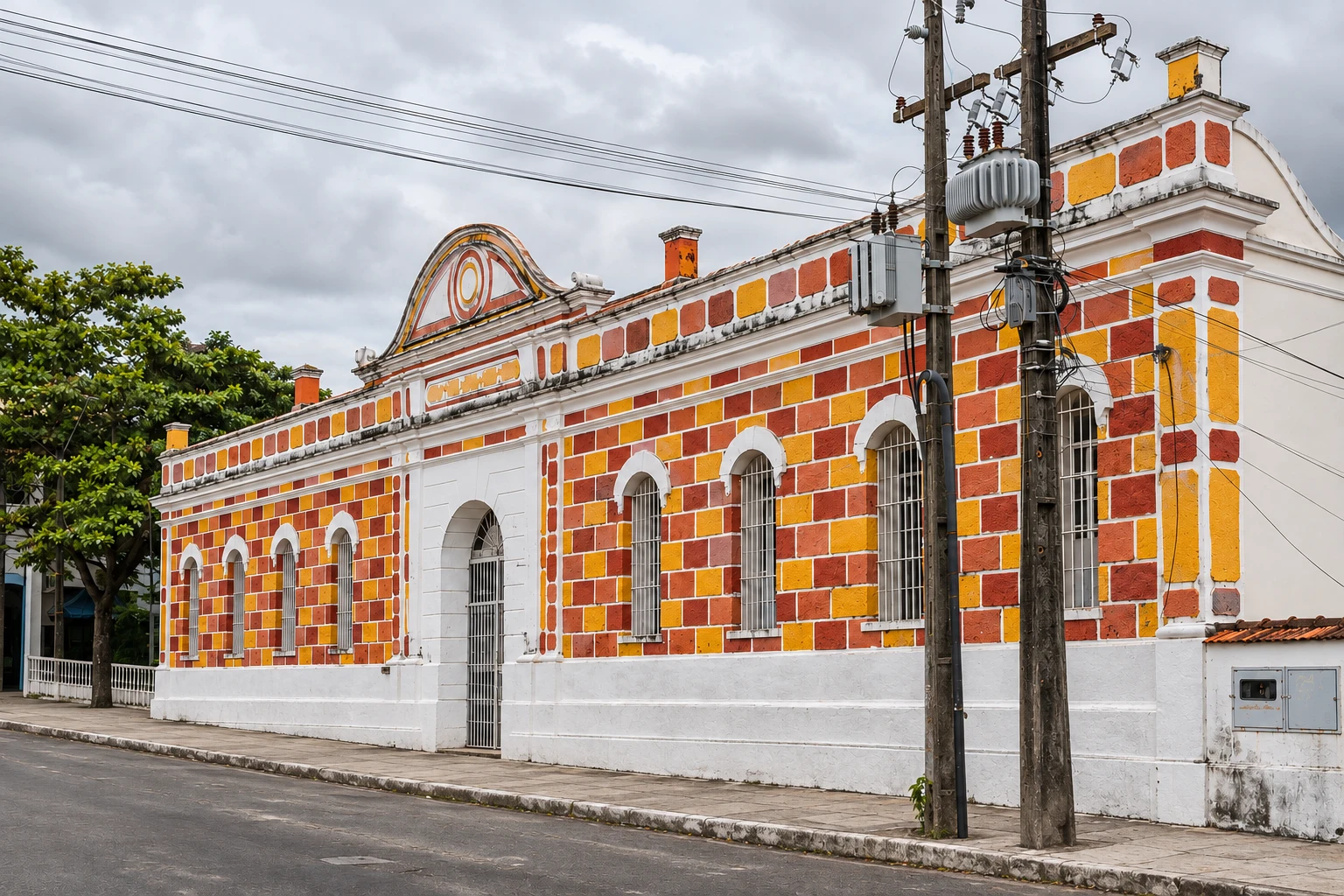
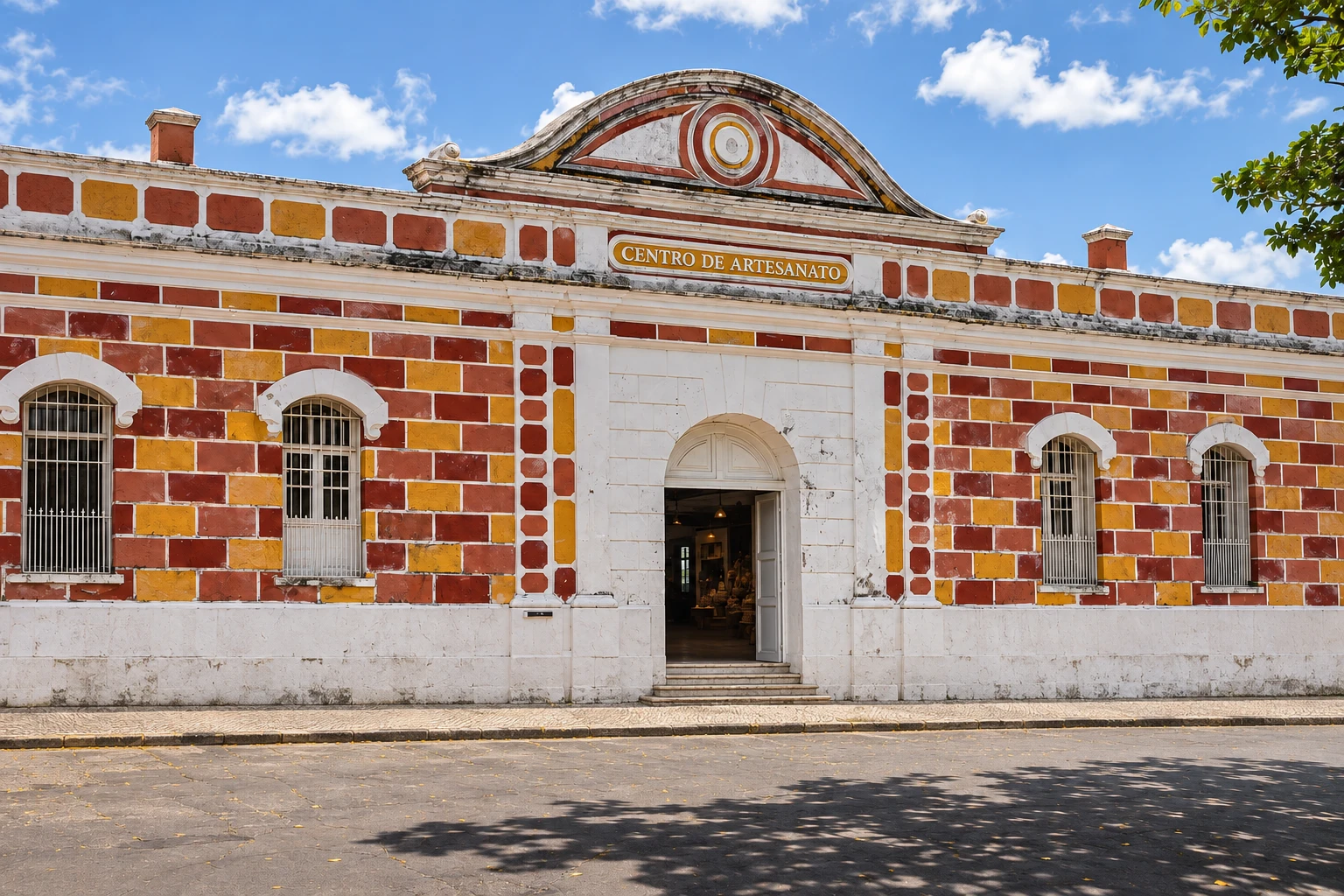
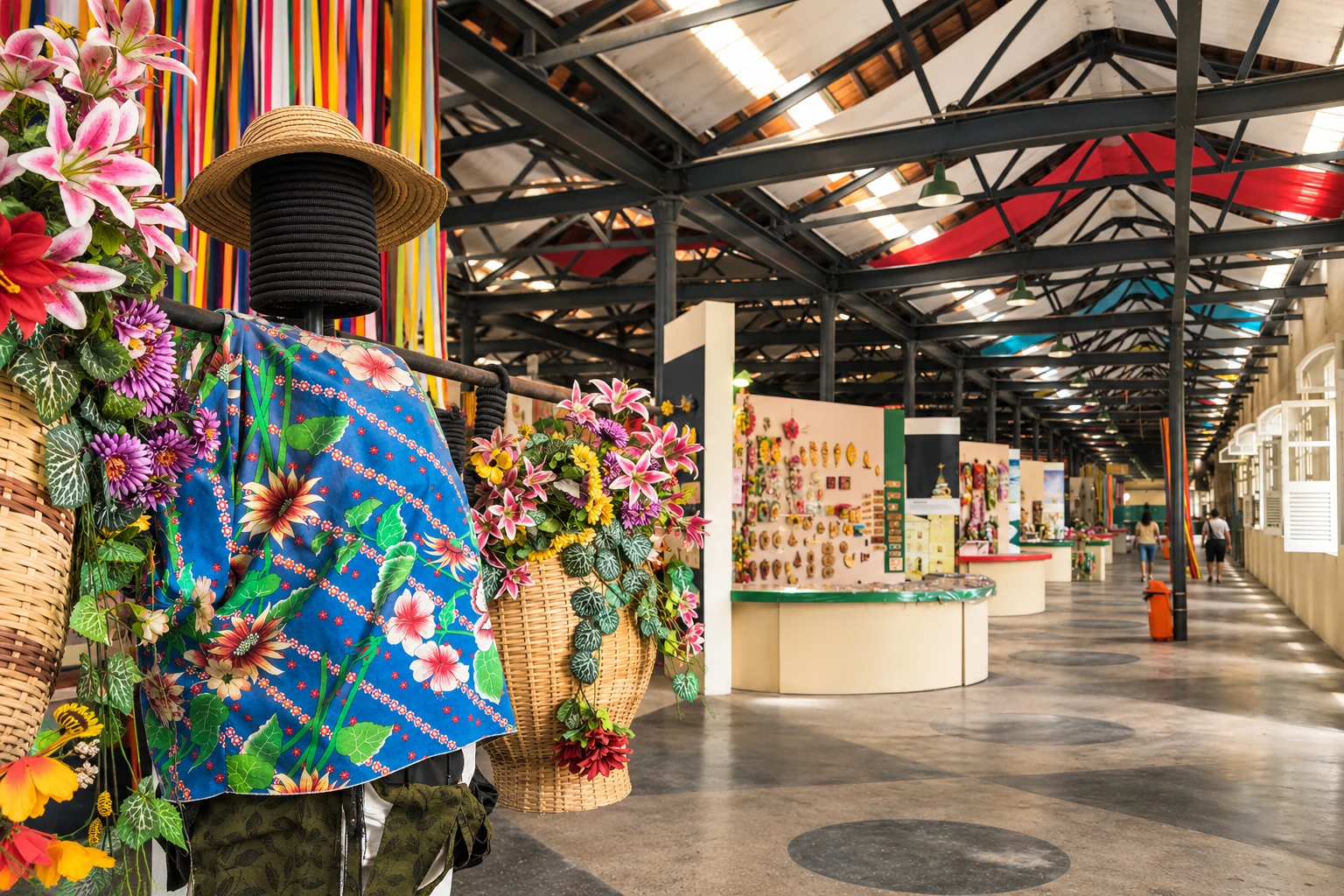
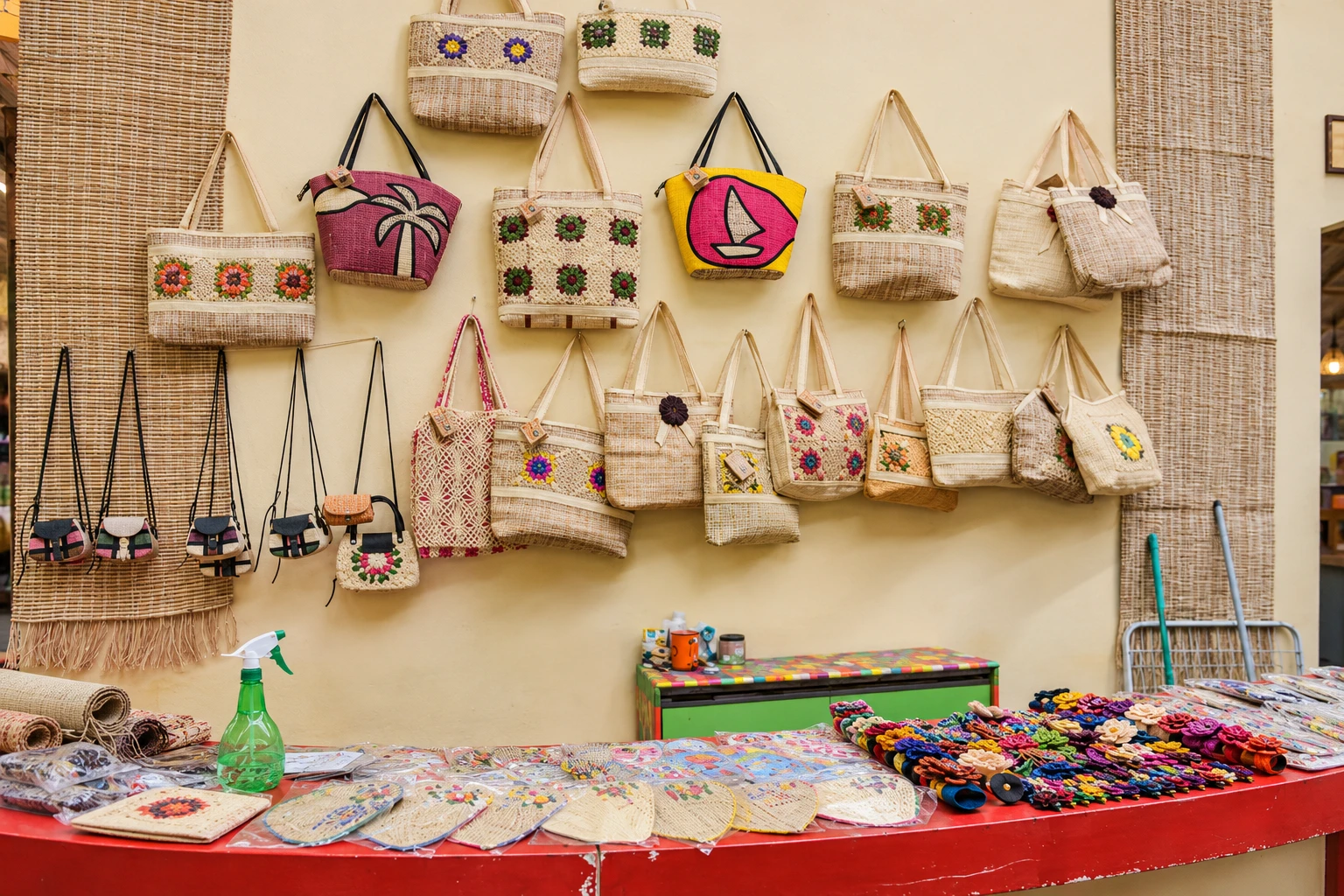
The Maranhão government craft center installed in an old textile factory in the Madre Deus neighborhood. Artisans from across the state display and sell bobbin lace, ceramics, embroidery, buriti and wooden pieces. In June, it hosts June festival celebrations.
In the photo: Facade of the old factory building that houses Ceprama.
Illustrative images. The pictures in this guide are illustrations based on the real place, not photographs, and may differ from it.


A look at the place
Ceprama in pictures
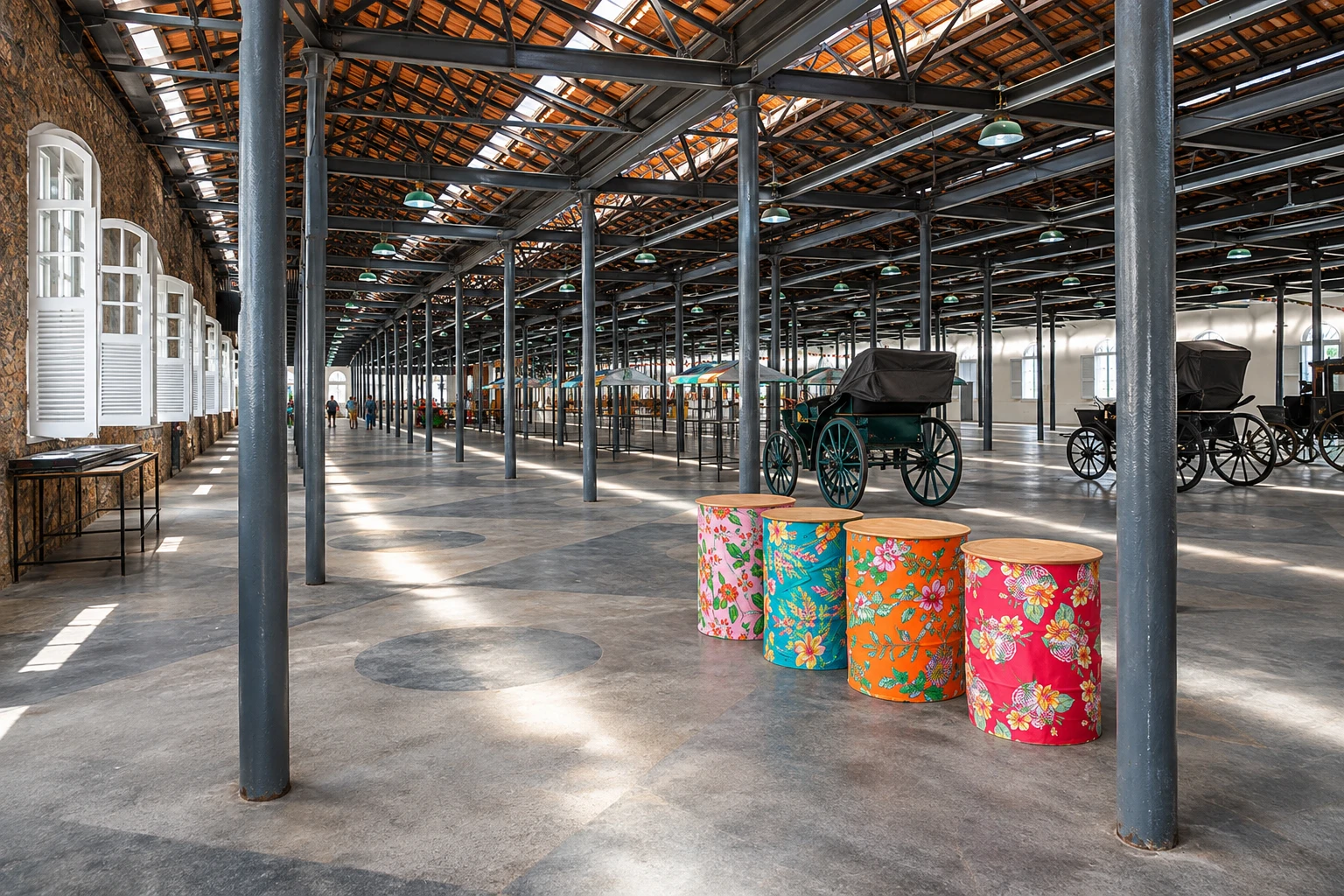
These pictures are illustrations based on the real place, not photographs. They may differ from the place.
Click the picture to enlarge it.
Discover
About Ceprama
Ceprama, the Commercialization Center for Handmade Products of Maranhão, is in the Madre Deus neighborhood, a few minutes from São Luís’s historic center. It was created by the state government in 1989 in a large industrial building that once housed Companhia de Fiação e Tecelagem Cânhamo, one of the city’s textile mills, which closed in the early 1970s.
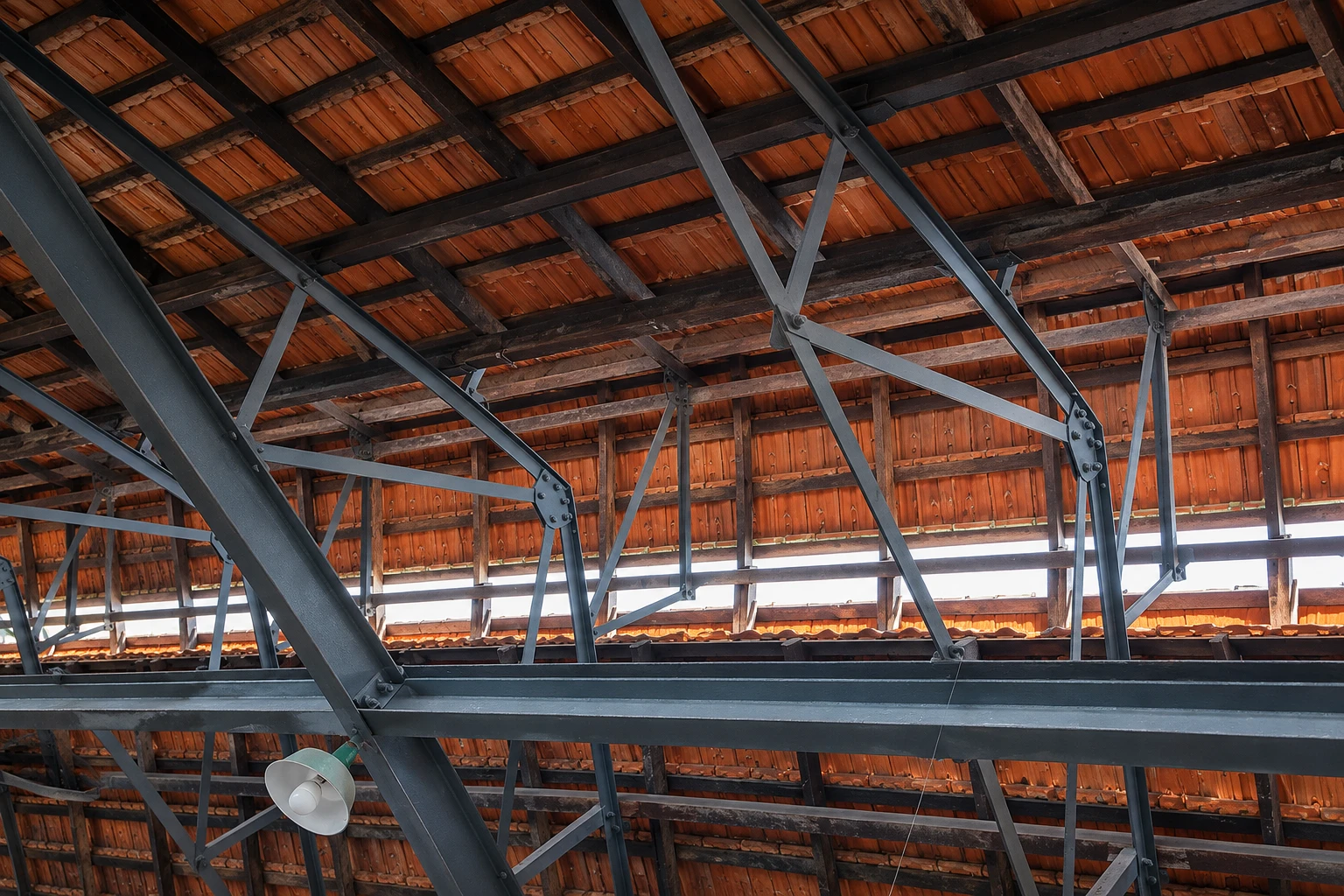
The building, with about 3,000 square meters, preserves the layout of the old factory. Inside, dozens of artisans and associations from various regions of Maranhão display and sell what they produce.
There is a wide variety. You’ll find bobbin lace, embroidery, ceramics, braids woven from buriti straw and other fibers, carved wooden objects, bio-jewelry and items related to bumba meu boi, the state’s best-known festival. Many artisans work in the space itself and talk about their techniques and the pieces’ origins.
Besides the shops, Ceprama hosts fairs, workshops and cultural performances throughout the year. In June, the courtyard becomes one of São Luís’s São João arraiais, with performances by bumba meu boi groups, tambor de crioula and other Maranhão dances.
Madre Deus is a neighborhood with deep popular culture traditions in São Luís, birthplace of boi groups and samba schools. Ceprama is close to Praia Grande and the Convento das Mercês, and fits into a half-day tour of the center.
Before you go
Practical information
Cidade Turismo reviews its information regularly, but something may have changed. Check with the place before planning your trip.
How much time to set aside
1 to 2 hours to browse the shops and talk with artisans. On arraial nights in June, the program can last the entire evening.
Best time
On weekdays or Saturday during the day, when most shops are open; check opening days and hours in advance. In June, the São João arraial usually occupies the space in the evening with bumba meu boi performances.
How to get there
Ceprama is on Rua São Pantaleão in the Madre Deus neighborhood, about 1.5 km from Praia Grande. Take a taxi, rideshare or bus; from the historic center you can walk in about 20 minutes.
Tip
Leave some room in your suitcase: laces, buriti pieces and ceramics are light but varied. Ask which municipality each piece comes from. In June, check the arraial program to see the bumba meu boi.
Your questions
Frequently asked questions about Ceprama
What to buy at Ceprama in São Luís?
Handicrafts from various regions of Maranhão: bobbin lace, embroidery, ceramics, buriti straw braids, carved wood, bio-jewelry and pieces related to bumba meu boi.
Where is Ceprama located?
On Rua São Pantaleão, in the Madre Deus neighborhood, about 1.5 km from Praia Grande, São Luís’s historic center.
Does Ceprama have a June festival?
Yes. In June, the space usually hosts a São João arraial, with performances of bumba meu boi, tambor de crioula and other Maranhão dances. Check the program for the year.
What used to operate in the Ceprama building?
Companhia de Fiação e Tecelagem Cânhamo, a textile mill that closed in the early 1970s. The craft center was created there in 1989.