

 Antarctica
 Argentina
 Bolivia
 Chile
 Colombia
 Ecuador
 Falkland Islands (Malvinas)
 French Guiana
 Guyana
 Paraguay
 Peru
 Suriname
 Uruguay
 Venezuela
 Austria
 Belgium
 Croatia
 Denmark
 Finland
 France
 Germany
 Greece
 Hungary
 Iceland
 Ireland
 Italy
 Luxembourg
 Norway
 Poland
 Portugal
 Slovakia
 Slovenia
 Spain
 Sweden
 Switzerland
 the Czech Republic
 the Netherlands
 the United Kingdom
 Turkey
 Bermuda
 Canada
 Greenland
 Mexico
 Saint Pierre and Miquelon
 the United States
 the Dominican Republic
 Japan
 Egypt
 South Africa
 Australia
 Fiji
 New Zealand
 Papua New Guinea
beach · Maceió, AL
Pajuçara Beach
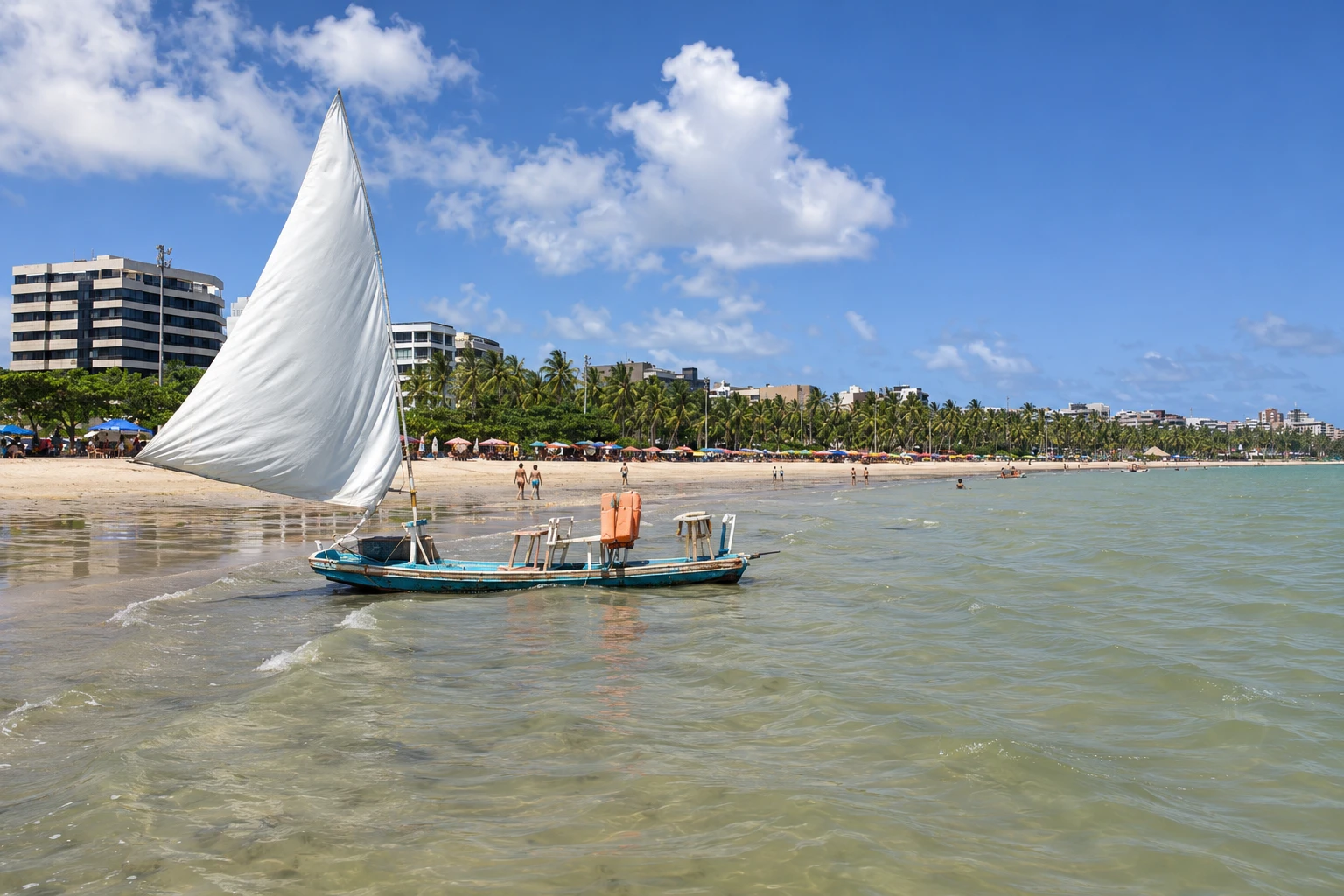
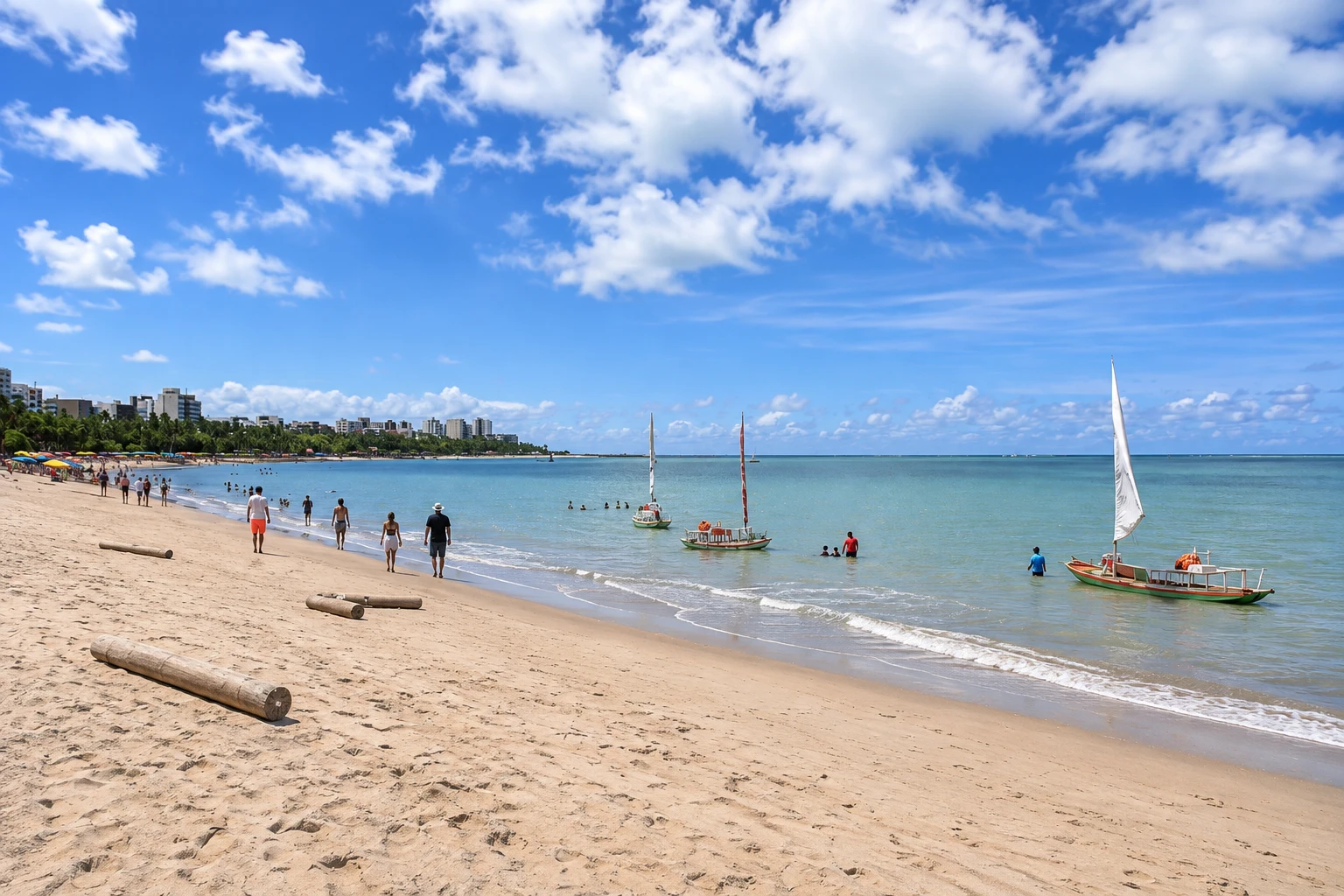
Urban beach in Maceió, protected by reefs, with calm water at low tide, coconut trees and a waterfront promenade with a bike lane. From the sand sailboats depart to the natural pools, and the shore hosts a handicraft fair and kiosks.
In the photo: Sail jangada on the sand in front of Pajuçara’s coconut trees.
Illustrative images. The pictures in this guide are illustrations based on the real place, not photographs, and may differ from it.


A look at the place
Pajuçara Beach in pictures
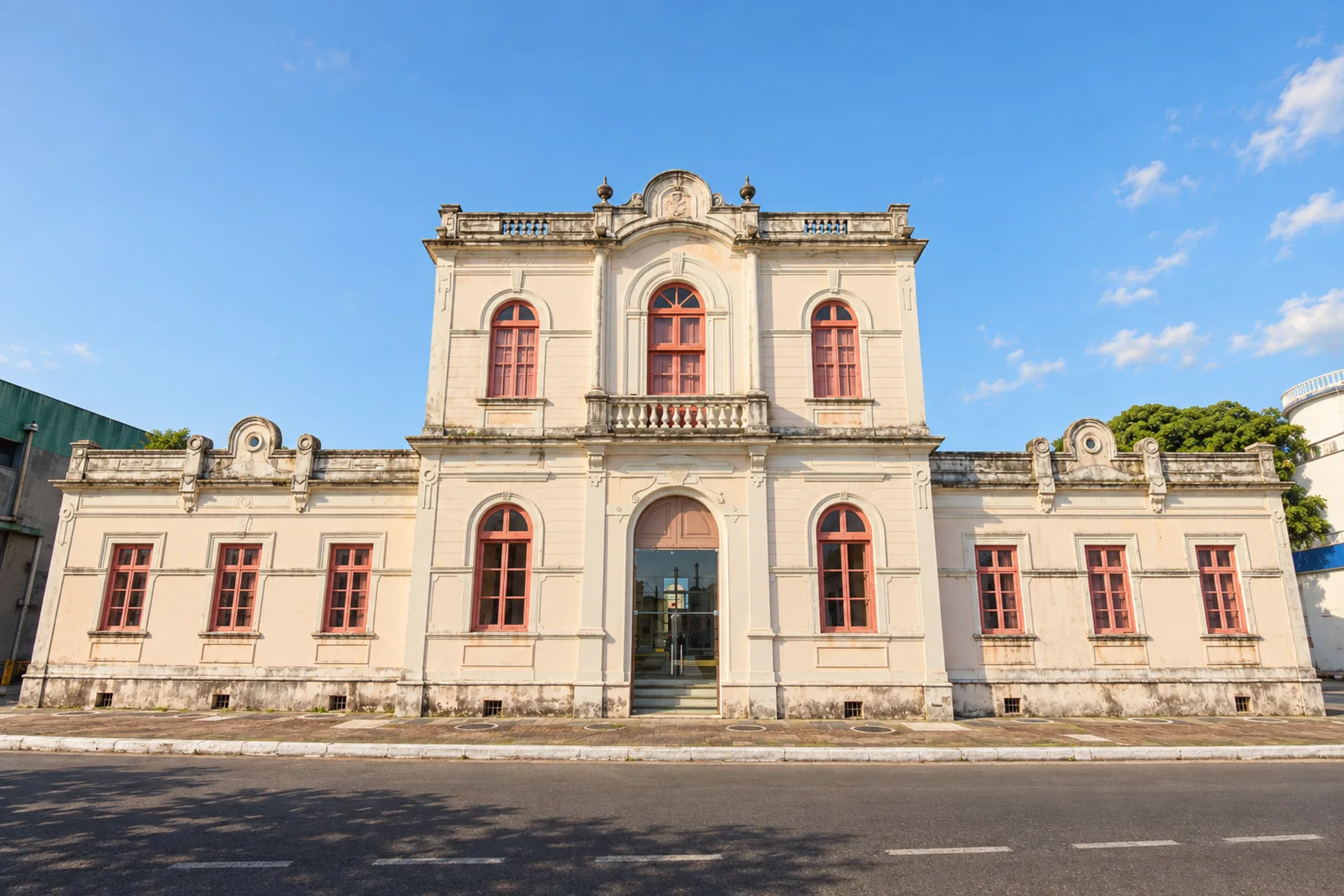
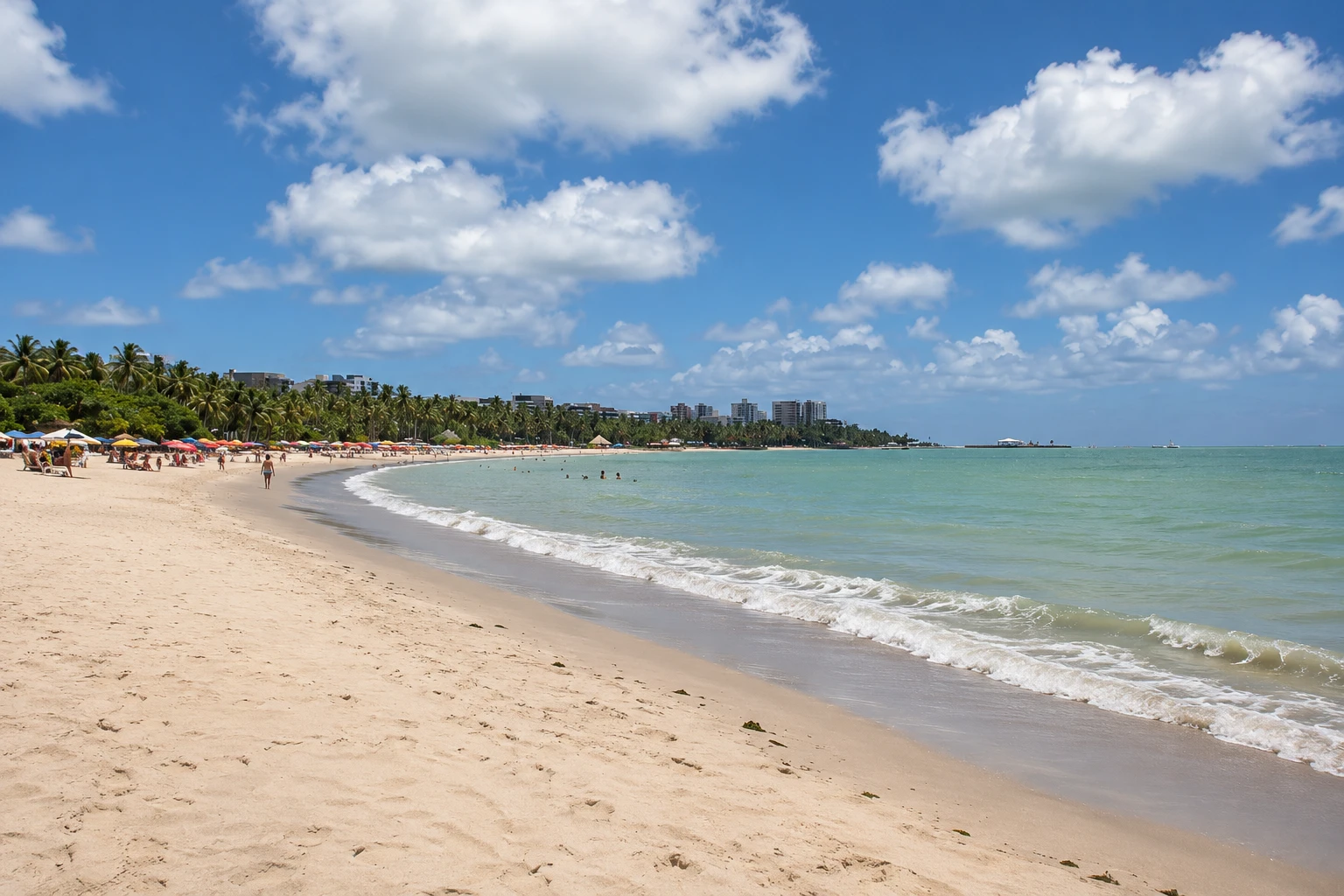
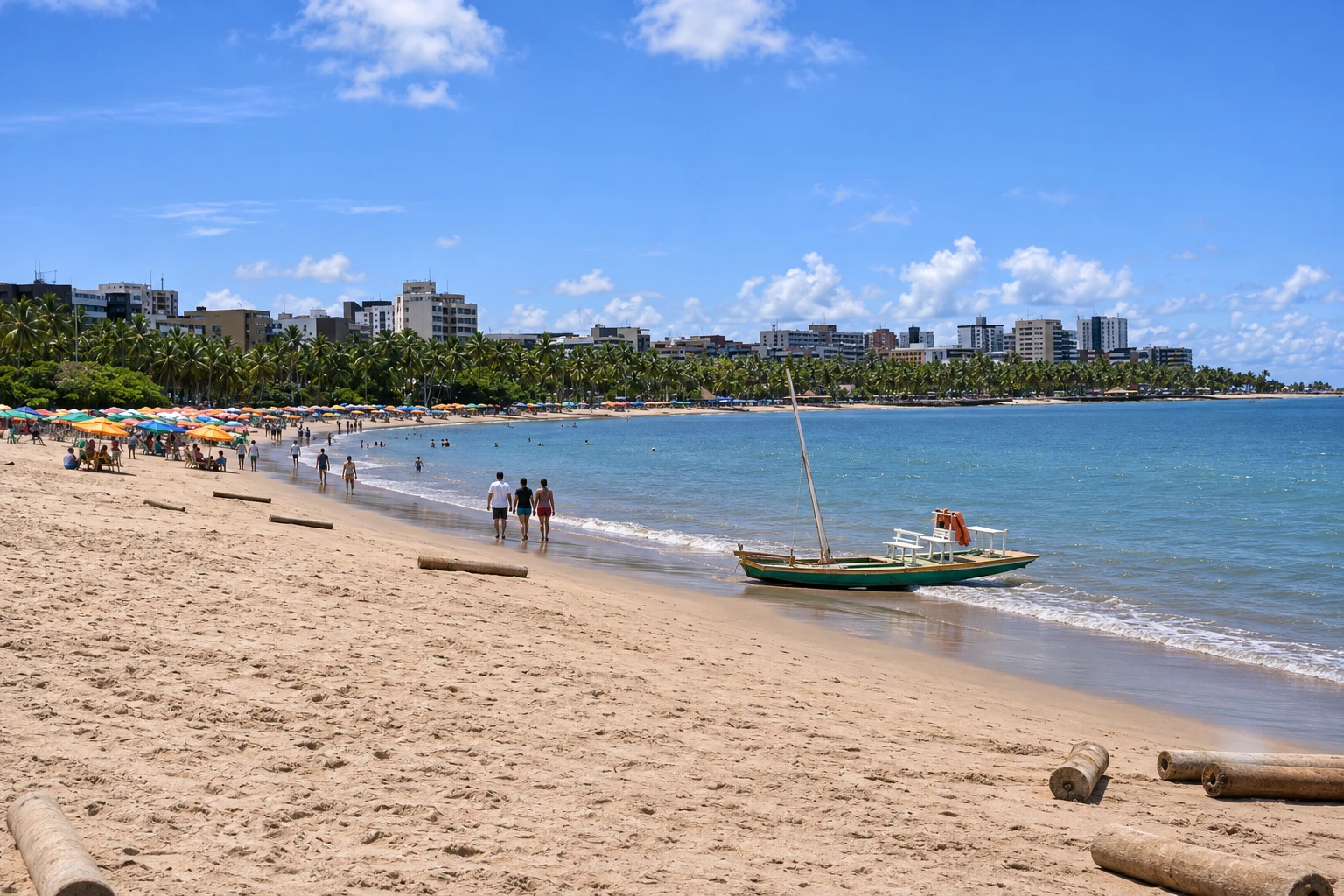
These pictures are illustrations based on the real place, not photographs. They may differ from the place.
Click the picture to enlarge it.
Discover
About Pajuçara Beach
Pajuçara Beach lies on Maceió’s central waterfront, between the Jaraguá pier and Ponta Verde. It’s the city’s best-known urban beach: a stretch of sand lined with coconut trees facing a sea sheltered by a barrier of reefs about 1 km from the coast, which makes the water calmer and shallower, especially at low tide.
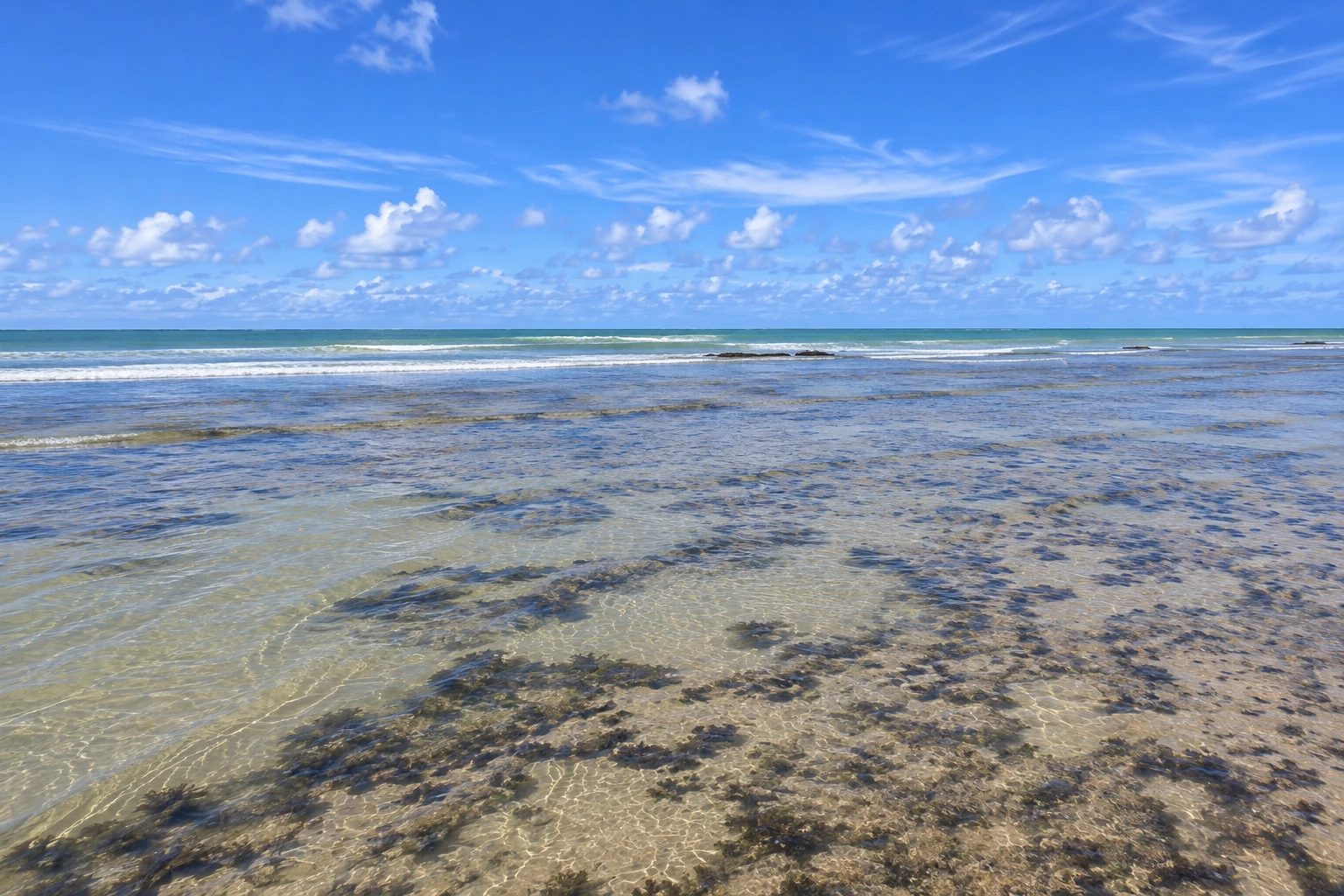
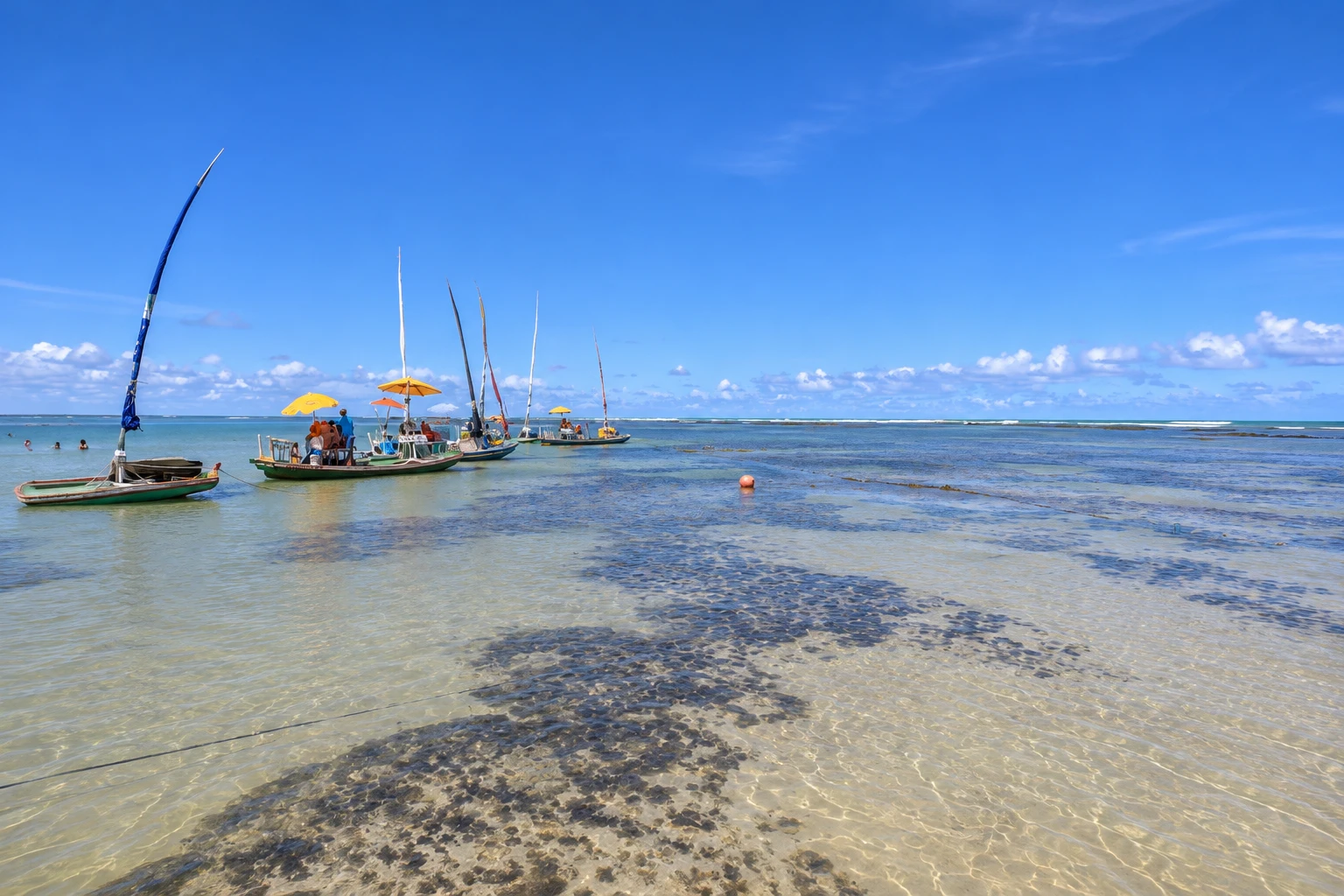
It’s from Pajuçara’s sand that the traditional sail jangadas depart for the natural pools formed over the reefs, one of Maceió’s classic excursions. The jangadeiros wait for low tide to set out, and the trip only happens when the tide table allows it. On the beach itself, when the tide is low, the sea remains shallow for a considerable distance.
The waterfront has a wide promenade, bike lane, sports courts and kiosks, and is occupied early by people walking, running and cycling. At the center of the waterfront you’ll find the Pajuçara handicraft fair, with stalls selling fillet lace, embroidery, straw items and Alagoas souvenirs, busiest in the late afternoon and evening.
The neighborhood around the beach concentrates many of the city’s hotels, restaurants and bars, which makes Pajuçara a practical starting point for exploring Maceió. Walking north along the waterfront you reach Ponta Verde and then Jatiúca; to the south is the historic Jaraguá neighborhood.
The water color changes with the sun, the tide and the wind, between green and blue. As with other urban beaches, water quality for swimming varies: check the bathing water report published by Alagoas’ environmental agency before going into the sea.
Before you go
Practical information
Cidade Turismo reviews its information regularly, but something may have changed. Check with the place before planning your trip.
How much time to set aside
Half a day for the beach and the promenade. Add 2–3 hours if you take the sailboat trip to the natural pools and another hour for the handicraft fair in the late afternoon.
Best time
Days with low tide in the morning are best for shallow water and the sailboat trip; check the tide table. From September to March it rains less in Maceió and the sun tends to appear more; April to July is the rainiest period.
How to get there
Pajuçara is on Maceió’s central waterfront, about 3 km from downtown and about 20 km from the airport. Reachable by taxi, ride-hailing app or the city bus that runs along the waterfront. From other waterfront neighborhoods you can walk or bike along the promenade and bike lane.
Tip
For the natural pools, schedule the sailboat trip on the week’s lowest-tide day and depart early. Leave the handicraft fair for late afternoon, when the heat eases and the stalls get livelier.
Your questions
Frequently asked questions about Pajuçara Beach
Is Pajuçara Beach good for swimming?
The sea is protected by reefs and becomes calm and shallow at low tide, which appeals to families. As with other urban beaches, bathing suitability varies: check the report from Alagoas’ environmental agency before entering the water.
Where do the jangadas to Maceió’s natural pools depart from?
From the sand of Pajuçara Beach. The jangadeiros leave at low tide and take visitors to the pools formed over the reefs, about 1 km from the beach. The trip depends on the tide table.
What to do in Pajuçara at night?
Walk along the promenade, visit the Pajuçara handicraft fair with fillet lace and Alagoas souvenirs, and dine at the neighborhood’s restaurants and bars.
What’s the difference between Pajuçara and Ponta Verde?
They are neighboring beaches on Maceió’s central waterfront. Pajuçara is where the jangadas depart and where the handicraft fair is located; Ponta Verde lies just to the north along the promenade.
When is the best time to visit Pajuçara Beach?
From September to March, when Maceió sees less rain. In any month, choose days with low tide to enjoy the shallow sea and the natural pools.