Rio Branco · AC · palace
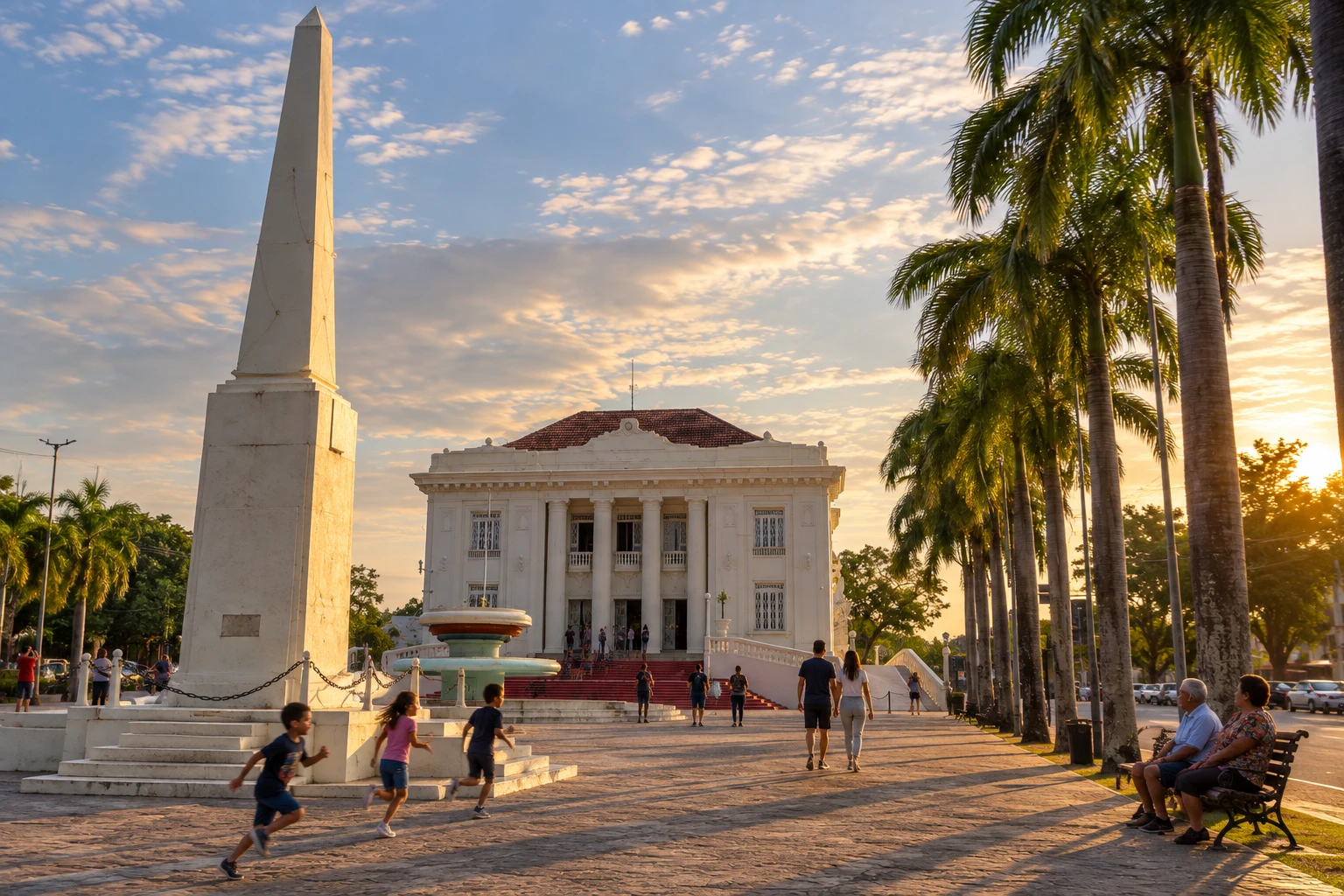
Palácio Rio Branco
The seat of the state government, built in 1930 in Art Deco style, downtown. It houses a museum with exhibitions and rooms devoted to the history of Acre, open to visitors.

 Search
Brazil
 Antarctica
 Argentina
 Bolivia
 Chile
 Colombia
 Ecuador
 Falkland Islands (Malvinas)
 French Guiana
 Guyana
 Paraguay
 Peru
 Suriname
 Uruguay
 Venezuela
 Austria
 Belgium
 Croatia
 Denmark
 Finland
 France
 Germany
 Greece
 Hungary
 Iceland
 Ireland
 Italy
 Luxembourg
 Norway
 Poland
 Portugal
 Slovakia
 Slovenia
 Spain
 Sweden
 Switzerland
 the Czech Republic
 the Netherlands
 the United Kingdom
 Turkey
 Bermuda
 Canada
 Greenland
 Mexico
 Saint Pierre and Miquelon
 the United States
 the Dominican Republic
 JapanTurkey
 Egypt
 South Africa
 Australia
 Fiji
 New Zealand
 Papua New Guinea
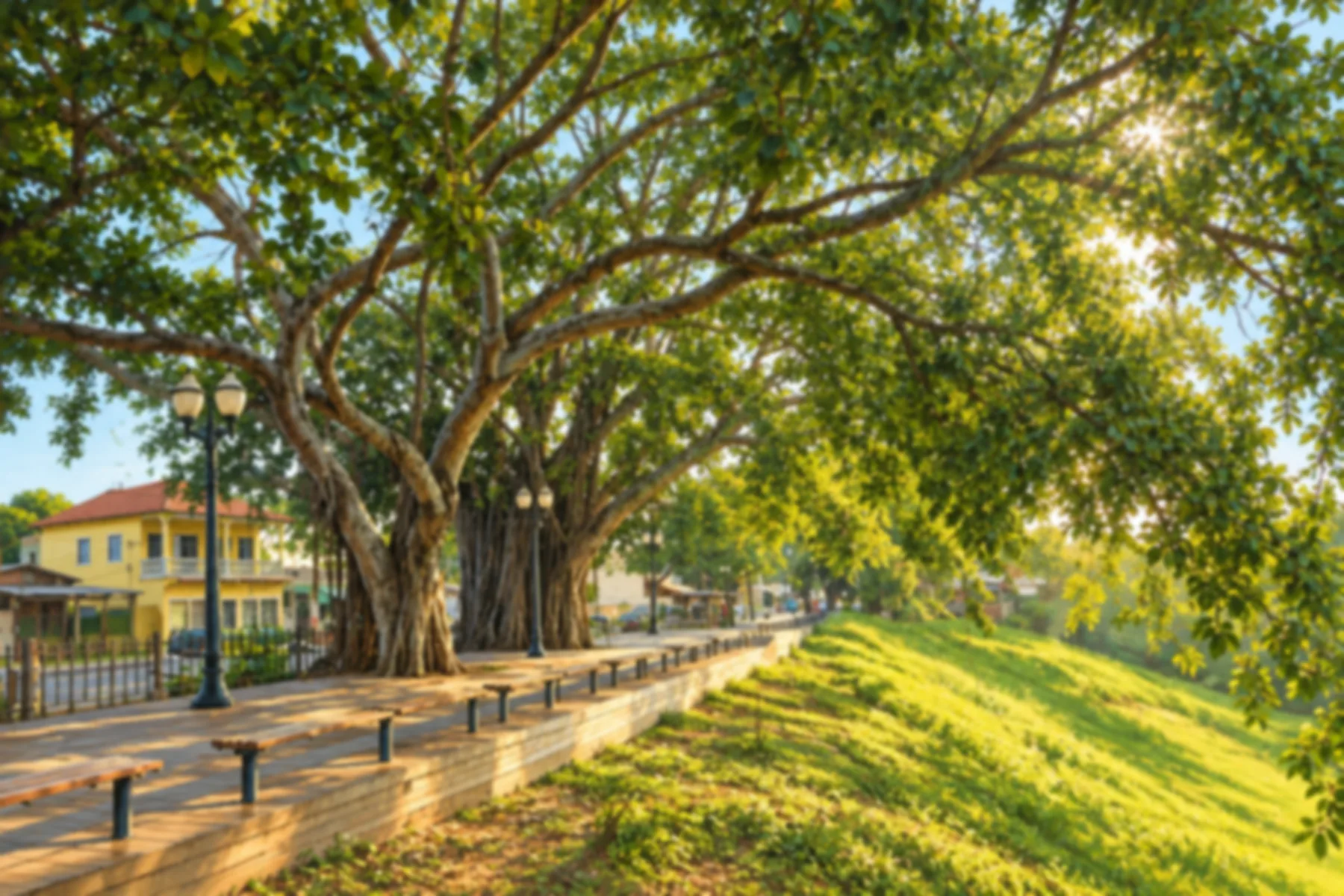
Illustrative images. The pictures in this guide are illustrations based on the real place, not photographs, and may differ from it.
The city
Rio Branco grew up on the banks of the Rio Acre and preserves landmarks tied to the capital's history. Walks around the Gameleira and the historic center can be combined with visits to parks and cultural venues.
60 places to stay in Rio Branco.
14 places to eat in Rio Branco.
11 lugares no mapa: onde ficar e onde comer, por bairro.
What to know before you go.
The local experience
The seat of the state government, built in 1930 in Art Deco style, downtown. It houses a museum with exhibitions and rooms devoted to the history of Acre, open to visitors.
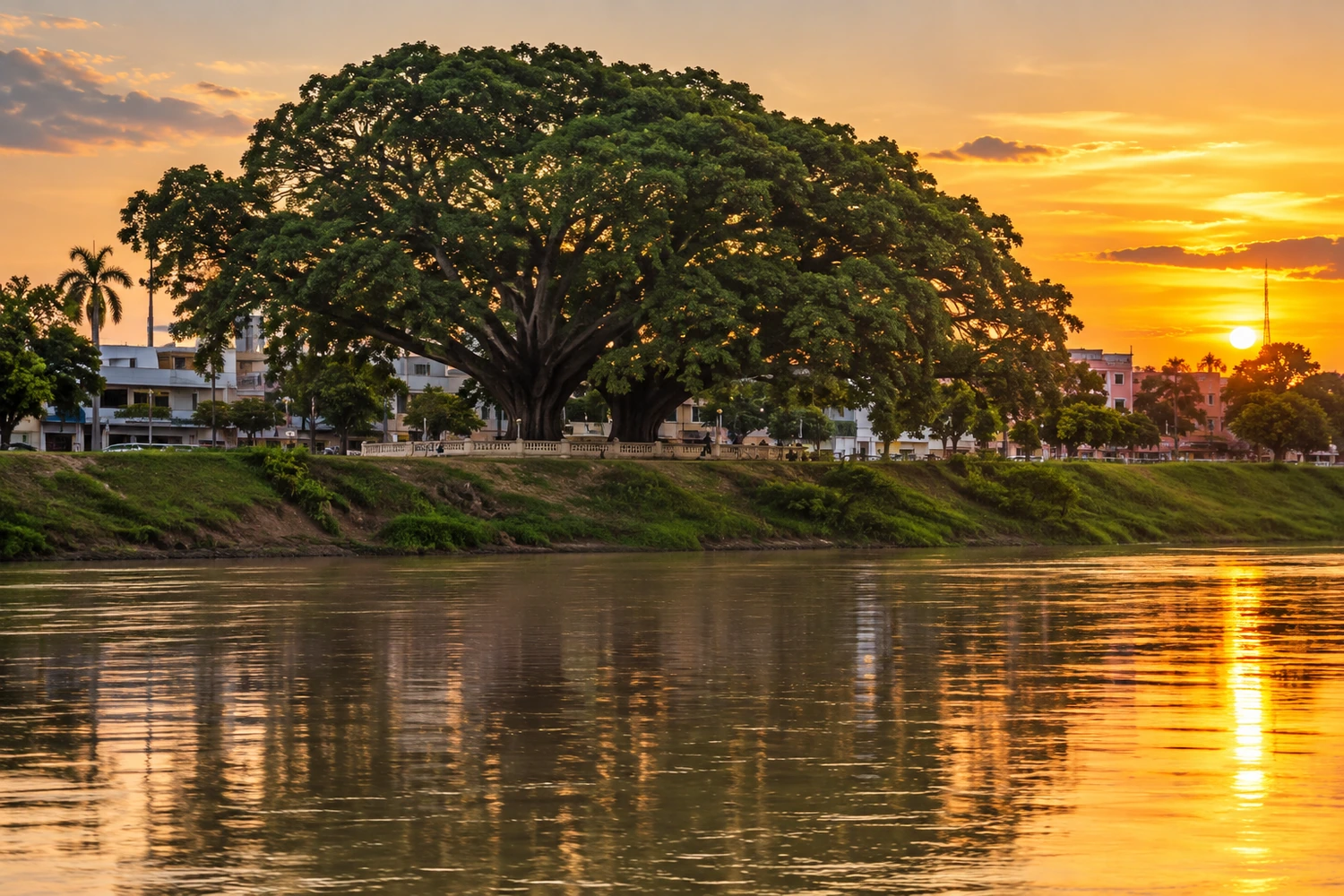
A century-old tree on the right bank of the Rio Acre that marked the port of the rubber estate where the city was born, in the late 19th century. Listed as municipal heritage in 1981, it stands on a promenade with benches and river views, in the Segundo Distrito.
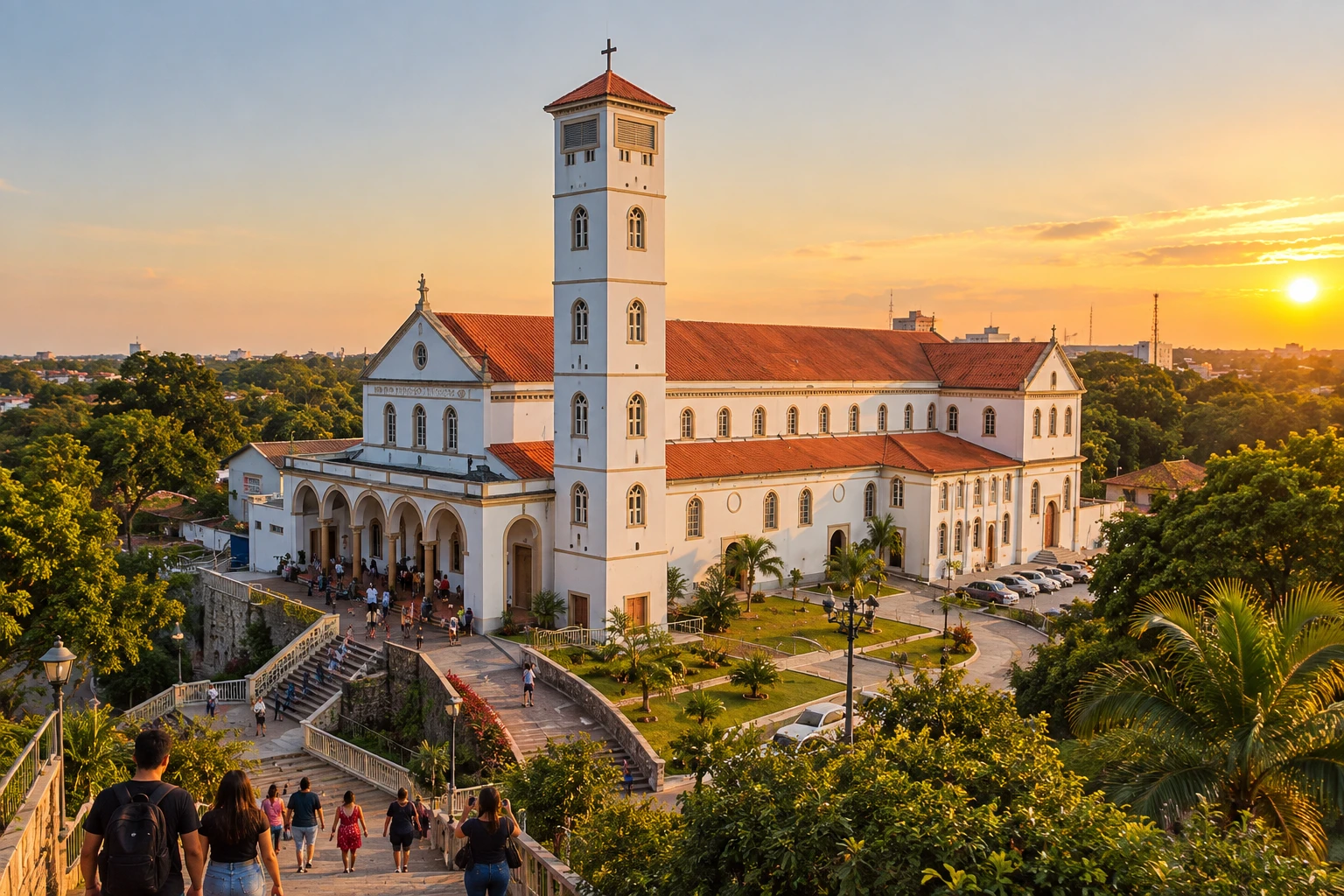
Built between 1948 and 1958 in Roman basilica style, it stands near the Palácio Rio Branco and is dedicated to the city's patron saint. The interior stands out for its 47 colorful stained-glass windows.
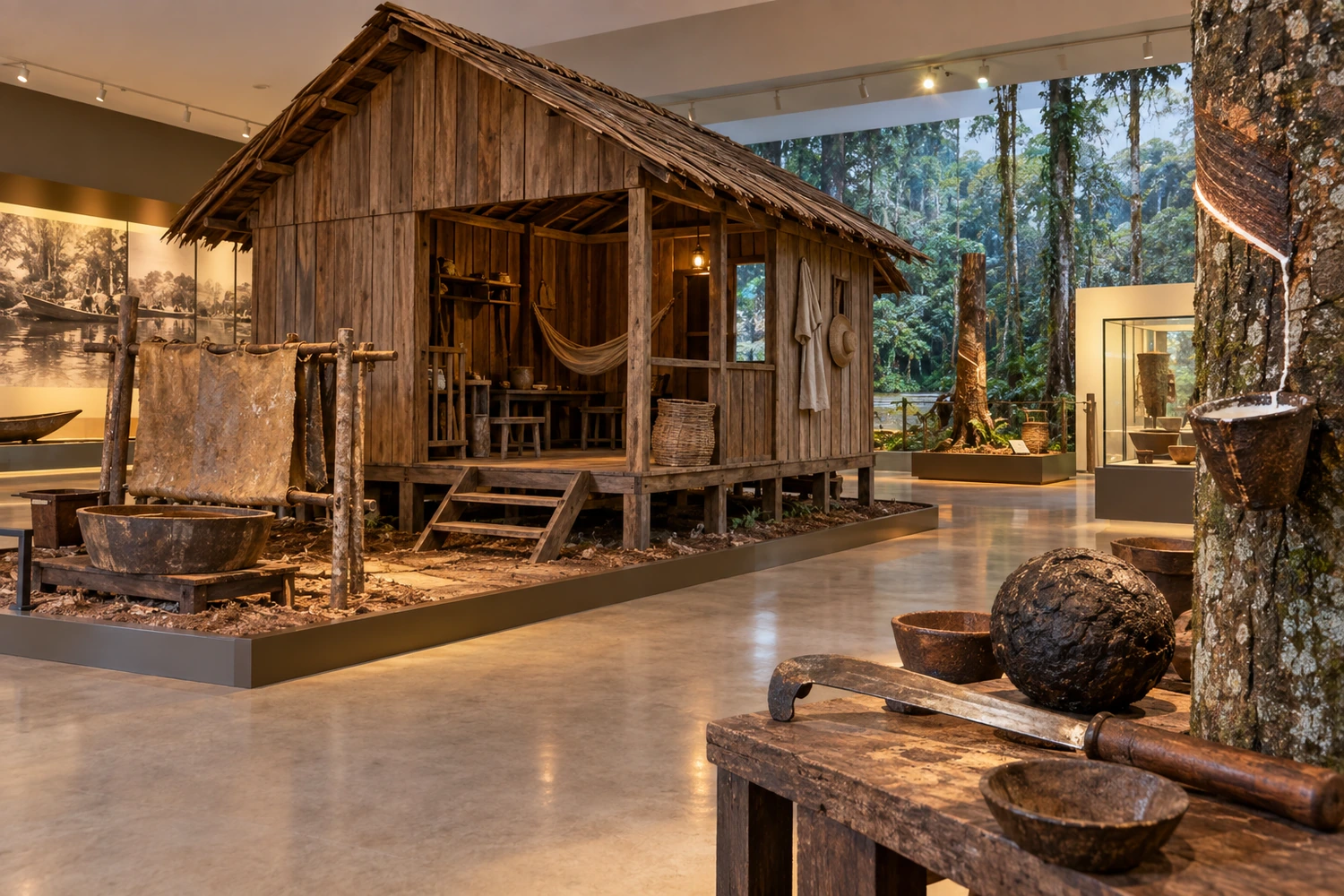
Created in 1978, it is one of the oldest heritage venues in the state and tells the story of the rubber boom and the arrival of migrants from Brazil's Northeast in Acre. It has a replica of a rubber tapper's house, items about latex and testimonies from rubber soldiers.
Before you go
Rio Branco – AC Capital
Approximate distances. Check flights and bus, train or boat schedules before you travel.