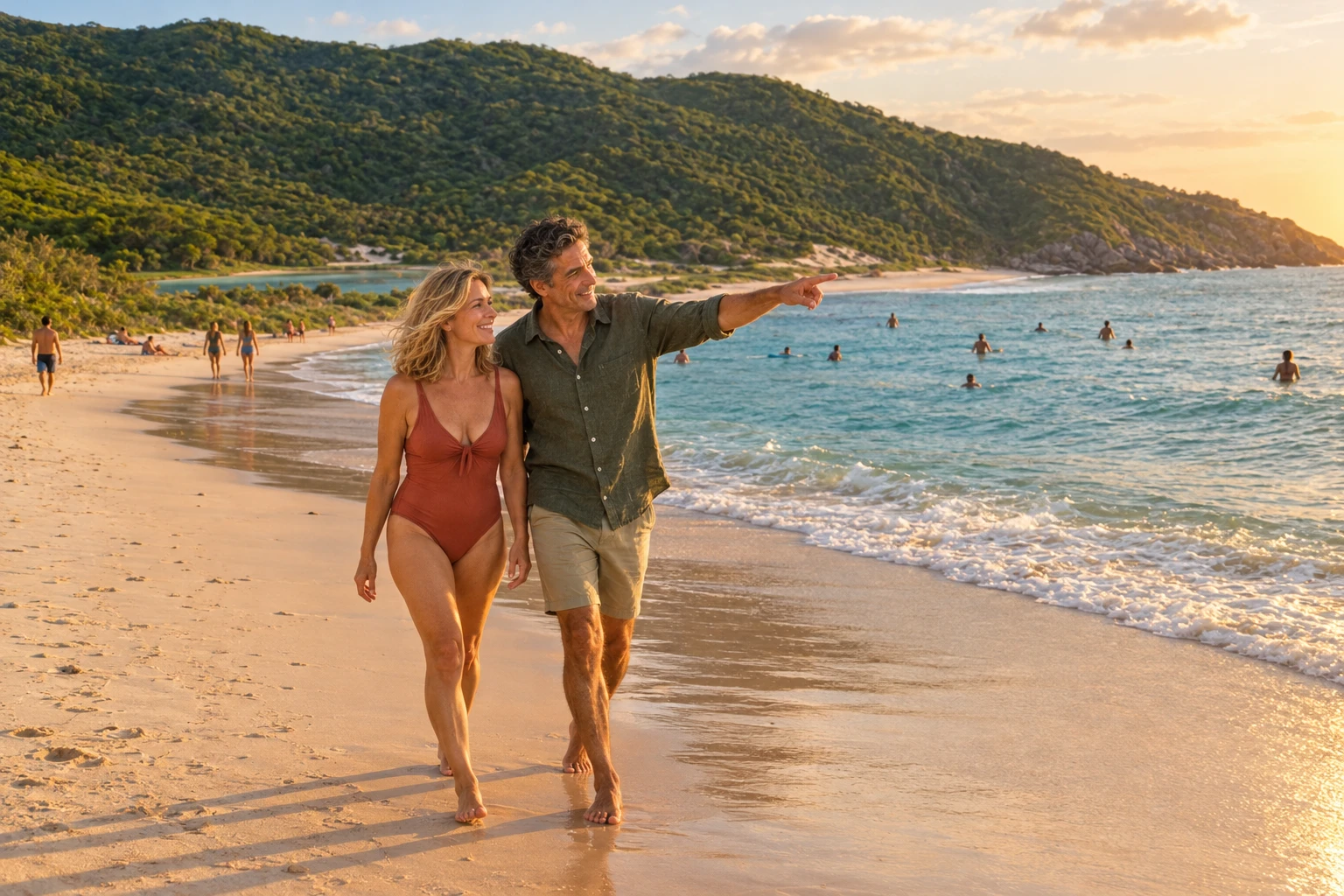
Florianópolis combines historic neighborhoods, beaches and hills on Santa Catarina Island and the mainland. You can alternate cultural outings with trails, lagoons and walks by the sea.
The heart of the island, it brings together water sports, dunes, restaurants and the lively Avenida das Rendeiras. By day it's stand-up paddling and kiting; at night it becomes Floripa's main nightlife hub.
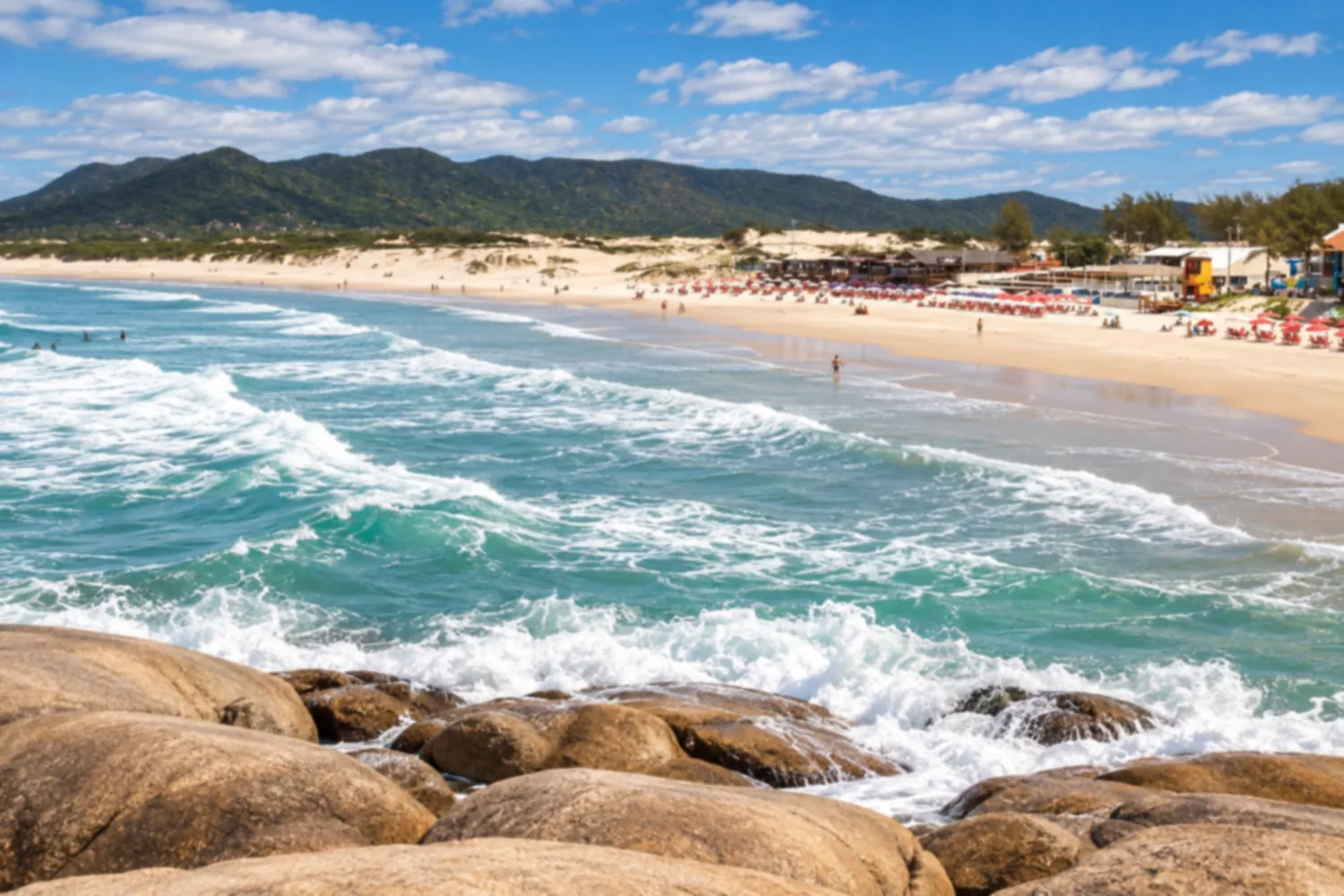
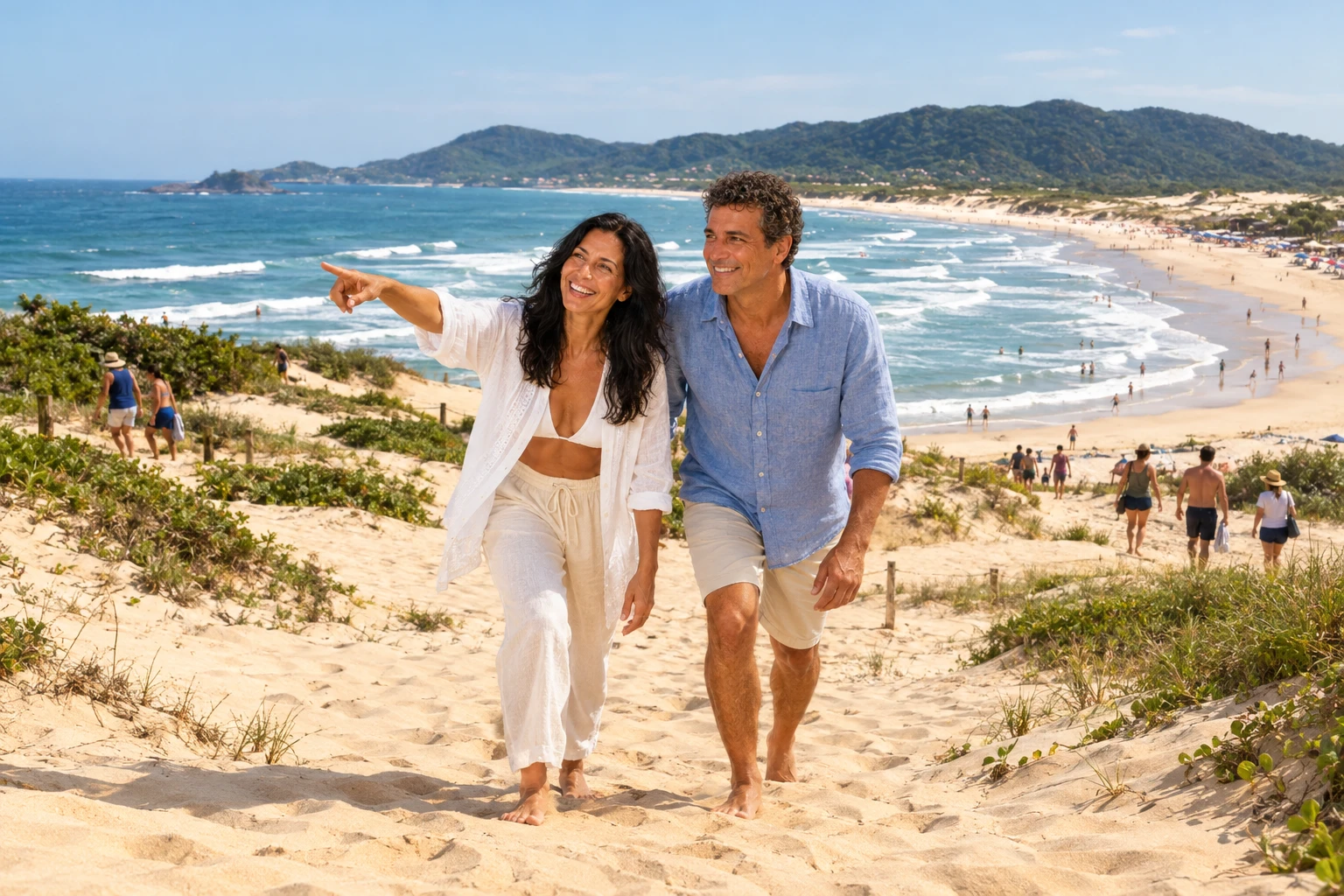
Famous for its strong waves and for hosting surf contests, it also has huge dunes used for sandboarding. It's one of the most iconic spots in Brazilian surfing.
A traditional hangout for young people and surfers, with bars on the sand and a hang-gliding ramp on the hill next to it. The sea is strong, so the beach is as much about the vibe as about swimming.
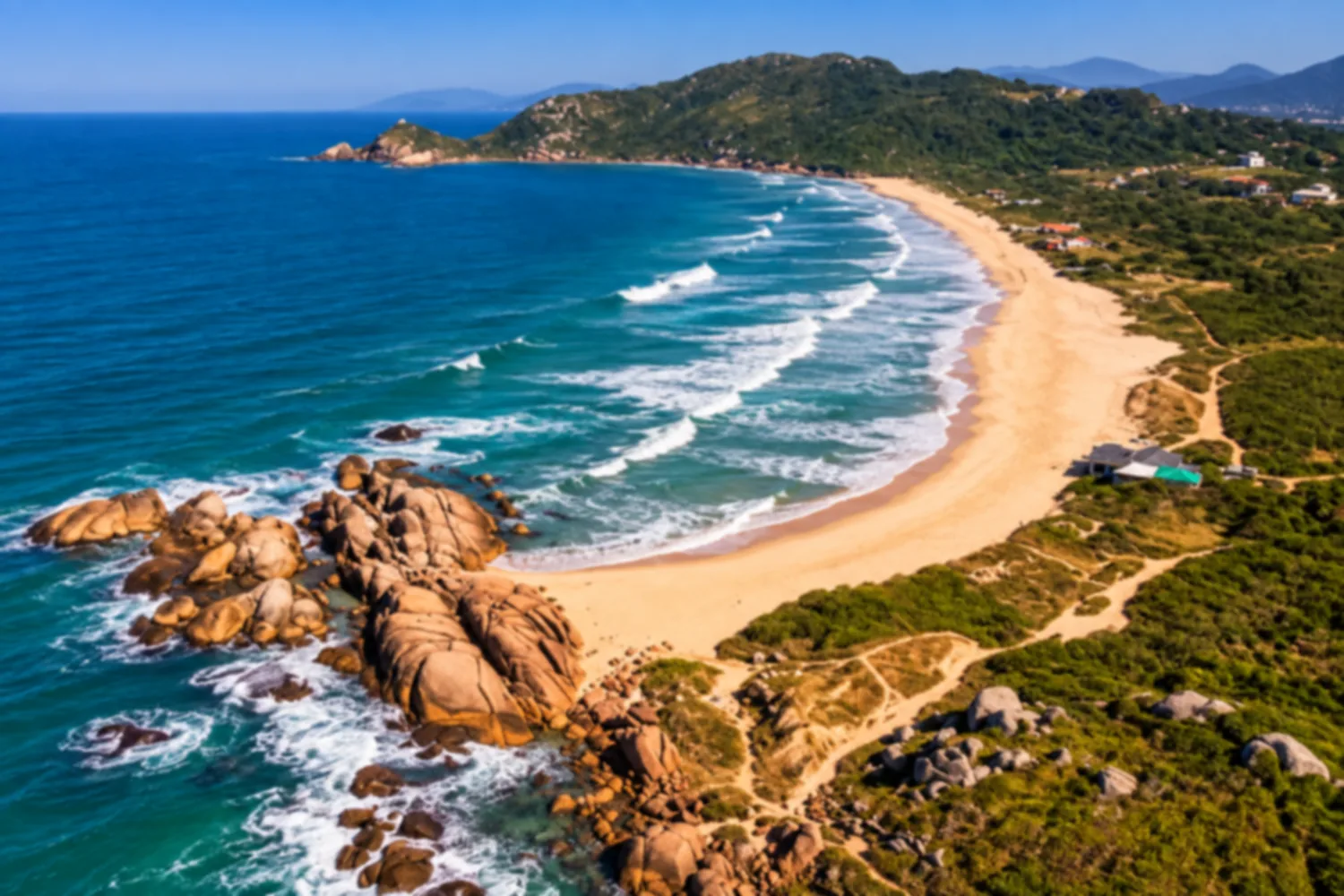
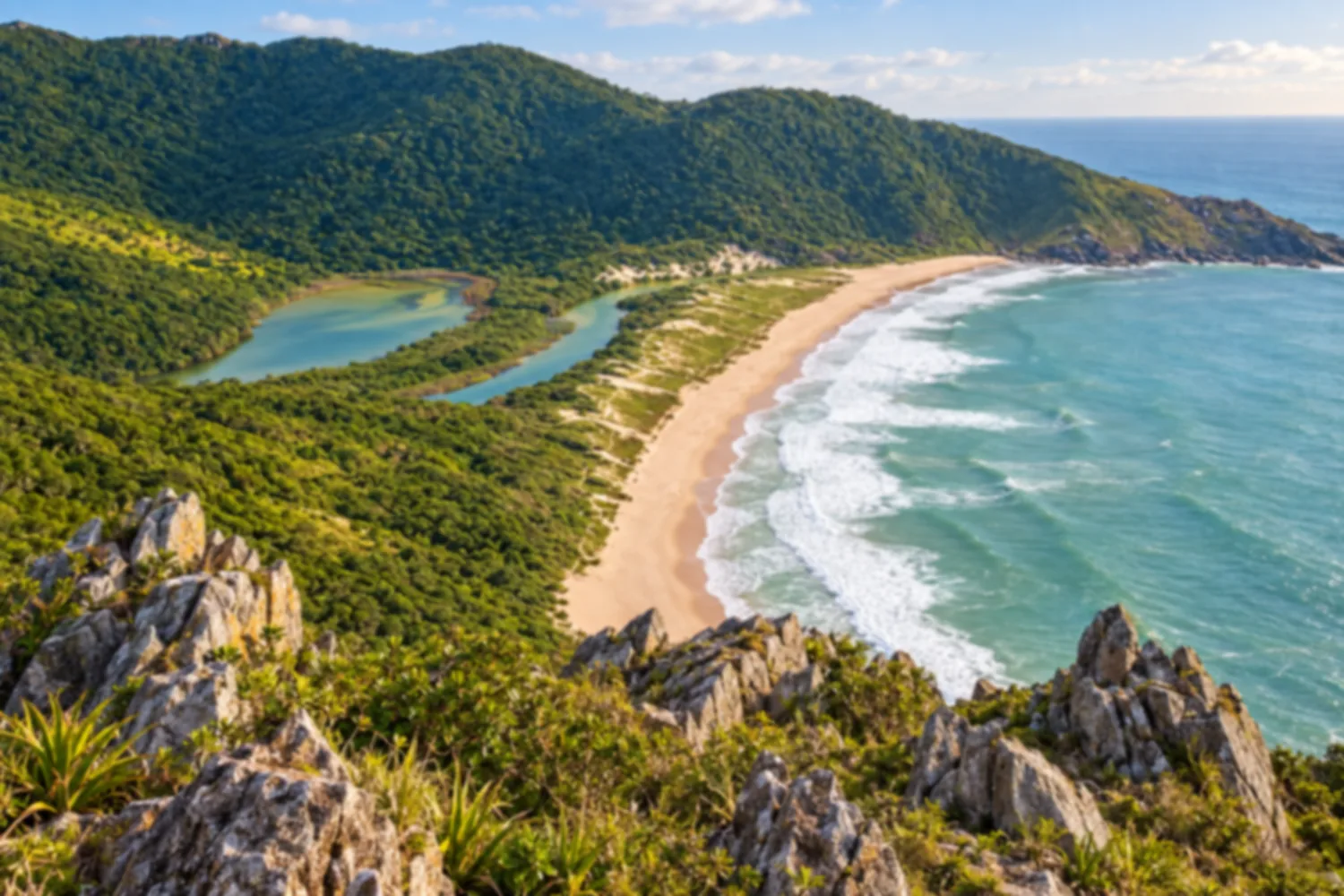
A wild beach with no car access, reached only by trail from Pântano do Sul or Matadeiro. The viewpoint along the way offers one of the most beautiful views on the island.
Aeroporto Internacional de Florianópolis (FLN)12 km
Terminal Rodoviário Rita Maria
Approximate distances. Check flights and bus, train or boat schedules before you travel.
Florianópolis International Airport is in the south of the island, 12 km from downtown. Buses from other cities and states arrive at the Rita Maria Bus Terminal, downtown. By road, the island is linked to the mainland by bridges, from the BR-101; Curitiba is about 300 km away and Porto Alegre about 470 km.
How many days
Two days cover downtown, Lagoa da Conceição, the eastern beaches and a sunset on the bay. With four or more, you can add the Lagoinha do Leste trail, the north of the island and the neighboring towns.
When to go
From December to March for beaches and warmer water; January is the busiest month. September to November and April have mild weather and fewer people. Winter is cold and is mullet season, from May to July, when surfing is banned or restricted at several beaches. Fenaostra, the oyster festival, changes month from year to year.
The seasons shown are the most usual ones; nature doesn't always follow the calendar.
Do you need a car?
It helps a lot. The beaches are far from one another, and city buses run through integration terminals, with line changes. With a car or a ride-hailing app you can see more than one area a day. In summer, island traffic jams at rush hour.
Suggested itinerary
An order that works
Built with the places on this page. No rush: it's paced so you have time to see them.
One day in Florianópolis
Manhã
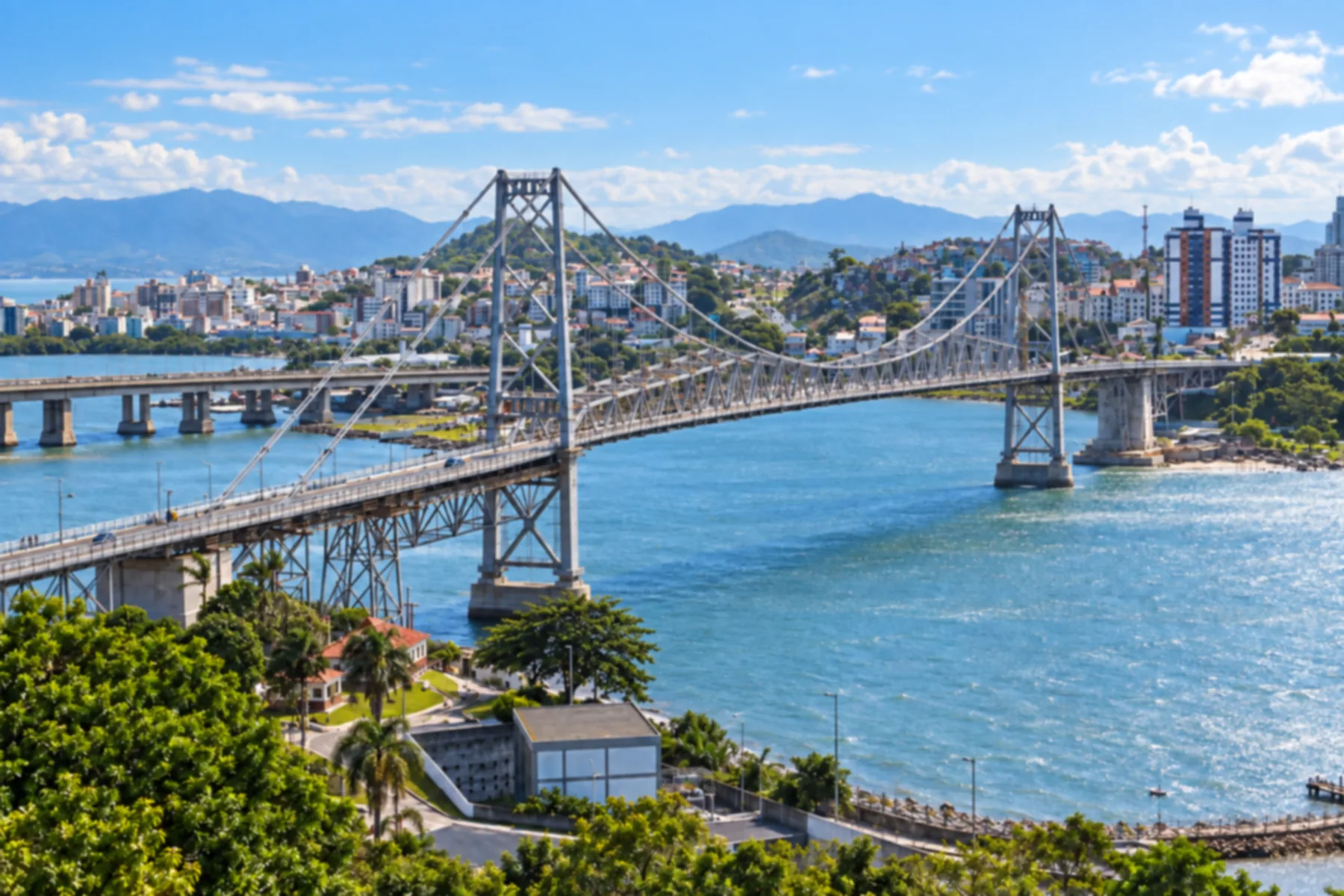
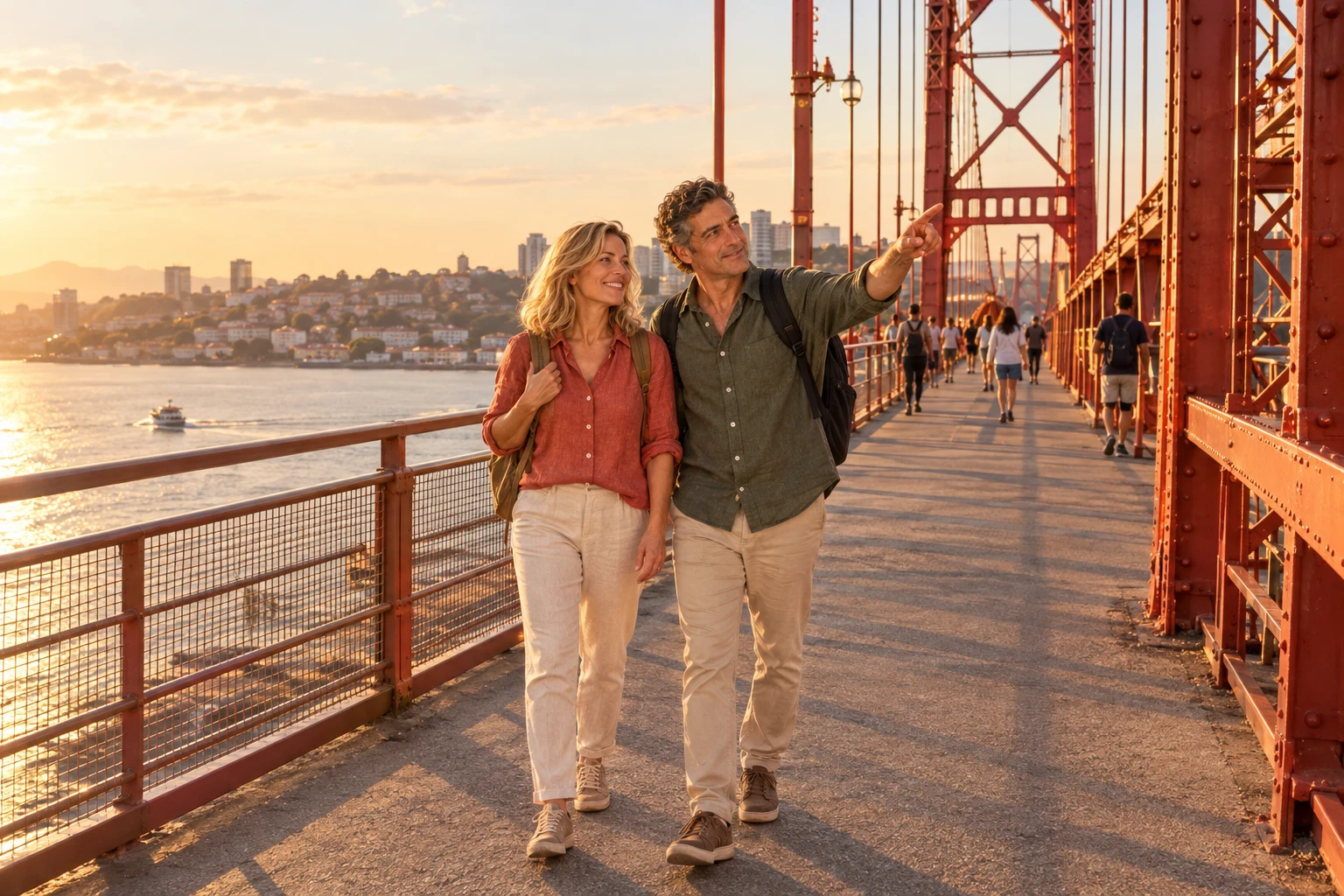
Ponte Hercílio Luz
Cross on foot: pedestrians and cyclists can use the side walkways at any time.
Manhã
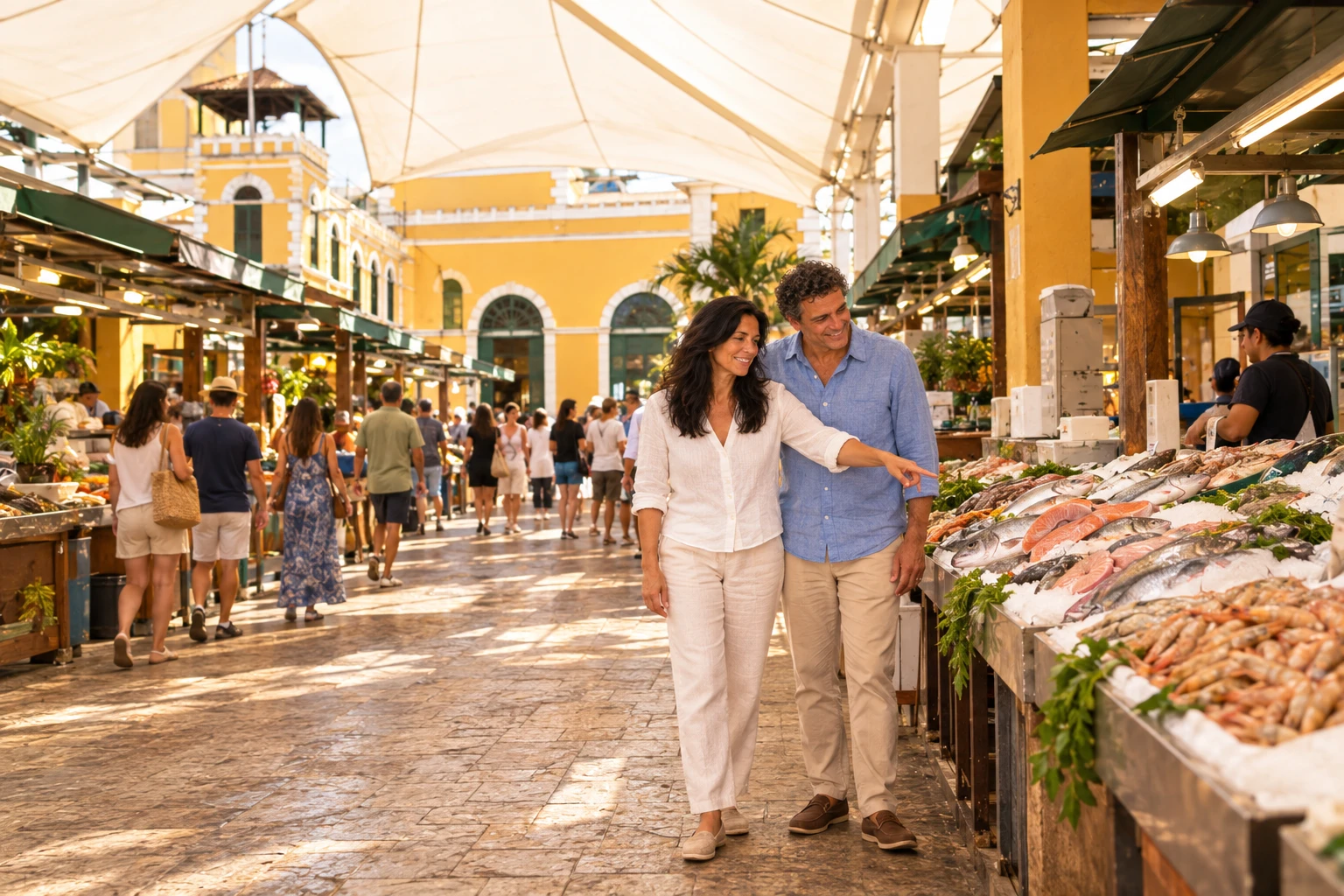
Mercado Público de Florianópolis
Downtown, a few minutes from the bridge. Fish stalls, bars and a seafood lunch.
Tarde
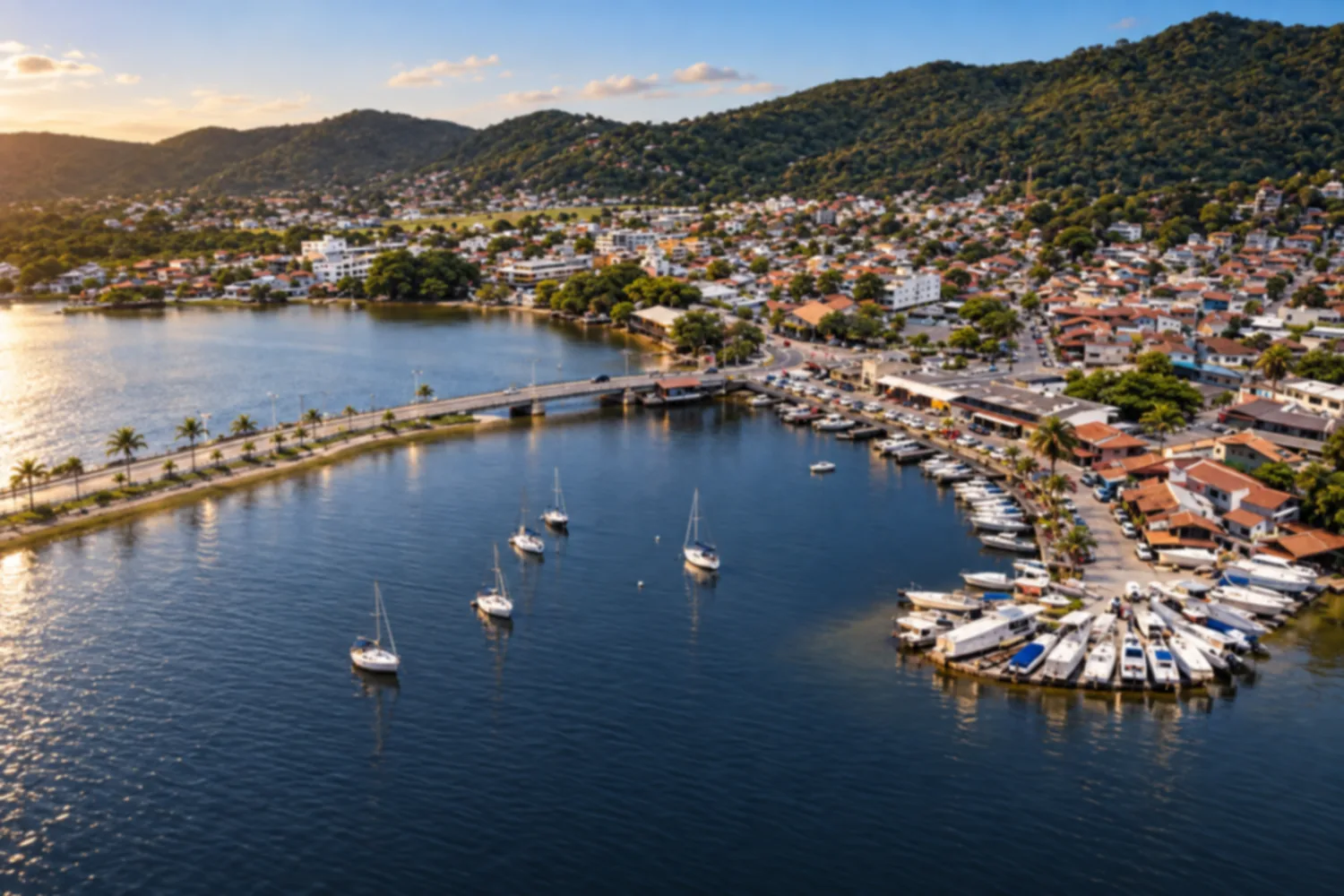
Lagoa da Conceição
Twelve kilometers from downtown. Walk along the shore and go up to the viewpoint on the lagoon road.
Tarde
Praia da Joaquina
Just past the lagoon, with the dunes alongside. The surf is strong: swim only with lifeguards nearby.
Fim de tarde
Santo Antônio de Lisboa
On the other side of the island, facing the bay. Oysters and the sun setting over the mainland.
2 days in Florianópolis
Day 1
Manhã
Ponte Hercílio Luz
On foot, along the walkway, with views of both bays.
Manhã
Mercado Público de Florianópolis
Lunch downtown.
Tarde
Fortaleza de São José da Ponta Grossa
In the north of the island, between Praia do Forte and Jurerê, reachable by land. Closed on Mondays.
Fim de tarde
Santo Antônio de Lisboa
On the way back downtown. The Azorean houses, the oysters and the sunset on the bay.
Day 2
Manhã
Lagoinha do Leste
Leave Pântano do Sul early: the trail takes about an hour. There are no facilities on the beach and no cell signal. Bring water and food.
Tarde
Praia da Joaquina
The dunes and the surfers' sea. Praia Mole is right next door, on the way to the lagoon.
Tarde
Praia Mole
Bars on the sand and strong surf. It's more about the vibe than the swimming.
Noite
Lagoa da Conceição
The heart of the island's nightlife, with restaurants around the lagoon.
Check before you go. Opening hours and days change, and places may close for renovations, holidays or events. This itinerary is a suggestion from Cidade Turismo, not a commitment: plan yours by checking directly with each place you intend to visit.
Before you go
Frequently asked questions
Is the Mercado Público open on Sundays?
Partly. On Sundays the fish stalls open in the morning, along with the bars and restaurants; the shops are closed.
Are the forts open every day?
No. The forts run by UFSC (the federal university), including Ponta Grossa and Anhatomirim, are closed on Mondays and open Tuesday through Sunday, including holidays.
Can I go to Lagoinha do Leste without a guide?
Yes. The most used trail leaves from Pântano do Sul and takes about an hour, with rocks and a climb. The other, via Armação, is longer and tougher. There are no facilities on the beach: bring water and food and carry your trash back.
Can I surf in winter?
During mullet season, from May to July, surfing is banned or restricted at several beaches so it doesn't interfere with artisanal fishing. Joaquina and Praia Mole are usually open. Check that year's rules before you go.
Which beaches have the calmest water?
Those in the north of the island, such as Jurerê and Canasvieiras, and those on the bay, such as Santo Antônio de Lisboa. In the east and south, the open-sea beaches, such as Joaquina and Mole, have strong waves.


 Antarctica
 Argentina
 Bolivia
 Chile
 Colombia
 Ecuador
 Falkland Islands (Malvinas)
 French Guiana
 Guyana
 Paraguay
 Peru
 Suriname
 Uruguay
 Venezuela
 Austria
 Belgium
 Croatia
 Denmark
 Finland
 France
 Germany
 Greece
 Hungary
 Iceland
 Ireland
 Italy
 Luxembourg
 Norway
 Poland
 Portugal
 Slovakia
 Slovenia
 Spain
 Sweden
 Switzerland
 the Czech Republic
 the Netherlands
 the United Kingdom
 Turkey
 Bermuda
 Canada
 Greenland
 Mexico
 Saint Pierre and Miquelon
 the United States
 the Dominican Republic
 Japan
 Egypt
 South Africa
 Australia
 Fiji
 New Zealand
 Papua New Guinea