Circuito das Águas de Minas

MG

Circuito das Águas de Minas

Parques de águas minerais, patrimônio cultural e paisagens rurais no Sul de Minas.

Sudeste

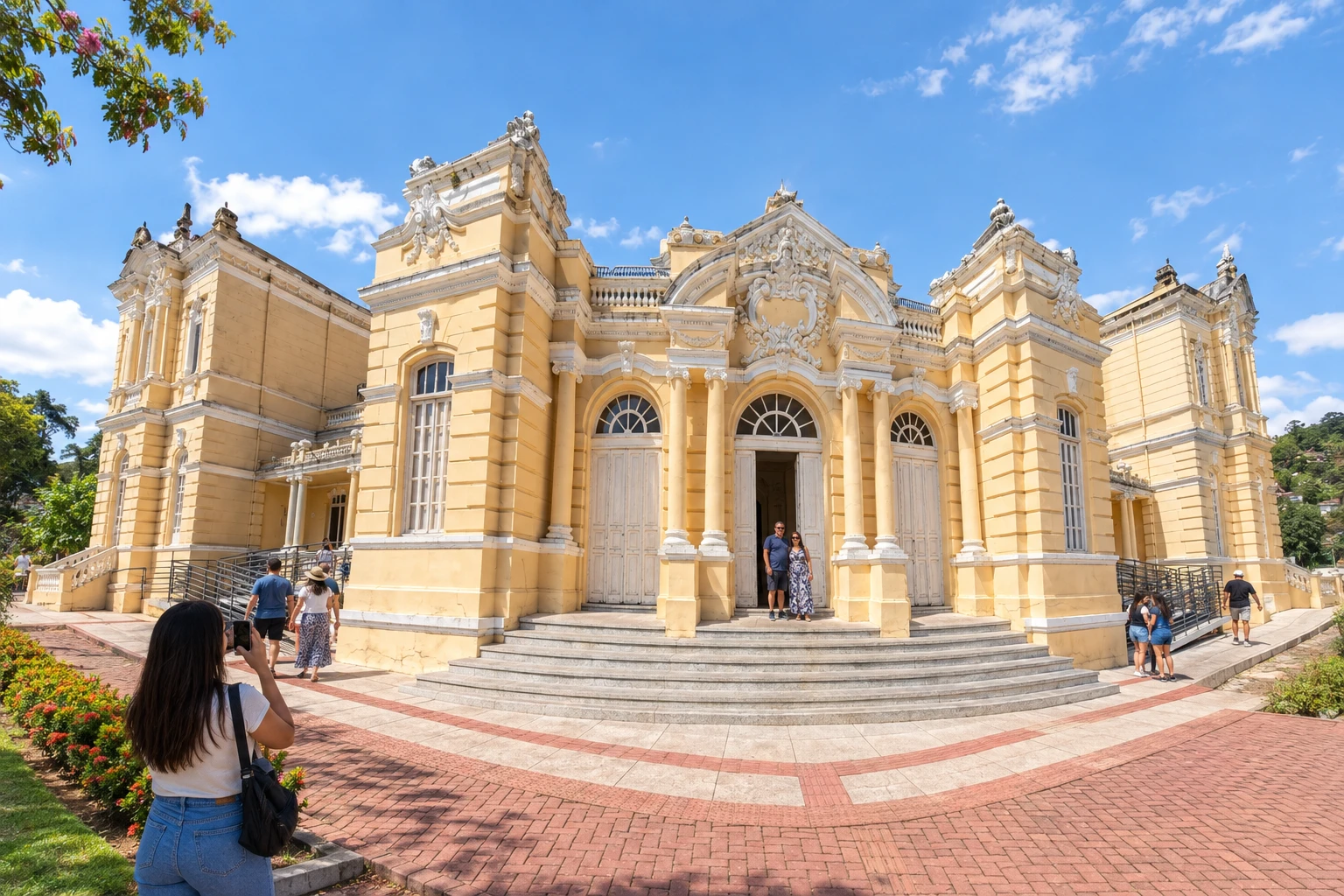
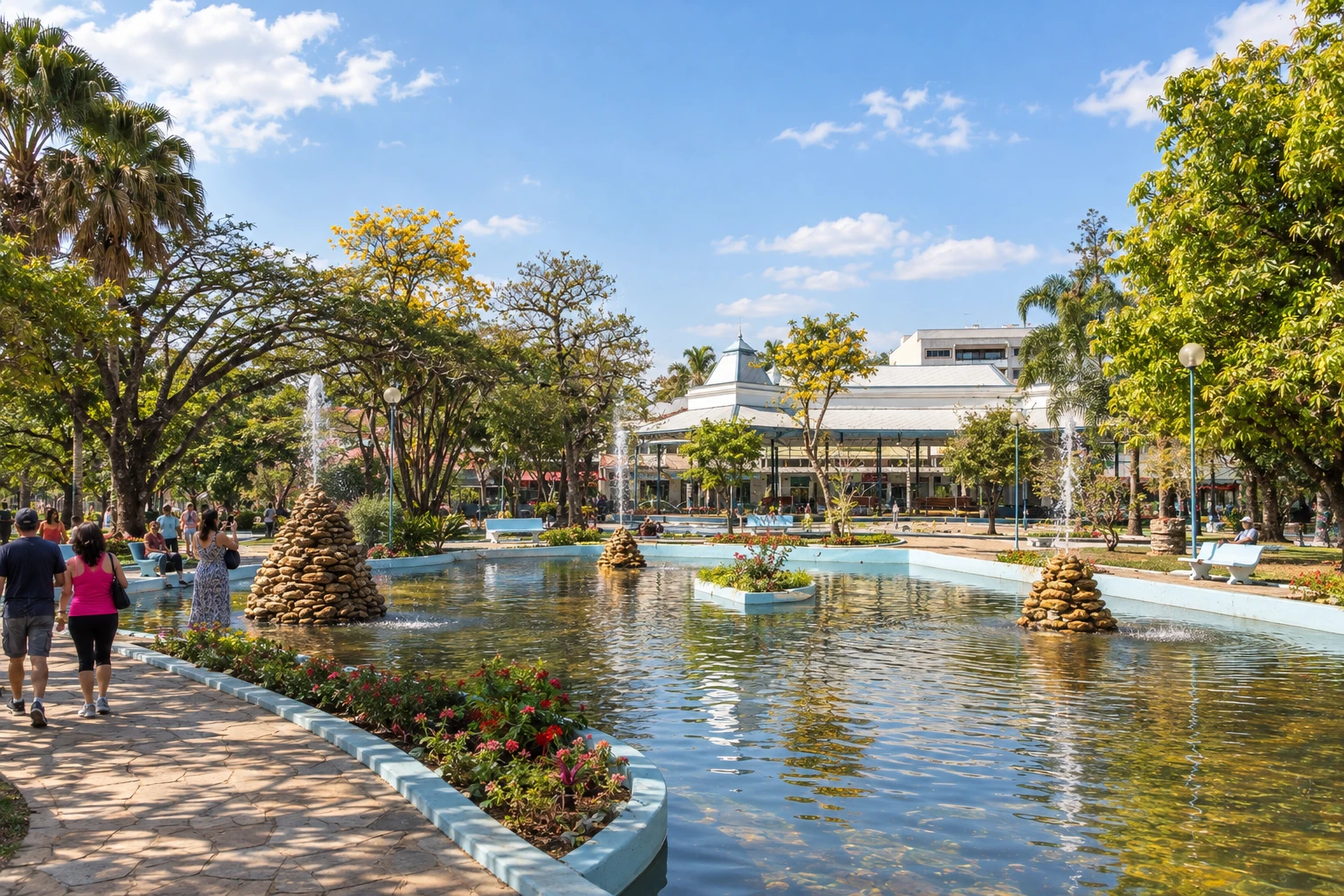
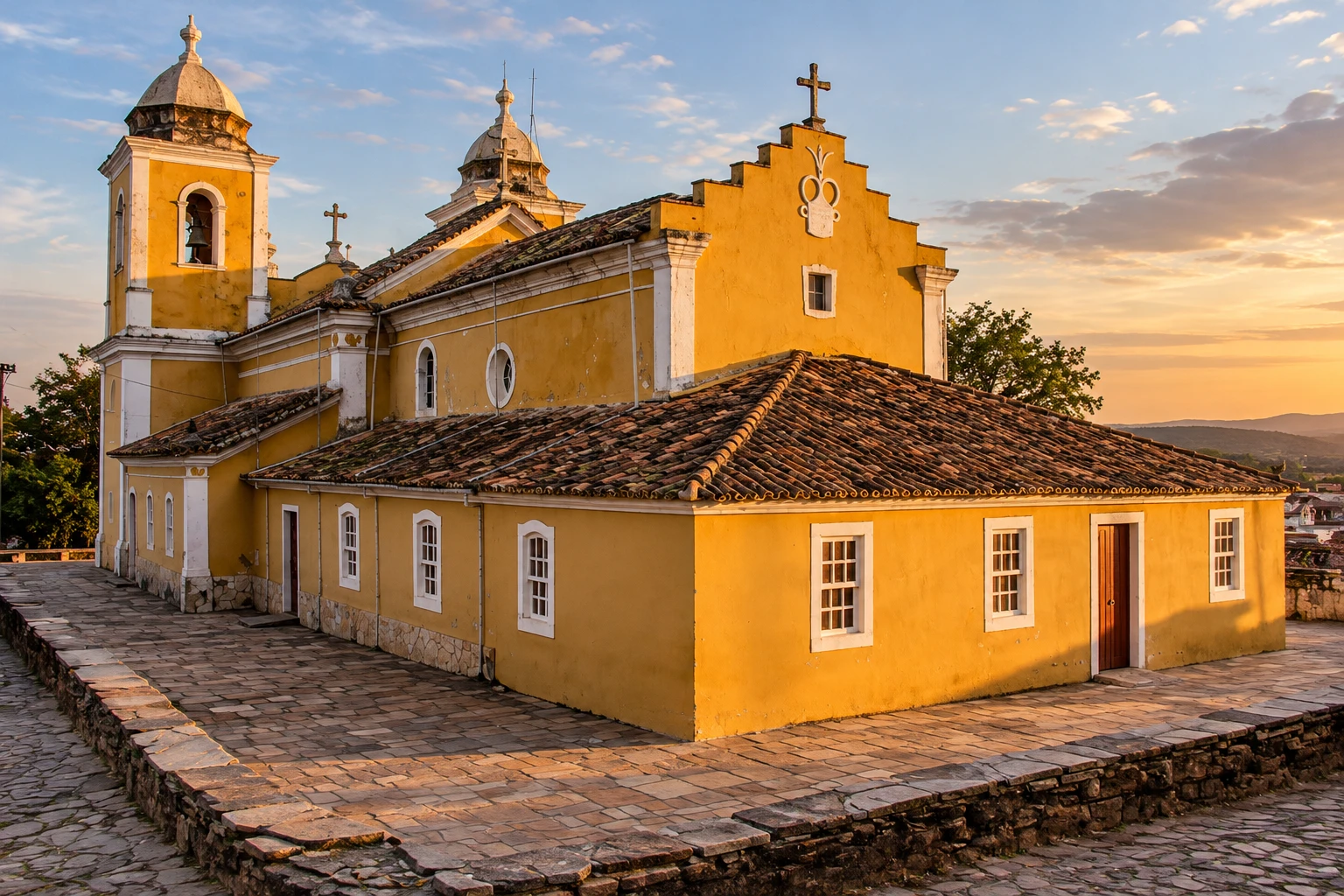
In the photo: Cassino do Lago, em Lambari, no Circuito das Águas de Minas.

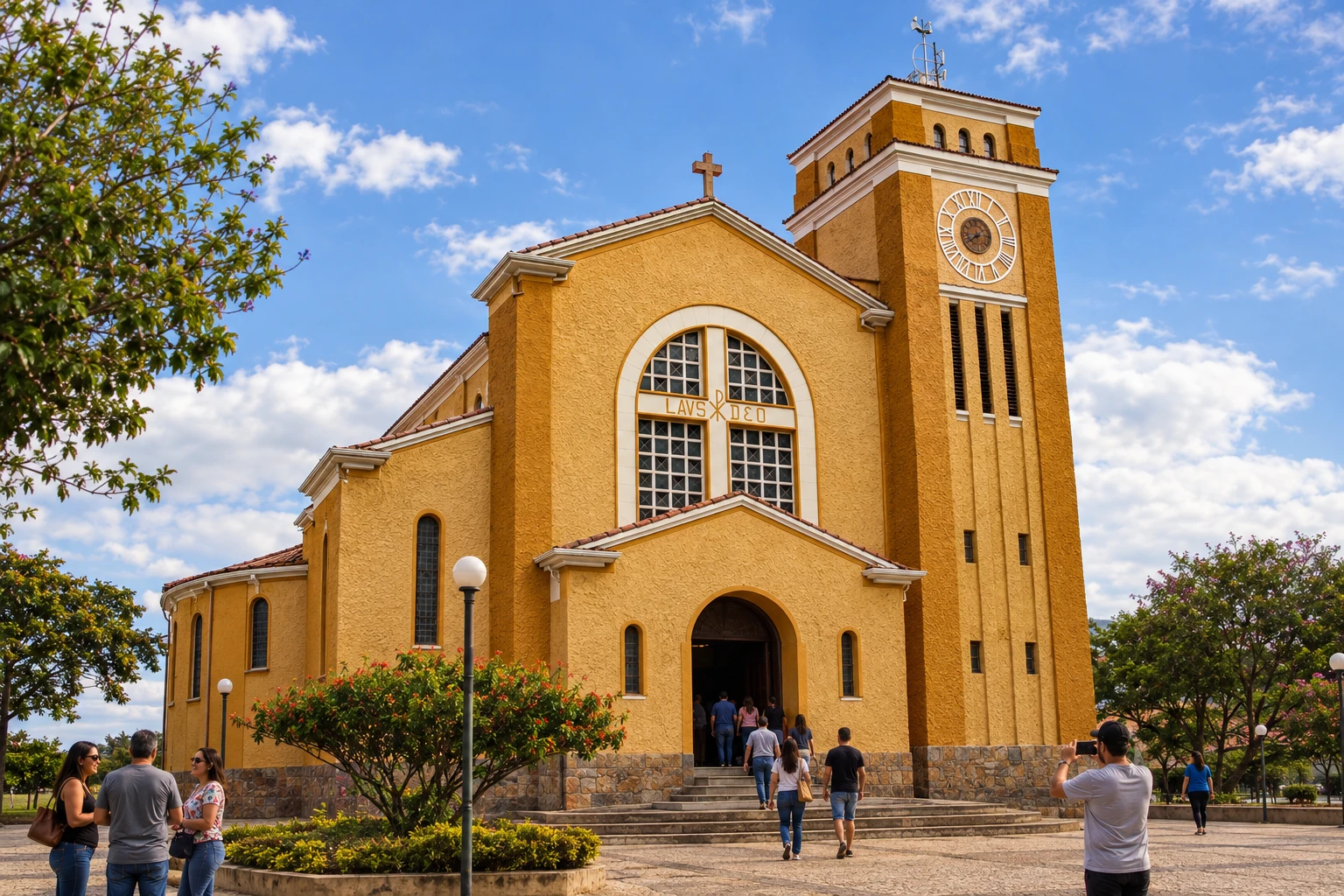
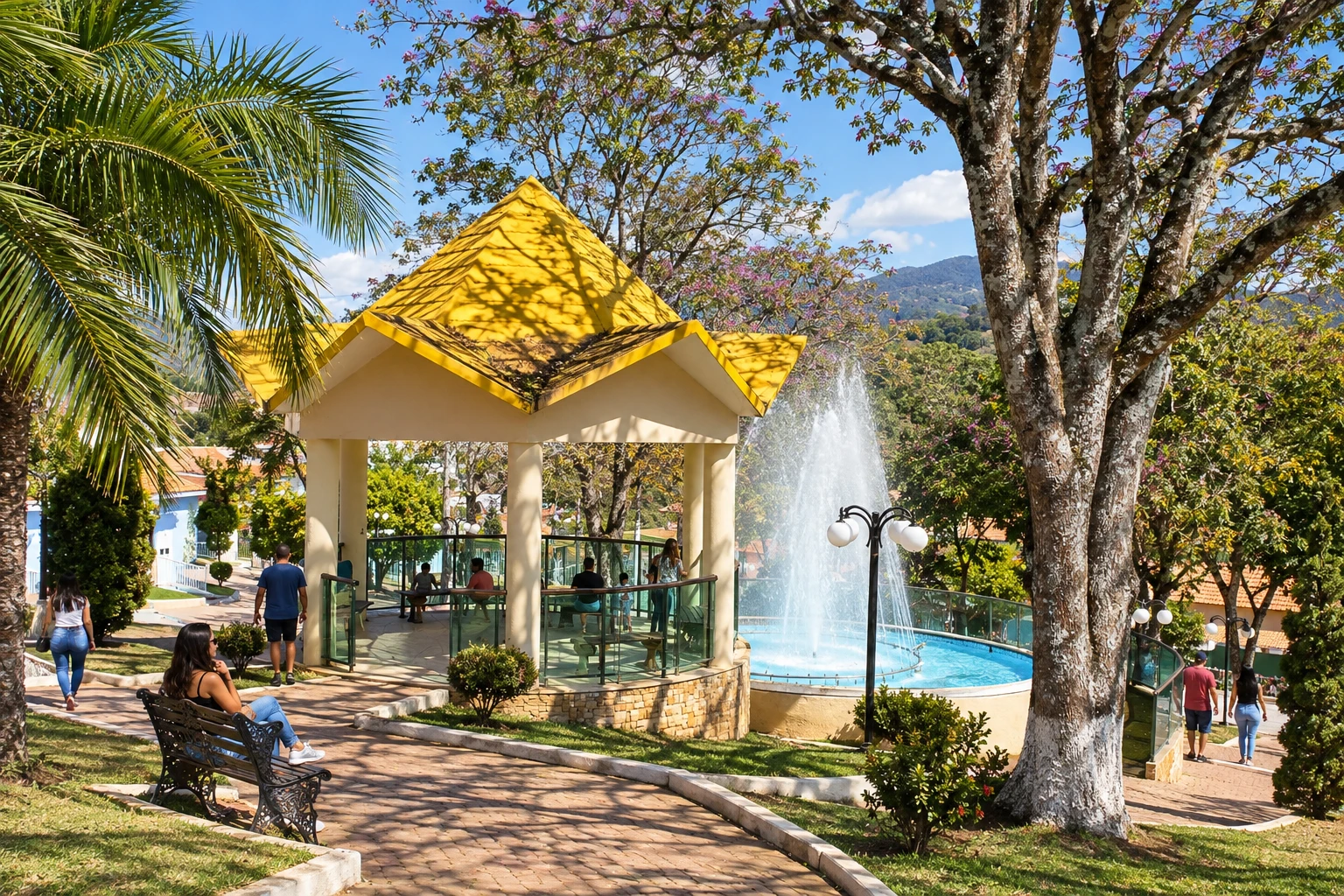
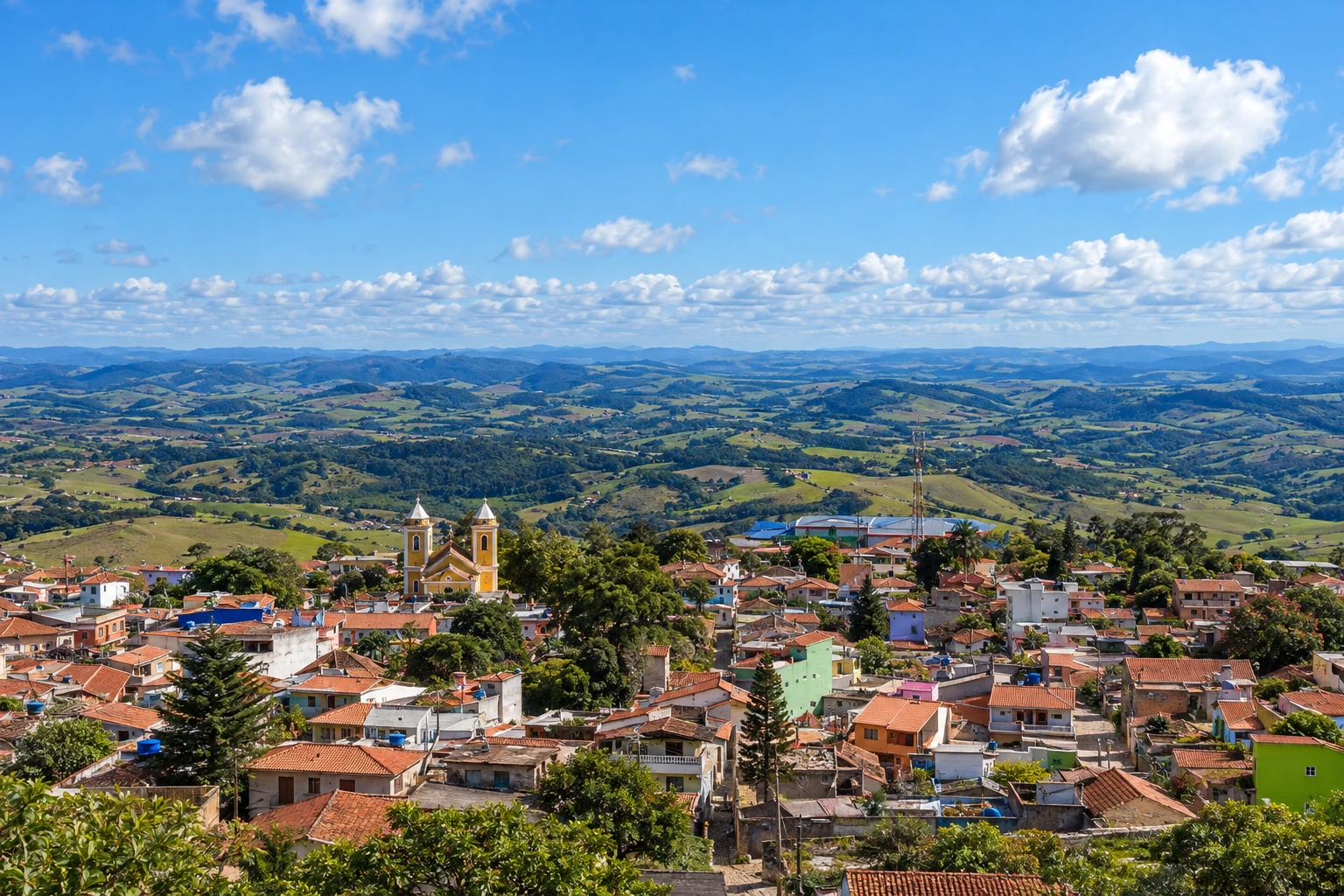
Illustrative images. The pictures in this guide are illustrations based on the real place, not photographs, and may differ from it.

Get to know the place

A region to enjoy
at your own pace.

O Circuito das Águas de Minas reúne estâncias hidrominerais e municípios com museus, arquitetura religiosa e paisagens rurais. No setor ocidental, Três Corações preserva a memória de Pelé; Campanha tem museus dedicados à história regional e a Vital Brazil; Cambuquira e Lambari apresentam conjuntos de fontes e espaços de passeio. Jesuânia e Olímpio Noronha acrescentam tradições religiosas e referências de sua vida urbana e rural.

A viagem pode alternar visitas internas com caminhadas nos parques e saídas de natureza. O Cassino do Lago e Nova Baden mostram experiências diferentes em Lambari, enquanto o Piripau e o Marimbeiro ampliam os deslocamentos em Cambuquira. A região não corresponde a uma estrada única: escolher uma base e organizar os acessos ajuda a conhecer os lugares com tempo para observar seus detalhes.

This destination brings together 7 cities: Três Corações, Campanha, Cambuquira, Lambari, Jesuânia, Olímpio Noronha, São Thomé das Letras.

Share: WhatsApp
Traveler, share your experiences through photos Up to 5 photos of each place you visited.

One destination, many paths

The cities on this trip

Start with one city or combine several in your itinerary.

Where Circuito das Águas de Minas is The star marks the nearest capital, São Paulo.
São PauloTrês CoraçõesCampanhaCambuquiraLambariJesuâniaOlímpio NoronhaSão Thomé das Letras

Mapa: @svg-maps/brazil, CC BY 4.0

How to get there: Circuito das Águas de Minas

O eixo da BR-381 se conecta aos corredores da BR-267 e da BR-460 para acessar o setor ocidental do circuito. Defina a primeira cidade antes de escolher a ligação rodoviária.

The local experience

Things to do in Circuito das Águas de Minas

Três Corações · MG · Museu biográfico

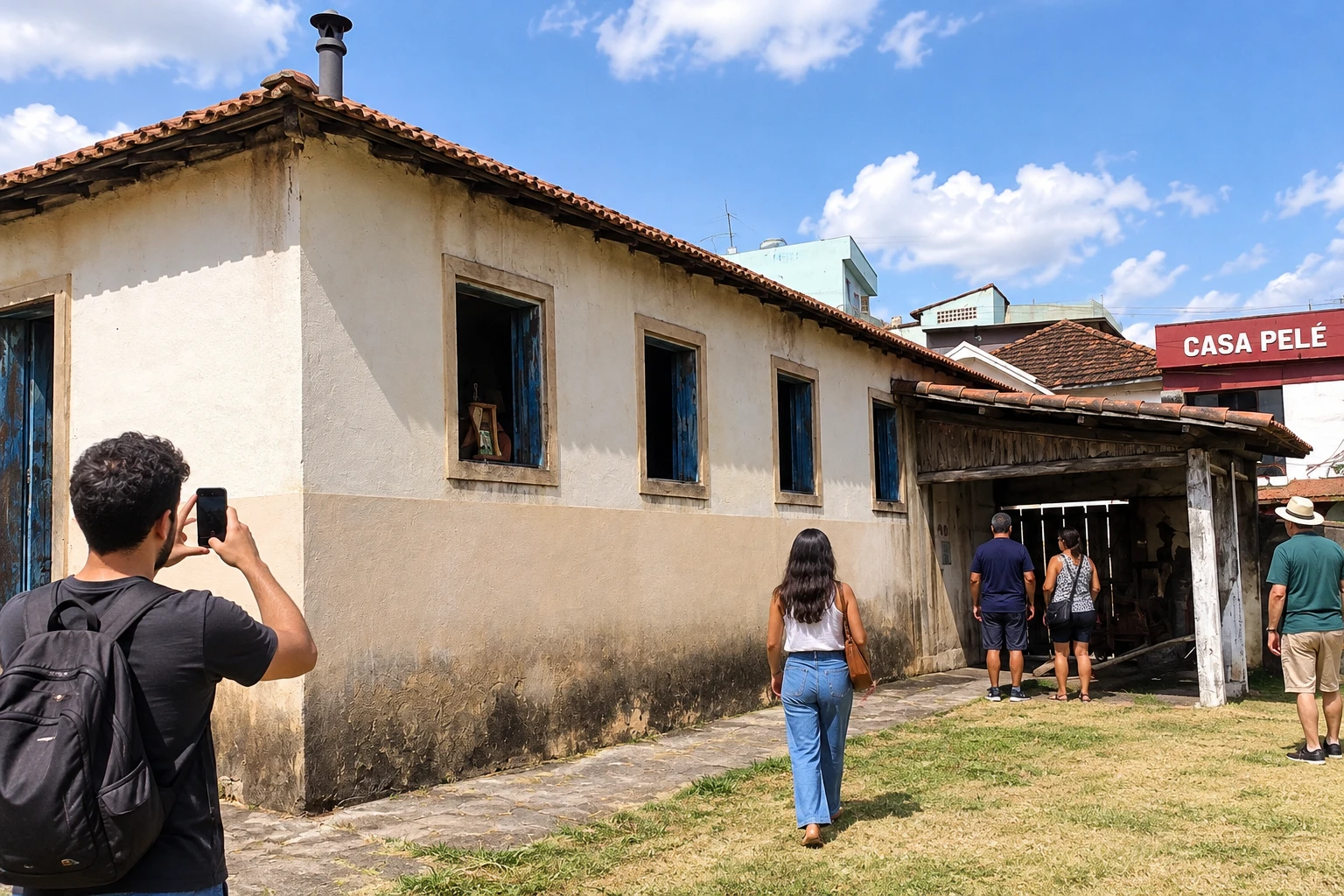
Casa Pelé

Espaço de memória dos primeiros anos de Edson Arantes do Nascimento em Três Corações. A casa recompõe o ambiente familiar dos anos 1940 e apresenta a infância de Pelé antes de sua trajetória no futebol.

Explore Casa Pelé

Campanha · MG · História da ciência

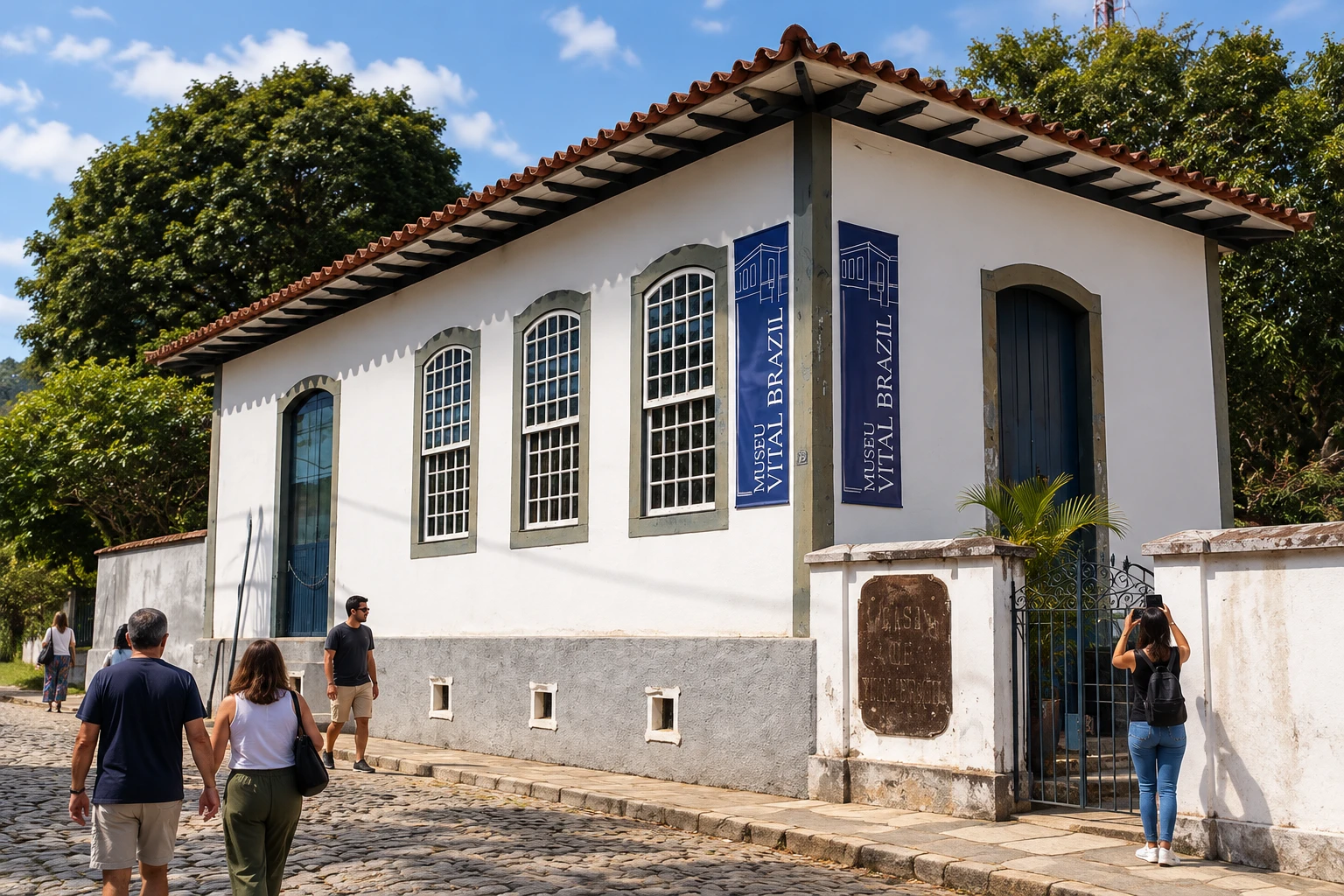
Museu Casa de Vital Brazil

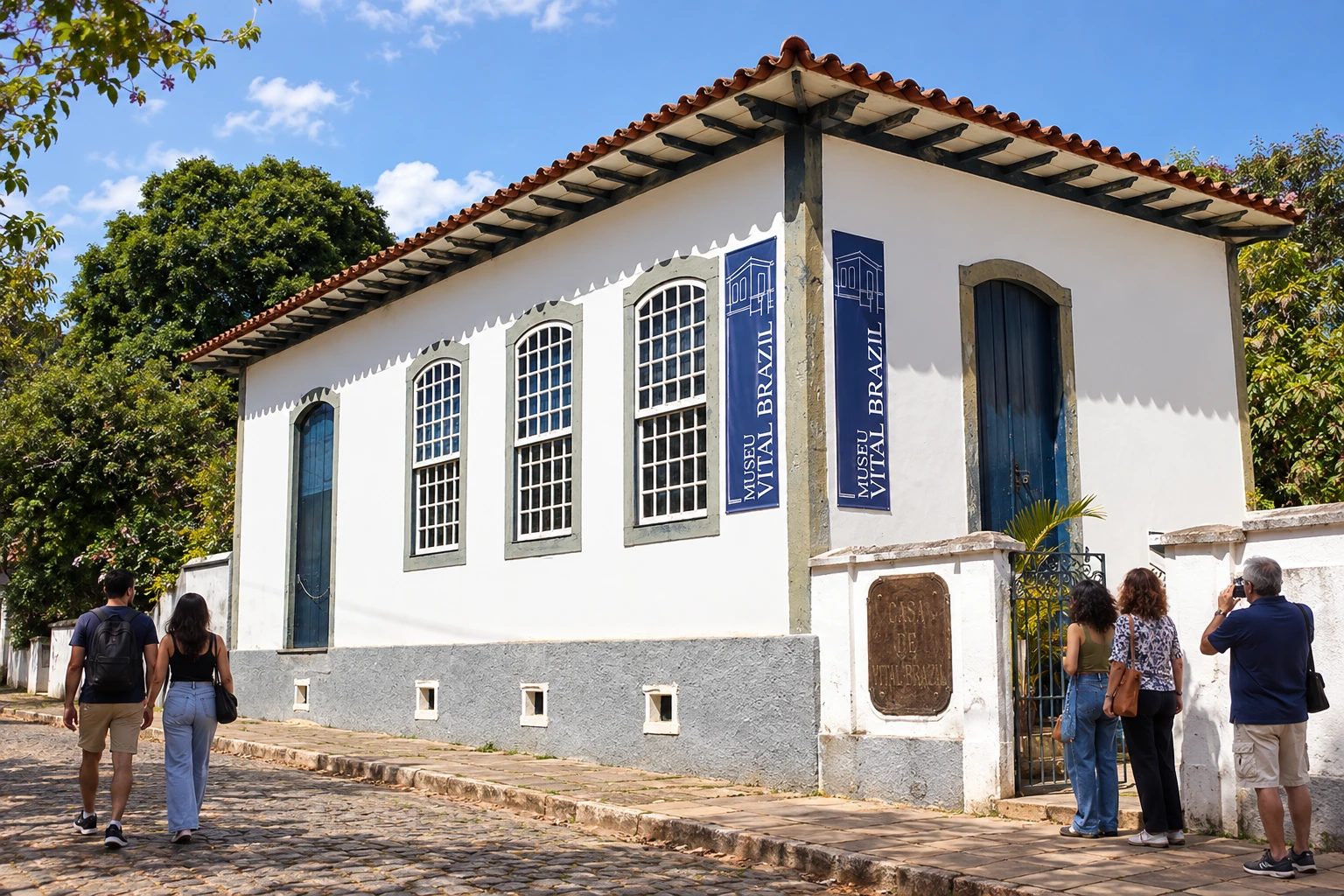
A casa em que nasceu Vital Brazil conserva documentos, fotografias e objetos associados à trajetória do cientista. O museu aproxima a história da pesquisa científica da memória de uma residência de Campanha. A leitura do acervo ajuda a acompanhar uma vida dedicada ao conhecimento e sua relação com o município.

Explore Museu Casa de Vital Brazil

Cambuquira · MG · Parque hidromineral

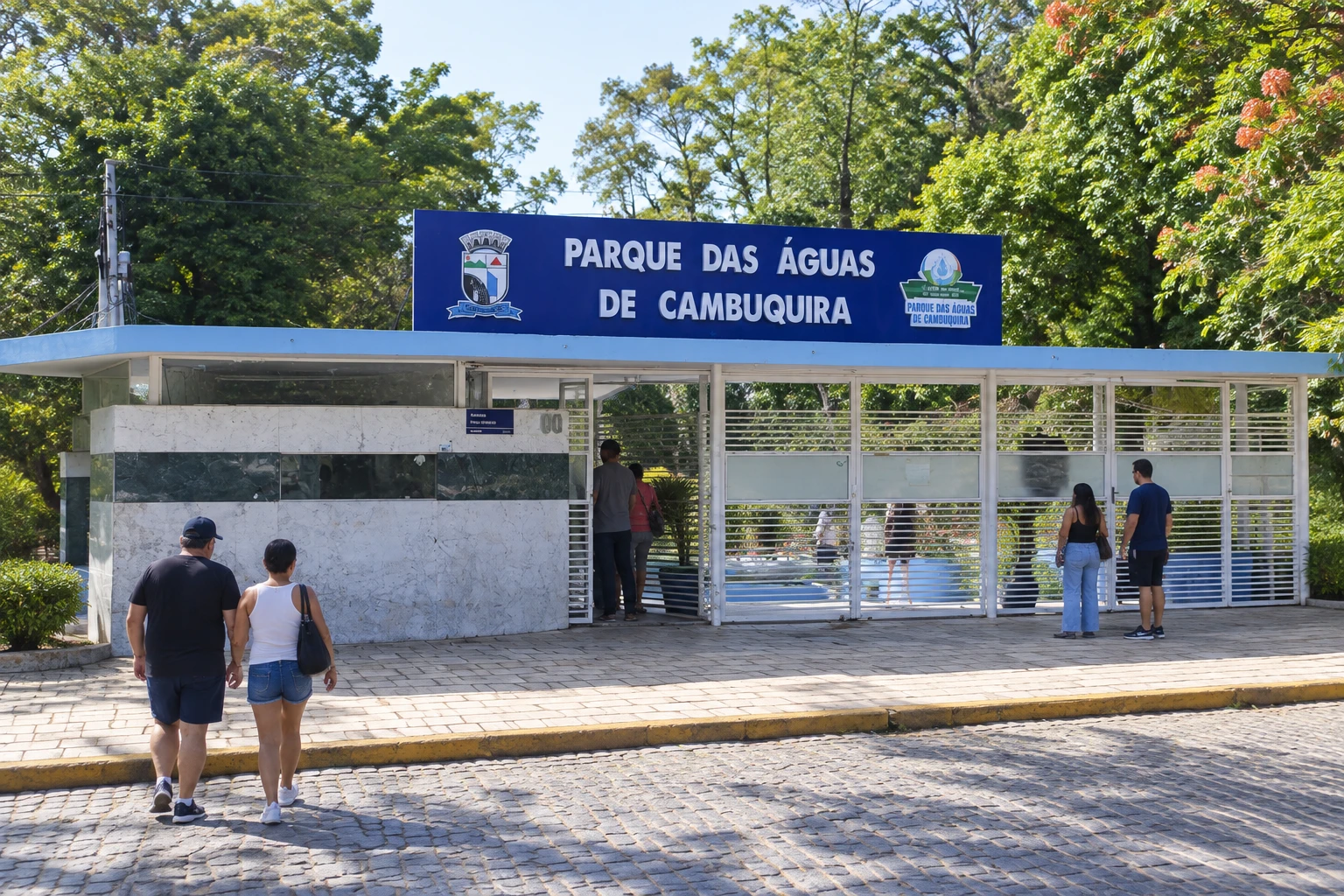
Parque das Águas de Cambuquira

O Parque das Águas de Cambuquira reúne fontanários e espaços de passeio no núcleo da estância. A presença das fontes ajuda a acompanhar a história da cidade e seu vínculo com as águas minerais. Jardins, lago e construções internas integram uma experiência de caminhada pelo conjunto paisagístico.

Explore Parque das Águas de Cambuquira

See 18 more places in Circuito das Águas de Minas

To choose before you go

Tours in Circuito das Águas de Minas

Where each tour starts, how long it takes, how it is done, what is included and the price range.

Parque das Águas de Lambari: springs and mineral-water pool

From downtown Lambari on foot, without a guide about 1h30, at a relaxed pace morning or afternoon easy

The park is in the center of Lambari, at Praça Conselheiro João Lisboa. It was there that the springs arose which gave origin to the settlement, so the visit often starts the trip. The walk is on foot, unguided, through gardens with six mineral springs. Each spring has its own taste and therapeutic indication, and visitors sample the waters and sit on benches among the trees. Within the park complex is a mineral water pool, used by tourists and locals for swimming and water aerobics. In front of the park is the Fonte Luminosa, with light and water displays. The Parque das Águas complex is protected by the municipality. The Cassino do Lago and Lago Guanabara are nearby, also in the center, and you can fit everything into the same day.

Stops: Parque das Águas de Lambari, Mineral water springs, Mineral water pool, Fonte Luminosa.

Includes: There is an admission fee for the park, and there are time slots when no fee is charged; check the current schedule. Tasting the waters at the springs is part of the visit. Use of the pool and spa services are charged separately; check what is charged.

Tip: Bring a bottle or cup to sample the waters at your leisure. Ask at the city's Tourism Office about current time slots. Combine the visit with the Cassino do Lago and Lago Guanabara.

Best time: All year round; days without rain make walking through the gardens easier.

Visit to Cassino do Lago (Cultural Center)

From Centro de Lambari, on the shores of Lago Guanabara on foot about 20 minutes morning or afternoon easy

The Cassino do Lago is the best-known building in Lambari and stands on the shore of Lago Guanabara. It was built beginning in 1909 and inaugurated in 1911, when the town was establishing itself as a spa resort. Tiles and roof tiles came from France and England, and the decoration received pieces from China and Japan. The building is listed by IEPHA-MG. Today it functions as a cultural center open to visitors. Visitors walk through the rooms to see the original architecture, photographs and objects from the period. The town plans future facilities, such as a library and a museum. The visit is short and pairs well with a walk around the lake right next door.

Stops: Cassino do Lago, Lago Guanabara.

Includes: The visit is cultural in nature and is generally free of charge; confirm before going. No guide is included. Exhibitions and internal events vary; check the current schedule.

Tip: See the building from the outside, from the lake promenade, and then go inside to view the interior details. Check with the Secretaria de Turismo for opening days, which change on holidays and during events.

Best time: All year round; late afternoon has softer light for photos of the facade.

Tour around Lago Guanabara: promenade, horse-drawn carriage, bicycle and paddle boat

From Cassino do Lago, in Lambari on foot, by bicycle, by carriage or by pedal boat free pace; the boardwalk is about 5 km long morning or afternoon easy

Lago Guanabara is bordered by a boardwalk of about 5 km, used for walking, running and cycling. The outing usually starts at the Cassino do Lago, on the shore, and follows the waterfront with views of the historic building and the Serra das Águas in the background. Those who prefer not to walk can do the circuit by horse-drawn carriage, and the carriage drivers tell stories about the town along the way. On the water there are paddle-boat and motorboat rides; the lake also accommodates fishing and jet skiing. Near the Cassino are the Farol do Lago and the waterfall of the landscape complex. To the south of the lake is the Volta da Mata, a trail to do on foot, by bicycle or by carriage.

Stops: Lago Guanabara, Cassino do Lago, Farol do Lago, Volta da Mata.

Includes: The walk is unstructured. Rental of bicycles, carriages, pedal boats and motorboats is paid separately, directly to the providers; check the current price list for each.

Tip: Agree on the fare and route of the carriage before boarding. To see the Cassino with good light, go along the waterfront in the late afternoon.

Best time: All year round; sunny, rain-free days work best for the waterfront and the water.

Trails at Parque Estadual Nova Baden

From Lambari (access via BR-460) by car, taxi or horse-drawn carriage to the park; trails on foot mid-morning or afternoon; trails of 30 to 45 minutes each morning or afternoon easy

The park protects about 214 hectares of Mata Atlântica in the Serra das Águas, in an area that preserves the headwaters of Lambari's mineral waters. It is located about 10 km from the start of the BR-460, with a sign indicating the entrance. The visit begins at the Casarão, the former headquarters of Américo Werneck's farm and today a visitors' center, with an exhibit about the history of the park and the town. There are three waymarked trails that can be done without a guide: Sete Quedas (about 900 m), which leads to the waterfall; Palmitos (about 900 m); and Troncos (about 1,500 m). Walk times are between 30 and 45 minutes each.

Stops: Parque Estadual Nova Baden, Casarão (visitor center), Trilha das Sete Quedas, Trilha dos Palmitos, Trilha dos Troncos, Cachoeira Sete Quedas.

Includes: Entrance is charged per person, with half-price for students and exemptions provided for certain groups. Check the park's current fee table. Guide and food are not included; the park has no food service.

Tip: Bring water and snacks, closed-toe shoes and insect repellent. Visitor access closes before the end of the day, so arrive with time to spare. In Lambari there are horse-drawn carriages, horseback rides and taxis to the park.

Best time: From April to October, when it rains less.

R$15 · per person; full-price entrance · official price

Parque das Águas de Cambuquira: springs, lake and gardens

From downtown Cambuquira on foot, without a guide about 1 hour morning or afternoon easy

The park is in the center of Cambuquira, on Avenida Floriano Peixoto, surrounded by Mata Atlântica. The visit is on foot, through tree-lined gardens, with five mineral springs. The waters are gasosa, ferruginosa, magnesiana, sulfurosa and the Fonte do Barracão, rich in lithium. Each spring provides information about the therapeutic indications of the water, and it's worth tasting them one by one, noting differences in taste and carbonation. Around the lake there is an ecological trail and space for picnics. The park has a playground, snack bar, little shop and the Spa das Águas, where spa treatments are offered.

Stops: Parque das Águas de Cambuquira, Fonte Gasosa (Regina Werneck), Fonte Férrea (Dr. Fernandes Pinheiro), Fonte Magnesiana (Comendador Augusto Ferreira), Fonte Sulfurosa (Dr. Sousa Lima), Fonte do Barracão (Roxo Rodrigues), Spa das Águas.

Includes: Admission is paid, with reduced fare for students and people over 60; check current rates. Tasting of the spring waters is included. Spa treatments, massages and the snack bar are paid separately.

Tip: Bring a bottle for the waters. If you want to use the Spa das Águas, check and book in advance. The park can be combined with the Fonte do Marimbeiro, a few kilometers away.

Best time: All year round; sunny, rain-free days are more pleasant for the park.

Rampa do Piripau: viewpoint and tandem paragliding flight

From Centro de Cambuquira car to the launch ramp; tandem paragliding flight by appointment mid-morning or afternoon; the flight depends on the wind morning or afternoon easy (viewpoint); tandem flight with instructor

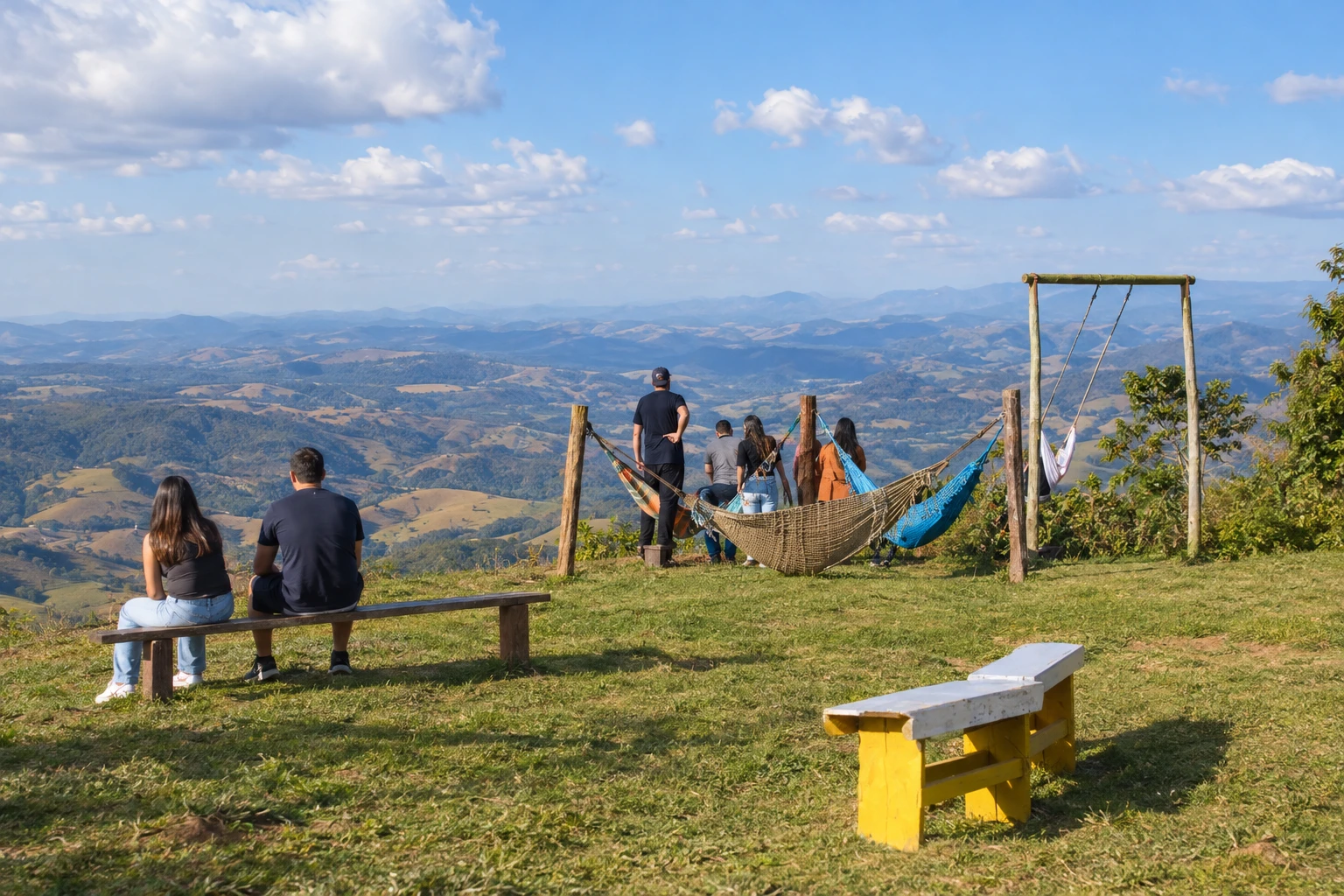
Serra do Piripau reaches 1,370 m in altitude and is the highest point in the region. The free-flight ramp is in the rural area of Cambuquira, accessible via BR-267 and a stretch of dirt road. From the top there are 360-degree views. On clear days you can see Três Corações, Jesuânia and São Thomé das Letras. The site has a viewpoint used for watching the sunset, a leisure area and camping. Those who want to fly arrange a tandem paragliding flight with a pilot through a local agency. The ramp hosts stages of free-flight competitions. Those who don't fly can stay just at the viewpoint.

Stops: Rampa do Piripau, Serra do Piripau, Mirante do Piripau.

Includes: Entrance to the ramp is paid. The tandem flight is charged separately; check current rates with the pilot or the agency. Transport to the ramp and parking vary; arrange in advance.

Tip: The flight depends on wind and visibility, so leave some flexibility in your schedule and confirm on the day. If you don't have a car, the receptive agency in Cambuquira arranges transport. Bring warm clothing for the mountaintop.

Best time: Local club records indicate August to November as the flying season; for the viewpoint, clear days.

See 11 more tours

Casa Pelé and Museu Terra do Rei, in Três Corações

From Centro de Três Corações on foot or by car between the points about 1h30 for both sites morning or afternoon easy

Três Corações is Pelé's hometown, and the route mixes a museum, a house, and monuments. Casa Pelé is on Rua Edson Arantes do Nascimento, number 1000, a replica of the house where he lived in early childhood. Guides accompany the visit. Museu Terra do Rei is in the center, next to Praça Pelé (Praça Coronel José Martins). It brings together objects, photos, documents, newspapers and magazines, focusing on the period he lived in the city. The museum visit is guided. In the square is the Monumento ao Tri, in honor of the 1970 three-time championship. On BR-381, at the access junction, stands the Monumento Soco no Ar, 12 meters high, visible from the highway. Parque Dondinho, with the statue of Pelé's father and of his son, can also be included in the route.

Stops: Casa Pelé, Museu Terra do Rei, Praça Pelé, Monumento ao Tri, Monumento Soco no Ar, Parque Dondinho.

Includes: Visits to Casa Pelé and Museu Terra do Rei are usually free; check before going. Outside opening hours, the museum accepts scheduled visits by appointment. Transport and meals are the visitor's responsibility.

Tip: Call ahead to confirm opening and to schedule outside normal hours. The Soco no Ar is on the highway and there is almost nowhere to stop, so don't count on photos from inside the car. Inside the house, the rule is usually no photography.

Best time: All year round; the city usually has special programming on Pelé's birthday and on the city's anniversary.

Catedral de Santo Antônio and Museu Regional do Sul de Minas, in Campanha

From Praça Dom Ferrão, Campanha on foot about 1 hour and 30 minutes morning or afternoon easy

Campanha is considered the town that gave rise to the Sul de Minas region, and the historic center is explored on foot. The visit starts at Praça Dom Ferrão, where the Catedral de Santo Antônio is located. Construction began in 1787 and it was consecrated in 1822. It is one of the largest rammed-earth (taipa de pilão) structures in the country, measuring about 75 m long by 36 m high. Admission is free and the visit is self-guided. Next to the cathedral, on Rua Beato Padre Victor, is the Museu Regional do Sul de Minas. It occupies a listed colonial building and houses sacred art, mineralogy, natural sciences and objects from regional history. The museum visit is guided.

Stops: Catedral de Santo Antônio, Praça Dom Ferrão, Museu Regional do Sul de Minas.

Includes: Free admission to the cathedral and the museum, according to the official tourism registry; confirm before going. Guided tour at the museum. Food and transport not included.

Tip: Check the museum's opening days, which may change on holidays. The cathedral also holds masses and ceremonies; respect the times of the services. Arrange it with Museu Casa de Vital Brazil, in the same town center.

Best time: All year; religious festivals are listed on the municipal calendar.

Museu Casa de Vital Brazil, in Campanha

From Centro de Campanha on foot, guided tour about 30 minutes morning or afternoon easy

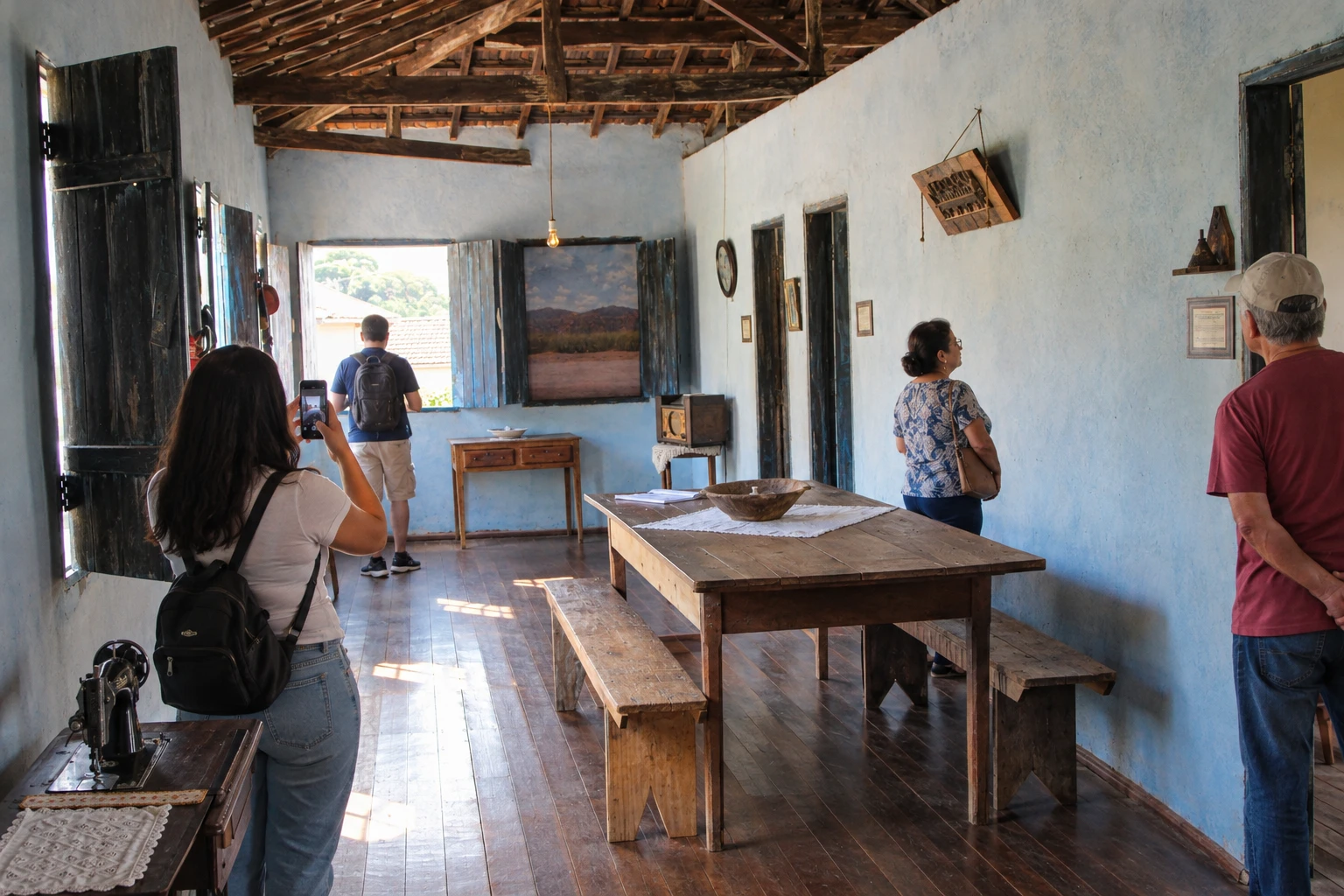
The museum is located at Rua Vital Brazil, number 45, in the house where the scientist Vital Brazil was born. He discovered the antivenom serum and founded the Instituto Butantan in São Paulo and the Instituto Vital Brazil in Niterói. The house is an 18th-century colonial building and is protected by the municipality. The visit is guided, through rooms with photographs, letters, documents, scientific works, books and the scientist's personal belongings. It is a short visit that can be combined with the Catedral and the Museu Regional in the same historic center.

Stops: Museu Casa de Vital Brazil.

Includes: Guided tour with free admission, according to the city hall; check before going. No charge for transport or food on site.

Tip: The museum is open Monday to Saturday and closed on Sundays and public holidays, according to the city hall; check before you go. Combine the visit with the Catedral de Santo Antônio on the same day.

Best time: All year round; plan your visit on a weekday or Saturday.

Cachoeira do Roncador and Poço dos Olhos, in Lambari

From Centro de Lambari car to the property; short trail on foot half day morning or afternoon easy to moderate

The waterfall is on private property, in the Garcias neighborhood, about 9 to 10 km from the Centro de Lambari. Access is via BR-460 toward Jesuânia, then onto a signposted dirt road for about 5 to 6 km. From the camping area the trail is short, about 300 m, and leads to the falls. The first spot is Poço dos Olhos, where many take the first swim, and the trail continues to the Roncador, which has two drops. The site offers rustic camping and a small snack bar. This is a nature and swimming outing, with no guide required.

Stops: Cachoeira do Roncador, Poço dos Olhos, Estrada das Cachoeiras.

Includes: Access is on private property, with an entrance or camping fee; check the current rate table. Transport to the site and meals are the visitor's responsibility.

Tip: Bring hiking shoes, swimwear and cash for the fee and the snack bar. The dirt road becomes more difficult on rainy days, so check conditions with the site before you depart.

Best time: Dry seasons leave the dirt road in better condition; in hot weather swimming is more popular.

Fonte do Marimbeiro and Rota das Águas, in Cambuquira

From Centro de Cambuquira car or taxi to the neighborhood; visits on foot mid-morning or afternoon morning or afternoon easy

Parque do Marimbeiro is about 3 km from the center of Cambuquira, near the Clube Campestre. It is a small park, with a carbonated mineral spring and a marker of the Estrada Real. The Marimbeiro neighborhood concentrates other stops on the Rota das Águas. At Apiário Abelha Rainha, visitors wear a beekeeper suit, learn about beekeeping and about honey and propolis, with a tasting. Cachaça Paraíso, on the BR-267, offers visits with tastings of aged cachaças. Also in Marimbeiro, D’o Forasteiro arranges horseback and carriage rides.

Stops: Parque do Marimbeiro (Fonte do Marimbeiro), Marco da Estrada Real, Apiário Abelha Rainha, Cachaça Paraíso, D’o Forasteiro.

Includes: The fountain can be visited without a guide. The apiary, the cachaça distillery and horseback rides are activities paid for separately, usually by appointment; check the current price list for each.

Tip: Book the apiary visit and the horseback ride in advance. Without a car, the receptive agency in Cambuquira arranges transport. Bring a bottle for the spring.

Best time: All year; days without rain make the route easier.

Rota da Pedra Preta: trail, Paredão and Pedra da Verruga

From Centro de Cambuquira car to the gate; trail on foot half day morning or afternoon moderate

Rota da Pedra Preta brings together the rural and adventure side of Cambuquira. At Fazenda Pedra Preta, those who only want to walk to the car at the gate, where there is a route sign, do a trail of less than 1 km on foot. The path passes by the Paredão and Pedra da Verruga. For rappelling and rock climbing you need to book in advance with the guides, who accompany the activity. The route also includes the Árvore Torta and the Ponte Juca Cassimiro, built in 1942 with arches, over the Rio Lambari, in the Xororó neighborhood. These points appear on hiking and cycling tours.

Stops: Fazenda Pedra Preta, Paredão, Pedra da Verruga, Árvore Torta, Ponte Juca Cassimiro.

Includes: Rappelling and rock climbing have guides and separate fees, with prior booking; check the current table. The short trail to the Paredão and Pedra da Verruga is done on foot from the gate. Equipment and transport vary; arrange beforehand.

Tip: For rock activities, book in advance and bring closed-toe shoes and water. Without a car, Cambuquira’s receptive agency can organize the departure.

Best time: Dry days with little rain, because of the rock and the rural road.

Horseback and carriage rides in Cambuquira

From Marimbeiro, in Cambuquira on horseback or by carriage according to the agreed itinerary morning, afternoon or evening easy

D’o Forasteiro, in the Marimbeiro neighborhood, takes visitors on horseback or by carriage along trails and rural roads. Local guides lead the group and point out the landscape and regional curiosities. There are daytime and nighttime rides. Departures are from the premises, and the route pairs well with Fonte do Marimbeiro and Apiário Abelha Rainha, in the same neighborhood. In town, the carriages also stand in front of Parque das Águas.

Stops: D’o Forasteiro, Trails and rural roads of Marimbeiro.

Includes: Local guide on the tour. The fee is charged by the operator; check the current rate and whether there is a half-price ticket for children. Food and transport to the site are separate.

Tip: Schedule the time and the modality (horse or carriage) in advance. Wear long pants and closed-toe shoes. Ask about the night ride if that is your preference.

Best time: Year-round; rain-free days are better for riding.

Visit to the lavender farm and coffee farms in Cambuquira

From Centro de Cambuquira car; guided tours by appointment half day morning or afternoon easy

Cambuquira combines rural tourism with its springs. At Lavandas de Cambuquira, on the Rota do Piripau, visitors can see a field of dentata lavender, used in artisanal oils, teas, specialty coffees and other products. Fazenda Catiguá, on the Rota da Pedra Preta, produces specialty coffees and offers guided tours of the plantation, with sensory experiences and café colonial at the farm's cafeteria. Sítio da Serra Cafés and Fazenda Santa Quitéria also welcome visitors for coffee. Visits are by appointment. The properties are in rural areas, so a car is the most practical means.

Stops: Lavandas de Cambuquira, Fazenda Catiguá, Sítio da Serra Cafés, Fazenda Santa Quitéria.

Includes: Guided tours and tastings vary by property. Admission, café colonial and products are paid separately; check the current price list for each place.

Tip: Book each visit in advance; the properties do not receive visitors without a scheduled time. Without a car, Cambuquira's receptive agency arranges the itinerary with transportation.

Best time: All year round; confirm the lavender flowering season directly with the lavender farm.

Centro de Jesuânia: churches, Ponte de Ferro and Congada

From Praça Bom Jesus, Jesuânia on foot about 1 hour morning or afternoon easy

Jesuânia is about 8 km from Lambari and is known as the Land of the Congadas. The walk goes through the town center, starting from Praça Bom Jesus. The Igreja Matriz Senhor Bom Jesus, located on a high point, offers views over the town and the surrounding area. Nearby are the Igreja do Rosário and the Ponte de Ferro. Religious tradition shapes the calendar: the Congada, held between the last week of June and the first week of July, honors São Pedro, São Paulo and Nossa Senhora do Rosário, with music, dance and colors. Outside the festival, the walk is peaceful and fits into a half-morning outing from Lambari.

Stops: Praça Bom Jesus, Igreja Matriz Senhor Bom Jesus, Igreja do Rosário, Ponte de Ferro.

Includes: The walk is self-guided. Entry to churches is free; respect service times. Food and transport are not included.

Tip: If you plan to see the Congada, check the dates on the municipal calendar for the edition you want and arrange transfers and local transport in advance, as the town is small and receives more visitors during the festival.

Best time: Between the last week of June and the first week of July for the Congada; for the rest of the year the center is quiet.

Parque Wenceslau Braz and Farol do Lago, in Lambari

From Centro de Lambari on foot or by rented bicycle about 45 minutes morning or afternoon easy

Parque Wenceslau Braz, called 'parque novo' by locals, is a woodland of eucalyptus, magnolias and pines near the town center and Lago Guanabara. Visits are on foot or by bicycle, with a walk around a small lake of waterfowl. There are two bike rental points. The complex has pools with water slides, peteca and volleyball courts, bars and snack bars. In the same area there is a waterfall and the Farol do Lago, built in the early 20th century. It's an easy outing that fits between Parque das Águas and Cassino do Lago.

Stops: Parque Wenceslau Braz, Farol do Lago, Waterfall.

Includes: Access to some areas, such as the pools with water slides, may require a fee; check what is charged separately. Bicycle rental and snacks are also additional.

Tip: Bring swimwear if you want to use the pools. Combine with a visit to Lago Guanabara on the same route.

Best time: Sunny, warm days for the pools; the woods are pleasant year-round.

Centro de Olímpio Noronha: Igreja Matriz and the square

From Centro de Olímpio Noronha on foot about 1 hour morning or afternoon easy

Olímpio Noronha is a small town about 16 km from Lambari, and the route is made on foot through the town center. Praça Coronel Joaquim Gomes Nogueira stands in front of the Igreja Matriz, the town's landmark. The town grew around the Parada de Santa Catarina, a former station of the Estrada de Ferro Sul Mineira, and maintains an identity linked to the railway. Fonte do Tororó is also among the listed attractions. Milk production is strong, and the town has a dairy that sells local products. Specialty coffees are part of the region's identity. Olímpio Noronha is still a stopping point for pilgrims on their way to Aparecida.

Stops: Igreja Matriz, Praça Coronel Joaquim Gomes Nogueira, Fonte do Tororó, Antiga Parada de Santa Catarina.

Includes: The walk is unguided. Purchases of cheese, coffee and other local products are paid for separately. Food and transportation are the visitor's responsibility.

Tip: Arrive from Lambari by local transport or by car, and combine a visit to Jesuânia on the same day. Check with the city hall which sites are open to visitors.

Best time: All year; the city's traditional festival is listed on the municipal calendar.

Day by day

3, 5 and 7-day itinerary in Circuito das Águas de Minas

Suggestions to plan the trip. Change the order of the days according to the weather and tour availability.

3 days · Circuito das Águas in 3 days: Cambuquira, Campanha, Três Corações and Lambari

For first trip, limited time and own or rented car · Based in Cambuquira, which is about 18 km from Três Corações, 16 km from Campanha and 20 km from Lambari
  1. Day 1 · Cambuquira: springs, Marimbeiro and Piripau

    In the morning, visit Parque das Águas de Cambuquira, with fountains, a lake and gardens. Then head to the Fonte do Marimbeiro and the Rota das Águas. Late in the afternoon, go to the Rampa do Piripau: it’s about 9 km of paved road and another 7 km of dirt. From there you can see the neighboring towns. The tandem paragliding flight is paid separately and depends on the wind.

  2. Day 2 · Campanha and Três Corações: museums and memory

    Leave Cambuquira early for Campanha, about 16 km away. Visit the Catedral de Santo Antônio, the Museu Regional do Sul de Minas and the Museu Casa de Vital Brazil. Have lunch in town. In the afternoon, continue about 36 km to Três Corações for Casa Pelé and the Museu Terra do Rei. The return to Cambuquira is about 18 km.

  3. Day 3 · Lambari: park, lake and Cassino do Lago

    Go to Lambari, about 20 km from Cambuquira. In the morning, walk through the Parque das Águas, with springs and a mineral water pool. Then do the Volta no Lago Guanabara on foot, by bike, or by carriage. In the afternoon, visit the Cassino do Lago, now a cultural center. If you have time left, stop by Parque Wenceslau Braz and Farol do Lago.

5 days · Circuito das Águas in 5 days: Lambari, Cambuquira, Campanha and Três Corações
For couples and families who want to alternate parks, trails and museums at a relaxed pace · Based in Lambari on days 1 to 3 and Cambuquira on days 4 and 5
  1. Day 1 · Lambari: Parque das Águas and Lago Guanabara

    Start at Parque das Águas de Lambari, with springs and a mineral water pool. Have lunch in town. In the afternoon, do the Volta no Lago Guanabara: boardwalk, horse-drawn carriage, bicycle and paddle boat, with services paid separately. At the end of the day, stop by Parque Wenceslau Braz and the Farol do Lago, within walking distance of the lake.

  2. Day 2 · Lambari: Nova Baden and Cassino do Lago

    Spend the morning on the trails of Parque Estadual Nova Baden. Bring water, closed-toe shoes, and check the park's visitation rules. Return to town for lunch. In the afternoon, visit the Cassino do Lago, which now functions as a cultural center, and see the exhibitions on display. Check the schedule before you go.

  3. Day 2 · Cambuquira: park, Marimbeiro and Piripau

    In the morning, visit the Parque das Águas de Cambuquira, with springs, a lake and gardens, and the Fonte do Marimbeiro with the Rota das Águas. In the afternoon, go to the Rampa do Piripau: 9 km of paved road and 7 km of dirt from Cambuquira. The view reaches the neighboring towns. The tandem paragliding flight is paid separately and depends on the wind.

  4. Day 3 · Cachoeira do Roncador, Poço dos Olhos and Jesuânia

    The Cachoeira do Roncador is about 10 km from the center of Lambari, with part of the route on a dirt road. The Poço dos Olhos is nearby. Bring swimwear and sturdy shoes; the visit is in the morning. In the afternoon, via BR-460, go to the center of Jesuânia: churches, the Ponte de Ferro and the Congada tradition. Afterwards, head back to Cambuquira.

  5. Day 5 · Campanha and Três Corações

    Go early to Campanha, about 16 km from Cambuquira. Visit the Catedral de Santo Antônio, the Museu Regional do Sul de Minas and the Museu Casa de Vital Brazil. Then continue about 36 km to Três Corações for Casa Pelé and the Museu Terra do Rei. Três Corações is about 18 km from Cambuquira, on the way back.

7 days · Circuito das Águas in 7 days: the six towns with time for trails
For those who want to visit all the towns in the circuit, include trails and rural activities and travel by car · Based in Lambari on days 1 to 4 and Cambuquira on days 5 to 7
  1. Day 1 · Lambari: Parque das Águas, lake and Farol

    Visit Parque das Águas de Lambari in the morning, with its springs and mineral water pool. In the afternoon, do the Volta no Lago Guanabara along the boardwalk, by bicycle, carriage or paddle boat. Finish at Parque Wenceslau Braz and the Farol do Lago. Carriage, bicycle and paddle-boat rides are paid separately.

  2. Day 2 · Lambari: Nova Baden and Cassino do Lago

    Reserve the morning for the trails of Parque Estadual Nova Baden. Bring water and closed-toe shoes and check the visitation rules. In the afternoon, return to town and visit the Cassino do Lago, now a cultural center. The exhibition program changes; check the schedule beforehand.

  3. Day 3 · Cachoeira do Roncador and Poço dos Olhos

    Access is about 10 km from the center of Lambari, partly along a signposted dirt road. In the rainy season, check road conditions before you leave. Do the short trail to the Cachoeira do Roncador and the Poço dos Olhos. Bring swimwear and a snack. Spend the afternoon on the property and return to Lambari at the end of the day.

  4. Day 4 · Jesuânia and Olímpio Noronha

    In the morning, go to Jesuânia via BR-460 and visit the center: churches, the Ponte de Ferro and the Congada tradition. In the afternoon, head to the center of Olímpio Noronha, with its Igreja Matriz and the main square. Check the map and plan the route between the two towns before you set out. Return to Lambari or continue to Cambuquira.

  5. Day 5 · Cambuquira: park, Marimbeiro and Piripau

    In the morning, visit the Parque das Águas de Cambuquira, with springs, a lake and gardens, and the Fonte do Marimbeiro with the Rota das Águas. At late afternoon, go to the Rampa do Piripau, about 9 km of paved road and another 7 km of dirt. The tandem paragliding flight is paid separately and depends on the wind.

  6. Day 6 · Rural Cambuquira: Pedra Preta, horseback riding and coffee

    In the morning, do the Rota da Pedra Preta: a trail featuring Paredão and Pedra da Verruga. Bring water and sturdy footwear. In the afternoon, choose between a horseback or carriage ride, or a visit to the lavender farm and to coffee farms. Services are paid separately; book in advance with local operators.

  7. Day 7 · Campanha and Três Corações

    Go early to Campanha, about 16 km from Cambuquira. Visit the Catedral de Santo Antônio, the Museu Regional do Sul de Minas and the Museu Casa de Vital Brazil. In the afternoon, continue about 36 km to Três Corações and visit Casa Pelé and the Museu Terra do Rei. From Três Corações to Cambuquira is about 18 km.

Best time to go

When to go: Circuito das Águas de Minas month by month

The weather forecast guides viewpoint visits and walks, and the cultural calendar determines screenings and exhibitions. Religious festivals should be checked in the municipal calendar for the edition you want.

The seasons shown are the most usual ones; nature doesn't always follow the calendar.

January High rain

Summer showers · School holidays

It's the rainiest month of the year: the average exceeds 290 mm. Temperatures range from 18 °C to 26 °C. Rain usually comes in afternoon showers, so schedule trails and waterfalls for the morning. Dirt roads, such as those at Roncador and Piripau, require caution. There is more activity at the springs and at Lago Guanabara because of the holidays.

February High rain

Street Carnival · Heat and rain

The average rainfall is about 171 mm, with temperatures between 18 °C and 26 °C. Lambari and Cambuquira have street programming during Carnival, with higher crowds on those days. The museums in Campanha and Três Corações offer an alternative on rainy days. Check the municipal calendar for the edition you want.

March High rain

Decreasing rainfall · Vibrant greenery

Rain continues, averaging around 174 mm, with temperatures between 17 °C and 25 °C. Sunny, clear days are still good for paragliding and hikes. If the forecast indicates heavy rain, leave Cachoeira do Roncador and Pedra Preta for another day. There is less activity outside holidays.

April Some rain

Rain decreases · Holy Week

The average falls to about 71 mm, with temperatures between 15 °C and 24 °C. Days are firmer for hikes and horseback rides. Semana Santa and the Tiradentes holiday increase activity. Religious celebrations are listed in municipal calendars; check the edition you want before booking.

May Low rain

Cool mornings · Great trails

Rain is low, averaging about 55 mm. Temperatures range from 12 °C to 22 °C, with cool mornings. It's a good period for the Nova Baden trails and the Rota da Pedra Preta. Bring a light jacket. Activity is moderate, with peaks on holidays.

June Low rain

Dry season · Cold nights

Average precipitation is about 32 mm, with temperatures between 11 °C and 21 °C. Nights and mornings are cold, and days are usually settled. A good time for museums and churches, as well as walks in the parks. The Corpus Christi holiday increases activity. The June festivals (festas juninas) vary by town; check the calendar.

July Low rain

Driest month · July school holidays

This is the driest month, with an average of about 25 mm. Lows drop to 10 °C and highs reach 21 °C. Bring a jacket for mornings and evenings. Trails and viewpoints are firm, but the air is dry. School holidays increase crowds in Lambari, at Lago Guanabara and in the parks.

August Low rain

Dry and stable · Dry air

Average rainfall is about 29 mm, with temperatures between 11 °C and 23 °C. The air tends to be dry; carry water on trails and use sunscreen. Visibility from the viewpoints is usually good. Activity levels are moderate. Use the weekly forecast to pick the day for Piripau.

September Some rain

Return of the rains · Free flight (paragliding)

Rains return, with an average of about 89 mm, and temperatures rise to 14 °C–25 °C. The free-flight (paragliding) season at Piripau begins and runs through November. Days are still usually settled, but showers occur. Tandem flights depend on the wind and on whether flying is authorized that day. Check with the operator before going.

October Some rain

Afternoon showers · Paragliding

The average is about 142 mm, with temperatures between 16 °C and 26 °C. Rain becomes more frequent and occurs in the afternoons, so leave waterfalls and trails for the morning. Piripau remains in the paragliding season. The holiday of Nossa Senhora Aparecida usually increases activity. Check religious festivals in the municipal calendar.

November High rain

Frequent rain · Public holidays

The average is about 216 mm, with temperatures between 16 °C and 25 °C. Rain is frequent, and dirt roads require caution. The museums in Campanha and Três Corações and the Cassino do Lago are good options on rainy/overcast days. There are holidays for Finados, Proclamação da República and Consciência Negra. Paragliding at Piripau is still within the recommended period.

December High rain

Heat and rain · Year-end festivities

The average exceeds 260 mm, with temperatures between 17 °C and 26 °C. Showers are frequent, and mornings are the best time for trails. Activity increases around Christmas and New Year's. Book activities like horseback riding and rural visits in advance; they are paid separately.

Plan the journey

How to get there: Circuito das Águas de Minas

By plane: Varginha, Belo Horizonte, São Paulo and Rio de Janeiro

None of the six towns in the guide has regular commercial flights. The nearest airport with commercial service is Aeroporto Regional de Varginha (Major Brigadeiro Trompowsky), in Varginha, a municipality neighboring Três Corações. Consulted data indicate Azul as the only carrier there, with a direct connection to Belo Horizonte (Confins). Travelers using that route connect to other cities via the carrier's network at Confins. Days and frequencies change, so check the current schedule before buying. From Varginha there are buses to Lambari and Três Corações. The larger nearby airports are in Belo Horizonte, São Paulo and Rio de Janeiro, followed by a land trip. Road distances from Três Corações: Belo Horizonte, 287 km; São Paulo, 295 km; Rio de Janeiro, 366 km. From Lambari: Belo Horizonte, 340 km; Rio de Janeiro, 330 km. If you plan to combine flights with bus or a rental car, book the land leg before arriving.

By bus: bus stations in Três Corações, Campanha, Lambari and Cambuquira

The Três Corações bus station is the main entry point connecting to the state capitals. Operating there are, among others, Expresso Gardênia, Guanabara, Cometa, Saritur, Serro and Viação Útil/Cidade do Aço, with departures to Belo Horizonte, São Paulo and Rio de Janeiro. From Belo Horizonte to Três Corações the trip takes around 5 to 6 hours. From São Paulo, Santa Cruz links Terminal Tietê to Lambari bus station in about 4 hours, with few daily departures. There are also buses from Três Corações, Varginha, São Lourenço, Pouso Alegre, Cambuquira, Jesuânia and Olímpio Noronha to Lambari. Among the towns in the circuit, Sul Minas links Lambari to Cambuquira in about 1 hour, and Campanha to Cambuquira in 20 to 30 minutes; Serro also serves Campanha–Cambuquira. Campanha bus station is on Rua João Luís Alves. There are few departures per day on the short intercity sections: check current schedules and fares with the companies before planning your route. Private vans or transfers between towns can be arranged with local agencies.

By car: BR-381, BR-267, MG-460 and MG-167

The main axis is the BR-381 (Fernão Dias), which connects Belo Horizonte to São Paulo and has toll plazas. It passes about 7 km from downtown Três Corações. To get to Lambari from Belo Horizonte, follow BR-381 to the Campanha junction, join BR-267 to the Lambari junction and continue about 15 km on MG-460. Coming from São Paulo, one option is to leave BR-381 shortly after São Sebastião da Bela Vista and follow 50 km on MG-456 to Lambari; another is to go via Campanha and continue on BR-267 and MG-460. From Juiz de Fora, the route is almost entirely on BR-267, passing through Caxambu. From the interior of São Paulo, use BR-459 (via Poços de Caldas and Pouso Alegre) or BR-491 (via Guaxupé, Alfenas and Varginha) to reach BR-381. For Cambuquira, the link with Três Corações is via MG-167, about 20 km. Distances from Cambuquira: Belo Horizonte, about 316 km; São Paulo, about 300 km; Rio de Janeiro, about 341 km. Roads mentioned are paved, and there is no ferry on the route. Municipal dirt roads are common in the rural area of Três Corações, and access to rural attractions may require unpaved stretches: ask a local before you go.

How to get around and whether you need to rent a car

The circuit is not a single road: the towns are at distances that require travel. From Lambari, Cambuquira is 30 km away, Campanha 40 km and São Lourenço 50 km. Between Cambuquira and Três Corações it's about 20 km, and Campanha is 12–14 km from Cambuquira. There are buses between several of these towns, but with few departures per day. For that reason, visitors who want to visit more than one town with flexibility usually prefer their own or a rented car. Some attractions in Cambuquira are outside the center, which also favors having a car. Within Lambari, the area around Lago Guanabara has a 5 km promenade used for walking and cycling, with bike rental points. The Volta da Mata, south of the lake, can be done by bicycle, horse-drawn carriage or on foot. The Serra das Águas, at 1,300 m altitude, offers views of Jesuânia, Olímpio Noronha and Cambuquira. A practical strategy: choose a base town, map the accesses and group visits by proximity. Those who do not drive can arrange transfers or tours with a local agency, booked before travel.

Package with transfer or on your own

There are two ways to make the trip. On your own: you choose the first town, buy a bus ticket to Três Corações, Lambari or Campanha, or drive, and arrange travel between towns. This gives route freedom but requires checking bus schedules between towns. In a package or tour, the operator organizes transport, usually departing from a capital or larger city, and the itinerary is predefined. Before booking, check what is included (transfers, tours, tickets, meals), the departure and return points, and the cancellation rules. If you prefer only a transfer, it’s possible to reserve private transport with local agencies before arrival. Park and attraction tickets are usually paid separately, with half-price tickets (meia-entrada) or reduced fares for some categories: check who charges and the current table. Consulted data do not indicate a municipal tourism or preservation fee charged to visitors in these six towns.

Your base to explore

Where to stay and where to eat

Before you go

Practical information

A little planning leaves more time to enjoy the journey.

When to go

The weather forecast guides viewpoint visits and walks, and the cultural calendar determines screenings and exhibitions. Religious festivals should be checked in the municipal calendar for the edition you want.

The seasons shown are the most usual ones; nature doesn't always follow the calendar.

How many days to stay

A stay of several days allows you to combine museums, springs and rural outings. For a short trip, choose one center and limit travel between sites.

Which city to stay in

Choose accommodation close to planned visits and check access to the address. Rural activities and museum opening hours help determine your base and the number of nights.

Respect the place

Take your trash with you, follow the signs and support local businesses. In natural areas, follow the visiting guidelines.

Beyond the guide

Your questions

Frequently asked questions about Circuito das Águas de Minas

O que visitar além dos parques hidrominerais?

O setor reúne museus de história e ciência, a memória de Pelé, templos, centros culturais e paisagens rurais.

É possível viajar em etapas?

Os núcleos podem ser escolhidos em viagens diferentes. Concentrar visitas próximas reduz o tempo dedicado à estrada.

As atividades culturais funcionam em qualquer data?

Sessões, exposições e celebrações têm agendas específicas. Verifique o atendimento antes de incluir cada experiência.

Como organizar as saídas de natureza?

Escolha o acesso com antecedência e acompanhe as condições da previsão e dos caminhos. Cada parque ou área rural tem suas próprias orientações.

Preciso de guia e de ingresso para fazer as trilhas do Parque Estadual Nova Baden, em Lambari?

Guia não é obrigatório. O parque tem três trilhas sinalizadas, que podem ser feitas por conta própria: Sete Quedas (cerca de 900 m, em torno de 45 minutos), Palmitos (cerca de 900 m, em torno de 30 minutos) e Troncos (em torno de 40 minutos). O parque também registra a modalidade guiada; quem quiser acompanhamento deve combinar com a administração. A entrada é paga, com tabela do órgão estadual que administra a unidade, e há meia-entrada e condições especiais. Confira a tabela atual antes de ir. A visitação é diária, durante o dia, e a entrada de visitantes é encerrada no fim da tarde, antes do fechamento do parque. Visitas escolares exigem agendamento por e-mail com pelo menos sete dias úteis de antecedência.

As trilhas do Nova Baden servem para crianças e idosos? Há estrutura de apoio?

A administração do parque informa que as trilhas são próprias para caminhadas em qualquer faixa etária, mas o esforço varia. A Trilha dos Palmitos tem dificuldade baixa. A dos Troncos tem dificuldade média e troncos caídos pelo caminho. A das Sete Quedas tem a subida até a cachoeira como trecho mais exigente. Quem tem dificuldade de locomoção pode escolher as trilhas mais curtas e parar nas pracinhas de descanso. A sede do parque tem entrada e banheiro adaptados. O parque não tem serviço de alimentação, então leve água e lanche. O período de menos chuva, mais indicado para caminhar, vai de abril a outubro.

O Parque das Águas de Lambari tem cobrança de entrada? Dá para visitar só as fontes?

Sim, a entrada é paga e o valor é baixo. O ingresso dá acesso às seis fontes: gasosa, alcalina, magnesiana, levemente gasosa, ferruginosa e picante. O parque também tem lago, jardins e piscina de água mineral. Segundo as informações turísticas locais, há faixas do dia, de manhã, perto do meio-dia e no fim da tarde, em que a entrada não é cobrada, pensadas para quem busca água. Confirme esses períodos e a tabela atual com a prefeitura. Quem quiser levar água das fontes costuma levar garrafões ou garrafas. As placas descrevem as indicações de cada fonte. Se você tem alguma restrição de saúde, consulte um médico antes de beber. O funcionamento e os dias da piscina podem mudar, então confirme antes de ir.

Como chegar à Rampa do Piripau, em Cambuquira? Há cobrança e qual a época para o voo duplo?

A rampa fica na BR-267, no trecho de acesso a Cambuquira. Pela referência da entrada do Lua Luana, são cerca de 9 km de asfalto a partir de Cambuquira e mais cerca de 7 km de estrada de terra em boas condições. A distância é de cerca de 320 km de Belo Horizonte e 330 km de São Paulo e do Rio de Janeiro. A época mais citada para o voo livre vai de setembro a novembro. O voo duplo é feito com piloto, depende de vento e tempo, e convém reservar com flexibilidade de data. Para quem não voa, o local serve de mirante: em dias claros se avistam Três Corações, Campanha, Lambari, Jesuânia e São Thomé das Letras. Sobre cobrança, as fontes divergem: o portal estadual de turismo lista acesso livre, e a página da própria rampa informa entrada cobrada, voo duplo e camping. Confirme direto com a rampa.

A visita à Casa Pelé e ao Museu Terra do Rei, em Três Corações, é paga? Precisa agendar?

O Museu Pelé (Terra do Rei) consta como de entrada franca e com visita guiada. Fora dos horários de funcionamento, a visita pode ser agendada com pelo menos uma semana de antecedência. Ele fica na Praça Pelé, número 45, no centro. A Casa Pelé, réplica da casa da família, fica na Rua Edson Arantes do Nascimento, número 1000. Relatos de visitantes indicam entrada sem cobrança, acompanhamento de funcionários, visita em torno de 20 minutos e acesso para cadeira de rodas e carrinho de bebê pela entrada lateral. Os mesmos relatos dizem que fotos no interior não são permitidas. Guias de viagem indicam funcionamento em dias úteis e no sábado pela manhã. Como os dias podem mudar, confirme com a prefeitura. Quem gosta de futebol pode seguir o circuito Pelé: estátua na BR-381, Praça Pelé, Parque Municipal Dondinho e a casa.

Quantos dias reservar para o Circuito das Águas de Minas?

Depende de quanto você quer incluir. Os parques de Lambari e de Cambuquira são pequenos e podem ser vistos no mesmo dia. Há agência que vende roteiro de um dia por Cambuquira e Lambari, com saída da hospedagem. Se você somar o Parque Estadual Nova Baden, o Cassino do Lago, o Lago Guanabara e o Piripau, o roteiro pede mais dias. Campanha e Três Corações ficam em deslocamentos separados. Como estimativa, não como regra, reserve cerca de dois dias para Lambari e Cambuquira com passeios de natureza e acrescente um dia para Campanha e outro para Três Corações. Roteiros publicados para o circuito amplo, que inclui outras estâncias da região, vão de 3 a 6 dias. Em geral, vale escolher uma base e fazer saídas curtas.

Como chegar ao Circuito das Águas saindo de Belo Horizonte, São Paulo ou Rio de Janeiro?

O acesso é rodoviário. Saindo de Belo Horizonte, siga pela BR-381 (Fernão Dias), sentido São Paulo, até o trevo para Campanha e Cambuquira. Depois siga pela BR-267 e, na altura de Lambari, pegue a BR-460 até a cidade. Até o Parque Estadual Nova Baden, em Lambari, o trajeto tem cerca de 340 km desde Belo Horizonte, 276 km desde São Paulo e 328 km desde o Rio de Janeiro. Guias de viagem falam em cerca de quatro horas de carro desde Belo Horizonte e cerca de cinco desde São Paulo. Três Corações fica junto à BR-381, onde há uma estátua de Pelé no acesso à cidade. Defina qual cidade será a primeira parada antes de escolher a ligação entre as rodovias.

Preciso de carro para circular entre os atrativos de Lambari e Cambuquira?

O carro é a opção mais prática, porque os atrativos ficam em pontos diferentes e as cidades do circuito são separadas. Em Lambari, o Parque das Águas e o Lago Guanabara ficam na área urbana. O Parque Estadual Nova Baden fica a cerca de 6 km do Cassino do Lago. Para chegar a ele há passeios de charrete, a cavalo e táxis saindo da cidade. Em Cambuquira, a Rampa do Piripau fica na BR-267, com cerca de 9 km de asfalto e mais cerca de 7 km de estrada de terra. Quem não dirige pode contratar agência local: há roteiro de um dia por Cambuquira e Lambari, com saída da hospedagem ou da agência, para grupos pequenos. Combine o traslado e as saídas de natureza antes de chegar.

Brazilian routes

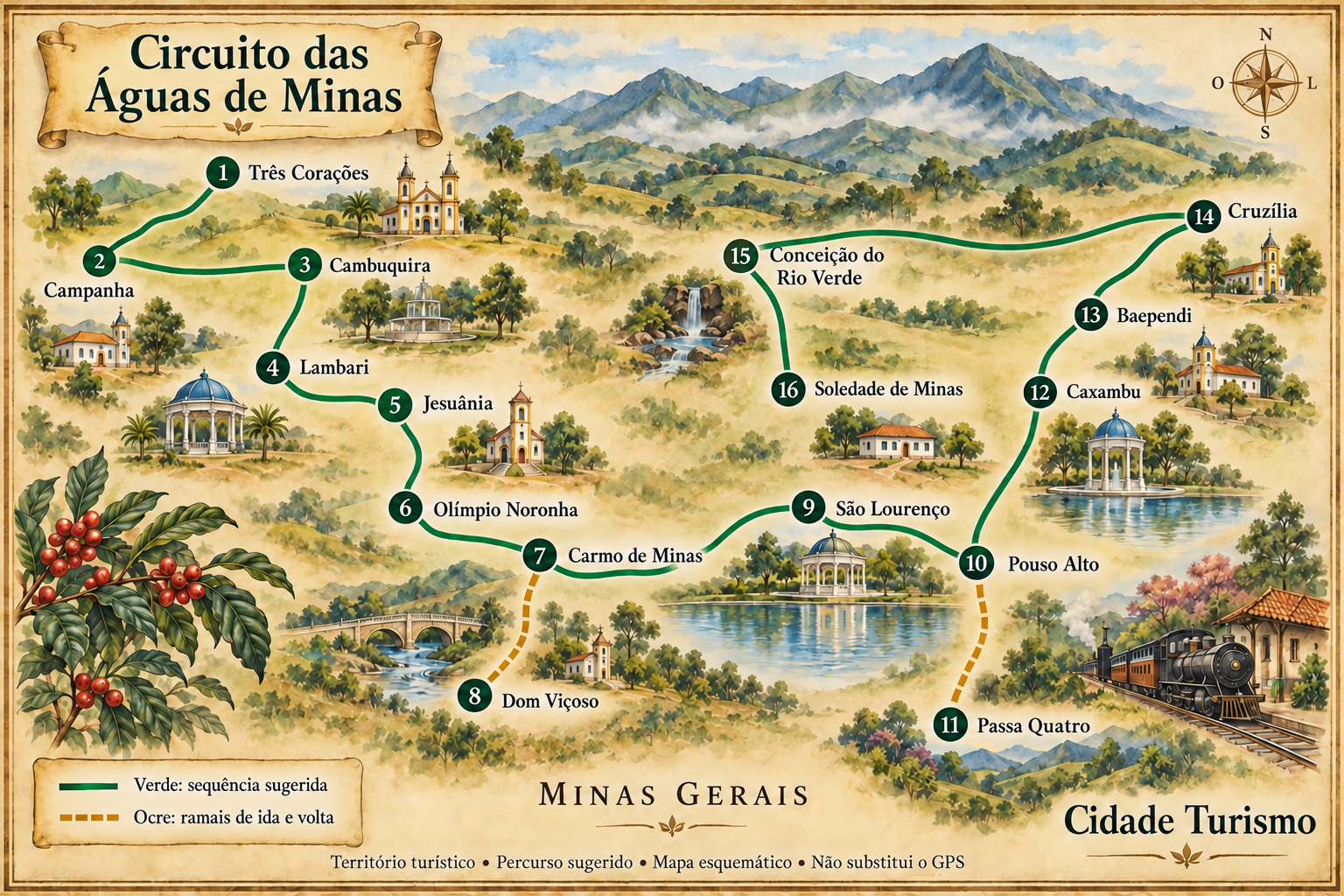
Circuito das Águas de Minas is on the Circuit of the Waters of Minas

Mineral water resorts, museums, pilgrimages and coffee across 16 municipalities in South Minas, with a suggested sequence by car.

Illustrative map, not to scale. Tap a city to open its page.
Illustrated map of Circuit of the Waters of Minas
Explore the Circuit of the Waters of Minas
Explore other destinations Search by state and city