10 lugares para conhecer Cuiabá (MT), escolhidos pelo guia Cidade Turismo.
Illustrative images. The pictures in this guide are illustrations based on the real place, not photographs, and may differ from it.
Para começar
Os 10 principais lugares Cuiabá
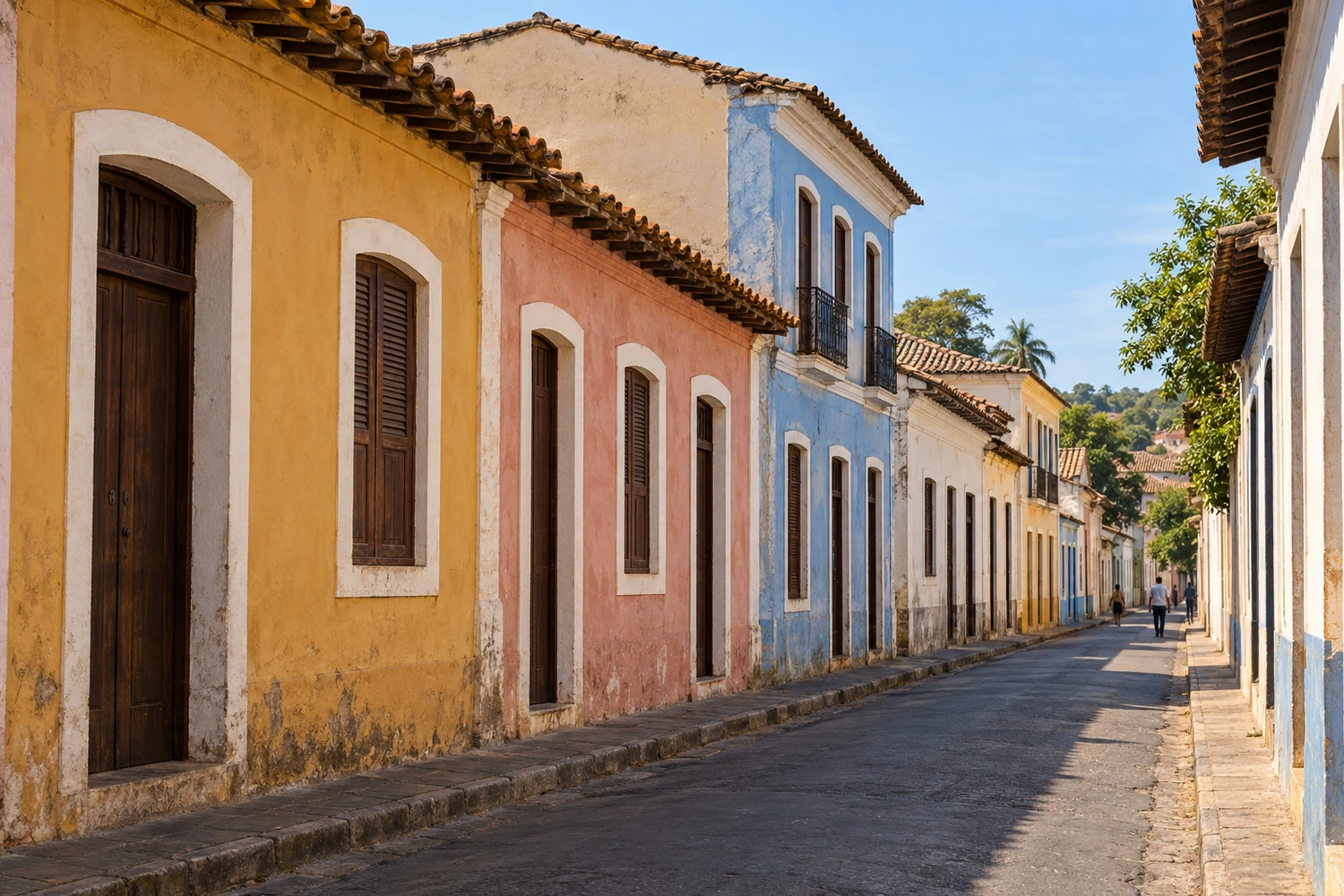
Centro HistóricoThe town core that grew up after gold was discovered in the Prainha stream in 1722 has about 400 buildings across 13 hectares listed by Iphan (Brazil's national heritage institu...
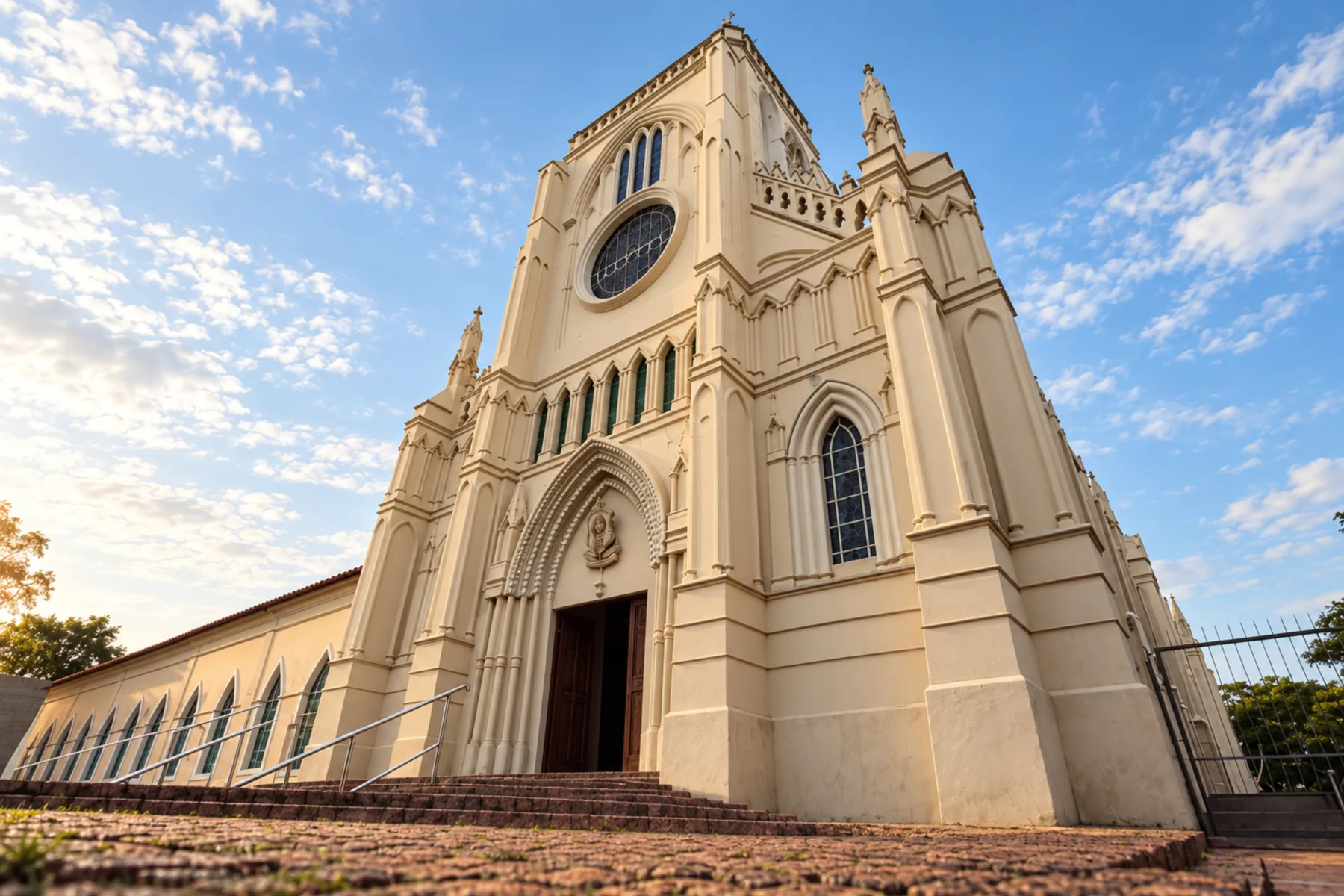
Igreja de Nossa Senhora do Rosário e São BeneditoBuilt around 1730 in rammed earth, near the gold diggings of Miguel Sutil, it has been listed by Iphan (Brazil's national heritage institute) since 1975.
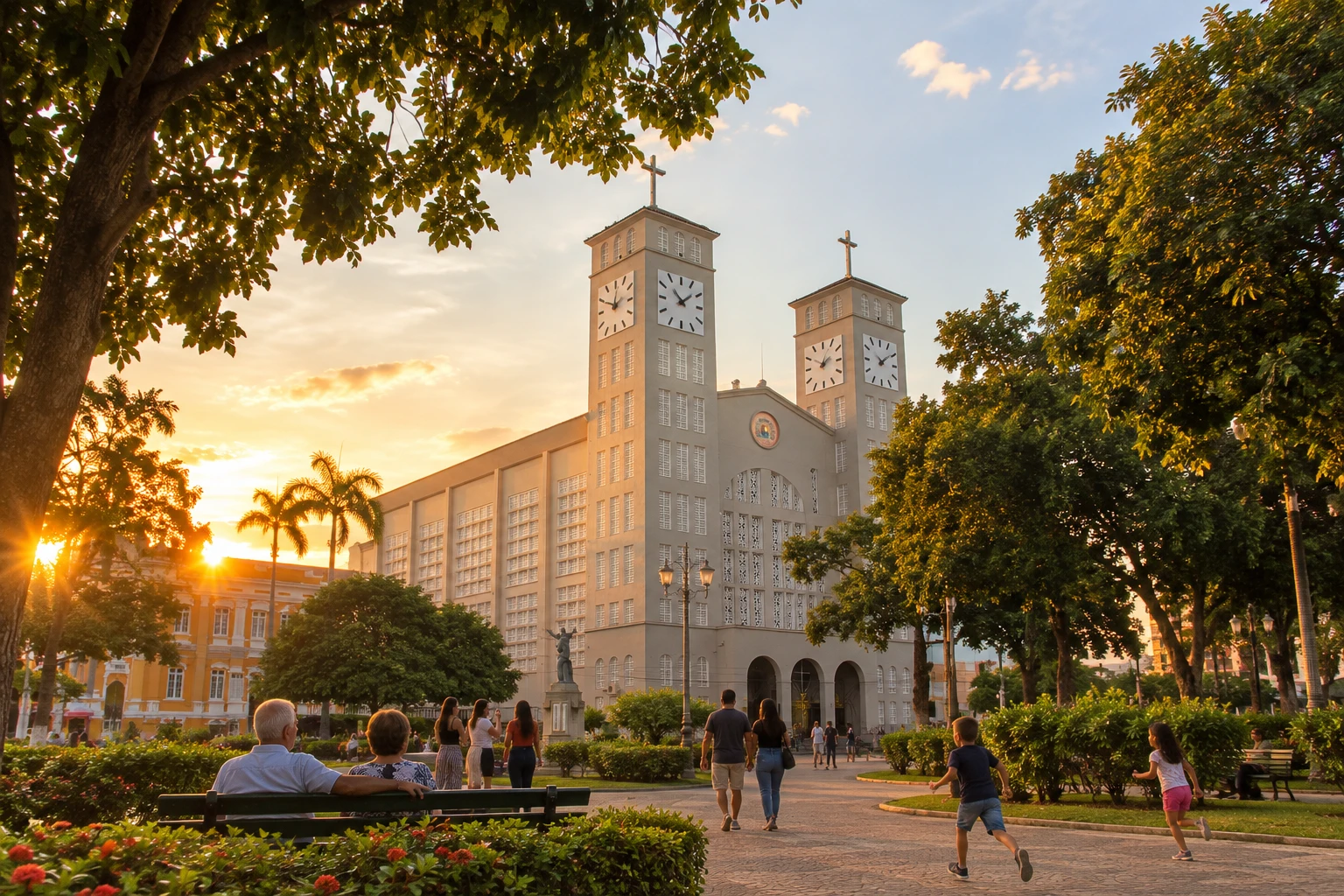
Catedral Basílica do Senhor Bom JesusCompleted in 1973 on the site of the old main church demolished in 1968, it is about 40 meters tall and 100 meters long.
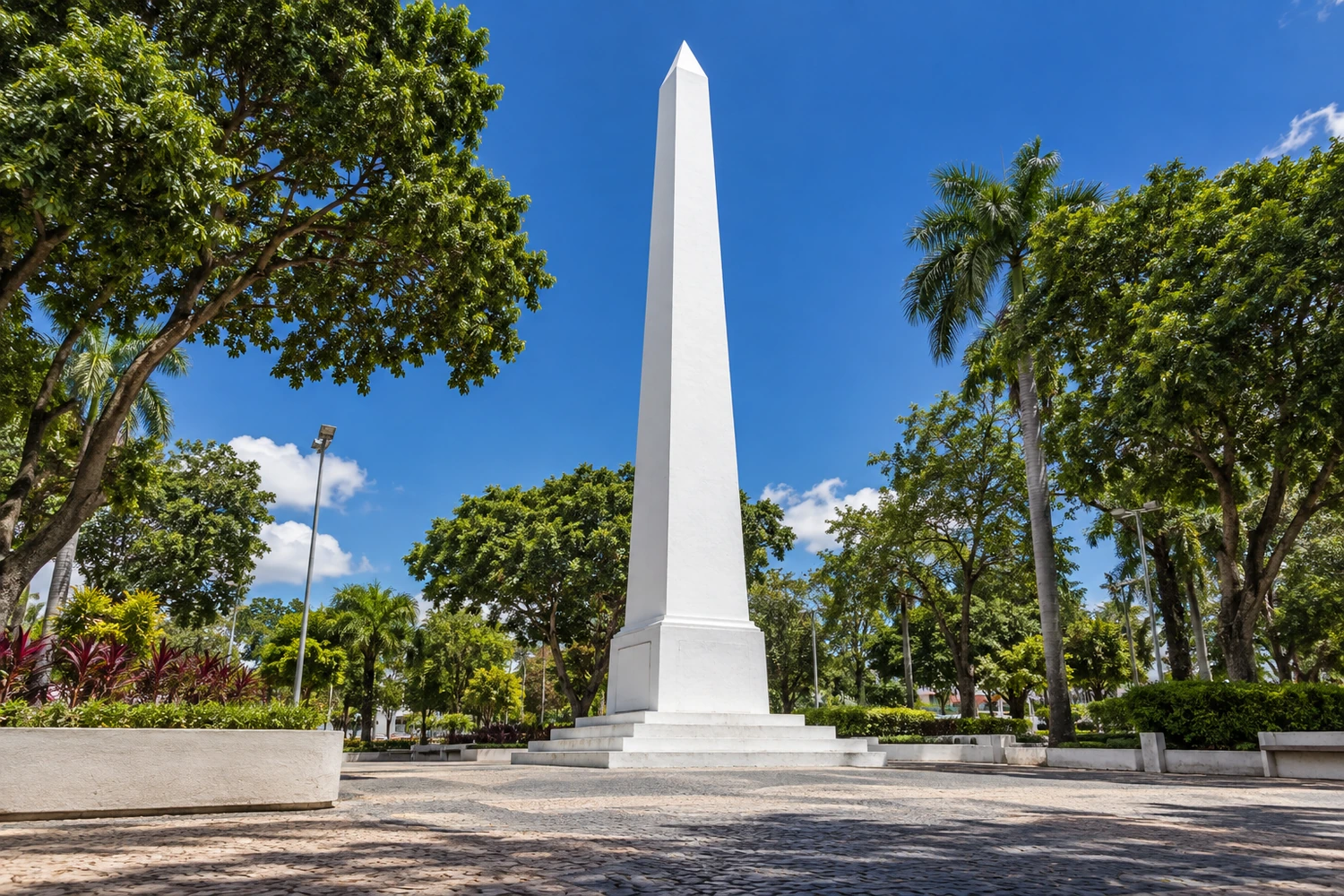
Centro Geodésico da América do SulAn obelisk on Praça Pascoal Moreira Cabral that marks the point Marshal Rondon calculated in 1909 as the center of the continent.
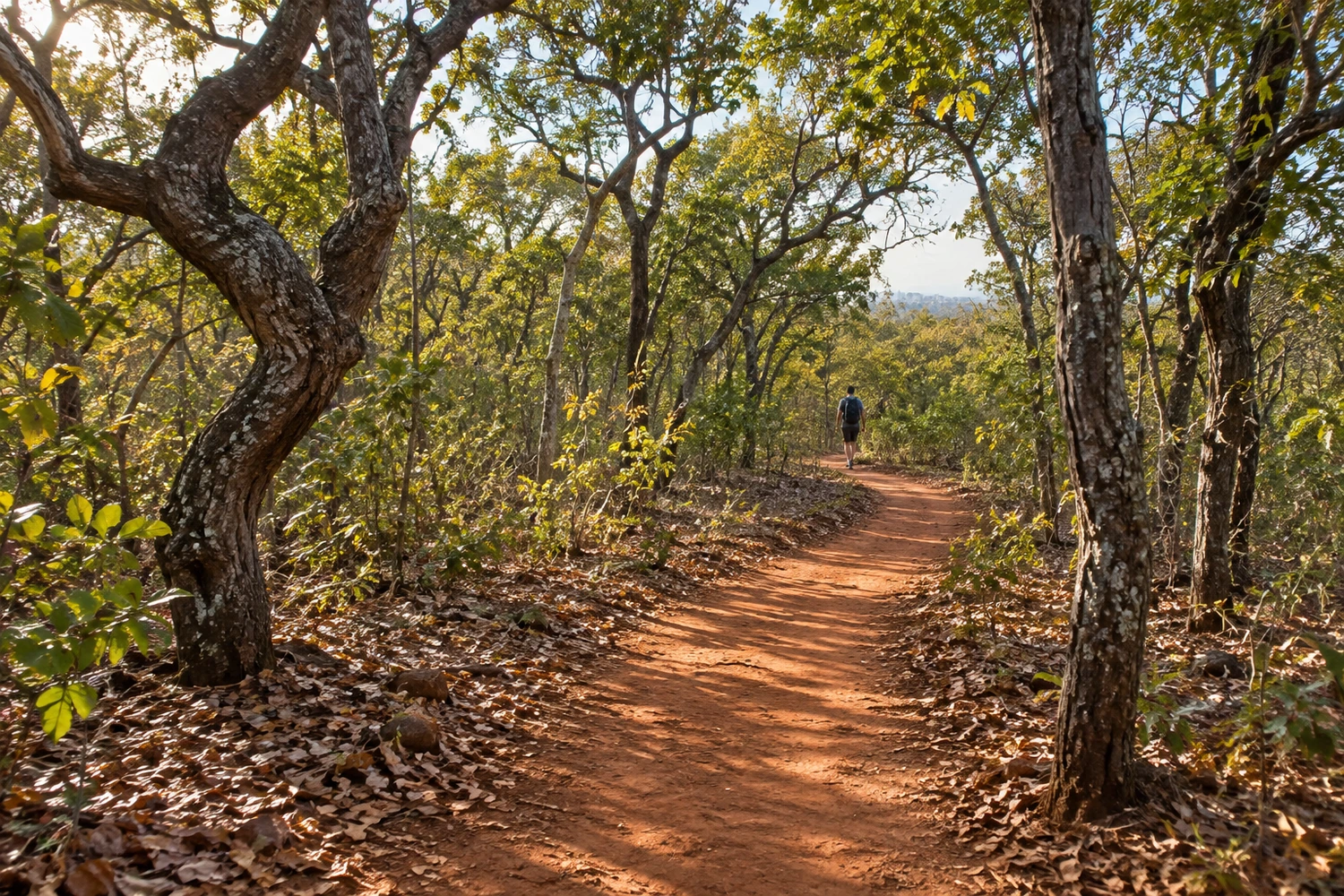
Parque Mãe BonifáciaOpened in 2000, it preserves 77 hectares of cerrado (Brazilian savanna) right in the urban area, with trails, a viewpoint and an environmental education center.
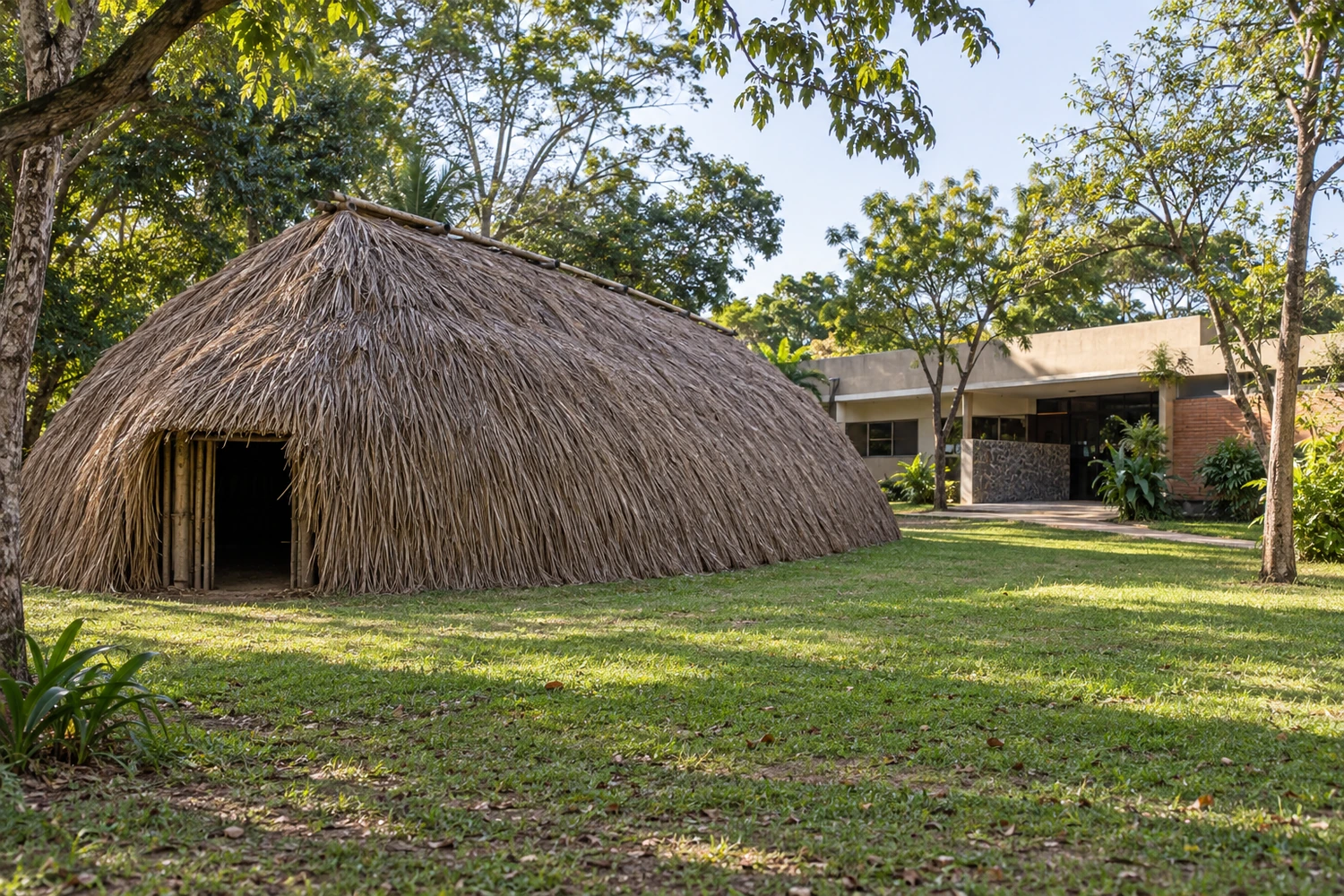
Museu Rondon de Etnologia e ArqueologiaPart of the Federal University of Mato Grosso, it opened in 1973 on the capital's campus and holds a collection from the state's Indigenous peoples.
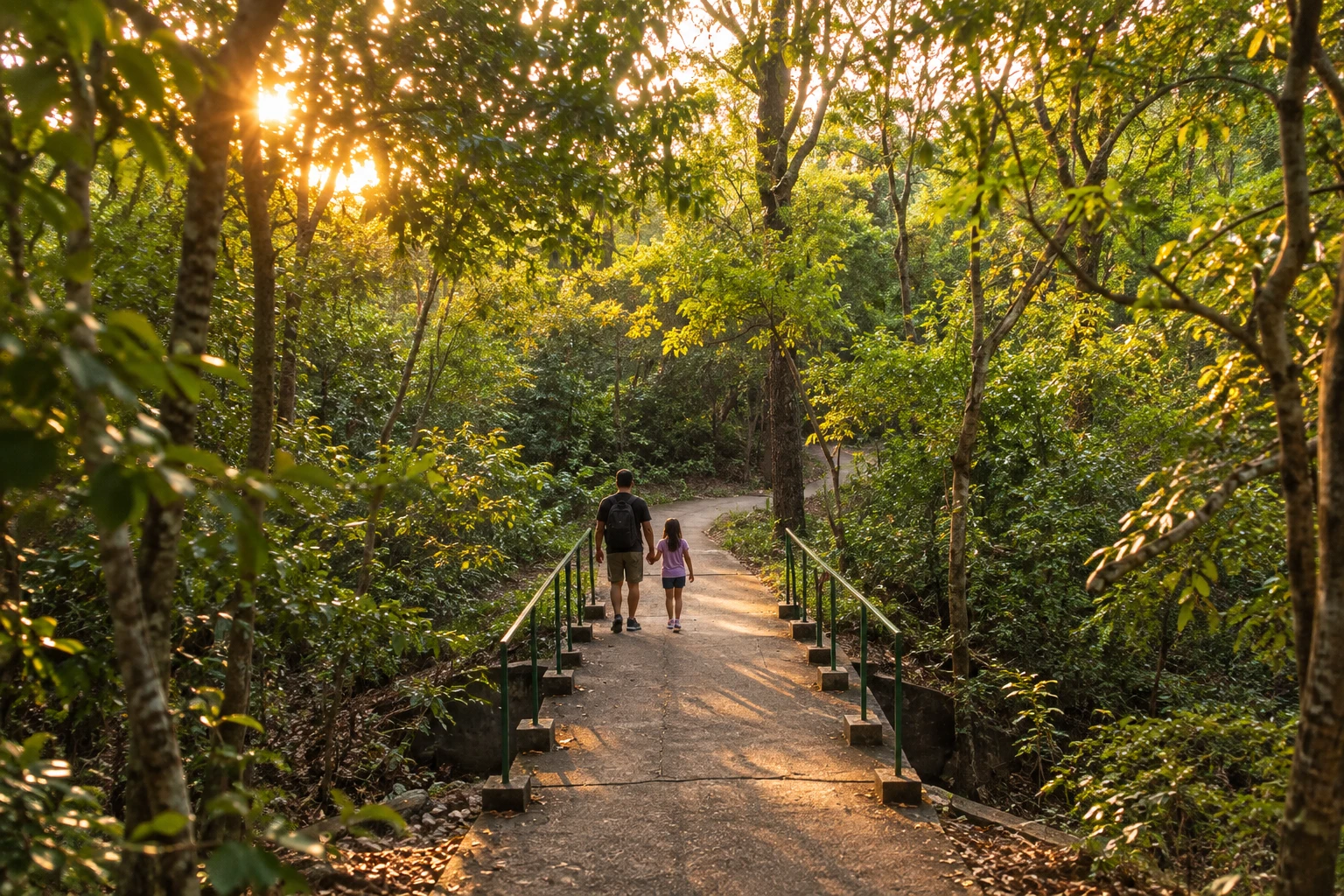
Parque Estadual Massairo OkamuraIt protects the springs of the Barbado stream, a tributary of the Rio Cuiabá (river), and has about 2 km of trails through native vegetation.
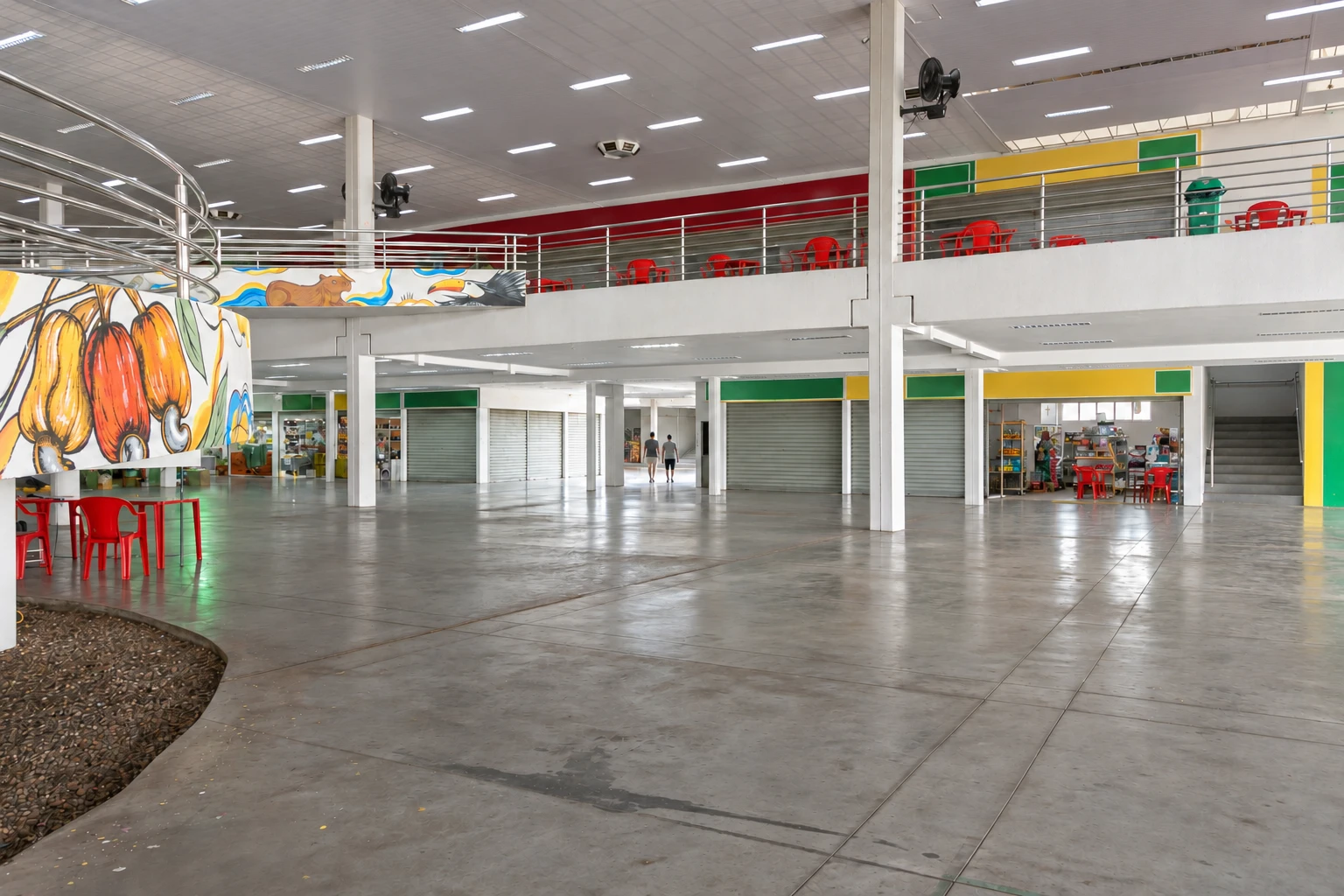
Mercado do PortoMunicipal market in the Porto neighborhood, near the Cuiabá River, where the city buys fish, flour, cheese, sweets and cerrado fruits.
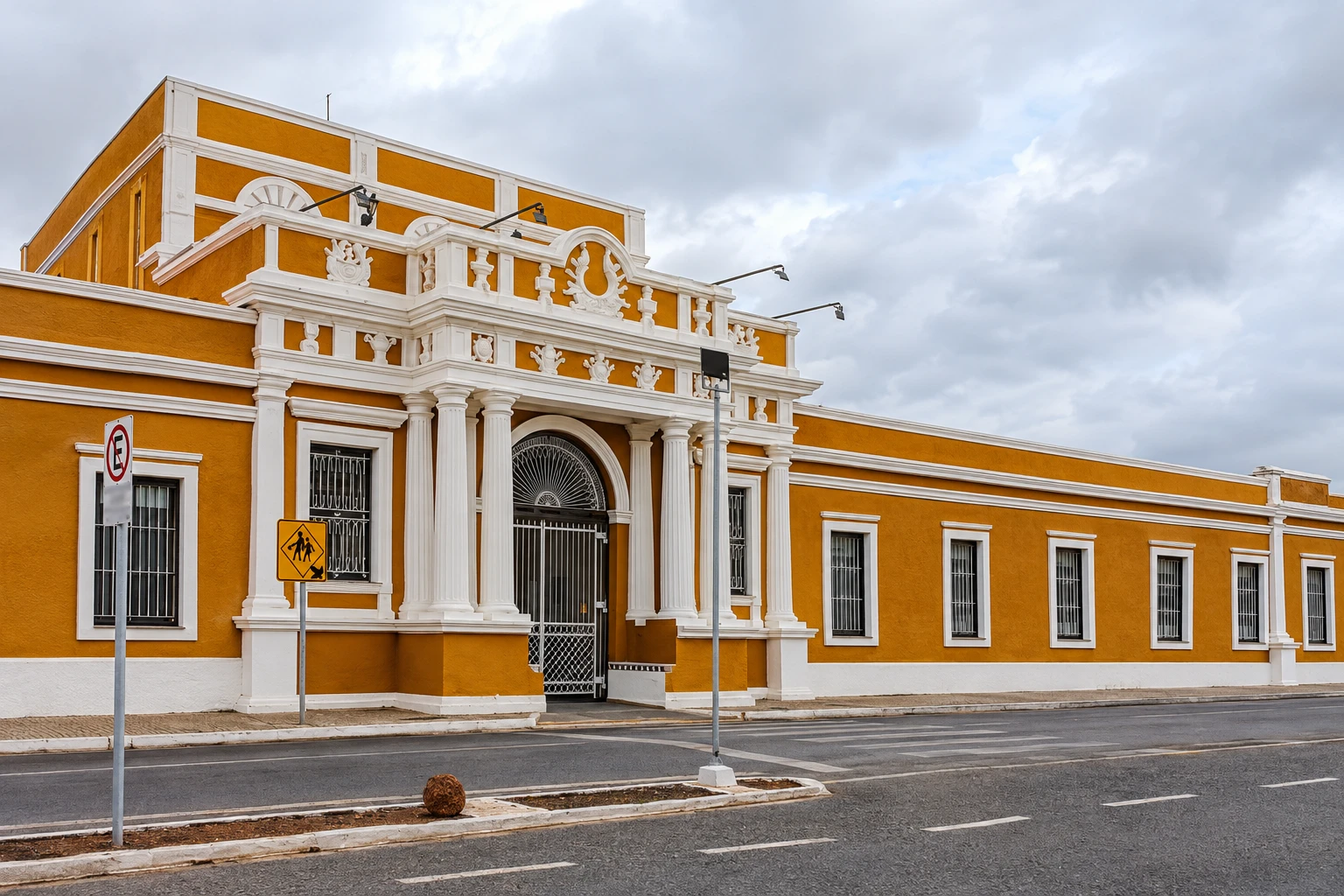
Sesc ArsenalFormer War Arsenal of Cuiabá, created by royal charter in 1818 and built between 1819 and 1832.
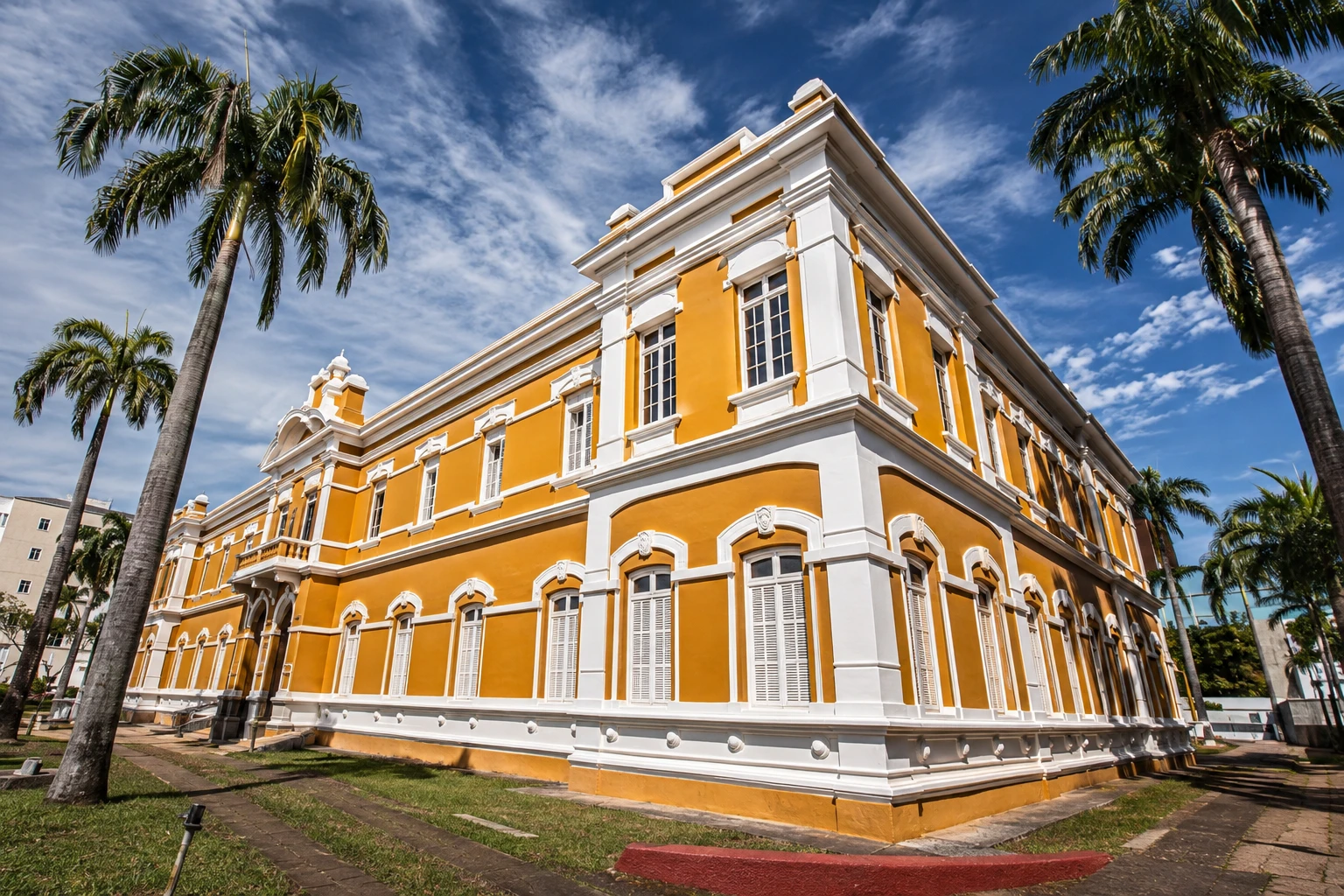
Palace of InstructionNeoclassical building from 1914 on Praça da República, next to the Cathedral, built to house schools.
The town core that grew up after gold was discovered in the Prainha stream in 1722 has about 400 buildings across 13 hectares listed by Iphan (Brazil's national heritage institute). Mansions, churches and narrow streets preserve the look of the old colonial town.
Built around 1730 in rammed earth, near the gold diggings of Miguel Sutil, it has been listed by Iphan (Brazil's national heritage institute) since 1975. It hosts the Festa de São Benedito, one of the most popular religious celebrations in Mato Grosso.
Completed in 1973 on the site of the old main church demolished in 1968, it is about 40 meters tall and 100 meters long. Inside, a 20-meter mosaic of Christ the King by Polish artist Arystarch Kaszkurewicz dominates the altar.
An obelisk on Praça Pascoal Moreira Cabral that marks the point Marshal Rondon calculated in 1909 as the center of the continent. The original marker is still visible inside the monument, which appears on the city flag.
Opened in 2000, it preserves 77 hectares of cerrado (Brazilian savanna) right in the urban area, with trails, a viewpoint and an environmental education center. The name honors a Black woman who lived in the area in the 19th century and is surrounded by legends.
Part of the Federal University of Mato Grosso, it opened in 1973 on the capital's campus and holds a collection from the state's Indigenous peoples. Next to the building is a reference house built in 2008 with the participation of Kurâ-Bakairi Indigenous people.
It protects the springs of the Barbado stream, a tributary of the Rio Cuiabá (river), and has about 2 km of trails through native vegetation. It also has a viewpoint, a reflecting pool and the Praça Nações Indígenas (square), dedicated to the memory of the state's peoples.
Municipal market in the Porto neighborhood, near the Cuiabá River, where the city buys fish, flour, cheese, sweets and cerrado fruits. There is a food-court area with broths and dishes of Cuiabá cuisine.
Former War Arsenal of Cuiabá, created by royal charter in 1818 and built between 1819 and 1832. Restored by Sesc, the complex around a large courtyard houses a theater, cinema, gallery and library.
Neoclassical building from 1914 on Praça da República, next to the Cathedral, built to house schools. Listed by the state, it houses the Estevão de Mendonça State Public Library and exhibitions.


 Antarctica
 Argentina
 Bolivia
 Chile
 Colombia
 Ecuador
 Falkland Islands (Malvinas)
 French Guiana
 Guyana
 Paraguay
 Peru
 Suriname
 Uruguay
 Venezuela
 Austria
 Belgium
 Croatia
 Denmark
 Finland
 France
 Germany
 Greece
 Hungary
 Iceland
 Ireland
 Italy
 Luxembourg
 Norway
 Poland
 Portugal
 Slovakia
 Slovenia
 Spain
 Sweden
 Switzerland
 the Czech Republic
 the Netherlands
 the United Kingdom
 Turkey
 Bermuda
 Canada
 Greenland
 Mexico
 Saint Pierre and Miquelon
 the United States
 the Dominican Republic
 Japan
 Egypt
 South Africa
 Australia
 Fiji
 New Zealand
 Papua New Guinea