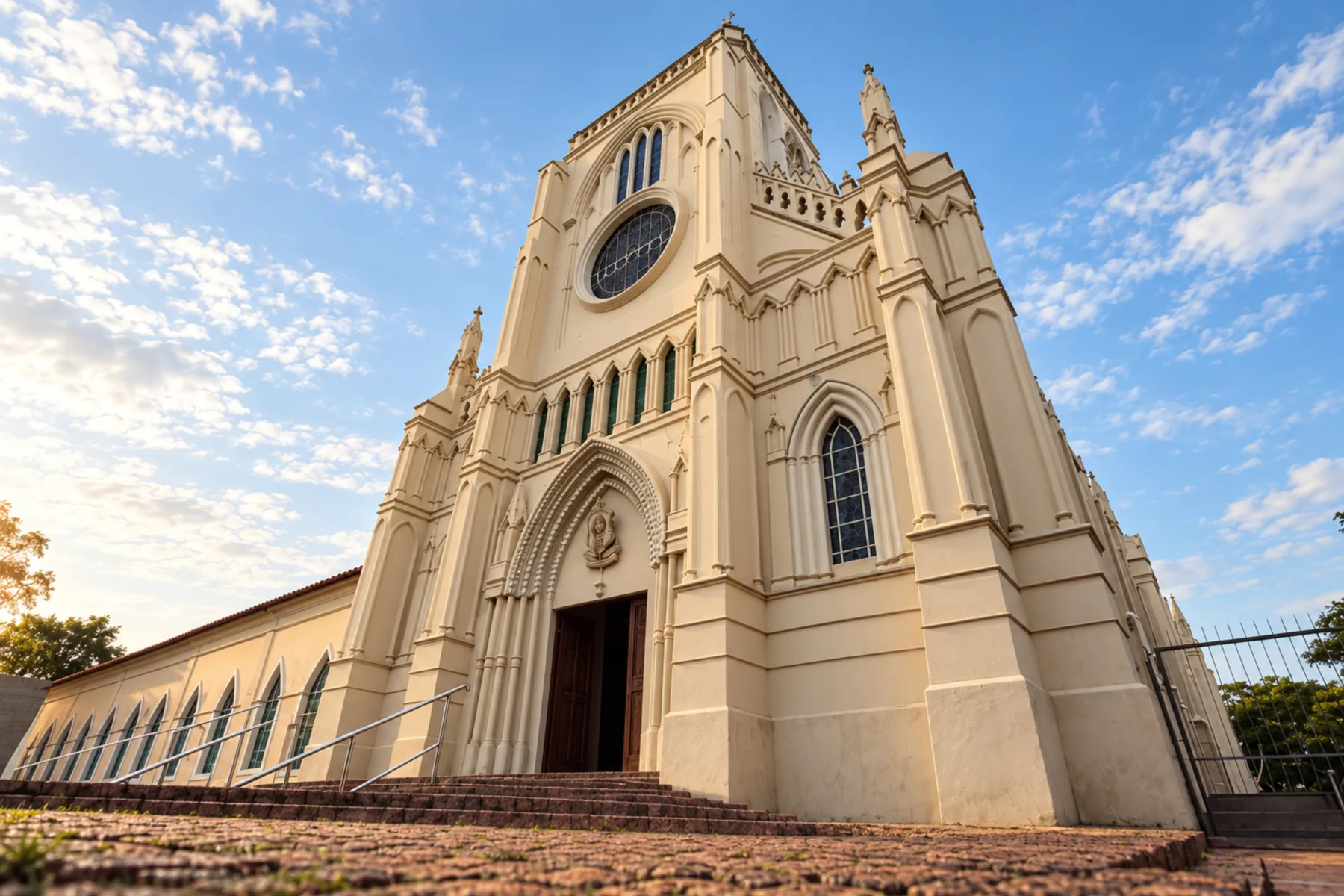
Cuiabá brings together historic heritage, regional traditions and green spaces in the center of Mato Grosso. On Morro do Seminário (hill), the Igreja do Bom Despacho (church) is a highlight of the capital's religious architecture.
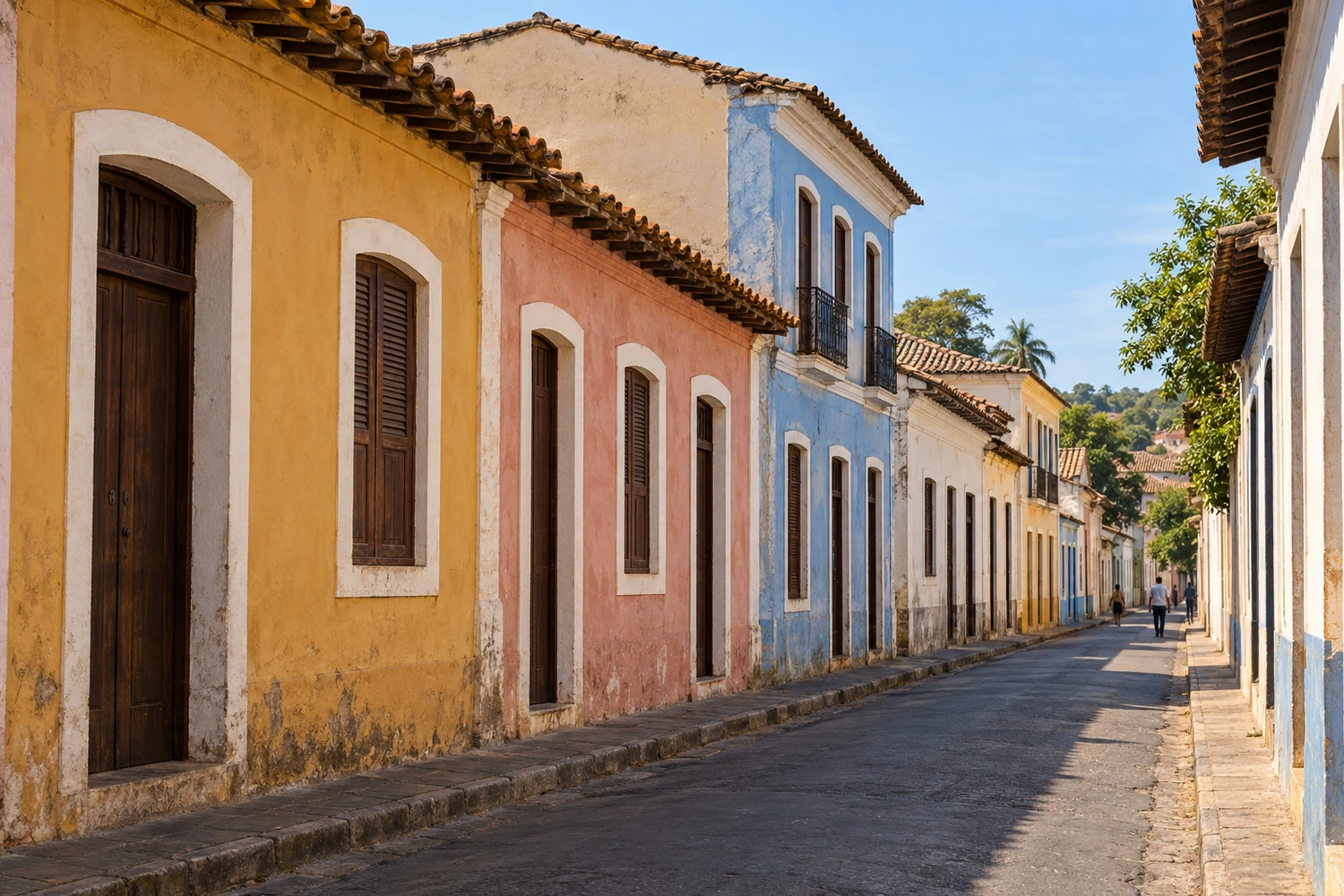
The town core that grew up after gold was discovered in the Prainha stream in 1722 has about 400 buildings across 13 hectares listed by Iphan (Brazil's national heritage institute). Mansions, churches and narrow streets preserve the look of the old colonial town.
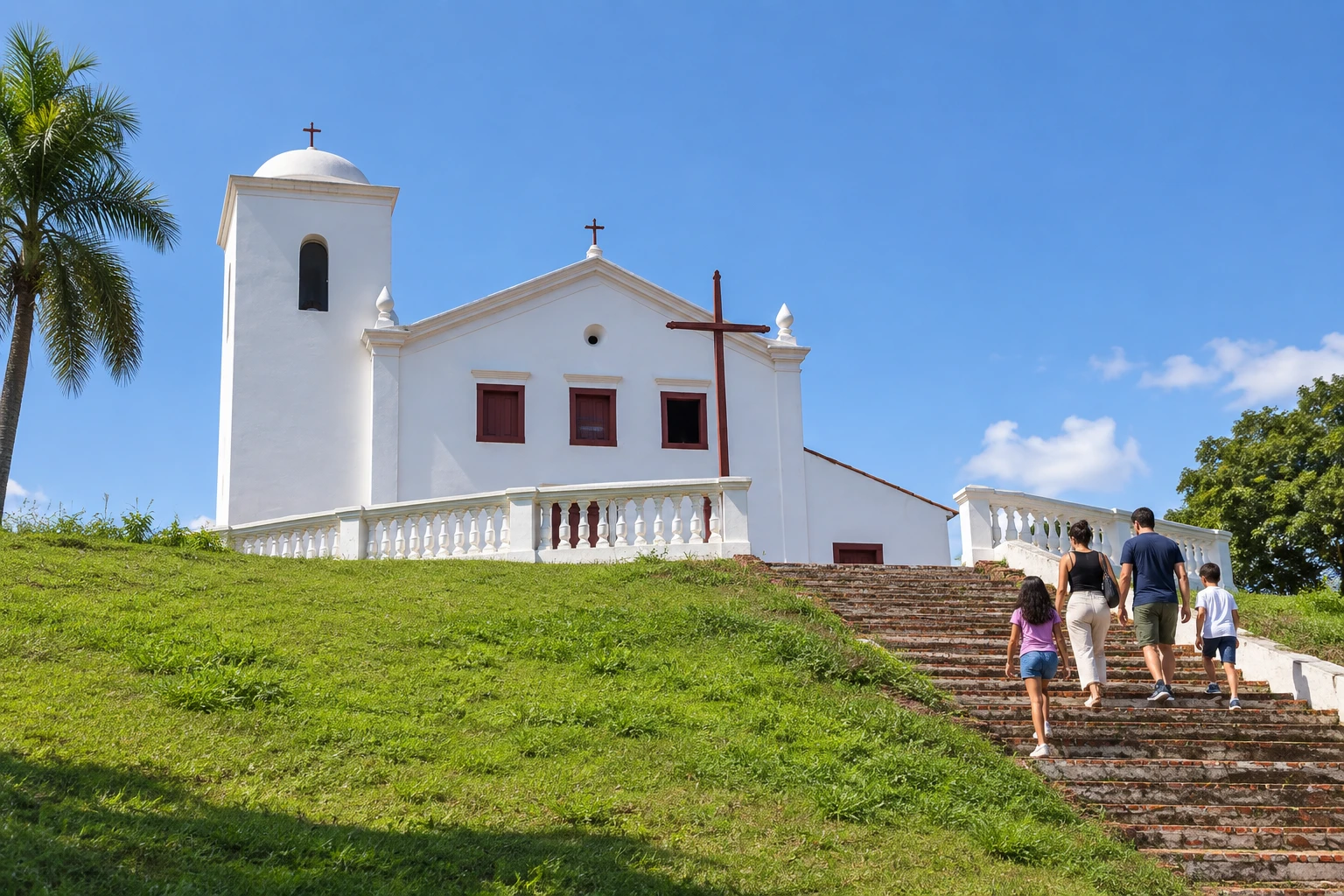
Built around 1730 in rammed earth, near the gold diggings of Miguel Sutil, it has been listed by Iphan (Brazil's national heritage institute) since 1975. It hosts the Festa de São Benedito, one of the most popular religious celebrations in Mato Grosso.
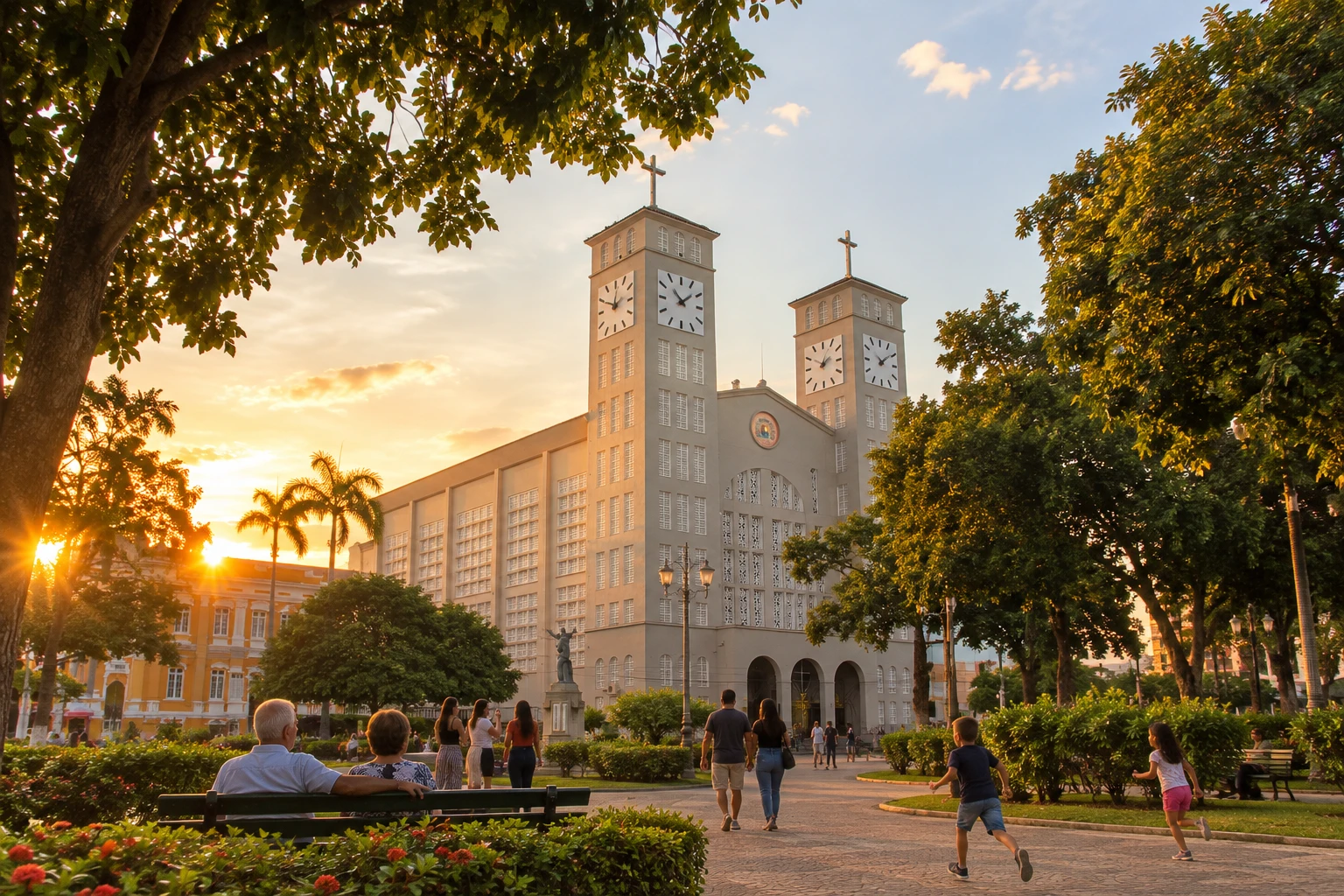
Completed in 1973 on the site of the old main church demolished in 1968, it is about 40 meters tall and 100 meters long. Inside, a 20-meter mosaic of Christ the King by Polish artist Arystarch Kaszkurewicz dominates the altar.
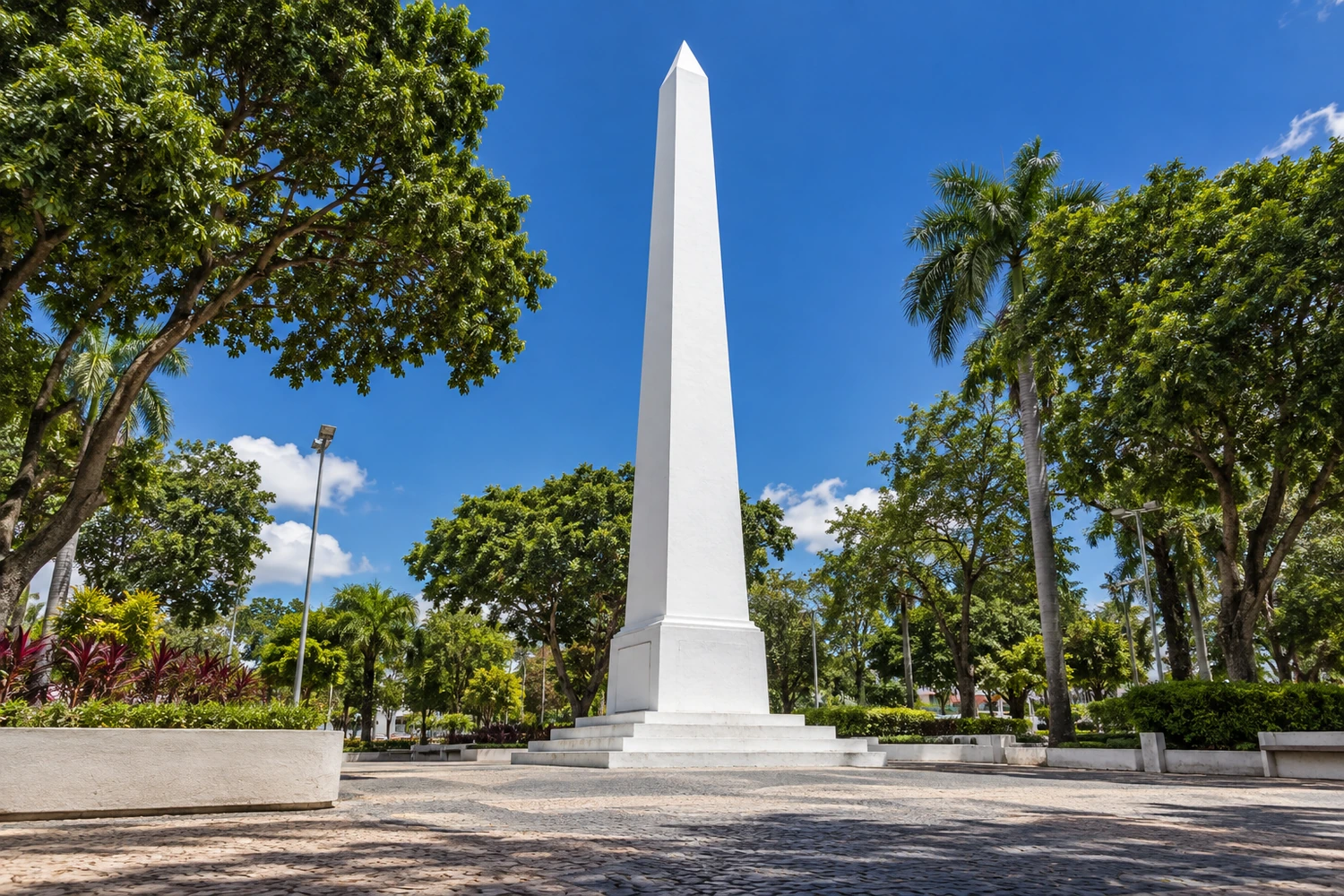
An obelisk on Praça Pascoal Moreira Cabral that marks the point Marshal Rondon calculated in 1909 as the center of the continent. The original marker is still visible inside the monument, which appears on the city flag.


 Antarctica
 Argentina
 Bolivia
 Chile
 Colombia
 Ecuador
 Falkland Islands (Malvinas)
 French Guiana
 Guyana
 Paraguay
 Peru
 Suriname
 Uruguay
 Venezuela
 Austria
 Belgium
 Croatia
 Denmark
 Finland
 France
 Germany
 Greece
 Hungary
 Iceland
 Ireland
 Italy
 Luxembourg
 Norway
 Poland
 Portugal
 Slovakia
 Slovenia
 Spain
 Sweden
 Switzerland
 the Czech Republic
 the Netherlands
 the United Kingdom
 Turkey
 Bermuda
 Canada
 Greenland
 Mexico
 Saint Pierre and Miquelon
 the United States
 the Dominican Republic
 Japan
 Egypt
 South Africa
 Australia
 Fiji
 New Zealand
 Papua New Guinea