9 places to visit, chosen by the Cidade Turismo guide.
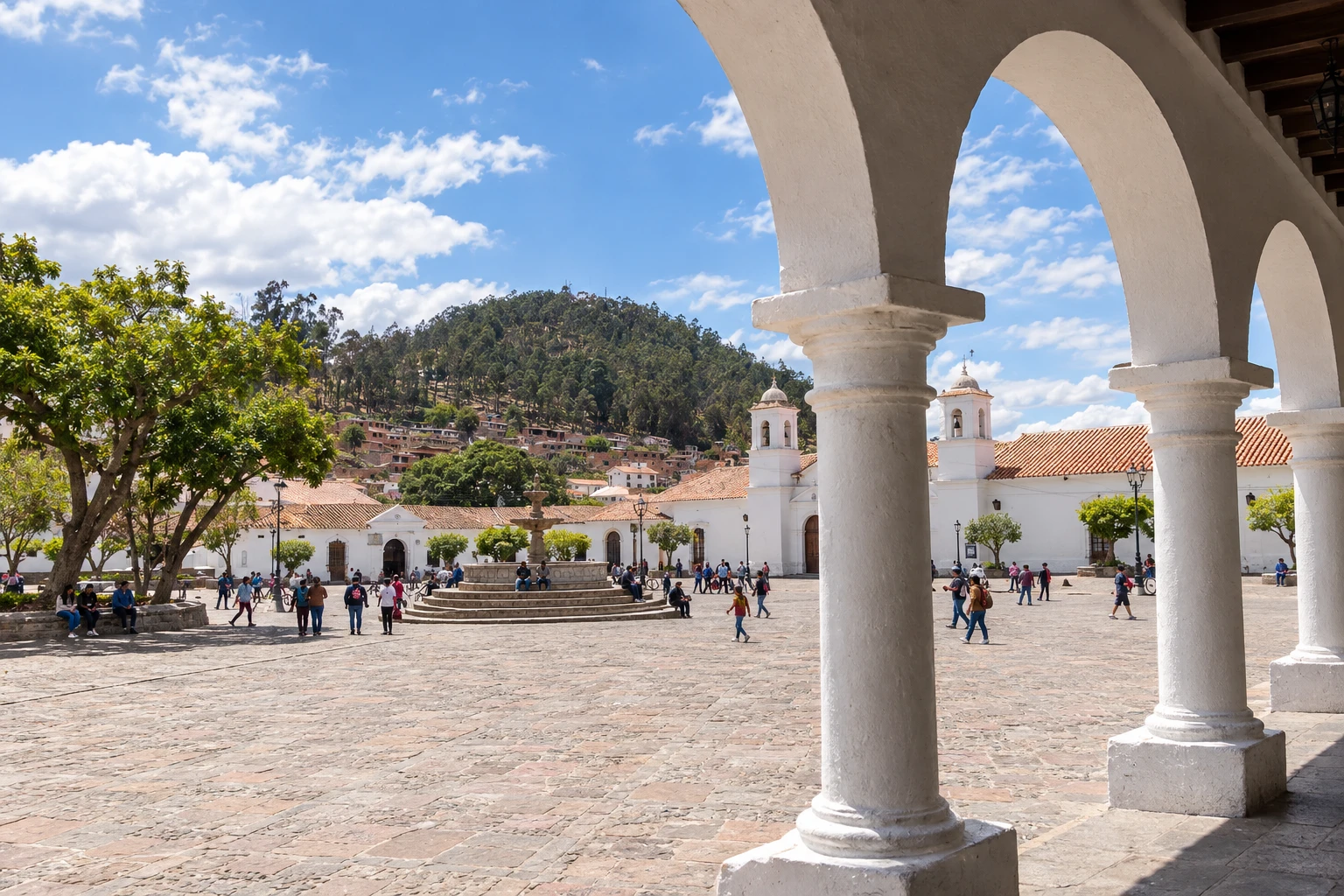
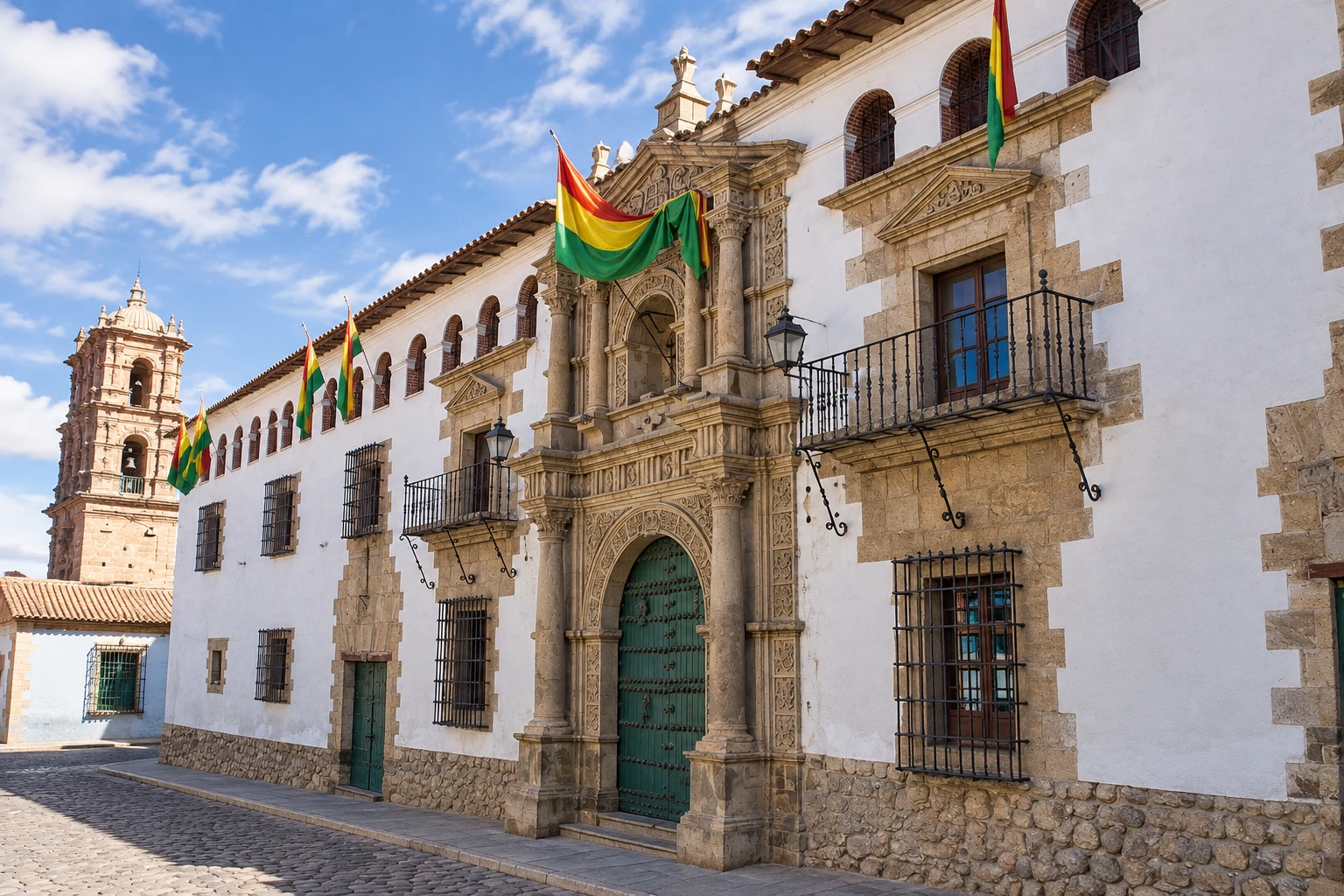
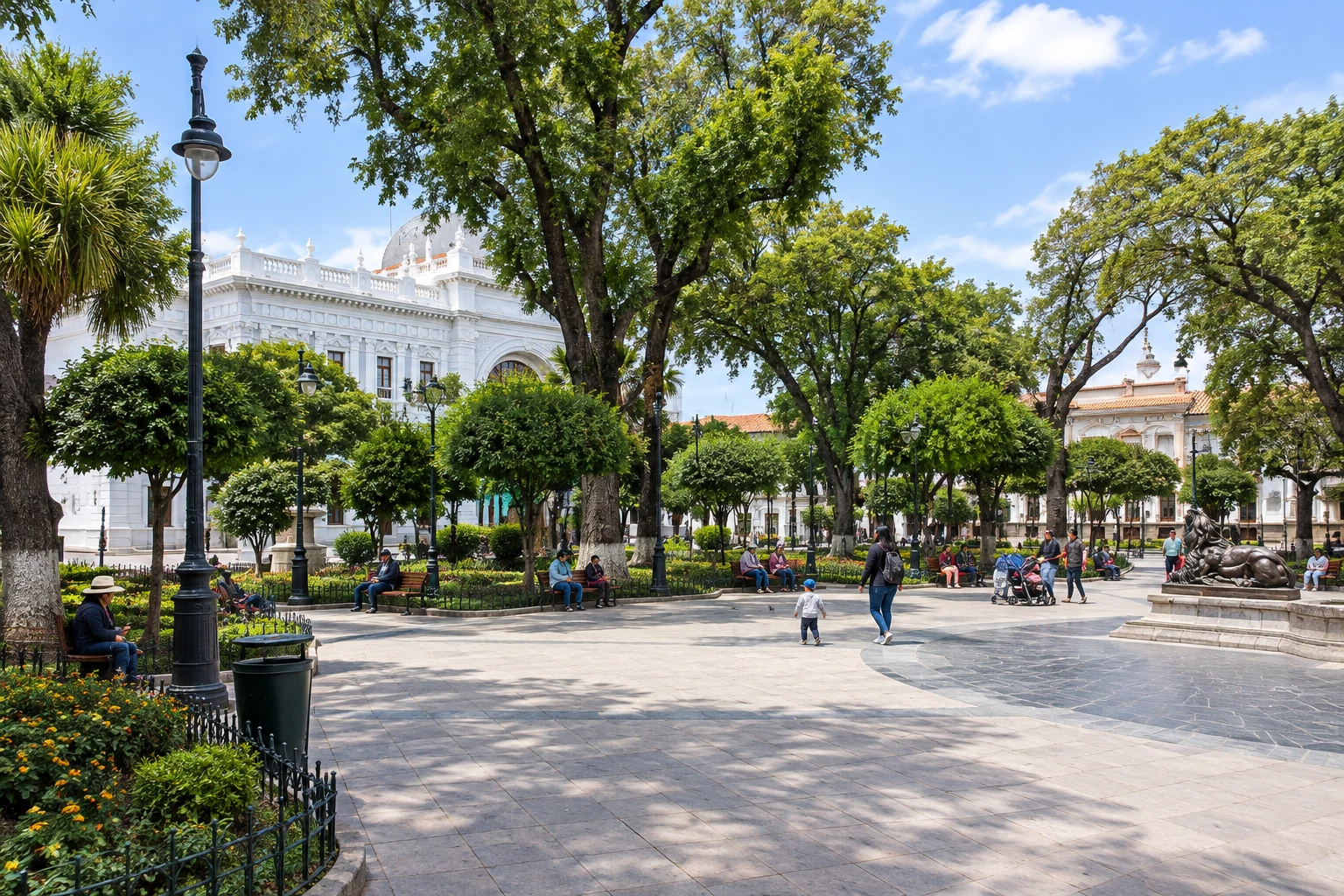
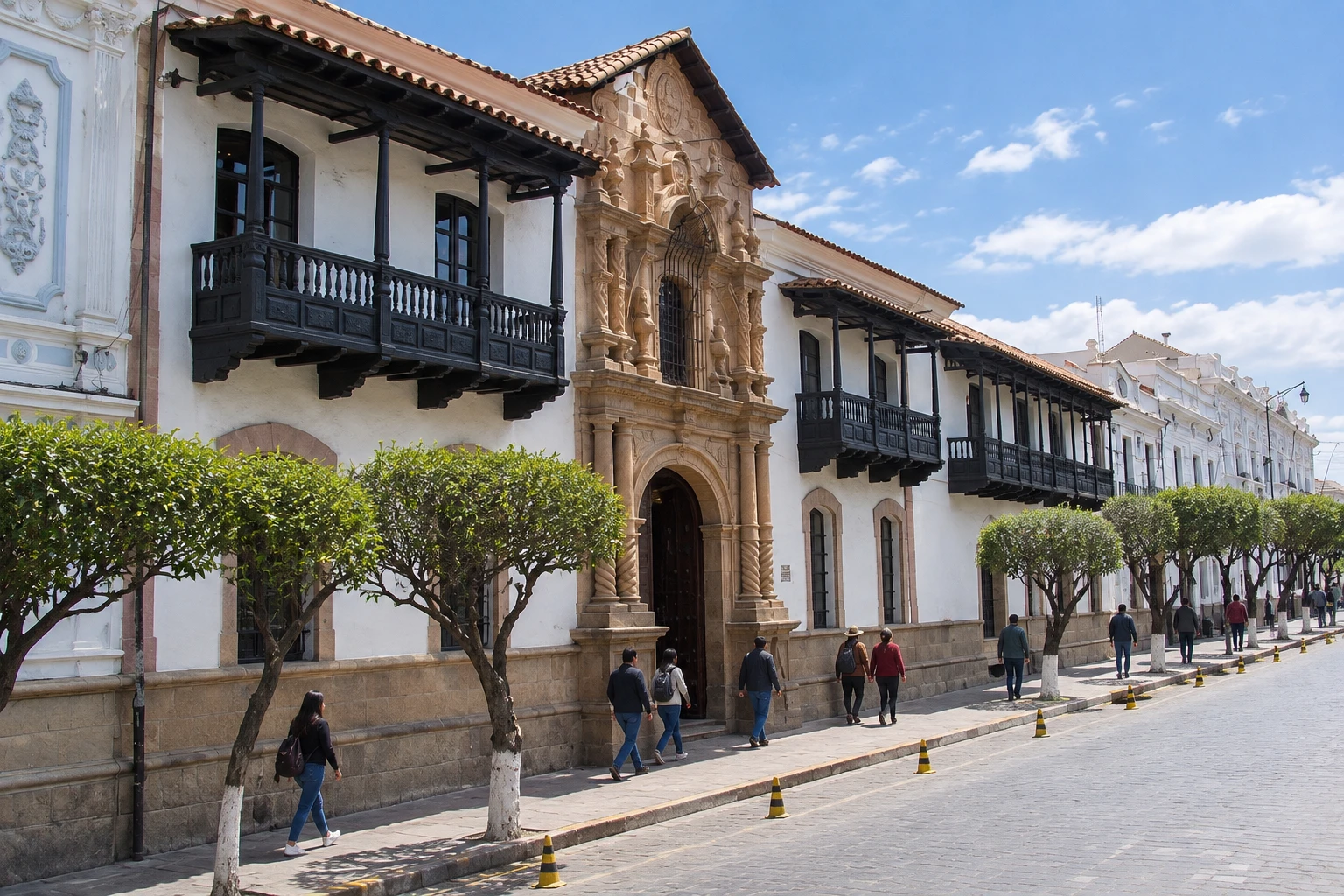
Illustrative images. The pictures in this guide are illustrations based on the real place, not photographs, and may differ from it.
To start
The 9 main places Sucre and Potosí
National Mint of Bolivia · PotosíThe old mint of Potosí, built from 1753 to 1773, where colonial silver was coined; today it's a museum with mule-powered minting machines, coins, colonial painting and the Masca...
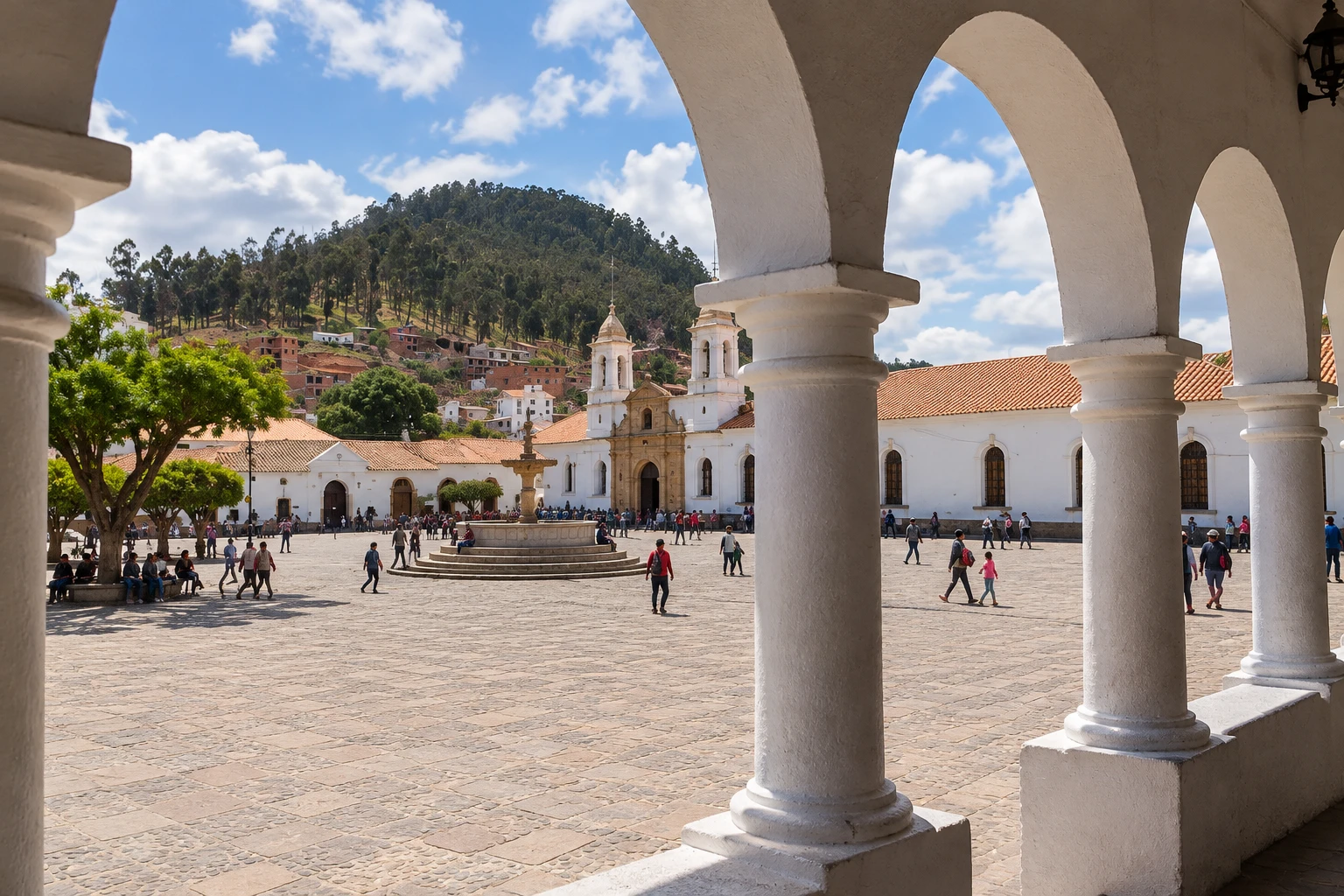
Plaza 25 de Mayo · SucreSucre’s central square, with gardens, palm trees and the statue of Sucre, surrounded by the Cathedral, the Casa de la Libertad, the departmental Government Palace and white colo...
Casa de la Libertad · SucreThe manor house on Plaza 25 de Mayo where Bolivia’s declaration of independence was signed on August 6, 1825, featuring the Hall of Independence, portraits of the liberators, an...
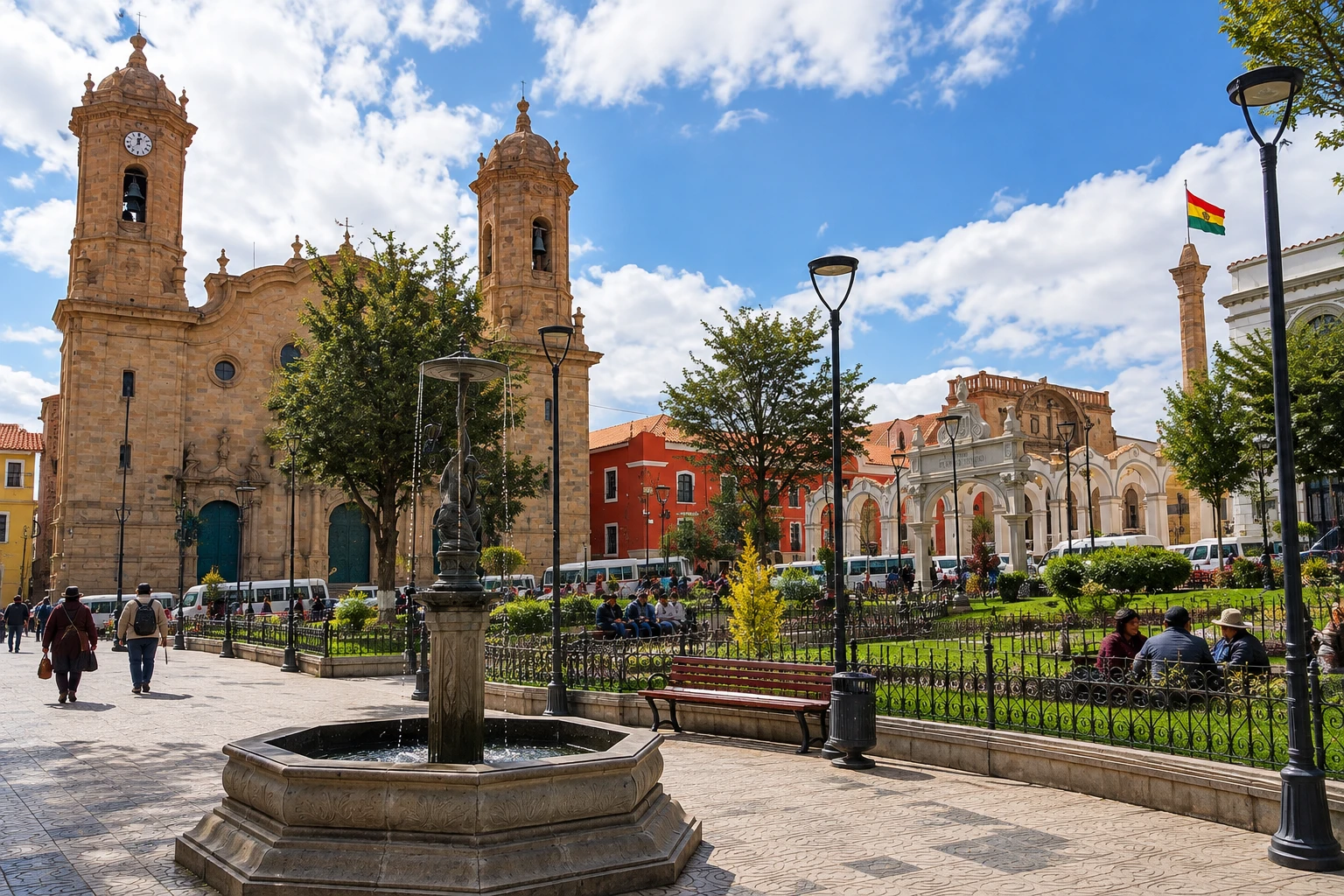
Plaza 10 de Noviembre · PotosíPotosí's central square, with the neoclassical Cathedral, the Cabildo and large houses with balconies, near the baroque tower of the Compañía de Jesús, which serves as a viewpoi...
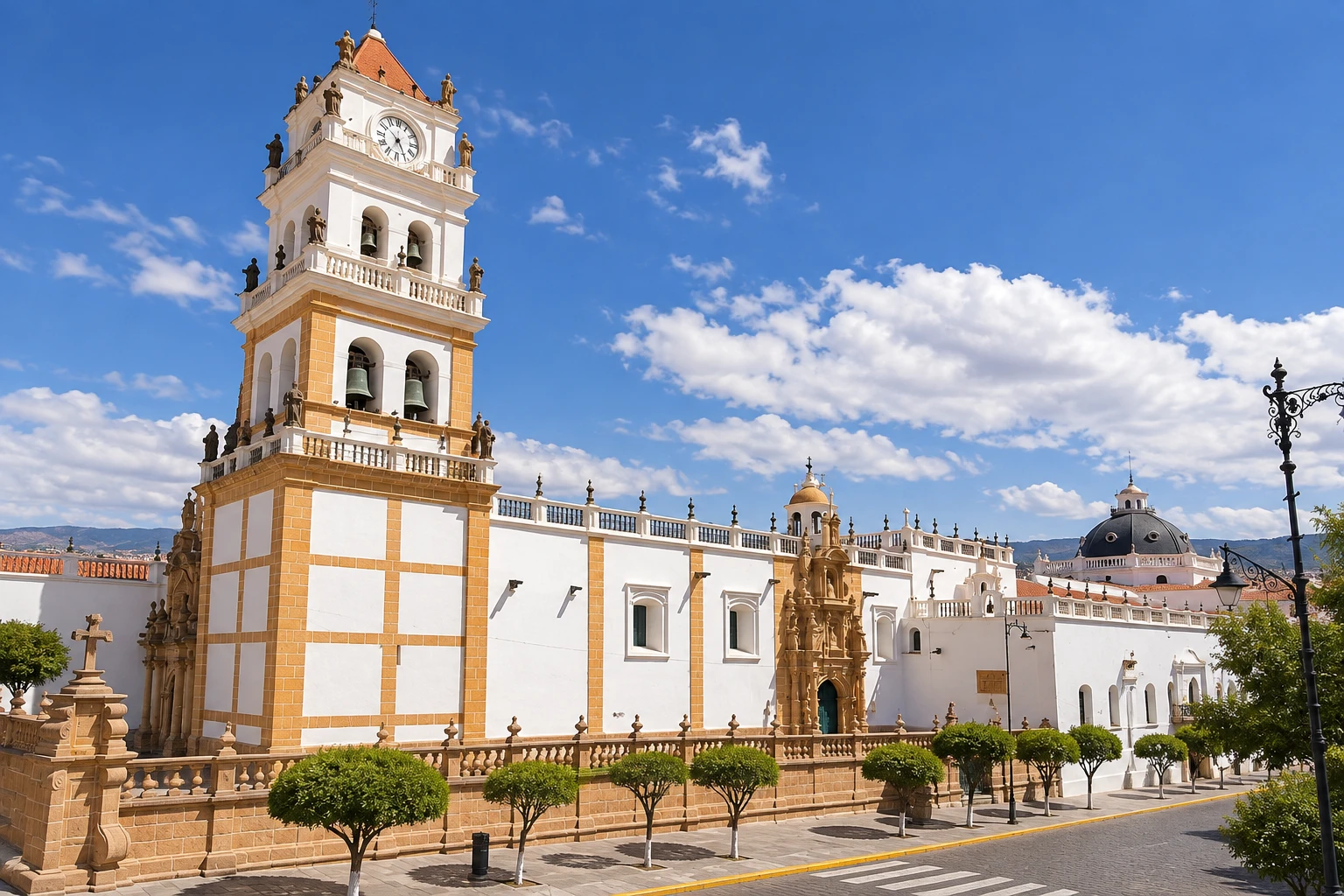
Metropolitan Cathedral of Sucre · SucreCathedral built from the 16th to the 18th century on Plaza 25 de Mayo, with the white tower and the museum that houses the Virgin of Guadalupe, the city’s patron, painted in 160...
Santa Teresa Convent · PotosíCarmelite convent founded in 1685, with a colonial art museum in the old rooms and cloisters, showing the life of cloistered nuns, daughters of Potosí's wealthy families.
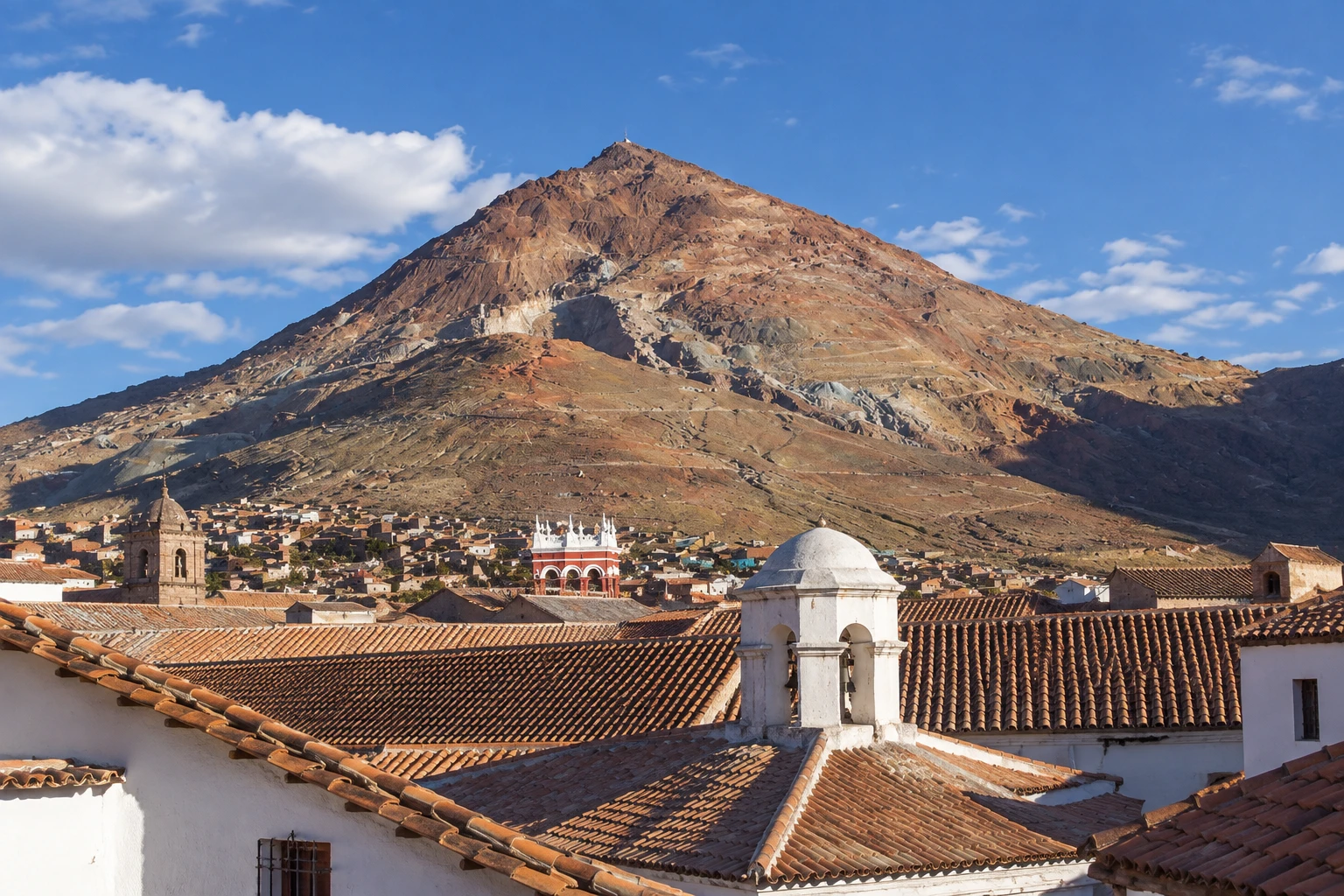
Cerro Rico · PotosíThe conical, reddish mountain of about 4,780 m to the south of Potosí, from which silver has been extracted since 1545, visible from almost the entire city and from the viewpoin...
La Recoleta Monastery · SucreFranciscan convent founded in 1601 high above the city, with cloisters, a choir of carved choir stalls and a museum, next to the arched viewpoint overlooking Sucre’s white roofs.
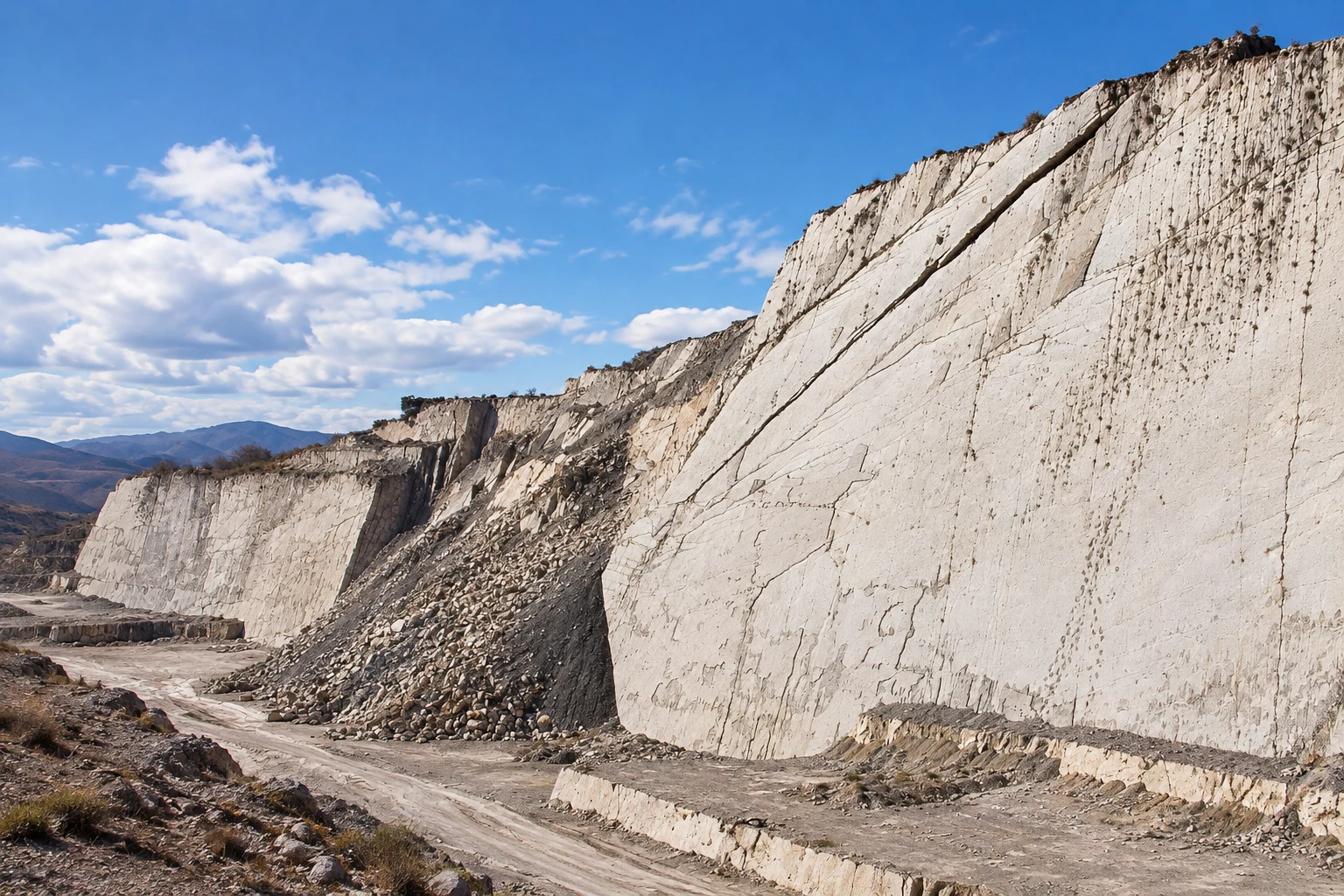
Cretaceous Park · SucrePark next to the Cal Orck'o quarry, about 5 km from Sucre, featuring an almost vertical limestone cliff marked by thousands of dinosaur footprints and life-size replicas.
The old mint of Potosí, built from 1753 to 1773, where colonial silver was coined; today it's a museum with mule-powered minting machines, coins, colonial painting and the Mascarón in the courtyard.
Sucre’s central square, with gardens, palm trees and the statue of Sucre, surrounded by the Cathedral, the Casa de la Libertad, the departmental Government Palace and white colonial mansions.
The manor house on Plaza 25 de Mayo where Bolivia’s declaration of independence was signed on August 6, 1825, featuring the Hall of Independence, portraits of the liberators, and period documents.
Potosí's central square, with the neoclassical Cathedral, the Cabildo and large houses with balconies, near the baroque tower of the Compañía de Jesús, which serves as a viewpoint for the Cerro Rico.
Cathedral built from the 16th to the 18th century on Plaza 25 de Mayo, with the white tower and the museum that houses the Virgin of Guadalupe, the city’s patron, painted in 1601 and covered in jewels.
Carmelite convent founded in 1685, with a colonial art museum in the old rooms and cloisters, showing the life of cloistered nuns, daughters of Potosí's wealthy families.
The conical, reddish mountain of about 4,780 m to the south of Potosí, from which silver has been extracted since 1545, visible from almost the entire city and from the viewpoints of the downtown towers.
Franciscan convent founded in 1601 high above the city, with cloisters, a choir of carved choir stalls and a museum, next to the arched viewpoint overlooking Sucre’s white roofs.
Park next to the Cal Orck'o quarry, about 5 km from Sucre, featuring an almost vertical limestone cliff marked by thousands of dinosaur footprints and life-size replicas.


 Brazil
 Antarctica
 Argentina
 Chile
 Colombia
 Ecuador
 Falkland Islands (Malvinas)
 French Guiana
 Guyana
 Paraguay
 Peru
 Suriname
 Uruguay
 Venezuela
 Austria
 Belgium
 Croatia
 Denmark
 Finland
 France
 Germany
 Greece
 Hungary
 Iceland
 Ireland
 Italy
 Luxembourg
 Norway
 Poland
 Portugal
 Slovakia
 Slovenia
 Spain
 Sweden
 Switzerland
 the Czech Republic
 the Netherlands
 the United Kingdom
 Turkey
 Bermuda
 Canada
 Greenland
 Mexico
 Saint Pierre and Miquelon
 the United States
 the Dominican Republic
 Japan
 Egypt
 South Africa
 Australia
 Fiji
 New Zealand
 Papua New Guinea