Sucre and Potosí

Chuquisaca · Potosí

Sucre and Potosí

Sucre, the constitutional capital of white colonial houses where Bolivia declared independence, and Potosí, the silver city at about 4,000 m, with the Casa Nacional de Moneda at the foot of Cerro Rico.

Valleys

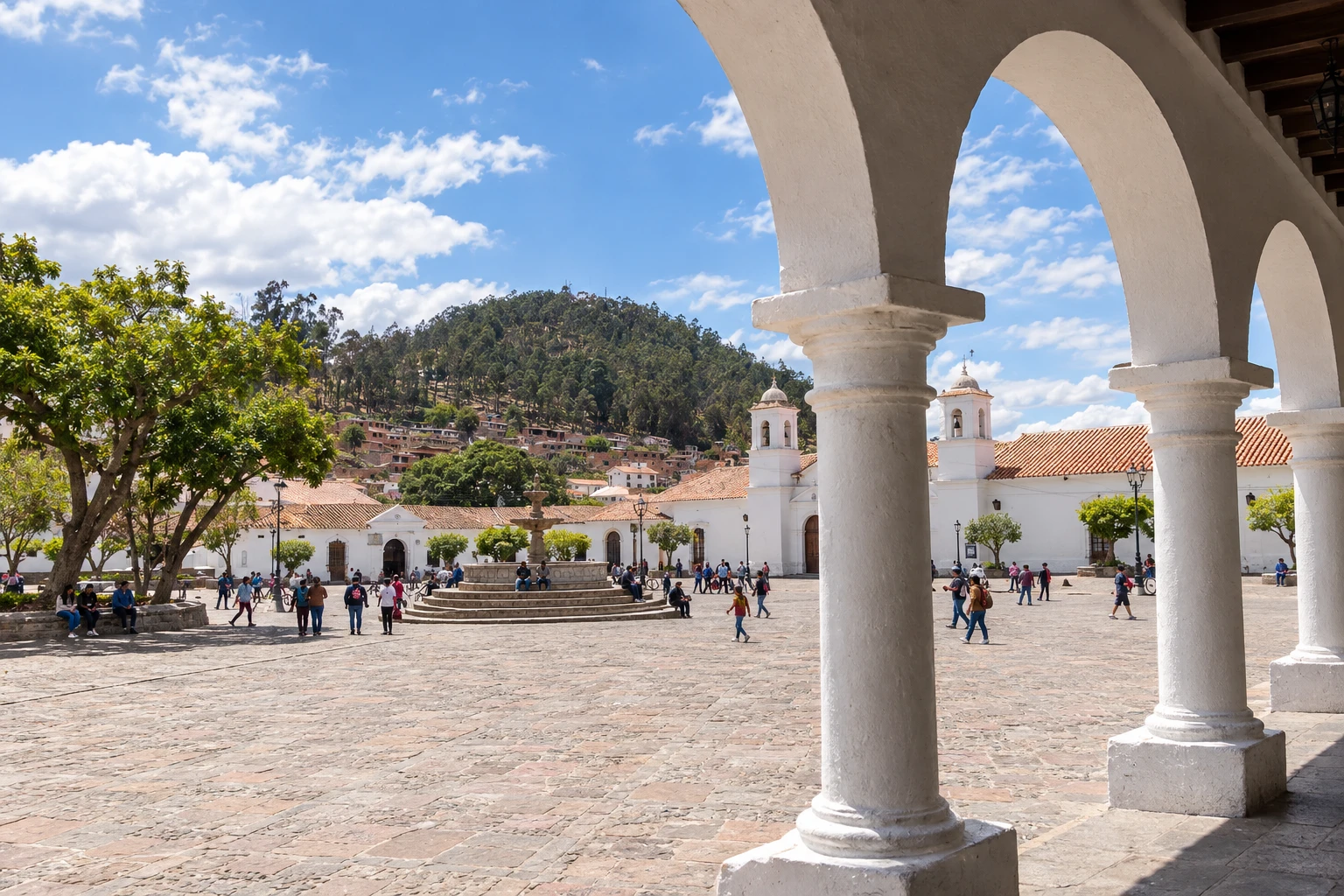
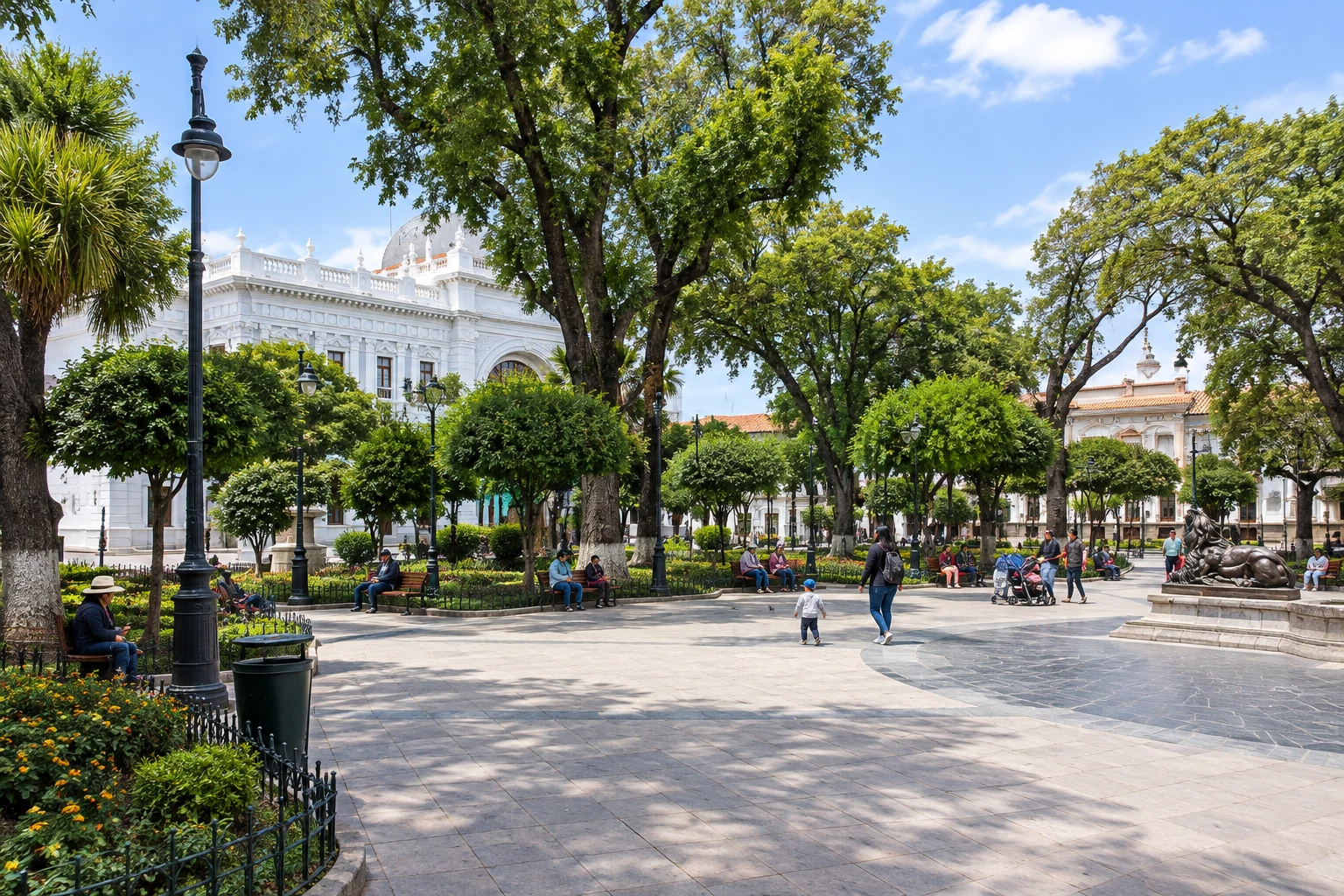
In the photo: Square at Convento de La Recoleta, Sucre

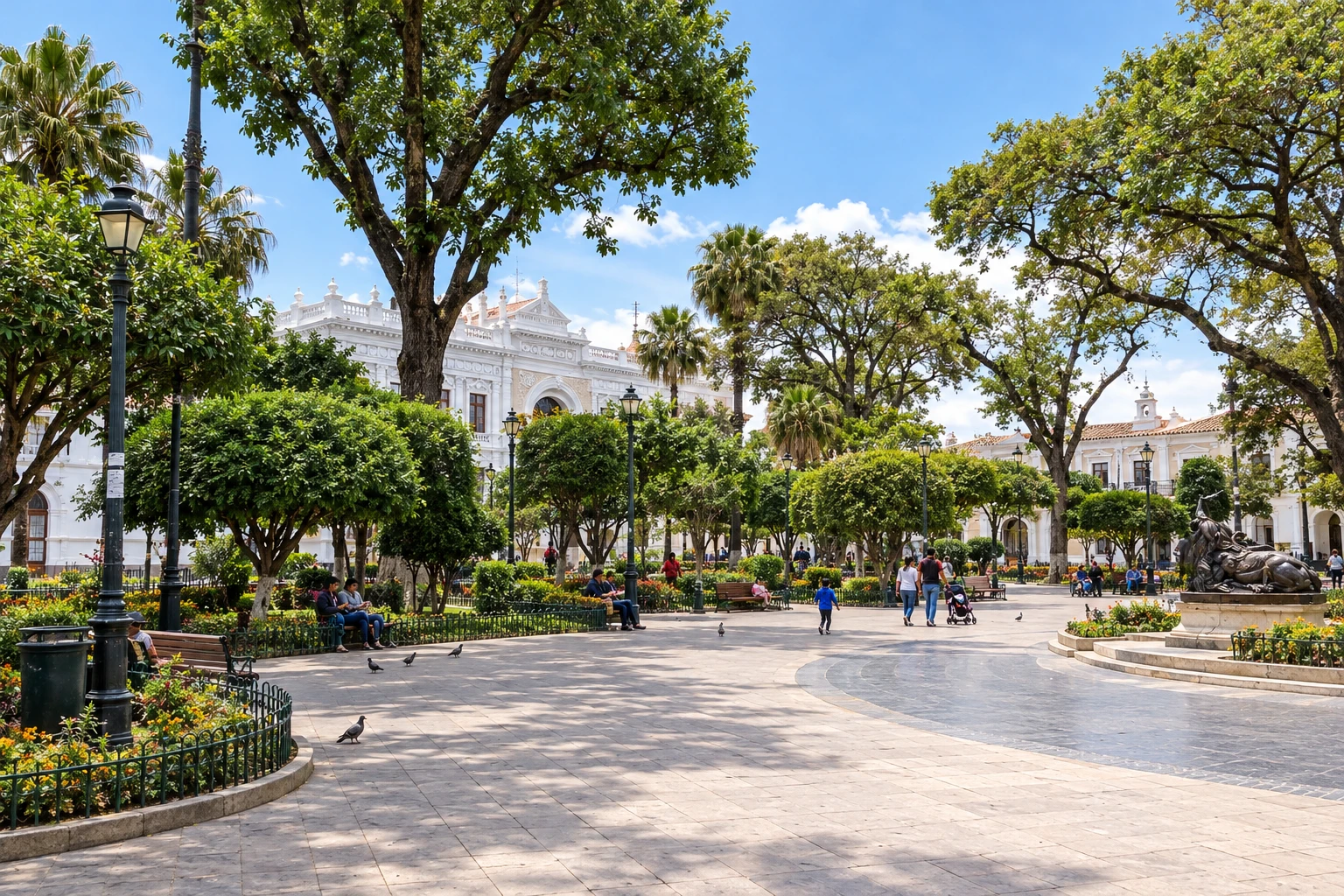
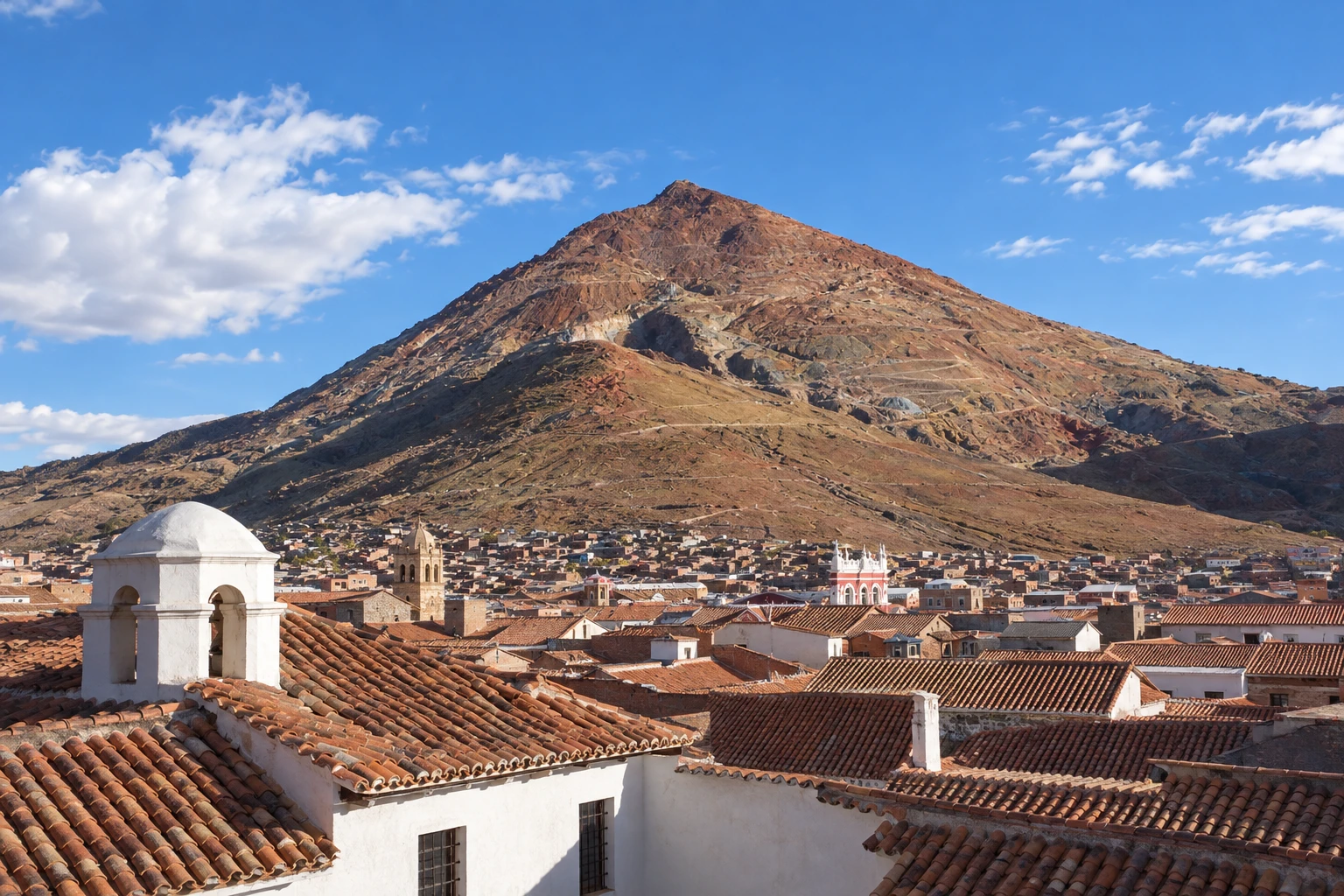
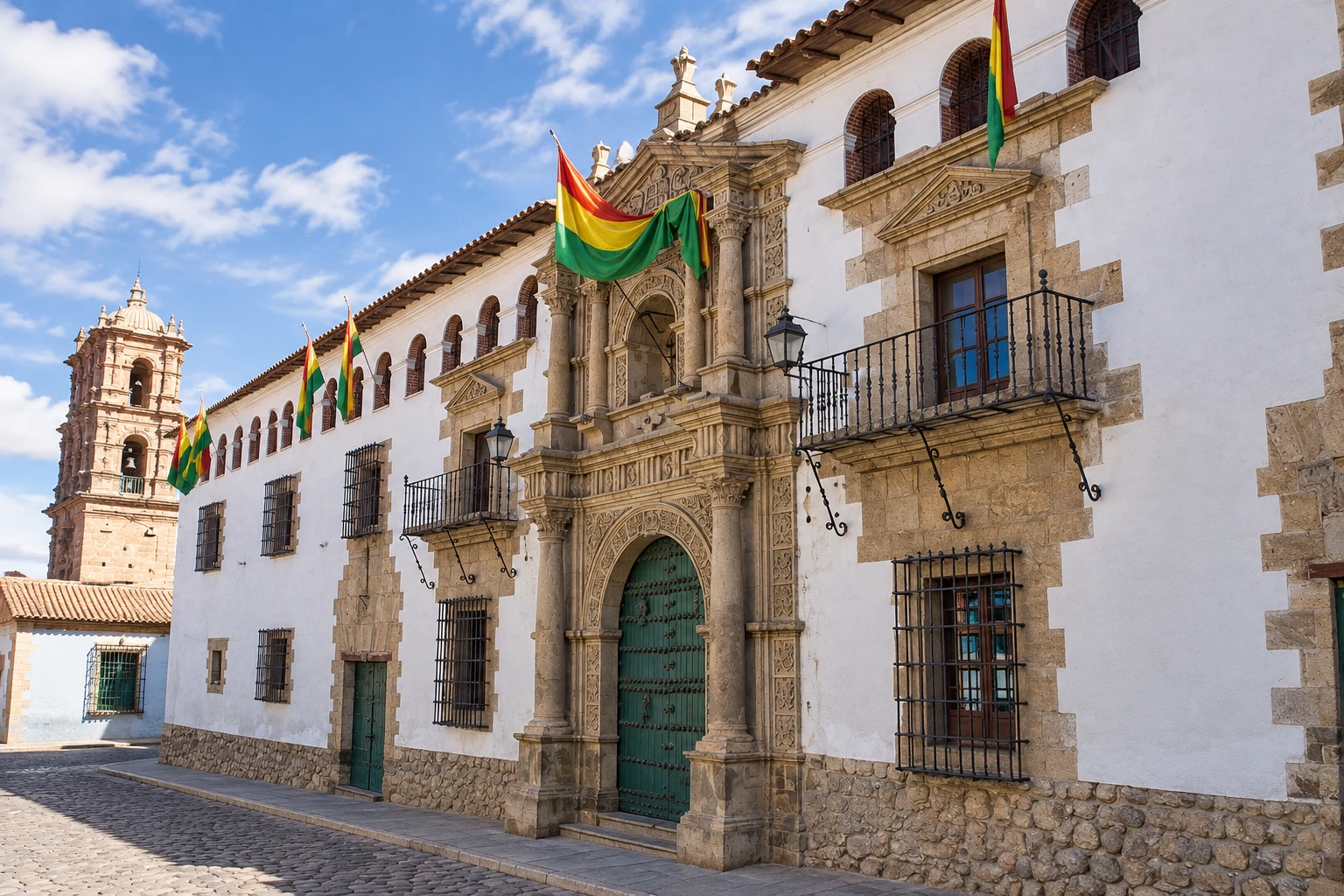
Illustrative images. The pictures in this guide are illustrations based on the real place, not photographs, and may differ from it.

Get it on Google Play

Get to know the place

A region to enjoy
at your own pace.

Sucre and Potosí are in the southern Bolivian Andes, about 155 km apart, and together tell the colonial history of the country. Potosí grew from 1545 around Cerro Rico, the silver mountain that financed the Spanish empire for more than two centuries. Sucre, then called La Plata, was the administrative and religious city of the region, where judges, bishops and mine owners lived. Both are UNESCO World Heritage sites.

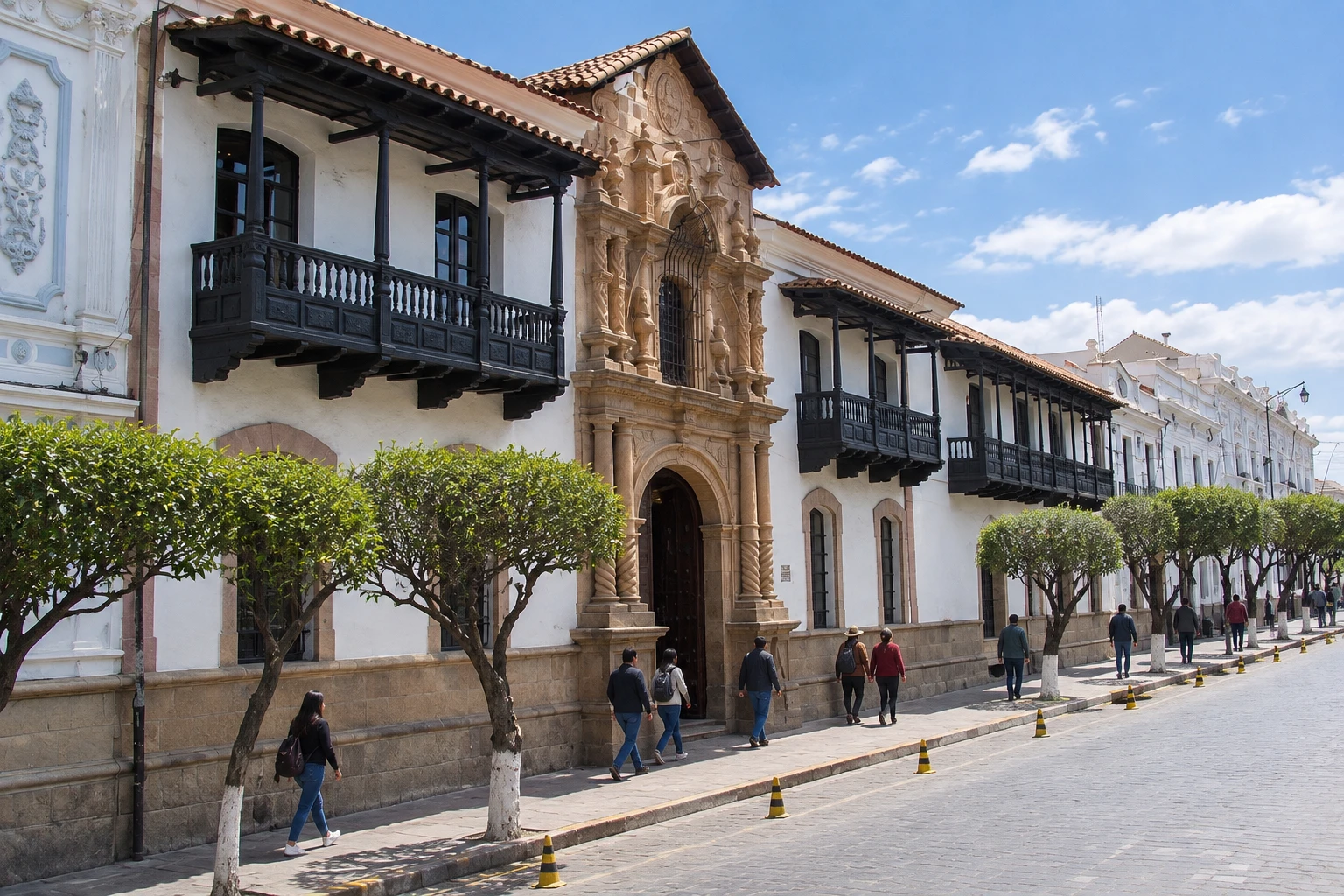
Sucre is the constitutional capital of Bolivia, seat of the Judiciary, while La Paz is the seat of government. It sits in a valley at about 2,800 meters, with a mild climate, and is called the White City because of the whitewashed facades in the center. At the Casa de la Libertad, next to Plaza 25 de Mayo, the declaration of independence was signed in 1825. The Convento de La Recoleta has a viewpoint over the roofs, and nearby the Parque Cretácico shows thousands of dinosaur footprints on a limestone cliff.

Potosí is at about 4,000 meters, one of the highest cities in the world, with the reddish cone of Cerro Rico always in view. In the 17th century it was among the most populous cities in the world. From that wealth remain the baroque churches, the mansions with wooden balconies and the Casa Nacional de Moneda, where silver was minted during the colonial period and which today is one of the country's largest museums.

For Brazilians, Sucre is a good stop to acclimatize to the altitude before Potosí and Uyuni. Potosí, being higher, requires a calm first day, because many travelers feel the altitude. The two cities are connected by a paved road, about 3 hours apart.

This destination brings together 2 cities: Sucre, Potosí.

Share: WhatsApp
Traveler, share your experiences through photos Up to 5 photos of each place you visited.

One destination, many paths

The cities on this trip

Start with one city or combine several in your itinerary.

Where Sucre and Potosí is The star marks the capital, Potosí.
PotosíSucre

Outlines: GeoBolivia, via geoBoundaries (CC BY 4.0). Adapted by Cidade Turismo.

How to get there: Sucre and Potosí

Aeropuerto Internacional Alcantarí (SRE), in Yamparáez · 30 km to Sucre

Connections with Brazil may be direct flights or with a connection, depending on the season and the airline. Confirm before buying. Sucre has Alcantarí airport, about 30 km away, with flights from La Paz, Santa Cruz and Cochabamba. Between Sucre and Potosí, buses and shared taxis take about 3 hours. From Potosí to Uyuni it's about 4 hours.

Suggested arrival point: Sucre

The local experience

Things to do in Sucre and Potosí

Potosí · Potosí · Museum

National Mint of Bolivia

The old mint of Potosí, built from 1753 to 1773, where colonial silver was coined; today it's a museum with mule-powered minting machines, coins, colonial painting and the Mascarón in the courtyard.

Explore National Mint of Bolivia

Sucre · Chuquisaca · Square

Plaza 25 de Mayo

Sucre’s central square, with gardens, palm trees and the statue of Sucre, surrounded by the Cathedral, the Casa de la Libertad, the departmental Government Palace and white colonial mansions.

Explore Plaza 25 de Mayo

Sucre · Chuquisaca · Museum

Casa de la Libertad

The manor house on Plaza 25 de Mayo where Bolivia’s declaration of independence was signed on August 6, 1825, featuring the Hall of Independence, portraits of the liberators, and period documents.

Explore Casa de la Libertad

Potosí · Potosí · Square

Plaza 10 de Noviembre

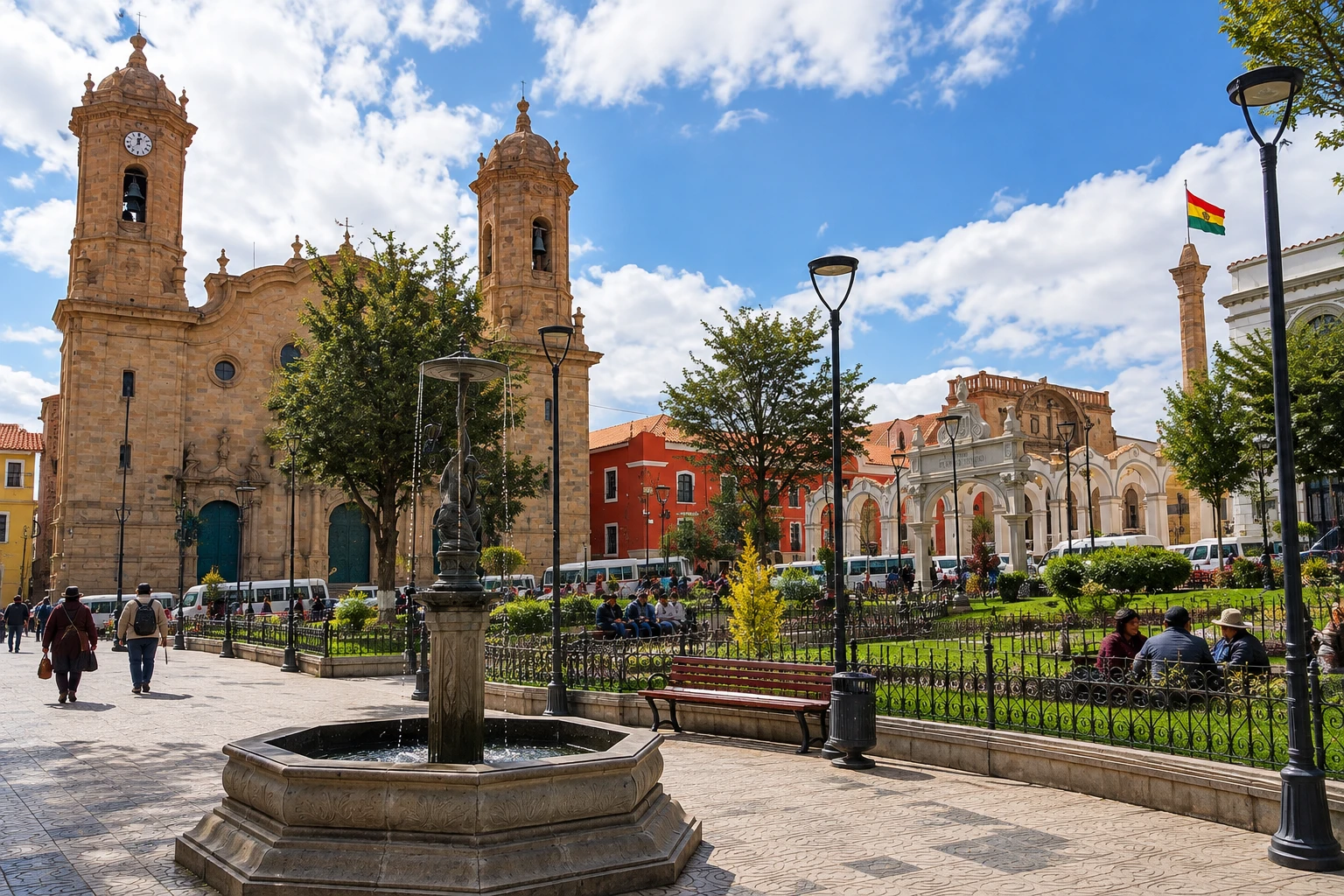
Potosí's central square, with the neoclassical Cathedral, the Cabildo and large houses with balconies, near the baroque tower of the Compañía de Jesús, which serves as a viewpoint for the Cerro Rico.

Explore Plaza 10 de Noviembre

See 5 more places in Sucre and Potosí

Before you go

Practical information

A little planning leaves more time to enjoy the journey.

When to go

The dry season usually runs from May to October, with sun and clear skies; nights are mild in Sucre and very cold in Potosí, below zero. The rains come from December to March, generally in the afternoon. In September Sucre has the festival of the Virgen de Guadalupe, and in August Potosí holds the Ch'utillos festival. The seasons are the same as in Brazil.

The seasons shown are the most usual ones; nature doesn't always follow the calendar.

How many days to stay

Four days: two in Sucre for the city center, Casa de la Libertad, La Recoleta and Parque Cretácico, and two in Potosí with the Casa Nacional de Moneda, the churches and viewpoints of Cerro Rico. Those heading to Uyuni can depart Potosí at the end of the second day.

Which city to stay in

In Sucre, the historic center around Plaza 25 de Mayo and on the way to La Recoleta has hotels and guesthouses in colonial mansions with courtyards. In Potosí, hotels are in the center, near Plaza 10 de Noviembre and the Casa Nacional de Moneda; many have heating, important on cold nights.

Respect the place

Take your trash with you, follow the signs and support local businesses. In natural areas, follow the visiting guidelines.

Beyond the guide

Your questions

Frequently asked questions about Sucre and Potosí

What is the capital of Bolivia?

Sucre is the constitutional capital and seat of the Judiciary. La Paz is the seat of government, with the presidency and the parliament.

What is the altitude of Sucre and Potosí?

Sucre is at about 2,800 meters and Potosí at about 4,000. Many travelers feel the altitude in the first days, especially in Potosí. The first day in each city should be easy; talk to your doctor before traveling.

Can you visit Potosí on a day trip from Sucre?

Yes, with about 3 hours of road each way, but the day is rushed. One night in Potosí allows you to see the Casa Nacional de Moneda and the center at a relaxed pace.

How to go from Potosí to Uyuni?

By bus, in about 4 hours, on a paved road. It's the route for those doing Sucre, Potosí and the Salar de Uyuni in sequence.

What document does a Brazilian need to enter Bolivia?

Brazilians can enter Bolivia with a valid passport or with an identity card (RG) in good condition, under Mercosur agreements. Requirements may change: confirm before traveling.

Explore other destinations Search by state and city