Santa Cruz and Samaipata

Holy Cross

Santa Cruz and Samaipata

The largest city in Bolivia, on the warm plain at about 400 m, with the plaza and the brick cathedral, and the village of Samaipata in the valleys, at the foot of El Fuerte and Parque Nacional Amboró.

East

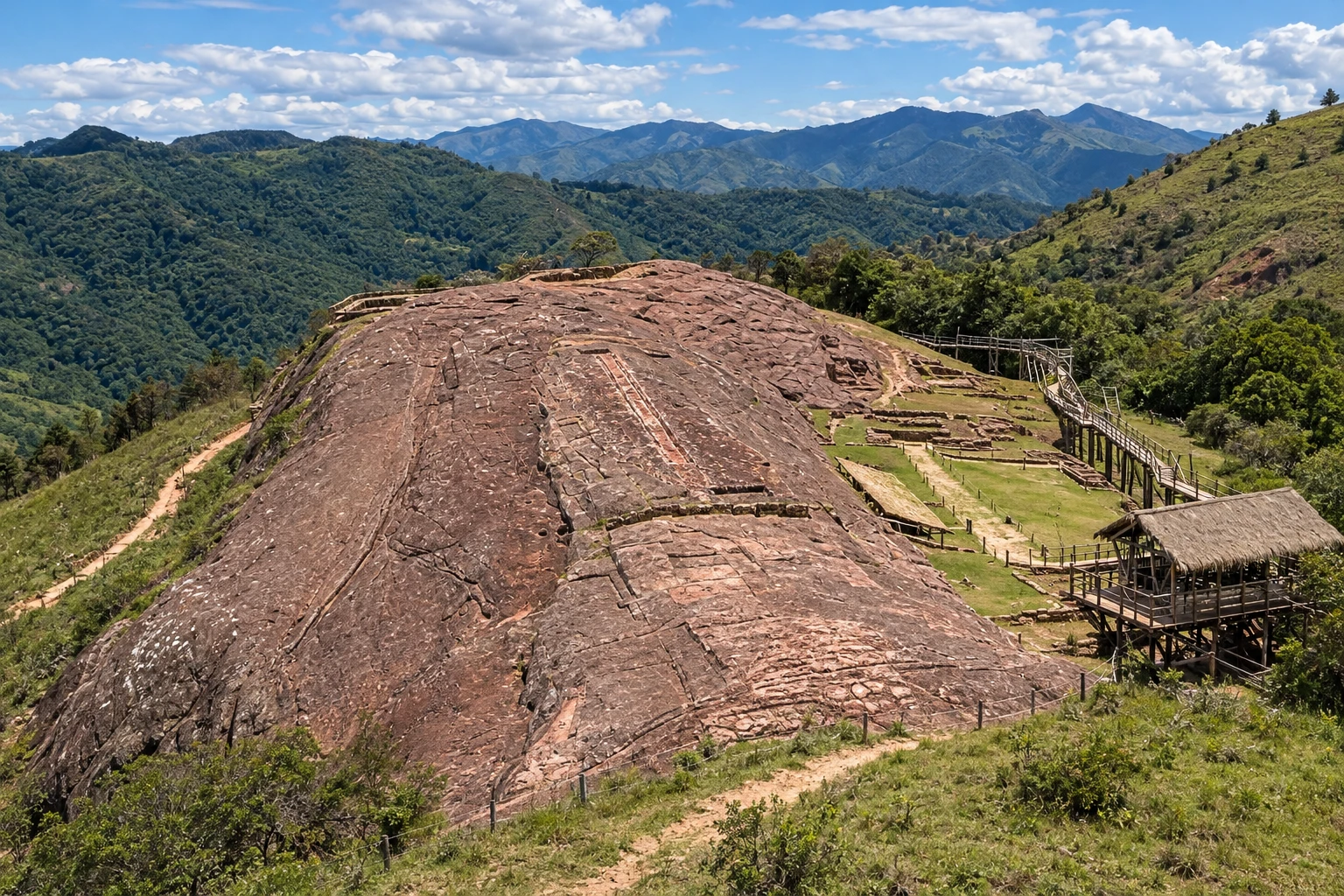
In the photo: El Fuerte de Samaipata

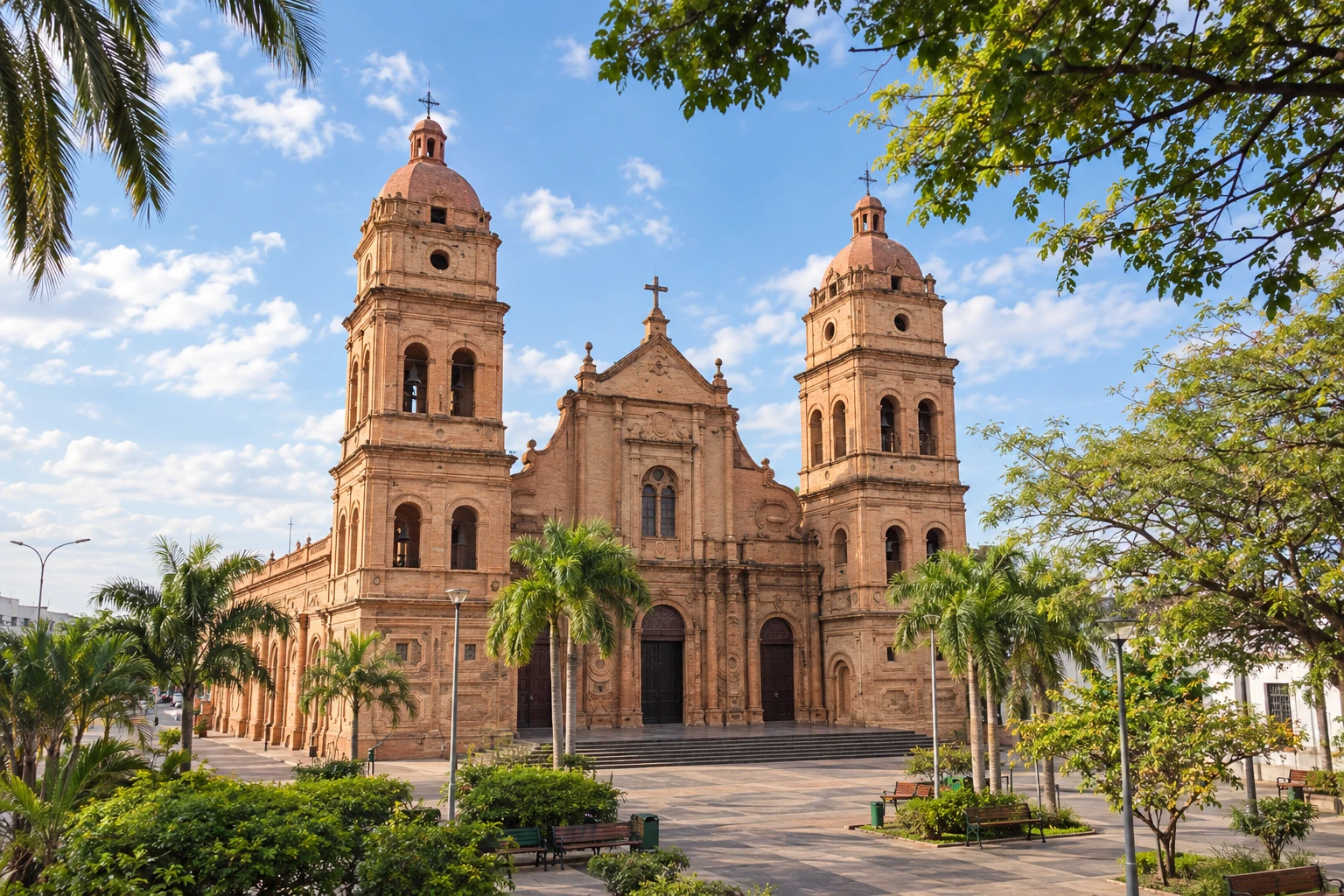
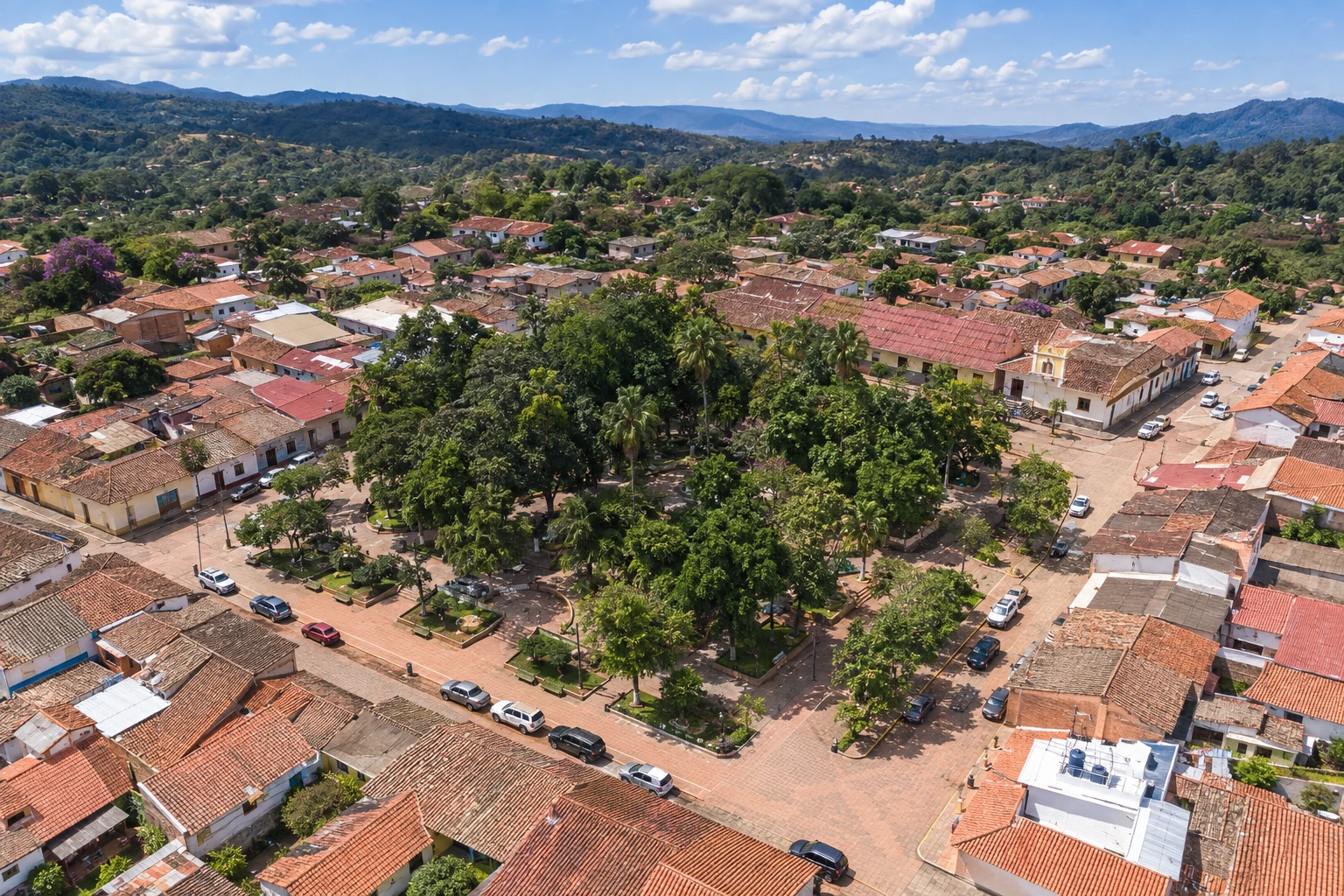
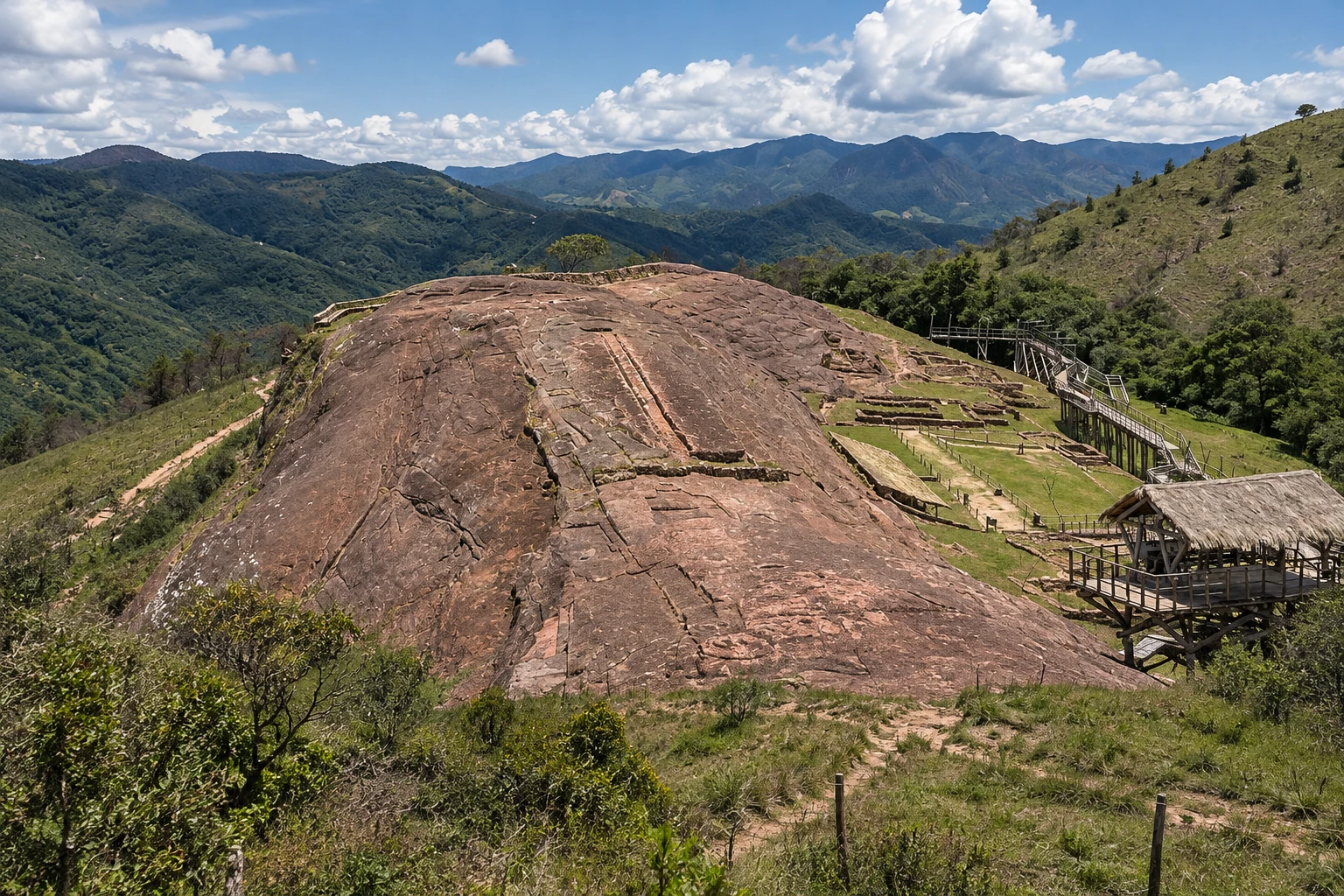
Illustrative images. The pictures in this guide are illustrations based on the real place, not photographs, and may differ from it.

Get it on Google Play

Get to know the place

A region to enjoy
at your own pace.

Santa Cruz de la Sierra lies on the plains of eastern Bolivia, at about 400 meters of altitude, away from the cold of the Andes. Founded in 1561 and moved to its present site at the end of the 16th century, it is now the largest city and the country's economic center, with a hot, humid climate, concentric ring avenues and a historic center of low houses with verandas over the sidewalks. It is also Bolivia's main gateway for travelers coming from Brazil.

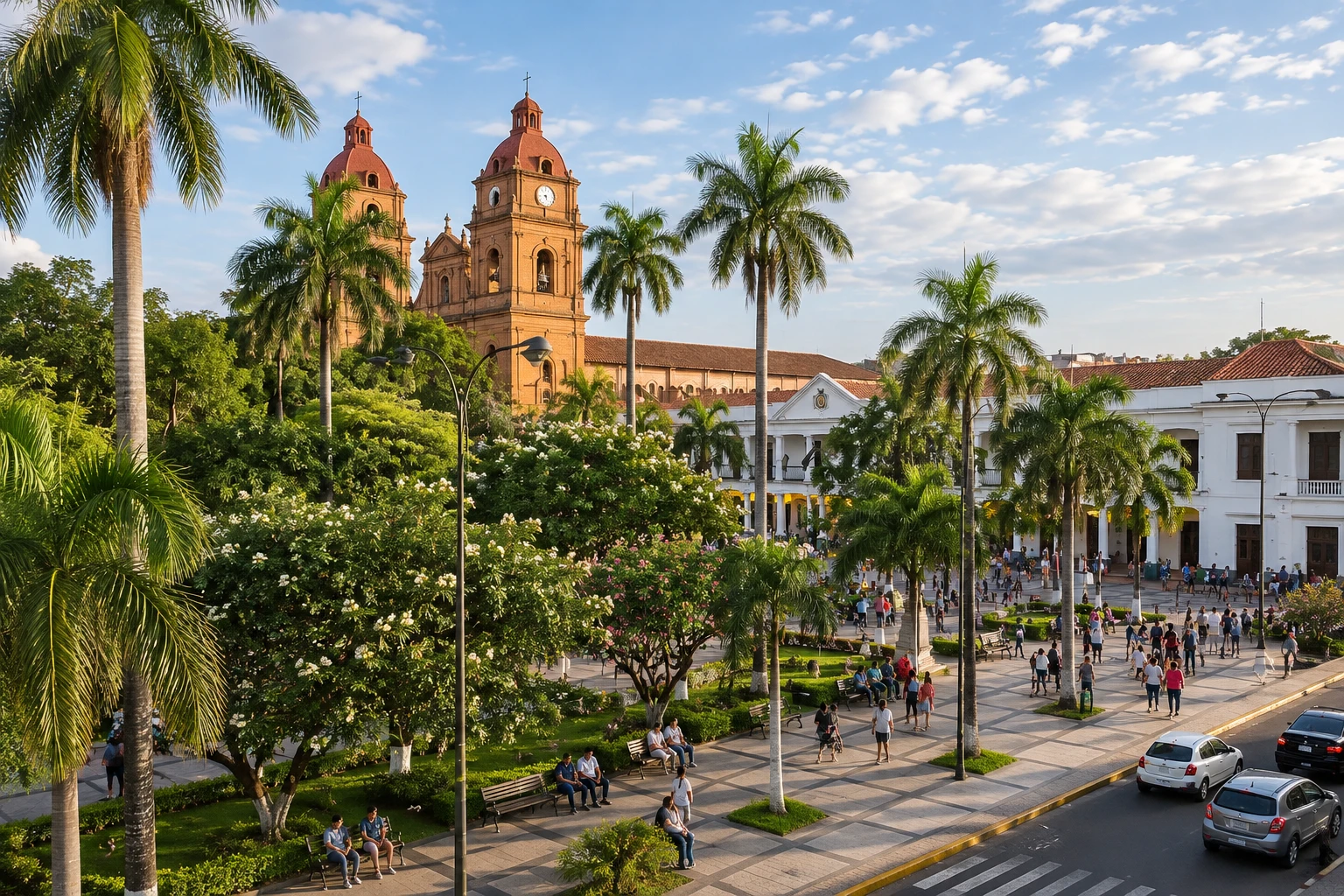
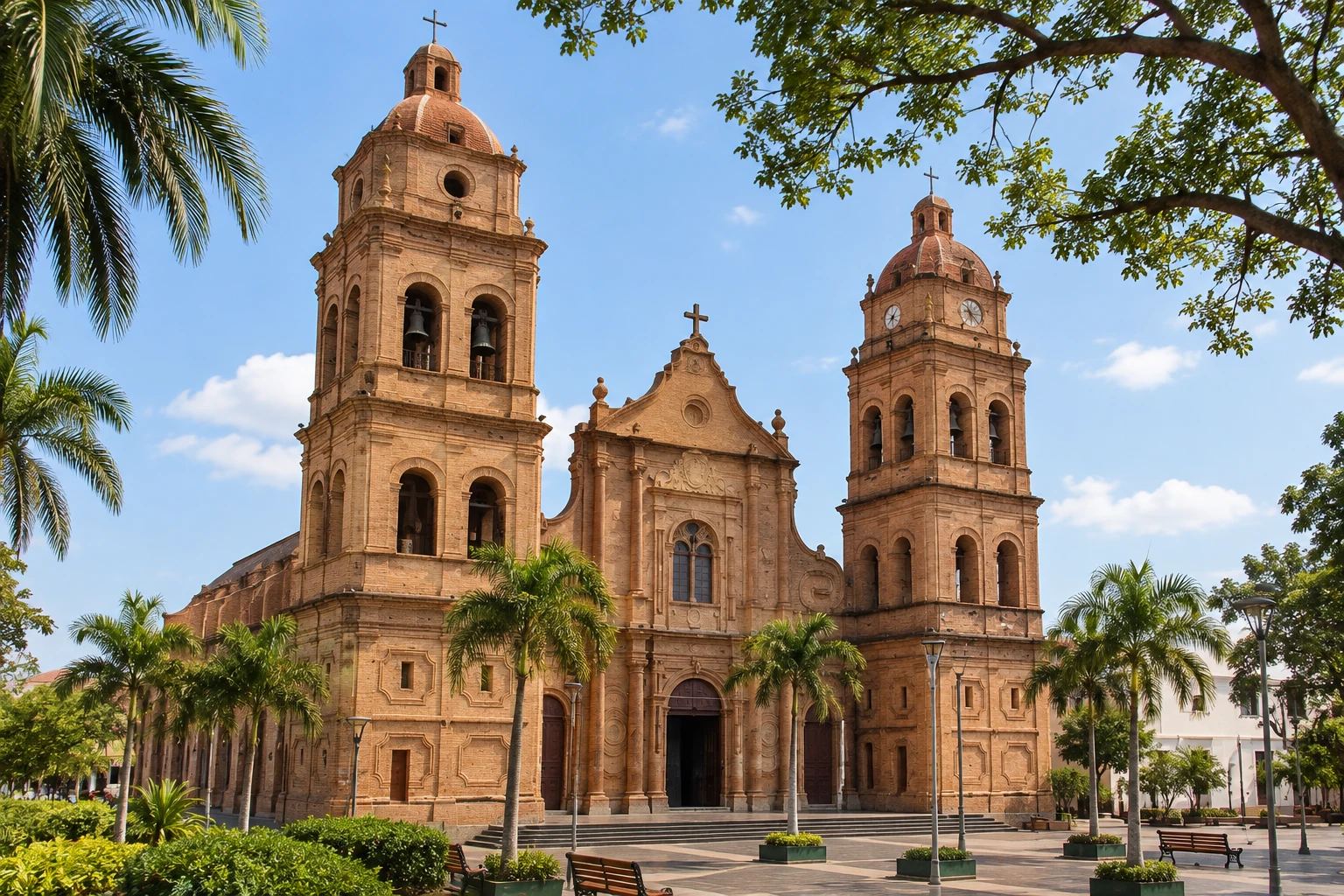
The center revolves around Plaza 24 de Septiembre, with tall trees and the Catedral Basílica de San Lorenzo, an exposed-brick cathedral whose tower serves as a lookout. Nearby are Biocentro Güembé, a nature park with a butterfly house, orchids and lagoons, and Parque Regional Lomas de Arena, with white sand dunes and lagoons amid the forest. Farther away, more than 200 km away, are the Missões Jesuíticas de Chiquitos, a World Heritage site.

About 120 km to the southwest, the road climbs into the valleys and reaches Samaipata, a village of colonial houses at about 1,650 meters, with a mild climate. Next to it is El Fuerte de Samaipata, a huge rock carved by pre-Inca peoples and by the Incas, a UNESCO World Heritage Site. The village is also the base for Parque Nacional Amboró, with cloud forests and giant ferns.

For Brazilians, the region has the advantage of being low, without the effects of high altitude. Besides by plane, Santa Cruz is linked by land to Corumbá, in Mato Grosso do Sul. For some lowland and forest areas, yellow fever vaccination is often recommended or required; check before traveling.

This destination brings together 2 cities: Santa Cruz de la Sierra, Samaipata.

Share: WhatsApp
Traveler, share your experiences through photos Up to 5 photos of each place you visited.

One destination, many paths

The cities on this trip

Start with one city or combine several in your itinerary.

Where Santa Cruz and Samaipata is The star marks the capital, Santa Cruz de la Sierra.
Santa Cruz de la SierraSamaipata

Outlines: GeoBolivia, via geoBoundaries (CC BY 4.0). Adapted by Cidade Turismo.

How to get there: Santa Cruz and Samaipata

Aeropuerto Internacional Viru Viru (VVI), in Santa Cruz de la Sierra · 16 km to Santa Cruz de la Sierra

The connection with Brazil can be a direct flight or a connection, depending on the season and the airline. Check before buying. Viru Viru airport is 16 km from the center. By land, from Corumbá you cross into Puerto Quijarro and continue by train or bus to Santa Cruz; check schedules.

Suggested arrival point: Santa Cruz de la Sierra

The local experience

Things to do in Santa Cruz and Samaipata

Samaipata · Holy Cross · Archaeological site

Fuerte de Samaipata

A large sandstone rock carved on top of a hill, about 9 km from the village, with channels, felines, snakes and niches cut by pre-Inca peoples and by the Incas. World Heritage Site since 1998.

Explore Fuerte de Samaipata

Santa Cruz de la Sierra · Holy Cross · Square

Plaza 24 de Septiembre

The central square of Santa Cruz, with tall trees, benches and the statue of Ignacio Warnes, surrounded by the brick cathedral, the Palacio de Gobierno departamental and large houses with verandas.

Explore Plaza 24 de Septiembre

Samaipata · Holy Cross · Natural area

Amboró National Park

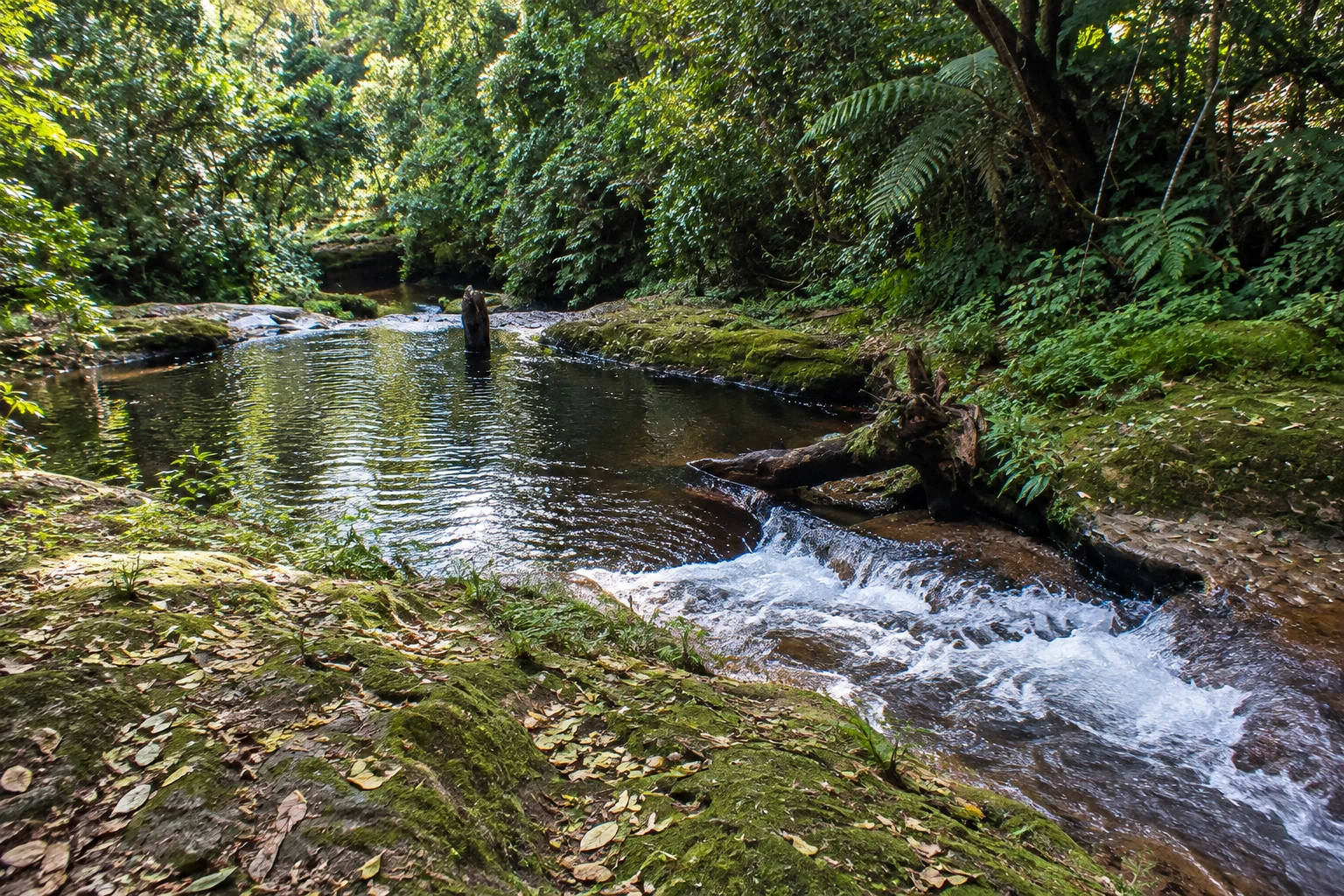
A national park of 4,425 km² between the Andes and the plains, from 300 to over 3,300 m, with cloud forests, giant tree ferns, waterfalls and a great variety of birds, visited with a guide from Samaipata.

Explore Amboró National Park

See 2 more places in Santa Cruz and Samaipata

Before you go

Practical information

A little planning leaves more time to enjoy the journey.

When to go

From May to September is usually the driest and least hot period, with pleasant days and sometimes cold fronts from the south, the surazos. From November to March it is very hot and rains more, with afternoon showers. In Samaipata, in the valleys, the climate is cooler year-round. The seasons are the same as in Brazil.

The seasons shown are the most usual ones; nature doesn't always follow the calendar.

How many days to stay

Four days: two in Santa Cruz for the center, the Cathedral, Biocentro Güembé and Lomas de Arena, and two in Samaipata for El Fuerte and a hike in Parque Nacional Amboró. Those who want to visit the Missões de Chiquitos need three or four extra days.

Which city to stay in

In Santa Cruz, the historic center around Plaza 24 de Septiembre has hotels near the monuments; the Equipetrol neighborhood, further north, concentrates modern hotels, restaurants and nightlife. In Samaipata, hotels, inns and cabins are in the village and its surroundings, with views over the valleys.

Respect the place

Take your trash with you, follow the signs and support local businesses. In natural areas, follow the visiting guidelines.

Beyond the guide

Your questions

Frequently asked questions about Santa Cruz and Samaipata

How to reach Santa Cruz by land from Brazil?

Via Corumbá, in Mato Grosso do Sul: you cross the border to Puerto Quijarro and continue by train or bus to Santa Cruz, a journey of many hours. Schedules change: check before traveling.

Do you need a vaccine to go to Santa Cruz?

For some lowland and forest areas, yellow fever vaccination is usually recommended or required; check before traveling.

Is Santa Cruz at altitude?

No. The city is at about 400 meters on the plains and has a warm climate. Samaipata, in the valleys, is at about 1,650 meters, with a mild climate.

Can you visit Samaipata as a day trip from Santa Cruz?

You can, but it's about 2½ to 3 hours of road each way and little time remains in the village. One or two nights in the village allow you to see El Fuerte and do a hike in Amboró.

What document does a Brazilian need to enter Bolivia?

A Brazilian can enter Bolivia with a valid passport or with the national identity card in good condition, under Mercosur agreements. Requirements can change: check before traveling.

Explore other destinations Search by state and city