Cochabamba

Cochabamba Capital

Cochabamba

In the destination Cochabamba (Cochabamba), Bolivia.

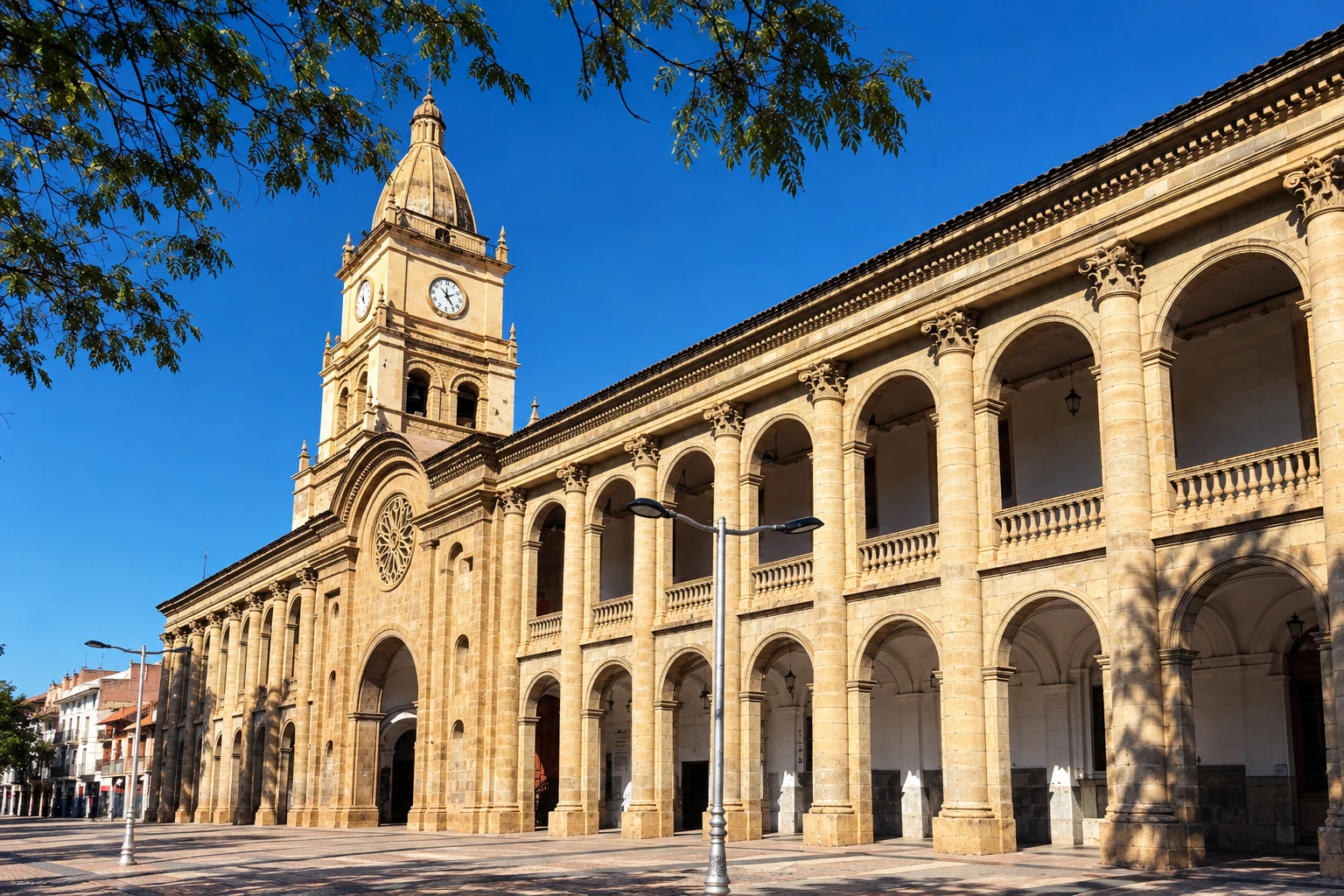
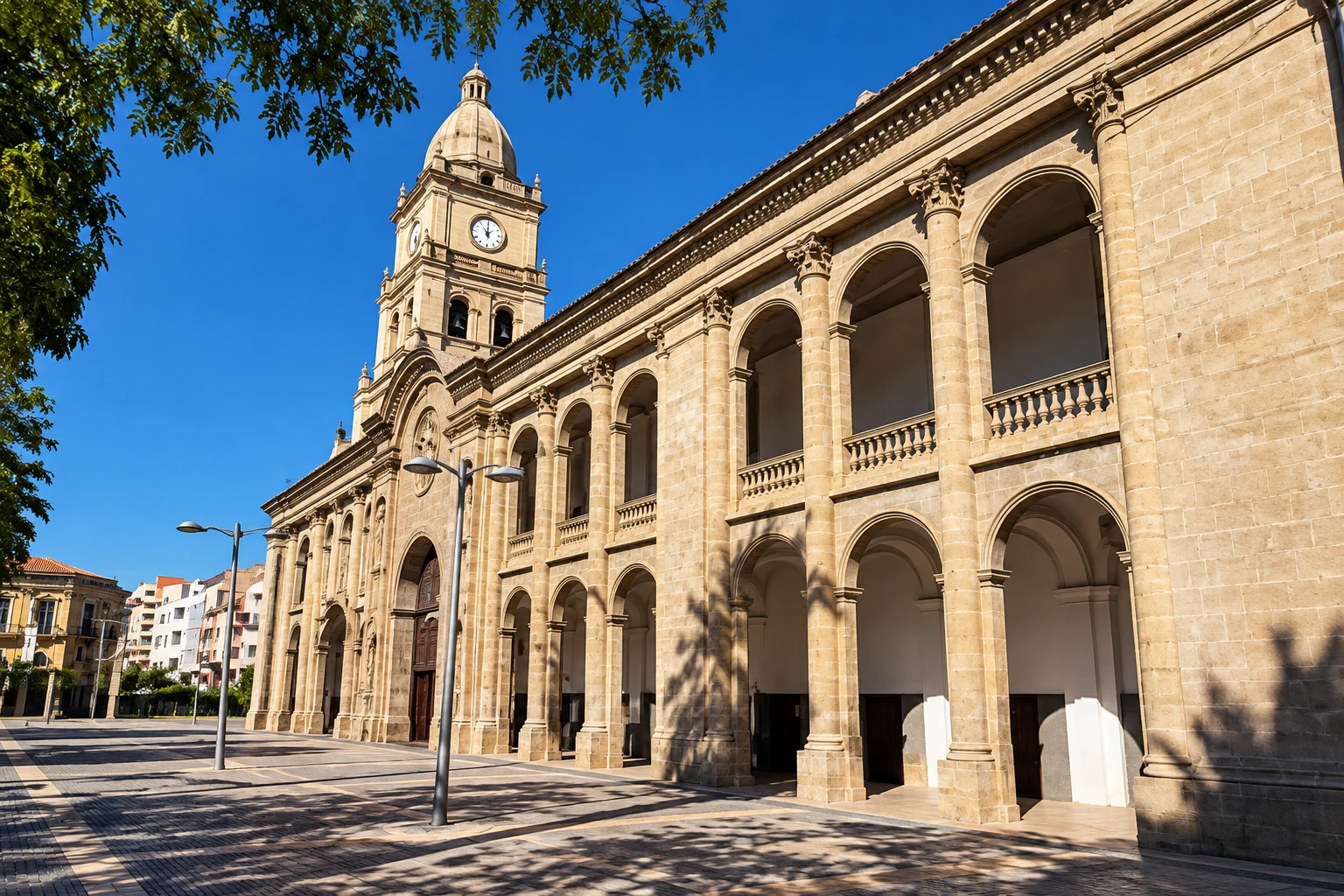
In the photo: Metropolitan Cathedral of San Sebastián, at 14 de Septiembre square.

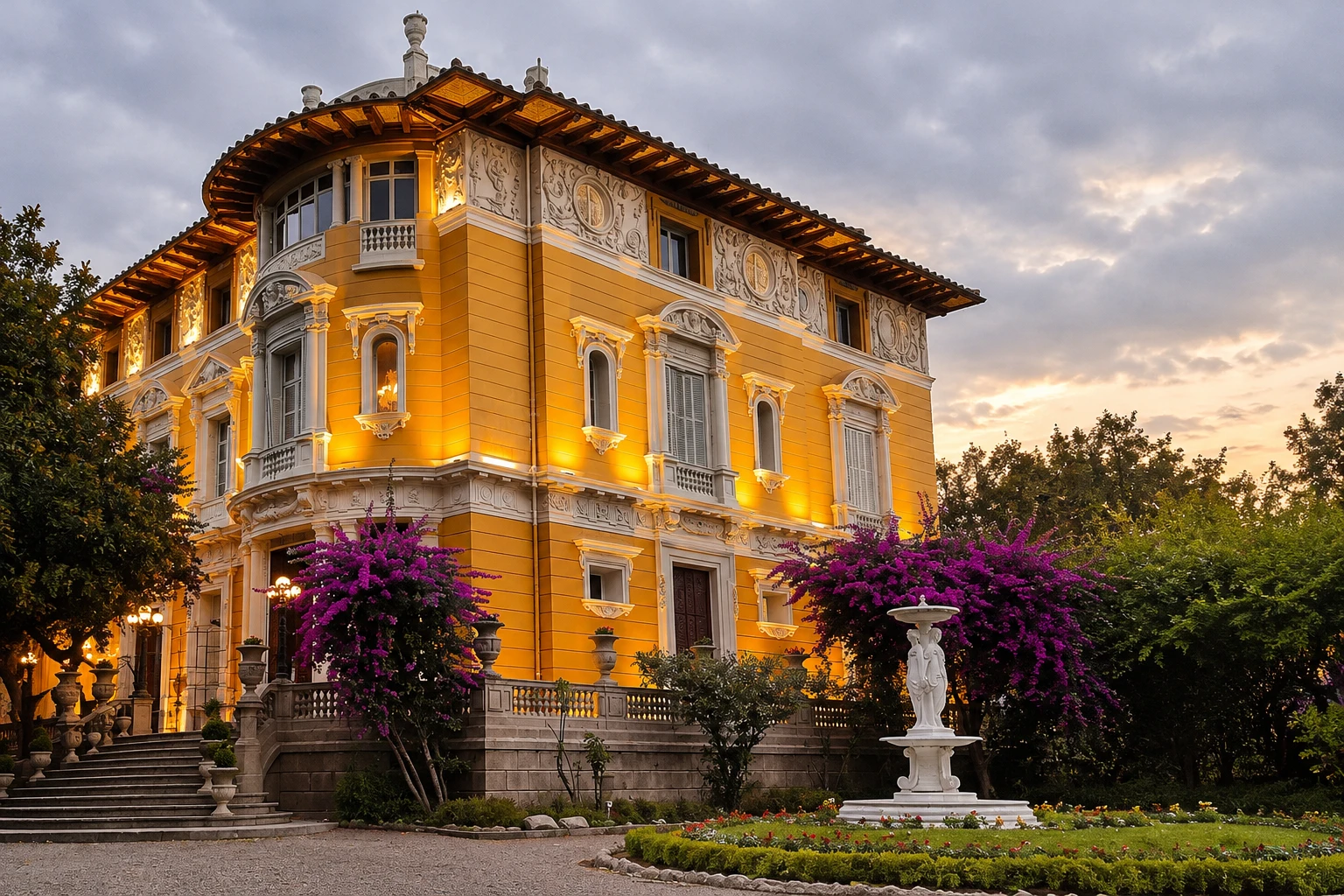
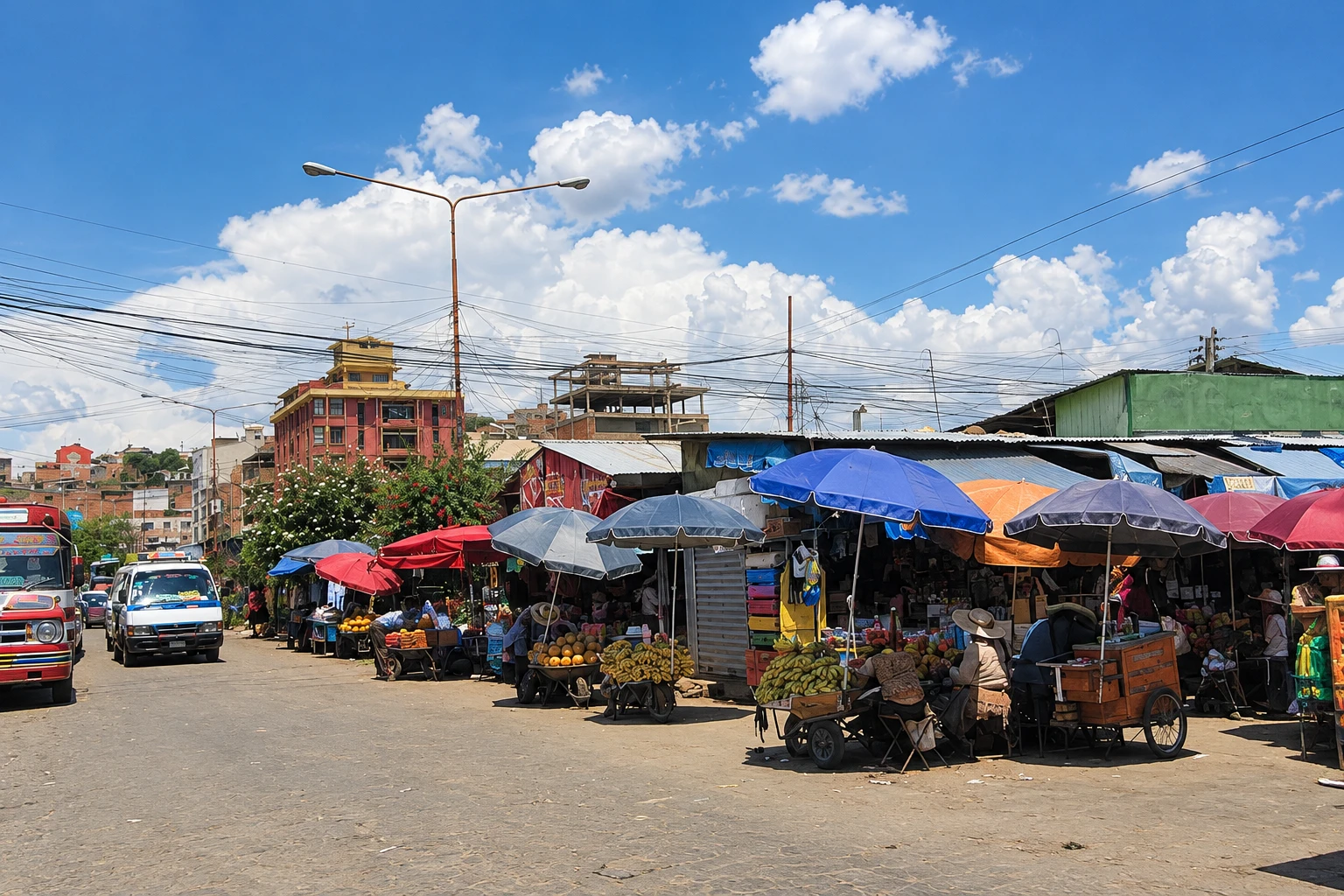
Illustrative images. The pictures in this guide are illustrations based on the real place, not photographs, and may differ from it.

Get it on Google Play

The city

What to expect from Cochabamba.

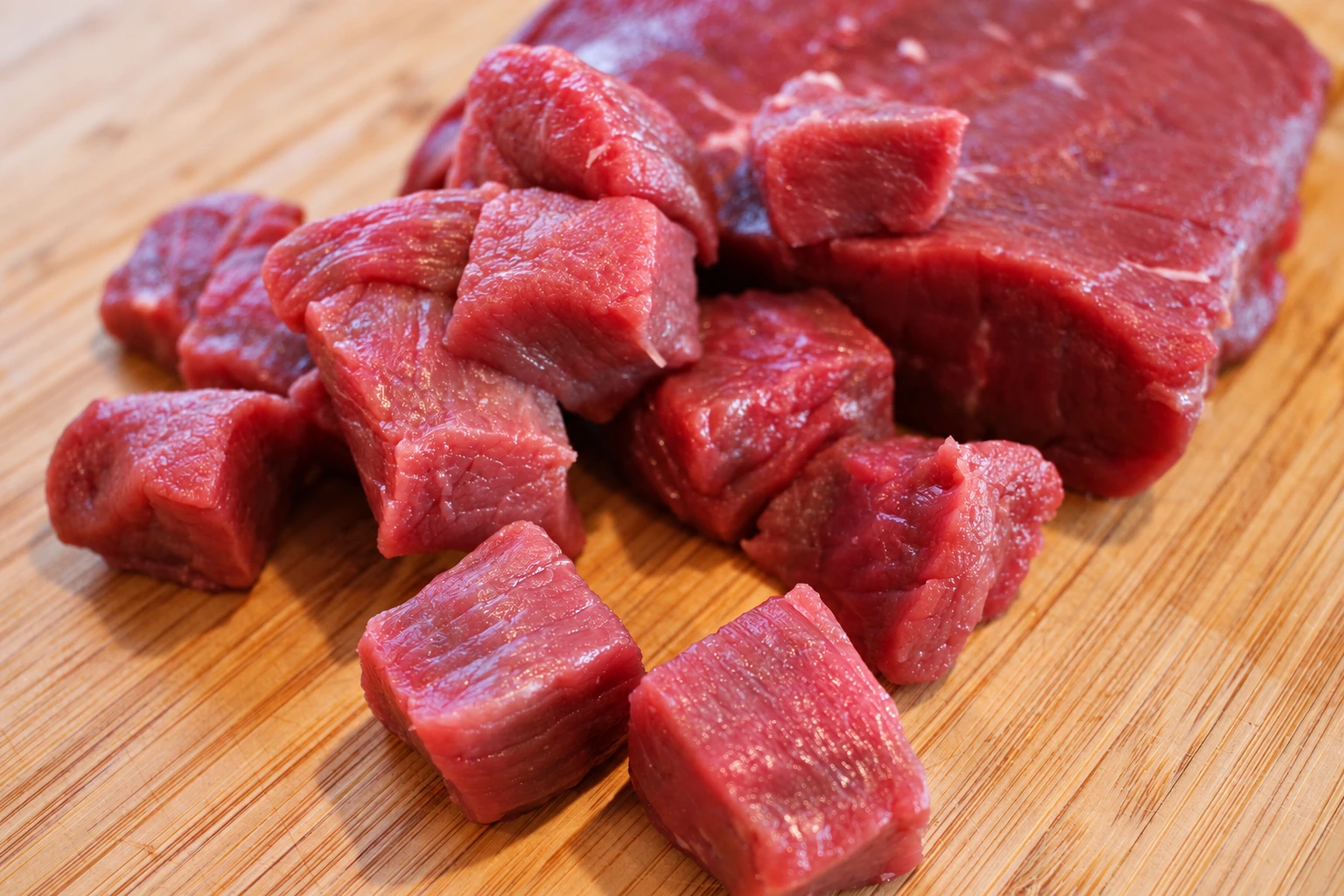
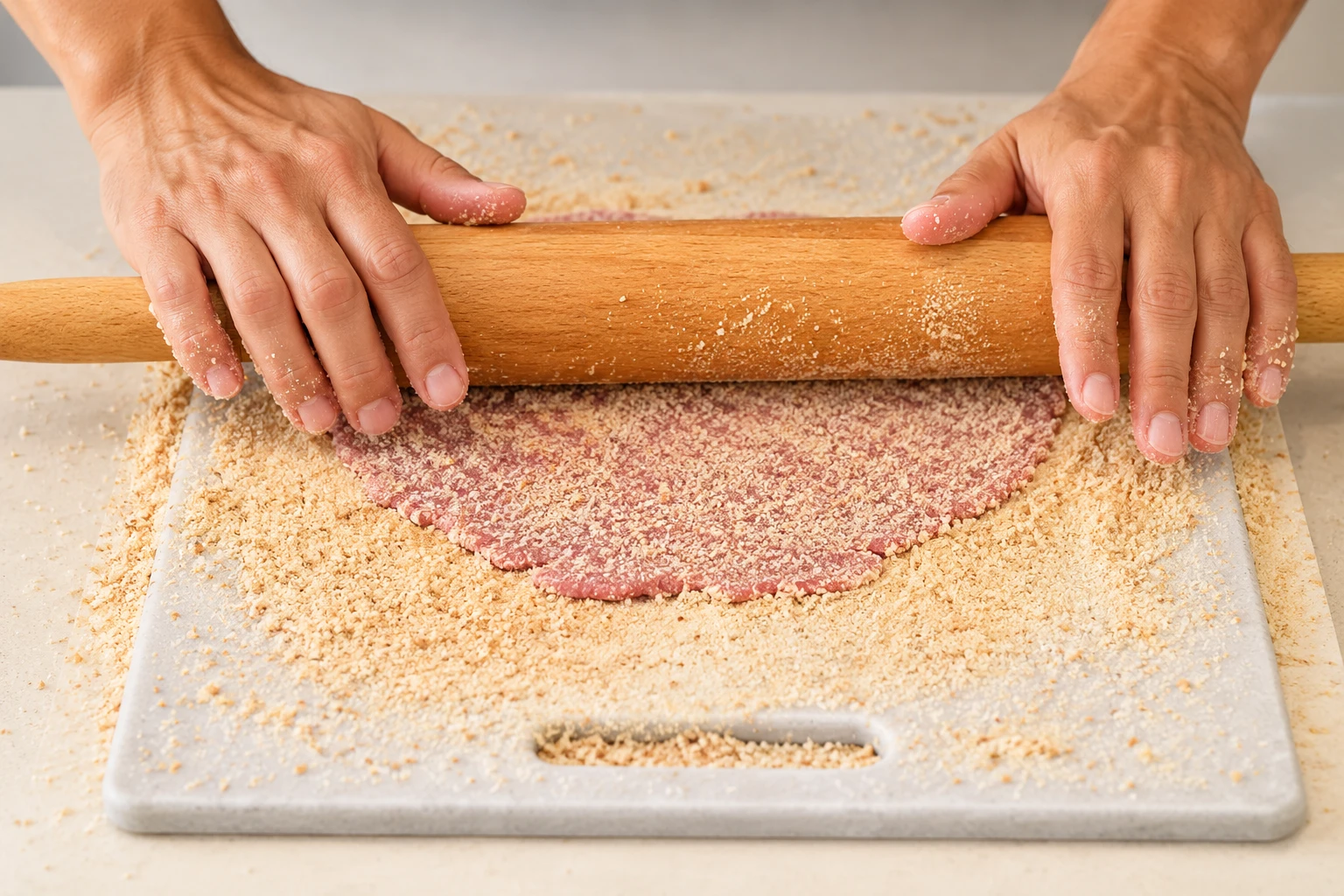
Capital of the Cochabamba department, in a valley at about 2,570 meters altitude, with mild climate for much of the year. The center revolves around Plaza 14 de Septiembre and the metropolitan cathedral. At the top of Cerro San Pedro is the Cristo de la Concordia; to the north, Palacio Portales, built by Simón I. Patiño; to the south, the La Cancha market. It is the birthplace of pique macho and silpancho.

Share: WhatsApp

Where to stay

There's no accommodation in the guide yet in Cochabamba.

Tem hotel, pousada ou casa de temporada aqui? Cadastre a sua

Where to eat

There are no restaurants in the guide yet in Cochabamba.

Know a good one? Recommend it to us

Mapa de Cochabamba

Hotéis e restaurantes da cidade no mapa.

Your trip

how to get there · how many days · itinerary · questions

Flavors of Bolivia

To try Cochabamba

Discover other flavors of Bolivia

The local experience

Things to do in Cochabamba

Cochabamba · Bolivia · Monument

Christ of Concordia

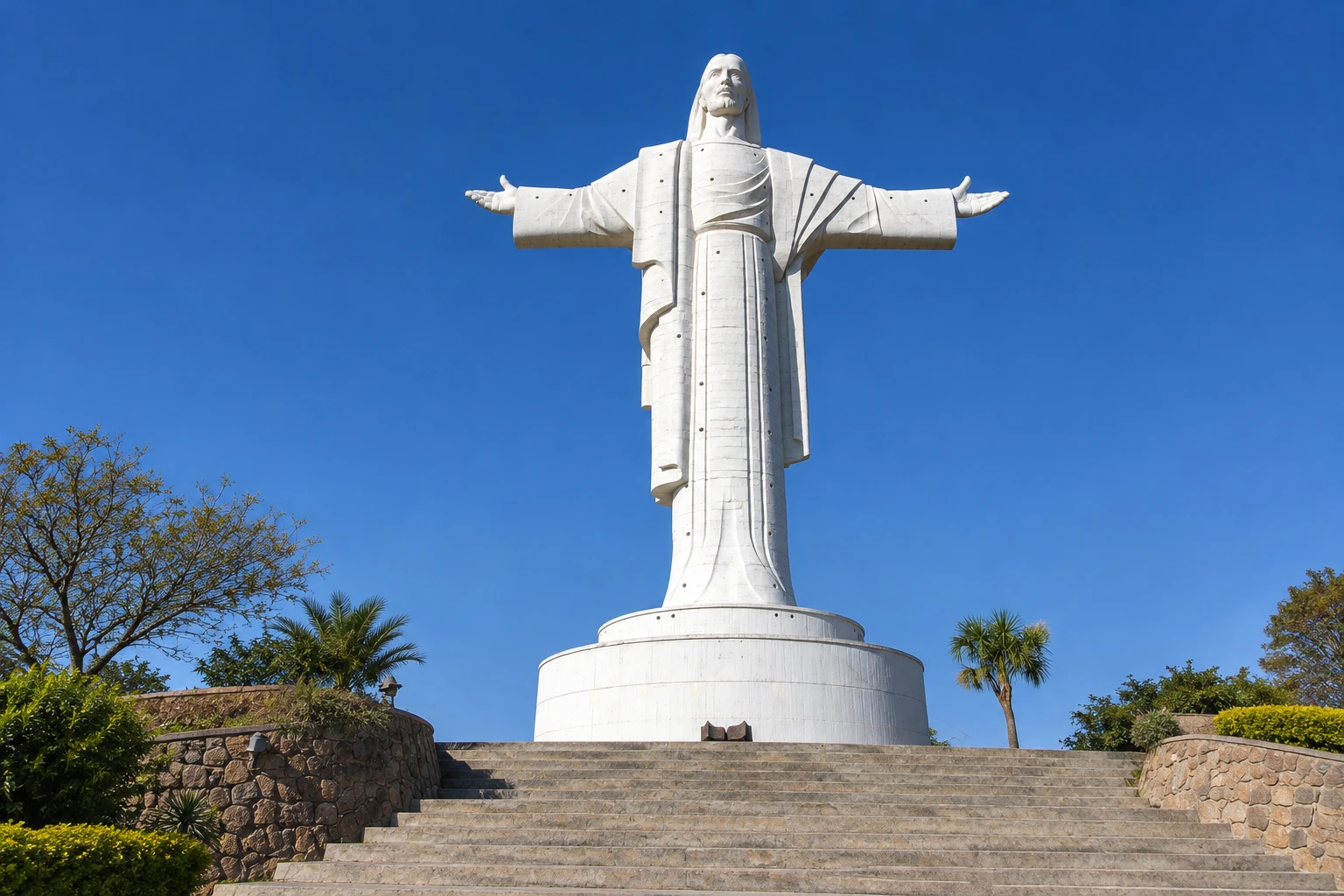
Statue of Christ atop Cerro San Pedro, east of the center, completed in 1994. With its pedestal it exceeds 39 meters in height, at about 2,840 meters altitude. You can reach it by cable car or by staircase.

Explore Christ of Concordia

Cochabamba · Bolivia · Palace

Portales Palace

House built from 1915 to 1927 for tin magnate Simón I. Patiño, who never lived there. It contains materials brought from Europe and gardens with statues. It houses a cultural center of the Patiño Foundation.

Explore Portales Palace

Cochabamba · Bolivia · Market

La Cancha Market

Large market area south of downtown Cochabamba, with stalls selling food, fruits from the valley, clothing, crafts and household items. It operates every day and gets even busier on Wednesdays and Saturdays.

Explore La Cancha Market

Before you go

Your trip to Cochabamba

Cochabamba – Bolivia Capital

How to get there

  • Aeropuerto Internacional Jorge Wilstermann (CBB) 4 km

Approximate distances. Check flights and bus, train or boat schedules before you travel.

Jorge Wilstermann International Airport (CBB) is about 4 km from the center, with domestic flights from La Paz, Santa Cruz and other cities. Long‑distance buses connect Cochabamba with the country’s main cities. Taxis and minibuses run between the airport and the center. Confirm schedules before traveling.

How many days

Two days cover the historic center, the climb to the Cristo de la Concordia, Palacio Portales and a morning at La Cancha. With three days you’ll have time for museums and an evening walk along Avenida Ballivián, El Prado.

When to go

From May to October, the dry season, days are usually sunny with cool nights between June and August. Rain falls from November to March, heavier from December to February. In September the city celebrates 14 de Septiembre.

The seasons shown are the most usual ones; nature doesn't always follow the calendar.

Do you need a car?

No. The center is walkable, and taxis and minibuses connect the neighborhoods, the Cristo cable car and Palacio Portales. For the valley and Torotoro, it’s more practical to hire a tour or a car with a driver.

Suggested itinerary

An order that works

Built with the places on this page. No rush: it's paced so you have time to see them.

One day in Cochabamba
  1. manhã
    Plaza 14 de Septiembre and cathedral

    Start at Plaza 14 de Septiembre, with its arcaded galleries and the column topped by a condor in the center. Enter the metropolitan cathedral, with its baroque façade, and walk the nearby streets to the colonial churches in the center.

  2. tarde
    Palacio Portales

    Head north to the Queru Queru neighborhood and take the guided tour of Palacio Portales, the house Simón I. Patiño commissioned and never lived in. Afterwards, stroll the gardens with their statues. Confirm visiting hours before you go.

  3. fim de tarde
    Cristo de la Concordia

    Take the cable car up Cerro San Pedro to see the valley from above, at the feet of the Cristo de la Concordia. The view reaches the city center, the Alalay lagoon, and the Tunari mountain range to the north.

  4. noite
    Dinner and the Prado

    Return to Avenida Ballivián, the Prado, and look for a Cochabamba restaurant to try pique macho or silpancho, the two dishes that originated in the city.

Check before you go. Opening hours and days change, and places may close for renovations, holidays or events. This itinerary is a suggestion from Cidade Turismo, not a commitment: plan yours by checking directly with each place you intend to visit.

Before you go

Frequently asked questions

What to do in Cochabamba in one day?

In the morning, Plaza 14 de Septiembre and the cathedral; in the afternoon, a guided visit to Palacio Portales; at the end of the day, the cable car up to the Cristo de la Concordia to see the valley from above. At night, a dinner of the city's typical food.

Why is Cochabamba called the city of eternal spring?

Because of the mild climate of the valley, at about 2,570 meters altitude. Temperatures vary little throughout the year and the dry season, from May to October, has sunny days. On winter nights, from June to August, it gets cool.

Which dishes are typical of Cochabamba?

The city is known for its hearty food. Pique macho and silpancho originated here, and chicharrón and chicha are also part of the local tradition. La Cancha market is a good place to see the variety of products from the valley.

How do you get up to the Cristo de la Concordia?

By cable car from the base of Cerro San Pedro, east of the center, or on foot via a long staircase. There is also a road up to the top. Check the cable car schedules before you go.

Where to buy handicrafts in Cochabamba?

At La Cancha market, south of the center. The handicraft stalls are mainly in the La Pampa and San Antonio sectors, alongside textiles, clothing, musical instruments, and kitchenware.

Traveler, share your experiences through photos Up to 5 photos of each place you visited.
See the destination Cochabamba (Cochabamba), Bolivia Find another city