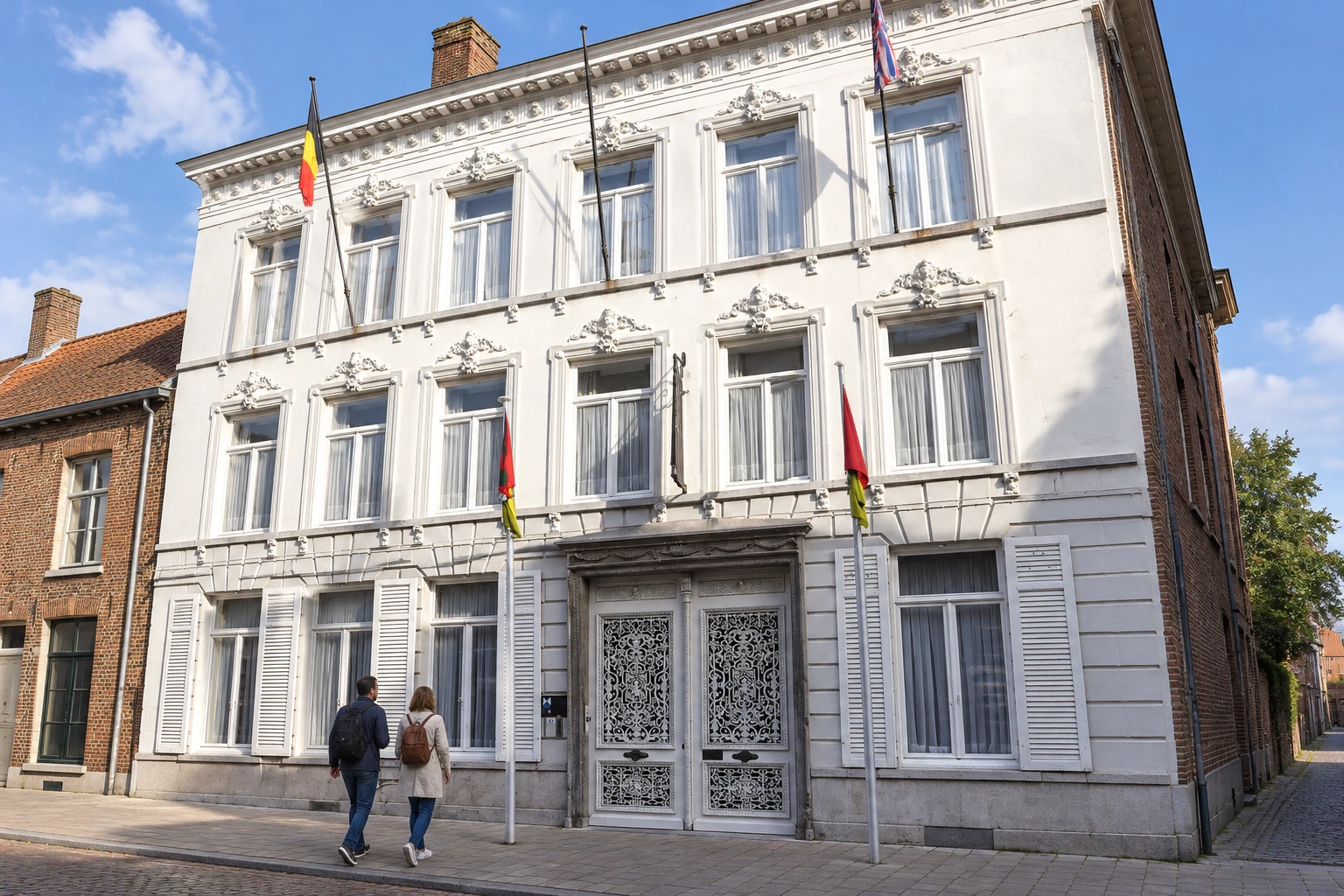
20 places to visit and 17 tours, chosen by the Cidade Turismo guide.
Updated
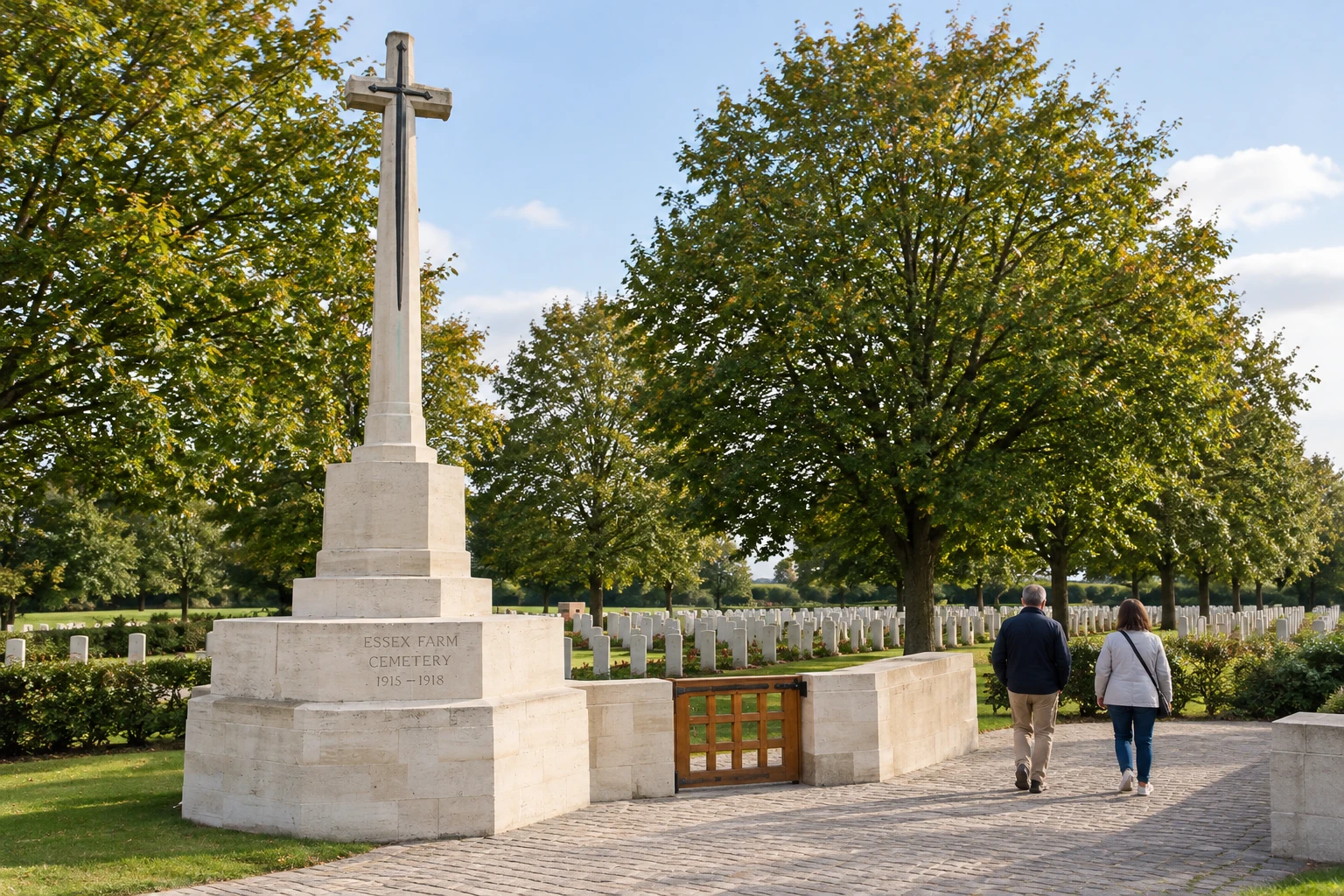
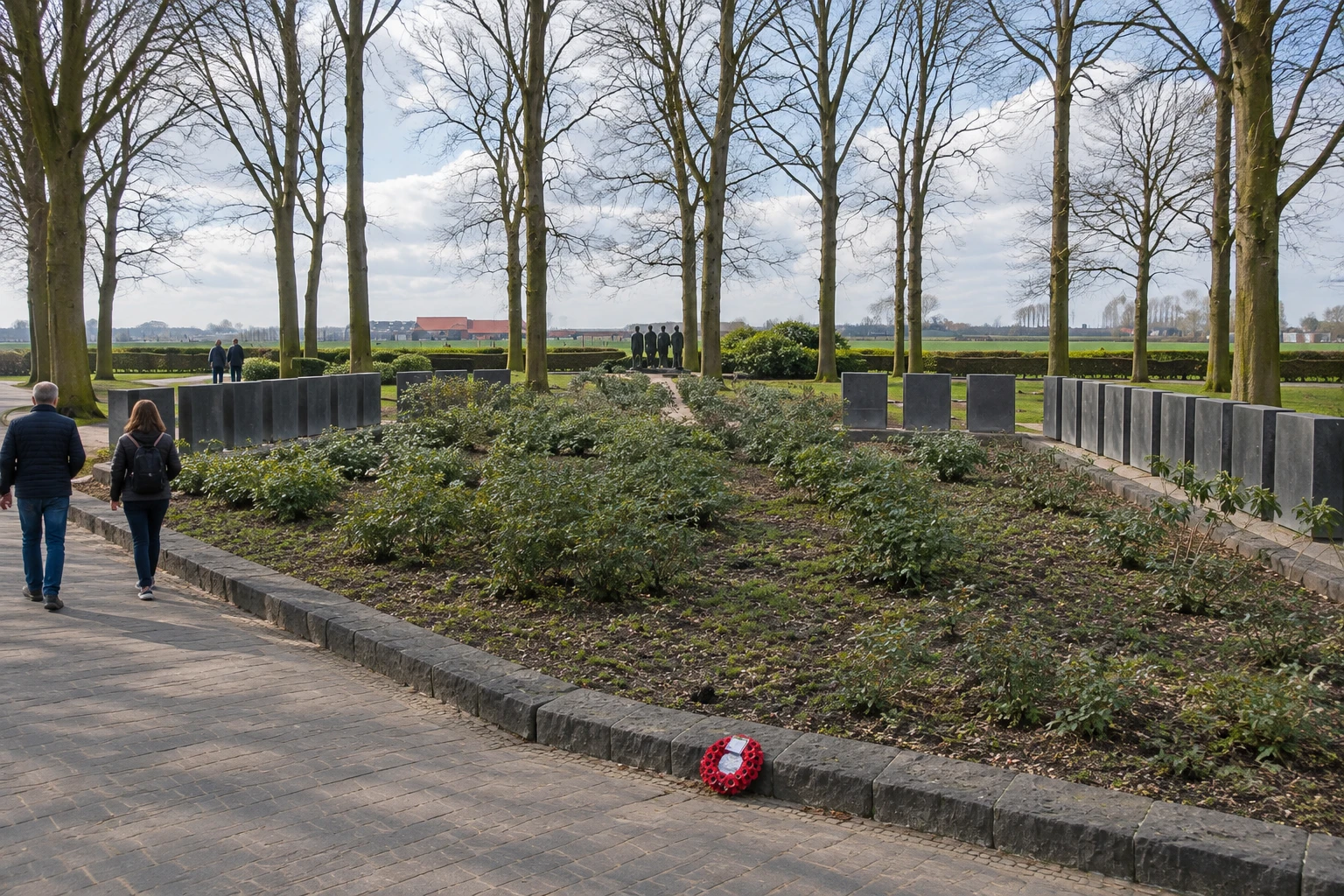
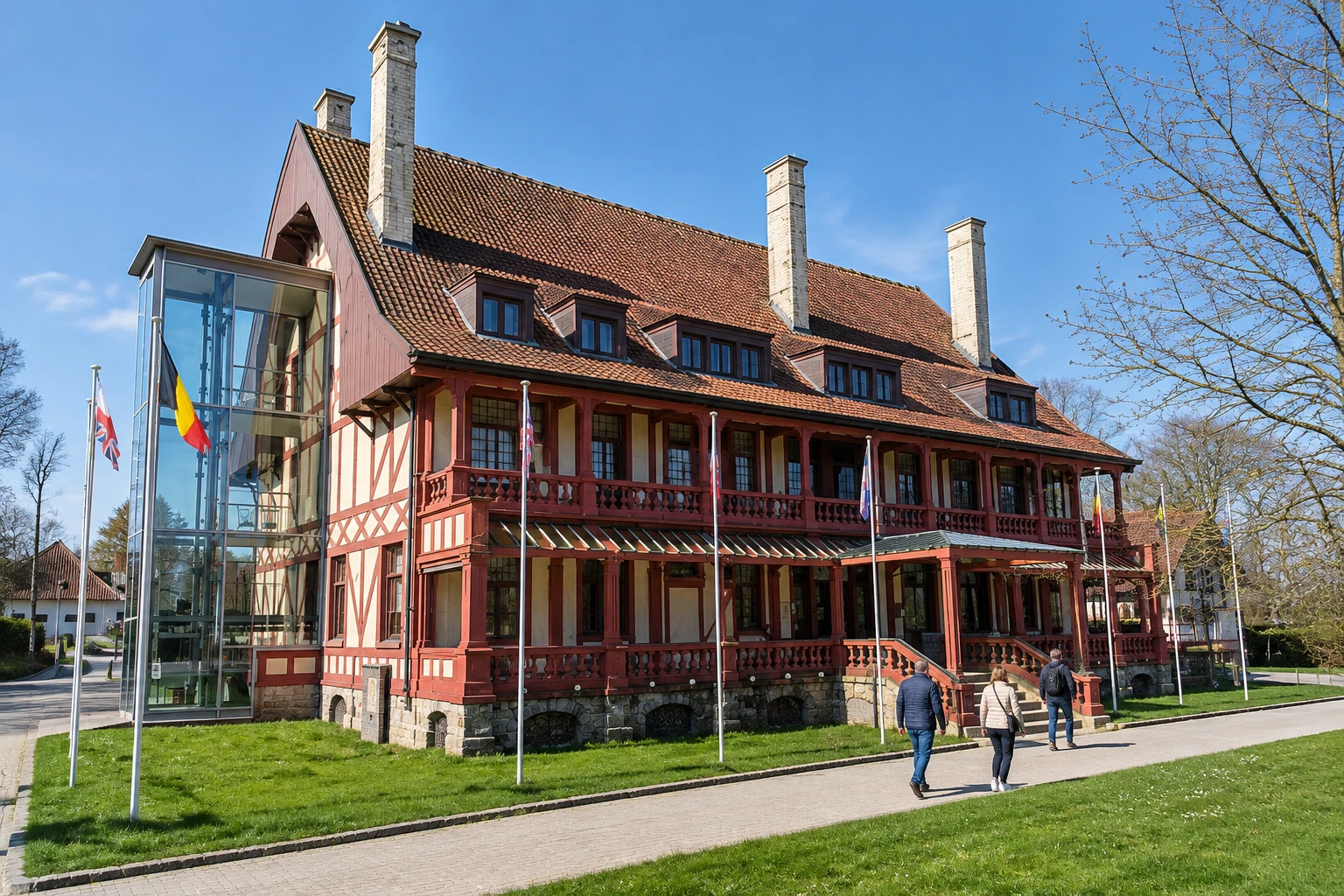
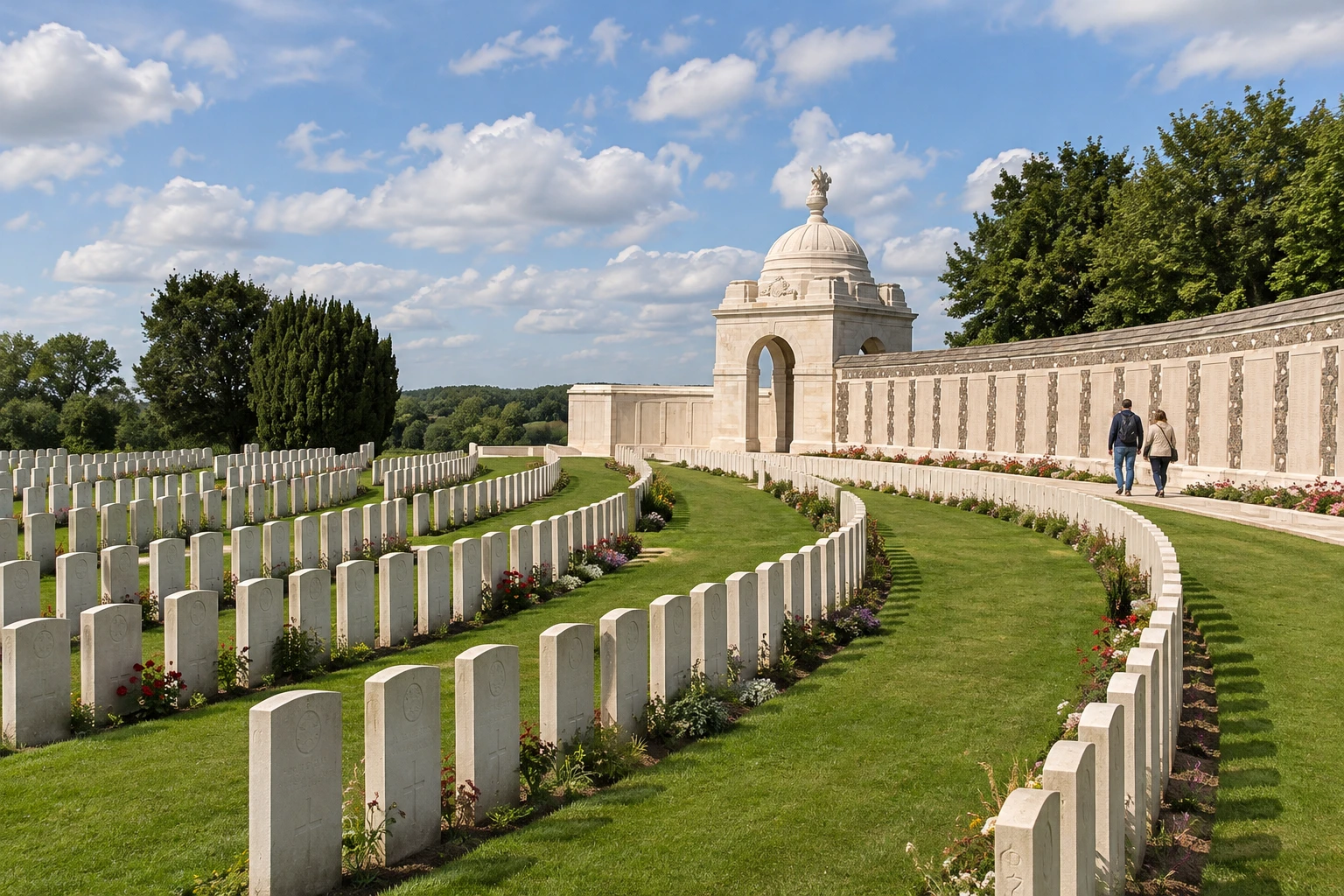
Illustrative images. The pictures in this guide are illustrations based on the real place, not photographs, and may differ from it.
To start
The 10 main places Ypres and the Western Front
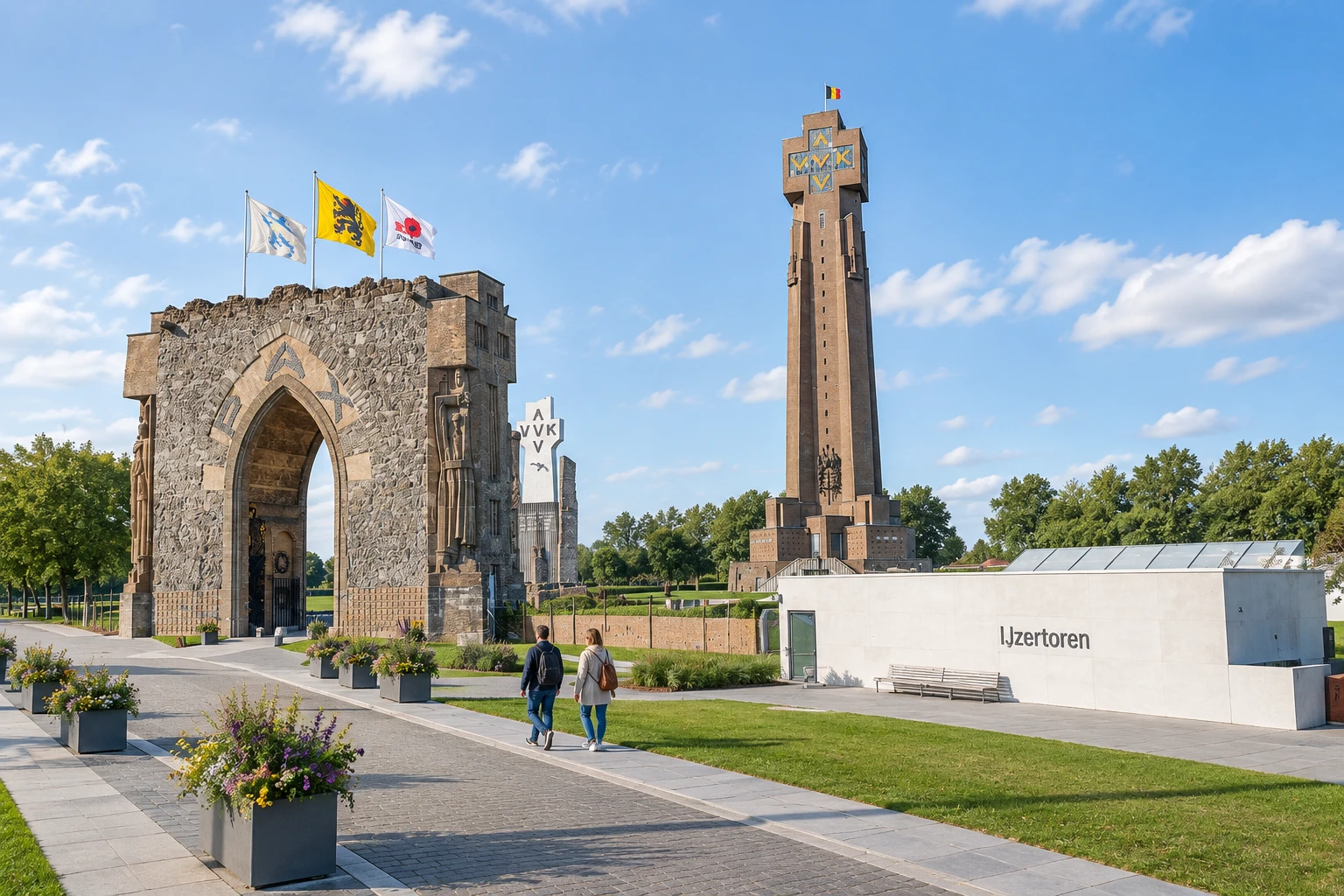
Yser Tower · DiksmuideAn 84‑metre tower on the IJzer's bank, housing the Museum aan de IJzer across its floors, the Paxpoort and a crypt recognized by UNESCO.
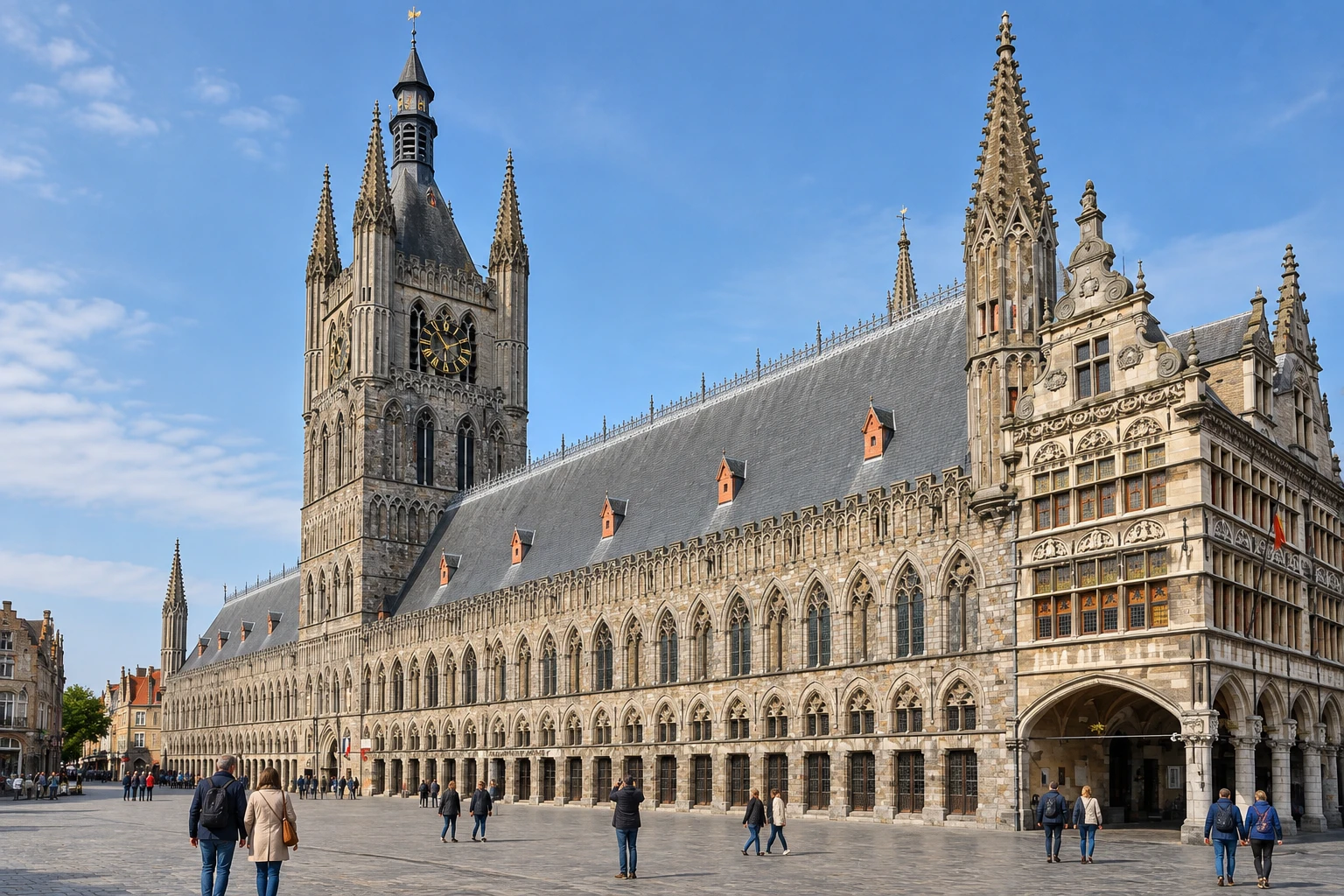
Ypres Cloth Hall · YpresThe old cloth hall, with the 70-metre Belfort, occupies an entire side of the Grote Markt.
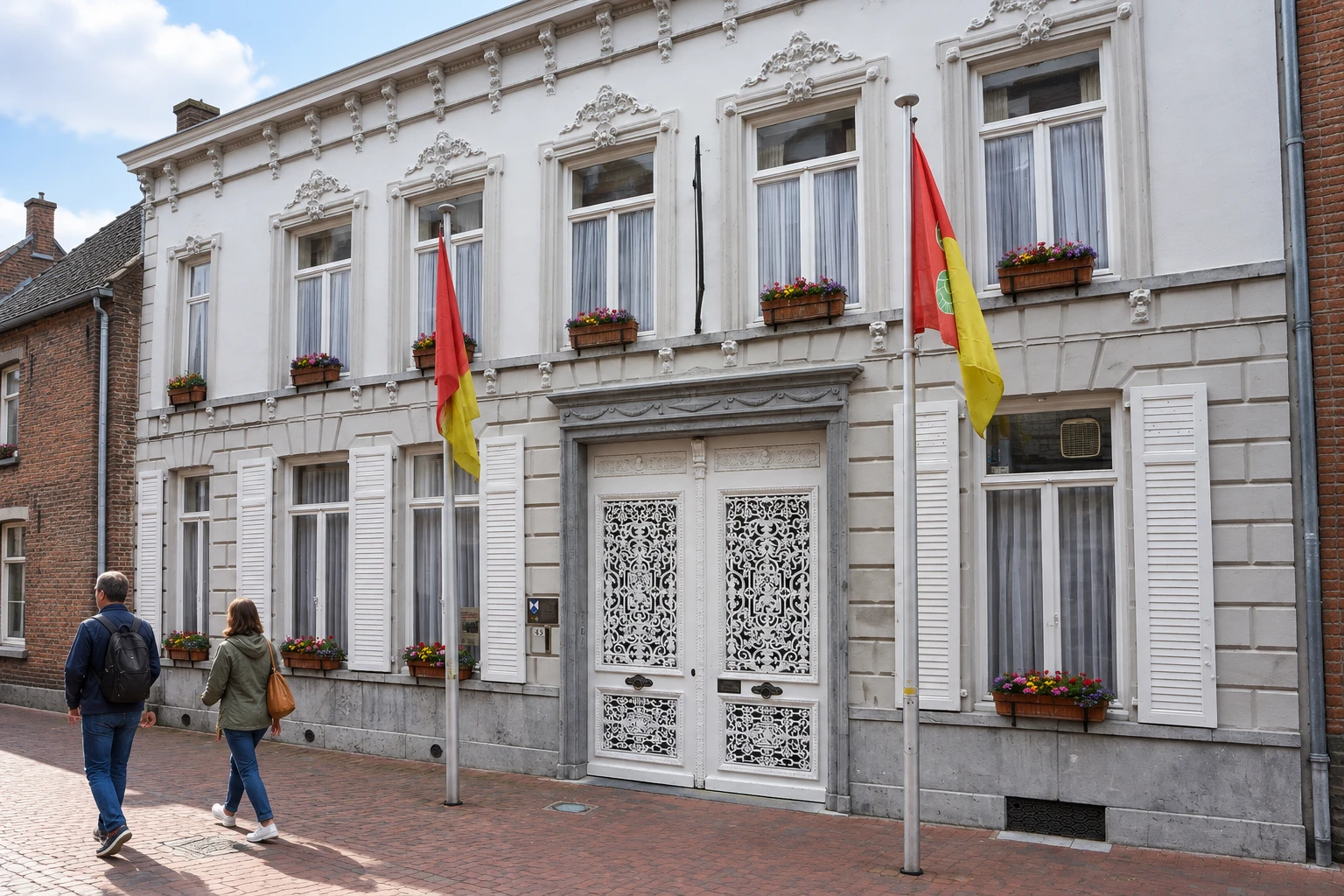
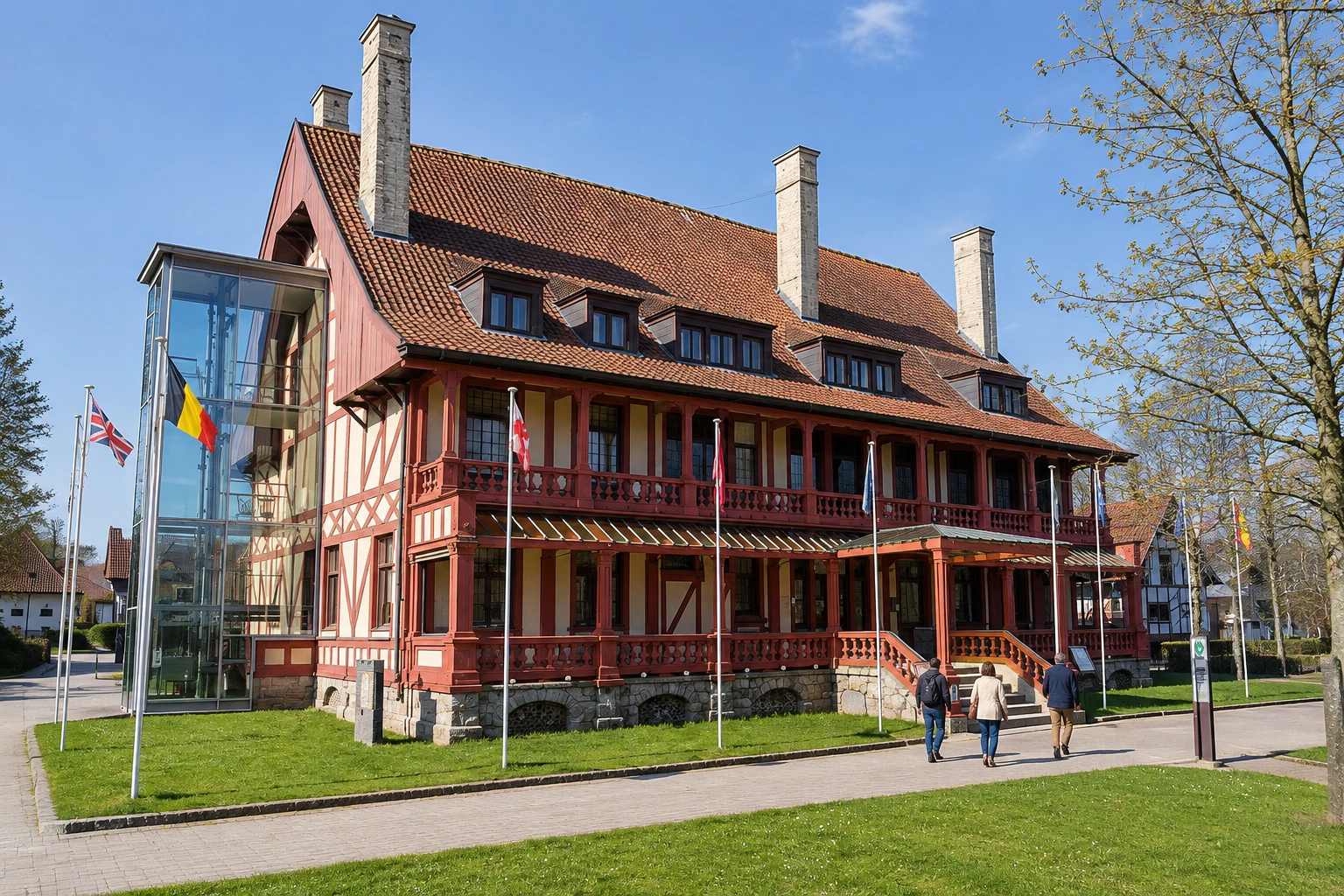
Talbot House · PoperingeHouse where, from 1915, a club for British soldiers of any rank operated.
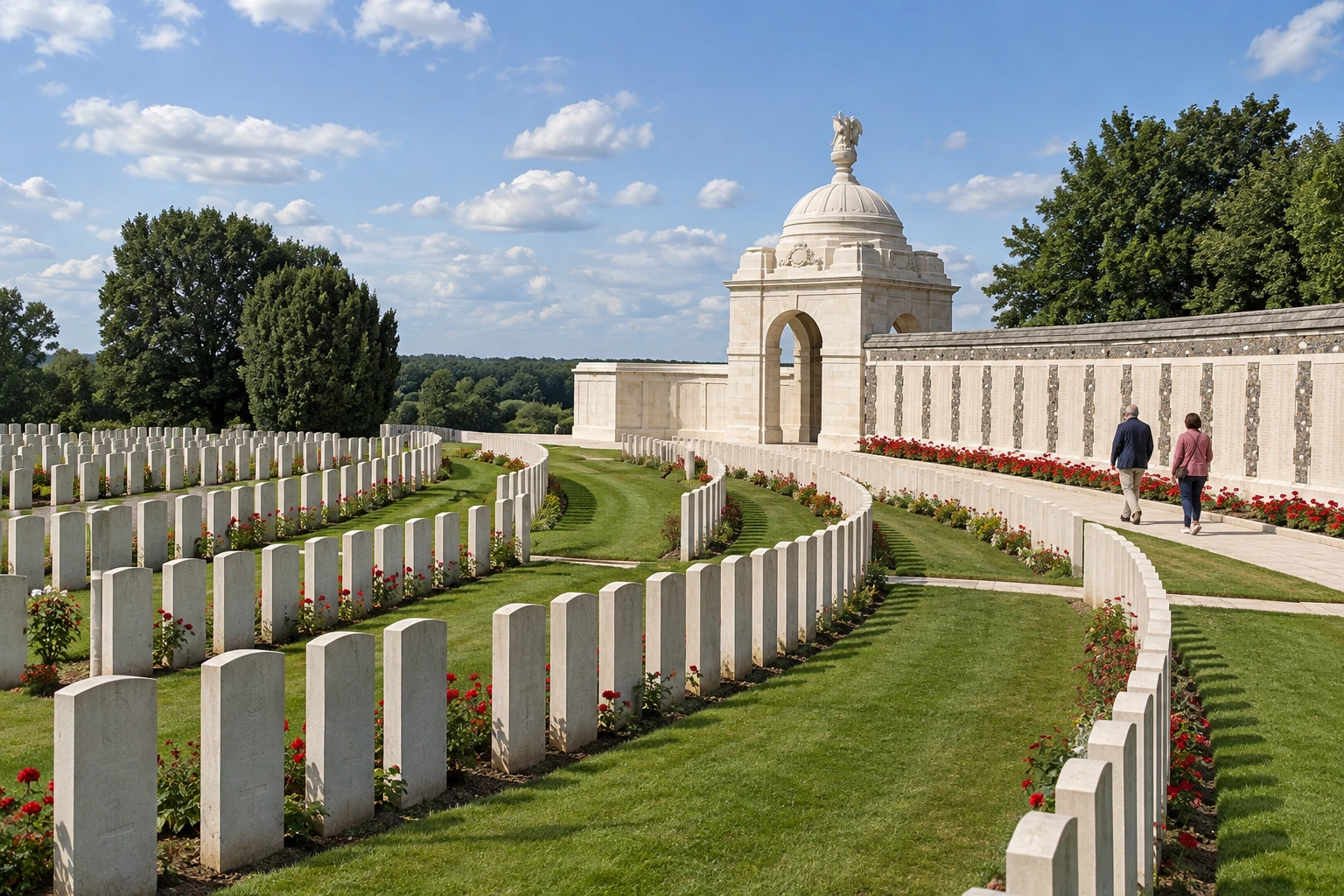
Tyne Cot Cemetery · ZonnebekeThe largest Commonwealth military cemetery in the world, with about 12,000 graves and a wall bearing almost 35,000 names of missing soldiers, on the Passendale ridge.
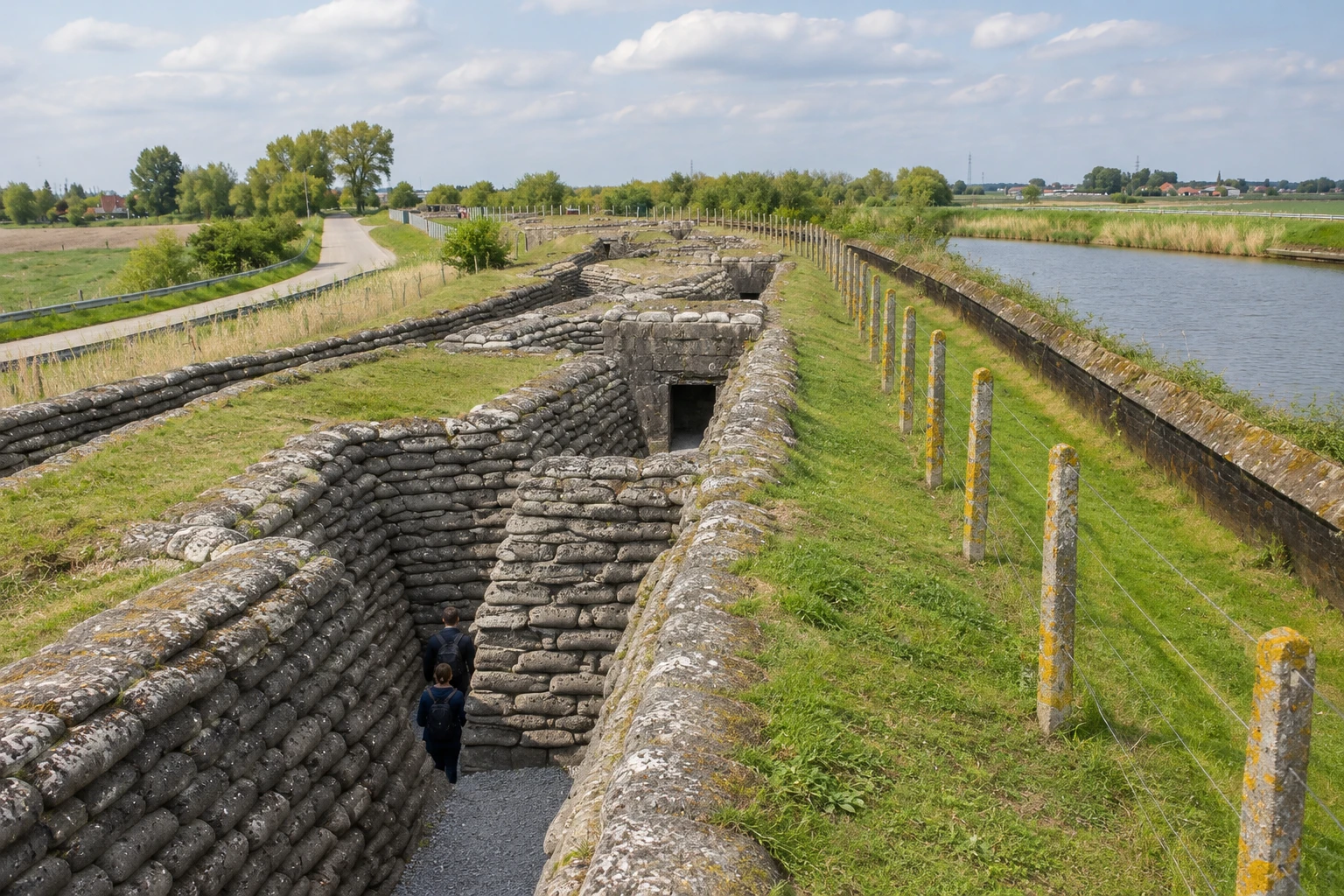
Trench of Death · DiksmuideThe only preserved Belgian trench from the First World War, on the IJzer bank, 1.5 km from the IJzertoren.
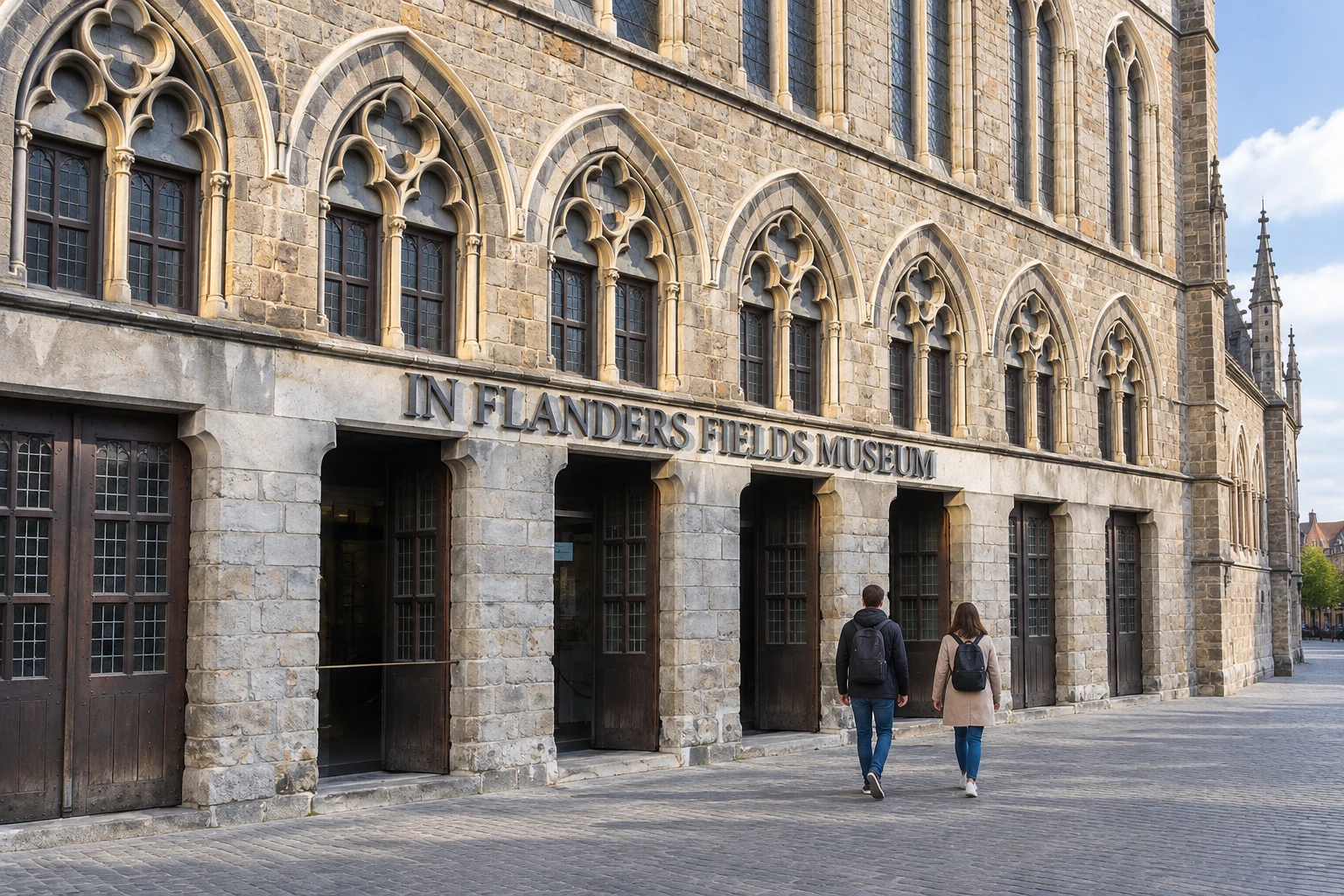
In Flanders Fields Museum · YpresMuseum about the First World War in Flanders, on the upper floor of the Lakenhalle.
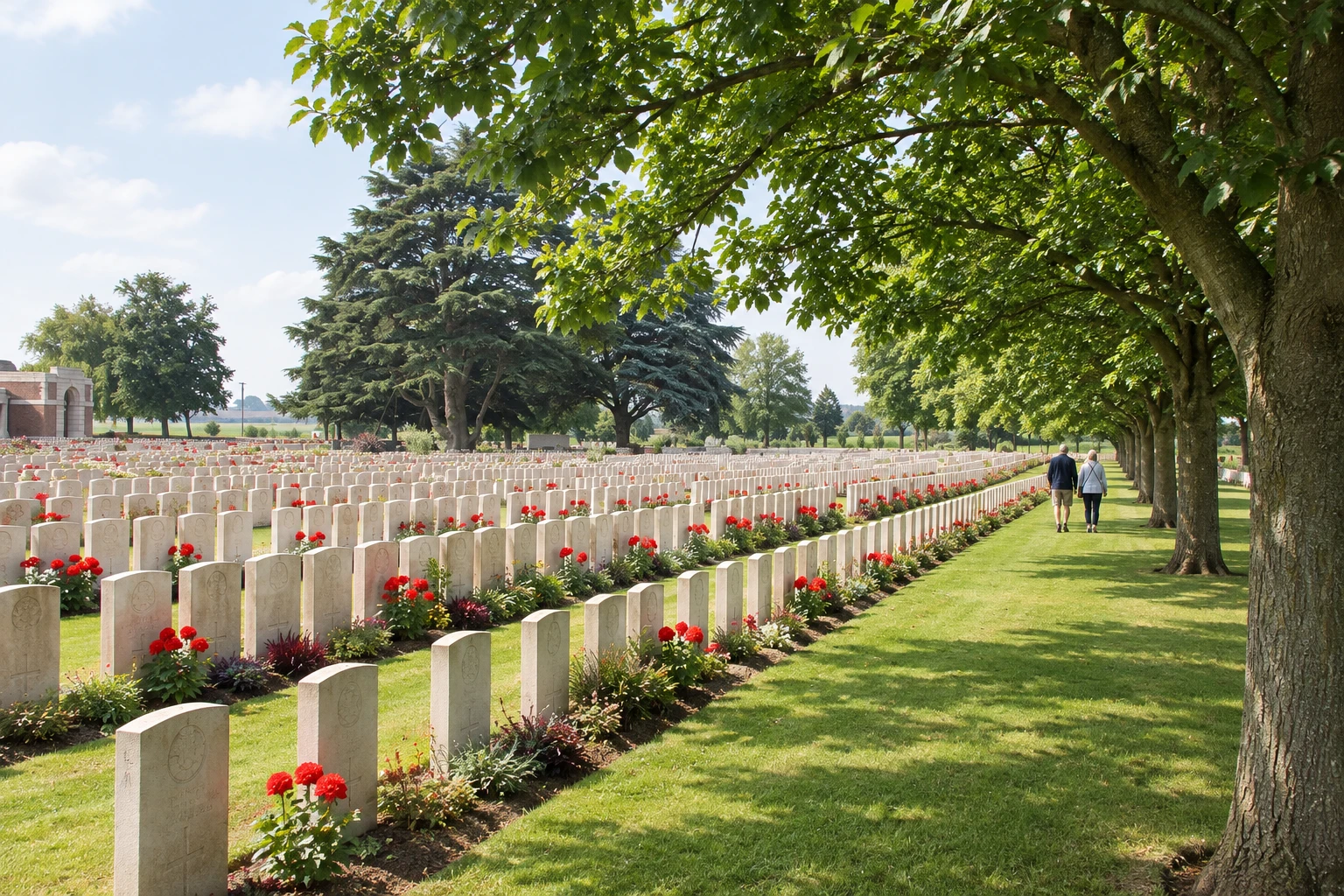
Lijssenthoek Military Cemetery · PoperingeA Commonwealth cemetery in the countryside south of Poperinge, with nearly 11,000 graves of soldiers from various nations who died in the field hospitals established there betwe...
Memorial Museum Passchendaele 1917 · ZonnebekeMuseum in the castle park of Zonnebeke about the battle of Passchendaele, featuring a reconstructed British underground shelter and full-size British and German trenches.
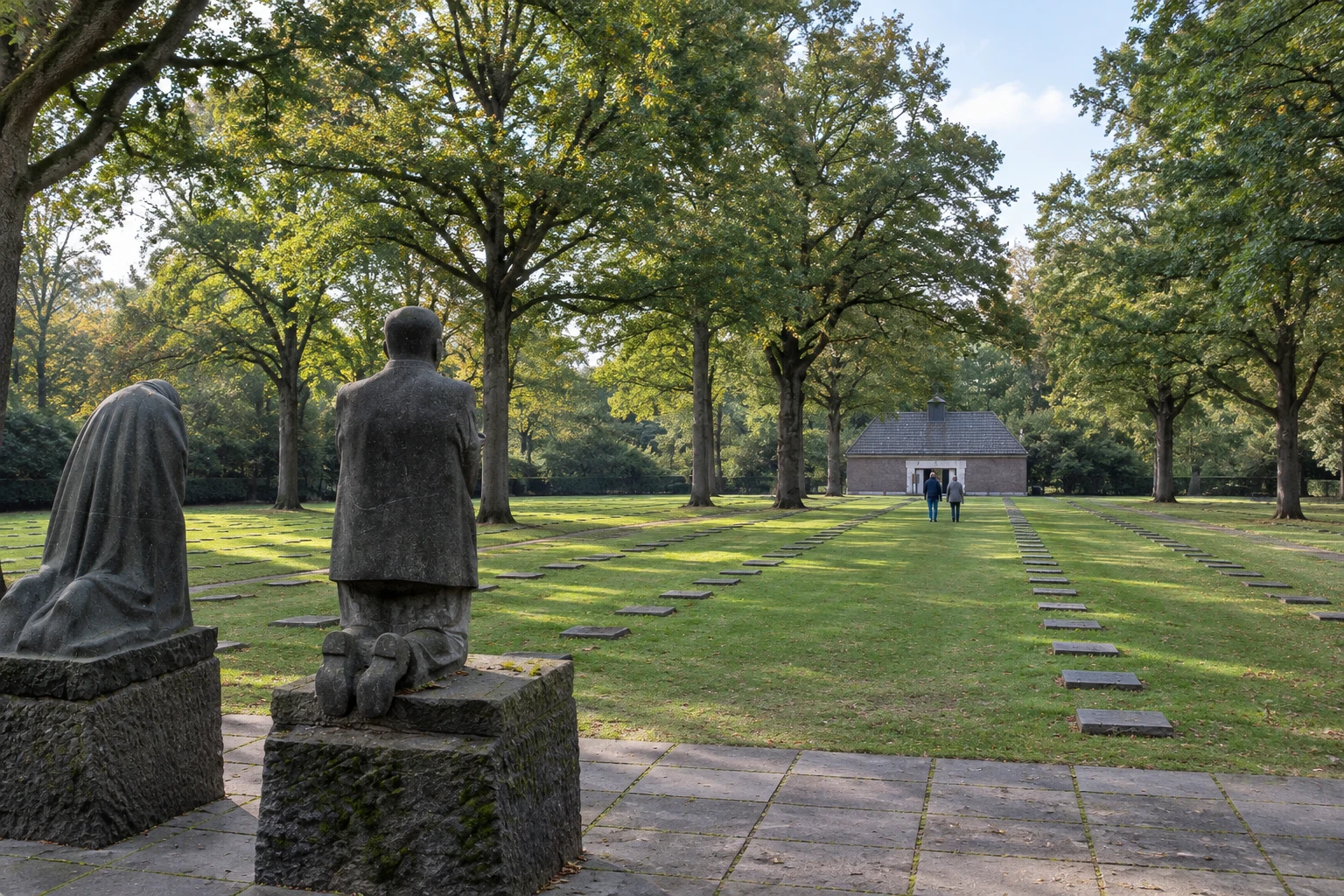
Vladslo German War Cemetery · DiksmuideGerman military cemetery in the countryside near Vladslo, with more than 25,000 soldiers and the statues of the Grieving Parents by Käthe Kollwitz, made in memory of her son.
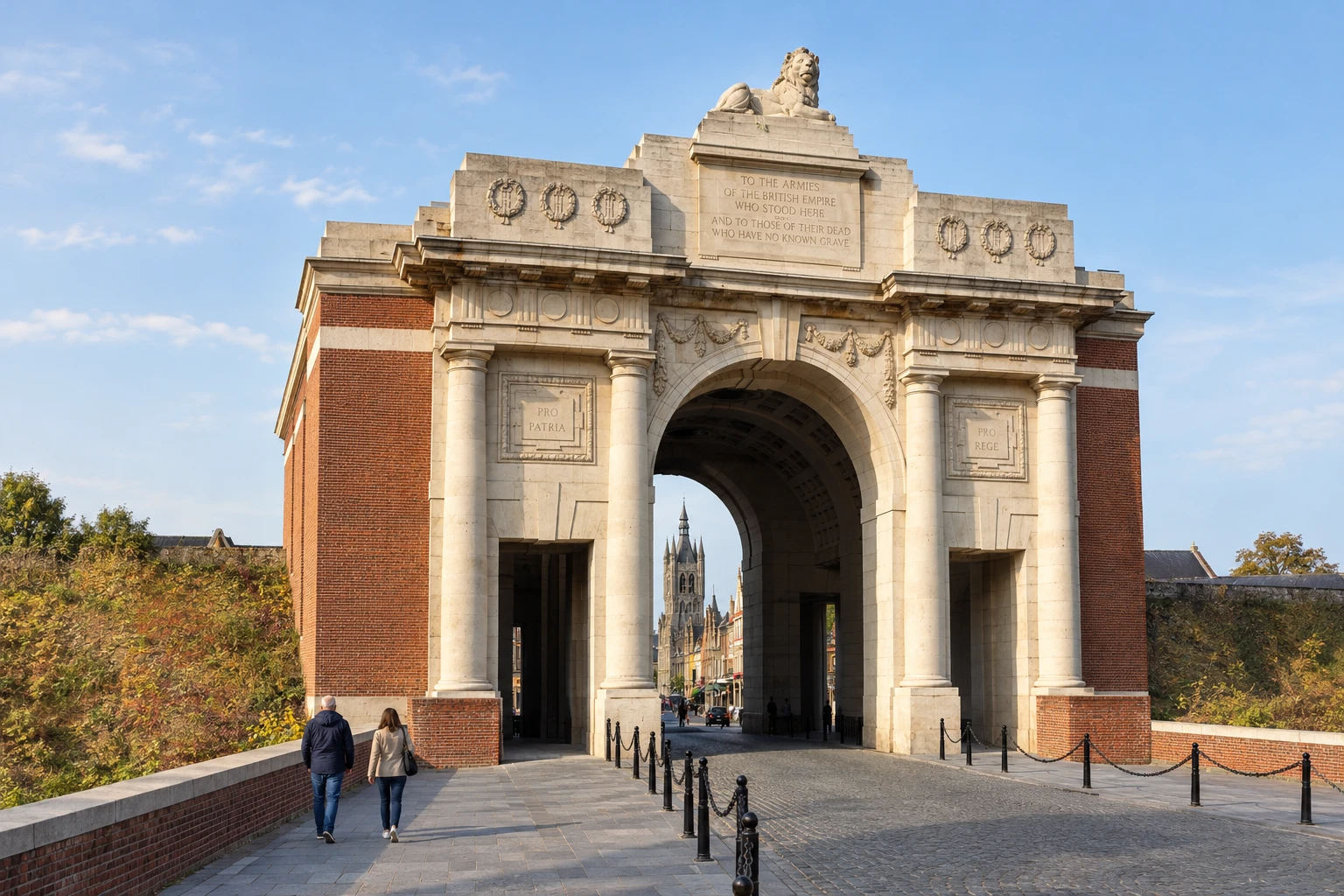
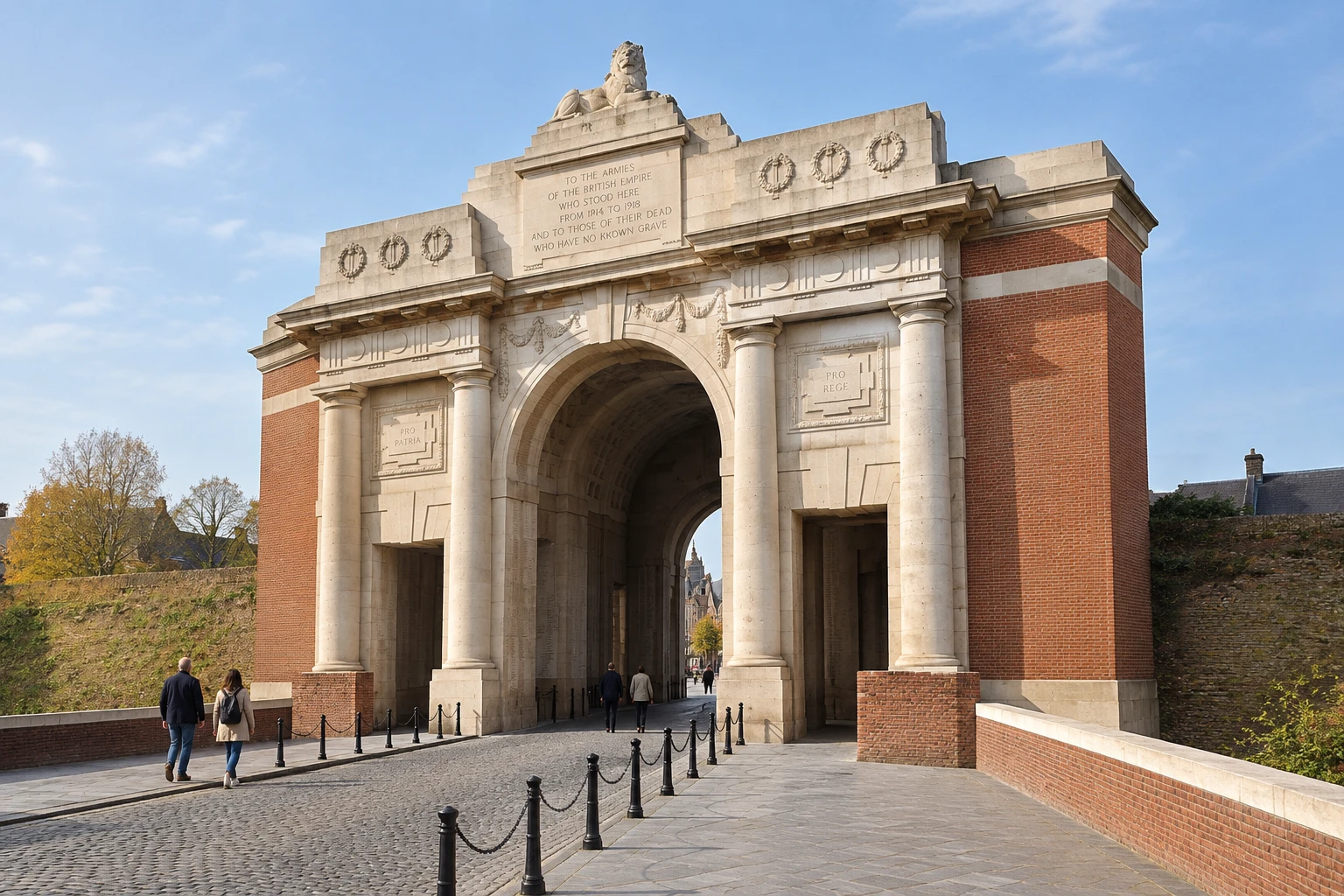
Menin Gate · YpresArch-shaped memorial at the east exit of Ypres, with the names of more than 54,000 Commonwealth soldiers with no known grave.
An 84‑metre tower on the IJzer's bank, housing the Museum aan de IJzer across its floors, the Paxpoort and a crypt recognized by UNESCO. From the top you can see the Belgian front plain.
The largest Commonwealth military cemetery in the world, with about 12,000 graves and a wall bearing almost 35,000 names of missing soldiers, on the Passendale ridge.
The only preserved Belgian trench from the First World War, on the IJzer bank, 1.5 km from the IJzertoren. It has a museum with original objects and a German casemate a few metres away.
Museum about the First World War in Flanders, on the upper floor of the Lakenhalle. It tells the war through personal stories of soldiers, nurses and civilians.
A Commonwealth cemetery in the countryside south of Poperinge, with nearly 11,000 graves of soldiers from various nations who died in the field hospitals established there between 1915 and 1920.
Museum in the castle park of Zonnebeke about the battle of Passchendaele, featuring a reconstructed British underground shelter and full-size British and German trenches.
German military cemetery in the countryside near Vladslo, with more than 25,000 soldiers and the statues of the Grieving Parents by Käthe Kollwitz, made in memory of her son.
Arch-shaped memorial at the east exit of Ypres, with the names of more than 54,000 Commonwealth soldiers with no known grave. Every night the Last Post takes place there.
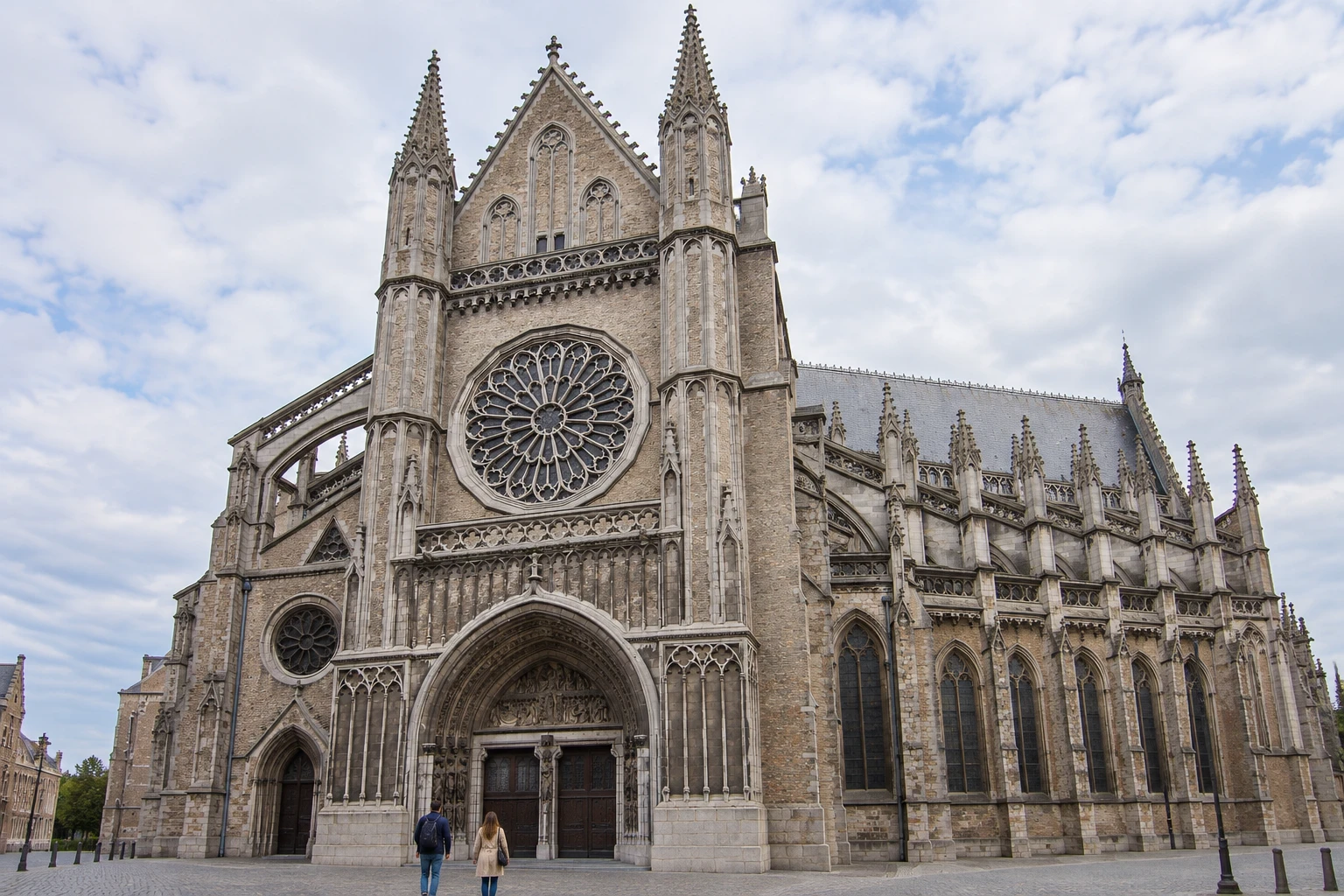
Gothic church immediately behind the Lakenhalle, with a 102-metre tower. It was rebuilt after the First World War and houses the tomb of Bishop Jansênio.
British military cemetery beside a former dressing station, near the canal north of Ypres. It was there that physician John McCrae wrote the poem In Flanders Fields in May 1915.
German military cemetery with more than 44,000 dead, half of them in a mass grave. The graves lie among oaks, guarded by four mourning figures sculpted in bronze.
Museum about the 1917 Battle of Passchendaele, in the park of the castle of Zonnebeke. It has an underground shelter and reconstructed British and German trenches.
The largest Commonwealth military cemetery in the world, with about 12,000 graves and a wall bearing almost 35,000 names of missing soldiers, on the Passendale ridge.
Memorial park in Zillebeke, about 5 kilometres from Ypres, on a small rise contested between 1915 and 1917. It preserves mine craters, bunkers and, on the other side of the railway, the Caterpillar Crater, a 1917 mine crater.
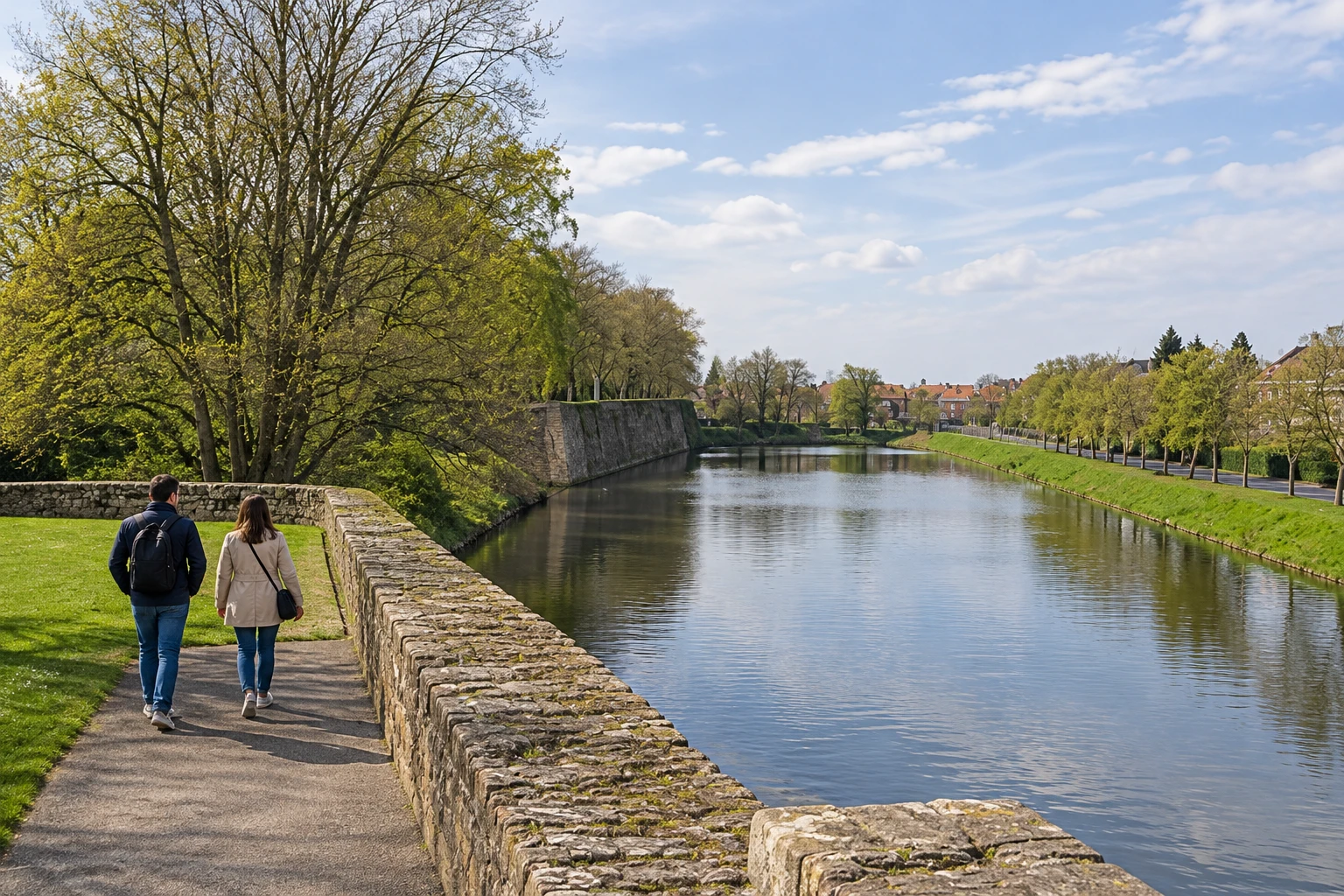
Walls that encircle the centre of Ypres, with moats, bastions and the Rijselpoort, the city's oldest medieval gate. On top of the wall, next to the gate, is the Ramparts Cemetery, a small First World War military cemetery.
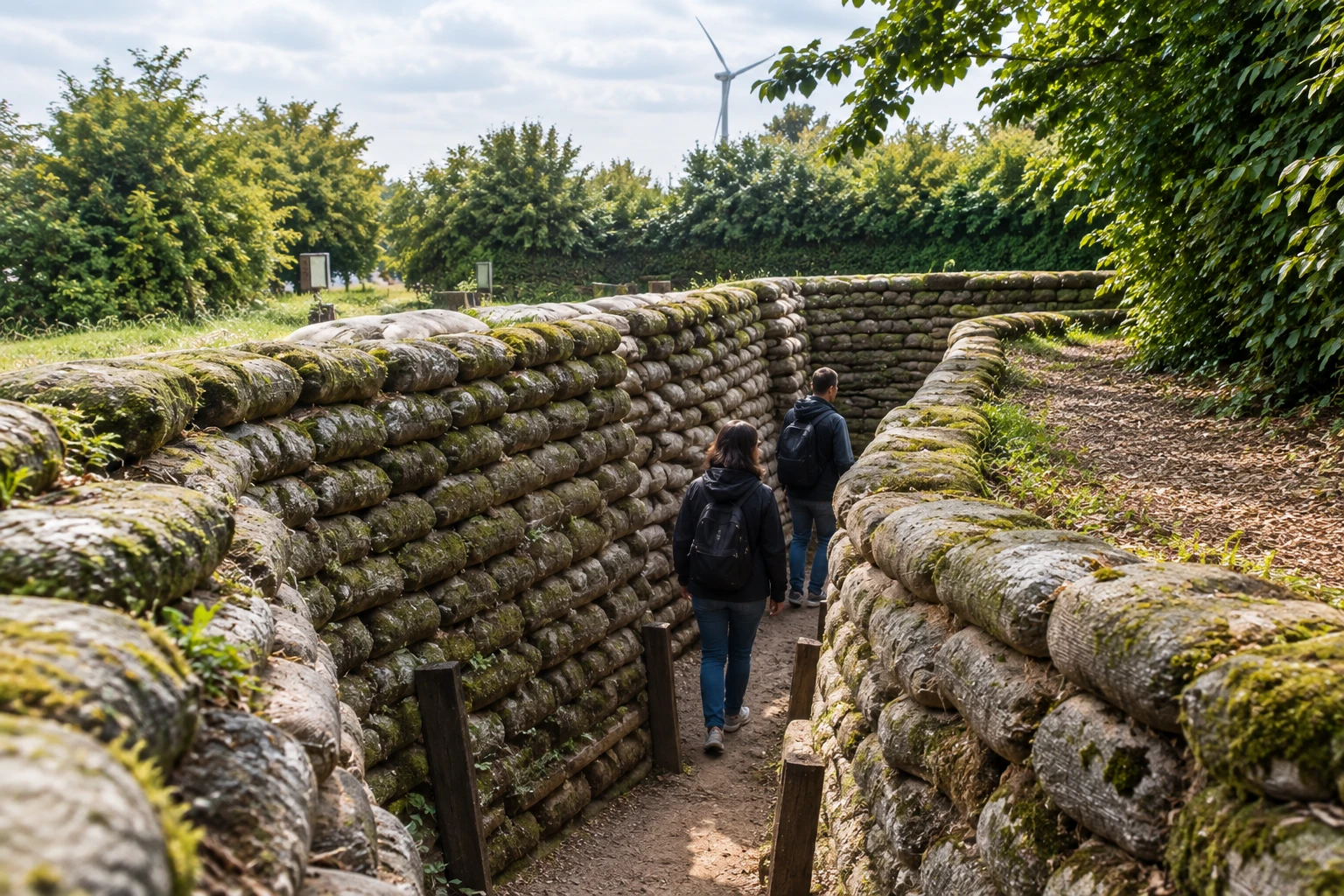
A reconstructed section of a British First World War trench in Boezinge, north of Ypres, on the site where amateur archaeologists found an underground shelter from 1917. It lies amid an industrial area.
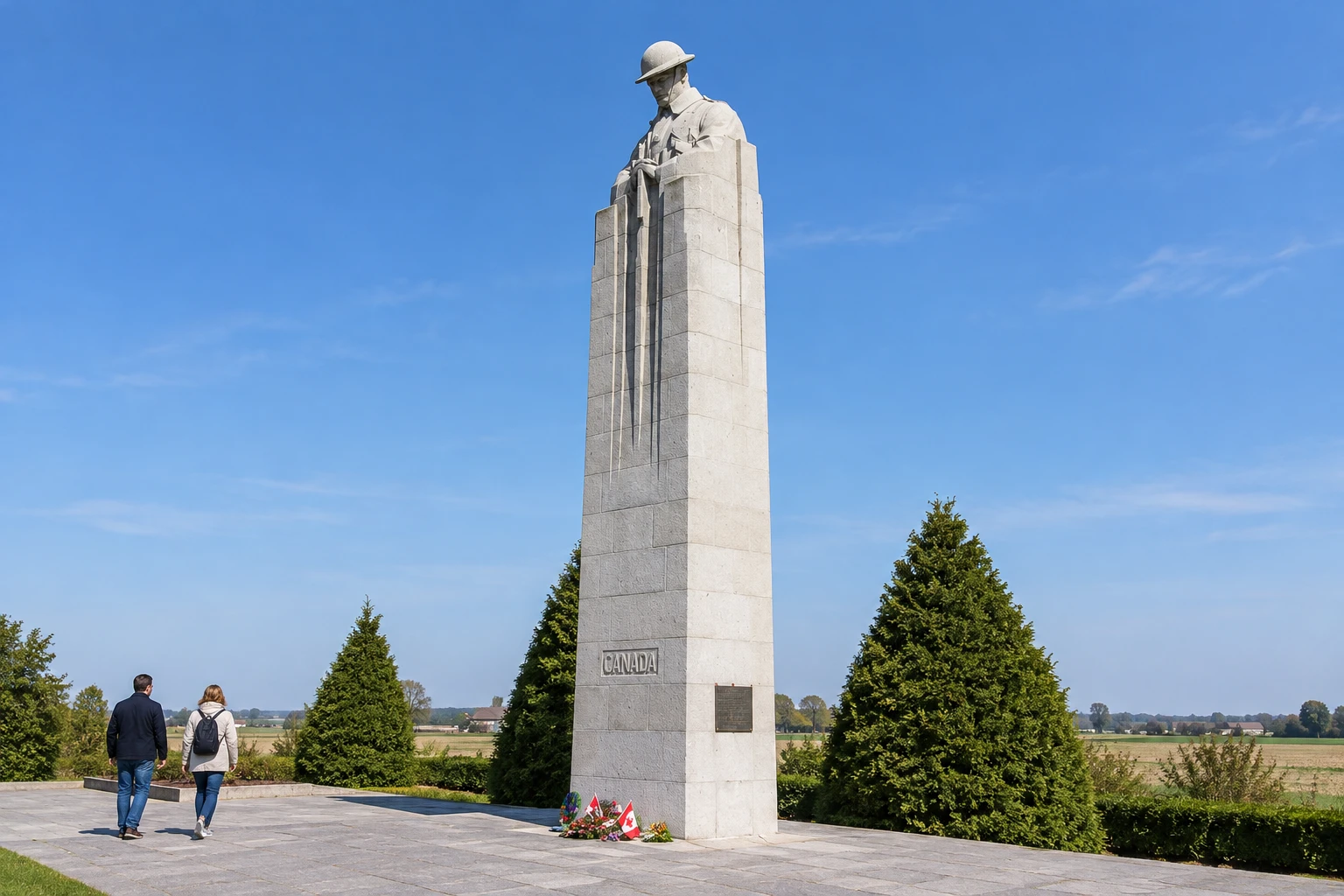
Canadian memorial nearly 11 meters high in Sint-Juliaan, northeast of Ypres, topped by the figure of a soldier with his head bowed, the Brooding Soldier. It commemorates the Canadians who faced the first gas attack in April 1915.
How many days should you set aside to see Ypres and the Western Front?
The guide's itineraries cover 3, 5 and 7 days: Ieper and the Front in Three Days; Ieper, the Salient and Poperinge in Five Days; in 7 days, Ieper, Heuvelland, Poperinge and Diksmuide.
What to do Ypres and the Western Front in one day?
Arrival, Ramparts and Last Post. Land at Brussels Airport and take the train to Ieper, with one change and about 2 hours 30 minutes travel time. After dropping off your bags, walk the ramparts of Ieper to the Rijselpoort and the Ramparts Cemetery, unhurried, to shake off the flight fatigue. Early in the evening, attend the Last Post at Menenpoort.
When is the best time to go to Ypres and the Western Front?
It generally rains less from March to April. The rainiest months are usually from November to December. The guide covers each month, with the weather and what changes on the tours.


 Brazil
 Antarctica
 Argentina
 Bolivia
 Chile
 Colombia
 Ecuador
 Falkland Islands (Malvinas)
 French Guiana
 Guyana
 Paraguay
 Peru
 Suriname
 Uruguay
 Venezuela
 Austria
 Croatia
 Denmark
 Finland
 France
 Germany
 Greece
 Hungary
 Iceland
 Ireland
 Italy
 Luxembourg
 Norway
 Poland
 Portugal
 Slovakia
 Slovenia
 Spain
 Sweden
 Switzerland
 the Czech Republic
 the Netherlands
 the United Kingdom
 Turkey
 Bermuda
 Canada
 Greenland
 Mexico
 Saint Pierre and Miquelon
 the United States
 the Dominican Republic
 Japan
 Egypt
 South Africa
 Australia
 Fiji
 New Zealand
 Papua New Guinea