29 places to visit and 20 tours, chosen by the Cidade Turismo guide.
Updated
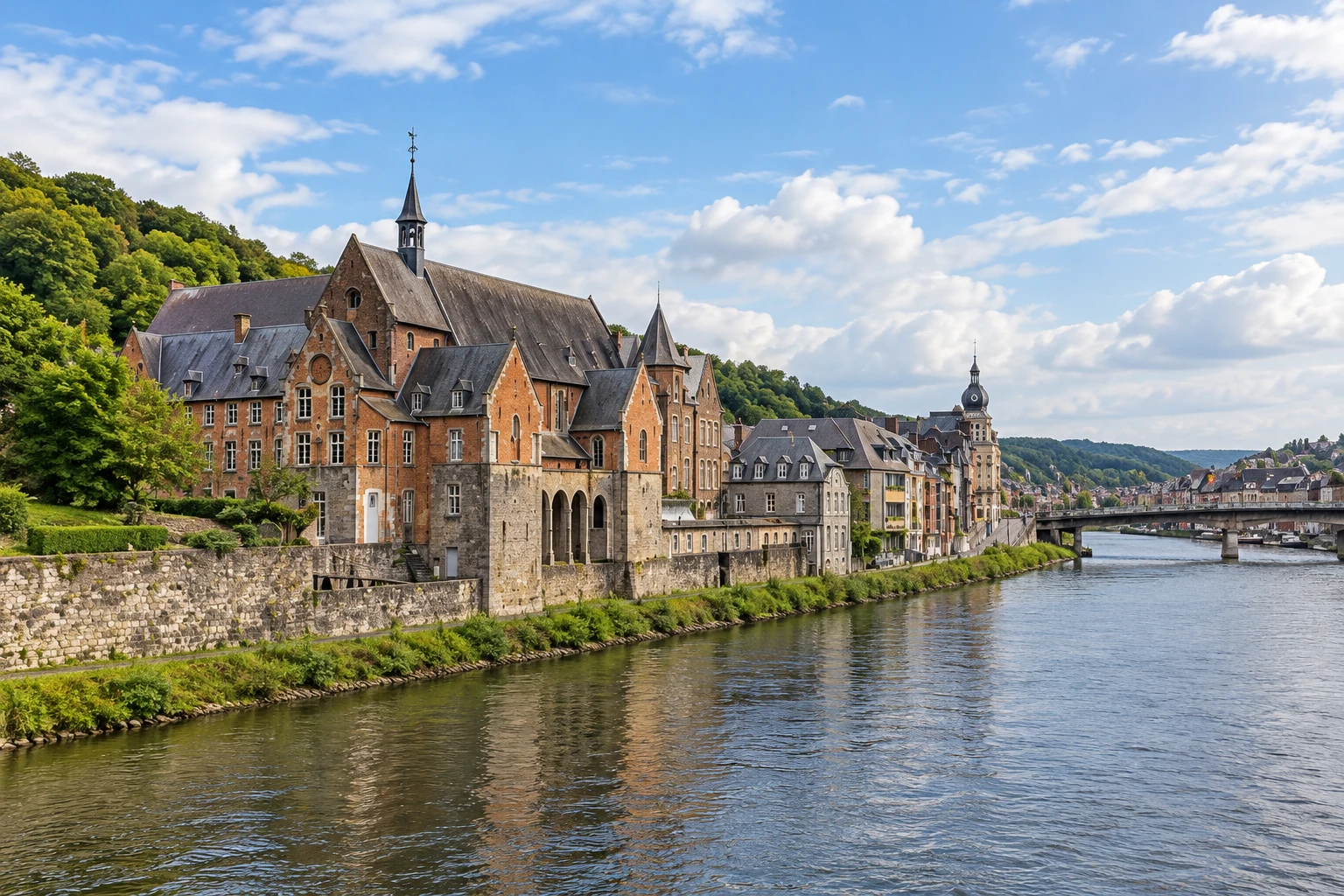
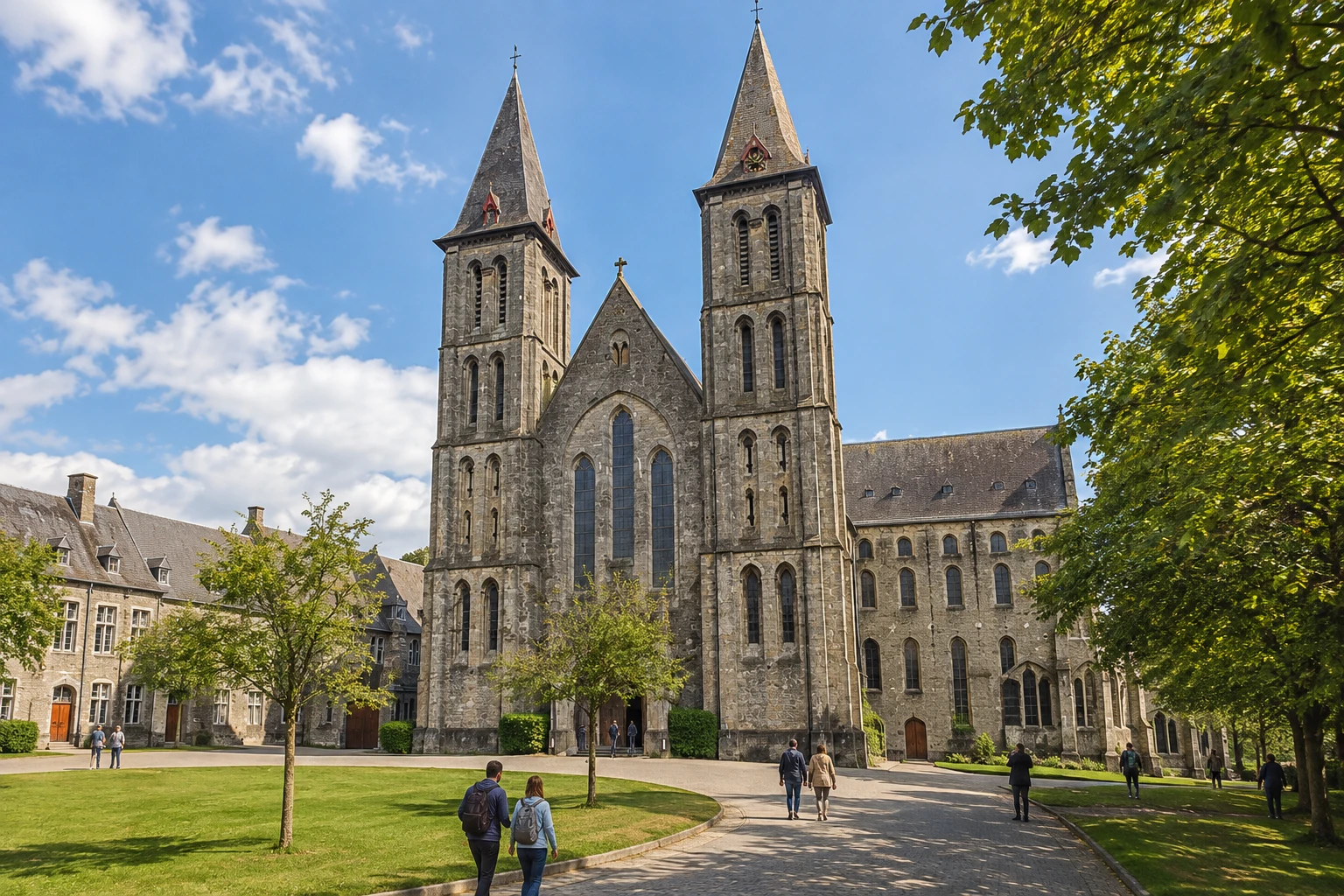
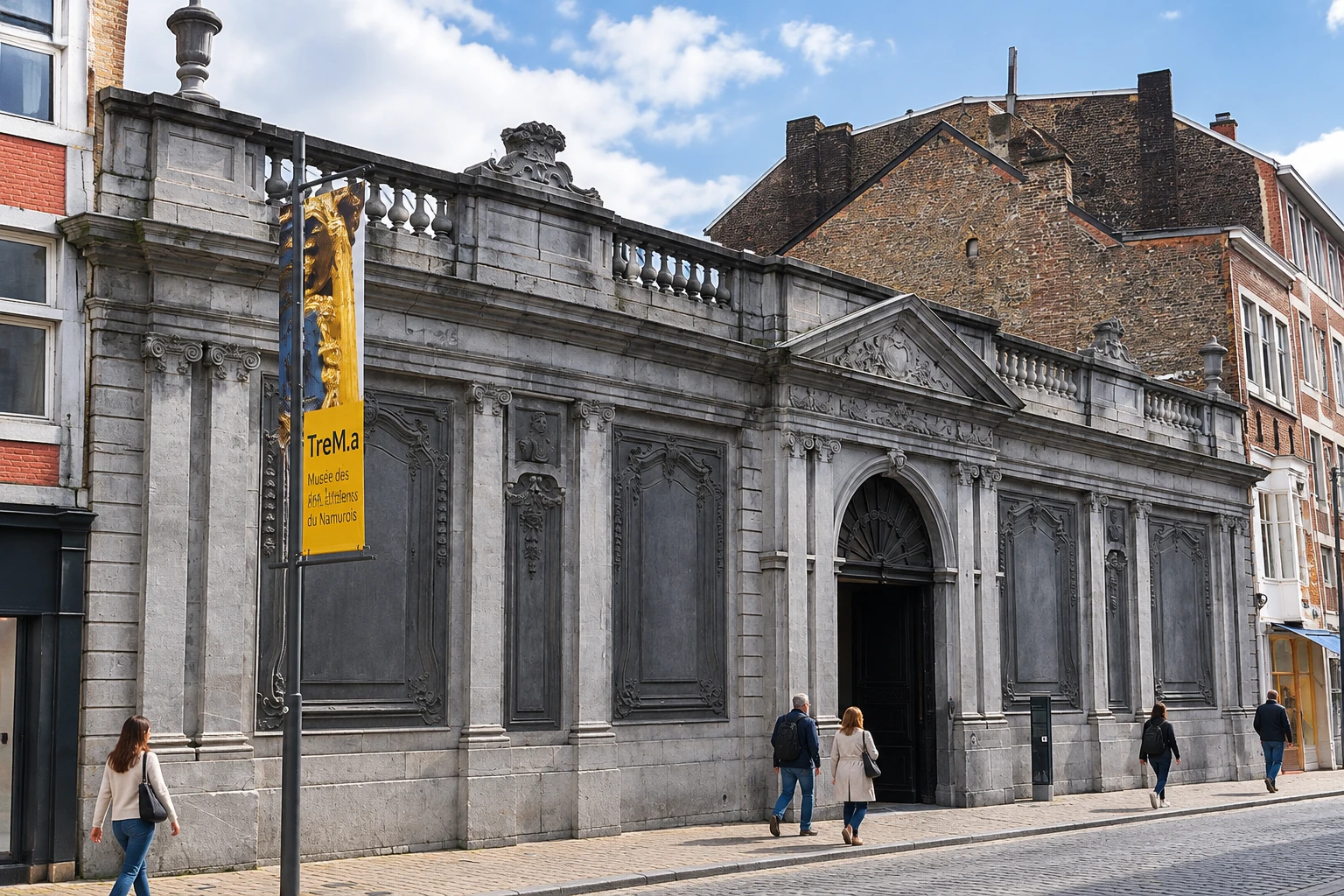
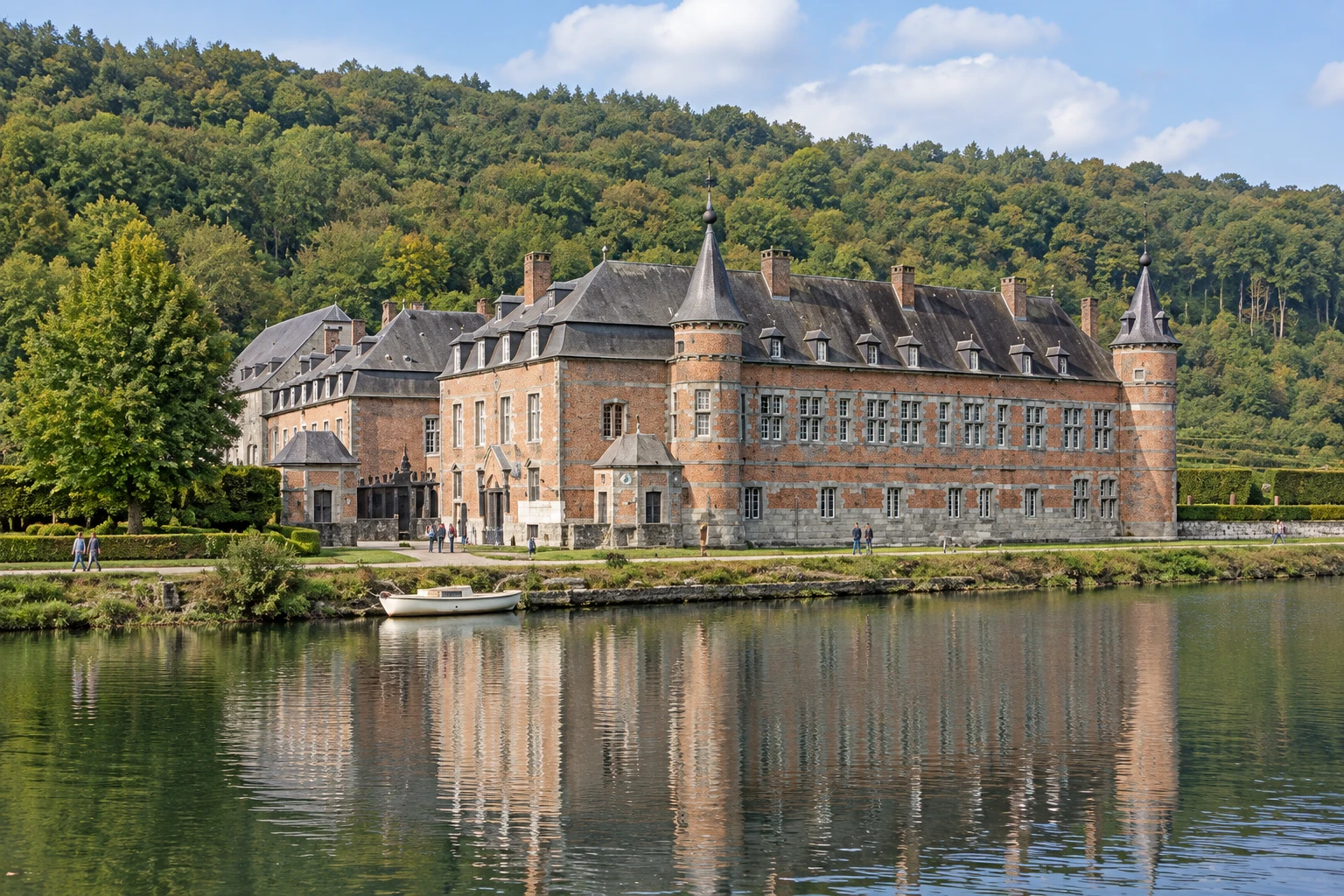
Illustrative images. The pictures in this guide are illustrations based on the real place, not photographs, and may differ from it.
To start
The 10 main places Meuse Valley
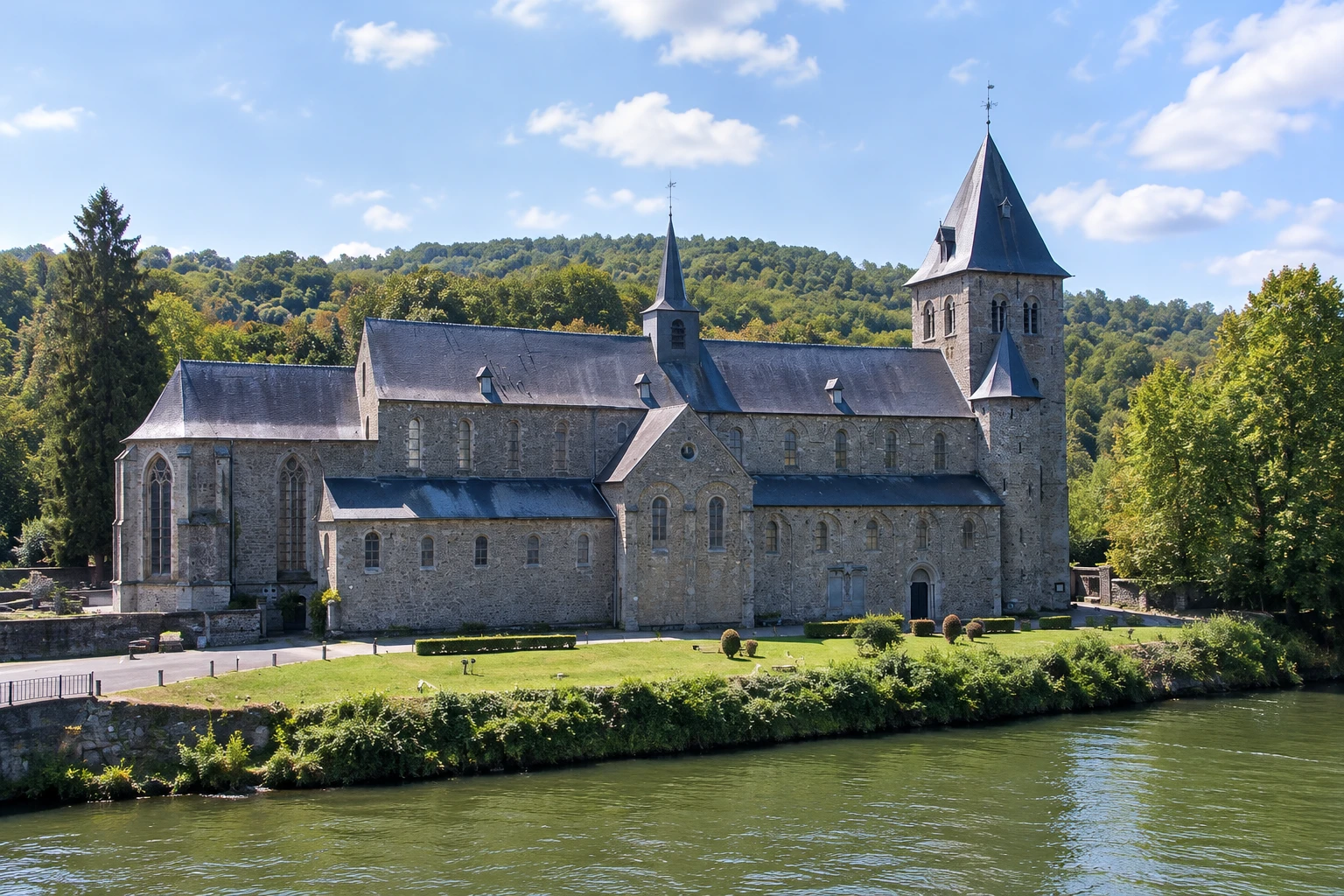
Abbatiale Notre-Dame d'Hastière · HastièreRomanesque church from the 11th century that belonged to a Benedictine monastery, on the right bank of the Mosa in Hastière-par-delà, with a crypt, a Gothic choir and carved cho...
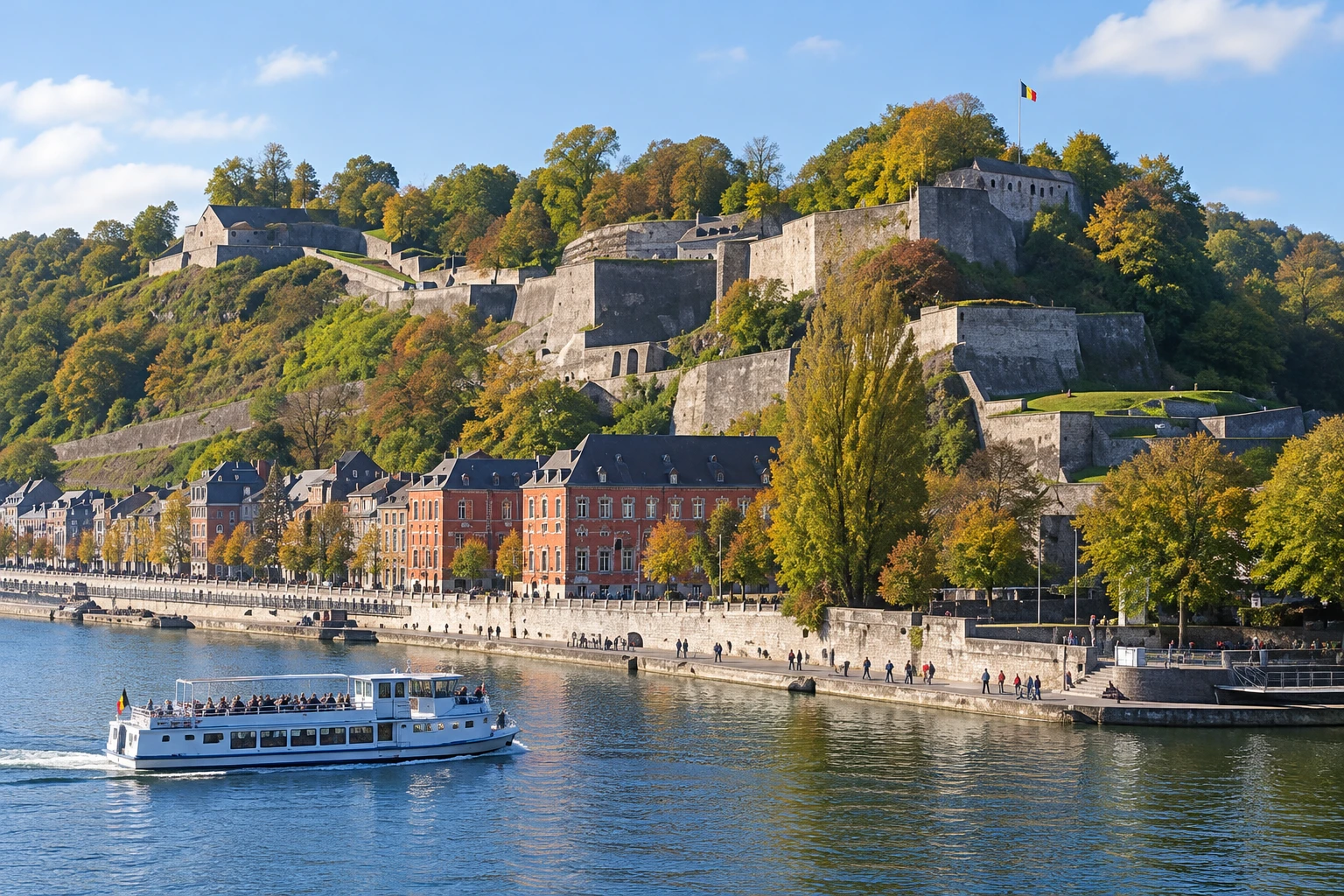
Namur Citadel · NamurFortress on the rocky spur between the Sambre and the Meuse, with about two thousand years of history.
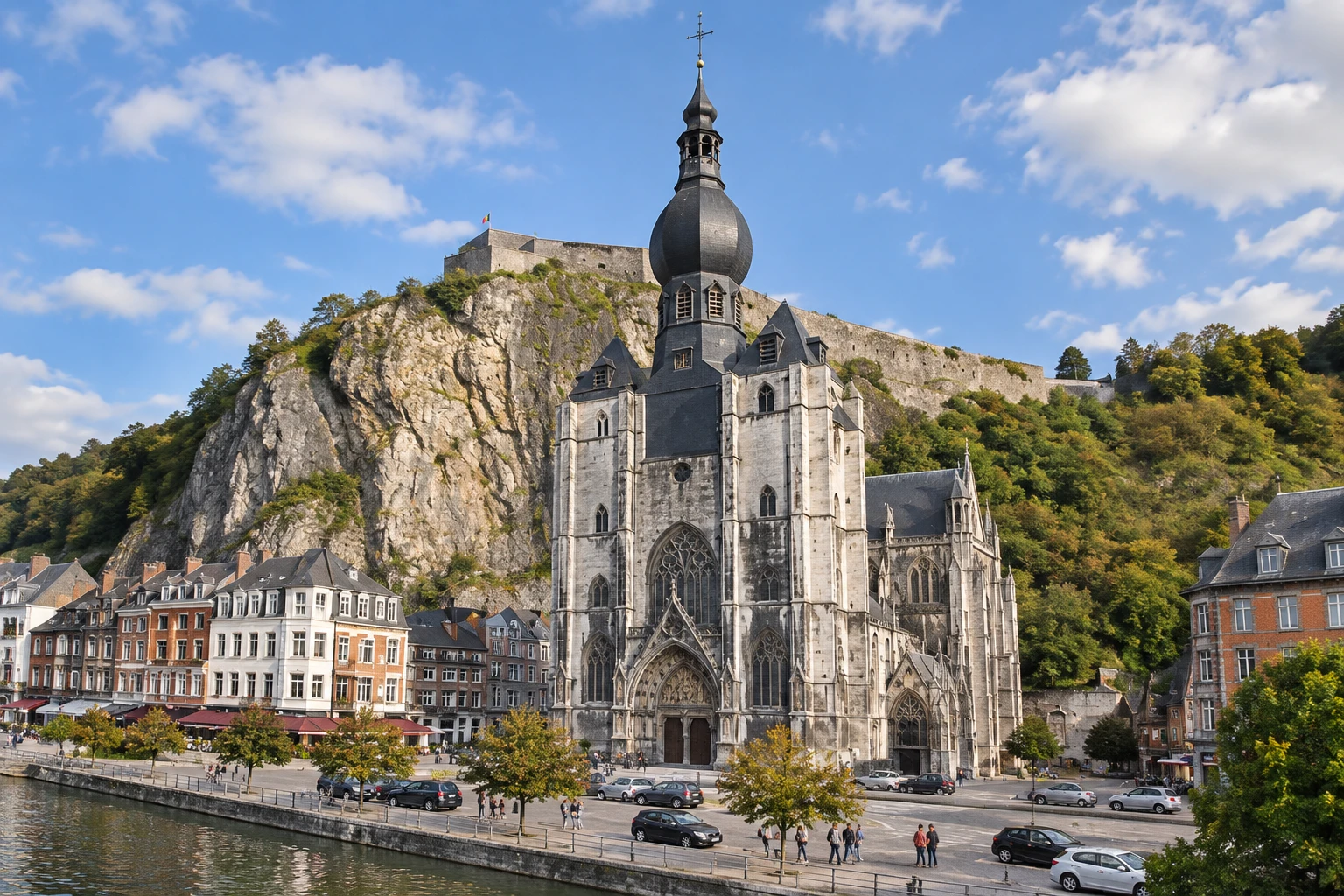
Collegiate Church of Our Lady of Dinant · DinantGothic church at the foot of the cliff, on the banks of the Meuse, with a 16th-century bulb-shaped bell tower.
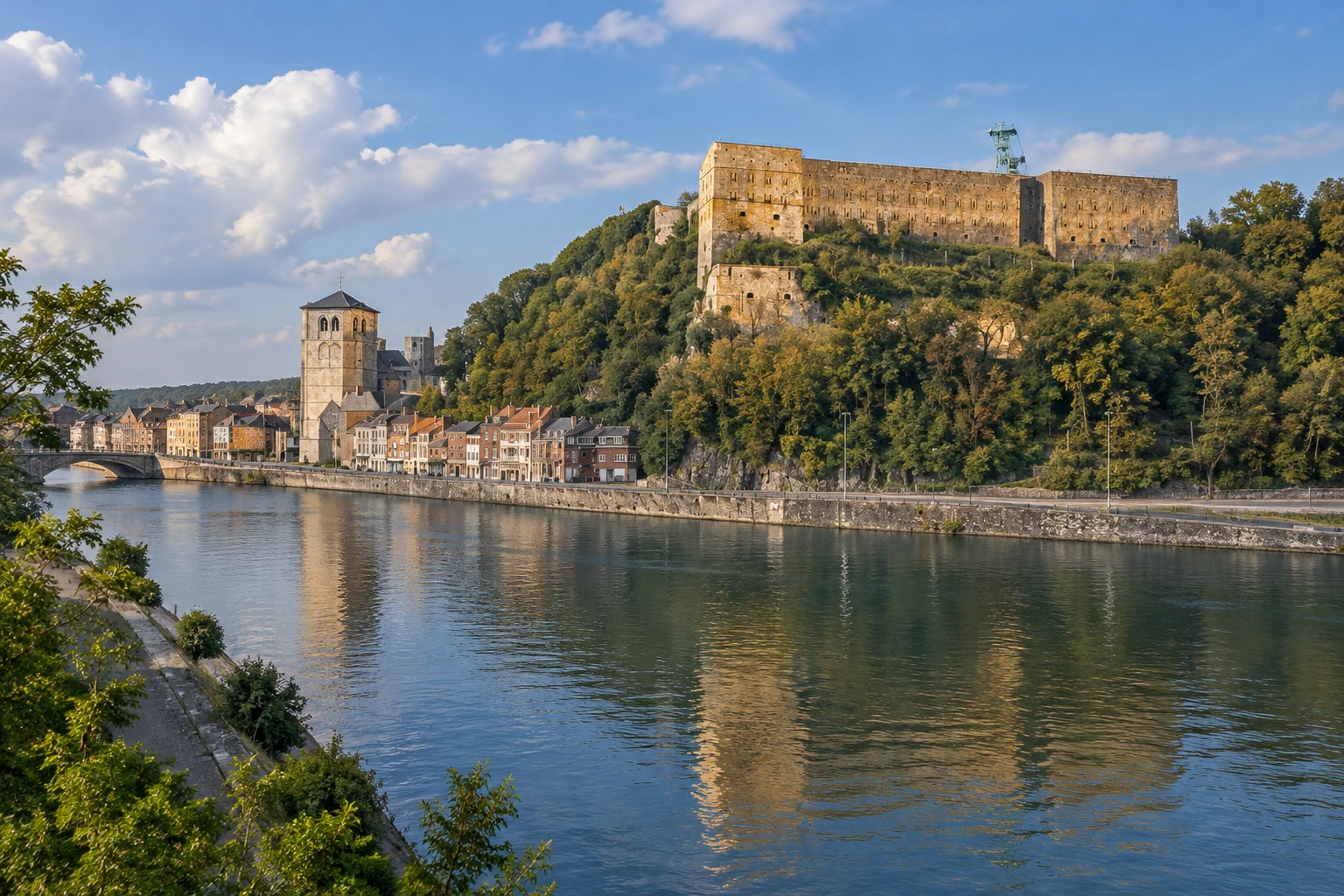
Huy Fort · Huy19th-century fort on the top of the rock above the Meuse (Mosa), on the site of Huy's old castle.
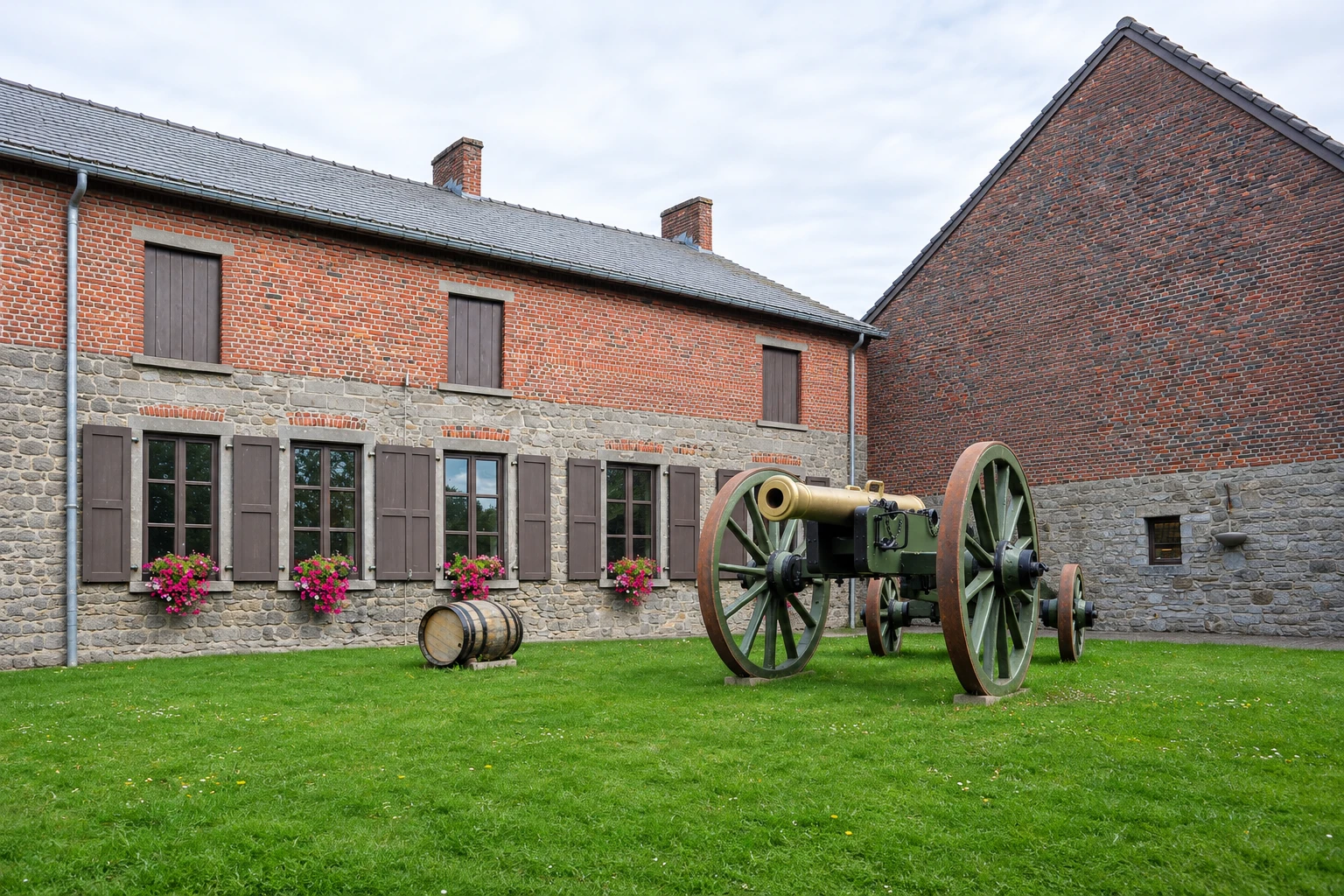
Ligny 1815 Museum · SombreffeMuseum of the Battle of Ligny in an old farm used as a field hospital in 1815.
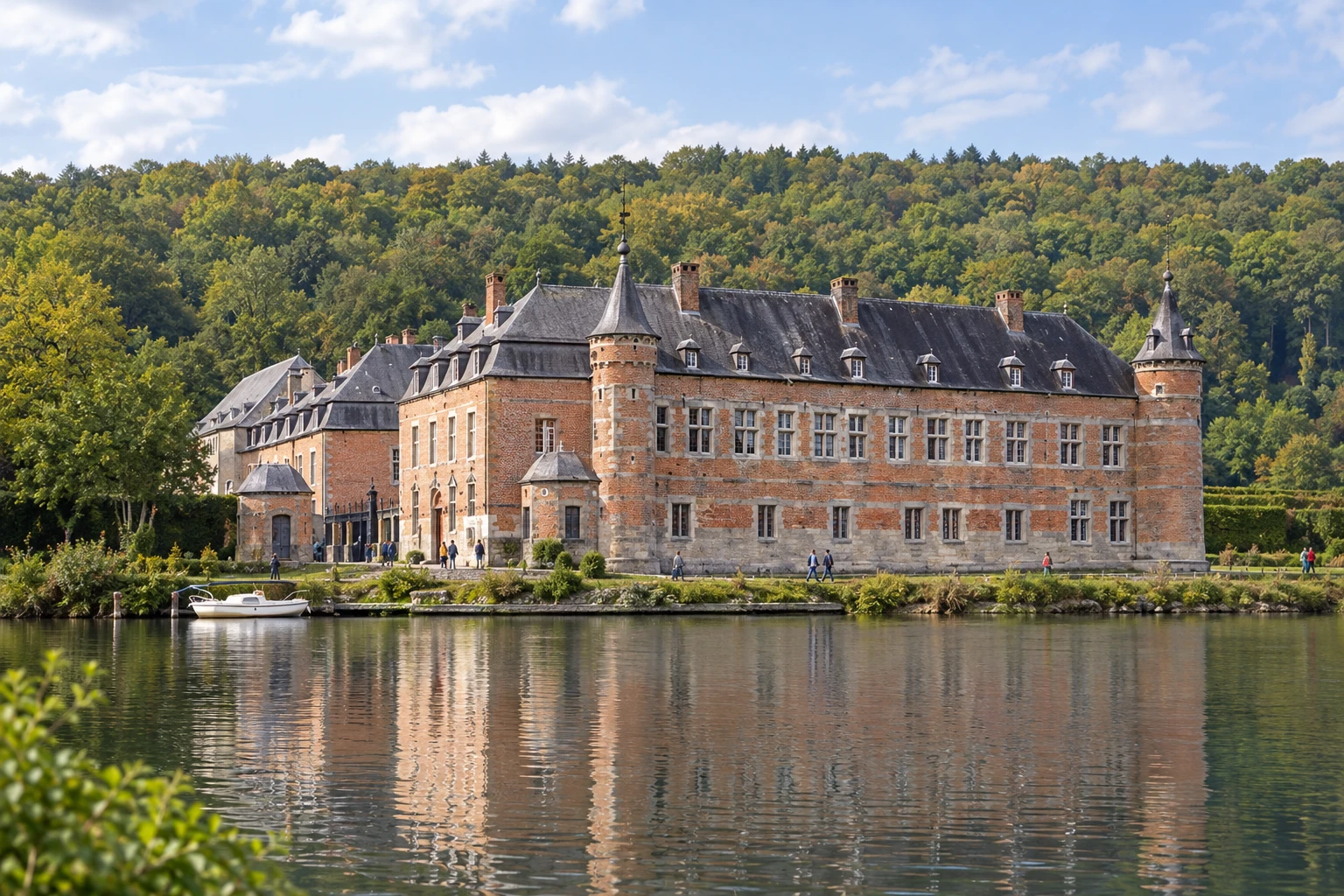
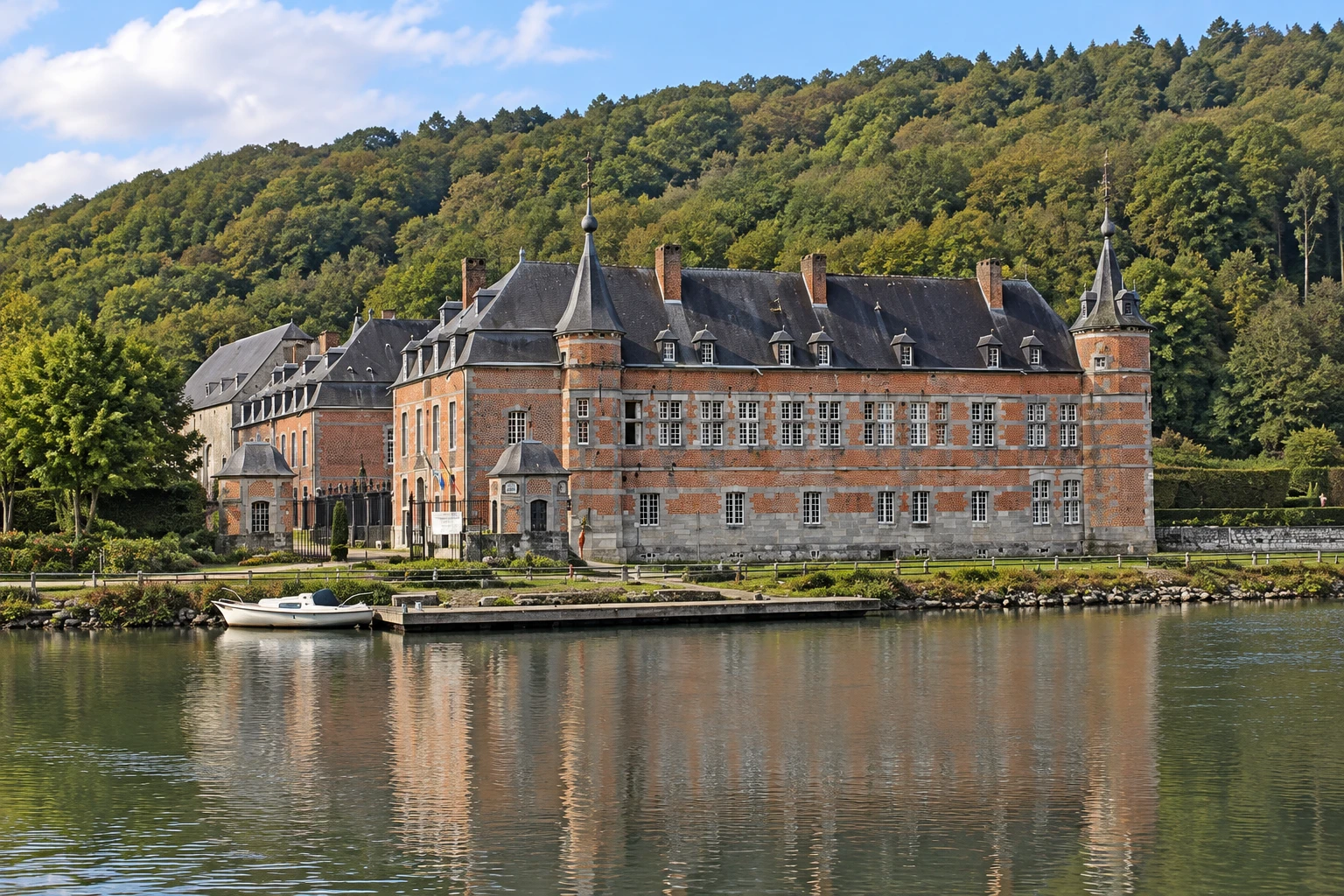
Freÿr Castle · HastièreRenaissance castle on the left bank of the Mosa, the former summer residence of the dukes of Beaufort-Spontin, with 18th‑century French-style gardens, century-old orange trees,...
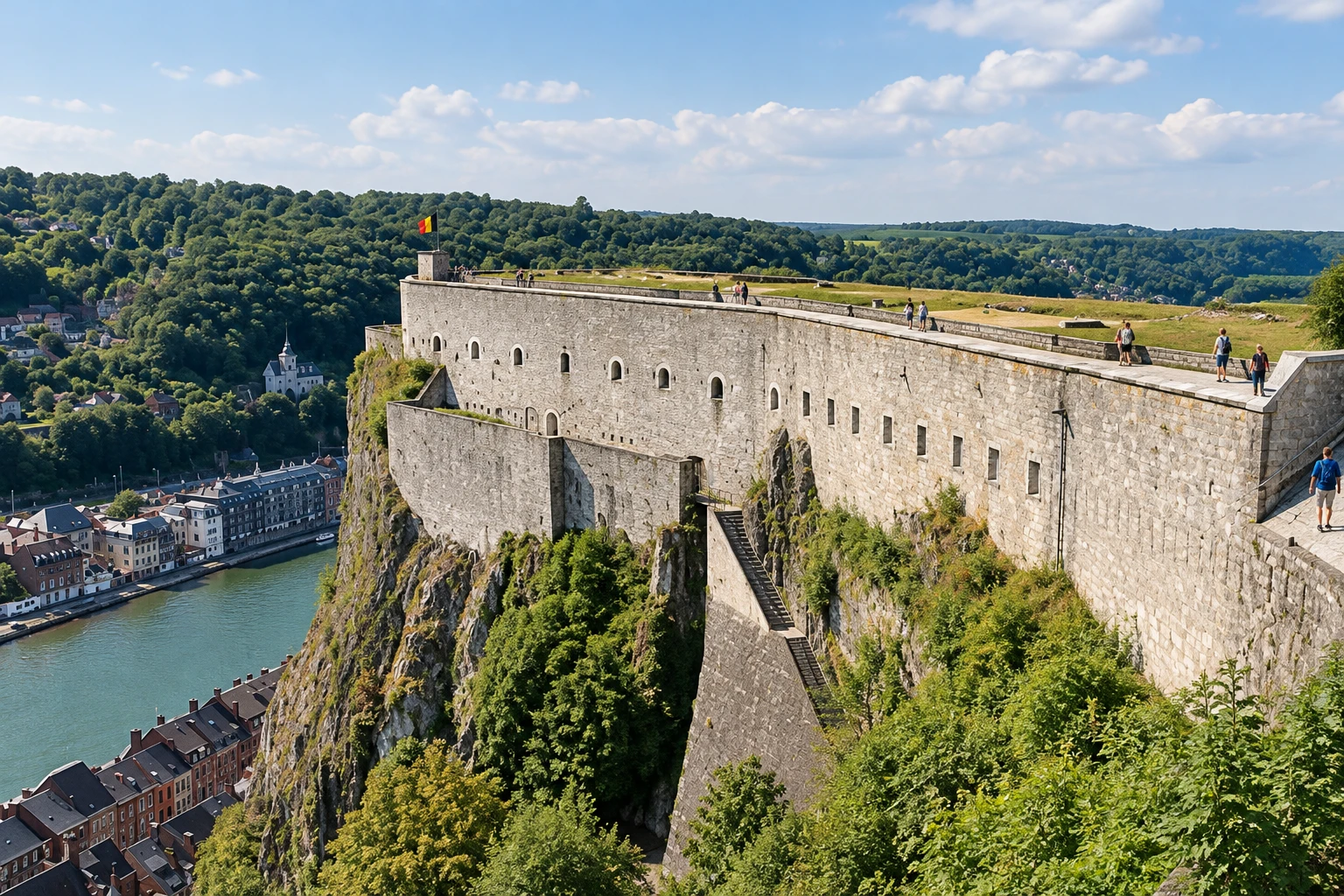
Dinant Citadel · DinantDutch fortress from 1818 to 1821, about 100 meters above the Meuse, on the site of castles from the 11th and 17th centuries.
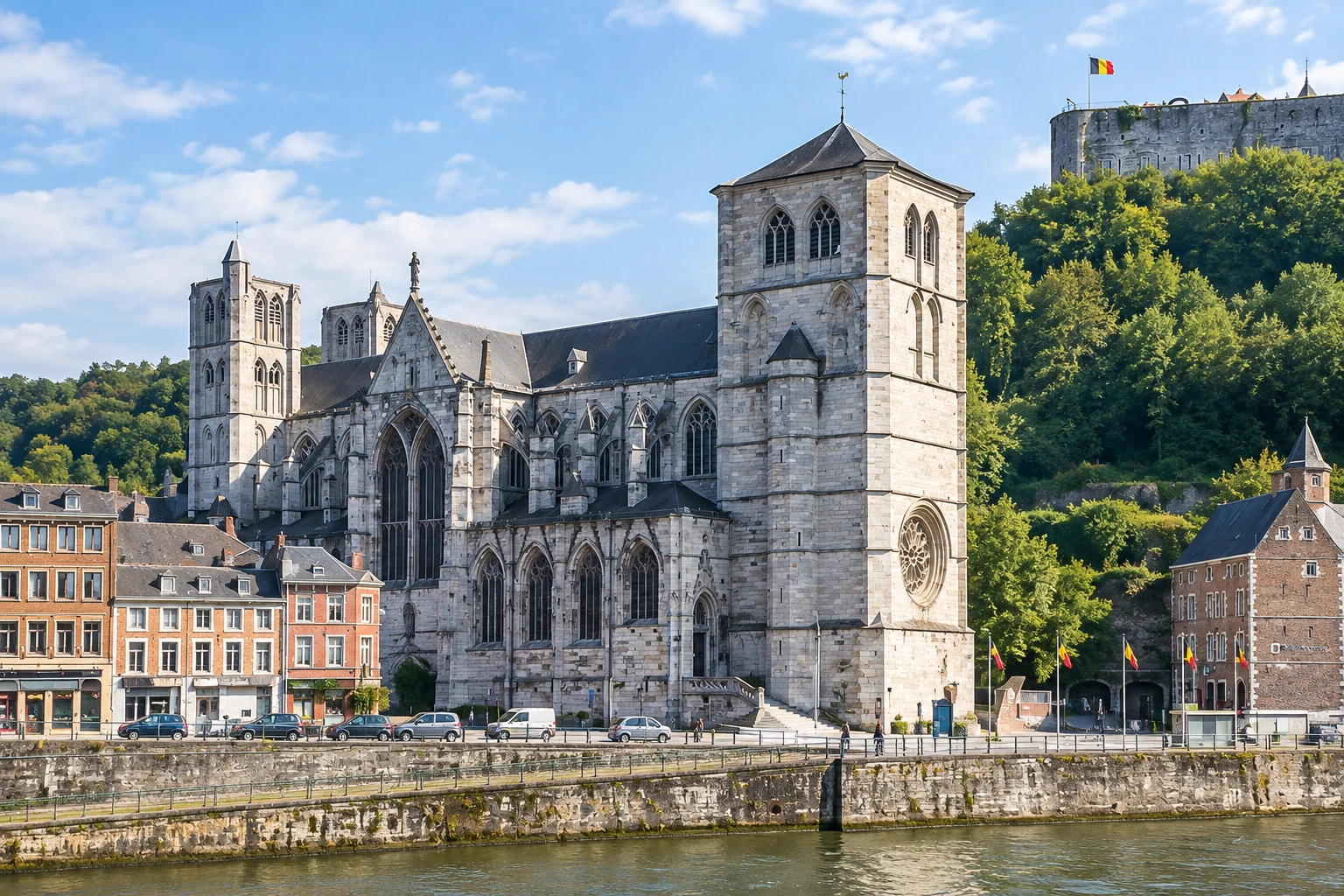
Collegiate Church of Notre-Dame de Huy · HuyGothic collegiate church built between 1311 and 1536 on the banks of the Meuse (Mosa), with the rose window Li Rondia, 9 metres across, an 11th-century Romanesque crypt and a tr...
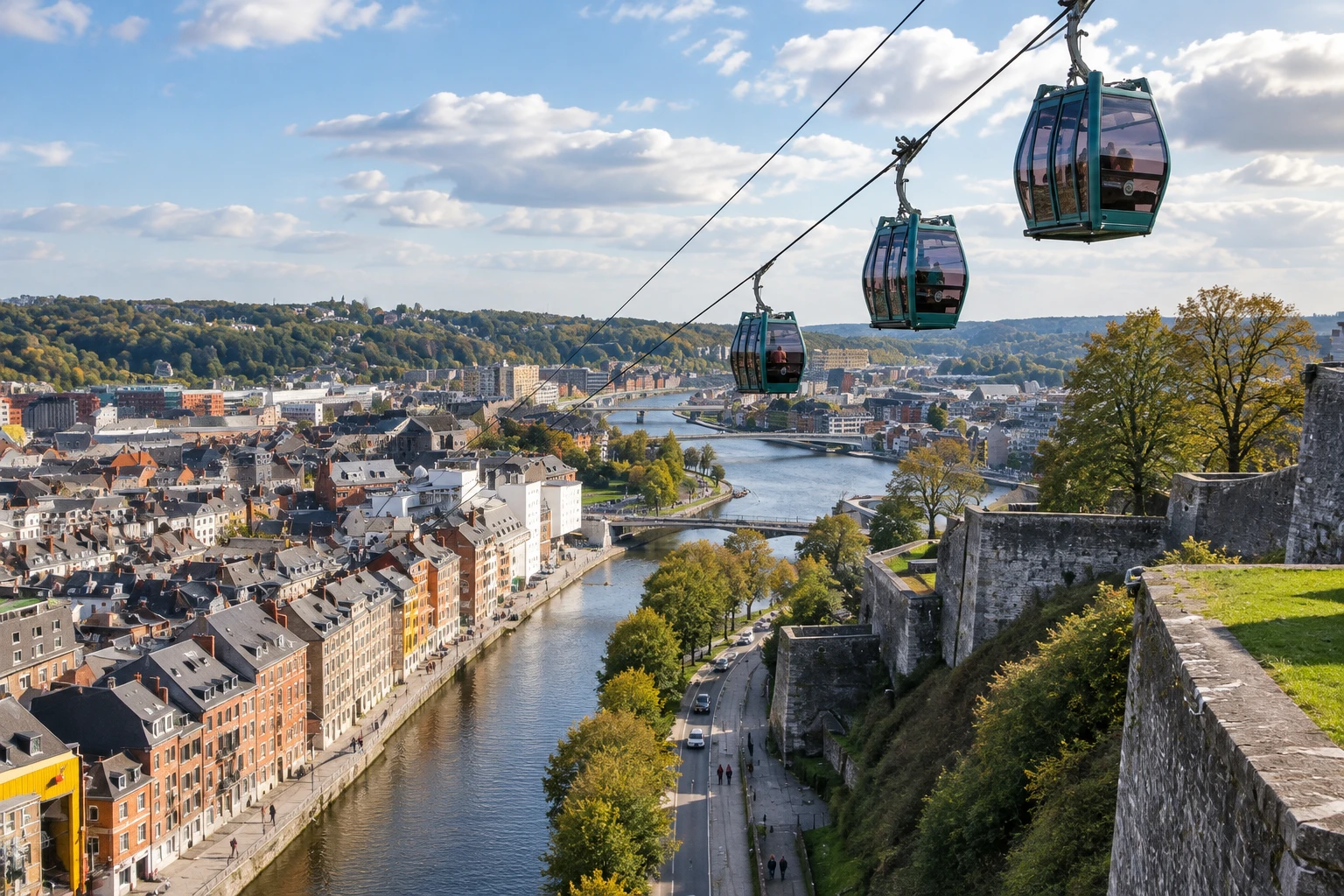
Namur Cable Car · NamurCabin cable car linking Place Maurice Servais in the centre to the Esplanade of the Citadelle.
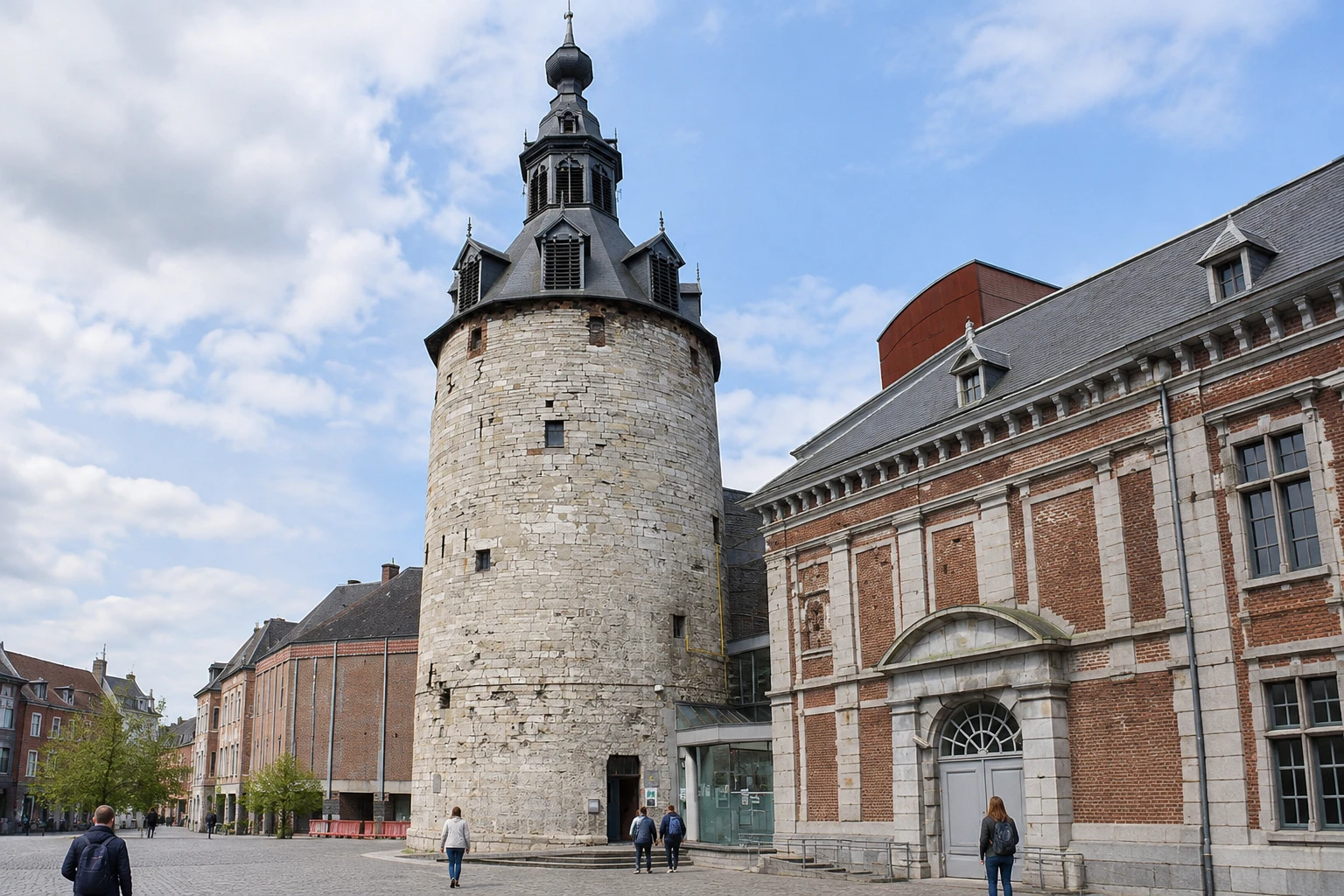
Belfry of Namur · NamurRound limestone tower built from 1388 on the medieval wall and transformed into the city's belfry in the 18th century.
Romanesque church from the 11th century that belonged to a Benedictine monastery, on the right bank of the Mosa in Hastière-par-delà, with a crypt, a Gothic choir and carved choir stalls.
Fortress on the rocky spur between the Sambre and the Meuse, with about two thousand years of history. It houses the Terra Nova visitor centre, guided underground galleries, a tourist train and viewpoints over the city.
Gothic church at the foot of the cliff, on the banks of the Meuse, with a 16th-century bulb-shaped bell tower. It has a stained-glass window by Gustave Ladon that is among the largest in Europe.
19th-century fort on the top of the rock above the Meuse (Mosa), on the site of Huy's old castle. It was used as a prison during the German occupation in World War II and now houses a memorial about that period. Access by cable car during the season.
Renaissance castle on the left bank of the Mosa, the former summer residence of the dukes of Beaufort-Spontin, with 18th‑century French-style gardens, century-old orange trees, terraces and mazes.
Dutch fortress from 1818 to 1821, about 100 meters above the Meuse, on the site of castles from the 11th and 17th centuries. It has a museum about the wars, a trench simulation, cells and a viewpoint overlooking the collegiate church.
Gothic collegiate church built between 1311 and 1536 on the banks of the Meuse (Mosa), with the rose window Li Rondia, 9 metres across, an 11th-century Romanesque crypt and a treasury of medieval reliquaries.
Cabin cable car linking Place Maurice Servais in the centre to the Esplanade of the Citadelle. It's about 650 metres, a four-minute ride, with views over the Sambre and the city's rooftops.
Round limestone tower built from 1388 on the medieval wall and transformed into the city's belfry in the 18th century. It is part of the belfries of Belgium and France inscribed as a UNESCO World Heritage Site.
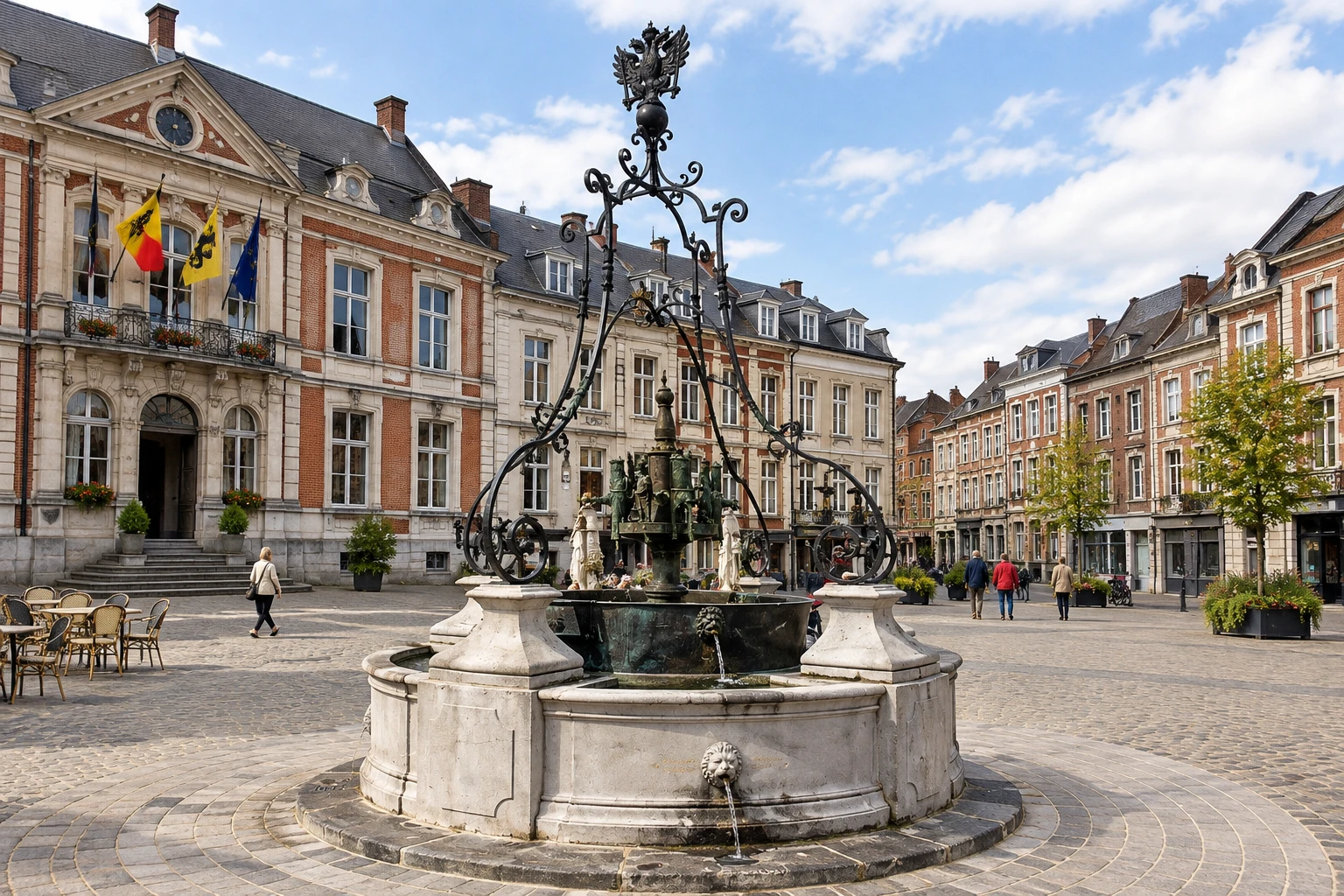
Huy's central square, with the 18th-century town hall and the copper fountain Li Bassinia from the 15th century, a symbol of the town and one of its four wonders.
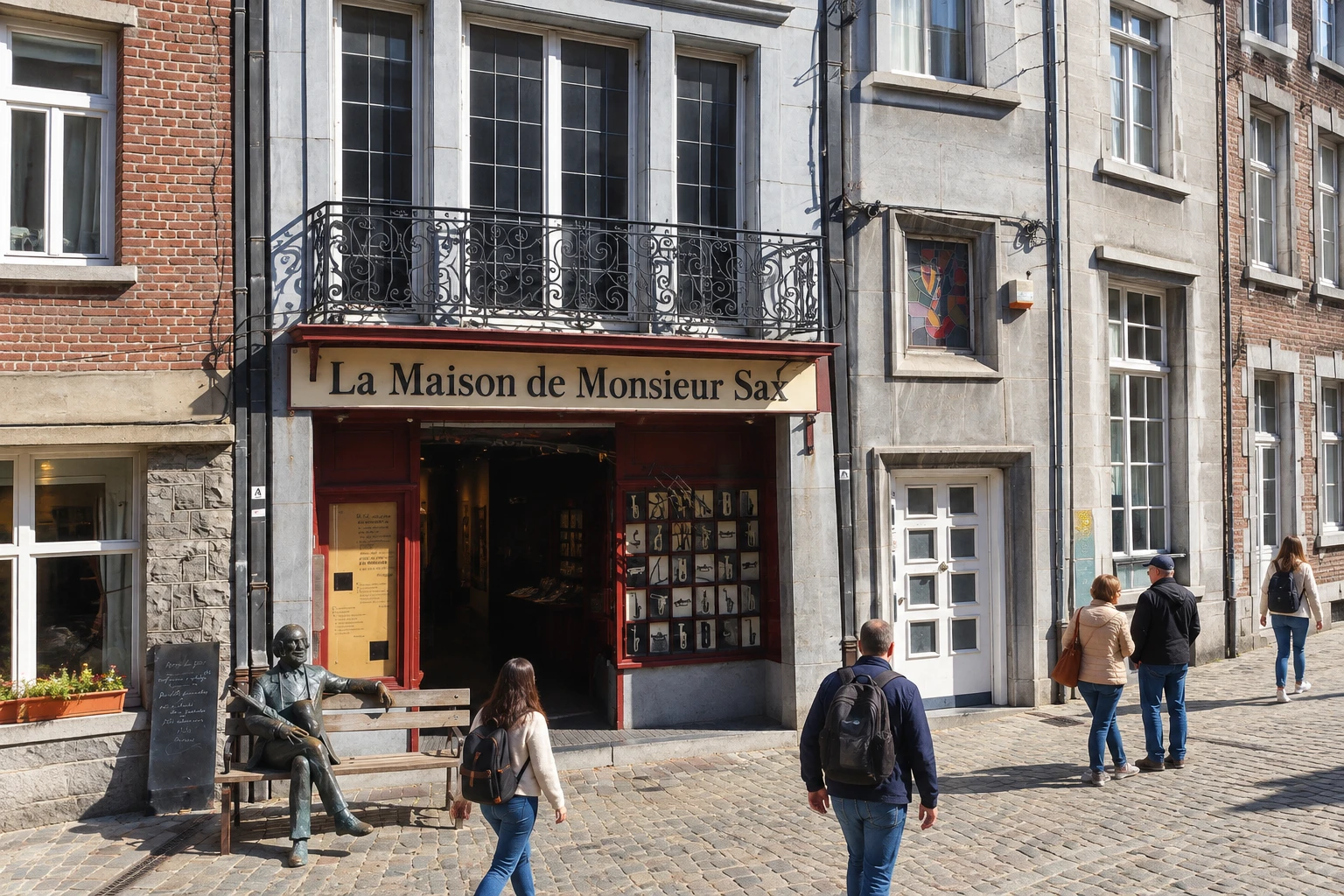
Interpretation centre on the street where Adolphe Sax, inventor of the saxophone, was born. It tells the life of the musician and instrument maker, with free admission and a statue of Sax seated on a bench on the pavement.
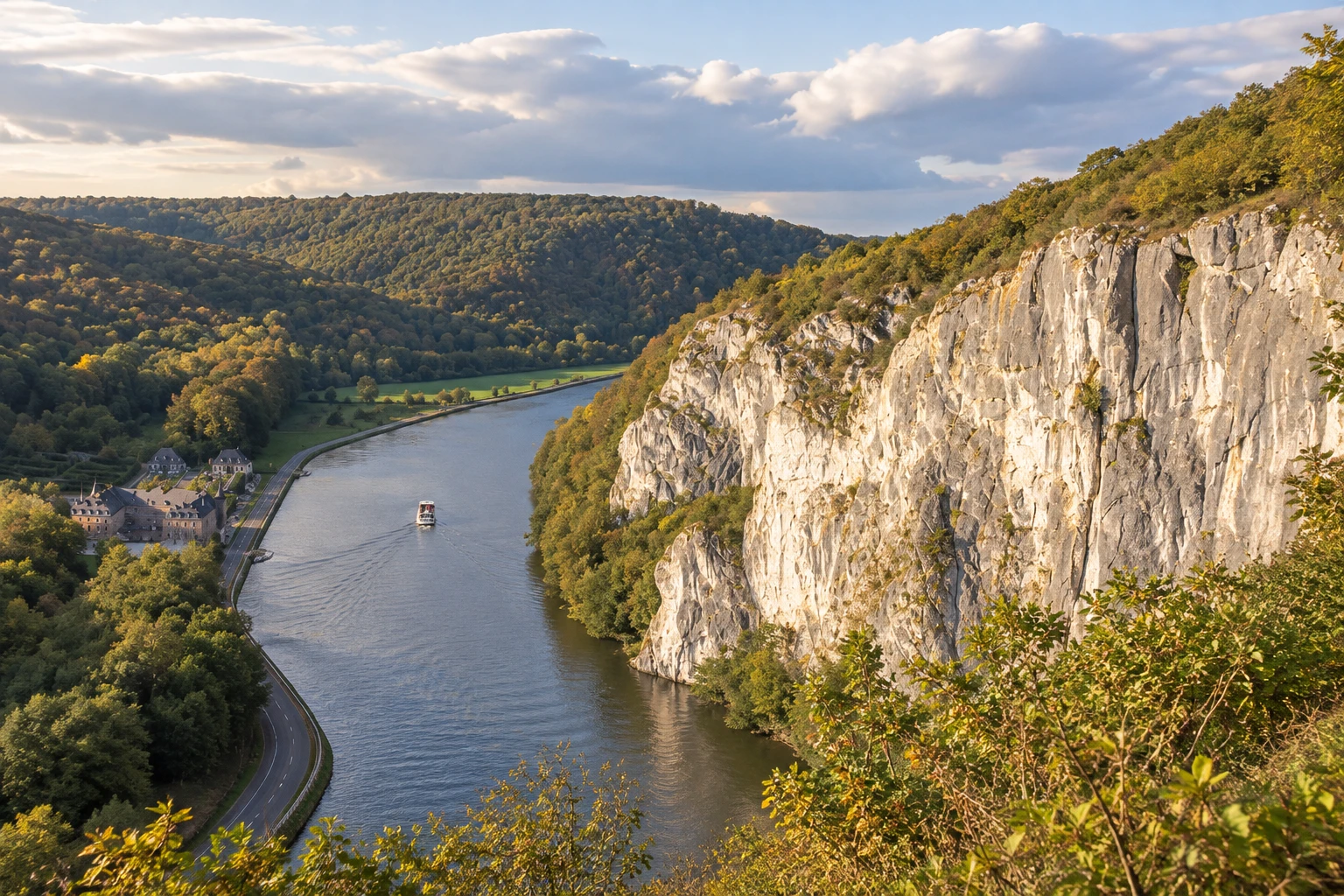
Limestone cliffs on the right bank of the Mosa, facing Château de Freÿr — the largest rock complex in Belgium and one of the country’s main climbing areas, with a viewpoint on the high road.
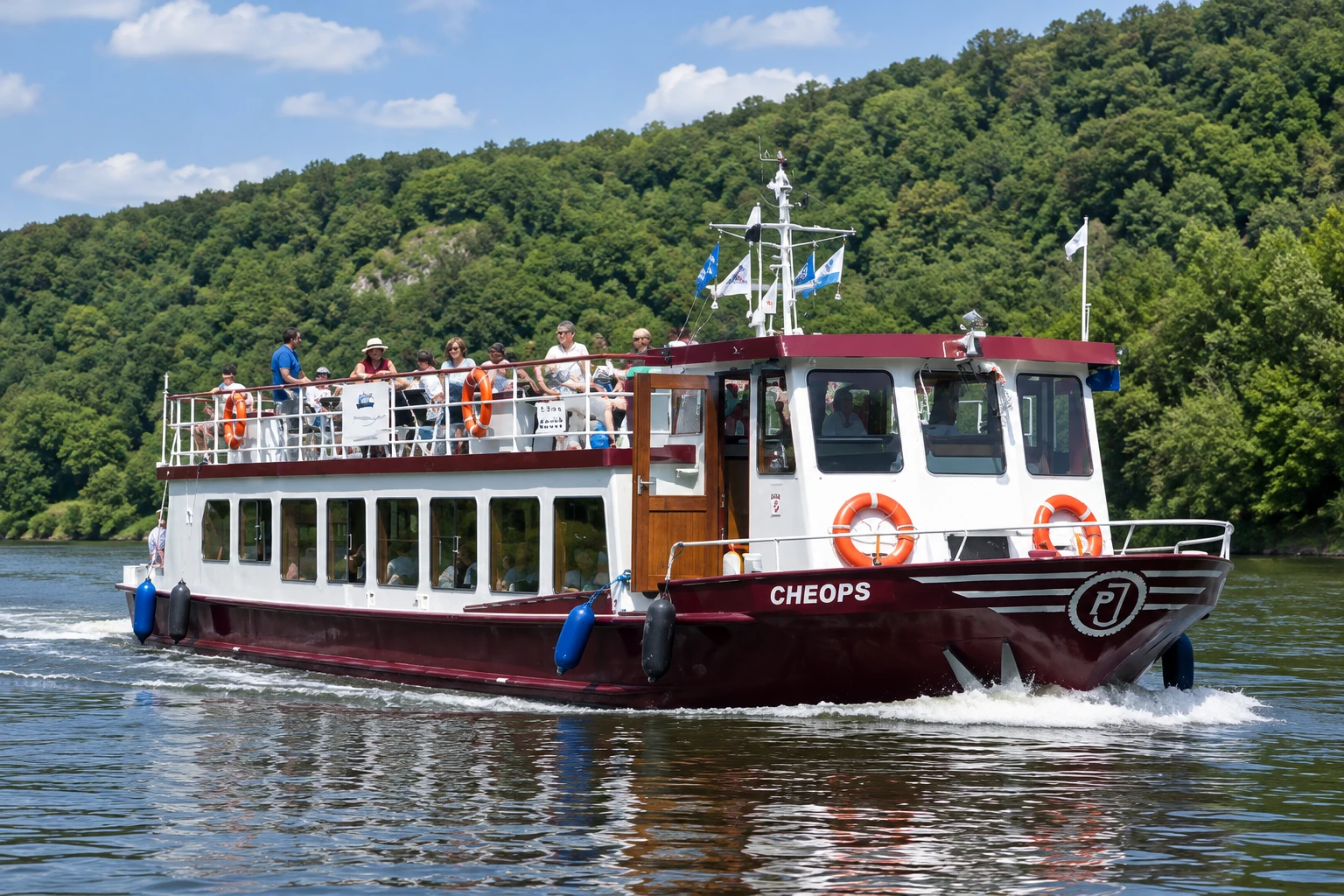
Boat trips on the Meuse leaving from Dinant's quay. The shortest goes to Anseremme and back in about 45 minutes, passing the Citadelle, the collegiate church and the Rocher Bayard.
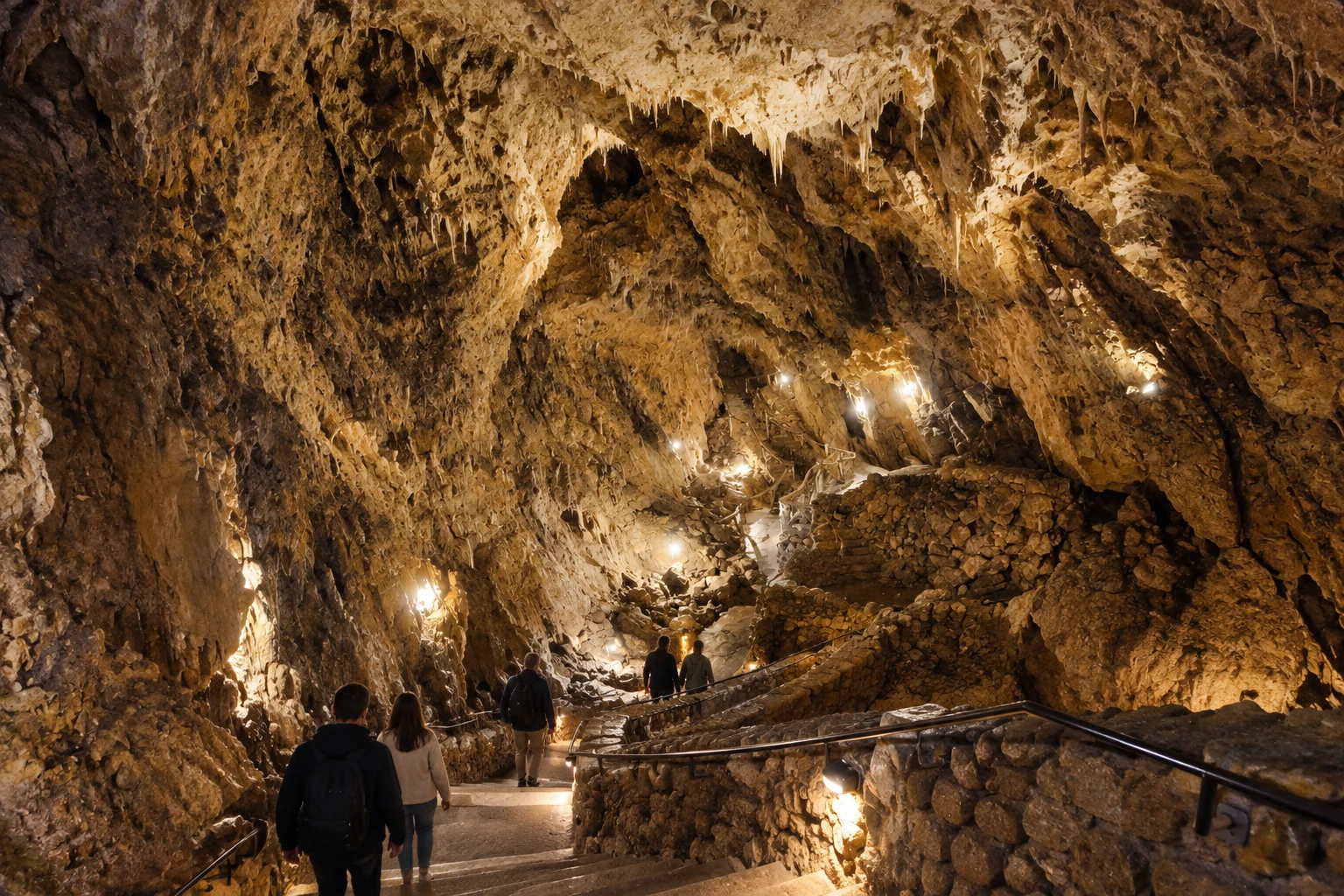
Limestone caves discovered in 1924 in Hastière, carved by a tributary of the Féron river, with stalactites and fine concretions, visited on a guided route.
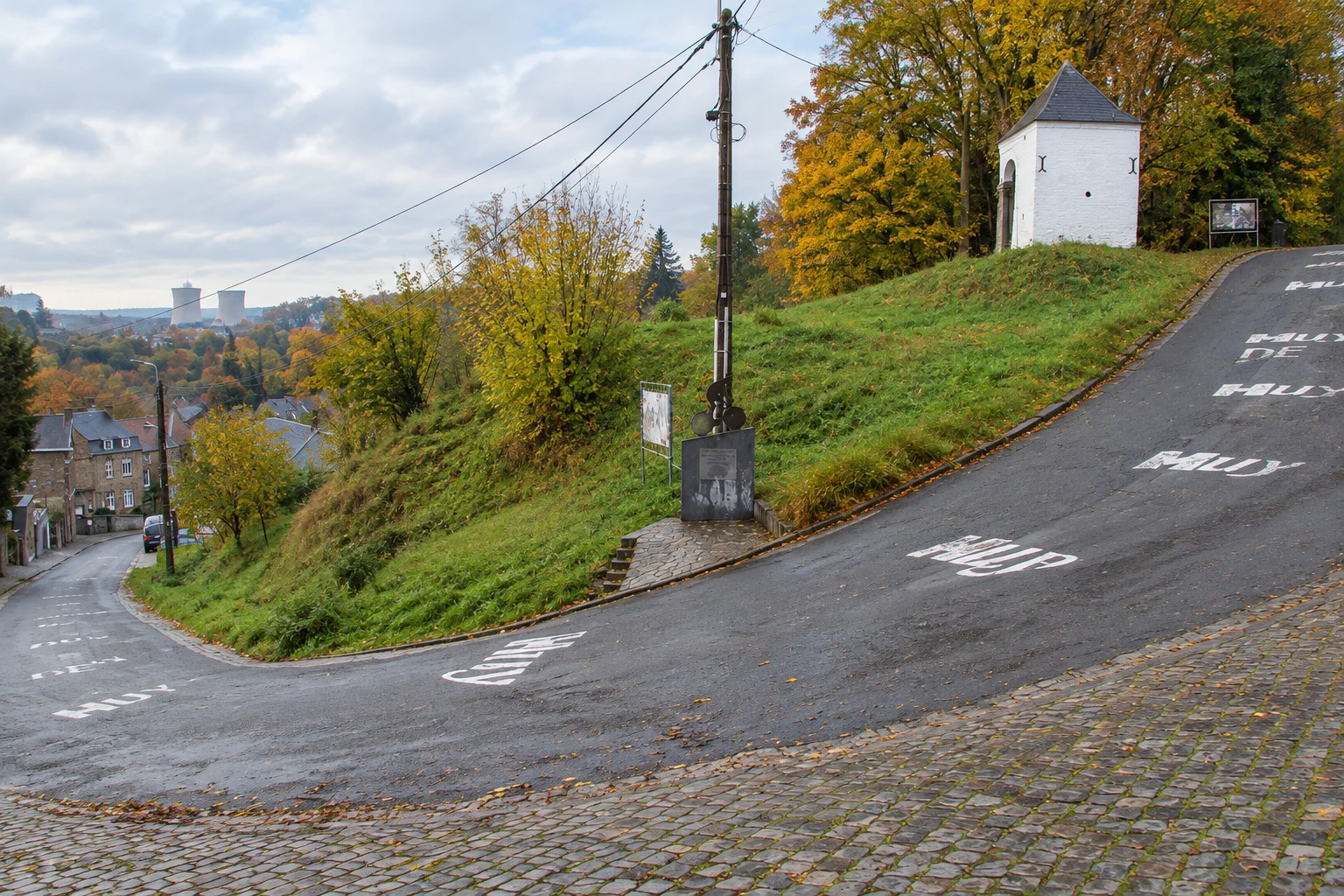
A steep ramp of about 1.3 km in the south of Huy, the finish of the Flèche Wallonne race, with sections of 26% and the chapels of the pilgrimage route to Notre-Dame de la Sarte.
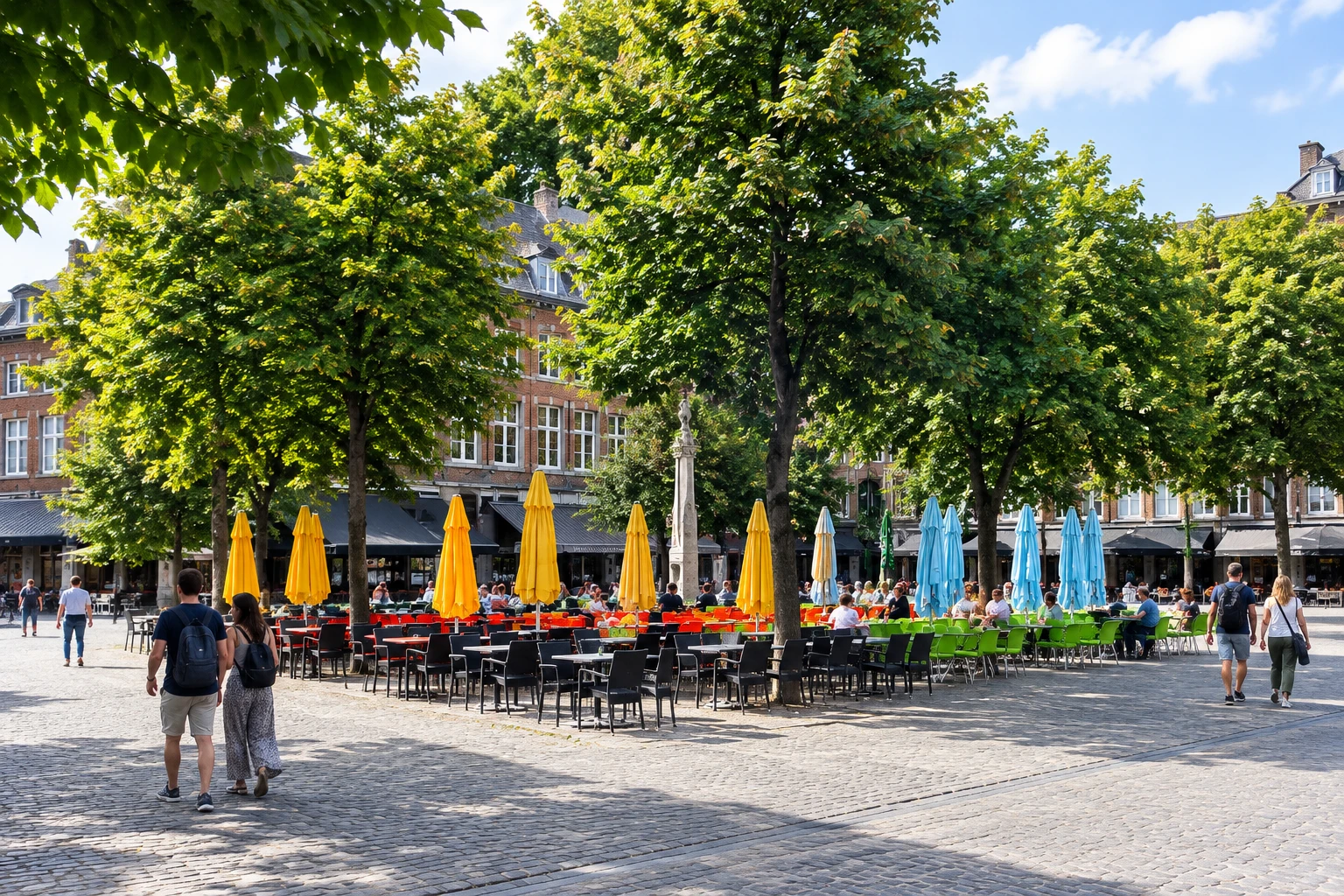
Square in Namur's old town, around the church of Saint-Jean-Baptiste, with terraces of bars and restaurants. It lies on the route between Place d'Armes, Rue des Brasseurs and the Sambre riverside.
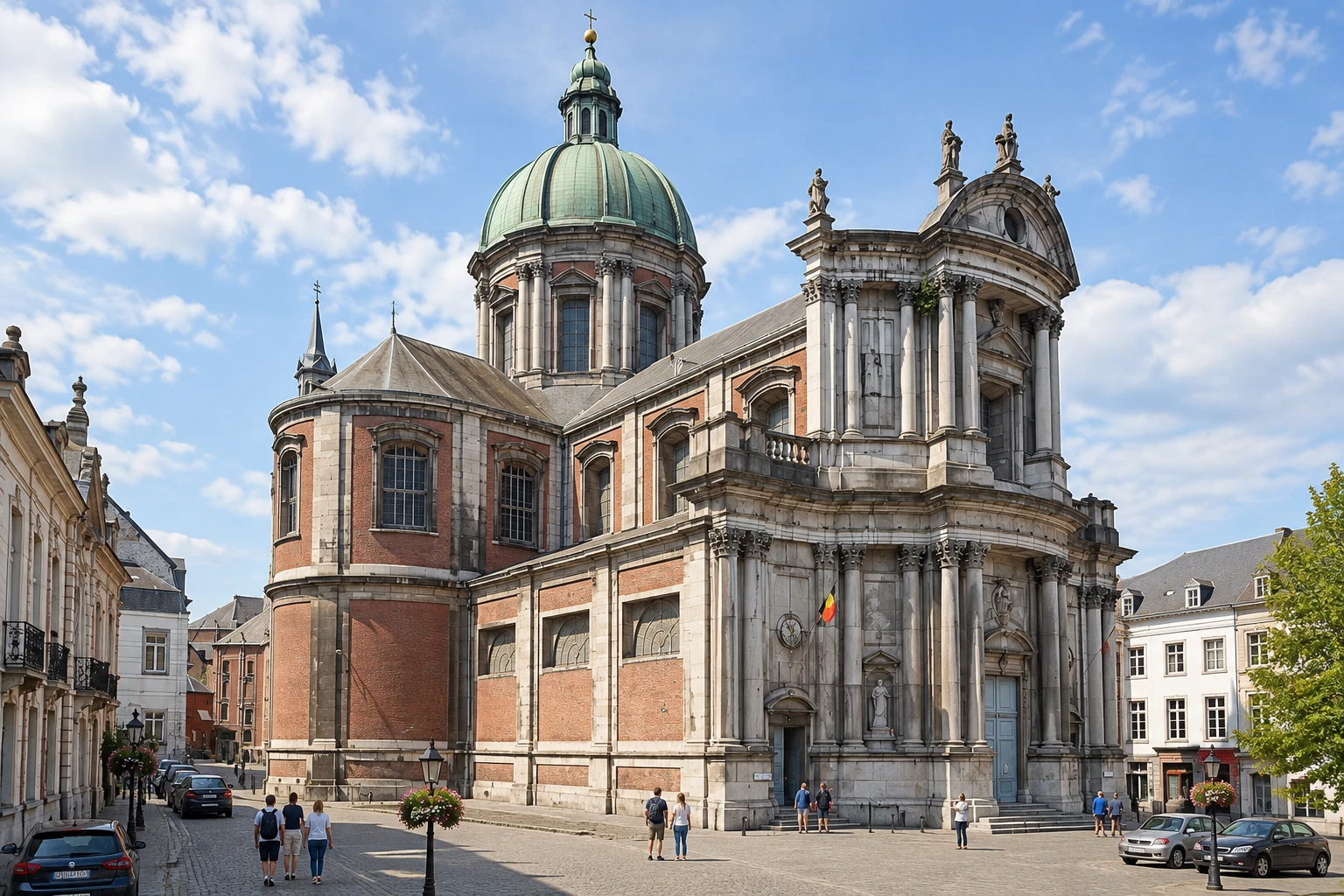
Catedral de Namur, built from 1751 to 1767 by the Italian architect Gaetano Matteo Pisoni, with a green dome visible from afar. The 13th-century tower is what remains of the previous collegiate church.
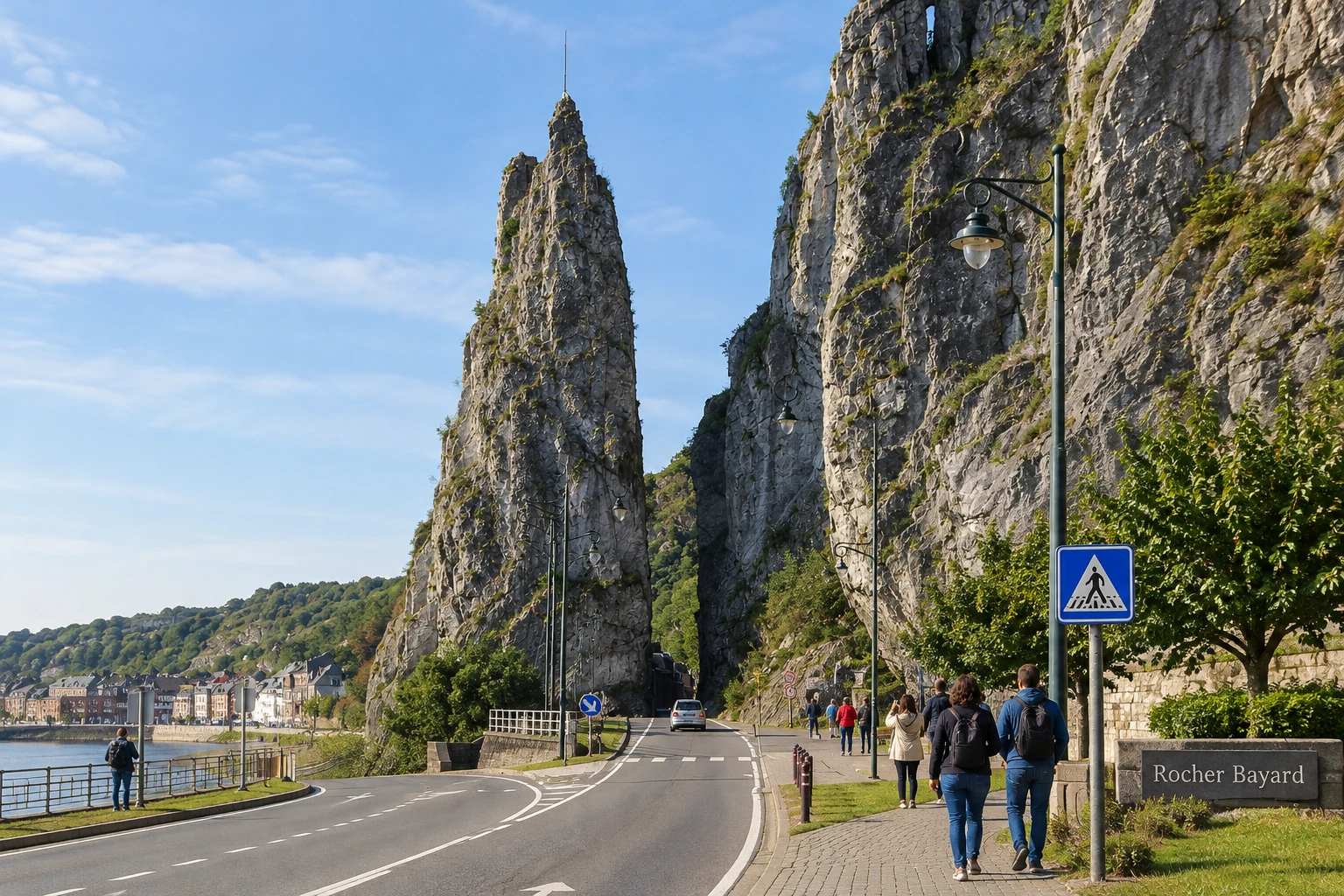
Limestone needle about 40 metres high on the bank of the Meuse, south of Dinant's centre. Legend says it was split by the horse Bayard, which leapt the river with the four Aymon brothers.
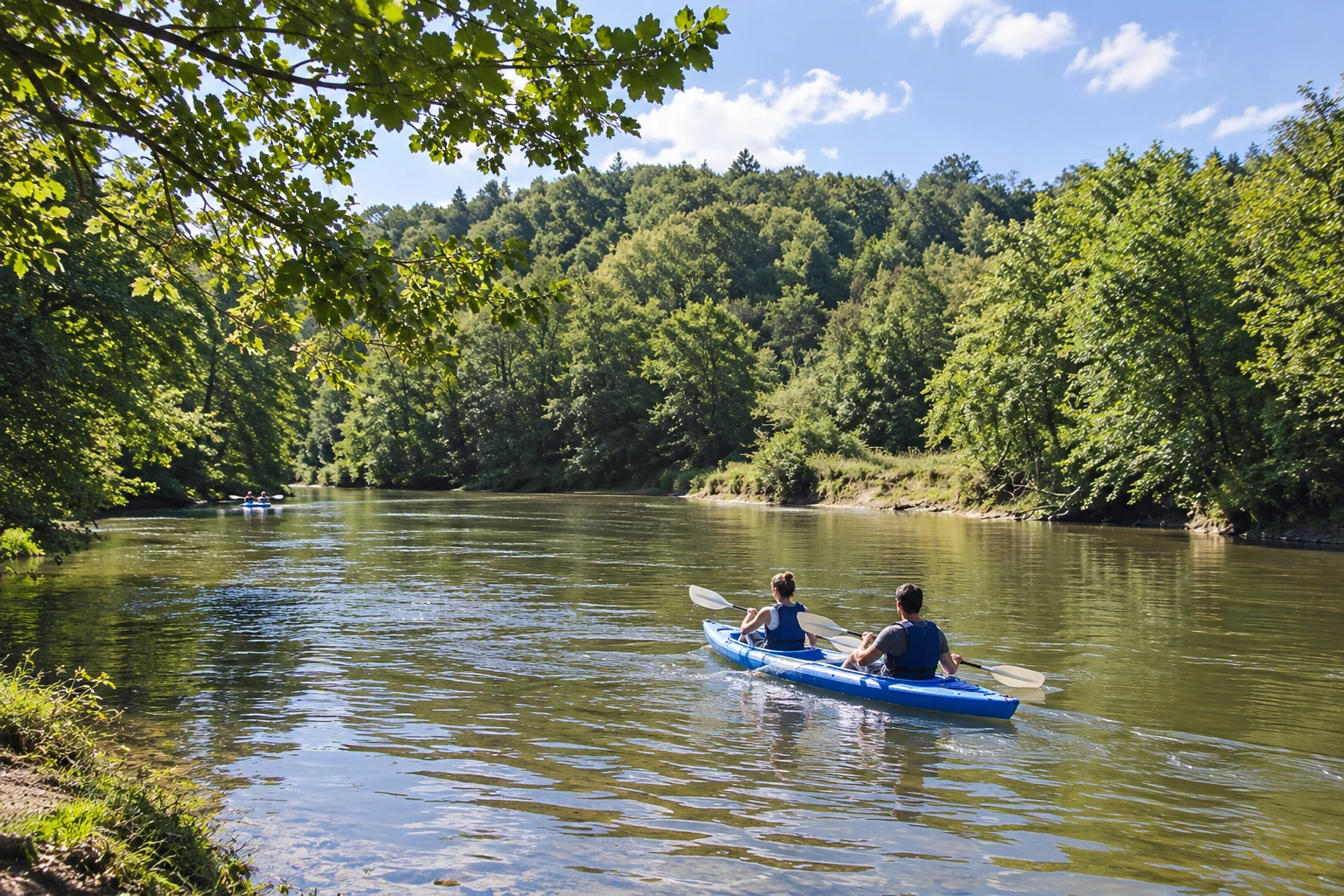
Kayak descent along the Lesse river to Anseremme, where it flows into the Meuse. Routes are 9, 12 or 21 kilometres, with shuttle buses to the starting point and a season from April to October.
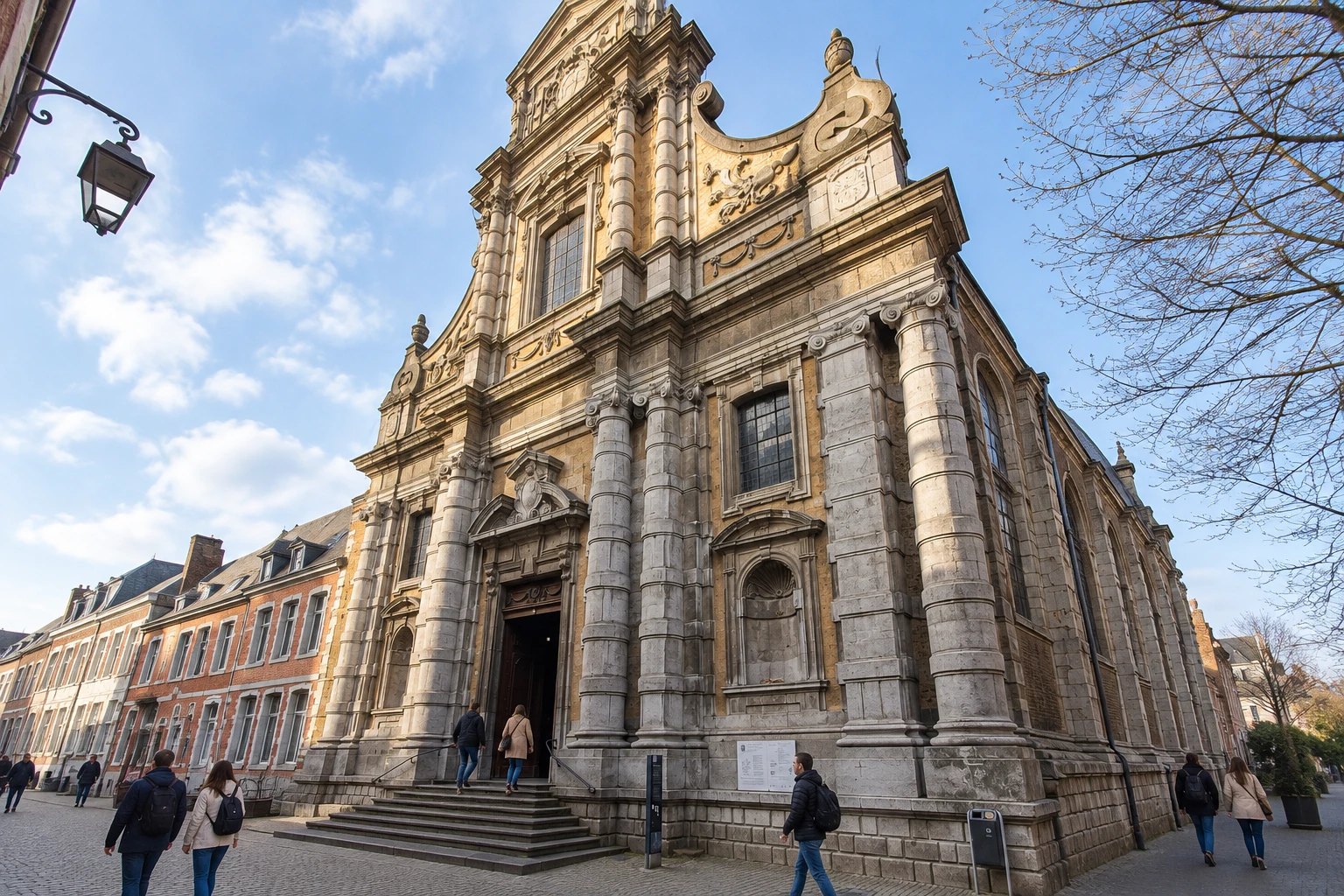
Baroque church built by the Jesuits between 1621 and 1645, with a carved sandstone vault and red and black marble columns. It was upon leaving this church that the poet Charles Baudelaire fell ill in 1866.
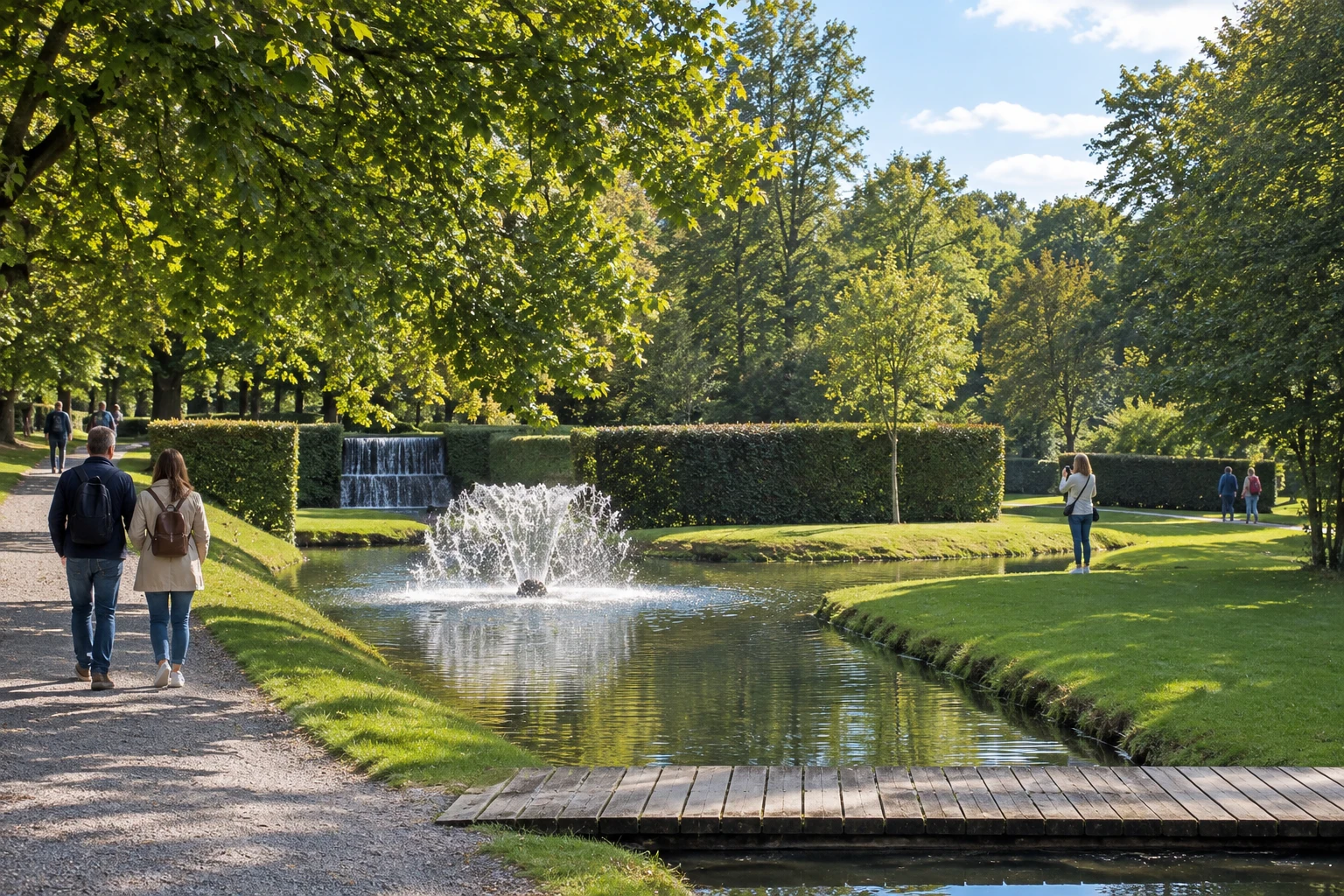
18th-century water gardens in Anhée, between Namur and Dinant. They blend French, Italian and English styles, with fountains, cascades and reflecting pools fed by the hills' water.
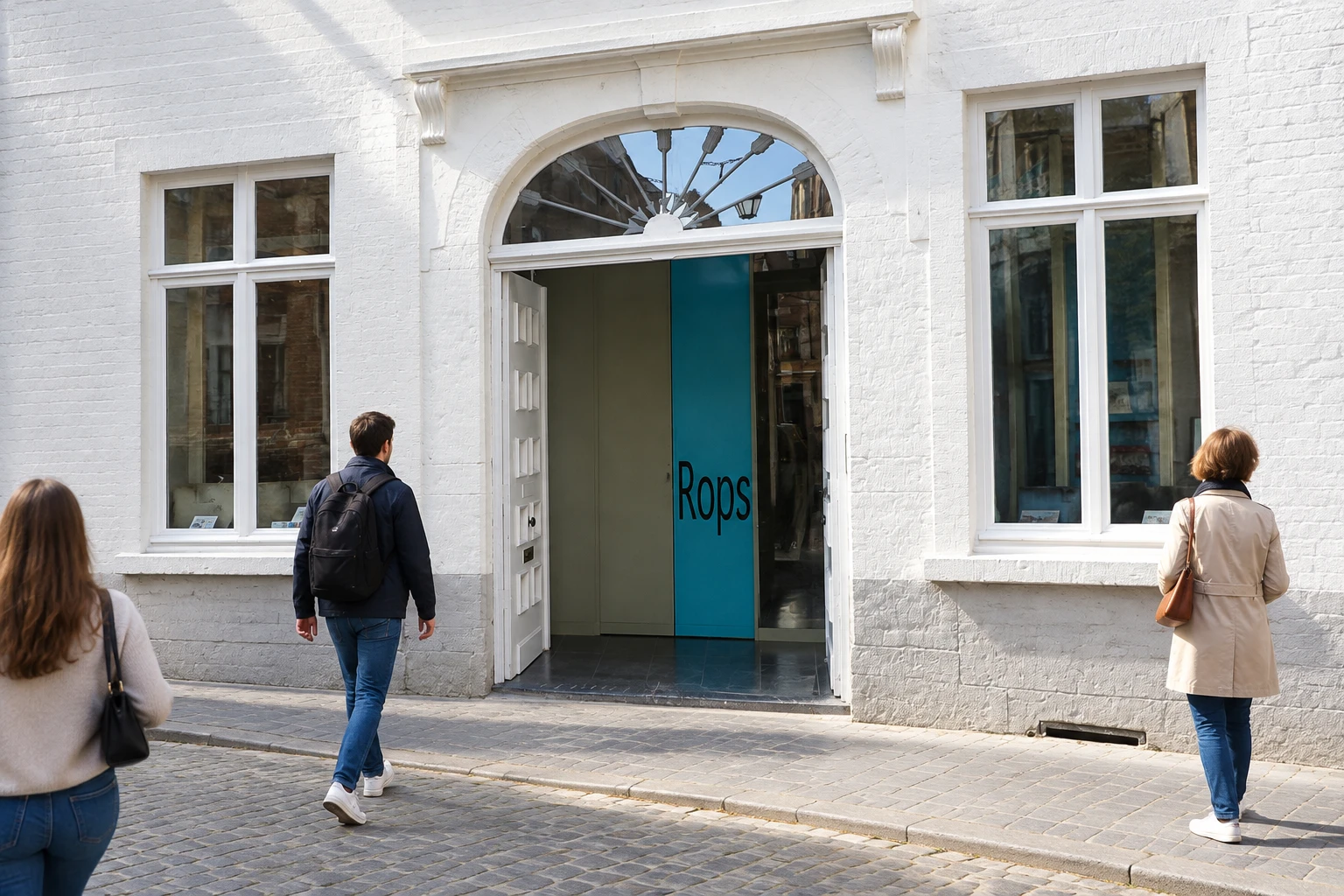
Museum dedicated to Félicien Rops, engraver and painter born in Namur in 1833. It occupies an hôtel de maître on Rue Fumal in the old town, with prints, drawings, watercolours, paintings and letters by the artist.
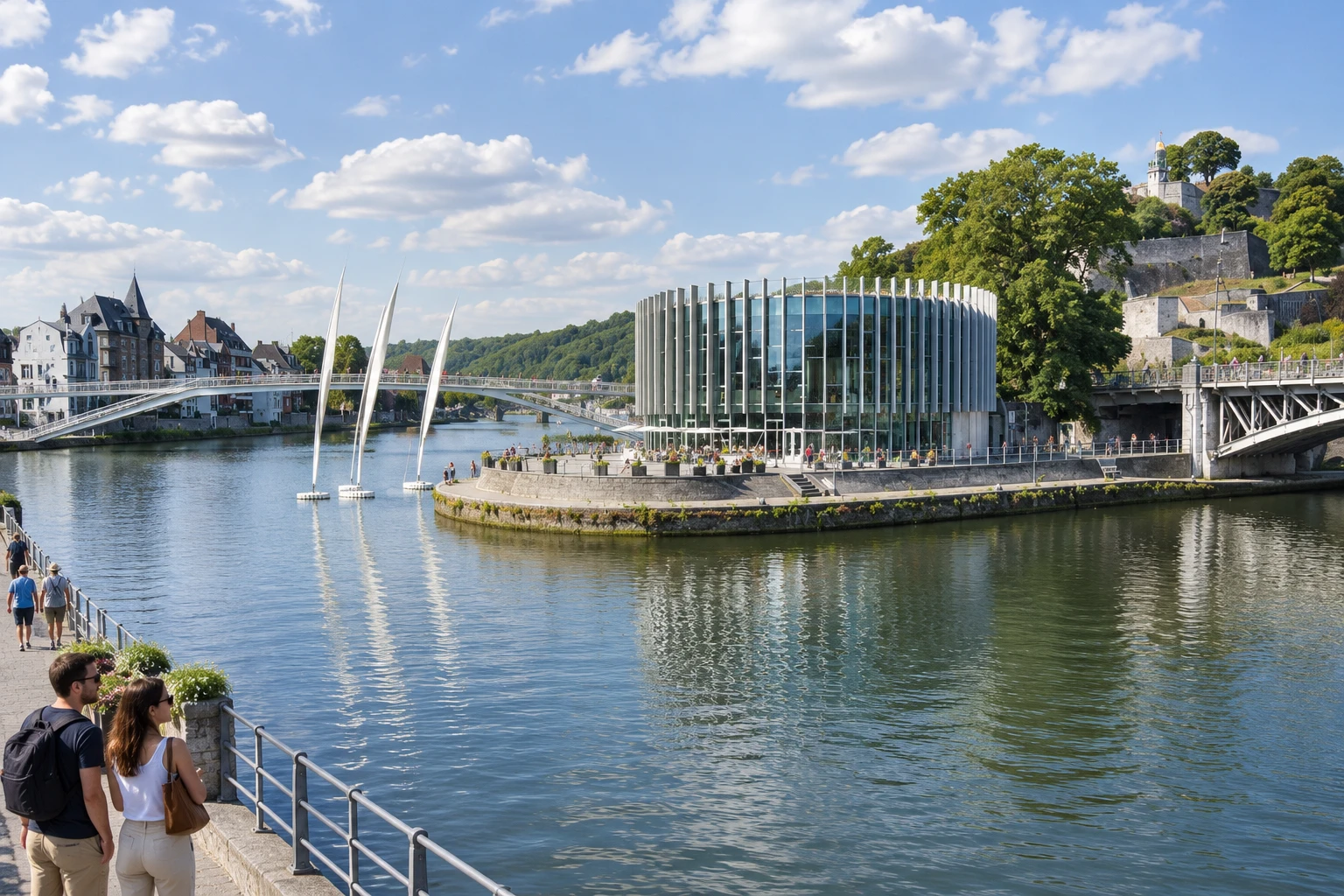
A headland where the Sambre flows into the Meuse, at the foot of the Citadelle. It has a promenade, sightseeing boats and the footbridge L'Enjambée, which crosses the Meuse to Jambes.
Leffe beer museum in the chapel of an old convent in Dinant, overlooking the Meuse. The interactive route tells the story of the abbey of Leffe, founded in 1152, and ends with a tasting.
Neogothic Benedictine abbey in the Molignée valley, founded in 1872, with a basilica, cloister and the Saint-Joseph visitor centre, where you can taste the cheese and beer that bear the place's name.
Provincial museum of medieval and Renaissance art in an 18th-century manor house on Rue de Fer. It houses the Tesouro de Oignies, 13th-century goldsmith work made by Hugo d'Oignies, and landscape paintings by Henri Bles.
Renaissance castle on the banks of the Meuse, south of Dinant, with French gardens from 1760, orange trees in pots planted in the early 18th century, and hornbeam mazes on the upper terrace.
Limestone cave discovered in 1904 during railway works, 500 meters from Dinant station. The guided tour covers 650 meters of galleries with white stalactites, calcite cascades and an underground river.
How many days should you set aside to see Meuse Valley?
The guide's itineraries cover 3, 5 and 7 days: in 3 days, Namur and Dinant; in 5 days, Namur, Dinant, castles and abbeys; in 7 days, from Huy to Hastière, including the Lesse.
What to do Meuse Valley in one day?
Arrival and Namur old town. Arrive at Brussels Airport and take the train to Namur, usually changing in Brussels, in about 1 hour 30 minutes. After resting, stroll through Namur’s old town with the Beffroi, Place d'Armes and Cathédrale Saint-Aubain at a relaxed pace to shake off the flight fatigue. In the late afternoon, walk to the Confluence and cross L'Enjambée to Jambes.
When is the best time to go to Meuse Valley?
It generally rains less in April and September. The rainiest months are usually August and December. The guide covers each month, with the weather and what changes on the tours.


 Brazil
 Antarctica
 Argentina
 Bolivia
 Chile
 Colombia
 Ecuador
 Falkland Islands (Malvinas)
 French Guiana
 Guyana
 Paraguay
 Peru
 Suriname
 Uruguay
 Venezuela
 Austria
 Croatia
 Denmark
 Finland
 France
 Germany
 Greece
 Hungary
 Iceland
 Ireland
 Italy
 Luxembourg
 Norway
 Poland
 Portugal
 Slovakia
 Slovenia
 Spain
 Sweden
 Switzerland
 the Czech Republic
 the Netherlands
 the United Kingdom
 Turkey
 Bermuda
 Canada
 Greenland
 Mexico
 Saint Pierre and Miquelon
 the United States
 the Dominican Republic
 Japan
 Egypt
 South Africa
 Australia
 Fiji
 New Zealand
 Papua New Guinea