29 places to visit and 18 tours, chosen by the Cidade Turismo guide.
Updated
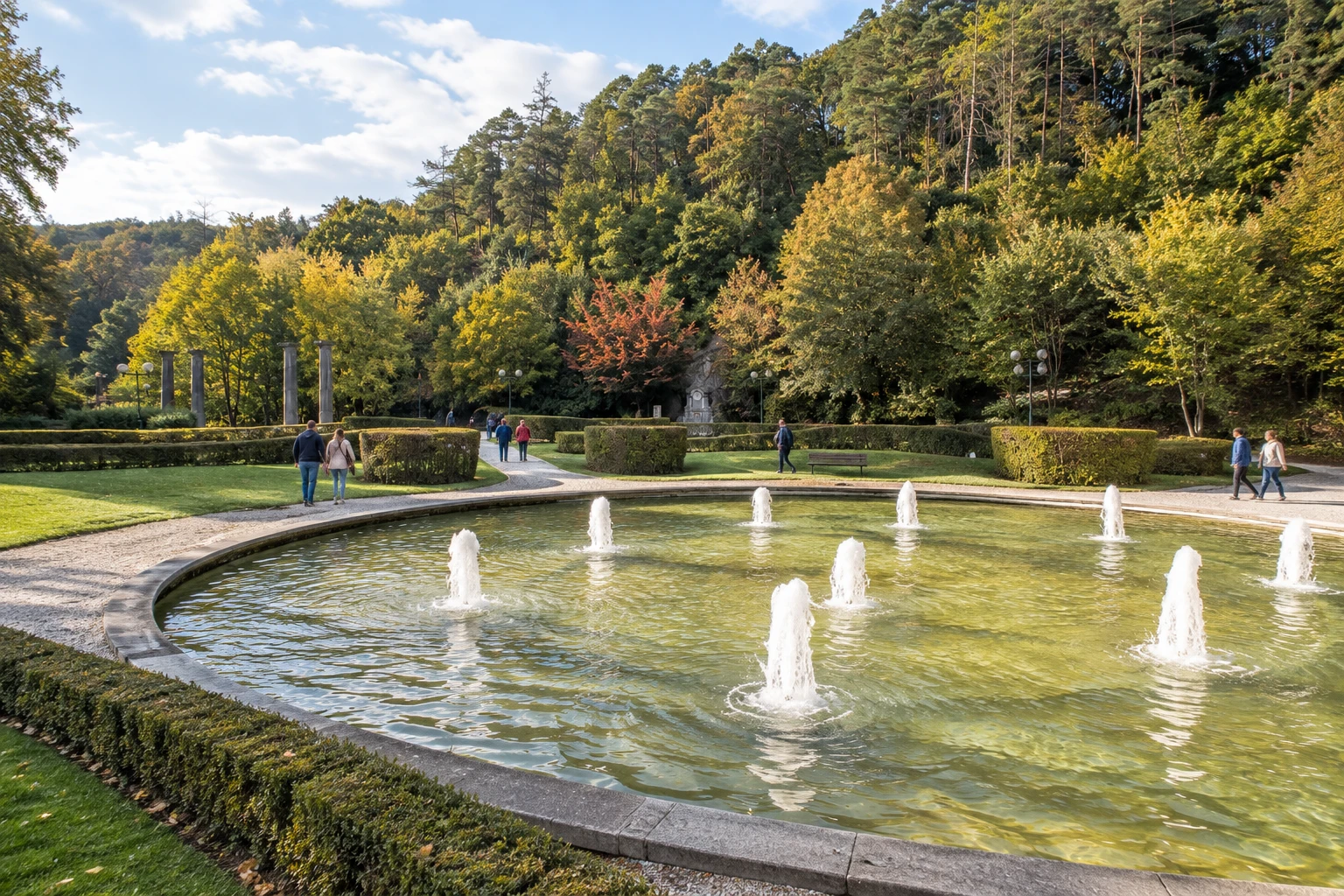
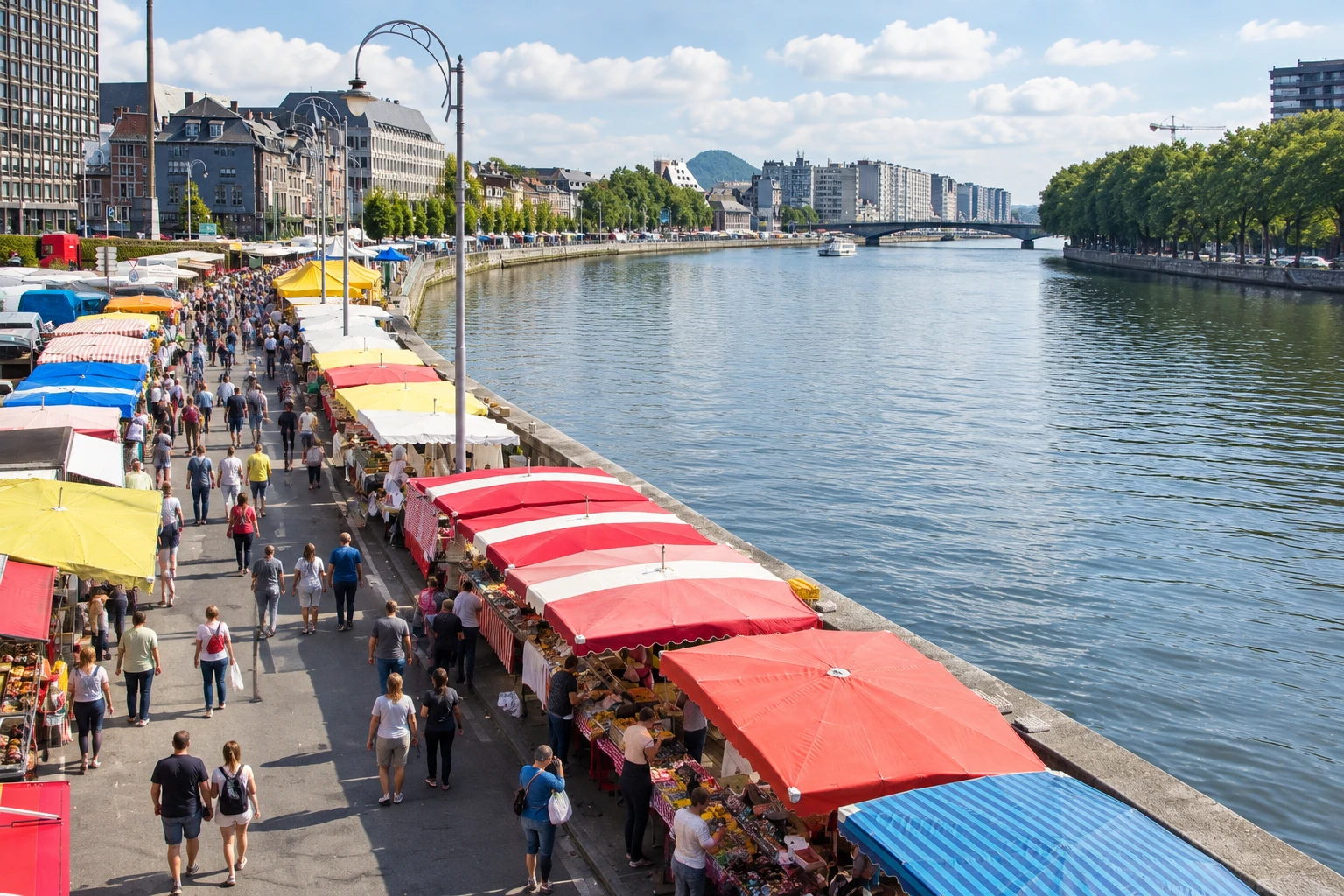
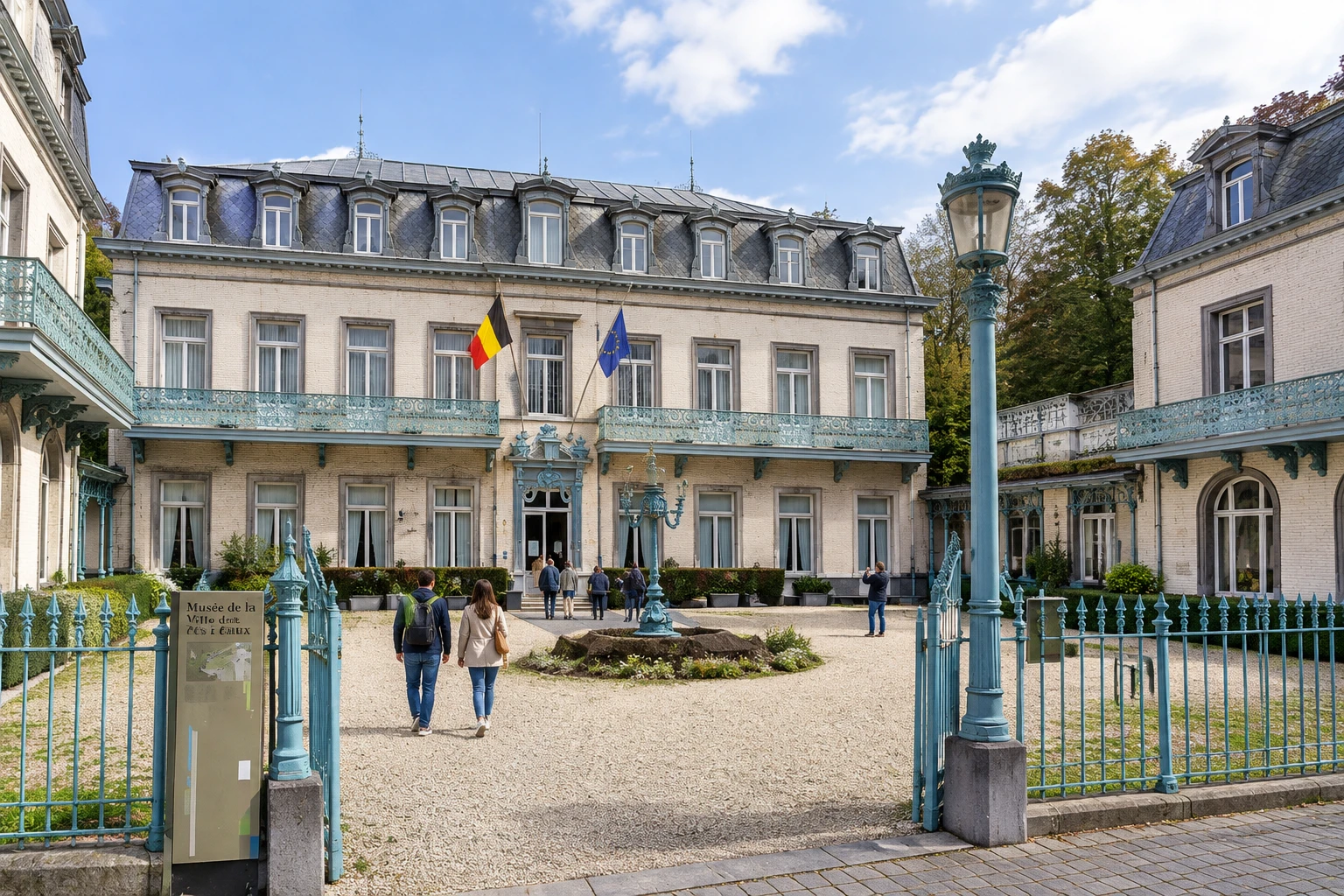
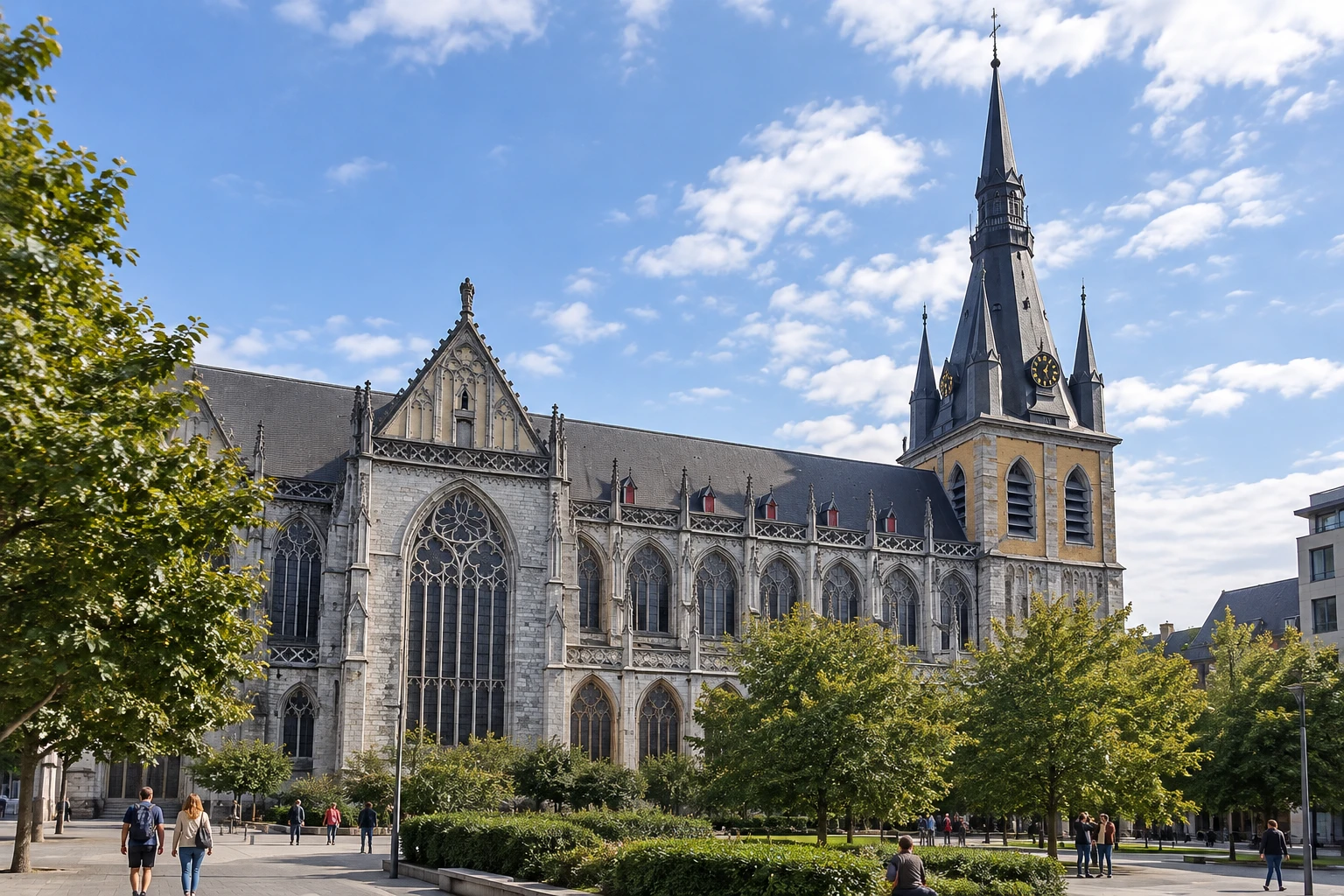
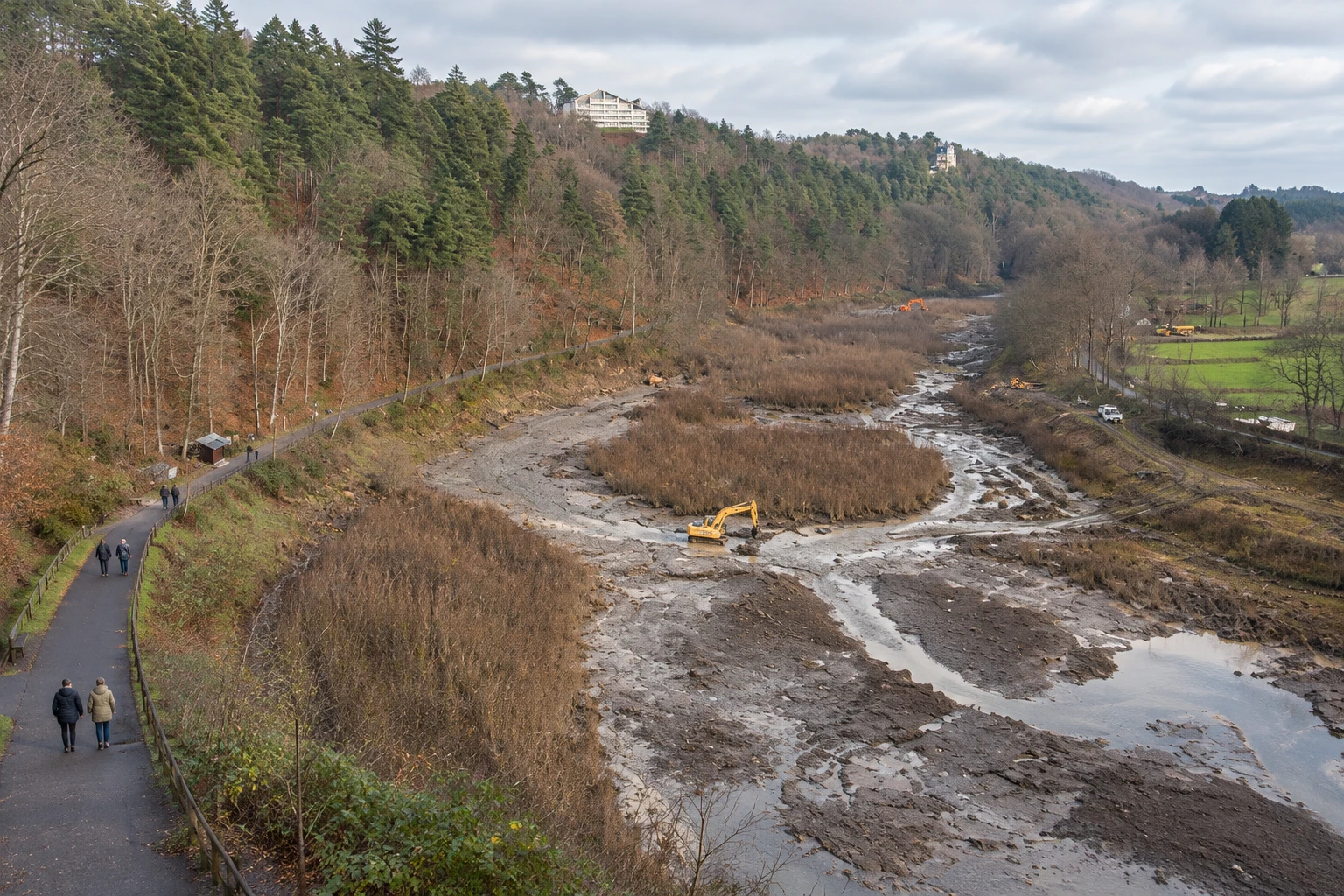
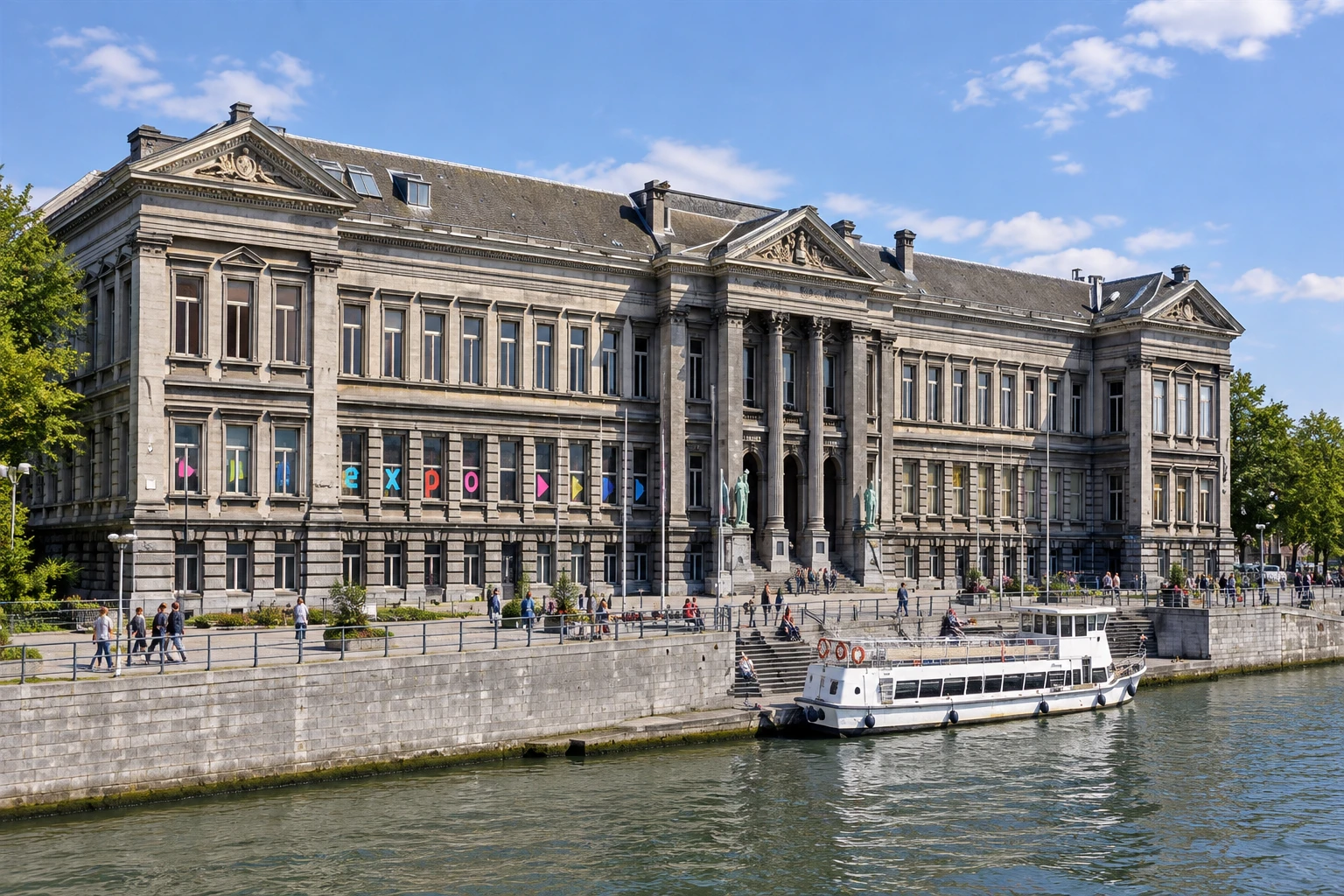
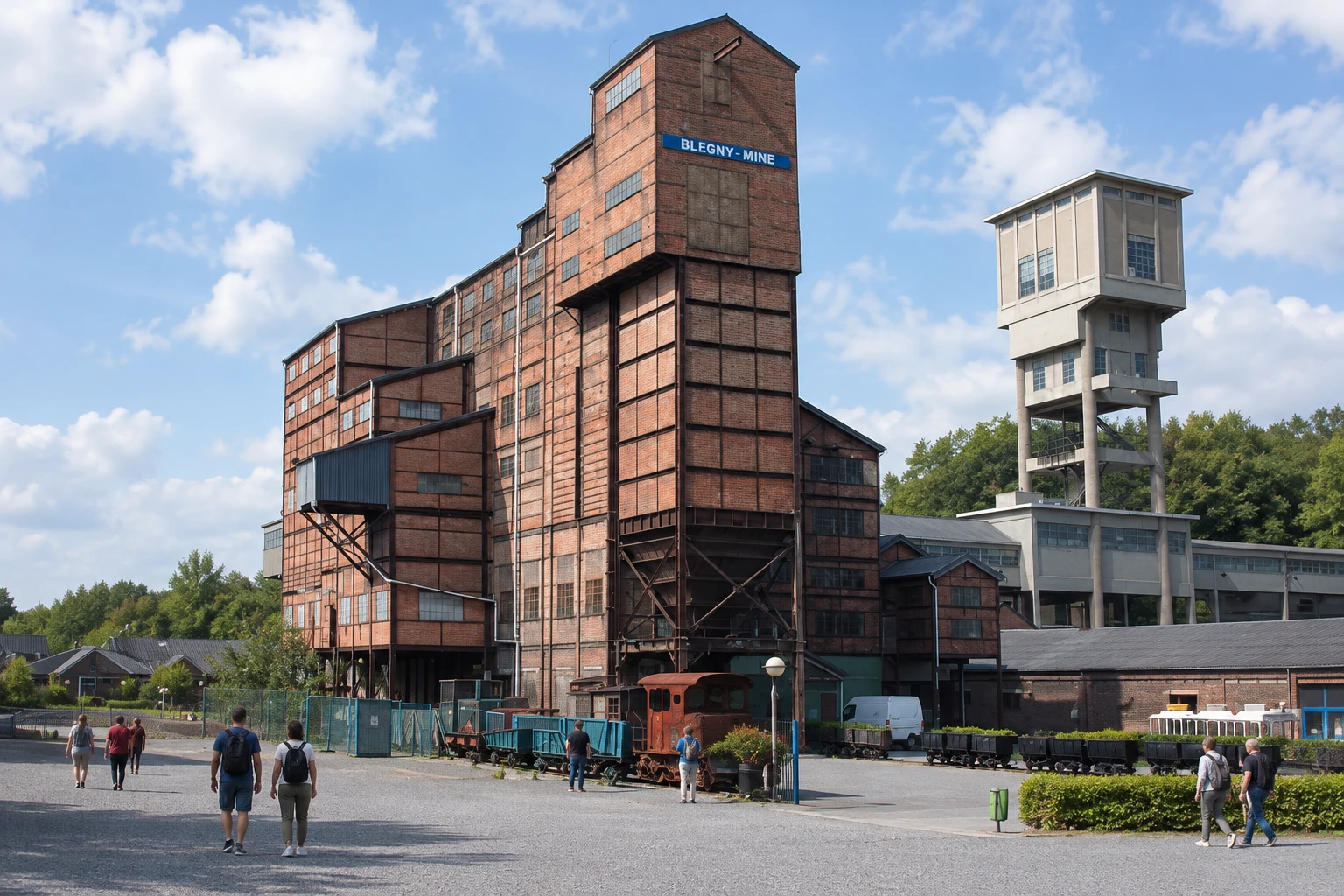
Illustrative images. The pictures in this guide are illustrations based on the real place, not photographs, and may differ from it.
To start
The 10 main places Liège and Spa
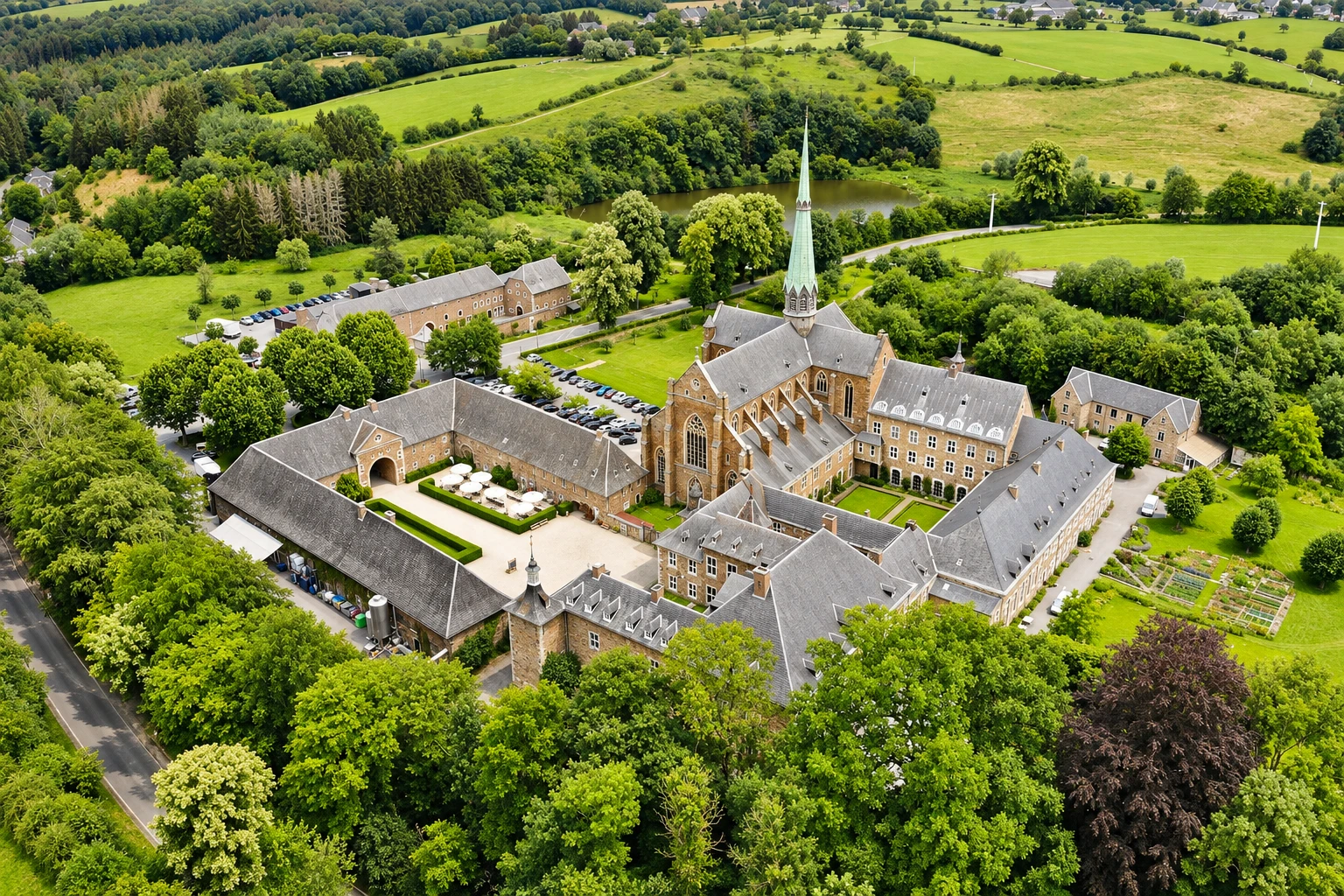
Stavelot Abbey · StavelotFormer abbey founded by Saint Remaclus in the 7th century, seat of the Principality of Stavelot‑Malmedy.
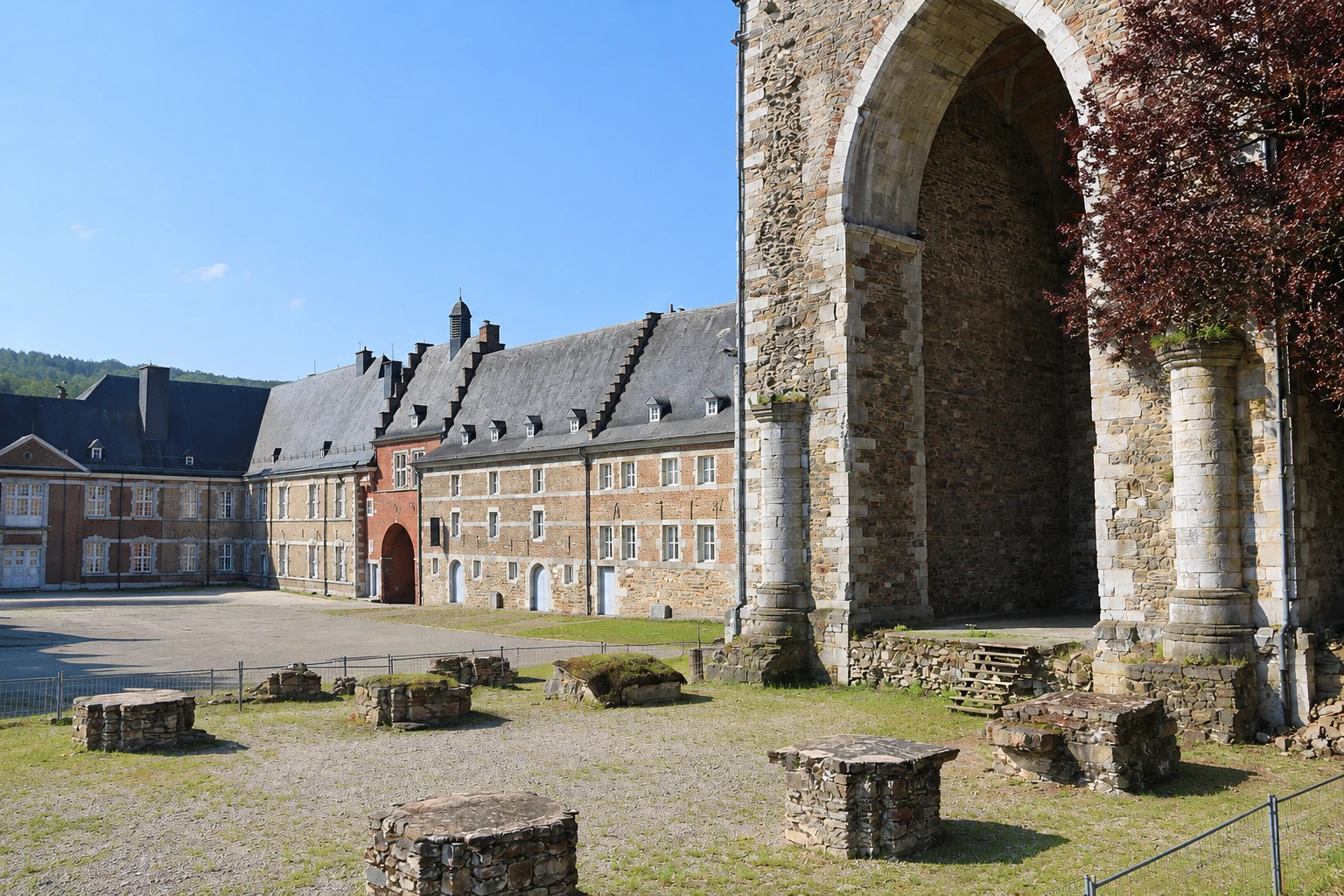
Val-Dieu Abbey · AubelCistercian complex founded in 1216 in the Berwinne valley.
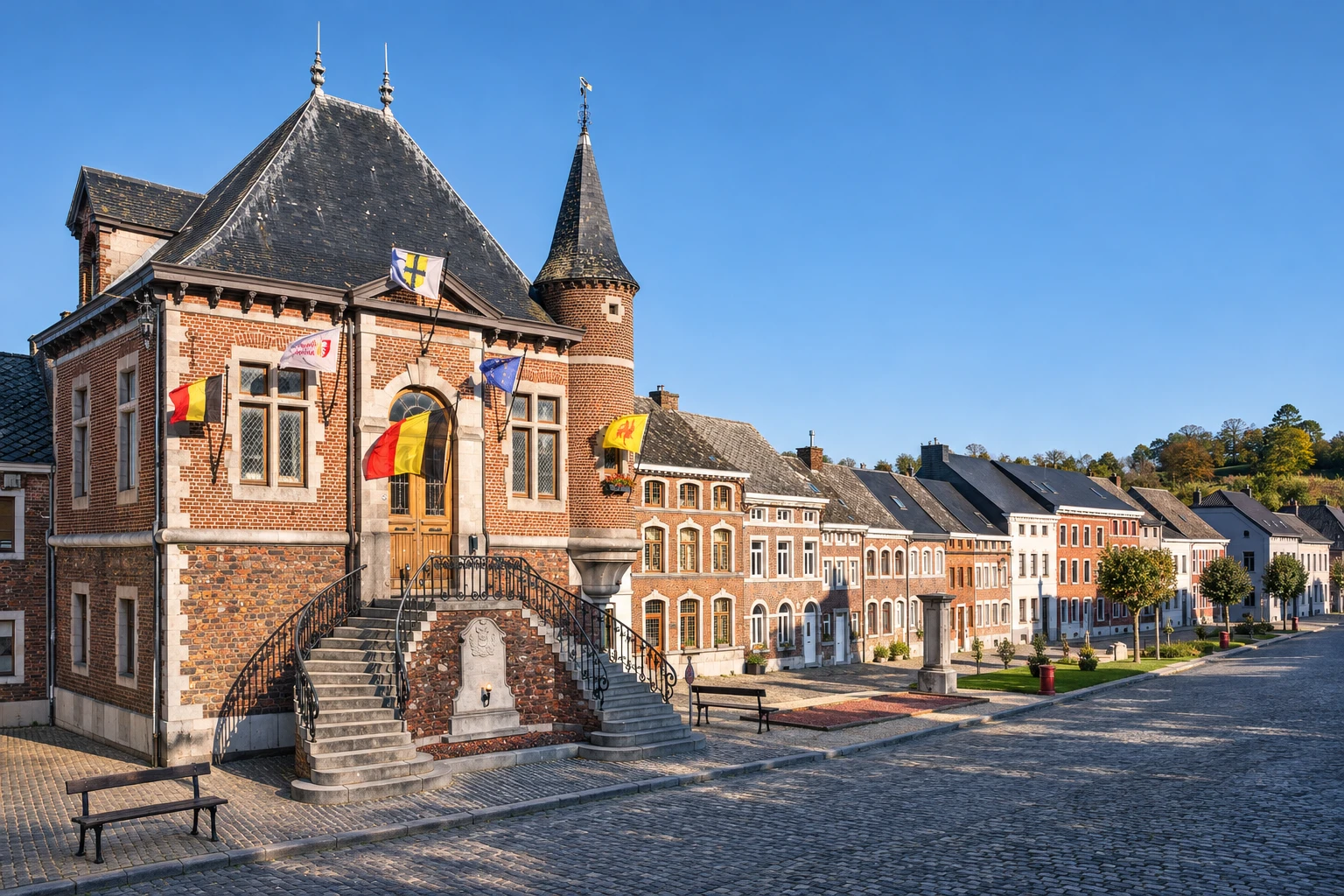
Historic center of Clermont-sur-Berwinne · Thimister-ClermontHistoric core on the hill of Clermont-sur-Berwinne, with stone streets, the church of Saint-Jacques-le-Majeur and the old town hall over the passage at the Place de la Halle.
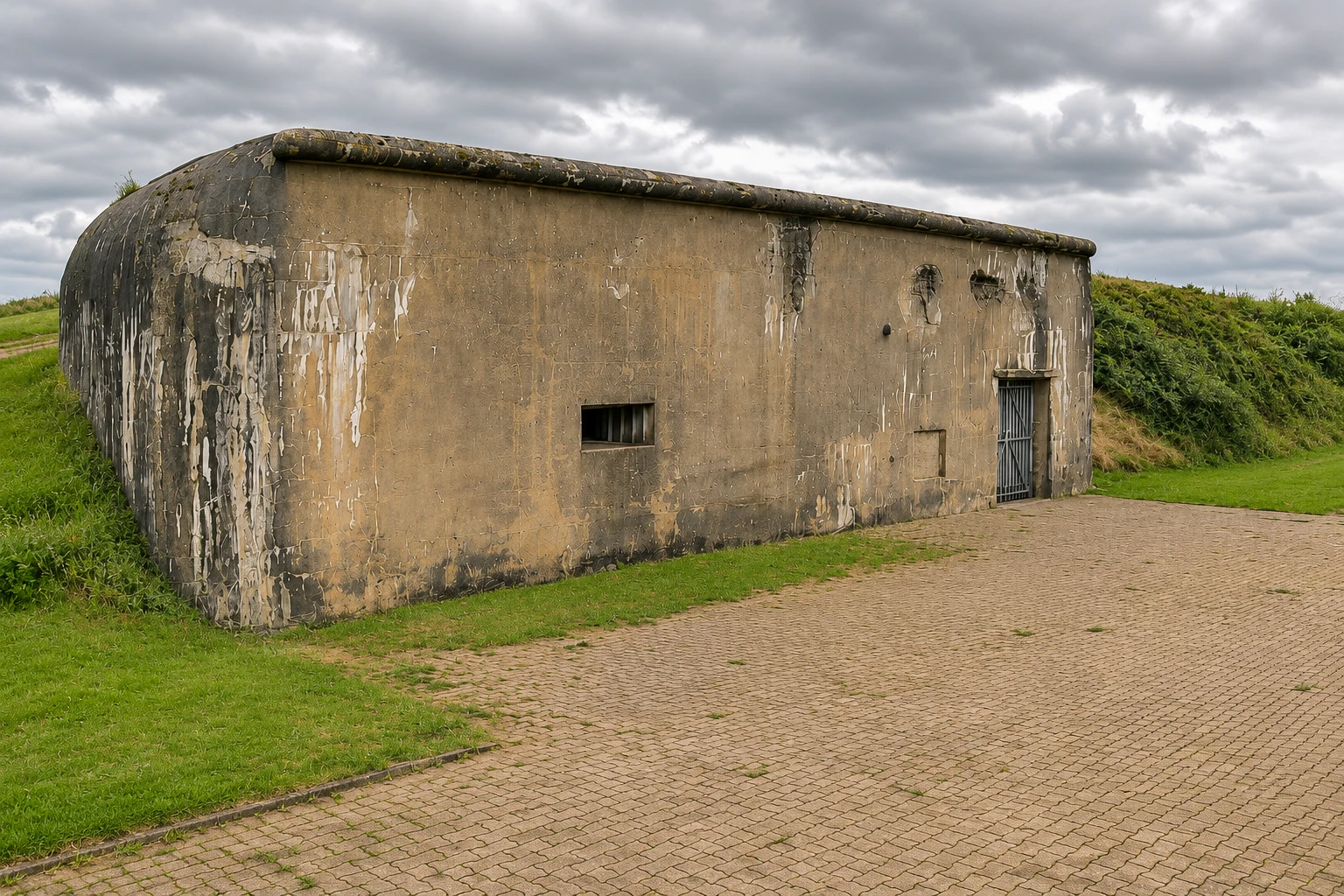
Fort de Battice · Herve1930s fortification in Battice, in the municipality of Herve.
Maison du Site Minier · Plombières17th-century house with an interpretation center about lead and zinc mining in Plombières.
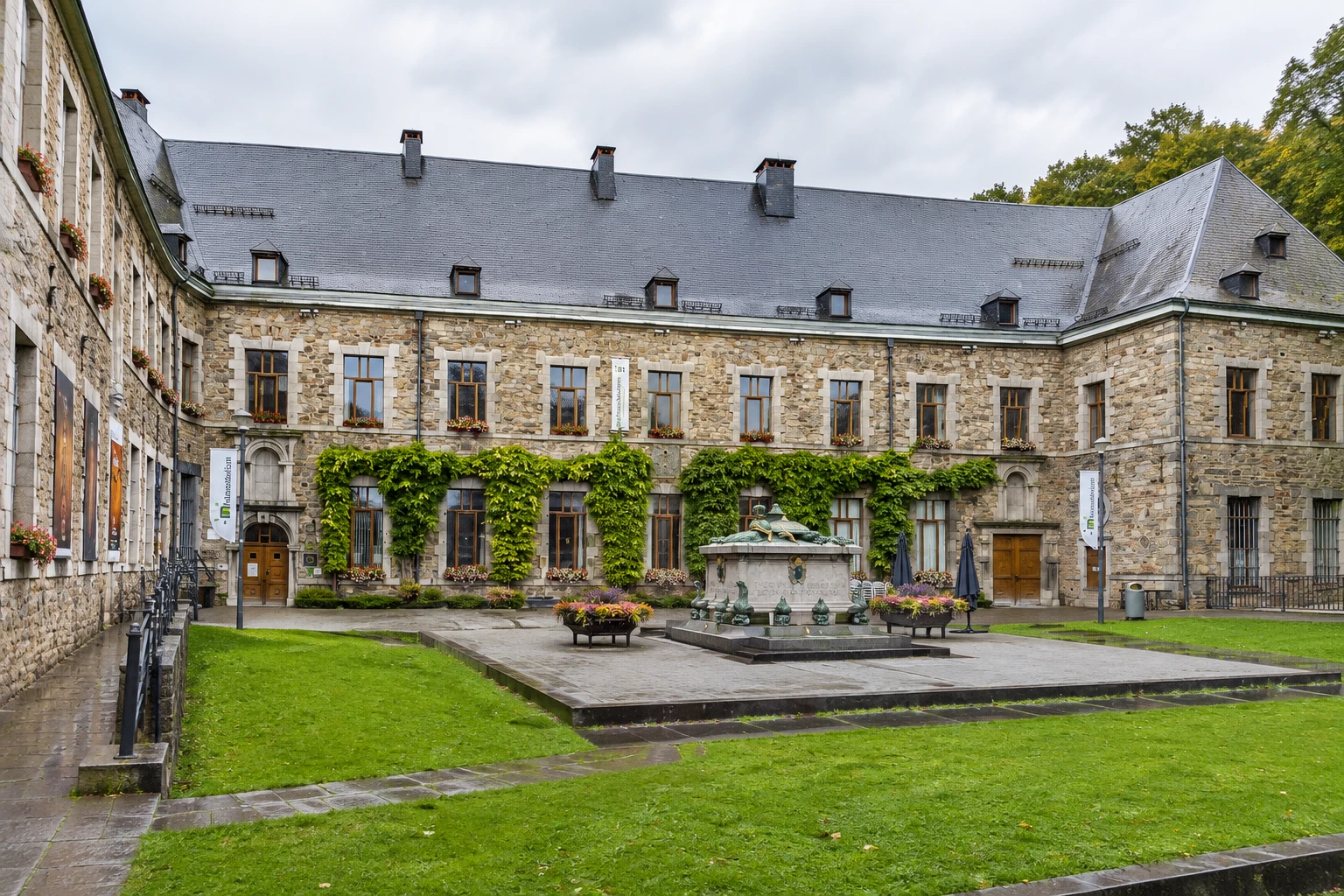
Malmundarium · MalmedyCultural centre and museum housed in the former Benedictine abbey of Malmedy, next to the cathedral.
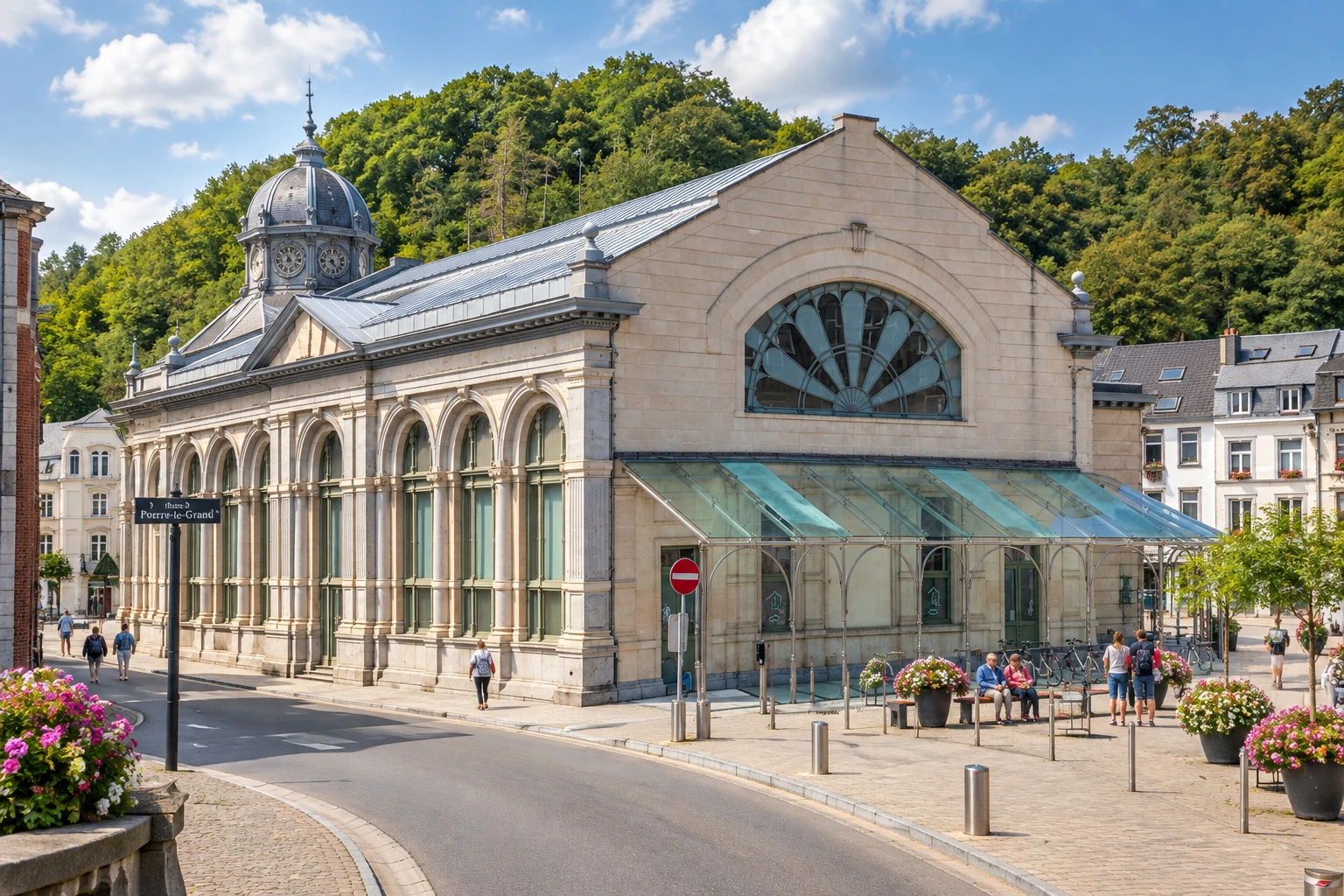
Peter the Great Spring · SpaAn 1880 pavilion that houses Spa’s most abundant spring, with naturally sparkling, iron-rich water.
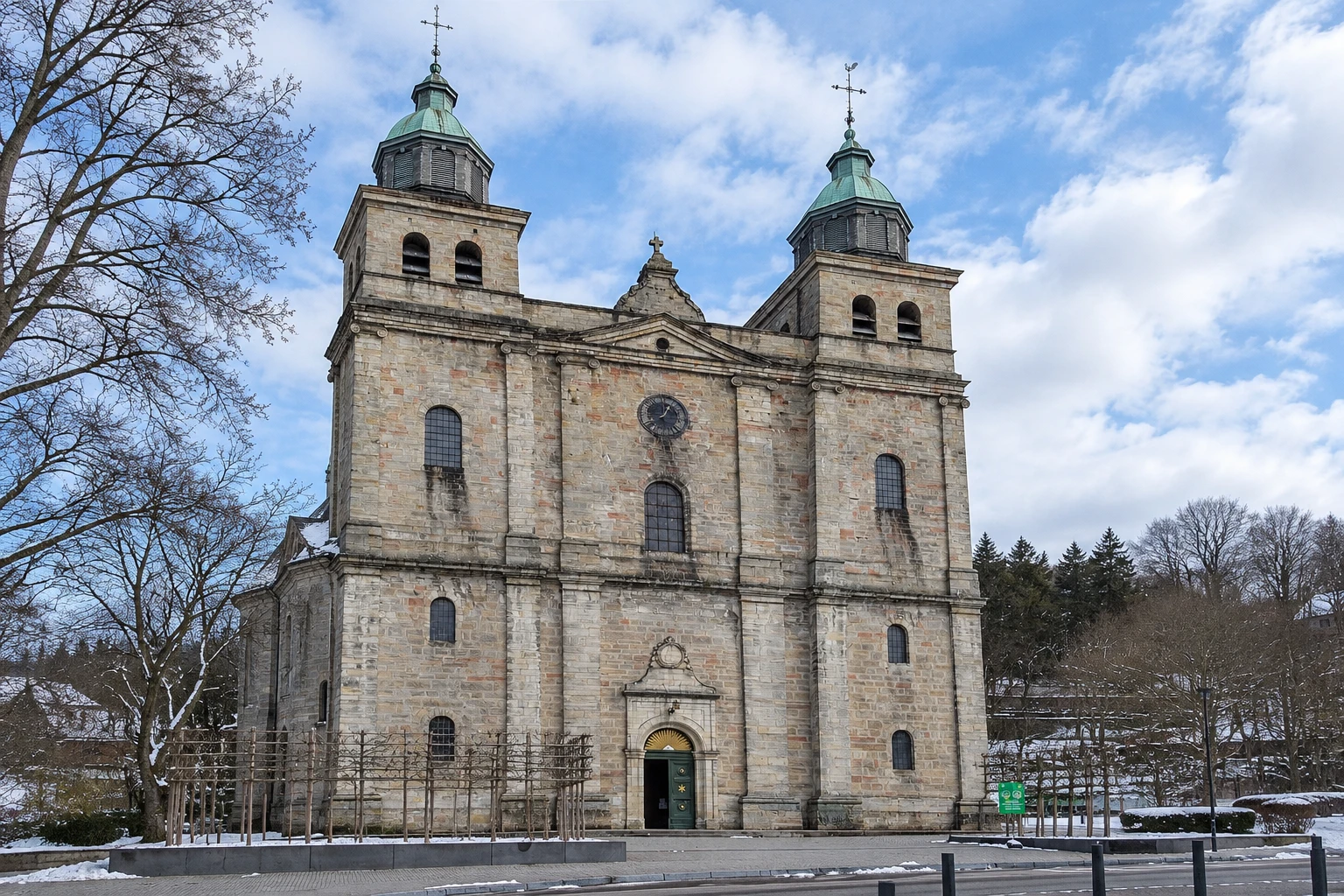
Cathedral of Malmedy · MalmedyFormer abbey church of Malmedy, built in the 18th century and dedicated to Saints Peter, Paul and Quirinus.
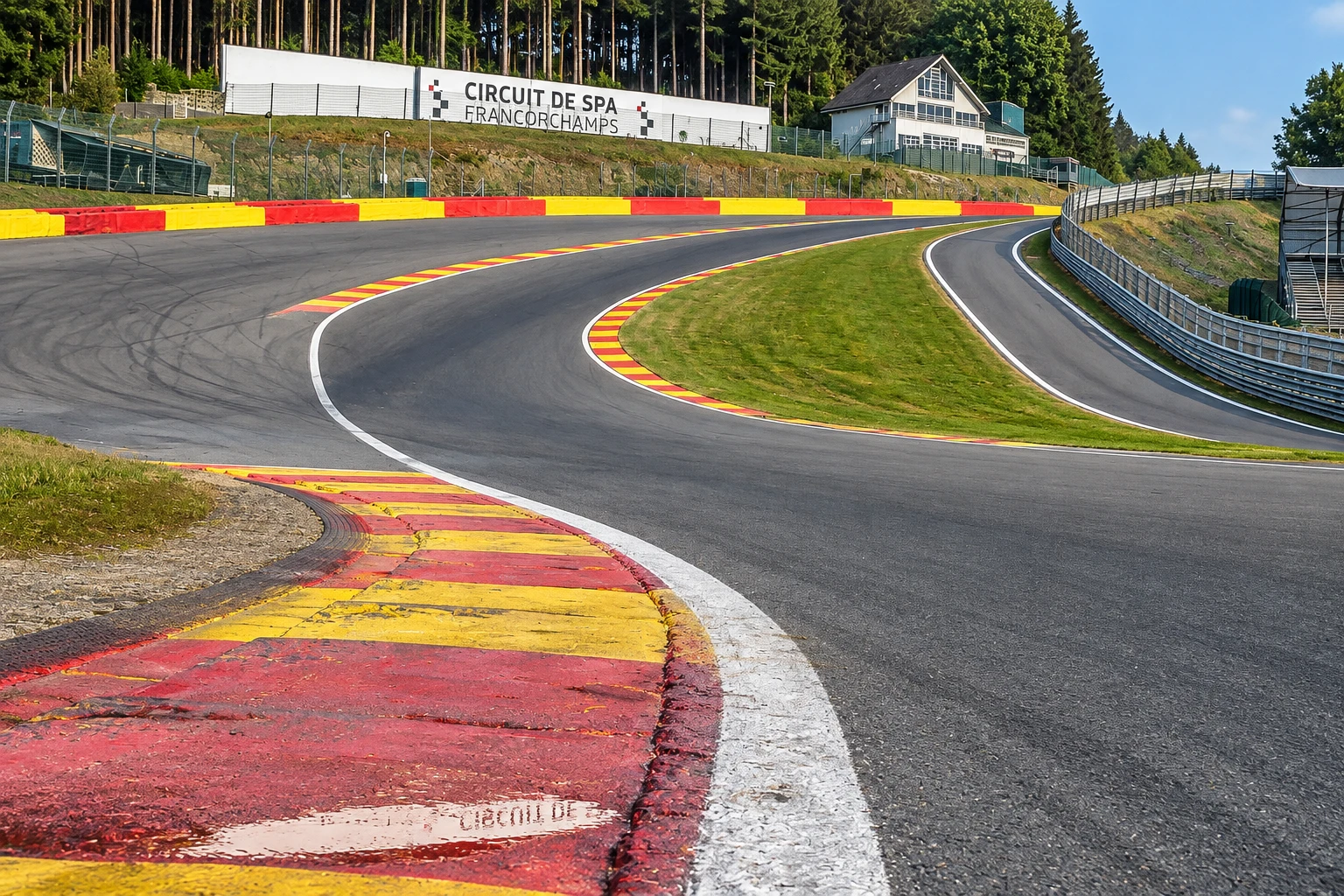
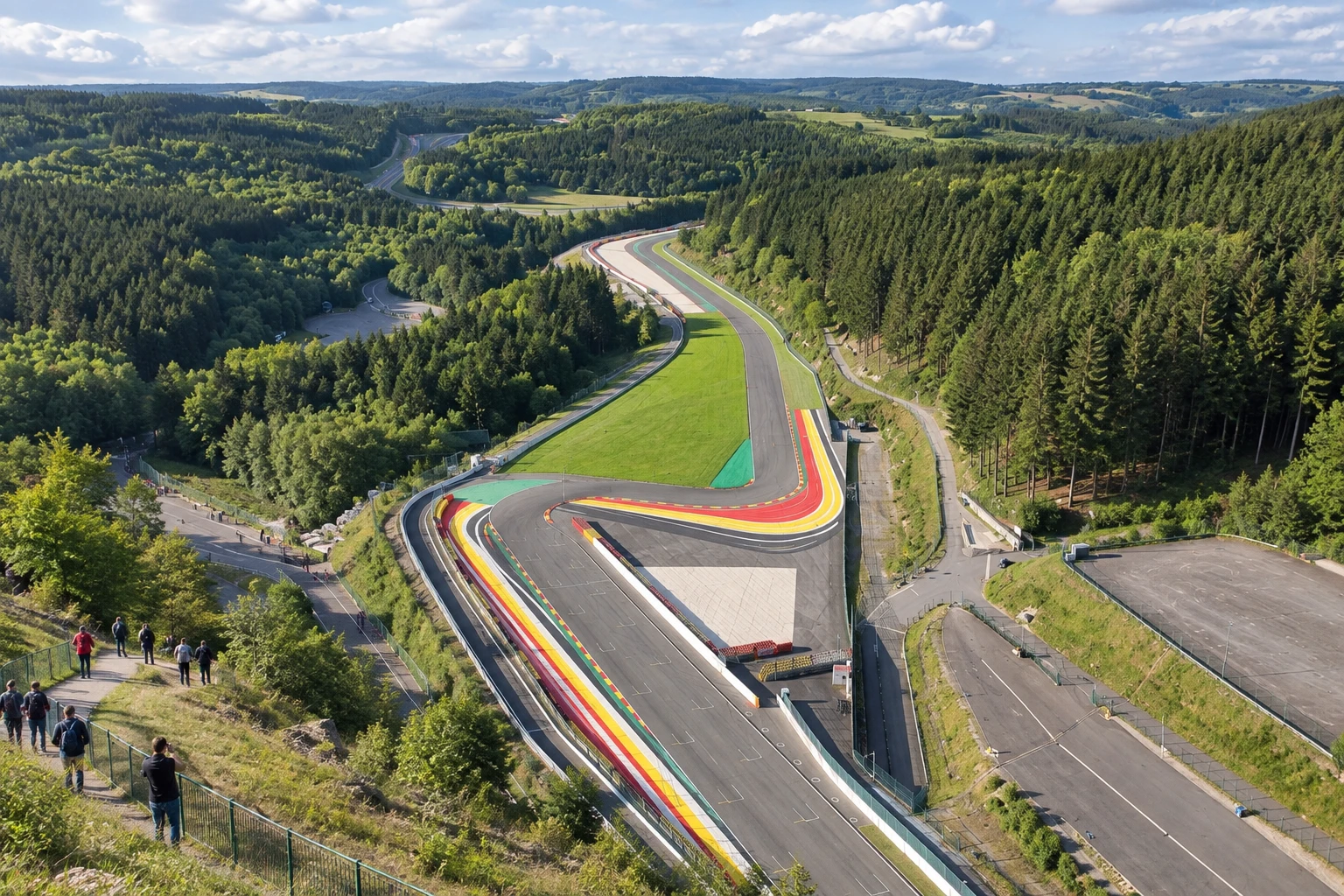
Circuit de Spa-Francorchamps · StavelotRacing circuit in the hills of the Ardennes, in the municipality of Stavelot, host of the Belgian Grand Prix of Formula 1 and the 24 Hours of Spa.
Former abbey founded by Saint Remaclus in the 7th century, seat of the Principality of Stavelot‑Malmedy. The restored buildings house the Principality museum, the Spa‑Francorchamps circuit museum and the Guillaume Apollinaire museum.
Cistercian complex founded in 1216 in the Berwinne valley. The visit passes through the buildings of the former monastery and can be combined with a walk in the park.
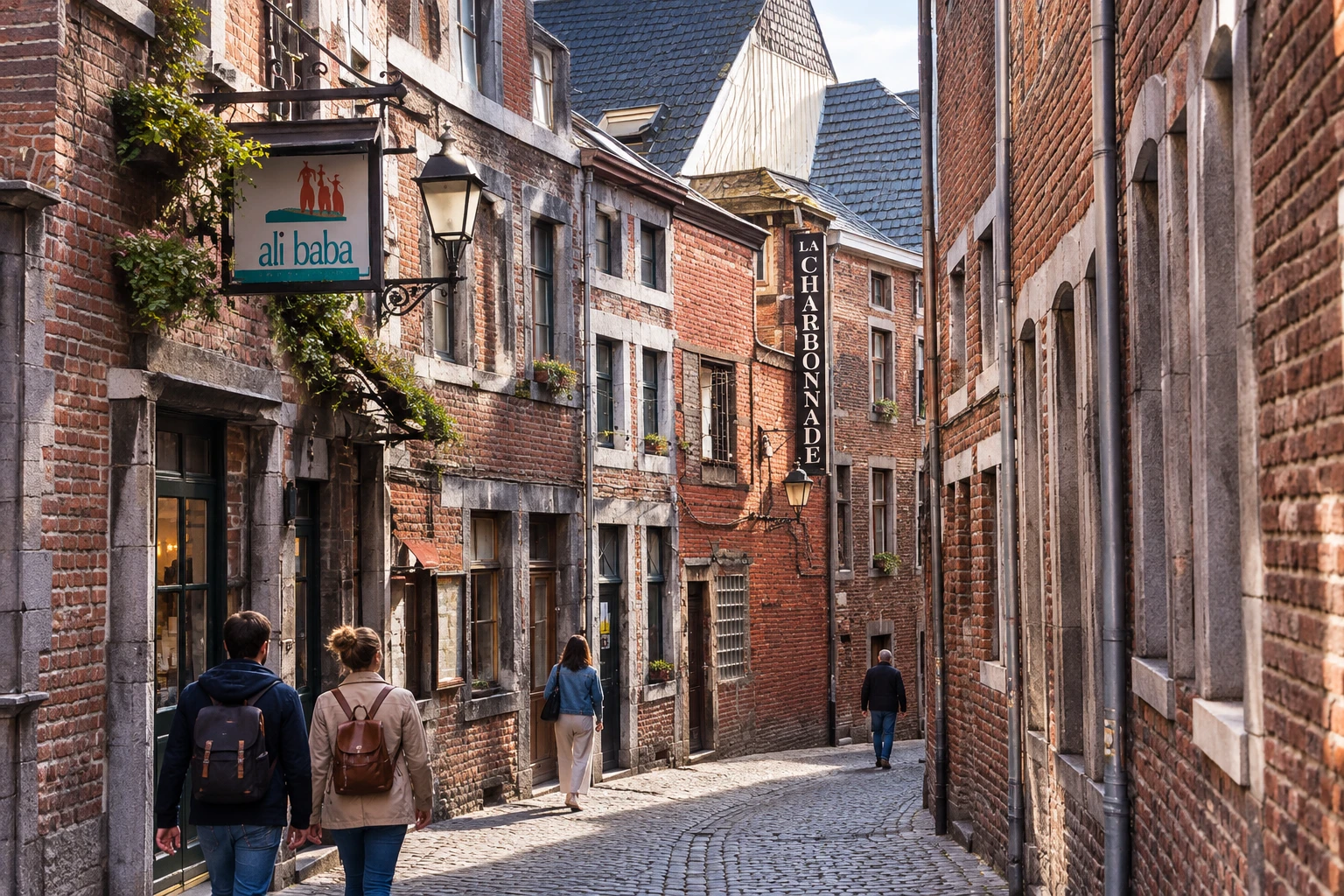
Historic core on the hill of Clermont-sur-Berwinne, with stone streets, the church of Saint-Jacques-le-Majeur and the old town hall over the passage at the Place de la Halle.
1930s fortification in Battice, in the municipality of Herve. The guided tour visits surface installations, underground galleries and spaces tied to the fort’s history.
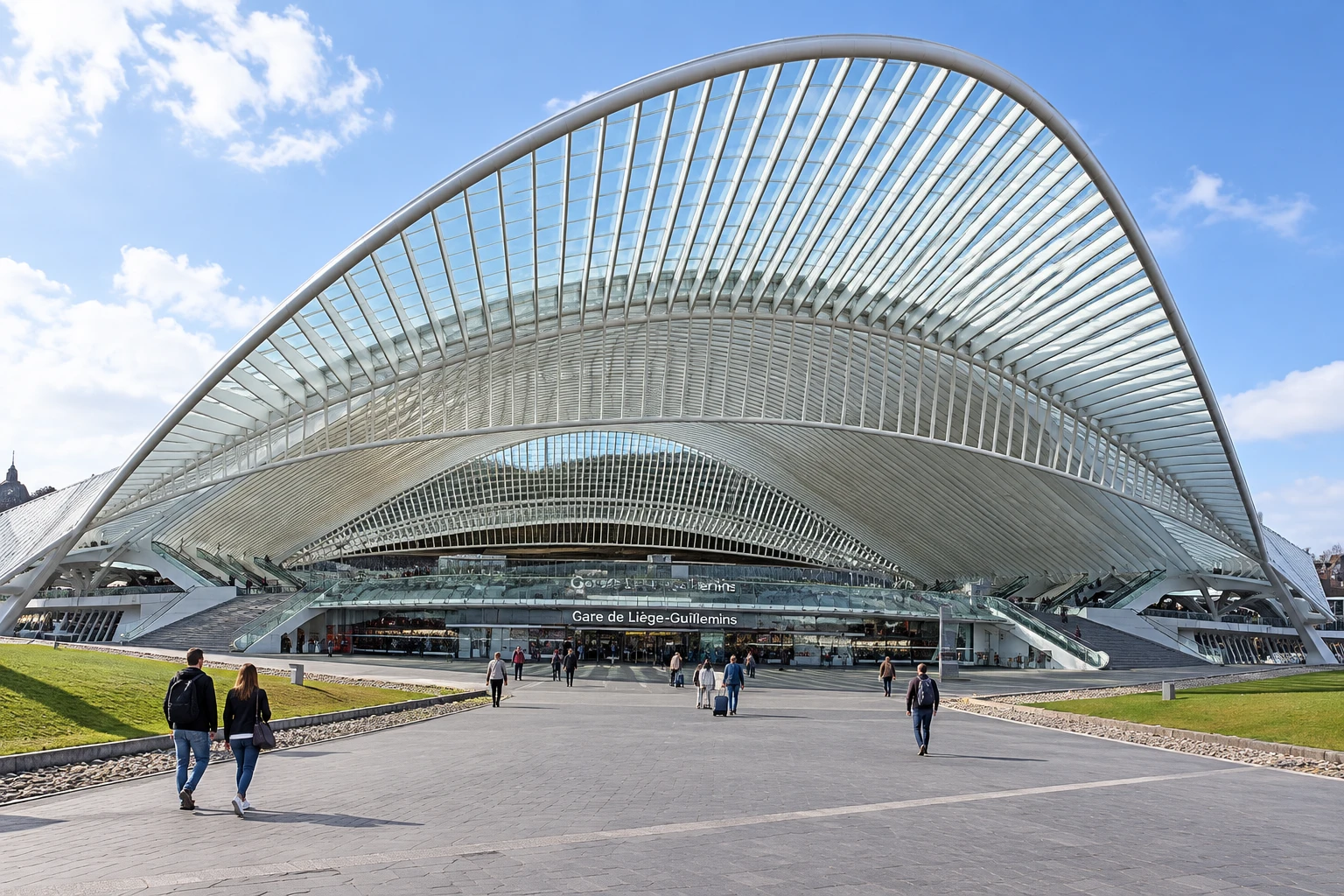
Liège railway station, designed by Santiago Calatrava and opened in 2009. The arched roof of steel, glass and white concrete has no closed façade and serves both as an arrival gate and as a postcard image.
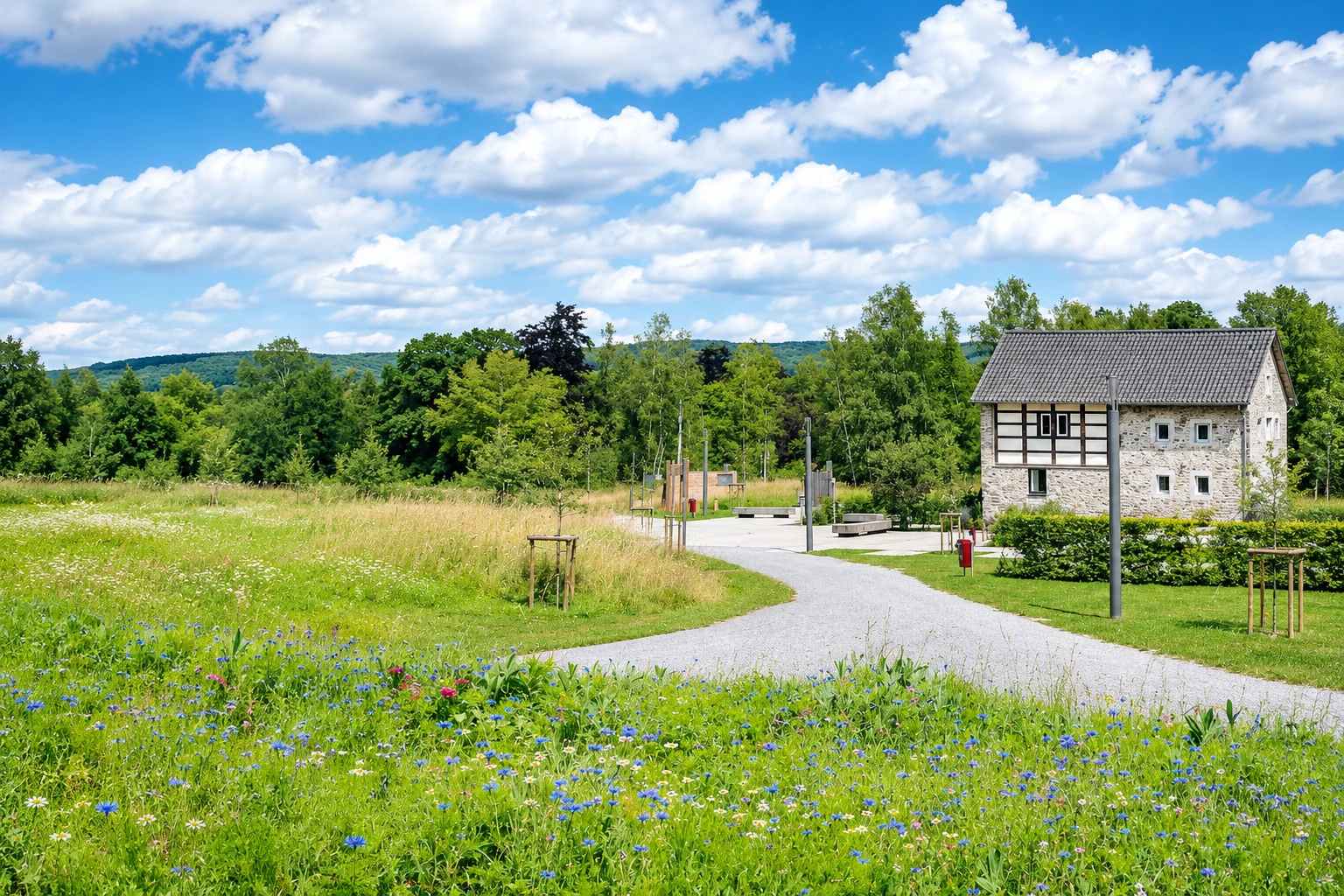
17th-century house with an interpretation center about lead and zinc mining in Plombières. From the exterior, marked paths run through the reserve that formed on the former industrial site.
Cultural centre and museum housed in the former Benedictine abbey of Malmedy, next to the cathedral. It presents the town’s history, the cathedral treasury, the Cwarmê and traditional trades such as tanning and papermaking.
An 1880 pavilion that houses Spa’s most abundant spring, with naturally sparkling, iron-rich water. It bears the name of Tsar Peter the Great, who took the waters there in 1717, and serves as the town's tourist information centre.
Former abbey church of Malmedy, built in the 18th century and dedicated to Saints Peter, Paul and Quirinus. It retains the title of cathedral and dominates the Place du Châtelet with its two towers.
Racing circuit in the hills of the Ardennes, in the municipality of Stavelot, host of the Belgian Grand Prix of Formula 1 and the 24 Hours of Spa. Outside race days there are guided behind‑the‑scenes tours.
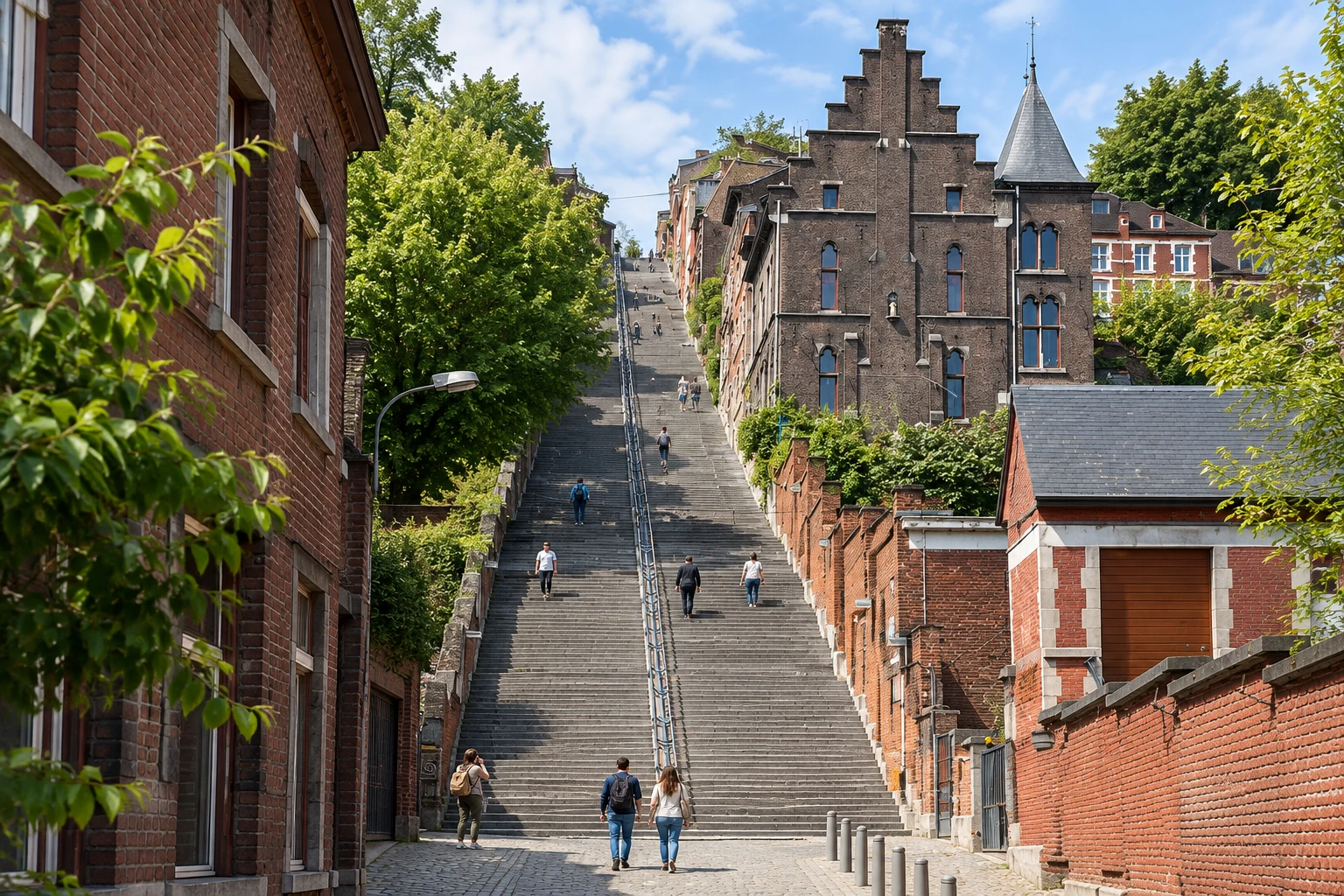
A straight stairway of 374 steps linking Hors-Château street to the top of the old citadel. Built at the end of the 19th century, it ends at a point with views over the roofs, the towers and the Mosa valley.
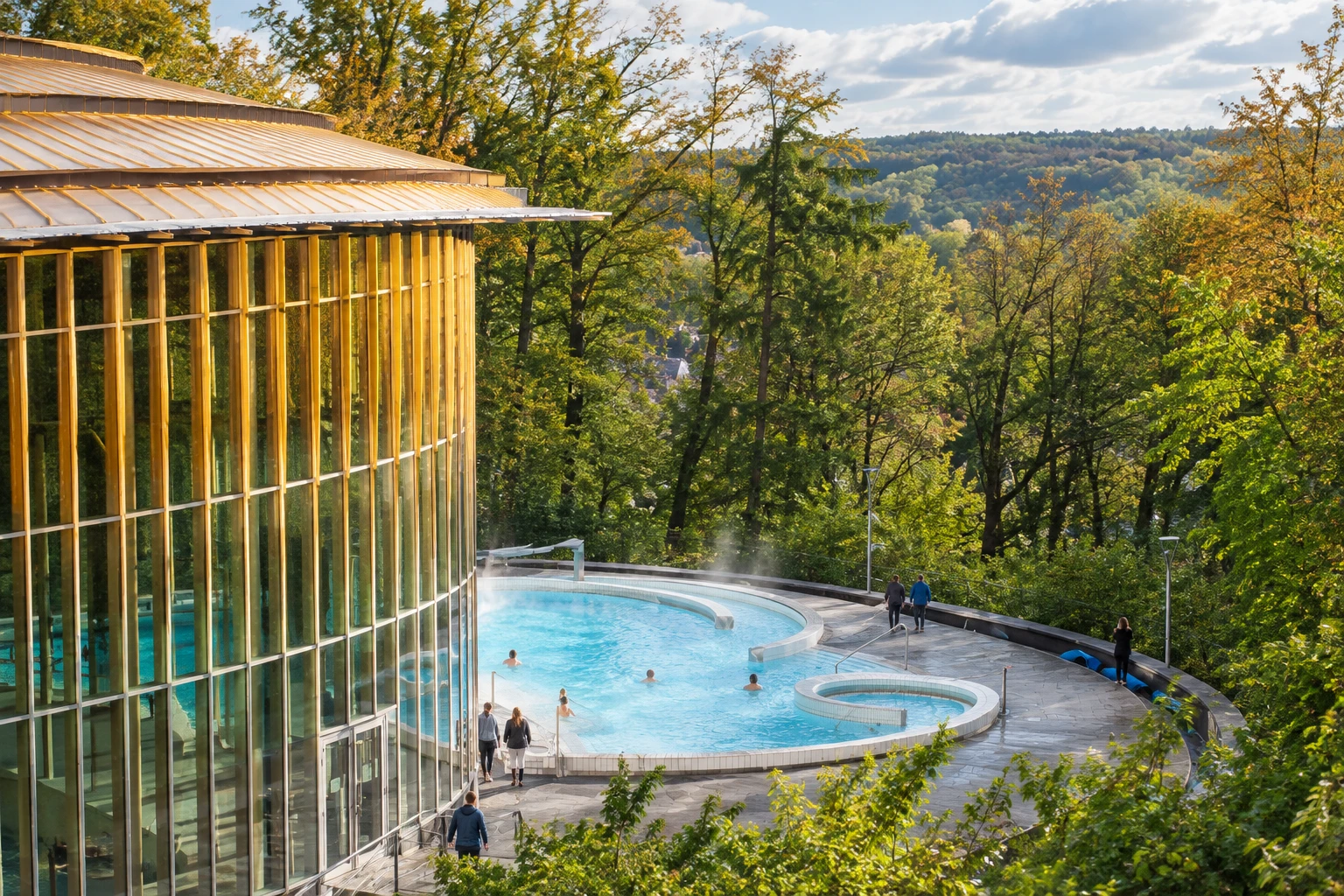
Thermal centre atop the Annette et Lubin hill, reached by funicular from the centre. It has indoor and outdoor pools fed with mineral water from the Clémentine spring, heated, with views over the town.
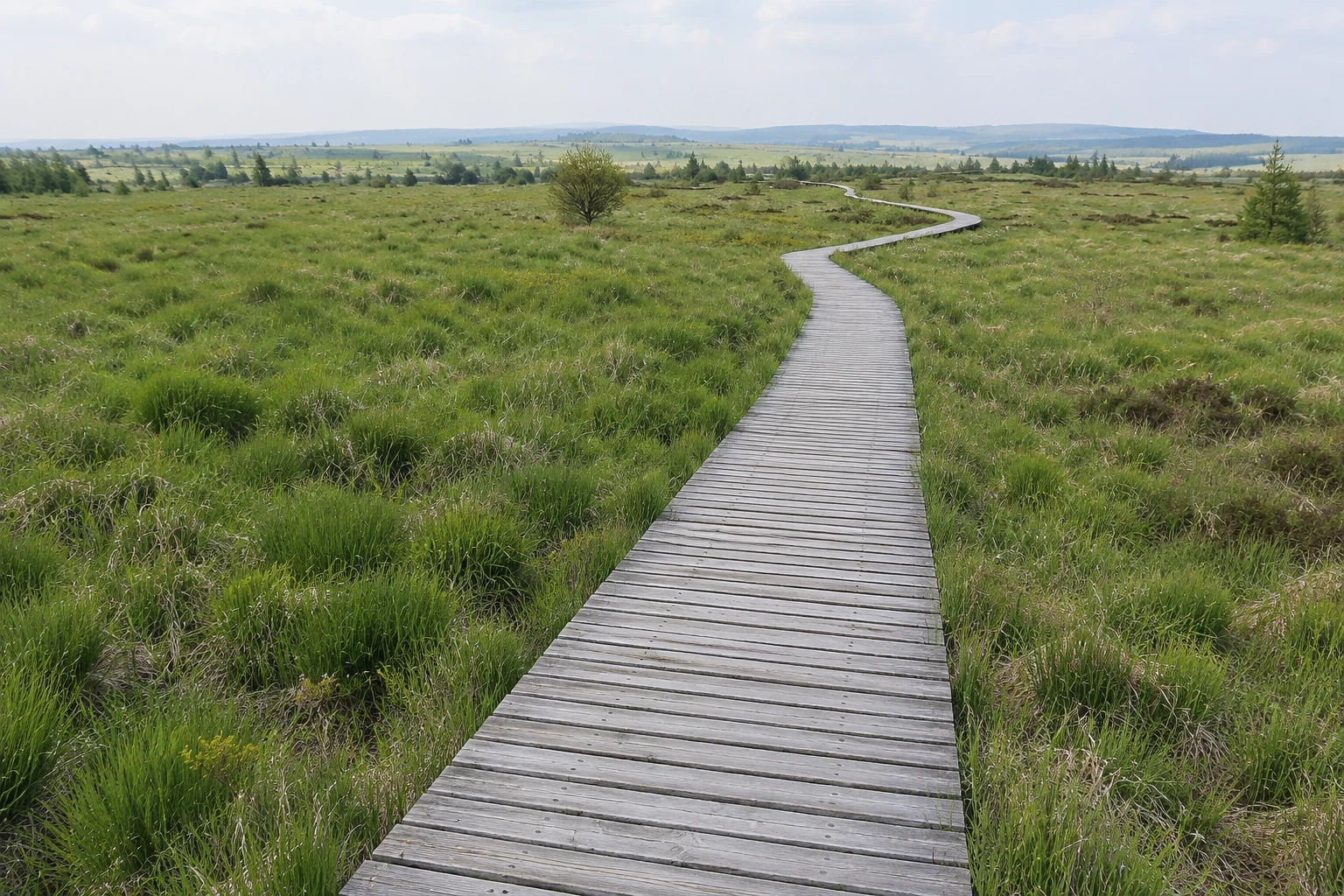
Peatland and heath plateau north of Malmedy, a nature reserve with wooden boardwalks and the Signal de Botrange, the highest point in Belgium at about 694 m.
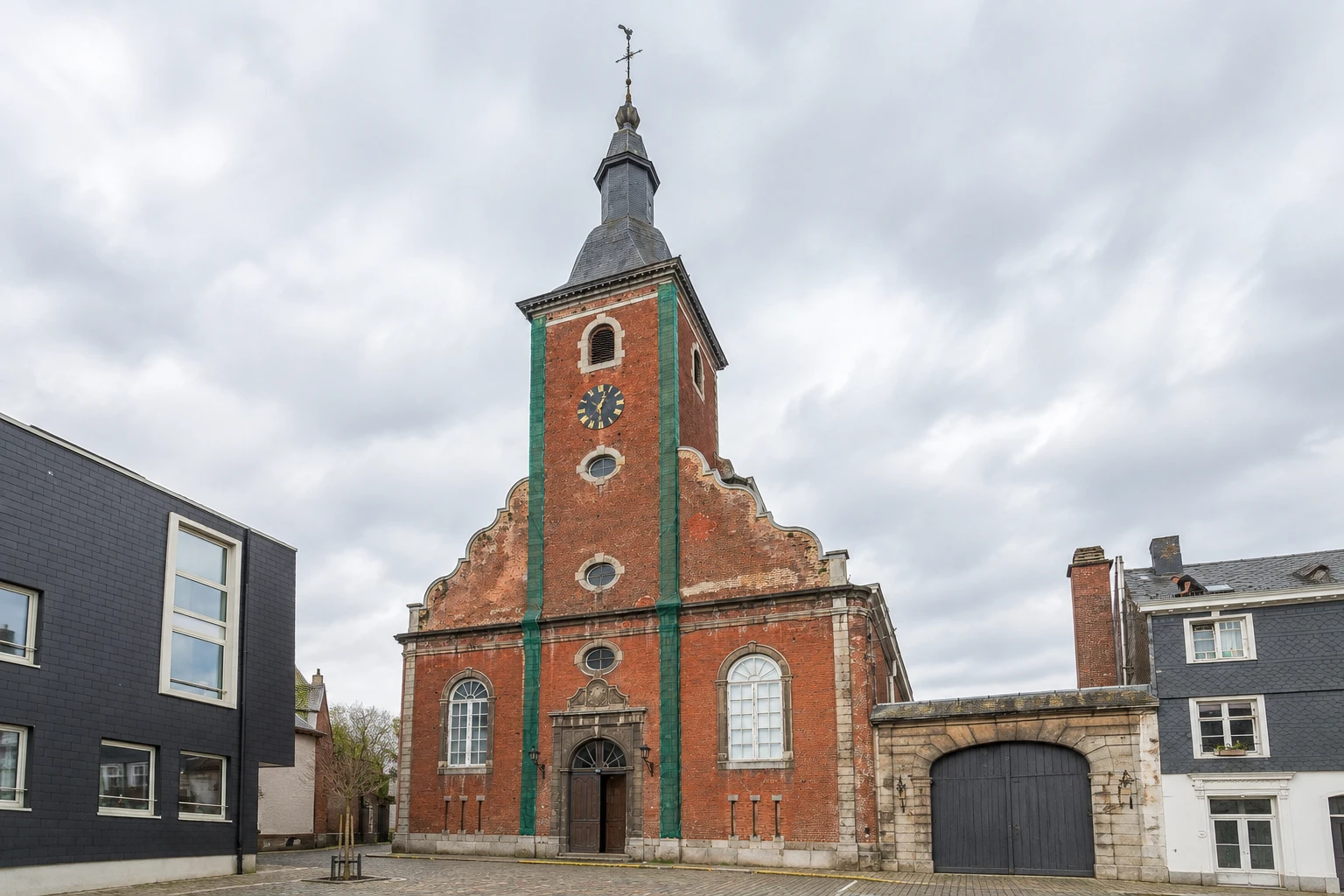
Parish church of Stavelot, dating from the 18th century, which houses the reliquary of Saint Remaclus, a 13th‑century Mosan goldsmith work, and other pieces from the treasure of the former abbey.
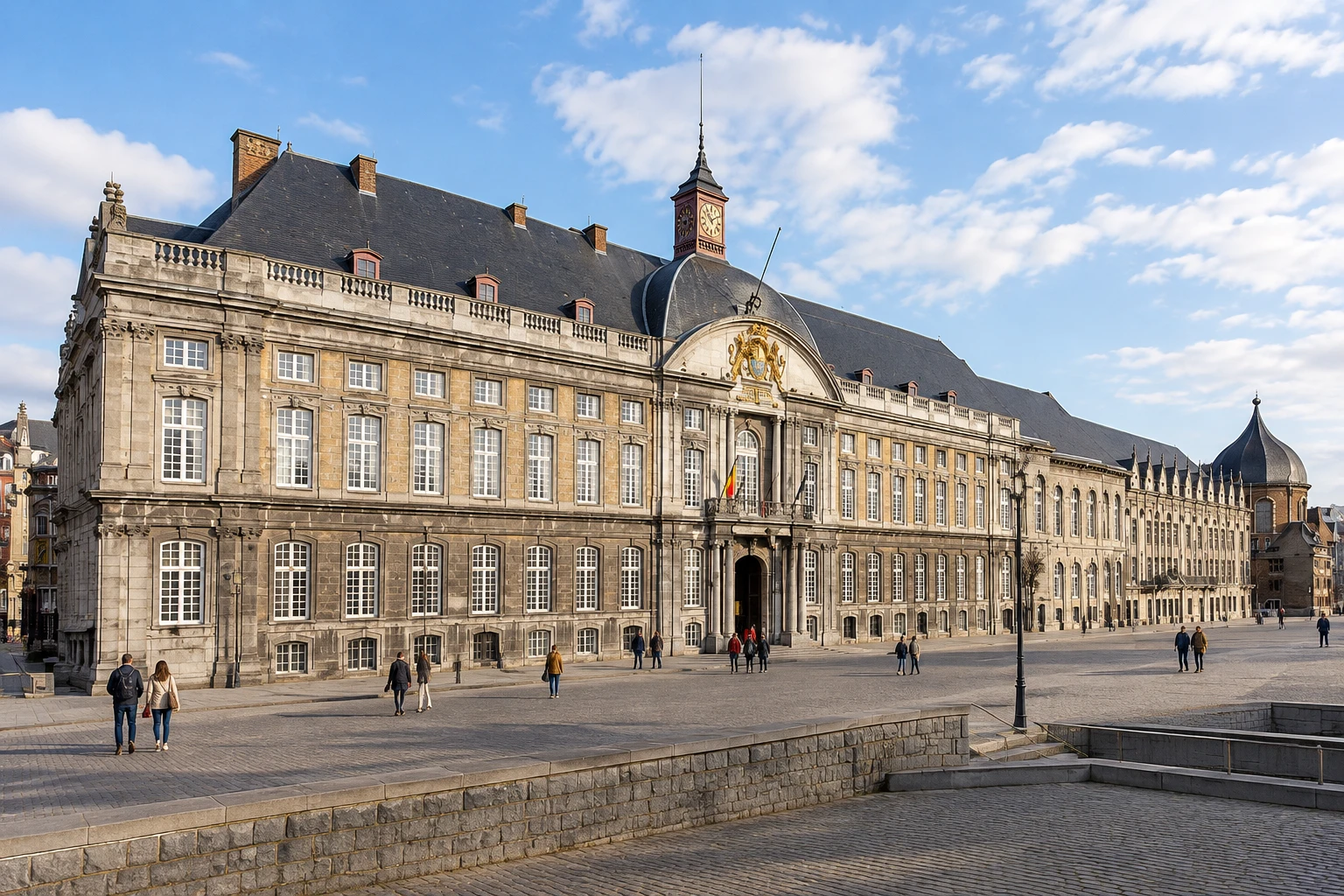
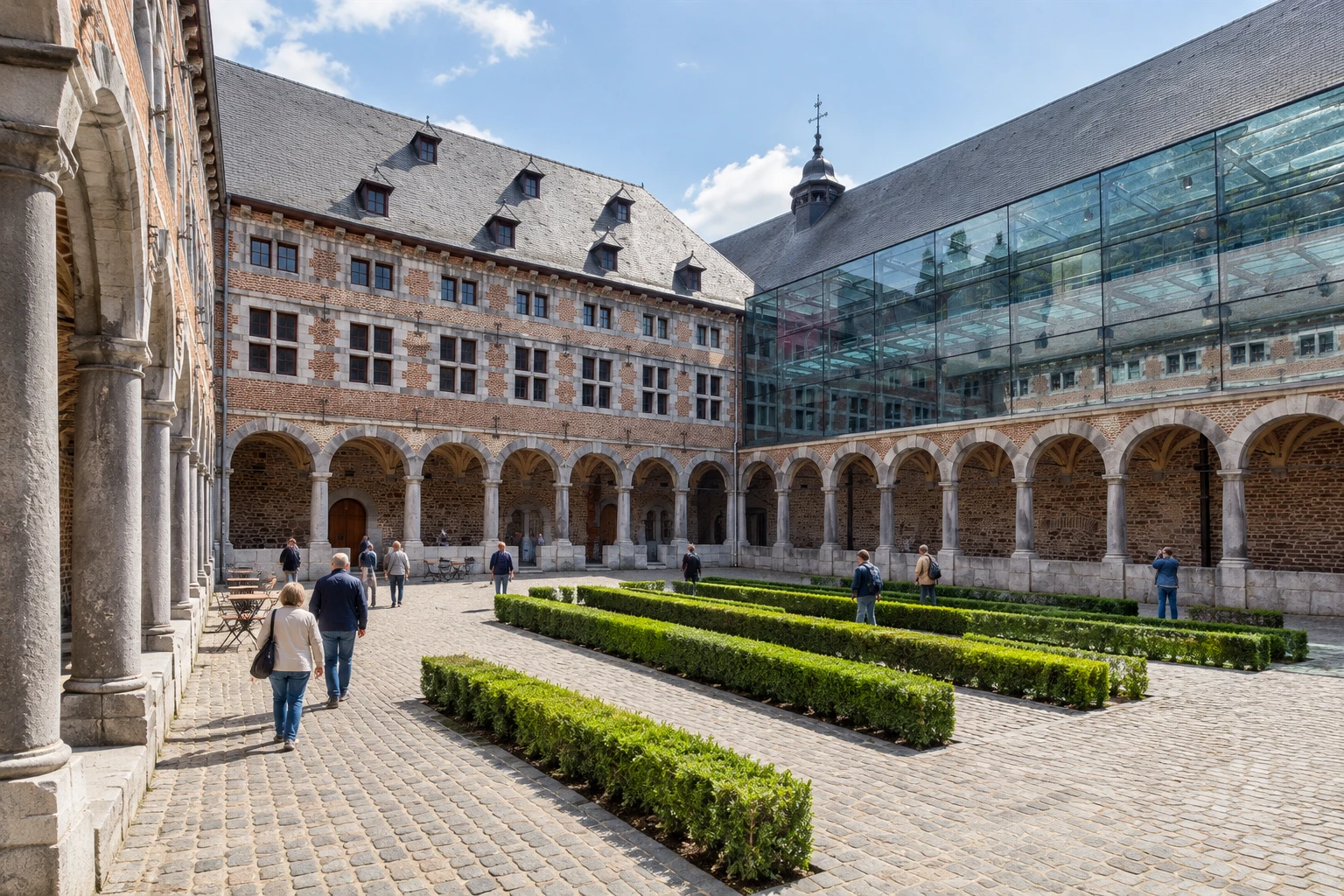
Former palace of the prince-bishops who ruled Liège, facing Place Saint-Lambert. The main courtyard has arcaded galleries supported by about 60 columns, each with a different decoration.
Tree-lined park in the center of Spa, the former promenade of 19th-century spa-goers. It features the Galerie Léopold II, a covered gallery dating from 1878 that hosts an antiques fair, events and summer concerts.
Sunday market that stretches for about 2 kilometres along the Meuse quay in central Liège, in operation since the 16th century. It mixes fruit and vegetables, flowers, clothing, second-hand goods and local food stalls.
Museum of Spa's thermal history, housed in the Villa Royale, the former residence of Queen Maria Henriqueta. Known for its collection of jolités, painted wooden trinket boxes that visitors took as souvenirs.
Gothic cathedral of Liège, founded as a collegiate church in the 10th century and raised to cathedral status in 1802. In the cloister is the Trésor, which houses the bust-reliquary of São Lamberto and the reliquary given by Charles the Bold.
Lake formed by a dam built in 1892 on the Wayai stream, northeast of Spa's center. It has a waterside path, pedal boats in season and a trail of about 4 kilometers from the thermes.
Autodrome for the Belgian Formula 1 Grand Prix, with just over 7 kilometres of track through the forests of the Ardennes. It is in Francorchamps, near Spa, and offers behind-the-scenes guided tours from March to November.
Museum of everyday life of Valônia, in the former convent of the Friars Minor, in the centre of Liège. It showcases work, festivals, beliefs and customs and has a puppet theatre with Tchantchès.
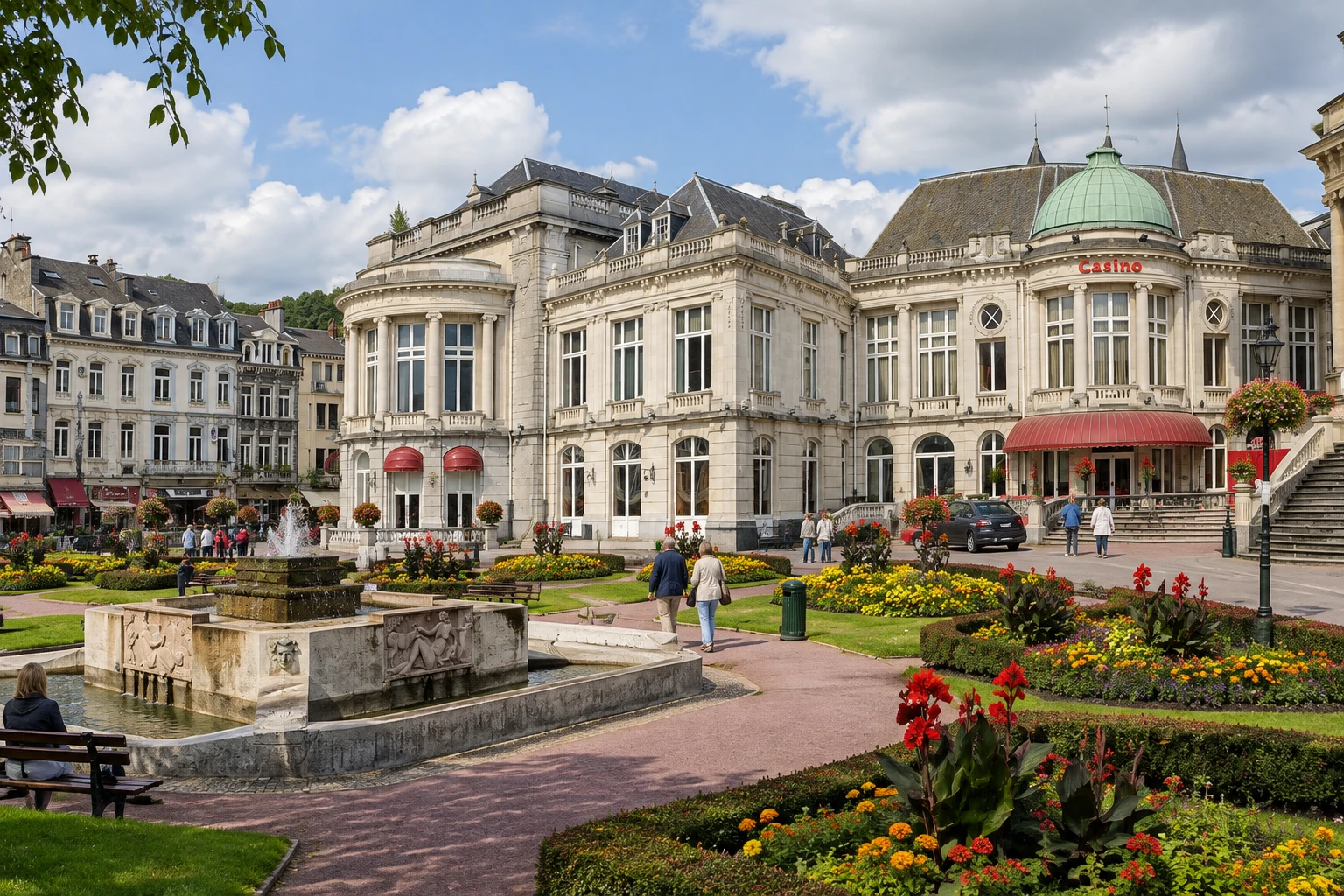
Historic building in the centre of Spa, successor to the Redoute opened in the 18th century for the aristocrats who came to take the waters. The façade and the halls date from the early 20th century, the work of architect Alban Chambon, and the complex is listed as a monument.
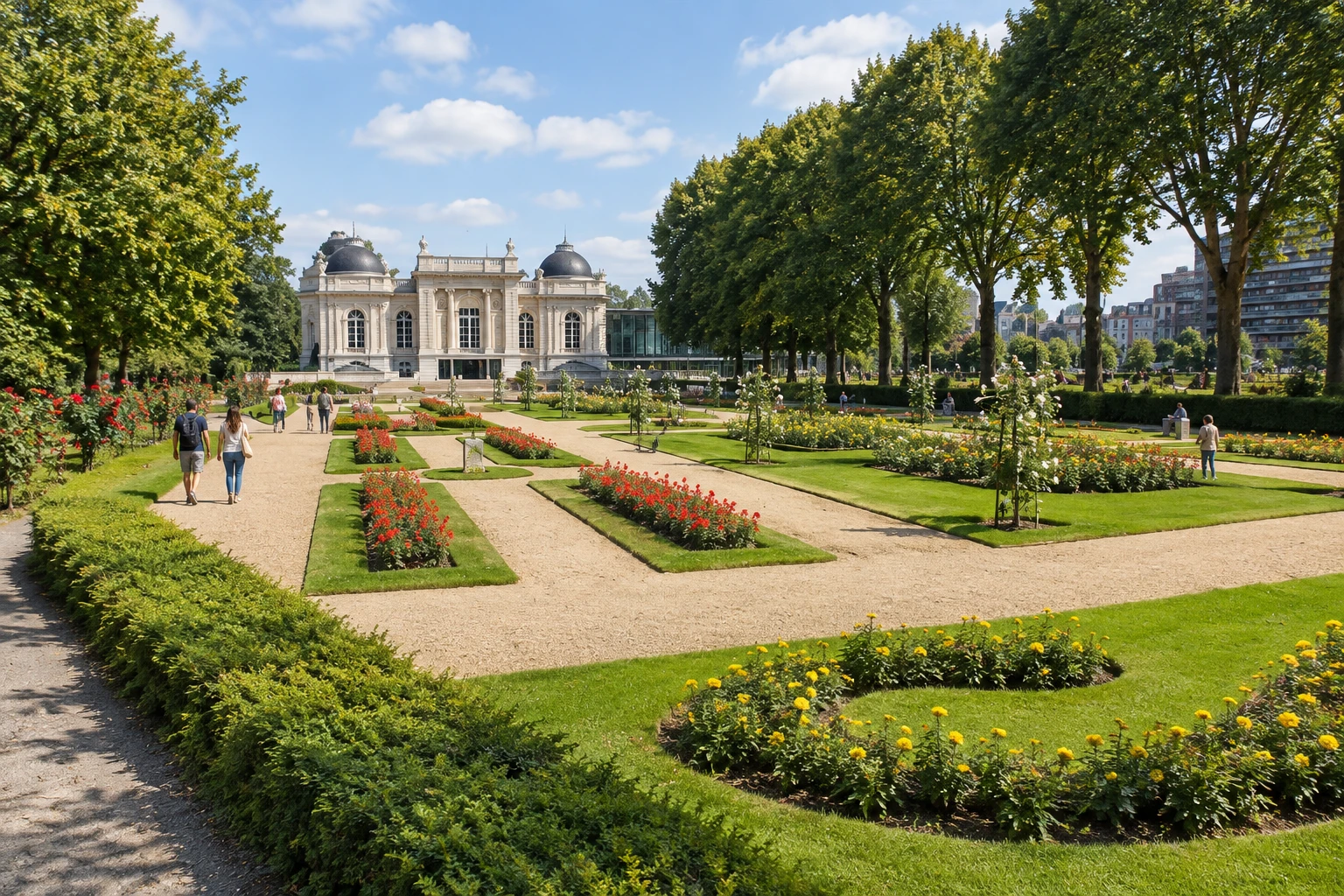
Liège's fine arts museum, housed in a palace built for the 1905 Universal Exposition in the park of La Boverie, between the Mosa and a canal. It brings together the city's collection and hosts temporary exhibitions.
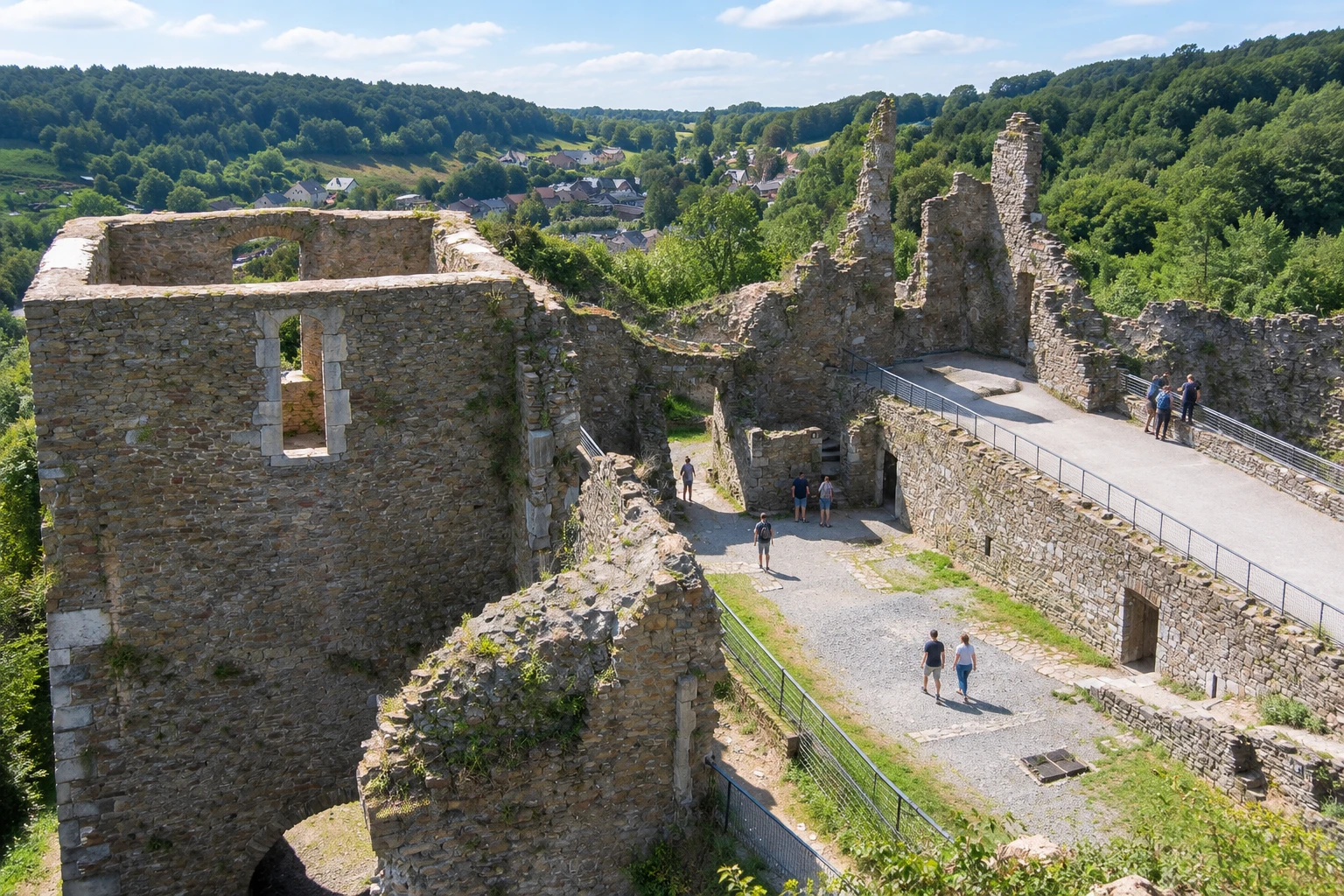
Ruins of a medieval castle on a spur above the Hoëgne valley, in Theux, about 5 kilometres from Spa. It has a keep, a 16th‑century five‑sided curtain wall and underground casemates that can be explored.
A popular neighbourhood on the island between the Mosa and the Ourthe, home to Tchantchès and to Georges Simenon's childhood. On 15 August it hosts Liège's largest folk festival.
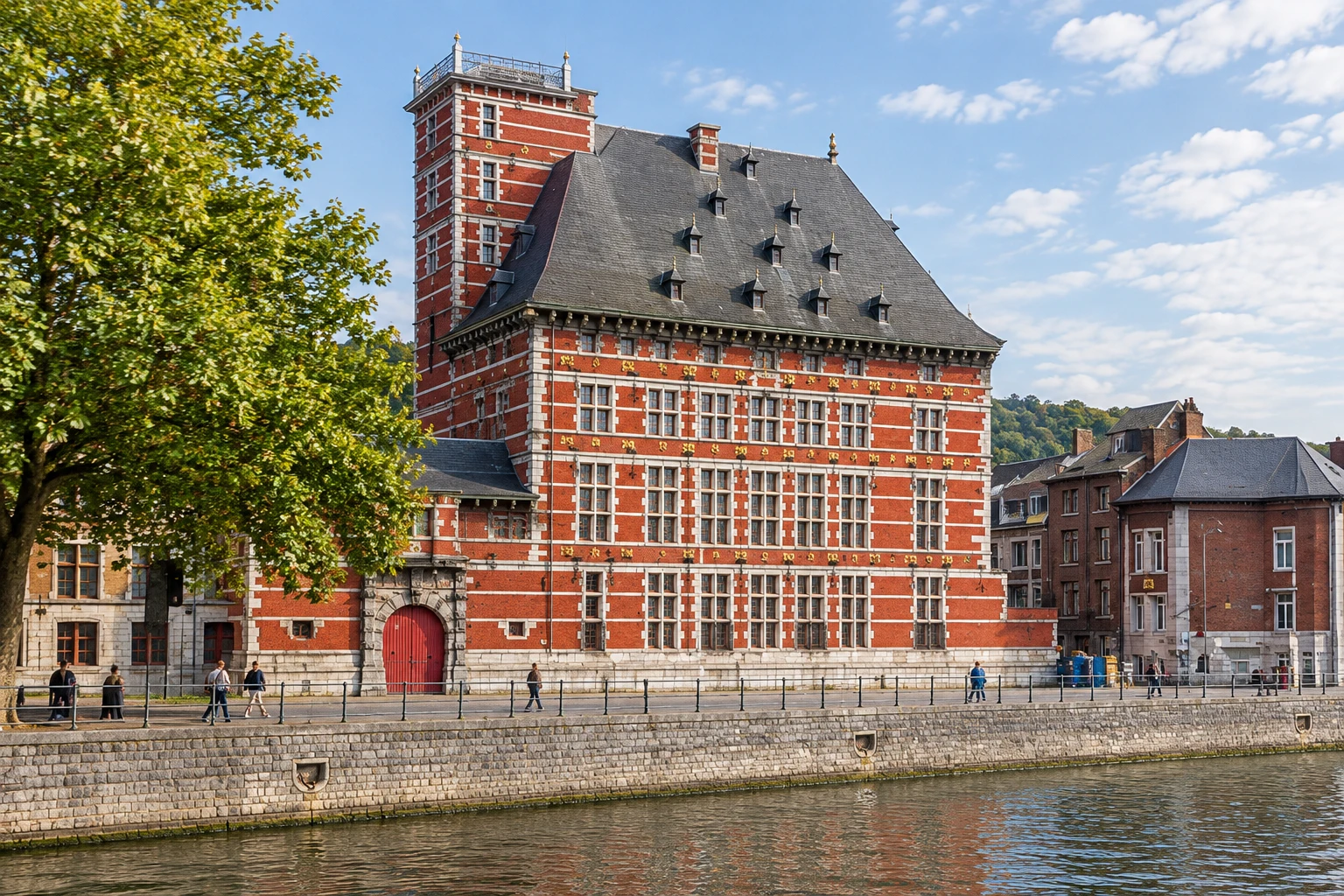
Museum of Art and History of Liège, on the banks of the Mosa, centred on the red-brick palace of industrialist Jean Curtius. It brings together archaeology, arms, religious and Mosan art, glass and decorative arts.
Aquarium and Zoology Museum of the University of Liège, in the Outremeuse neighbourhood on the banks of the Mosa. It has around 250 living species in dozens of tanks and a collection of preserved animals, skeletons and glass models.
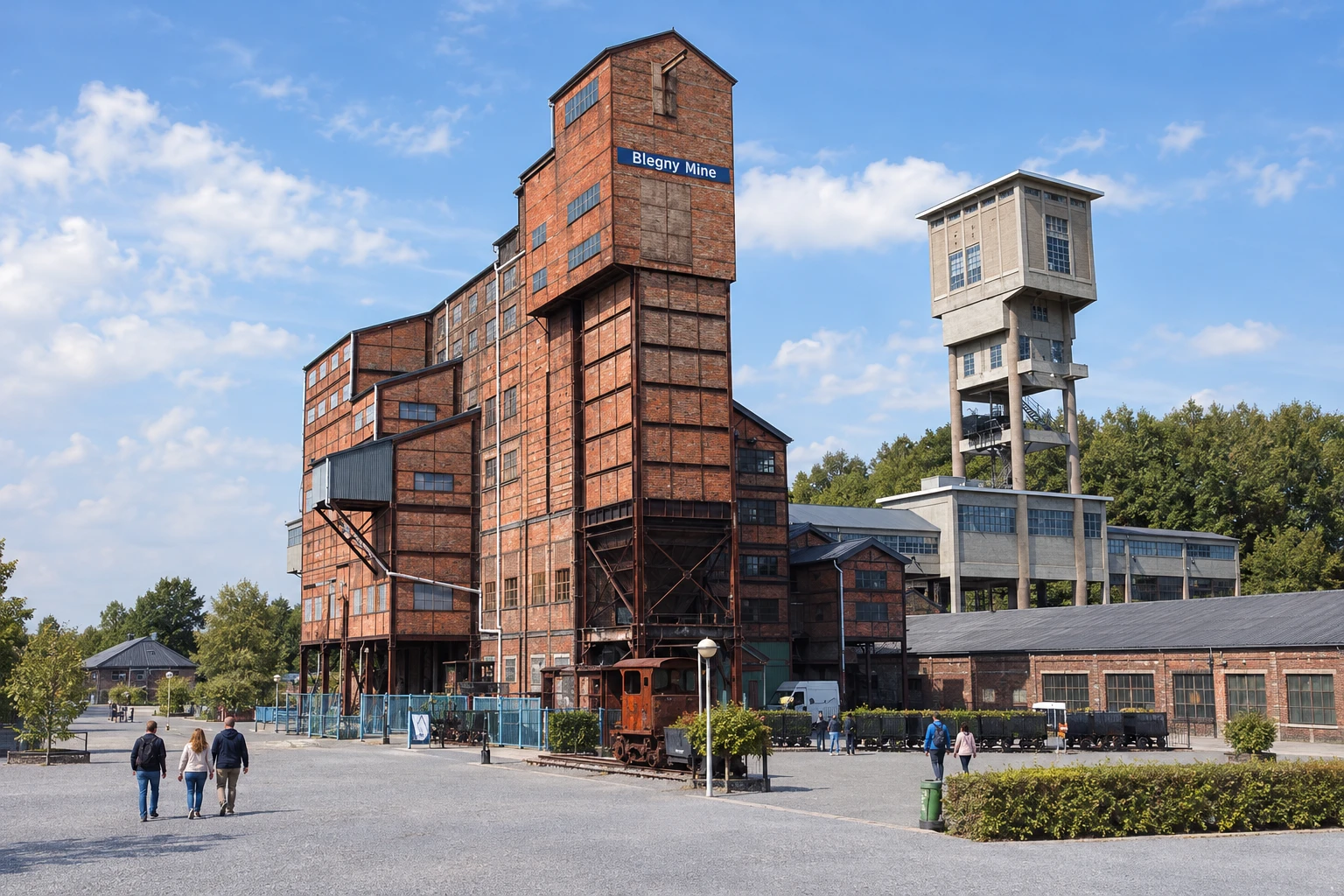
Former coal mine in Trembleur, about 15 kilometers from Liège, open to visitors after mining ceased. Visitors descend by elevator to the galleries at 30 and 60 meters deep. It is a UNESCO World Heritage site.
How many days should you set aside to see Liège and Spa?
The guide's itineraries cover 3, 5 and 7 days: in 3 days, historic center, Bueren and the waters of Spa; in 5 days, museums, the mine, the springs and Spa-Francorchamps; Liège, Spa and Stavelot in seven days.
What to do Liège and Spa in one day?
Arrival and Liège-Guillemins. Arrive at Brussels Airport and take the train to Liège-Guillemins, about 1:00 to 1:15 hours on the direct train. After dropping off your bag, visit Liège-Guillemins, the La Belle Liégeoise footbridge and La Boverie at an easy pace to shake off flight fatigue. In the evening, sample Liège’s flavors at a downtown brasserie.
When is the best time to go to Liège and Spa?
It generally rains less in April and September. The rainiest months are usually from December to January. The guide covers each month, with the weather and what changes on the tours.


 Brazil
 Antarctica
 Argentina
 Bolivia
 Chile
 Colombia
 Ecuador
 Falkland Islands (Malvinas)
 French Guiana
 Guyana
 Paraguay
 Peru
 Suriname
 Uruguay
 Venezuela
 Austria
 Croatia
 Denmark
 Finland
 France
 Germany
 Greece
 Hungary
 Iceland
 Ireland
 Italy
 Luxembourg
 Norway
 Poland
 Portugal
 Slovakia
 Slovenia
 Spain
 Sweden
 Switzerland
 the Czech Republic
 the Netherlands
 the United Kingdom
 Turkey
 Bermuda
 Canada
 Greenland
 Mexico
 Saint Pierre and Miquelon
 the United States
 the Dominican Republic
 Japan
 Egypt
 South Africa
 Australia
 Fiji
 New Zealand
 Papua New Guinea