17 places to visit and 15 tours, chosen by the Cidade Turismo guide.
Updated
Illustrative images. The pictures in this guide are illustrations based on the real place, not photographs, and may differ from it.
To start
The 10 main places Hasselt and Tongeren
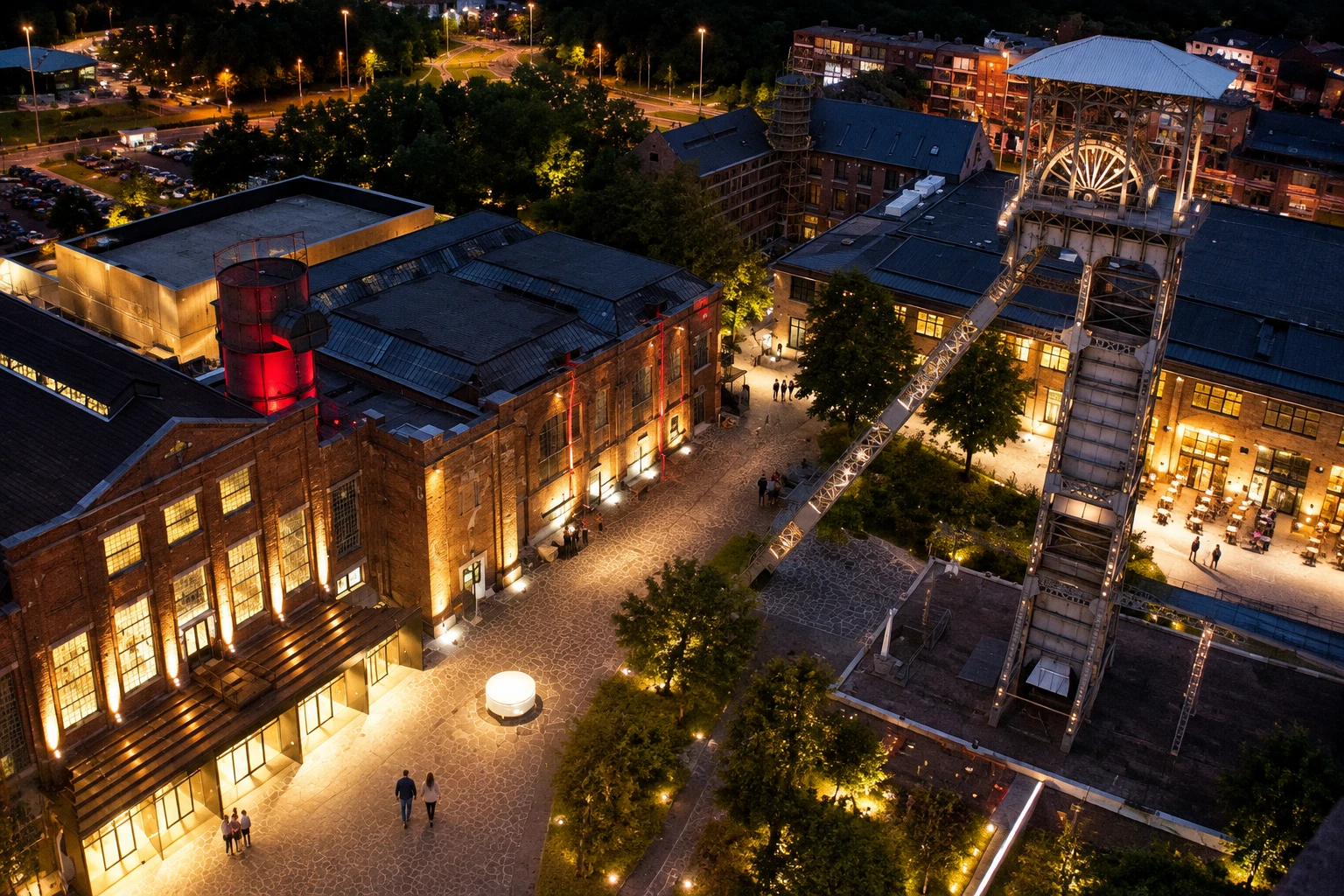
C-mine · GenkThe former Winterslag coal mine, closed in 1988, was transformed into a cultural centre with a cinema, an arts school, restaurants and the C-mine expeditie, which traverses the...
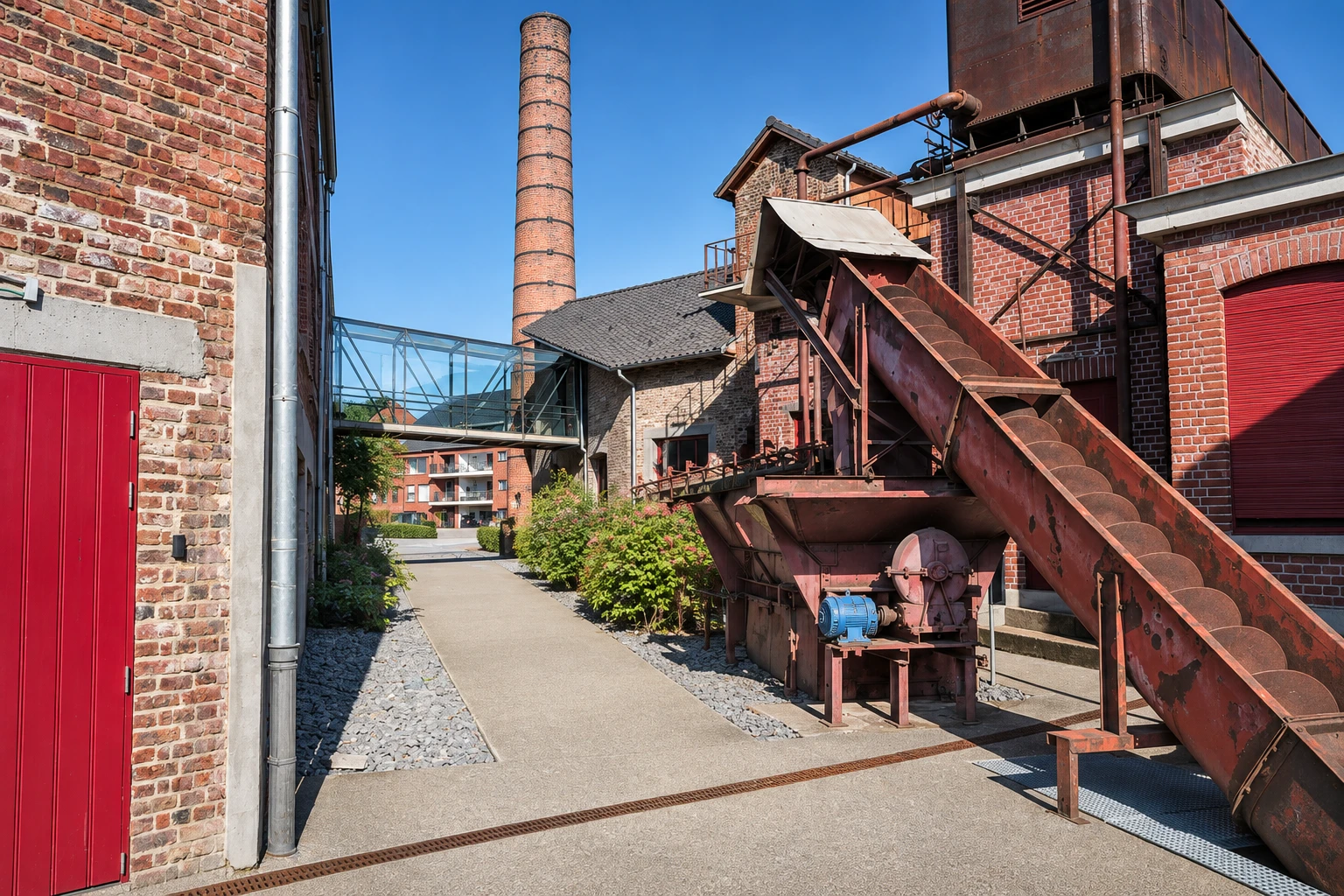
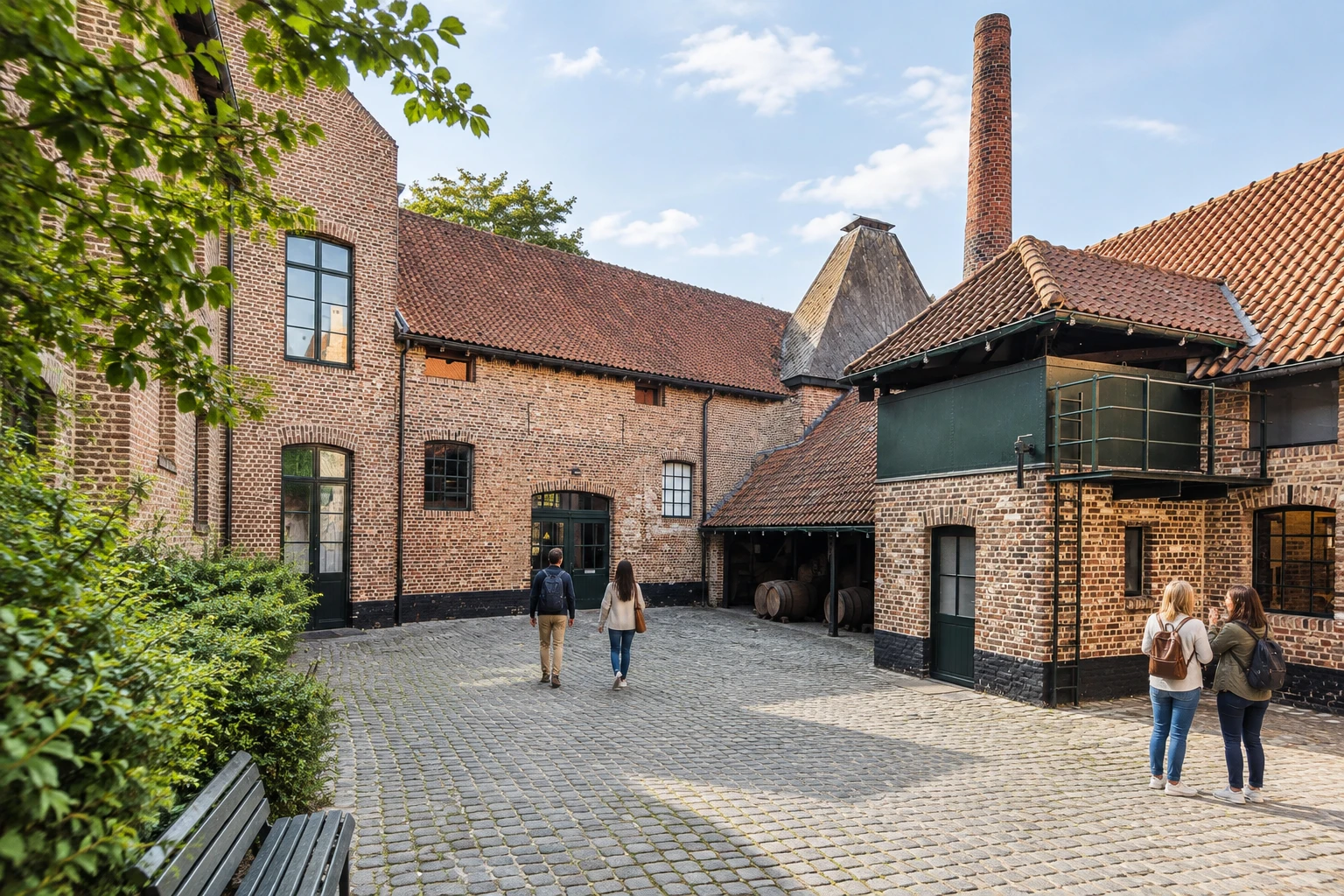
Fruitbelevingscentrum Stroopfabriek · BorgloonFormer steam factory in Borgloon with an exhibition about Haspengouw’s orchards and fruit syrup production.
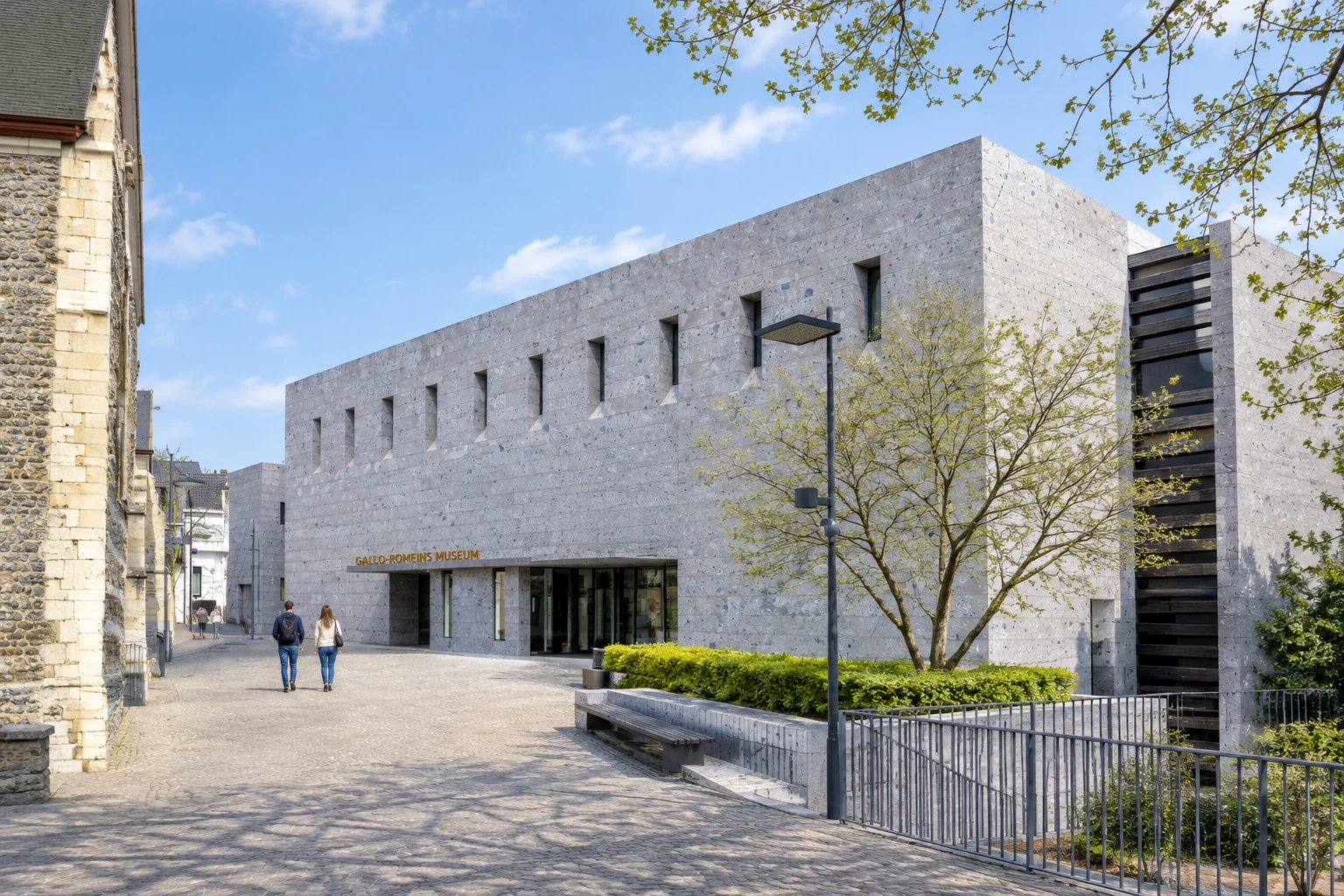
Gallo-Roman Museum · TongerenArchaeology museum named European Museum of the Year in 2011.
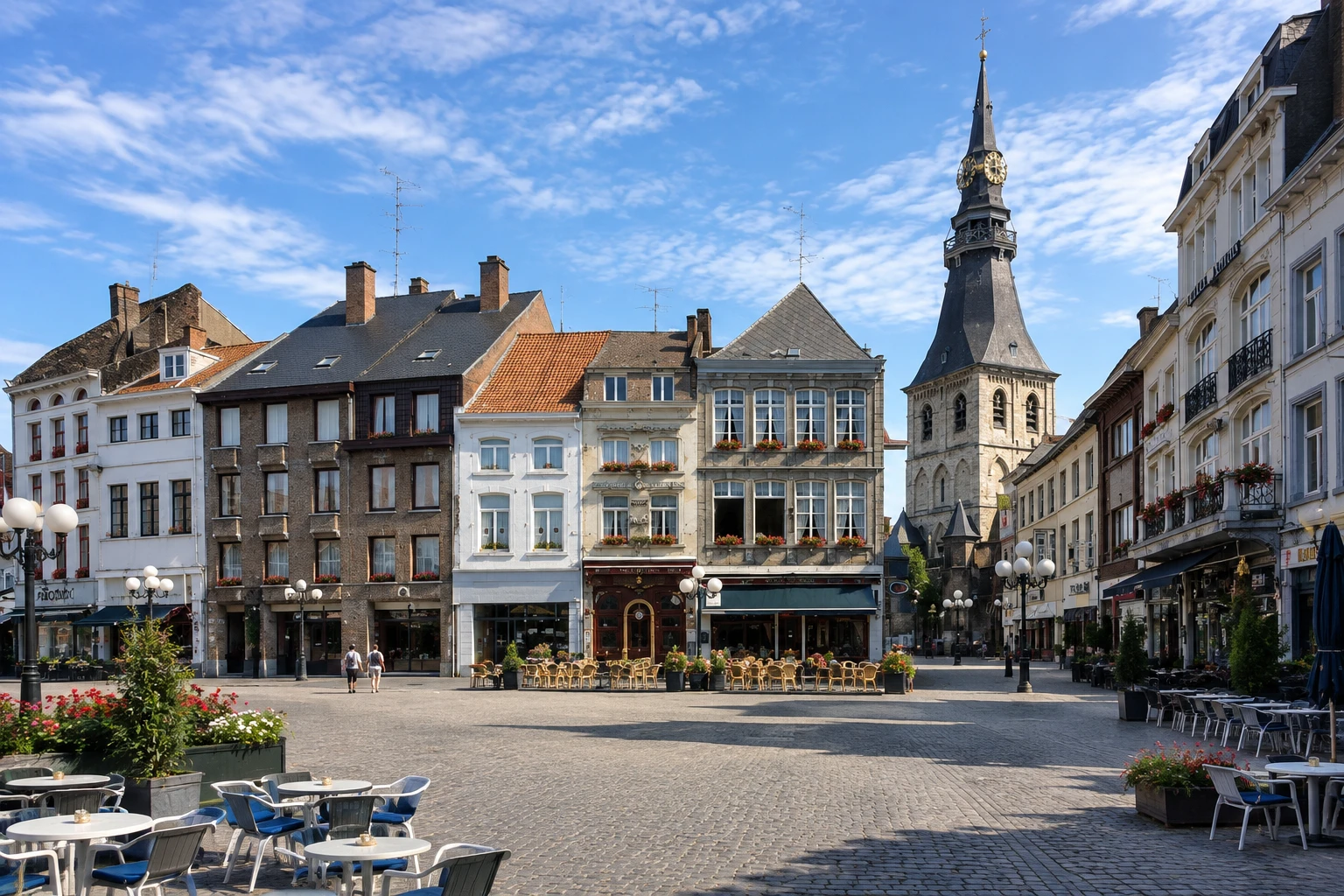
Grote Markt · HasseltHasselt's central square, surrounded by cafés and restaurants, with the half-timbered house Het Sweert on one corner and the cathedral a few steps away.
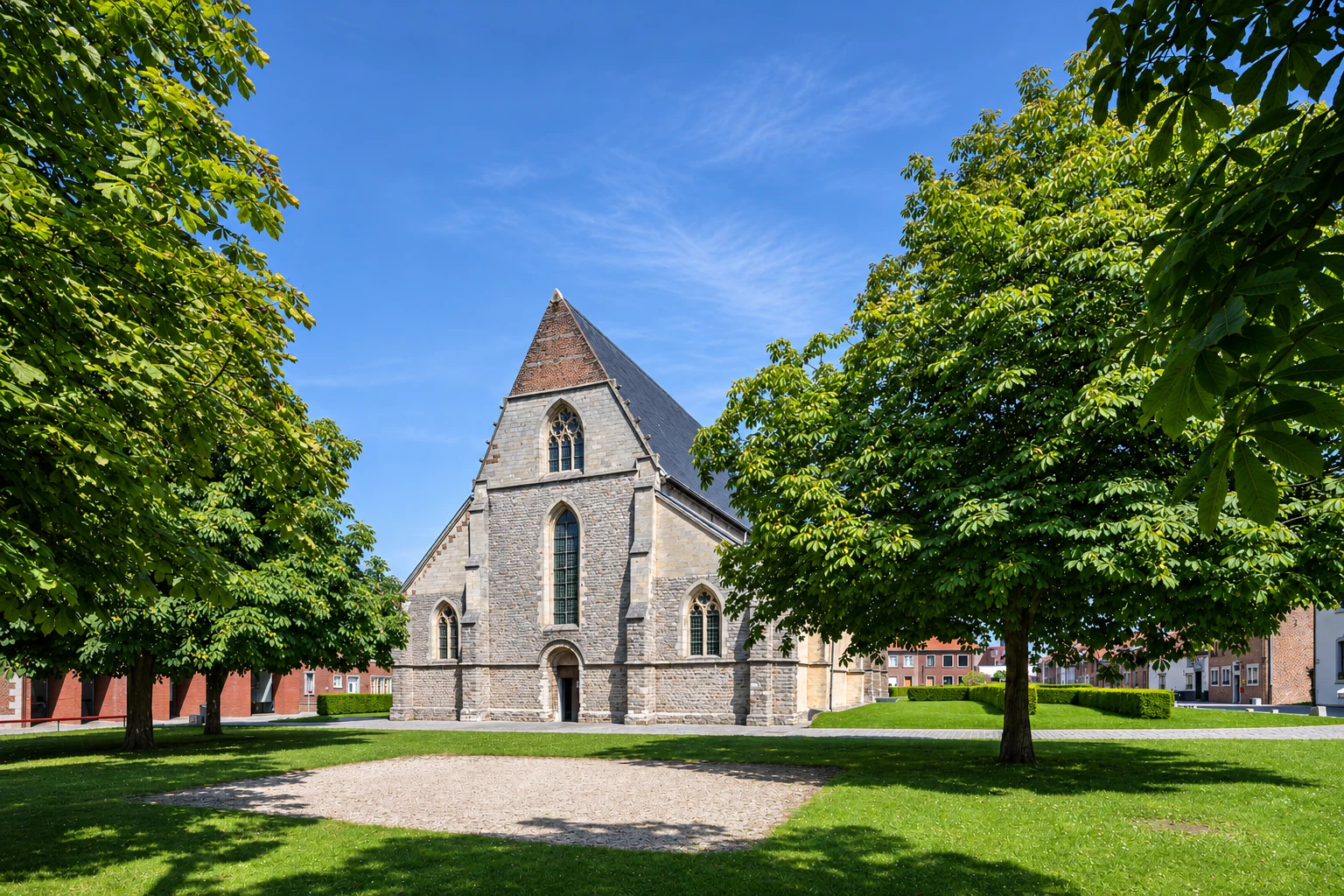
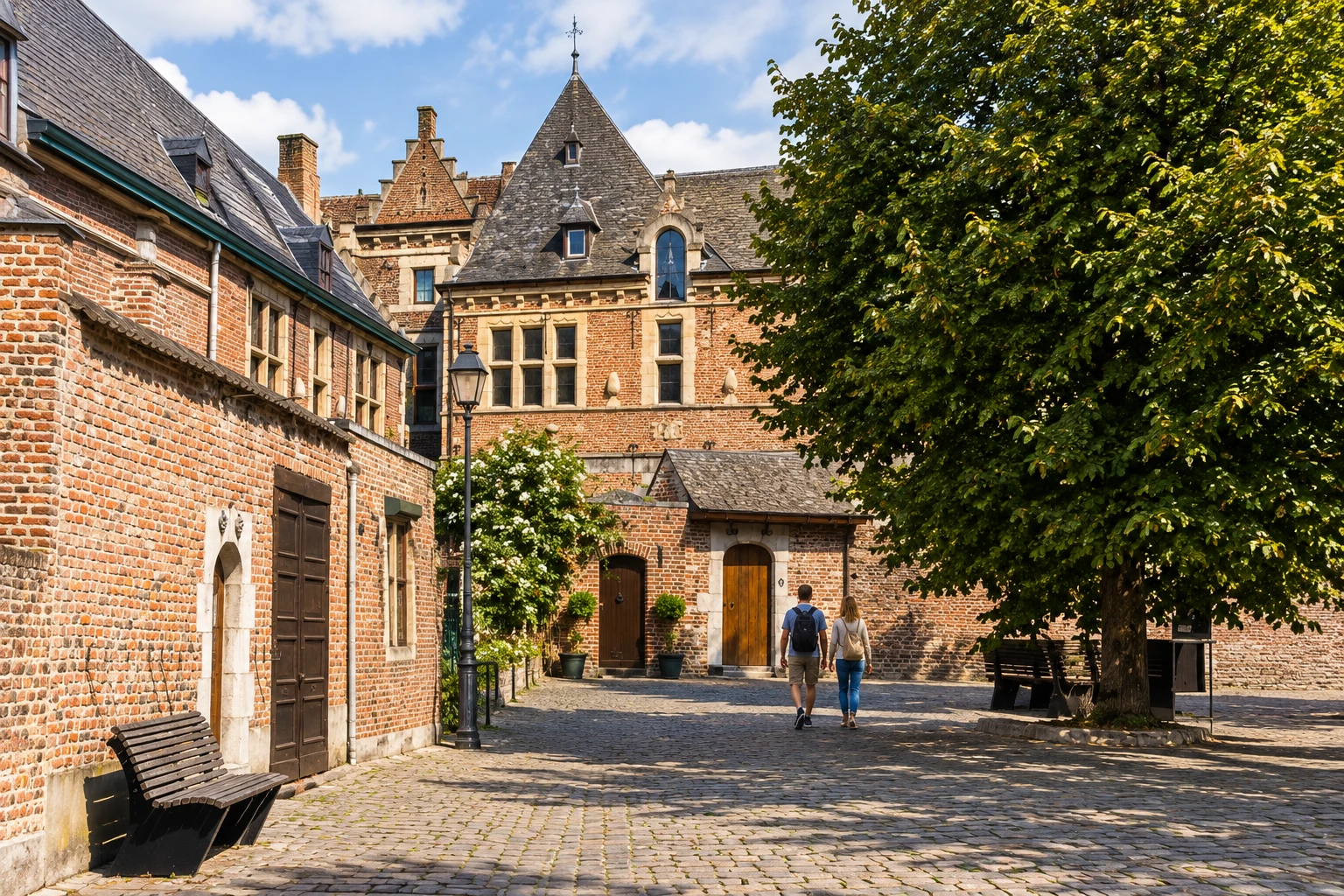
Sint-Truiden Beguinage · Sint-TruidenA group of houses and a church founded in the 13th century beside the Cicindria stream, with medieval mural paintings and a 17th-century organ.
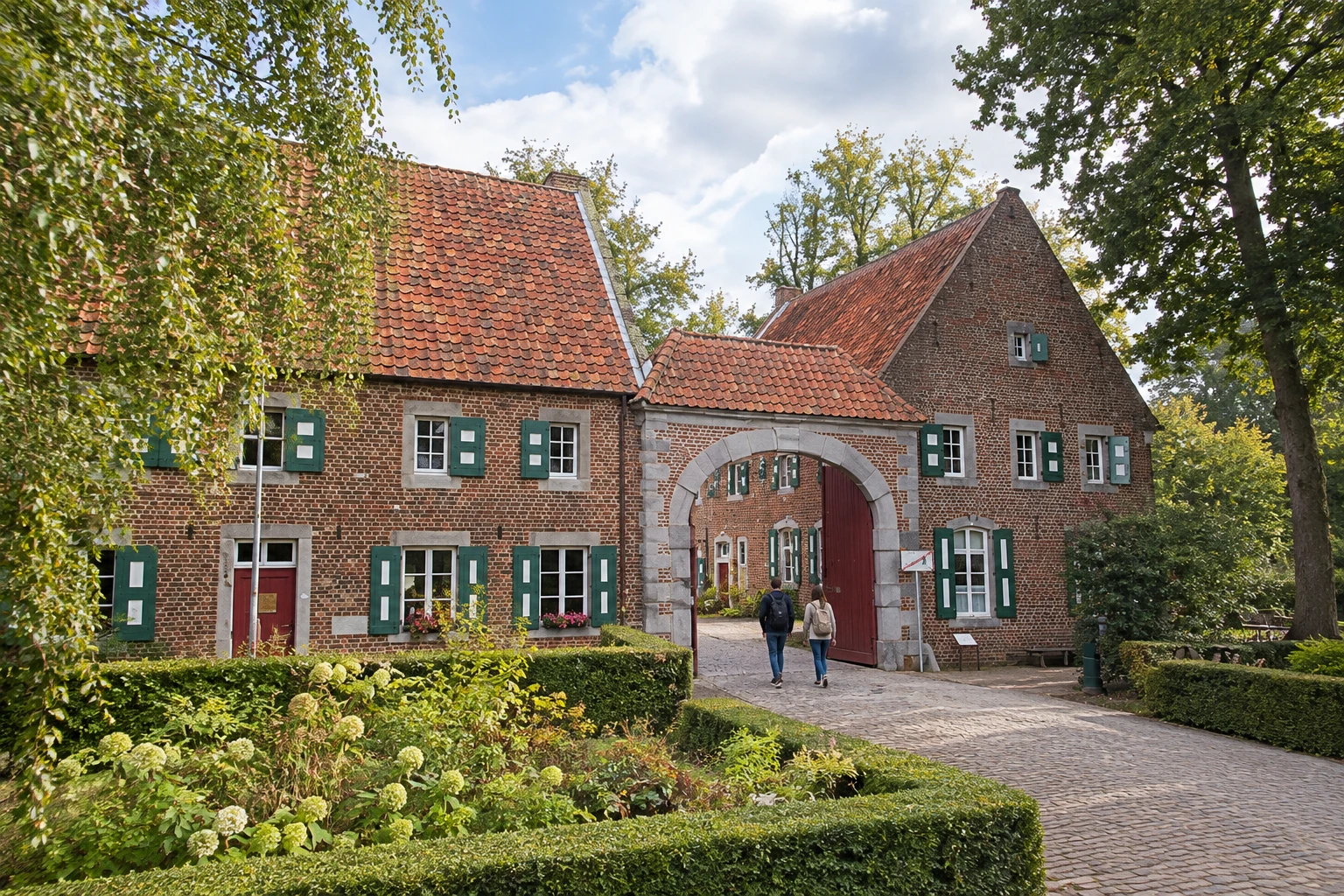
Bokrijk Open-Air Museum · GenkOpen‑air museum opened in 1958, with around 150 historic buildings from across Flanders, such as farms, windmills, workshops and churches, set in grounds with woods and an arbor...
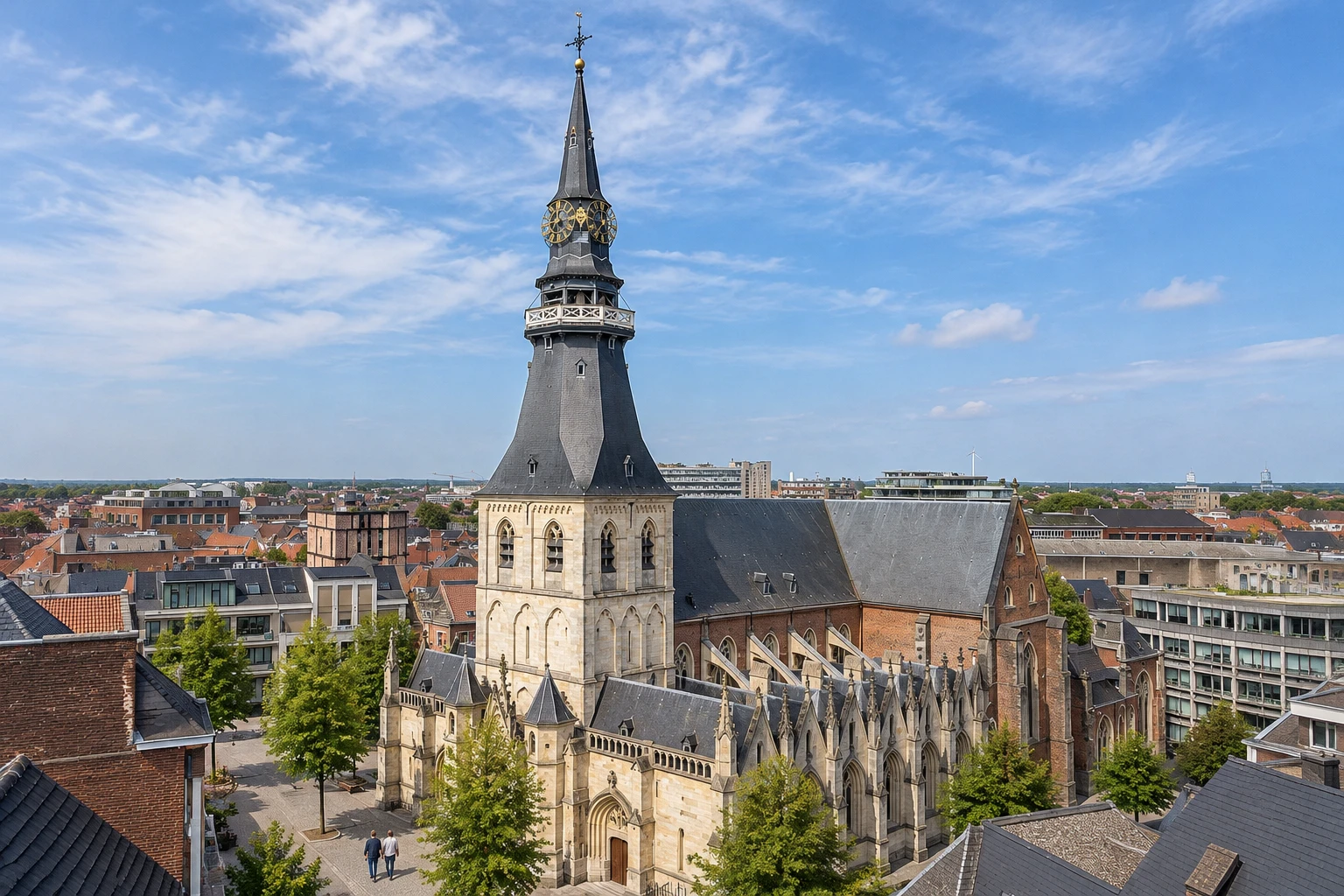
St. Quentin's Cathedral · HasseltIt has been Hasselt's cathedral since 1967, originating in an 8th-century temple, with a Romanesque and Gothic nave, an 18th-century tower and art brought from Herkenrode Abbey.
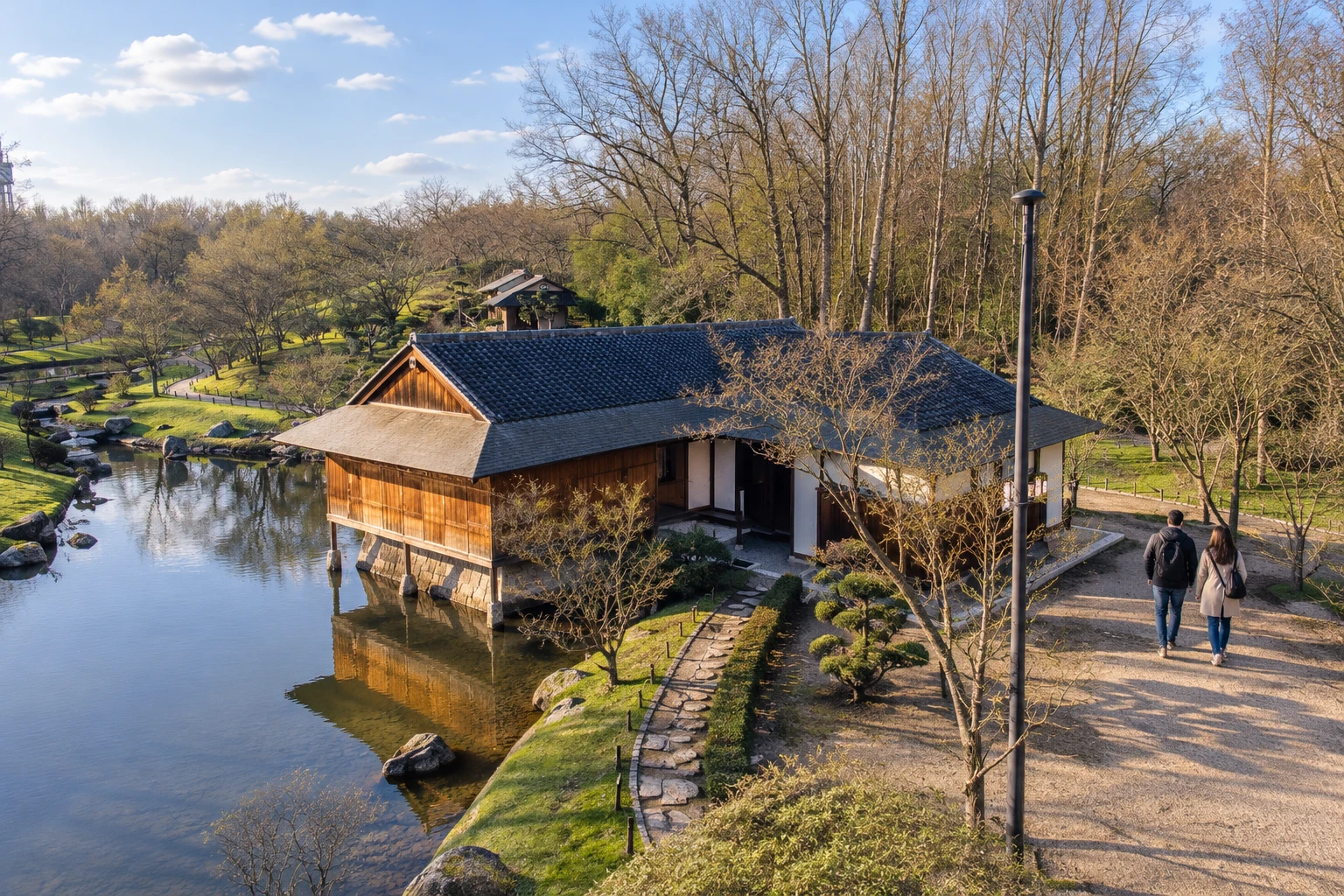
Japanese Garden of Hasselt · HasseltJapanese garden of 2.5 hectares, a gift from the twin city Itami, with a waterfall, carp pond, bridges, a tea house and about 250 cherry trees.
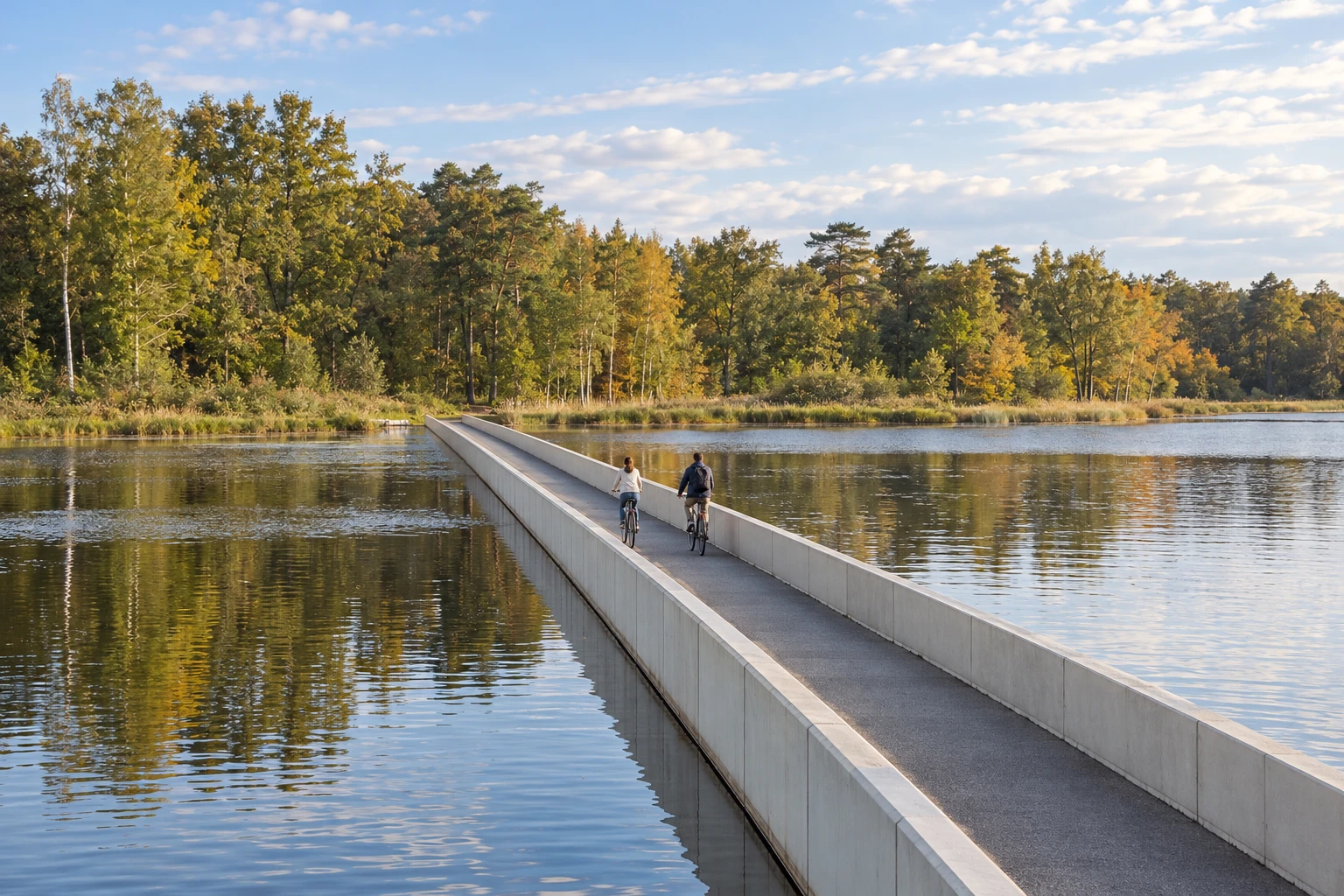
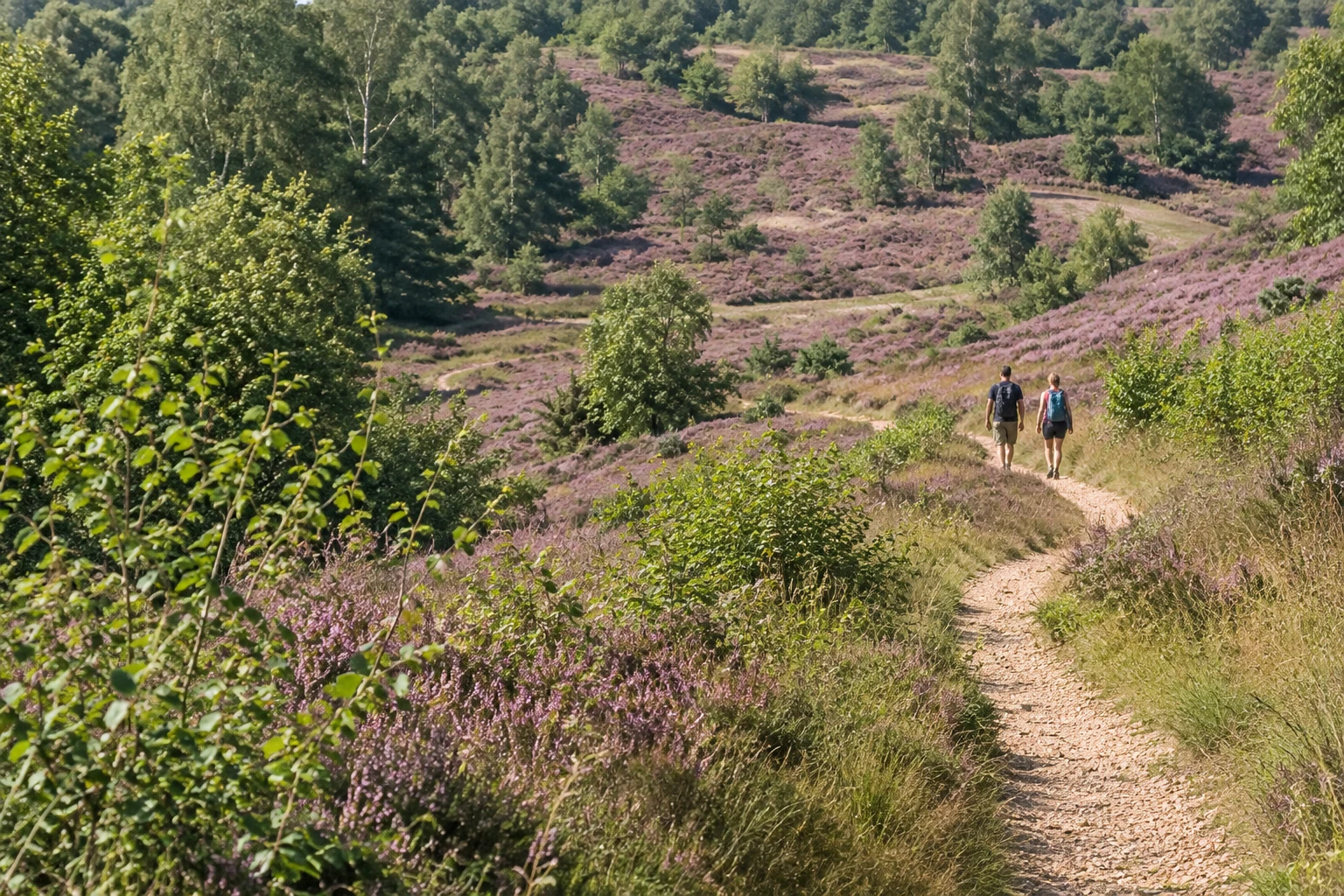
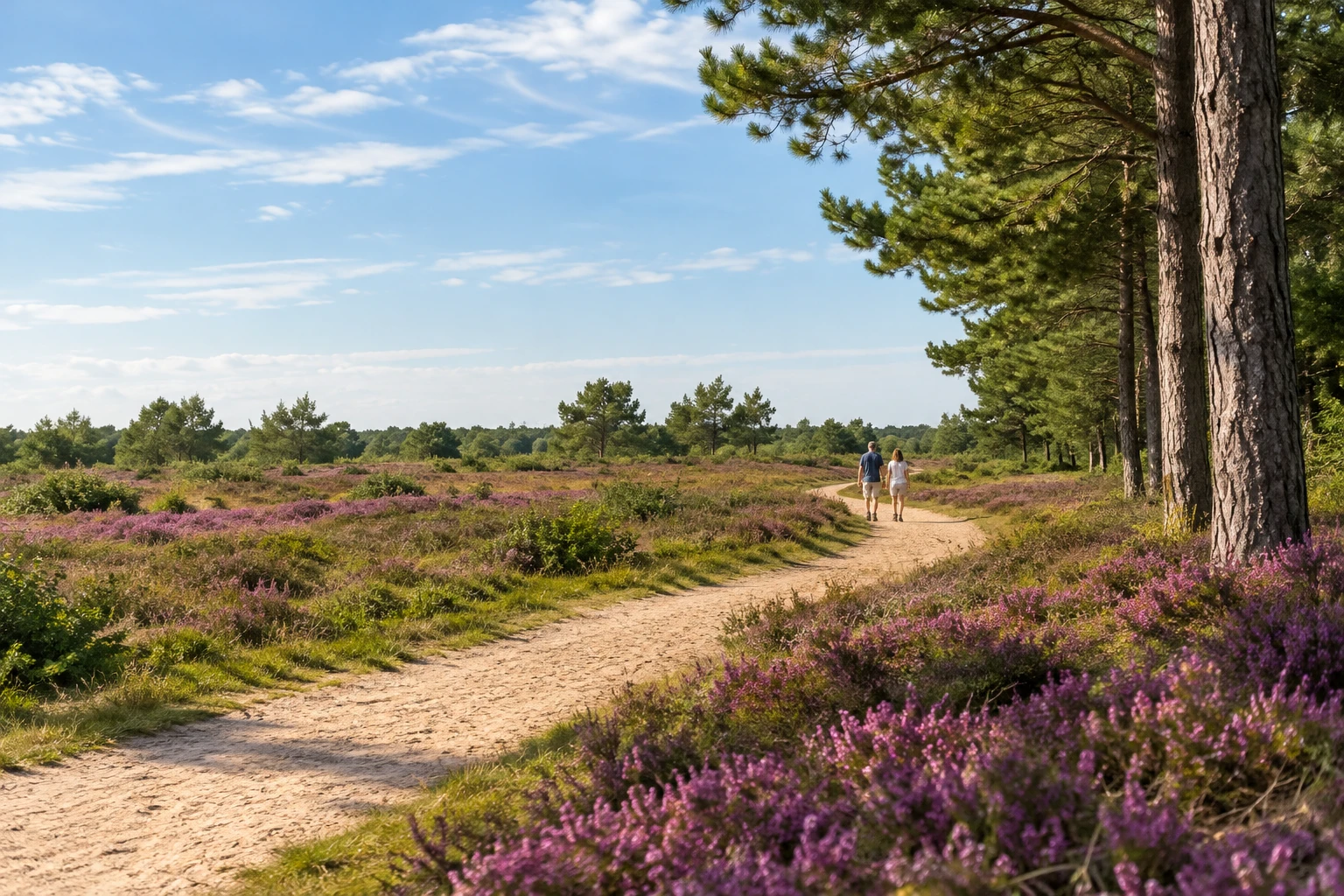
Hoge Kempen National Park · GenkThe first national park of Flandres, opened in 2006, with more than 12,000 hectares of pine woodlands and heaths.
The former Winterslag coal mine, closed in 1988, was transformed into a cultural centre with a cinema, an arts school, restaurants and the C-mine expeditie, which traverses the tunnels and ascends an extraction tower.
Archaeology museum named European Museum of the Year in 2011. It tells the region's history from the Neanderthals to the end of the Roman Empire, with Celtic gold, Roman glass and a bust of Julius Caesar.
Hasselt's central square, surrounded by cafés and restaurants, with the half-timbered house Het Sweert on one corner and the cathedral a few steps away.
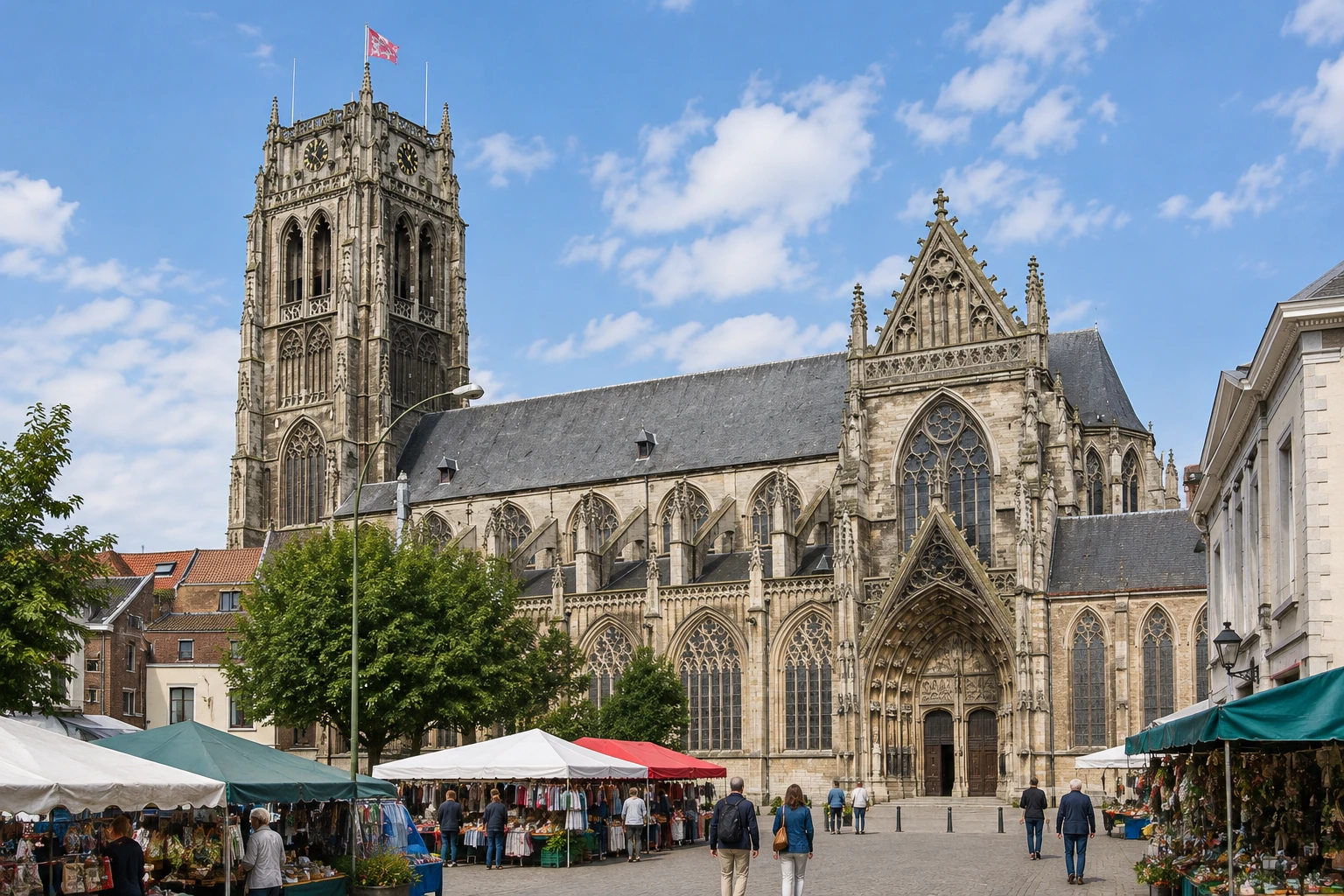
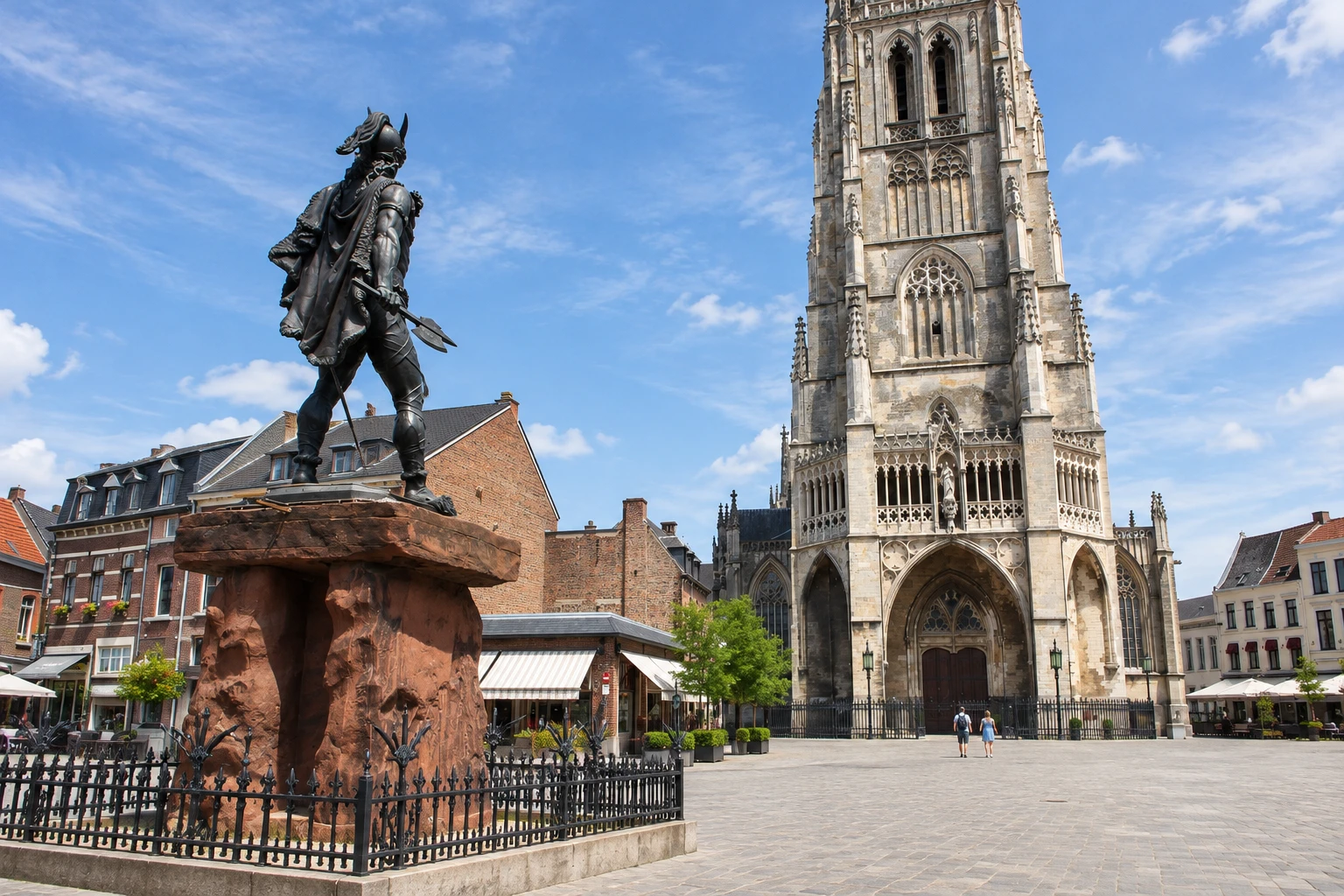
Gothic basilica with a 64-metre tower, built on top of Roman remains. The Teseum, next door, brings together the treasury, the Romanesque cloister, the tower and the underground archaeological site.
Open‑air museum opened in 1958, with around 150 historic buildings from across Flanders, such as farms, windmills, workshops and churches, set in grounds with woods and an arboretum.
It has been Hasselt's cathedral since 1967, originating in an 8th-century temple, with a Romanesque and Gothic nave, an 18th-century tower and art brought from Herkenrode Abbey.
The first national park of Flandres, opened in 2006, with more than 12,000 hectares of pine woodlands and heaths. In Genk, the entrances are Kattevennen and Thor Park.
Beguinage founded in the 13th century on the banks of the Jeker, a UNESCO World Heritage site, with streets of old houses, the church of Santa Catarina and the medieval Moerenpoort gate alongside.
One of the largest heaths in Flandres, within the Nationaal Park Hoge Kempen, with trails across an old sand mine and a viewpoint at 104 metres, the park's highest natural point.
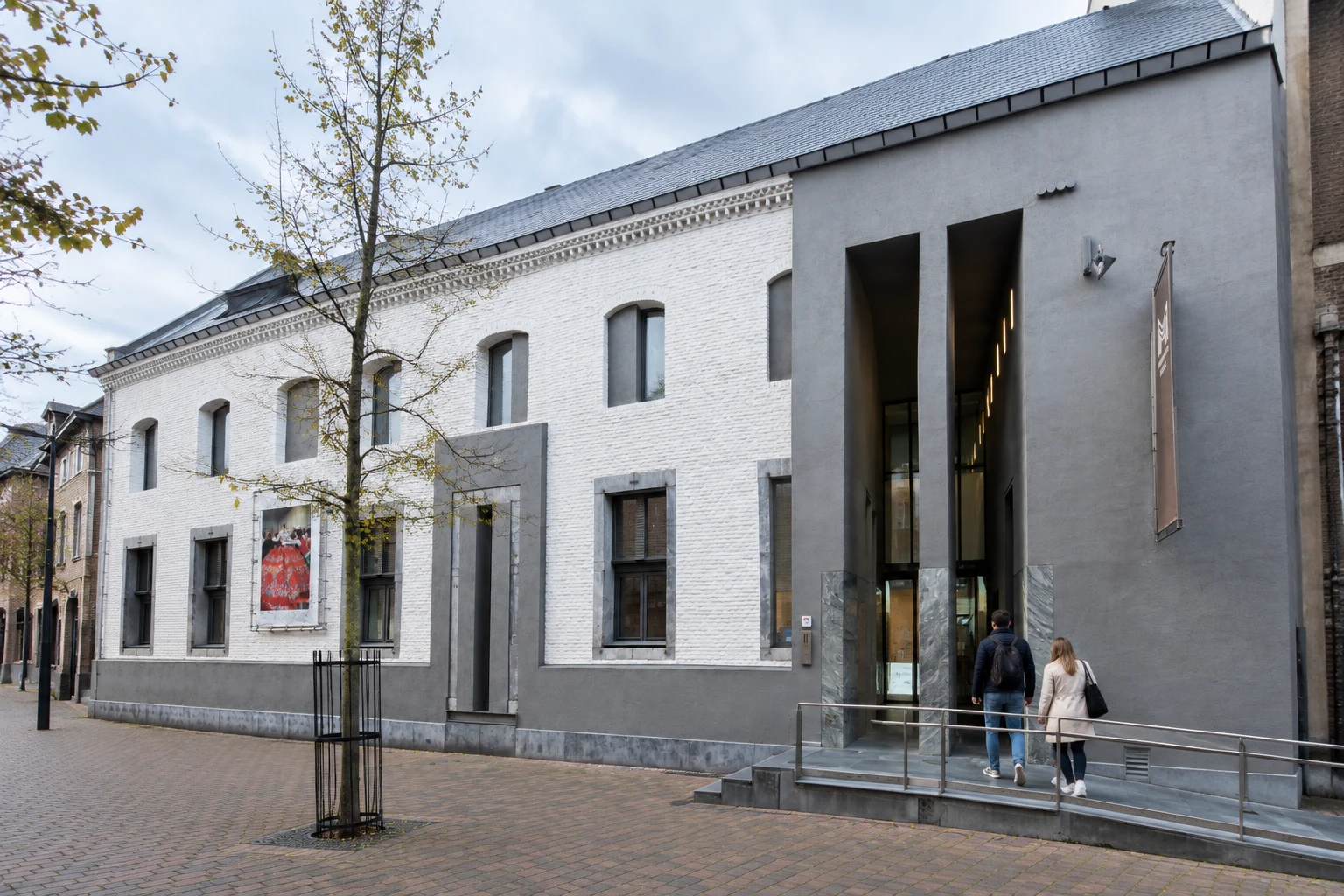
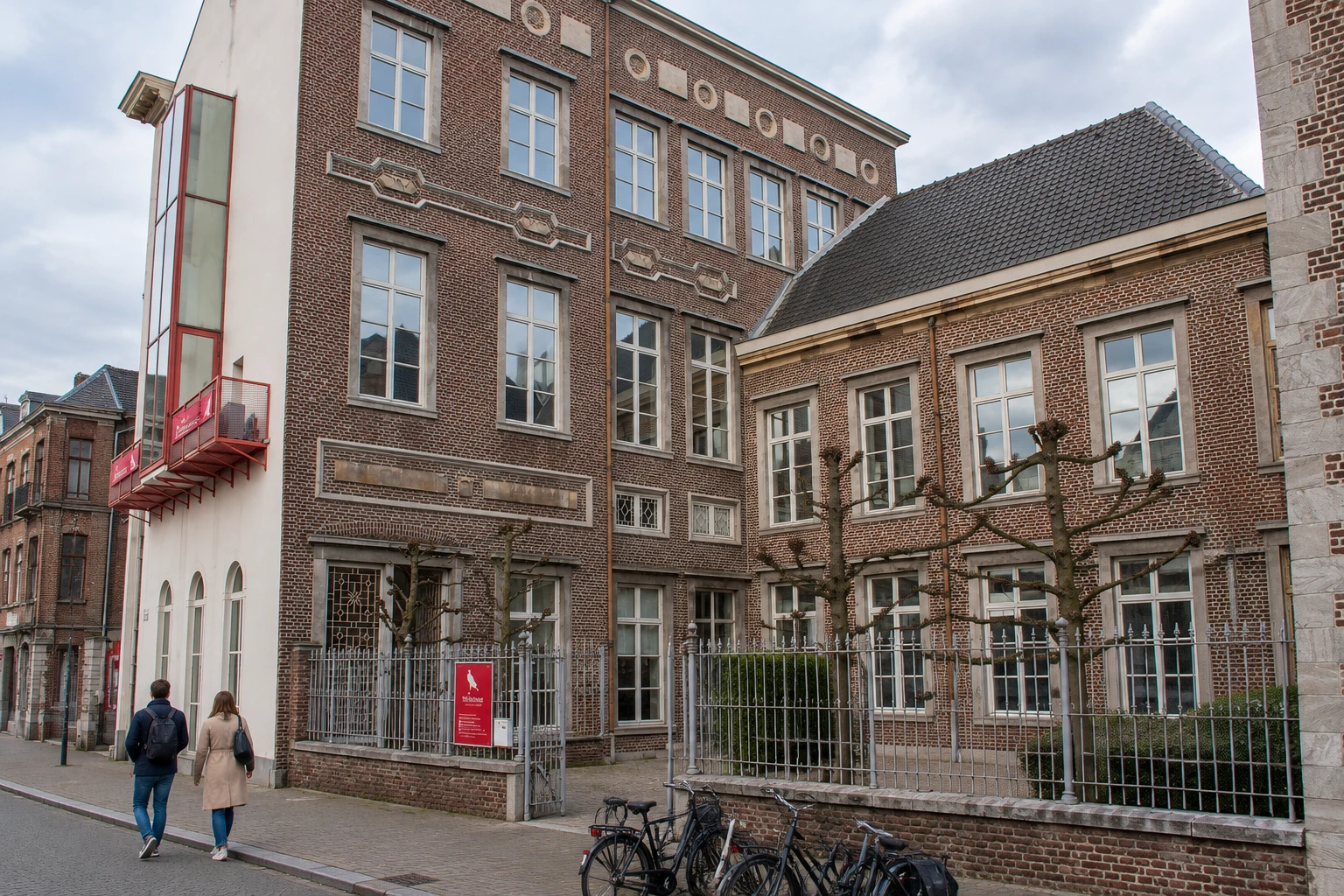
Fashion museum housed in a 17th-century building on Gasthuisstraat, with no permanent collection: it stages two major exhibitions a year about clothing, style and design.
The bronze statue of the Eburones' leader who confronted Julius Caesar, standing in the centre of Tongeren’s Grote Markt since 1866. On Sundays the nearby streets are often taken over by the antiques market.
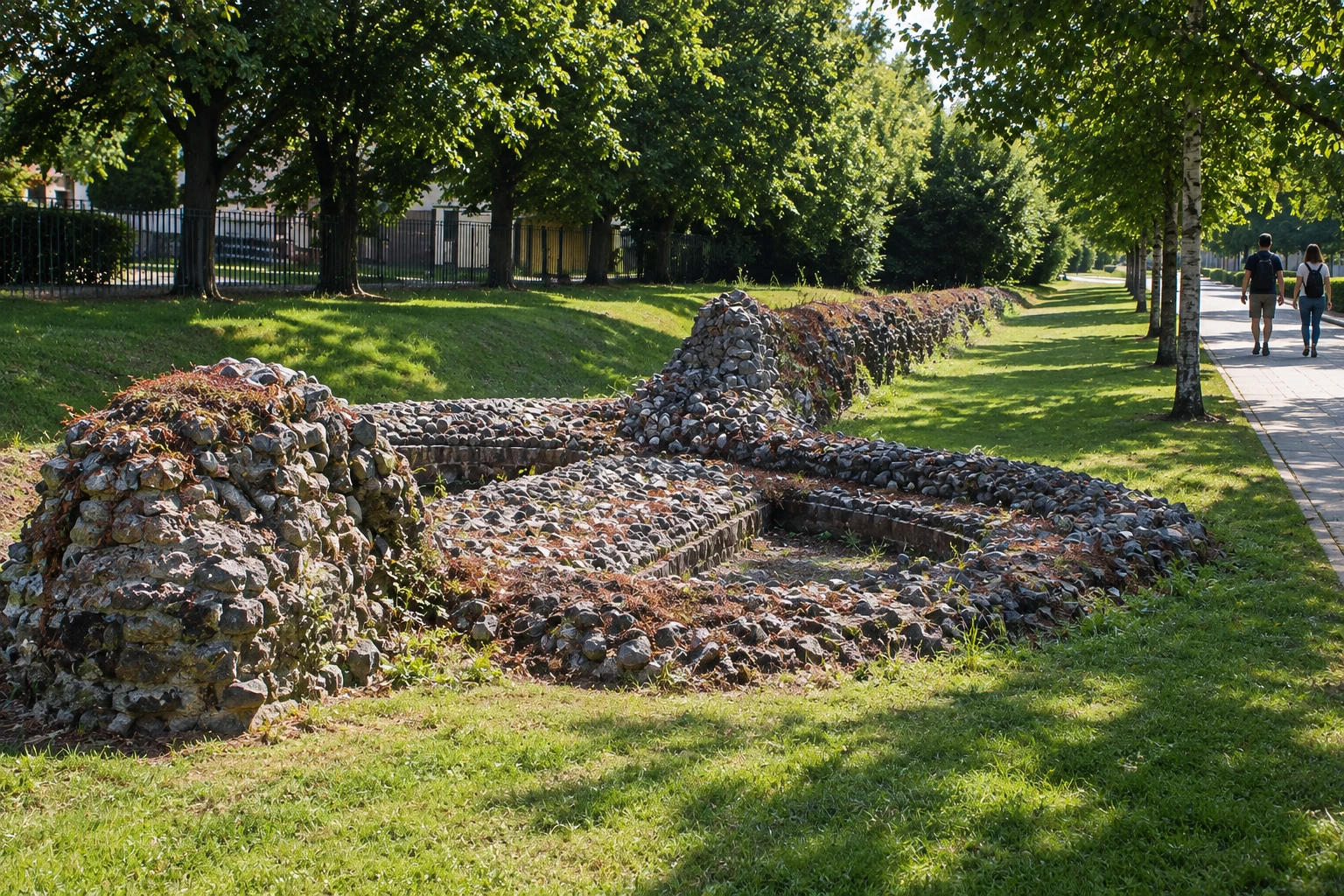
Sections of the 2nd-century Roman wall, the oldest Roman fortification in Belgium, with about 2 km preserved and towers along avenues west of the centre.
The museum of Hasselt's history, housed in two manor houses from the 17th and 19th centuries, featuring the oldest known monstrance in the world and items from the abbey of Herkenrode.
How many days should you set aside to see Hasselt and Tongeren?
The guide's itineraries cover 3, 5 and 7 days: Hasselt and Tongeren in 3 days; in 5 days, towns, mines and museums; Complete Limburg in 7 days.
What to do Hasselt and Tongeren in one day?
Arrival and Hasselt center. Arrival via Brussels Airport (BRU) and SNCB/NMBS train to Hasselt, in about 1 hour to 1 hour 30 minutes. In the afternoon, with no rush after the flight, do the Historic Center of Hasselt walk: Grote Markt, Sint-Quintinuskathedraal and Begijnhof. Finish at the Nationaal Jenevermuseum, if there is time, or at a café on the Grote Markt.
When is the best time to go to Hasselt and Tongeren?
It generally rains less in April. The rainiest months are usually August and December. The guide covers each month, with the weather and what changes on the tours.


 Brazil
 Antarctica
 Argentina
 Bolivia
 Chile
 Colombia
 Ecuador
 Falkland Islands (Malvinas)
 French Guiana
 Guyana
 Paraguay
 Peru
 Suriname
 Uruguay
 Venezuela
 Austria
 Croatia
 Denmark
 Finland
 France
 Germany
 Greece
 Hungary
 Iceland
 Ireland
 Italy
 Luxembourg
 Norway
 Poland
 Portugal
 Slovakia
 Slovenia
 Spain
 Sweden
 Switzerland
 the Czech Republic
 the Netherlands
 the United Kingdom
 Turkey
 Bermuda
 Canada
 Greenland
 Mexico
 Saint Pierre and Miquelon
 the United States
 the Dominican Republic
 Japan
 Egypt
 South Africa
 Australia
 Fiji
 New Zealand
 Papua New Guinea