Boom · Antwerp · Park
De Schorre
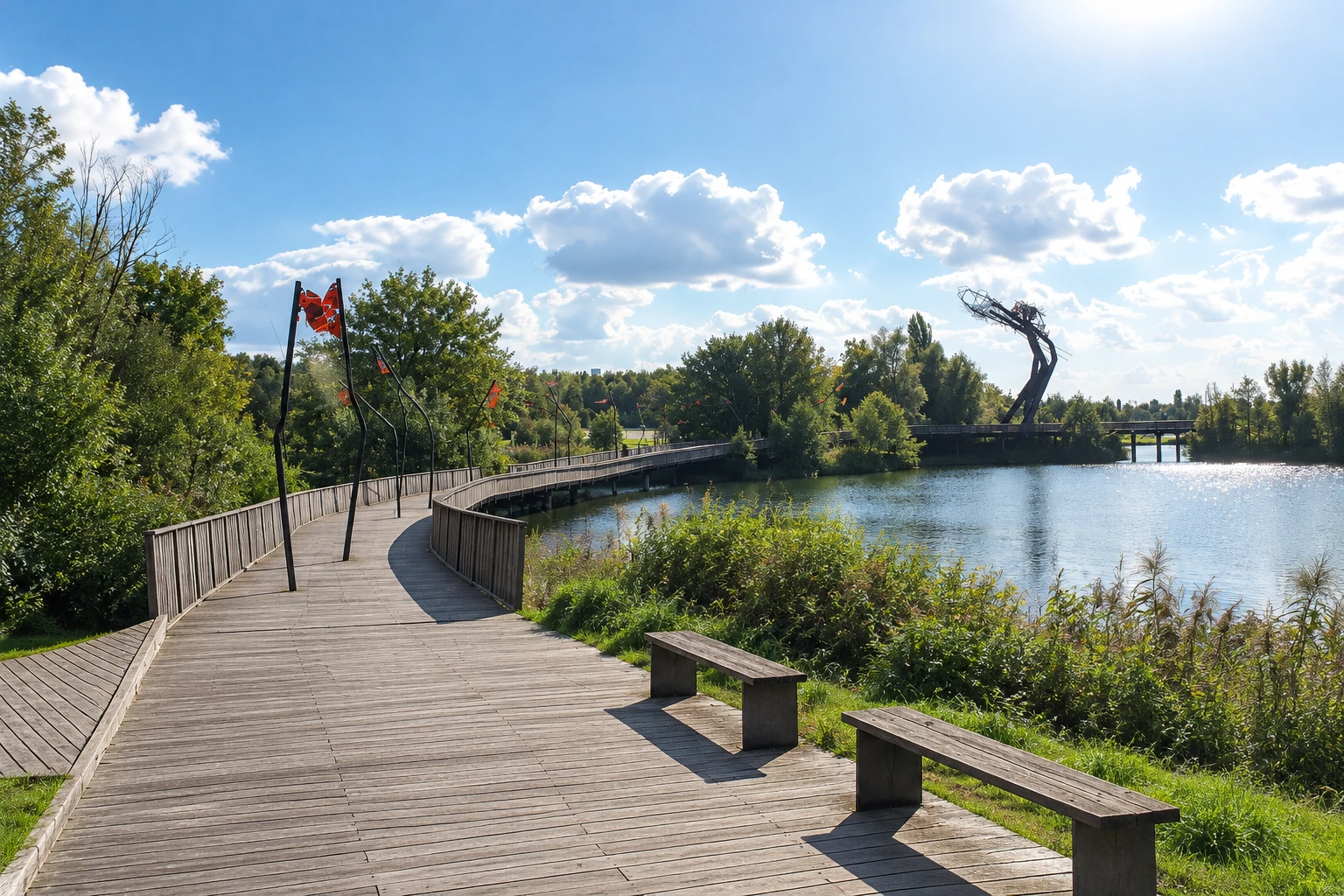
A provincial recreational domain of about 75 hectares in Boom, created in former clay pits, with lakes, woodlands, trails and permanent sculptures. It is the site where Tomorrowland takes place.

 Search
 Brazil
 Antarctica
 Argentina
 Bolivia
 Chile
 Colombia
 Ecuador
 Falkland Islands (Malvinas)
 French Guiana
 Guyana
 Paraguay
 Peru
 Suriname
 Uruguay
 Venezuela
 Albania
 AustriaBelgium
 Croatia
 Denmark
 Finland
 France
 Germany
 Greece
 Hungary
 Iceland
 Ireland
 Italy
 Luxembourg
 Norway
 Poland
 Portugal
 Slovakia
 Slovenia
 Spain
 Sweden
 Switzerland
 the Czech Republic
 the Netherlands
 the United Kingdom
 Turkey
 Bermuda
 Canada
 Greenland
 Mexico
 Saint Pierre and Miquelon
 the United States
 the Dominican Republic
 JapanTurkey
 Egypt
 South Africa
 Australia
 Fiji
 New Zealand
 Papua New Guinea
Antwerp
32 places to visit and 20 tours, chosen by the Cidade Turismo guide.
Updated
Illustrative images. The pictures in this guide are illustrations based on the real place, not photographs, and may differ from it.
To start
One by one
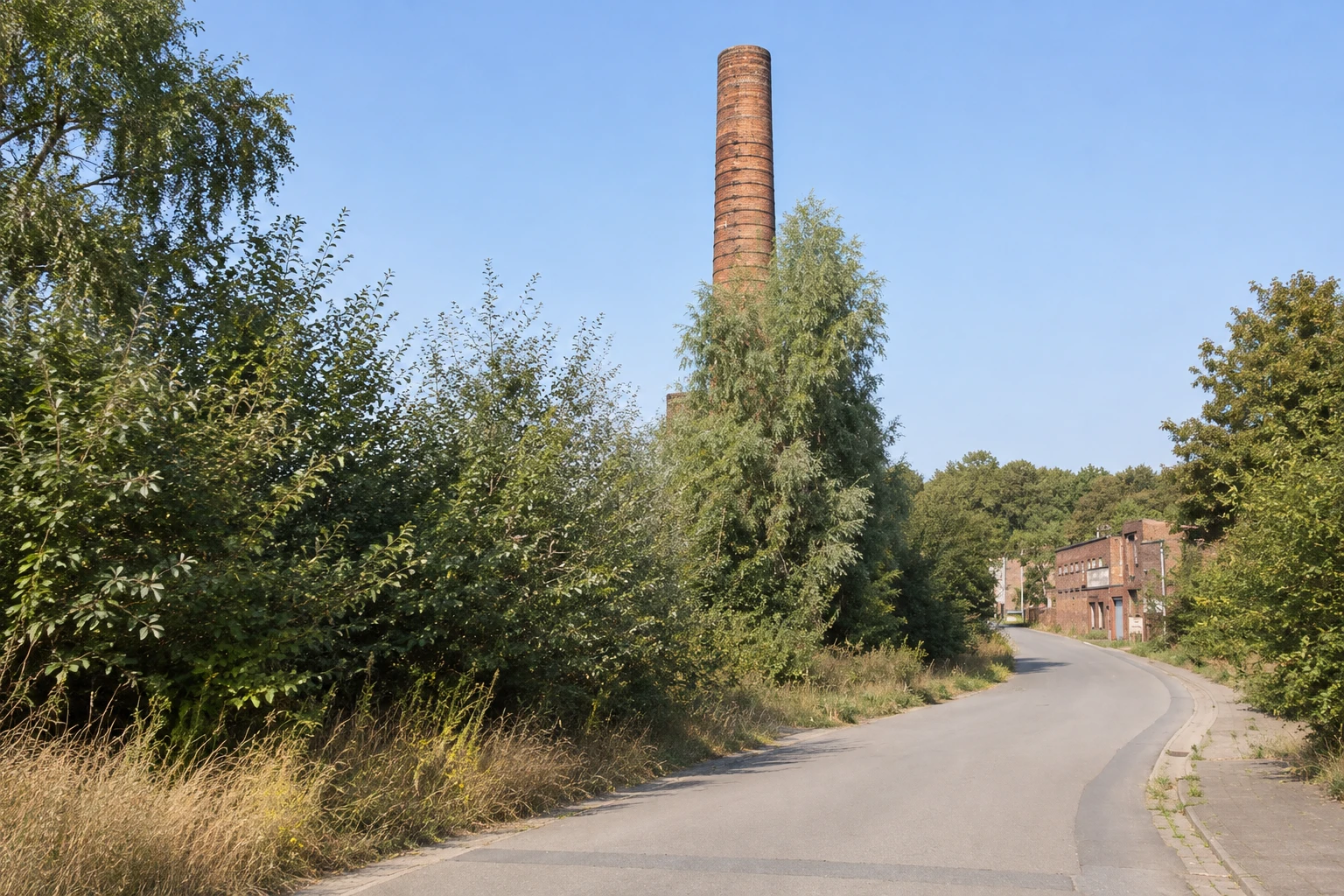
A provincial recreational domain of about 75 hectares in Boom, created in former clay pits, with lakes, woodlands, trails and permanent sculptures. It is the site where Tomorrowland takes place.
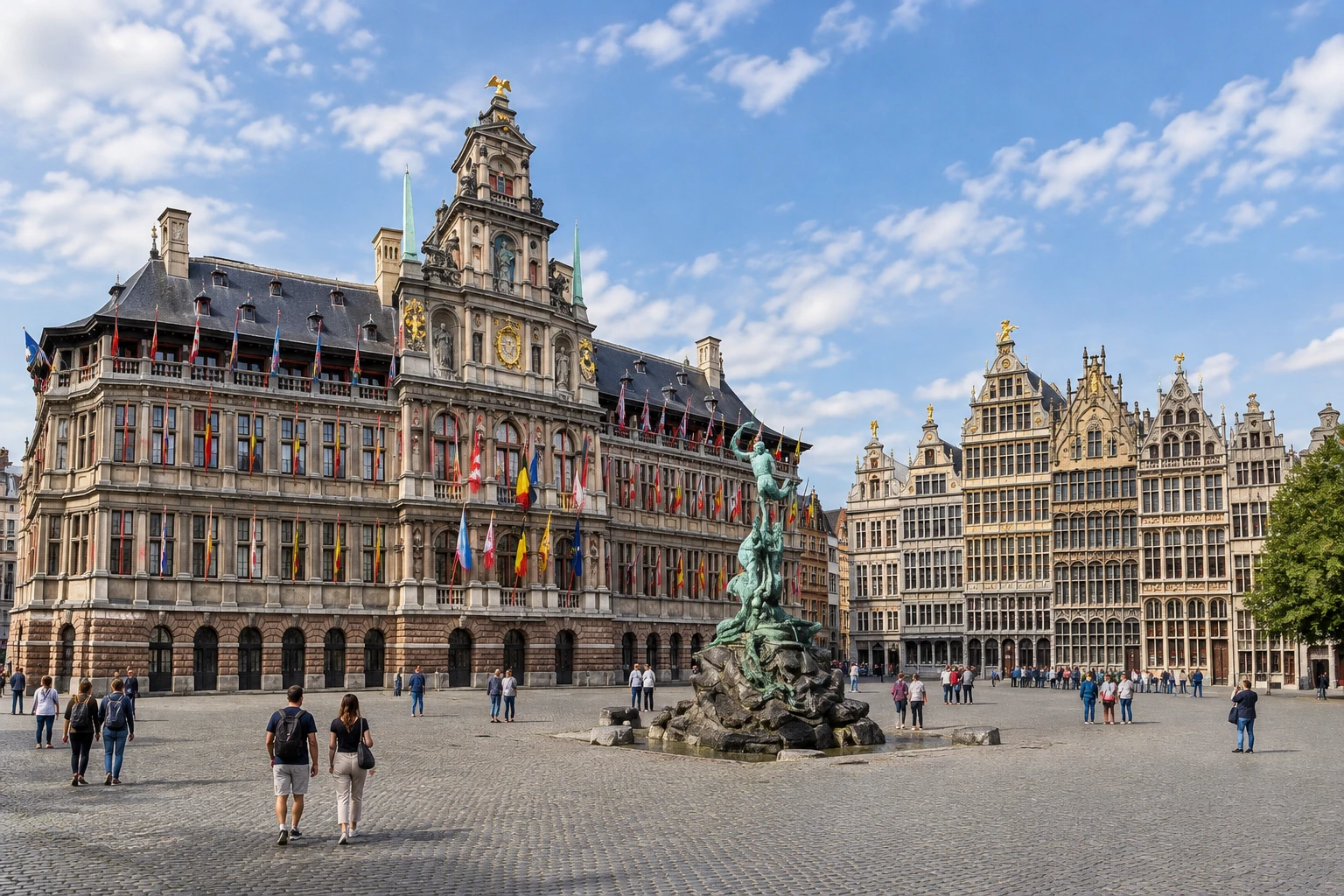
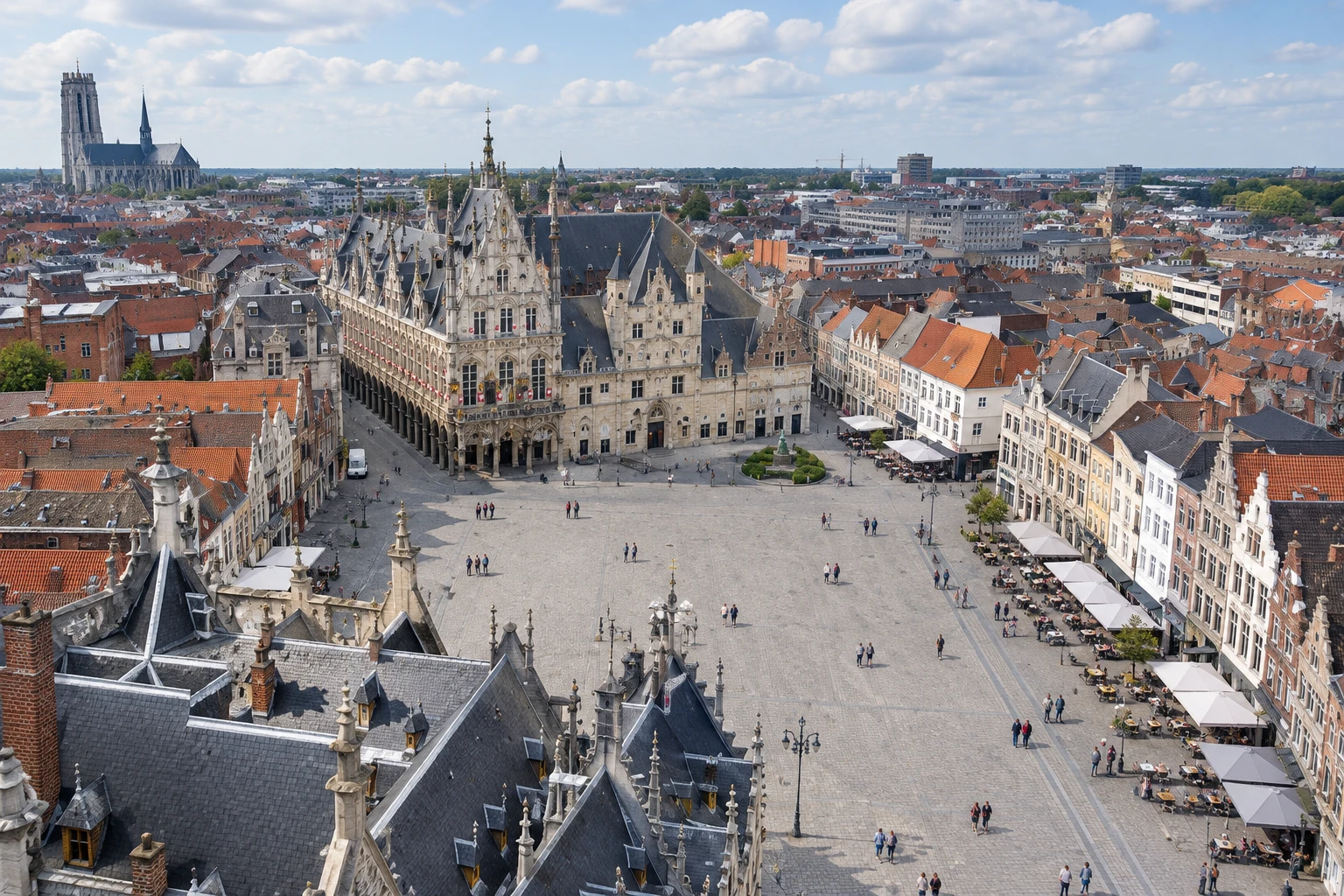
The central square of Mechelen, between the cathedral and the Stadhuis, a ensemble that combines an unfinished belfry, a 14th-century cloth market and a neo‑Gothic hall.
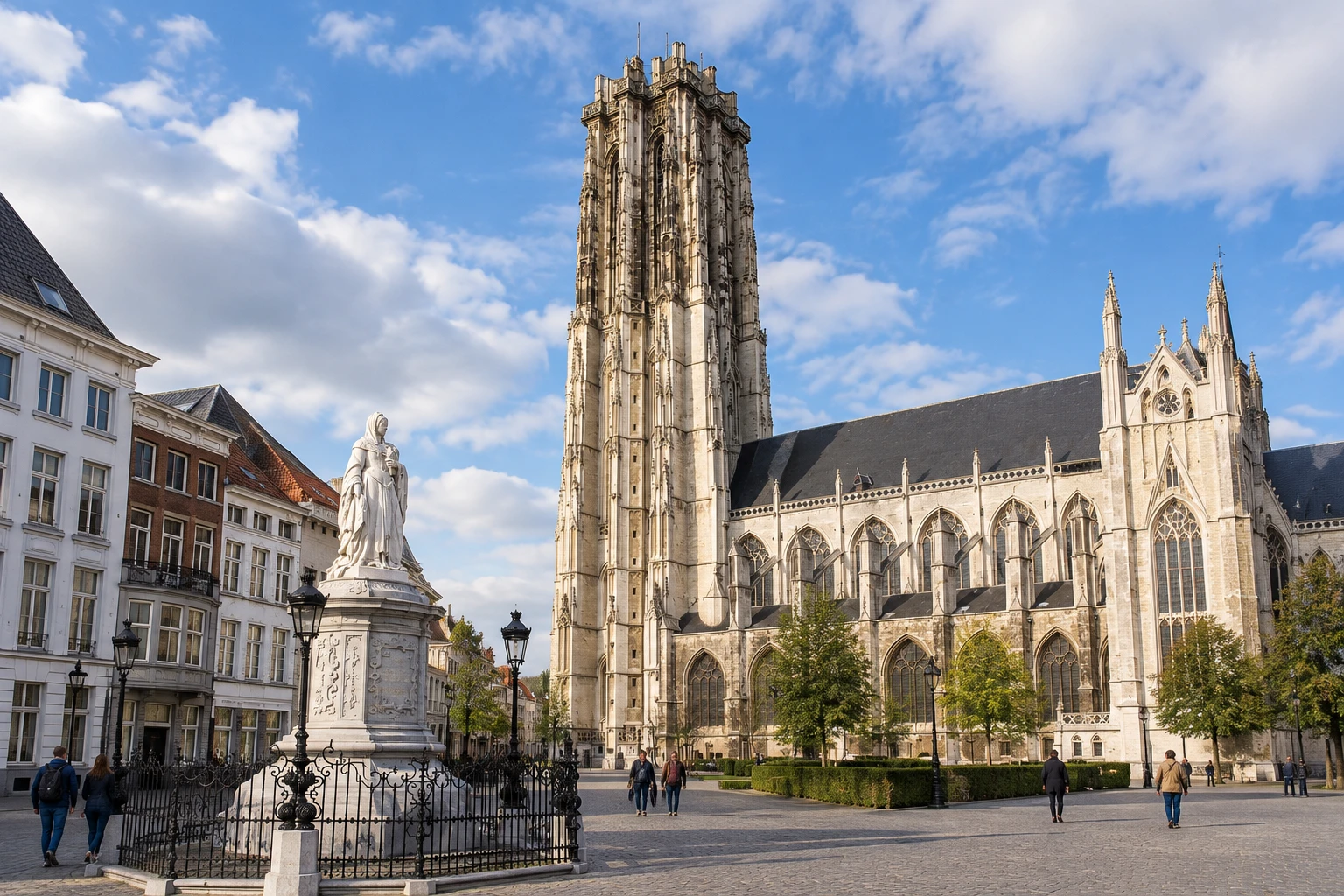
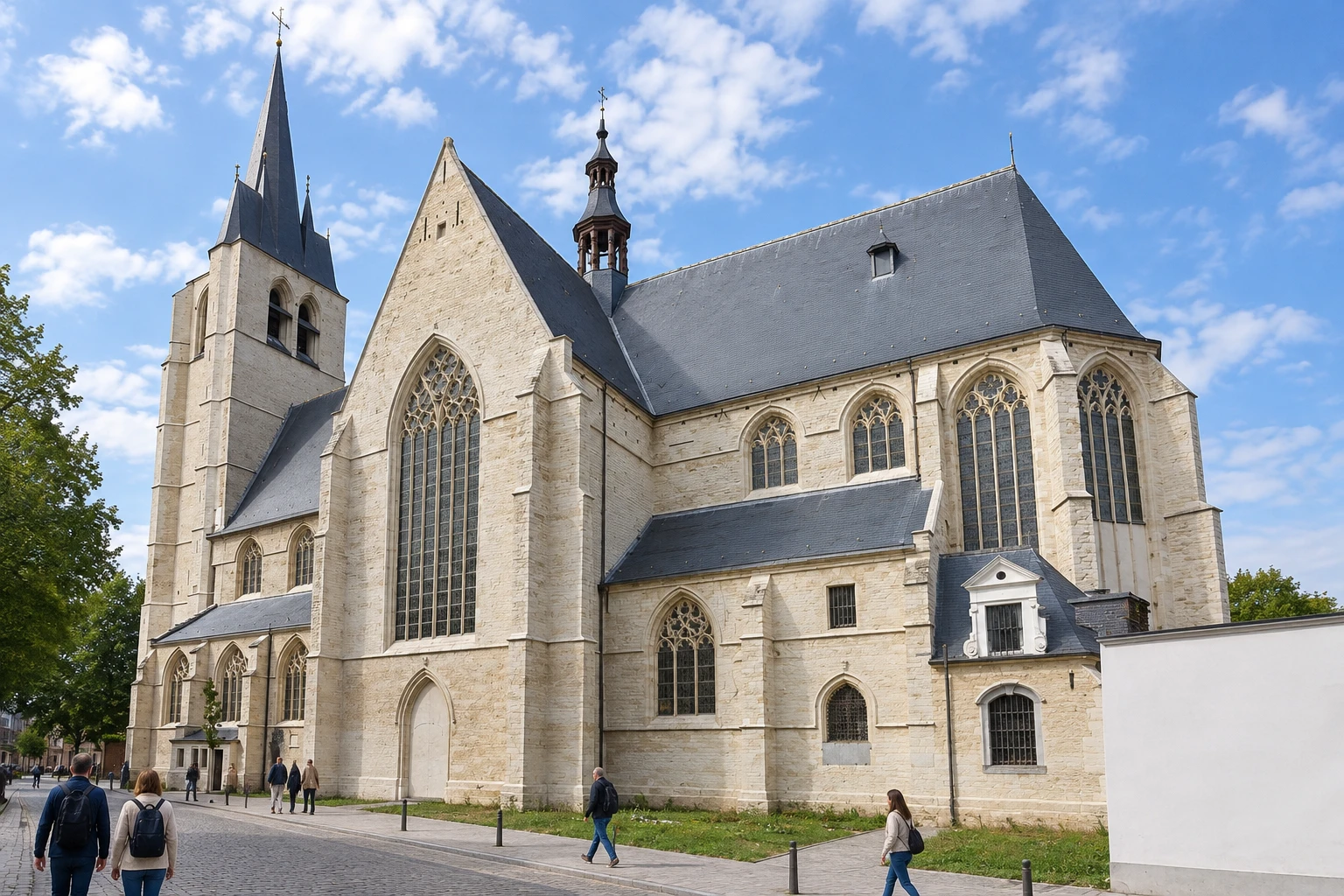
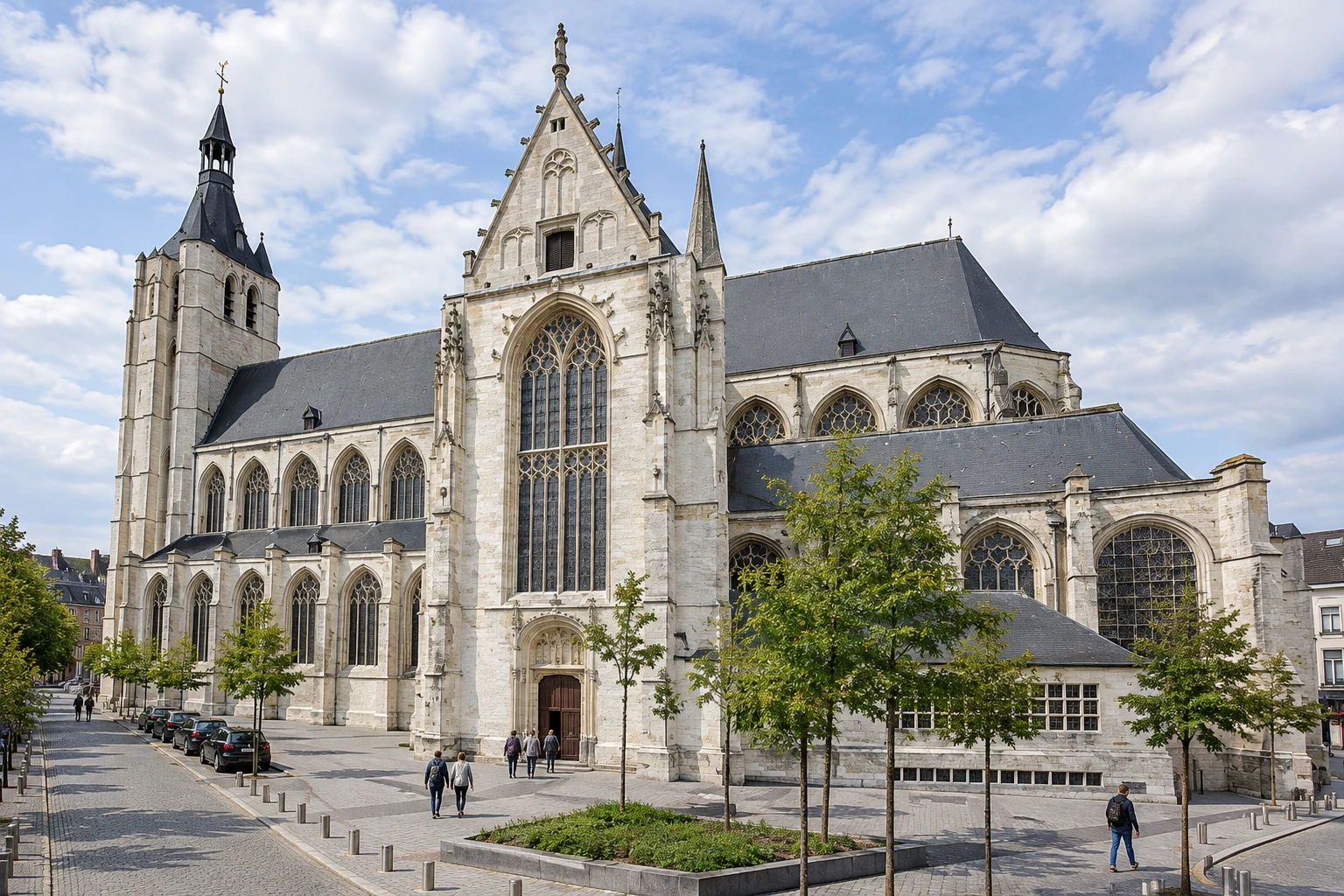
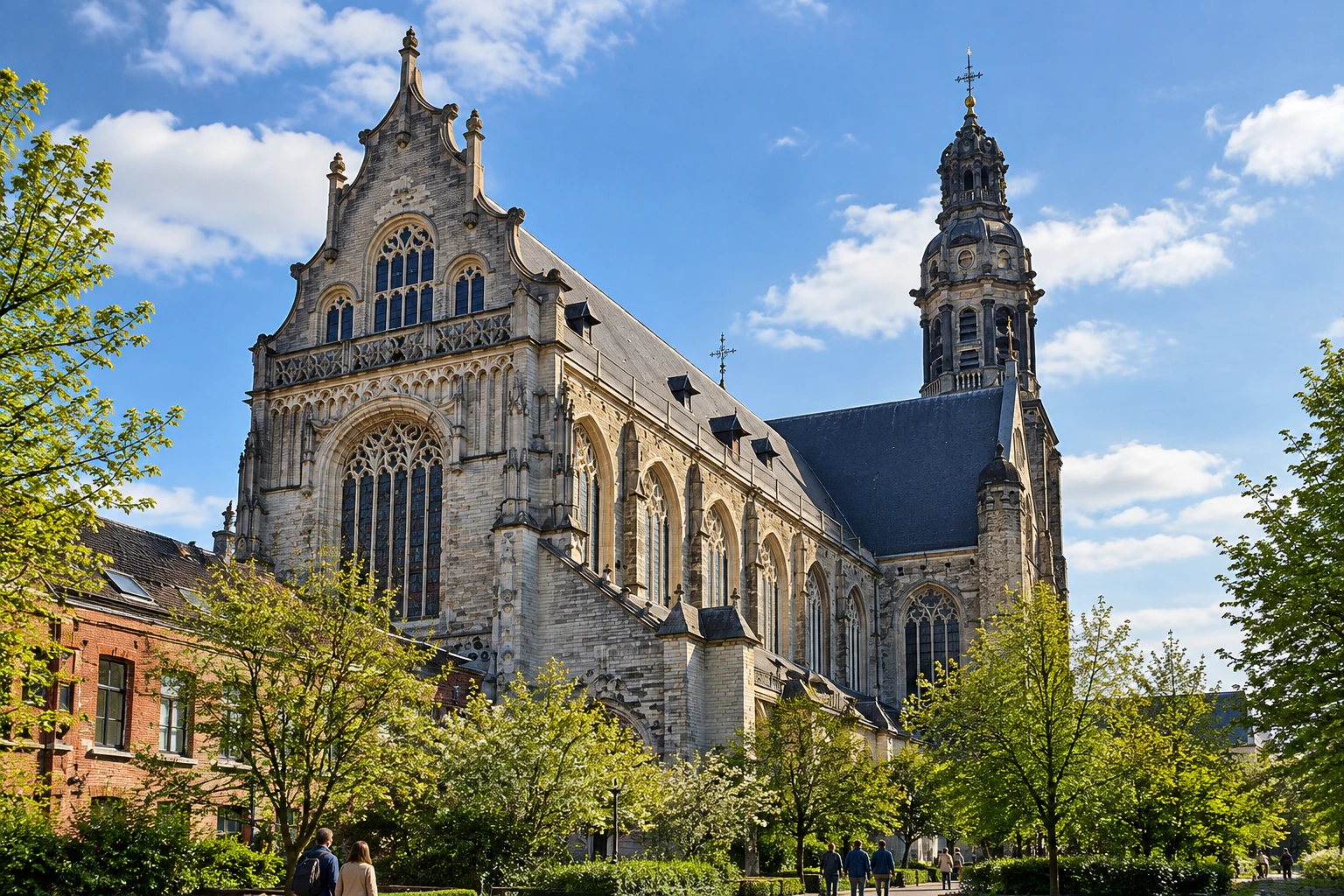
Gothic cathedral with a 97-metre tower, a UNESCO World Heritage site. A staircase of 538 steps leads to the Skywalk, a viewpoint over Mechelen and the Flemish plain.
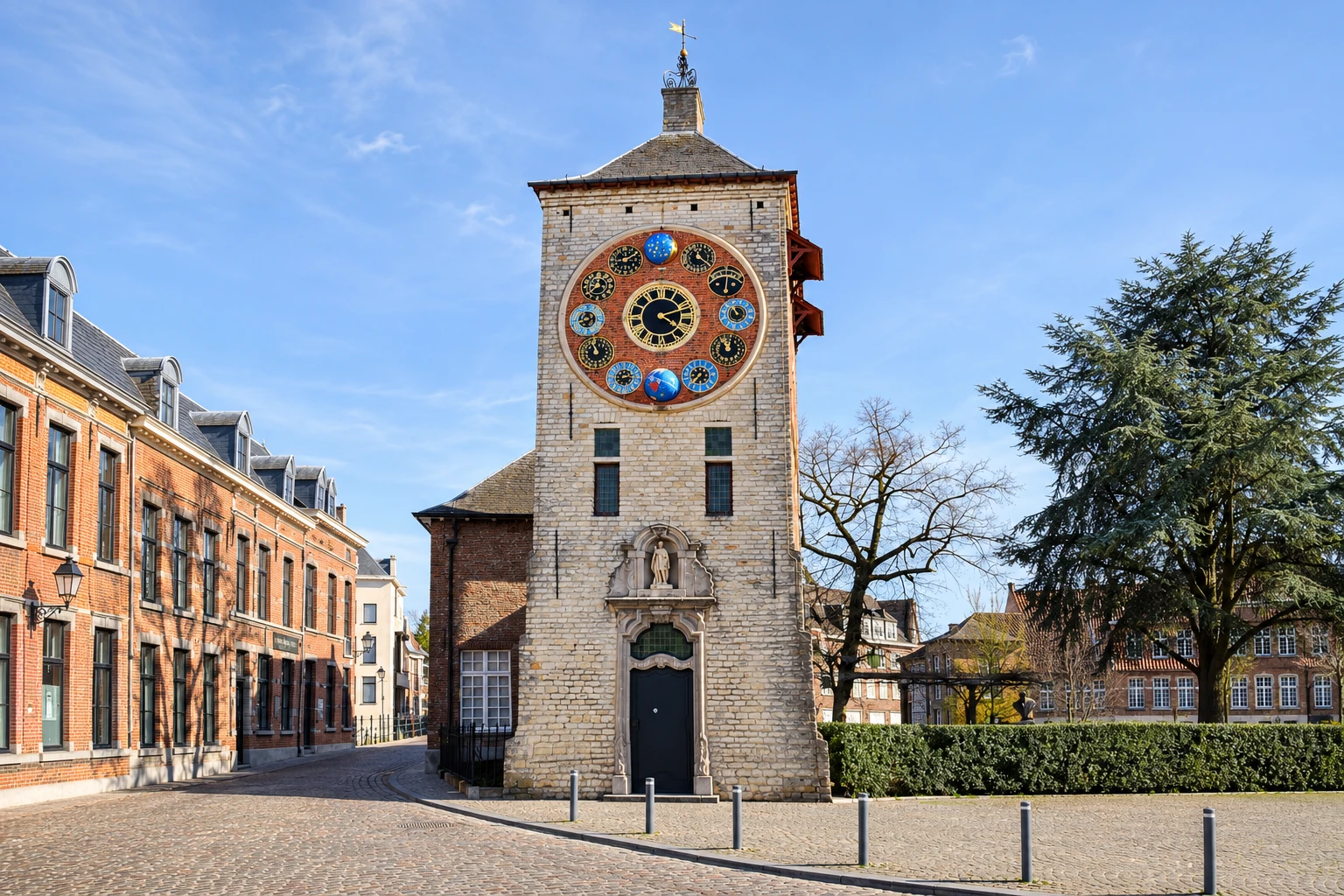
A historic tower on Zimmerplein featuring the dials of the Jubilee Clock, with a museum devoted to the clocks of Louis Zimmer.
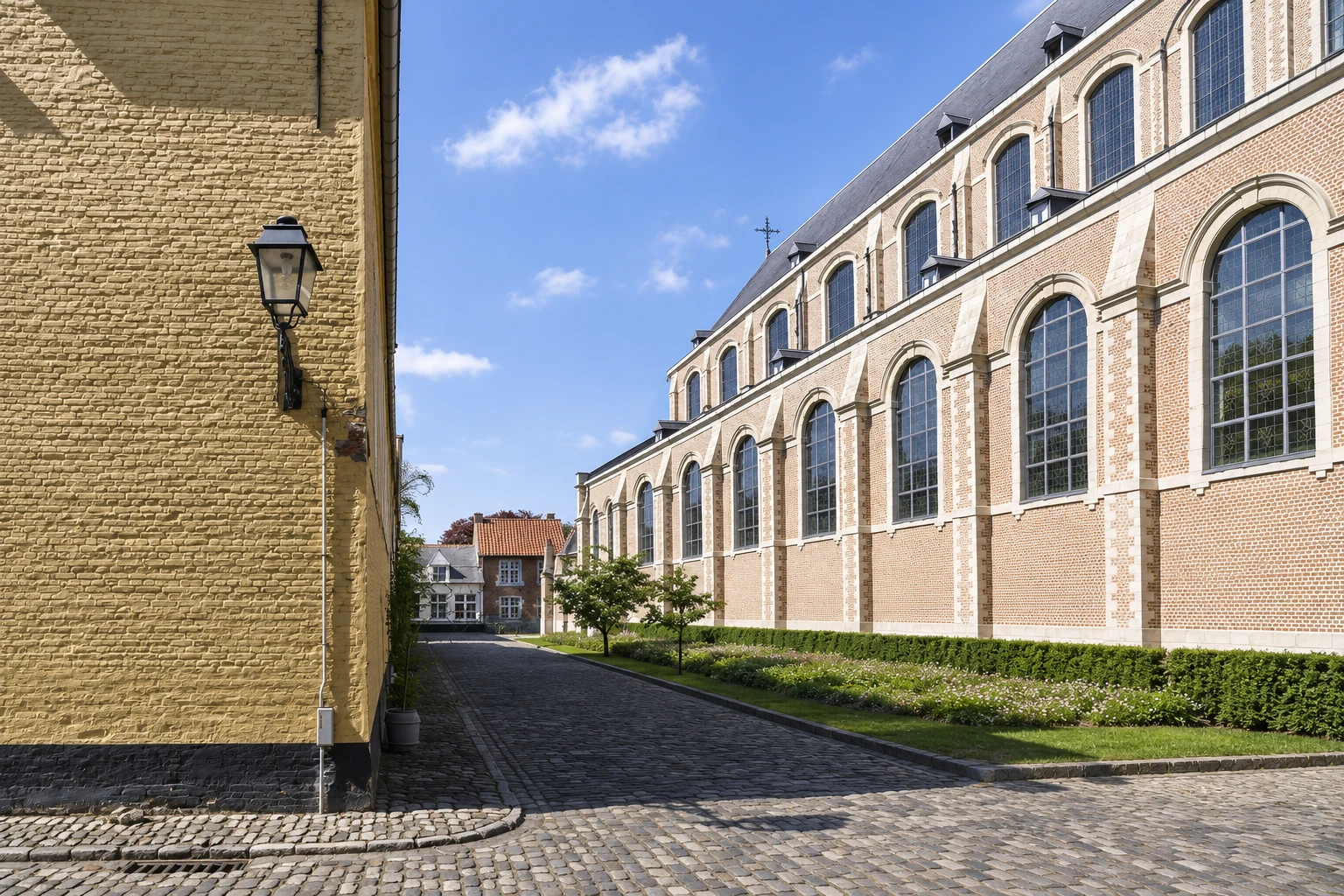
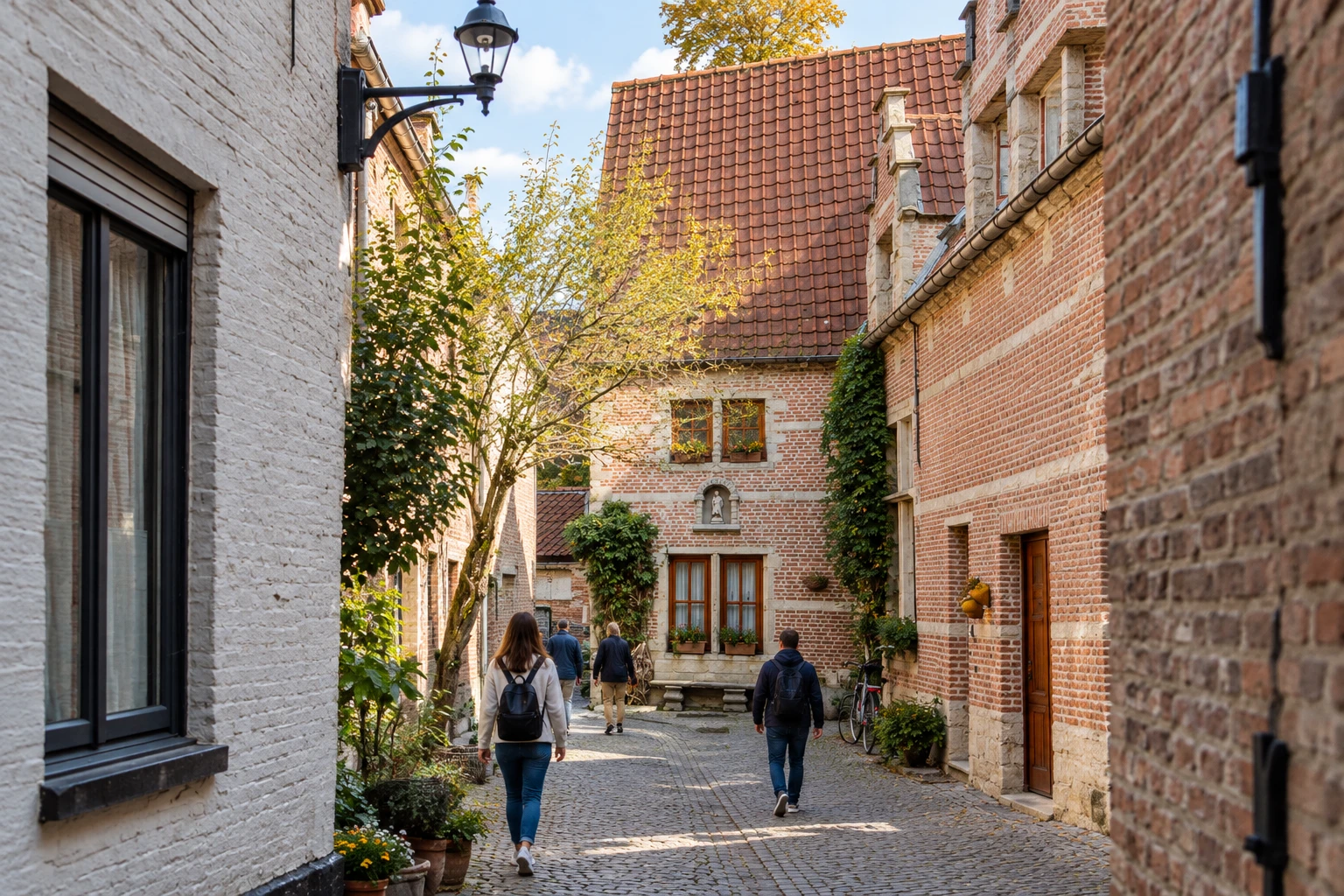
A Flemish beguinage in central Lier, with narrow streets, brick houses, and St. Margaret’s Church.
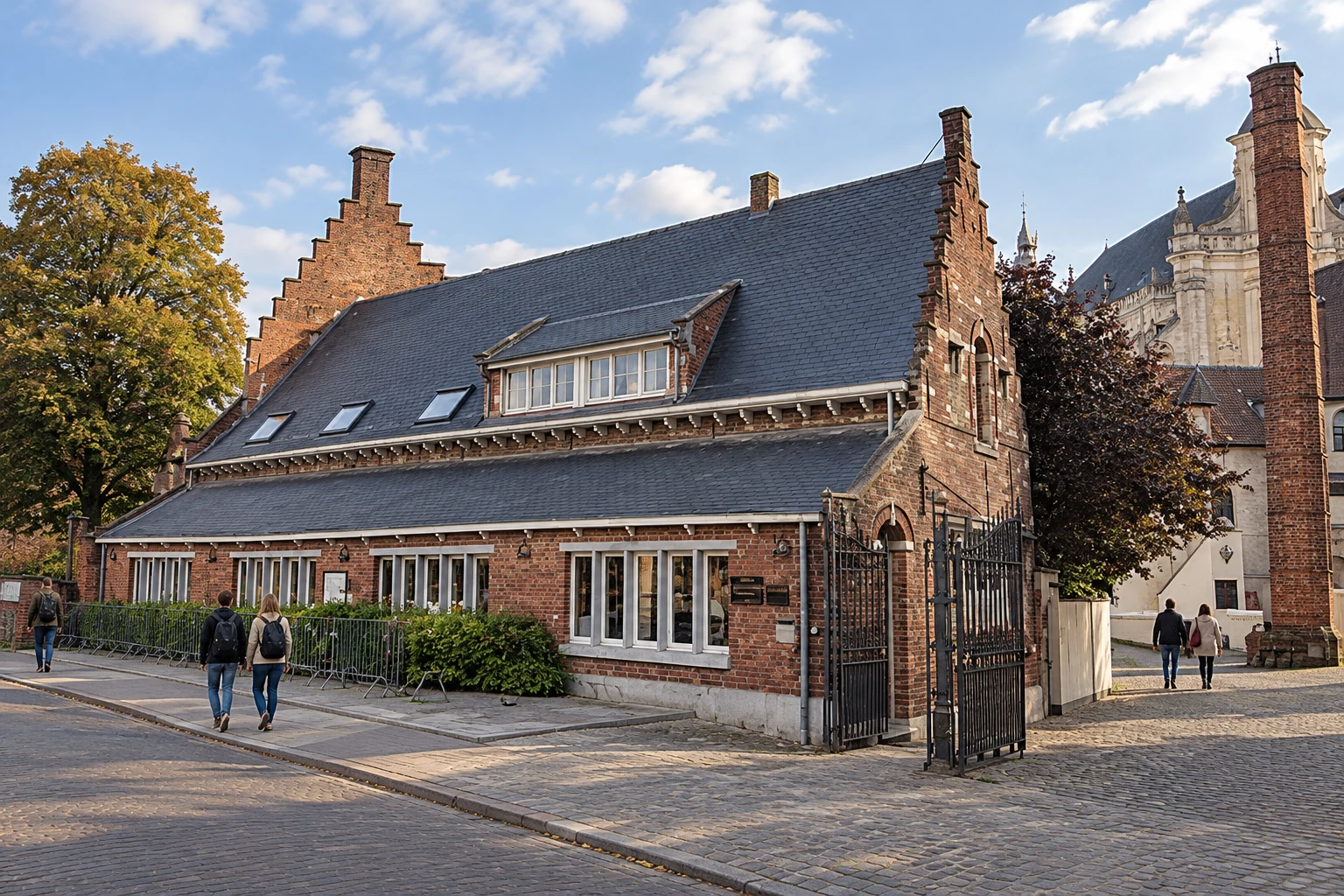
Open‑air museum about brickmaking in the Rupel region, set in a former brickworks in Boom, with kilns, drying sheds and the industry archive.
Explore Ecomuseum and Archives of the Boom Brickmaking Region
The central square of Mechelen, between the cathedral and the Stadhuis, a ensemble that combines an unfinished belfry, a 14th-century cloth market and a neo‑Gothic hall.
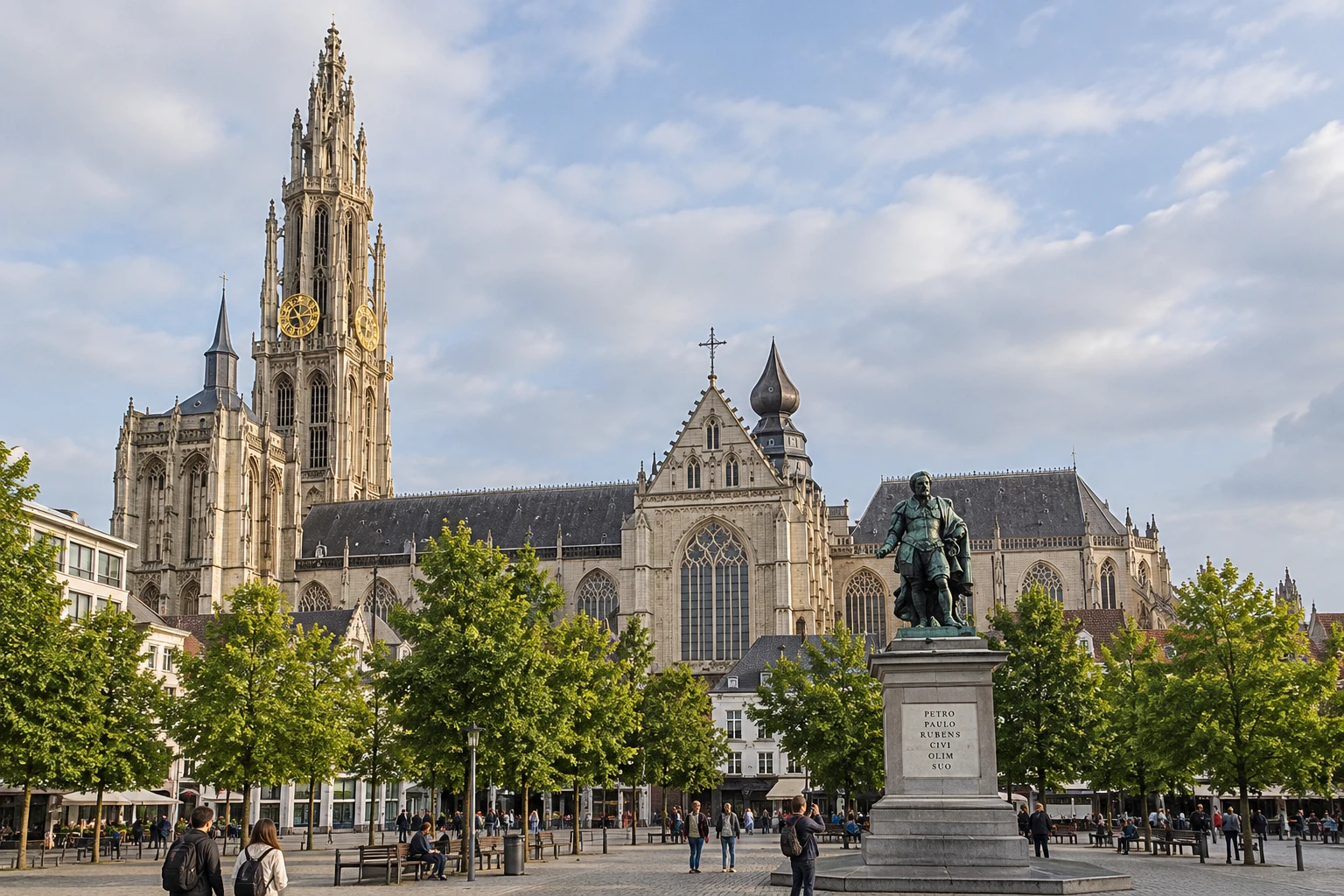
Gothic cathedral with a 123-meter tower, the tallest church in the Netherlands and Belgium, and four paintings by Rubens inside, including The Descent from the Cross.
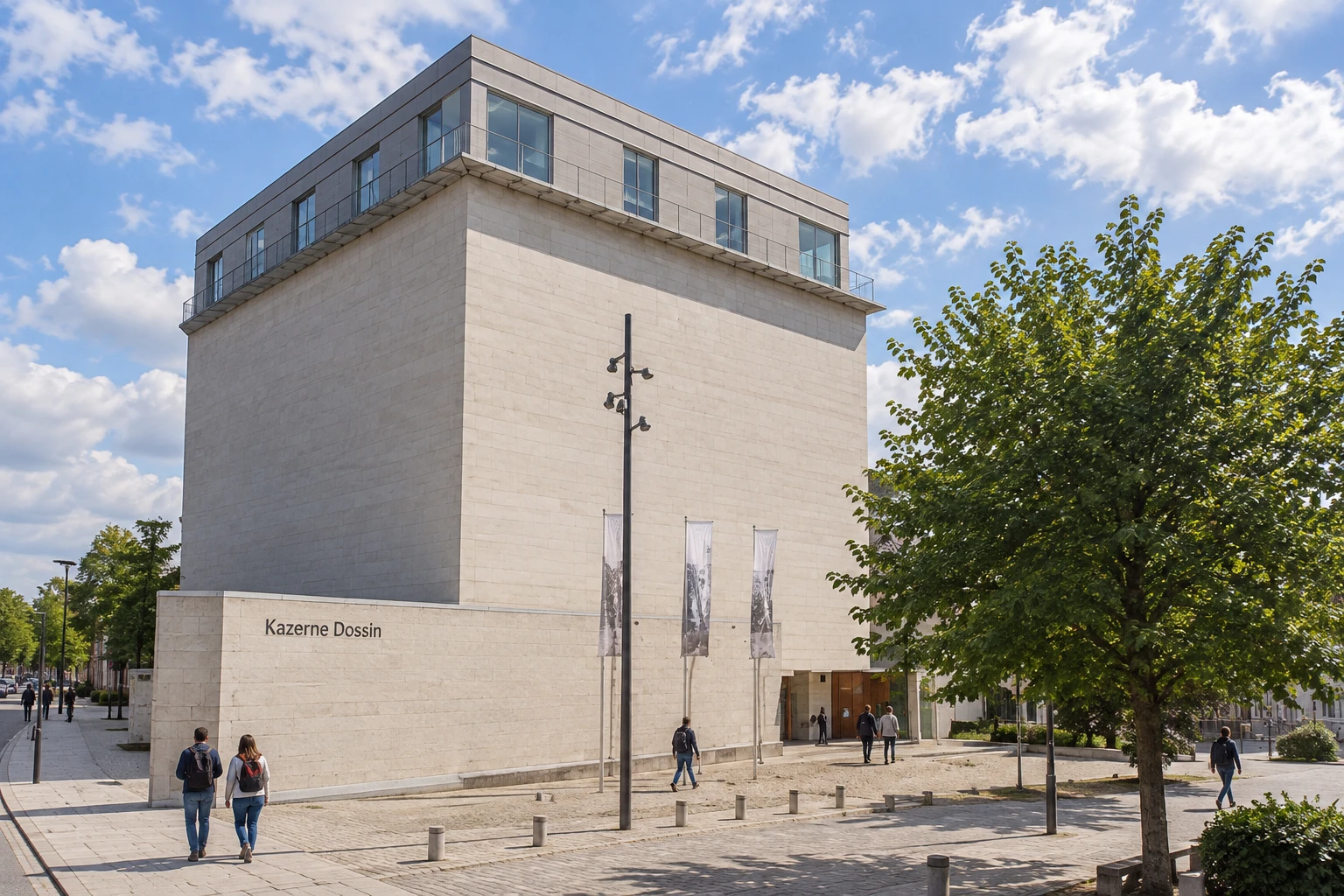
Memorial and museum about the Holocaust in Belgium, beside the former barracks from which more than 25,000 Jews and 351 Roma and Sinti were deported between 1942 and 1944.
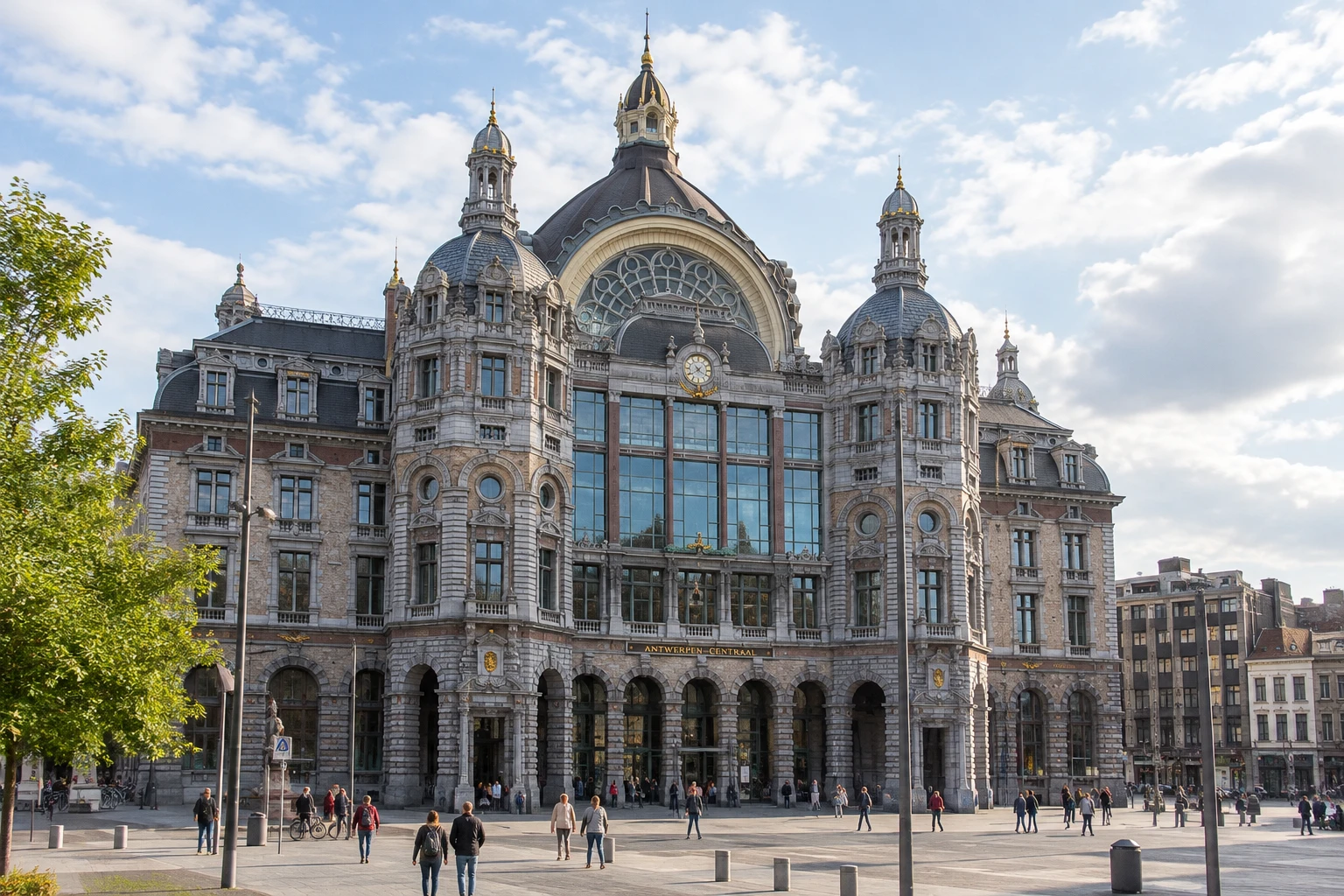
Train station opened in 1905, with an entrance hall of stone and marble beneath a large dome. The Belgians call it the railway cathedral.
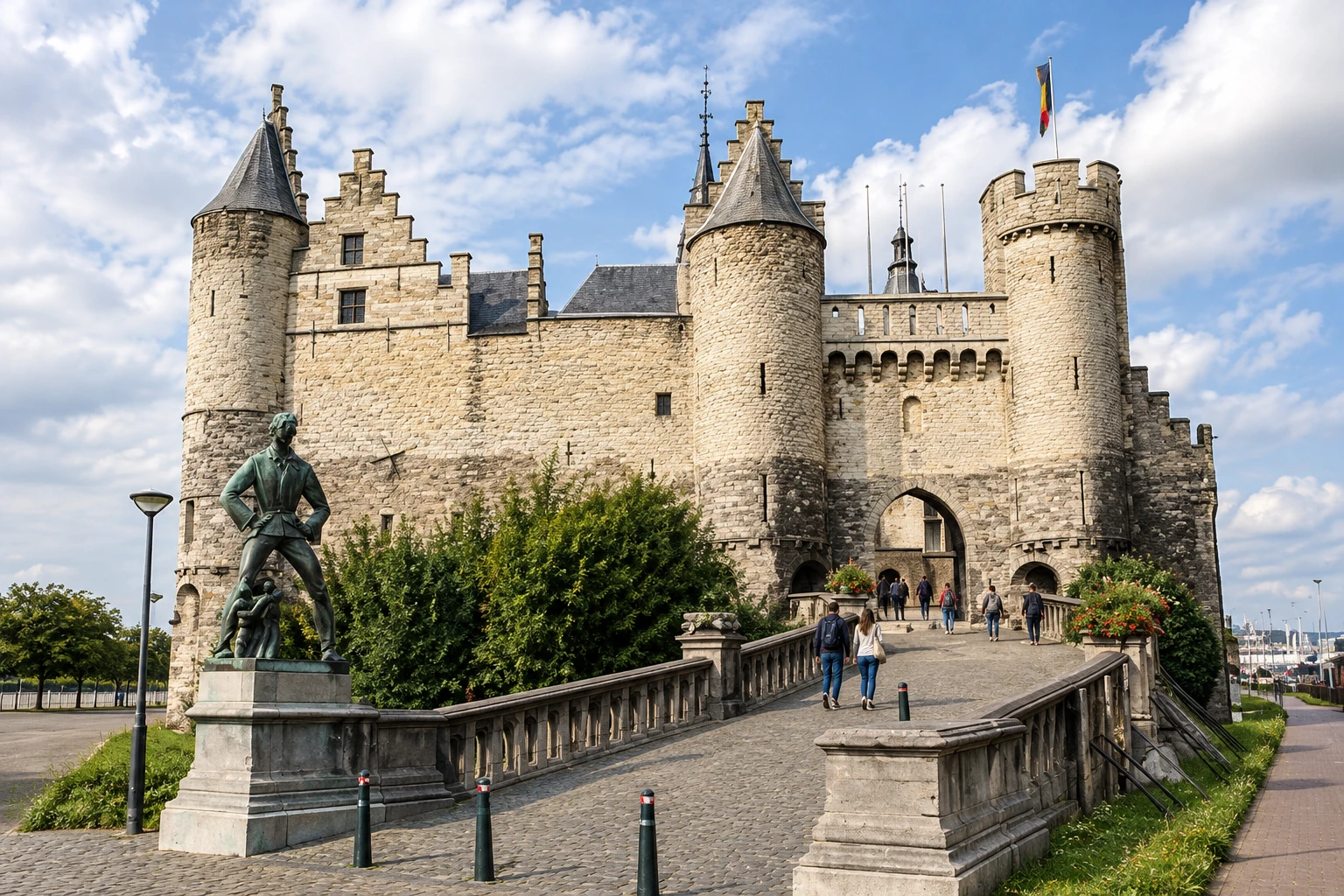
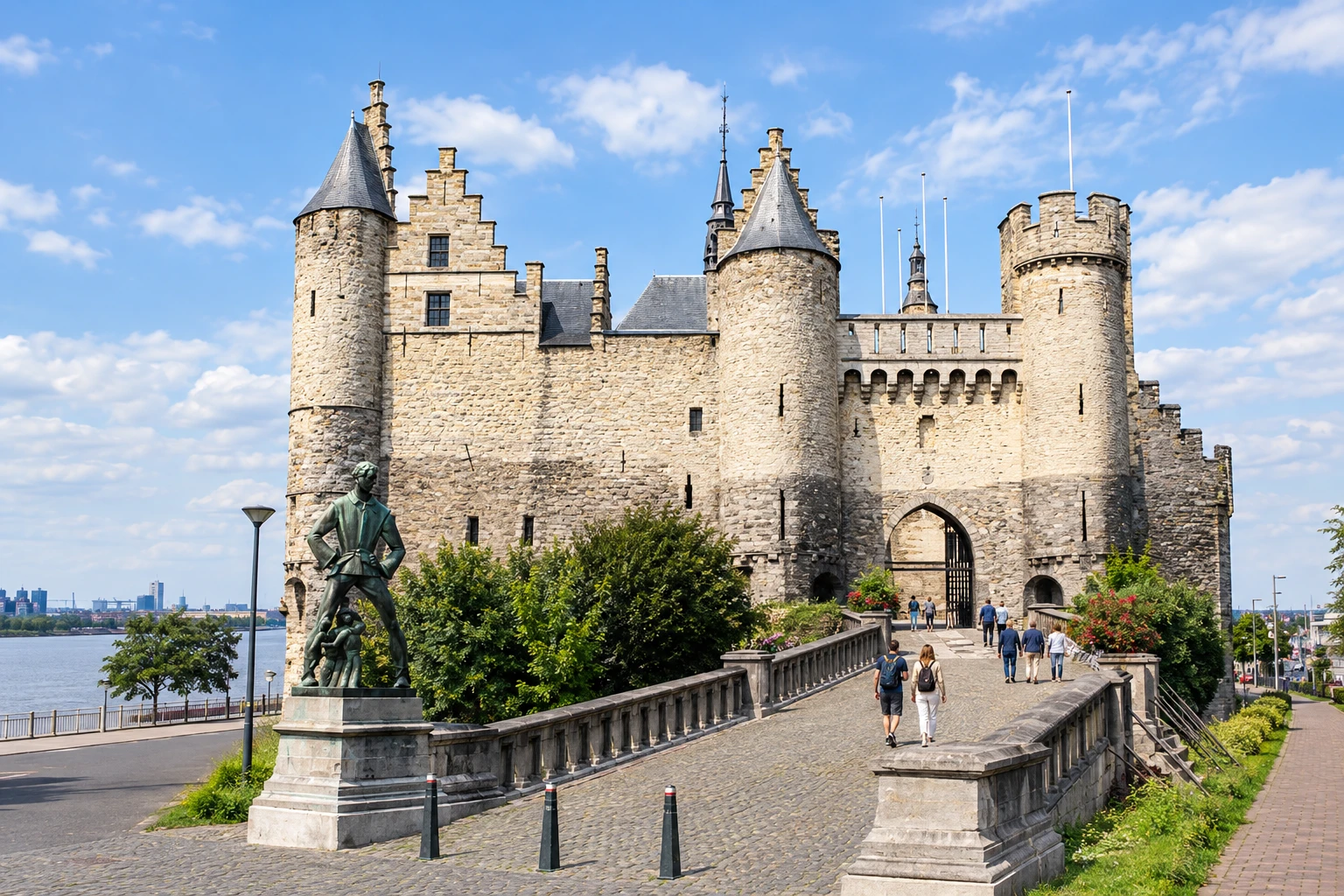
Small medieval castle on the banks of the Escalda, the oldest building in Antuérpia. It houses the city's visitor centre and the interactive Antwerp Story exhibition.
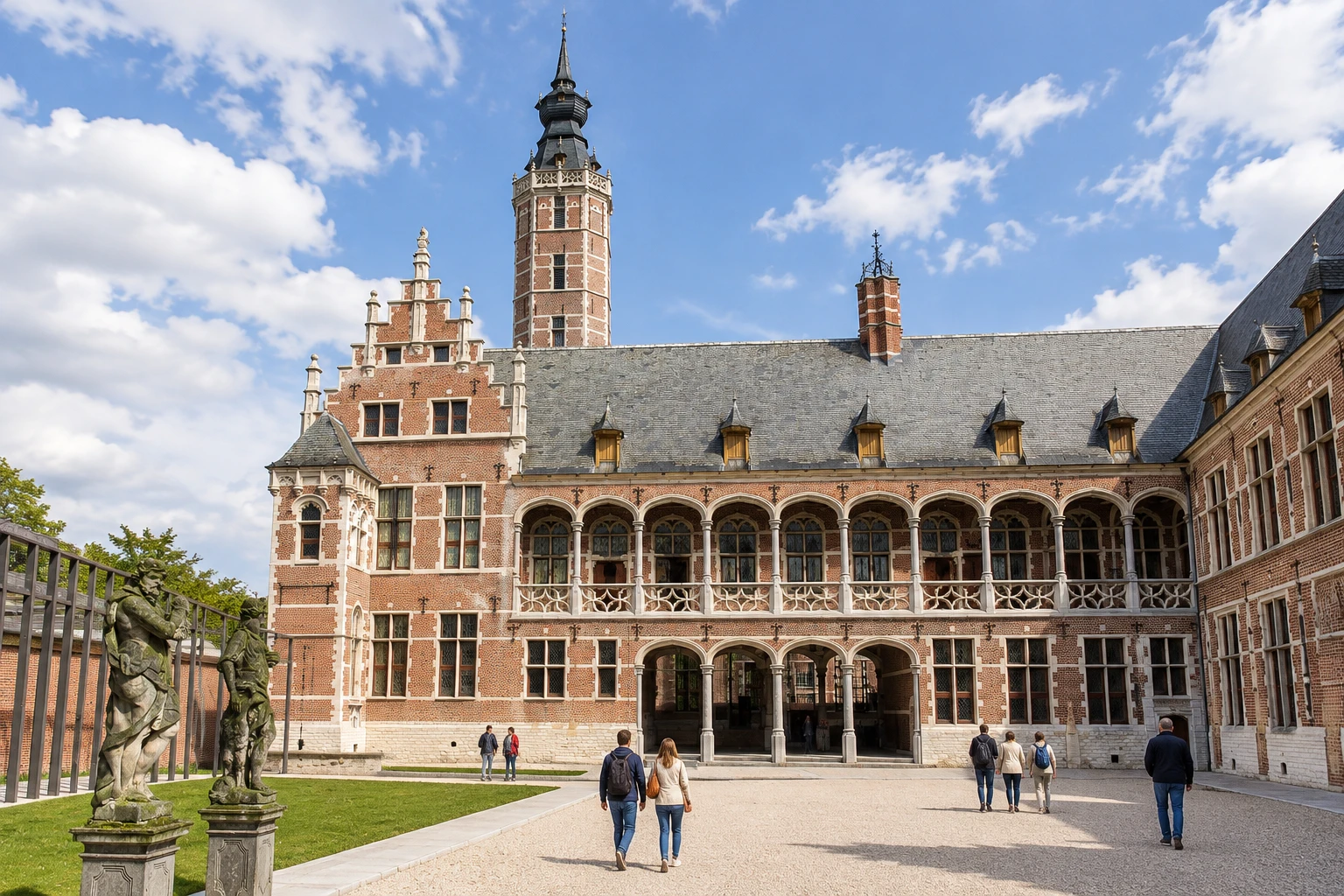
Early 16th-century palace housing a museum about Mechelen in the Burgundian era, when the city was the capital of the Netherlands.
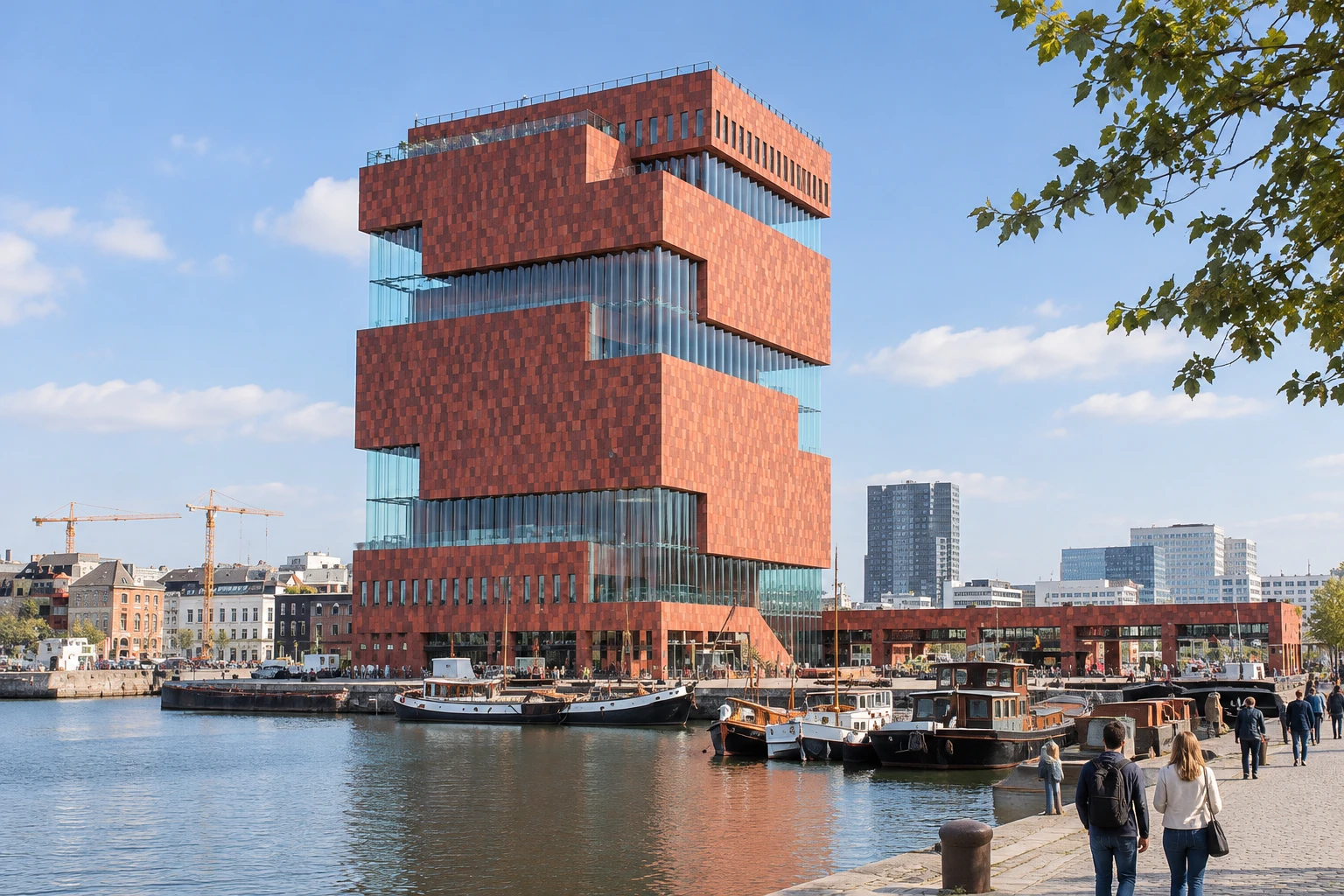
A 60-metre tower of red stone and undulating glass in the Eilandje neighbourhood. The museum tells the story of Antuérpia, the port and the world; at the top a panoramic terrace opens over the city.
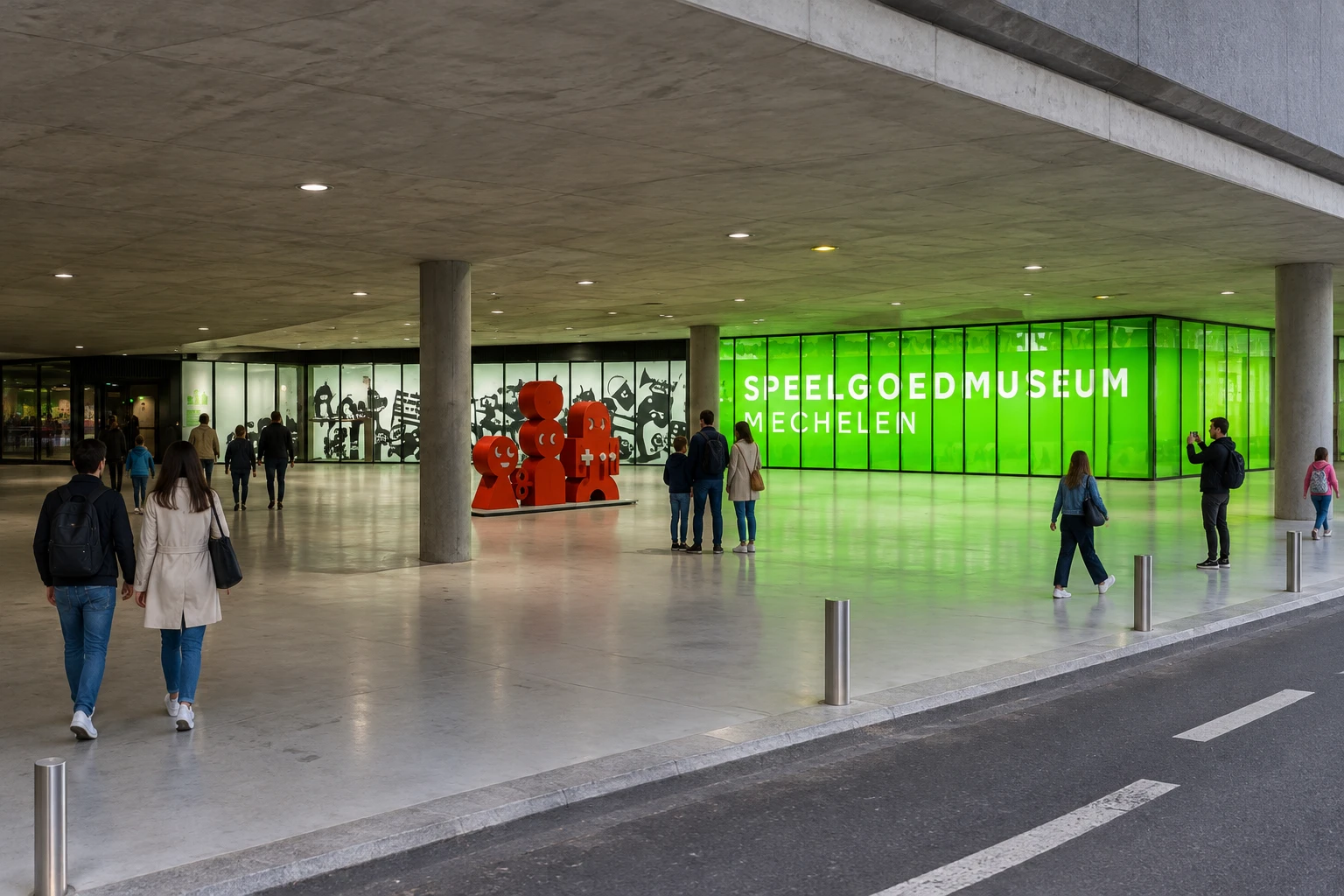
Toy museum located in the Mechelen station building, with toys from the Middle Ages to the present and play rooms for all ages.
Former complex of houses of the beguines, laywomen who lived in community, with narrow streets and the baroque church of Sint-Alexius and Sint-Catharina. UNESCO World Heritage.
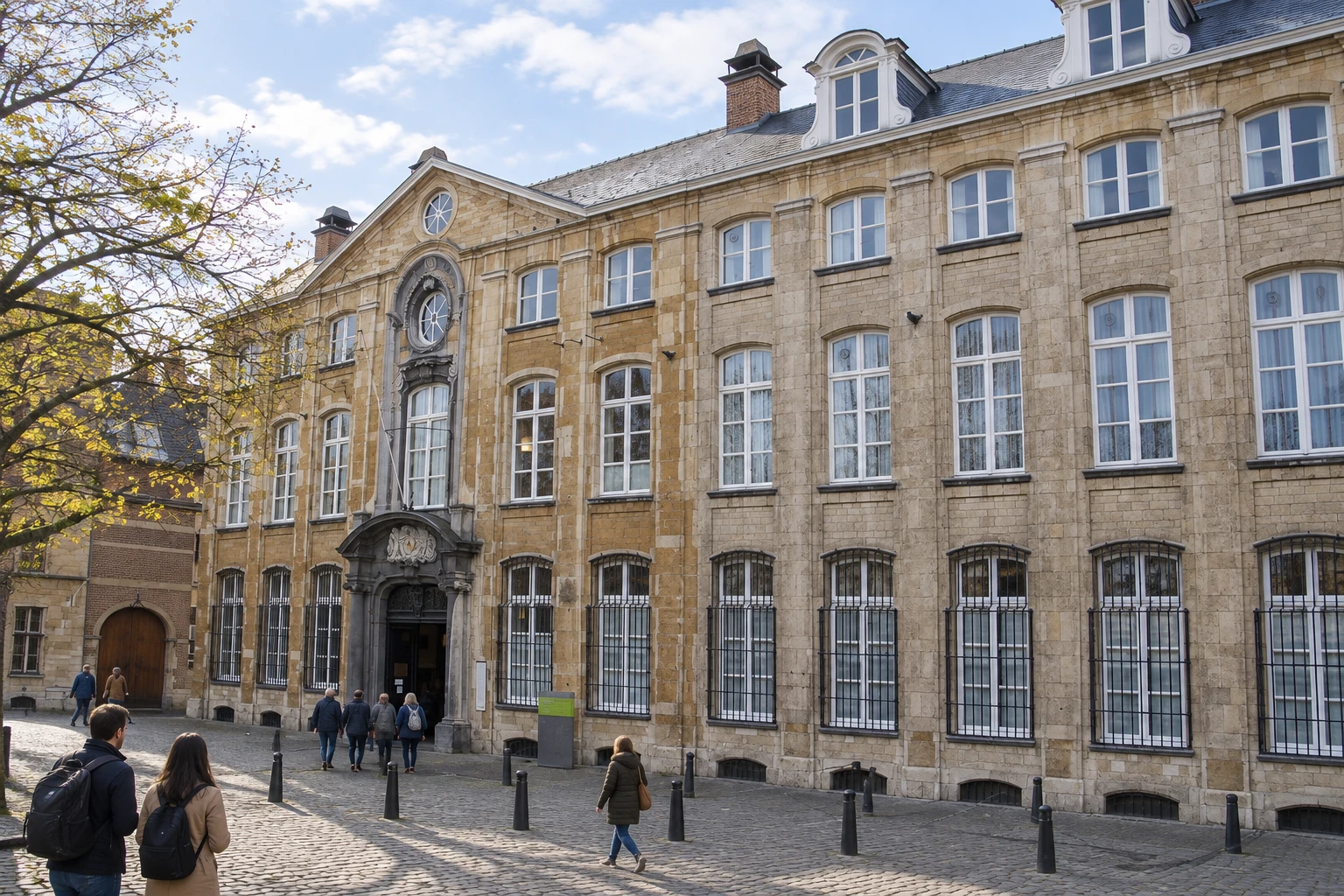
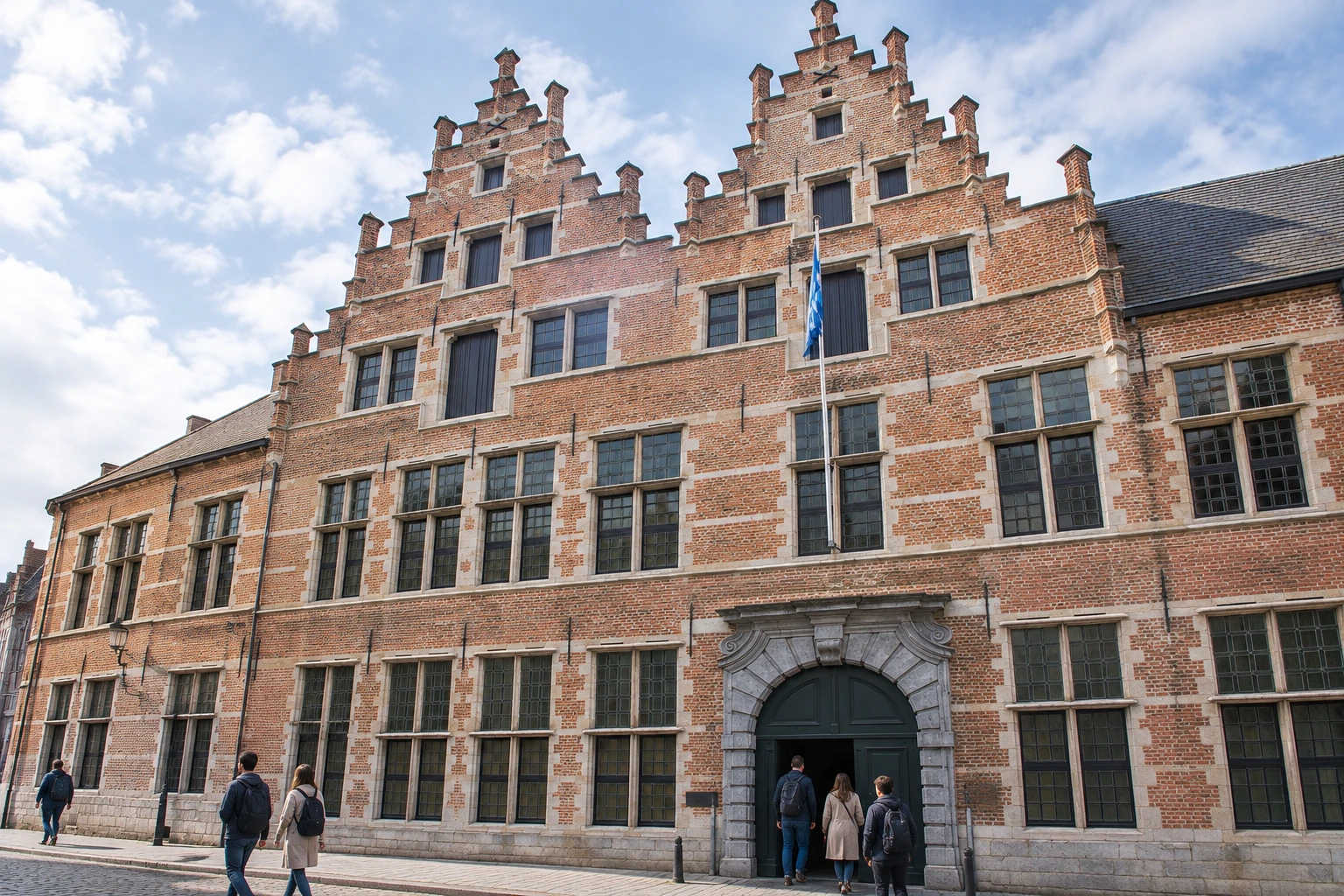
House and workshop of a family of printers from the 16th to the 19th centuries, a UNESCO World Heritage Site, with the two oldest surviving printing presses.
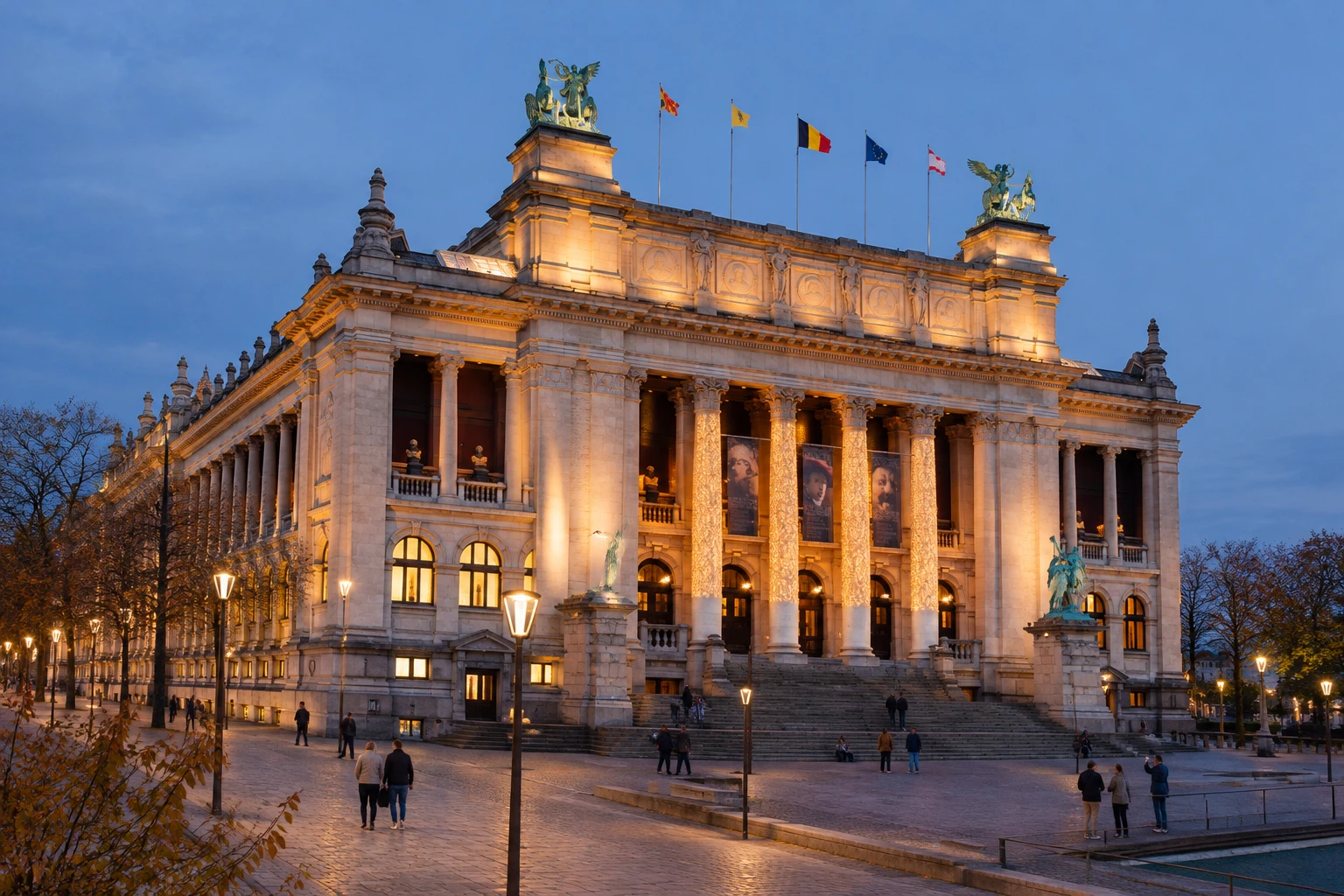
Museu Real de Belas Artes de Antuérpia, in the Zuid neighbourhood, with works by Jan van Eyck, Rubens, Jean Fouquet and James Ensor in a 19th-century neoclassical building.
Gothic church near Mechelen Cathedral, featuring the triptych The Adoration of the Magi, which Rubens completed inside the church itself, and a Baroque interior rich in carved wood.
Gothic church on the south side of the Dijle river in Mechelen, featuring the triptych The Miraculous Draught of Fishes, which Rubens painted for the fishmongers' guild, and a 14th-century sculpture of Our Lady.
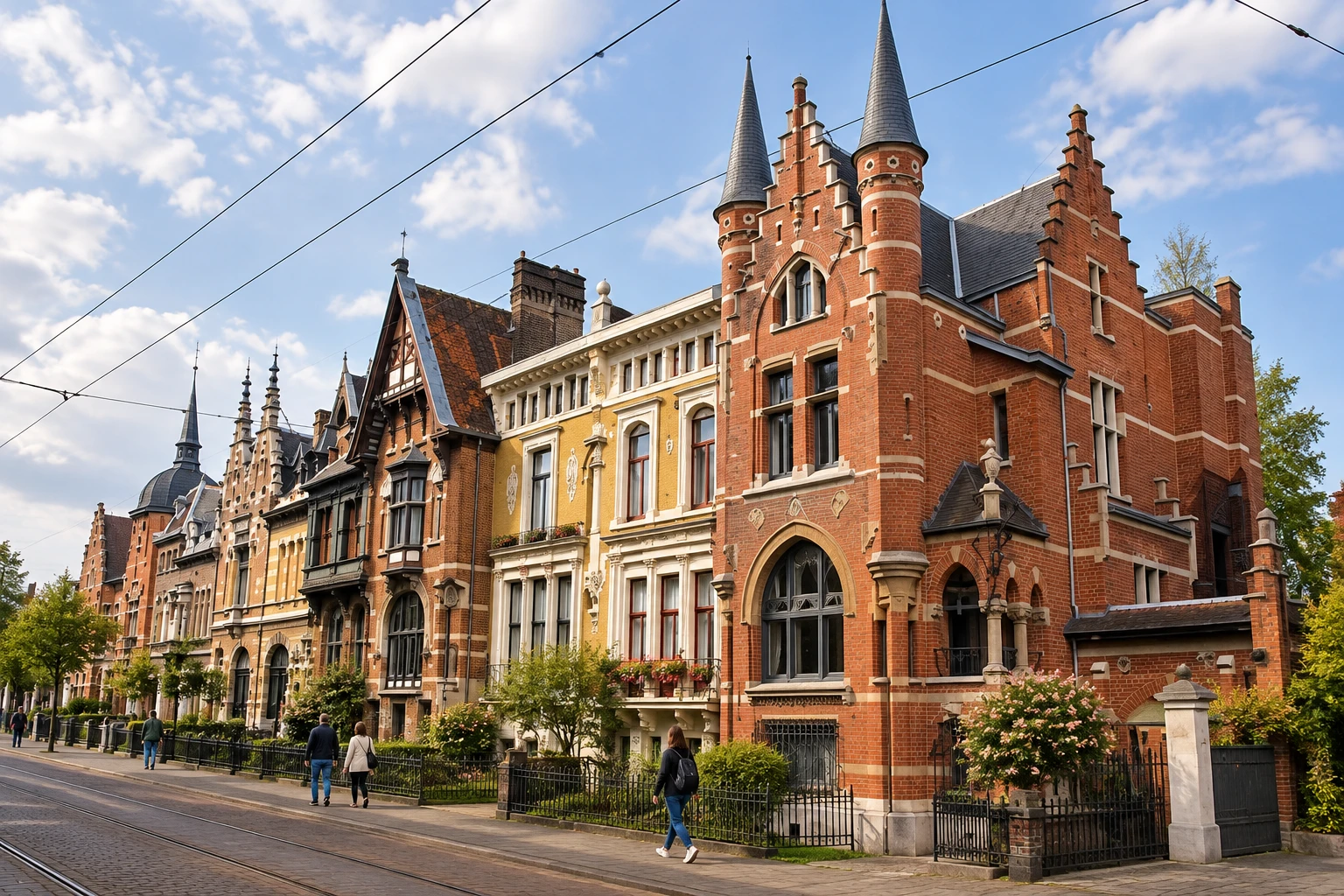
Residential neighbourhood from the late 19th century with Art Nouveau and eclectic houses, concentrated on Cogels-Osylei street, near Antwerpen-Berchem station.
Historic brewery next to the Groot Begijnhof in Mechelen, originating in the 15th century, which produces Gouden Carolus and opens for guided tours of the brewhouse and the whisky distillery.
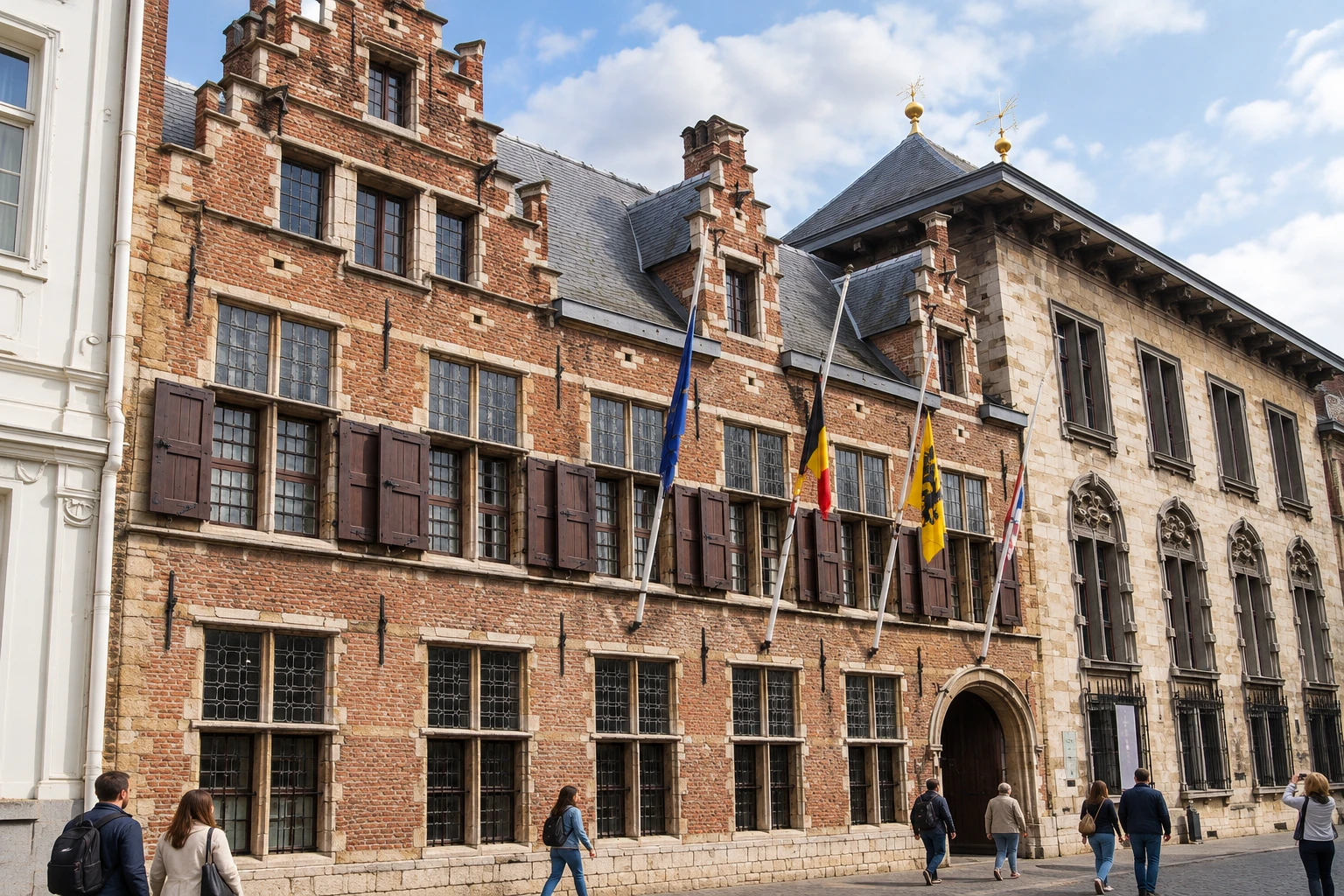
Pieter Paul Rubens’ house-museum in Antwerp city centre. The visit enters from Hopland and goes through the Rubens Experience, which includes the painter’s self-portrait, and the baroque garden with a portico and pavilion; beside it is the study library on Rubens.
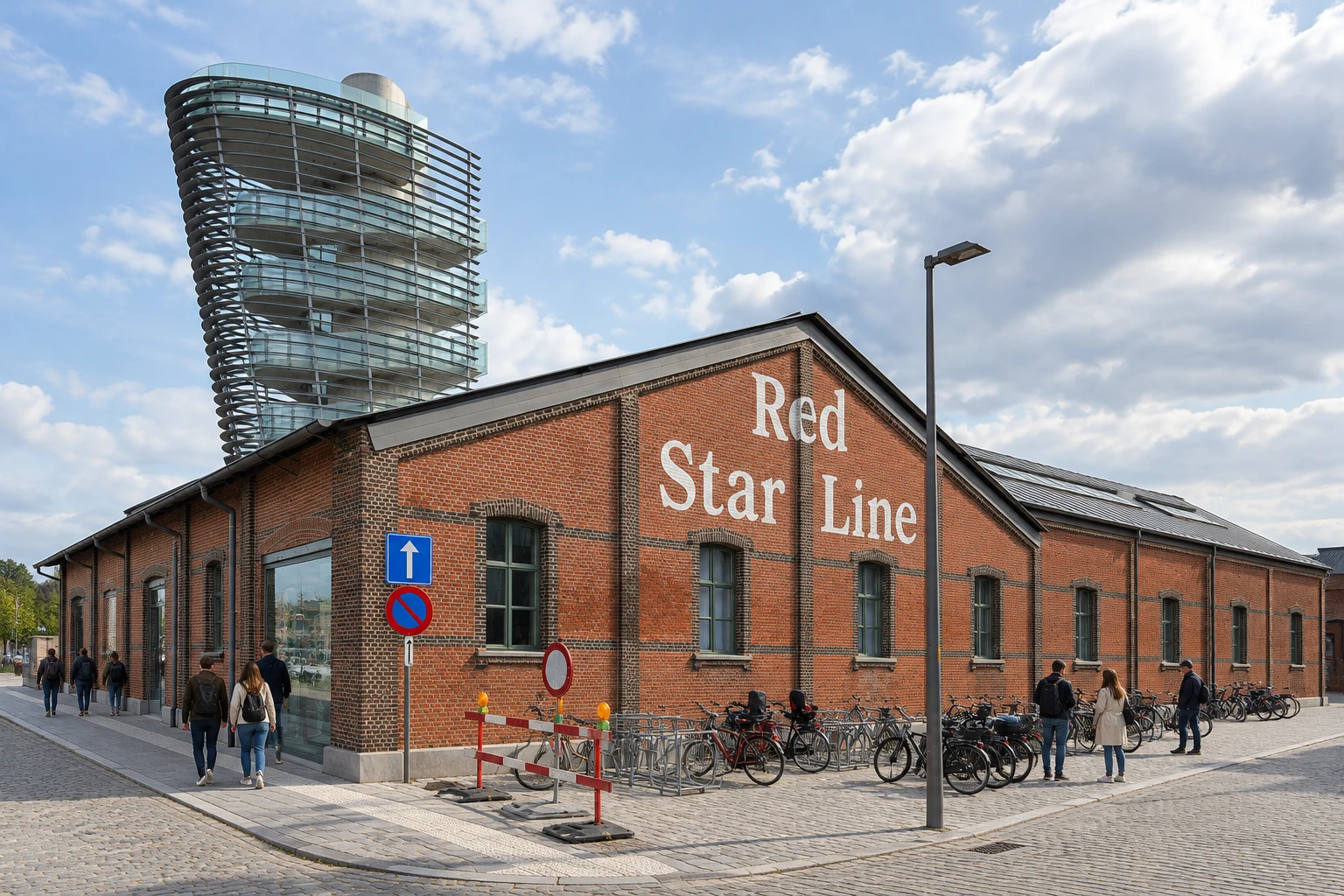
Museum of emigration in the port district, housed in the warehouses of the Red Star Line company, from which around two million passengers left Antuérpia bound for the United States and Canada.
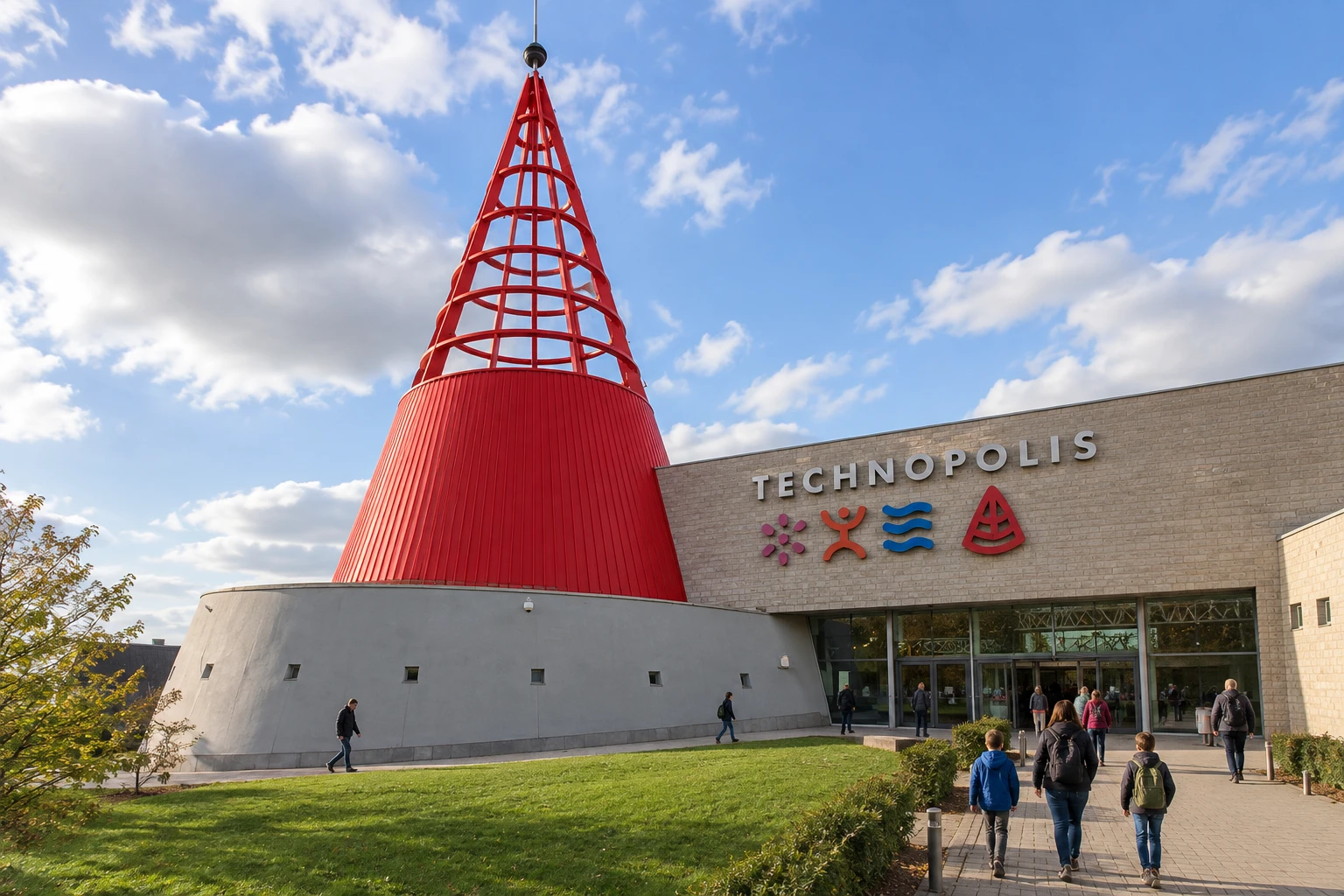
Interactive science centre in Mechelen, opened in 2000, where you can touch everything: pedal a bicycle on a cable 5 metres high, step inside a soap bubble and carry out experiments in the lab.
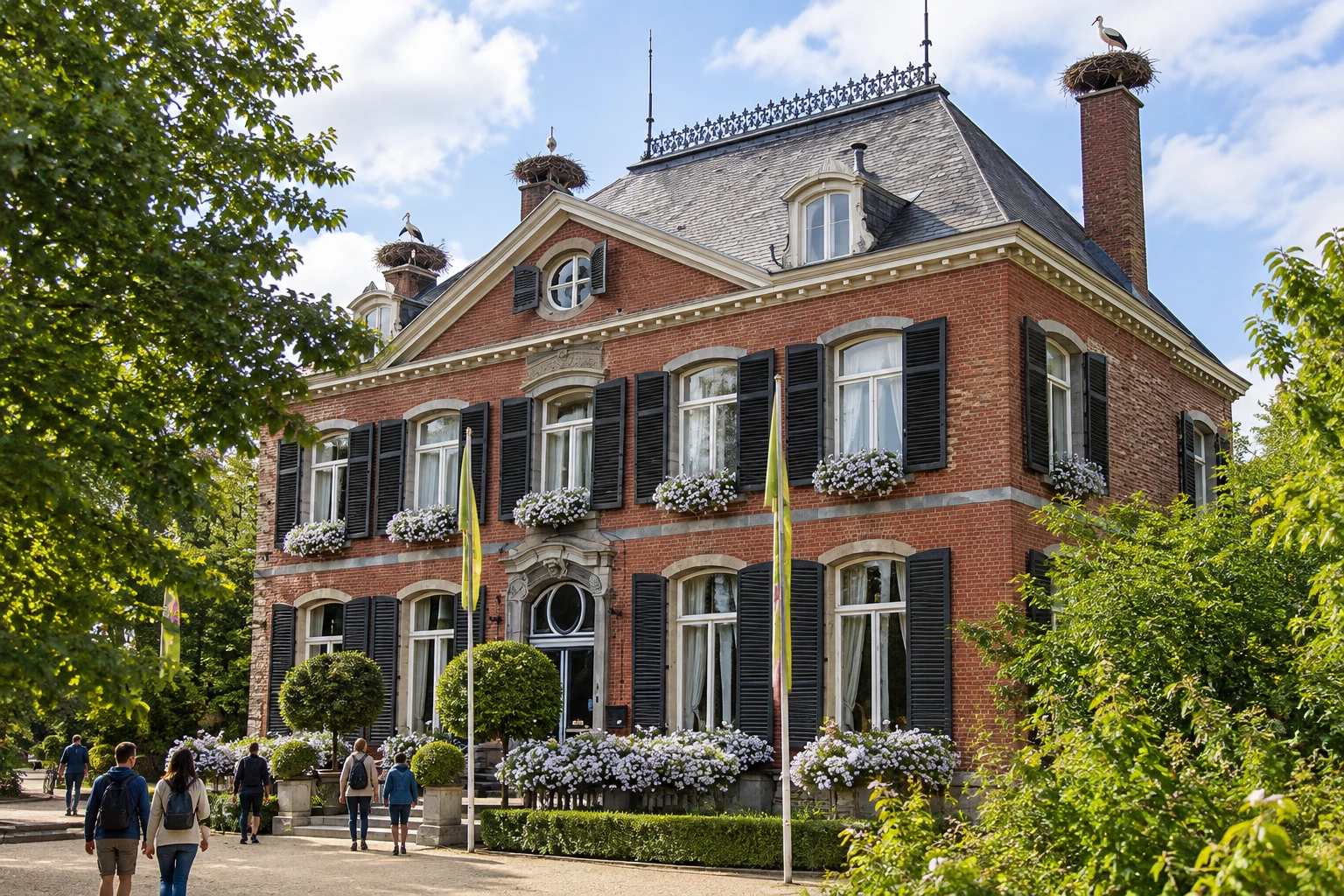
Animal park in Muizen, on the outskirts of Mechelen, centred around a 1780 castle, with areas by continent, elephants, koalas, giraffes, penguins and bonobos.
Dominican church on Veemarkt, near the old port, with paintings by Rubens, Van Dyck and Jordaens and, in the side courtyard, a Baroque Calvary with 63 life-size statues.
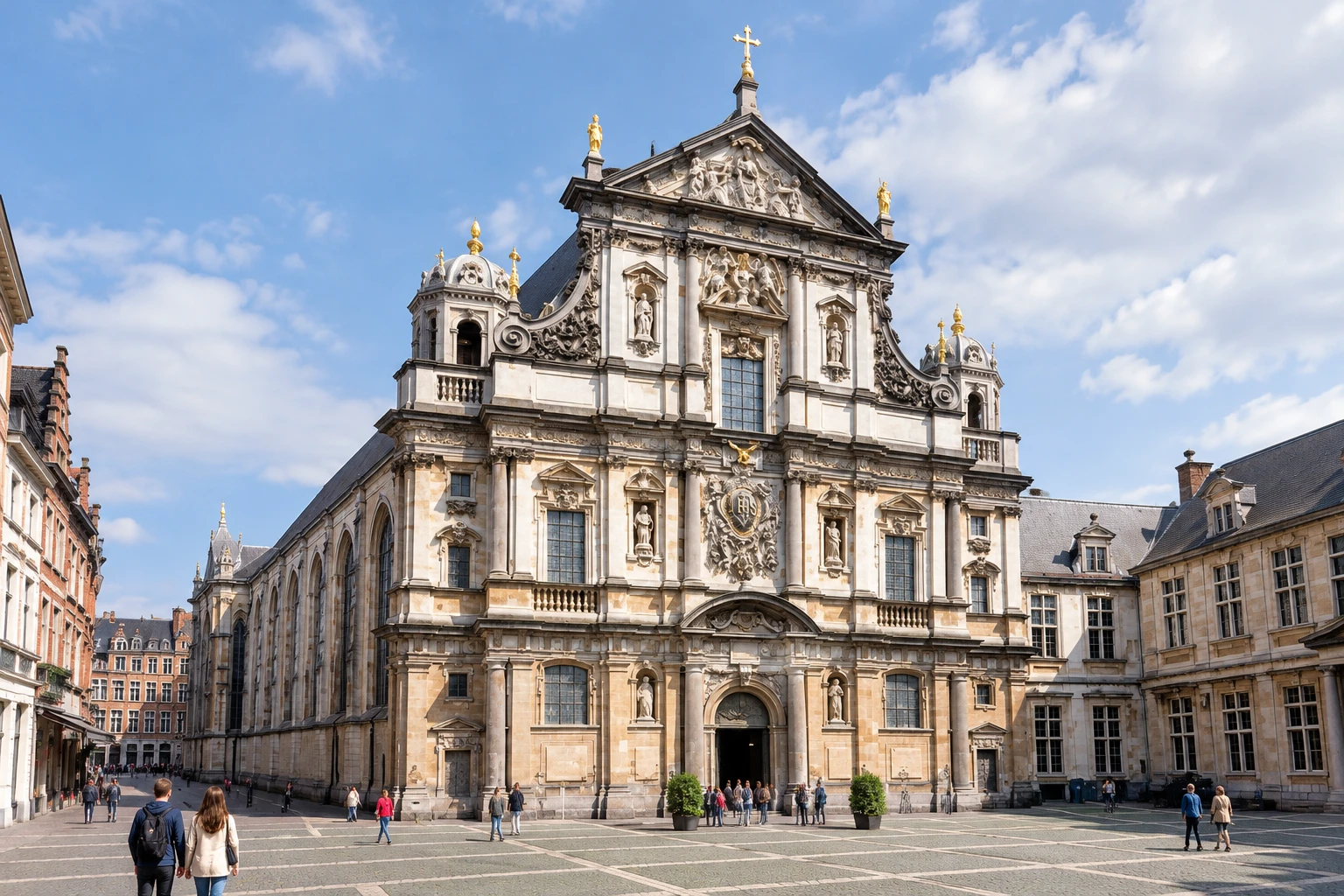
Baroque Jesuit church on Hendrik Conscienceplein, built between 1615 and 1621, with a façade and an altar connected to Rubens.
Two neighbouring houses on Keizerstraat, that of mayor Nicolaas Rockox, a friend of Rubens, and that of animal painter Frans Snijders, featuring 17th-century Flemish painting and a reconstructed garden.
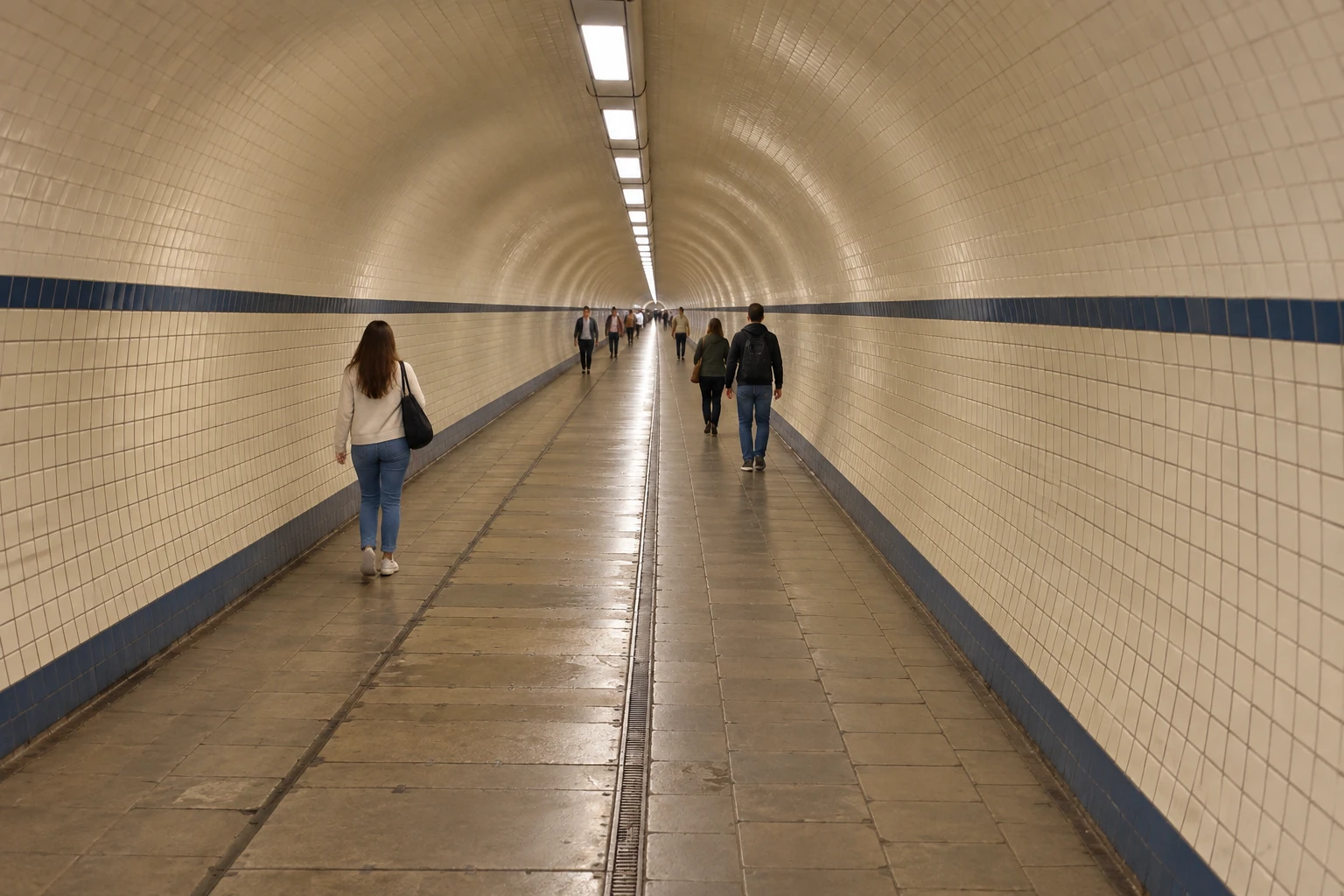
572-metre pedestrian and cyclist tunnel under the river Escalda, opened in 1933, with original wooden escalators and entrance buildings in Art Deco style.
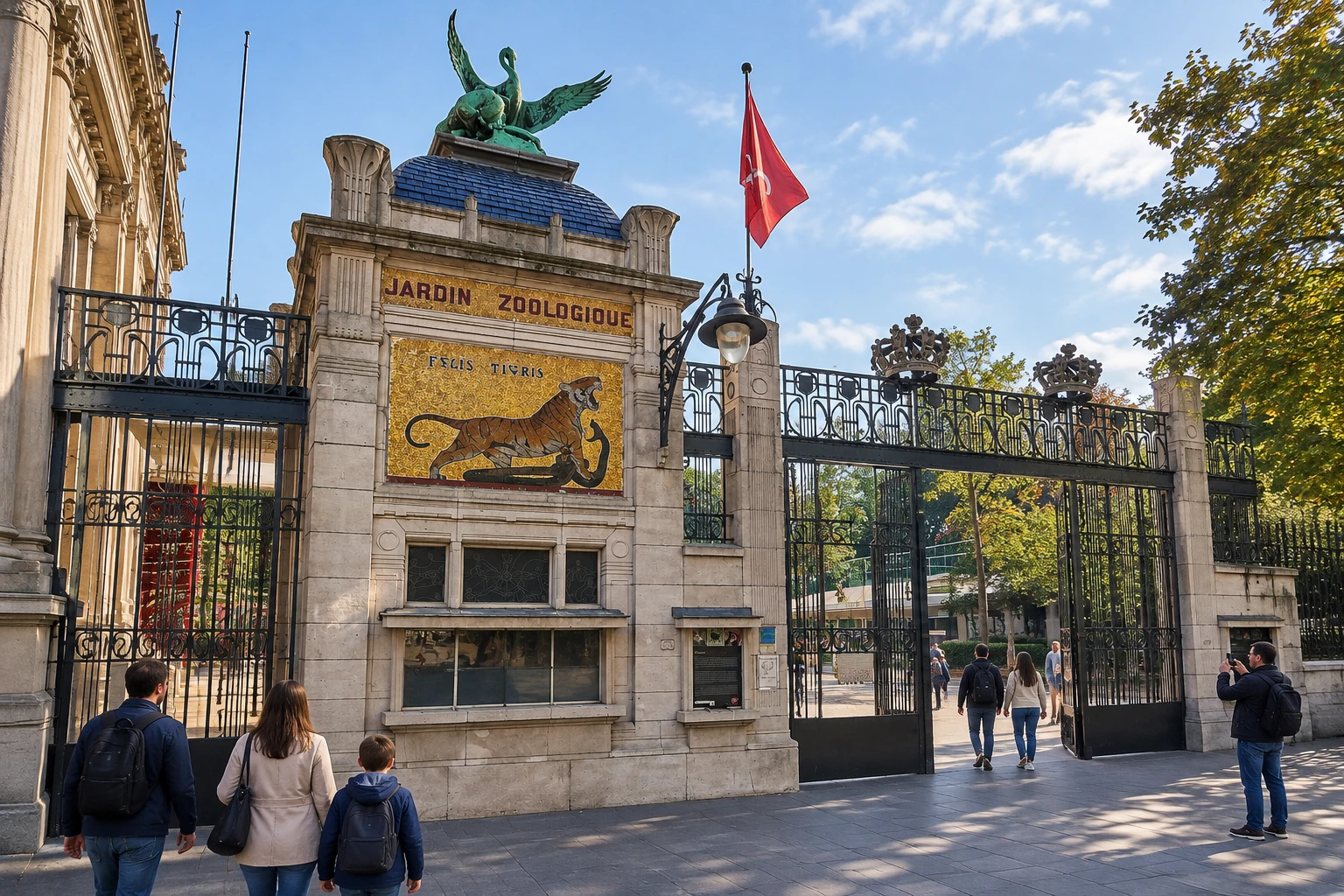
Zoo from 1843 adjacent to Antwerpen-Centraal station, with about 5,000 animals and historic buildings such as the Egyptian temple, the winter garden and the aquarium.
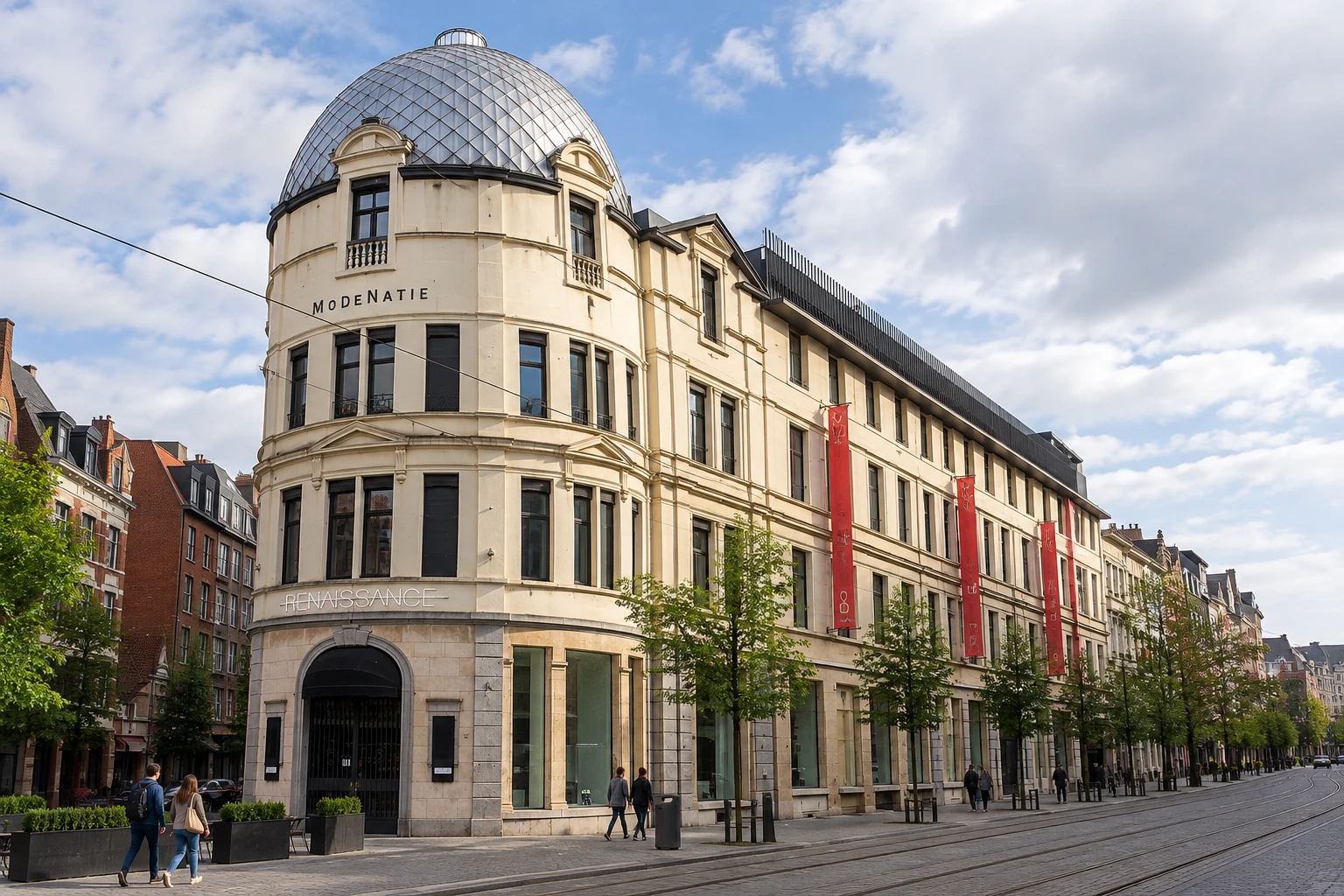
Antwerp's fashion museum, on Nationalestraat, dedicated to Belgian fashion and to designers trained at the city’s Royal Academy of Fine Arts, such as the group known as the Antwerp Six.
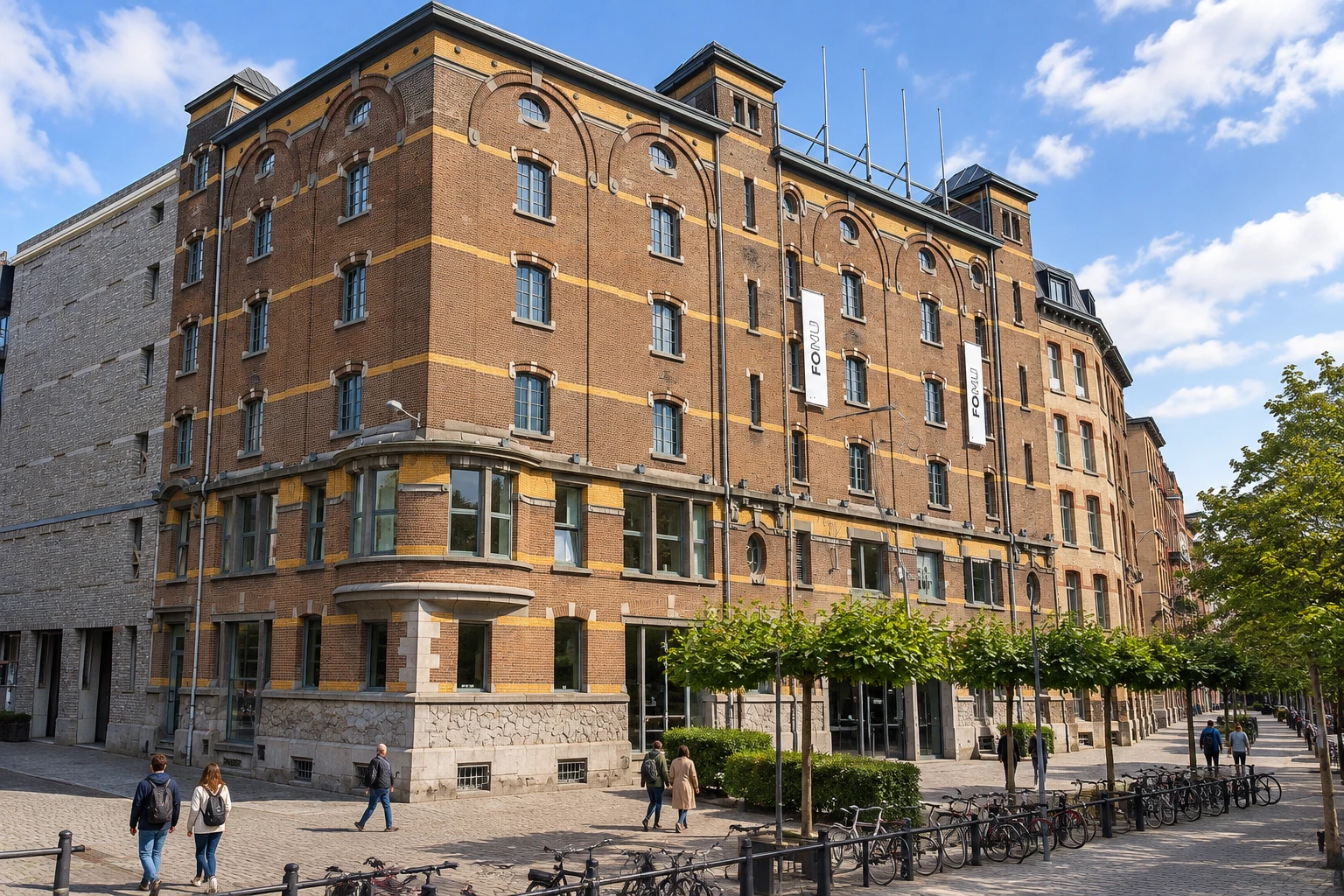
Antwerp photography museum, in a former warehouse on the Waalsekaai in the Zuid district, with exhibitions by Belgian and international photographers and a collection that ranges from early cameras to contemporary photography.
To choose before you go
The details of each tour (where it leaves from, what it includes, the best time) are in the complete guide.
Get your questions answered
The guide's itineraries cover 3, 5 and 7 days: Antwerp and Mechelen in 3 days; in 5 days, art, port, fashion and carillons; Antwerp and Mechelen in 7 days, unhurried.
Arrival from Brazil, Centraal and Grote Markt. Arrival at Brussels Airport after the overnight connecting flight. Take the direct train to Antwerpen-Centraal, about 30 minutes. After dropping your bags, walk through Antwerpen-Centraal and the Meir at a relaxed pace to Groenplaats. Finish at the Grote Markt, with the Stadhuis and the Brabo Fountain lit up. Sleep early to beat the jet lag.
It generally rains less from March to May. The rainiest months are usually from July to August and from November to December. The guide covers each month, with the weather and what changes on the tours.
To plan