Scallop pie
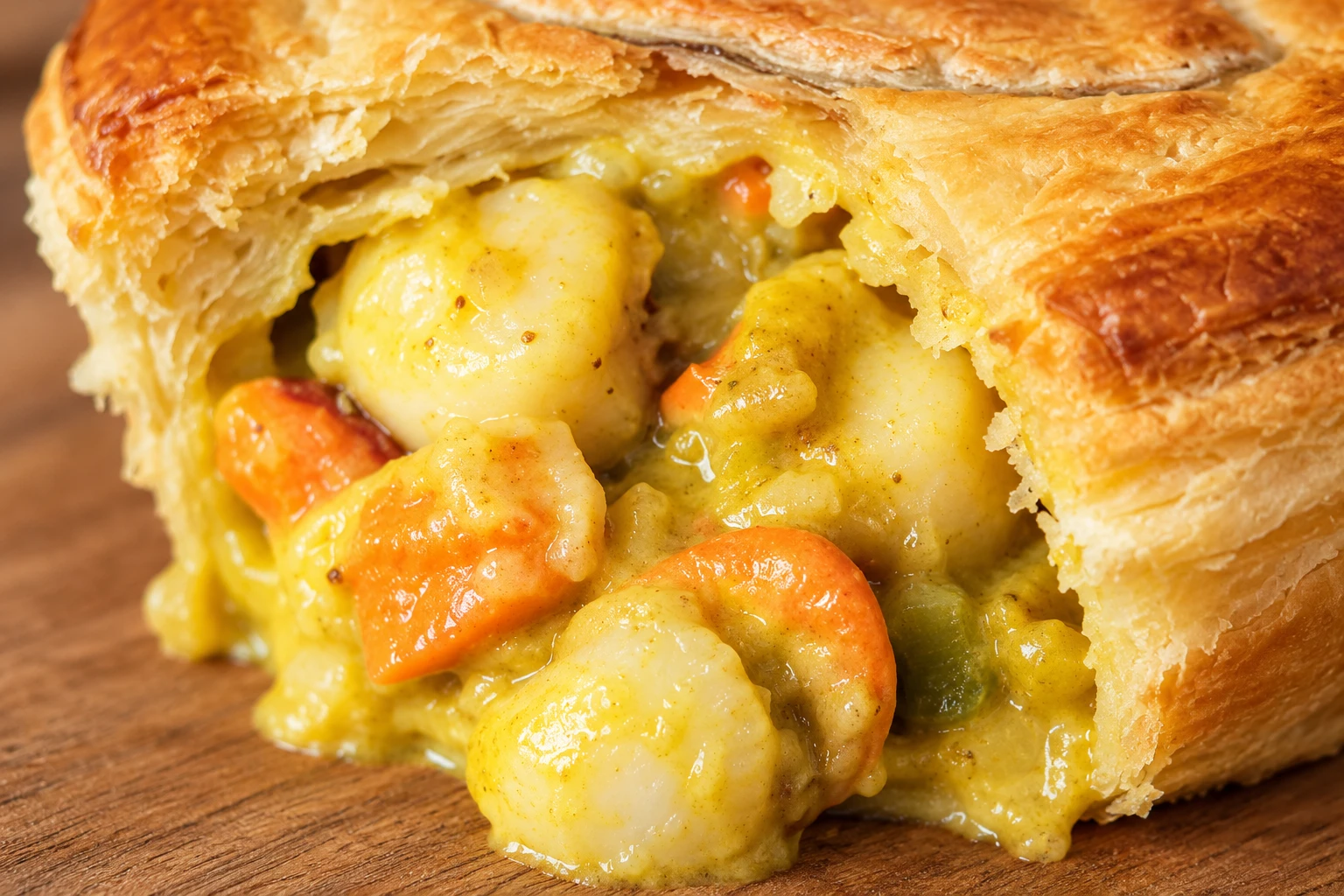
Individual puff pastry pie with scallops and a creamy curry sauce, sold in bakeries, cafés and markets across Tasmania and presented as a specialty of the island.
Antarctica
State · Tasmania
Tasmania is the island south of the mainland, with Hobart, the history of Port Arthur, the Cradle Mountain ranges and Wineglass Bay in Freycinet.
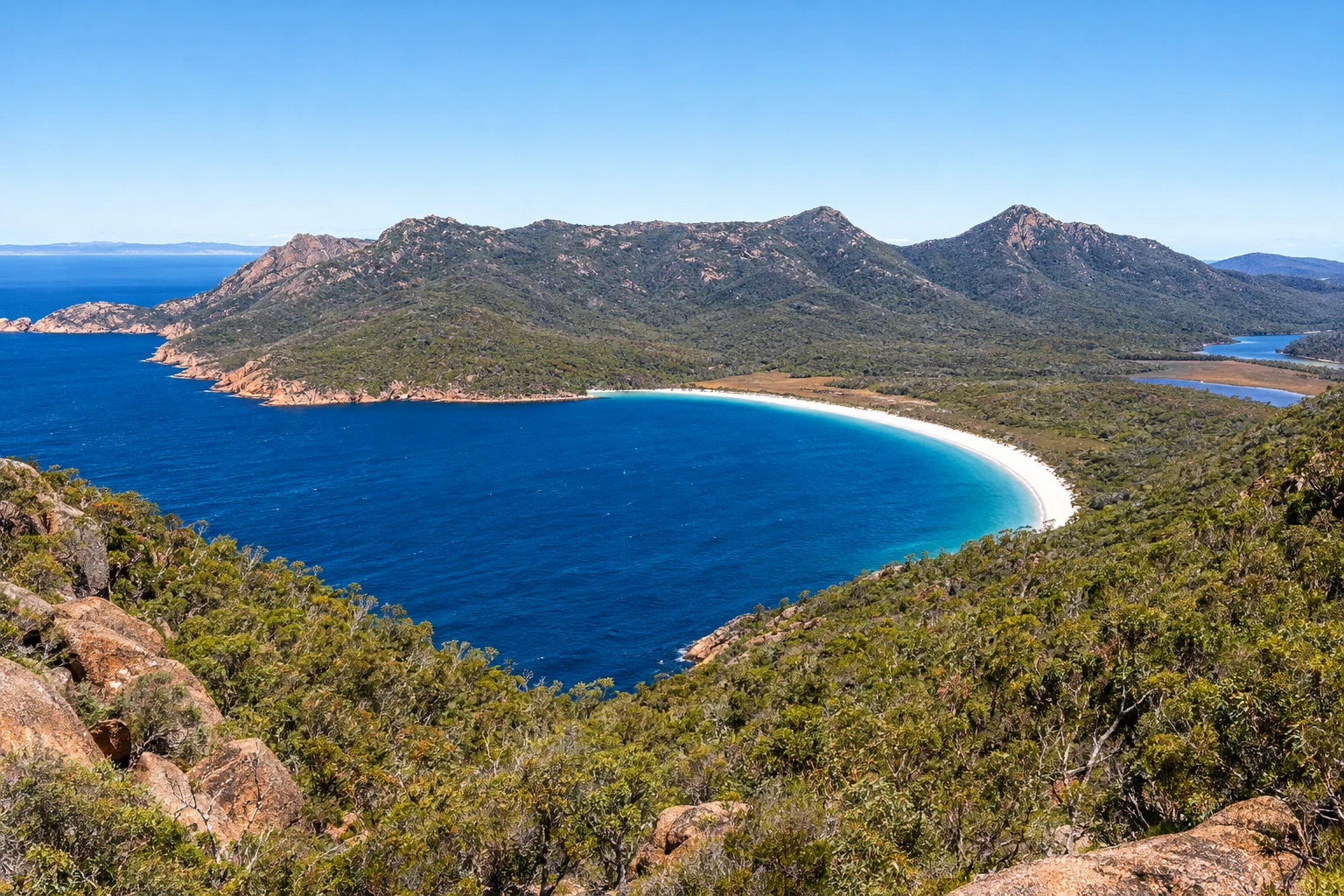
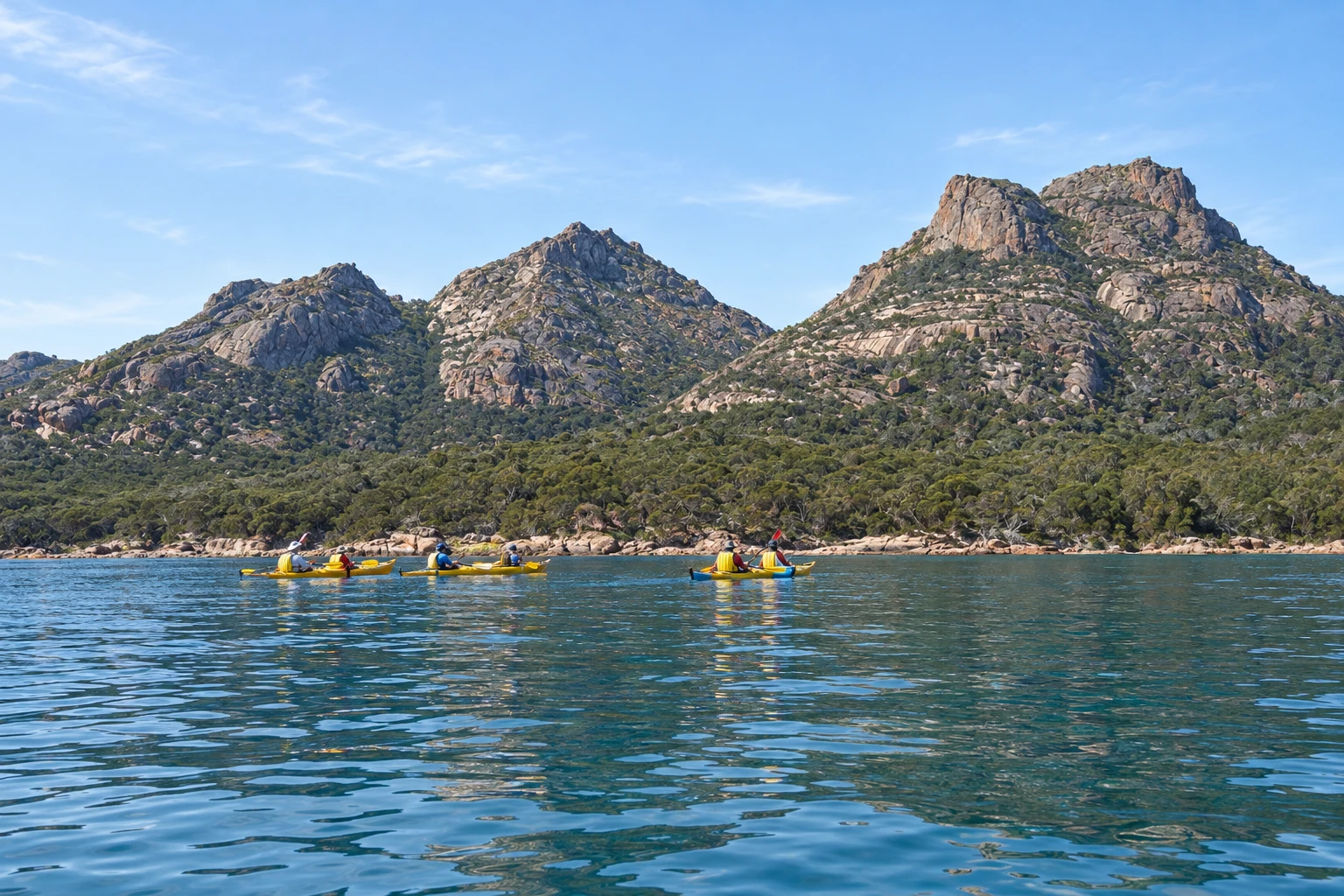
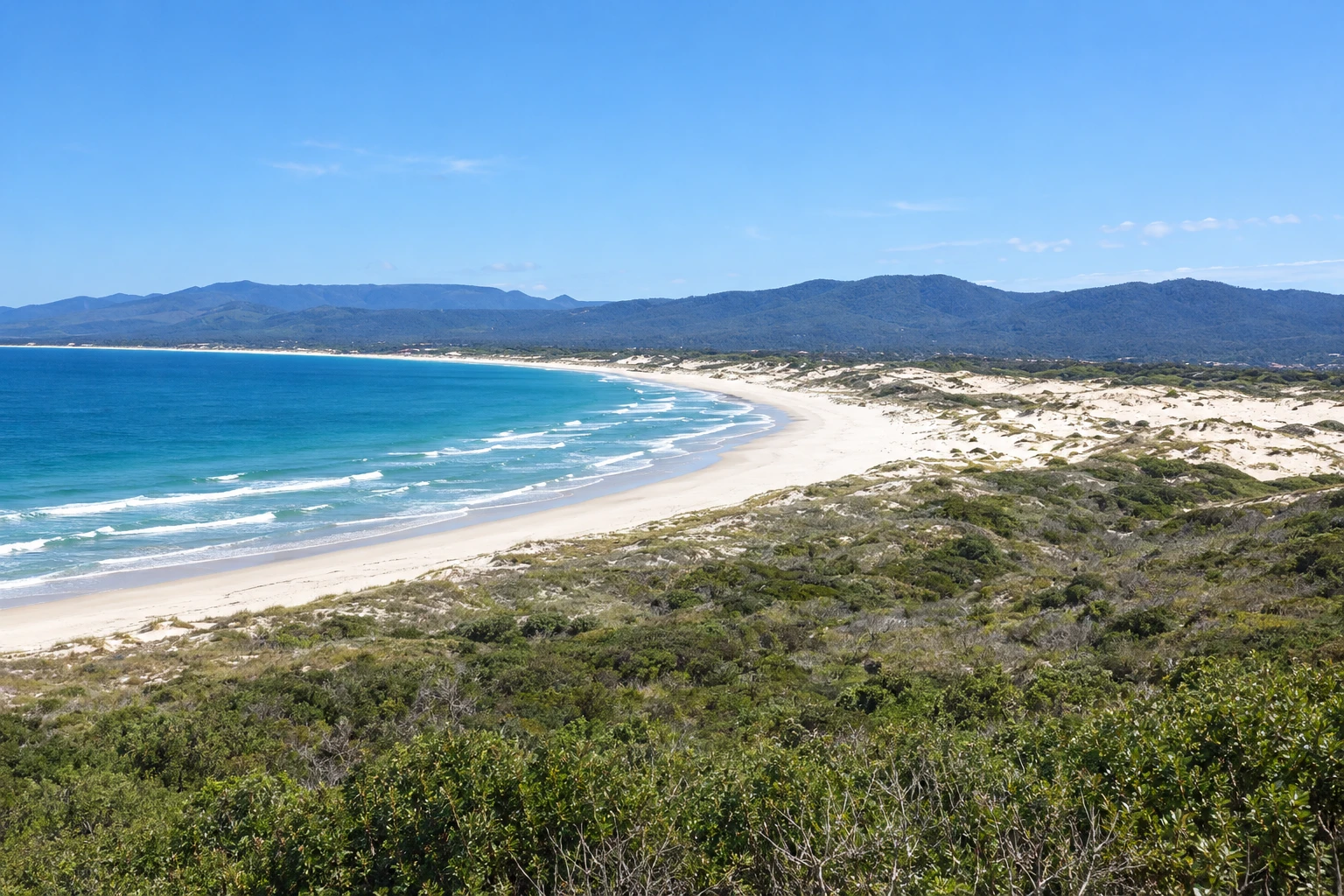
In the photo: Wineglass Bay, Freycinet National Park
Illustrative images. The pictures in this guide are illustrations based on the real place, not photographs, and may differ from it.
State
Tasmania is an island and a state, separated from the mainland by the Bass Strait. It is the coldest and greenest part of Australia, with about one-fifth of the land in the Tasmanian Wilderness area, a UNESCO World Heritage site, and it is the only place where the Tasmanian devil lives free in the wild.
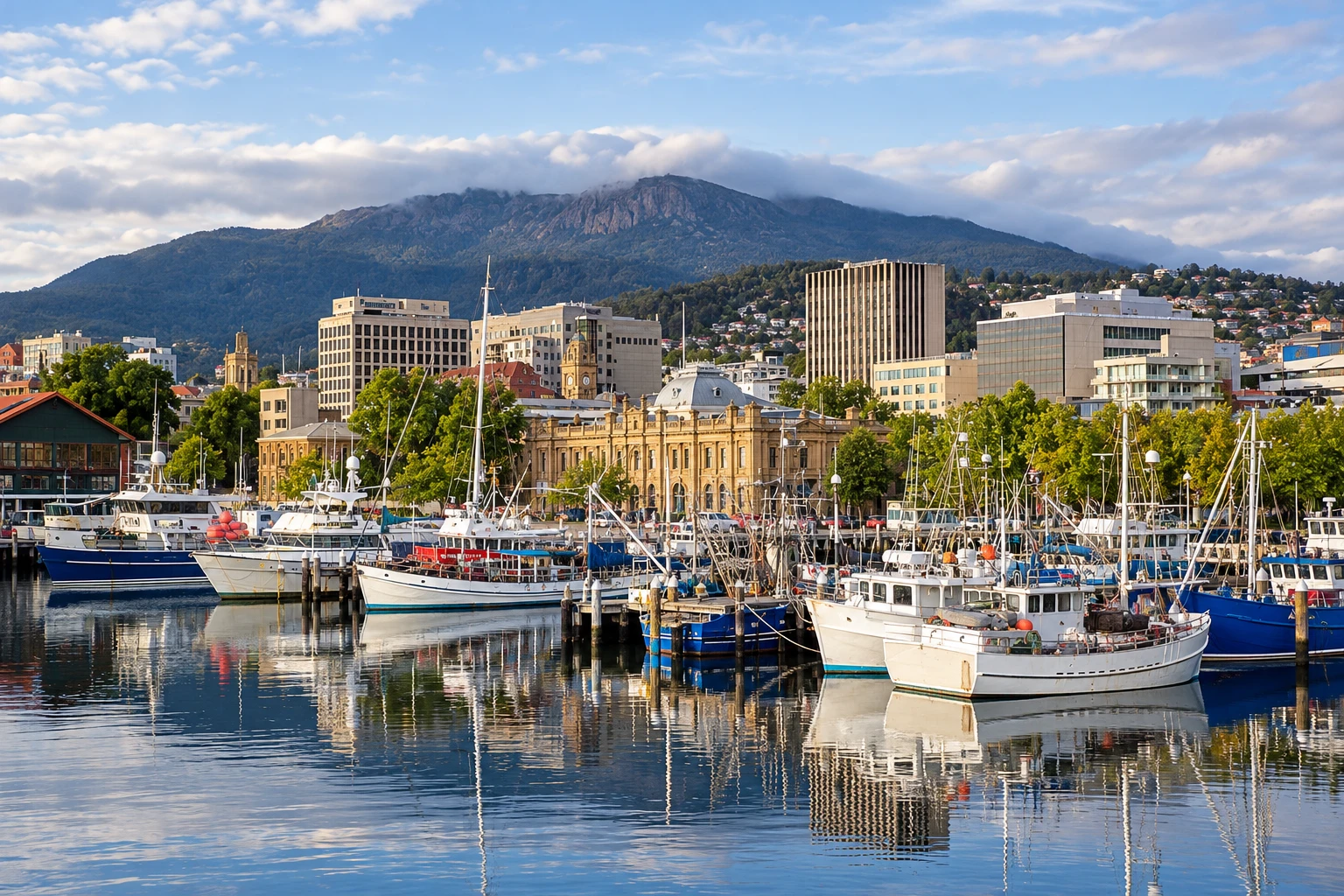
Hobart, the capital, sits between the River Derwent and Mount Wellington (kunanyi), from which you can see the city and the estuary. The stone warehouses at Salamanca Place, the Saturday market, the Battery Point neighborhood and the MONA museum, reached by boat, are the city's attractions. The Cascades Female Factory, a former women's prison, is part of the UNESCO convict sites.
About 95 km from Hobart, Port Arthur preserves the ruins and buildings of the old penal settlement, one of the UNESCO convict sites, as well as the Coal Mines on the same peninsula. Richmond, near the capital, has the 1823 stone bridge, the oldest still in use in Australia.
In the north, Launceston has the Cataract Gorge, a canyon within the city, and nearby are the Brickendon and Woolmers farms, another UNESCO convict site. Cradle Mountain, with Dove Lake and the start of the Overland Track, and Strahan on the west coast, from where boats run up the Gordon River, are in the UNESCO wilderness area.
On the east coast, Coles Bay is the gateway to Freycinet National Park and Wineglass Bay; Bicheno has little penguins and a granite coastline; and St Helens sits beside the Bay of Fires, with rocks covered in orange lichen. The island is known for oysters, salmon, apples and whiskey.

Flavors of Australia
Destinations
Cities

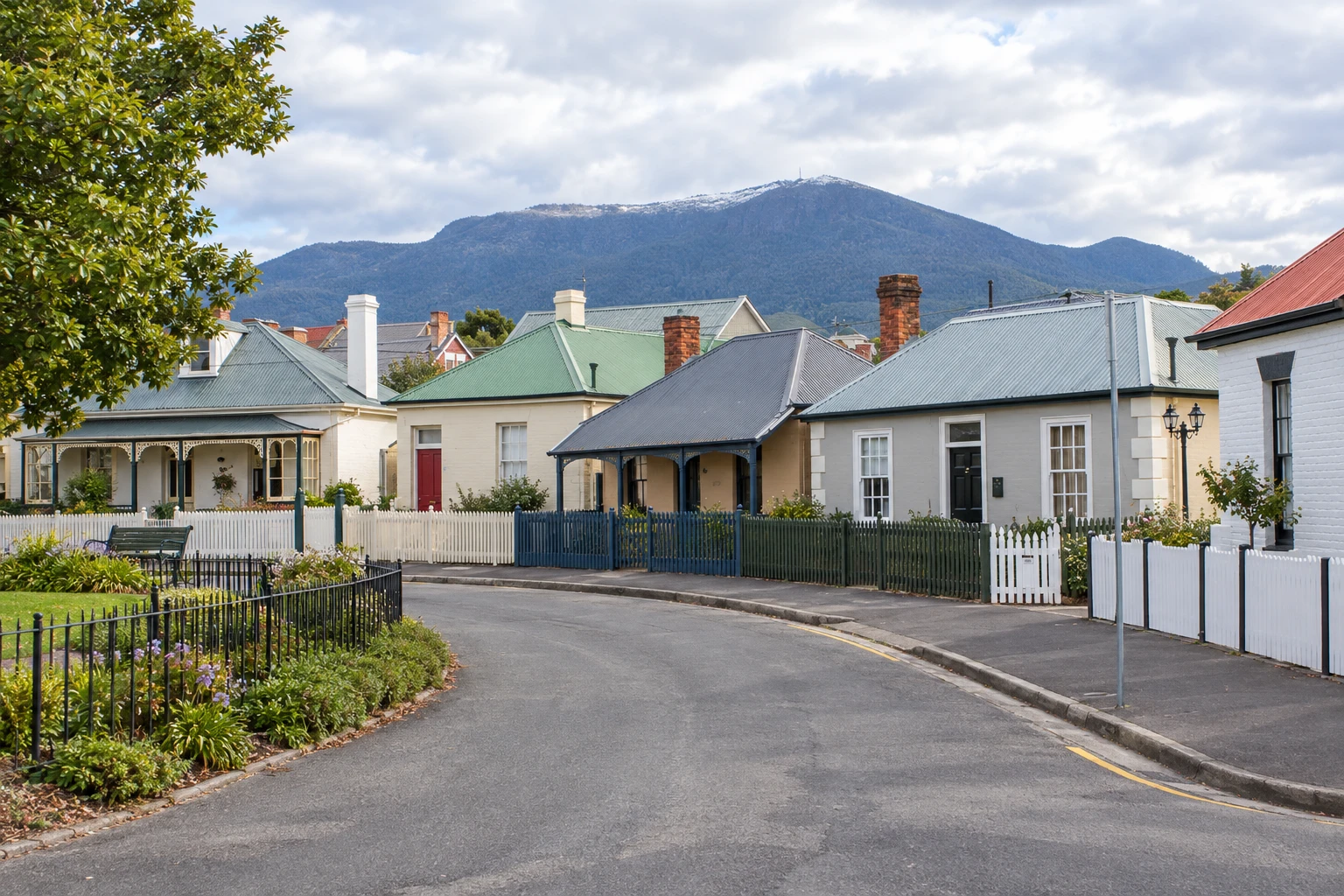
Capital of Tasmania, founded in 1804 on the banks of the Derwent River estuary. The historic center is beside the port, with the sandstone warehouses of Salamanca Place and the houses of Battery Point. kunanyi dominates the landscape, and upriver is MONA, an art museum reached by boat. The city is a base for visits to Port Arthur and Richmond.

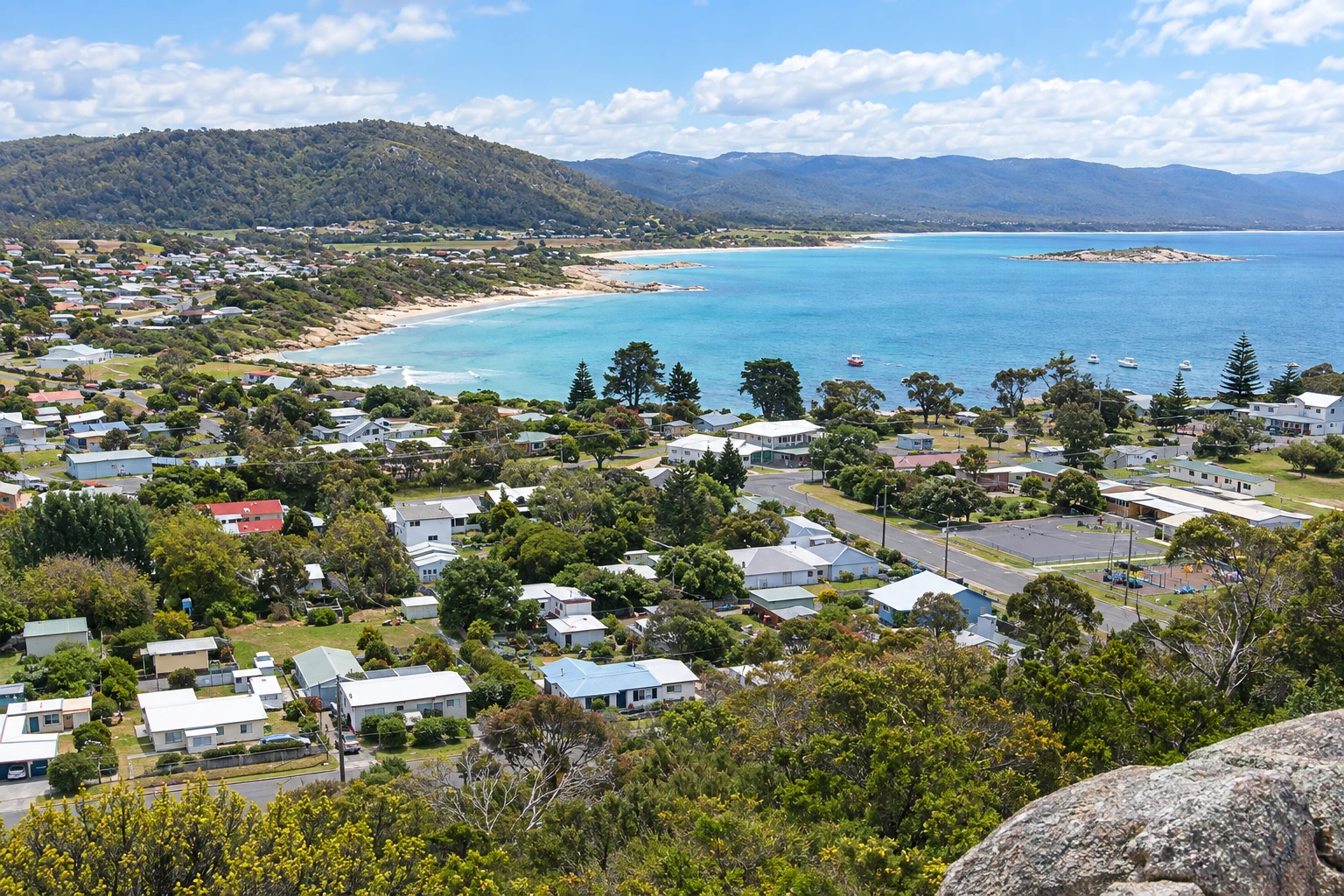
A fishing village on the east coast, about 40 km from Coles Bay, with beaches, a small harbour, and seafood restaurants. It’s known for the coastal blowhole and the little penguins that return to the beach at dusk. Near the village, the East Coast Natureworld park has Tasmanian devils.

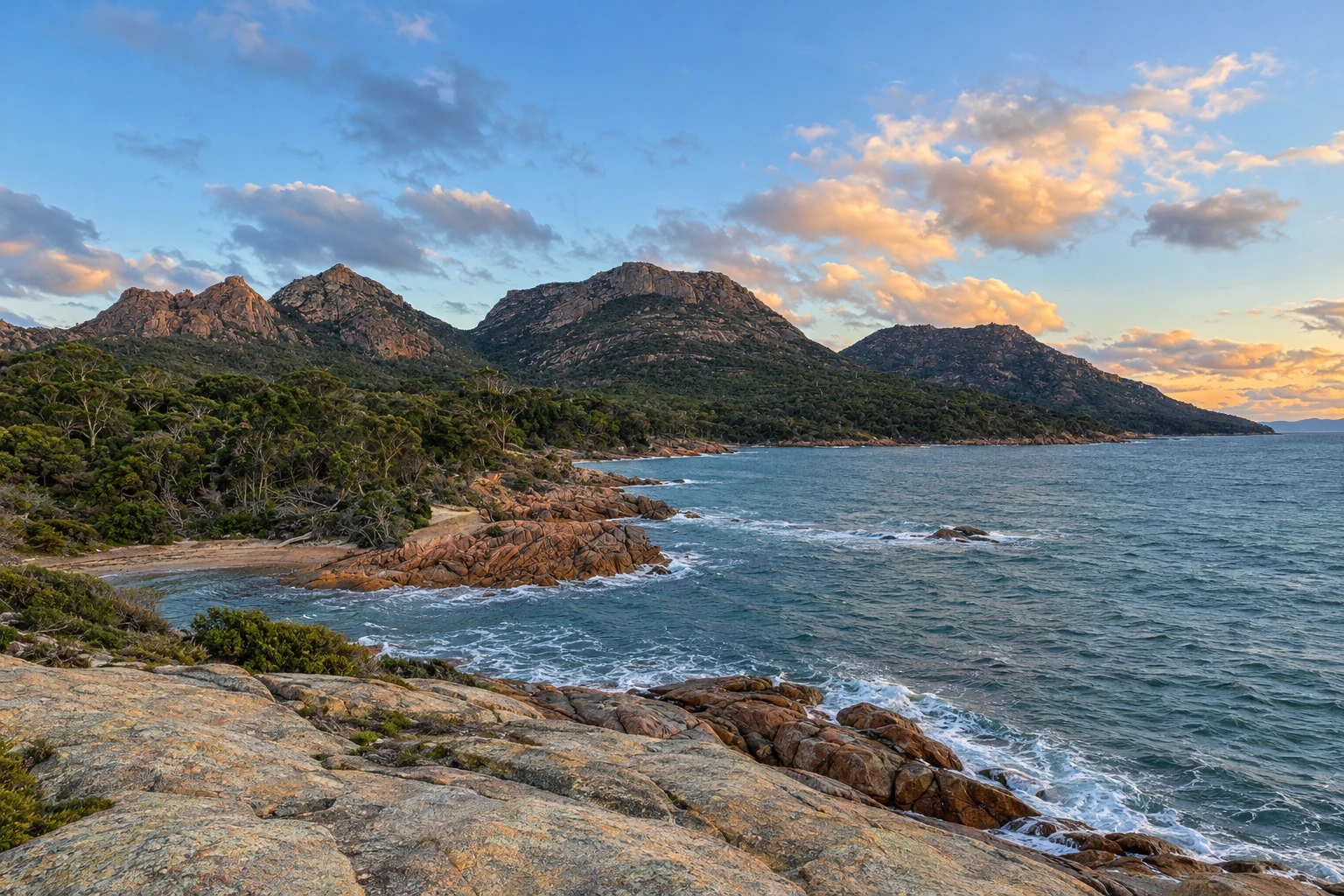
Village at the entrance to Freycinet National Park, on the shore of Great Oyster Bay, with views of the Hazards granite mountains. It has guesthouses, restaurants and oyster farms. It’s the base for the Wineglass Bay lookout walk, Cape Tourville Lighthouse and the park’s beaches, such as Honeymoon Bay and Friendly Beaches.

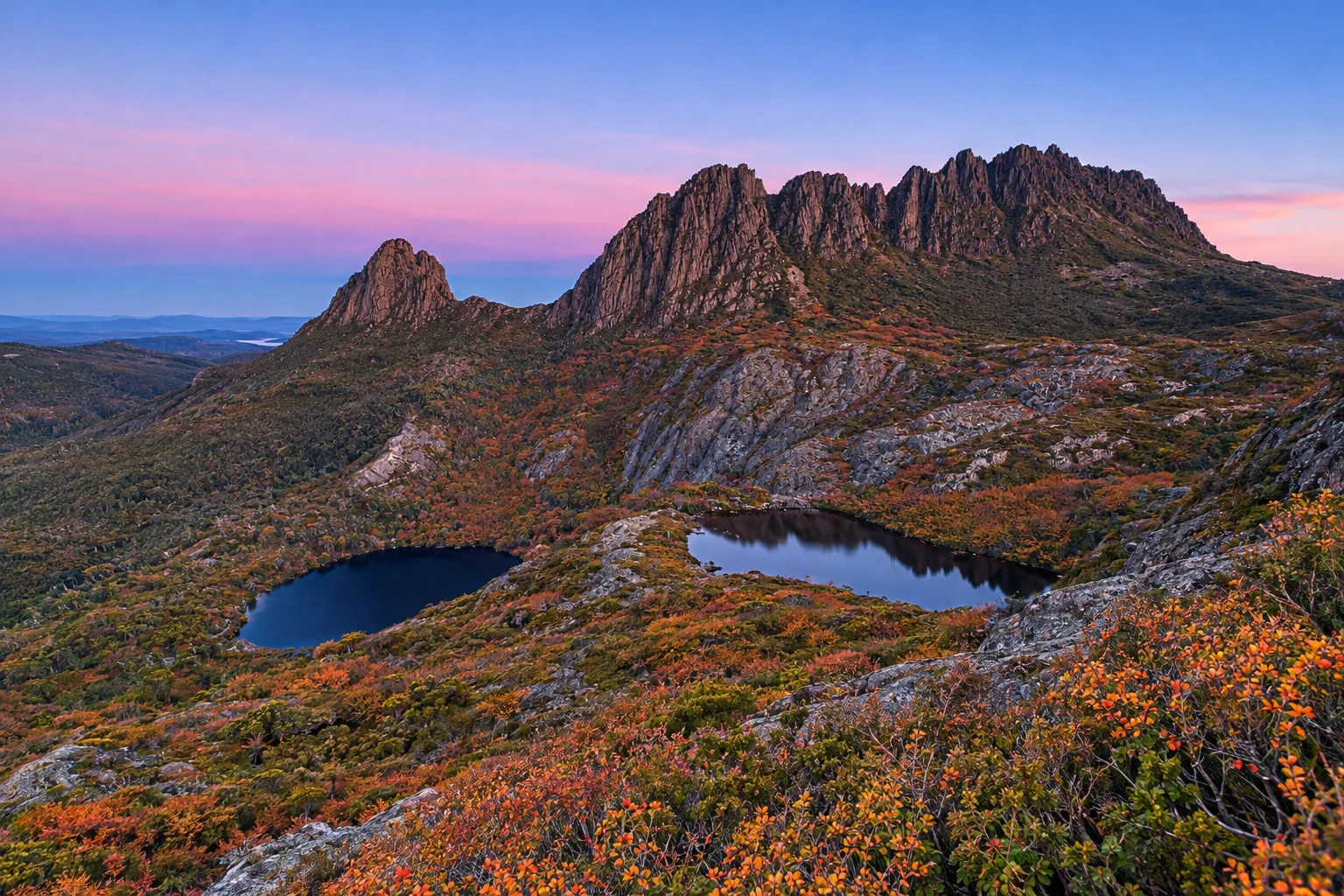
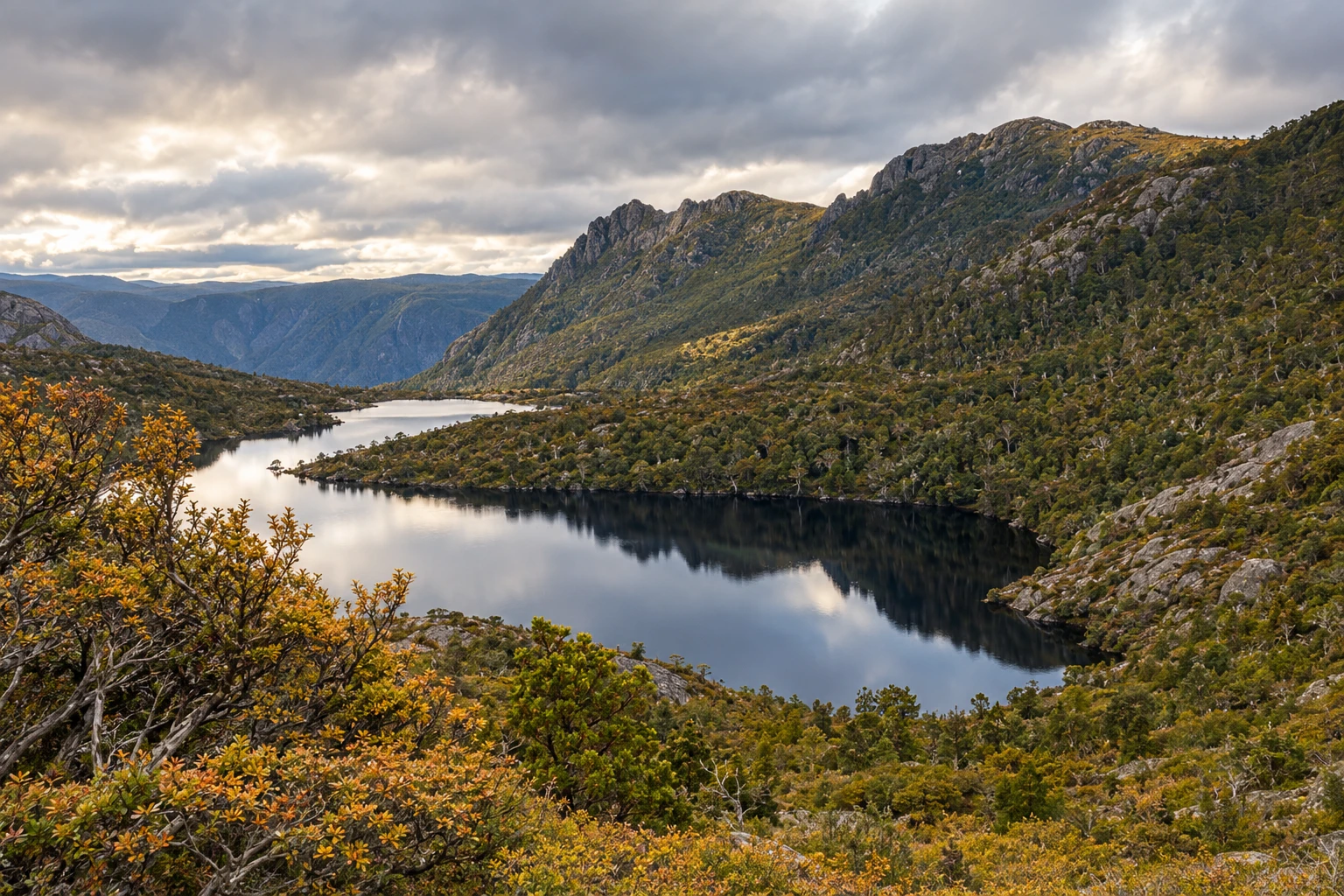
Locality at the northern entrance of Cradle Mountain–Lake St Clair National Park, with the visitor centre, cabins and hotels. From here park buses run to Dove Lake at the foot of the mountain and to the start of the Overland Track. Nearby is the Devils@Cradle sanctuary for Tasmanian devils. Wombats and wallabies often graze in the fields at dusk.

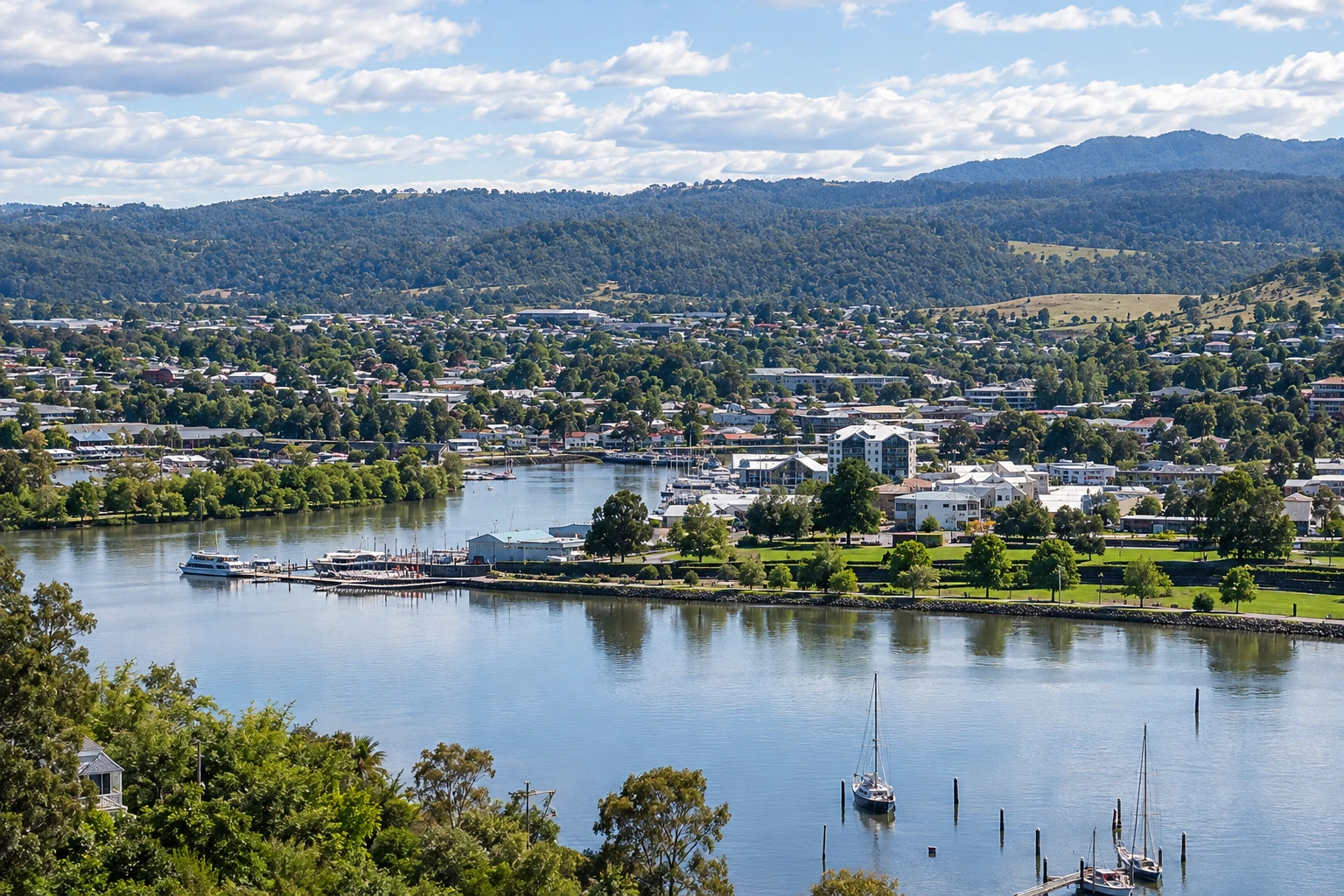
Second city of Tasmania, in the north of the island, where the North Esk and South Esk rivers join to form the Tamar River. It has Victorian buildings and parks in the center and, a few minutes’ walk away, the Cataract Gorge, with a swimming pool, a cable car and walking trails. Downriver, the Tamar Valley hosts cool-climate wineries. It is the gateway to Cradle Mountain.

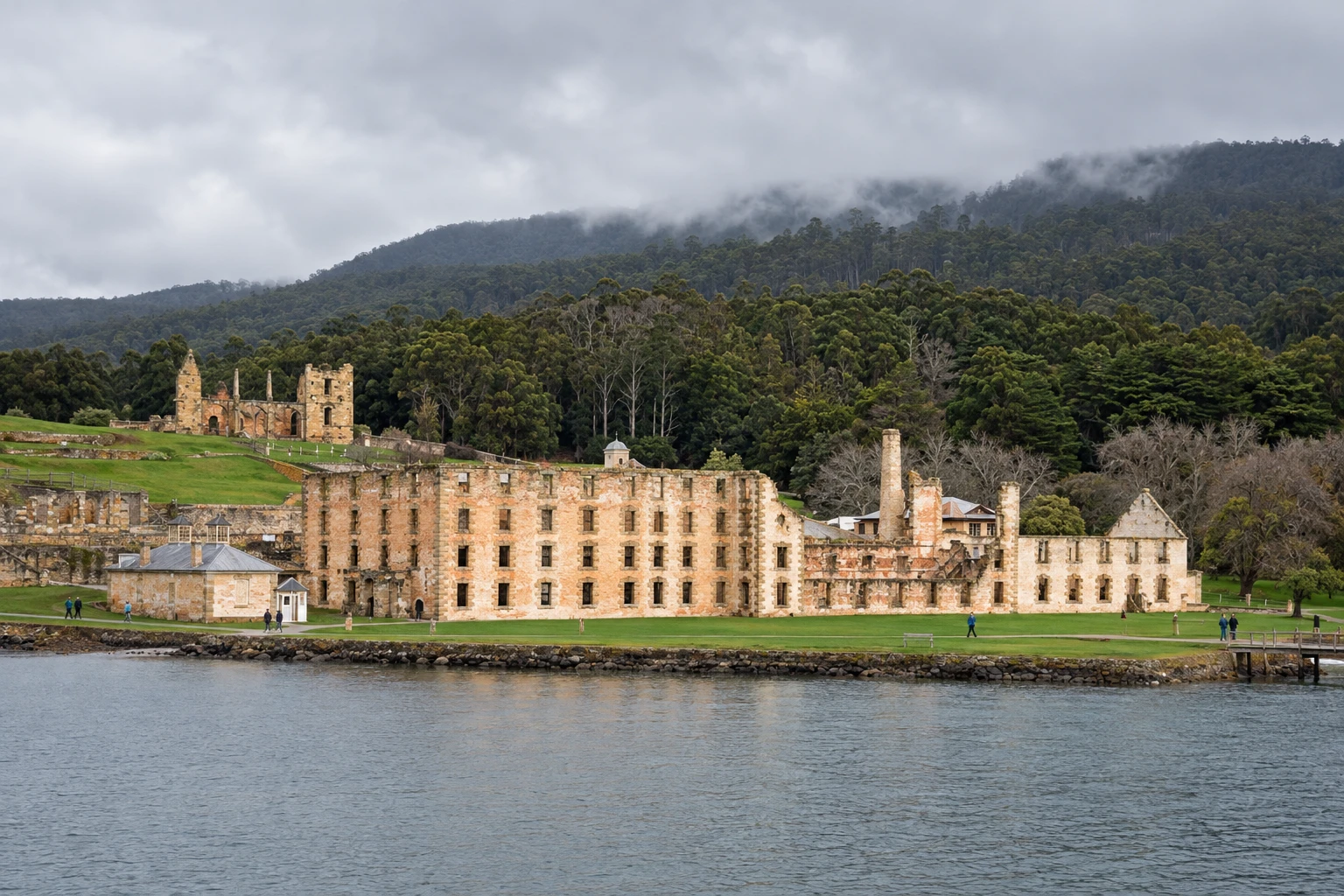
Small settlement on the Tasman Peninsula, about 95 km from Hobart, known for the ruins of the penal colony that operated there from 1830 to 1877. The historic site is a World Heritage Site as part of the Australian Convict Sites. The peninsula also has the cliffs and rock formations of Tasman National Park, such as Tasman Arch and the Tessellated Pavement.

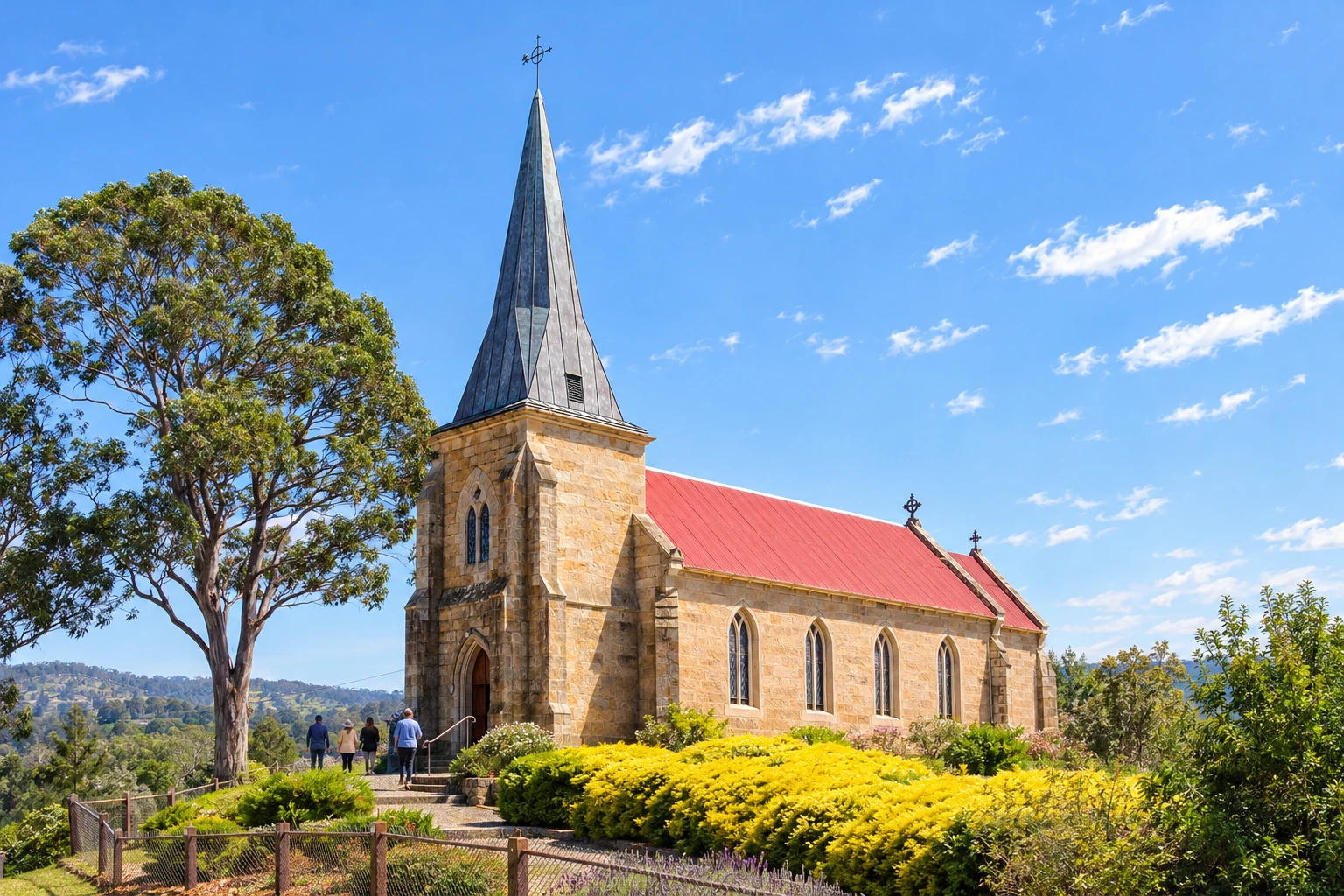
Historic village in the Coal River valley, about 25 km from Hobart, with Georgian houses, the oldest stone bridge still in use in Australia (1823), and the 1825 gaol. Surrounding the village are cool-climate wineries and, on the way back to Hobart, the Bonorong Sanctuary where you can see Tasmanian devils.

Largest town on Tasmania’s northeast coast, on Georges Bay, known for fishing and seafood. It’s the base for the Bay of Fires, a stretch of white-sand beaches and granite rocks covered in orange lichen that begins at Binalong Bay, about 10 km away. Inland, St Columba Falls drops roughly 90 meters into the forest.

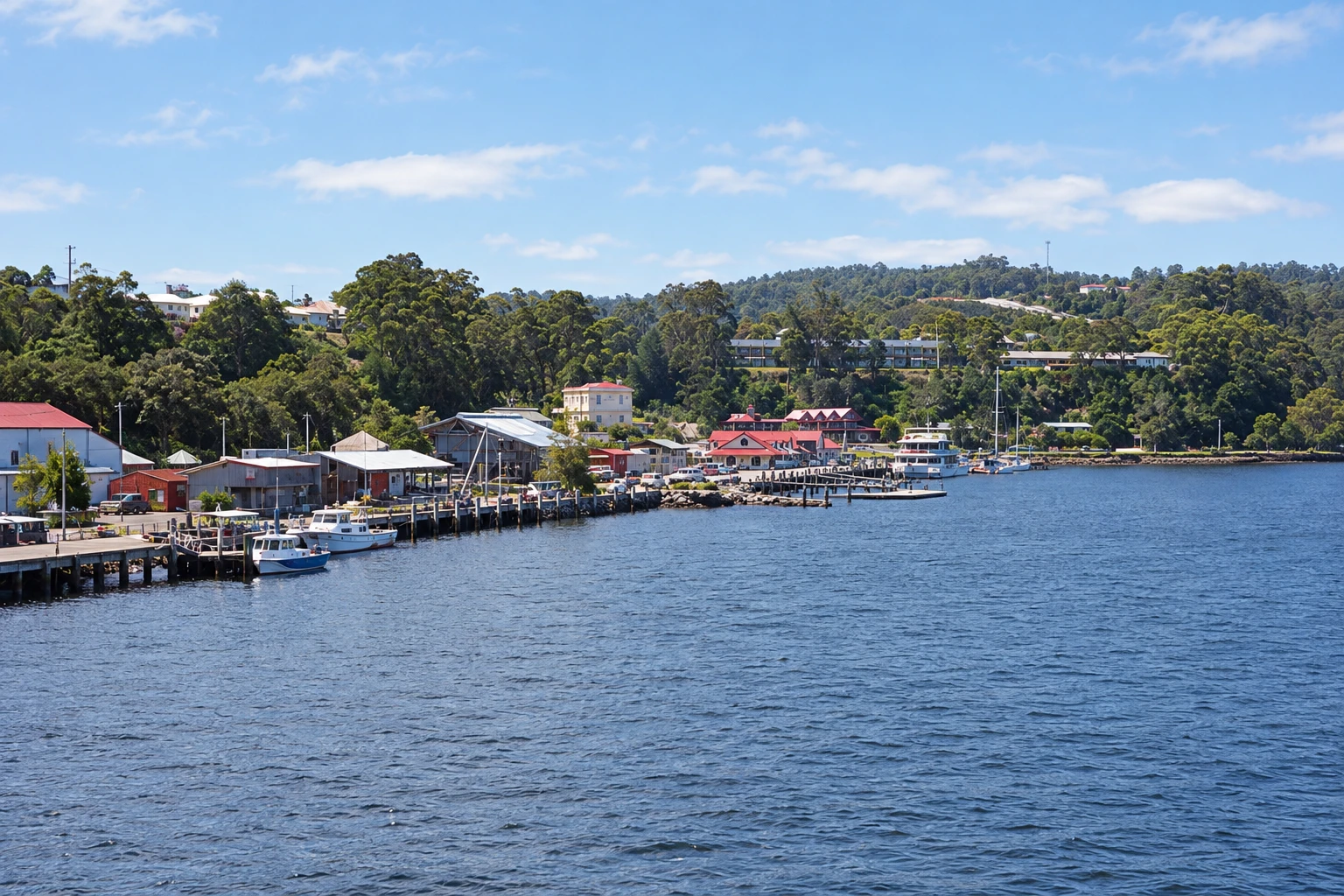
A port village on Tasmania’s west coast, on the edge of Macquarie Harbour. It’s the base for boats that go up the Gordon River into the World Heritage wilderness area and pass by the former penal settlement on Sarah Island. It’s also the terminus of the historic West Coast Wilderness Railway. At night the play The Ship That Never Was tells the story of a group of convicts who escaped.
The seasons are the same as in Brazil, with temperatures lower than on the mainland. Summer (December to February) is the best time for hikes, the east coast beaches and Cradle Mountain, and the days are long. Autumn (March to May) is usually stable and colorful. In winter it is cold, and the mountains can have snow; longer tracks require preparation.
Hobart (HBA) and Launceston (LST) receive flights from Sydney, Melbourne and Brisbane, which are the route for travelers coming from Brazil. The Spirit of Tasmania ferry crosses the Bass Strait, generally at night, from Geelong (near Melbourne) to Devonport, and carries cars. Within the island, driving is the most practical way to travel: Port Arthur is about 95 km from Hobart, Cradle Mountain about 150 km from Launceston and Coles Bay about 190 km from Hobart.
Beyond the guide
Your questions
With one week you can do the main circuit: Hobart and Port Arthur, the east coast with Freycinet, Launceston and Cradle Mountain. With 4 or 5 days, choose between the south and the east coast or the north and Cradle Mountain.
It's the most practical way: intercity buses are few, and the parks are far from routes. In Tasmania you drive on the left, and inland roads are narrow and winding; avoid driving at dusk when animals cross the road.
The bay lookout is on an uphill track from the Freycinet Park car park, near Coles Bay. Those with more fitness descend to the beach. There are also boat tours and scenic flights that depart from Coles Bay.
Yes. Port Arthur is about an hour and a half by car from Hobart, and there are day tours that depart from the capital. The ticket usually includes the guided tour and the boat across the bay.
In the wild it is shy and more active at night, so the most common way to see it is in the island's wildlife sanctuaries, some near Cradle Mountain and Hobart, which work on protecting the species.