

 Brazil
 Antarctica
 Bolivia
 Chile
 Colombia
 Ecuador
 Falkland Islands (Malvinas)
 French Guiana
 Guyana
 Paraguay
 Peru
 Suriname
 Uruguay
 Venezuela
 Albania
 Austria
 Belgium
 Croatia
 Denmark
 Finland
 France
 Germany
 Greece
 Hungary
 Iceland
 Ireland
 Italy
 Luxembourg
 Norway
 Poland
 Portugal
 Slovakia
 Slovenia
 Spain
 Sweden
 Switzerland
 the Czech Republic
 the Netherlands
 the United Kingdom
 Turkey
 Bermuda
 Canada
 Greenland
 Mexico
 Saint Pierre and Miquelon
 the United States
 the Dominican Republic
 Japan
 Egypt
 South Africa
 Australia
 Fiji
 New Zealand
 Papua New Guinea
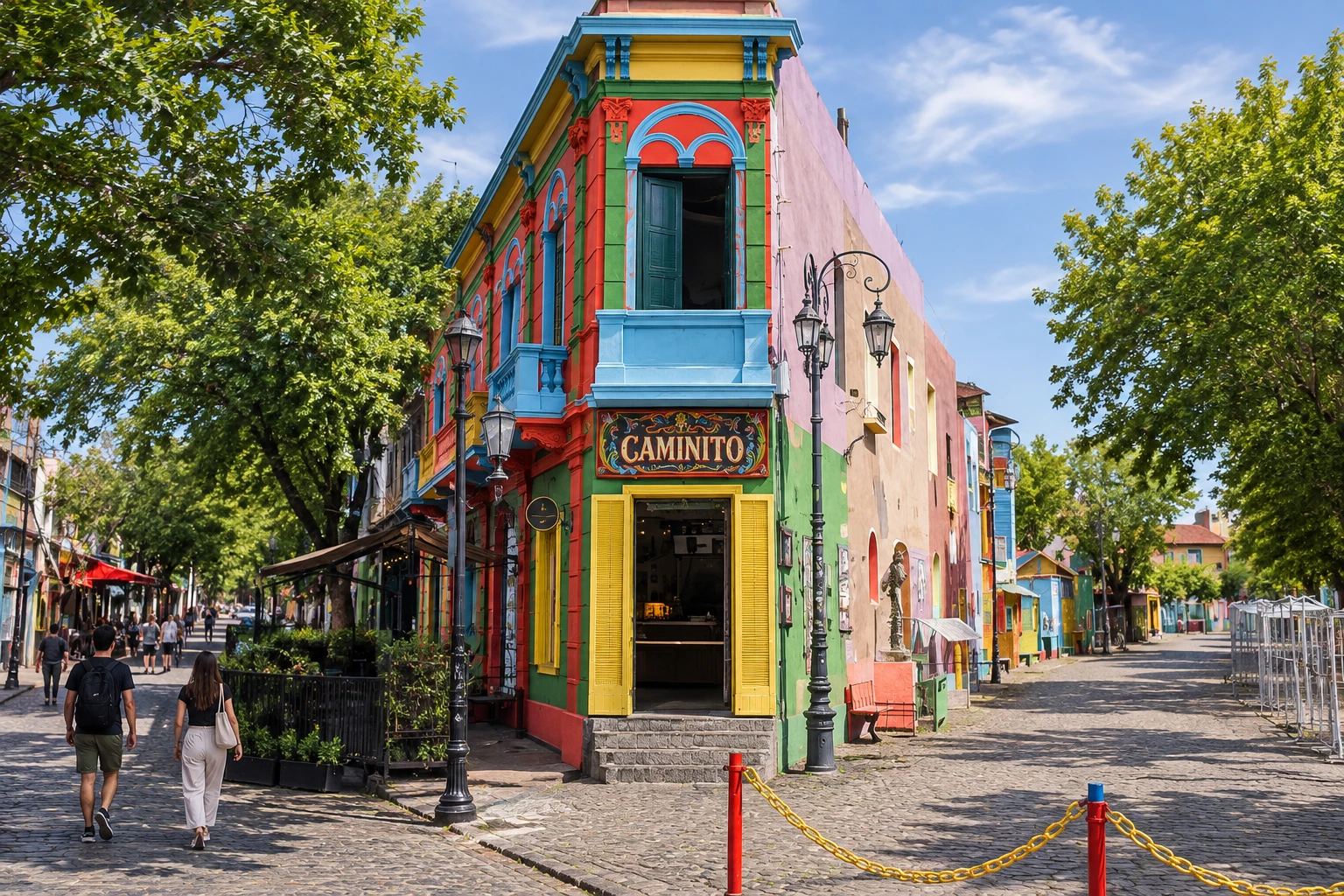
historic street · Buenos Aires, Argentina
Caminito
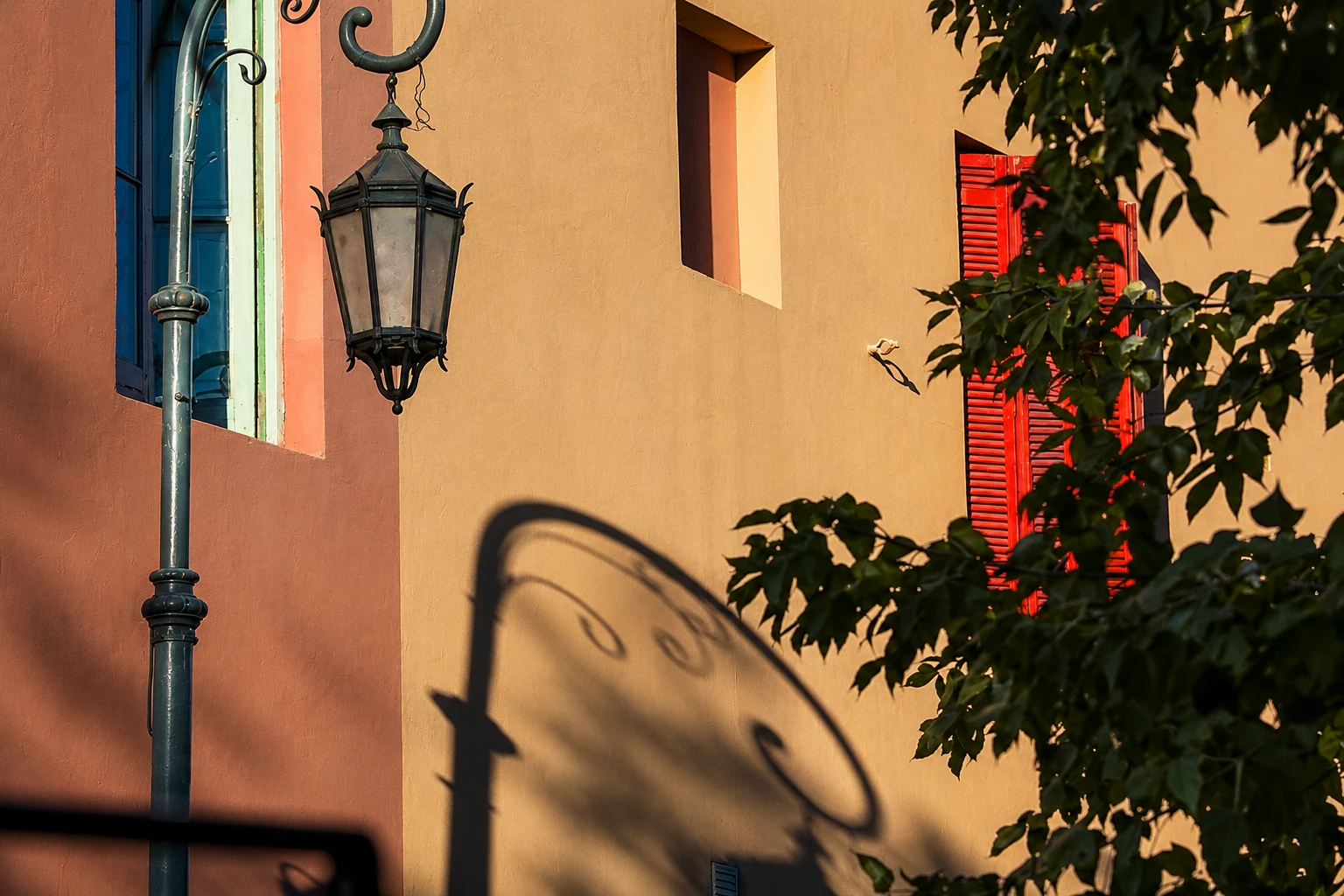
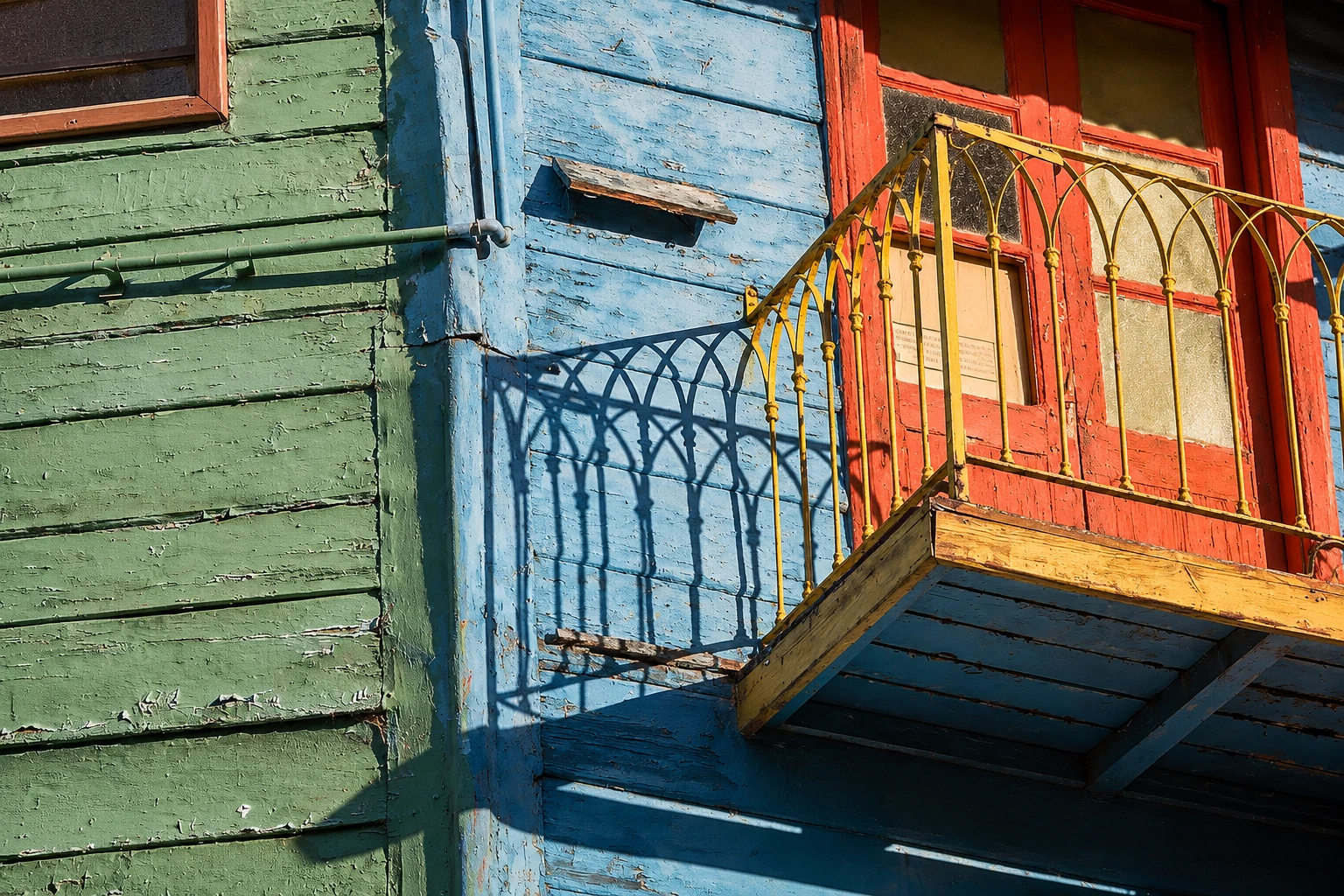
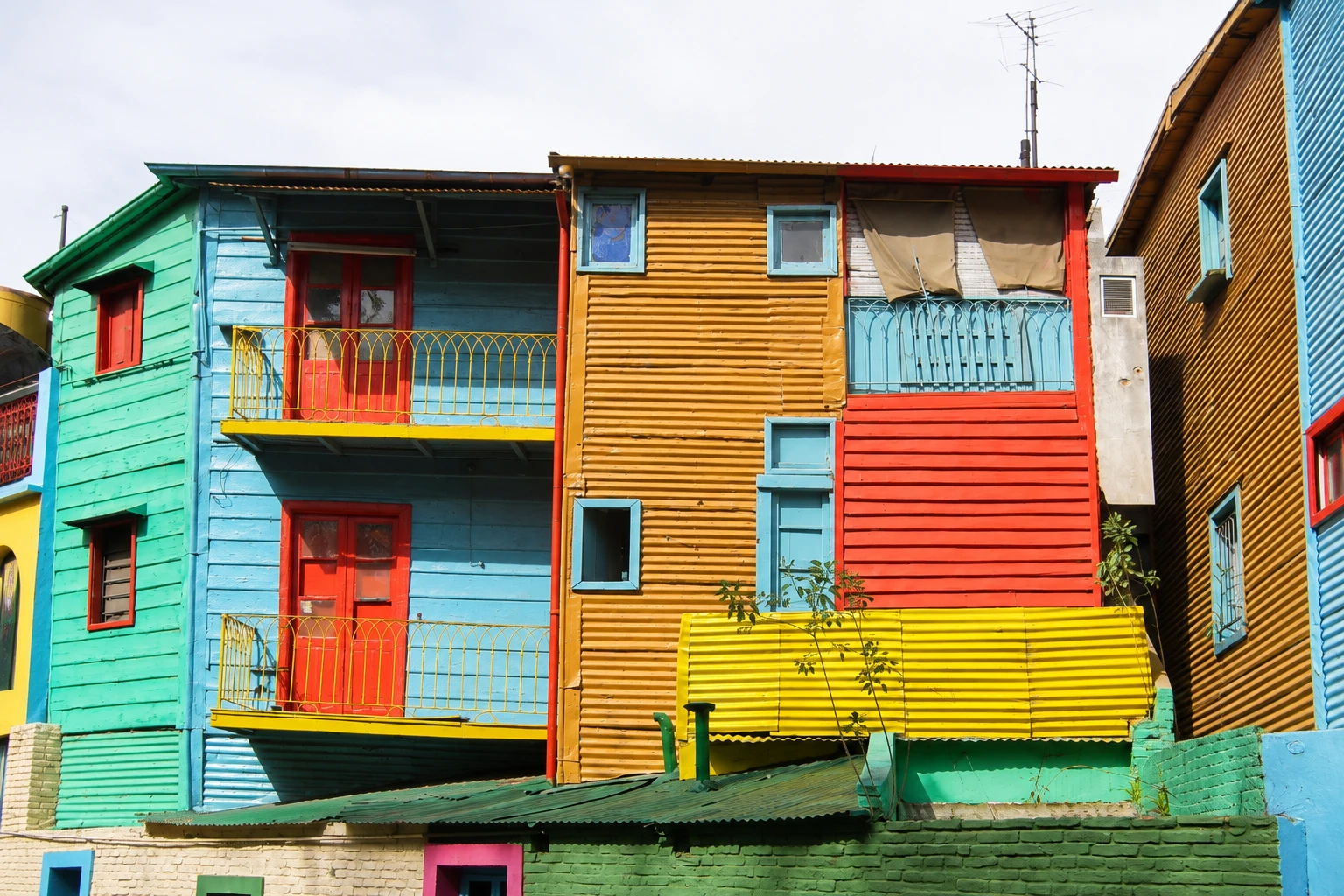
Museum-street in La Boca, with corrugated metal and wooden houses painted in bright colors. Created in 1959 by the painter Benito Quinquela Martín, it is named after a famous tango.
Illustrative images. The pictures in this guide are illustrations based on the real place, not photographs, and may differ from it.

A look at the place
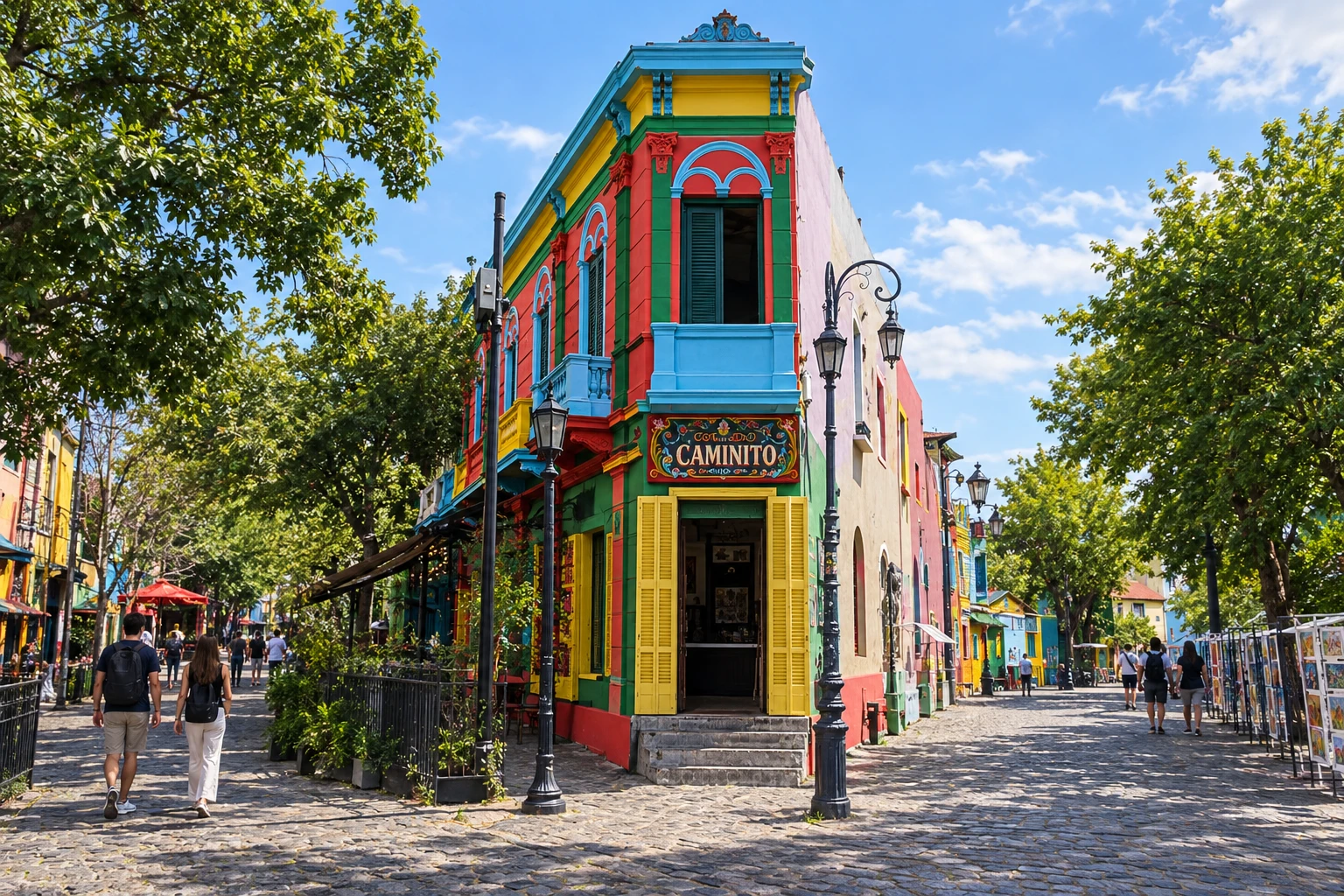
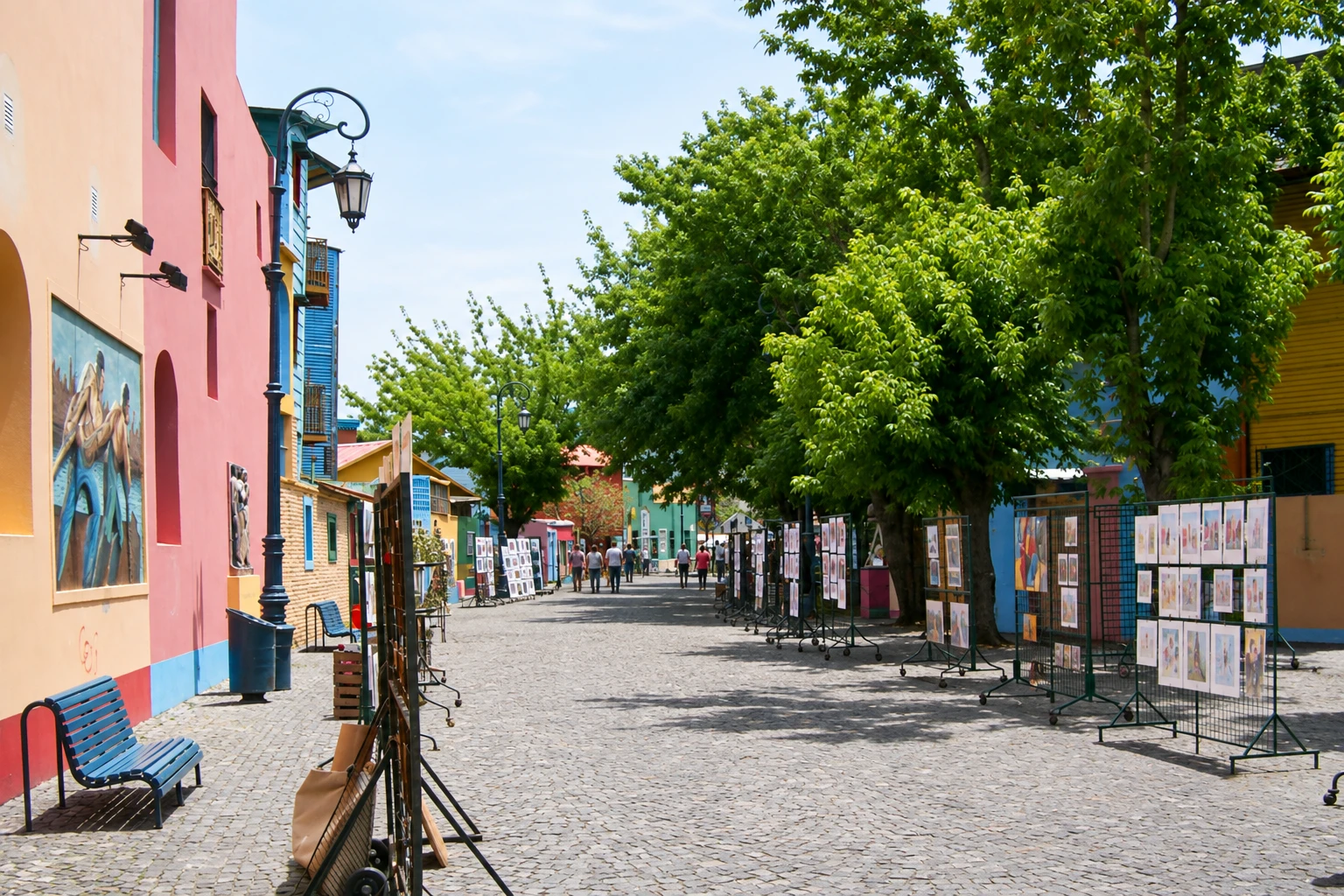
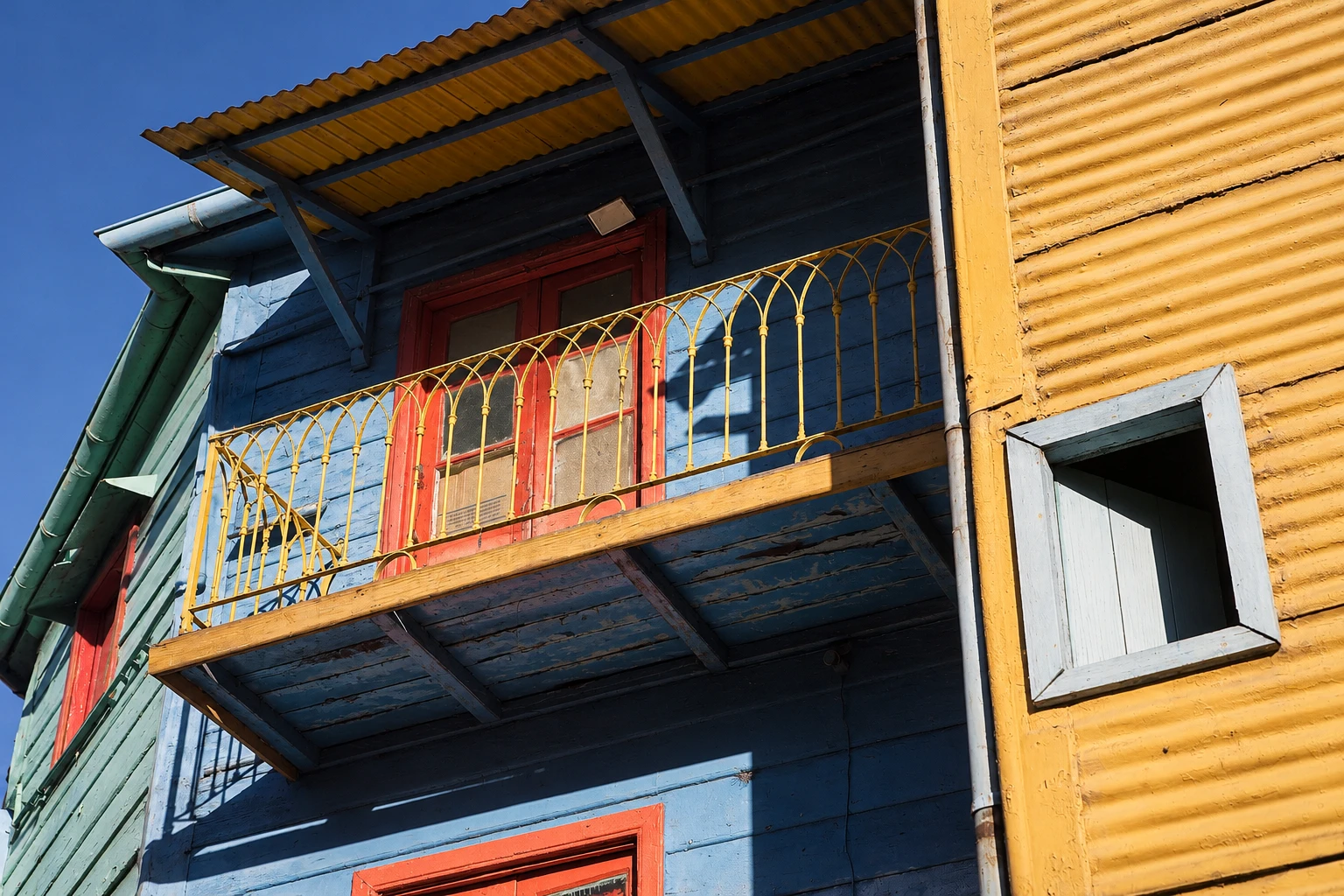
Caminito in pictures
These pictures are illustrations based on the real place, not photographs. They may differ from the place.
Click the picture to enlarge it.
Discover
About Caminito
Caminito is a short pedestrian street in the La Boca neighbourhood, next to the Vuelta de Rocha, the bend of the Riachuelo where the city's old port used to be. It is one of the most photographed places in Buenos Aires.
The neighbourhood was settled at the end of the 19th century by immigrants, many of them Genoese, who worked at the port. They lived in corrugated zinc and wooden houses, the conventillos, and painted the walls with leftover paint from the ships. Hence the mixed colours that mark the landscape.
In 1959, the painter Benito Quinquela Martín, born in the neighbourhood, helped transform the old path beside the railway into an open-air street-museum, with artworks and plaques. The name comes from the tango Caminito, by Juan de Dios Filiberto.
Today the street and the surrounding blocks have ateliers, craft shops, restaurants with sidewalk tables and couples dancing tango. A few blocks away are the Museo Benito Quinquela Martín, with works by the painter, the Fundación Proa of contemporary art, and the La Bombonera stadium of Boca Juniors.
Before you go
Practical information
Cidade Turismo reviews its information regularly, but something may have changed. Check with the place before planning your trip.
How much time to set aside
Allow 1 to 2 hours for Caminito and the surrounding streets. Add about 1 hour if you visit a museum or the La Bombonera stadium.
Best time
During the day, when the shops, ateliers and restaurants are open and there is tango in the street. Morning light brings out the colours of the houses. On weekends there is more activity and more artists.
How to get there
It's in the La Boca neighbourhood, in the south of the city, about 5 km from Plaza de Mayo. The subte doesn't reach there: go by taxi, ride-hailing car, or bus. Many tourist buses stop at Caminito.
Tip
Combine the visit with San Telmo, which lies on the way between La Boca and the centre. If you want to see La Bombonera, the stadium has a museum and guided tours on non-match days. Visit by day and stay within the tourist area.
Your questions
Frequently asked questions about Caminito
Why are the houses in Caminito colorful?
Immigrants who lived in La Boca built houses of corrugated metal and wood and painted the walls with leftover paint used on the port's ships. Because there was only a little paint of each color, the walls ended up with several colors.
Is Boca Juniors' stadium near Caminito?
Yes. The Alberto J. Armando stadium, known as La Bombonera, is a few blocks away in the same neighborhood. It has a museum and guided tours on non‑match days. Check opening times before you go.
Can you get to Caminito by subway?
No. No subway line reaches La Boca. The most practical way is by taxi or rideshare, or by bus from the center or from San Telmo.