Rostock · Germany · Church
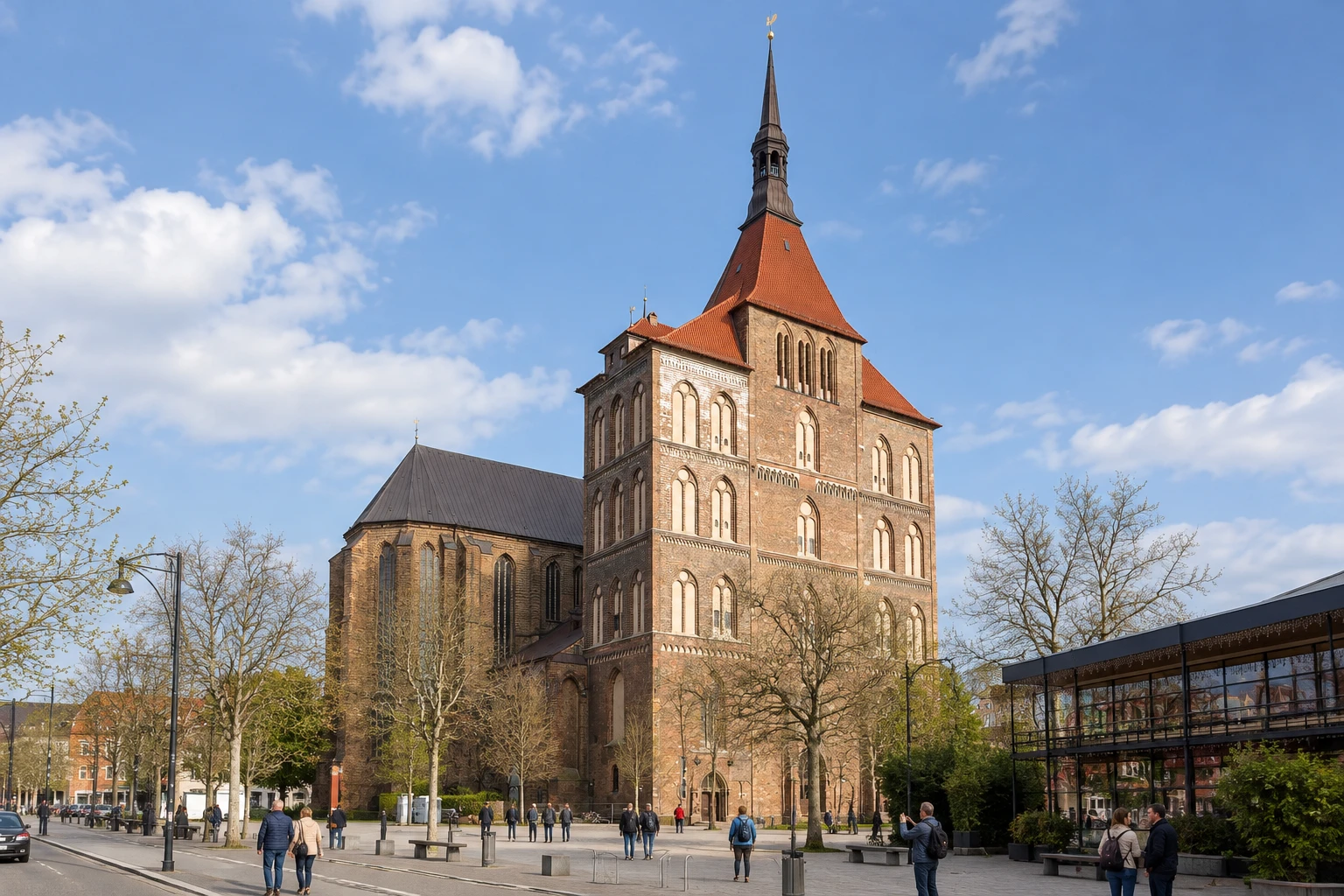
St. Mary's Church, Rostock
Brick Gothic church that survived World War II with relatively little damage. It houses an astronomical clock from 1472 that still works and a bronze baptismal font from 1290.

 Search
 Brazil
 Antarctica
 Argentina
 Bolivia
 Chile
 Colombia
 Ecuador
 Falkland Islands (Malvinas)
 French Guiana
 Guyana
 Paraguay
 Peru
 Suriname
 Uruguay
 Venezuela
 Austria
 Belgium
 Croatia
 Denmark
 Finland
 FranceGermany
 Greece
 Hungary
 Iceland
 Ireland
 Italy
 Luxembourg
 Norway
 Poland
 Portugal
 Slovakia
 Slovenia
 Spain
 Sweden
 Switzerland
 the Czech Republic
 the Netherlands
 the United Kingdom
 Turkey
 Bermuda
 Canada
 Greenland
 Mexico
 Saint Pierre and Miquelon
 the United States
 the Dominican Republic
 JapanTurkey
 Egypt
 South Africa
 Australia
 Fiji
 New Zealand
 Papua New Guinea
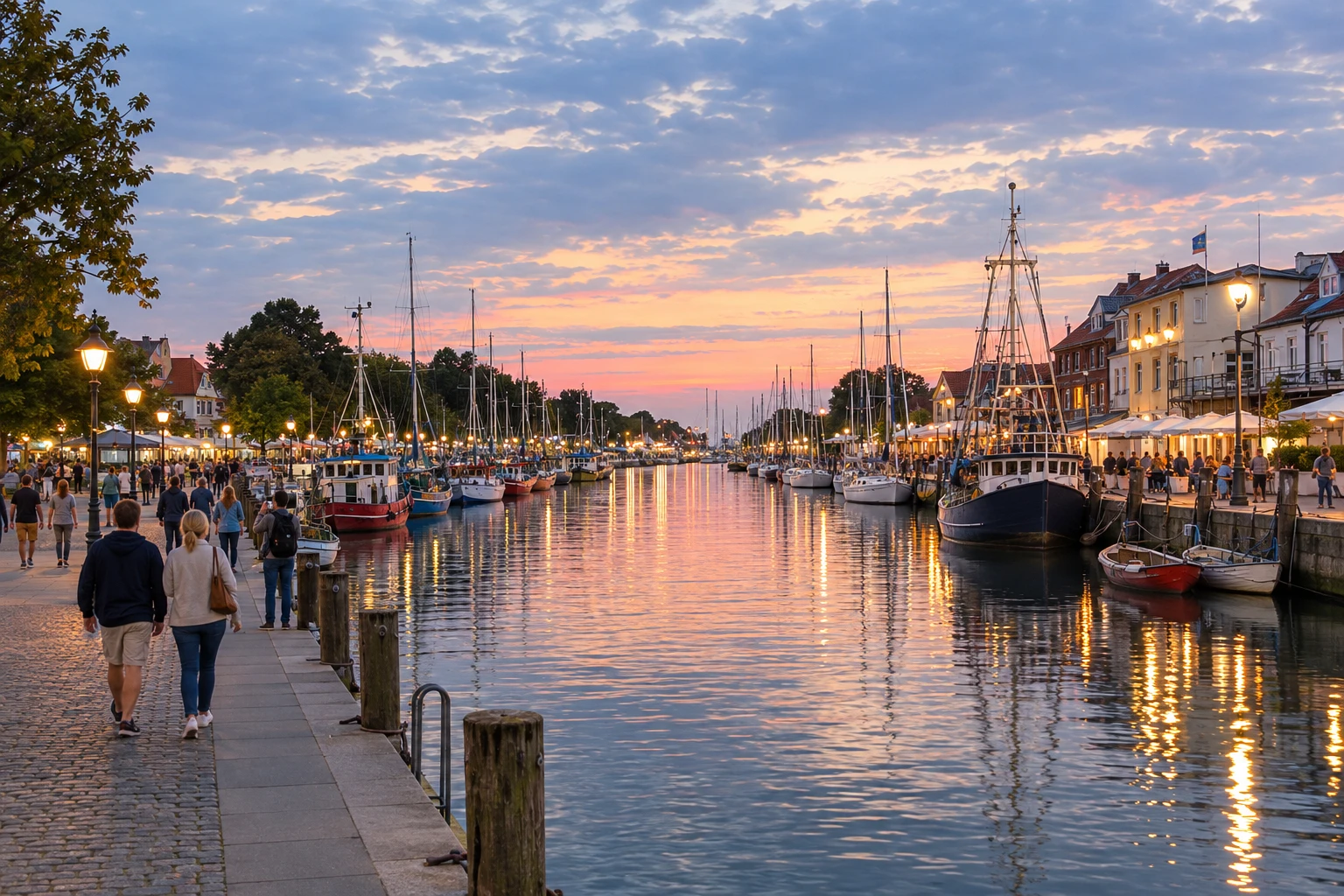
In the photo: Alter Strom, Warnemünde, Rostock
Illustrative images. The pictures in this guide are illustrations based on the real place, not photographs, and may differ from it.

The city
Rostock is the largest city in Mecklenburg-Western Pomerania, a former Hanseatic city and home to one of the oldest universities in northern Europe, founded in 1419. The center includes the Marienkirche, with the 1472 astronomical clock, the Neuer Markt square, Kröpeliner Straße and the old harbour. The Warnemünde district, 20 minutes by train, has a wide beach, a lighthouse and a cruise port. Schwerin, the state capital, is about an hour away.
There's no accommodation in the guide yet in Rostock.
Do you run a hotel, guesthouse or vacation rental here? List itThere are no restaurants in the guide yet in Rostock.
Know a good one? Recommend it to usThe city's hotels and restaurants on the map.
how to get there · how many days · itinerary · questions
The local experience
Brick Gothic church that survived World War II with relatively little damage. It houses an astronomical clock from 1472 that still works and a bronze baptismal font from 1290.
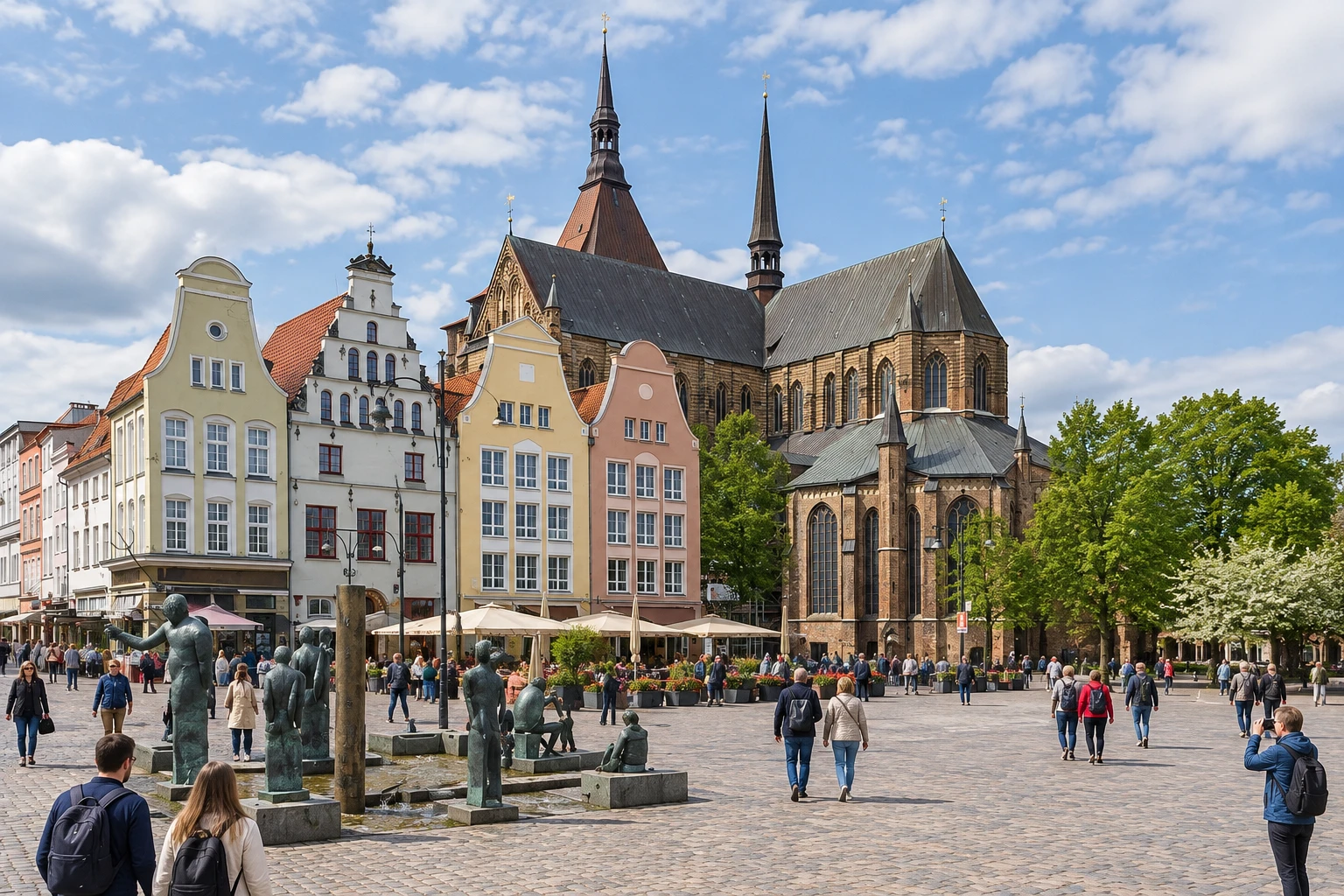
Rostock’s main square, featuring the town hall with a pink Baroque façade and colorful gabled merchant houses.
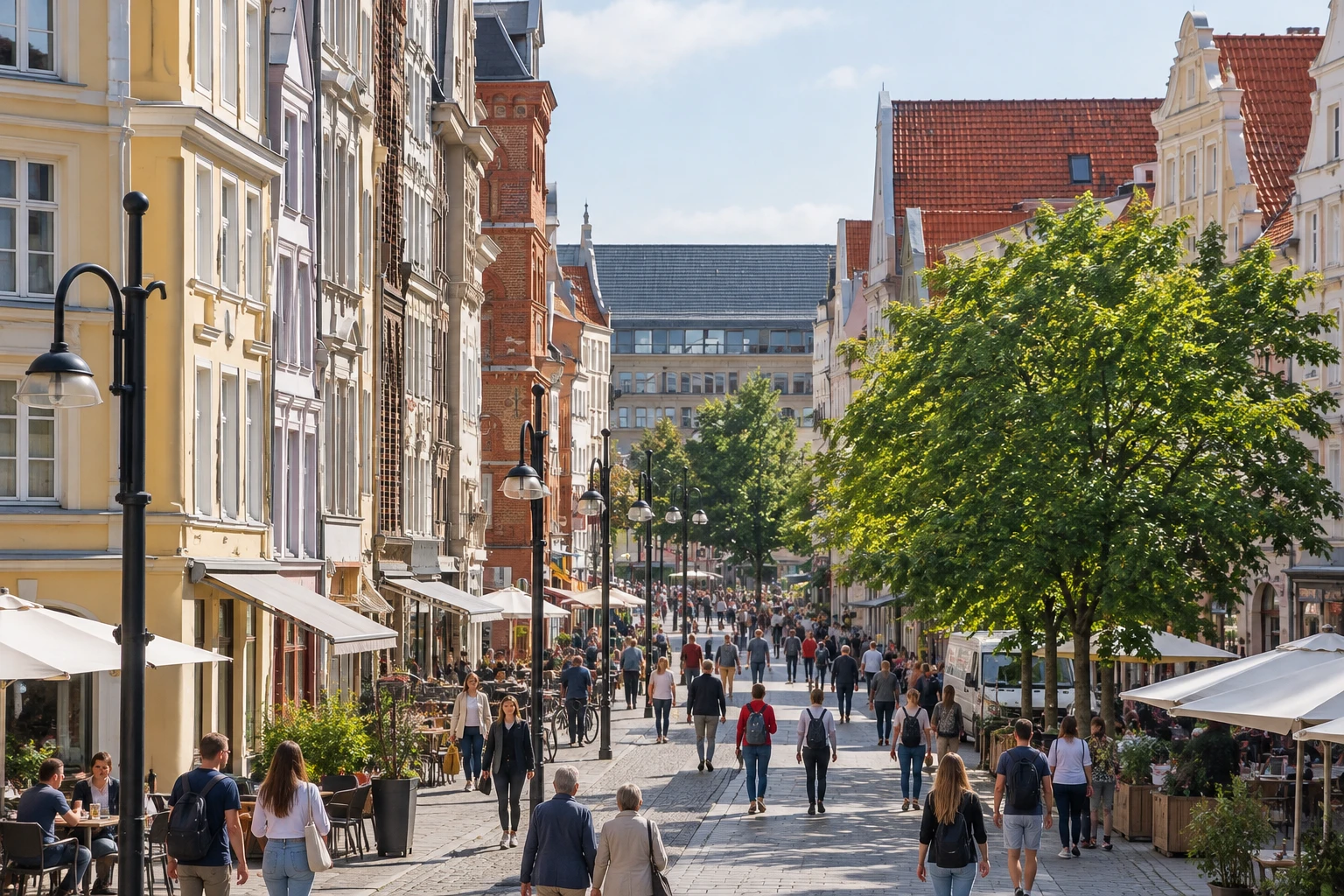
Pedestrian street about 650 metres long that cuts through Rostock's center, from Neuer Markt to the Gothic gate Kröpeliner Tor, passing the University square.
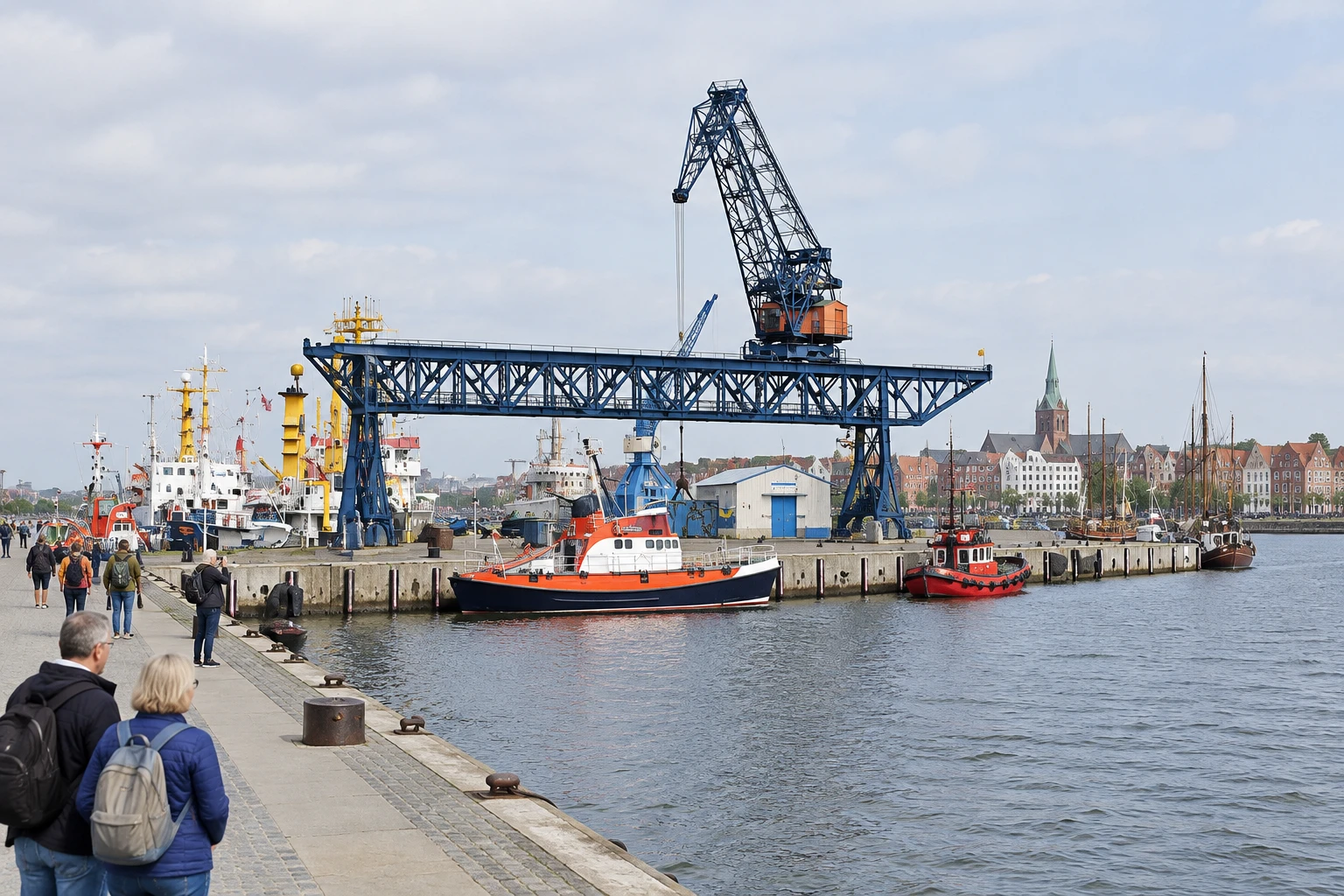
The city's historic port on the banks of the river Warnow, today a promenade area with boats, restaurants and the main stage of the Hanse Sail in August.
Before you go
Rostock – Germany Destination Baltic Coast and Lübeck
Approximate distances. Check flights and bus, train or boat schedules before you travel.
Flights from Brazil usually involve a connection in another city. Confirm before booking. The most used airport is Hamburg (HAM). From Hamburg, the train reaches Rostock in under two hours; from Berlin, in about two hours. From Lübeck there is no direct train: it takes roughly two and a half hours with a transfer.
One day is enough for the city center and an afternoon in Warnemünde. With two days, you’ll have a full extra day for the beach or a day trip to Schwerin.
From May to September, with long days; the bathing season in Warnemünde usually runs from June to August. In August, the Hanse Sail fills the city. In winter, from December to February, it’s cold and gets dark early; the Christmas market typically runs from late November until close to Christmas.
The seasons shown are the most usual ones; nature doesn't always follow the calendar.
No. The center is best explored on foot and by tram, and the S-Bahn urban train takes you to Warnemünde. Schwerin has a direct regional train. A car only helps for smaller coastal villages.
Suggested itinerary
Built with the places on this page. No rush: it's paced so you have time to see them.
Start at Neuer Markt square and the town hall. Enter the Marienkirche around noon to see the figures on the astronomical clock.
Walk down Kröpeliner Straße to the University square and the Kröpeliner Tor. Head down to the old harbour on the banks of the Warnow.
Take the S-Bahn at the central station to Warnemünde. Walk along the Alter Strom to the lighthouse and the pier to watch the ships.
Have fish by the canal or on the waterfront and return to Rostock by S-Bahn.
Day 1
Visit Neuer Markt square and the Marienkirche, with its astronomical clock and bronze baptismal font.
Follow the pedestrian street to the University square and the Kröpeliner Tor, then return via the wall park.
Head down to the Stadthafen and stroll along the quays. In season, you can take a boat trip on the Warnow.
Dine in the old town or on the harbour quay, with views over the river.
Day 2
Take the S-Bahn to Warnemünde and walk along the Alter Strom, with the fishing boats, to the Teepott.
Enjoy the wide beach. In summer, rent a Strandkorb; outside the season, walk along the sand toward the Stoltera.
Climb the lighthouse during the visiting season and finish at the tip of the breakwater watching the ships depart.
Have dinner in Warnemünde and return to Rostock by S-Bahn, or stay the night near the sea.
Check before you go. Opening hours and days change, and places may close for renovations, holidays or events. This itinerary is a suggestion from Cidade Turismo, not a commitment: plan yours by checking directly with each place you intend to visit.
Before you go
Rostock is better for those who want the historic center and more transport options; Warnemünde is for those who want to wake up near the beach. The S-Bahn links the two in about 20 minutes.
It’s Schwerin, about 85 kilometres from Rostock by road and one hour by regional train.
Yes. There is a direct train from Berlin, taking about two hours. It’s a good option for combining the Baltic coast with Berlin.
Most shops are closed on Sundays. In Warnemünde, cafés, restaurants and beach shops tend to be open, but check before you go.