19 places to visit and 14 tours, chosen by the Cidade Turismo guide.
Updated
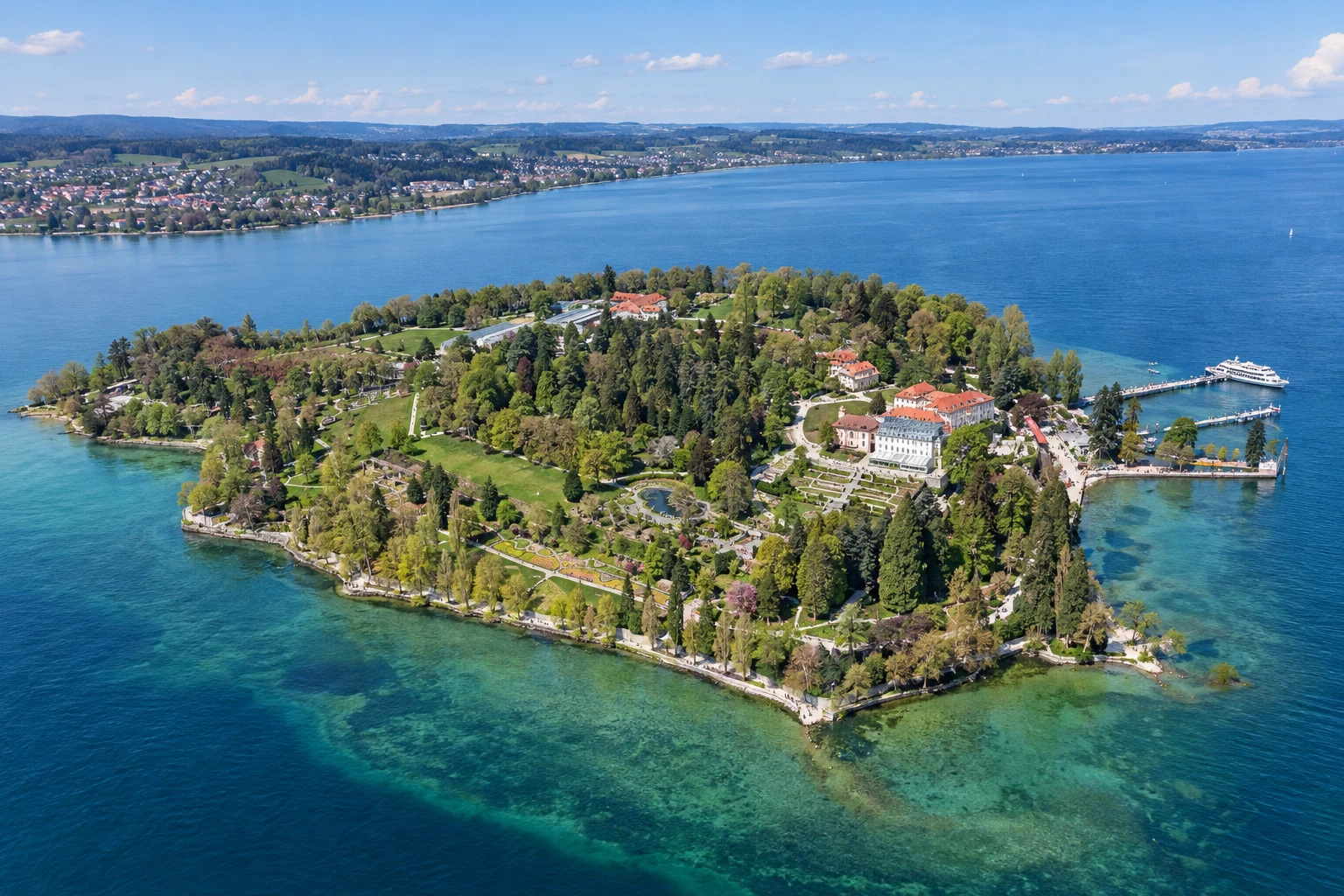
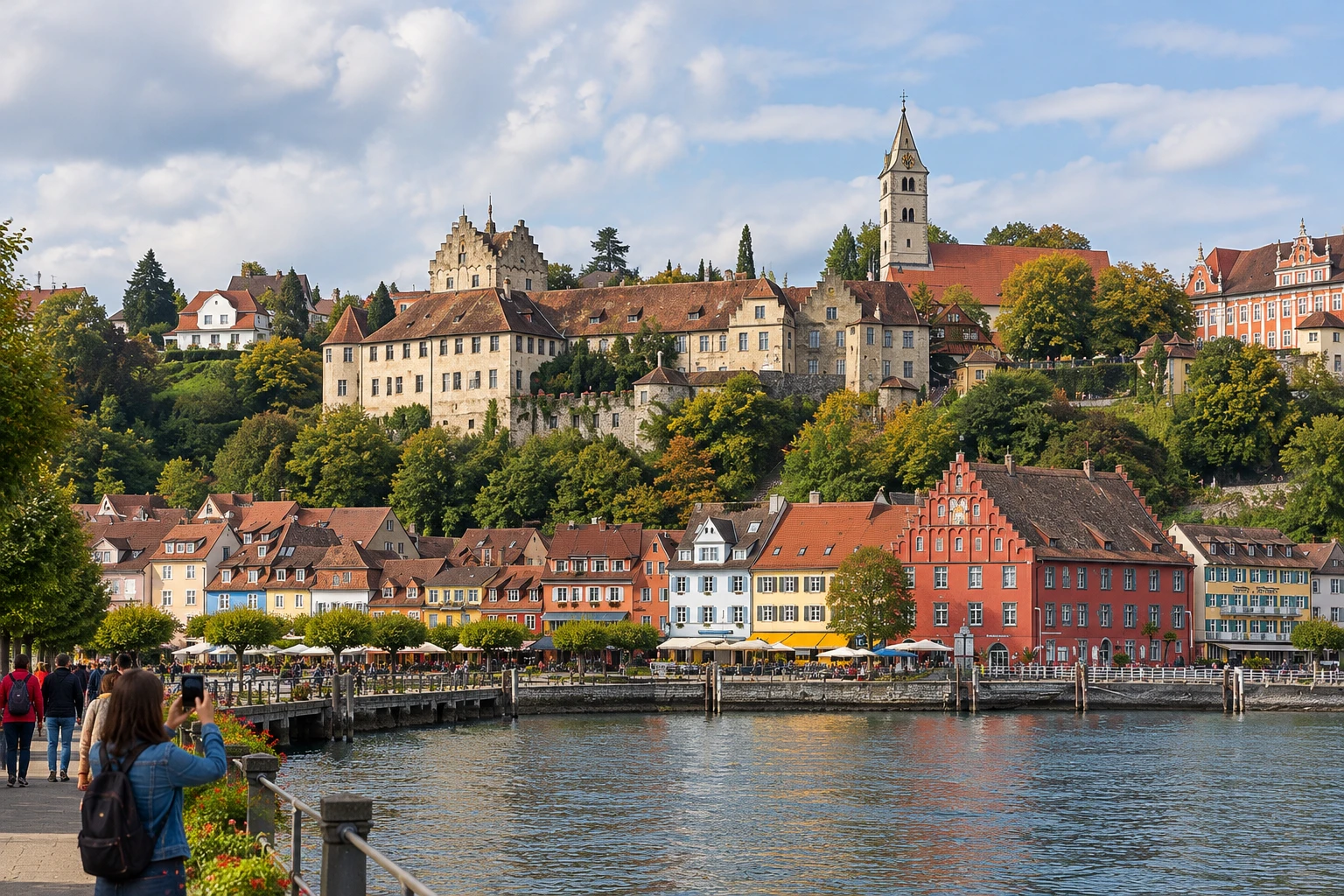
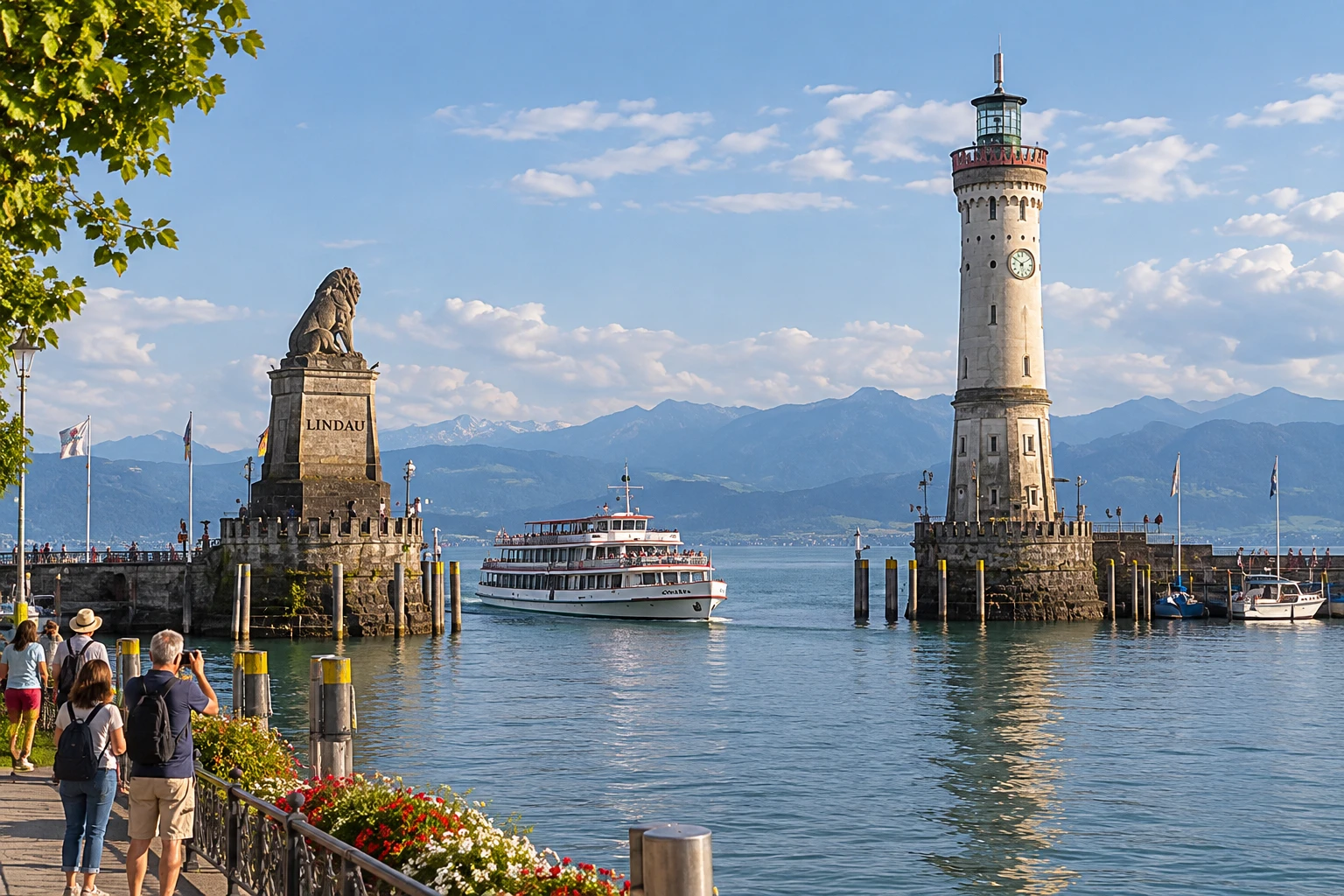
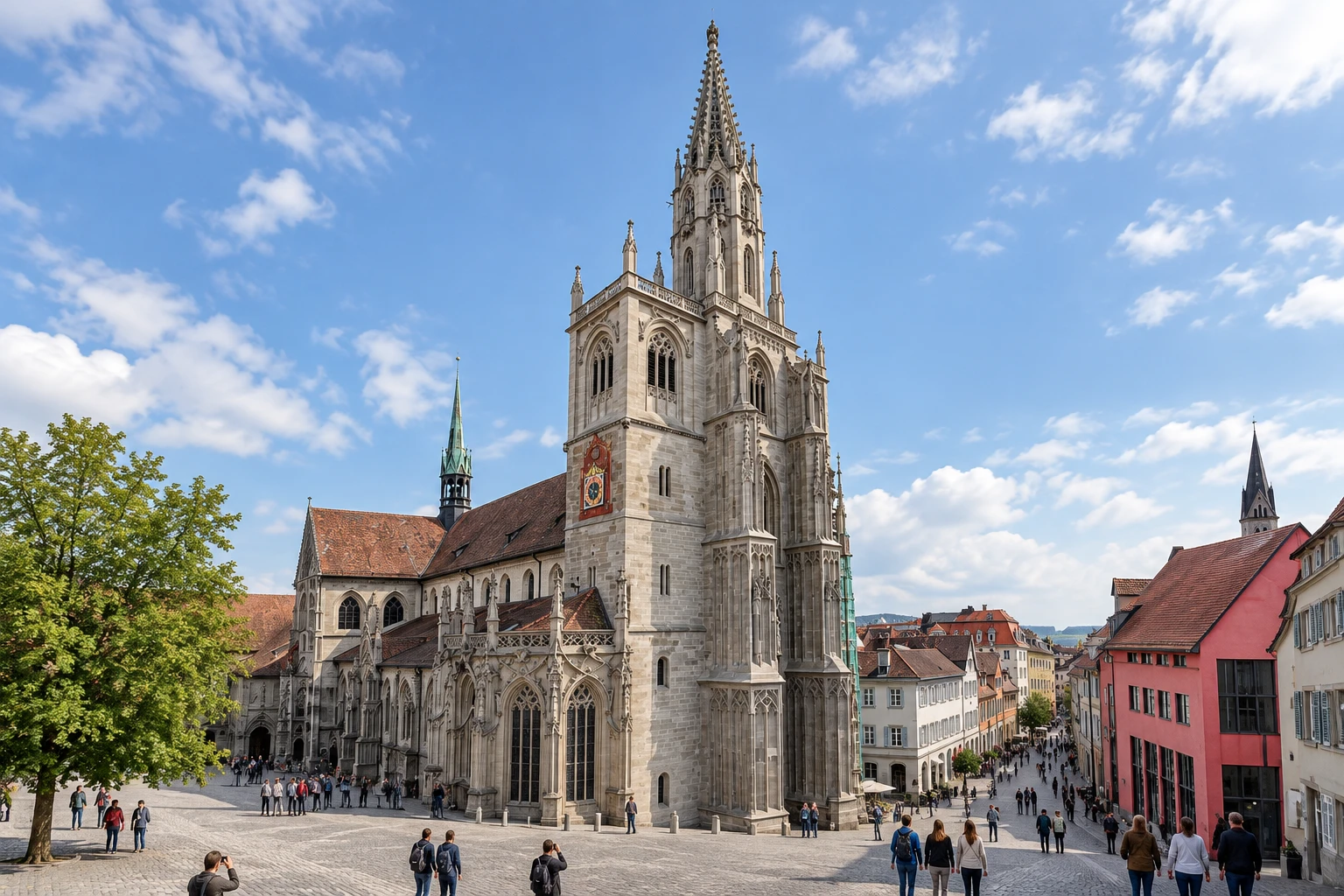
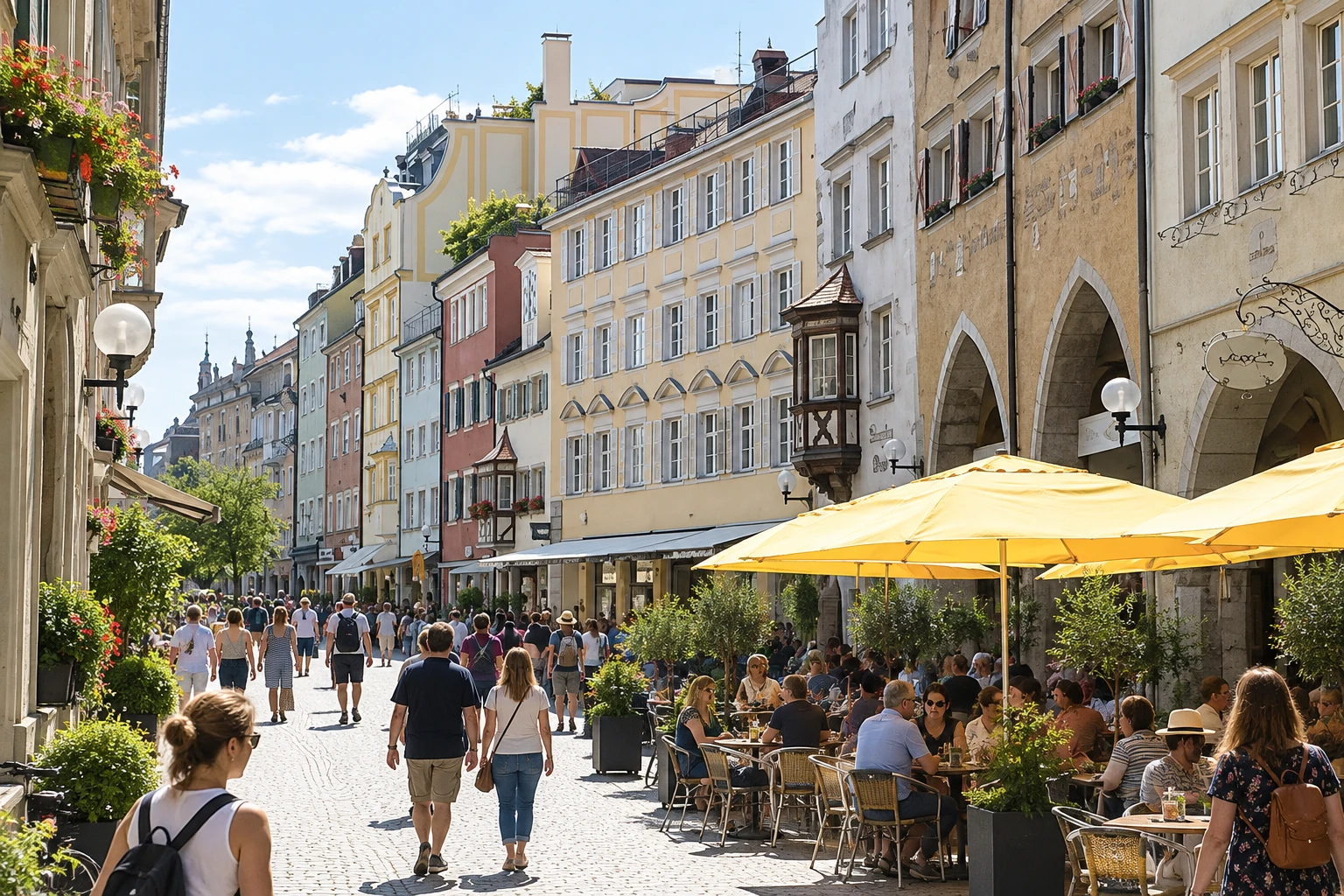
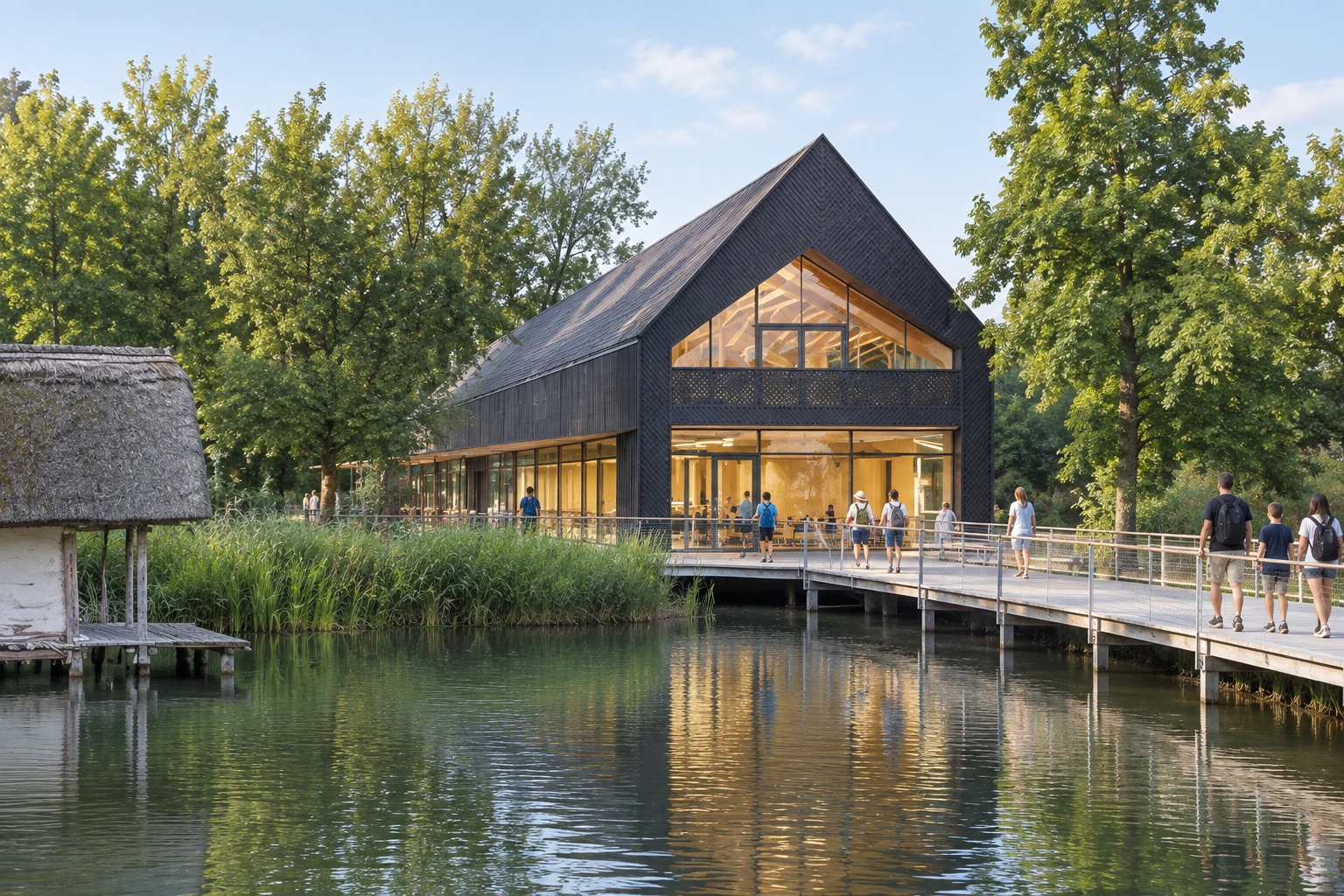
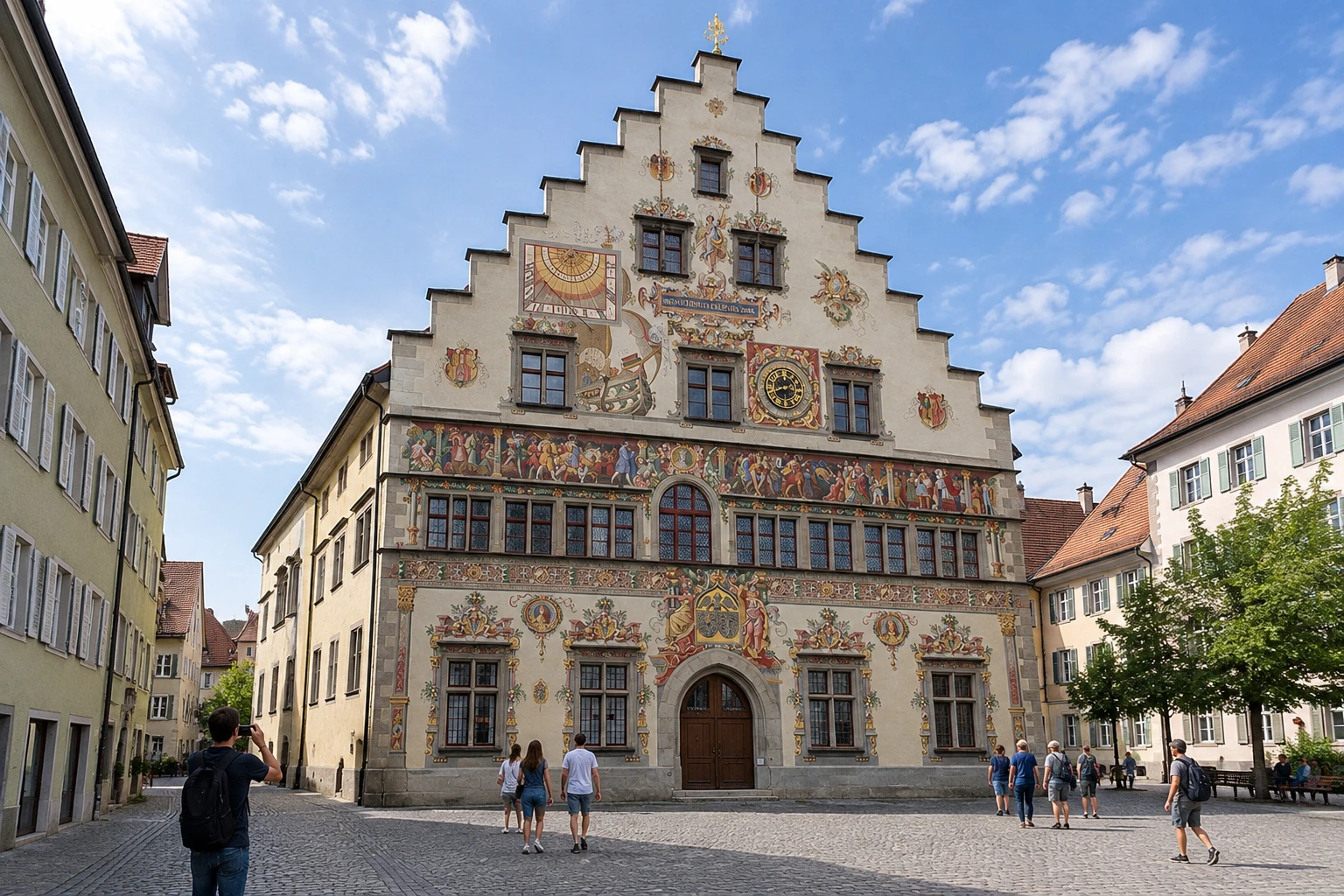
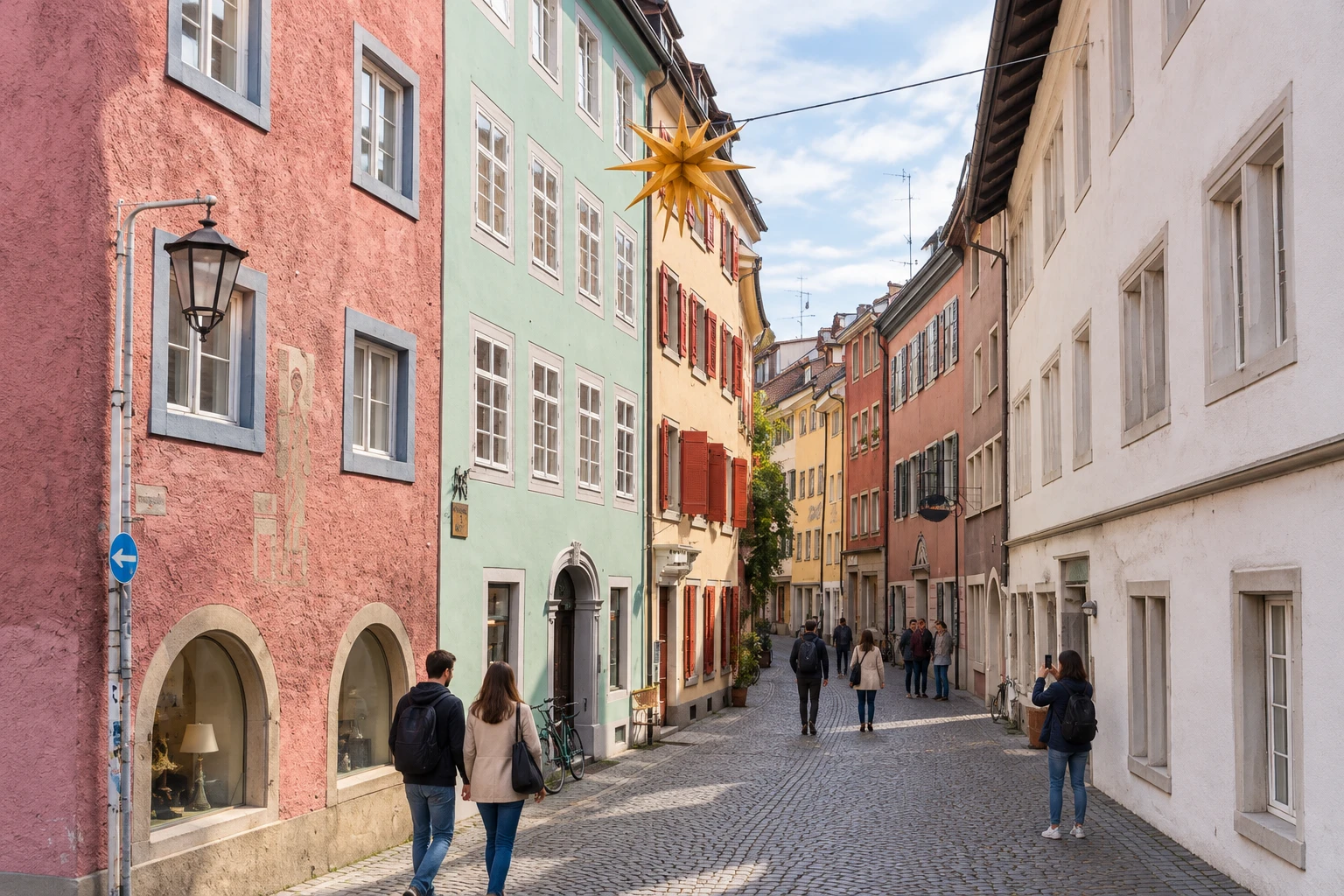
Illustrative images. The pictures in this guide are illustrations based on the real place, not photographs, and may differ from it.
To start
The 10 main places Lake Constance
Meersburg Castle · MeersburgMedieval castle atop Meersburg, presented as the oldest inhabited castle in Germany.
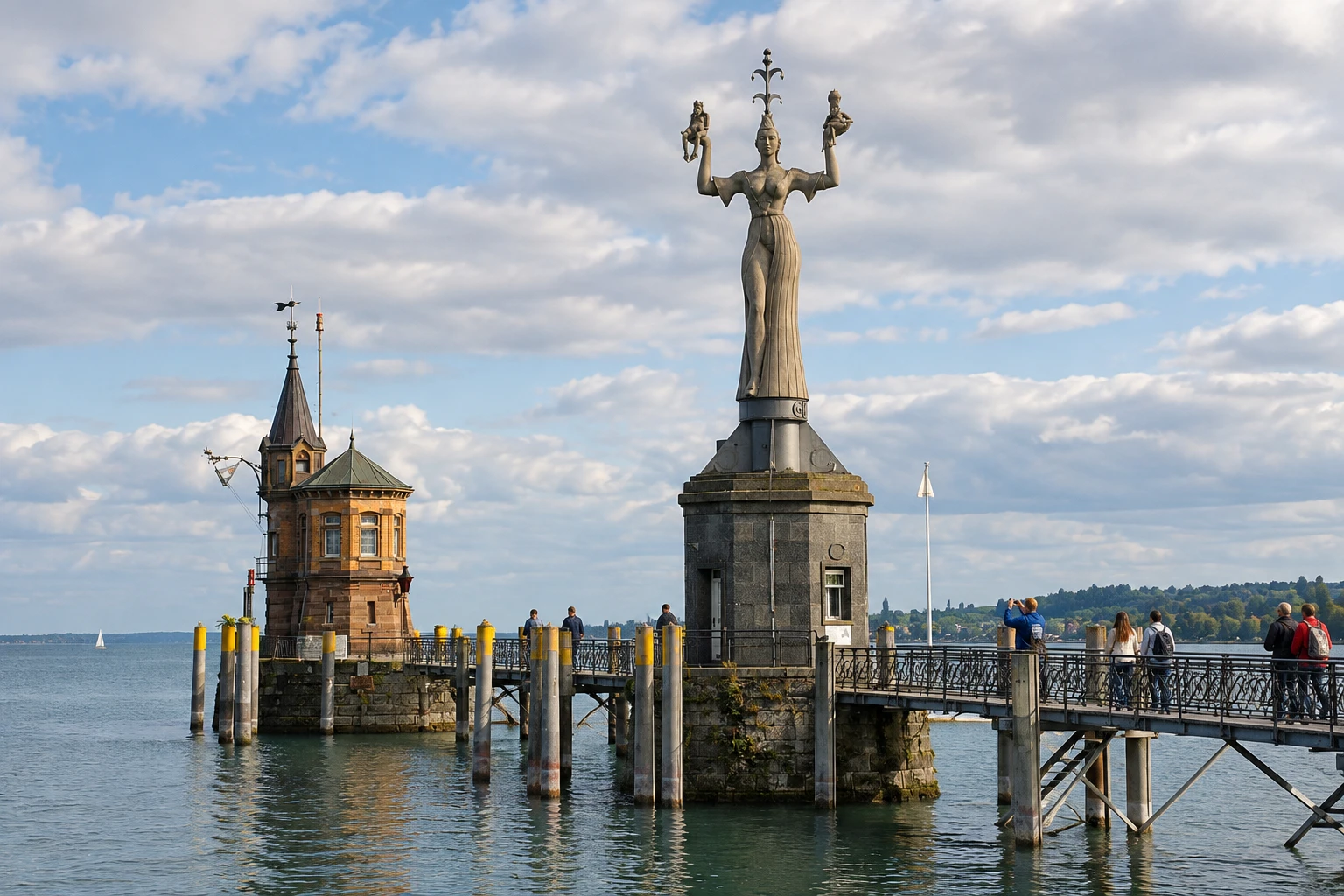
Lindau Harbor Entrance · LindauThe entrance to Lindau's harbor, with the six-metre león da Baviera on a jetty and the Neuer Leuchtturm of 1856 on the other side.
Konstanz Minster · ConstanceThe former cathedral of the bishops of Constança, one of the largest Romanesque churches in southwest Germany, consecrated in 1089.
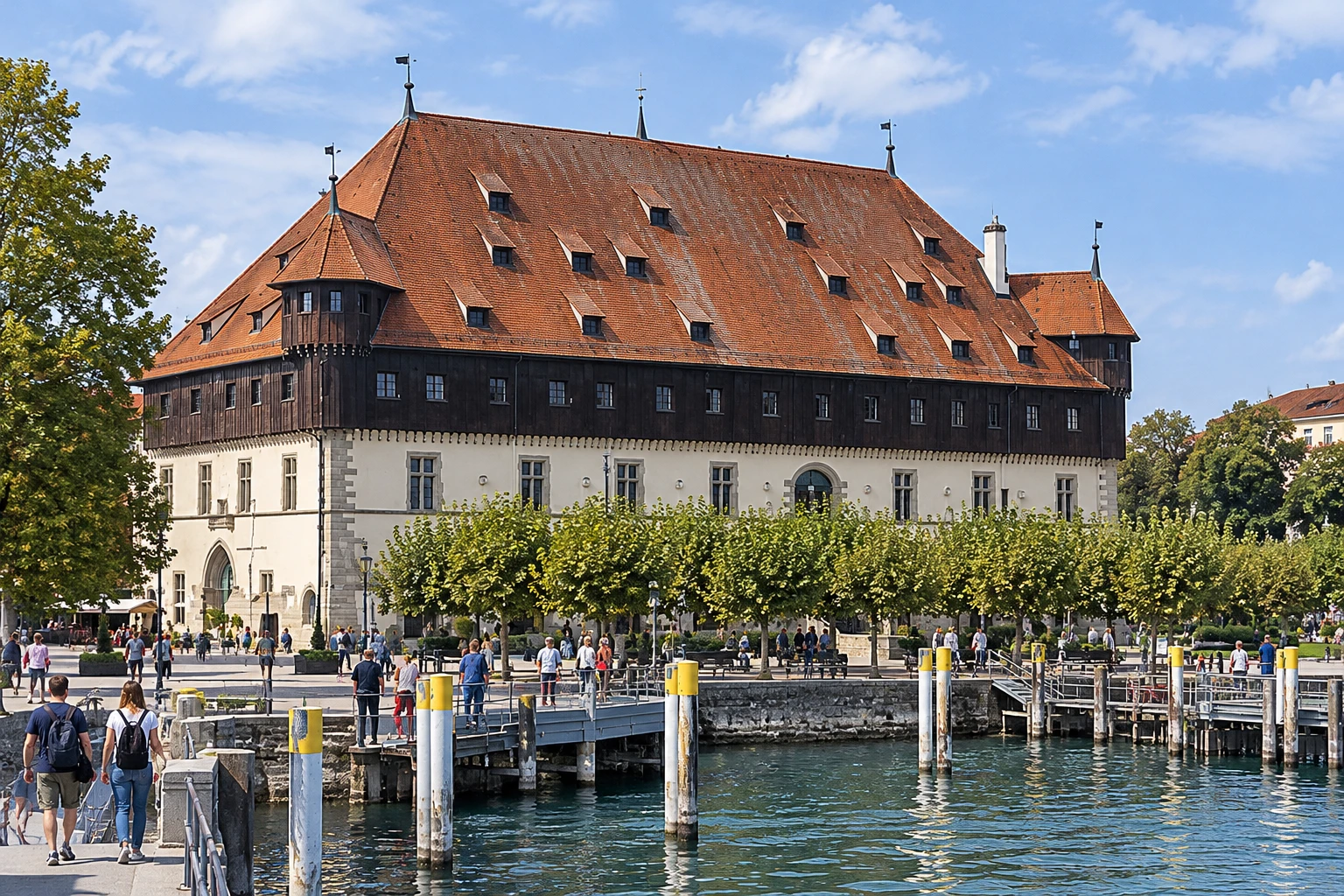
Council Building · ConstanceLarge stone warehouse from 1388 in the harbor of Constança, where in 1417 Pope Martin V was elected during the Council.
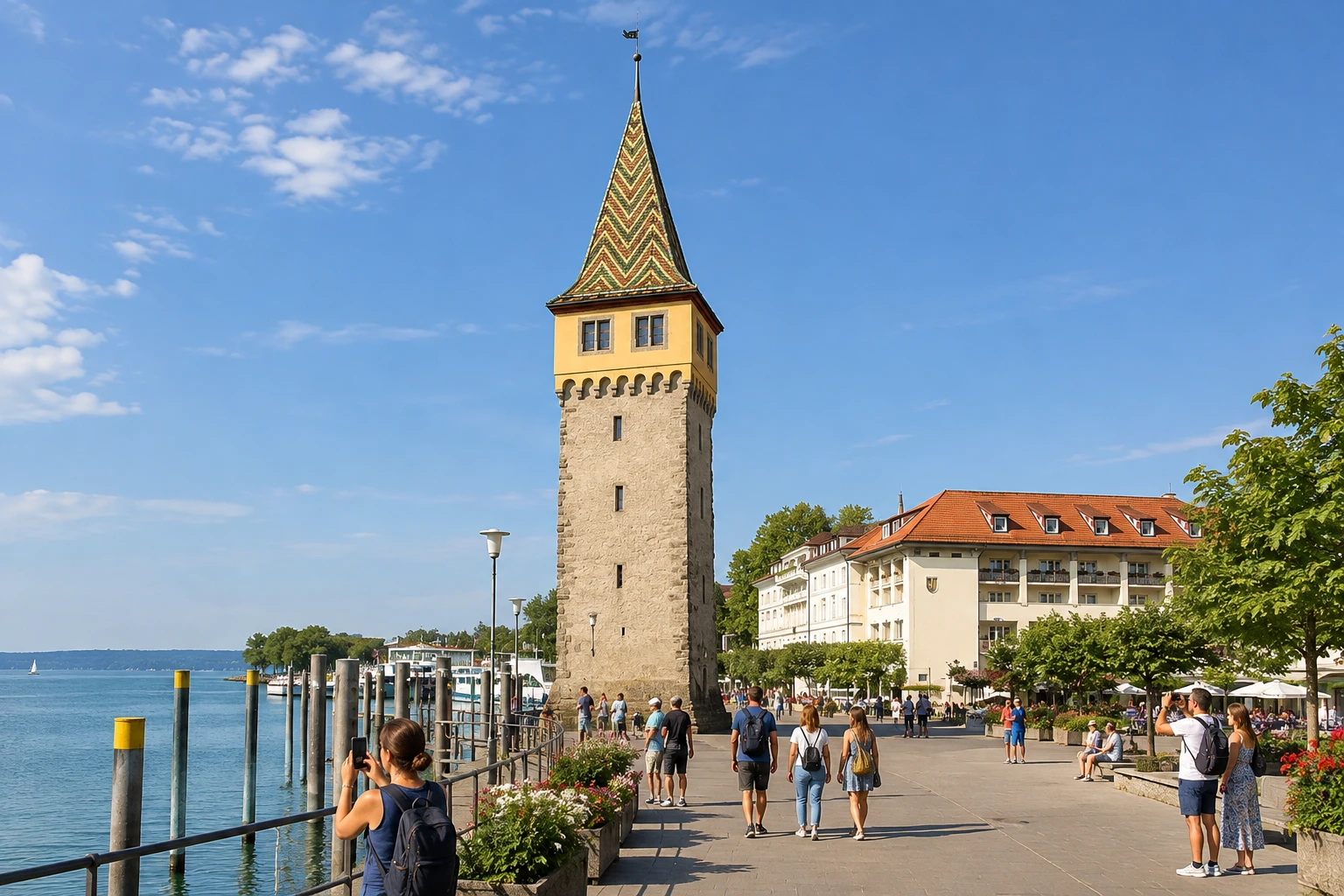
Mangturm · LindauSquare tower from the 12th century on Lindau's quay, a former watch and signaling tower for the harbor until 1856.
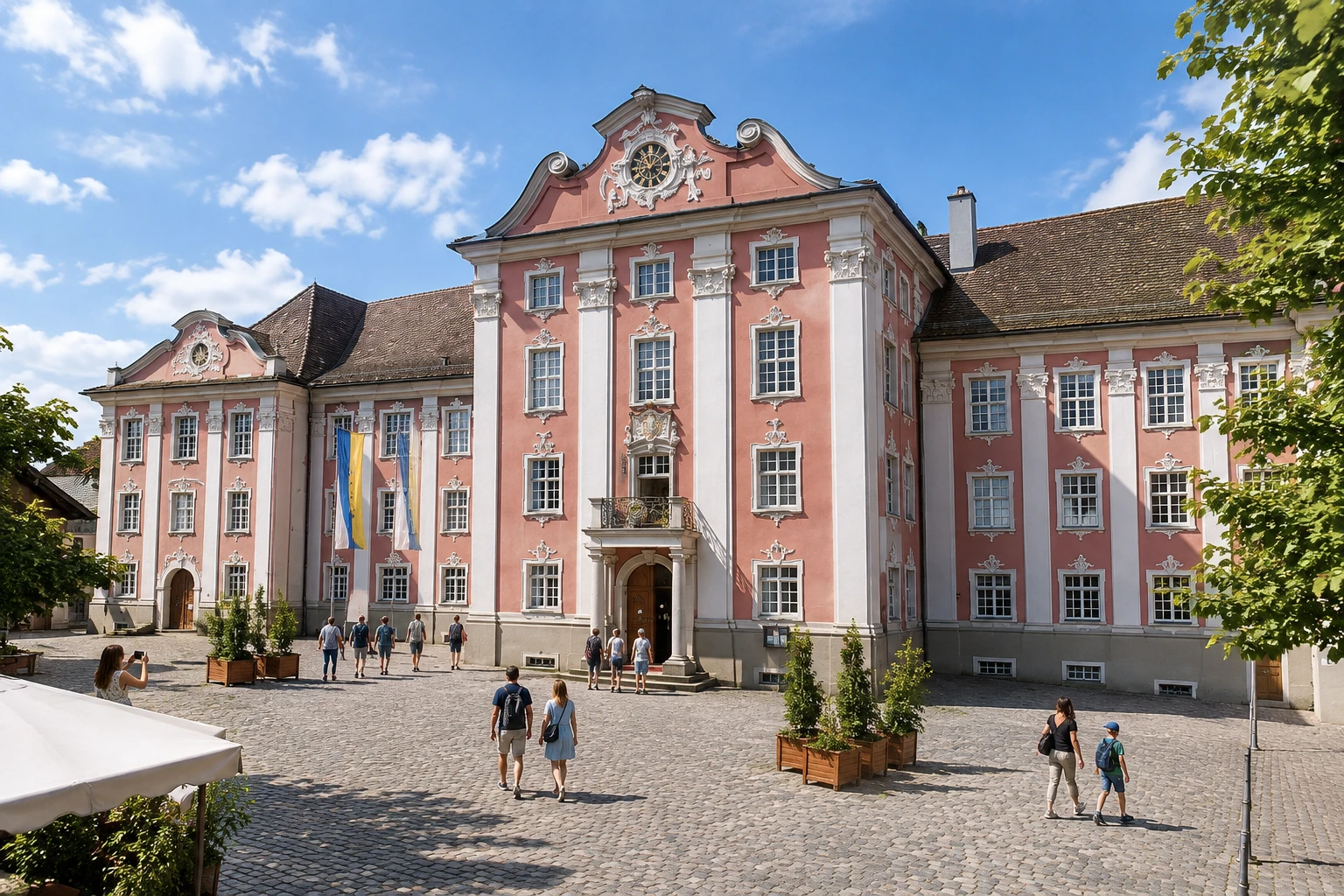
Meersburg New Palace · MeersburgBaroque palace that was the residence of the prince-bishops of Constança from 1750 to 1803, with a staircase designed by Balthasar Neumann, a chapel with frescoes and a terrace...
Imperia · ConstanceA nine-metre concrete statue at the end of the port jetty in Constança, by Peter Lenk (1993).
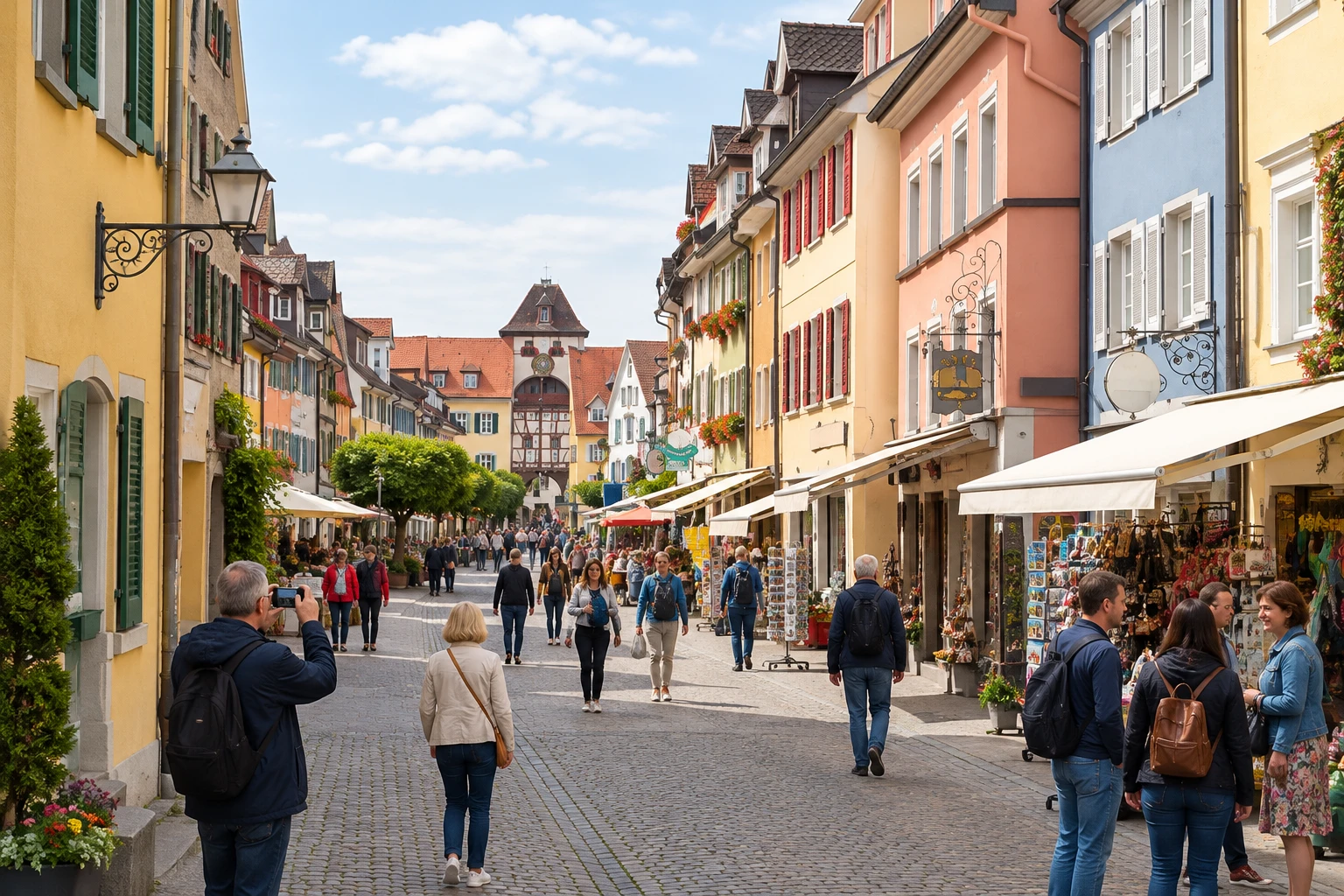
Maximilianstraße · LindauThe island’s main street, for pedestrians only, with merchant and artisan houses from the 16th and 17th centuries, arcades, bay windows and old hoists on the roofs.
Unteruhldingen Pile Dwelling Museum · MeersburgOpen-air museum with 23 stilt houses reconstructed over the water, showing how people lived on the shores of the lake in the Stone Age and the Bronze Age.
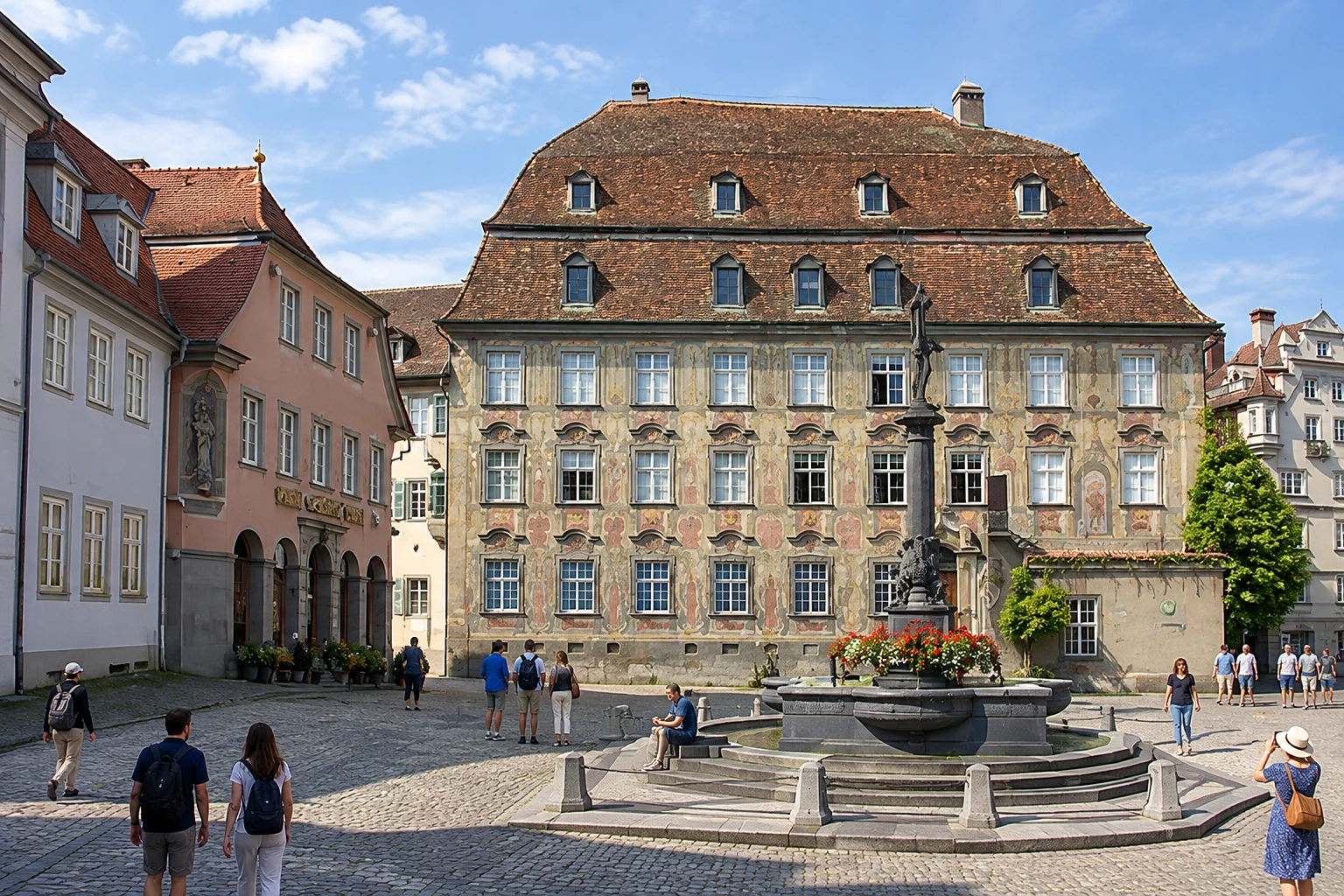
Old Town Hall · LindauThe old town hall of Lindau, built from 1422 in the Gothic style and remodelled in the Renaissance, with stepped gables, a covered staircase and a painted façade depicting scene...
Medieval castle atop Meersburg, presented as the oldest inhabited castle in Germany. It houses a museum with furnished halls, a dungeon, and the rooms of the poet Annette von Droste-Hülshoff.
The entrance to Lindau's harbor, with the six-metre león da Baviera on a jetty and the Neuer Leuchtturm of 1856 on the other side. The lighthouse, the only one in Baviera, can be climbed in season.
The former cathedral of the bishops of Constança, one of the largest Romanesque churches in southwest Germany, consecrated in 1089. It hosted sessions of the Council from 1414 to 1418 and has a tower with a viewpoint.
Large stone warehouse from 1388 in the harbor of Constança, where in 1417 Pope Martin V was elected during the Council. It is regarded as the largest preserved medieval civic building in southern Germany.
Square tower from the 12th century on Lindau's quay, a former watch and signaling tower for the harbor until 1856. The roof of glazed, colored tiles is one of the island's symbols.
Baroque palace that was the residence of the prince-bishops of Constança from 1750 to 1803, with a staircase designed by Balthasar Neumann, a chapel with frescoes and a terrace overlooking the lake.
A nine-metre concrete statue at the end of the port jetty in Constança, by Peter Lenk (1993). It turns slowly and satirises the power of the emperor and the pope at the time of the Council.
The island’s main street, for pedestrians only, with merchant and artisan houses from the 16th and 17th centuries, arcades, bay windows and old hoists on the roofs.
Open-air museum with 23 stilt houses reconstructed over the water, showing how people lived on the shores of the lake in the Stone Age and the Bronze Age. It is about 6 km from Meersburg.
The old town hall of Lindau, built from 1422 in the Gothic style and remodelled in the Renaissance, with stepped gables, a covered staircase and a painted façade depicting scenes from the town’s history.
The oldest neighbourhood of Constança, between the Münster and the Reno, with winding lanes, medieval houses bearing names and dates on their façades, wine taverns and artisan workshops.
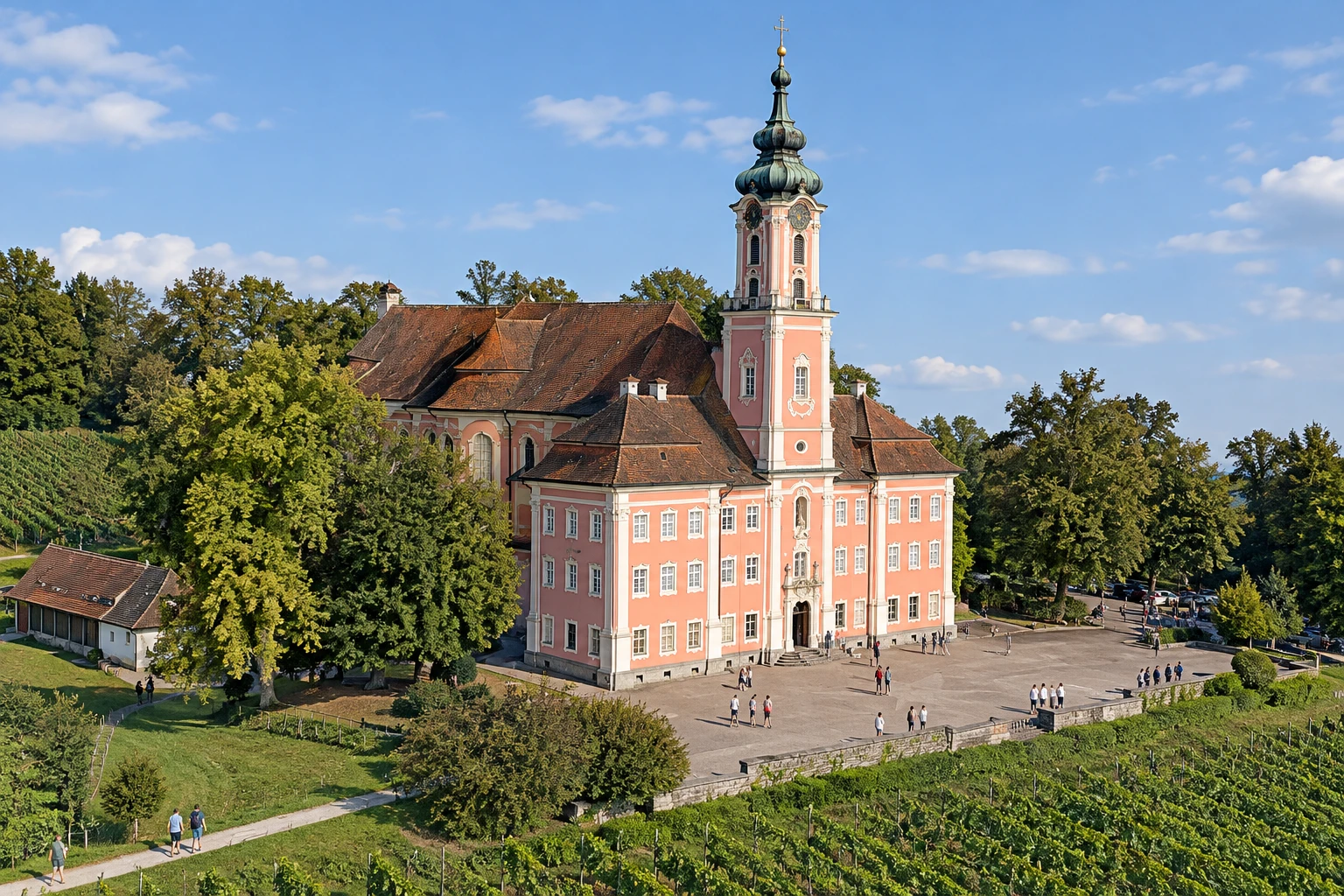
Baroque pilgrimage church built between 1746 and 1749 on the vineyards of the north shore, with frescoes by Gottfried Bernhard Göz and sculptures by Joseph Anton Feuchtmayer, such as the little putto Honigschlecker.
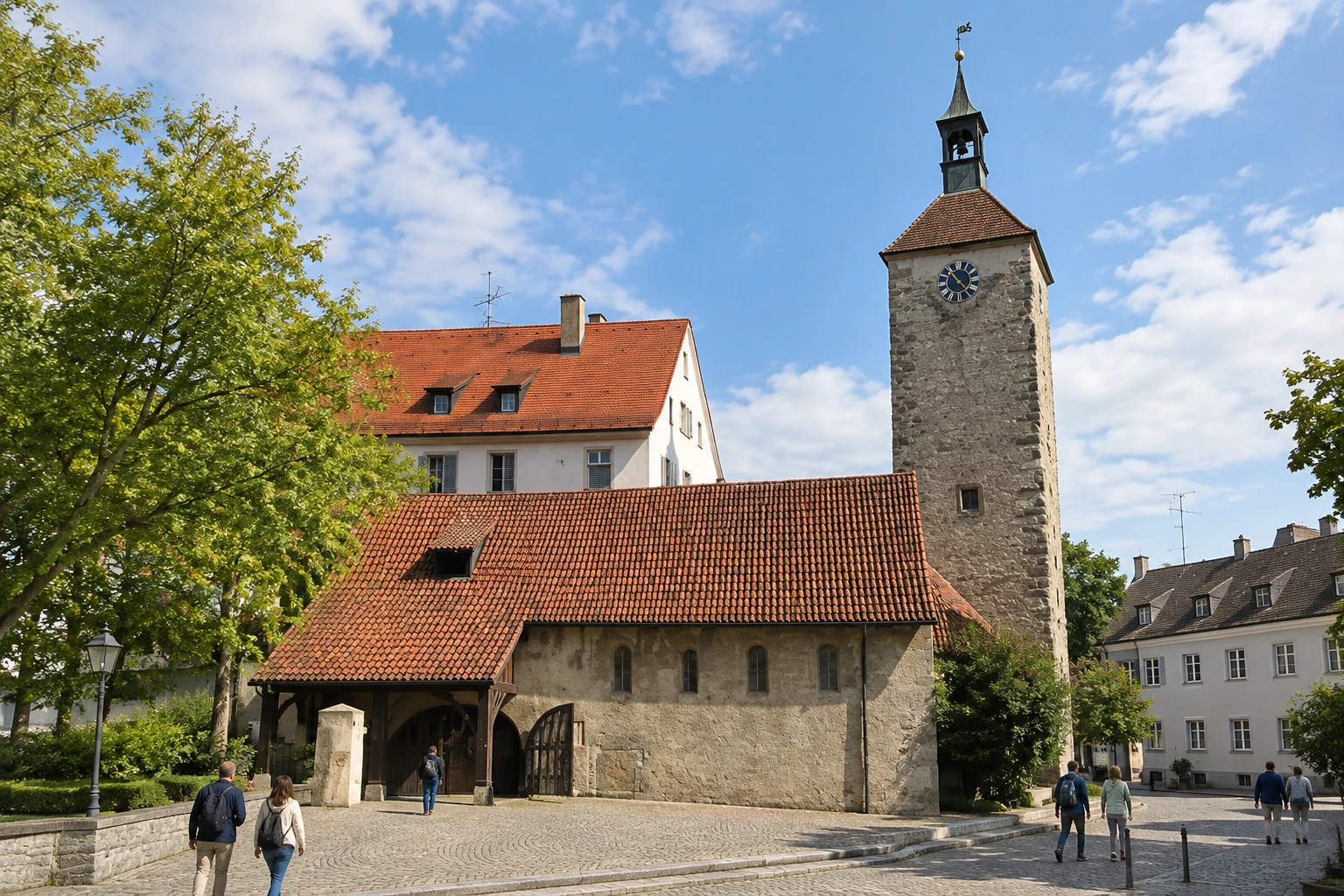
The oldest church in Lindau, in the former fishermen’s quarter, with Passion of Christ frescoes from the late 15th century. Today it serves as a memorial to the victims of the wars.
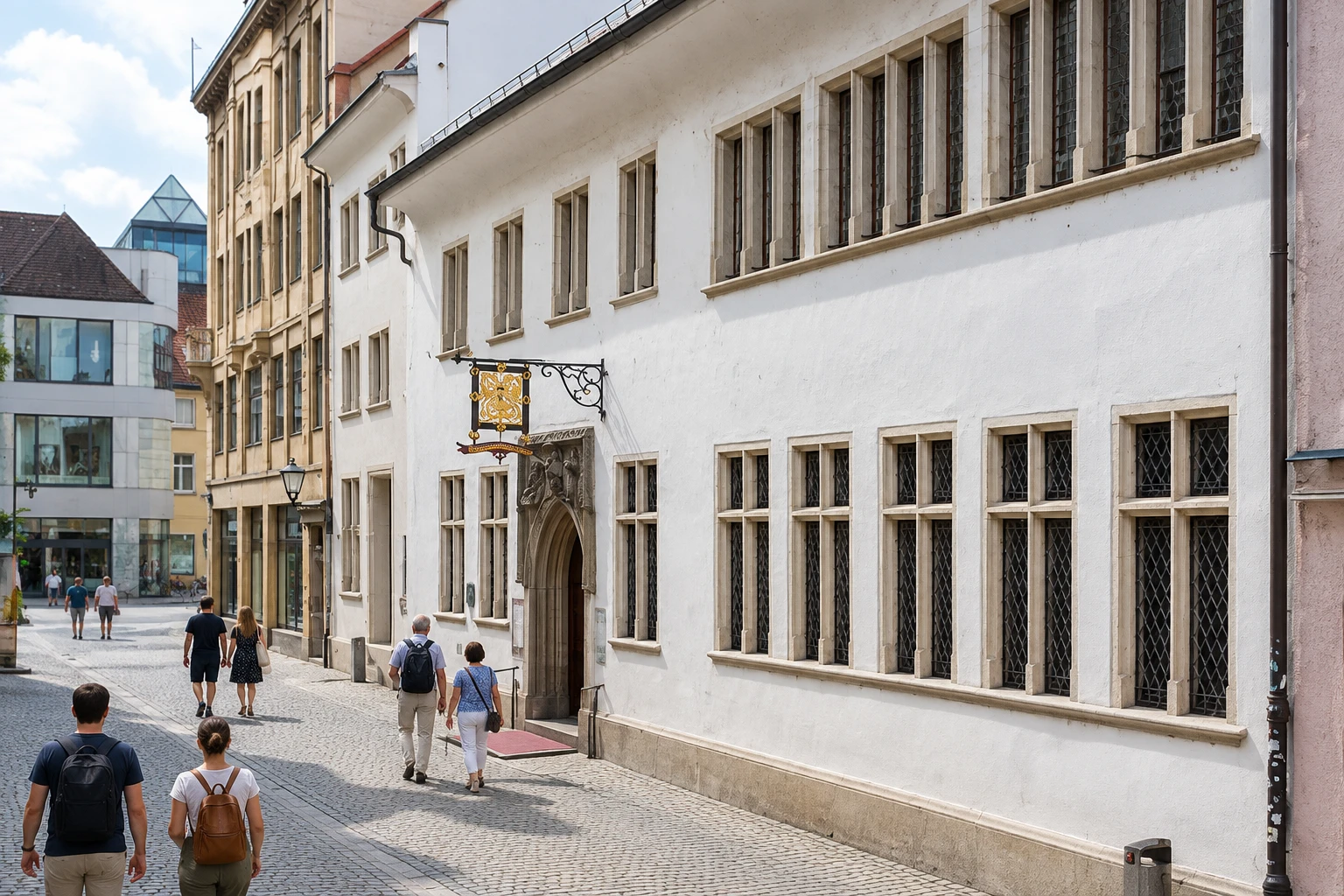
Museum of art and history of Constança and the lake region, founded in 1870 in a former guild house. It ranges from Stone Age finds to paintings and objects from the time of the Council.
The lower part of Meersburg, by the lake, with the Seepromenade, the boat harbour and old houses, linked to the upper town by the Steigstraße, a steep street of half-timbered houses.
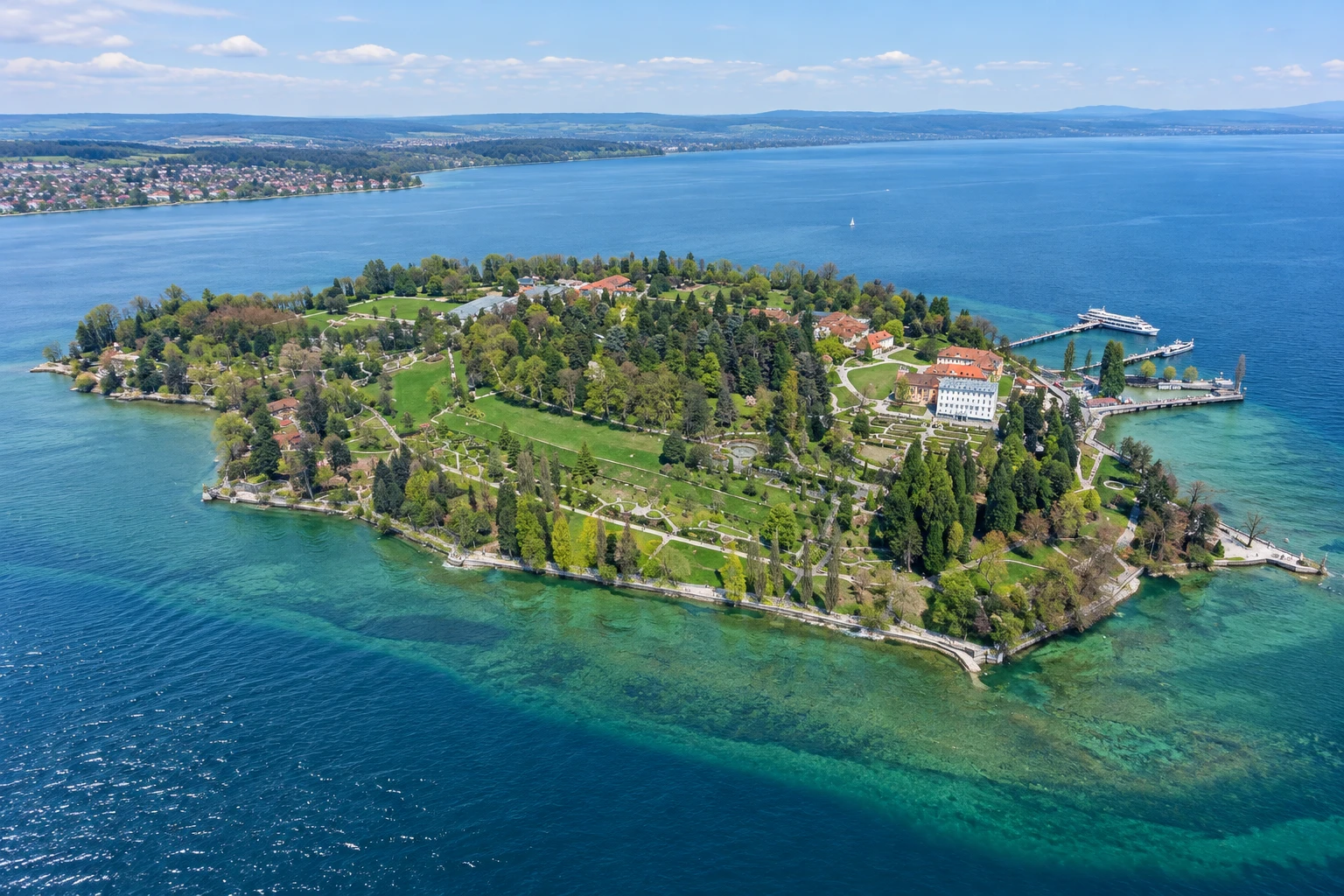
Constança's flower island: 45 hectares of gardens, an arboretum, a butterfly house and a baroque palace, about 7 km from the centre. Open year-round, with the flower season from March to October.
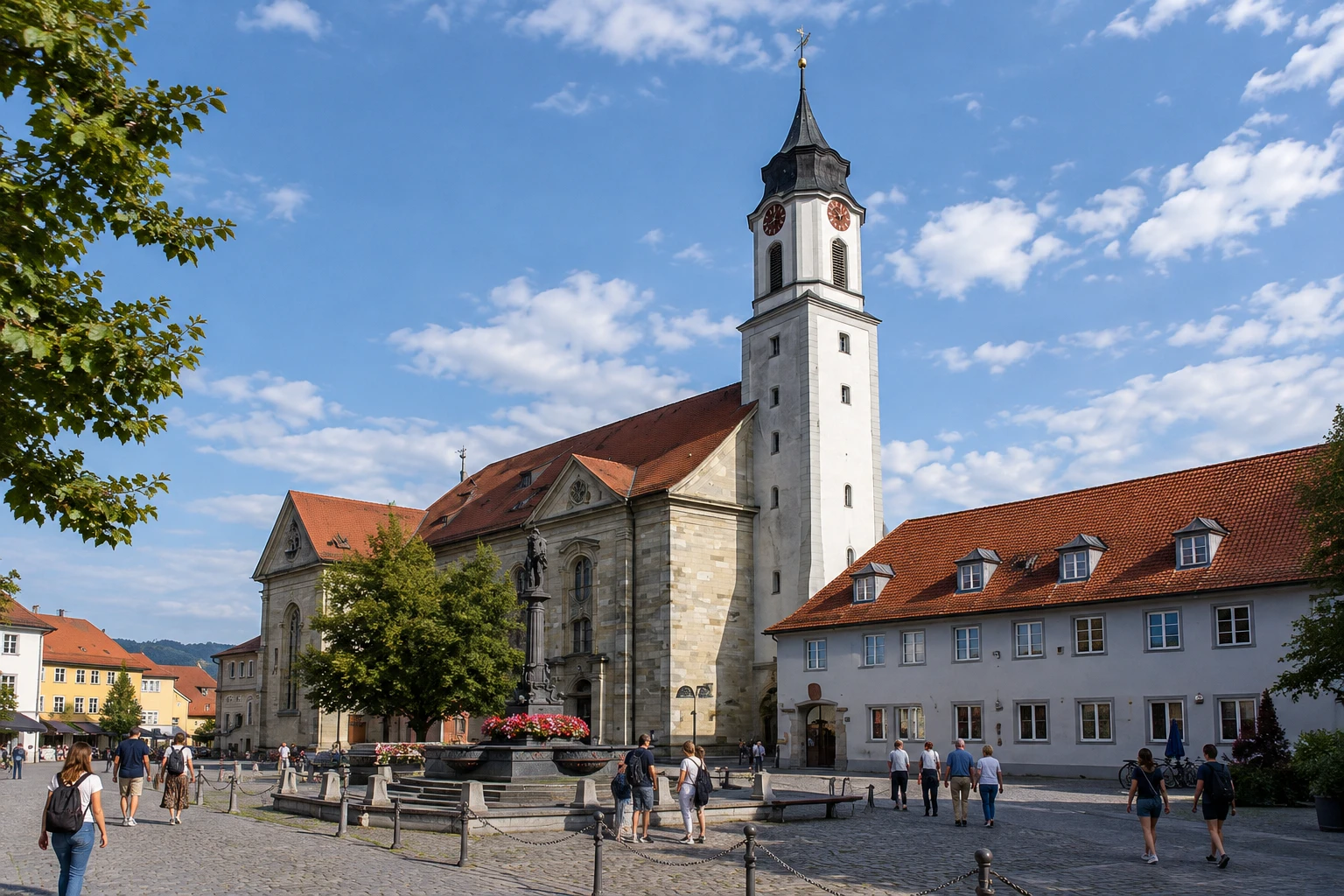
Baroque church on Lindau’s market square, rebuilt between 1748 and 1752 by Johann Caspar Bagnato. Opposite stands St. Stephan, the town’s largest church, with a bulbous cupola tower.
Baroque mansion from 1729–1730 on the market square, with a tall curved roof and painted façade. It houses the city museum, with Lindau's history and temporary art exhibitions.
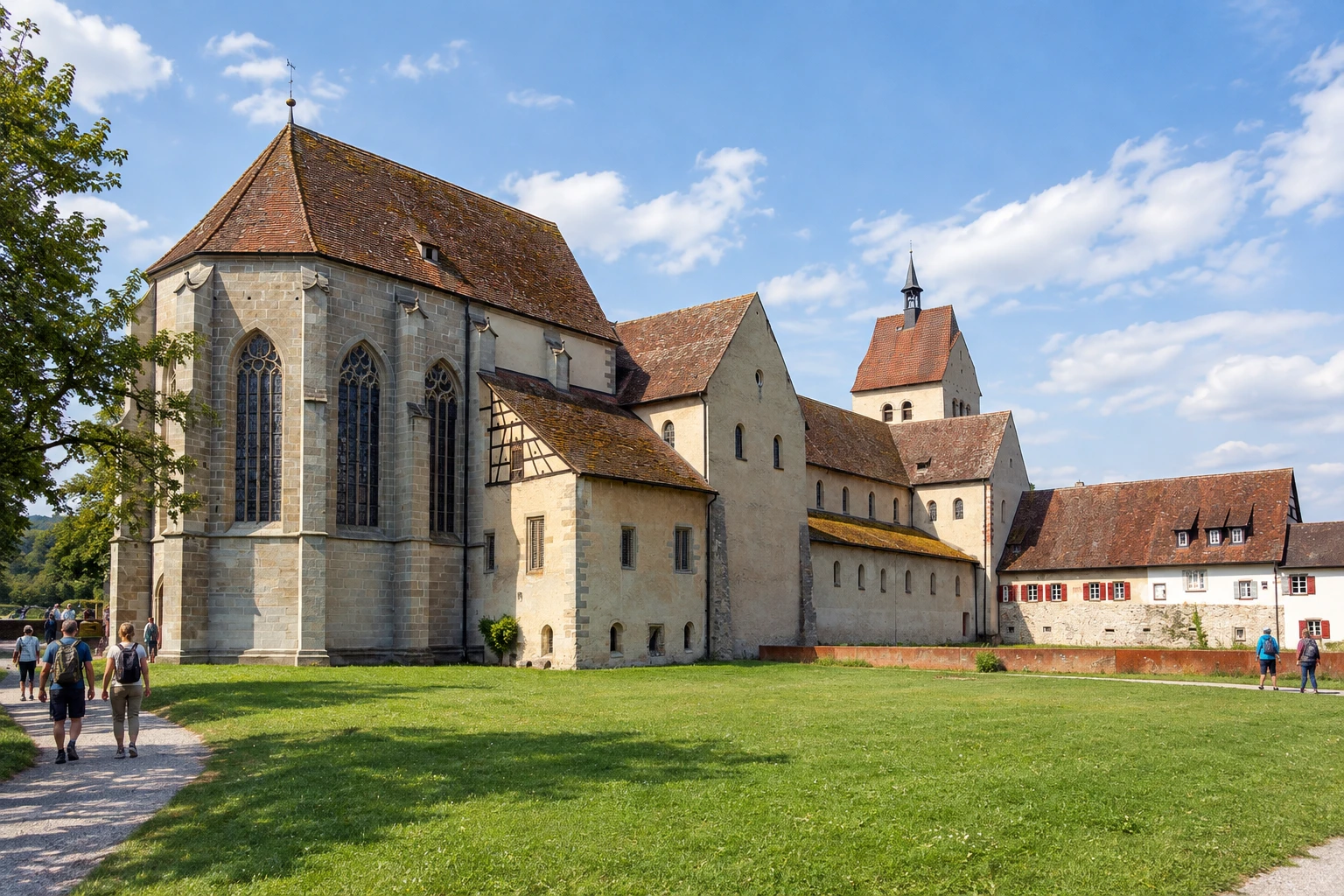
The largest island on the lake, a UNESCO World Heritage site because of the former Benedictine monastery, with three Romanesque churches such as St. Georg, which has wall paintings over a thousand years old. It is about 10 km from Constança.
How many days should you set aside to see Lake Constance?
The guide's itineraries cover 2, 3 and 5 days: in 2 days, Konstanz, Mainau and Meersburg; in 3 days, harbor, Friedrichshafen and Konstanz; in 5 days, Konstanz, Reichenau, Meersburg, Lindau and Friedrichshafen.
What to do Lake Constance in one day?
Arrival, Konstanz harbor and old town. The overnight flight from Brazil arrives in the morning at Frankfurt. From the long-distance station at the airport, the train takes about 4 h 30 to Konstanz, with one change; if you arrive via Zurich with a European connection, you can take the direct train from the airport and arrive in about 1 hour. In the early afternoon drop off your bags and take the walk through the old town: the Münster, the Niederburg and the Rheintorturm. At sunset, stroll the harbor promenade with the Imperia and the Konzilgebäude, and, if your legs allow, walk to Kreuzlingen in Switzerland. Sleep early: the time difference is 4 or 5 hours.
When is the best time to go to Lake Constance?
It generally rains less from January to February. The rainiest months are usually from May to August. The guide covers each month, with the weather and what changes on the tours.


 Brazil
 Antarctica
 Argentina
 Bolivia
 Chile
 Colombia
 Ecuador
 Falkland Islands (Malvinas)
 French Guiana
 Guyana
 Paraguay
 Peru
 Suriname
 Uruguay
 Venezuela
 Austria
 Belgium
 Croatia
 Denmark
 Finland
 France
 Greece
 Hungary
 Iceland
 Ireland
 Italy
 Luxembourg
 Norway
 Poland
 Portugal
 Slovakia
 Slovenia
 Spain
 Sweden
 Switzerland
 the Czech Republic
 the Netherlands
 the United Kingdom
 Turkey
 Bermuda
 Canada
 Greenland
 Mexico
 Saint Pierre and Miquelon
 the United States
 the Dominican Republic
 Japan
 Egypt
 South Africa
 Australia
 Fiji
 New Zealand
 Papua New Guinea