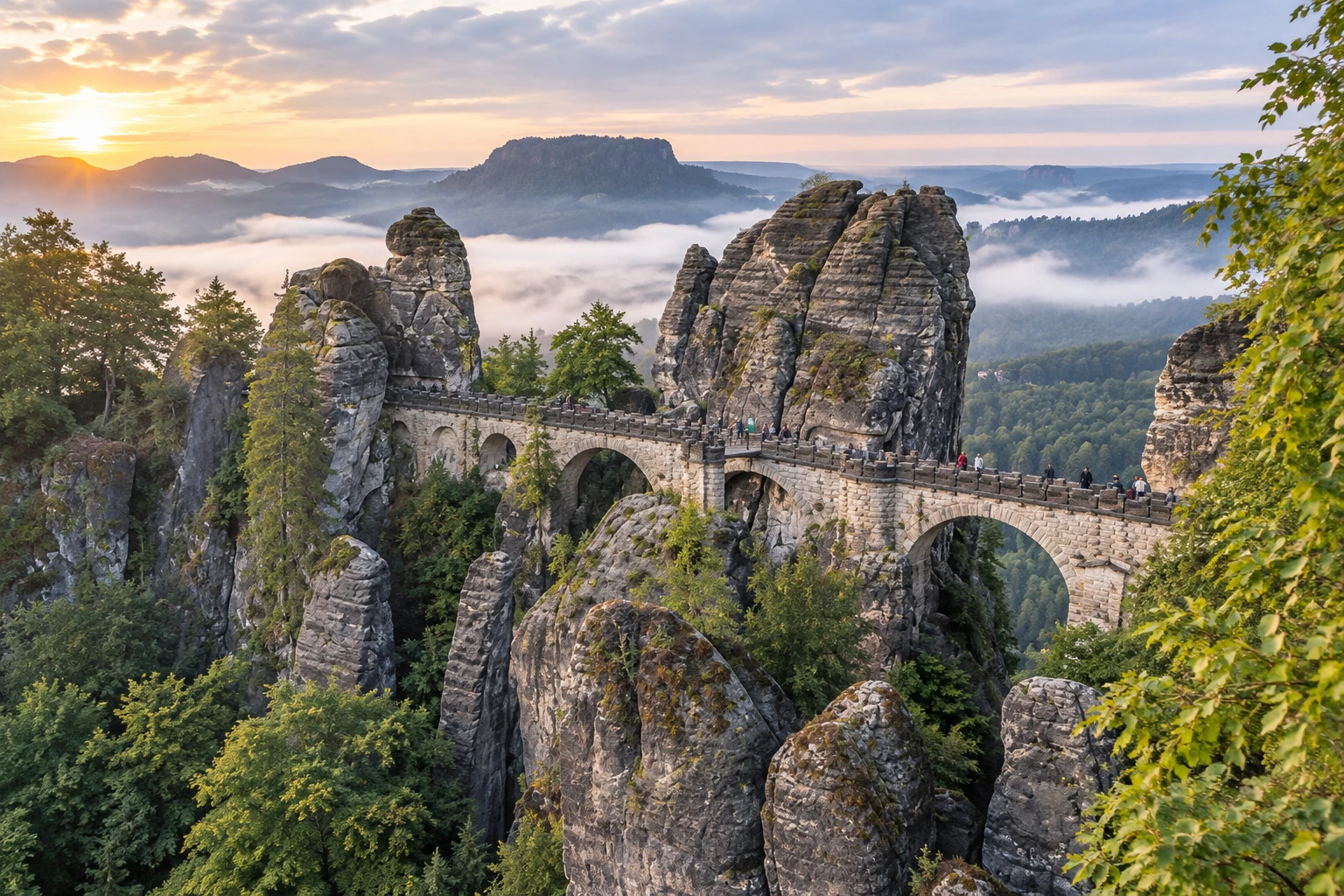
Bad Schandau · Saxony · Viewpoint
Bastei
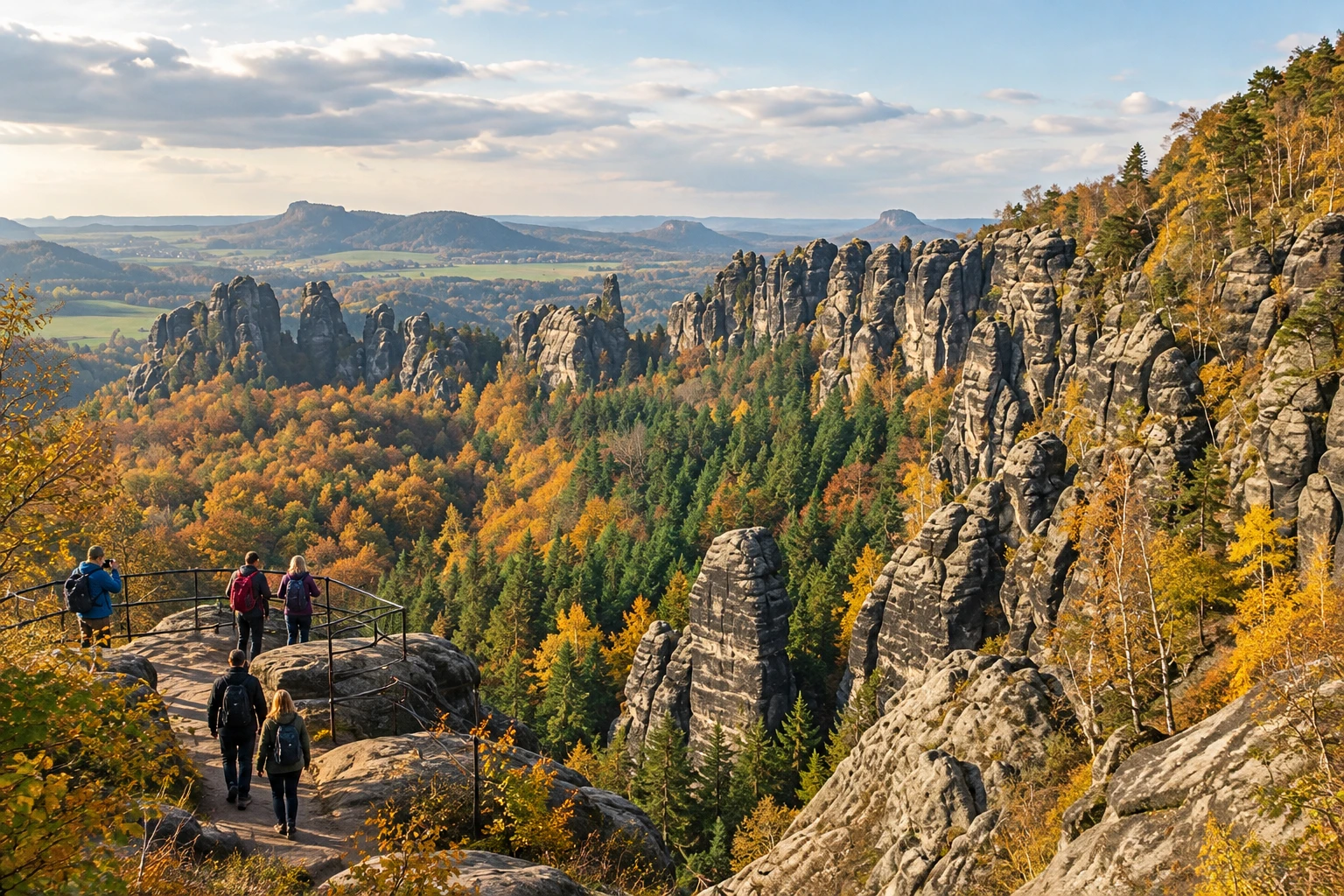
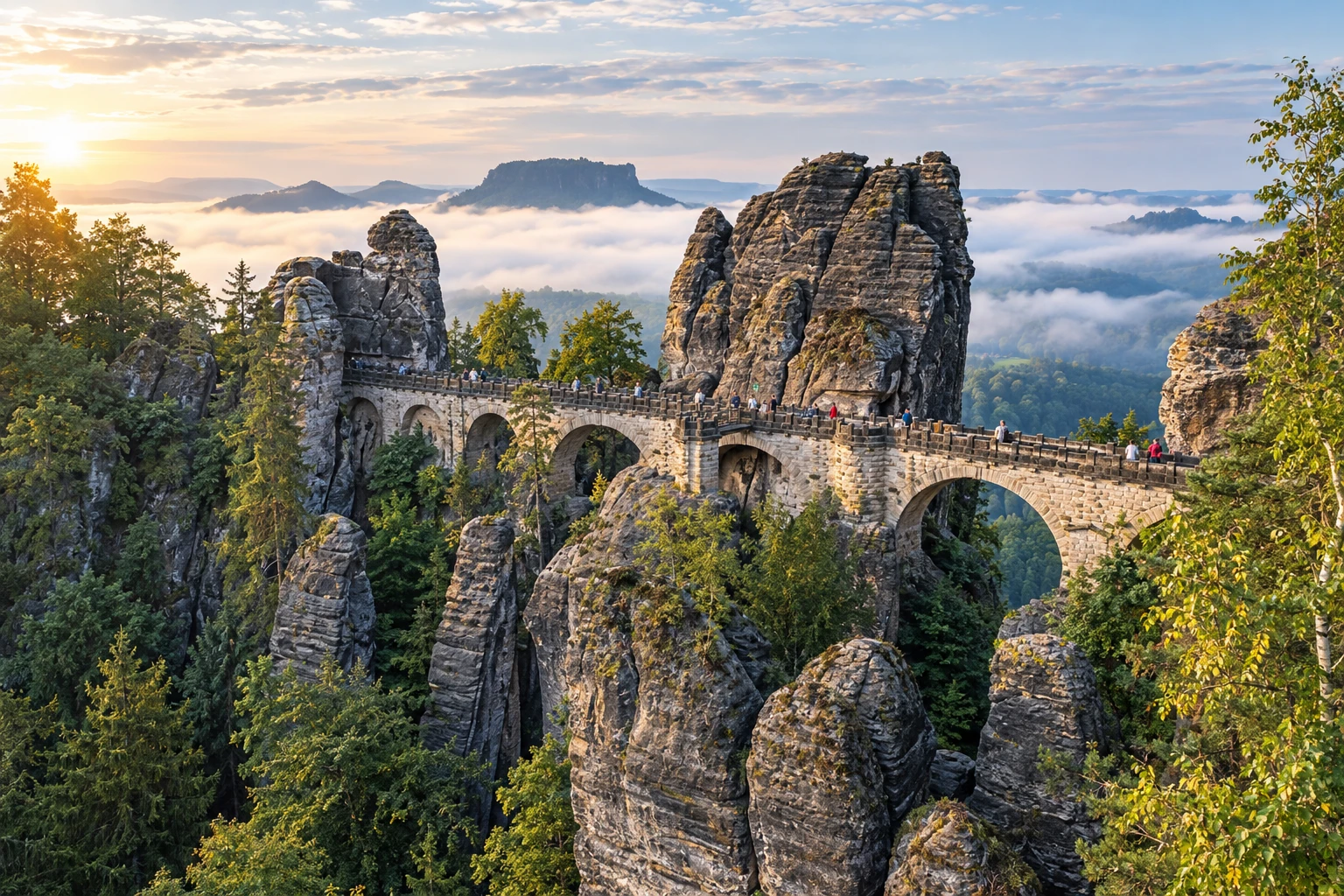
Sandstone formation about 190 metres above the Elba, with the Basteibrücke, a stone bridge from 1851, and viewpoints over the valley. It is the emblematic postcard image of Saxon Switzerland.

 Search
 Brazil
 Antarctica
 Argentina
 Bolivia
 Chile
 Colombia
 Ecuador
 Falkland Islands (Malvinas)
 French Guiana
 Guyana
 Paraguay
 Peru
 Suriname
 Uruguay
 Venezuela
 Austria
 Belgium
 Croatia
 Denmark
 Finland
 FranceGermany
 Greece
 Hungary
 Iceland
 Ireland
 Italy
 Luxembourg
 Norway
 Poland
 Portugal
 Slovakia
 Slovenia
 Spain
 Sweden
 Switzerland
 the Czech Republic
 the Netherlands
 the United Kingdom
 Turkey
 Bermuda
 Canada
 Greenland
 Mexico
 Saint Pierre and Miquelon
 the United States
 the Dominican Republic
 JapanTurkey
 Egypt
 South Africa
 Australia
 Fiji
 New Zealand
 Papua New Guinea
Saxony
20 places to visit and 17 tours, chosen by the Cidade Turismo guide.
Updated
Illustrative images. The pictures in this guide are illustrations based on the real place, not photographs, and may differ from it.
To start
One by one
Sandstone formation about 190 metres above the Elba, with the Basteibrücke, a stone bridge from 1851, and viewpoints over the valley. It is the emblematic postcard image of Saxon Switzerland.
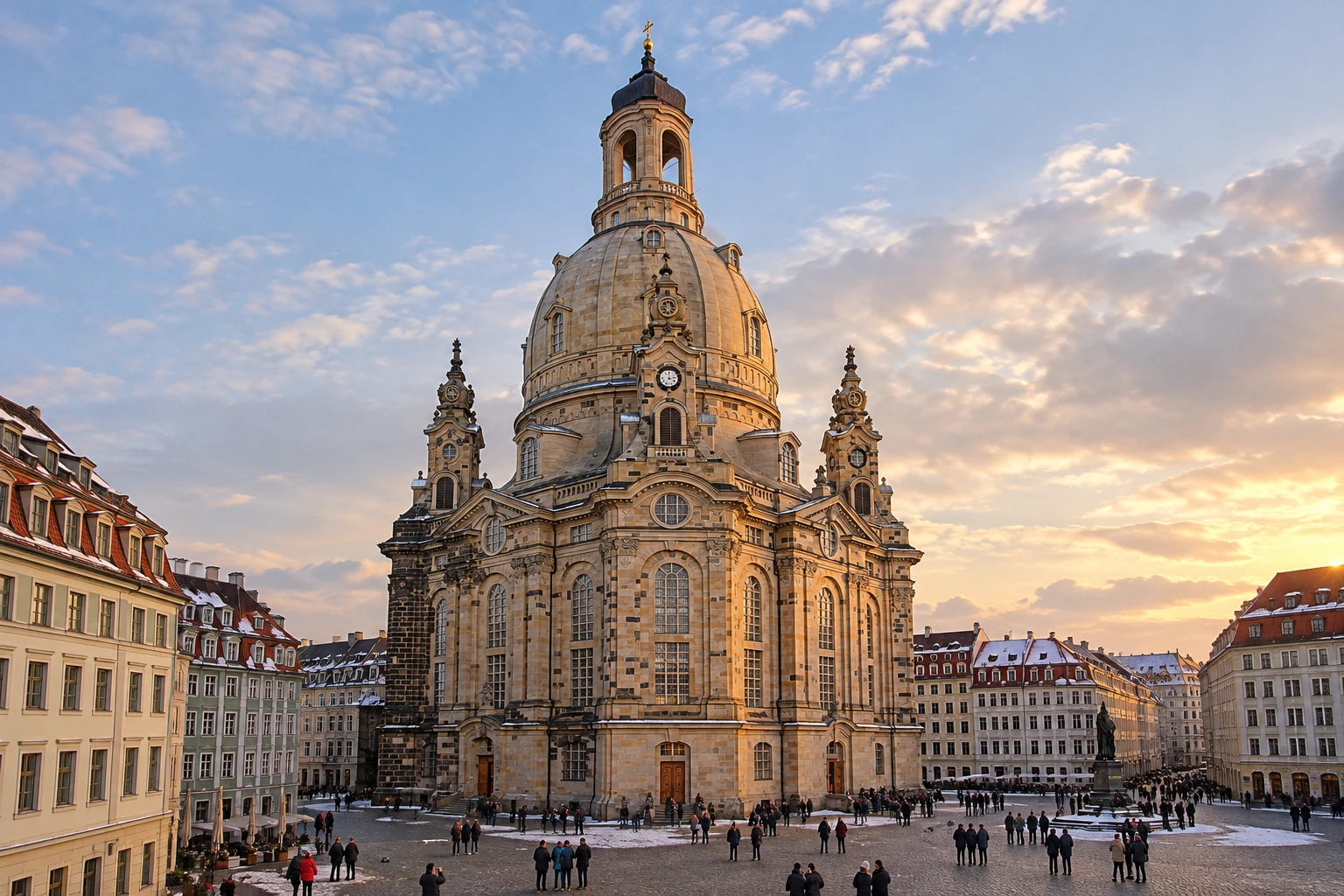
Baroque Lutheran church of the Neumarkt, destroyed in the 1945 bombings and rebuilt between 1994 and 2005 using some of the original stones. The dome has a viewing platform.
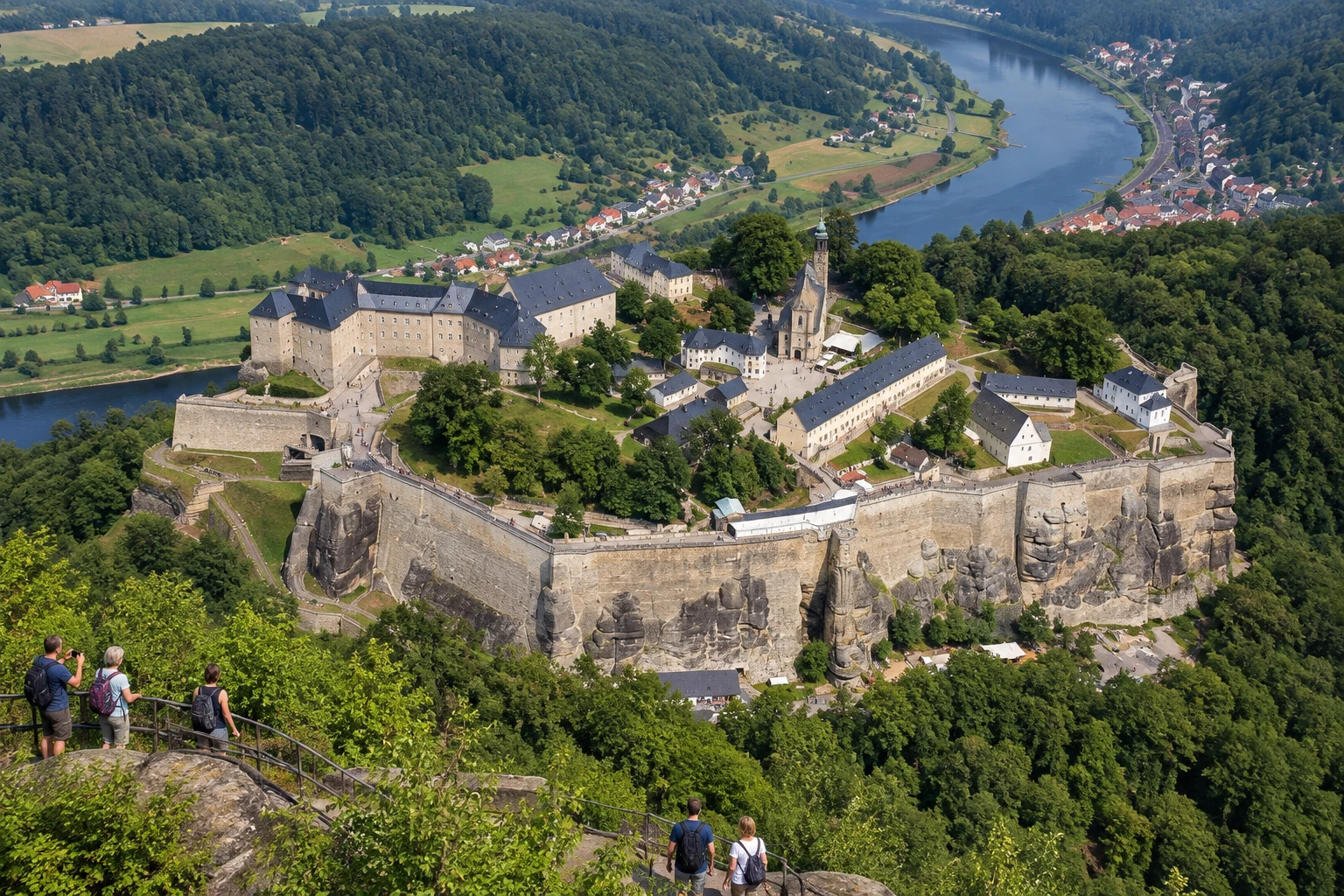
Fortress on a flat-topped hill about 240 meters above the Elba, with more than 50 buildings, walls up to 42 meters high and views of the valley. Open year-round.
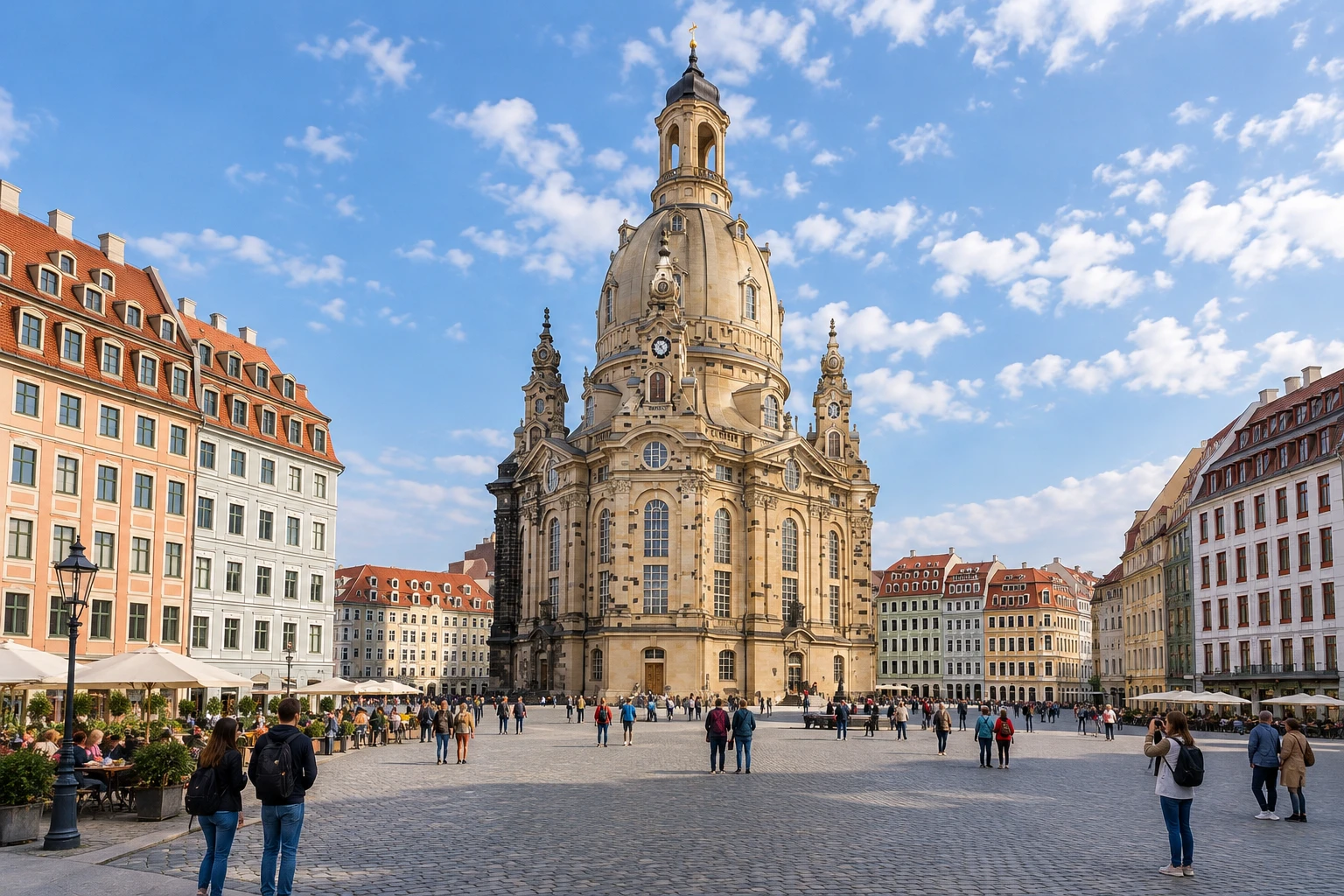
Historic square around the Frauenkirche, with reconstructed Baroque façades, cafés and the statue of Lutero. It’s the natural starting point for walking around the center.
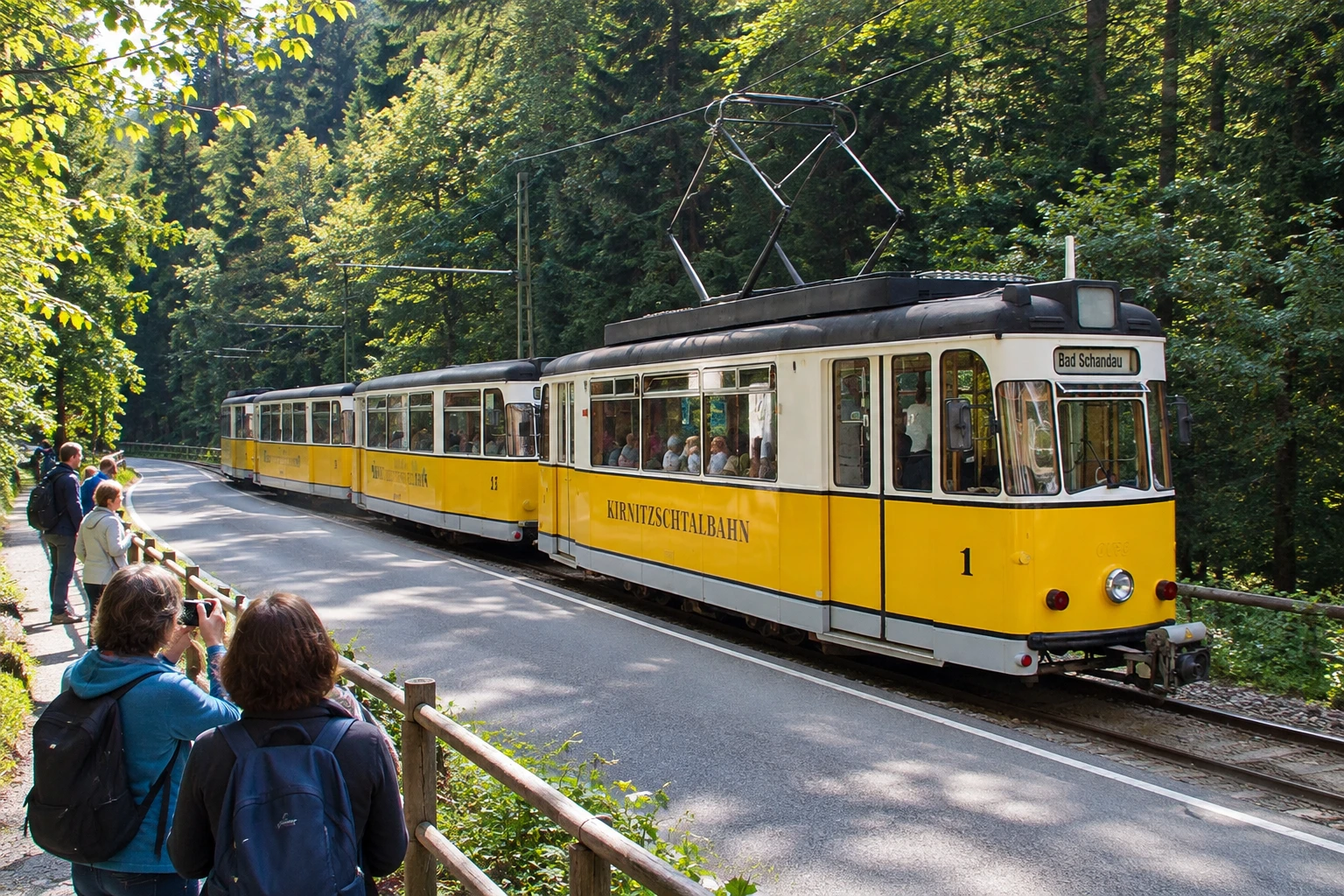
Historic tram from 1898 that climbs the valley of the river Kirnitzsch for about 8 km, from the Kurpark of Bad Schandau to the Lichtenhainer Wasserfall, with stops next to the trails.
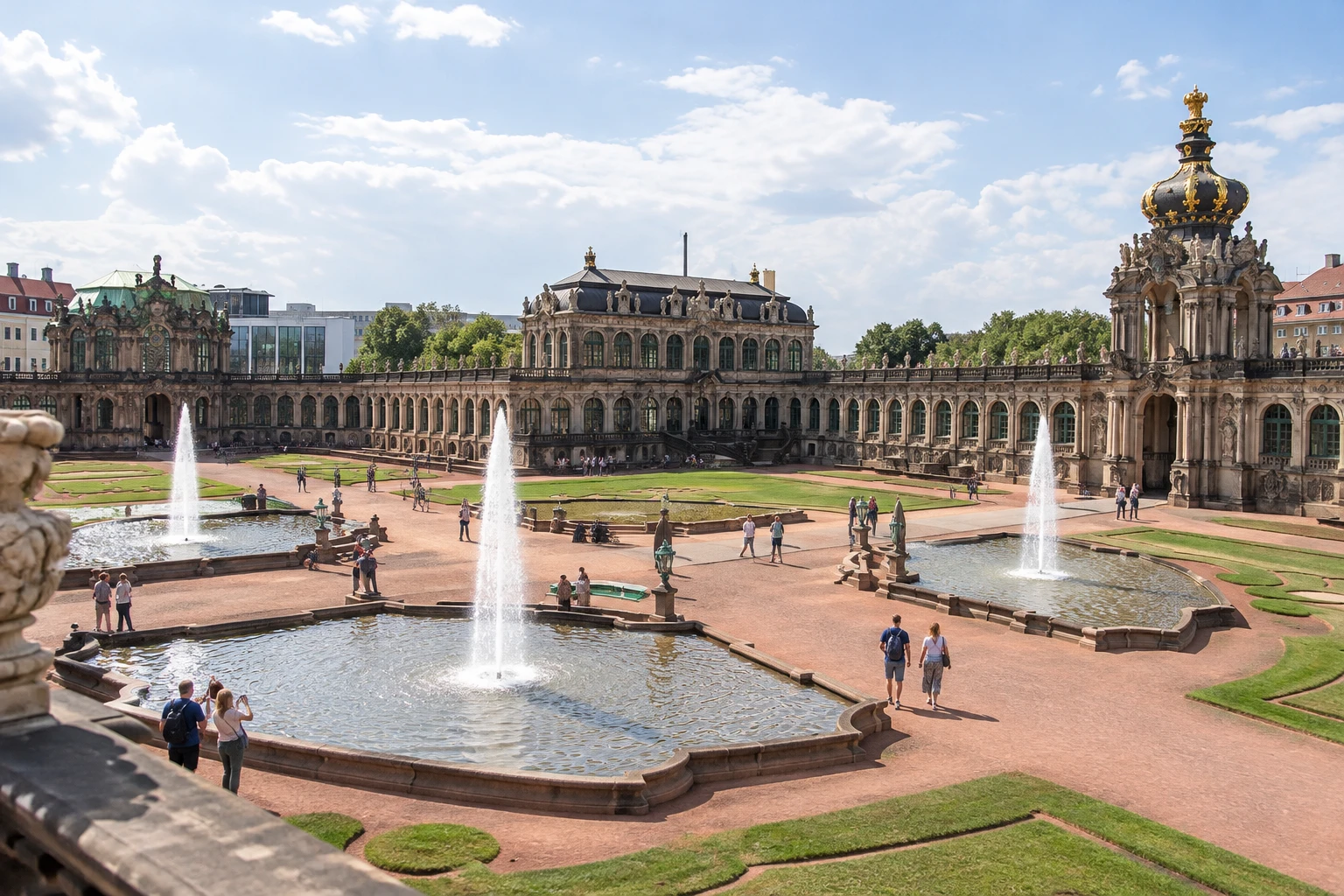
Baroque ensemble of pavilions and gardens from the 18th century, housing the Gemäldegalerie Alte Meister, where the Madona Sistina by Rafael is located, and the porcelain collection.
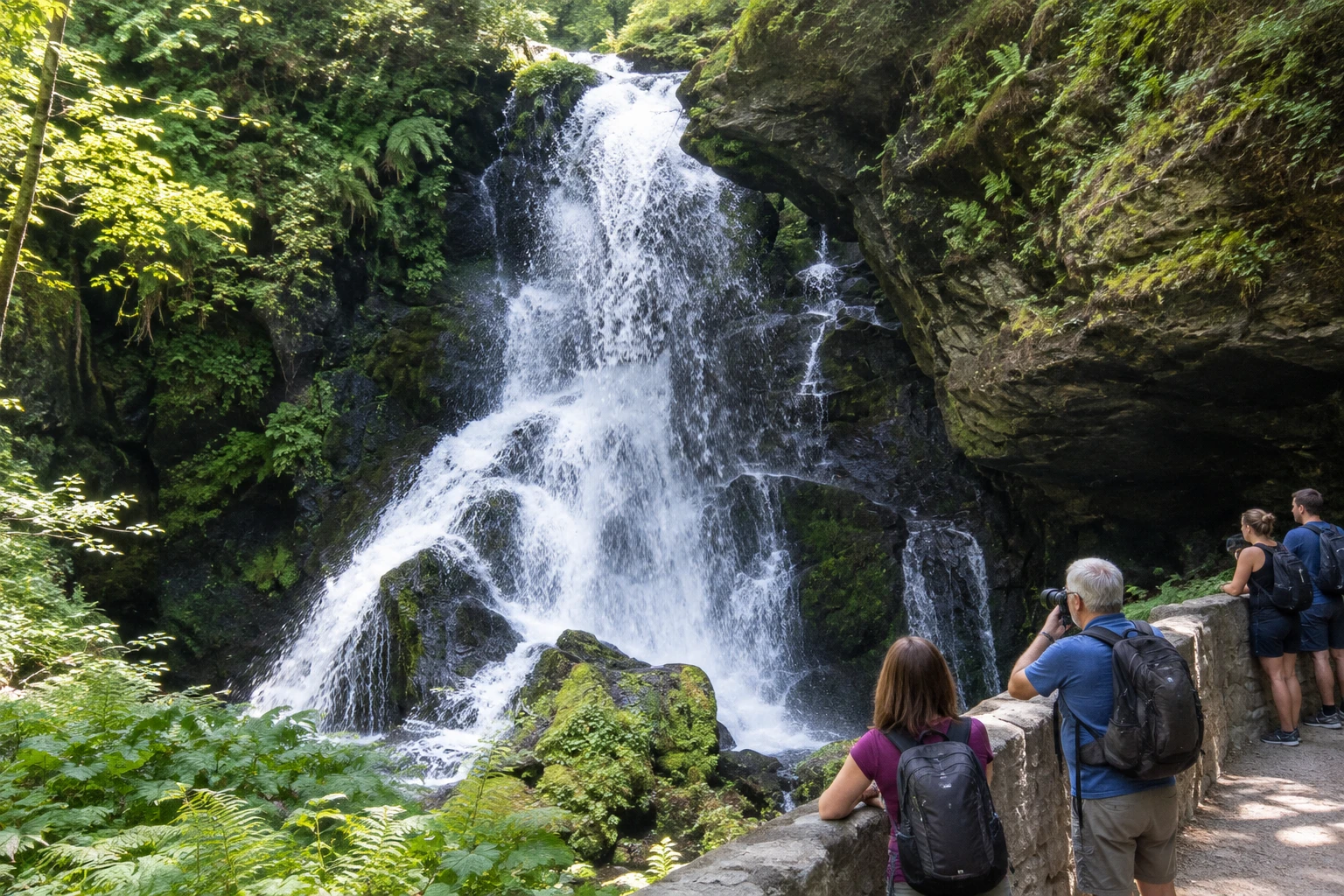
Small waterfall at the end of the tram line in the Kirnitzsch valley, dammed since 1830 so the water can be released in bursts. It is the starting point of the trail to the Kuhstall.
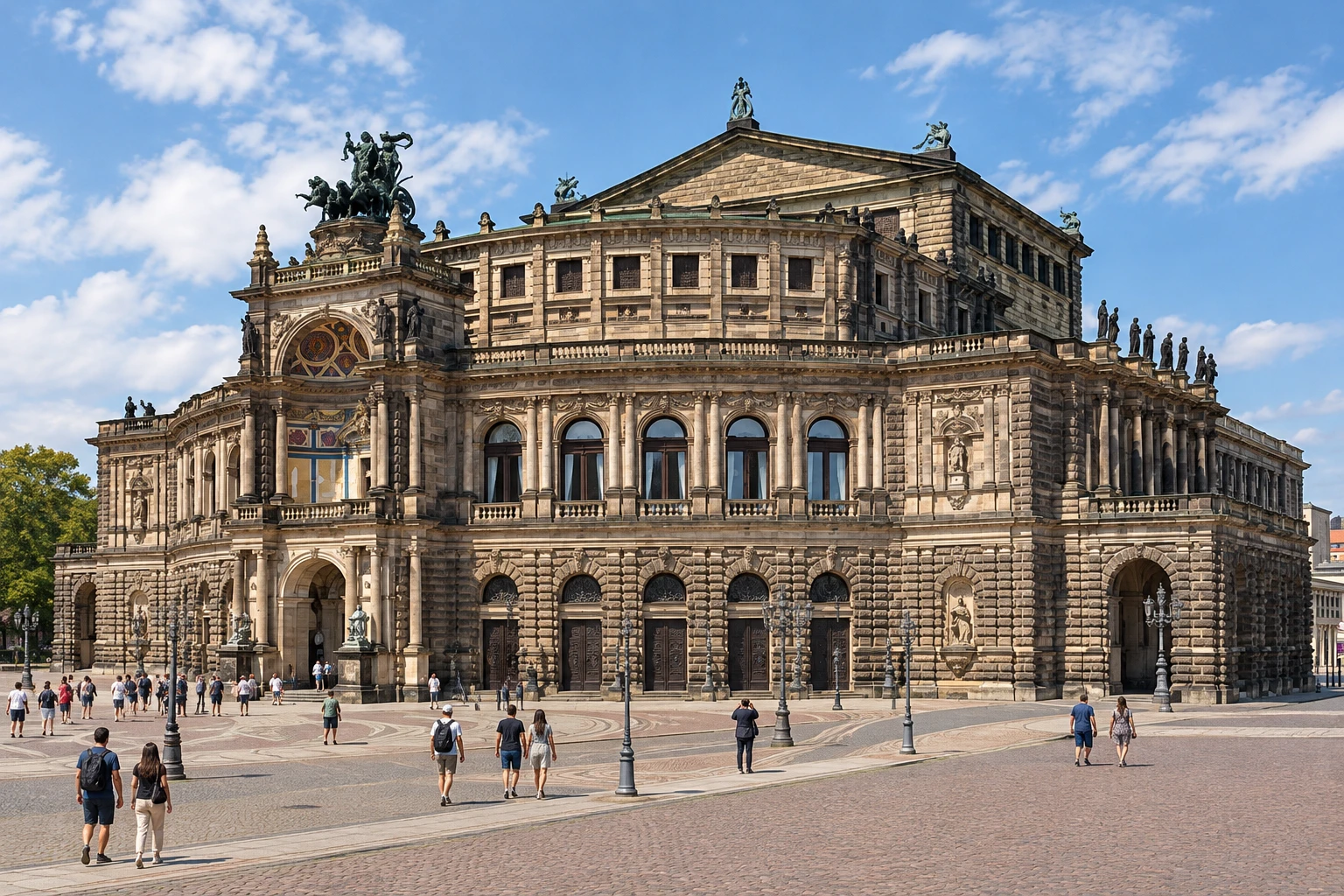
Opera house on the Theaterplatz, home of the Saxon State Opera and the Staatskapelle Dresden. It hosted premieres by Wagner and Richard Strauss and offers guided tours.
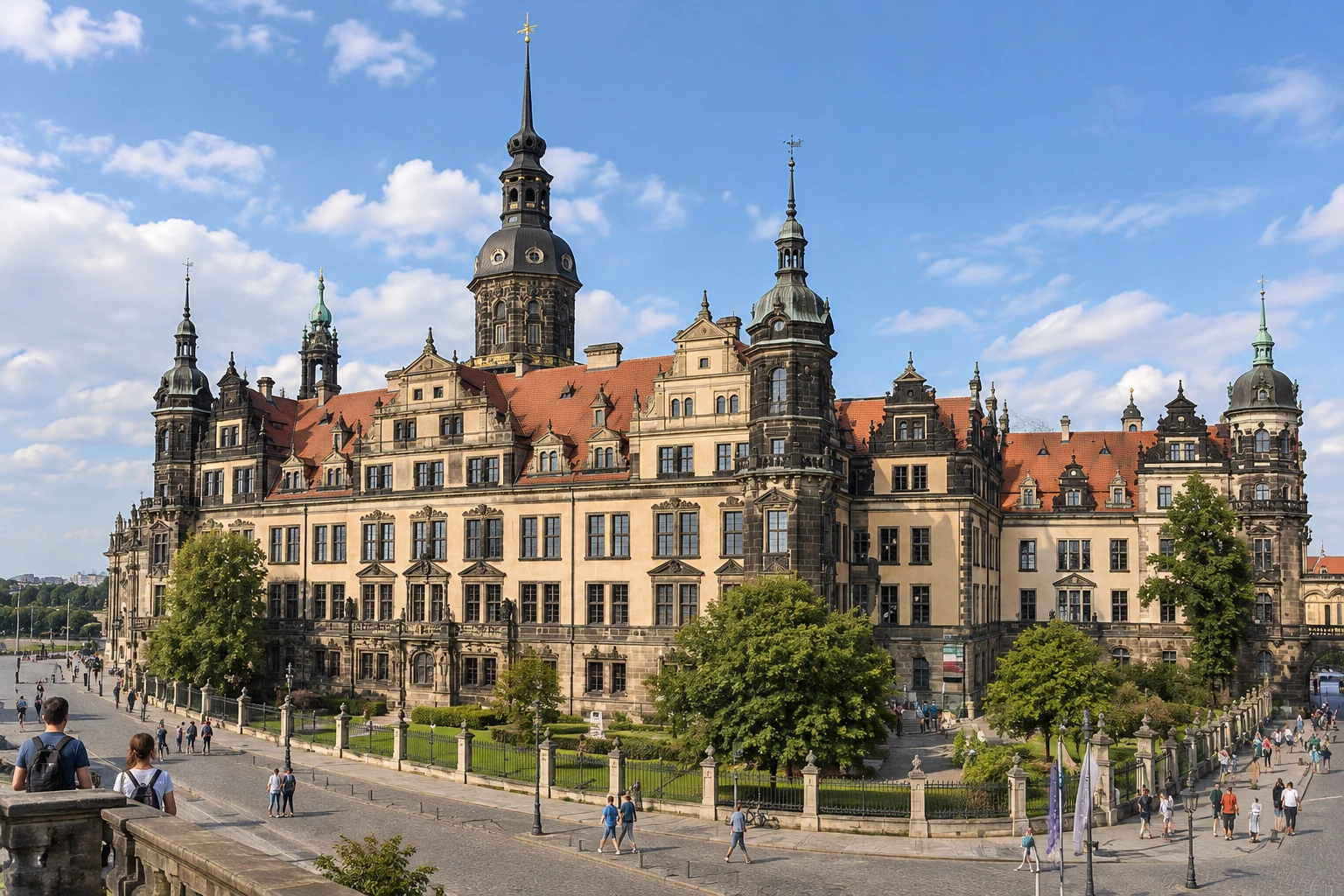
Former palace of the rulers of Saxony, now housing several museums: the Grünes Gewölbe (royal treasury), the Rüstkammer, the Münzkabinett and the Hausmannsturm tower.
Chain of towers and sandstone cliffs east of Bad Schandau, with trails of iron stairs up to the Schrammsteinaussicht viewpoint and the ridgeline path Gratweg.
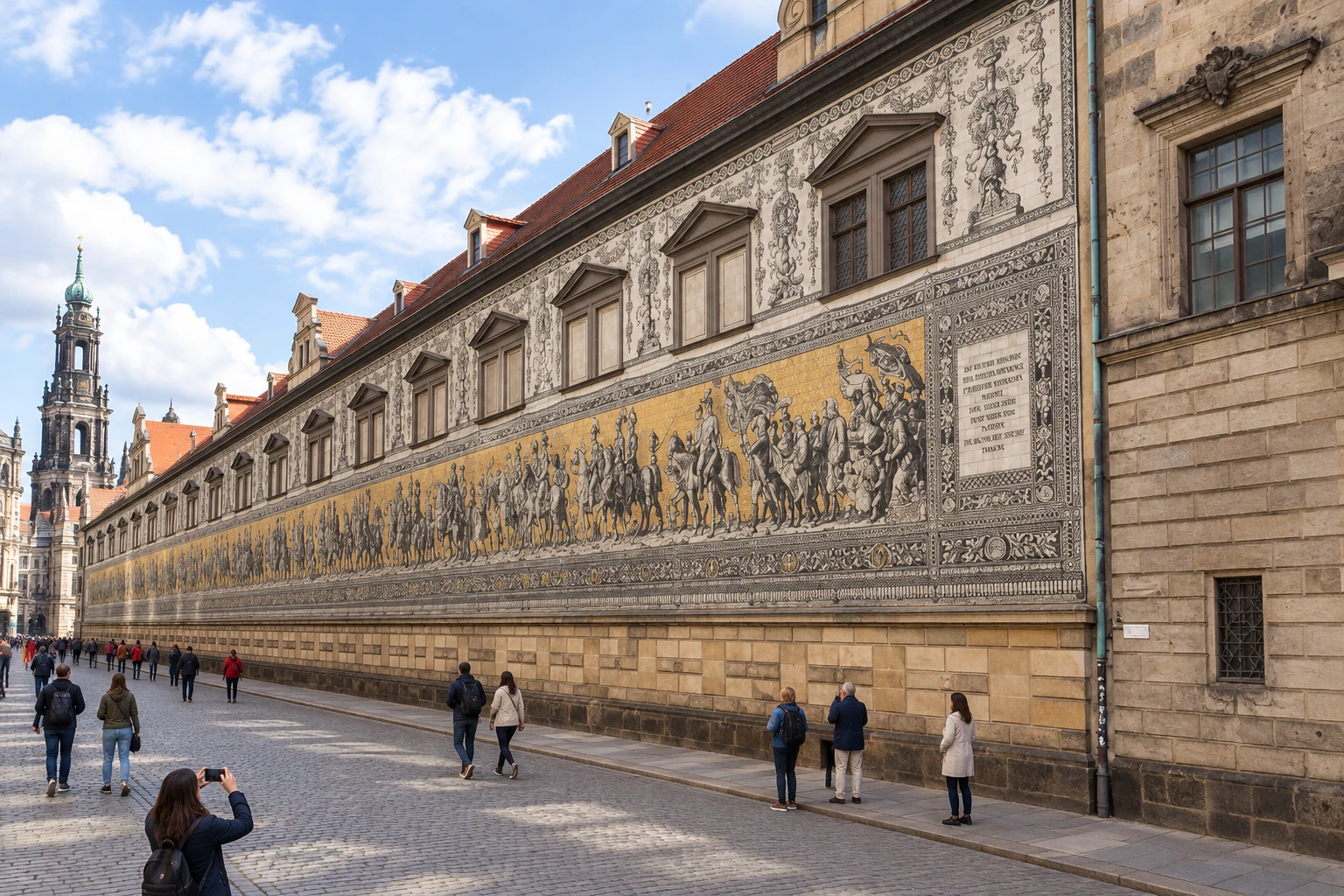
A panel of roughly 102 metres made from about 23,000 Meissen porcelain tiles, depicting the procession of 35 rulers of the Wettin dynasty. It is on an open-air street.
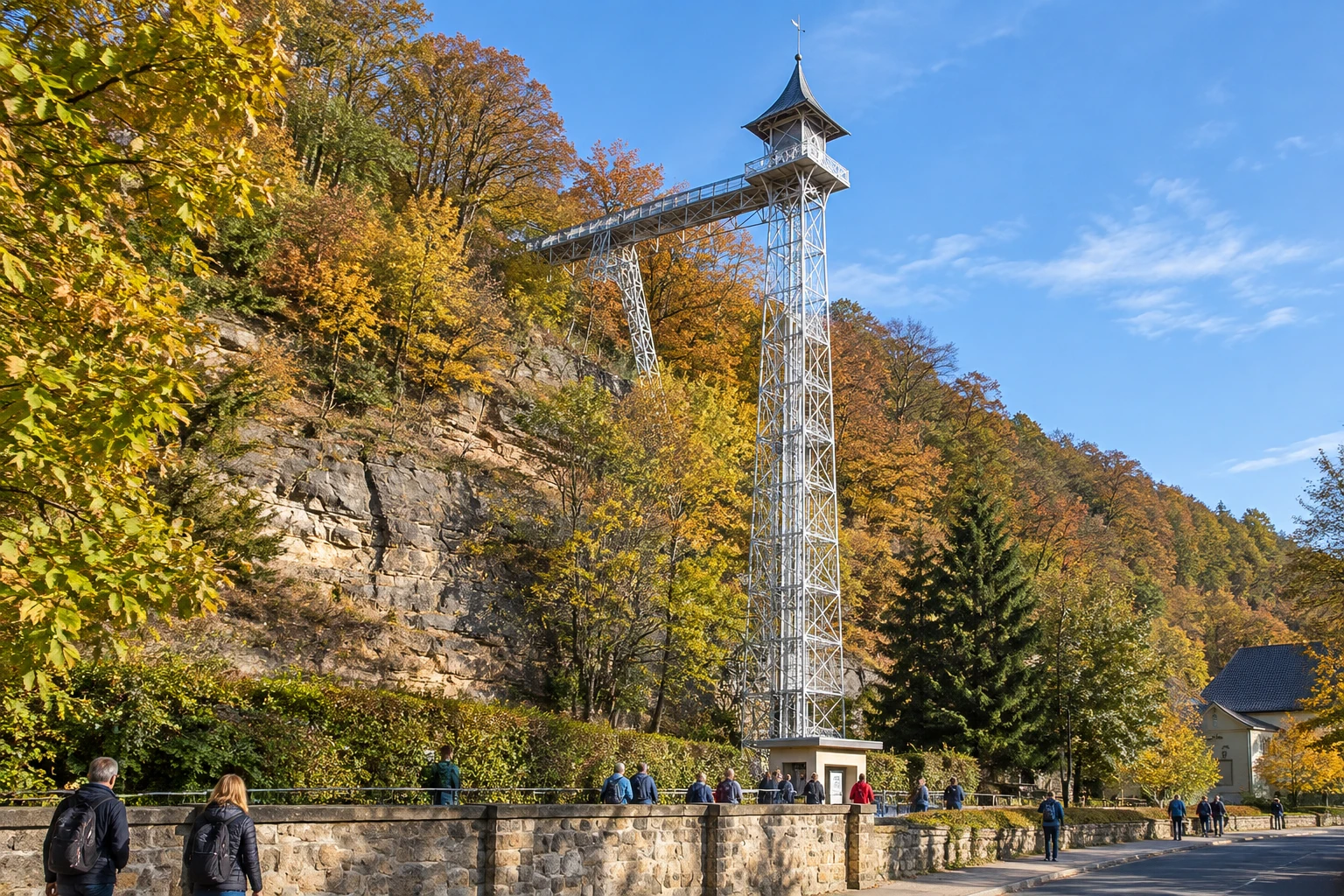
Lift in a 52-meter steel tower, operating since 1904, that links Bad Schandau center to the Ostrau plateau, with views over the Elbe valley.
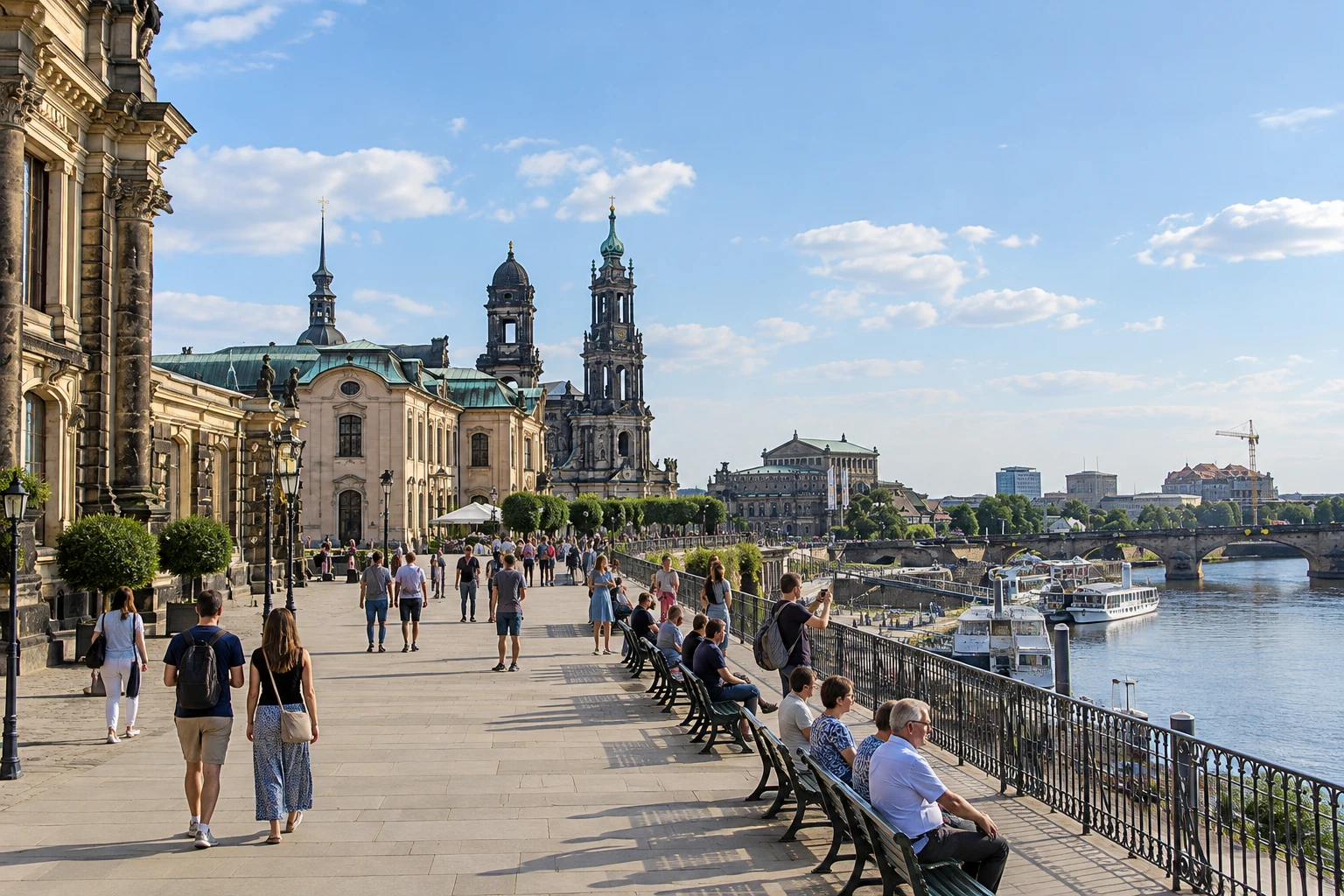
An elevated promenade over the Elbe, nicknamed the Balcony of Europe, with views of the river and the Neustadt. It connects the Schlossplatz to the Albertinum.
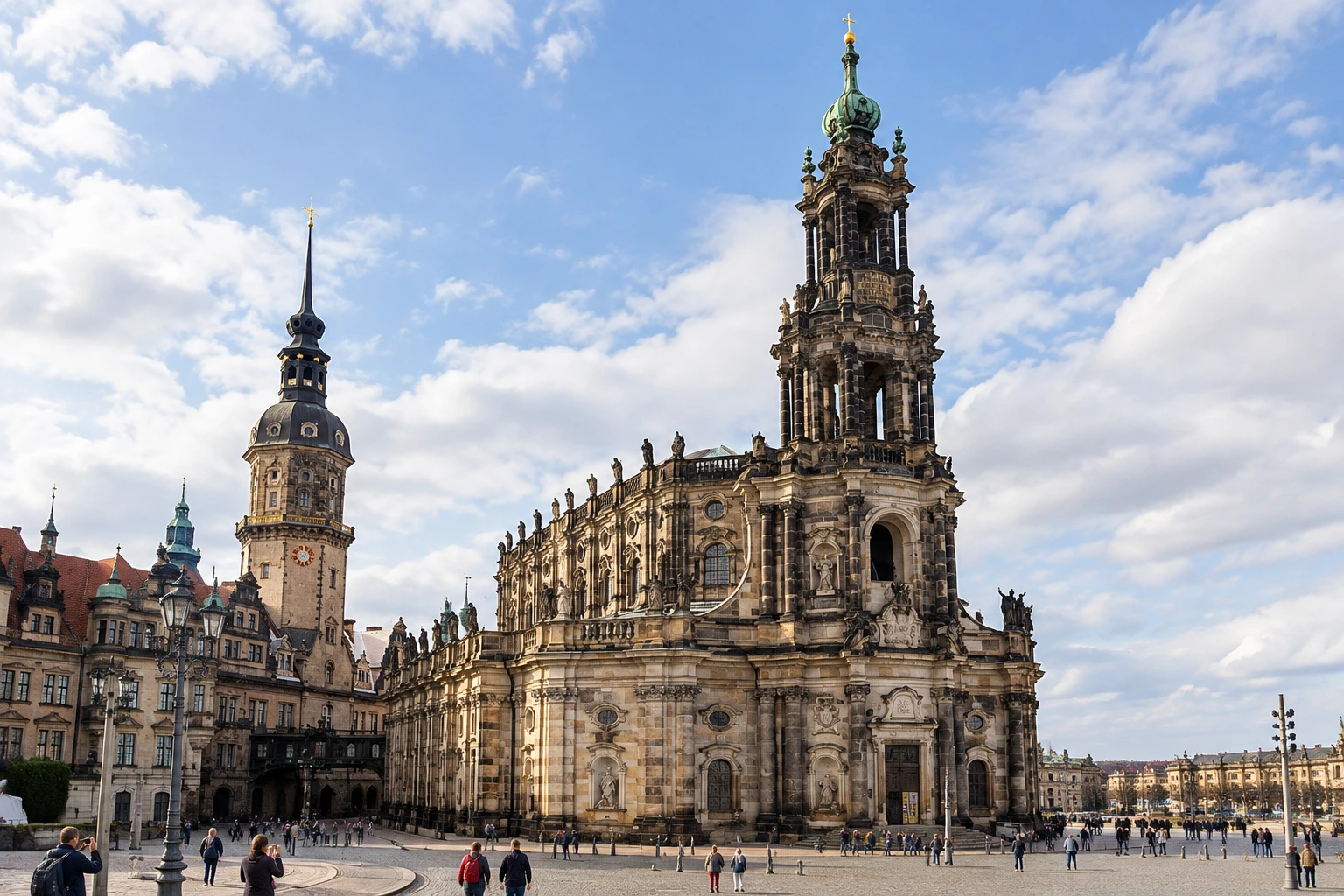
Former court church, now Dresden's Catholic cathedral, with the tower that shapes the city's skyline, 78 statues of saints and the last organ by Gottfried Silbermann.
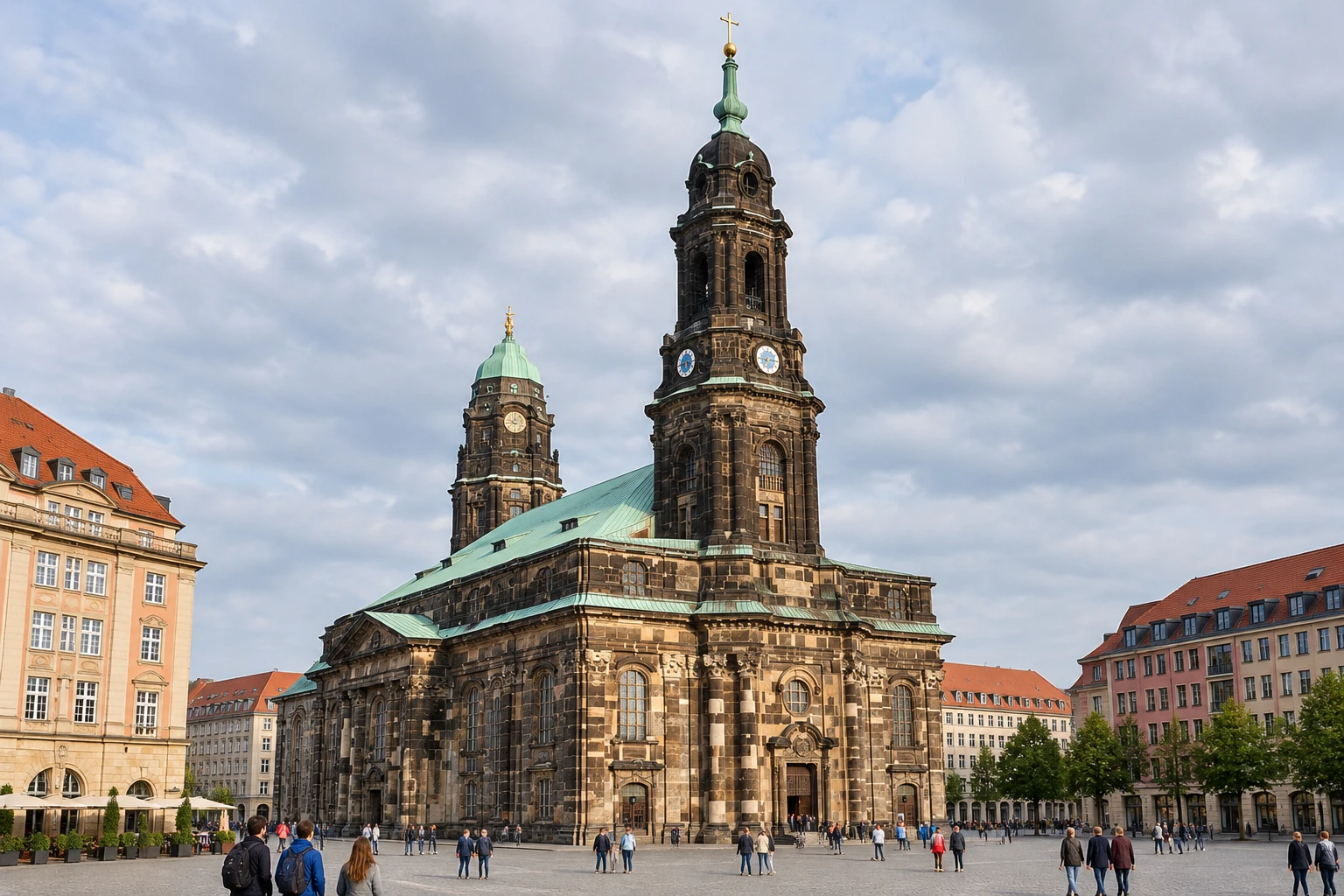
Main Lutheran church on the Altmarkt, home of the Dresdner Kreuzchor, a boys' choir with over seven centuries of history. The tower can be climbed and offers views over the center.
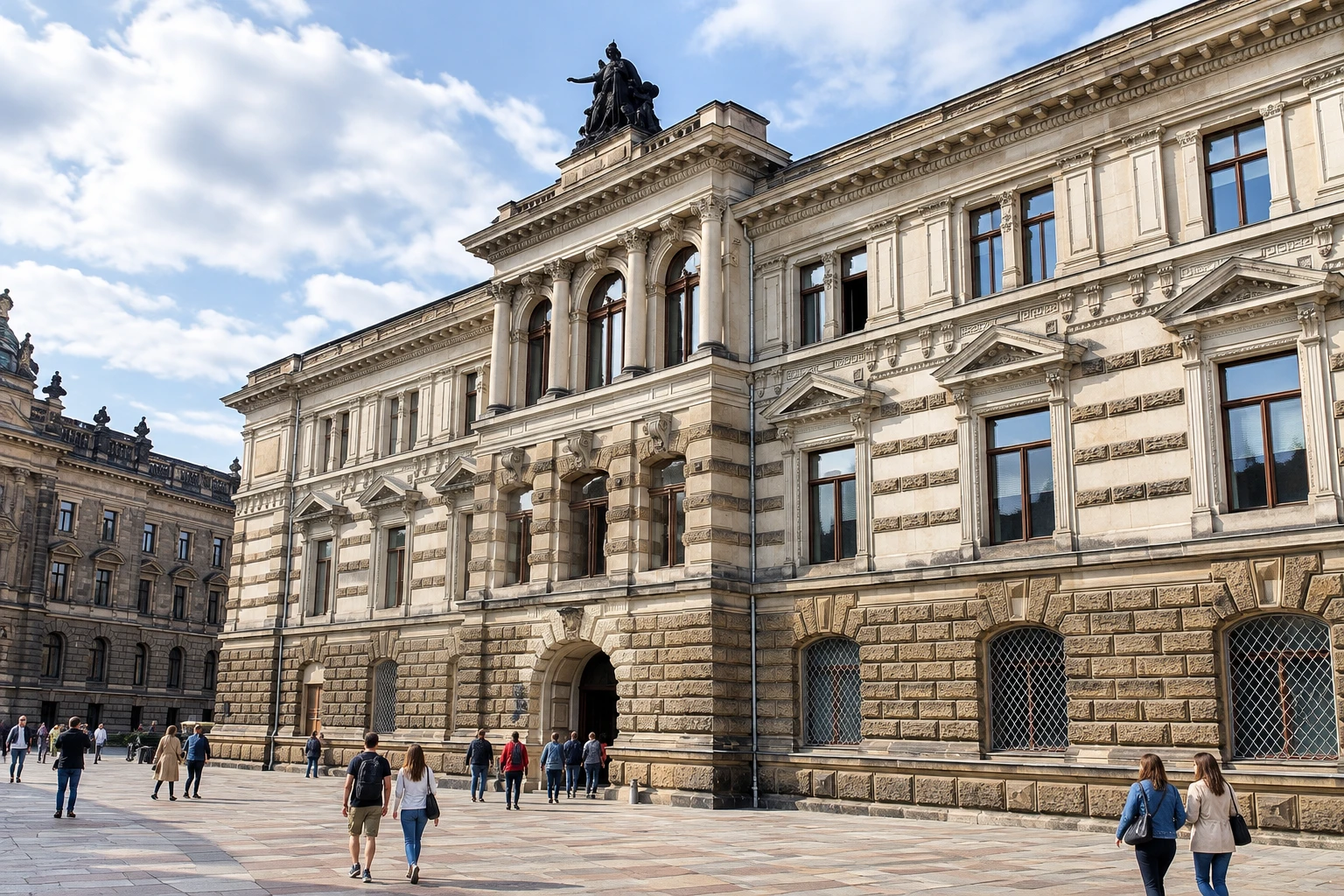
Museum of modern art at the eastern end of the Brühlsche Terrasse, with painting from Romanticism to contemporary art, from Caspar David Friedrich to Gerhard Richter, and sculpture.
19th-century neighborhood on the other side of the Elbe, with bars, cafés, street art and the colorful courtyards of the Kunsthofpassage. It is the center of Dresden's nightlife.
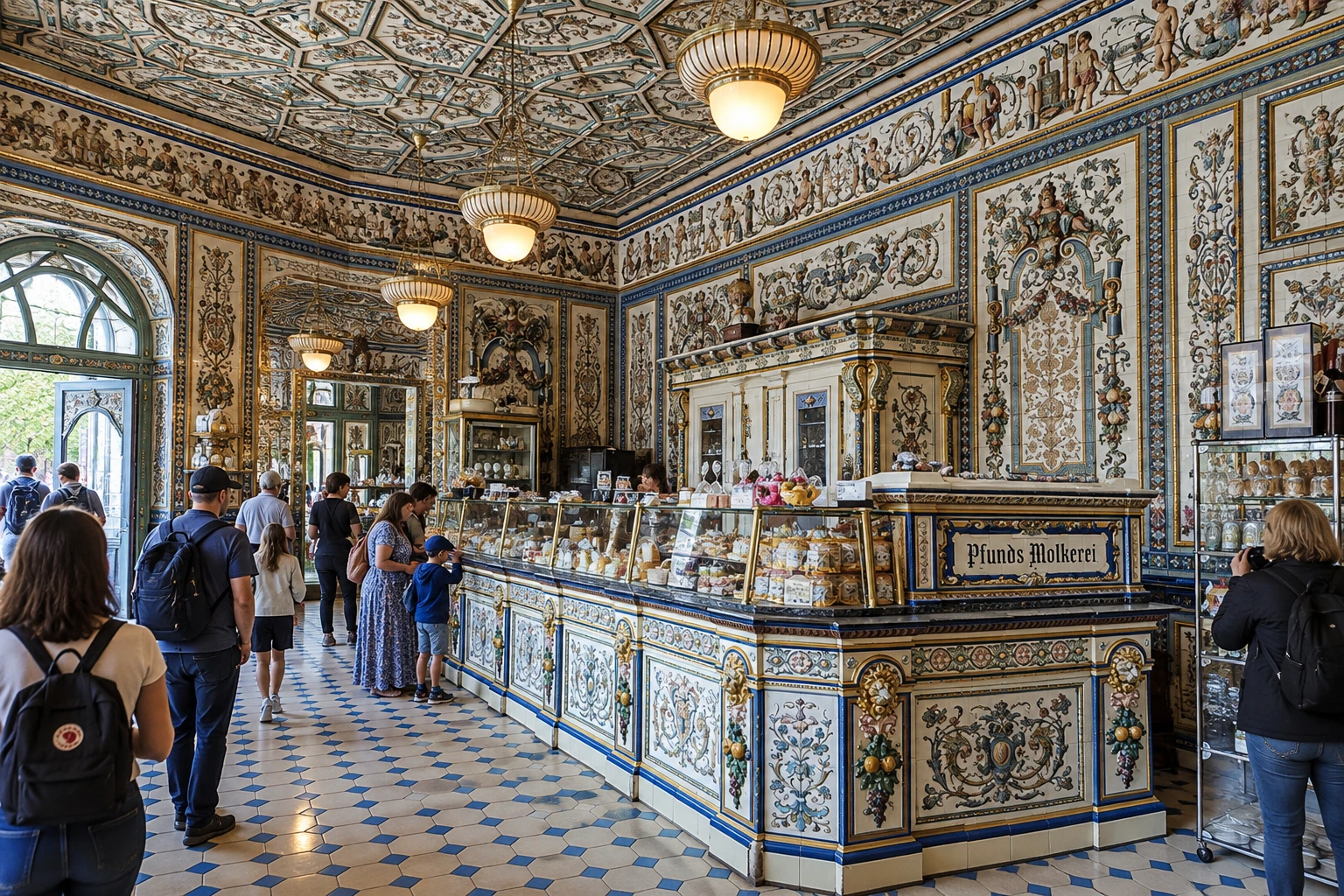
Dairy shop opened in the late 19th century in the Neustadt, with walls and floor covered in hand-painted tiles. It still operates as a shop selling dairy and regional products.
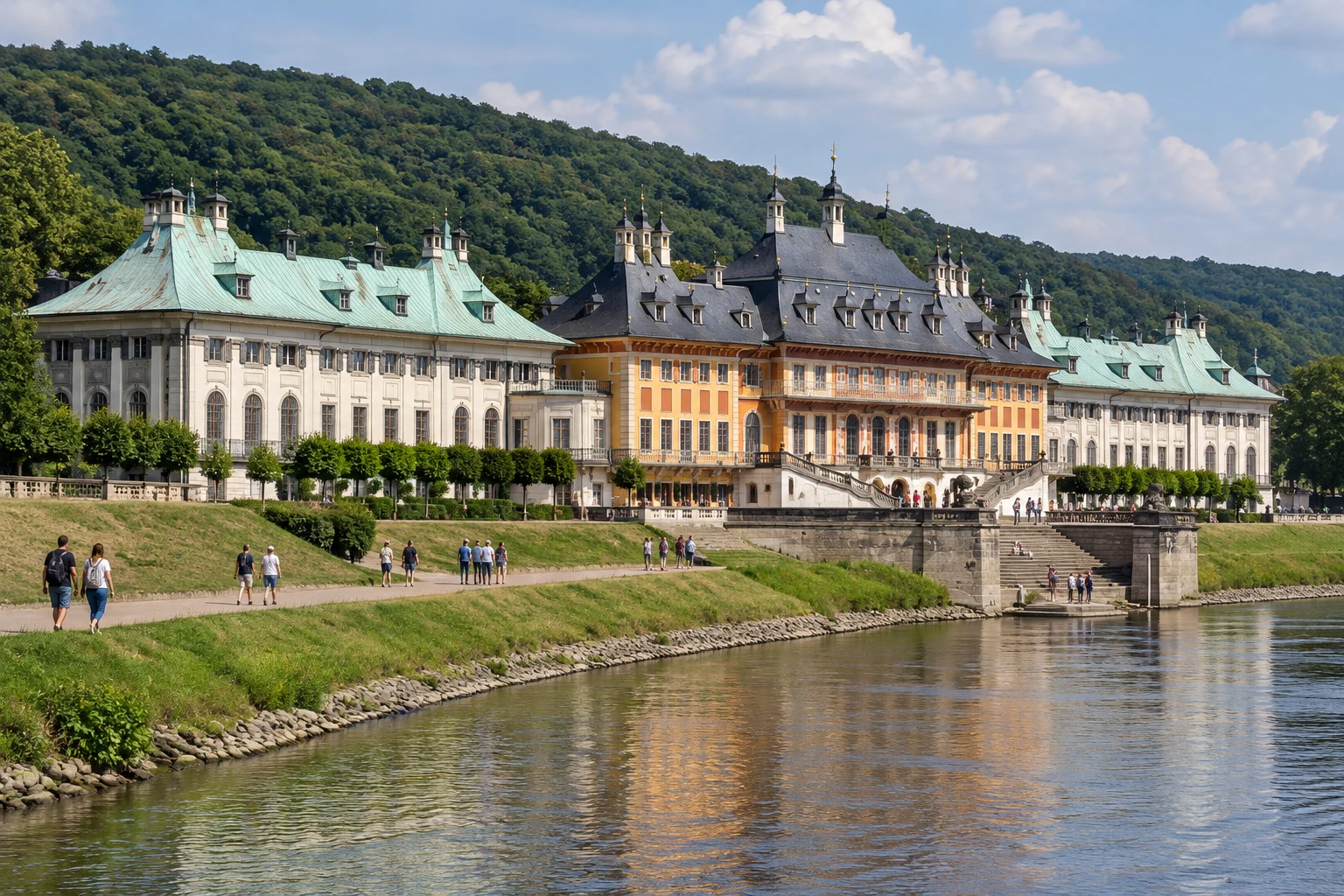
Summer residence of the Saxon monarchs on the banks of the Elbe, featuring palaces with Chinese-style decoration, gardens, a camellia over 200 years old and a museum of decorative arts.
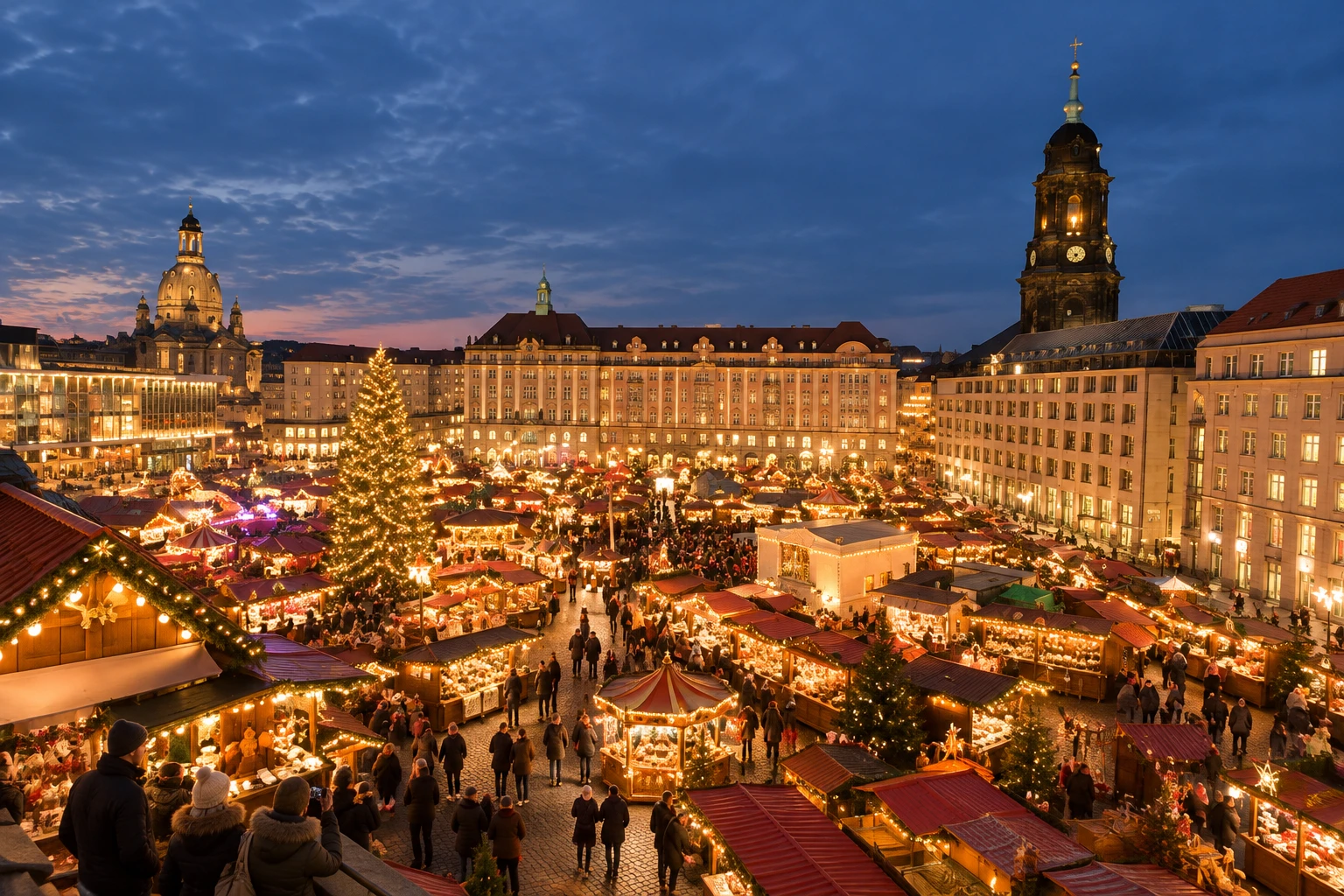
Altmarkt Christmas Market, recorded since 1434 and one of the oldest in Germany. It usually runs from late November until Christmas Eve, featuring Stollen.
To choose before you go
The details of each tour (where it leaves from, what it includes, the best time) are in the complete guide.
Get your questions answered
The guide's itineraries cover 2, 3 and 5 days: in 2 days, Altstadt and a day at the Bastei; in 3 days, museums, Bastei and Königstein; in 5 days, the city in depth and two nights in the park.
Arrival, Brühlsche Terrasse, Fürstenzug and Frauenkirche. If you arrive from Brazil on the overnight flight you disembark in the morning at Frankfurt and take the direct ICE from the airport station to Dresden Hbf, about 4 hours 30 minutes, arriving mid-afternoon; if you are already in Europe you can arrive from Berlin in under 2 hours. Leave your bags and walk 15 minutes to the Schloßplatz. Walk along the Brühlsche Terrasse and the Fürstenzug, cross the Theaterplatz with the Semperoper and the Hofkirche visible from outside, and finish at the Neumarkt at the Frauenkirche in time to climb the dome before it closes. Have dinner on Münzgasse and go to bed early.
It generally rains less from October to April. The rainiest months are usually from July to August. The guide covers each month, with the weather and what changes on the tours.
To plan