Lübeck · Schleswig-Holstein · Monument
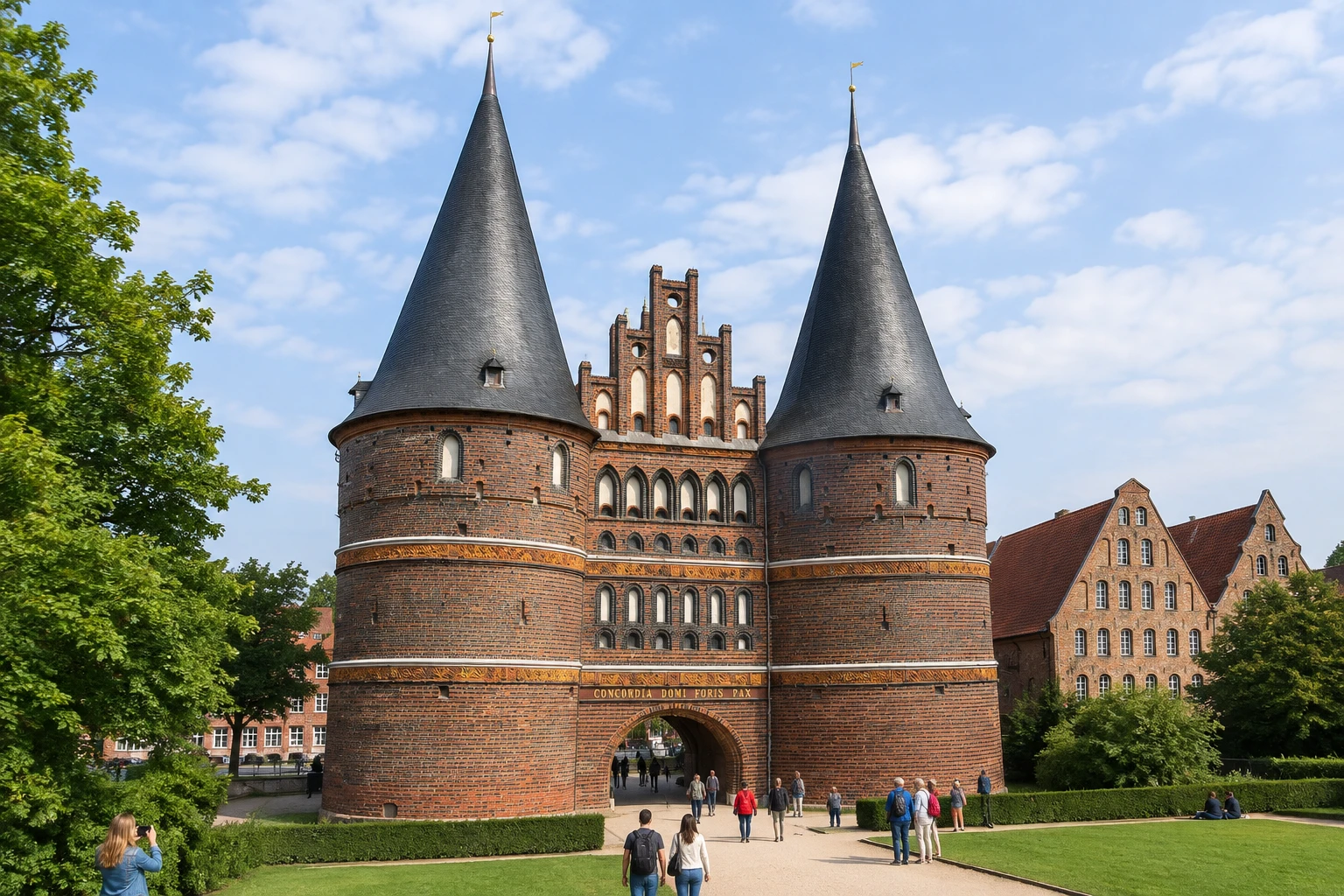
Holsten Gate
The brick gate with two round towers, dating from 1478, is Lübeck's symbol. Inside it houses a museum about the city and the trade of the Hanseatic League.

 Search
 Brazil
 Antarctica
 Argentina
 Bolivia
 Chile
 Colombia
 Ecuador
 Falkland Islands (Malvinas)
 French Guiana
 Guyana
 Paraguay
 Peru
 Suriname
 Uruguay
 Venezuela
 Austria
 Belgium
 Croatia
 Denmark
 Finland
 FranceGermany
 Greece
 Hungary
 Iceland
 Ireland
 Italy
 Luxembourg
 Norway
 Poland
 Portugal
 Slovakia
 Slovenia
 Spain
 Sweden
 Switzerland
 the Czech Republic
 the Netherlands
 the United Kingdom
 Turkey
 Bermuda
 Canada
 Greenland
 Mexico
 Saint Pierre and Miquelon
 the United States
 the Dominican Republic
 JapanTurkey
 Egypt
 South Africa
 Australia
 Fiji
 New Zealand
 Papua New Guinea
Schleswig-Holstein · Mecklenburg-Western Pomerania
15 places to visit and 16 tours, chosen by the Cidade Turismo guide.
Updated
Illustrative images. The pictures in this guide are illustrations based on the real place, not photographs, and may differ from it.
To start
One by one
The brick gate with two round towers, dating from 1478, is Lübeck's symbol. Inside it houses a museum about the city and the trade of the Hanseatic League.
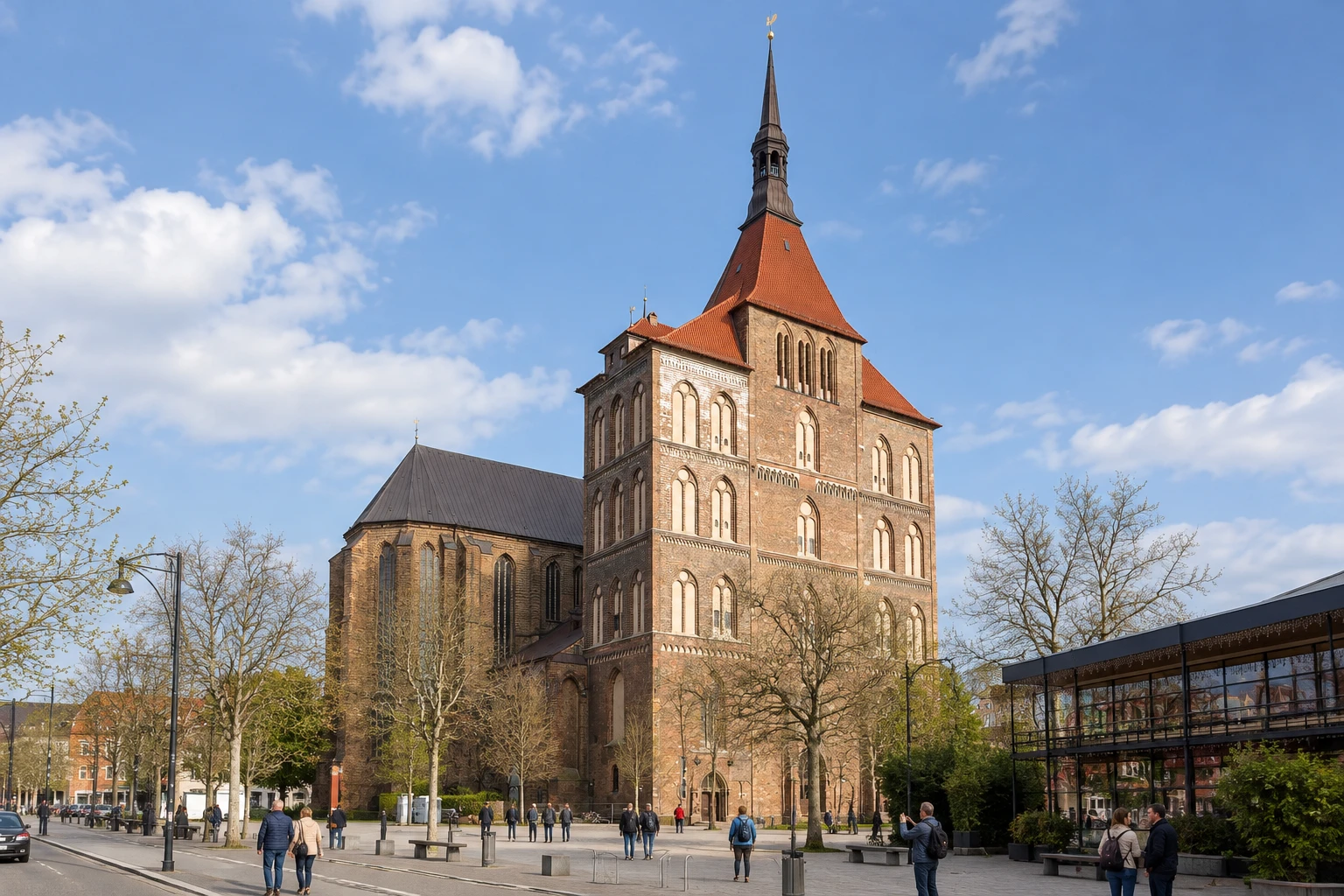
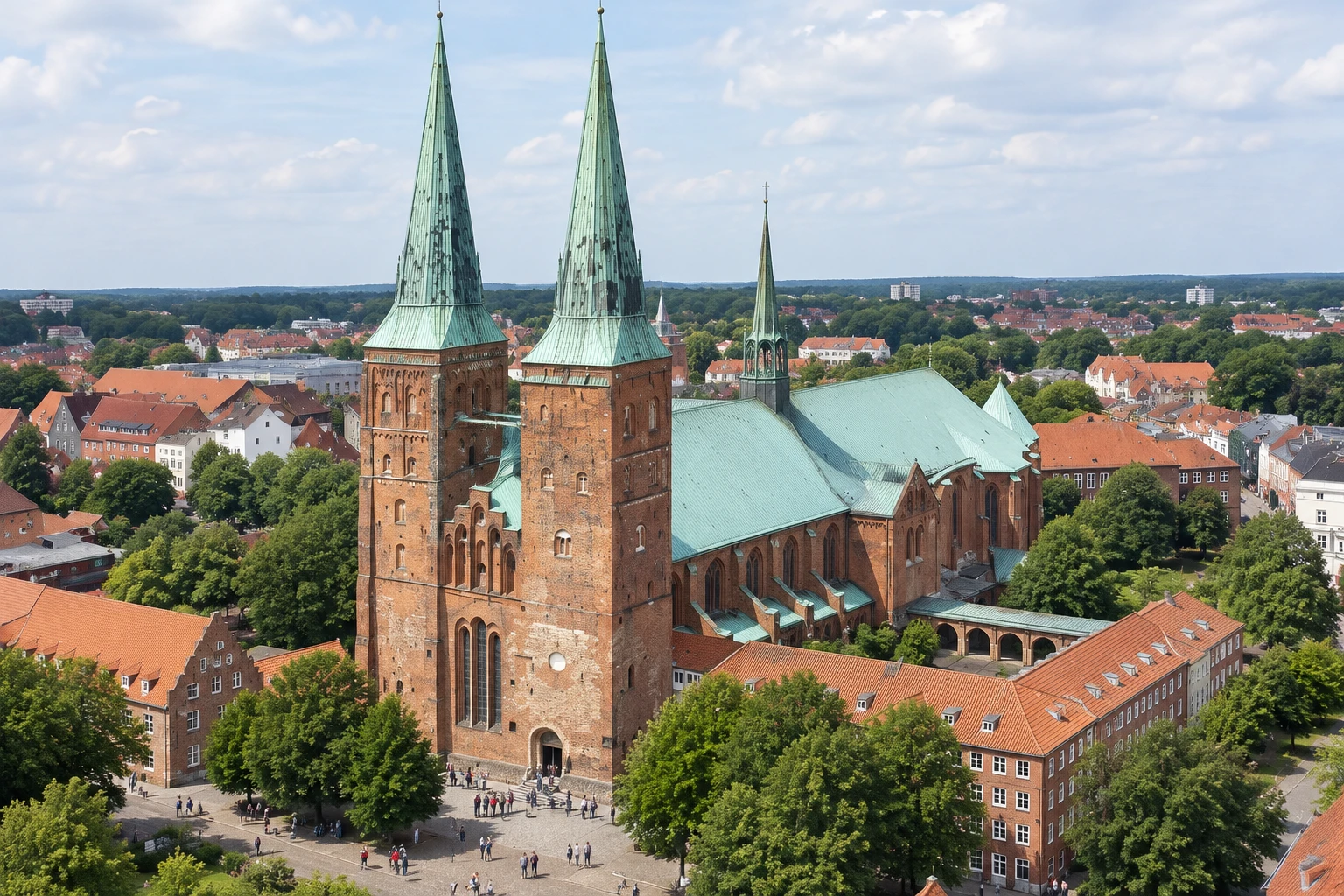
Brick Gothic church that survived World War II with relatively little damage. It houses an astronomical clock from 1472 that still works and a bronze baptismal font from 1290.
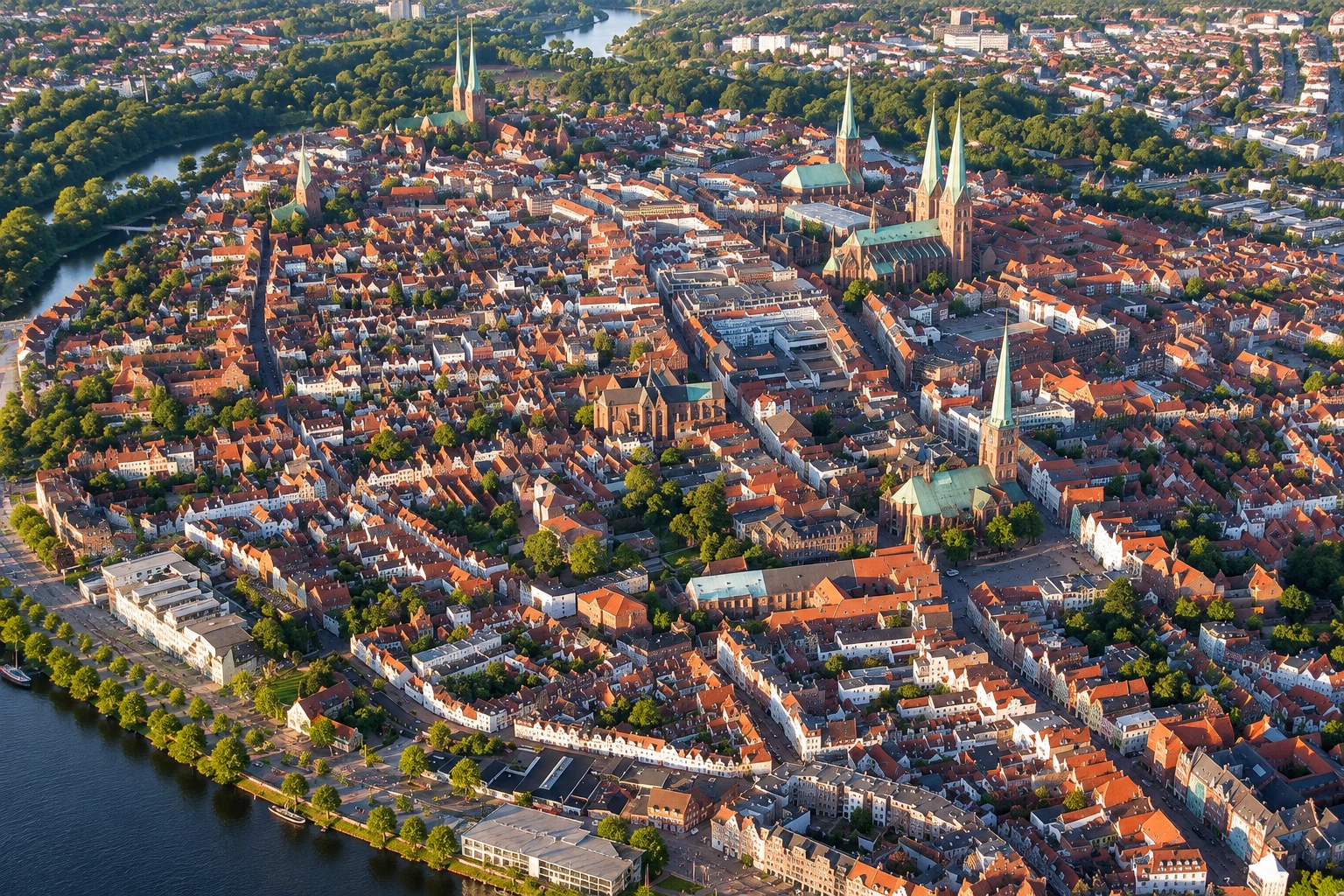
An island surrounded by the Trave and canals, with brick churches, narrow lanes and hidden courtyards. It has been a UNESCO World Heritage Site since 1987.
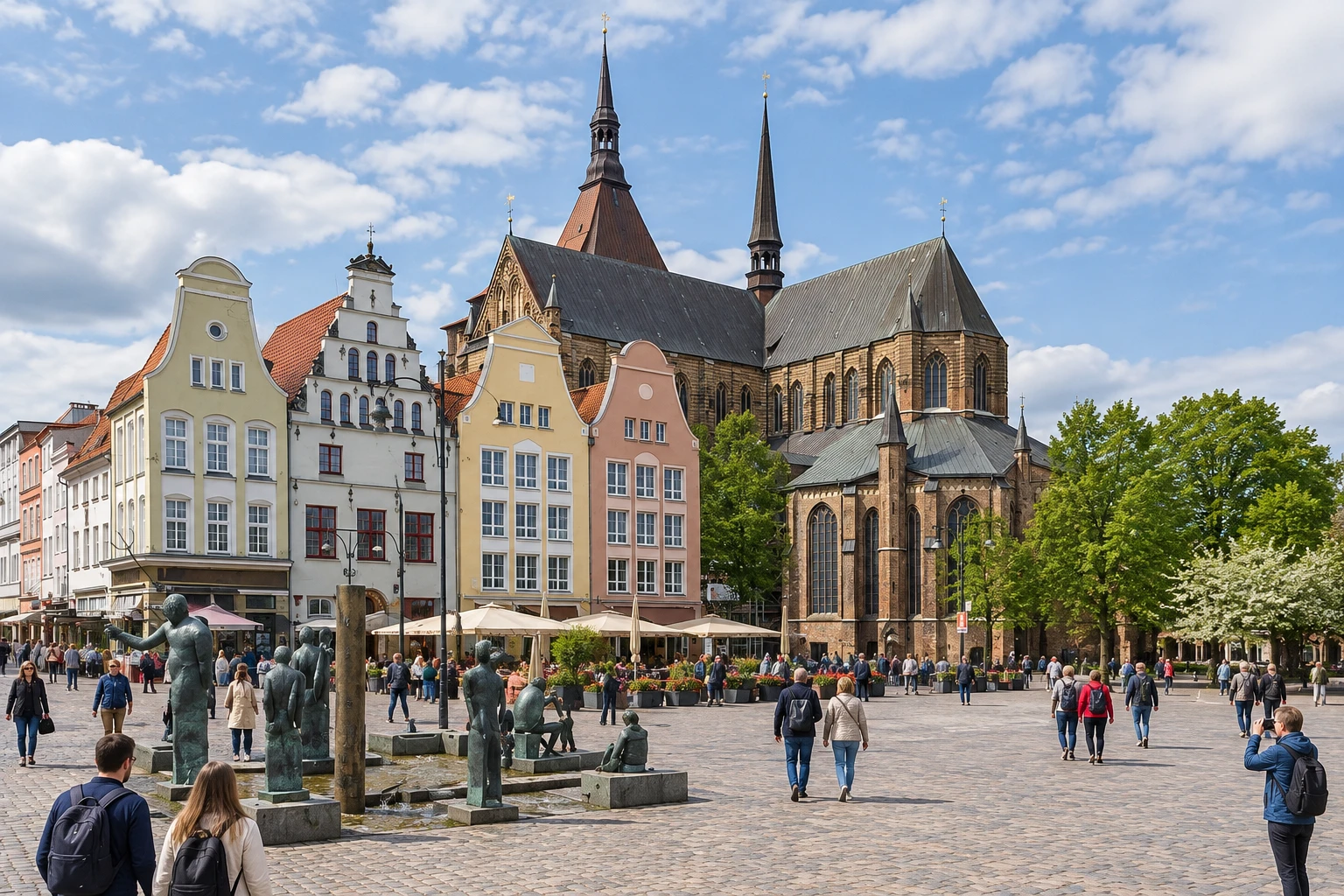
Rostock’s main square, featuring the town hall with a pink Baroque façade and colorful gabled merchant houses.
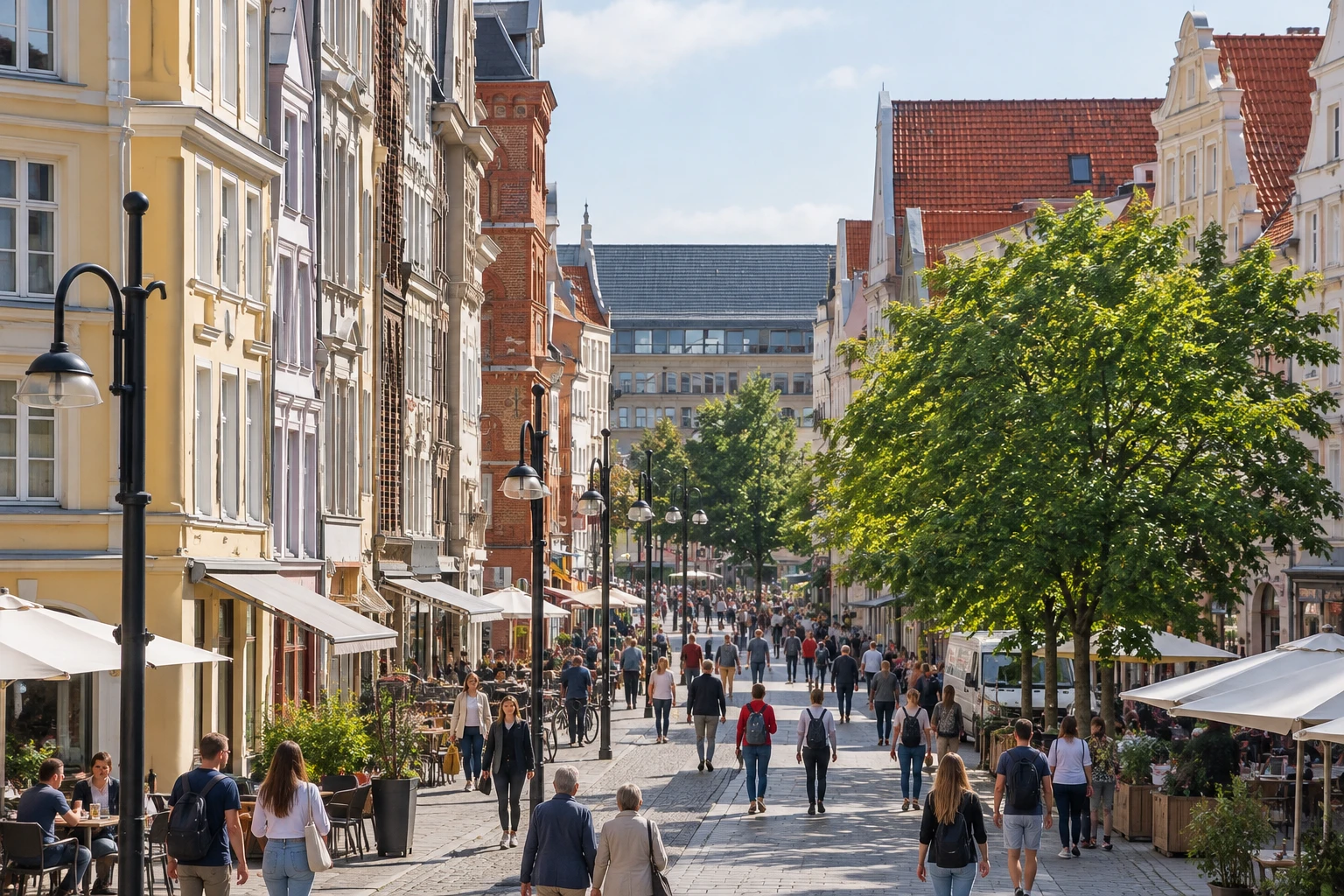
Pedestrian street about 650 metres long that cuts through Rostock's center, from Neuer Markt to the Gothic gate Kröpeliner Tor, passing the University square.
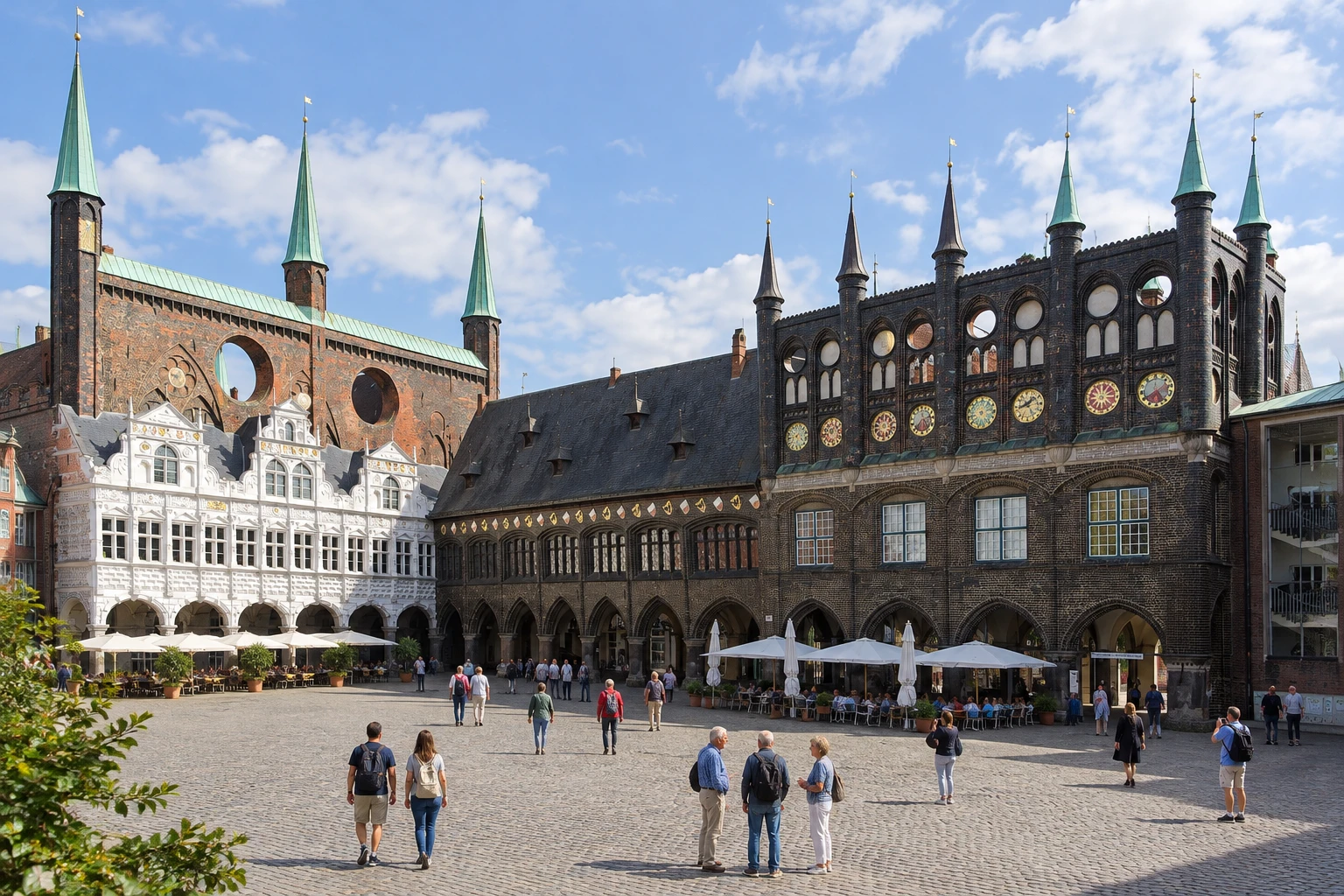
One of the oldest town halls in Germany still in use, with a dark-brick façade and slender towers atop the wall, on the north side of the Markt square.
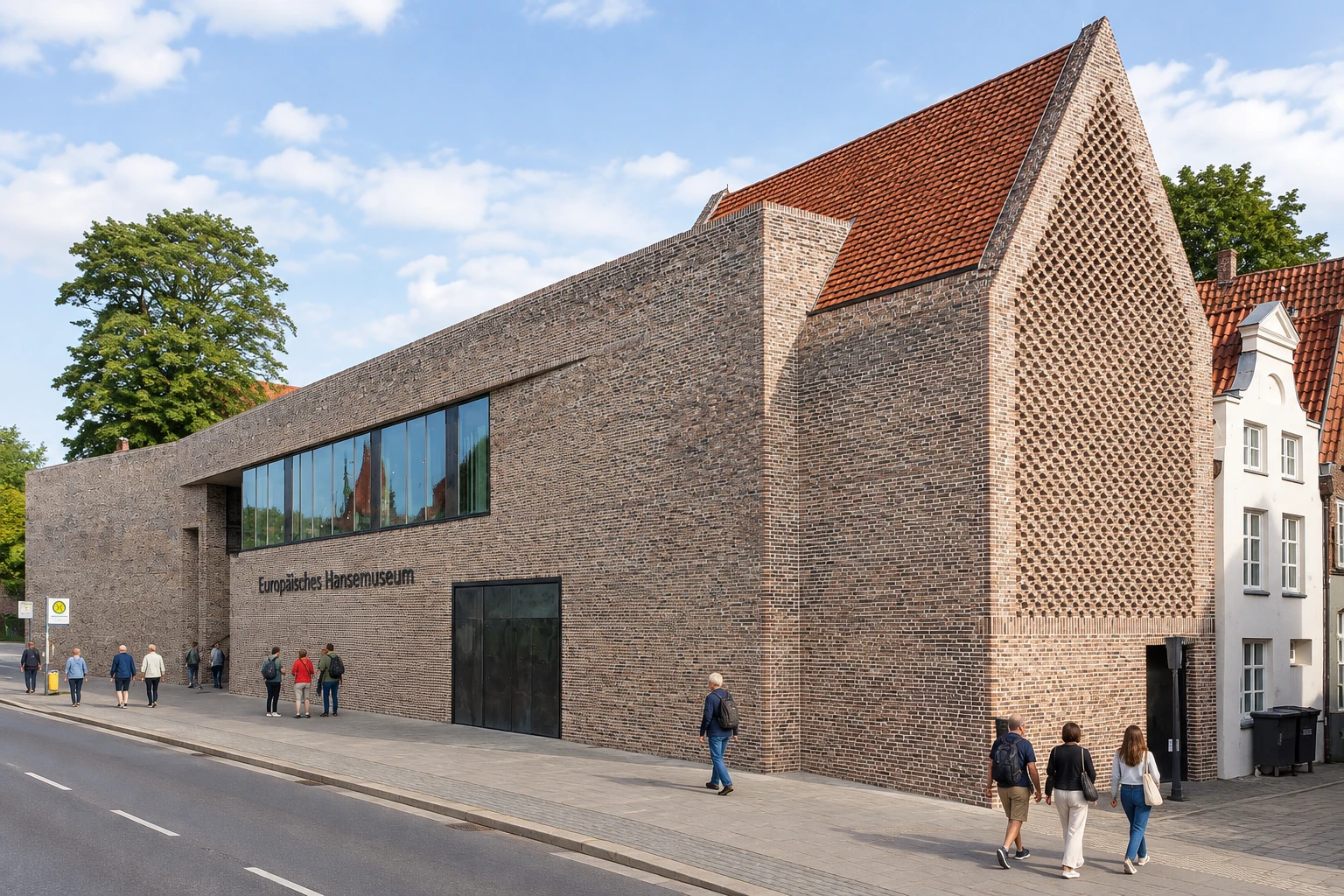
Museum about the Hanseatic League, with life-size reconstructions of ports and commercial offices and a section inside the former Burgkloster convent.
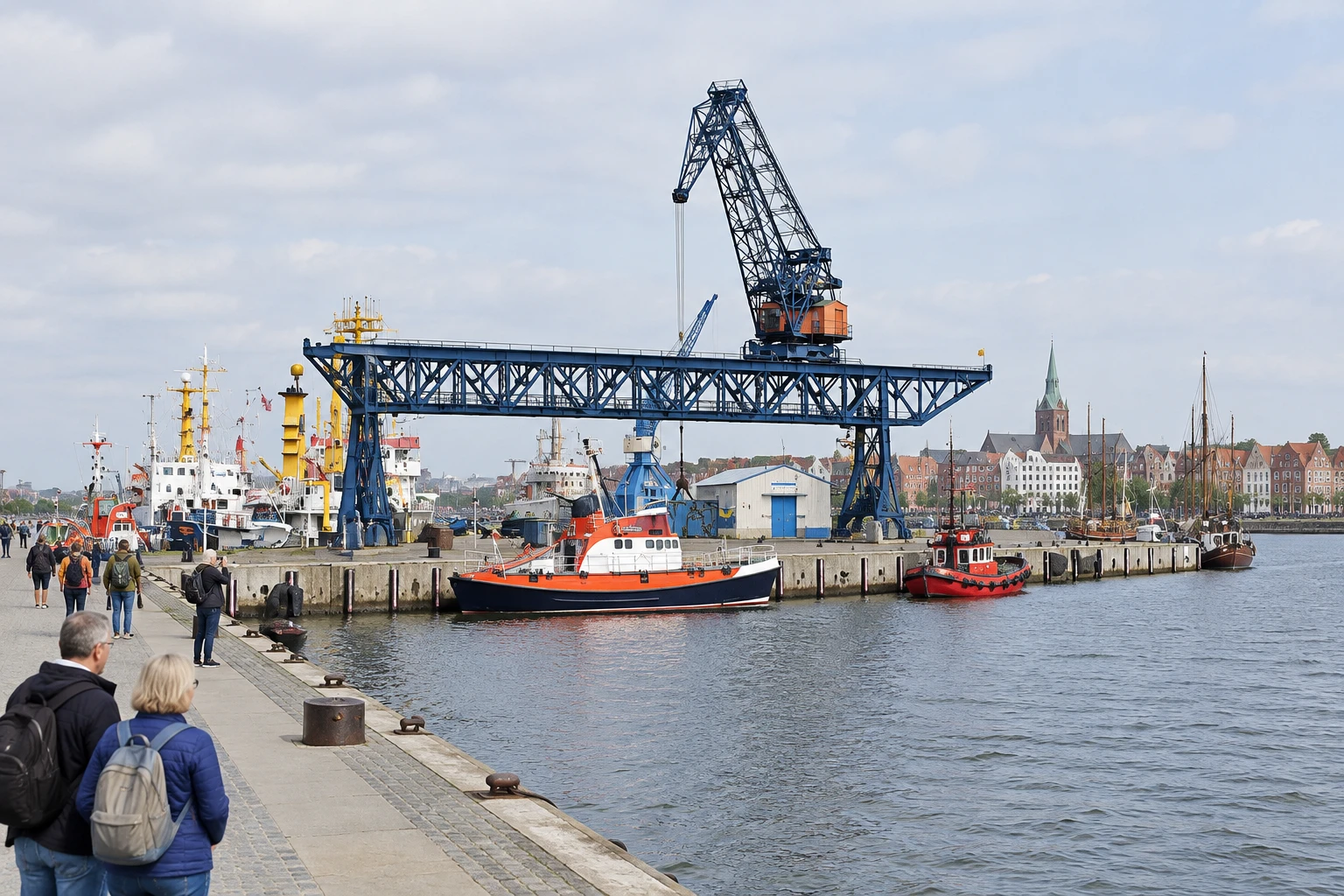
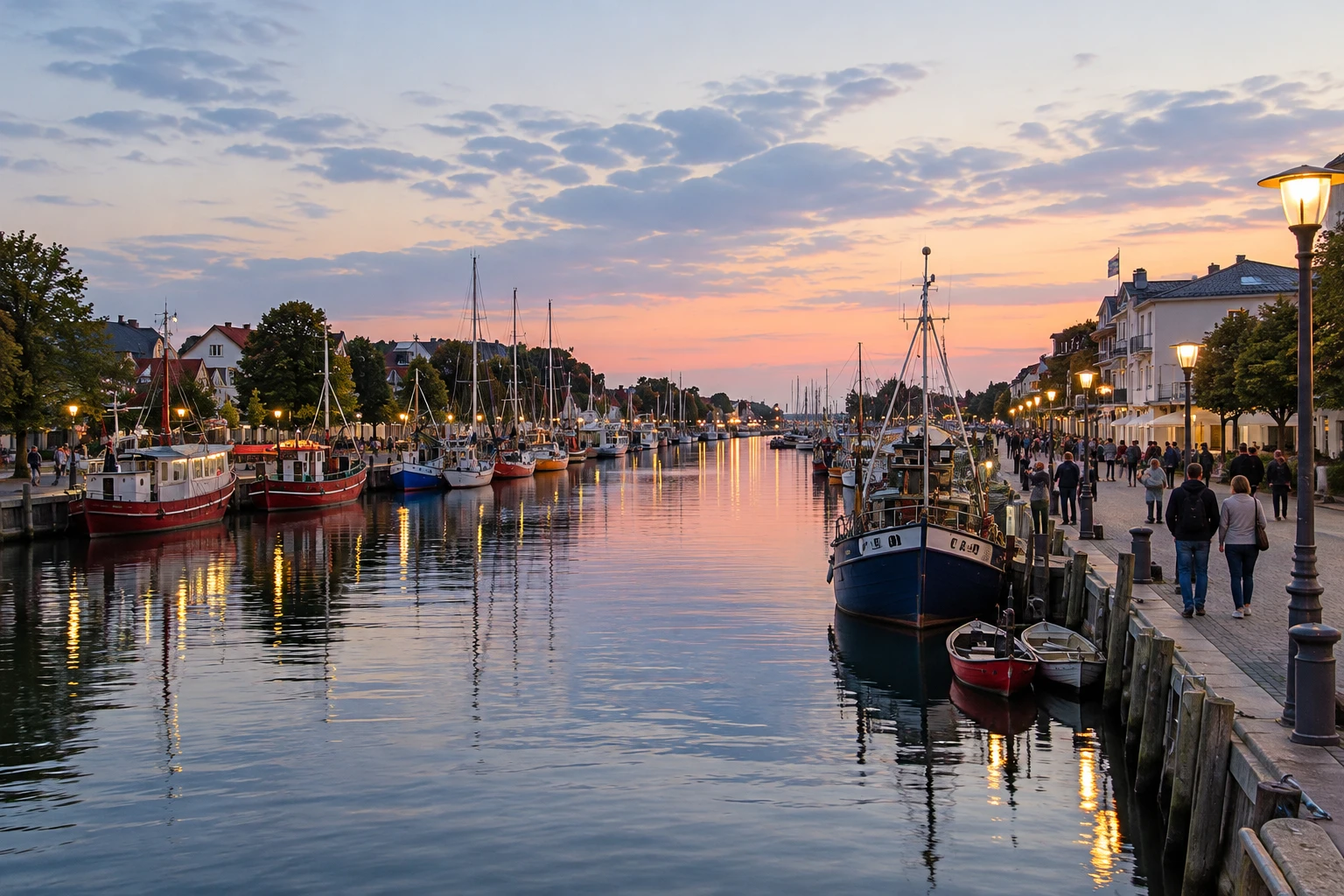
The city's historic port on the banks of the river Warnow, today a promenade area with boats, restaurants and the main stage of the Hanse Sail in August.
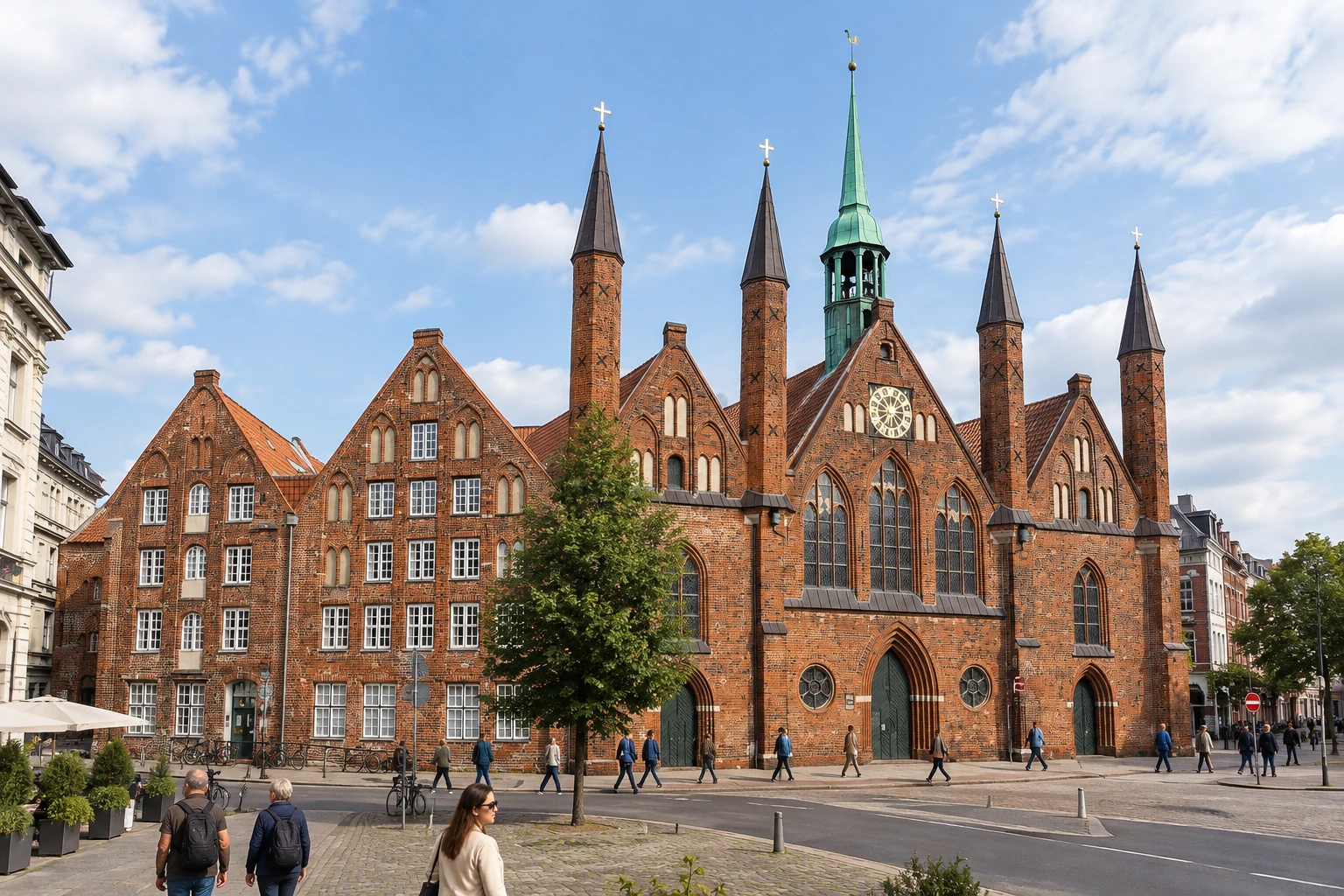
One of the oldest social hospitals in Europe, dating from 1286, with an aisle-church of medieval paintings and the wooden cubicles where elderly residents lived until 1970.
District of Rostock at the mouth of the Warnow, with the widest beach on the German Baltic coast, the Alter Strom canal with fishing boats, and the cruise port.
Brick cathedral whose foundation stone was laid by Henry the Lion in 1173. It houses the triumphal cross by Bernt Notke from 1477.
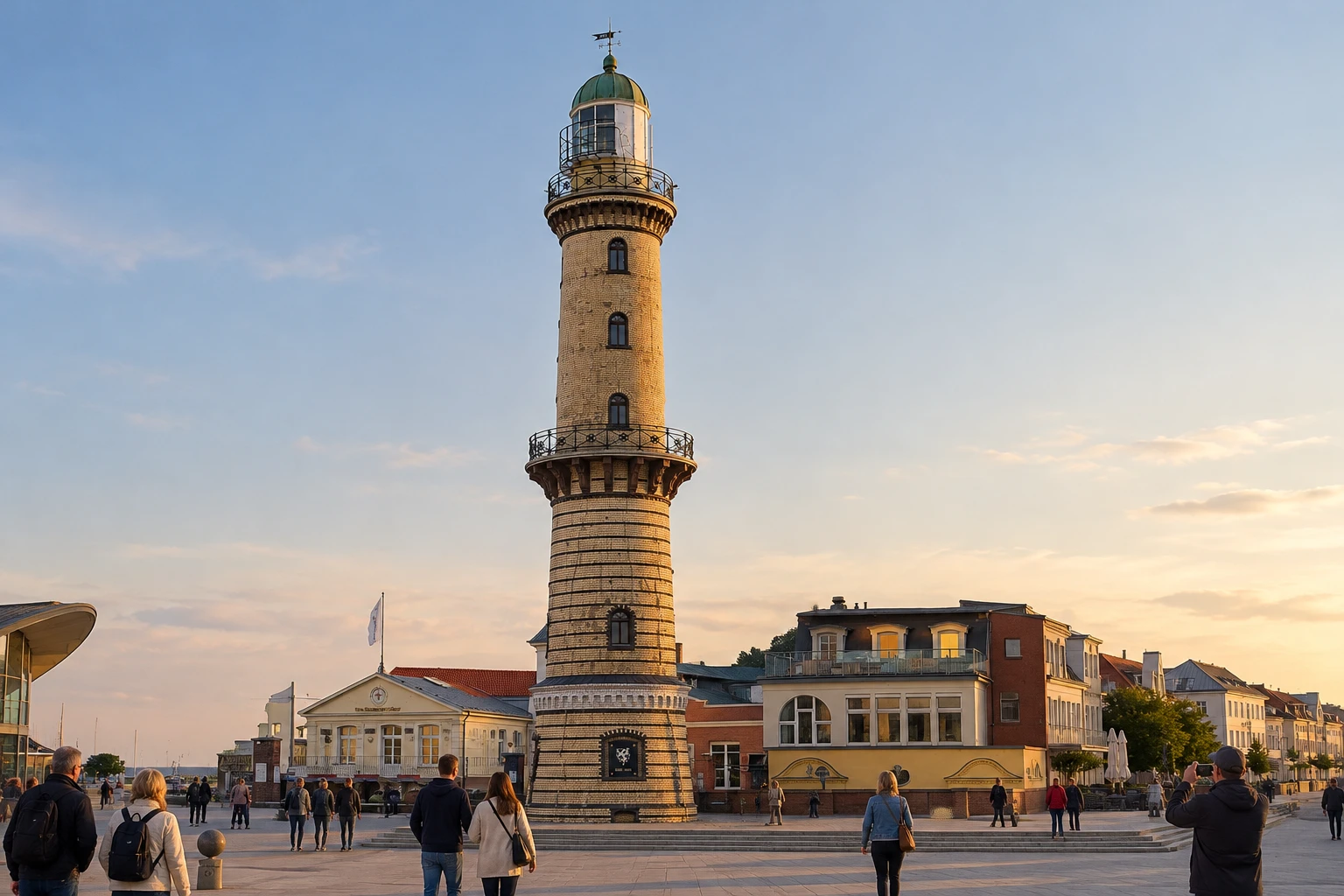
White lighthouse from 1898 on the shore of Warnemünde beach, still in use, with two viewing platforms open for climbing in season.
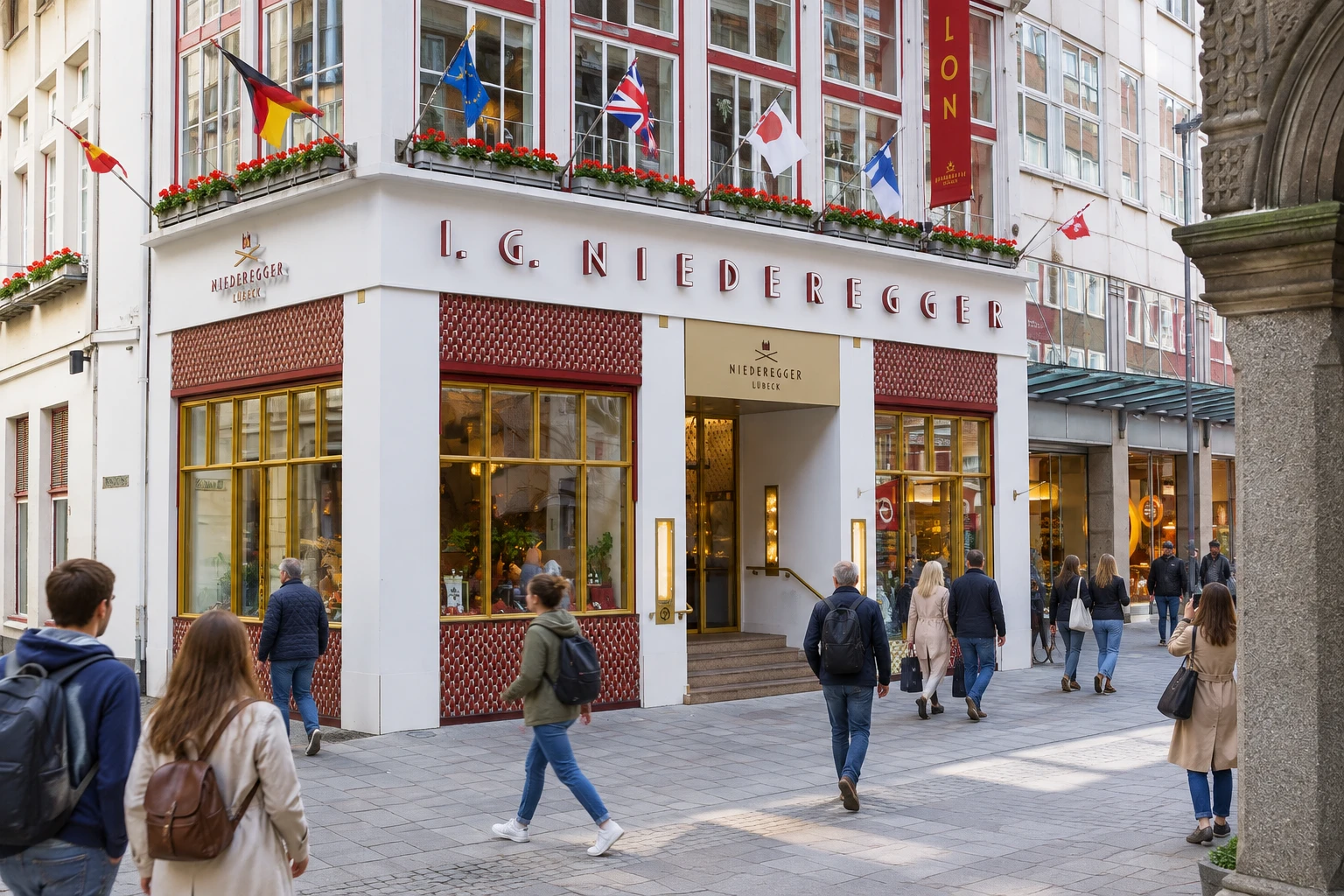
Lübeck's marzipan house since 1806, opposite the town hall, with a shop, café and an exhibition about the sweet's history on the upper floor.
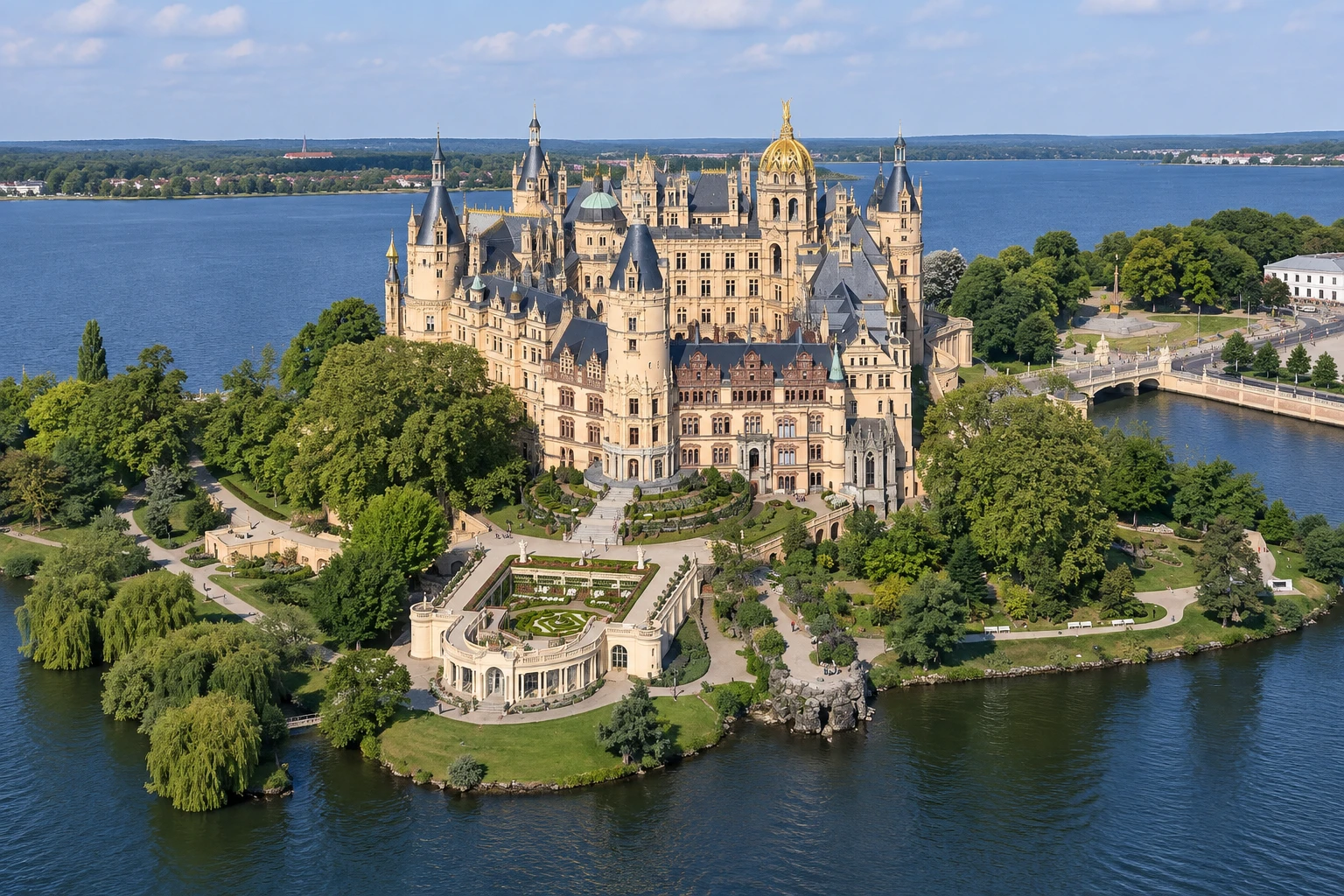
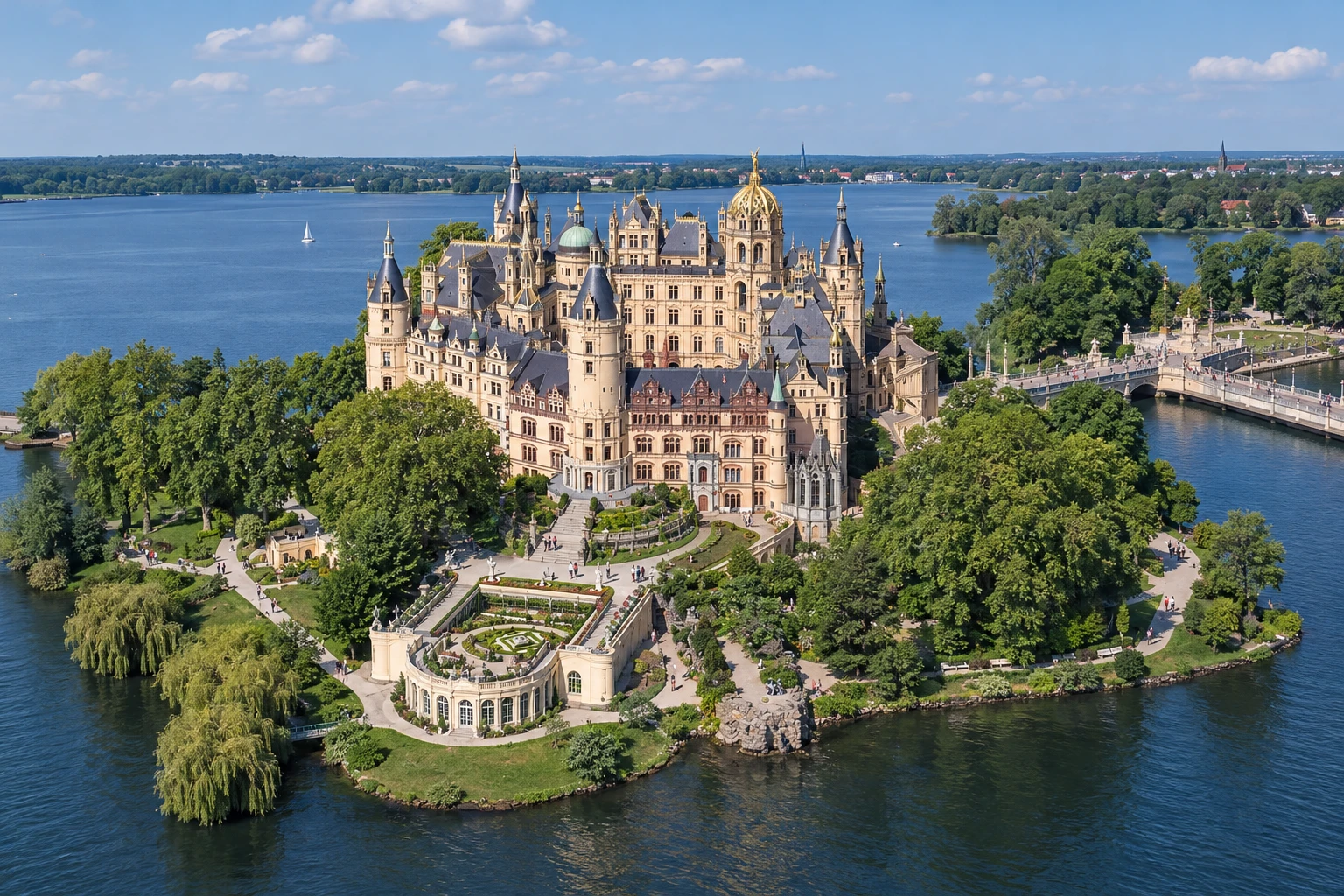
Palace of the dukes of Mecklemburgo on an island in the city of Schwerin, the state capital, with a museum, gardens and the seat of the state parliament.
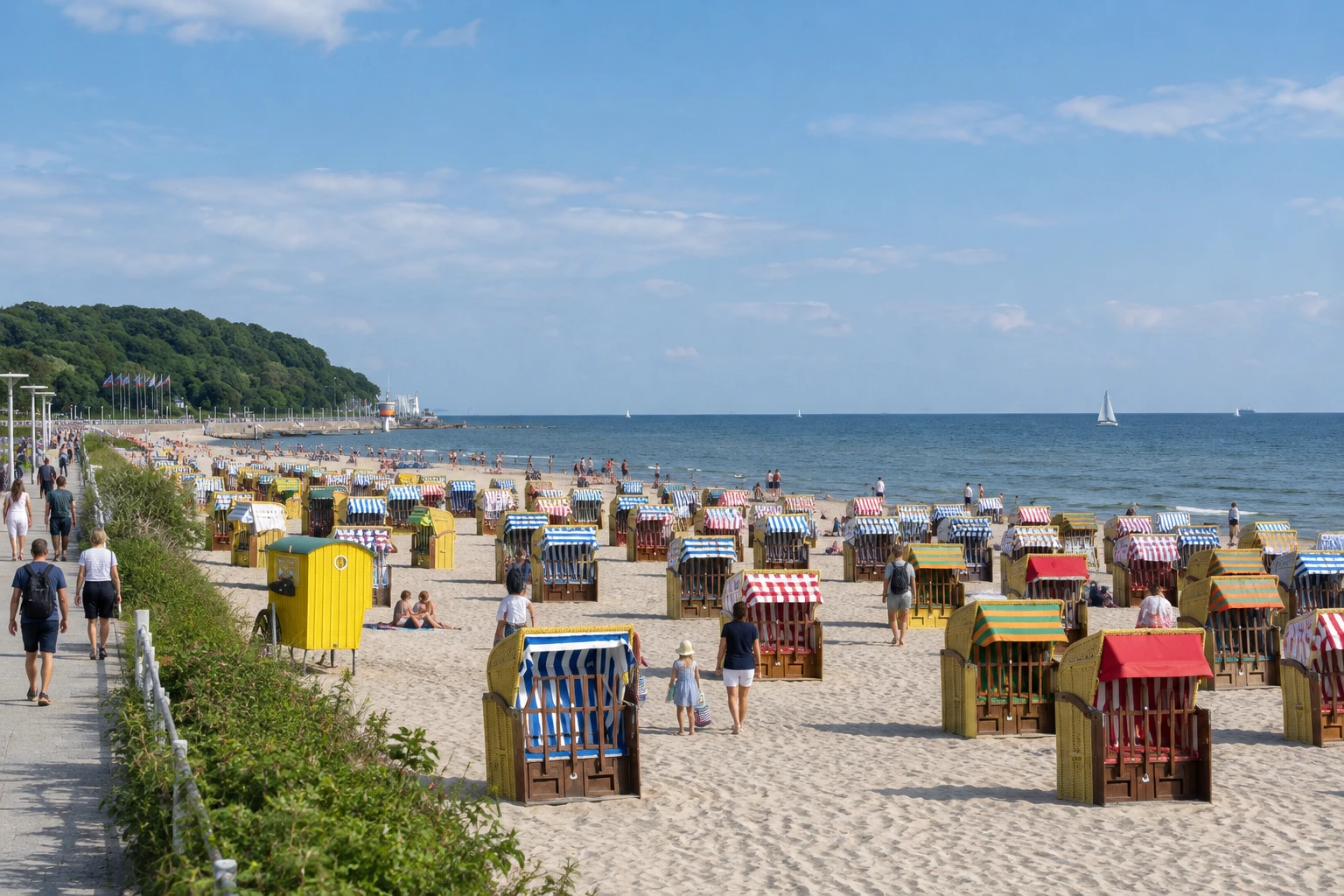
Neighborhood of Lübeck at the mouth of the Trave, with a sandy Baltic beach, a promenade, the oldest lighthouse on the German coast and the sailing ship Passat.
To choose before you go
The details of each tour (where it leaves from, what it includes, the best time) are in the complete guide.
Get your questions answered
The guide's itineraries cover 2, 3 and 5 days: in 2 days, Holstentor, Altstadt and Travemünde; in 3 days, two Hanseatic cities and Warnemünde beach; in 5 days, Lübeck, Travemünde, Rostock, Warnemünde and Schwerin.
Arrival, Holstentor and the old town. The overnight flight from Brazil arrives in the morning in Frankfurt; from the airport’s own station the ICE takes about 4 hours to Hamburg Hauptbahnhof, and the regional train continues in about 46 minutes to Lübeck, arriving mid‑afternoon. Leave your bags and walk 10 minutes to the Holstentor and the Salzspeicher, only from the outside. Continue along Holstenstraße to the Markt, see the Rathaus and the Marienkirche and finish at Café Niederegger. Have an early dinner: the time difference is 4 or 5 hours ahead.
It generally rains less from February to April. The guide covers each month, with the weather and what changes on the tours.
To plan