13 places to visit and 13 tours, chosen by the Cidade Turismo guide.
Updated
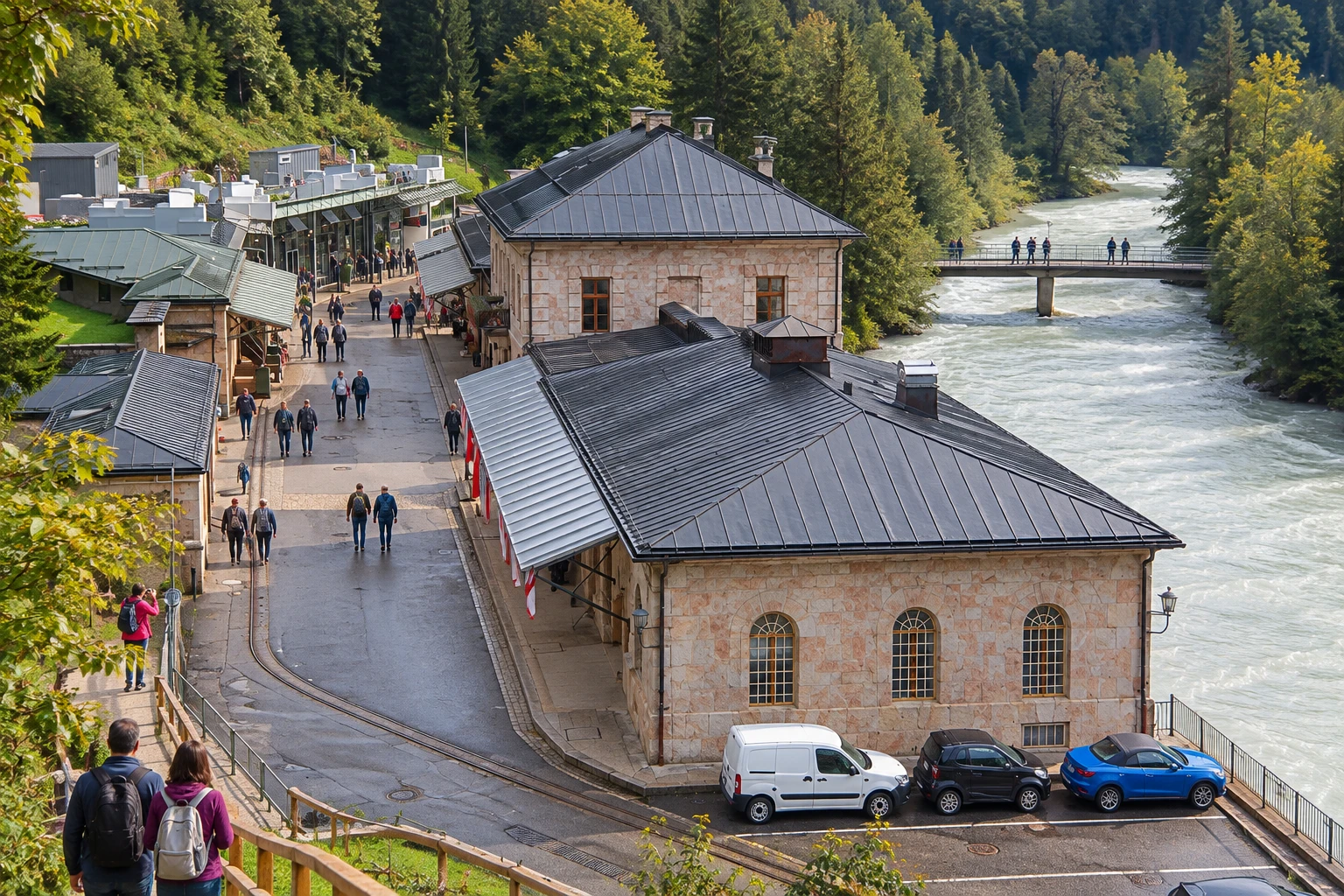
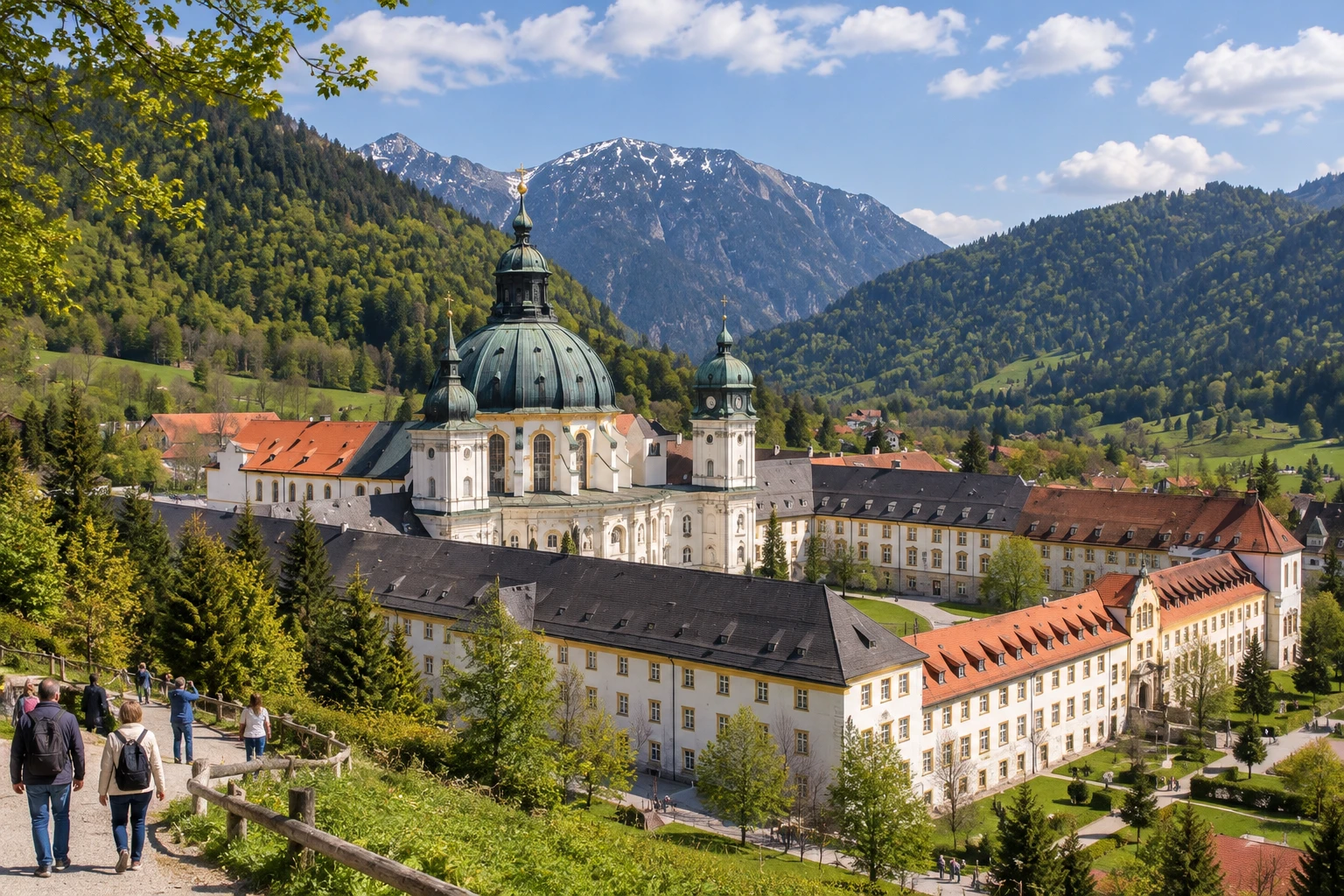
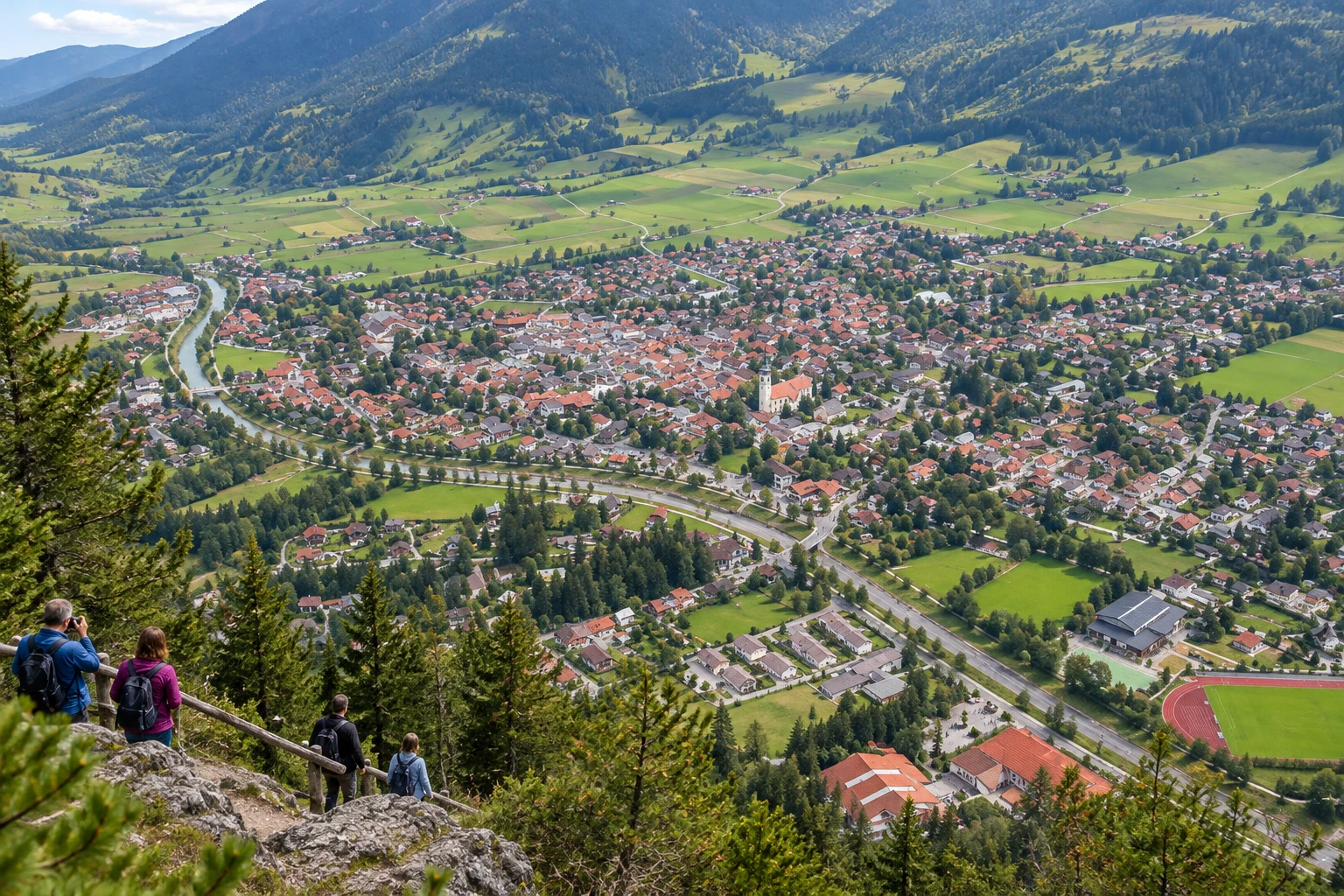
Illustrative images. The pictures in this guide are illustrations based on the real place, not photographs, and may differ from it.
To start
The 10 main places Bavarian Alps
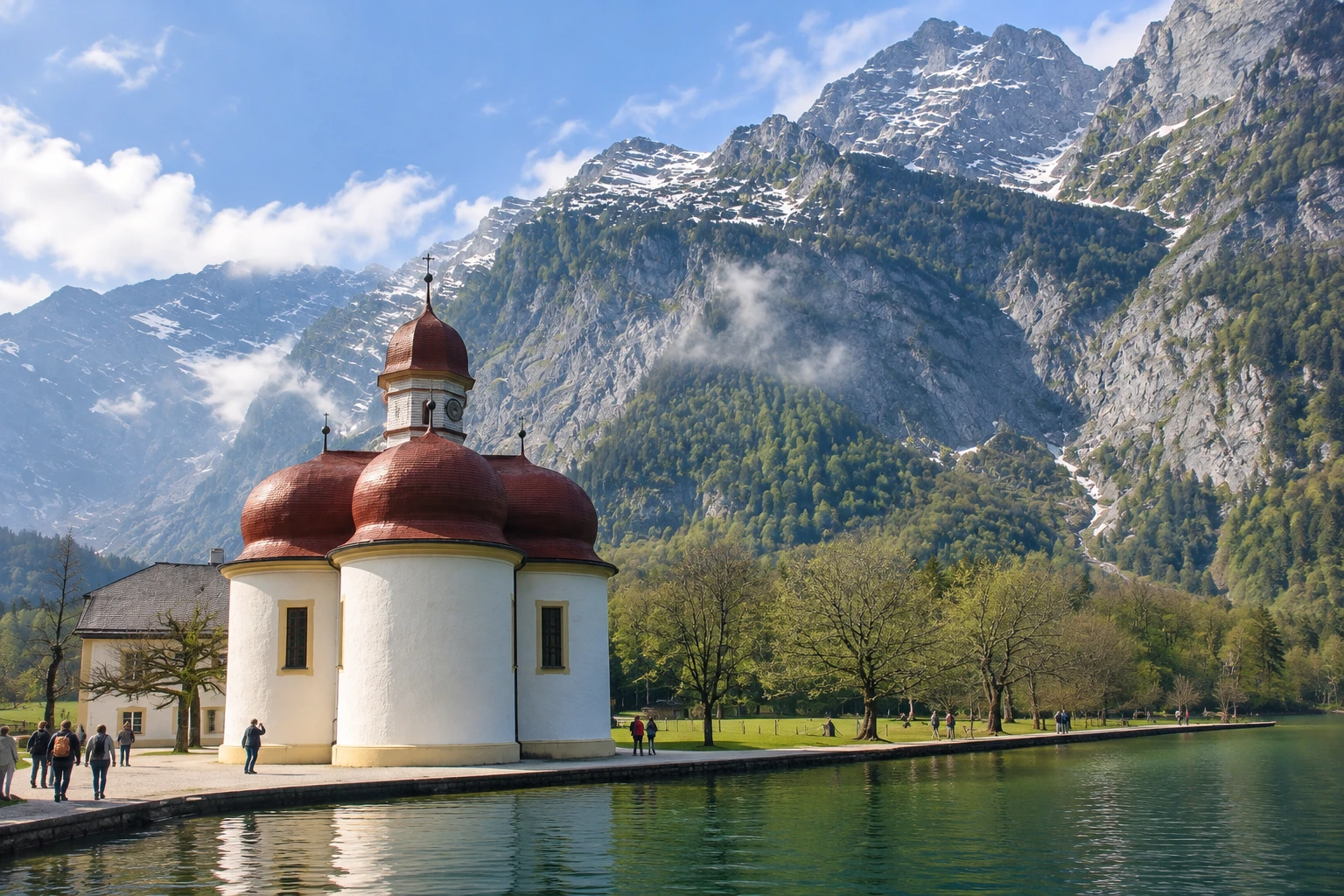
Lake Königssee · BerchtesgadenA narrow lake between steep mountain walls, inside the Nationalpark Berchtesgaden.
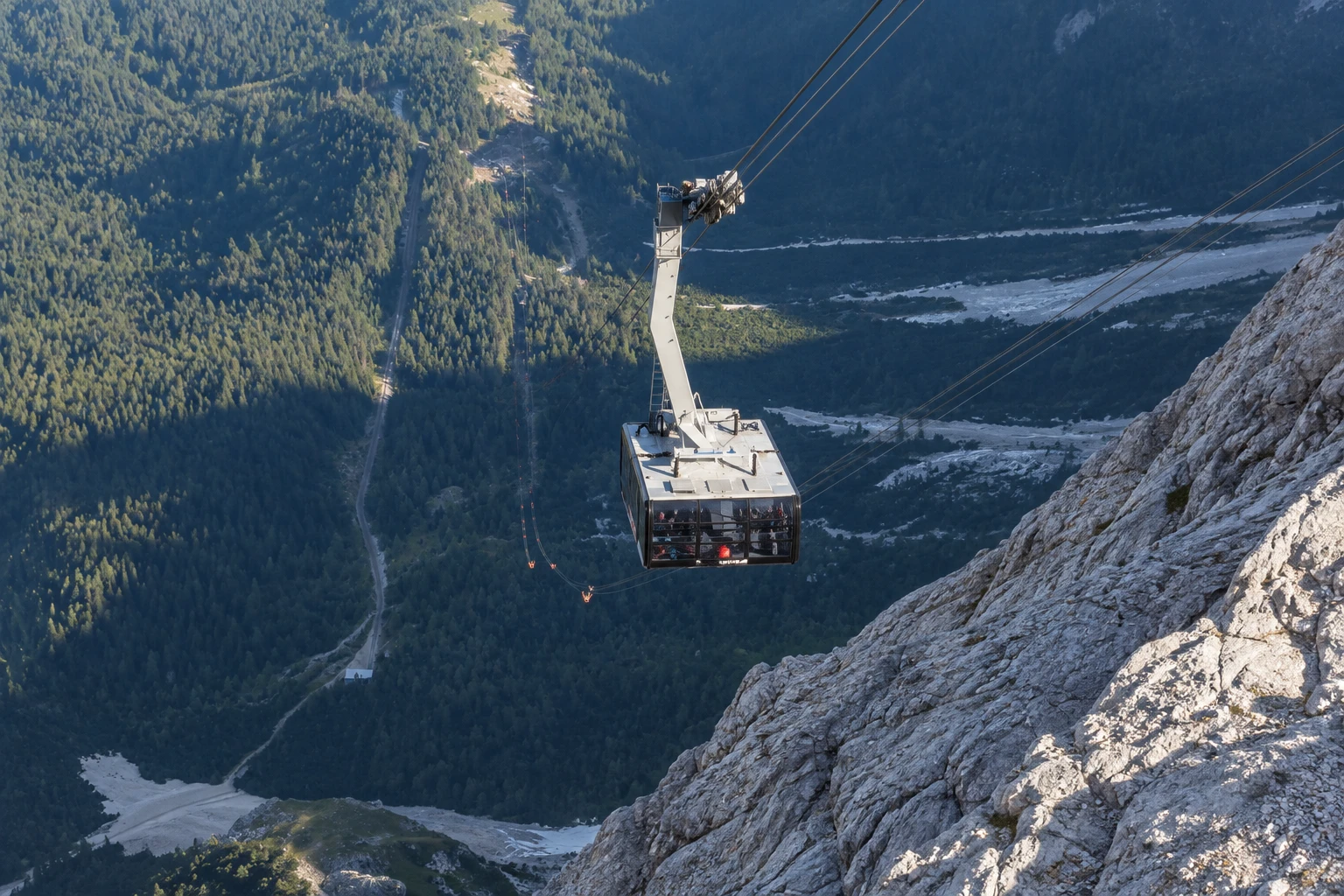
Zugspitze · Garmisch-PartenkirchenThe highest mountain in Germany, at 2,962 metres, on the border with Austria.
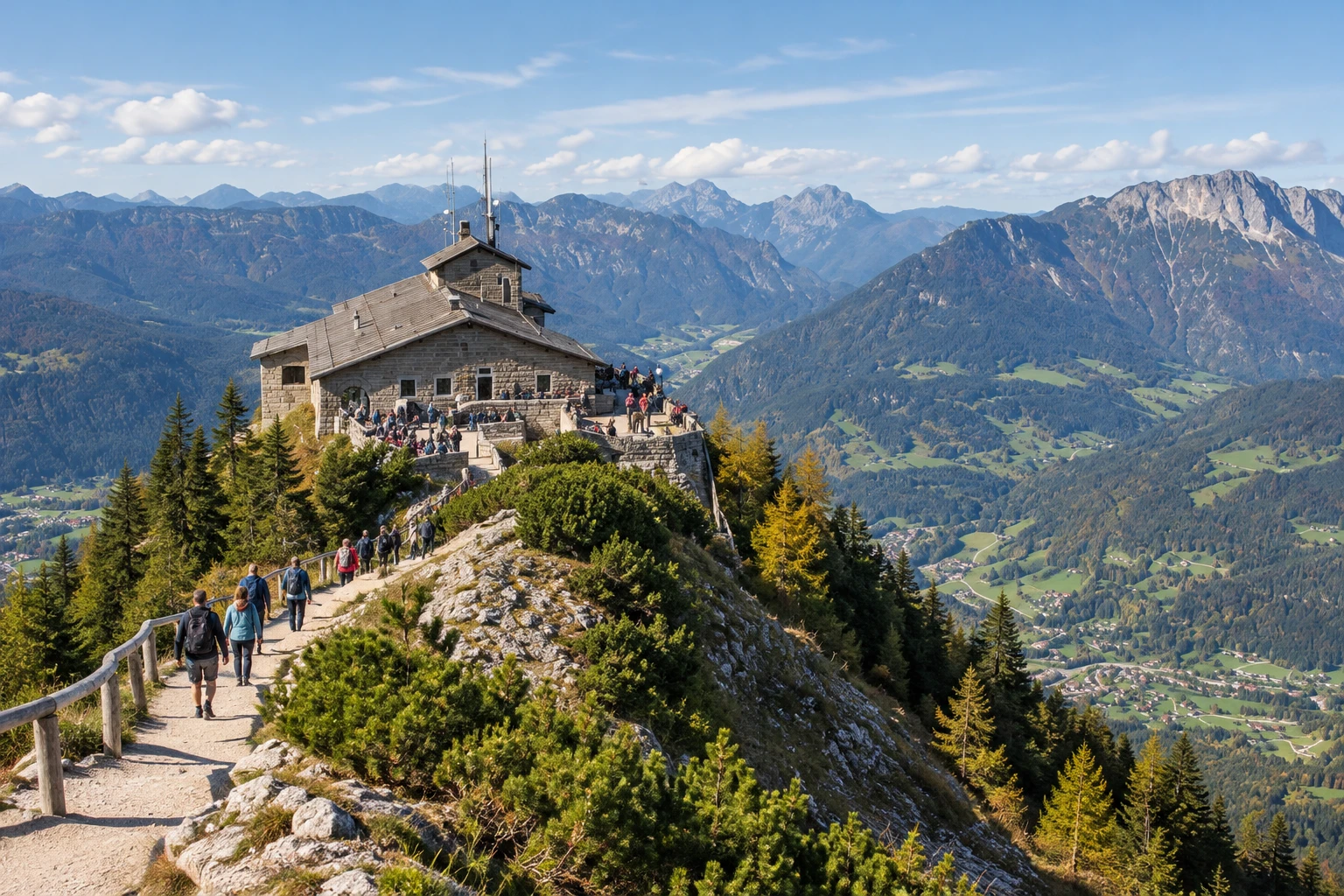
Eagle's Nest · BerchtesgadenBuilt by the Nazi Party in 1937 and 1938, at 1,834 meters above Berchtesgaden.
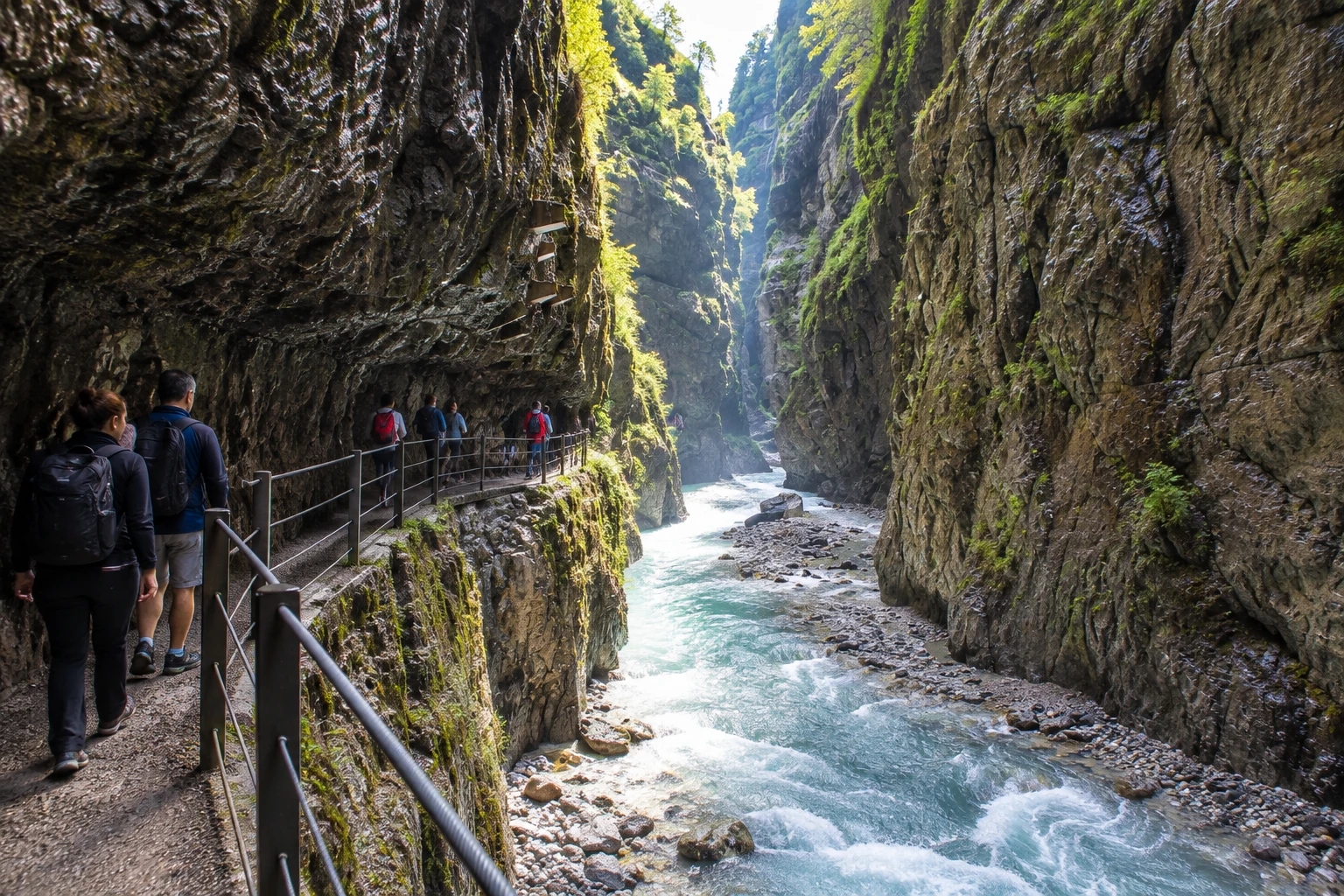
Partnach Gorge · Garmisch-PartenkirchenA roughly 700‑metre gorge carved by the Partnach River, with walls over 80 metres high.
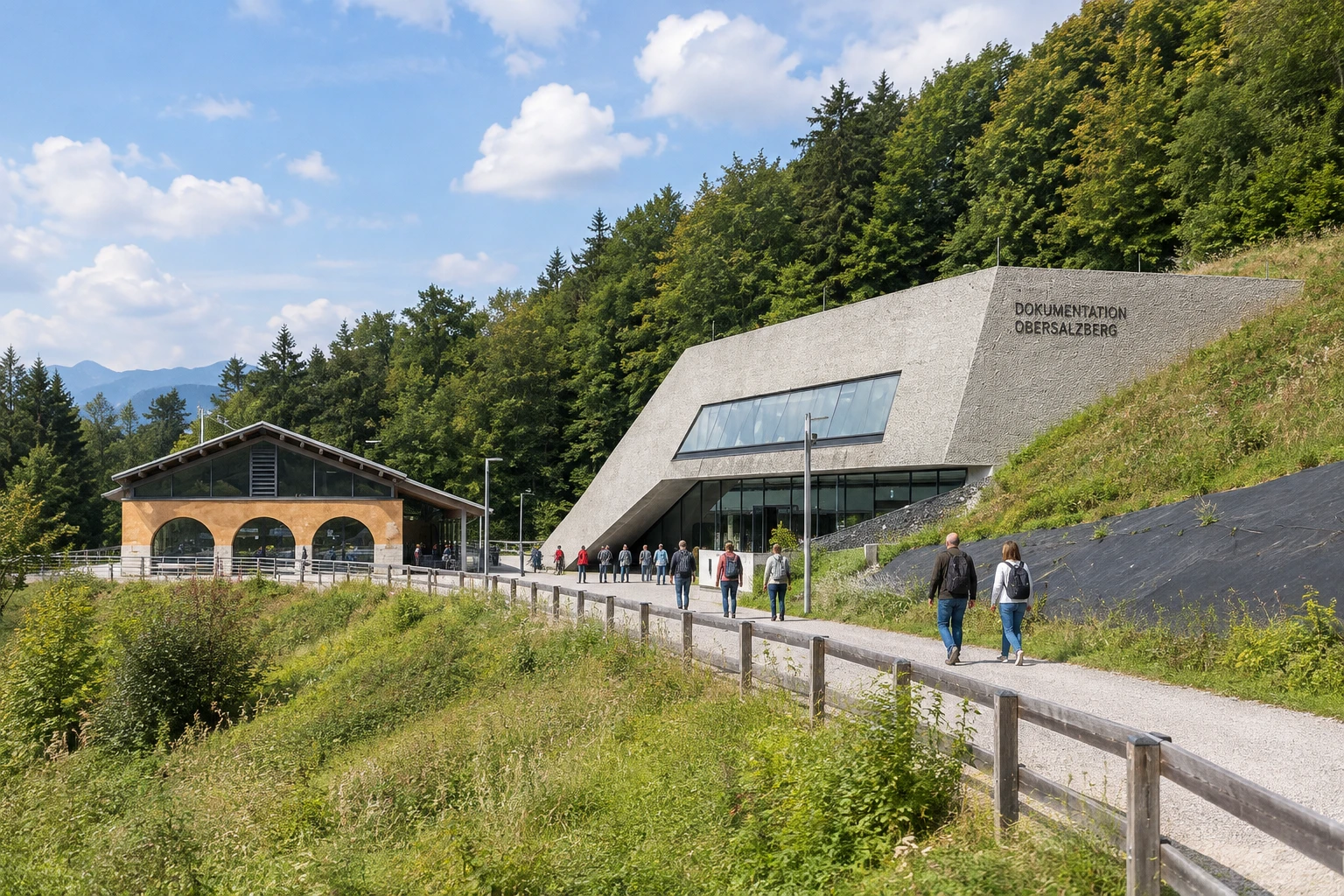
Obersalzberg Documentation Center · BerchtesgadenDocumentation center about the Obersalzberg and the Nazi dictatorship, built in the former restricted area of the regime above Berchtesgaden.
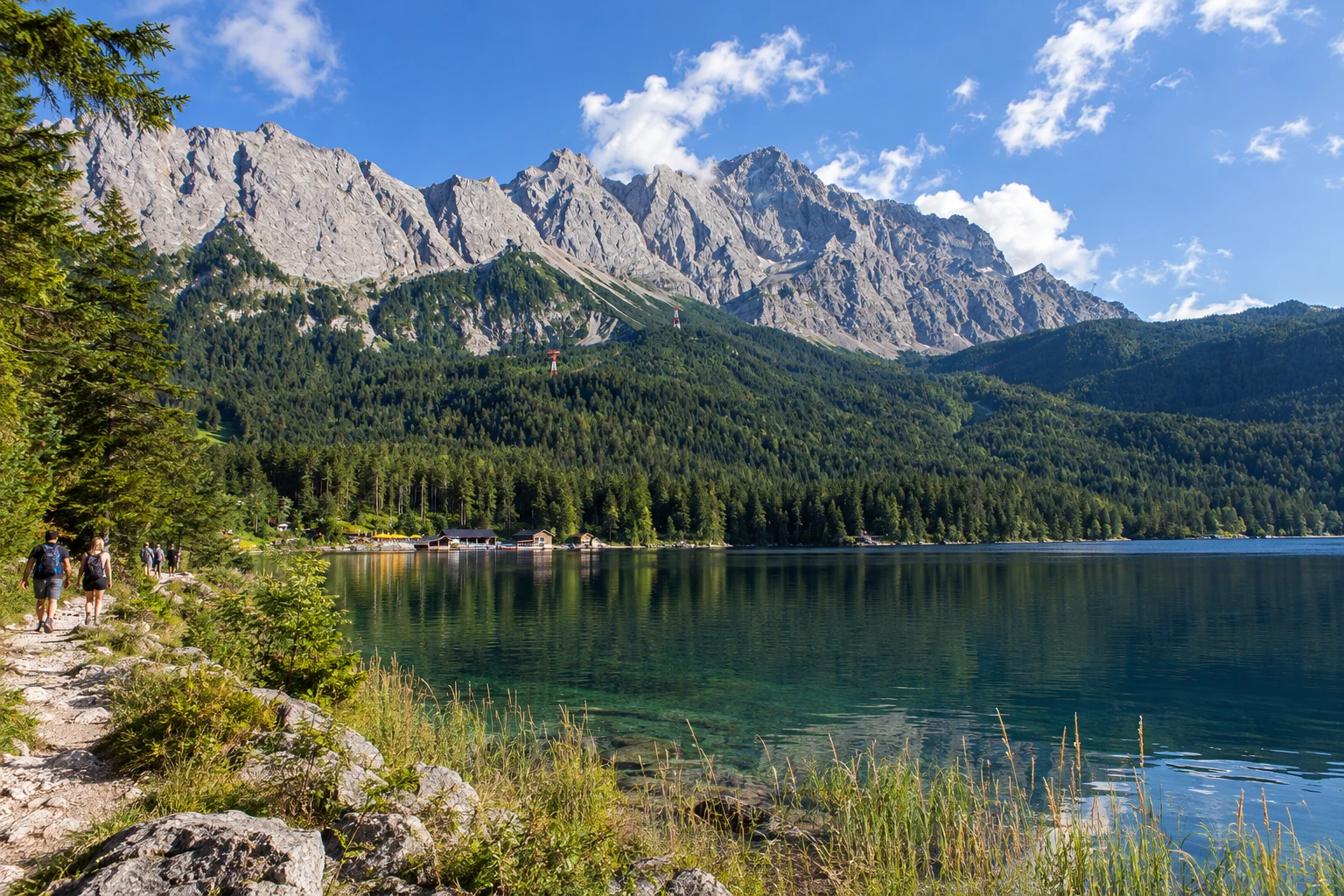
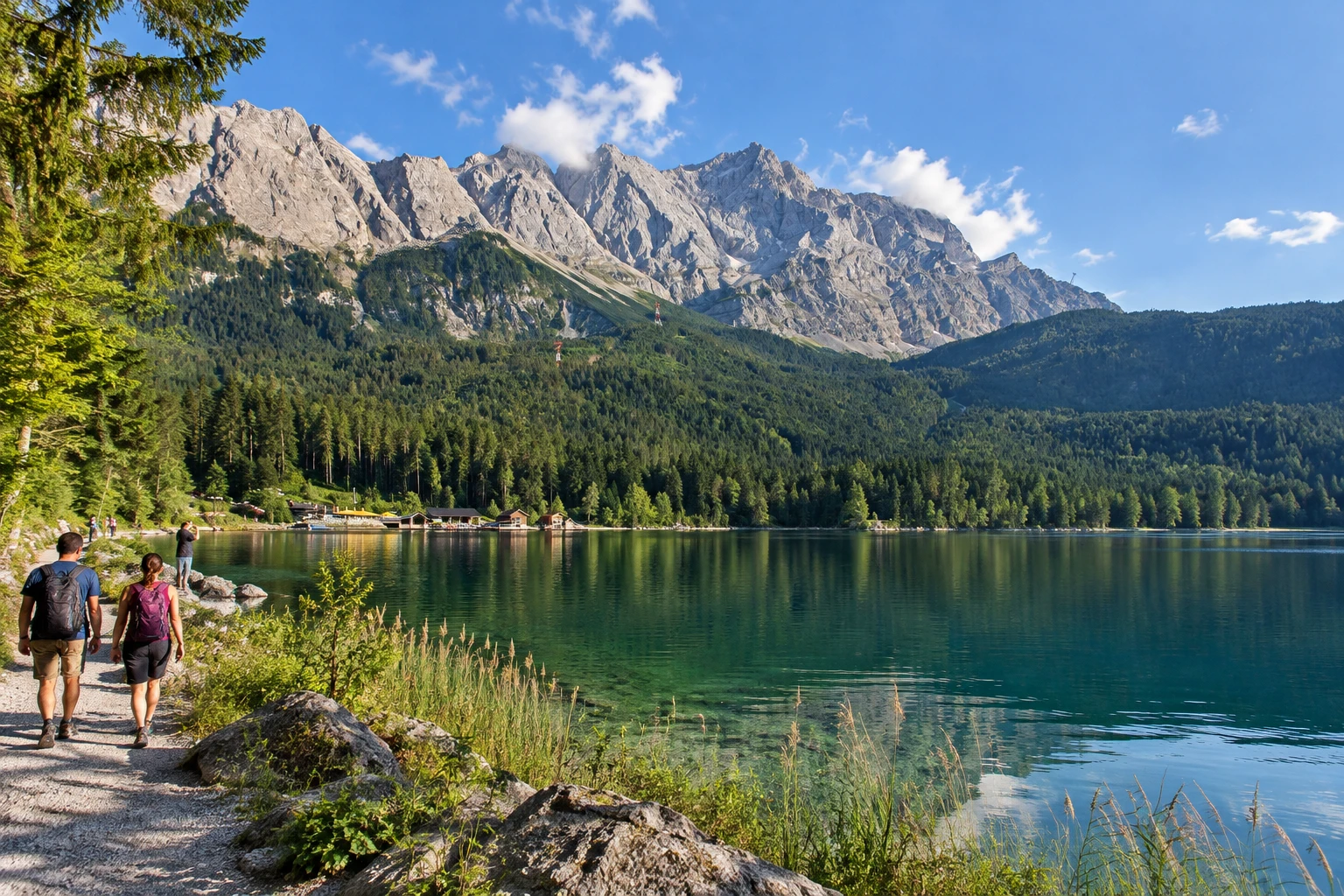
Lake Eibsee · Garmisch-PartenkirchenA green‑water lake at the foot of the north face of the Zugspitze, in Grainau, 9 km from Garmisch.
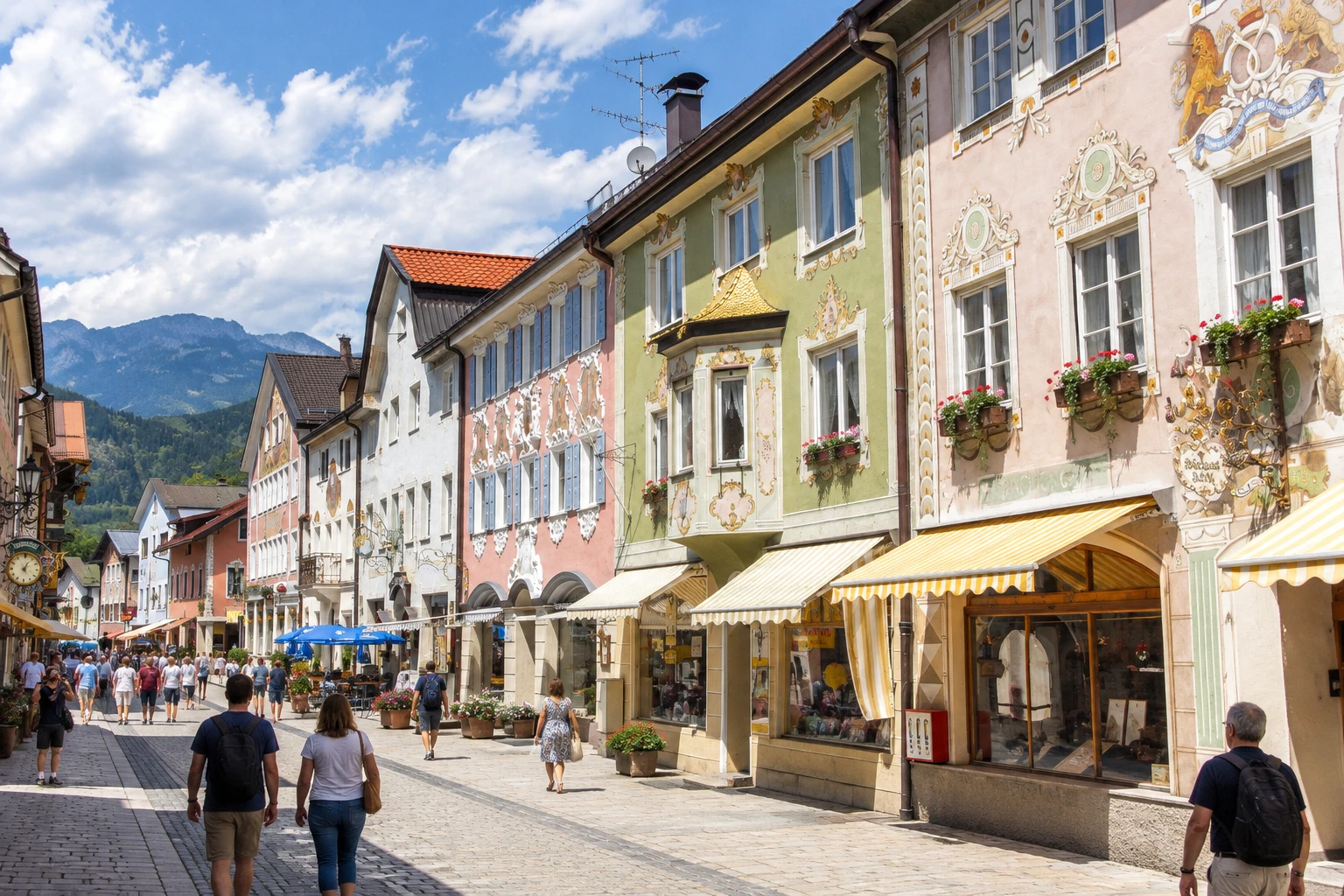
Ludwigstraße · Garmisch-PartenkirchenThe old market street of Partenkirchen, on the line of the Roman road between the Brenner and Augsburg.
Berchtesgaden Salt Mine · BerchtesgadenThe oldest active salt mine in Germany, in operation since 1517.
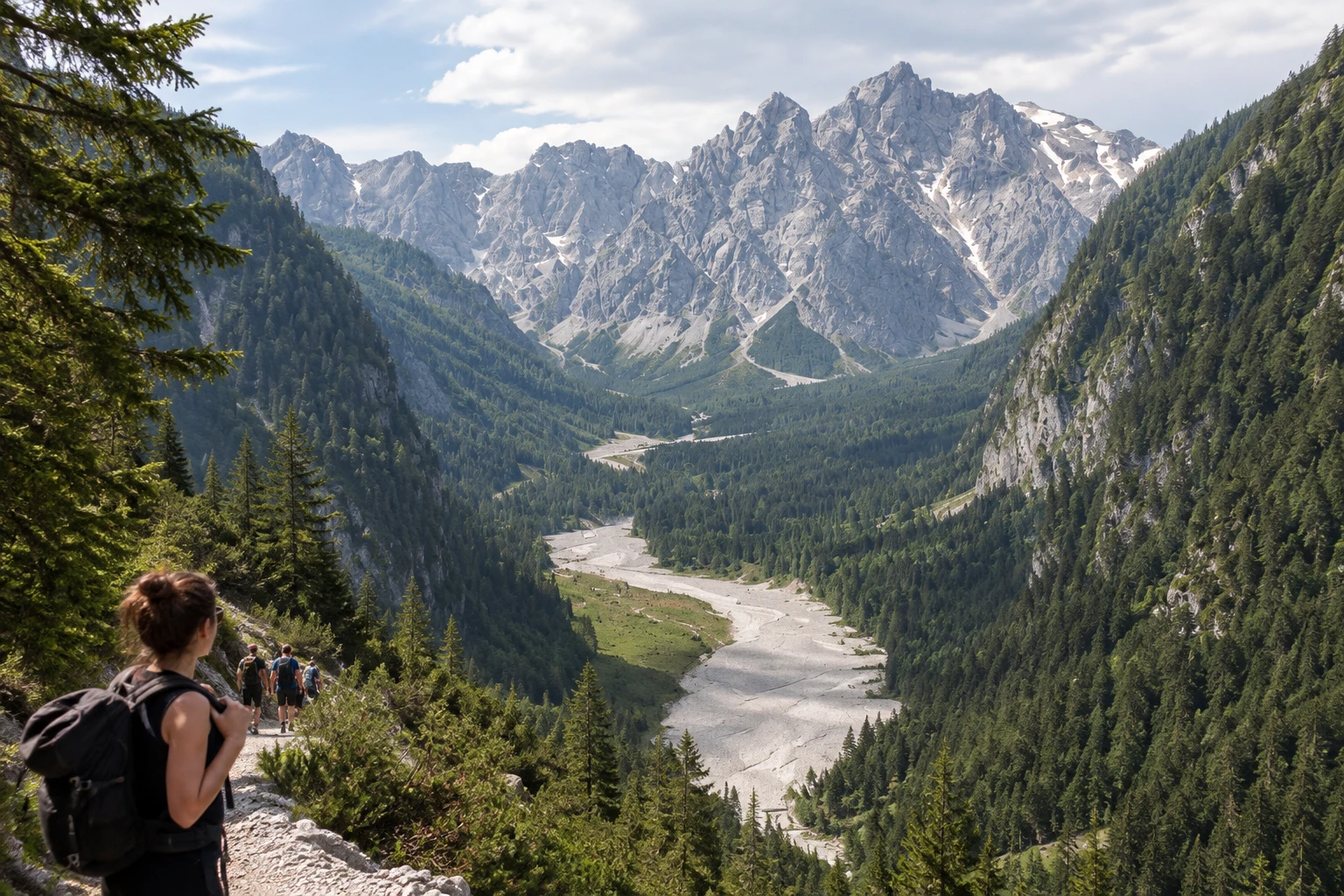
Berchtesgaden National Park · BerchtesgadenThe only German national park in the Alps, established in 1978, featuring the Watzmann, the Königssee and valleys such as the Wimbachtal.
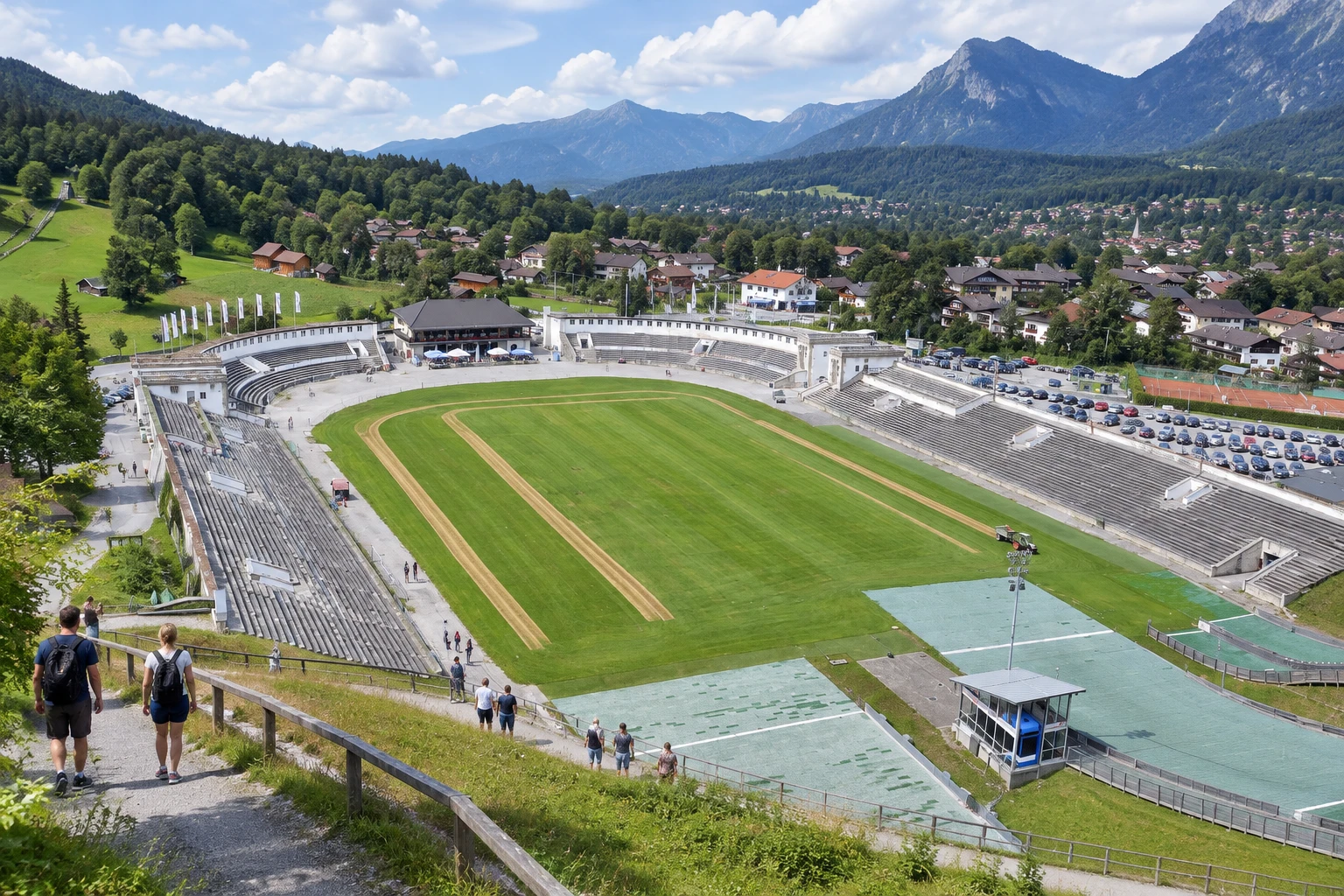
Olympic Ski Stadium · Garmisch-PartenkirchenStadium built for the 1936 Winter Olympics, at the foot of the large ski-jump ramp.
A narrow lake between steep mountain walls, inside the Nationalpark Berchtesgaden. Electric boats take about 35 minutes to the church of St. Bartholomä, with a stop for the echo played by the boatman. In season they continue to Salet.
The highest mountain in Germany, at 2,962 metres, on the border with Austria. It is reached by rack railway from Garmisch-Partenkirchen or by cable car from the Eibsee, up to a terrace with views over the Alps.
Built by the Nazi Party in 1937 and 1938, at 1,834 meters above Berchtesgaden. Today it is a restaurant with an exhibition about its history. It can only be reached by a special bus and an elevator during the summer season.
A roughly 700‑metre gorge carved by the Partnach River, with walls over 80 metres high. A path with galleries cut into the rock runs alongside the water. It is open year‑round during daylight hours, with an entrance fee.
Documentation center about the Obersalzberg and the Nazi dictatorship, built in the former restricted area of the regime above Berchtesgaden. The exhibition includes part of the bunker system.
A green‑water lake at the foot of the north face of the Zugspitze, in Grainau, 9 km from Garmisch. It has a path circling the shore and the departure station for the Zugspitze cable car.
The old market street of Partenkirchen, on the line of the Roman road between the Brenner and Augsburg. It features painted façades, wrought‑iron shop signs and the neo‑Gothic church of Mariä Himmelfahrt.
The oldest active salt mine in Germany, in operation since 1517. The guided tour goes down by a small train into the mountain, uses wooden slides and crosses an underground lake by boat.
The only German national park in the Alps, established in 1978, featuring the Watzmann, the Königssee and valleys such as the Wimbachtal. The visitor center Haus der Berge, at the entrance to Berchtesgaden, has an exhibition about the park.
Stadium built for the 1936 Winter Olympics, at the foot of the large ski-jump ramp. It's on the way to the Partnachklamm and hosts the New Year's round of the Four Hills Tournament.
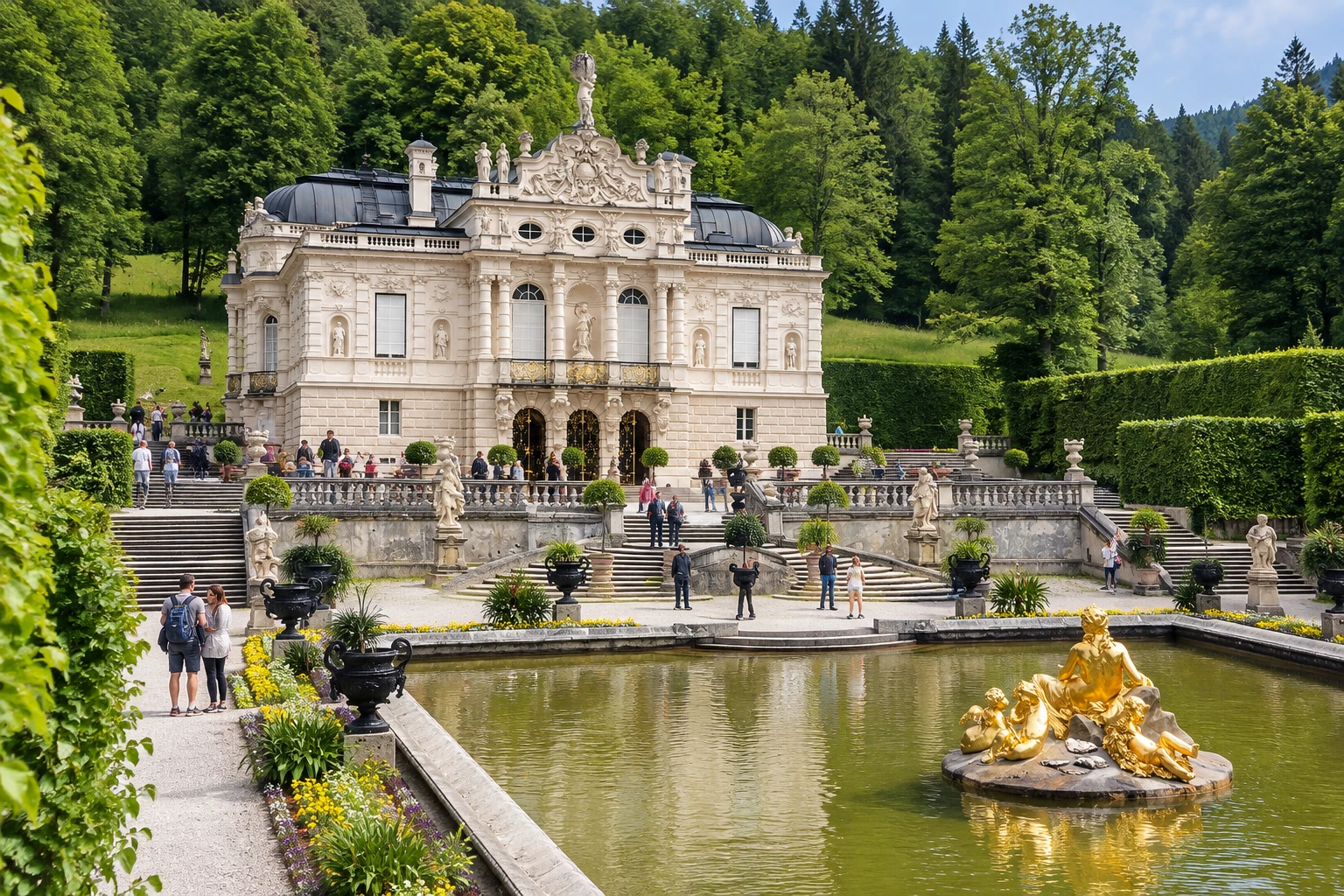
The smallest of King Ludwig II's palaces and the only one he saw completed, in a neorococo style, in an isolated valley about 25 km from Garmisch. Visits are by guided tour only. It is a UNESCO World Heritage Site.
Benedictine abbey founded in 1330 by Emperor Ludwig the Bavarian, about 10 km from Garmisch. The Baroque basilica has a dome over a twelve-sided plan. The monastery maintains a brewery and a liqueur distillery.
Village in the Ammer valley known for the Passion of Christ performed every ten years, for its painted façades and for wood sculptors. It is about 20 km from Garmisch-Partenkirchen.
How many days should you set aside to see Bavarian Alps?
The guide's itineraries cover 3, 5 and 7 days: in 3 days, Zugspitze, Partnachklamm and Ludwig's palaces; in 5 days, Garmisch-Partenkirchen and Berchtesgaden; in 7 days, from the Zugspitze to the Königssee with the Kehlsteinhaus and Salzburg.
What to do Bavarian Alps in one day?
Arrival via Munich, train to Garmisch and the historic street of Partenkirchen. The overnight flight from São Paulo arrives in Munich in the morning. From the airport, the S-Bahn (S1 or S8) takes about 40 minutes to München Hauptbahnhof (central station); from there, the direct regional train reaches Garmisch-Partenkirchen in roughly 1 h 20 to 1 h 30. Drop your bags and plan a light day to cope with jet lag: lunch in Garmisch, a walk along Partenkirchen’s Ludwigstraße with the Museum Werdenfels and, if your legs allow, the short climb to St. Anton to view the valley. Go to bed early: the next day the Zugspitze requires a clear morning.


 Brazil
 Antarctica
 Argentina
 Bolivia
 Chile
 Colombia
 Ecuador
 Falkland Islands (Malvinas)
 French Guiana
 Guyana
 Paraguay
 Peru
 Suriname
 Uruguay
 Venezuela
 Austria
 Belgium
 Croatia
 Denmark
 Finland
 France
 Greece
 Hungary
 Iceland
 Ireland
 Italy
 Luxembourg
 Norway
 Poland
 Portugal
 Slovakia
 Slovenia
 Spain
 Sweden
 Switzerland
 the Czech Republic
 the Netherlands
 the United Kingdom
 Turkey
 Bermuda
 Canada
 Greenland
 Mexico
 Saint Pierre and Miquelon
 the United States
 the Dominican Republic
 Japan
 Egypt
 South Africa
 Australia
 Fiji
 New Zealand
 Papua New Guinea